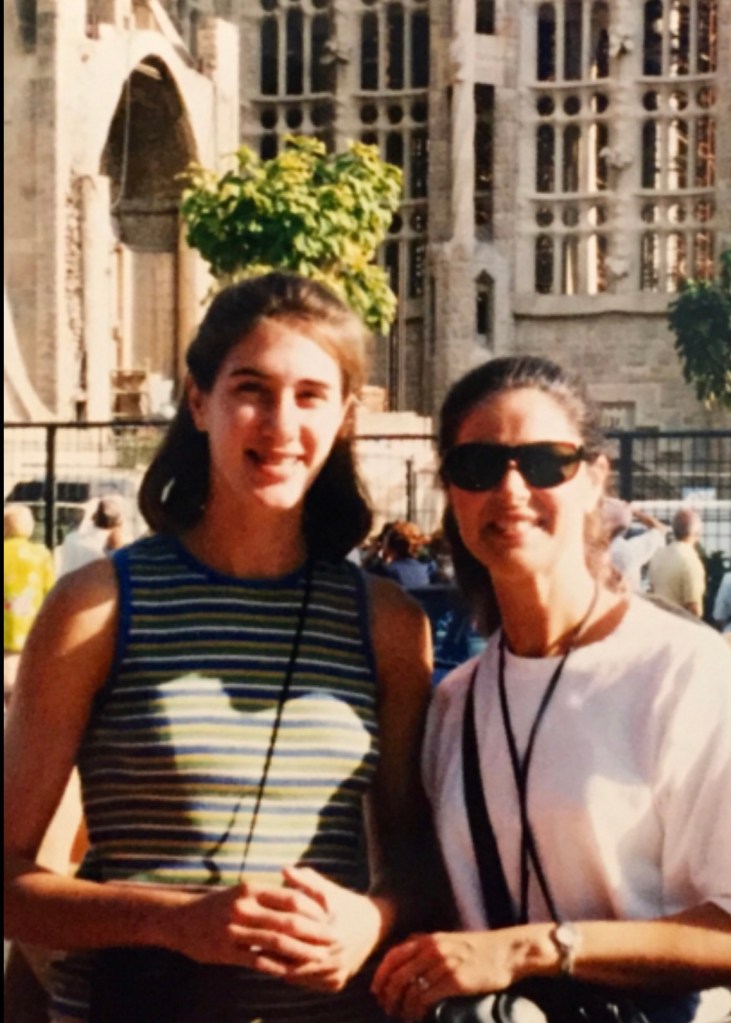
I fell in love with Barcelona in 1998. I was sixteen years old, and it was my first trip to Europe thanks to a school trip my mom, a French teacher at the time, organized for the French and Spanish classes at our high school. Besides hopping over the Maine border into Canada, I had never been outside the USA, and being in Europe certainly left an impression. We only had a day or two to explore Barcelona but it was enough for me to feel the energy of the city and appreciate the incredible architecture, food, and natural beauty. We went to the beach, saw Sagrada Familia (at the time we couldn’t enter), visited La Pedrera, went up Montjuic, and even got lost trying to find Parc Güell (we never did find it). I don’t remember where we stayed, but I do remember the city streets and all of it beckoned me back…for the last 24 years.
Fast forward to fall 2022, and an unexpected opportunity arose. My friend Ashlyn (Middle World Adventures) and I had been planning for a long time to visit the southern Balkans (Albania & North Macedonia) but our time was cut a few days short and ticket prices skyrocketed. So instead we switched gears and jumped at the chance to visit Barcelona for a full week – something I have never done before in ANY European city! The more we researched, the more we realized our days would be packed with things we wanted to do, see and eat. One week isn’t enough to see it all, so we’ll be back someday for sure. Buckle up – this blog is comprehensive and is about 3 blogs in one! Below are highlights from this trip and my best tips for making the most of Barcelona in whatever timeframe you have.
ABOUT BARCELONA

Barcelona was founded by the Romans in 15 BC, and although the city has seen its fair share of battles and various rulers, it has remained a Spanish stronghold for over 2,000 years. Its location on the northeast coast of Spain has made it an ideal shipping location and one of the most popular tourist destinations in Europe.
Over time Barcelona established itself as a key port city in Europe, moving textiles, precious metals, and perhaps most profitable, slaves. The slave trade is tightly knit to the legacy of the city, as many prominent buildings were built with wealth accumulated from the slave trade. Today the port of Barcelona remains powerful, as it is the #1 cruise ship port in Europe.
Fun fact: In 1792 French astronomers Jean Delambre and Pierre Méchain calculated the distance between the North Pole and the Equator using the measurement of the meridian arc between Dunkirk and the fortress on Montjuïc in Barcelona compared to the latitude of the two cities. In this way they established the prototype for the measurement of a meter, and it has remained that standard length to this day!
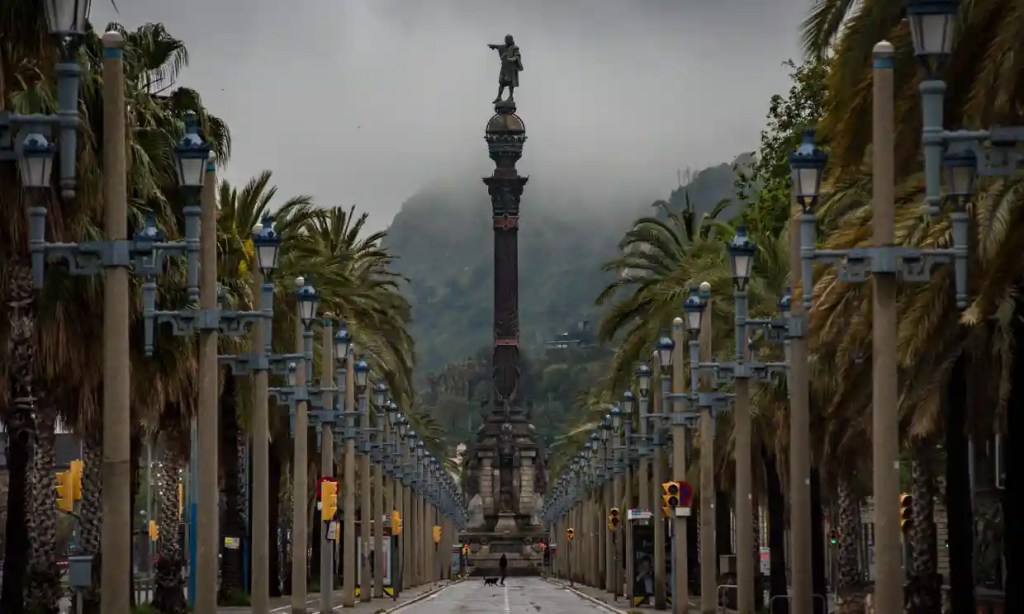
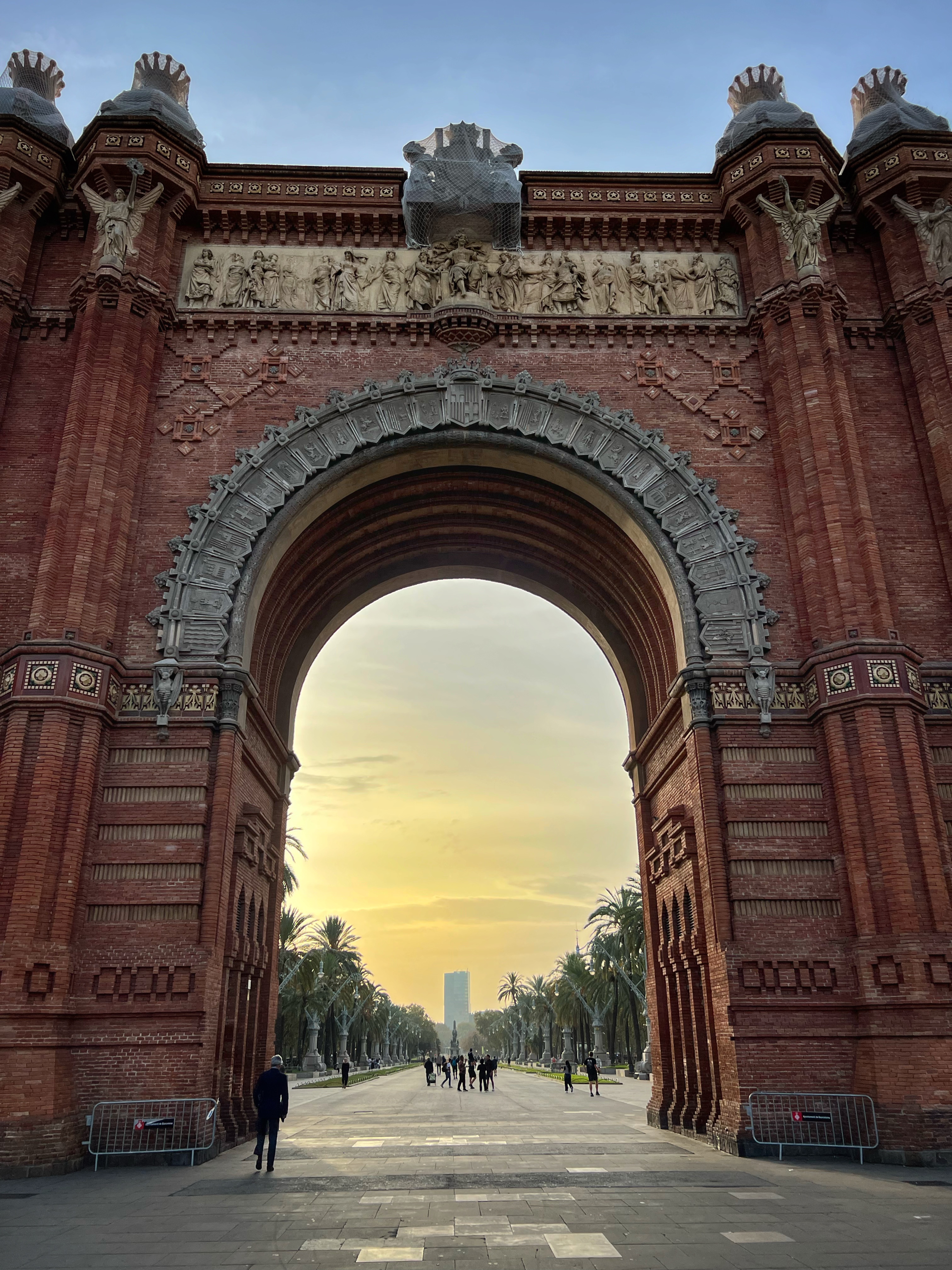
In the late 1800’s there were many improvements made to the city in an effort to host the World’s Fair – the first of its kind in Spain. Ciutadella Park was renovated and the Arc de Triomf was built as a gateway to this successful event. Additionally, a massive statue of Christopher Columbus was erected near the port at the spot where he returned from his infamous journey to meet with Queen Isabella I and King Ferdinand V, sharing tales, riches, and even humans from the “new world.” At the time of its erection, Columbus was still given credit for the “founding” of the Americas and many Spaniards were eager to claim he was born in Catalonia. Today, of course, the history books tell a different story of Columbus – one of a poor sailor and violent invader responsible for the suffering of many indigenous people. It will be interesting to see how much longer the Columbus statue remains as an icon of the Barcelona cityscape. Read about recent efforts to have it removed and Barcelona’s efforts to reckon with its legacy of slavery here.
In the past 100 years, the people of Barcelona endured violence and oppression under the leadership of fascist Francisco Franco that began in 1936 during the Spanish Civil War. Fascist Italy and Nazi Germany supported Franco in deadly bomb attacks on Barcelona in 1938, and he imprisoned thousands of people who spoke out against him (scroll down to see the prison we visited). Franco suppressed the Catalan culture and language until his death in 1975. His death led to a democratic movement in Spain that has endured. Just 17 years later the city overhauled its infrastructure to host the 1992 Olympics and it has been a tourism hotspot ever since. In fact, Barcelona is known as a “beach city” but wasn’t considered this until the coastline was cleaned up and lovely beaches were created for the ’92 Olympics!
Barcelona is the most visited city in Spain, among the busiest airports in Europe, and the largest city on the Mediterranean Sea. It boasts the largest football (soccer) stadium in Europe and more than 10% of the city is covered in parks numbering at 68 – including the largest metropolitan park in the world (8,000 hectare Perc de la Collserola) that is 22 times the size of Central Park in NYC! The city is located in Catalonia – a place with strong established culture and norms such as Catalan/Spanish language schools, a ban on bullfighting, and even a national dance, the Sardana. It is an incredibly friendly city for LGBTQ+ individuals, and is full of UNESCO World Heritage sites. Why visit Barcelona? Come for the fabulous colorful architecture, the fun, the football, and the flavor!
NOTE: I am committed to providing free, valuable travel info. If this add-free guide is helpful to you and you’d like to show your appreciation, buy me a coffee! Thank you!
In This Guide:
Click to skip to any section of this blog…
- History
- Tips
- Best Architecture
- Best Food
- Top 10 Must See Barcelona (with details)
- Honorable Mention Sites
- In Memorium
- Jewish History
- History of Slavery
- History of Fascism
- Montjuïc
- La Pedrera
- Cituadella Park
- Hospitals
- In Memorium
- Other Experiences
- Food Tour
- Walking Tours
- Music
- Sports
- Sample Itineraries
- Budget
- Streets Gallery
TIPS
GETTING AROUND: Barcelona is a wonderful city for walking and biking, but it also has Uber and taxi services (fairly pricey) and one of the nicest metro and bus systems in Europe. Depending on how long you are in the city, I recommend getting a 10-pass metro ticket for just shy of €8 and it will last at least 2 days – but expect to do a lot of walking as that’s the best way to appreciate the city. For a fee, there are also cable cars that can take you up Montjuic instead of hiking – either from the bottom of the hill or from across the port (more info below).

WHERE TO STAY: We stayed at the Hampton by Hilton Fira Gran Via as the price was great, it included breakfast, was located between the city and the airport, and was right on a metro stop. If you’re looking for good neighborhoods to stay in, I recommend Gracia, Montjuic, or near Passeig de Gràcia. It would also be fun to stay in Old Town Barcelona, but only if you don’t mind noisy streets and high prices.
SAFETY: We were warned multiple times that Barcelona is a city full of pickpockets. I have also heard this about other cities like Paris, but have never encountered any issues. Of course keep any valuables in zipped up bags close to your body or under your coat, and never put your wallet or cell phone in your back pocket or on a table. Basically, don’t make yourself a target for pickpockets and you’ll be fine. Otherwise, Barcelona is a very safe, friendly city.
LANGUAGE: People speak Spanish and Catalan in Barcelona, but most restaurants and establishments will have English speakers as well.
CLOTHING: Barcelona climate is usually quite comfortable ranging from 45ºF/8ºC as a low in winter to 84ºF/29ºC as a high in summer. The location of the city on the Balearic Sea keeps temperatures fairly consistent. Dress in layers (especially in the fall and winter), bring swimwear in case the beach or spa beckons, and remember comfortable shoes for all the walking.
Architecture
Because there is SO MUCH beautiful architecture to see in Barcelona, it would be impossible to write a definitive list of what’s worth seeing, but here’s mine. Much of Antoni Gaudí’s work is included in UNESCO World Heritage sites in Barcelona. I’ll highlight my favorites IN ORDER OF MUST SEES below with details and links. Keep in mind it is always cheaper and smarter to purchase your tickets online in advance – you will pay less and ensure you can enter as they do sell out. Don’t expect to show up and get right in – these are popular destinations!
GAUDÍ
🔹Sagrada Familia
🔹Casa Batlló
🔹La Pedrera
🔹Parc Güell
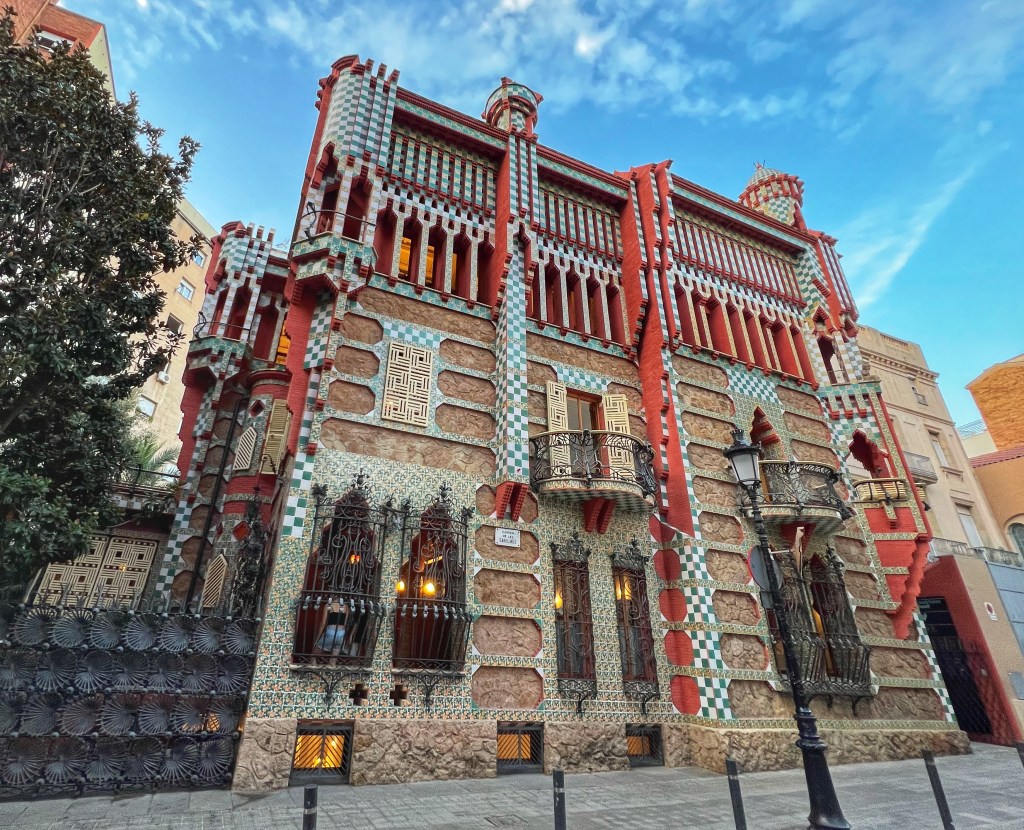
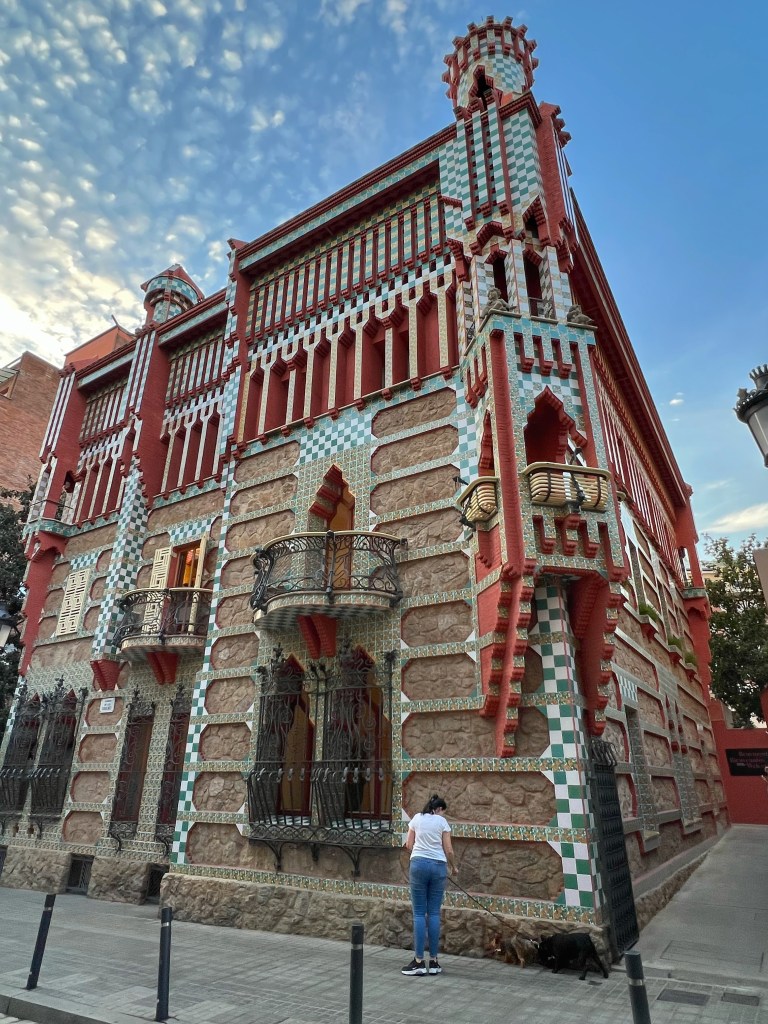
🔹Casa Vicens
🔹Palau Güell
🔹Bellesguard
HISTORIC
🔸Palau de la Música Catalana
🔸Cathedral of Barcelona
🔸Arc de Triomf
🔸Monumental Bullring
🔸Recinte Modernista de Sant Pau
🔸Montjuïc National Palace
🔸Basílica de Santa Maria del Mar
🔸Poble Espanyol
🔸Monasterio de Pedralbes
🔸Casa Amatller
🔸Antic hospital de la Santa Creu
🔸Casa Calvet
🔸Casa Comalat & Casa de les Punxes
🔸Temple Expiatori del Sagrat Cor, Tibidabo
MODERN
🔺Torre Agbar
🔺Olympic Stadium
🔺Torre de Comunicacions de Montjuïc
🔺El Peix d’Or Frank Gehry
🔺Hotel W
🔺Santa Catarina Market
🔺Torre de Gas Natural
🔺The Forum Building
FOOD
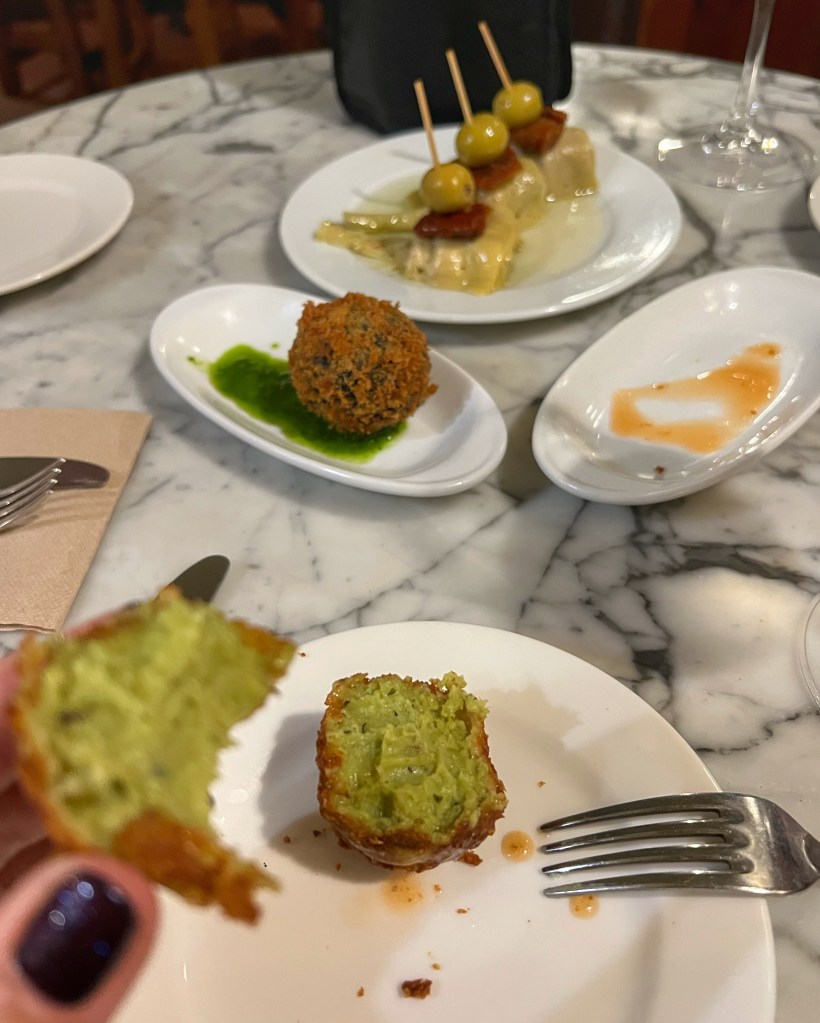
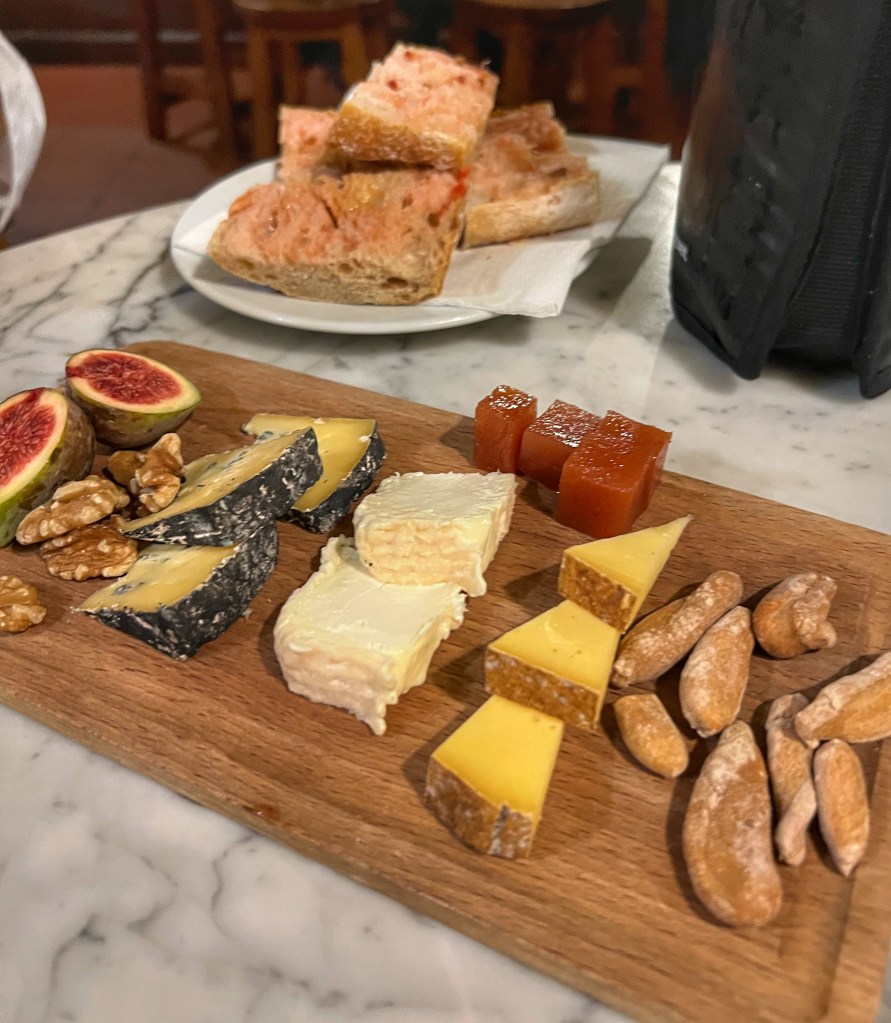
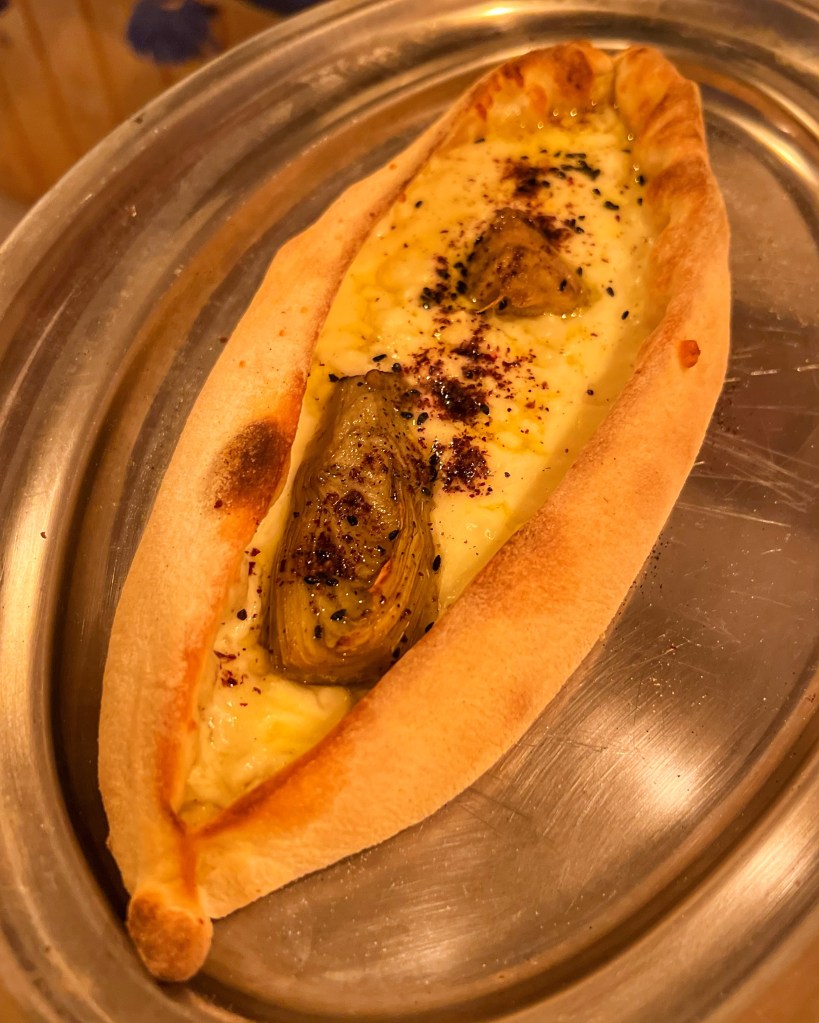
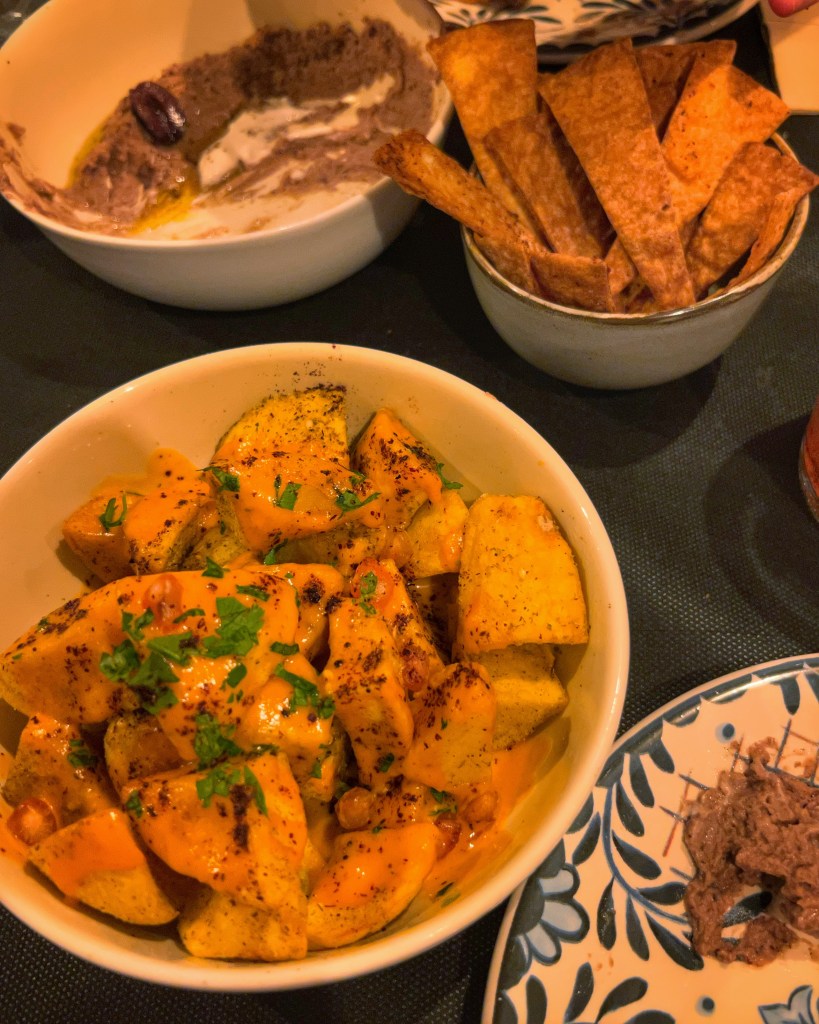
RESTAURANTS: Like many cities in Europe, the food scene is excellent in Barcelona. Expect restaurants to close around 2 PM after lunch and reopen at 7 PM for dinner and plan accordingly. Reservations are recommended. These are our favorite restaurants we were able to try in the city, plus a few more that were on our list but we didn’t have time for! Keep in mind we ate vegetarian, but these restaurants are great no matter what your diet preference.
REALLY GOOD EATS
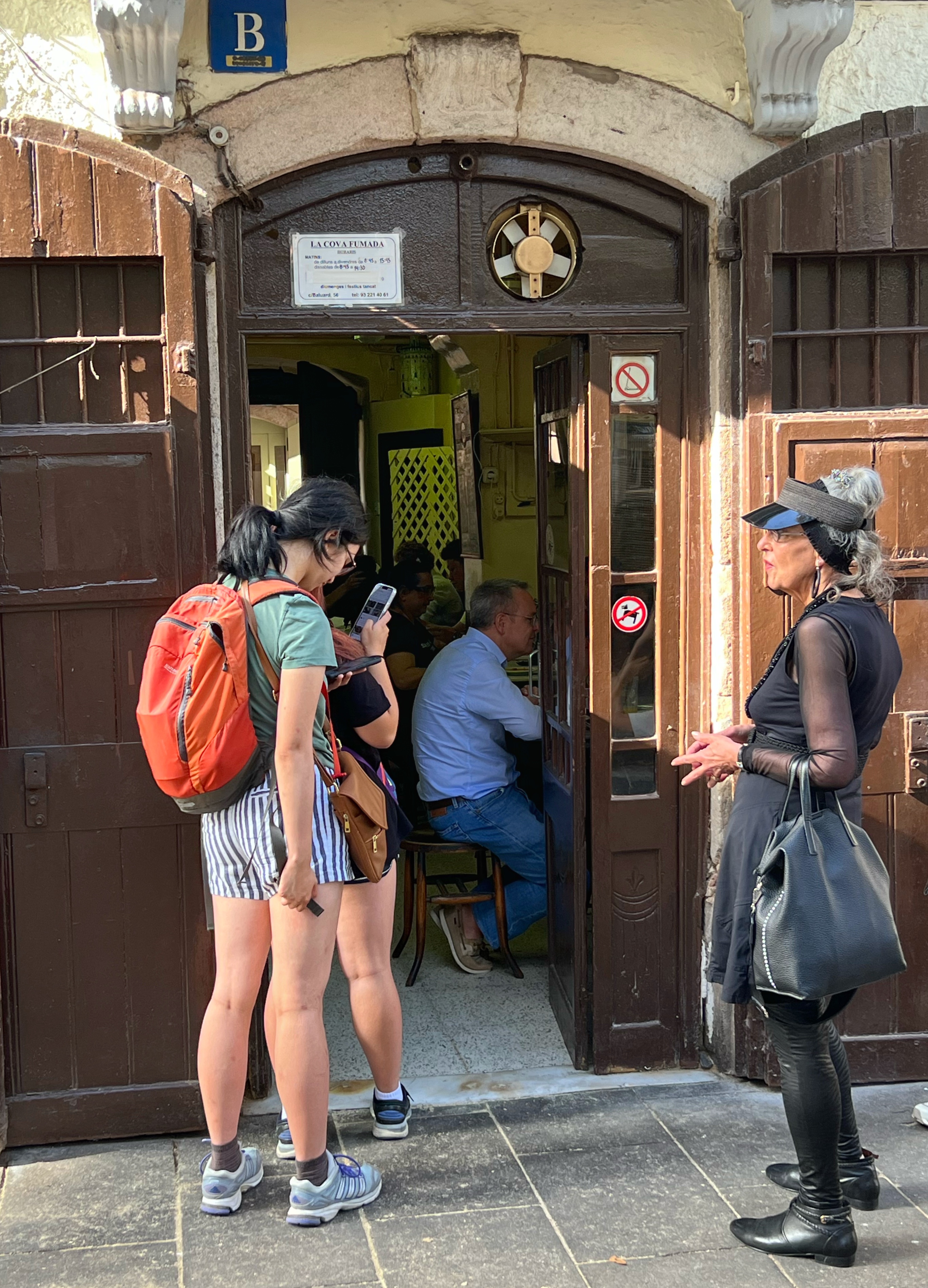
- La Cova Fumada – Known by the locals, this small-plate hole in the wall offers a changing menu based on whatever is fresh. Ask them to bring you garlic aioli bread, white beans and seafood of the day. You may end up sharing a table but here, you’re family. $$
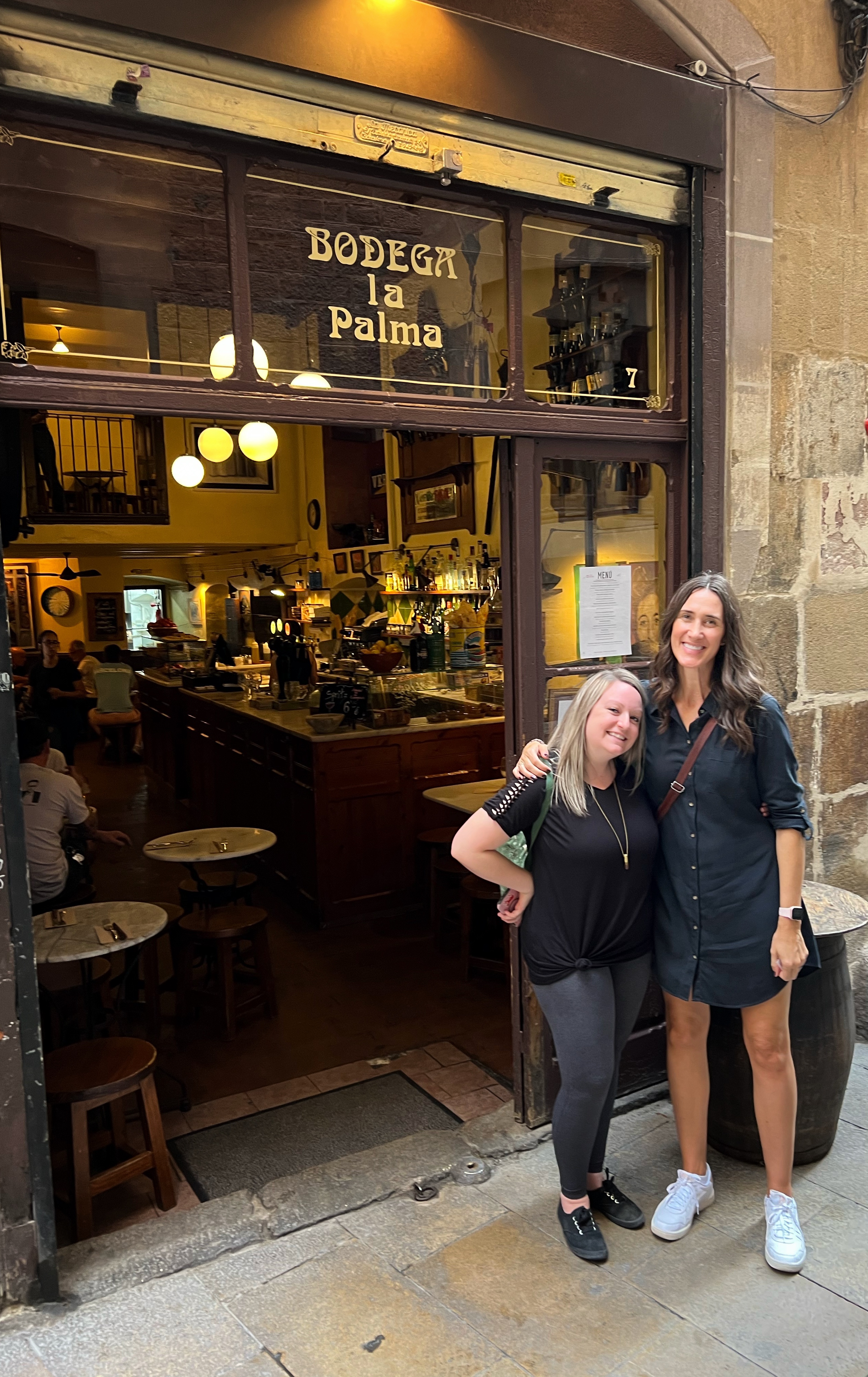
- Bodega La Palma – This rustic bodega is known for wine and tapas – and everything is to die for! Ask them what the specials are and let them choose your wine. $$
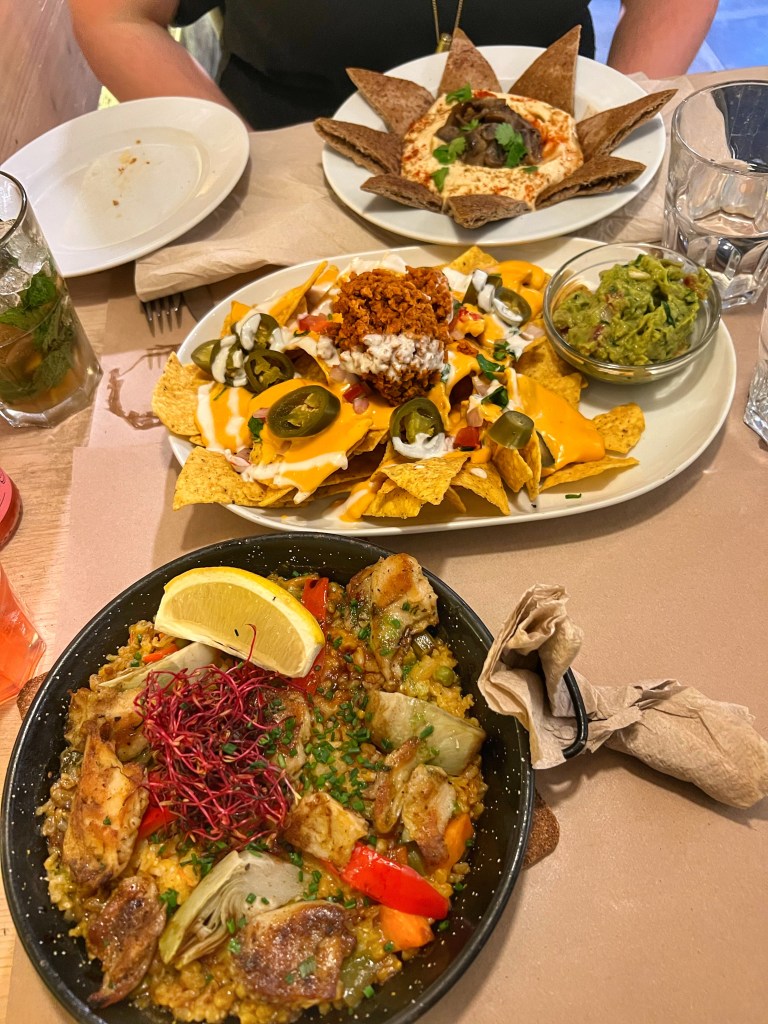
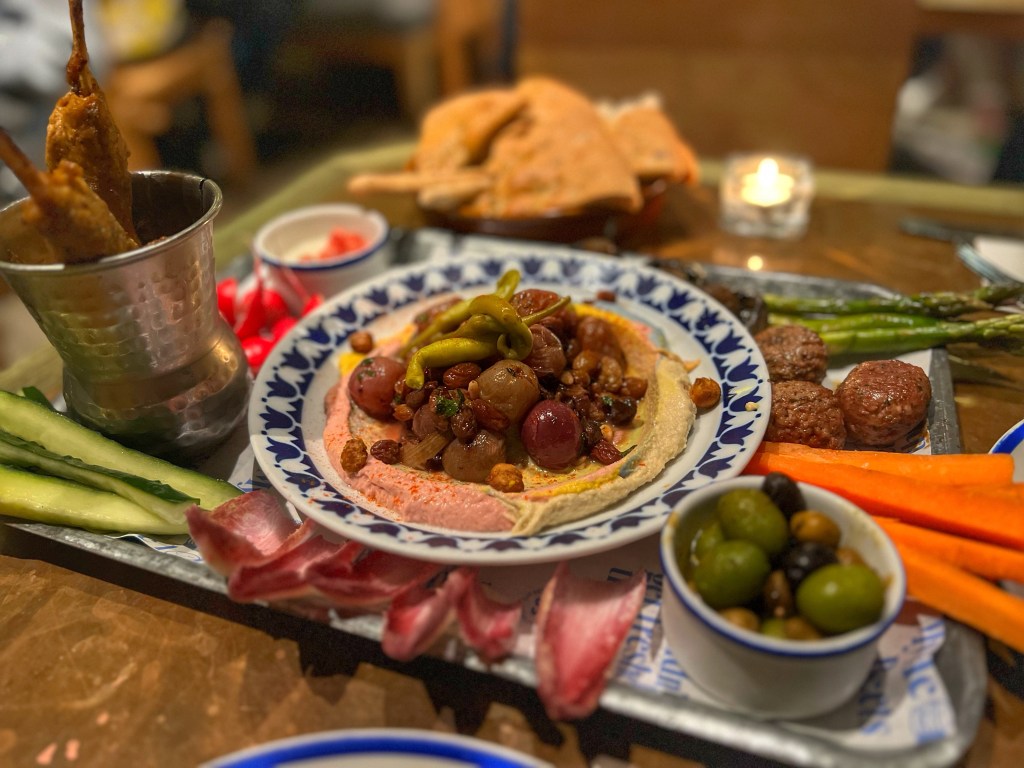
- Sim Sim – We loved our middle eastern meal here – it was flavorful and the menu had a nice variety! $$
- Xavier Pellicer – For an unforgettable splurge, enjoy this incredible tasting menu (regular or vegetarian) and be transported! I have never had a more memorable tomato in my life. Every dish was exquisite and worth every penny. $$$
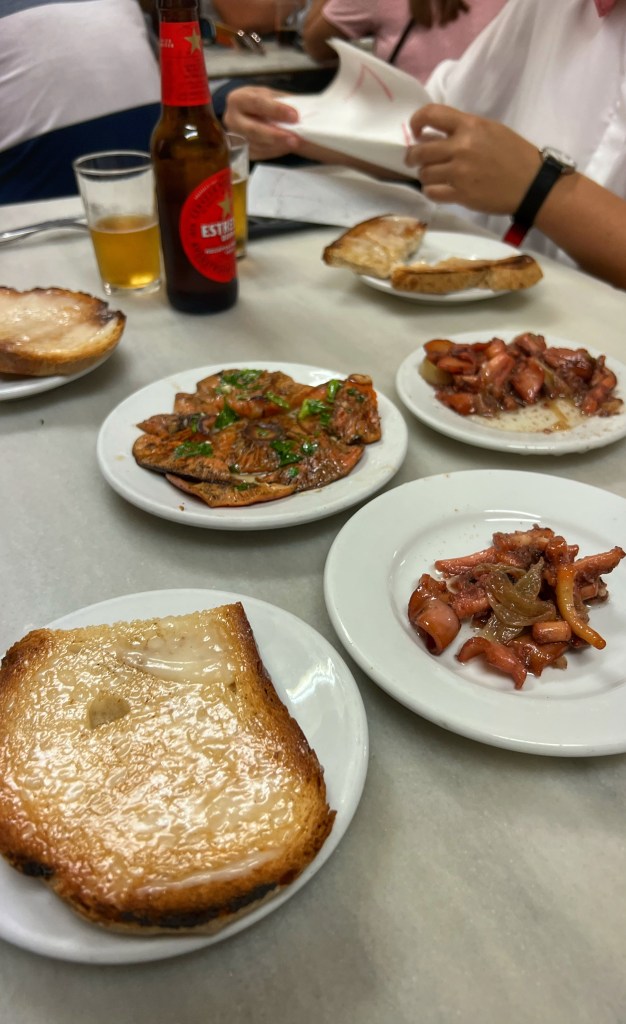
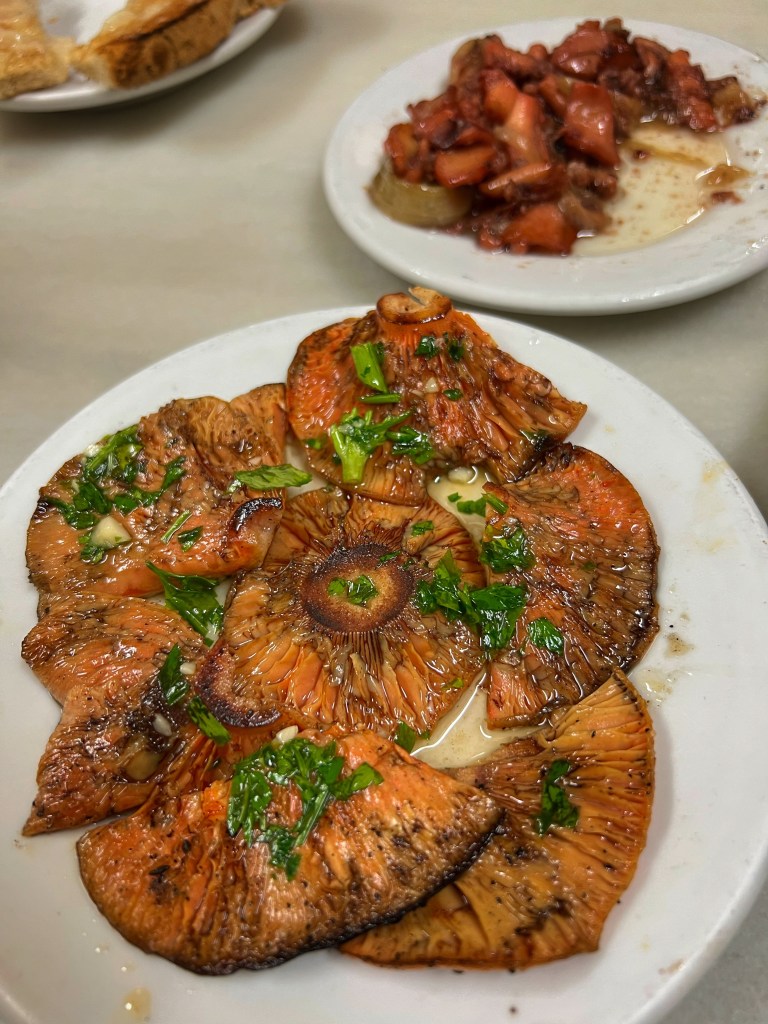

VEGETARIAN
- Vegetalia – Great for sharing, lighter bites and drinks. It is in an area with lots of other vegetarian restaurants too, so it would be fun to do a progressive meal here. $$
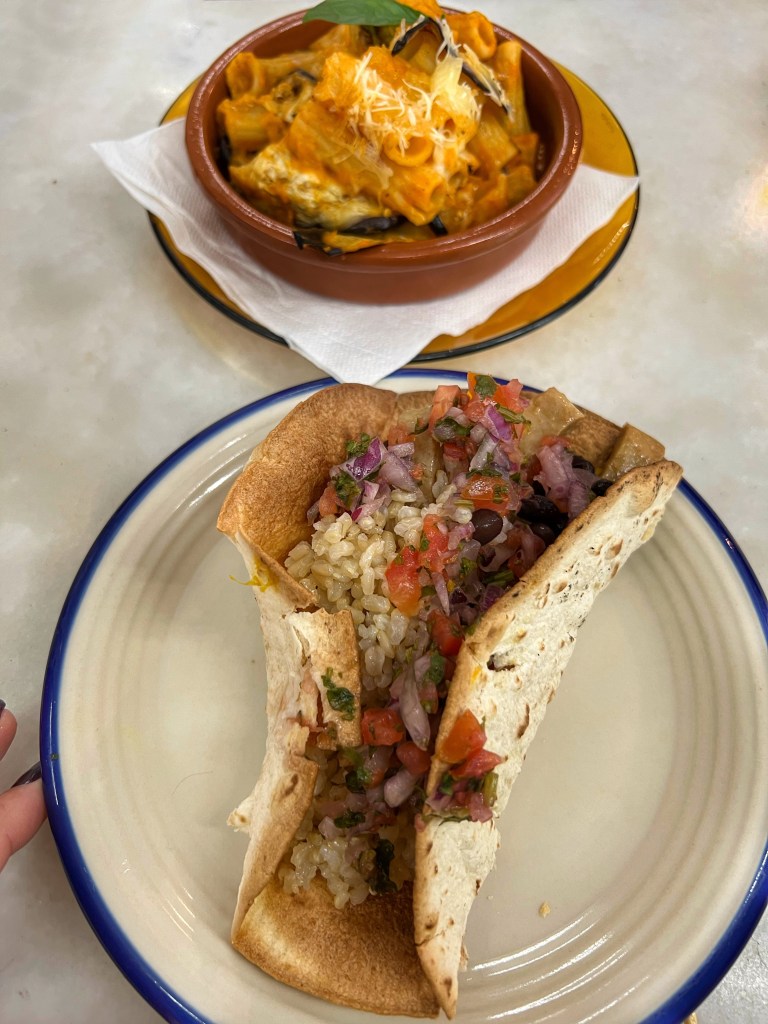
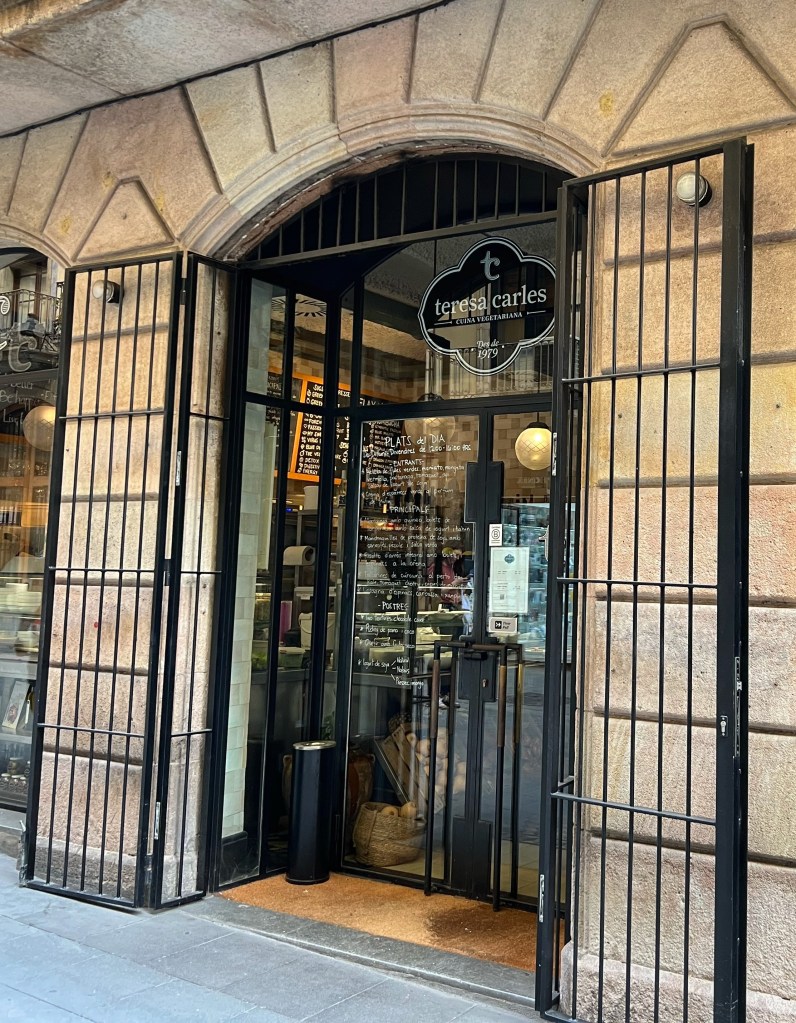
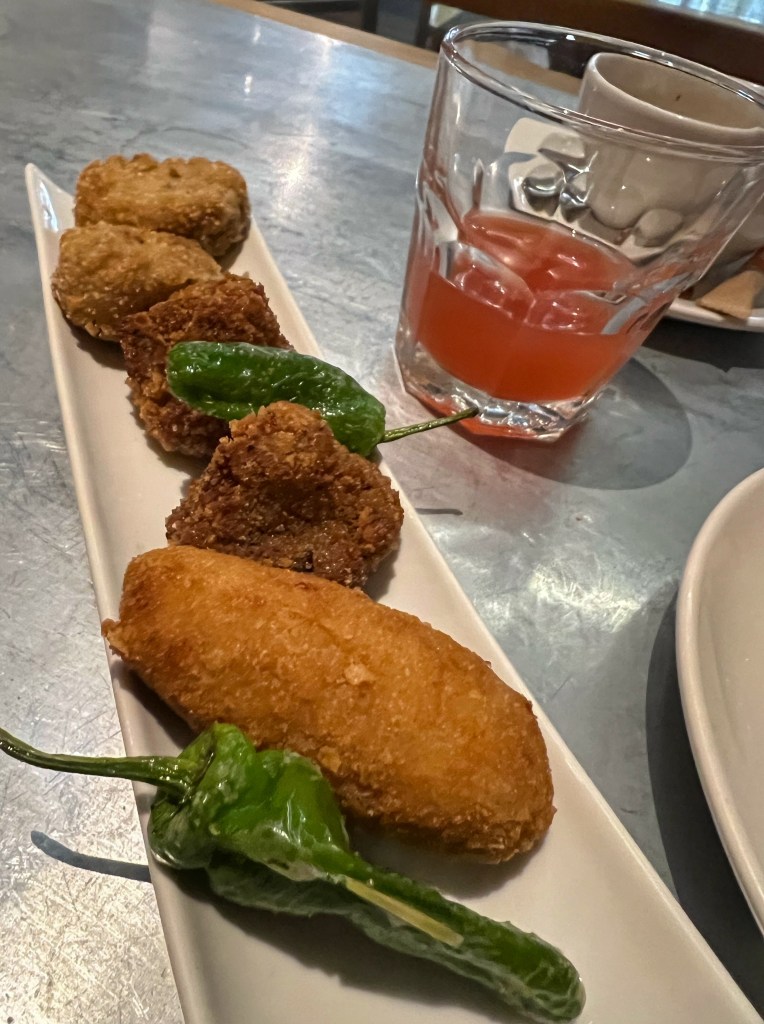
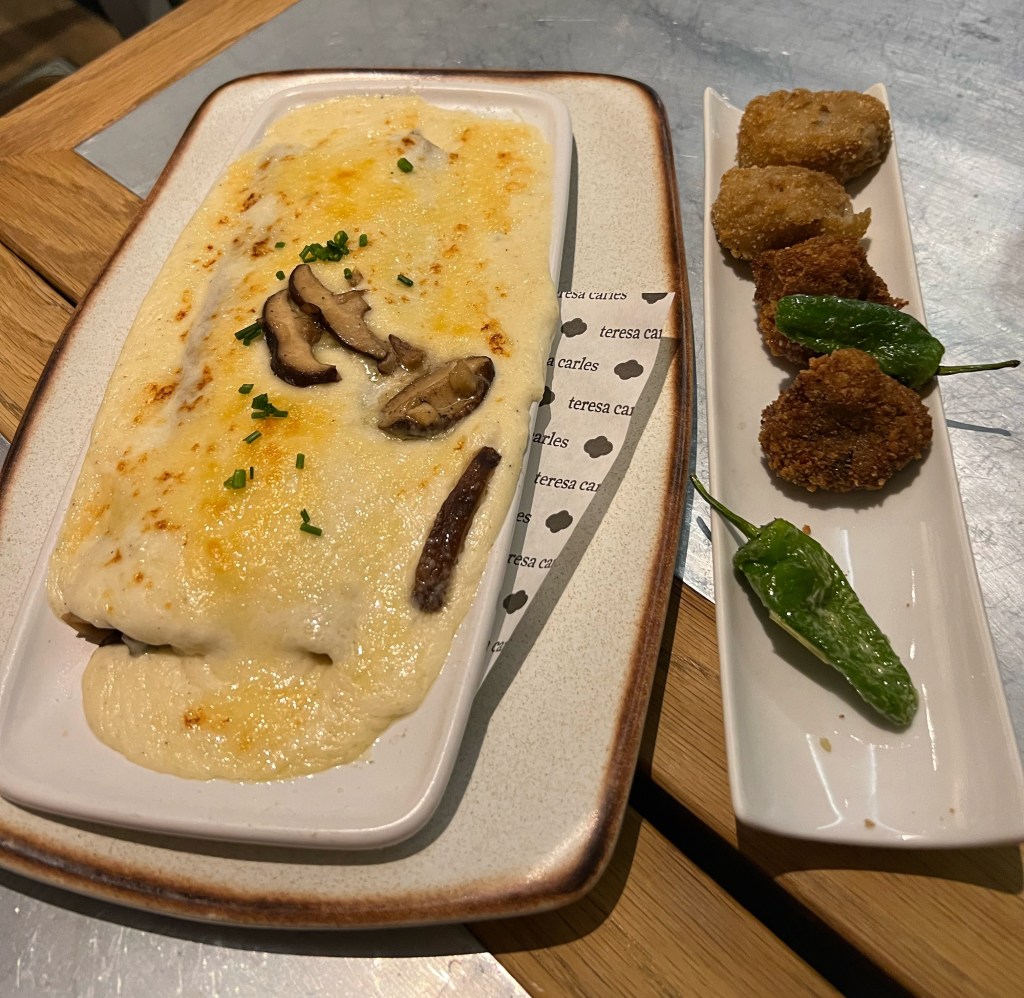
- Teresa Carles – Healthy, delicious, local and unique food for lunch, but the best menu in the evening. $$
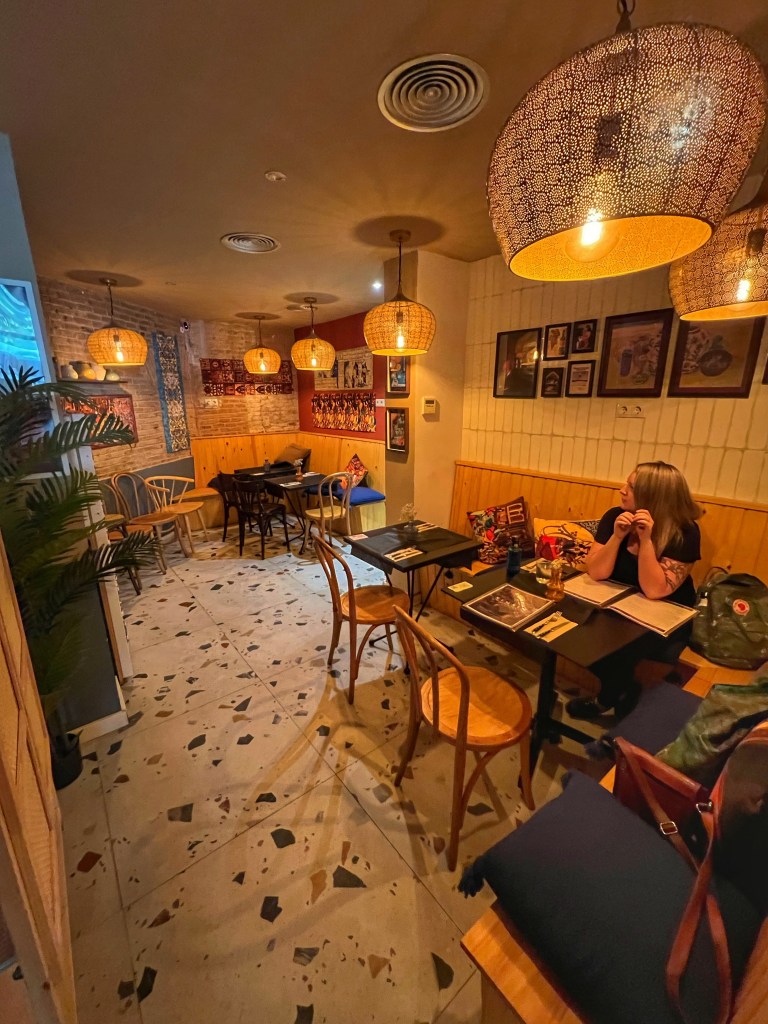
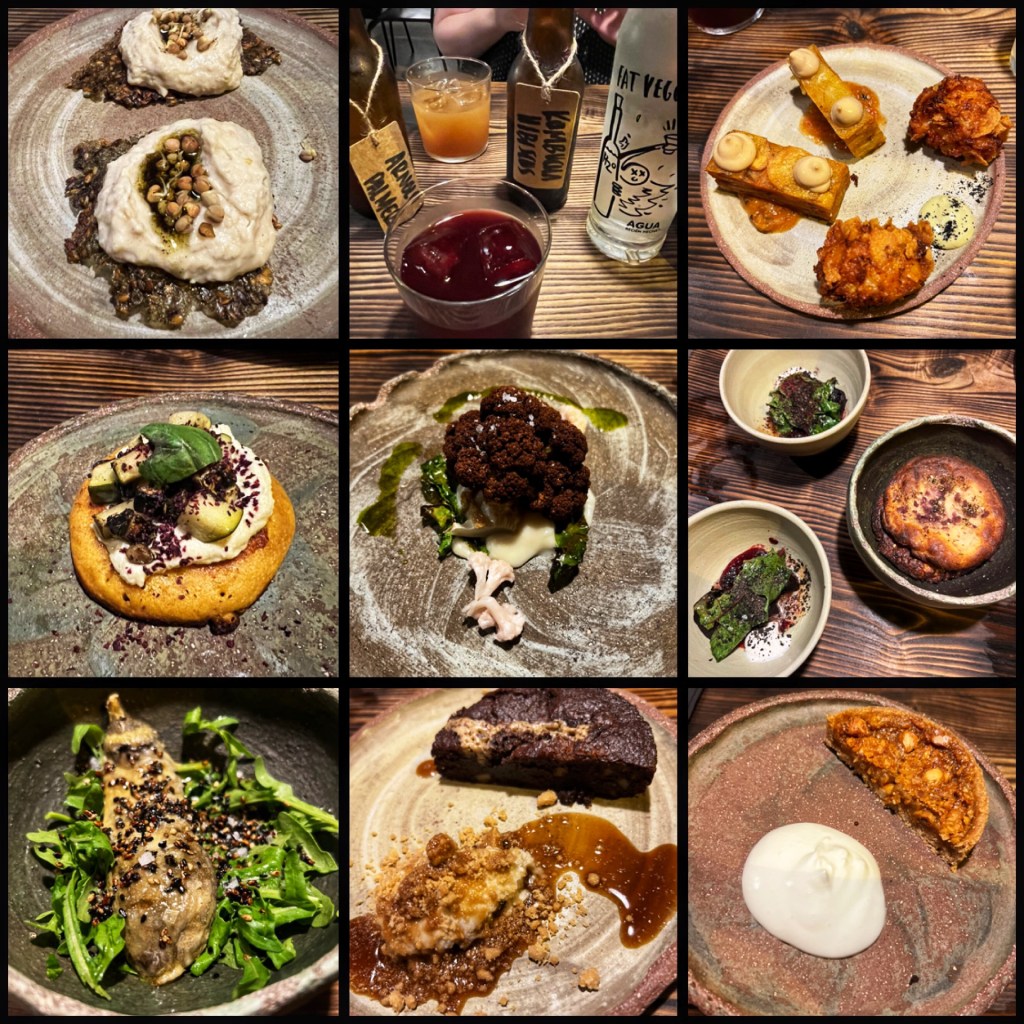
- Fat Veggies – This place is so good, just ask them what you should have or let them bring you food. You won’t regret it! Great prices for high quality food. Try their sister restaurant too, Fat Barbies (meat-centric). $$
- La Raposa – For light bites, this tiny hole in the wall vegan feminist bookstore and library cafe is a fun stop! $
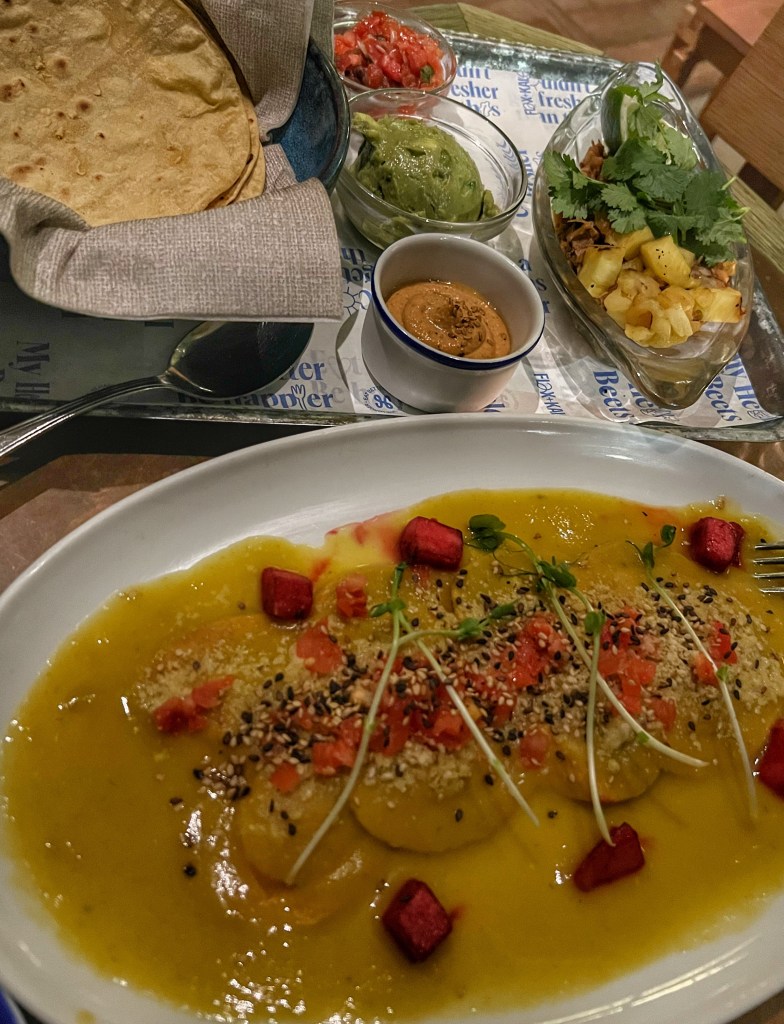
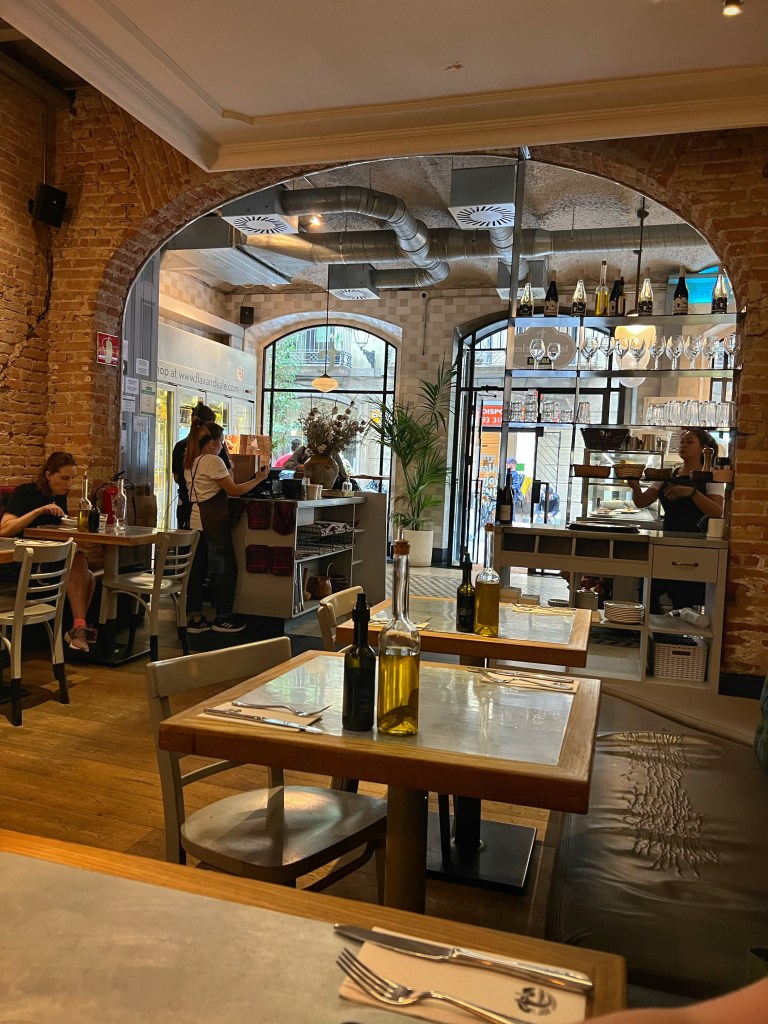
- Flax & Kale – There are several locations for Flax & Kale. They partner with Teresa Carles and have their own line of vegetarian foods you can buy and take home to cook, like a small grocery store. $$
- Rasoterra – What a treat! Everything on our lunch menu was so delicious. Try as many dishes as you can! Very reasonably priced, too. $$



QUICK
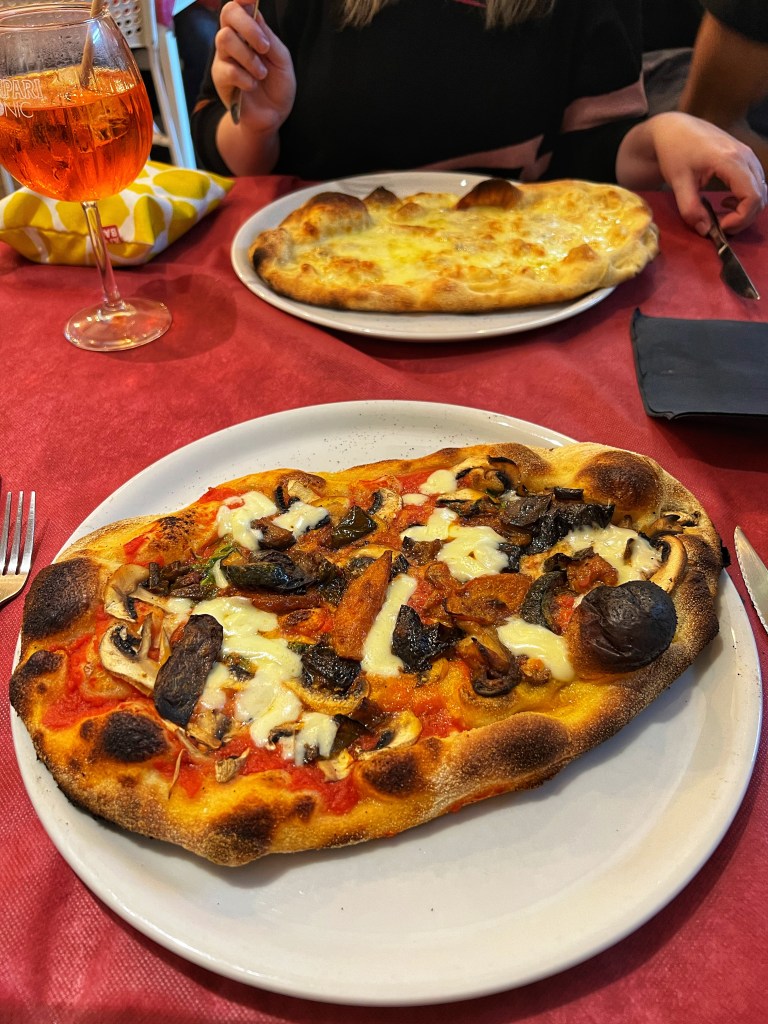
- Pizzeria That’s Amore – We snuck in here to this tiny pizzeria before the football game and were delighted by the authenticity and deliciousness of the pizza. Bonus – it was priced right! $
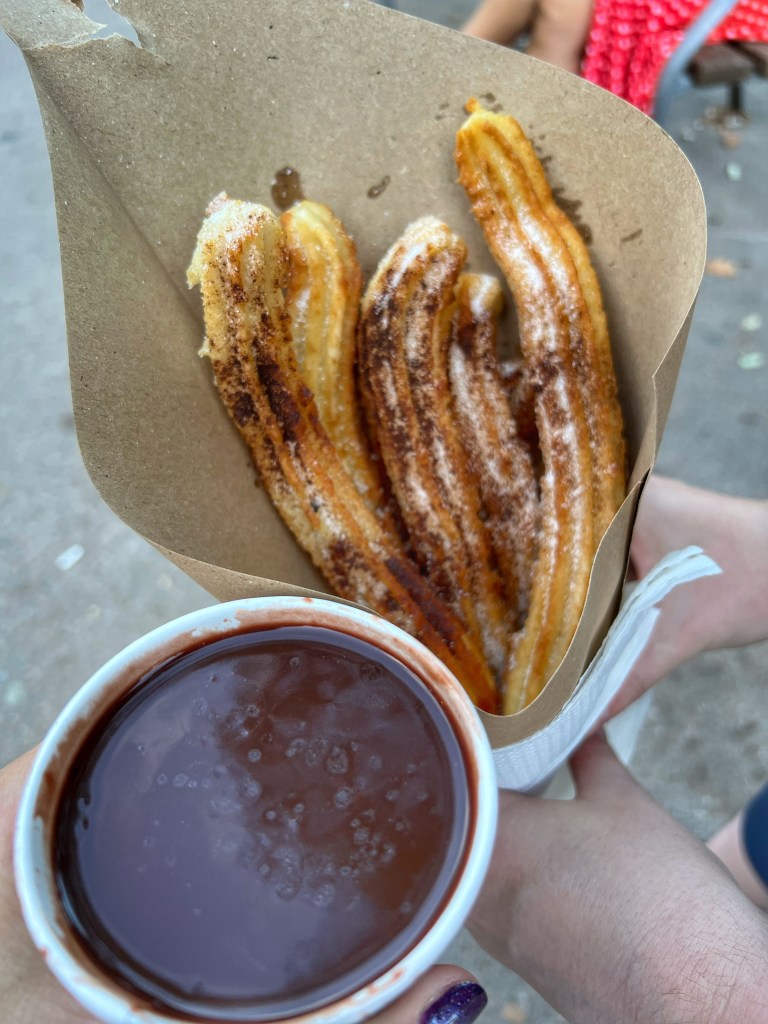
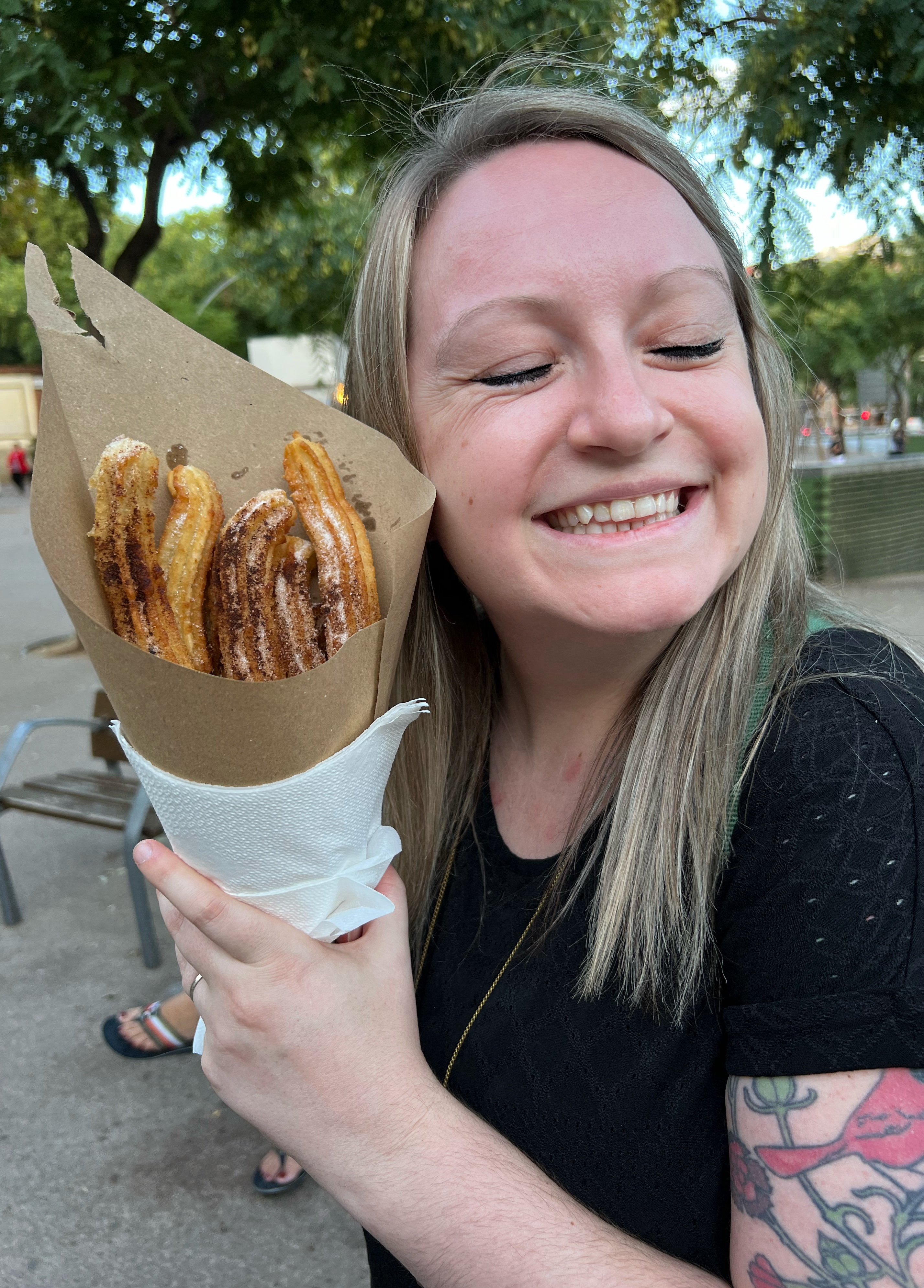
- Churros – You can find churros on the street all over Barcelona! We were walking down the hill from Parc Güell and ran into a huge churros cart in the square before the metro. They’re fresh, cheap and delicious! A must when in Barca! $
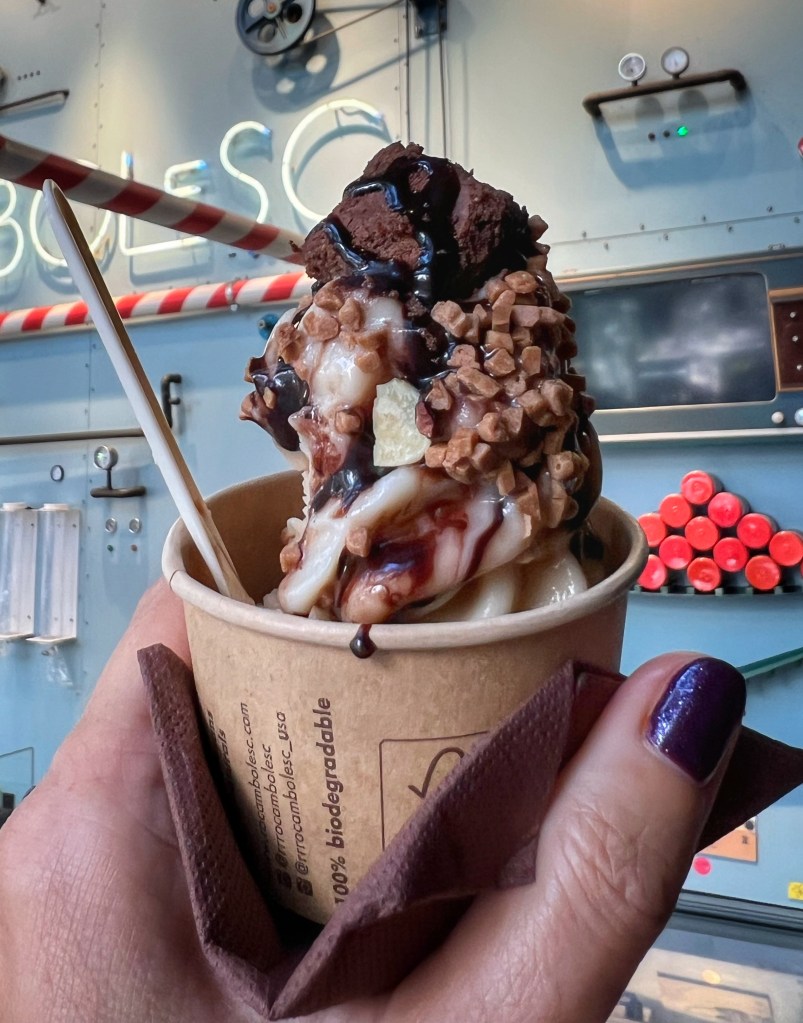
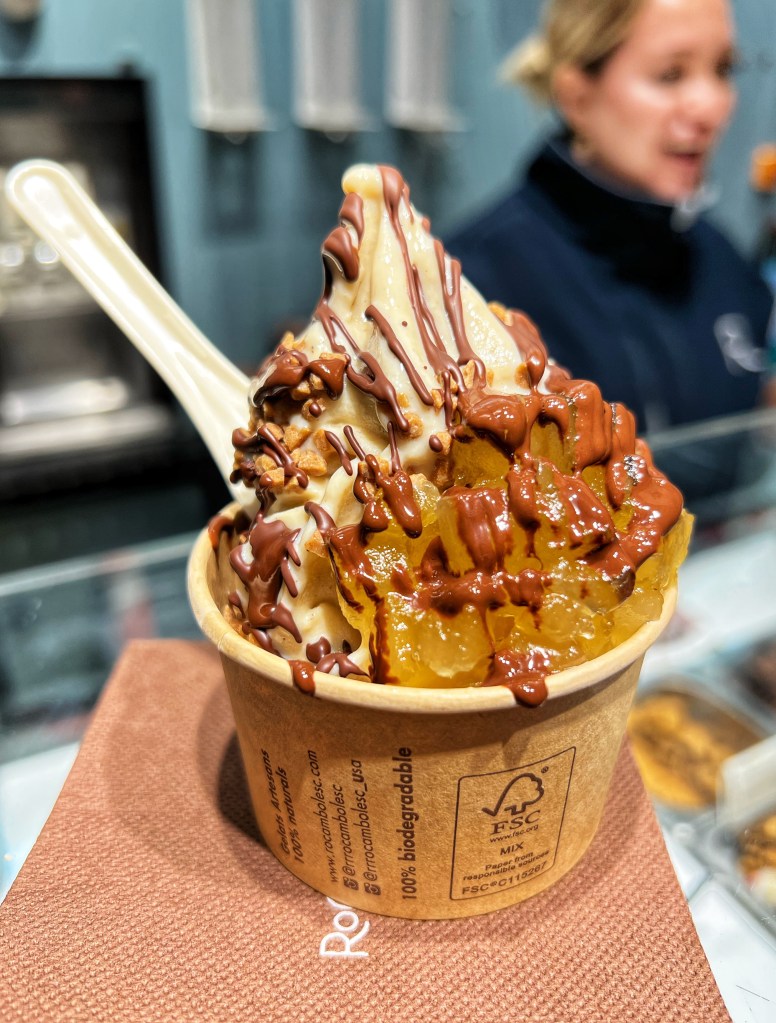
- Rocambolesc – A must visit for build your own gelato, right on Las Ramblas. We liked it so much we went twice! $
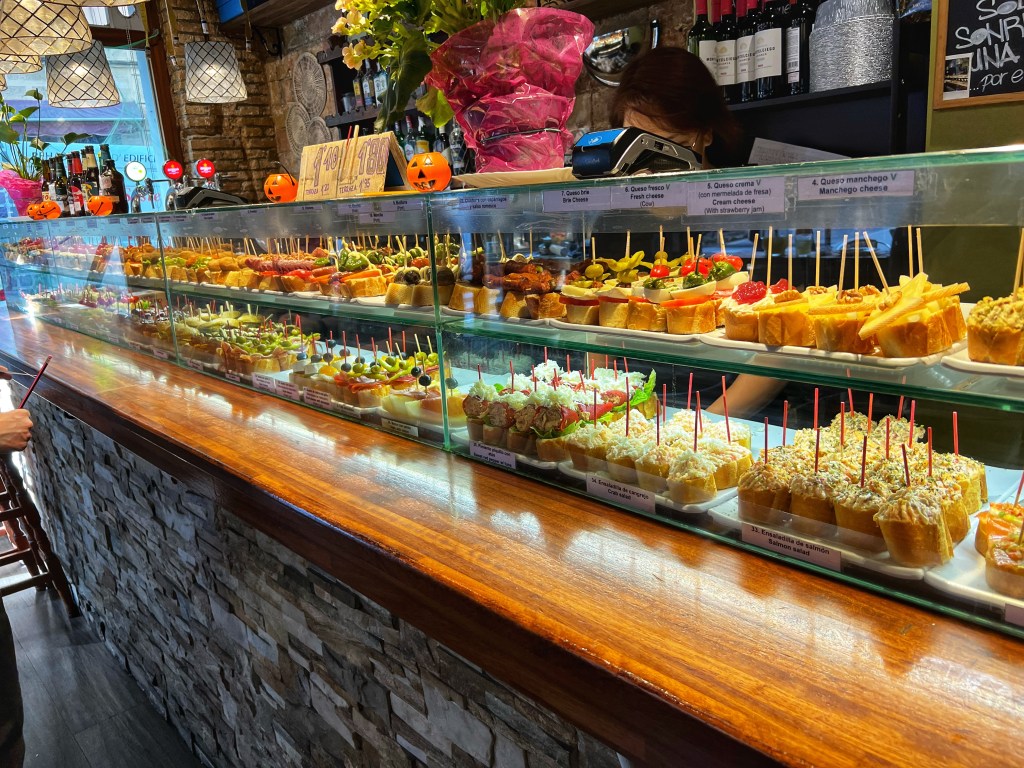
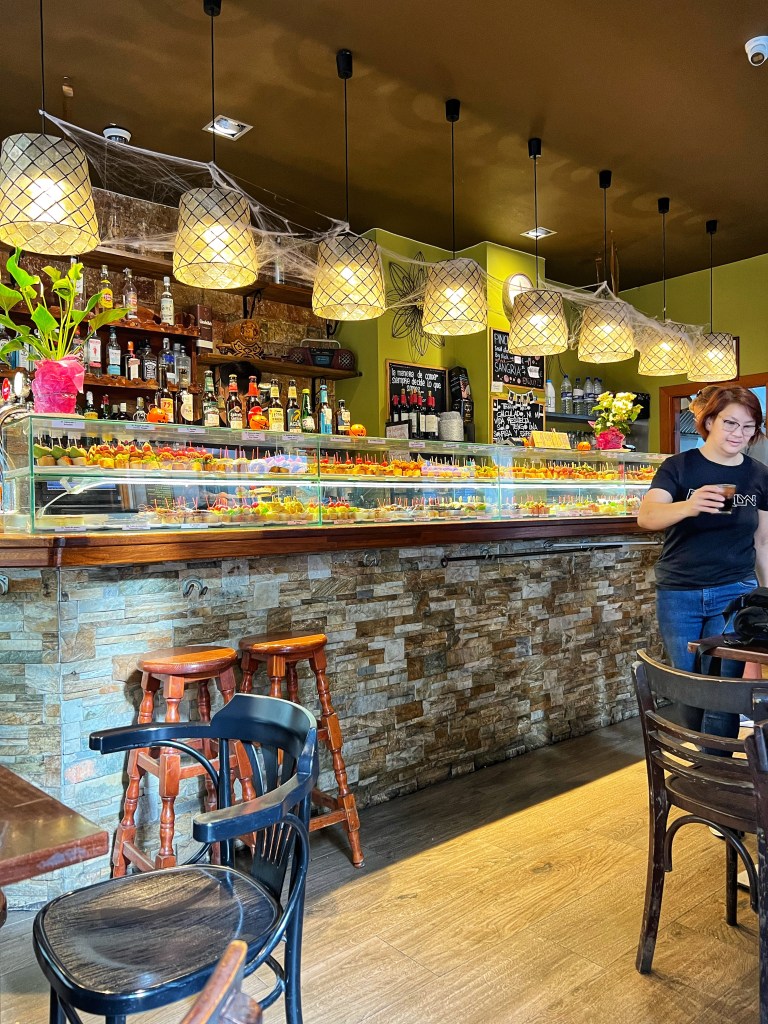
- Pincho J – This quick bite lunch spot reminded me a lot of osterias in Venice where I loved the cicchetti – little varieties of bites on bread. Delicious and very cheap! $
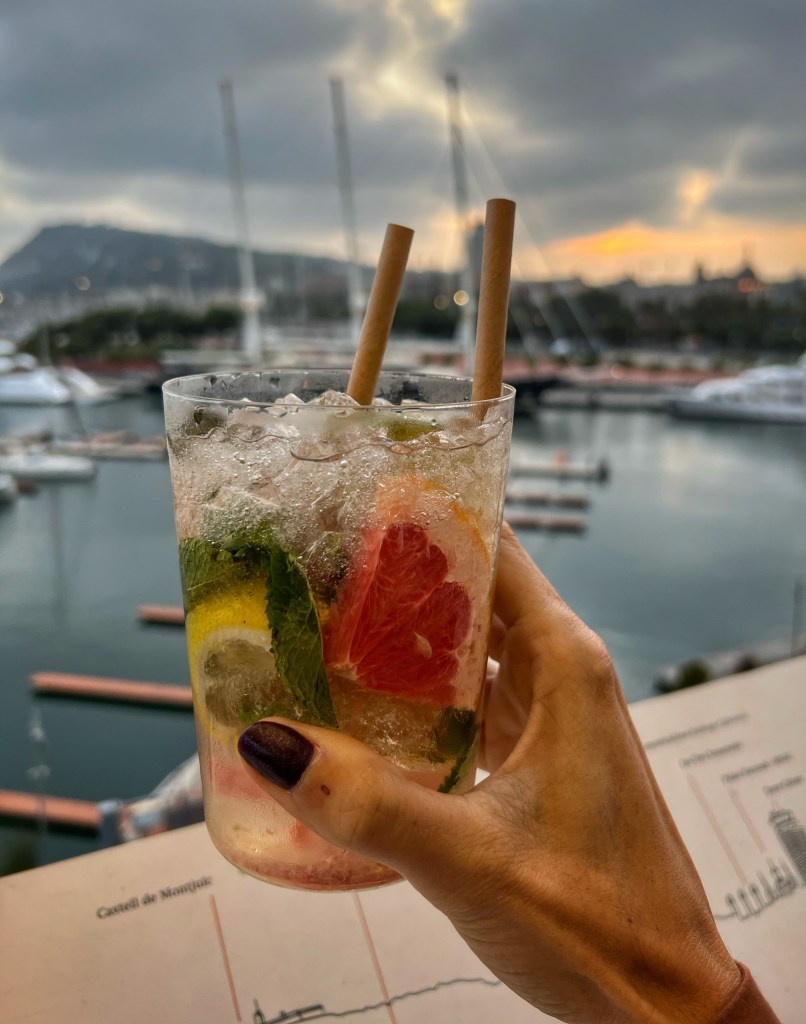
- Restaurant 1881 – This rooftop restaurant is not necessarily something I recommend for the service and pricing, but it’s a great place to enjoy a rooftop view over the harbor with a DJ, drinks and small plates. It is located on top of the , entrance is inside and you don’t need tickets to enter. $$
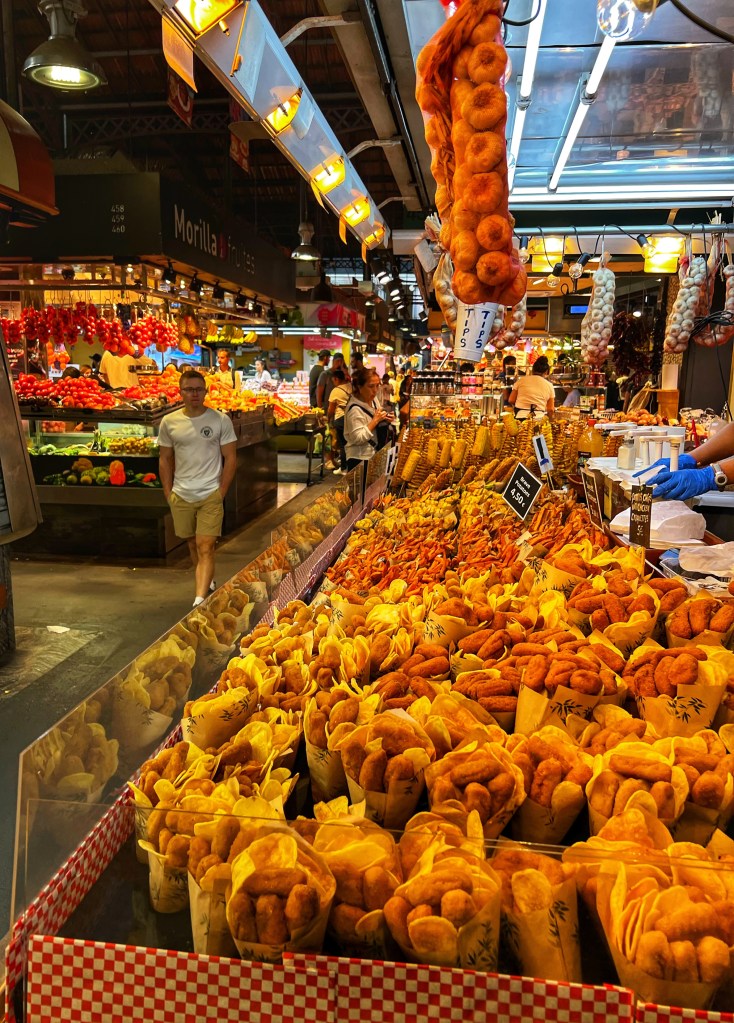
- La Boqueria – The most popular market in Barcelona, and for good reason! Just take a walk through and you can grab-and-go with all kinds of treats in your hand from fried fish to fruit smoothies. Tip: go just before closing to snag last minute deals. $



ALSO ON MY LIST
- Quimet & Quimet (tapas)
- Green&Berry Corner (healthy)
- Cerveseria Catalana (tapas)
- Ramblero de la Boqueria (Mediterranean)
- Bacaro (Italian)
- Bar Restaurant Pinotxo (Catalan)
- El Xampanyet (bar & tapas)
- El Quim de la Boqueria (breakfast, tapas)
TOP 10 MUST SEE IN BARCELONA
1
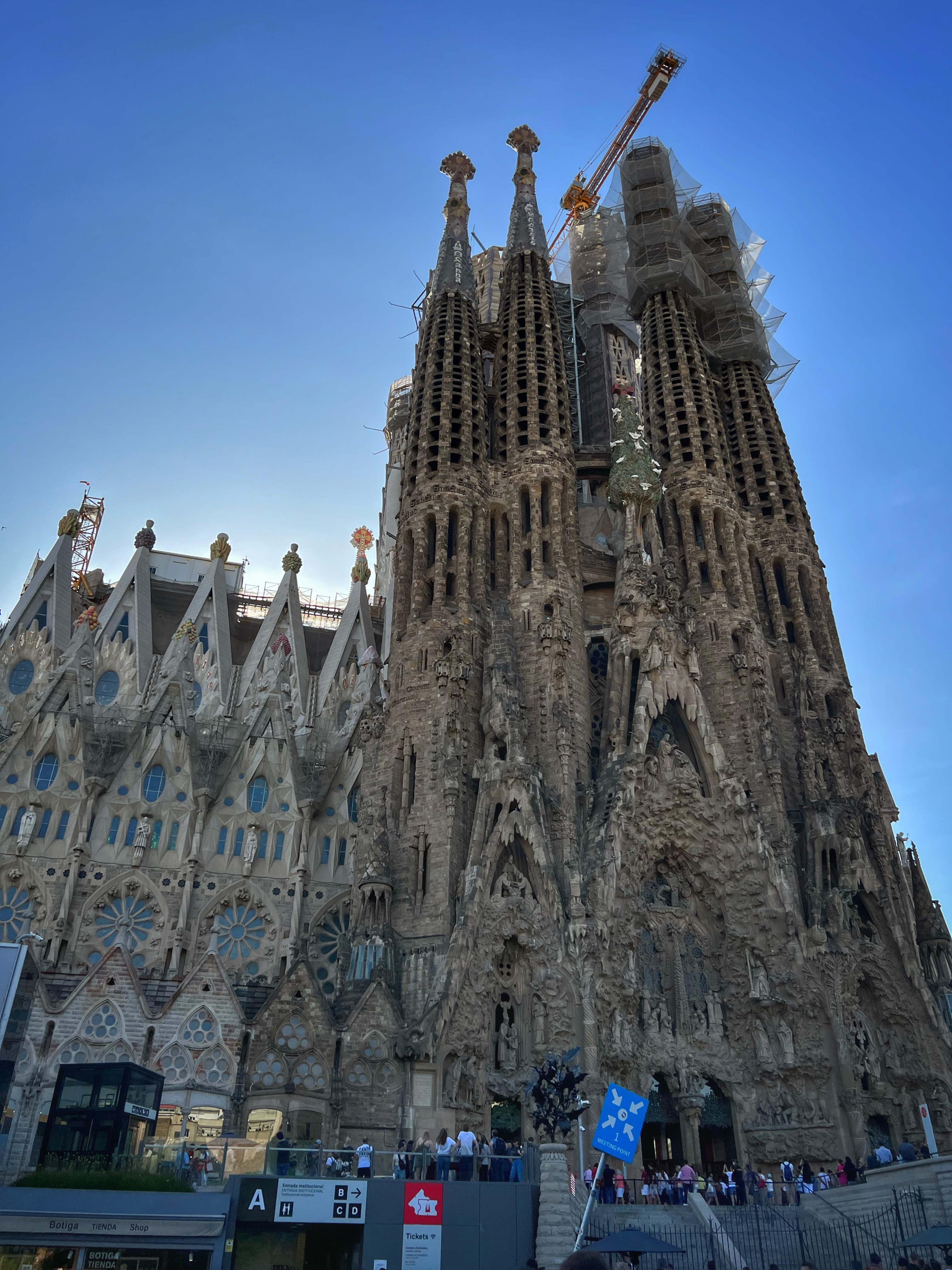
SAGRADA FAMILIA
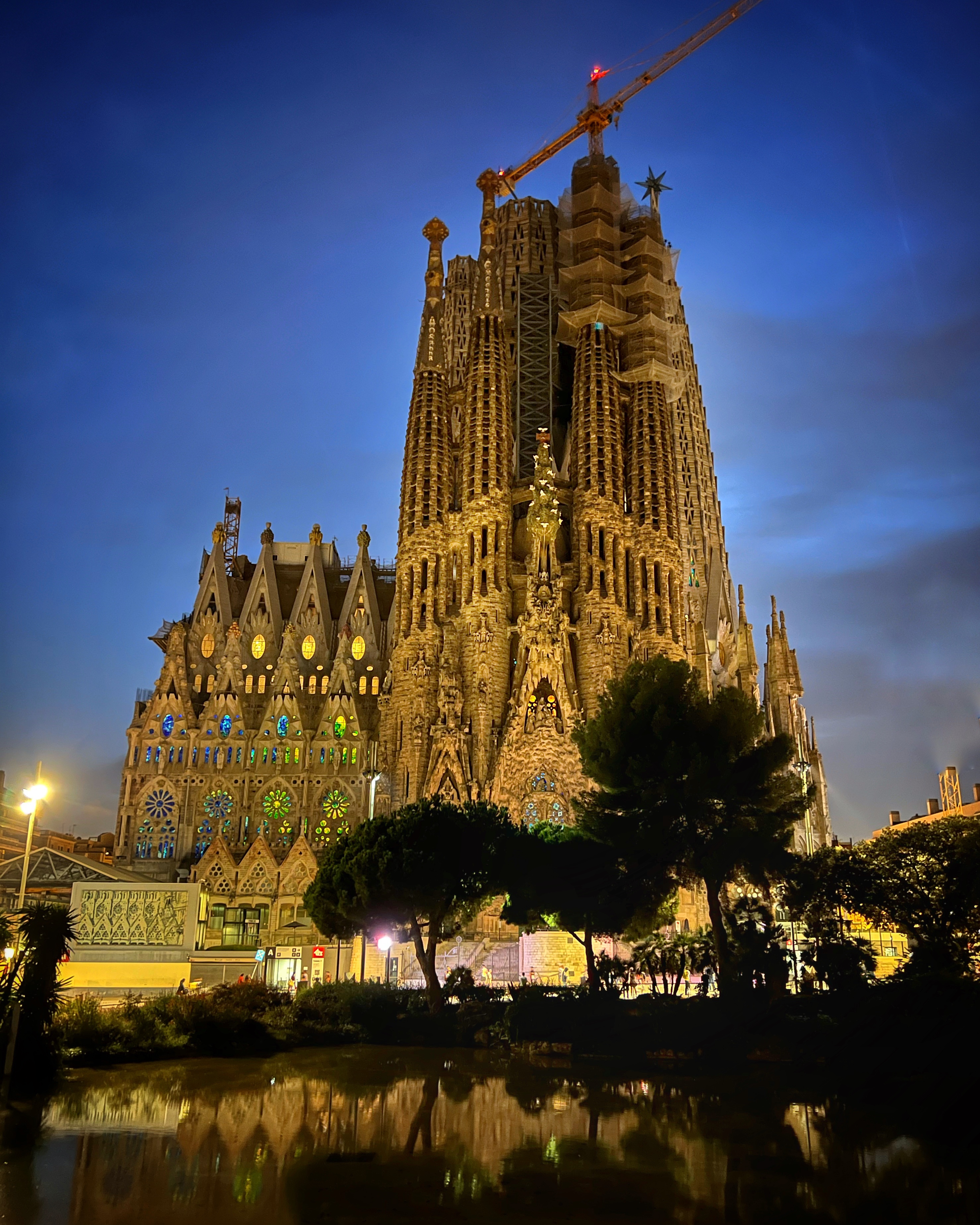
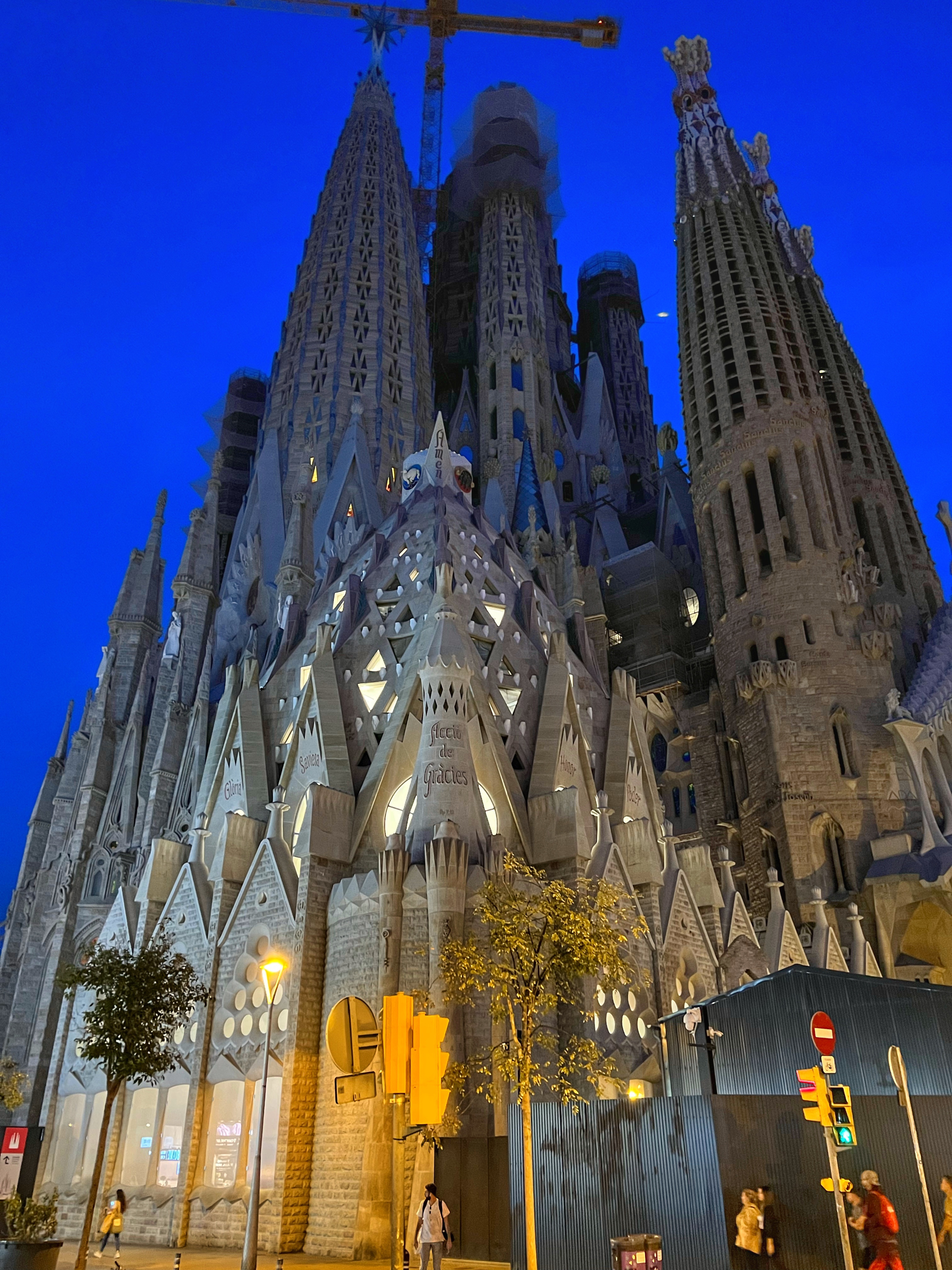
SAGRADA FAMILIA: Because this is THE iconic site in Barcelona, it comes first on most people’s must-see list. You can’t visit the city without stopping to gawk at the incredible masterpiece that is still being built high above the Barcelona skyline. I recommend finding time to visit during the day, and also at night in the park nearby. You might also consider getting reservations atop the Sercotel Rosellón (7 days in advance – they sell out fast, or stay there and access is included in your stay) to enjoy one of the best rooftop views at night over this masterpiece! I think it’s an absolute must to go inside, and if you’re brave, ascend the towers. Here is the story of Sagrada Familia so it can be appreciated more fully…
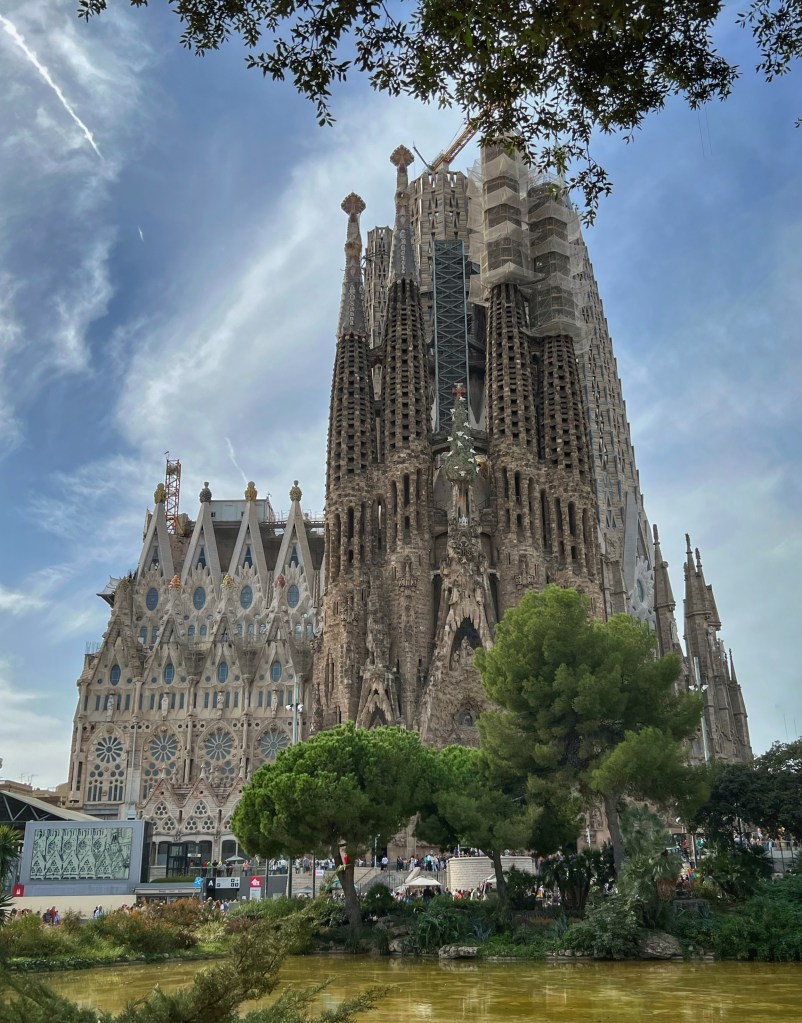
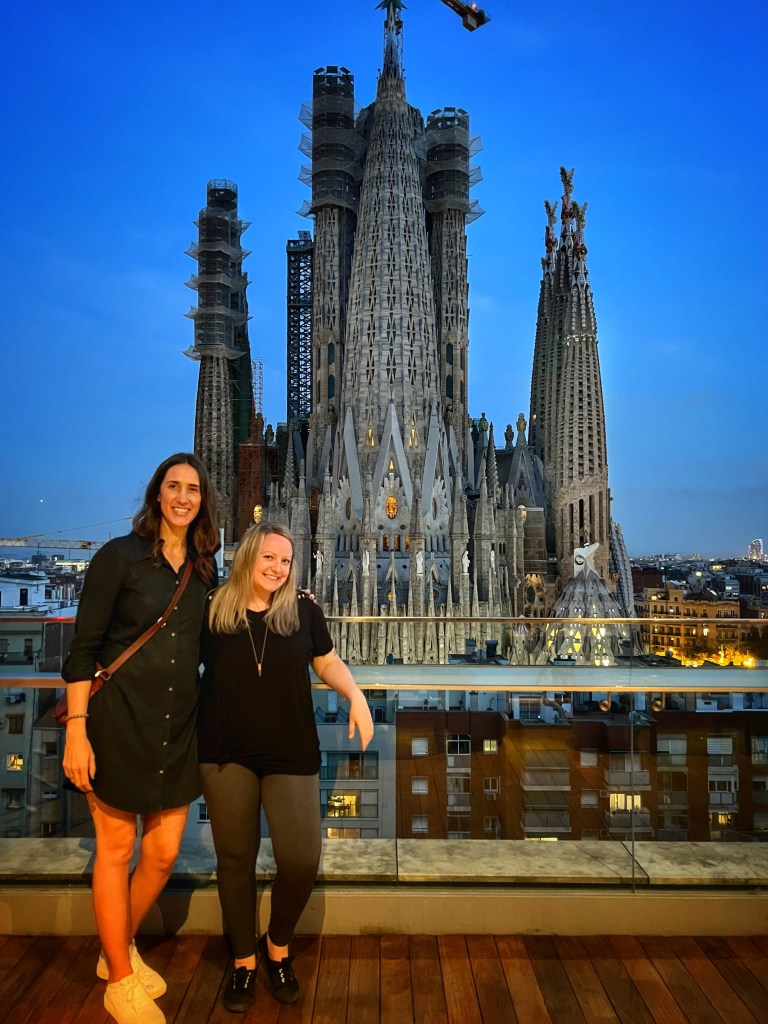
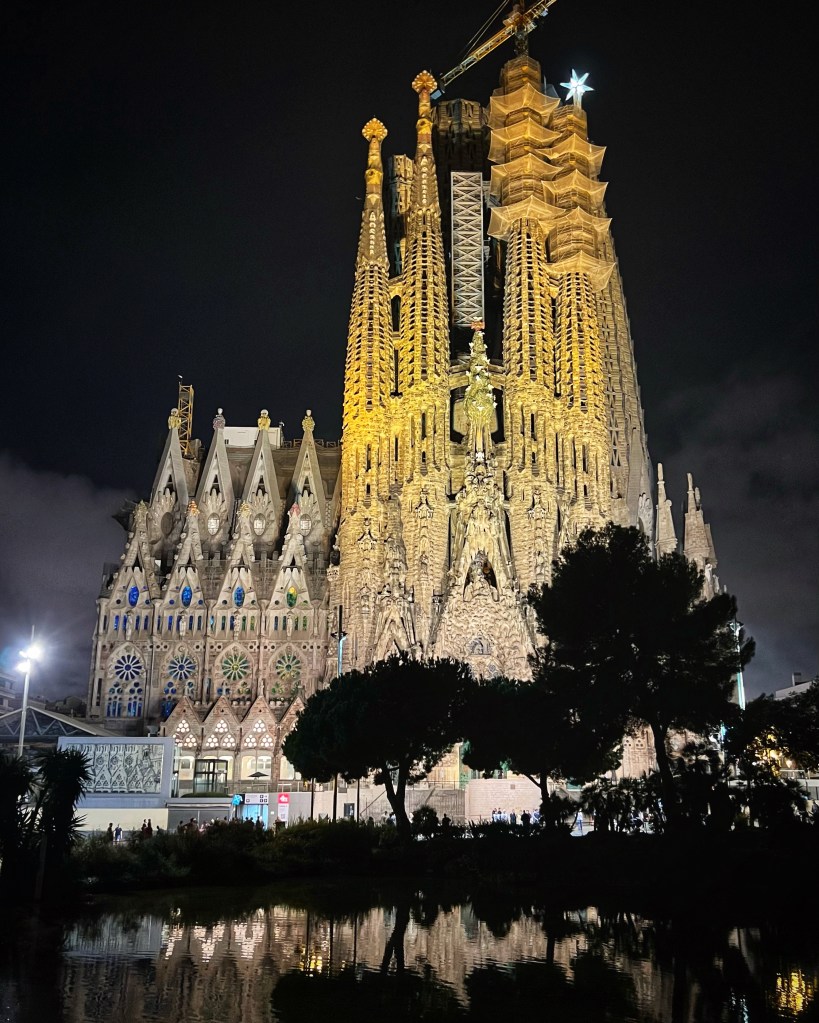
After returning from a trip to the Vatican, bookseller Jose Bocabella envisioned a great cathedral dedicated to the Holy Family. He purchased land on the outskirts of Barcelona for the equivalent of $1034, and commissioned Francisco del Villar to build it. Just one year after construction began, Villar resigned, and in 1883, upcoming architect Antoni Gaudí (then 31) was hired to take over design and construction. It became his magnum opus, working tirelessly for 43 years and only witnessing about 1/4 of its completion before his untimely death in 1926 at age 74. He was struck by a city tram while crossing the street near the cathedral, where he lived and worked in the basement. After his death he was honored by being laid to rest in the crypt of his great creation. During the Spanish Civil War (between 1936-1940) anarchists destroyed much of Gaudí’s work and it took 16 years to recreate his plans. The only reason the cathedral itself wasn’t destroyed was because the bridge between Nativity facade towers were an ideal sniper location for the rebels, so they decided to keep the cathedral intact. Today you can walk across this same bridge for an incredible view from above, out over the city of Barcelona!
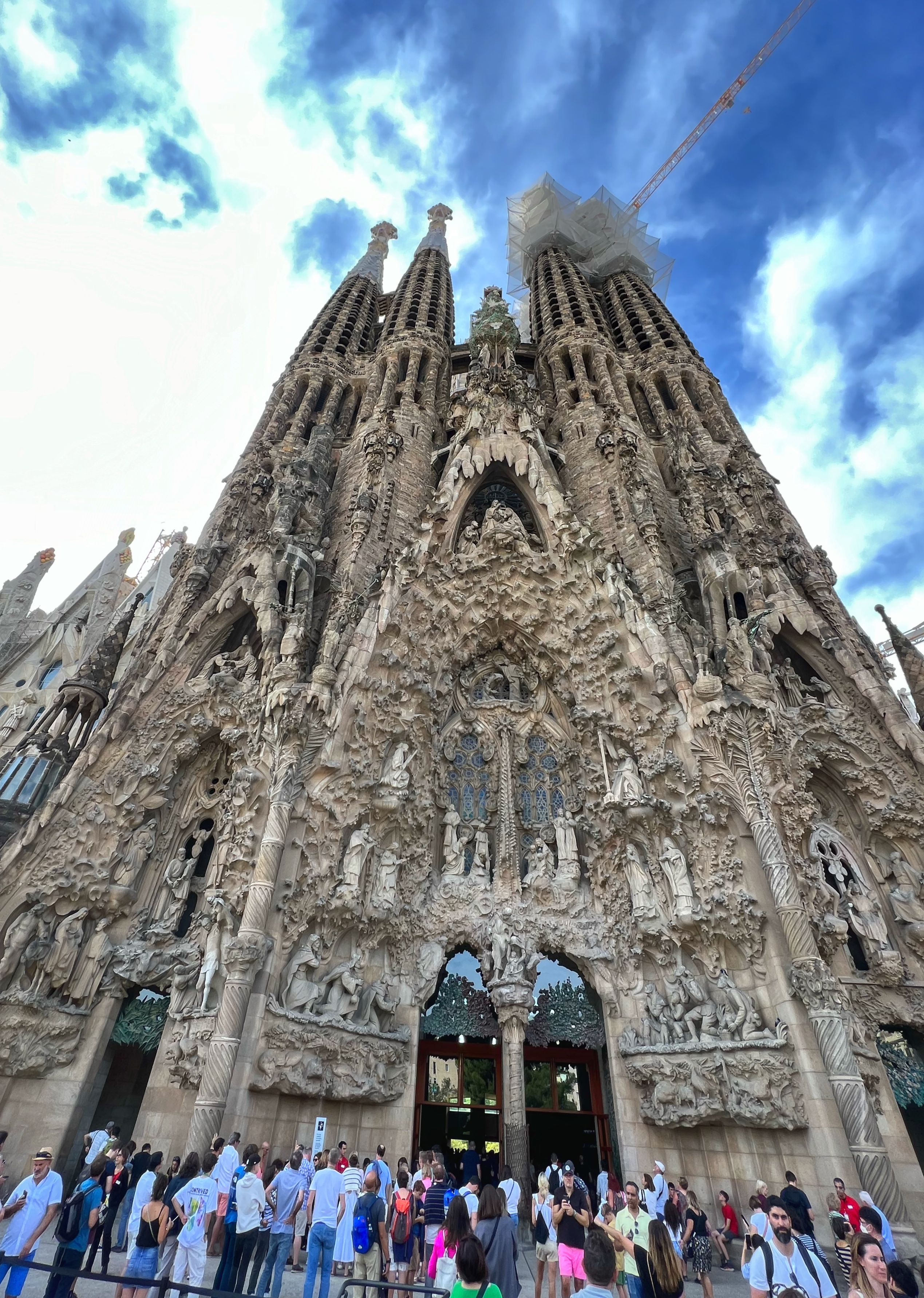
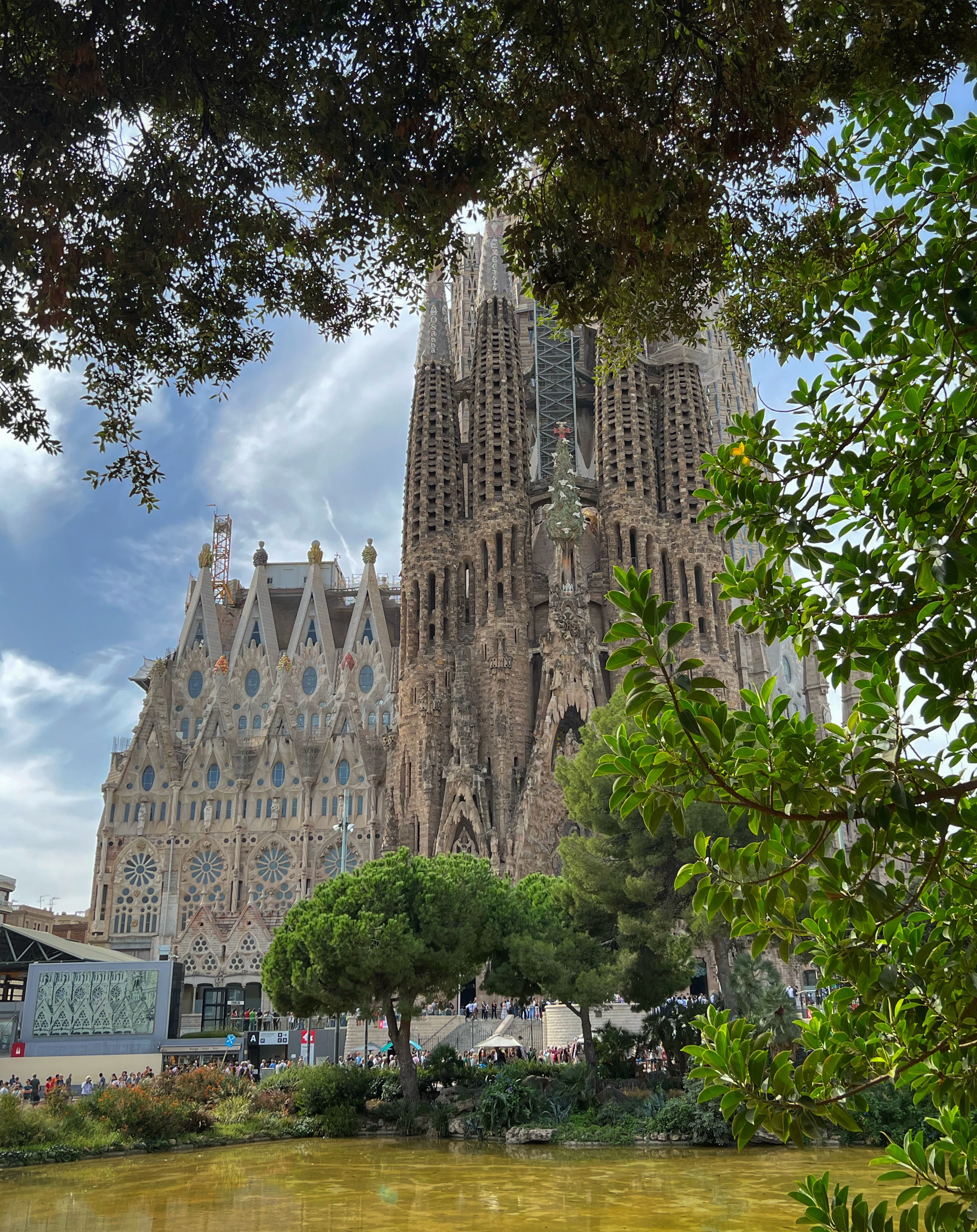

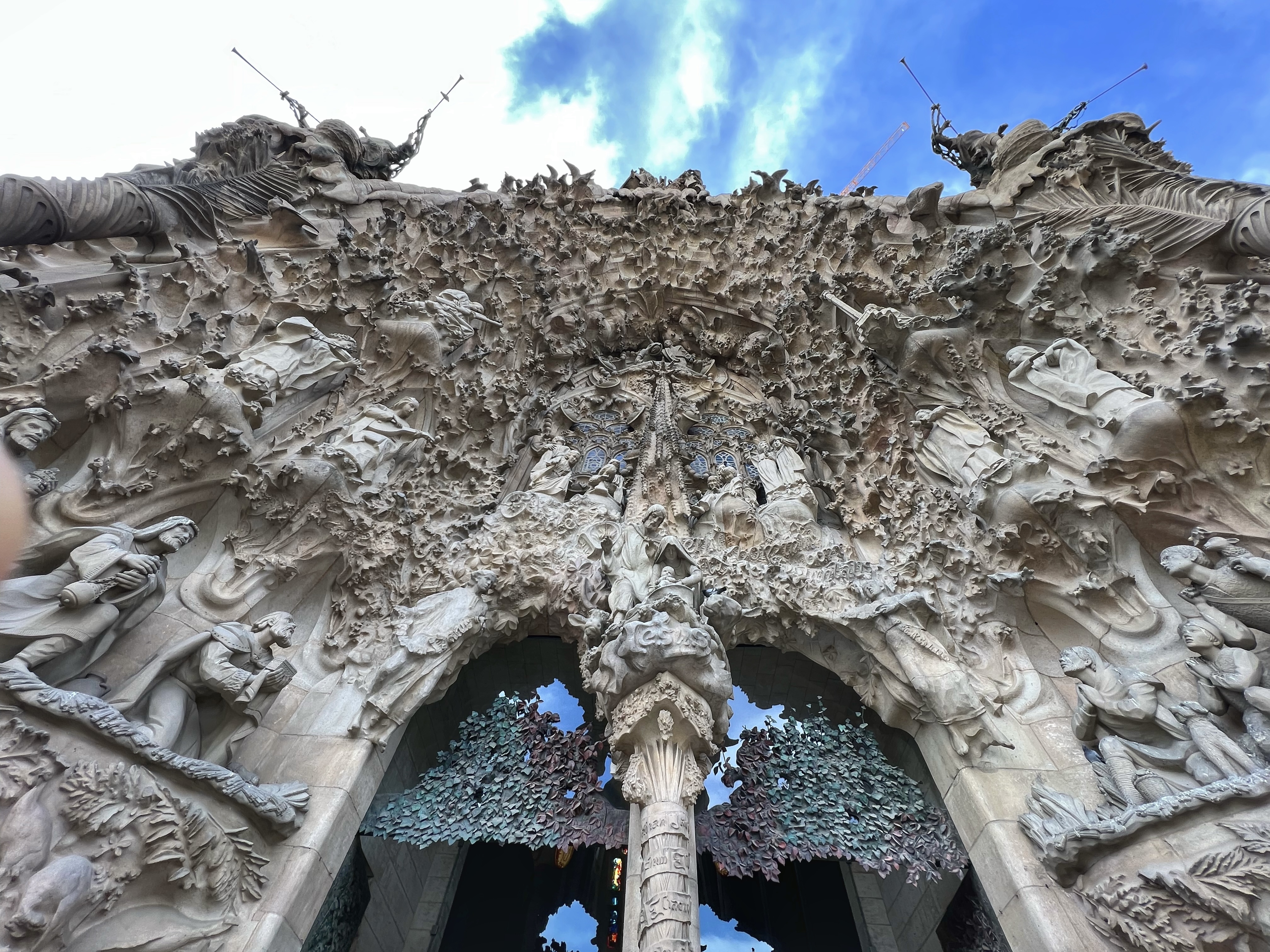
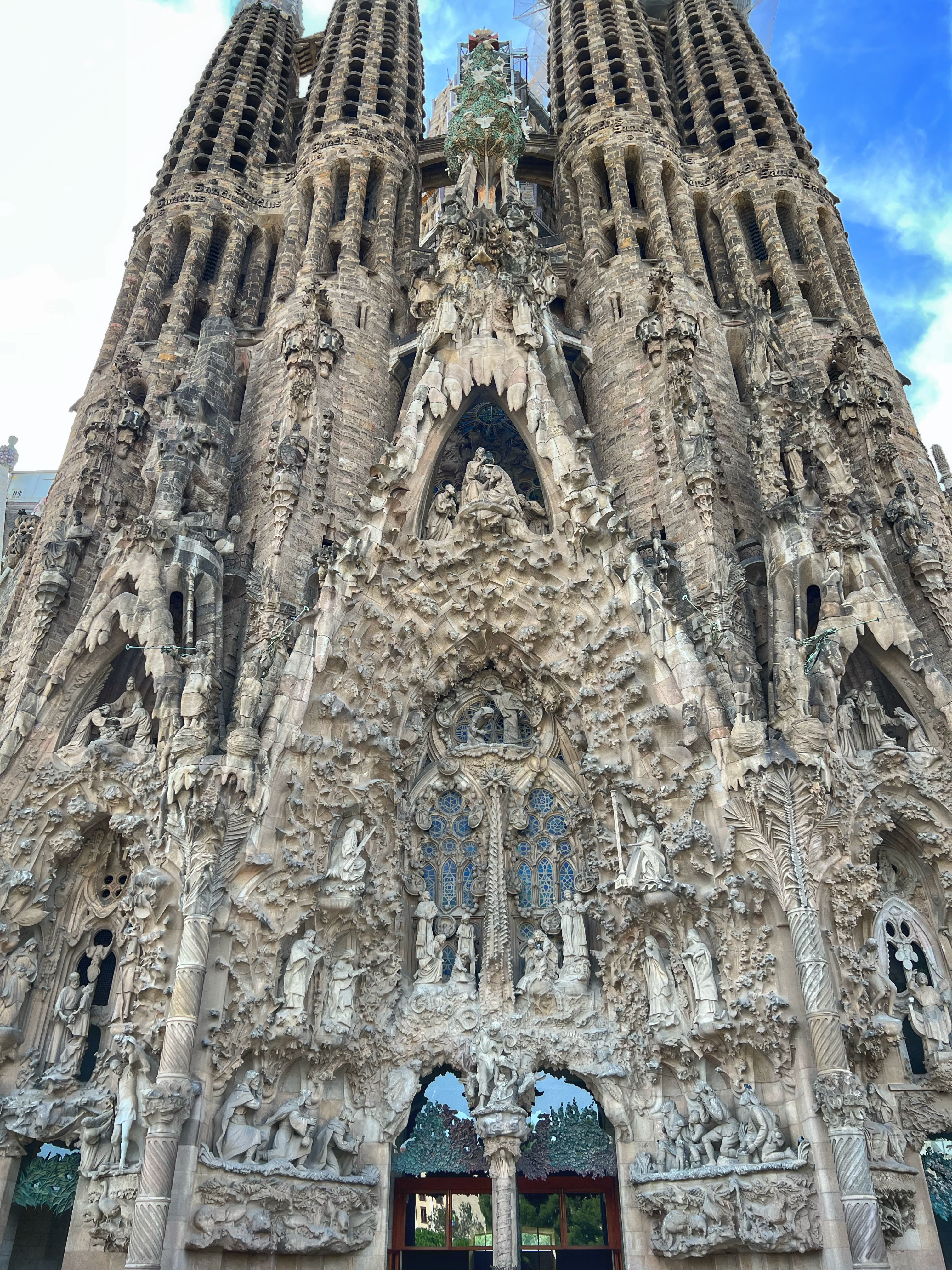
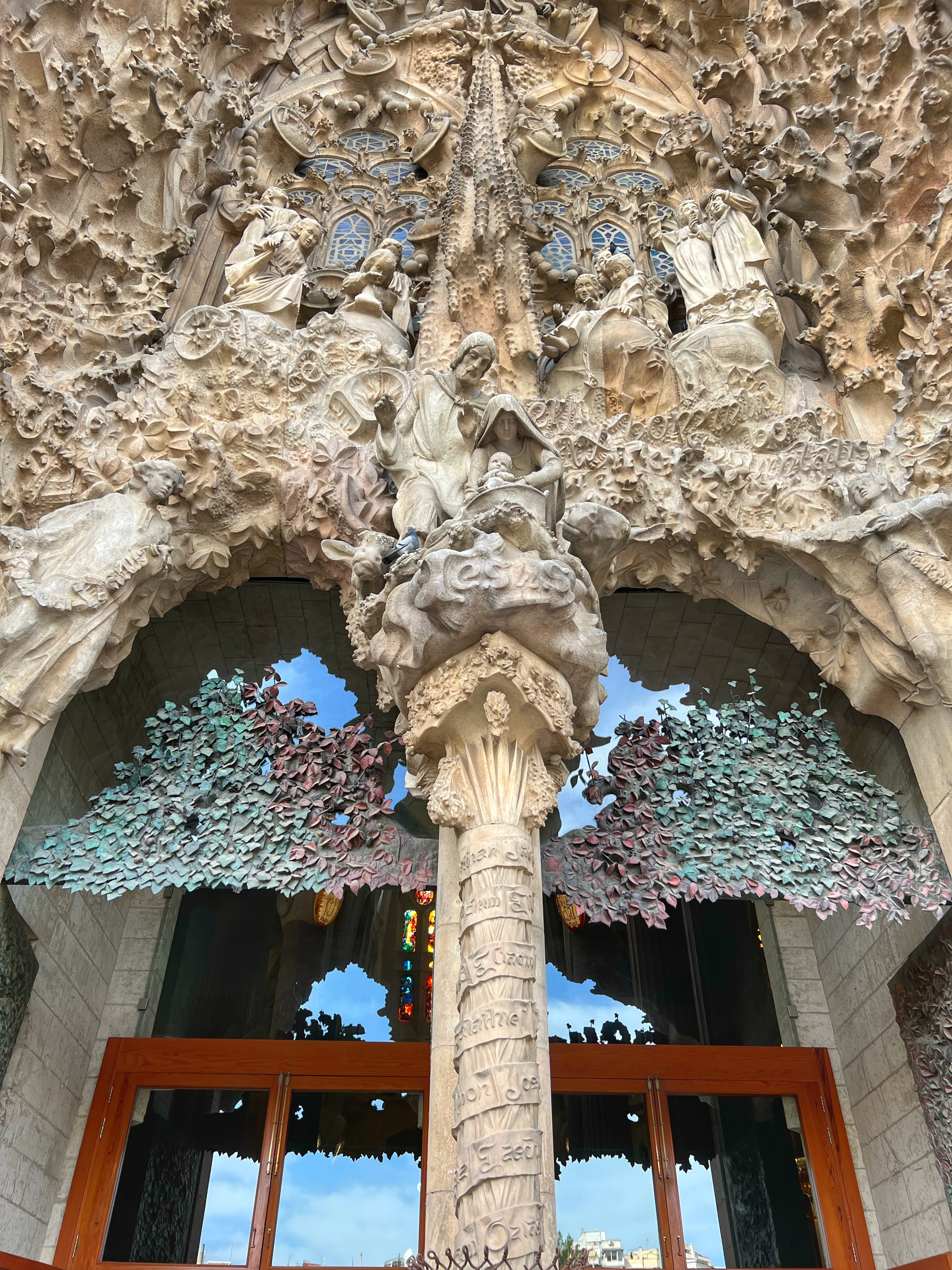
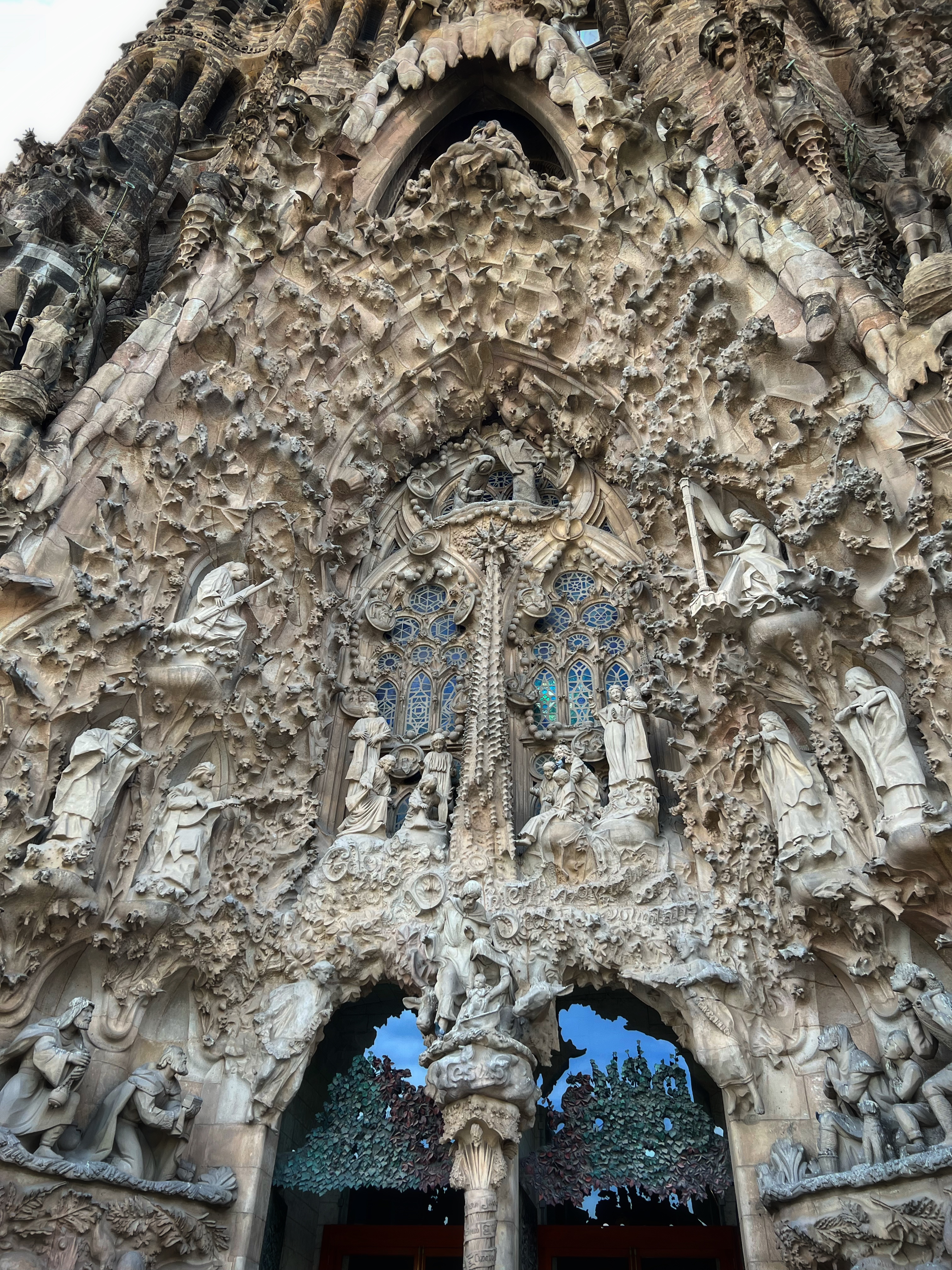

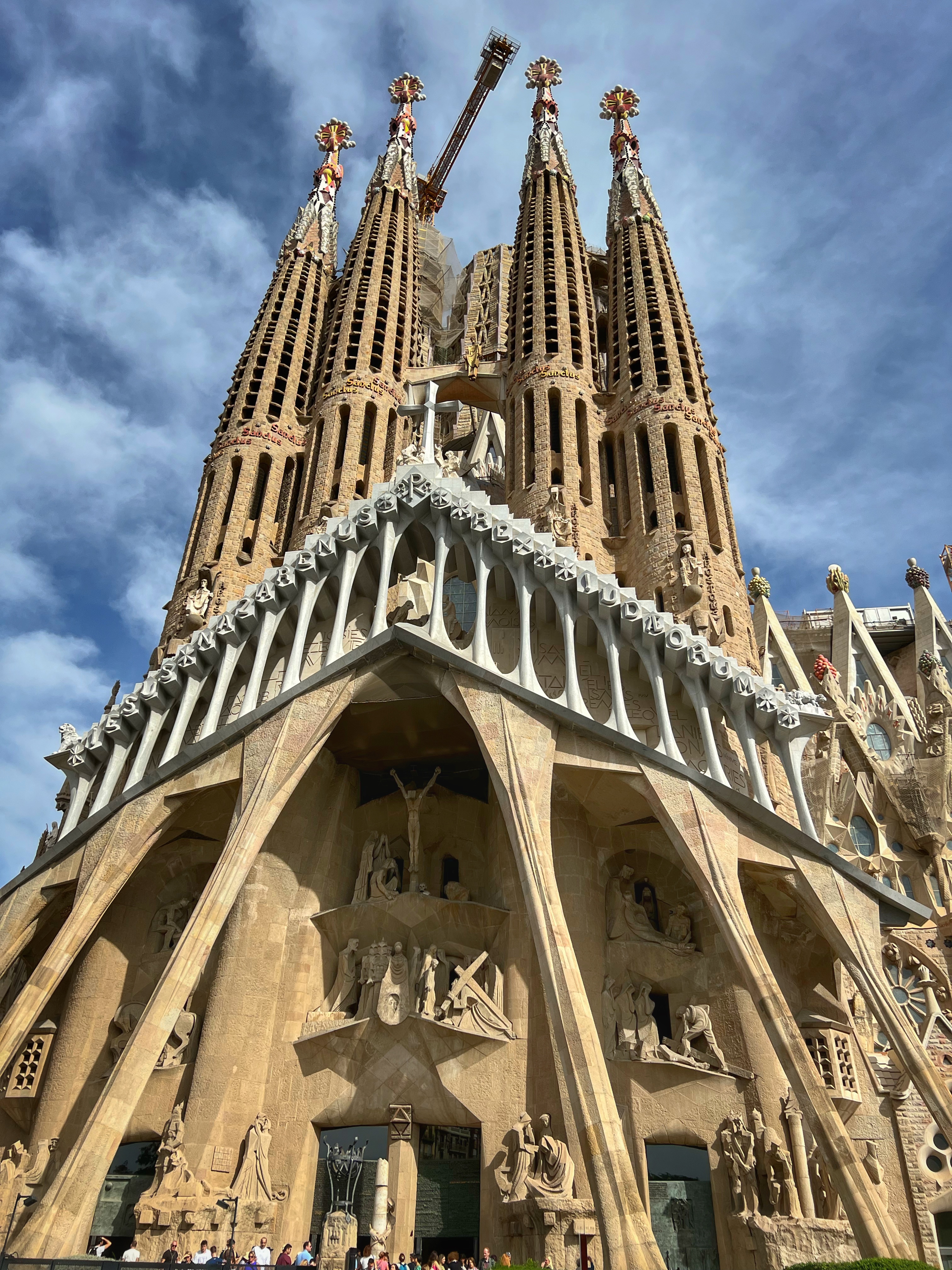
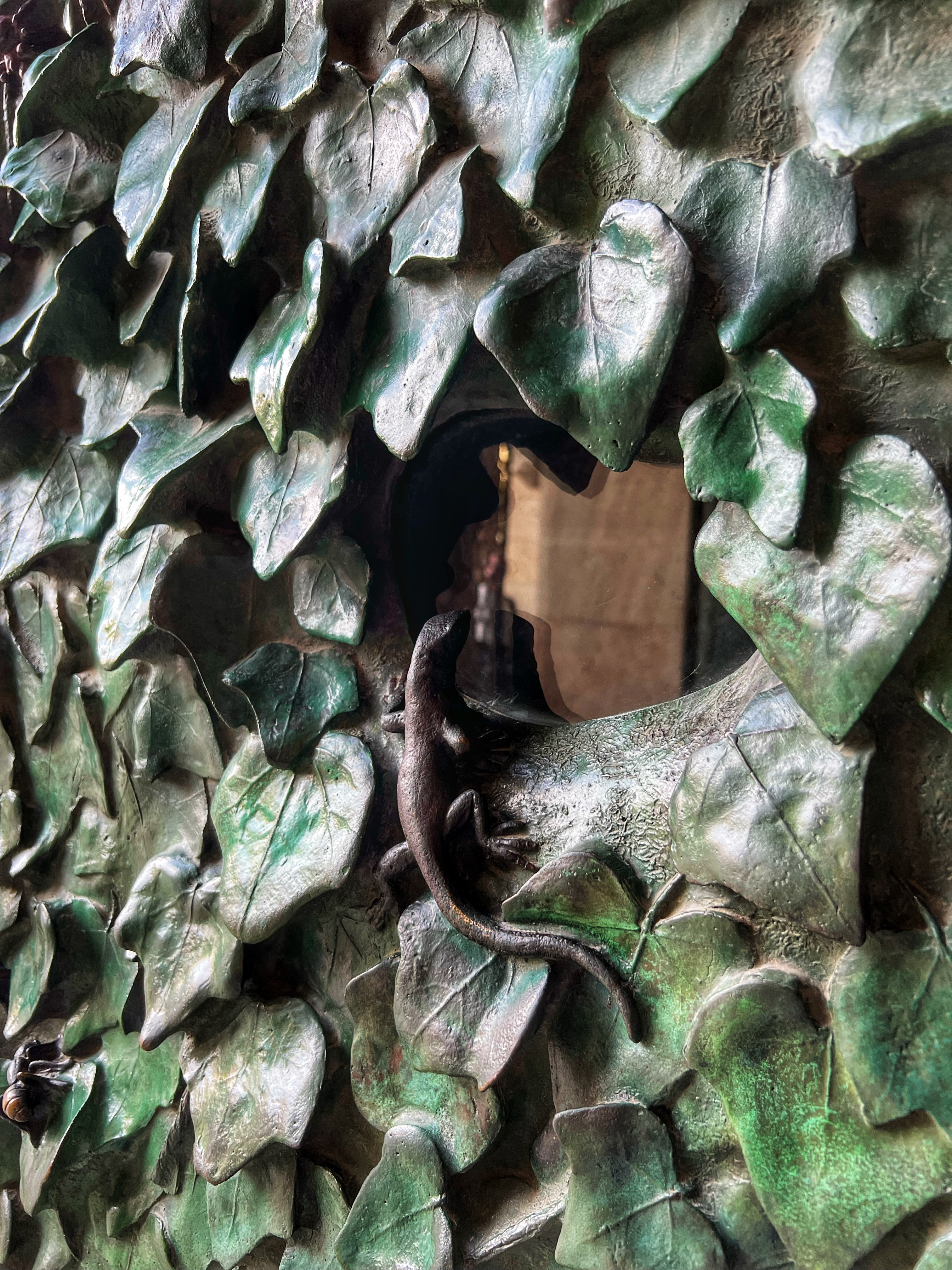
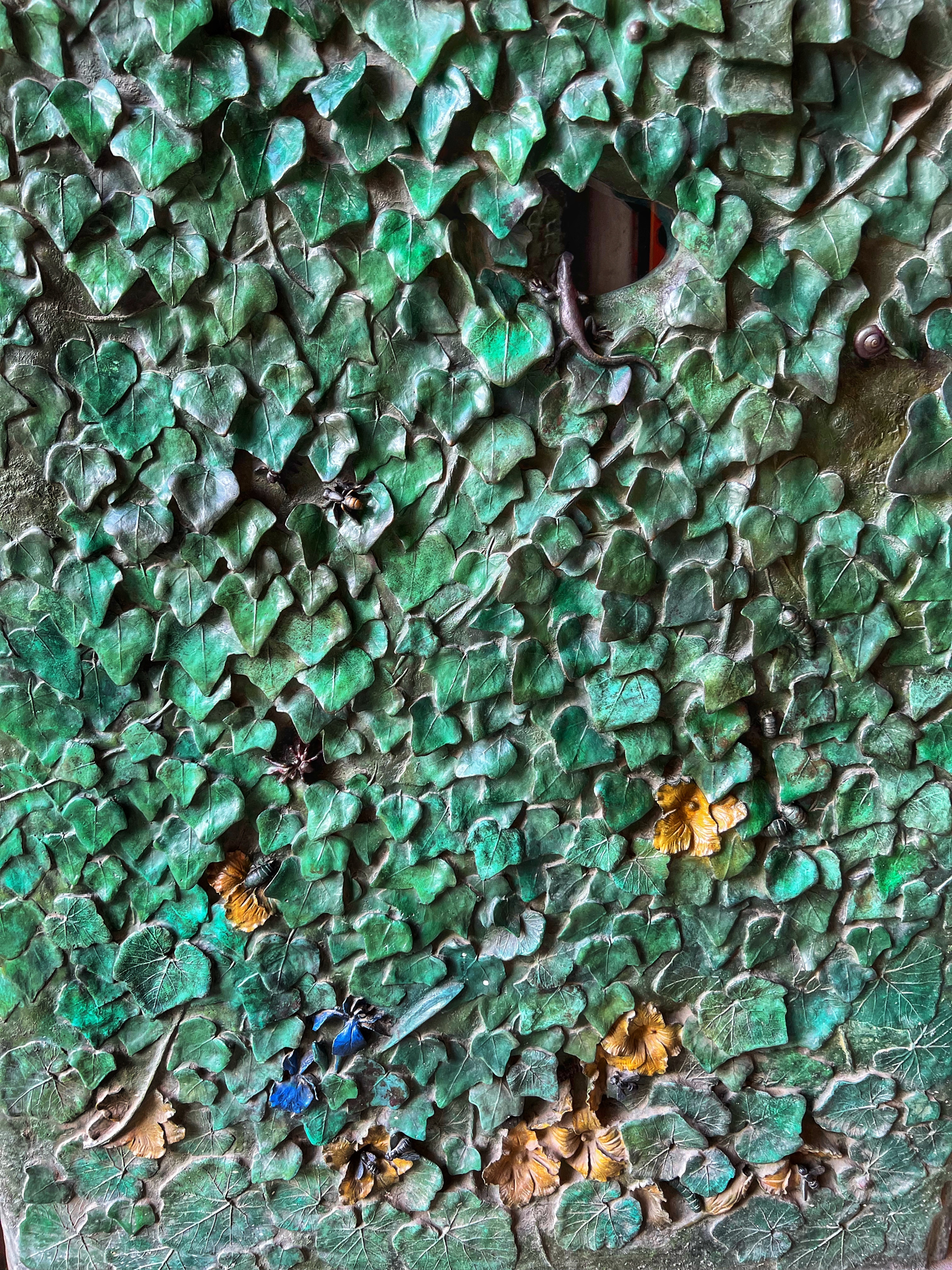

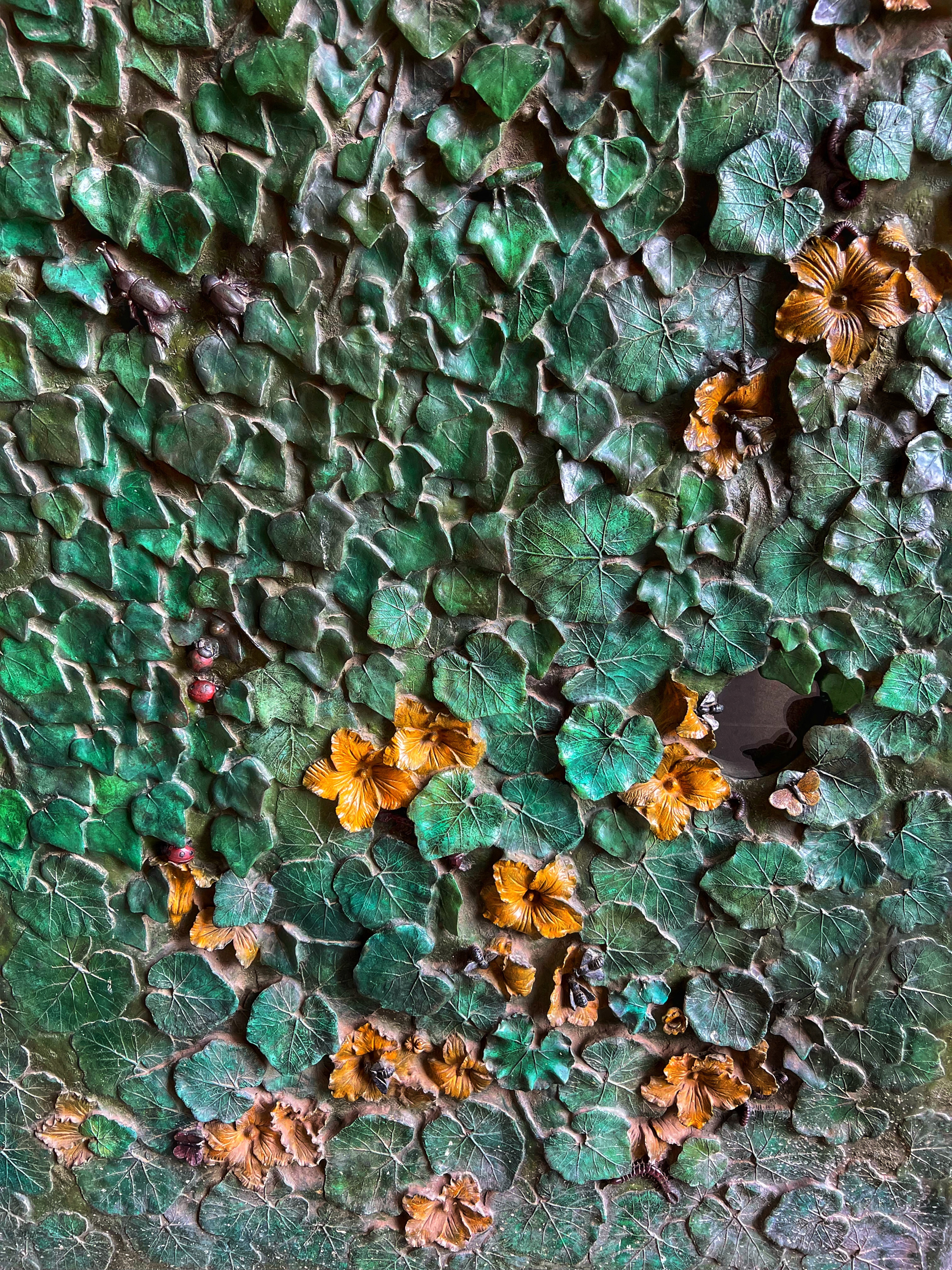
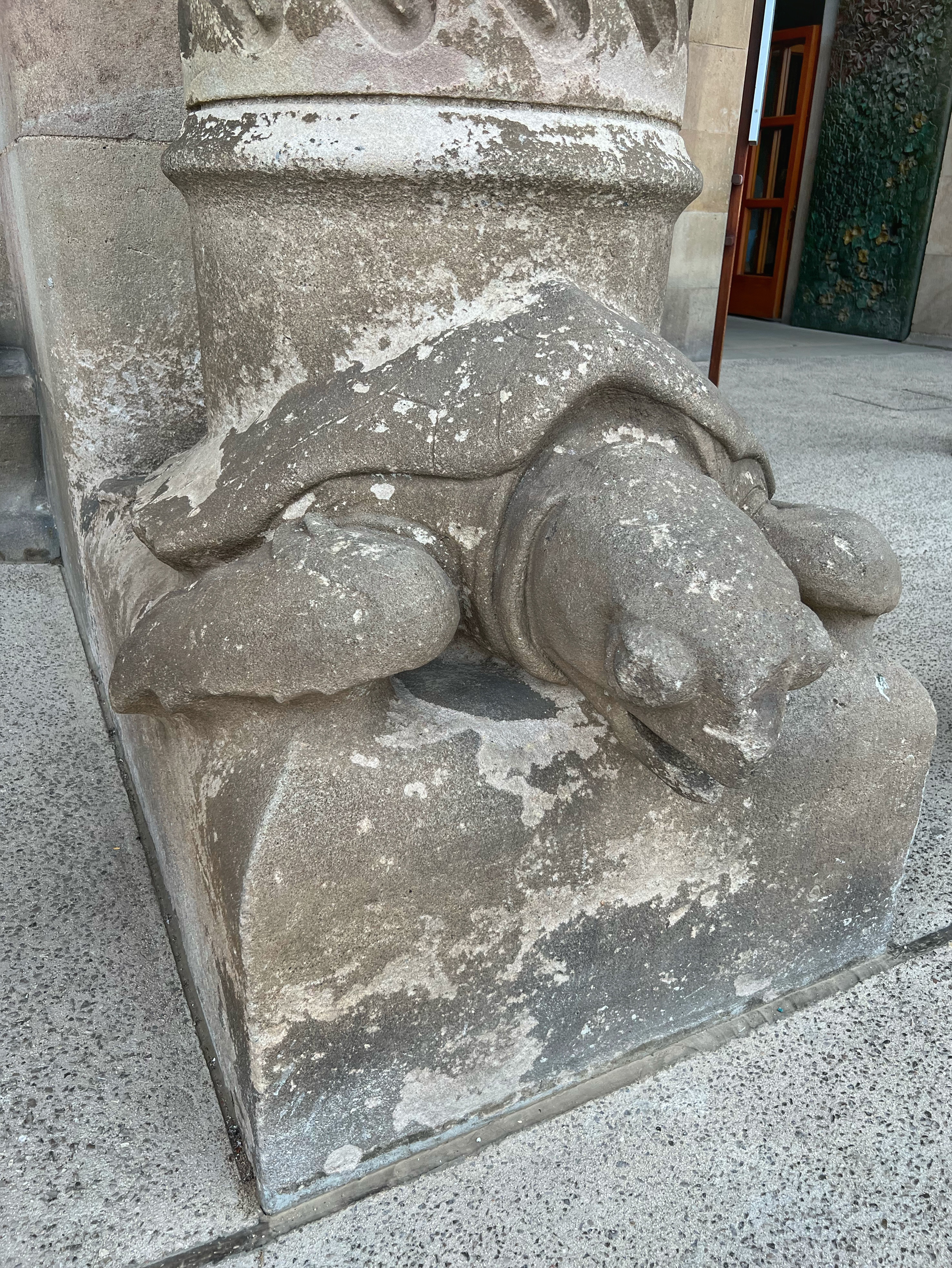
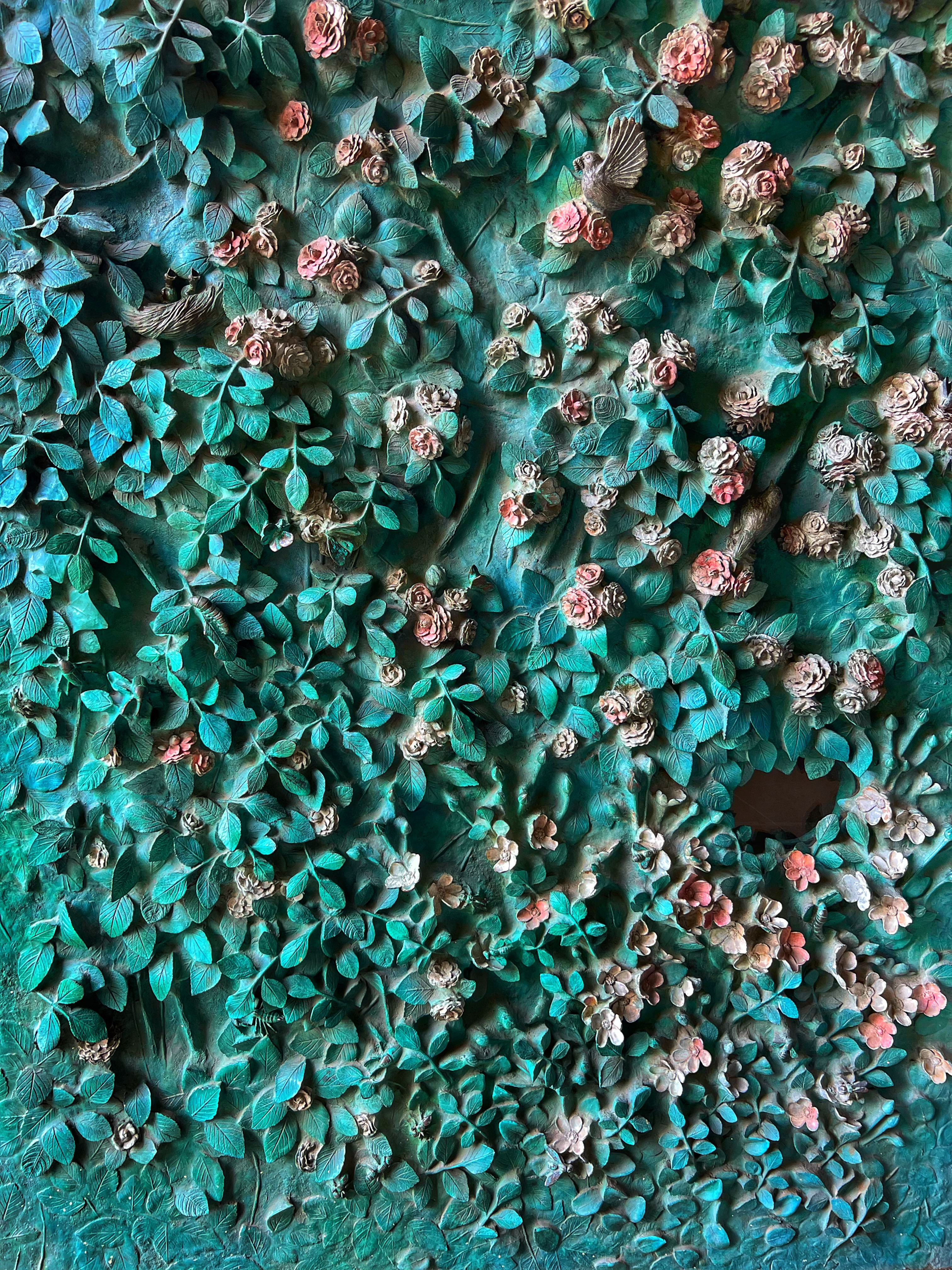
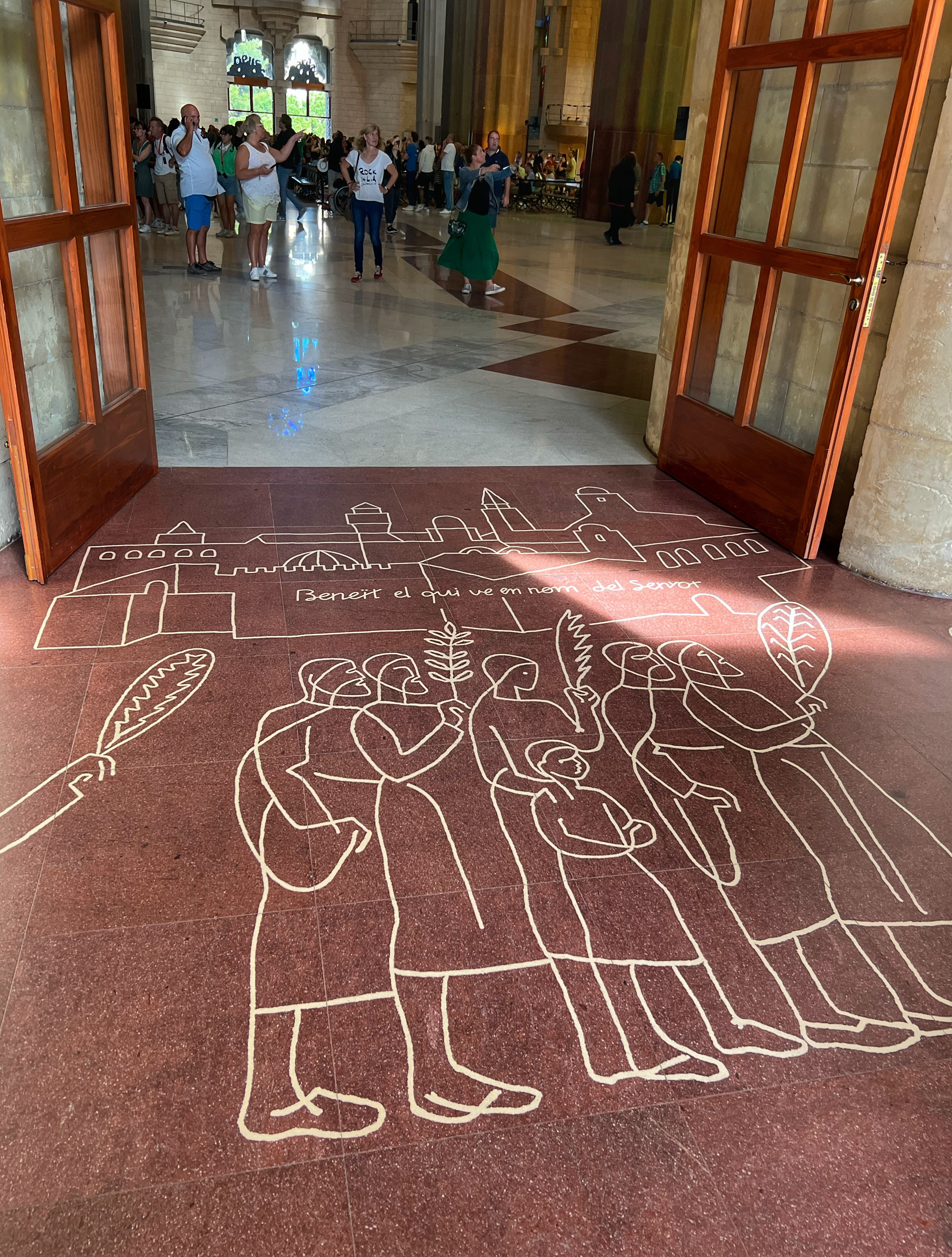
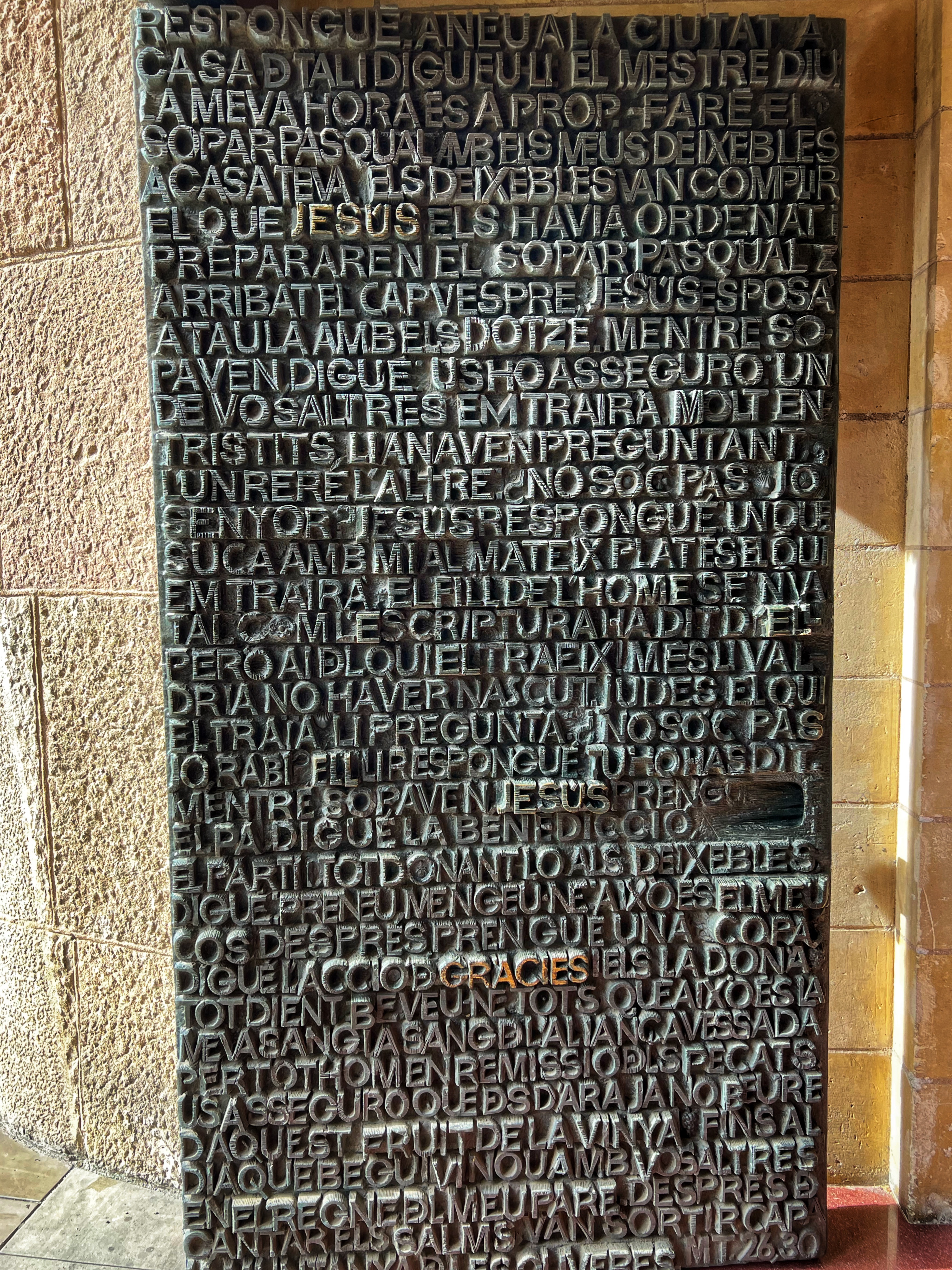
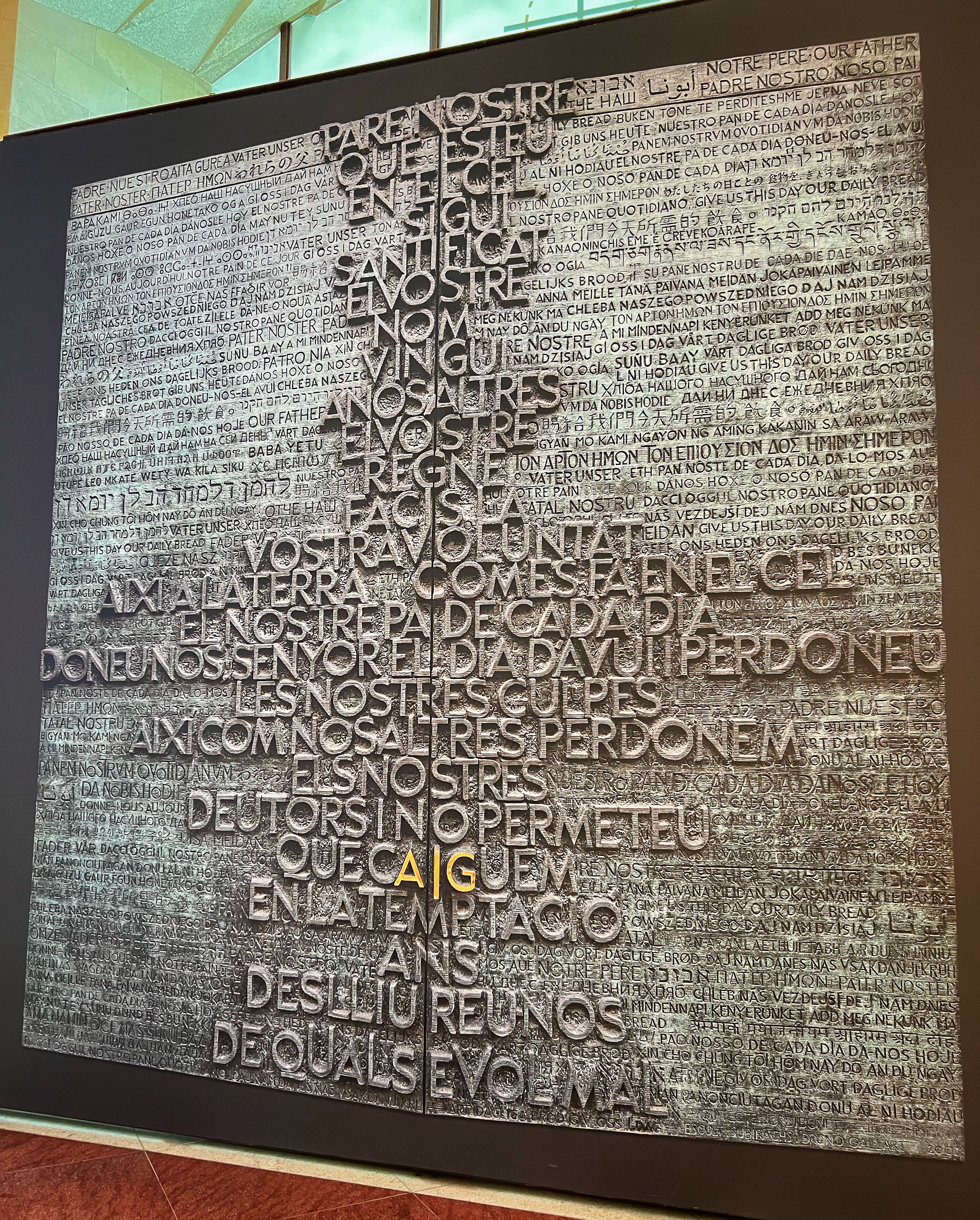
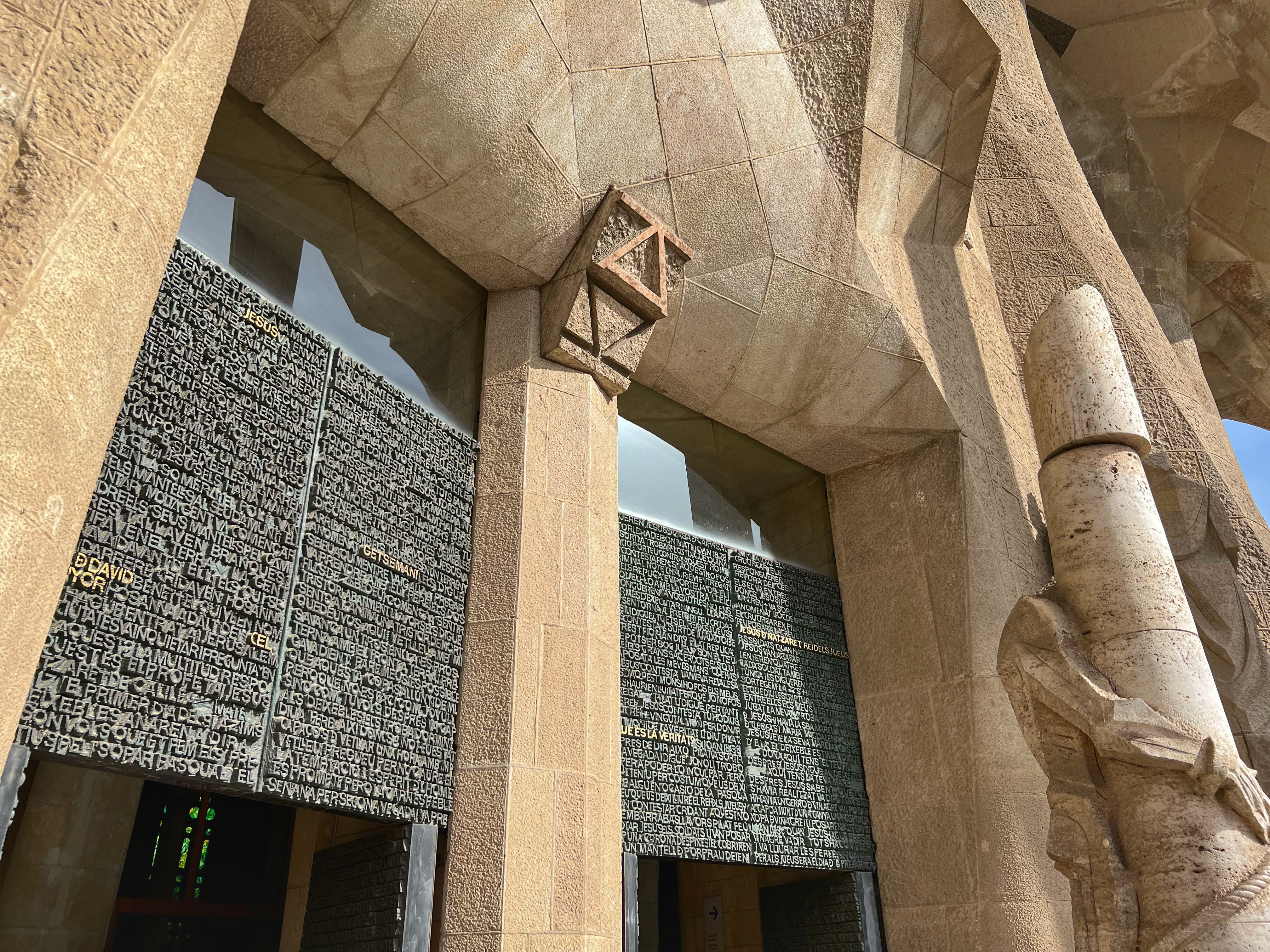
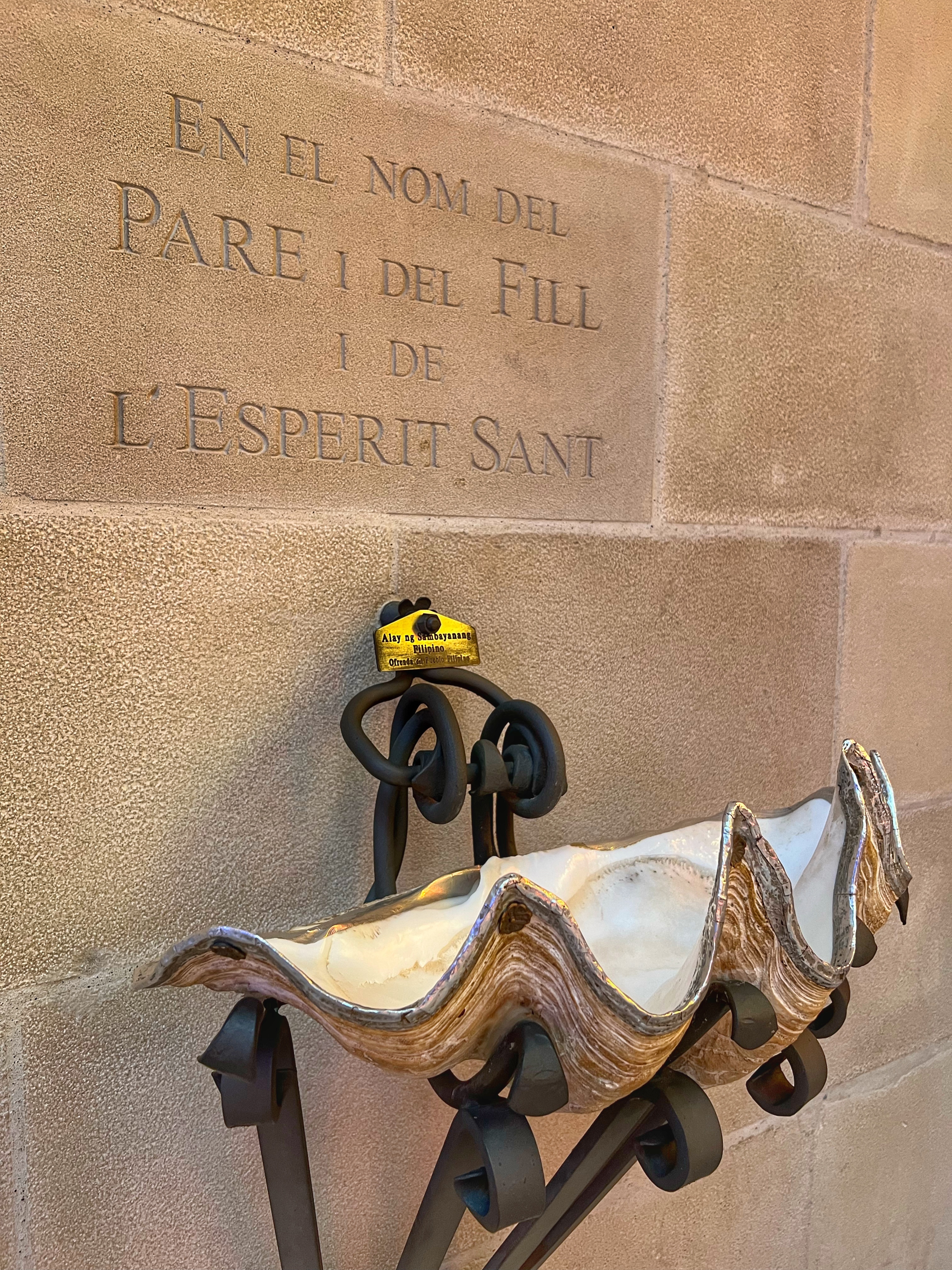
Since 1940, many architects have worked together to bring his vision to life. Current projections put completion somewhere in the early 2030’s – over 150 years after it began. When it is finished, Sagrada Familia will be the tallest church in the world at 172.5m, surpassing Ulm in Germany (161.5m), and just one meter shy of the height of Montjuïc in Barcelona, as Gaudí believed no human creation should surpass the height of God’s creations. First a church, later a cathedral (seat of the Bishop), and then in 2010 it was declared a basilica by Pope Benedict. Every single detail of this basilica has meaning, and was inspired by nature and the Holy Family. It’s inspiring indeed.
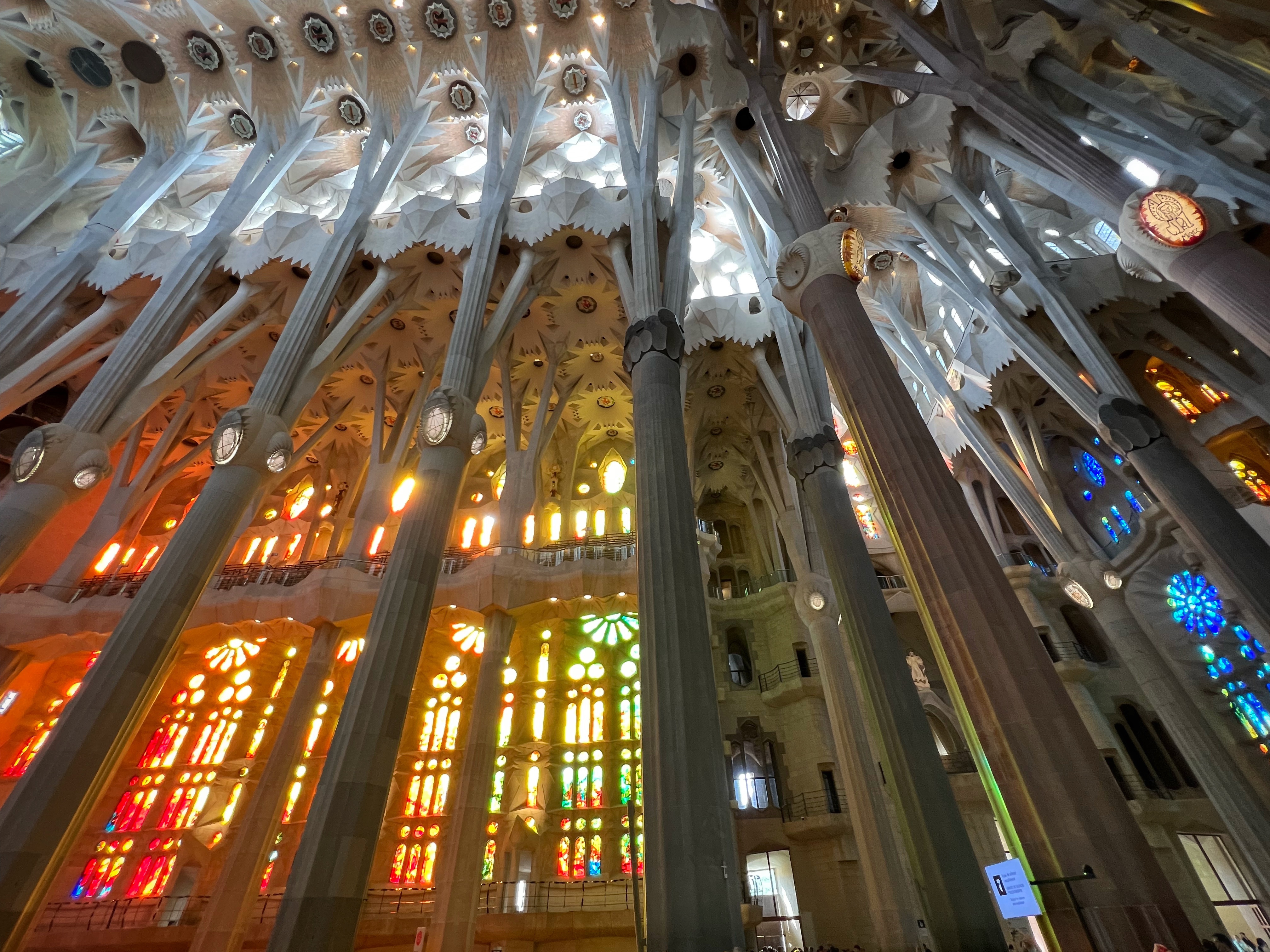

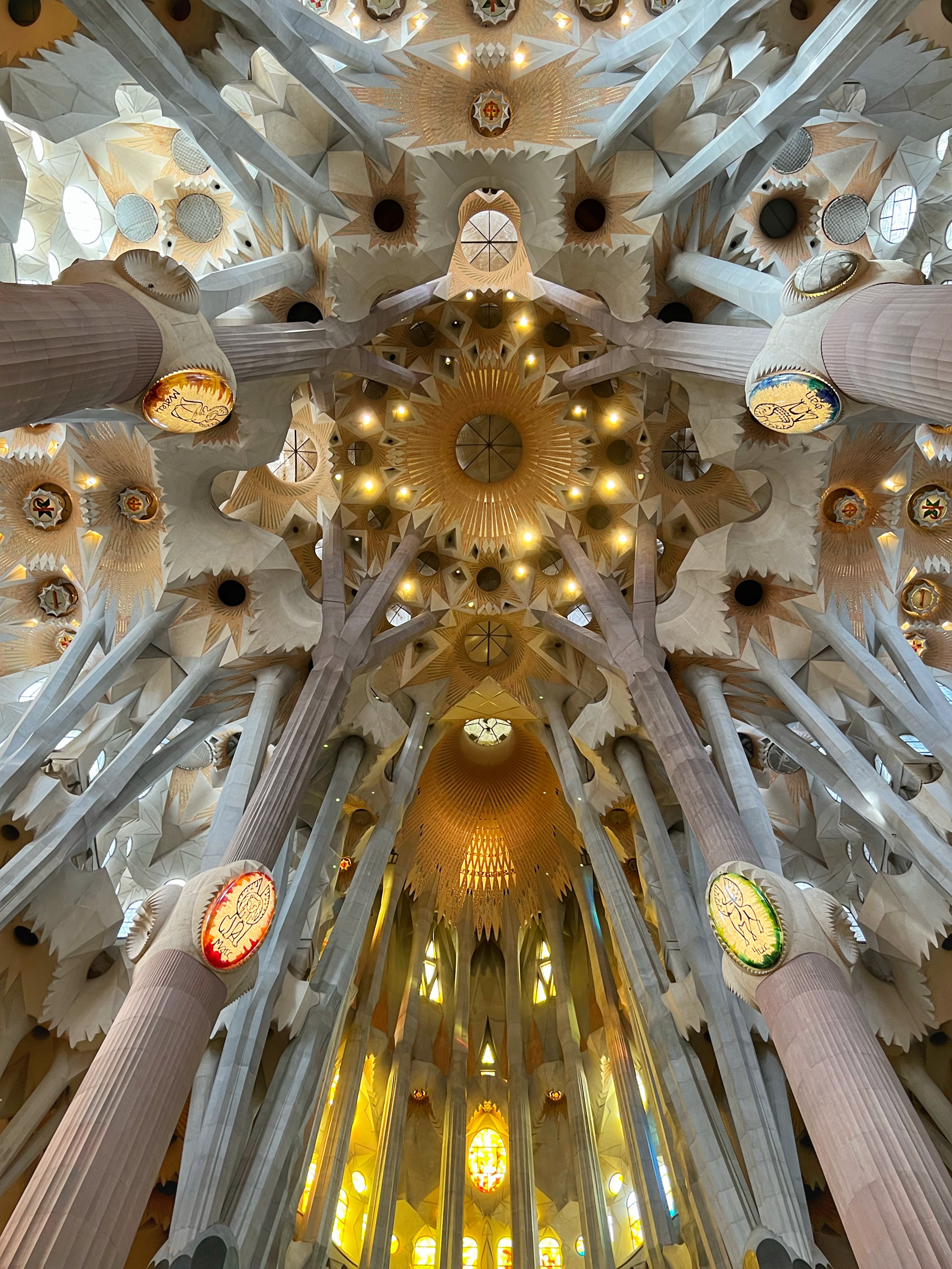

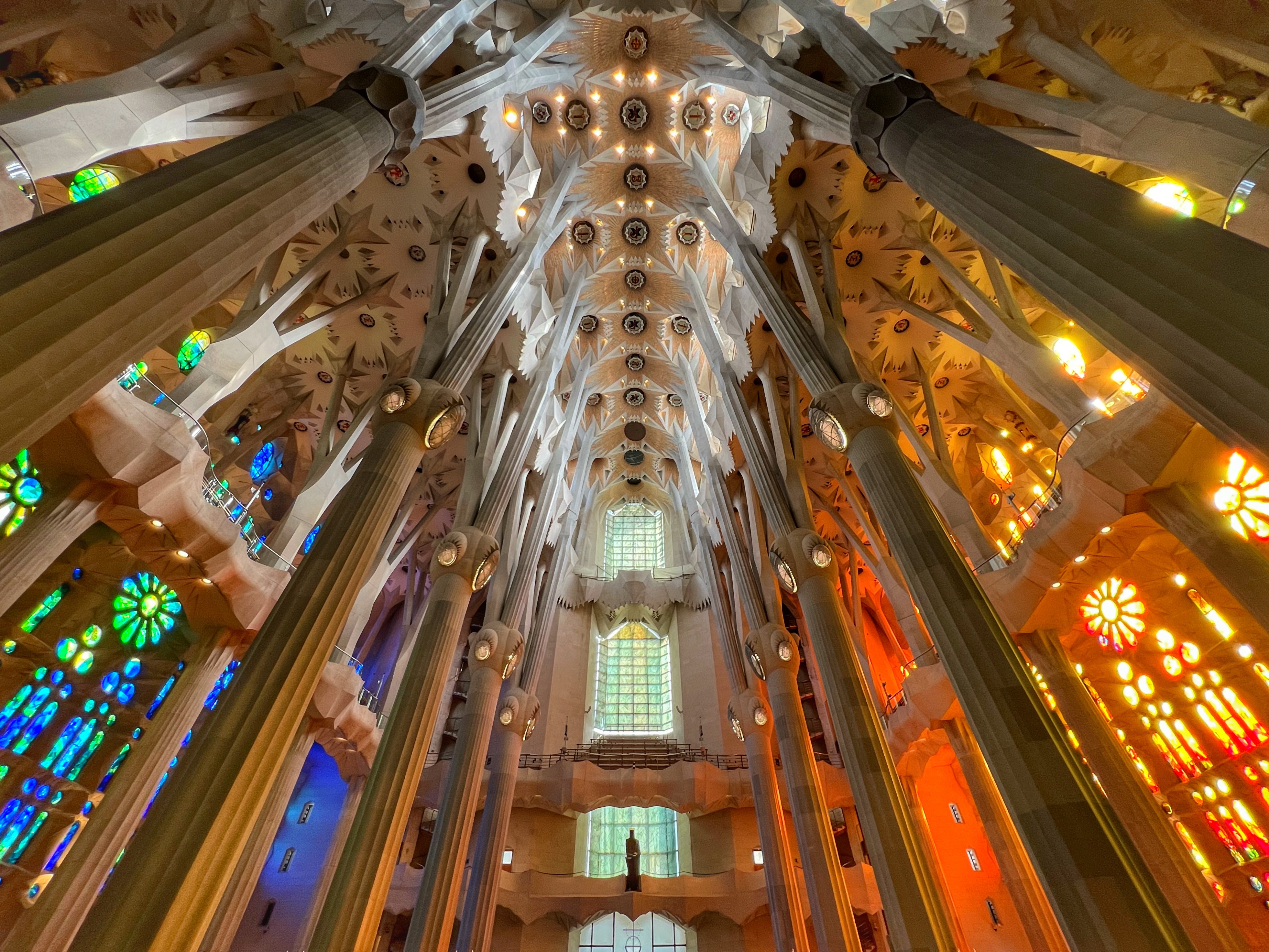
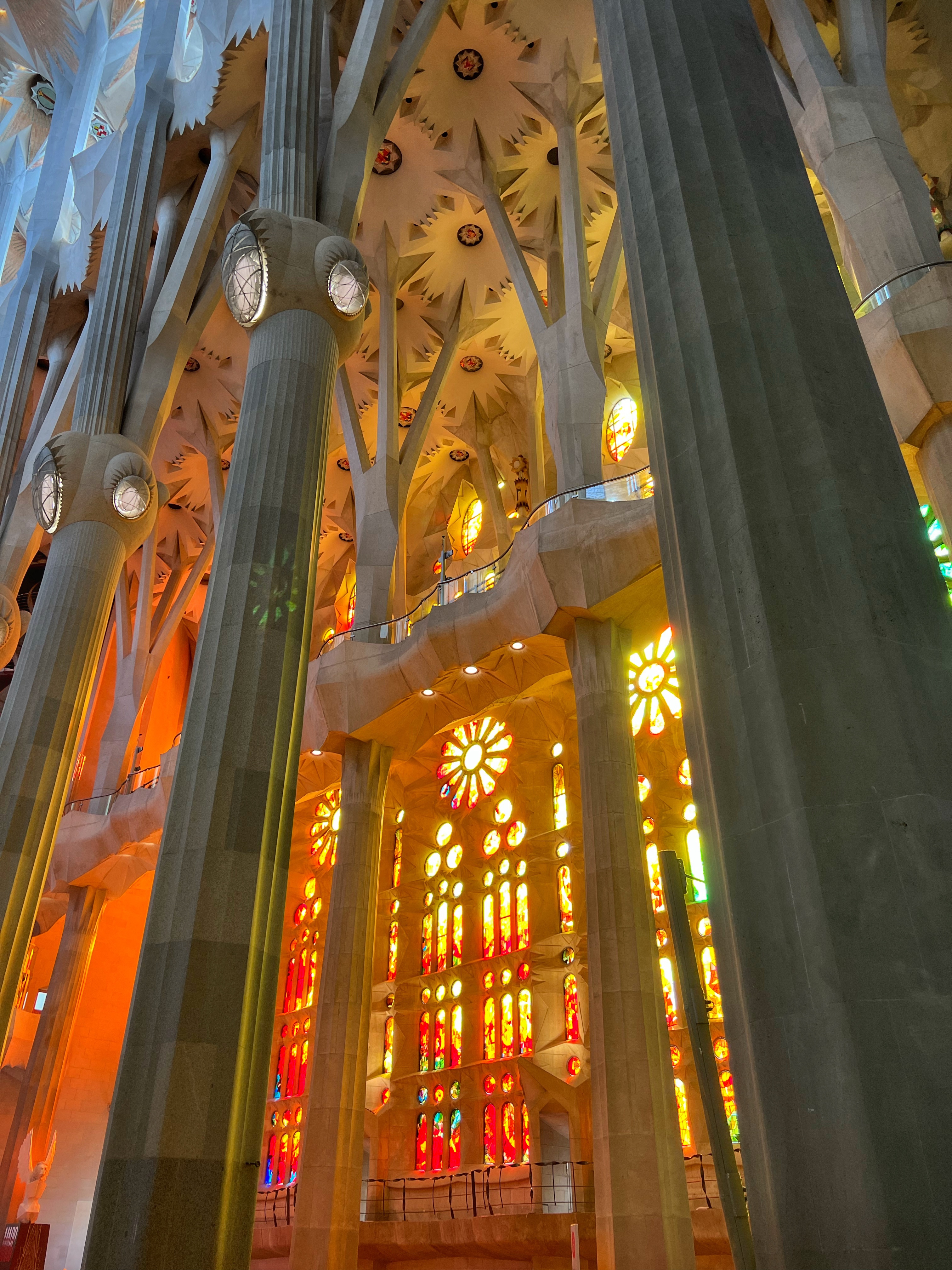


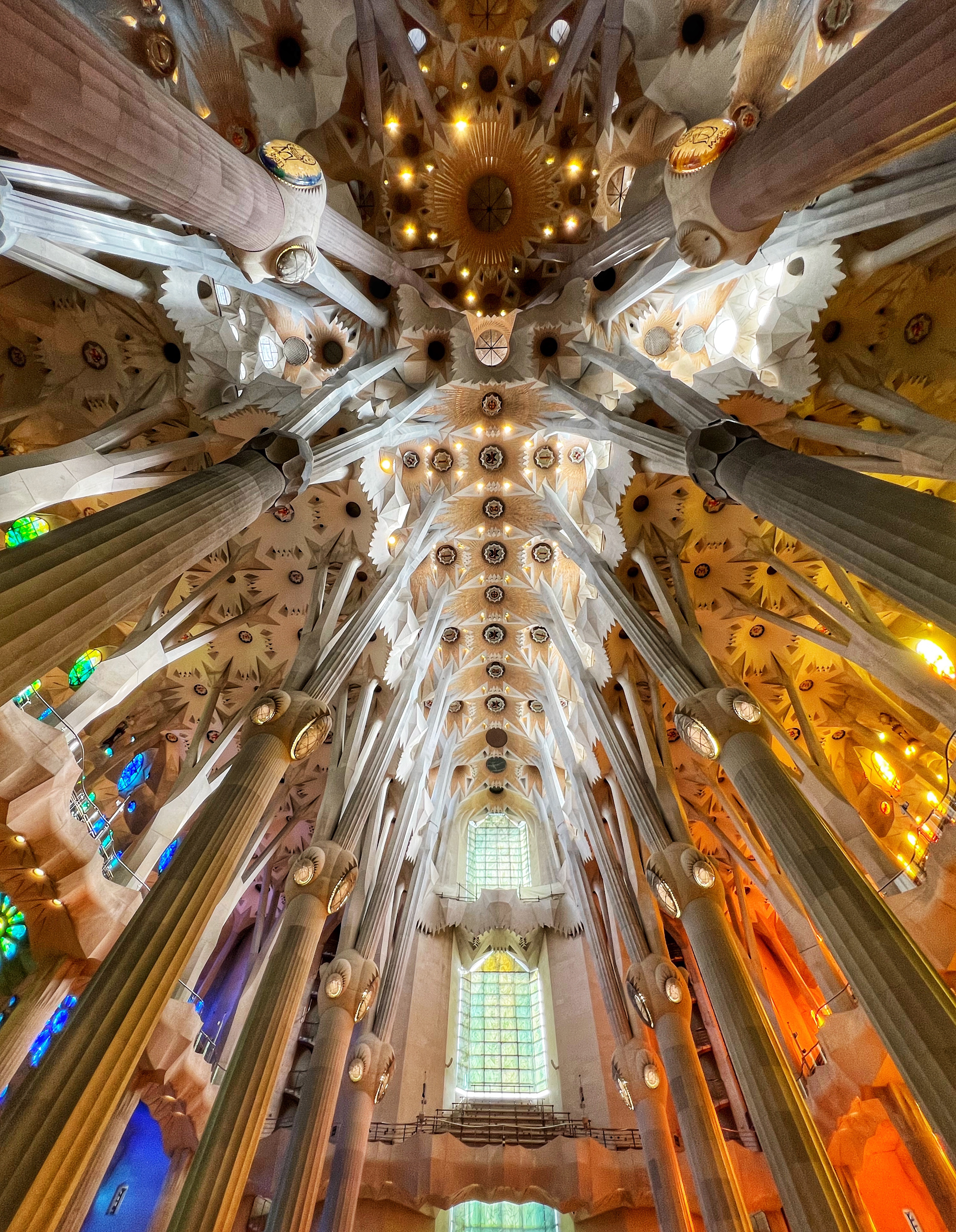
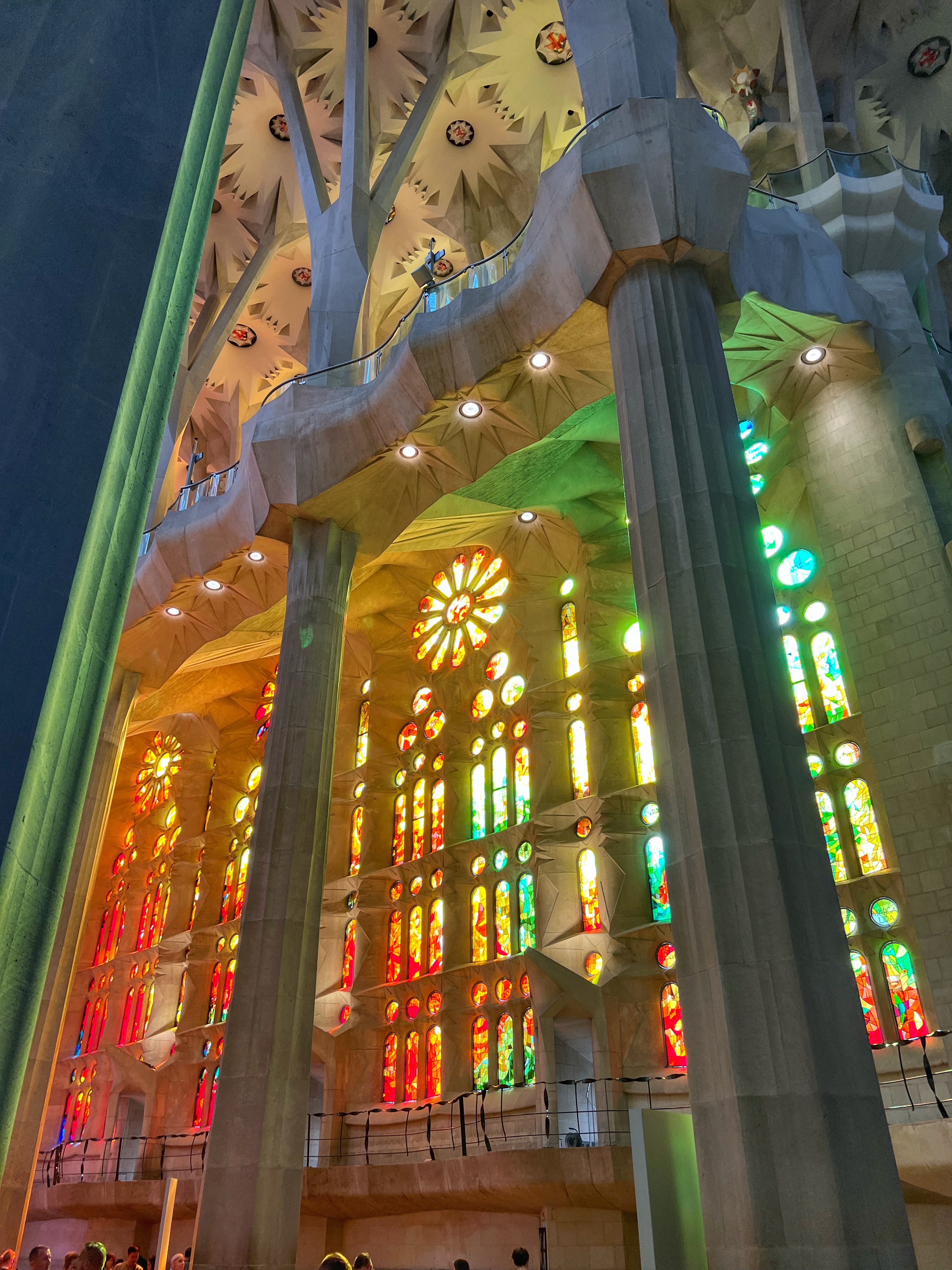
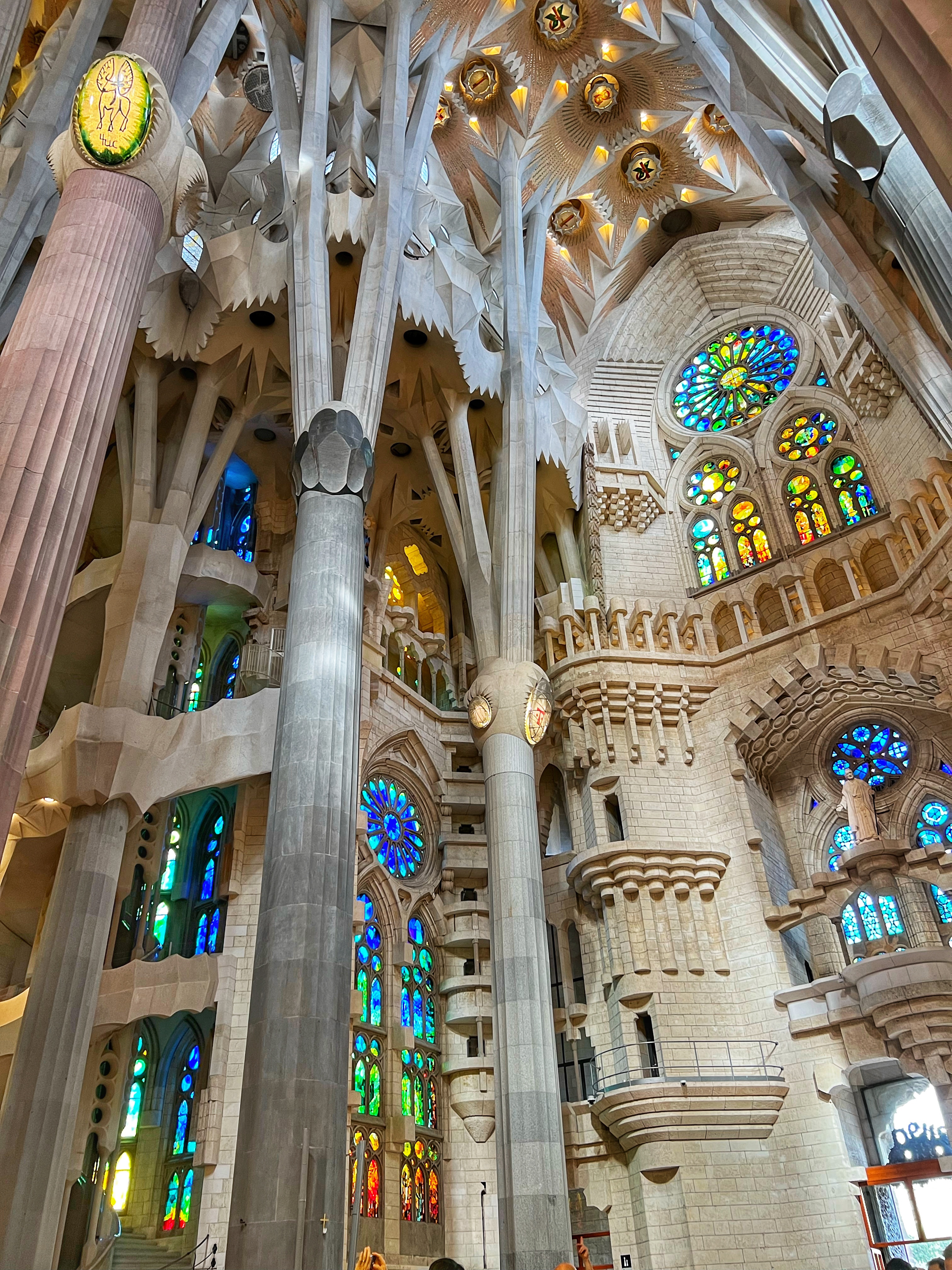

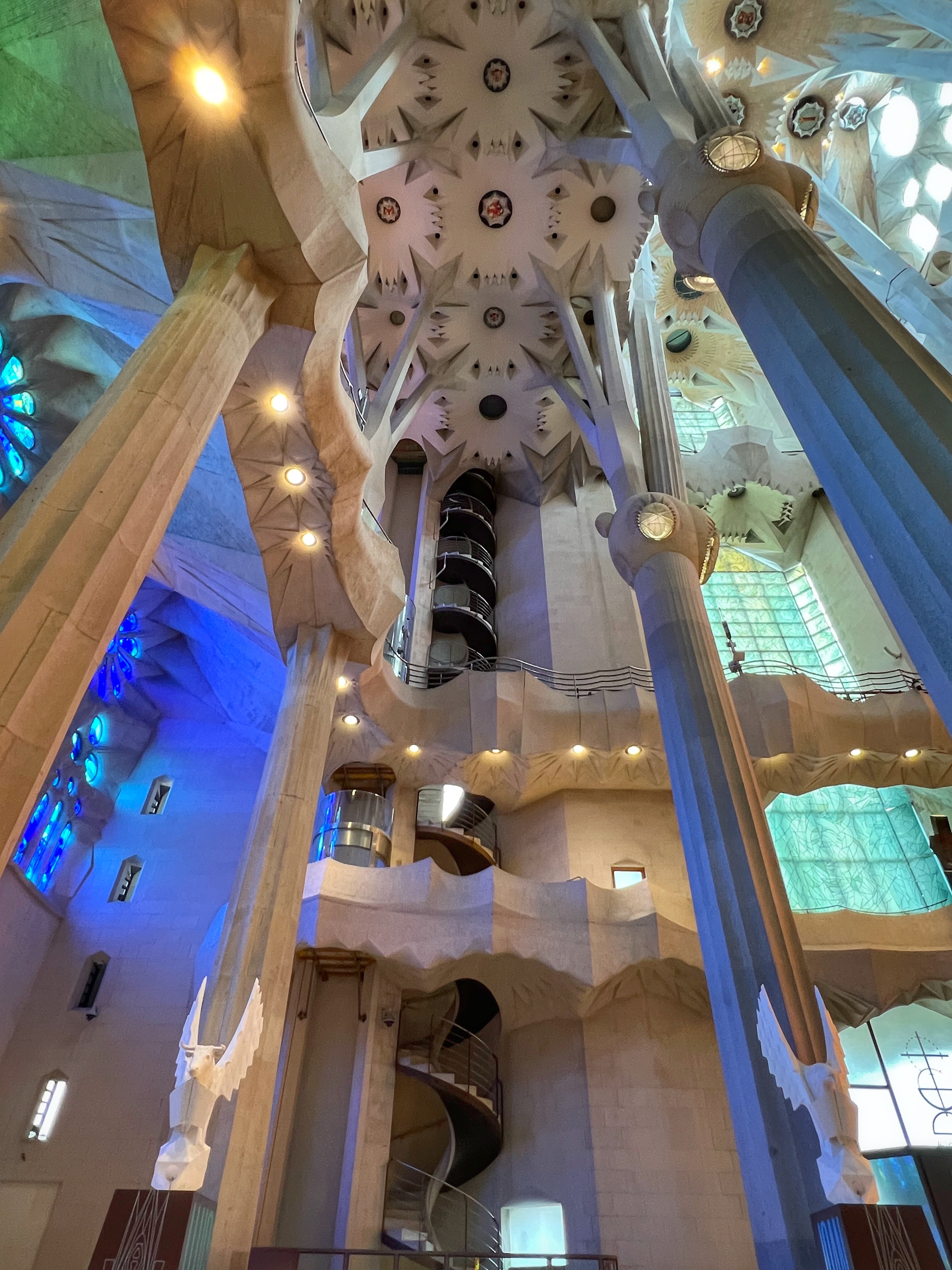
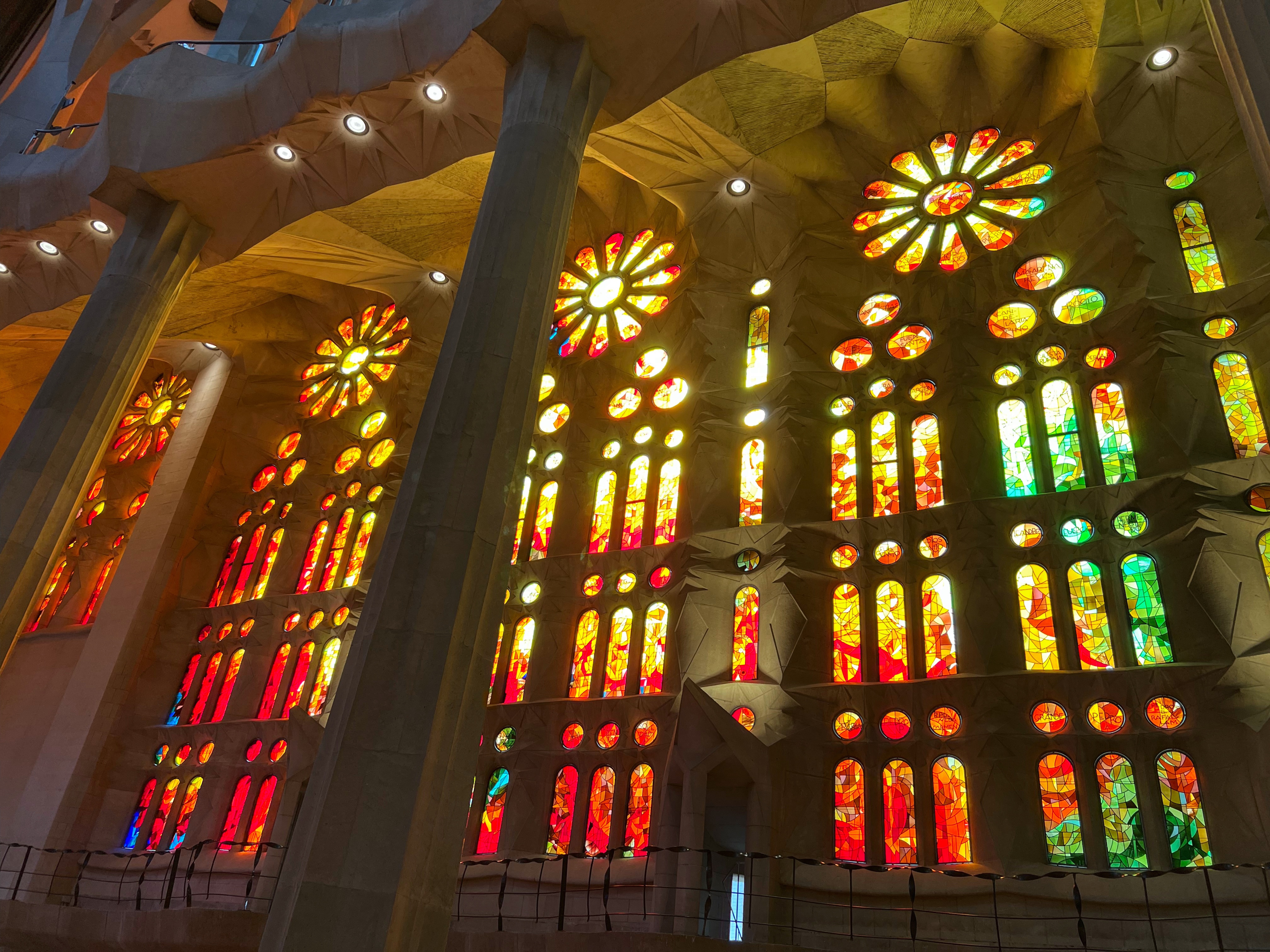
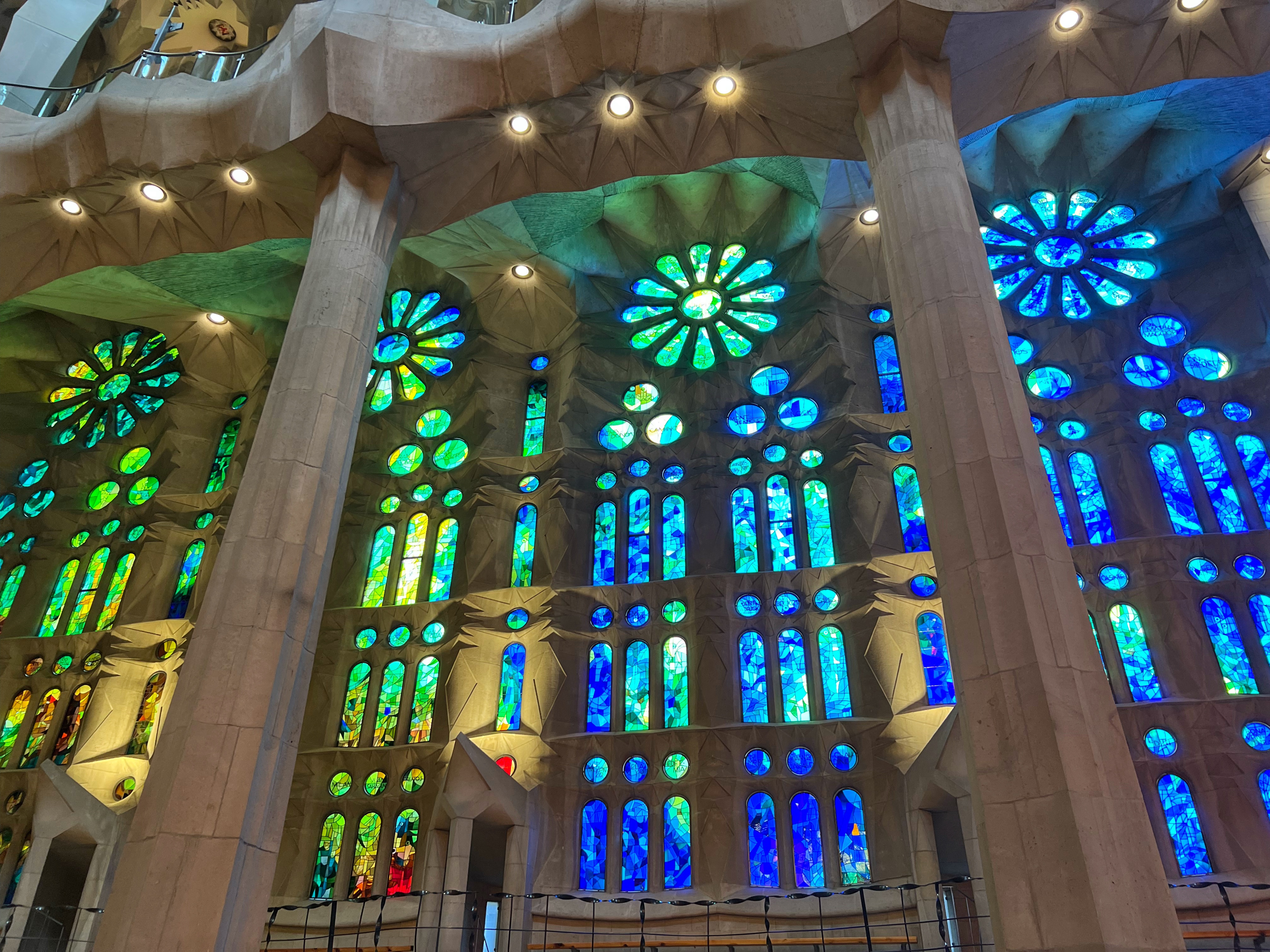
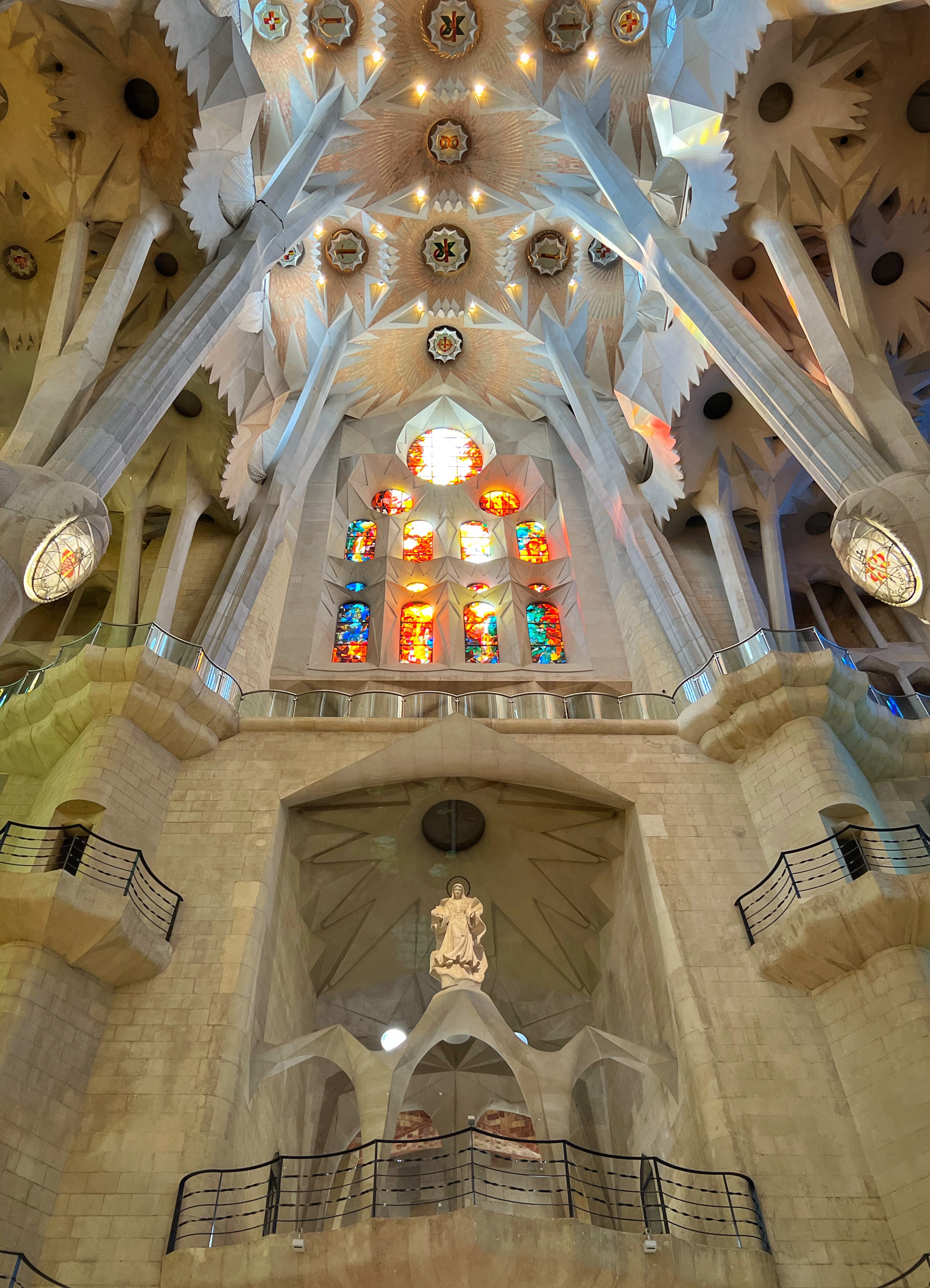
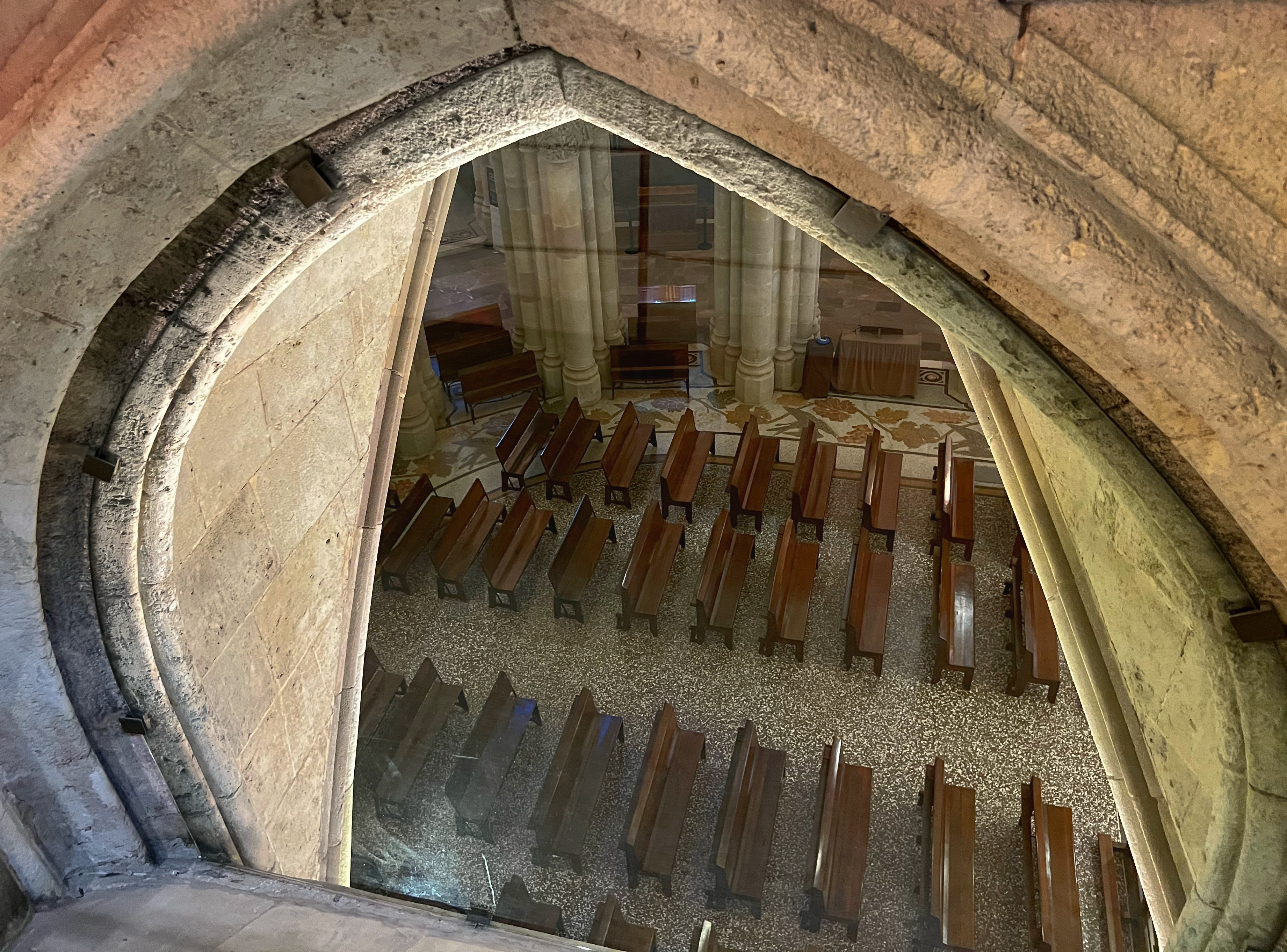
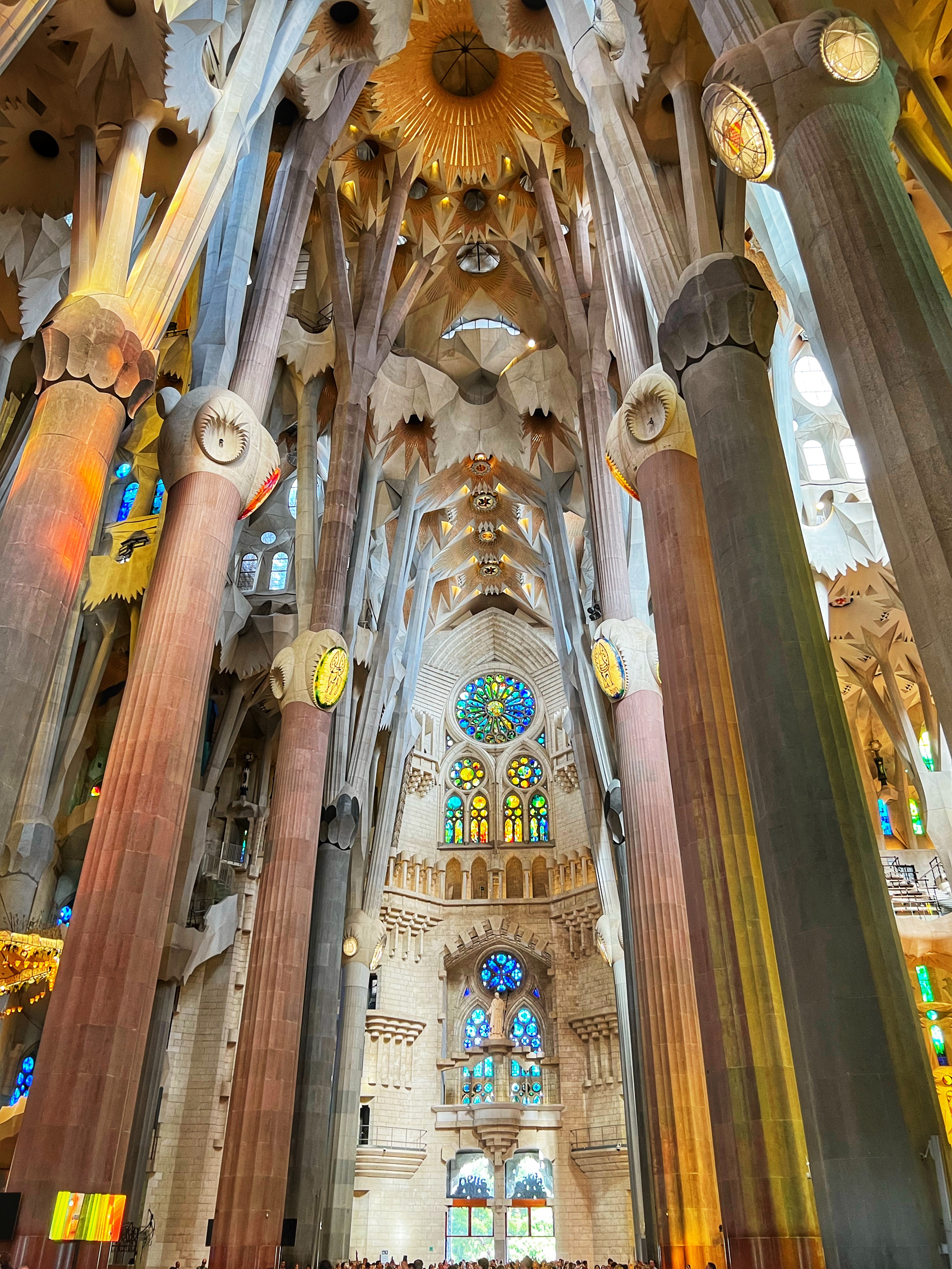
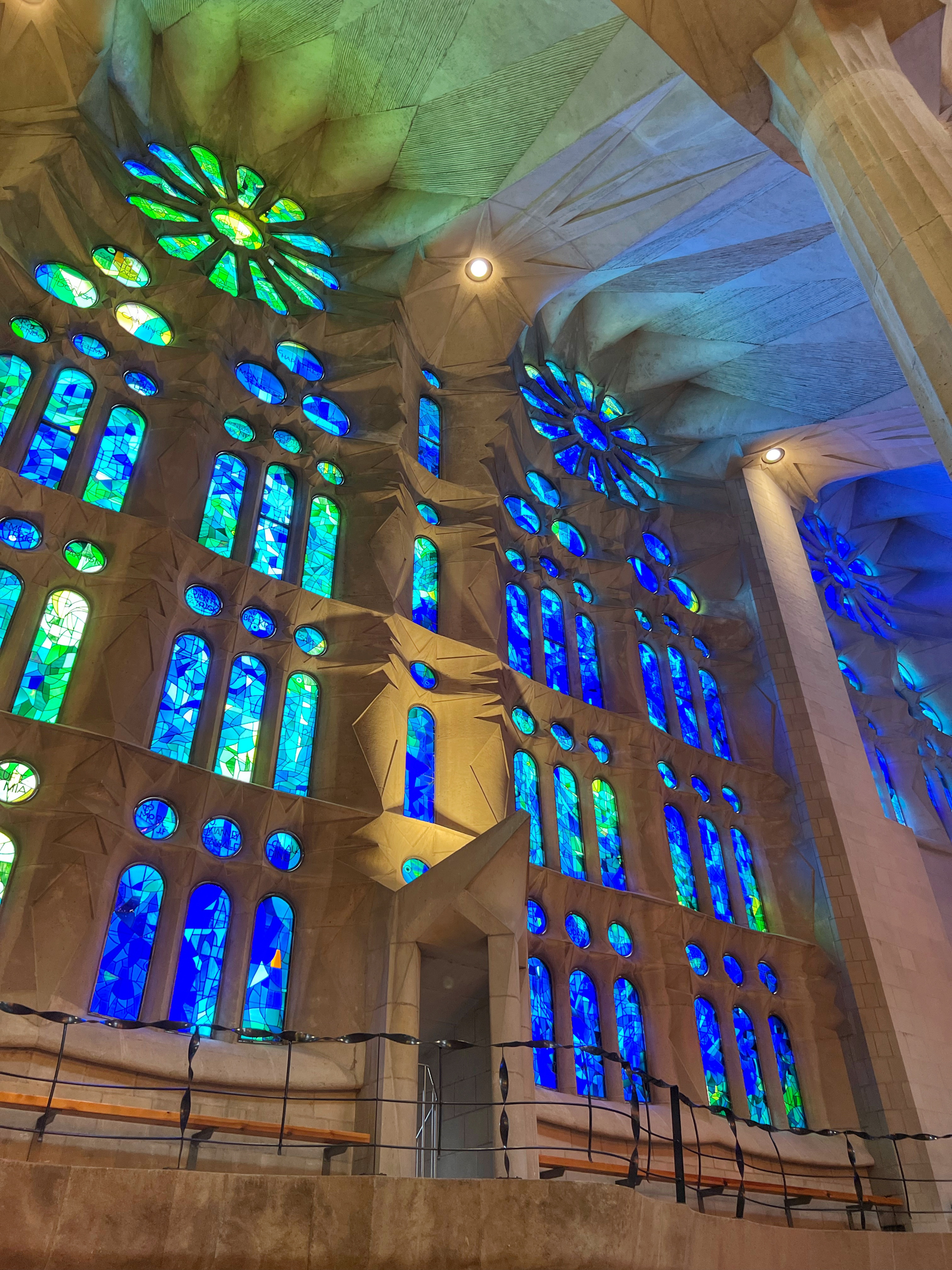
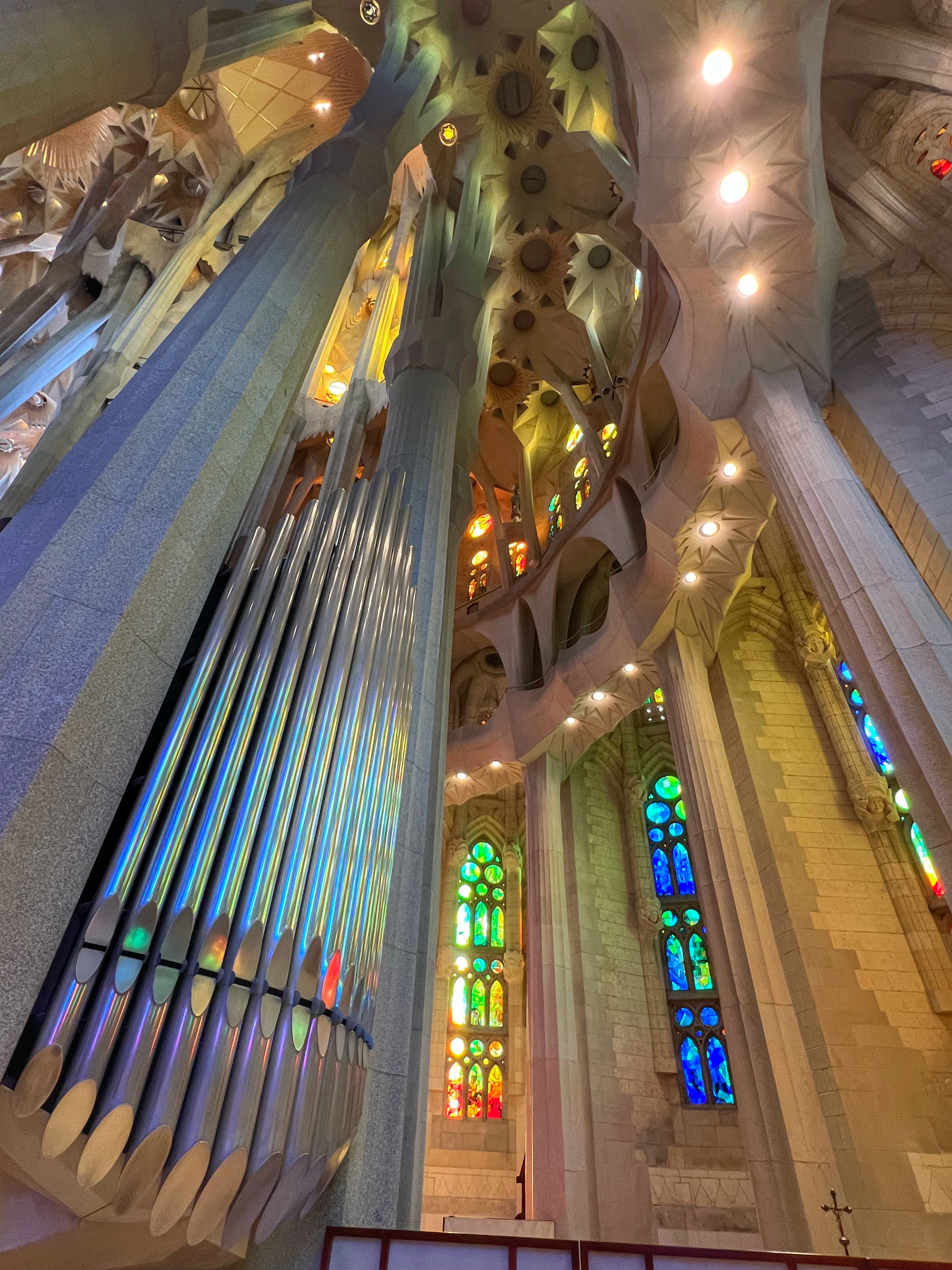

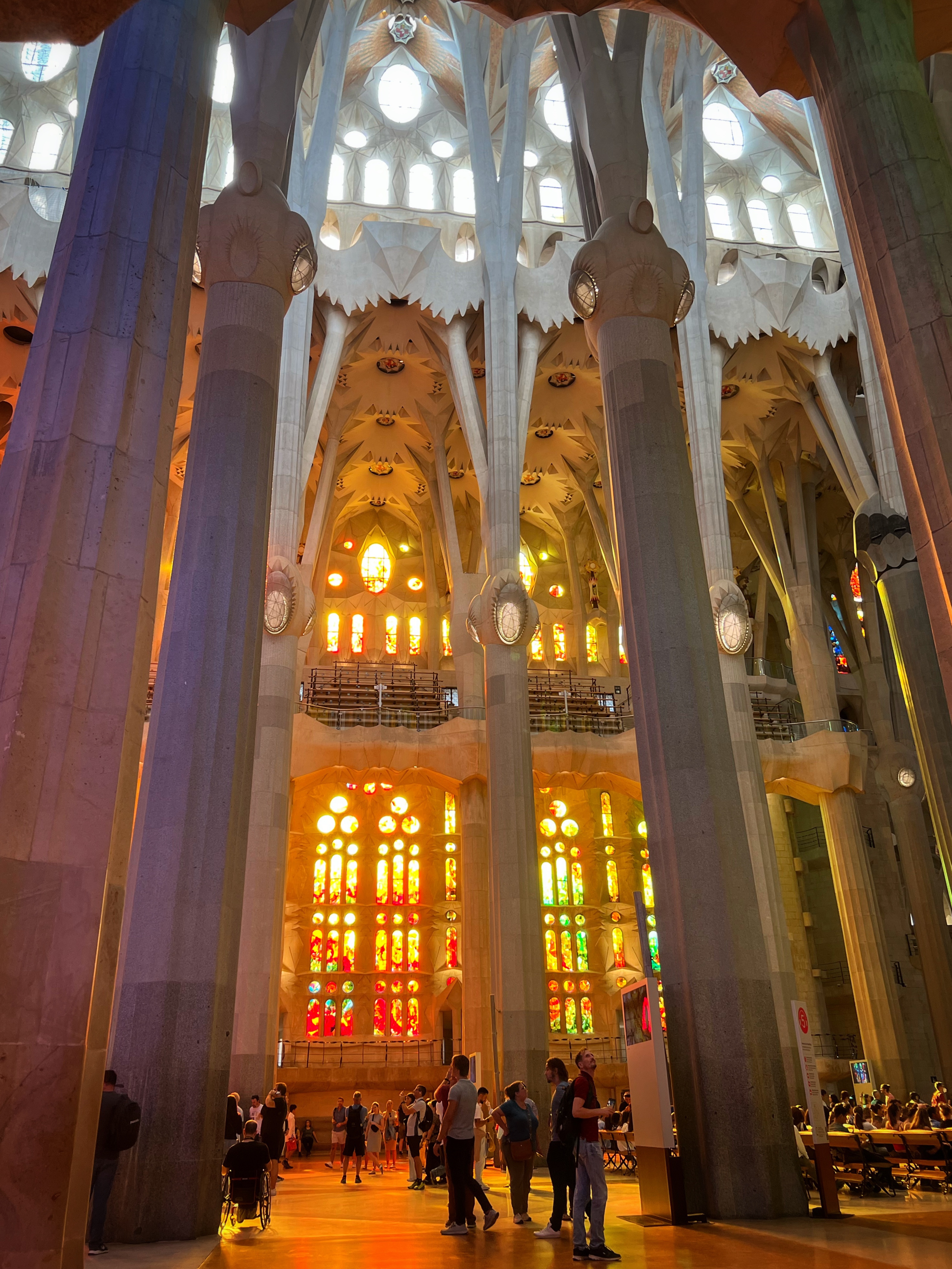
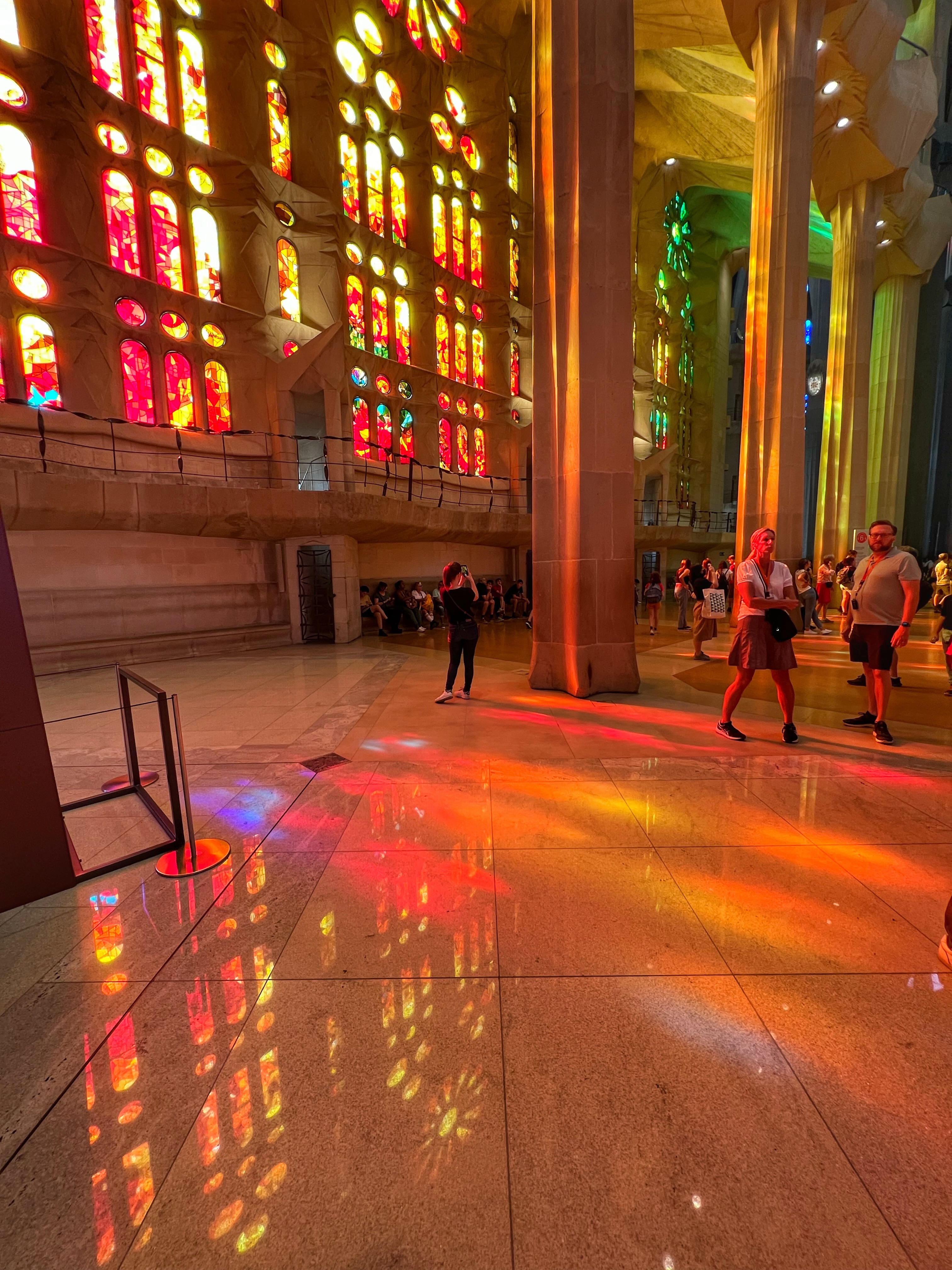
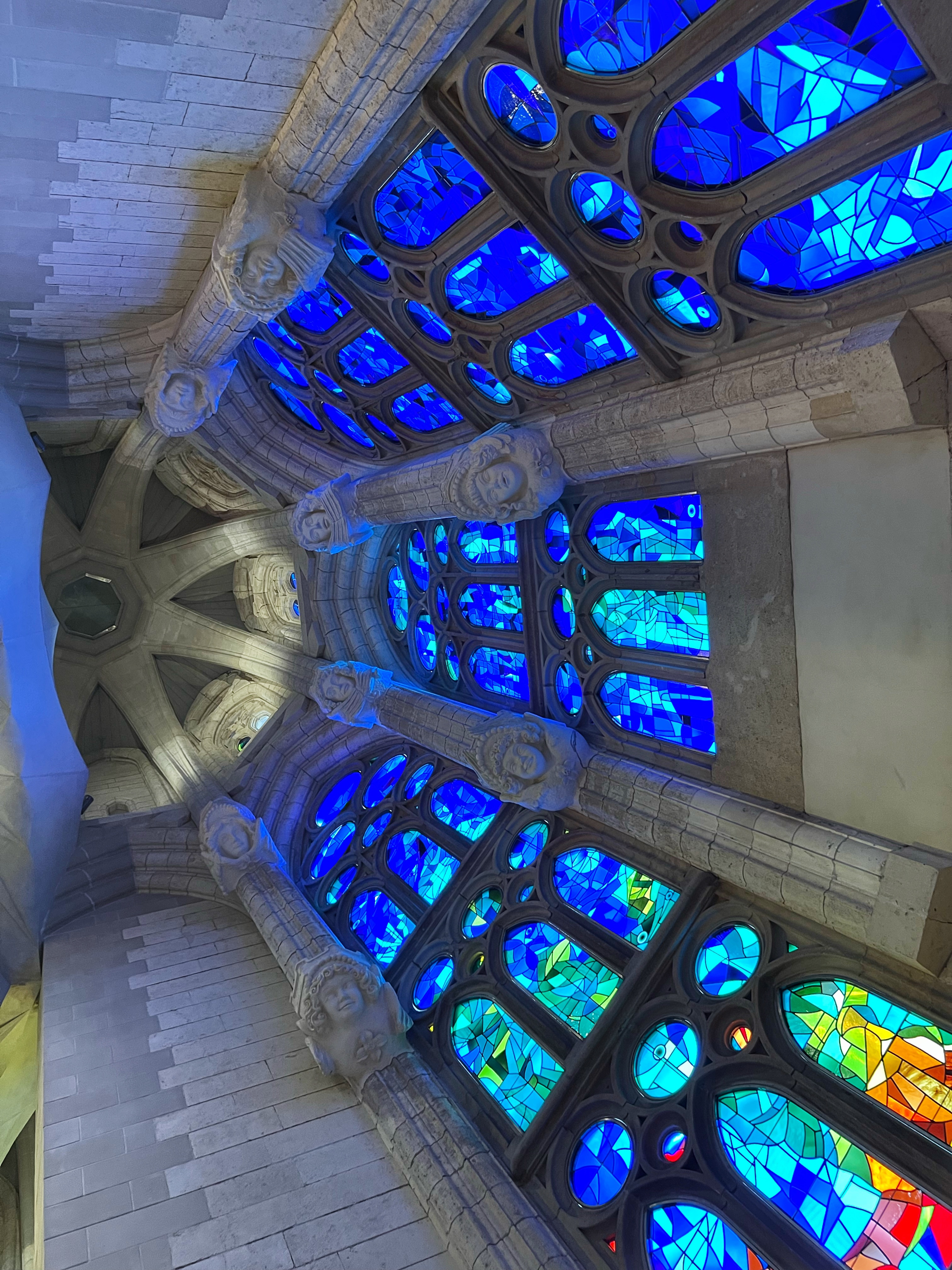
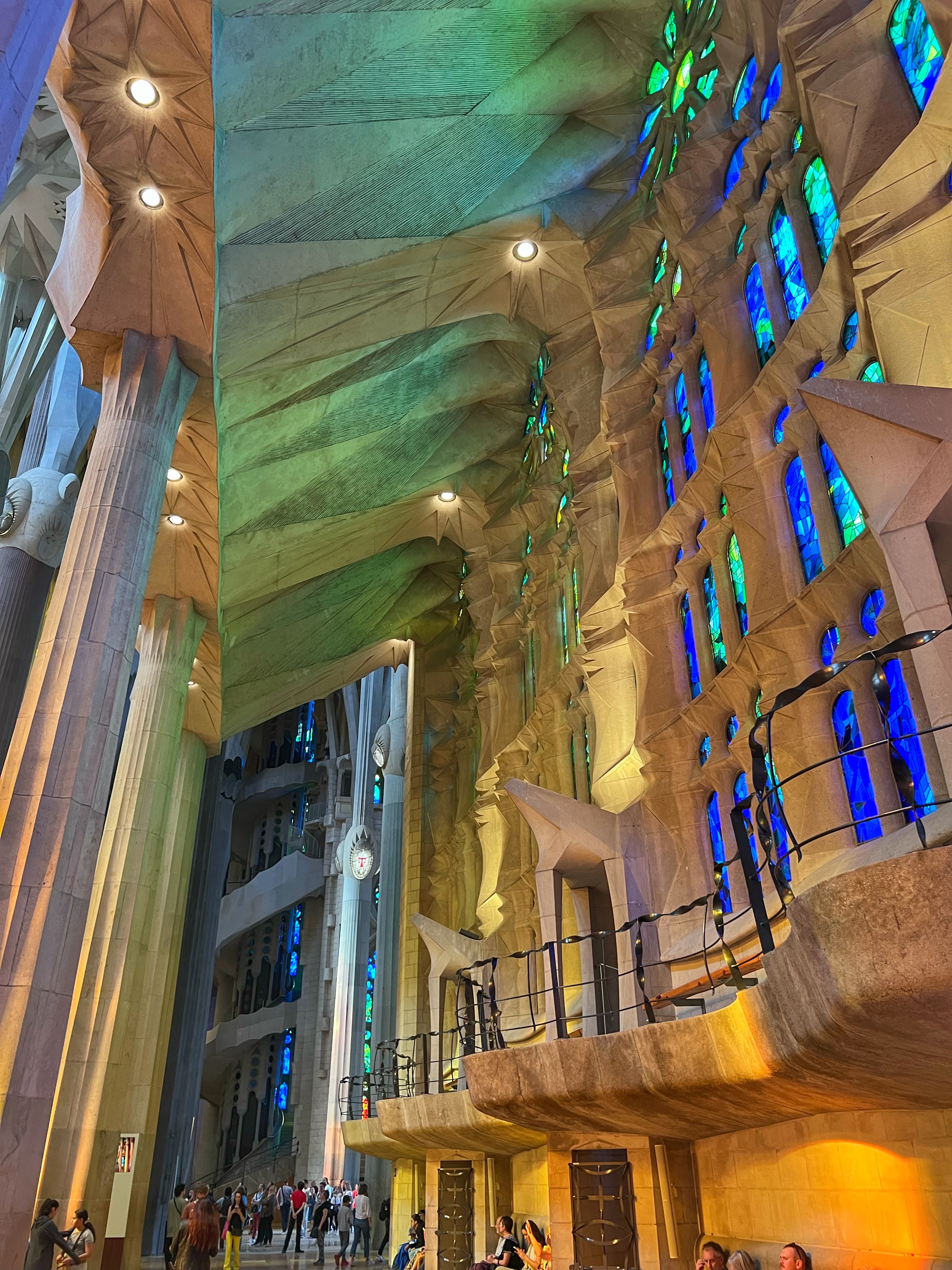
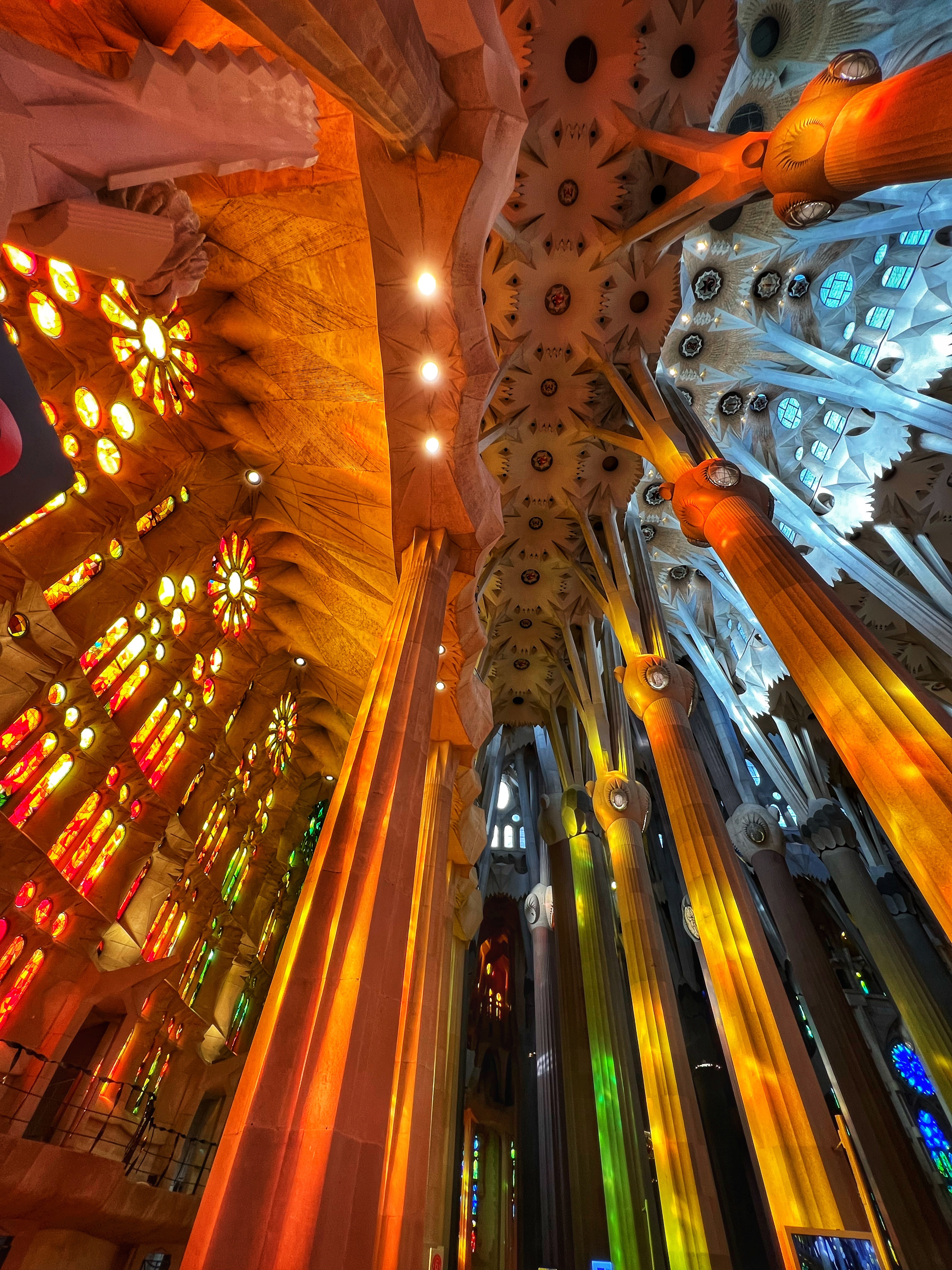
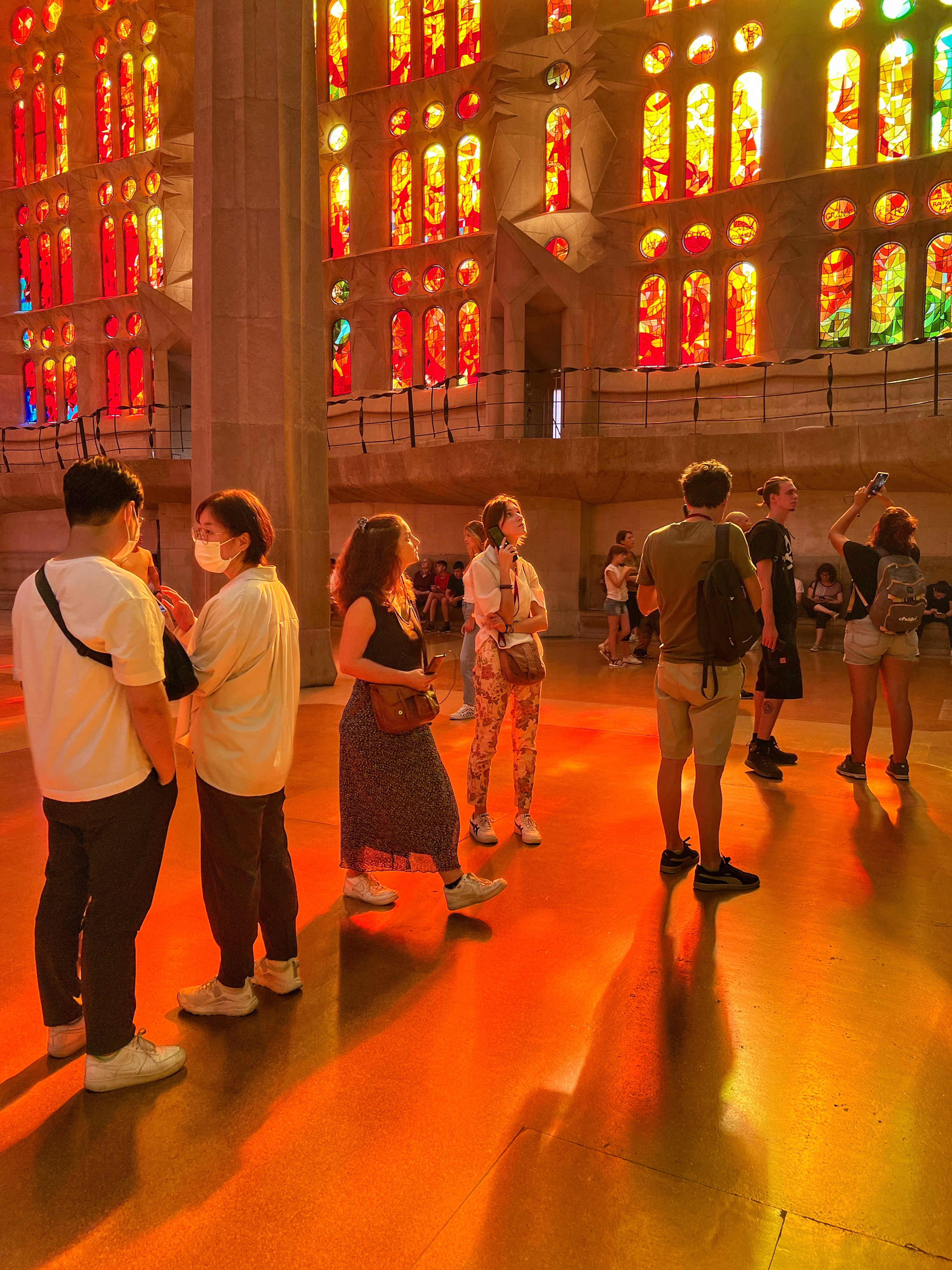

TO VISIT: Purchase tickets here in advance and select a time slot. Tickets are €26-€36 per person. A free audioguide is available in the Sagrada Familia app. If you buy tickets to ascend the towers, I recommend the Nativity over the Passion facade to walk across the famous bridge. Be sure to stay long enough to view the light changing behind the stained glass.


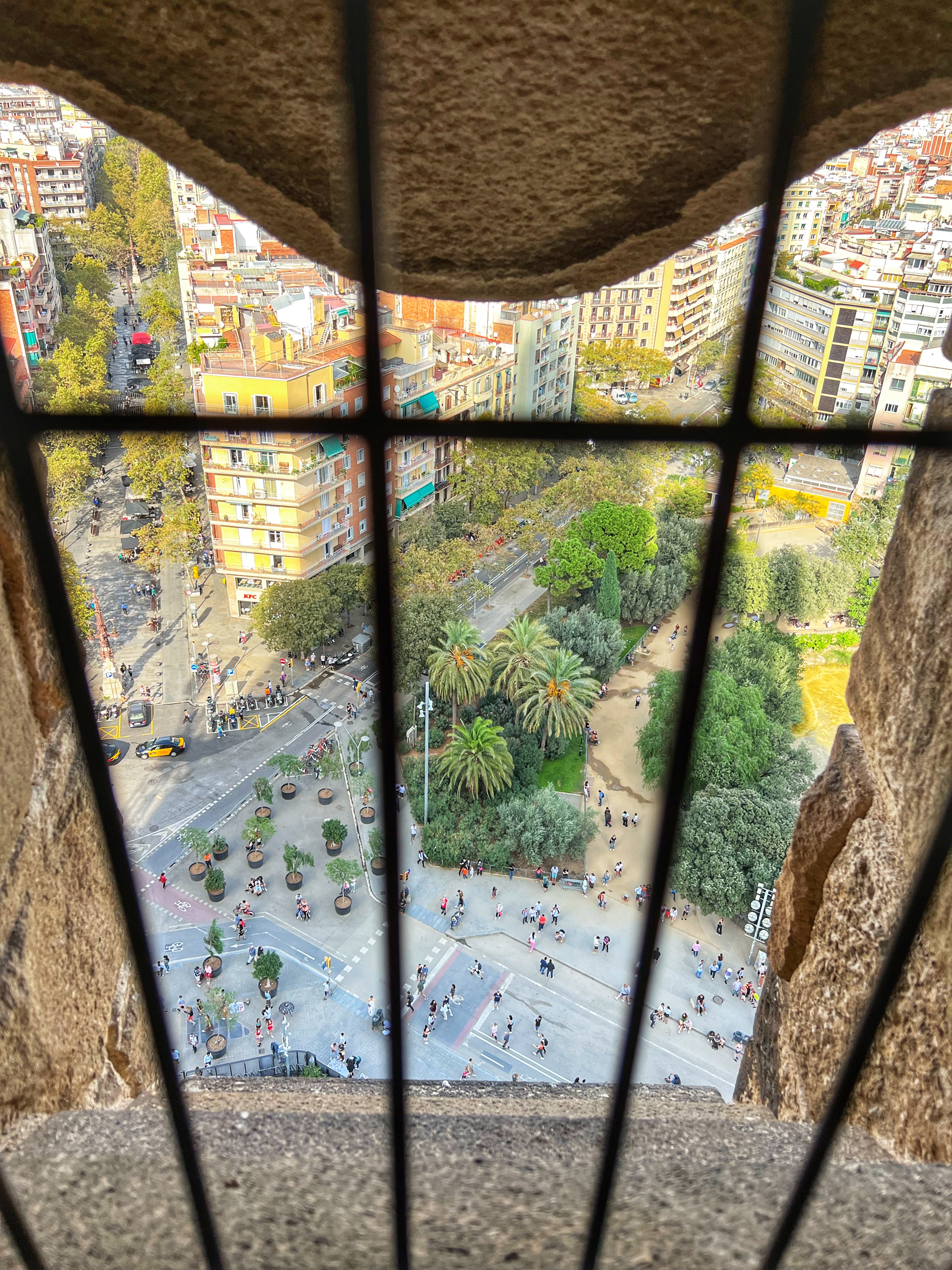
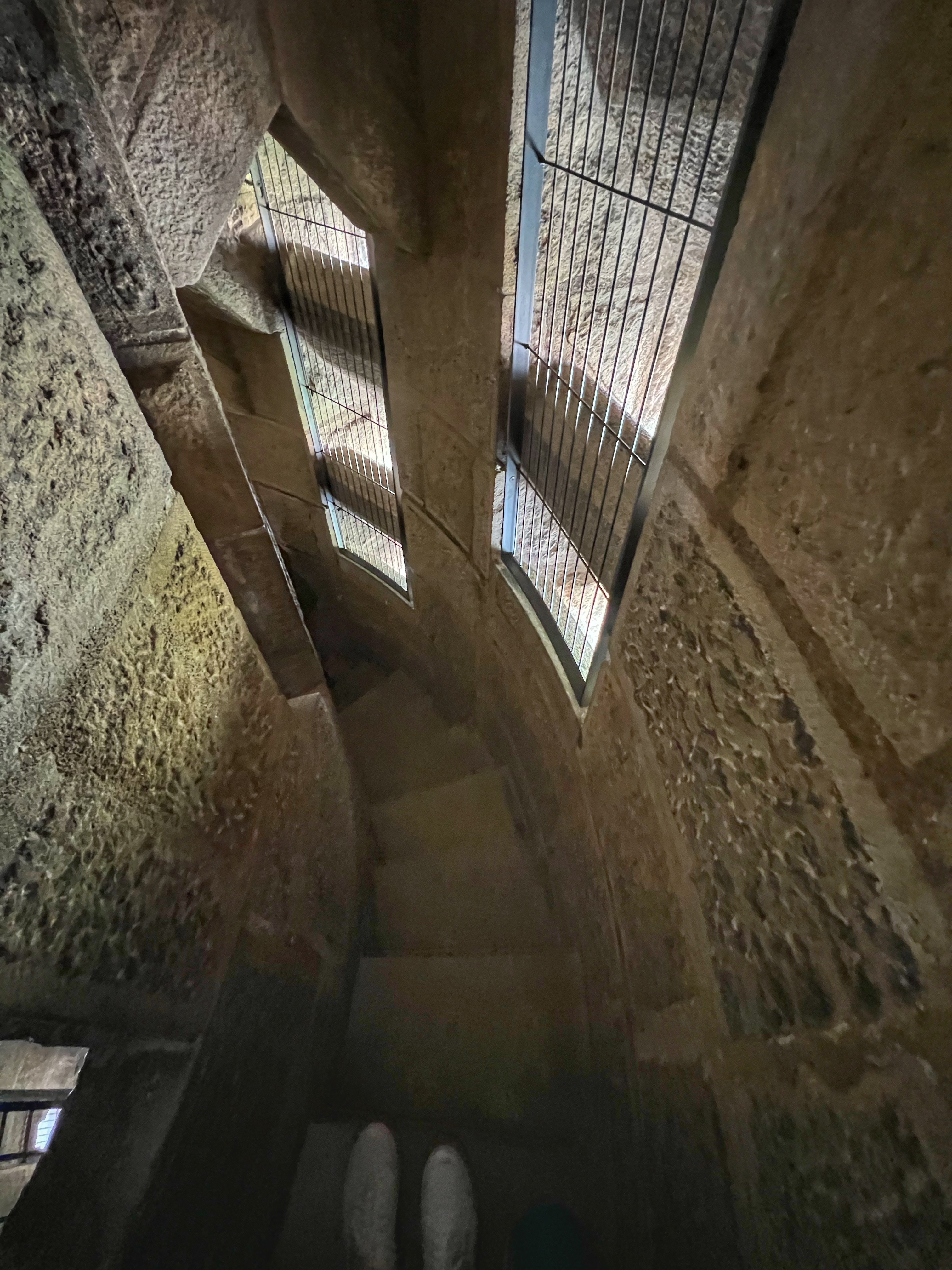

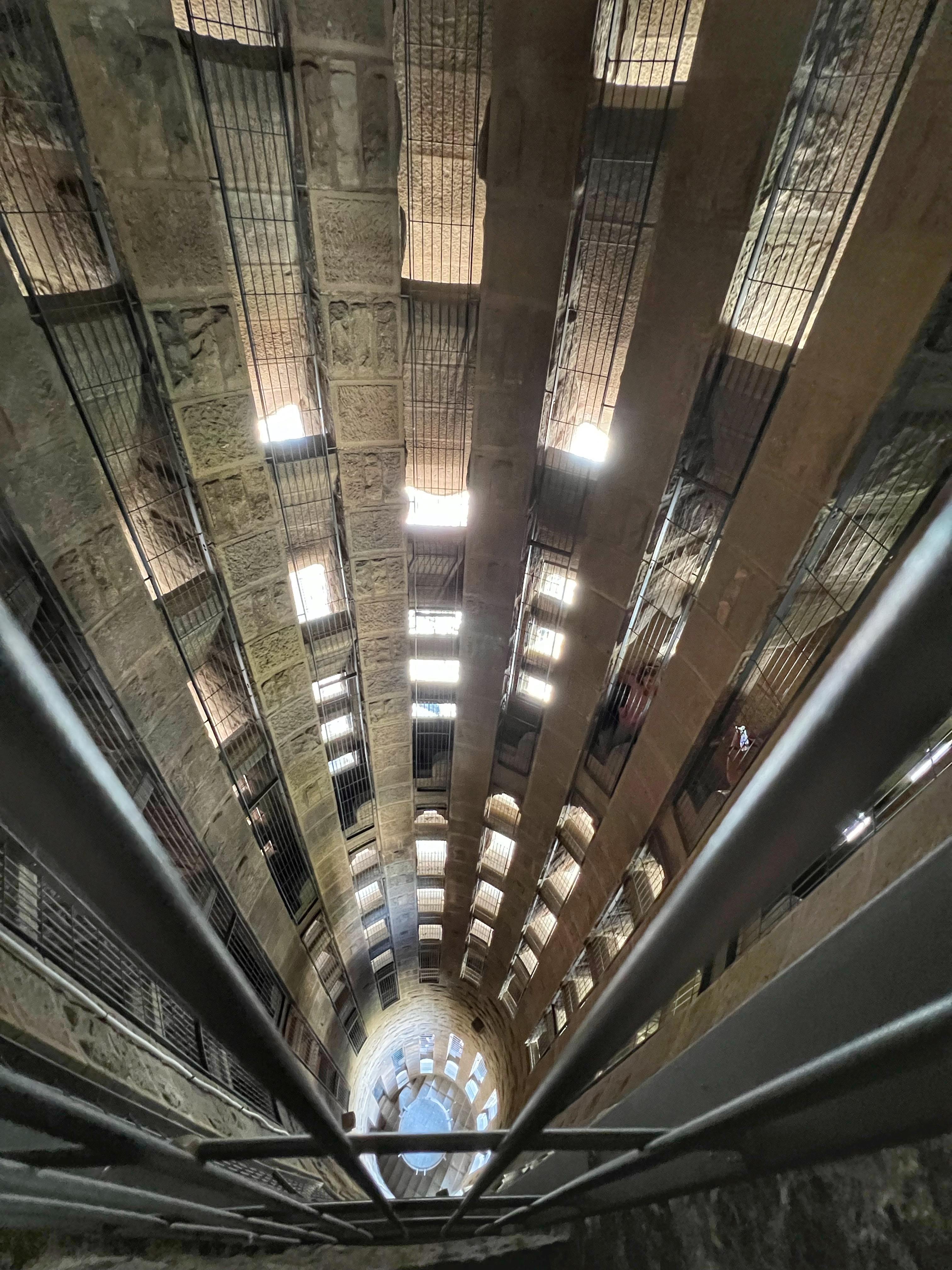
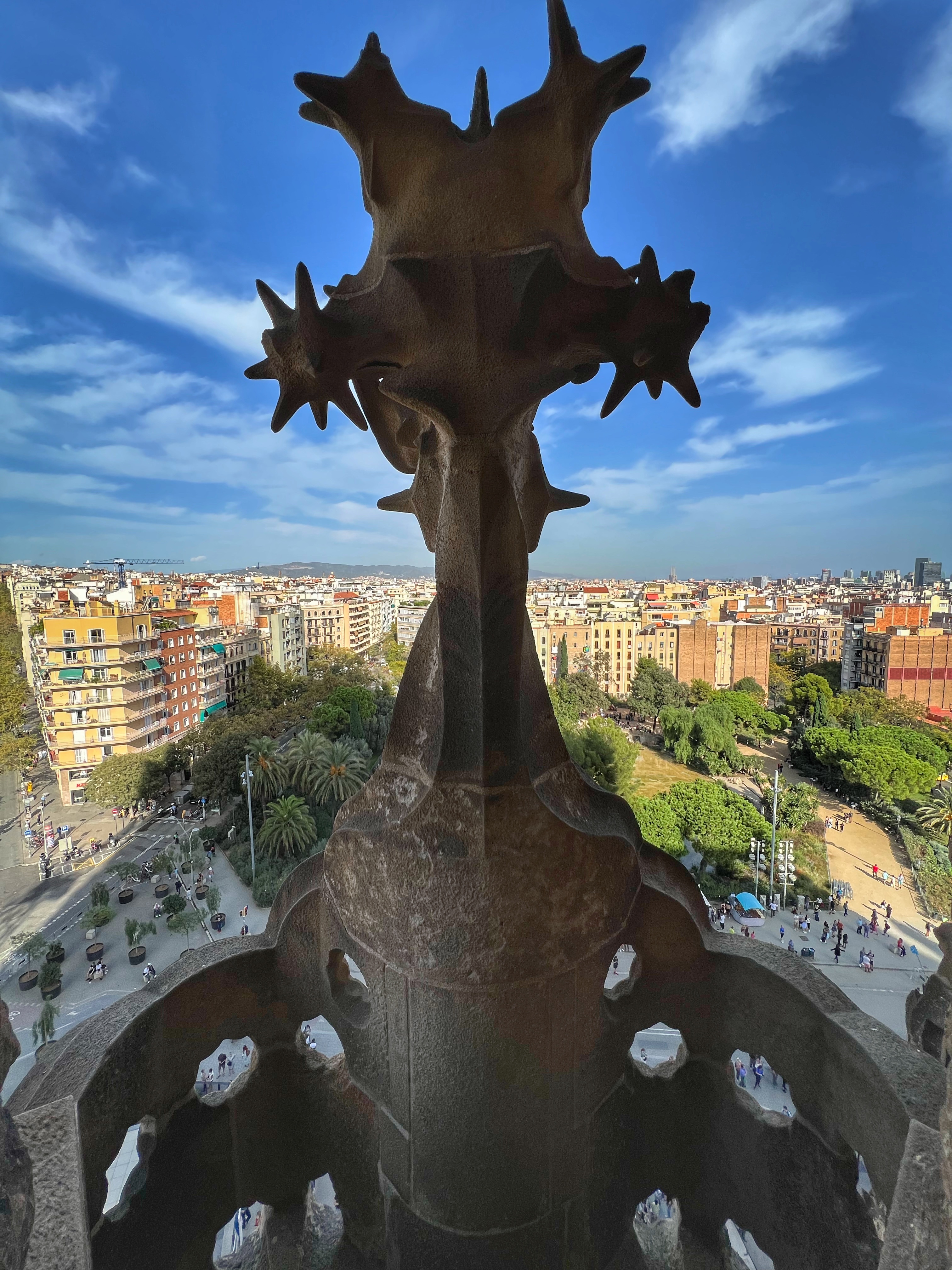

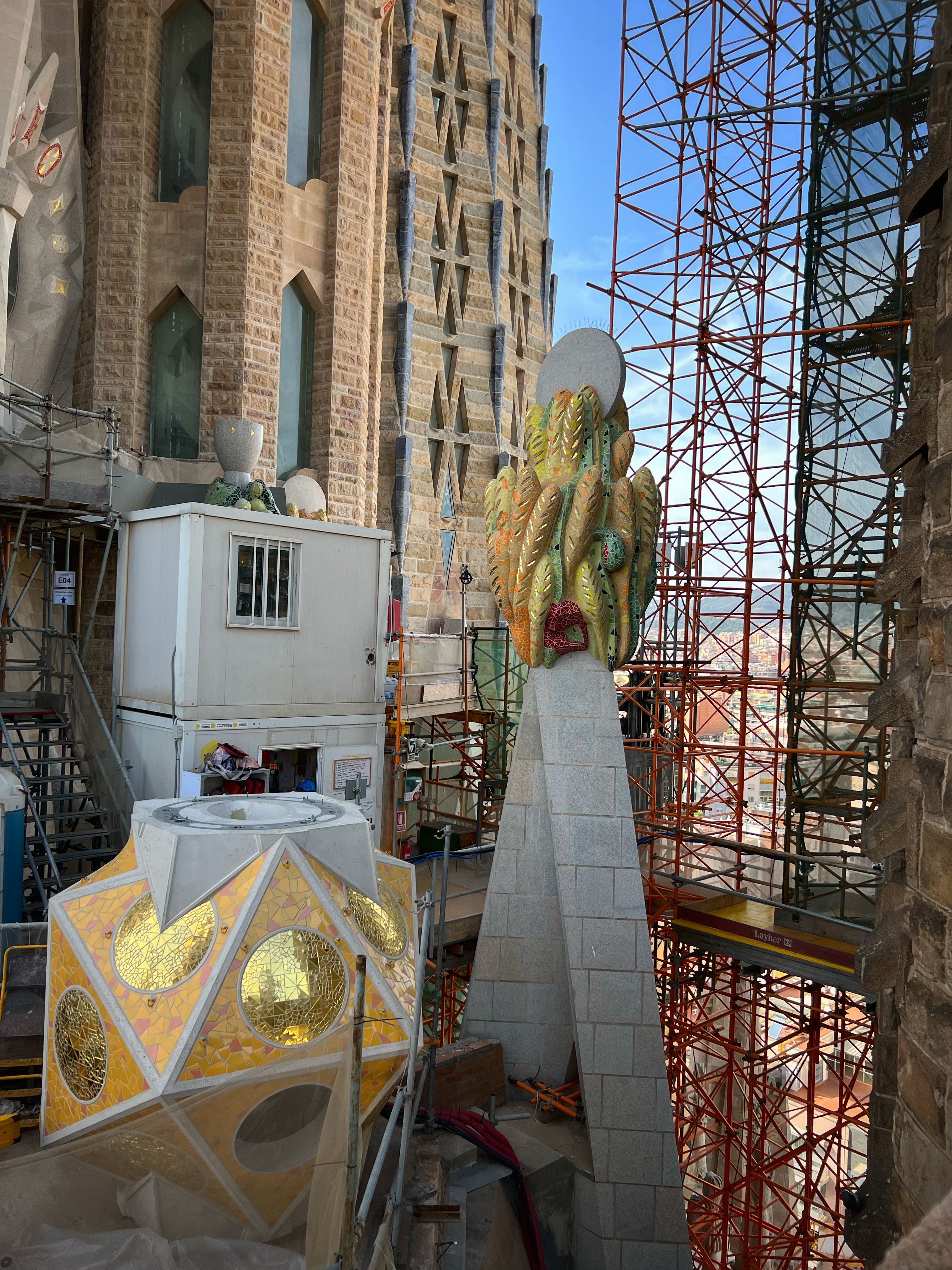
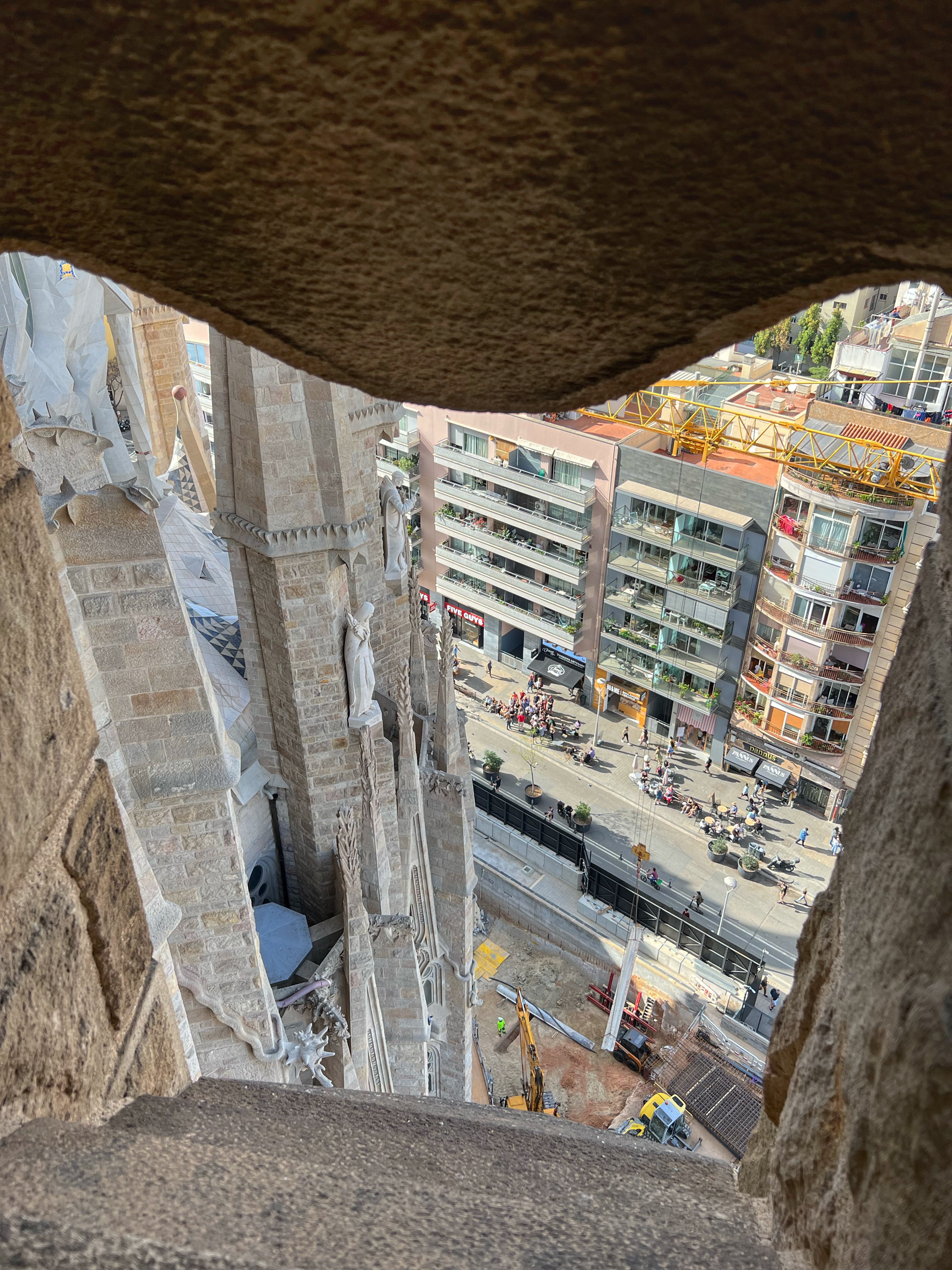
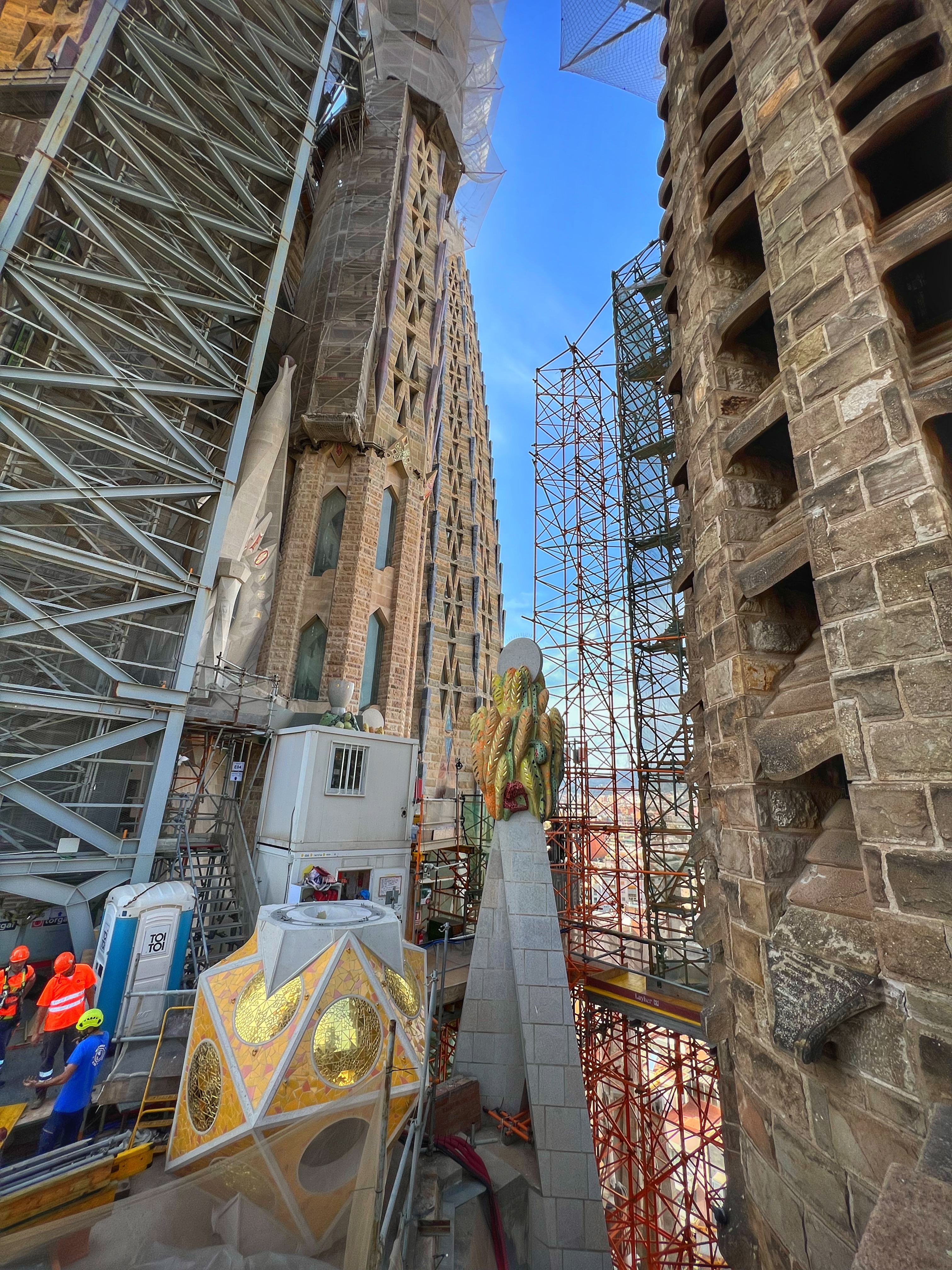
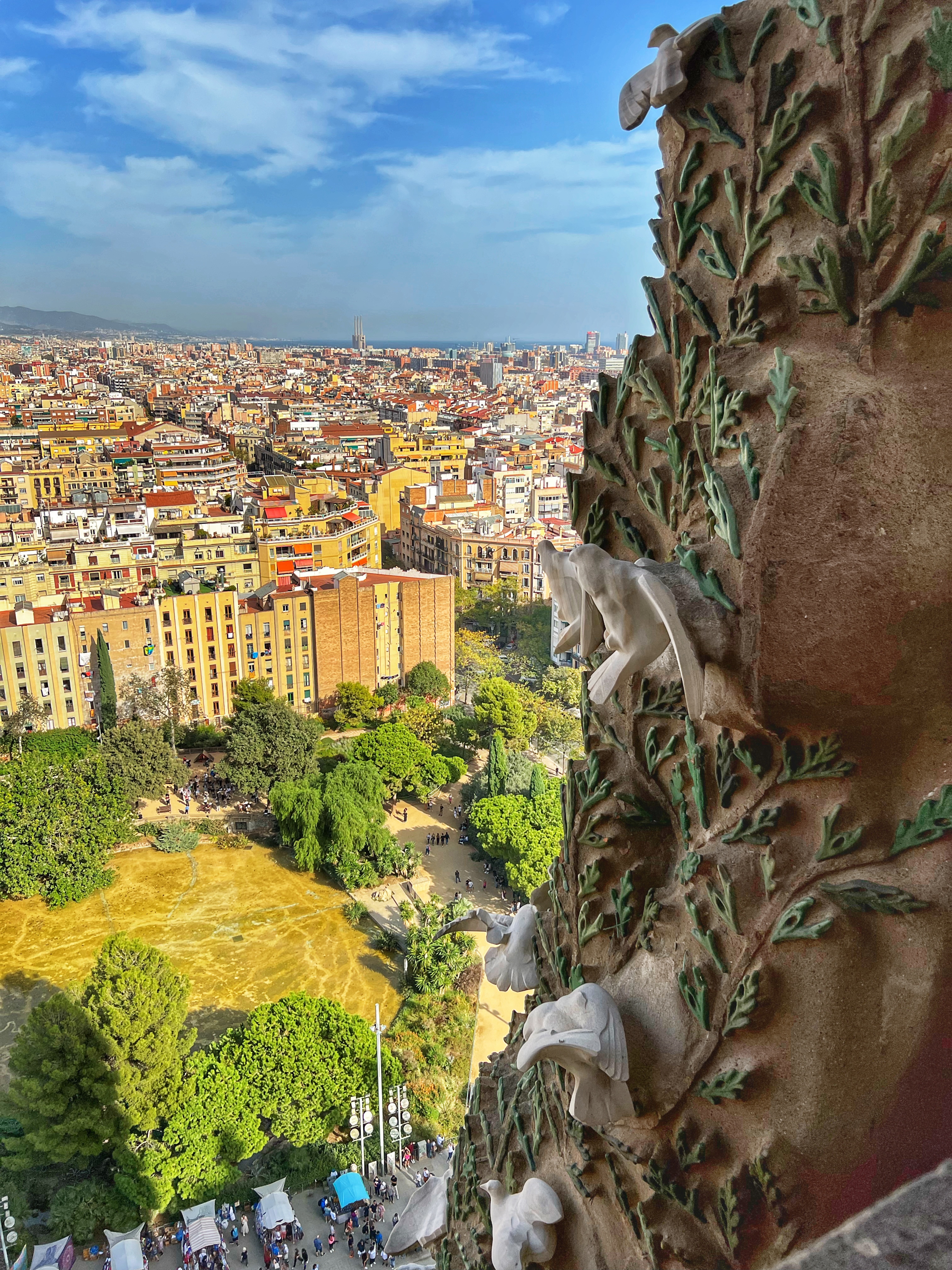
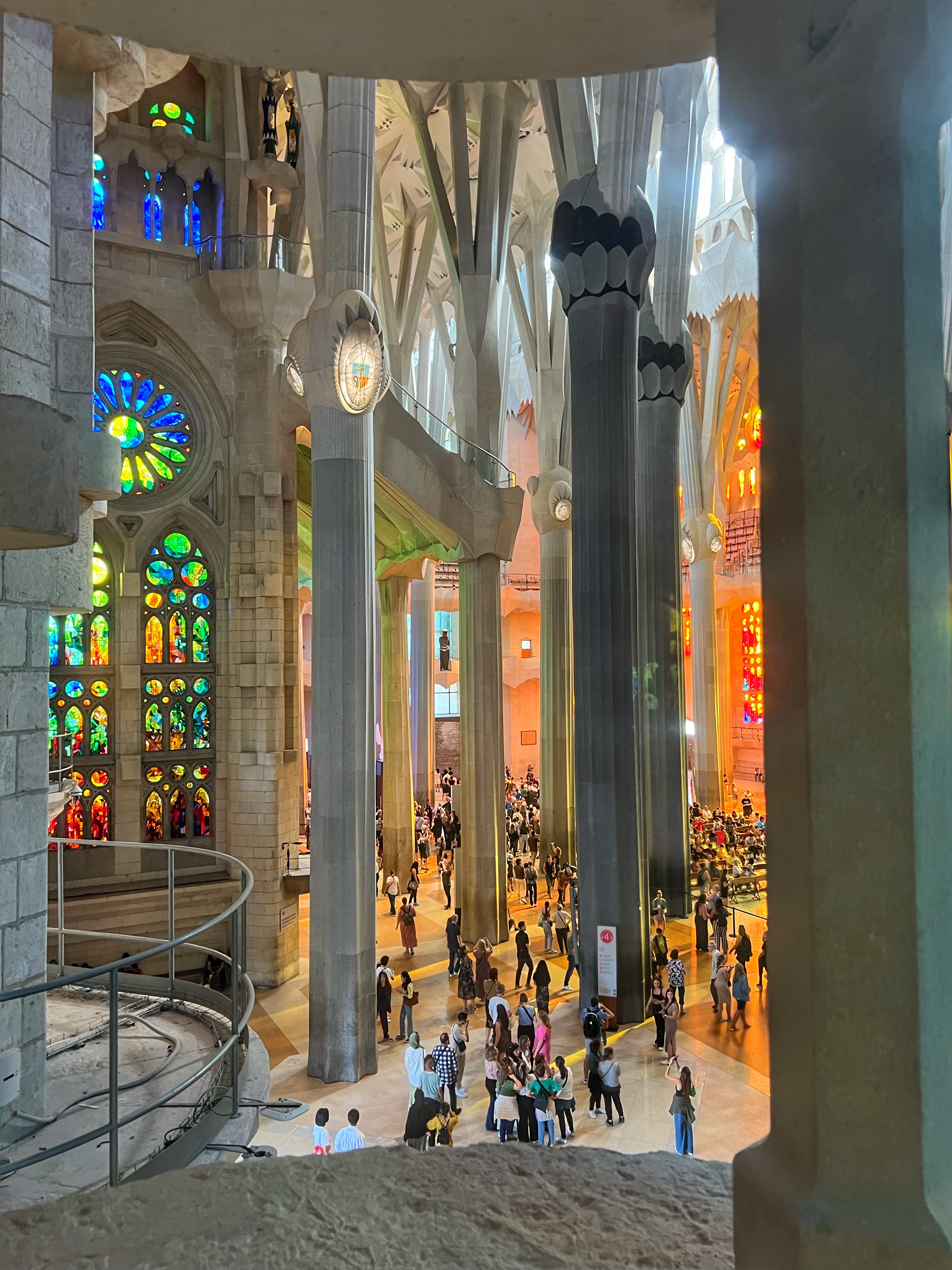
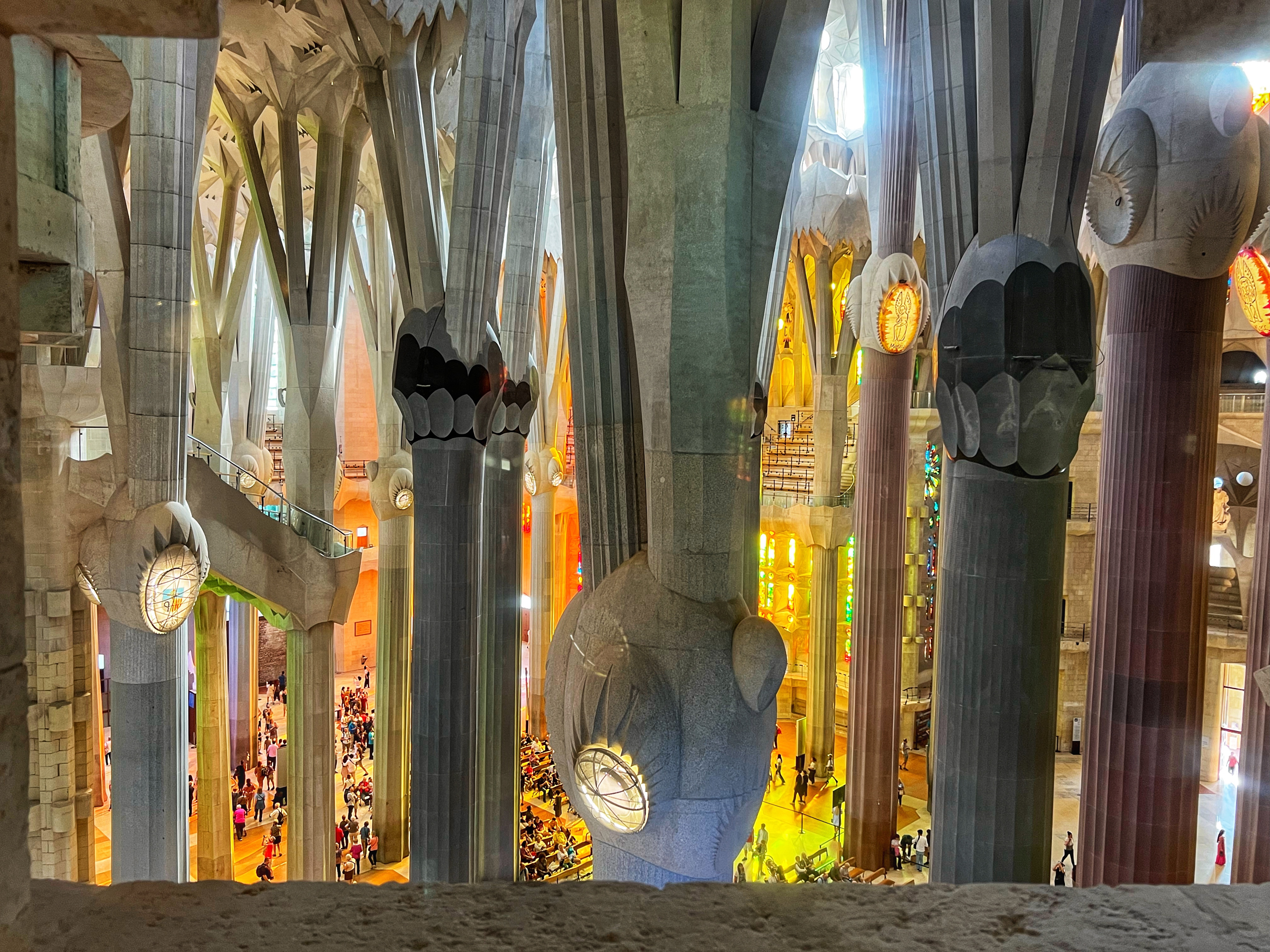

Remember to make a point of visiting Sagrada Familia at night…it has a whole different mystique.



2
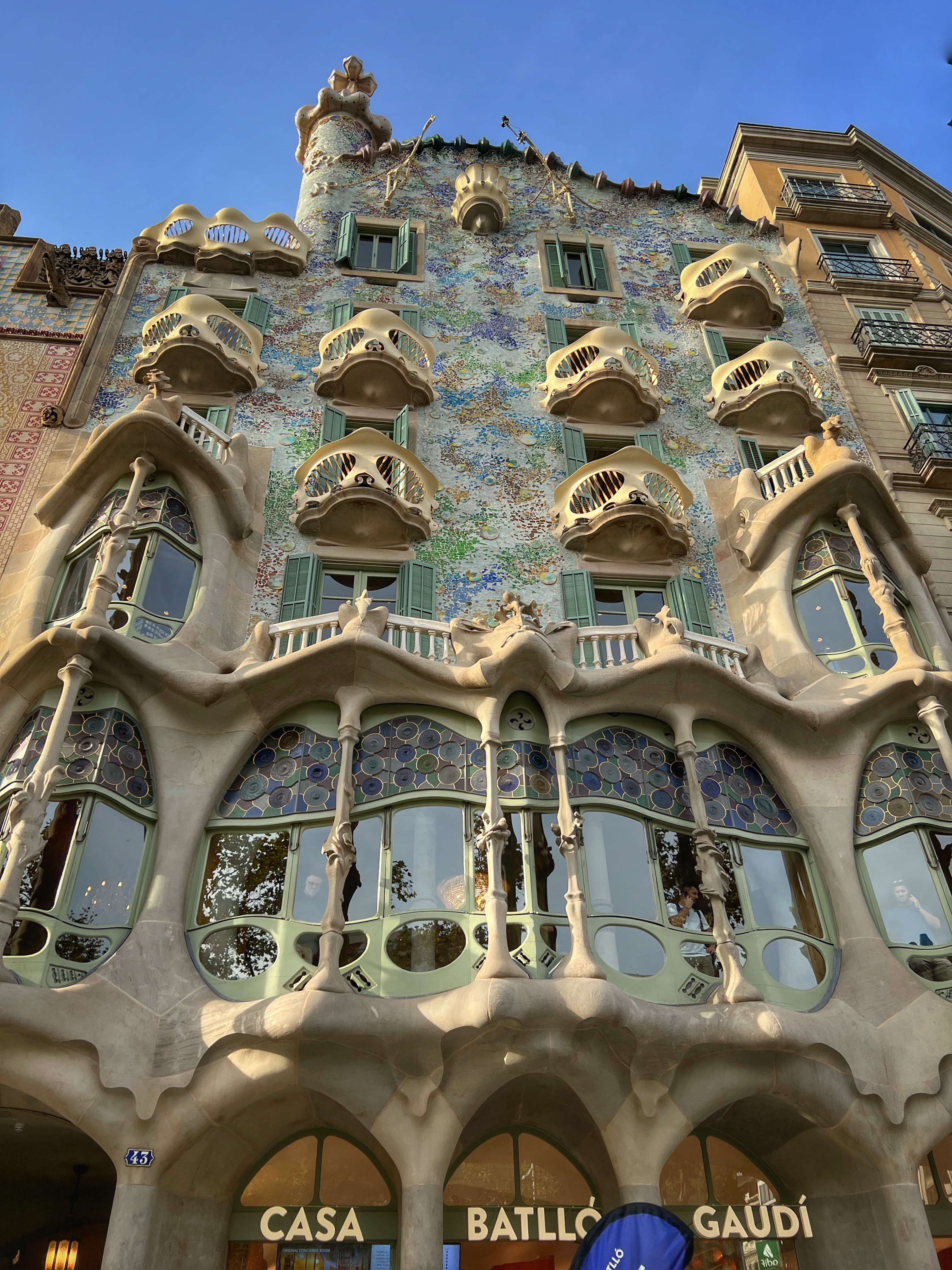
CASA BATLLÓ
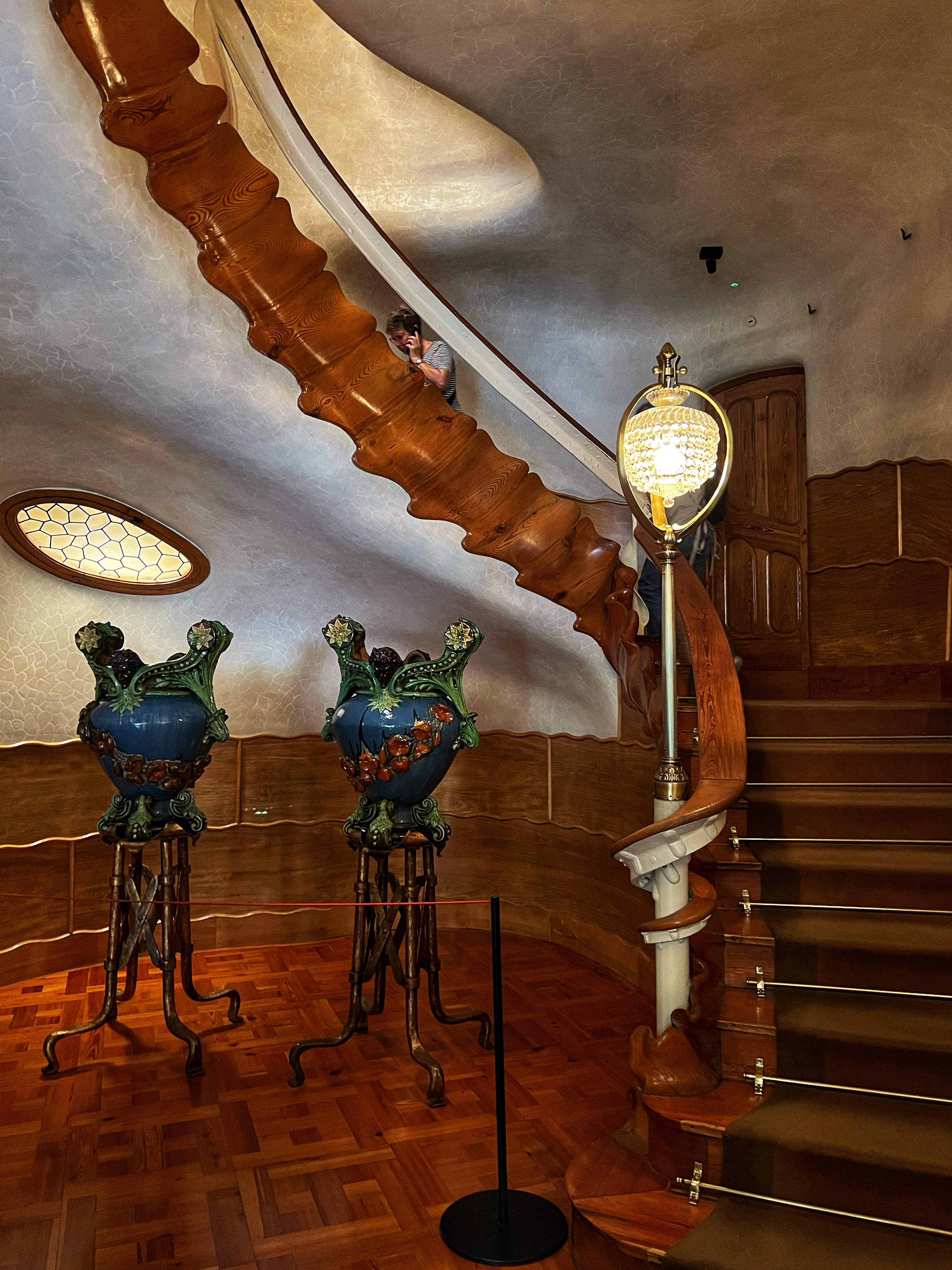
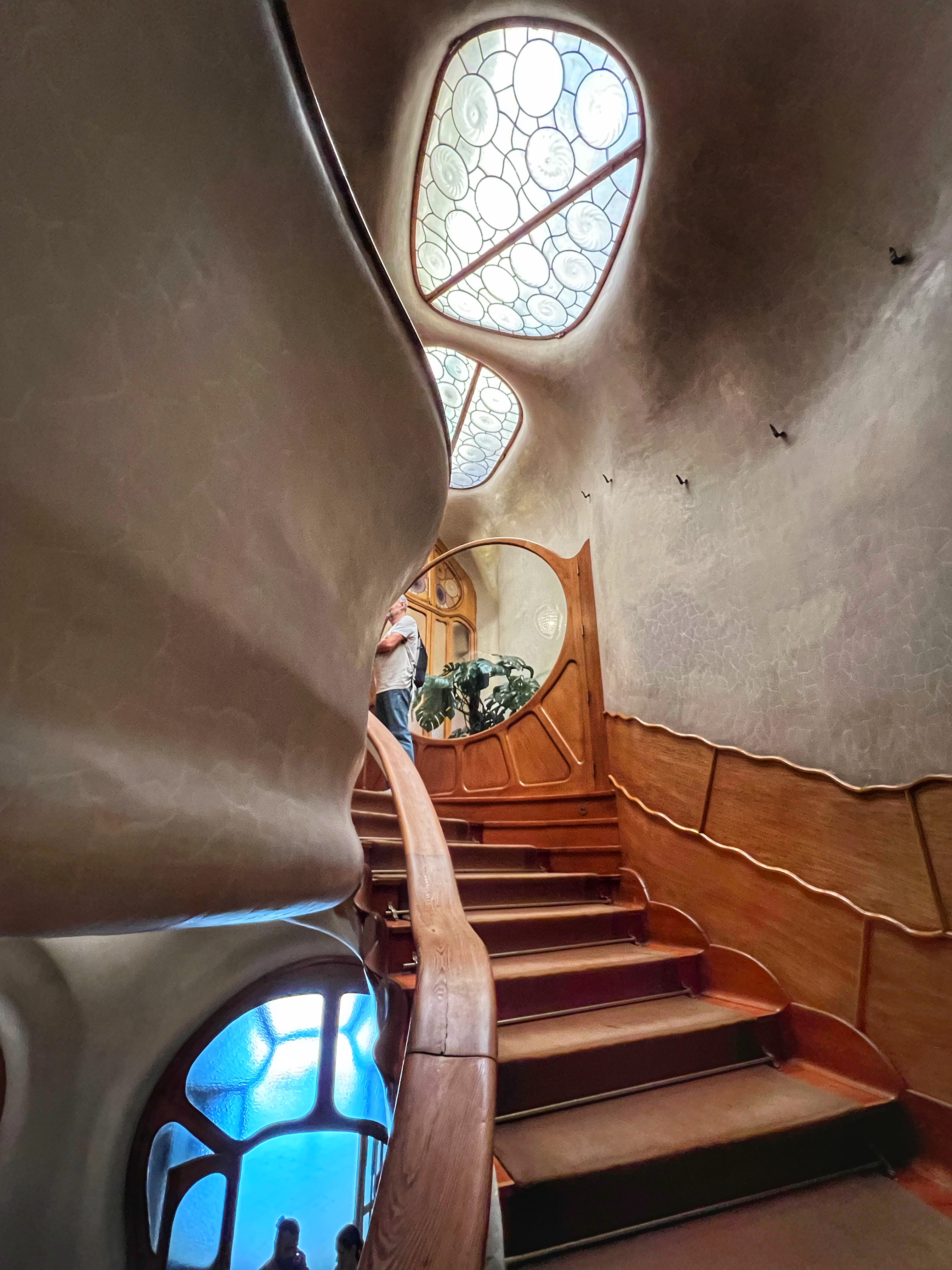
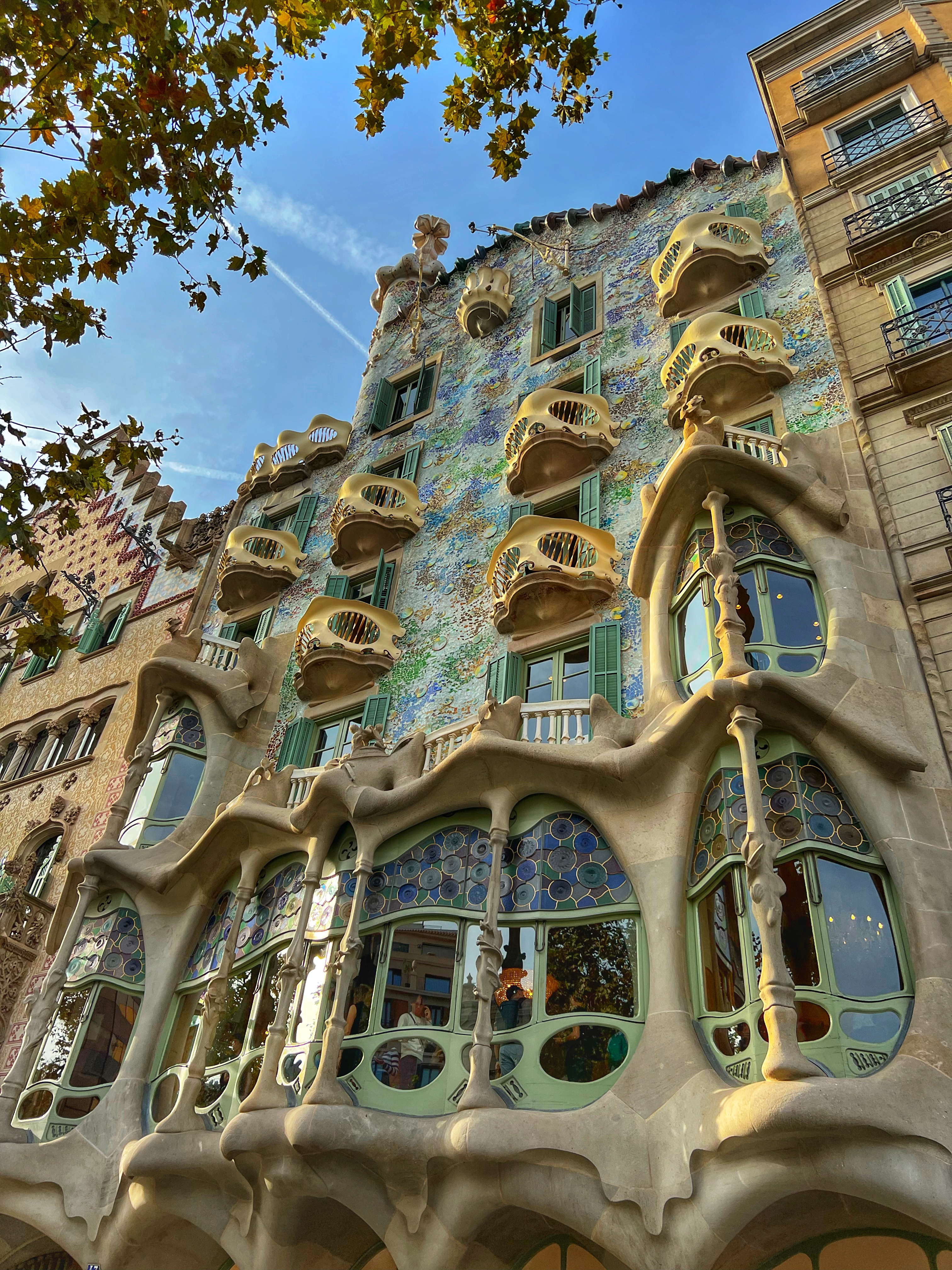
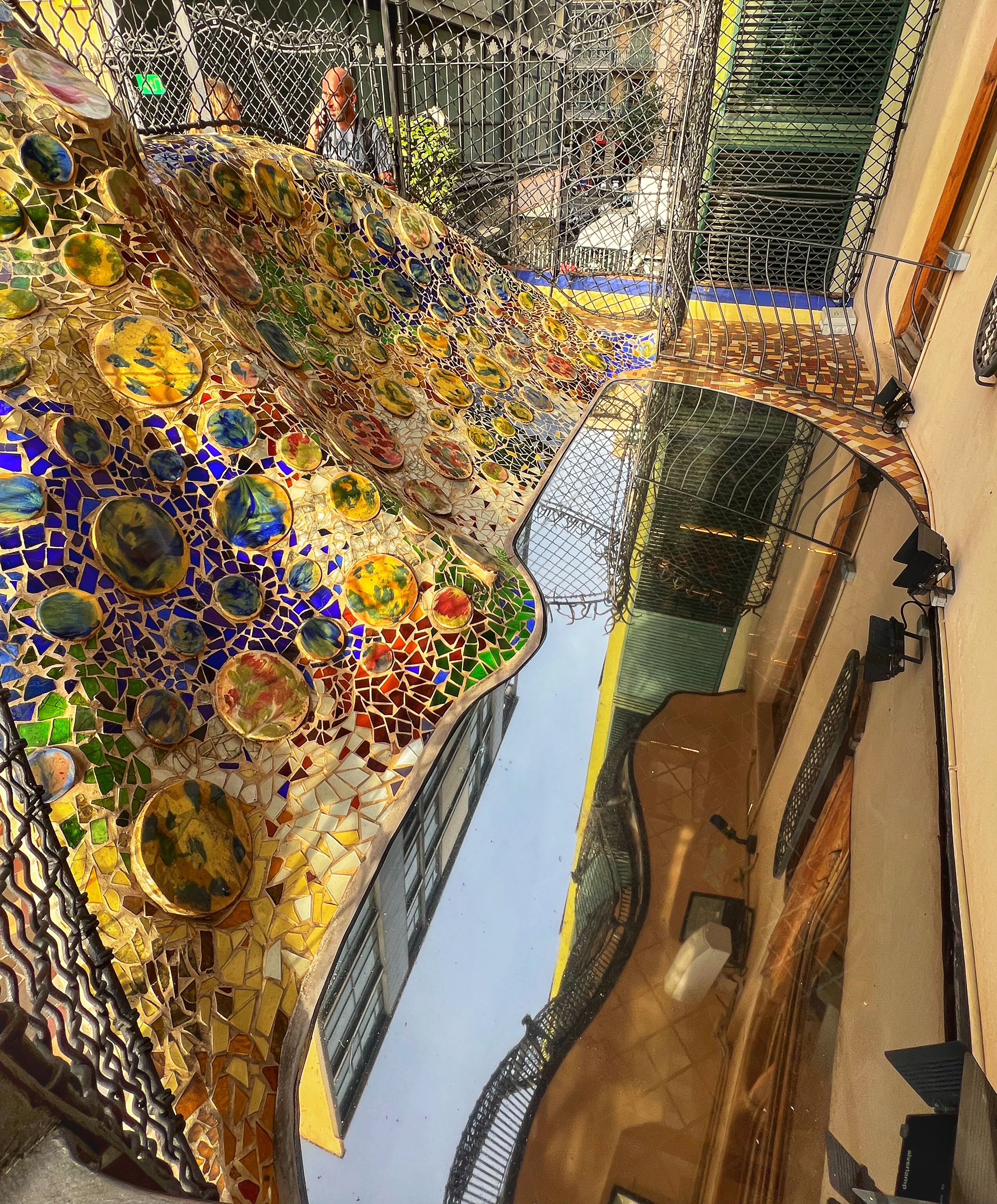
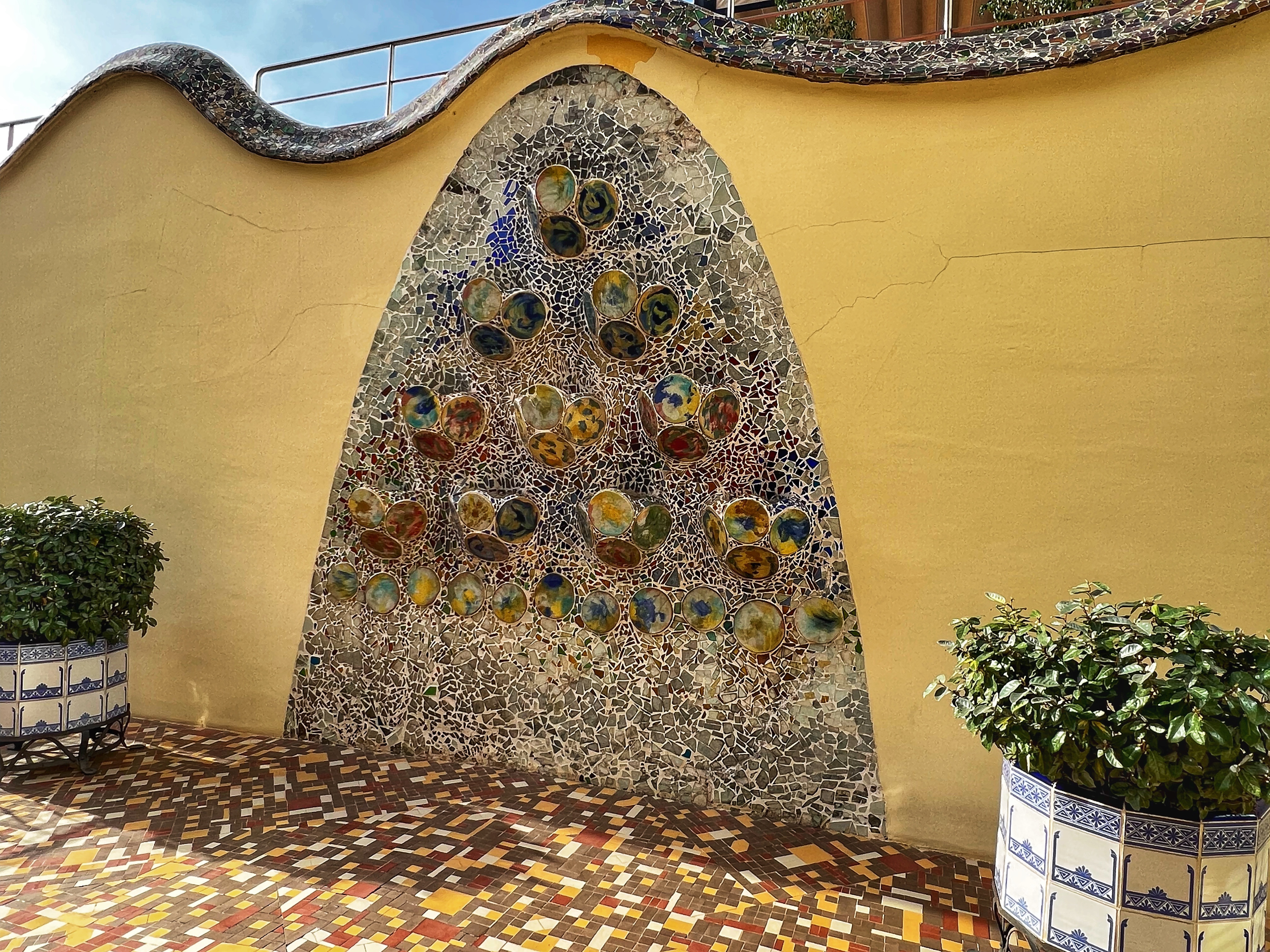
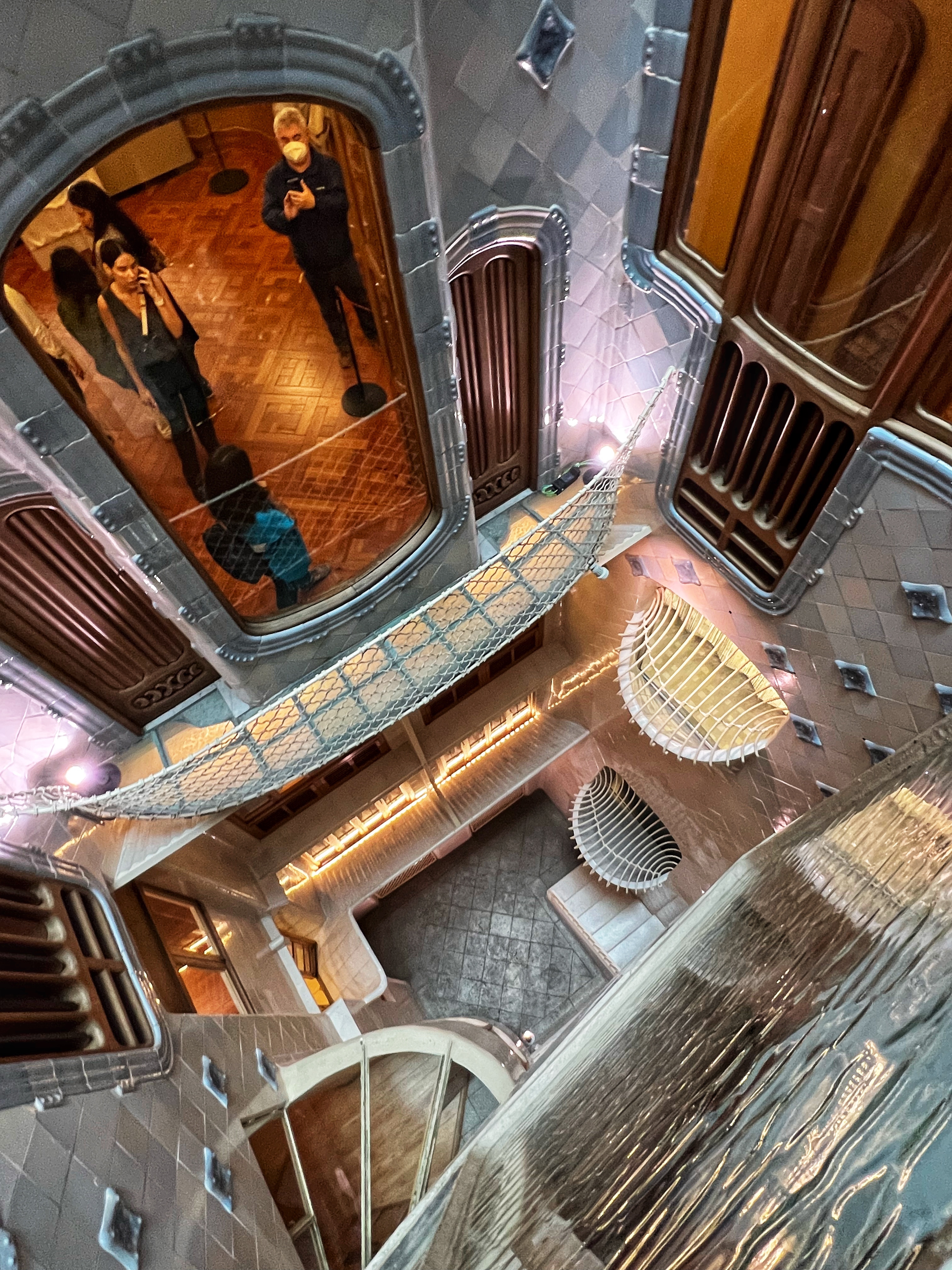
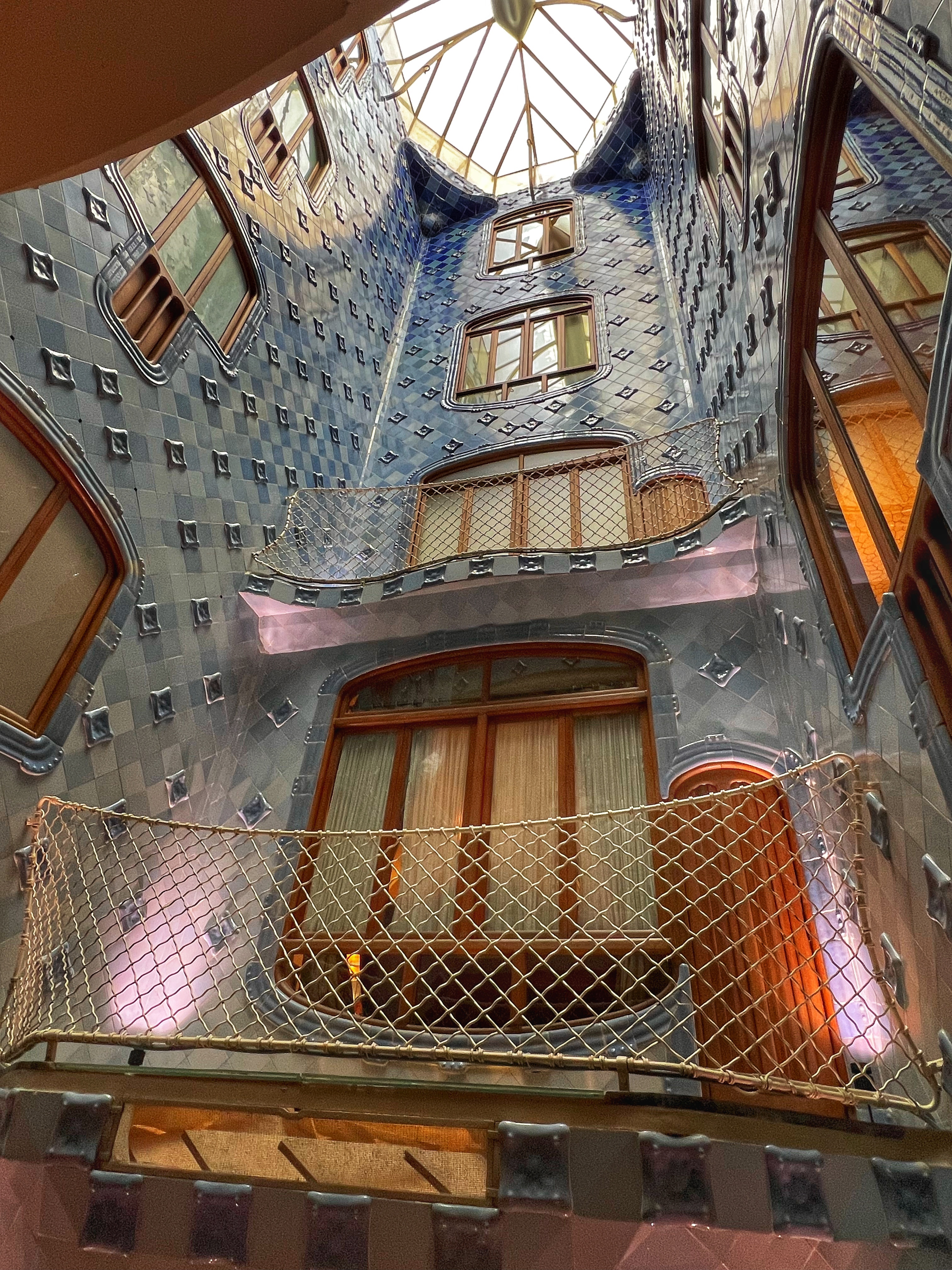
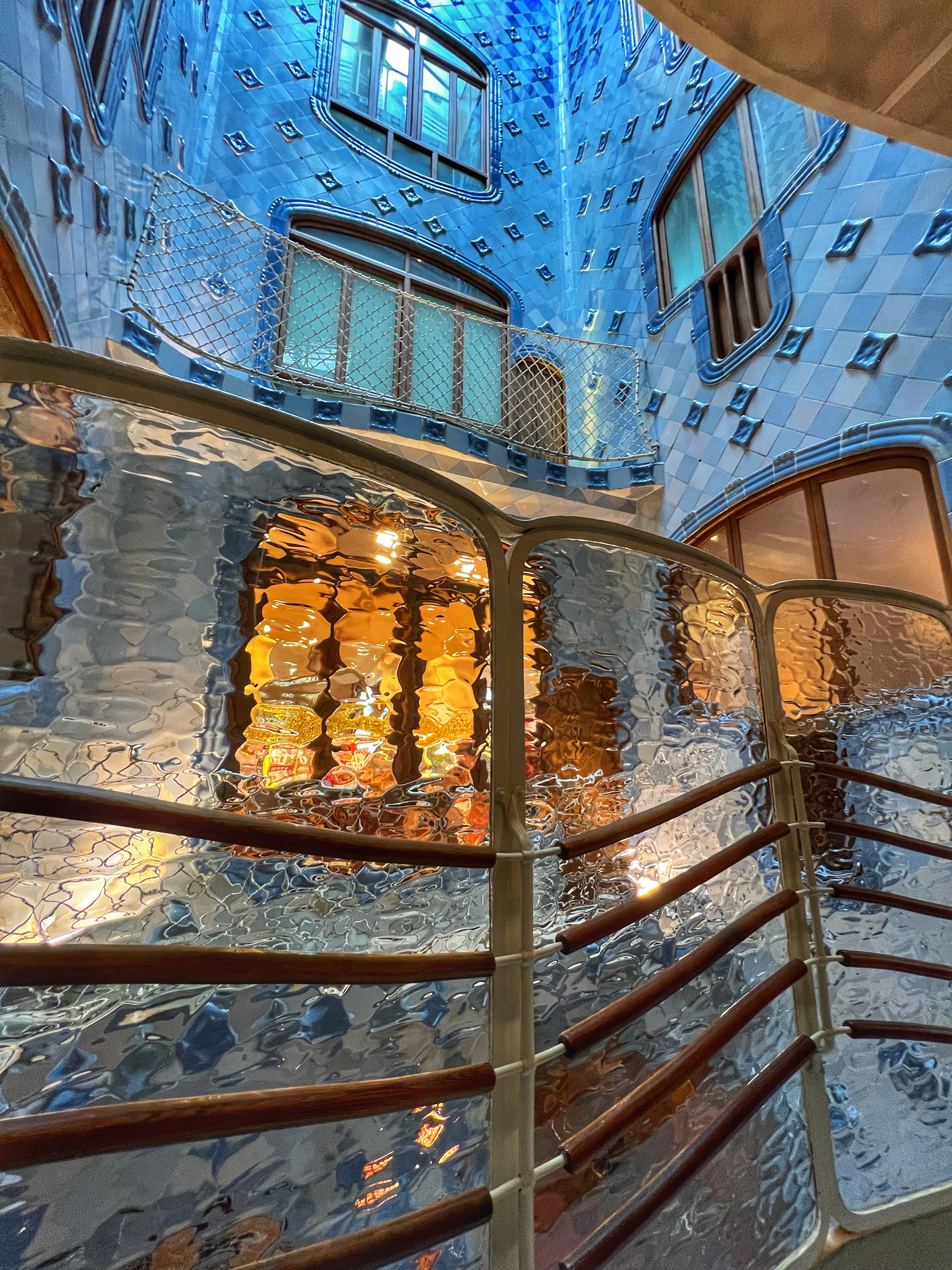
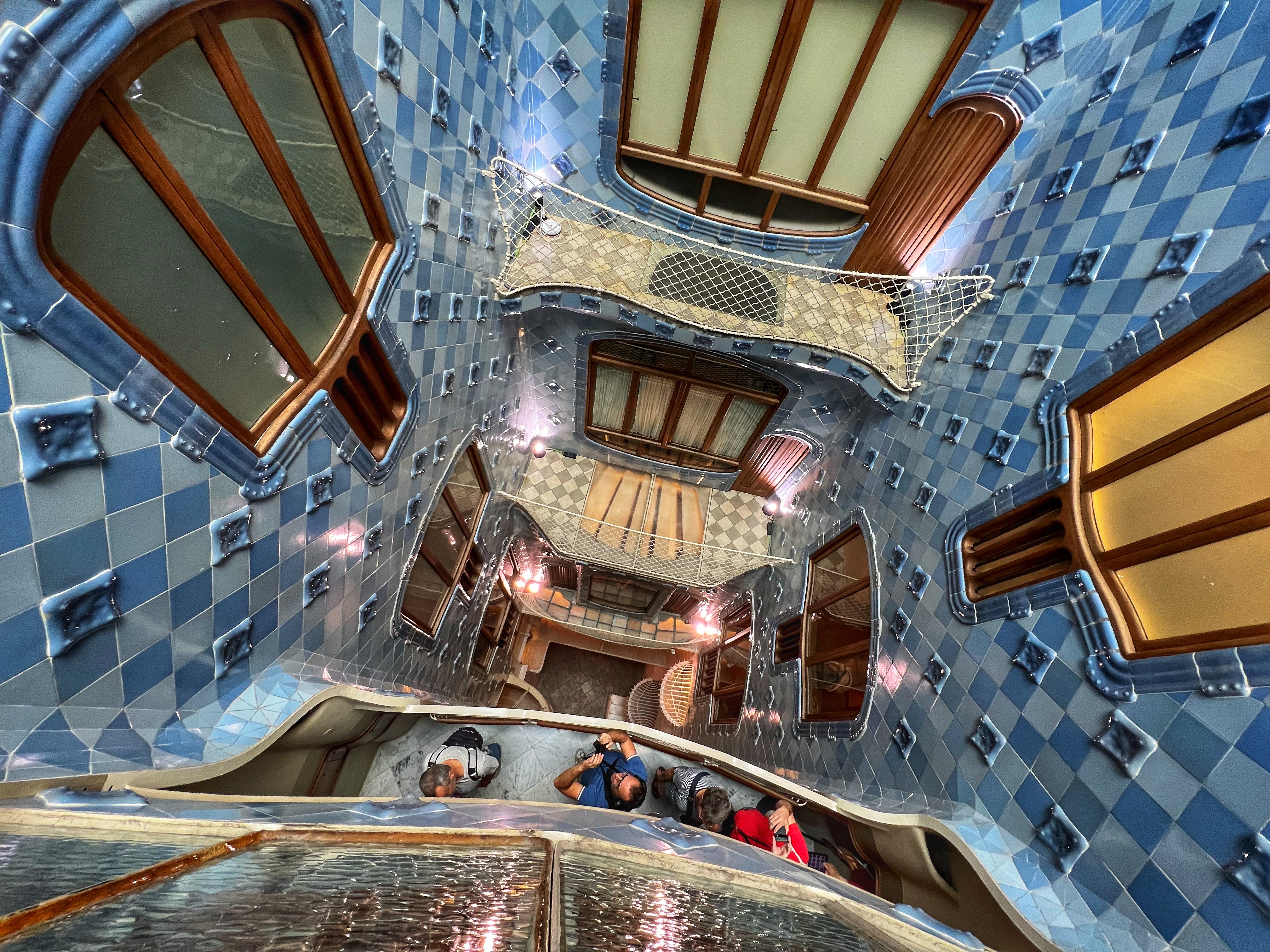
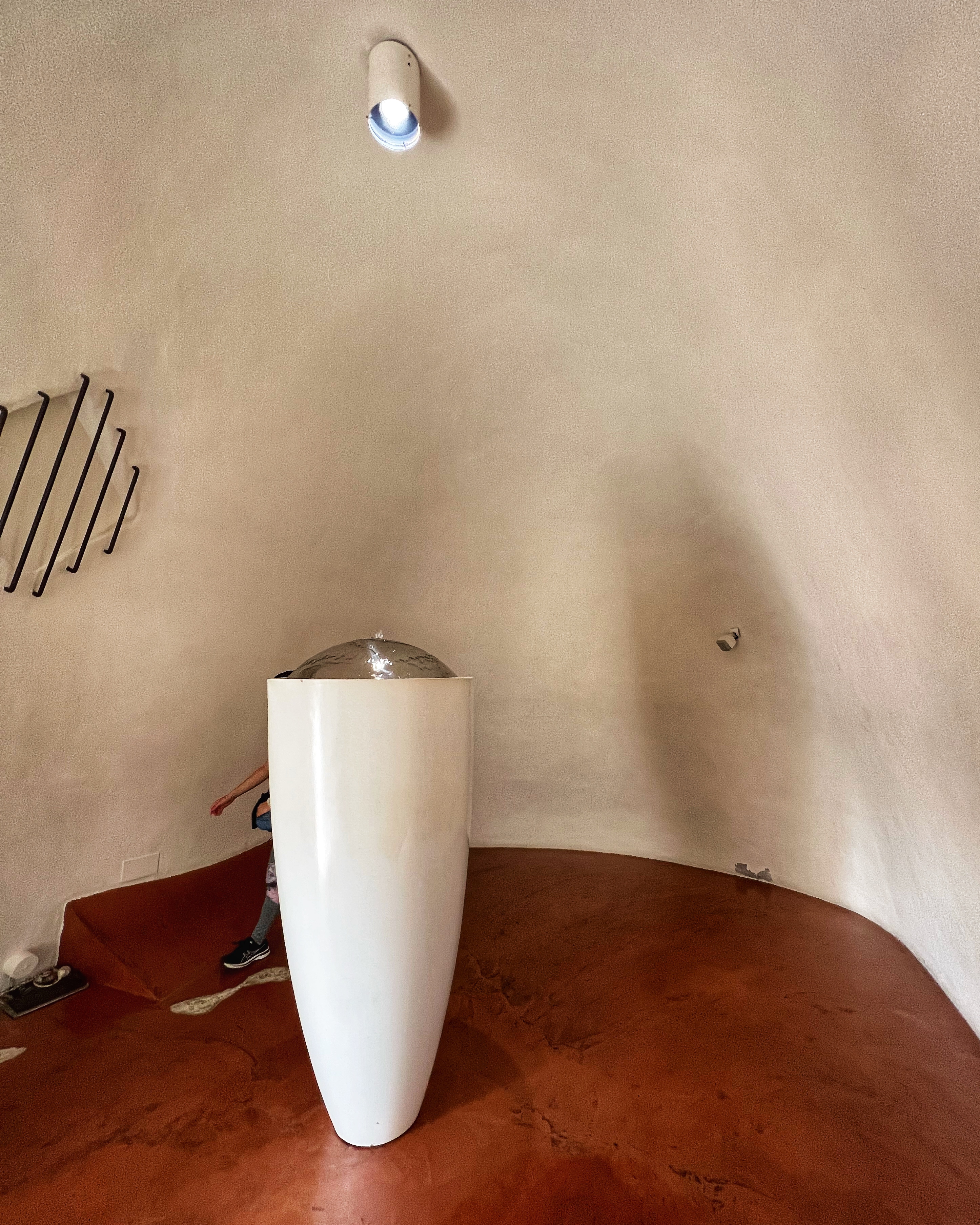
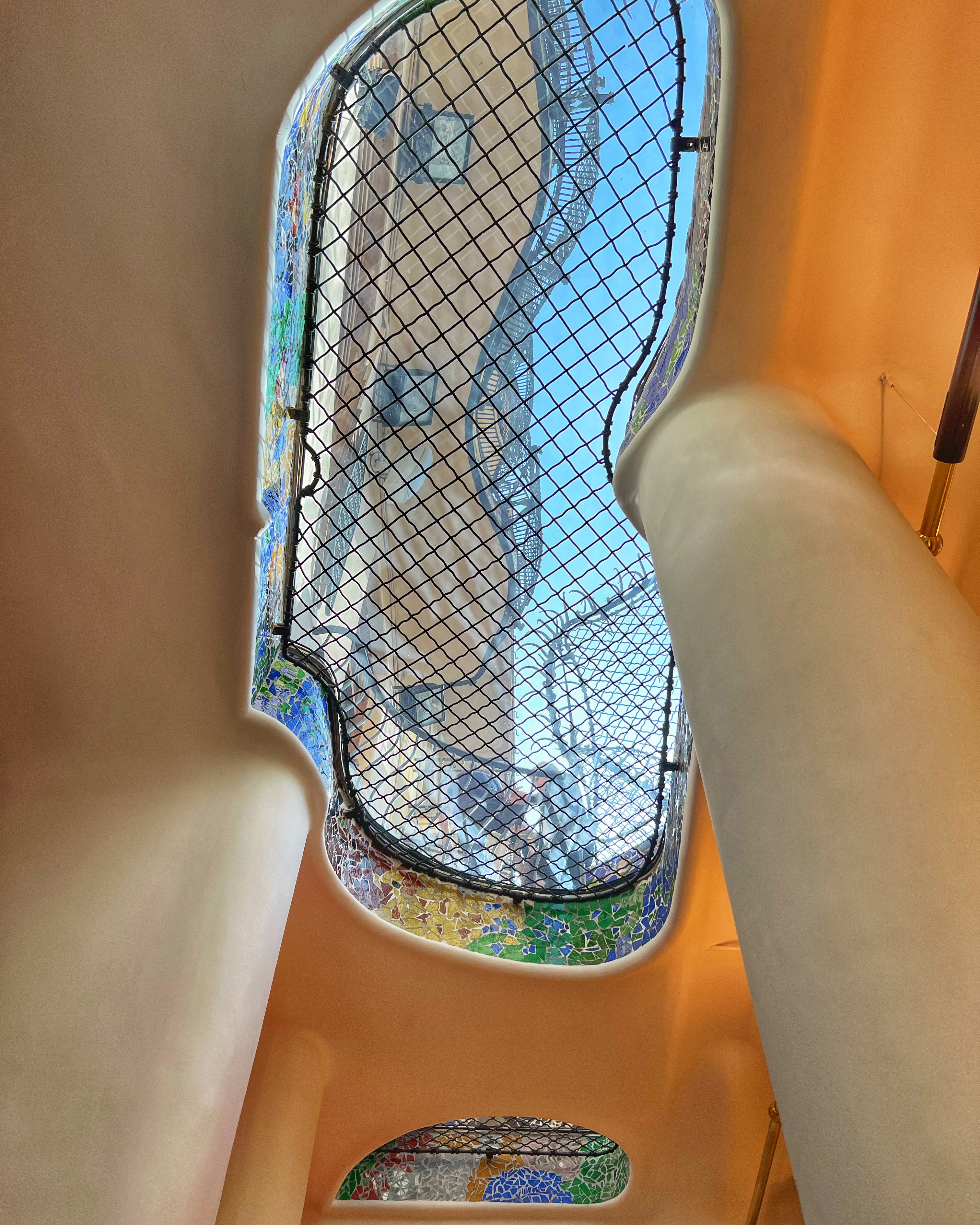
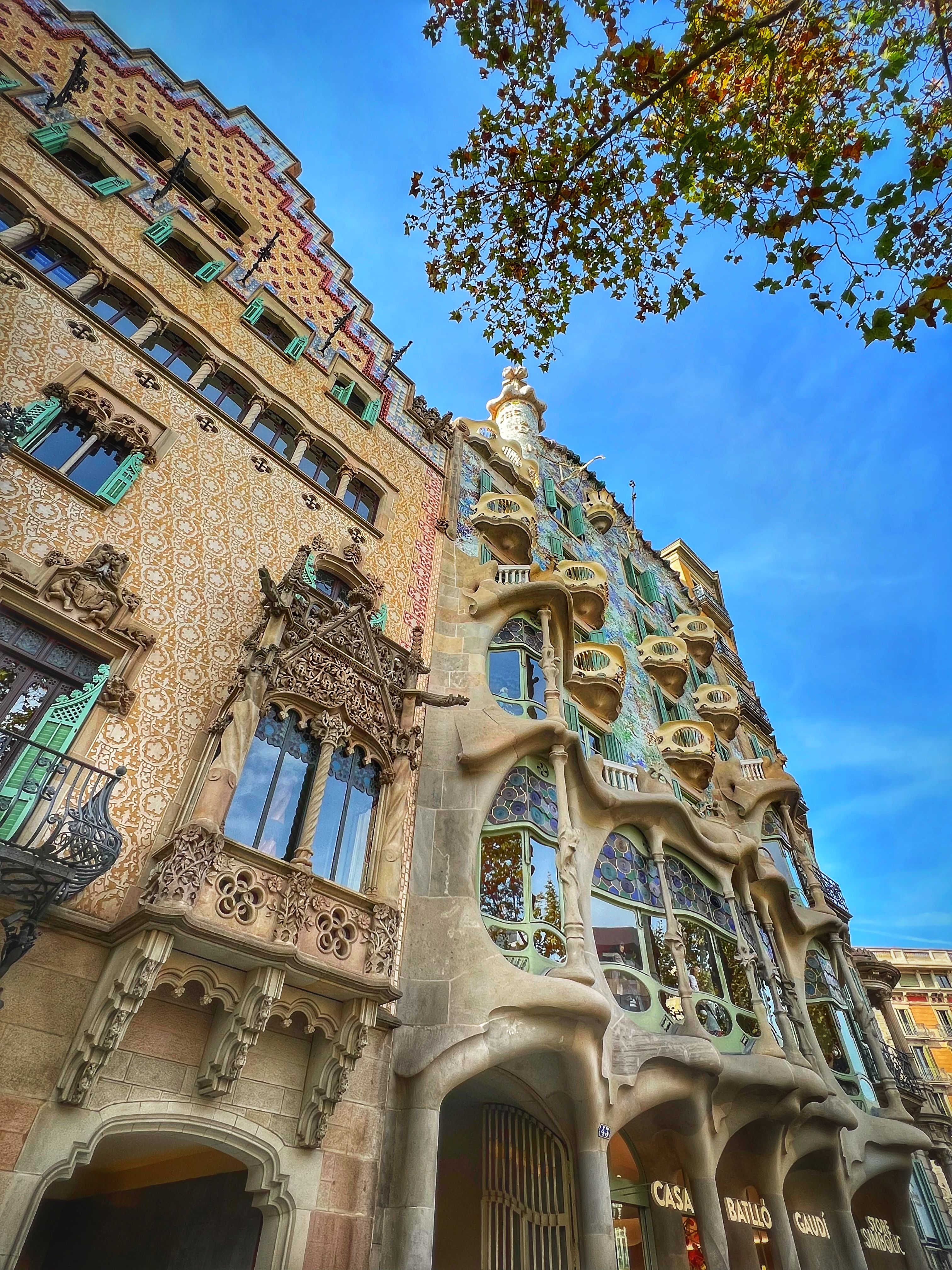
CASA BATLLÓ: Although this was Gaudi’s second commissioned work after Palau Güell, it was another renovation project. Known as the “House of Bones” due to features resembling bones on the facade, it was built with the patron saint of Catalunya in mind, with detail inspired by the story of St. George and the Dragon. For example, the rooftop resembles scales of a dragon (some would say a fish) and giant cross representing the sword that slayed the dragon. The windows and balconies represent skulls and bones that the dragon slayed – or are they Mardi Gras masks? The truth is, Gaudí never explained the symbolism of this work but it’s clear that there is a very distinct marine theme throughout the structure. Inside, the walls, ceilings, stairwells, windows and atriums flow with rounded details and bluish tones that evoke a serene but inspired reflection of the sea. This Gaudí house was among the first in the Eixample neighborhood that became THE model inspiring all other modernist architects who came after him. In my opinion, nothing else comes close to Casa Batlló, and if you can only visit one Gaudí house, it should be this one!
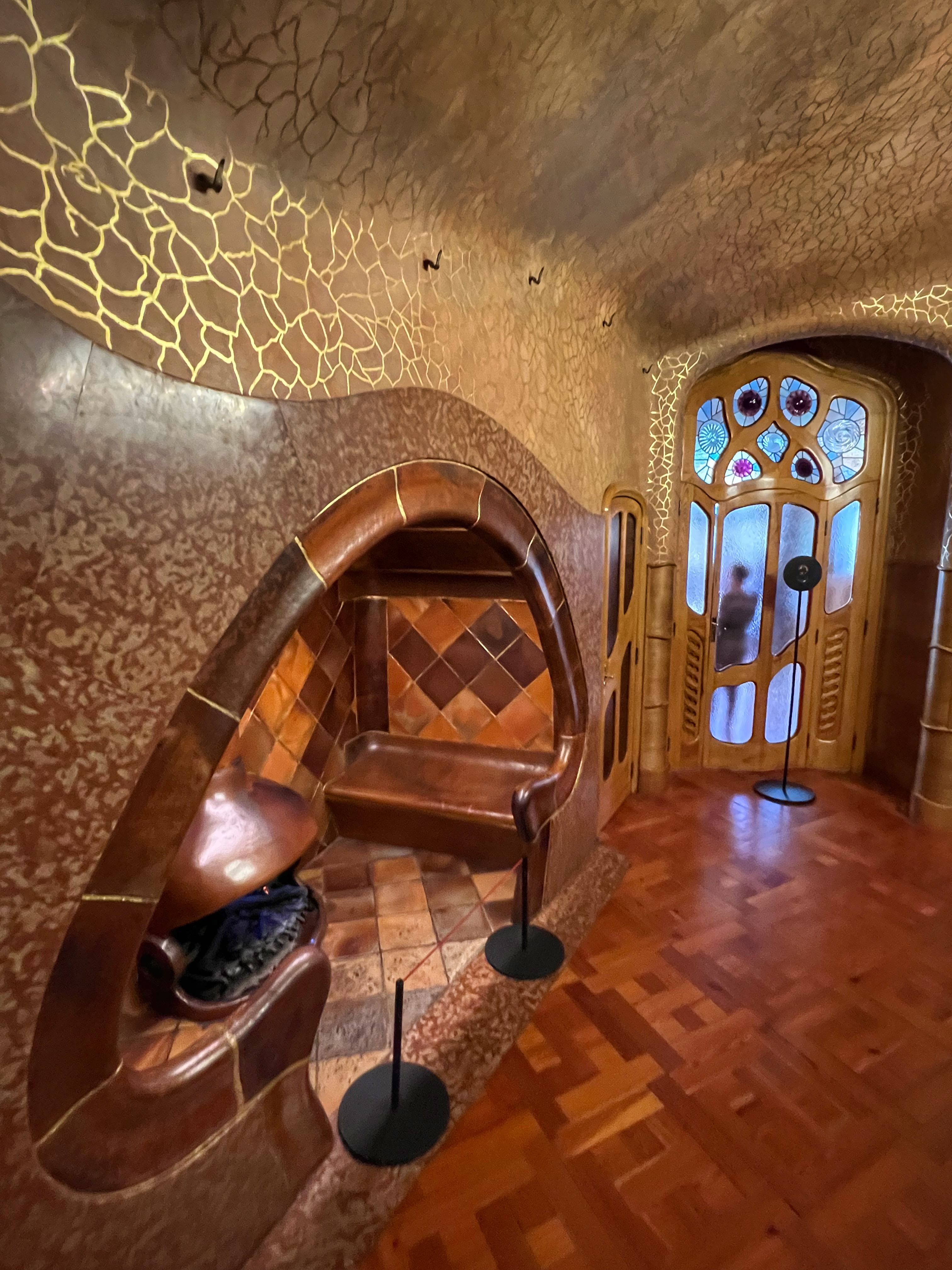
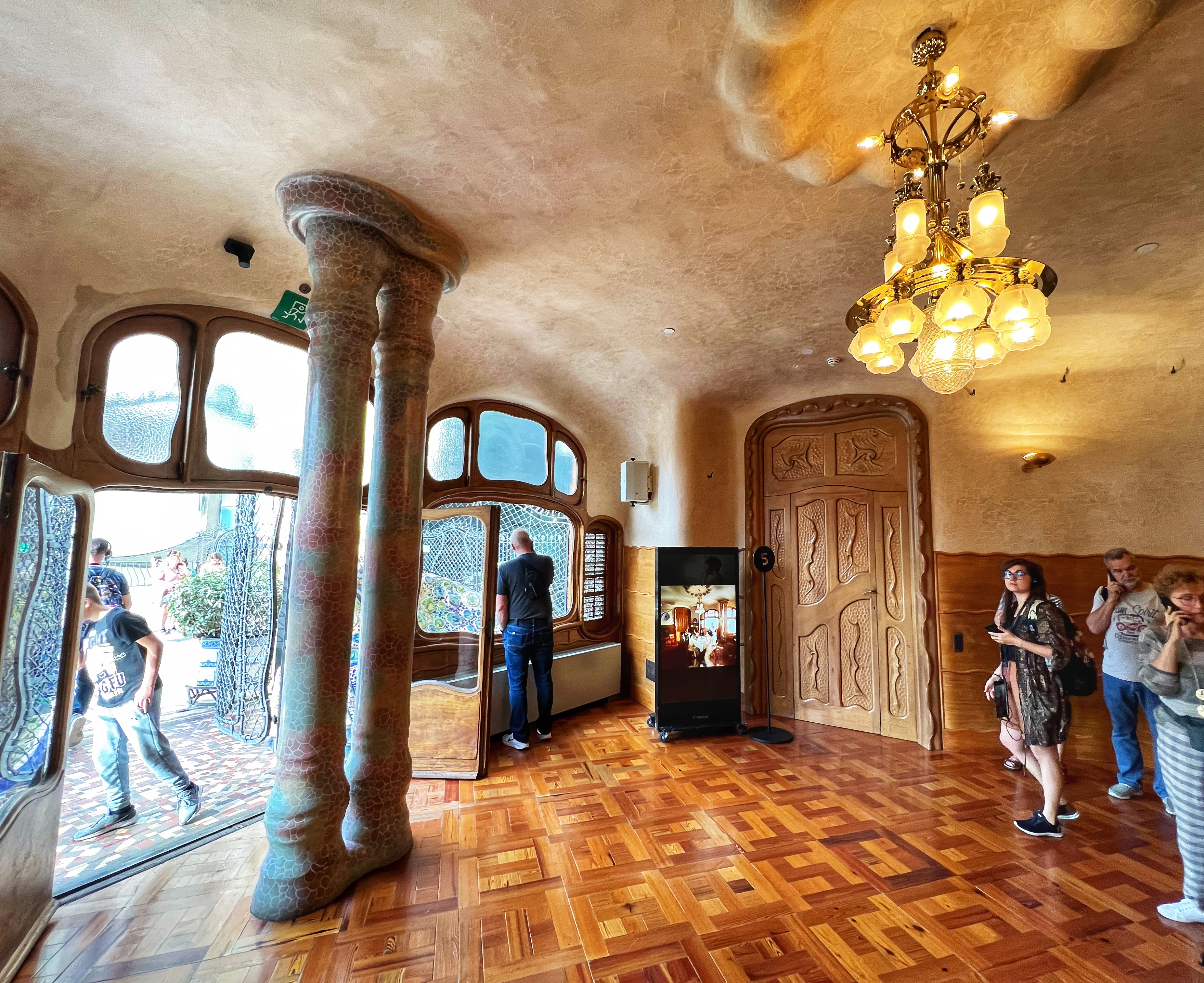

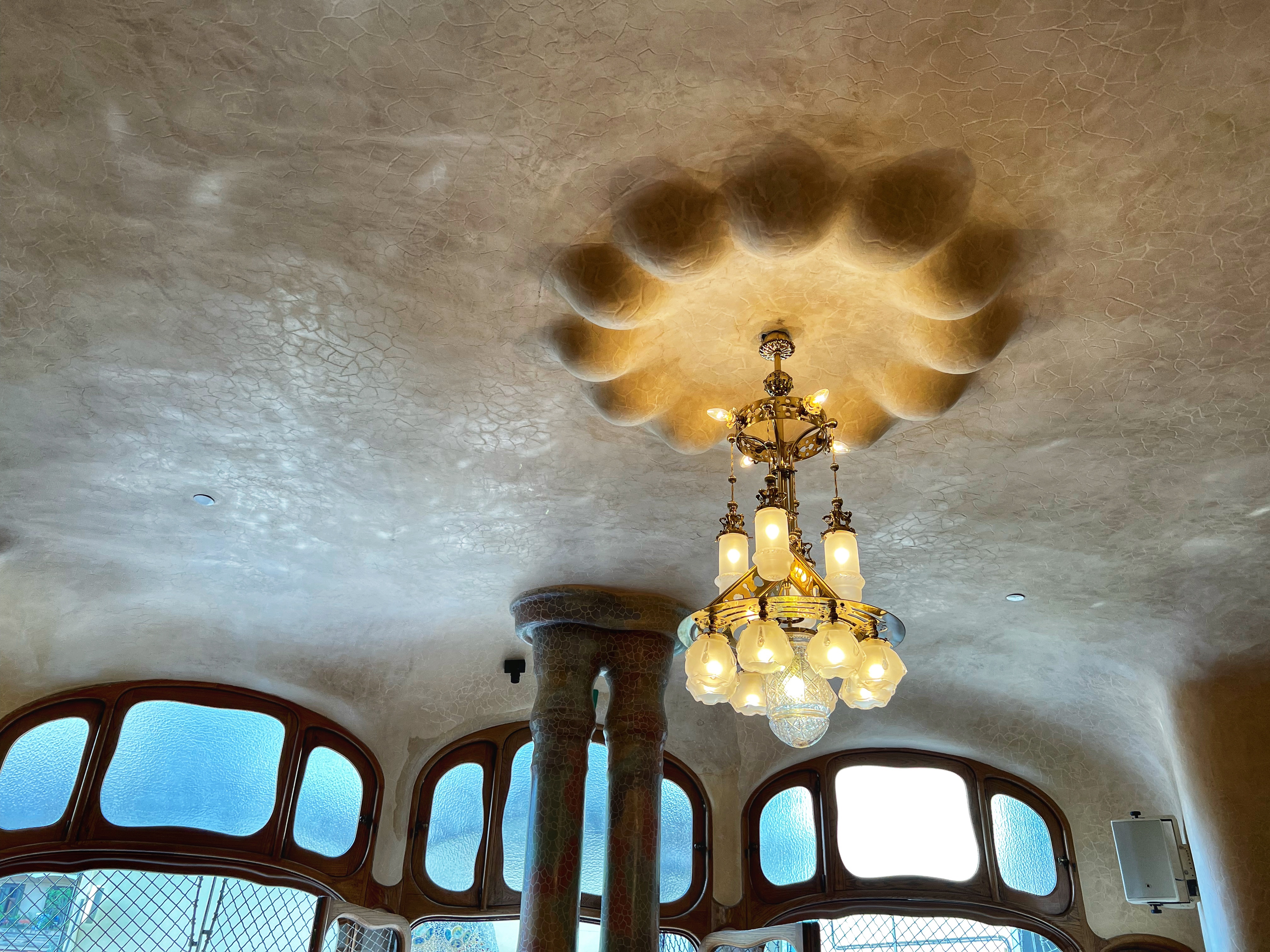
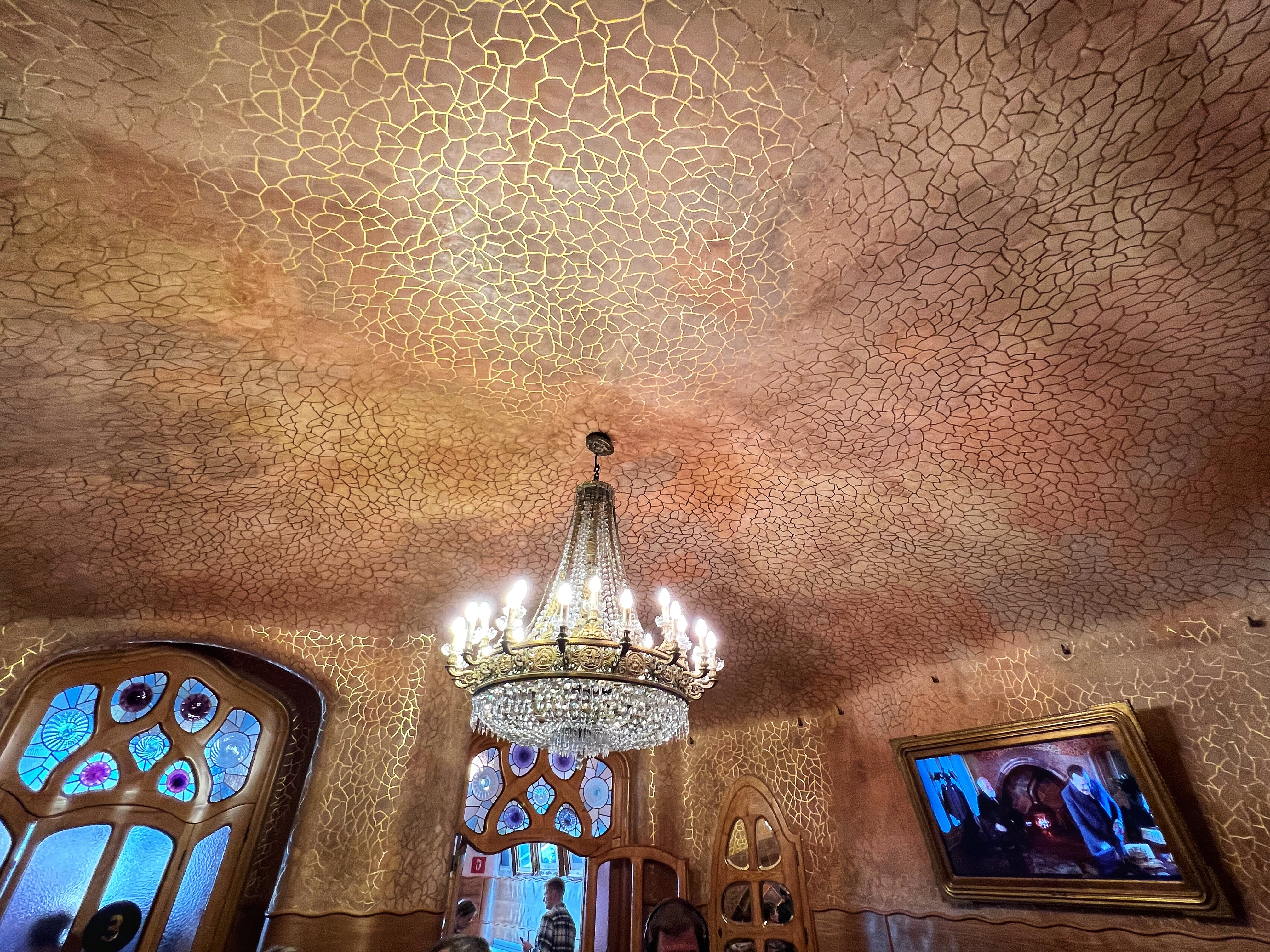

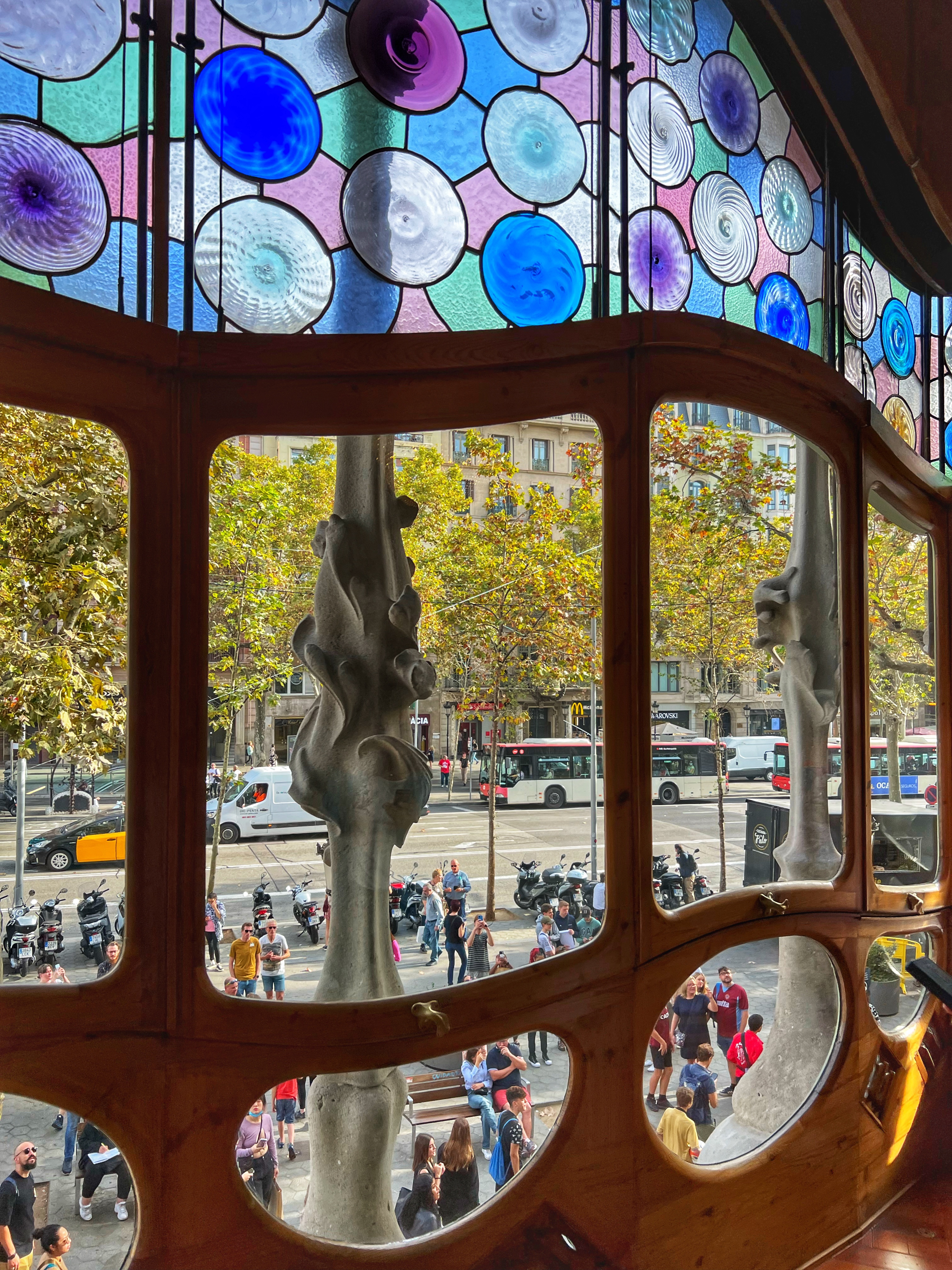
It is also worth noting that Casa Batlló is committed to supporting neuro-divergent causes and autism awareness. Ten percent of profits are donated to Associació Aprenem Autisme and Fundación Adana and many employees have autism. Occasionally there are projection mapping light shows on the facade of Casa Batlló commemorating various anniversaries. Keep an eye out for these as well!
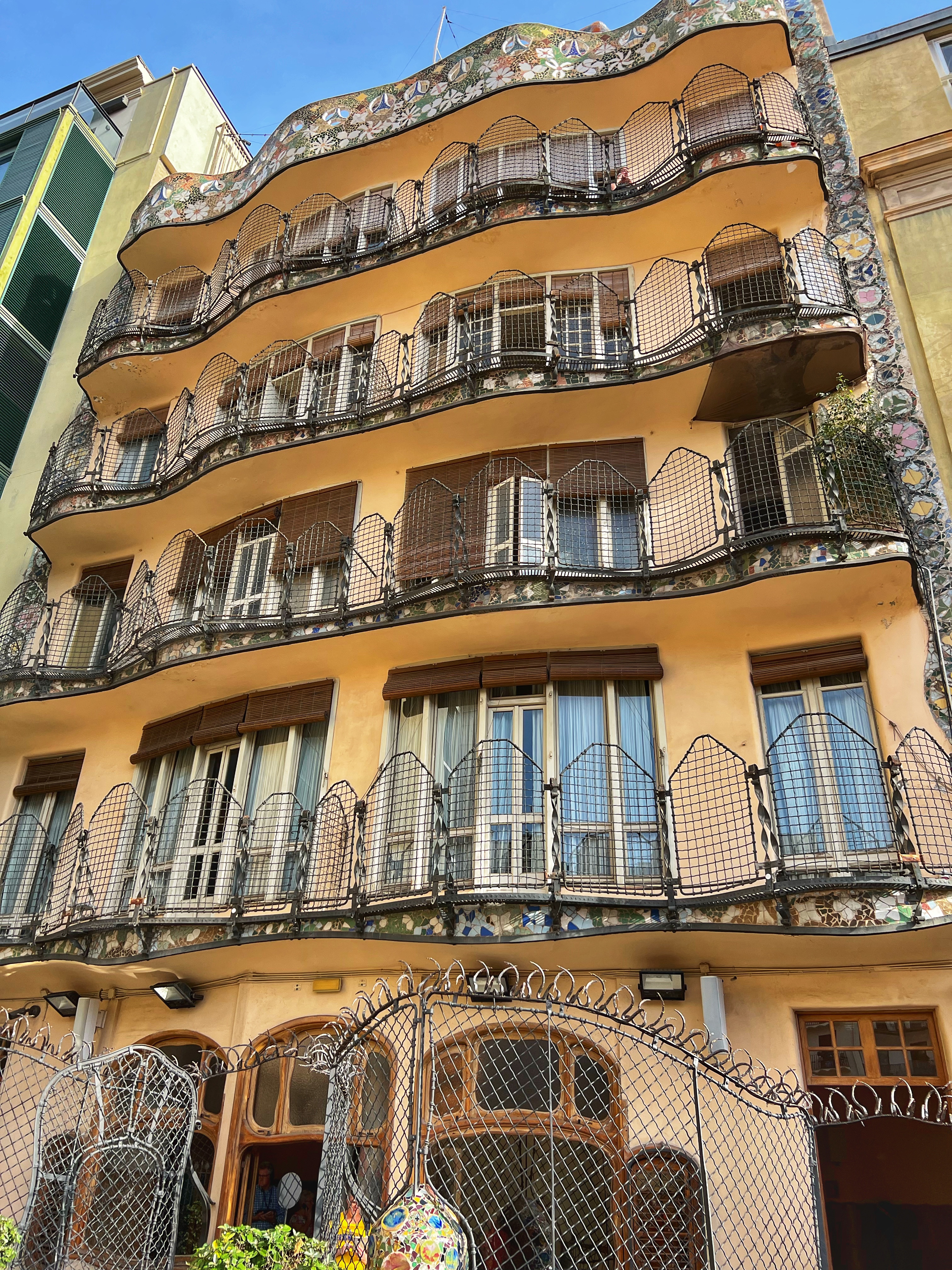
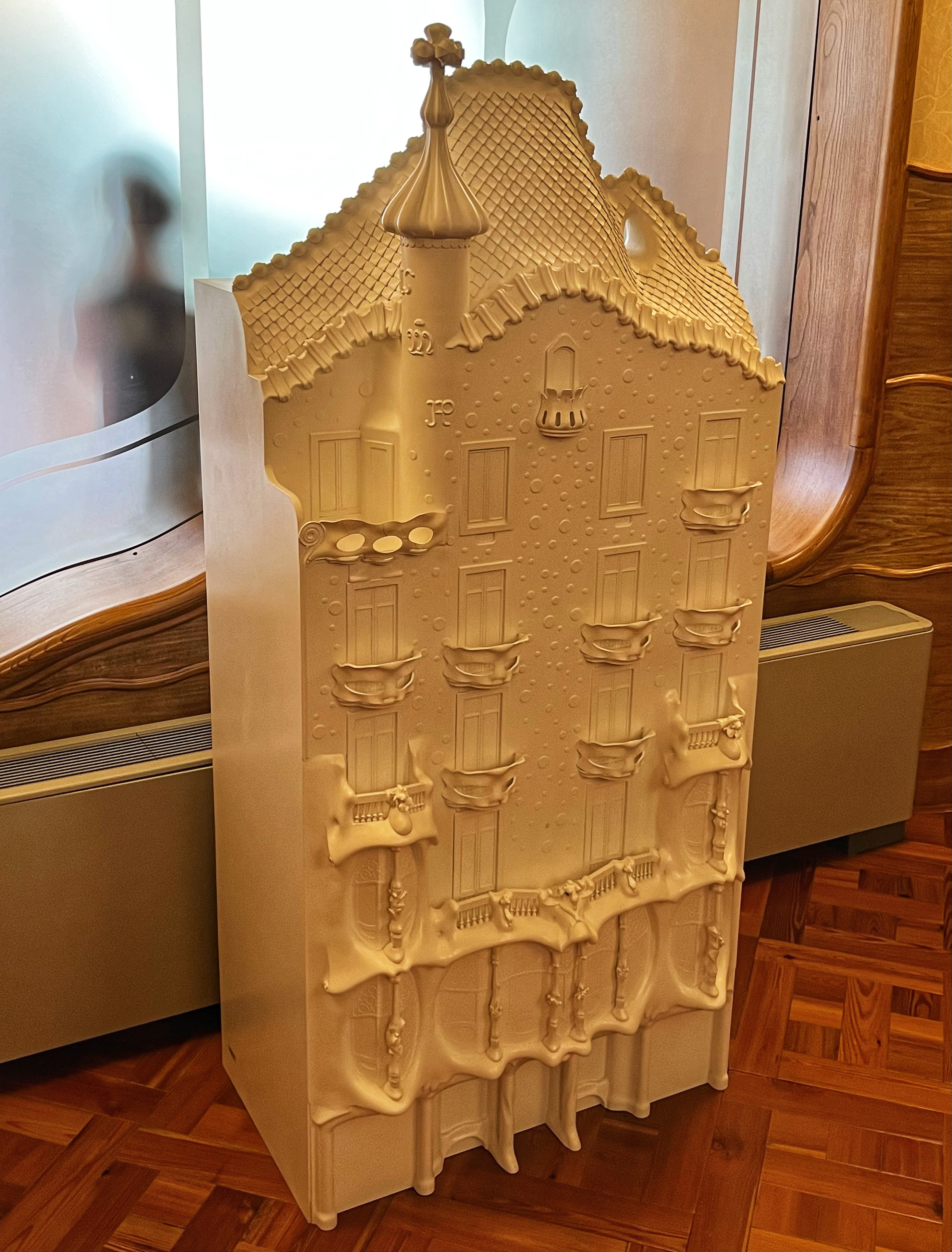
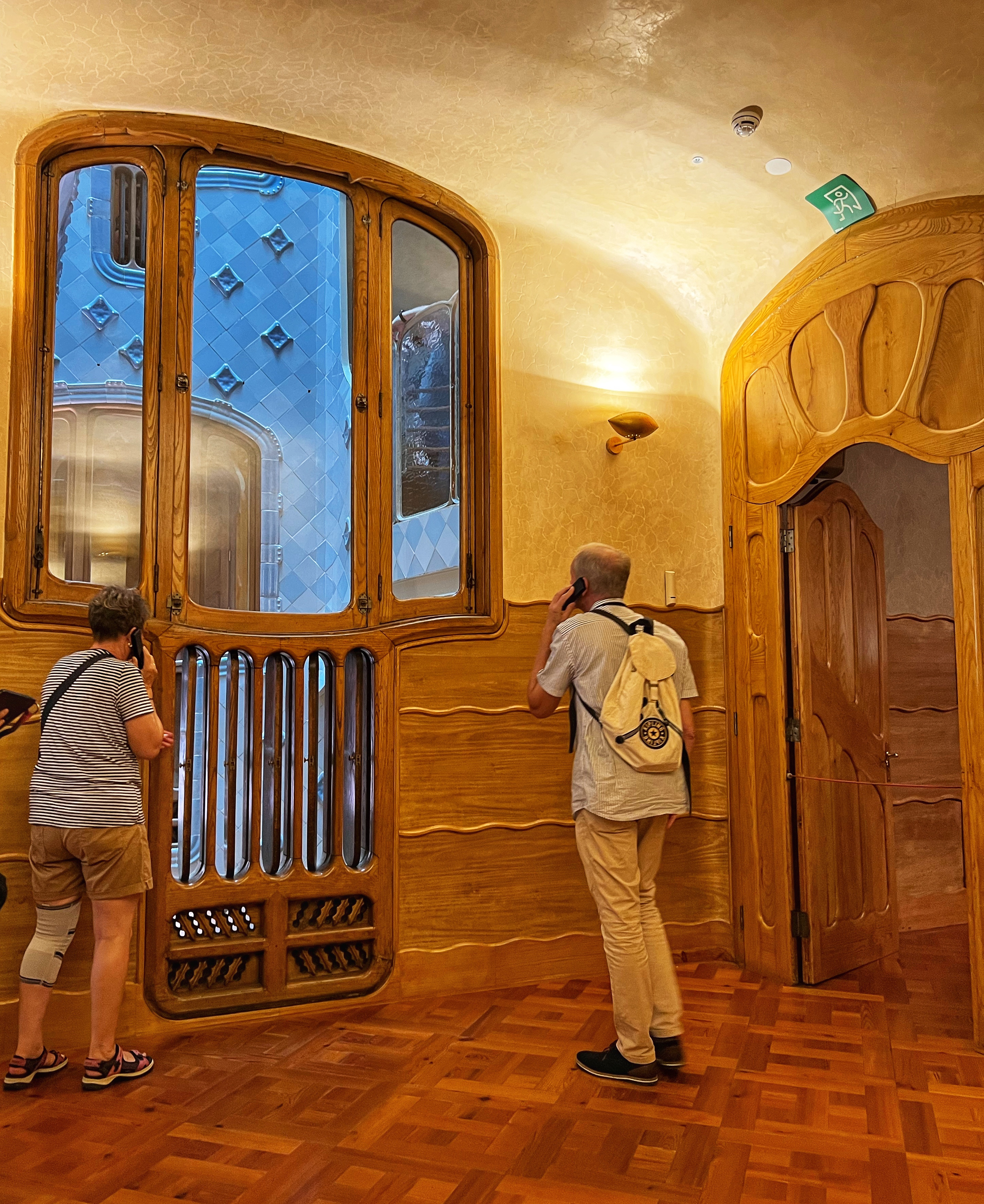

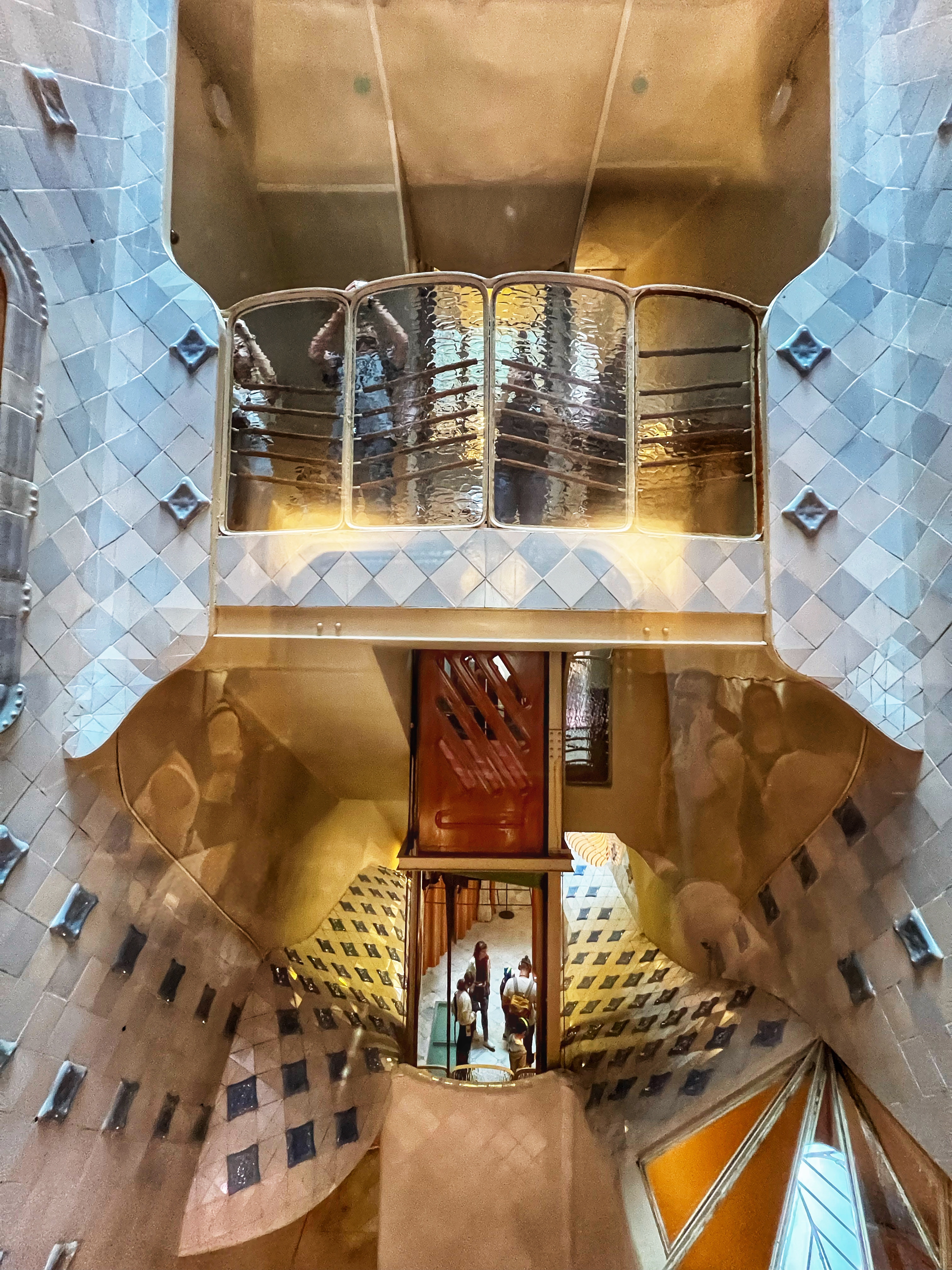



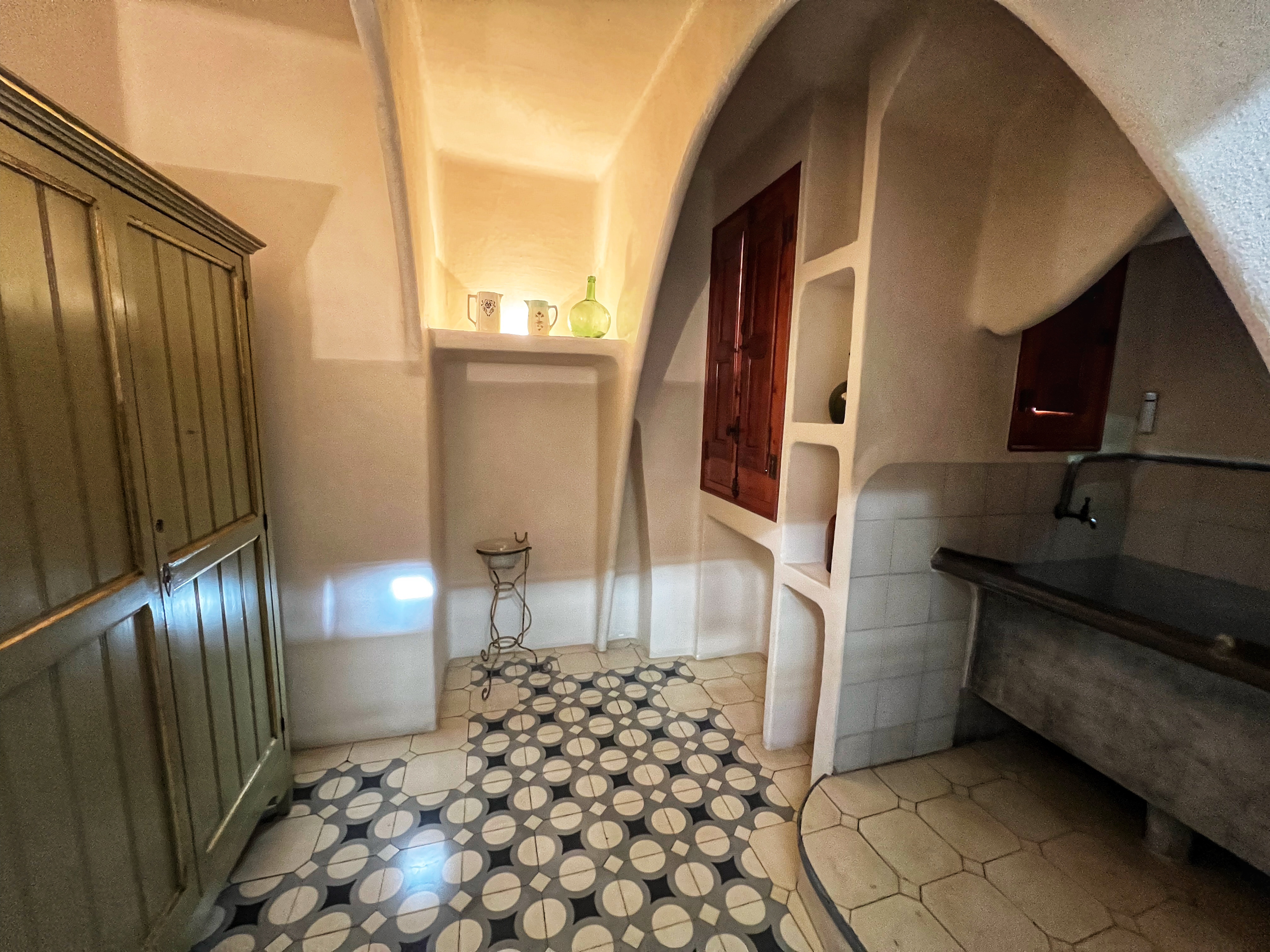
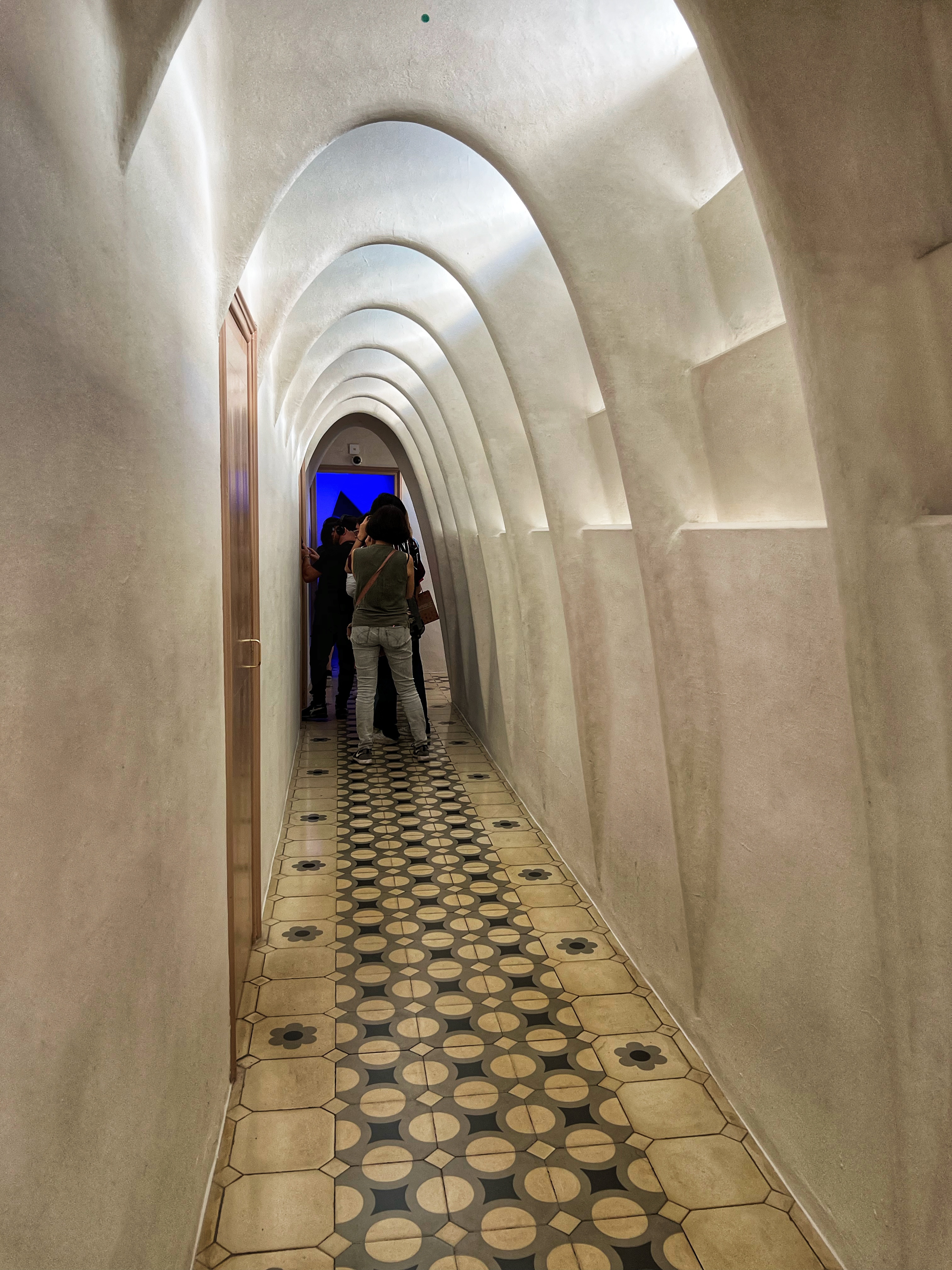

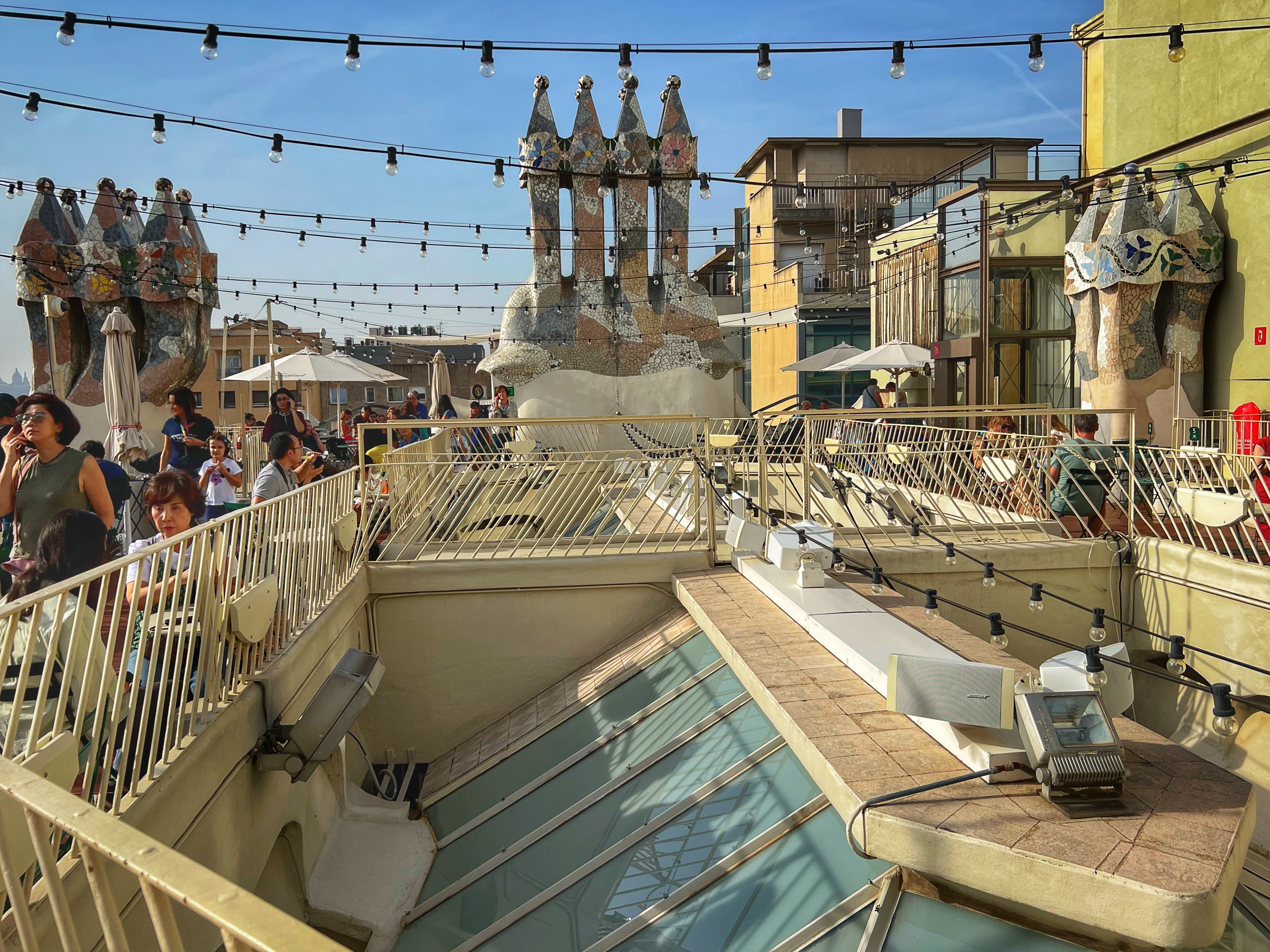
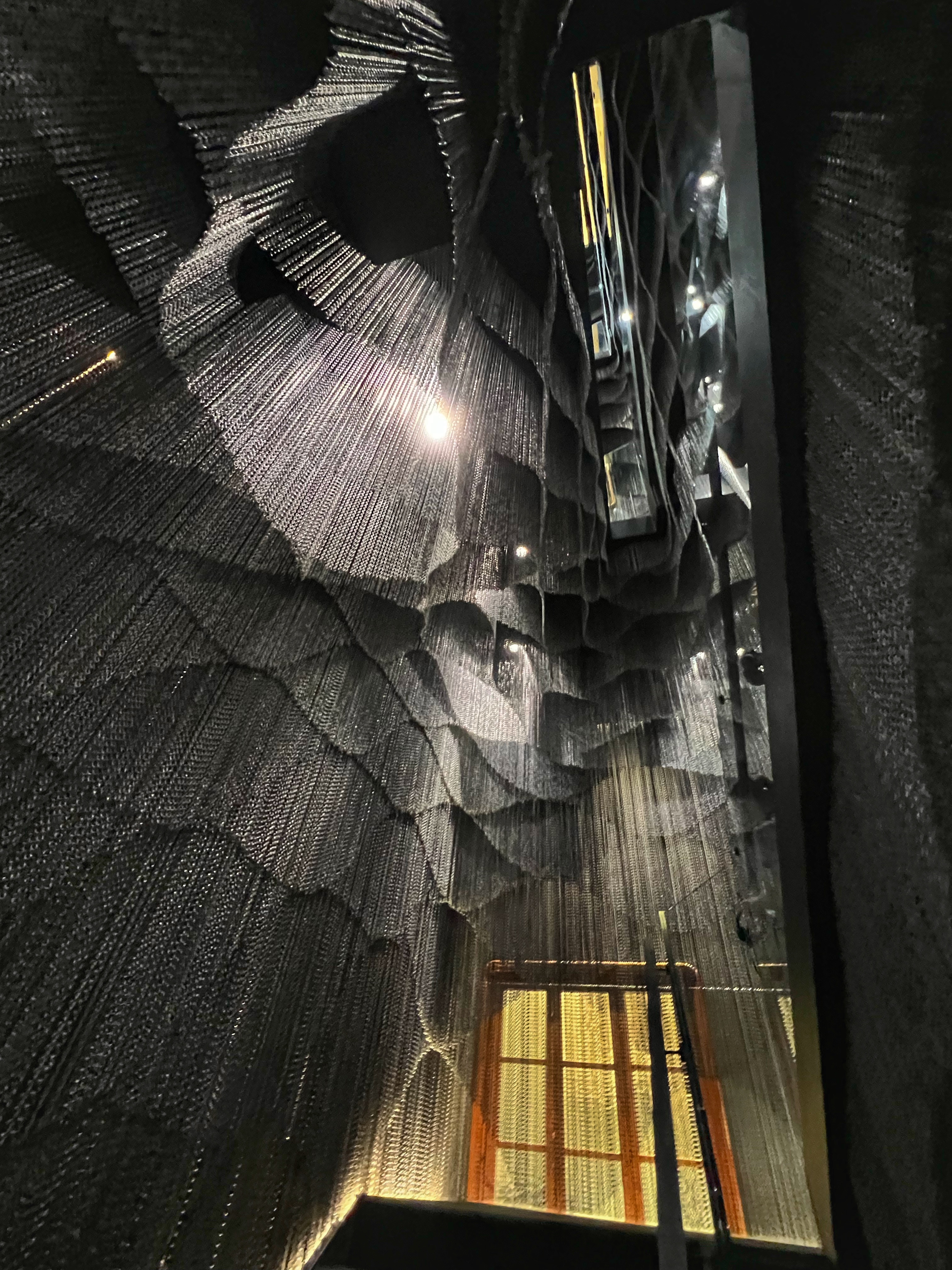

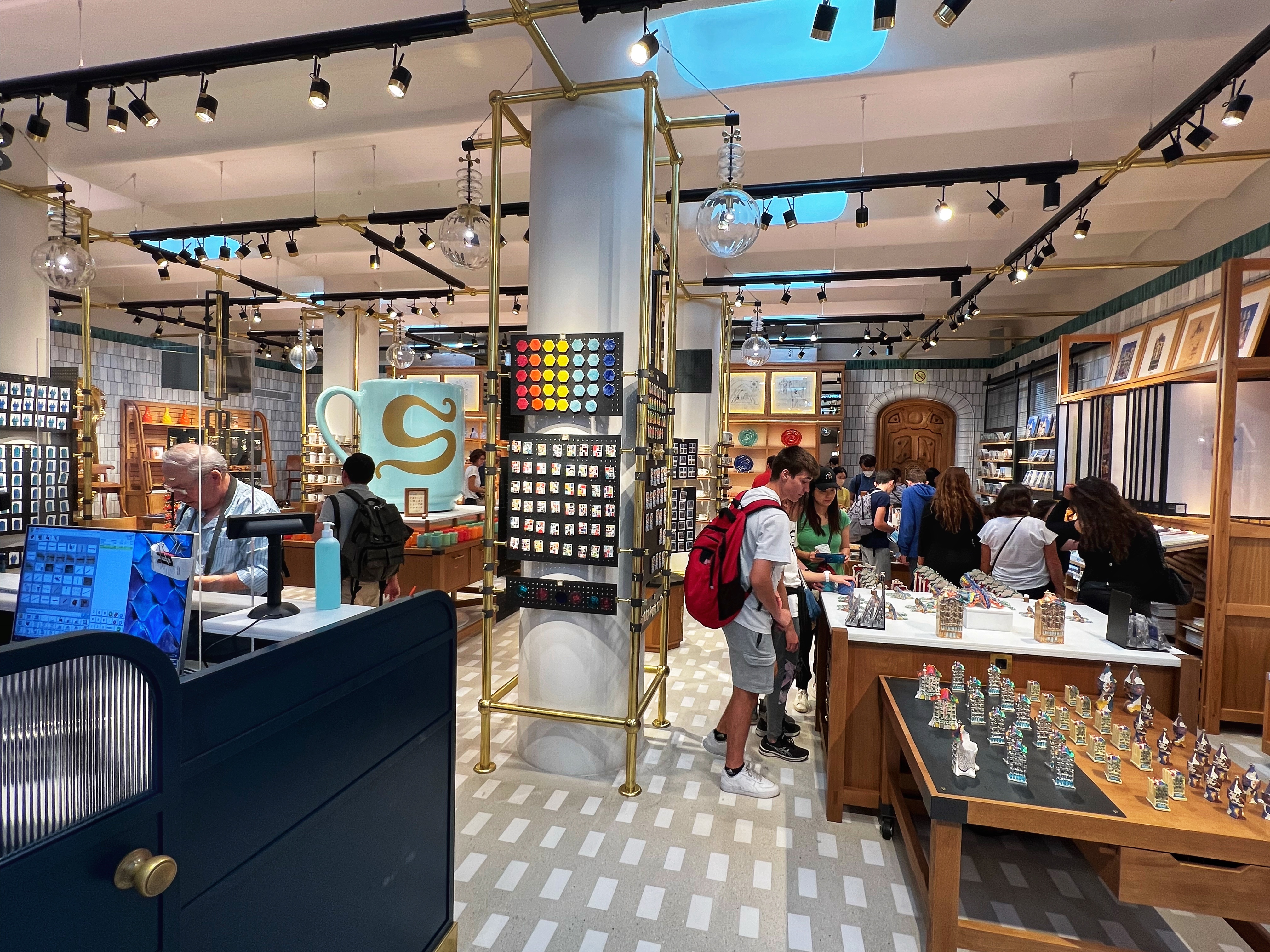
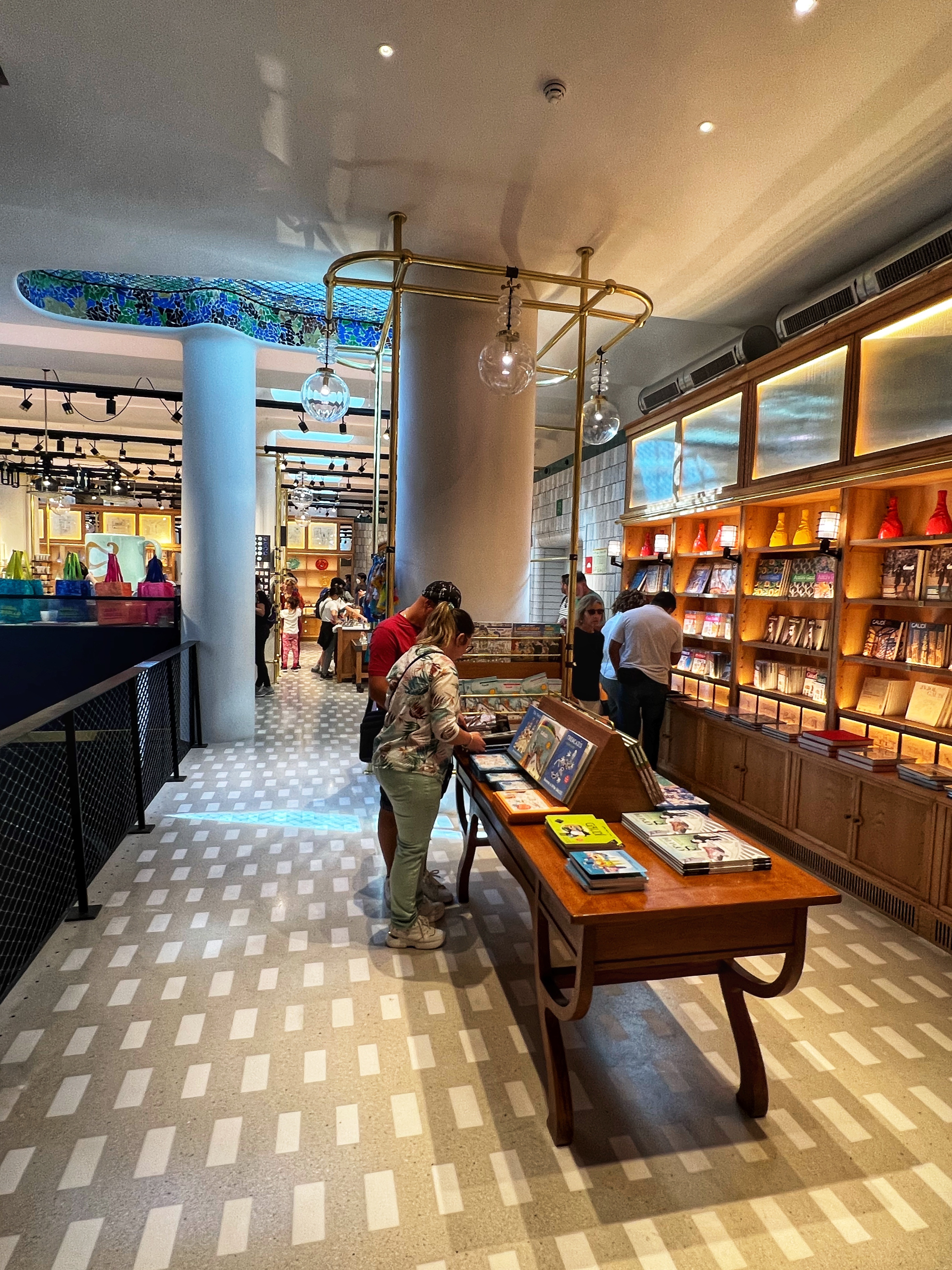
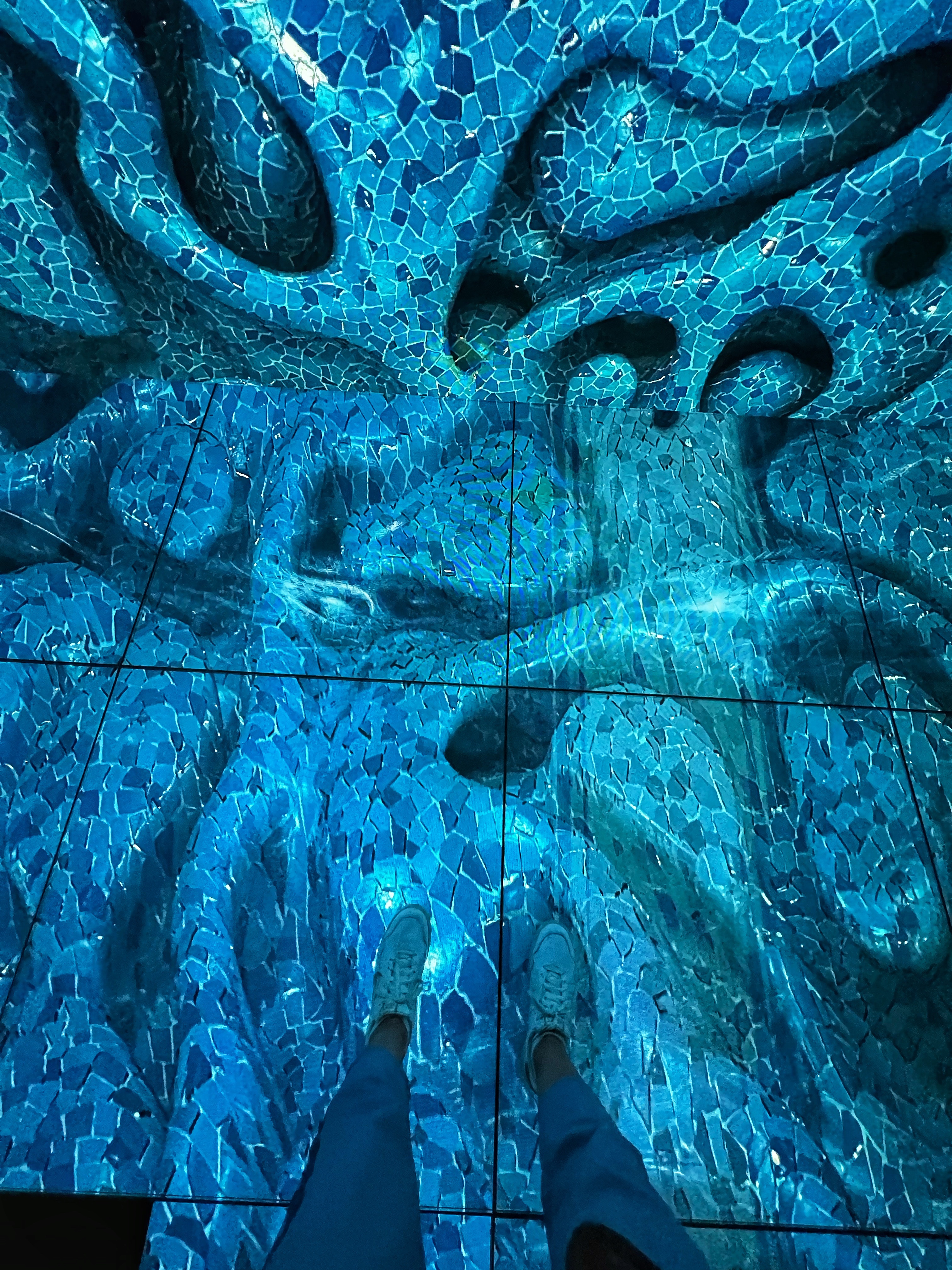
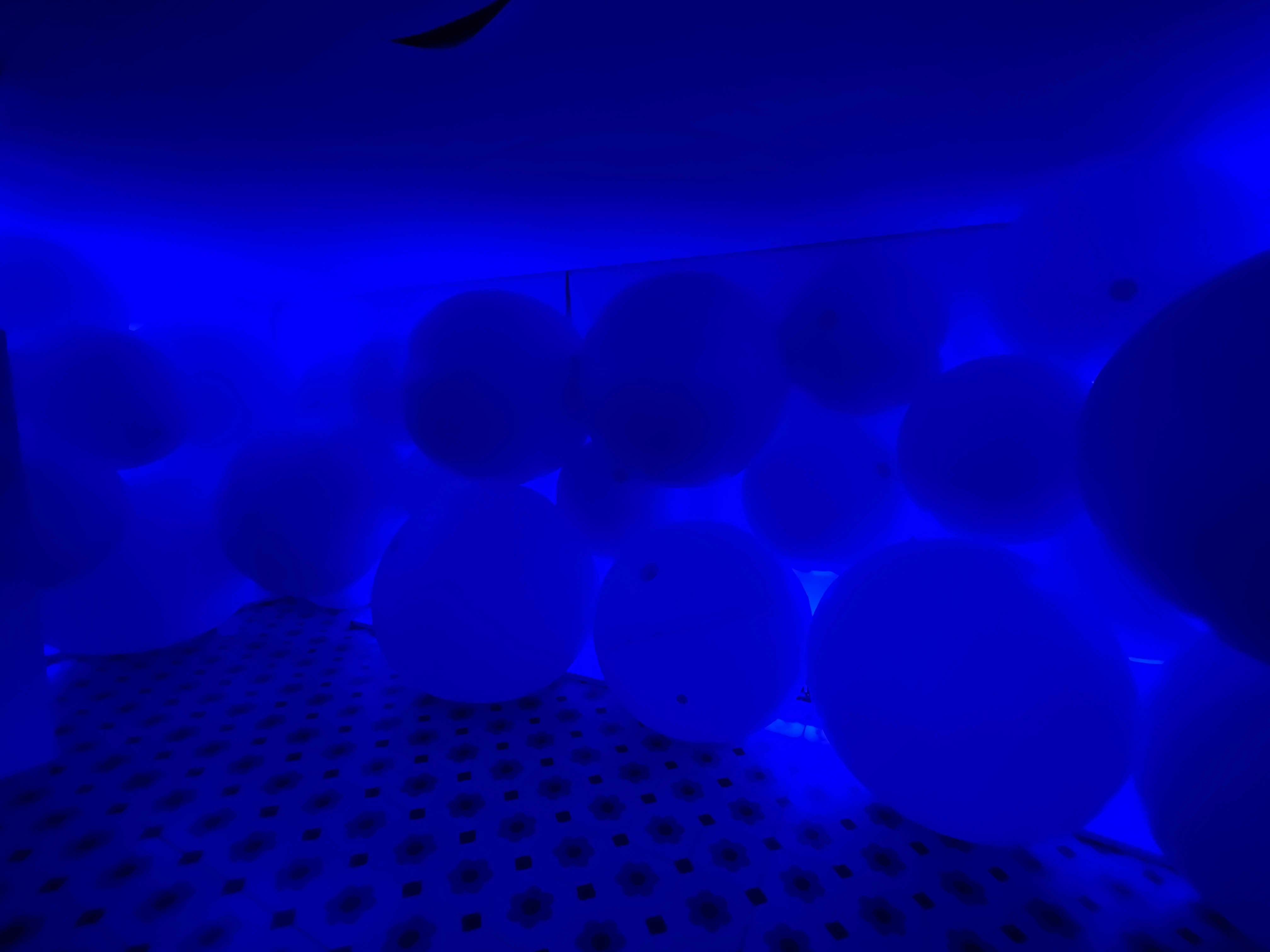
TO VISIT: Purchase tickets here in advance and select a time slot. Tickets vary in price from €35-€45/per person. Children under 12 are free, -€6 for ages 13-17. You can tour with or without a 3D tablet, but an audioguide comes with every ticket. This is one of the busiest Gaudí destinations, so plan to visit at opening if you want to avoid crowds. There is a rooftop bar you can enjoy during the visit, or you can book an evening rooftop event for a unique experience. This visit includes virtual projections and video immersive experiences that could be triggering if you are light-sensitive or have a seizure disorder. There is also a spot to take professional selfies at the upper balcony and purchase the images there. Batlló gift shop is one of my favorites as well!
3
PALAU DE LA MÚSICA CATALANA
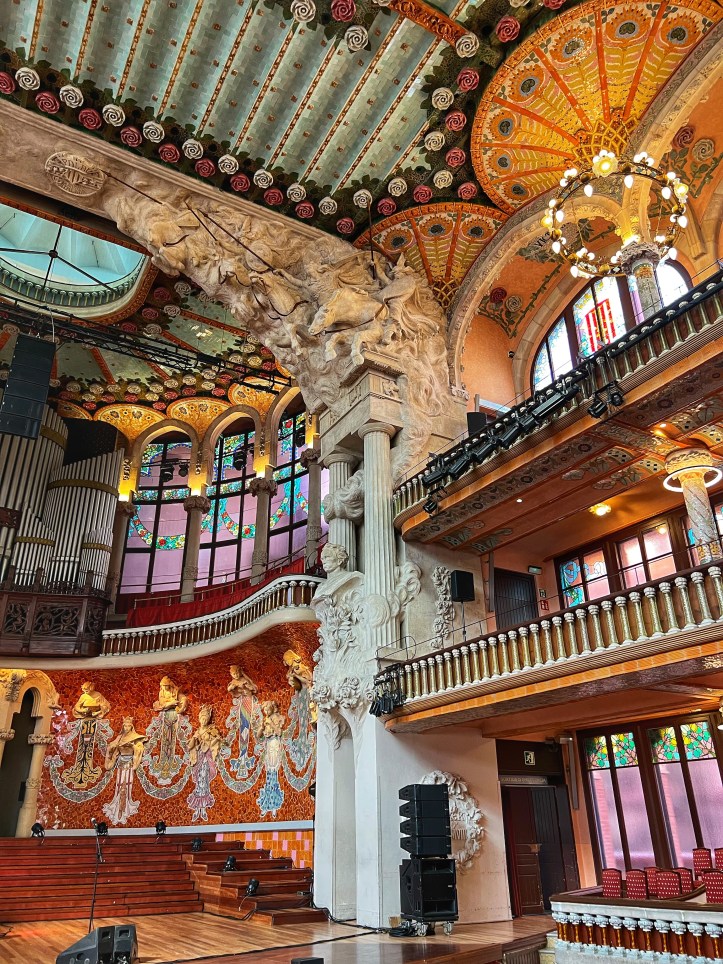
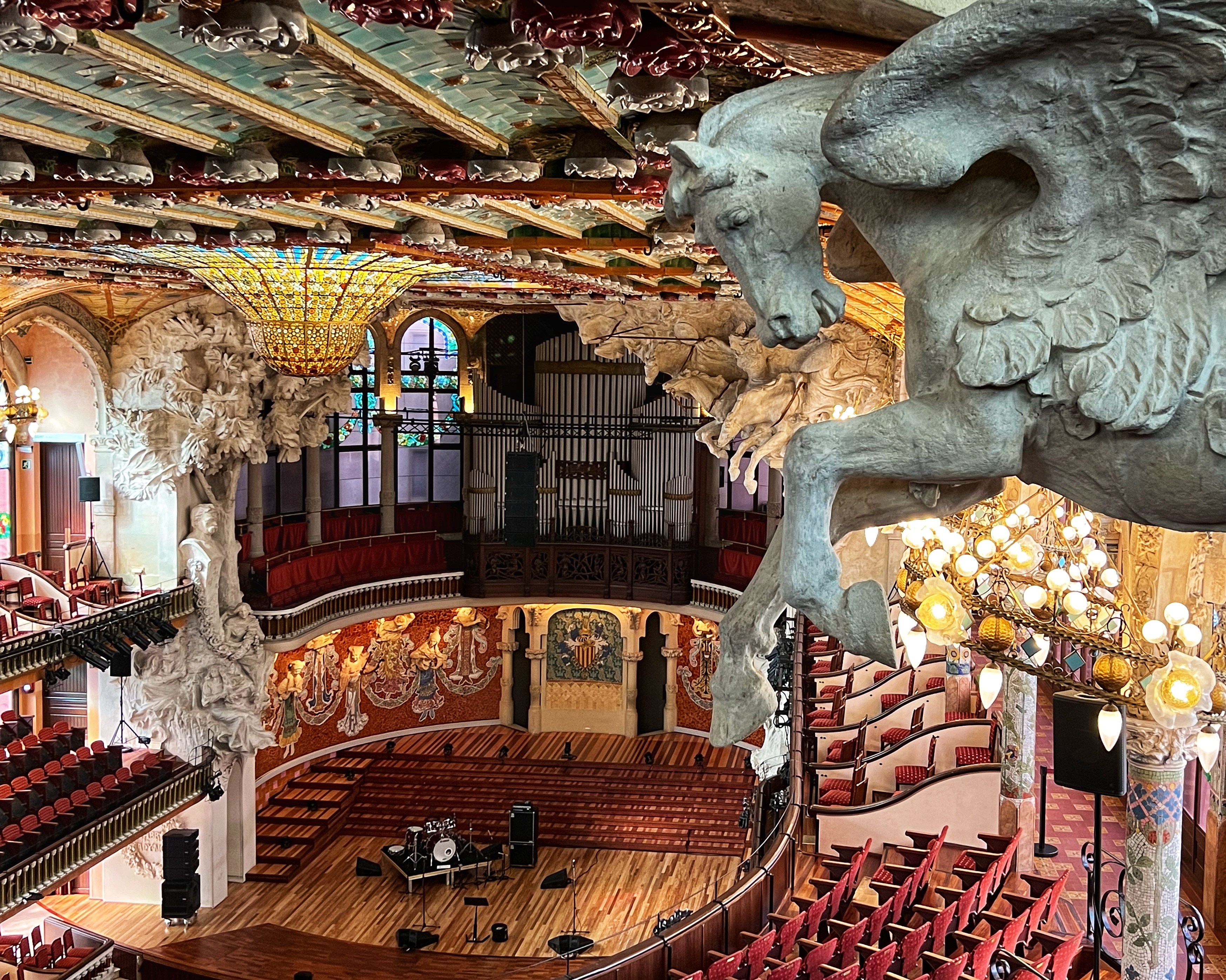
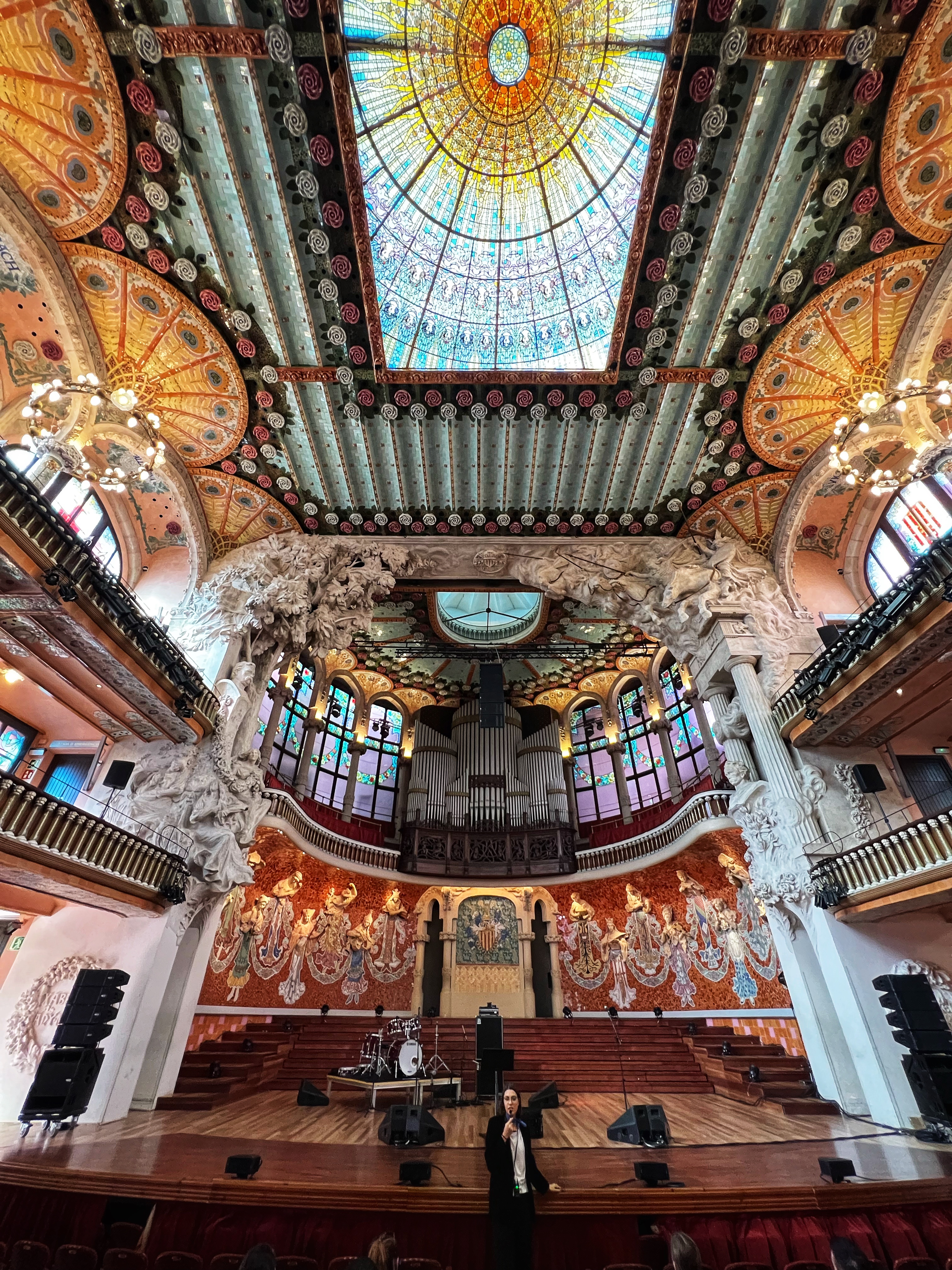
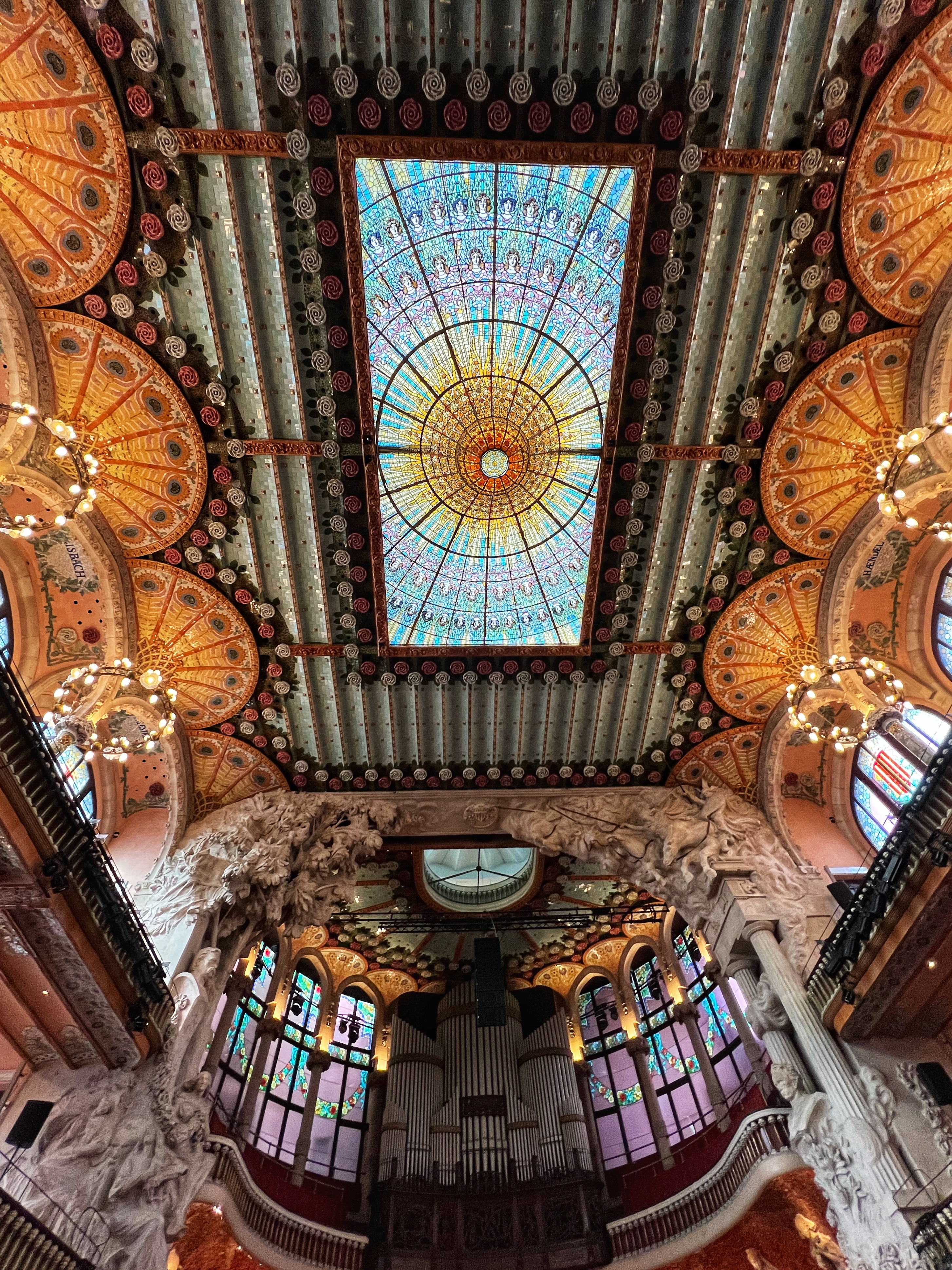
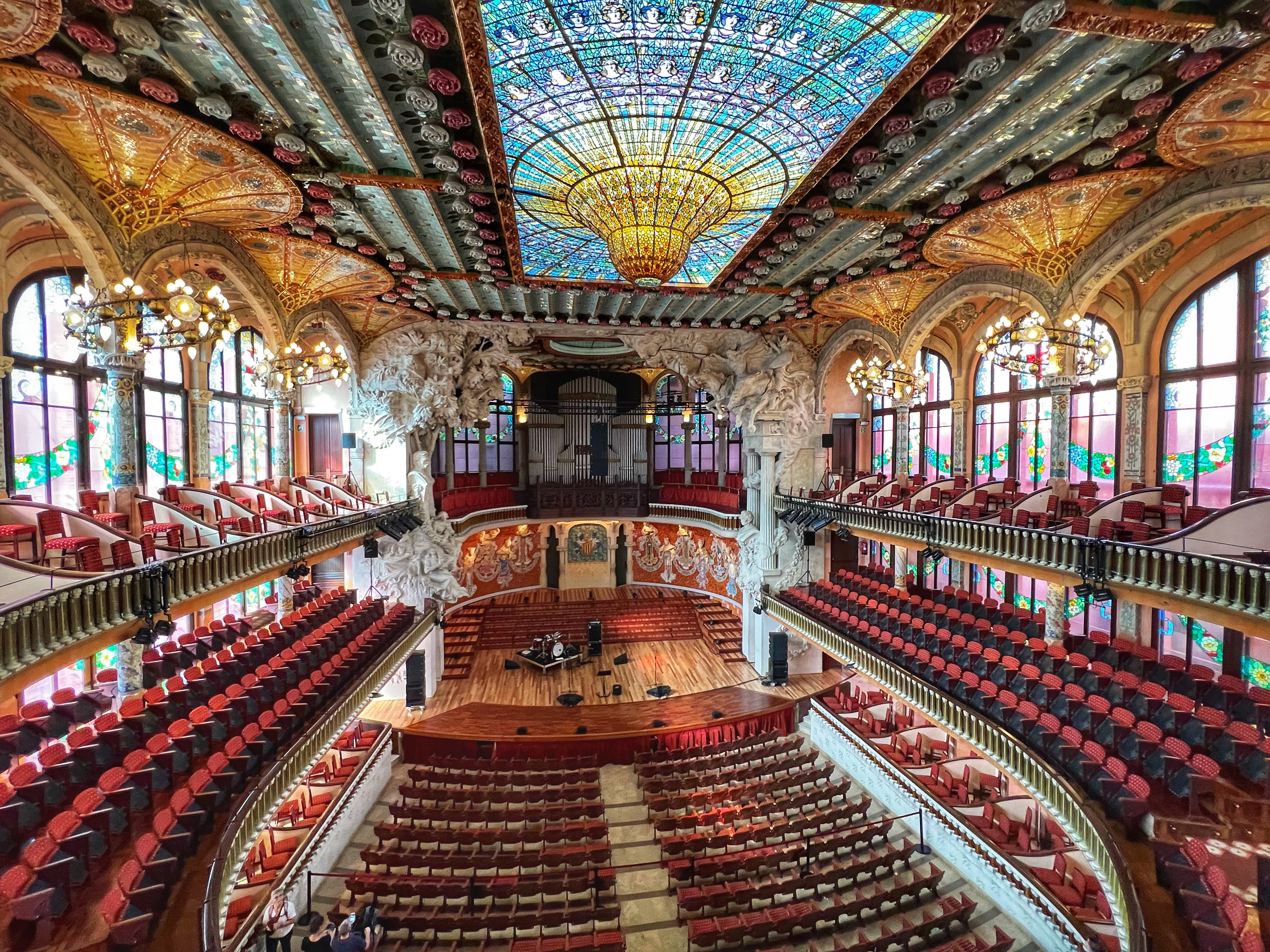
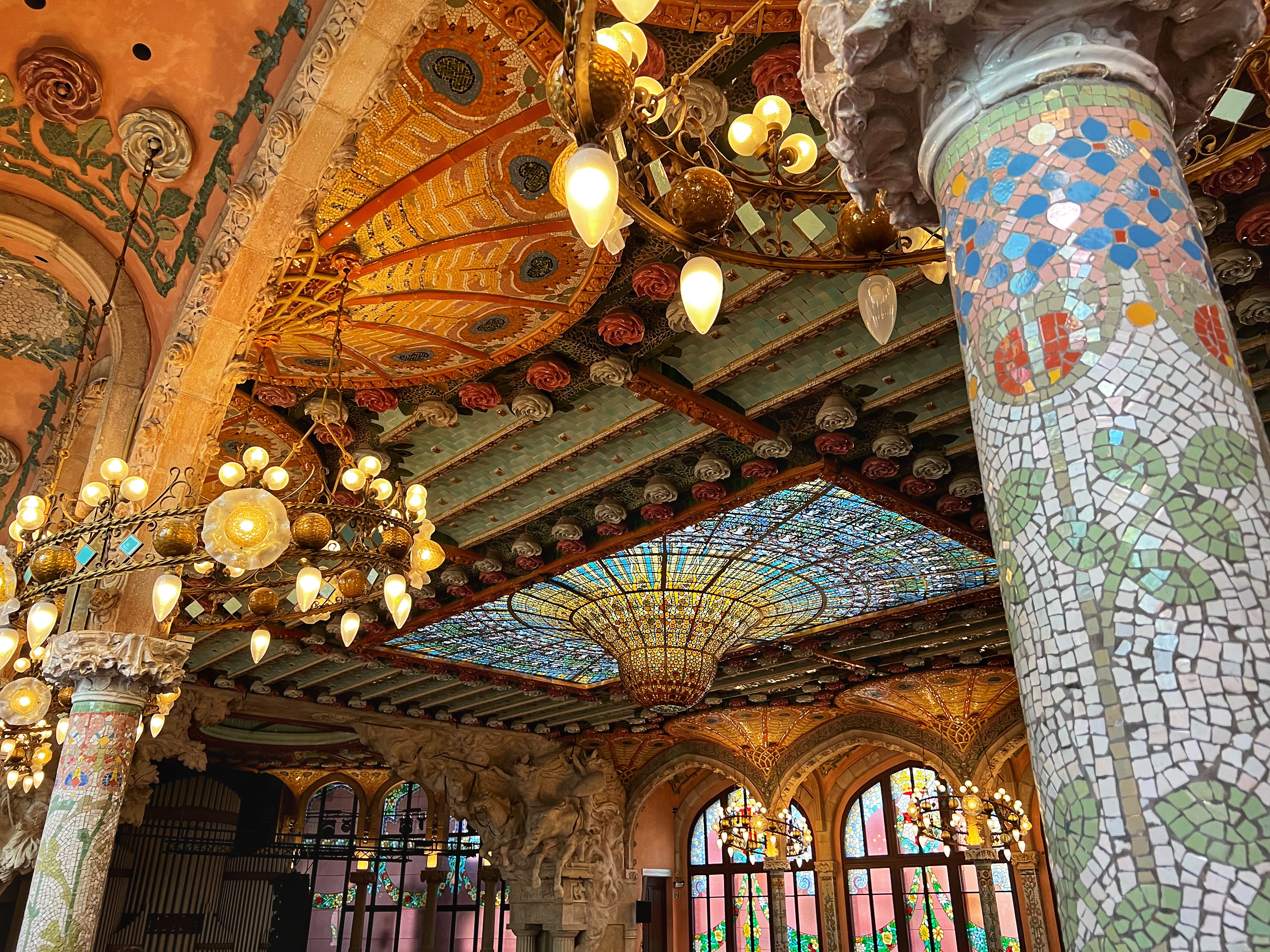
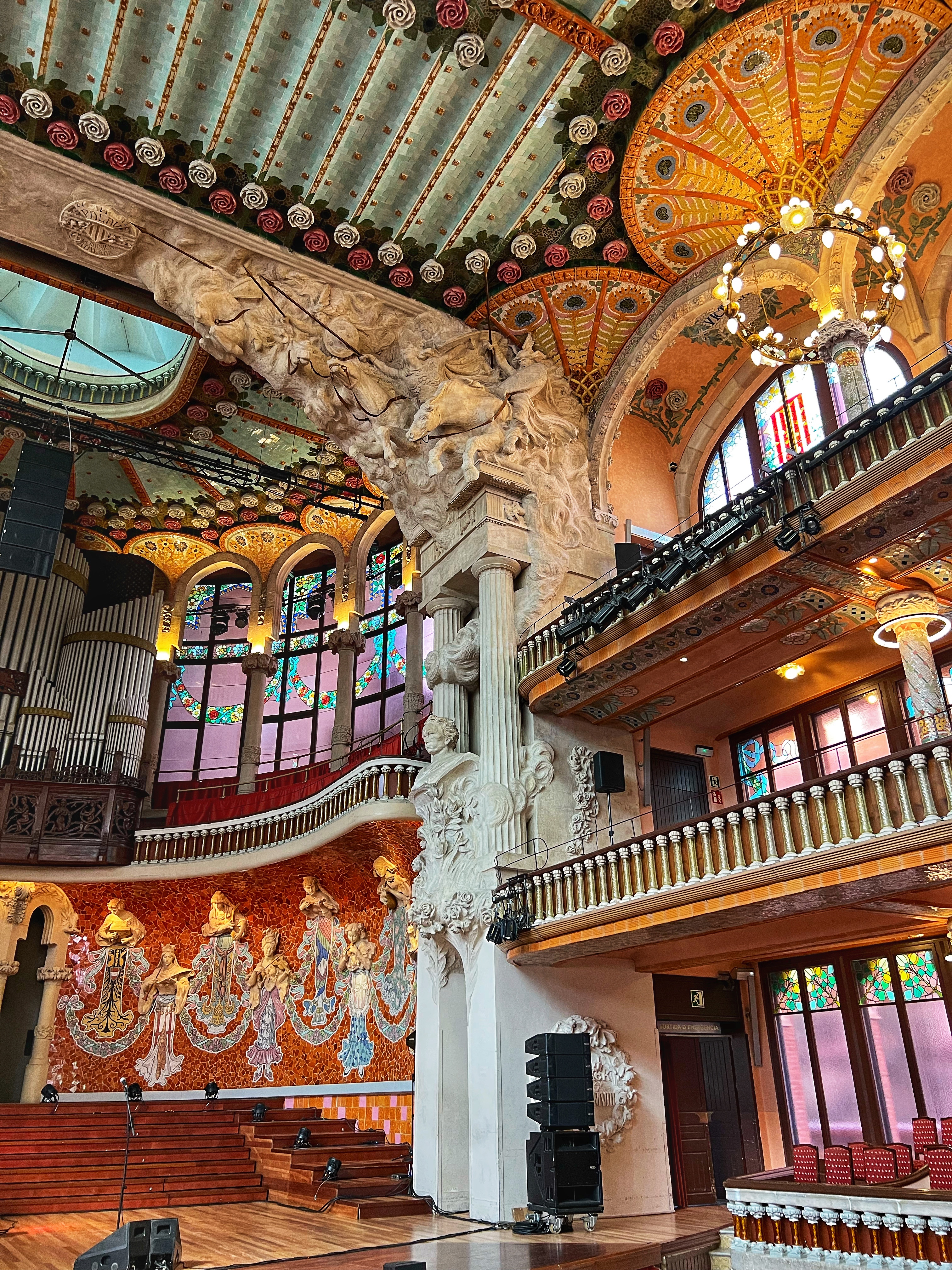
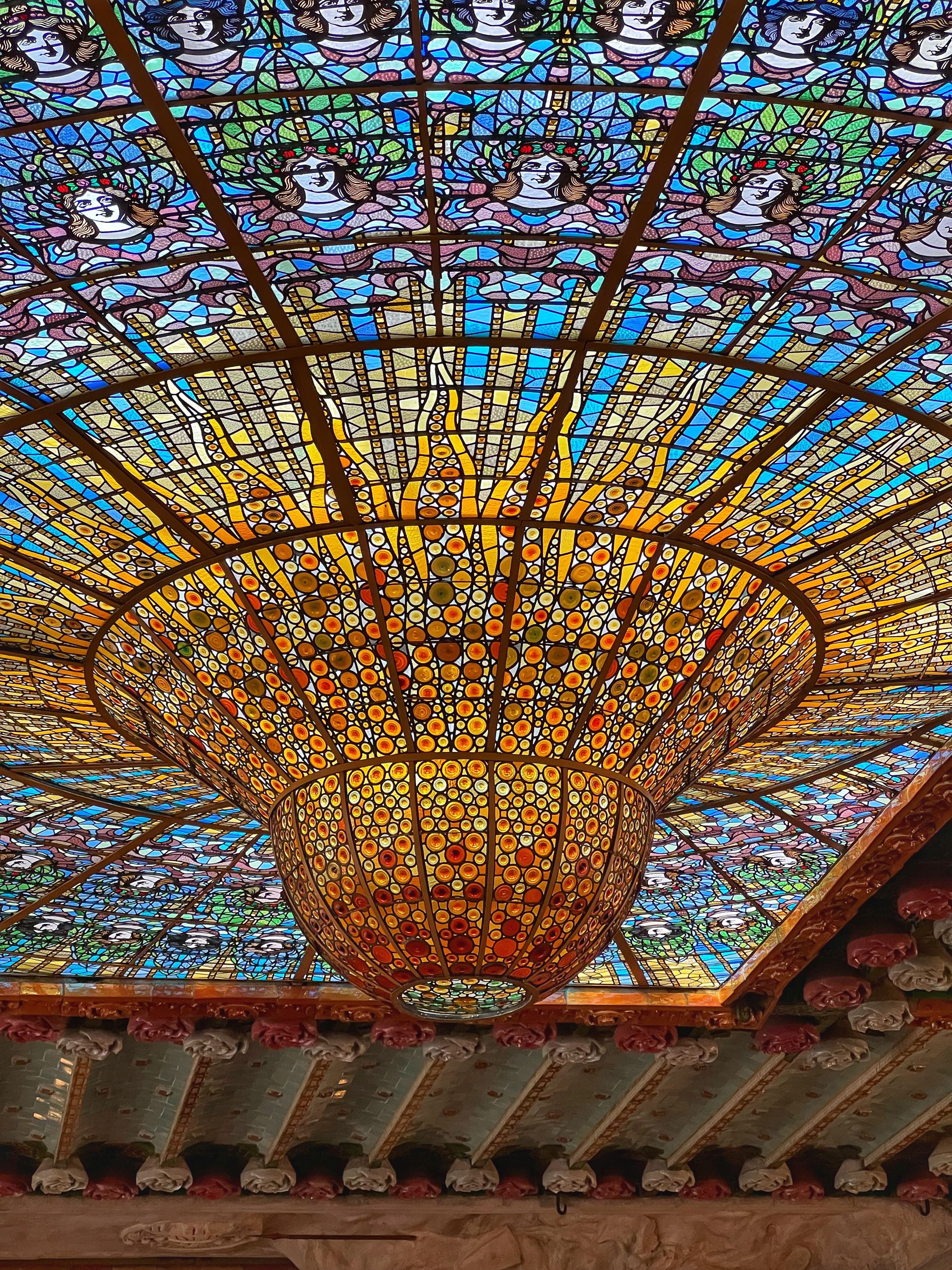
PALAU DE LA MÚSICA CATALANA: This incredible palace was built in three years by the teacher of Antoni Gaudí, Lluís Domènech i Montaner, and is one of the most overlooked gems in Barcelona. In a space that used to be occupied by a cathedral, it was a unique challenge to bring his vision to life – a musical palace flooded with natural light. Lluís knocked it out of the park with this masterpiece of color, stained glass and ornamental detailing, and it has the most natural light of any musical performance center in all of Europe. It has been open to the public for over 100 years and is a symbol of Catalan nationalist pride. You can visit without seeing a show, but how amazing would it be to see a matinée performance here? This magnificent building is another UNESCO World Heritage site.
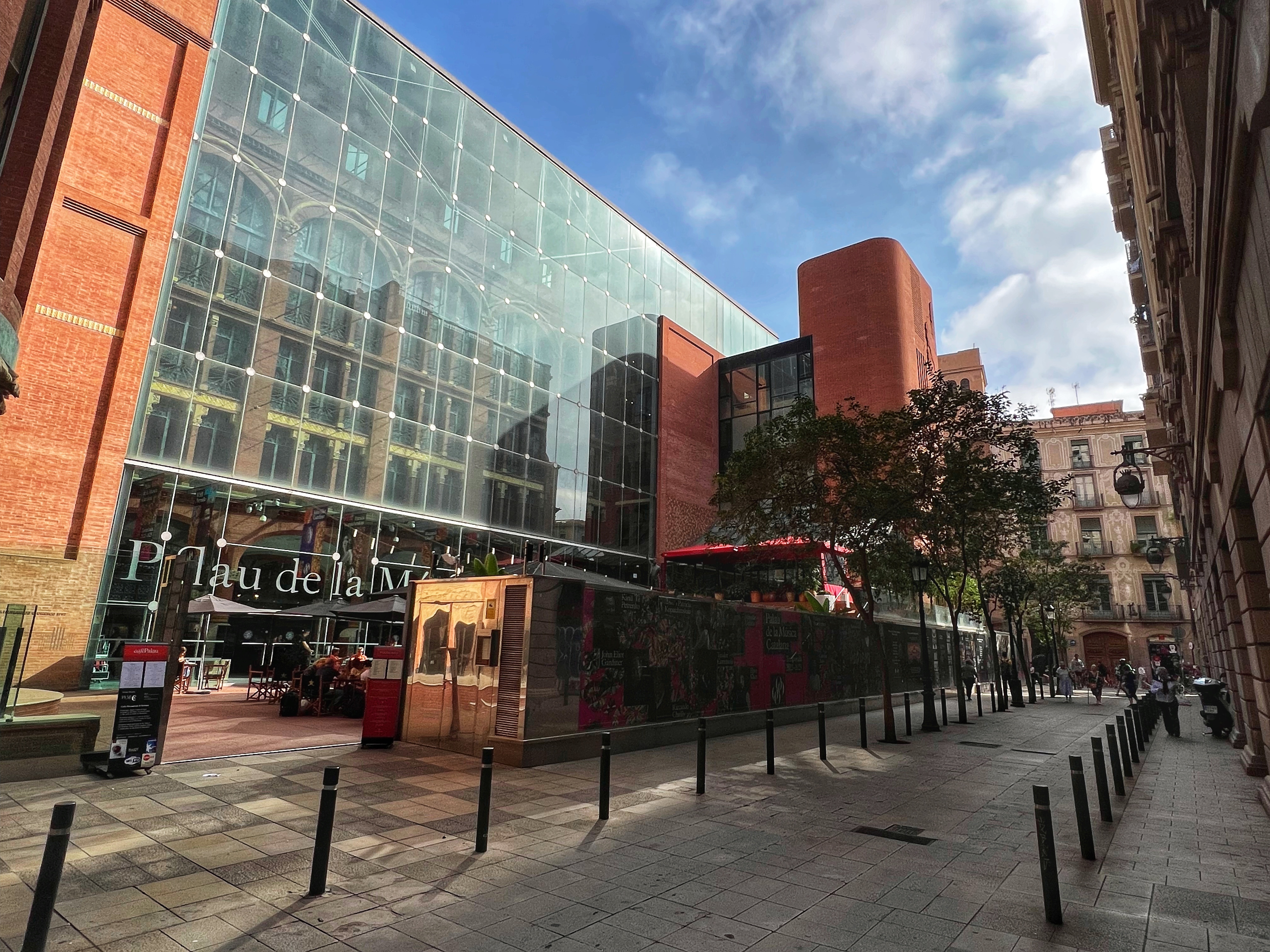
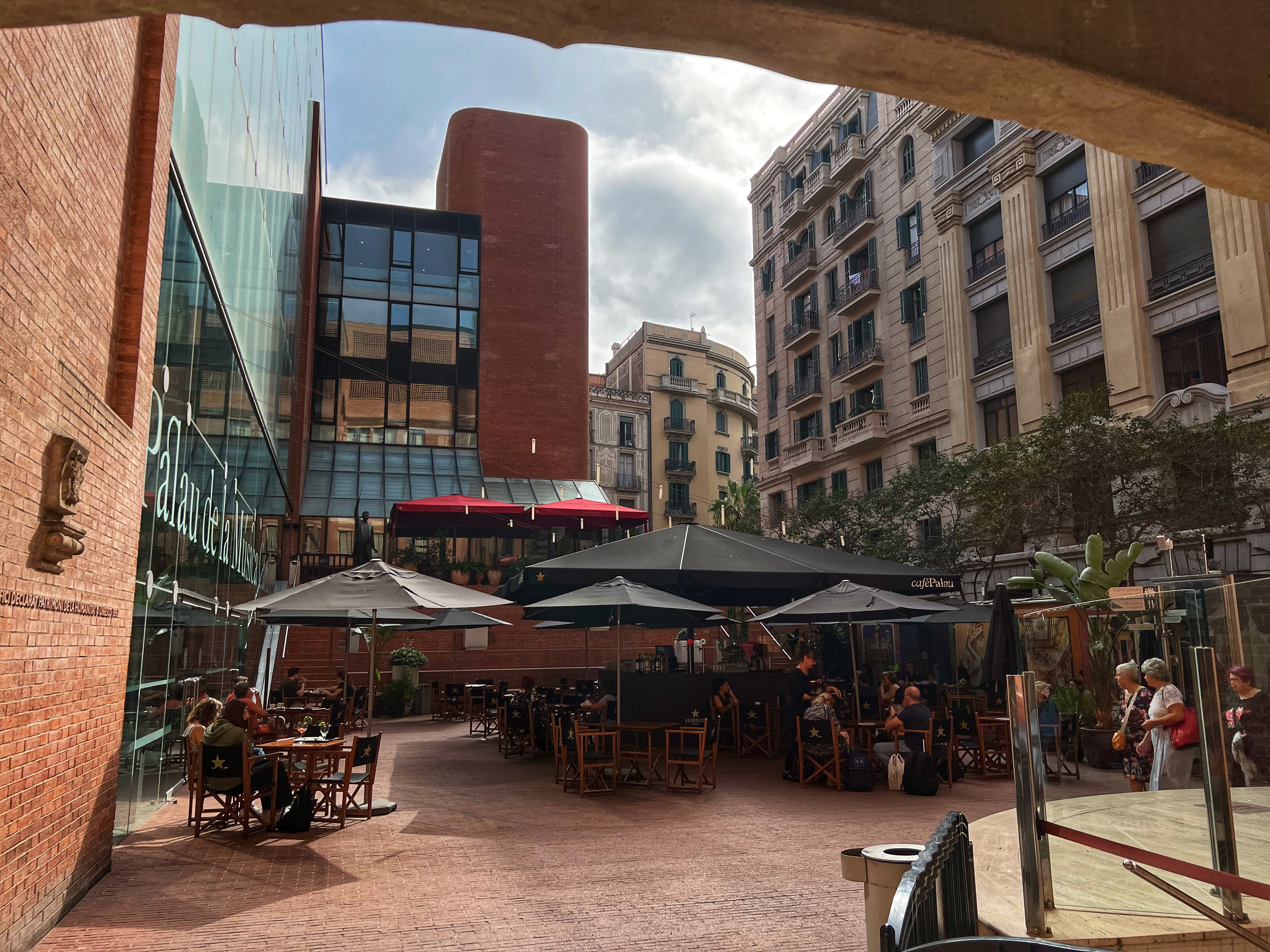
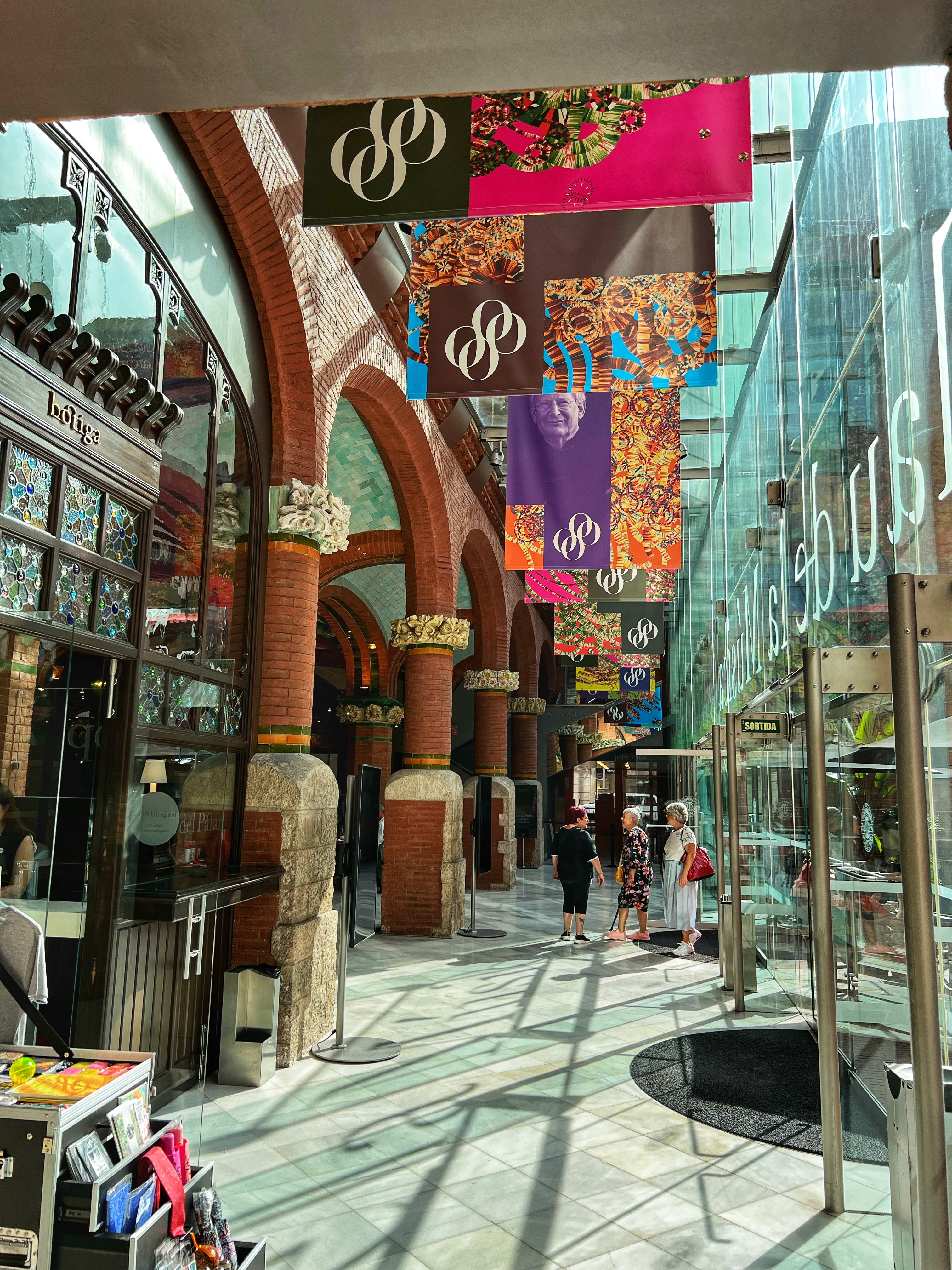
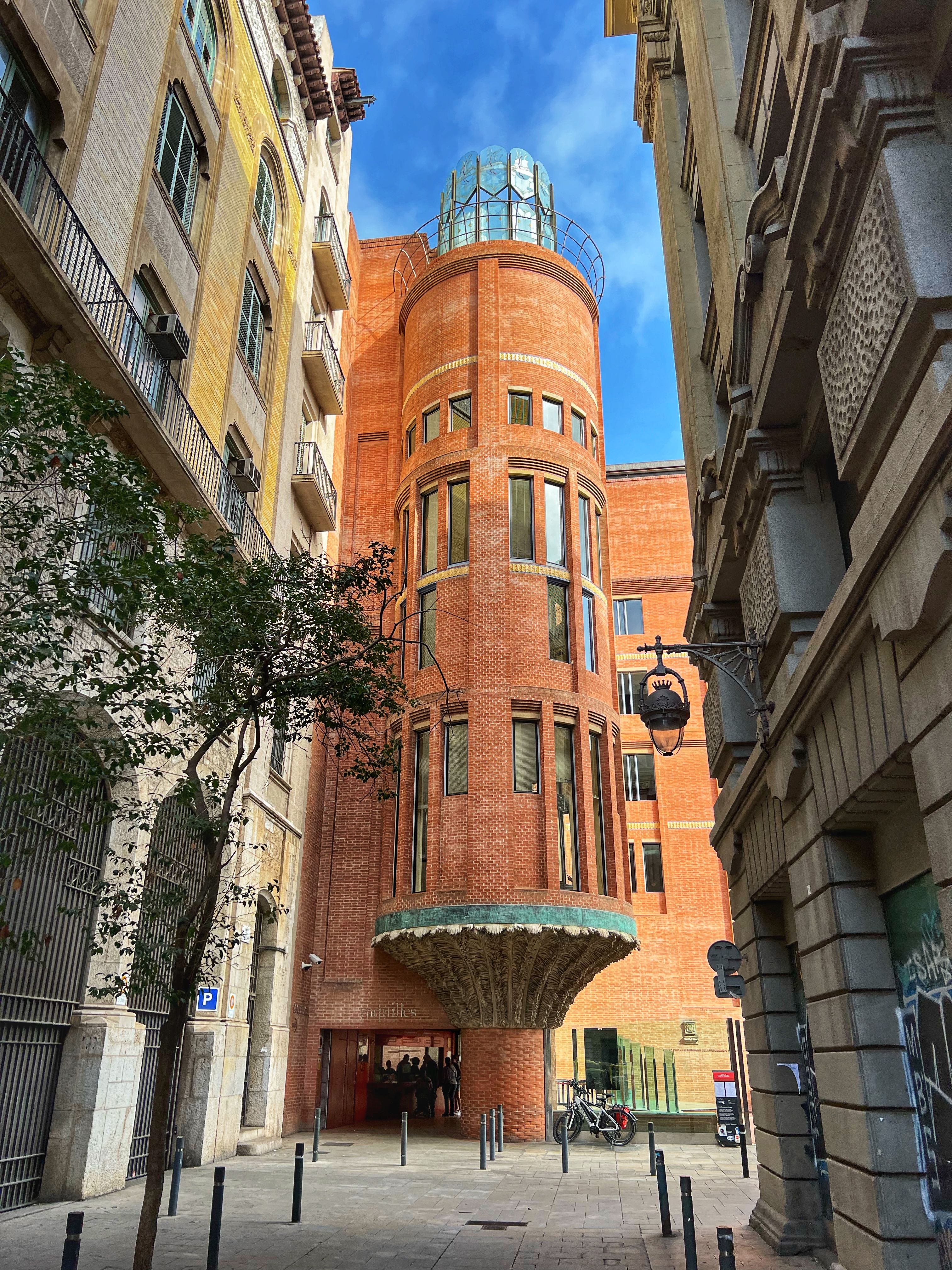

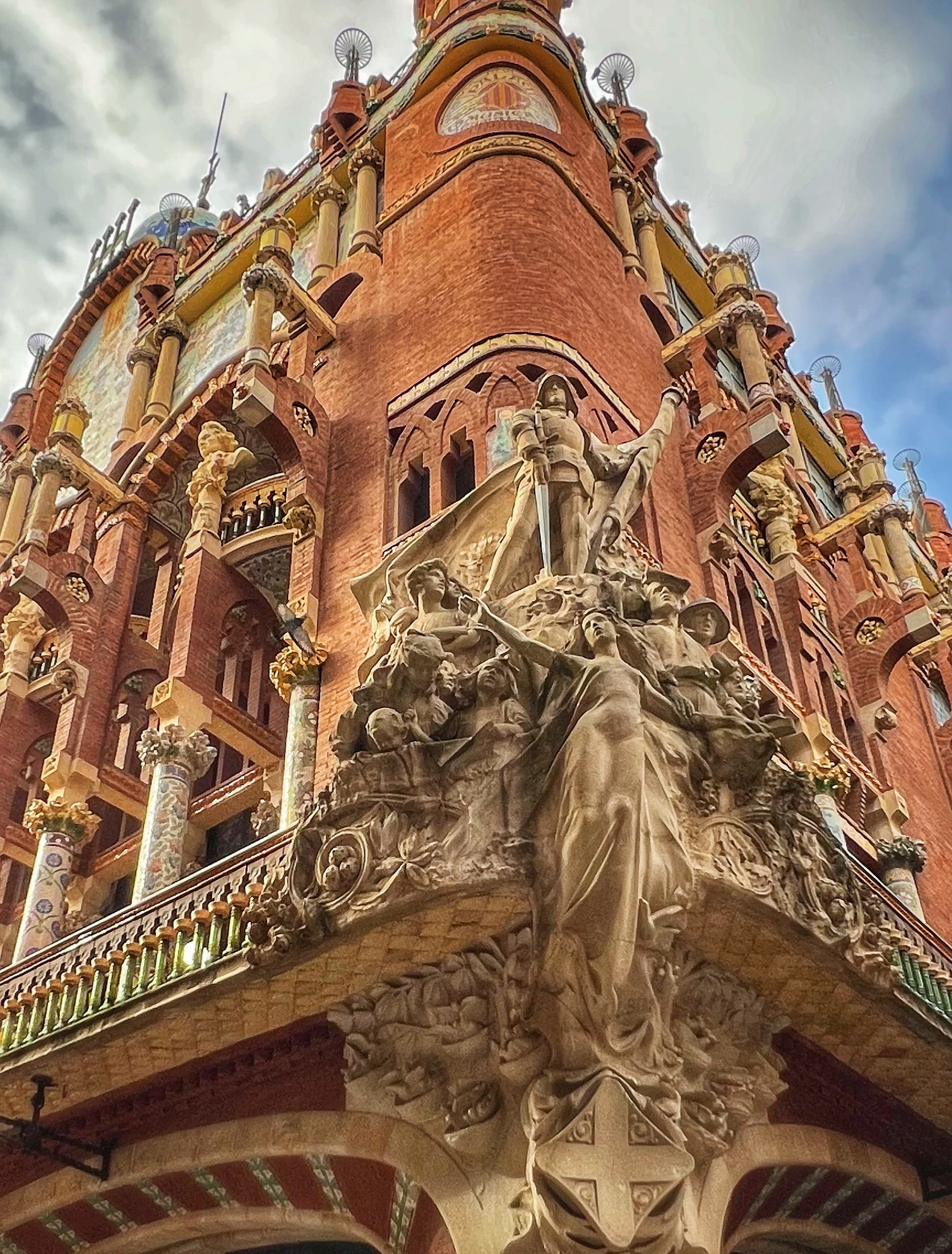
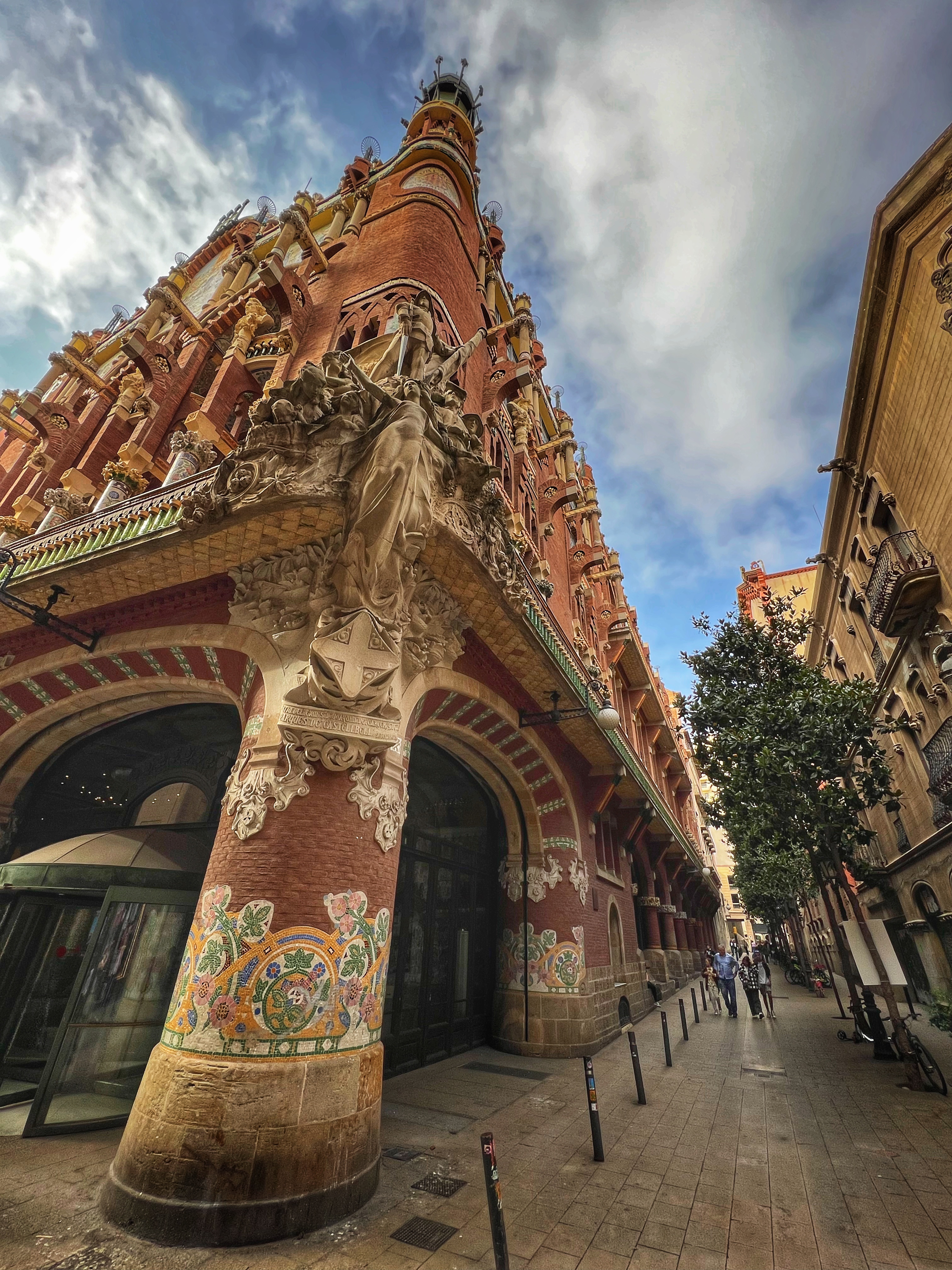
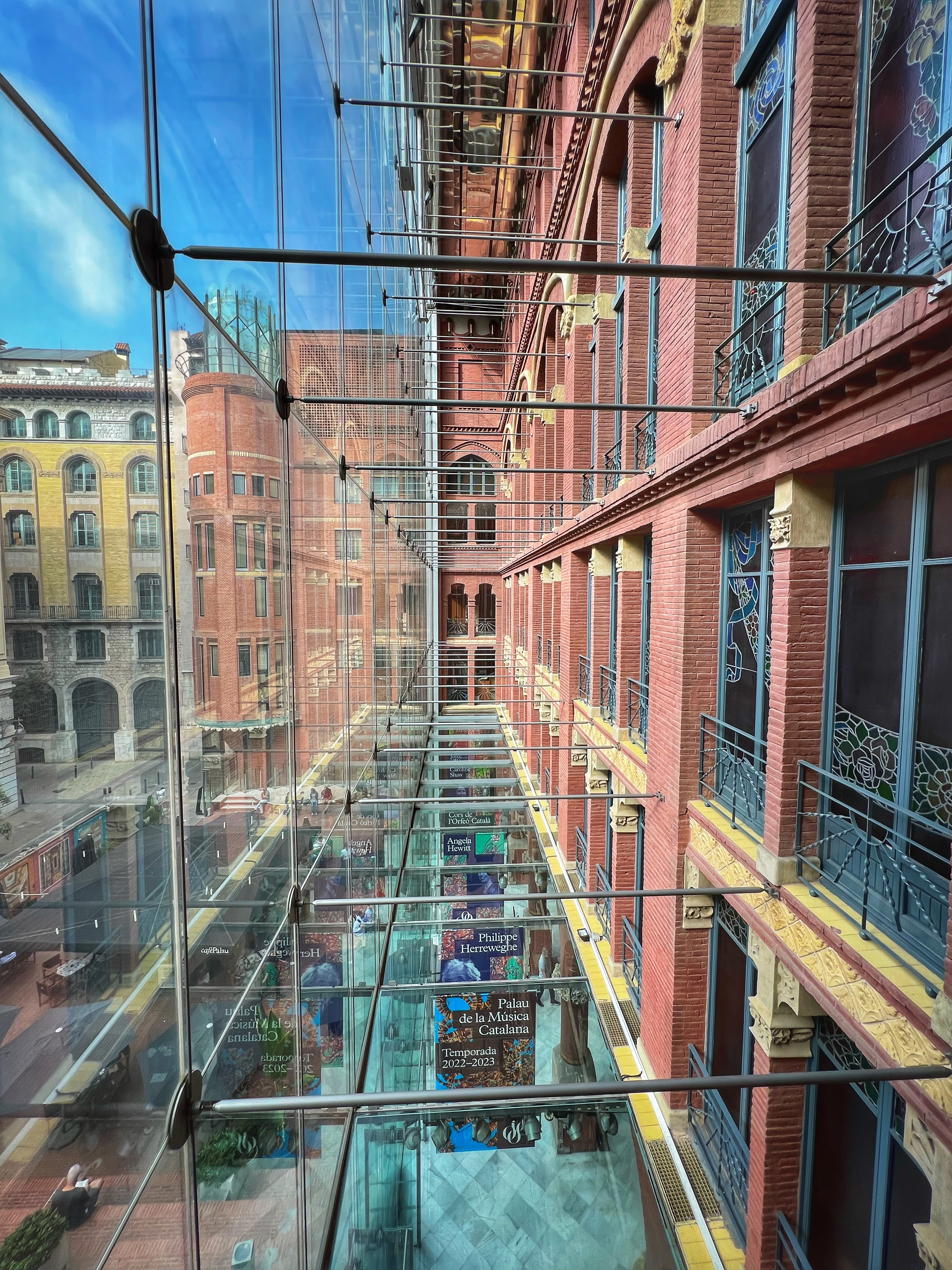

When you visit, take time to look at the facade. It is tucked away in the corner of two avenues and can be difficult to view, but take note that it is an homage to classical music. It is rich in symbolic ornamentation and features famous busts of Giovanni Pierluigi da Palestrina, Johann Sebastian Bach, Ludwig van Beethoven and Richard Wagner. There is also a sculpture representing Catalan music, including a depiction of St George, the patron saint of Catalonia. Inside it will become clear that Lluís was inspired by a garden and incorporated many flowers and statues on stage representing the 18 spirits of music from different places and time periods. The greatest feature is the one-ton stained glass skylight above, made to represent the sun. I was also very impressed by the gilded main entrance staircases!

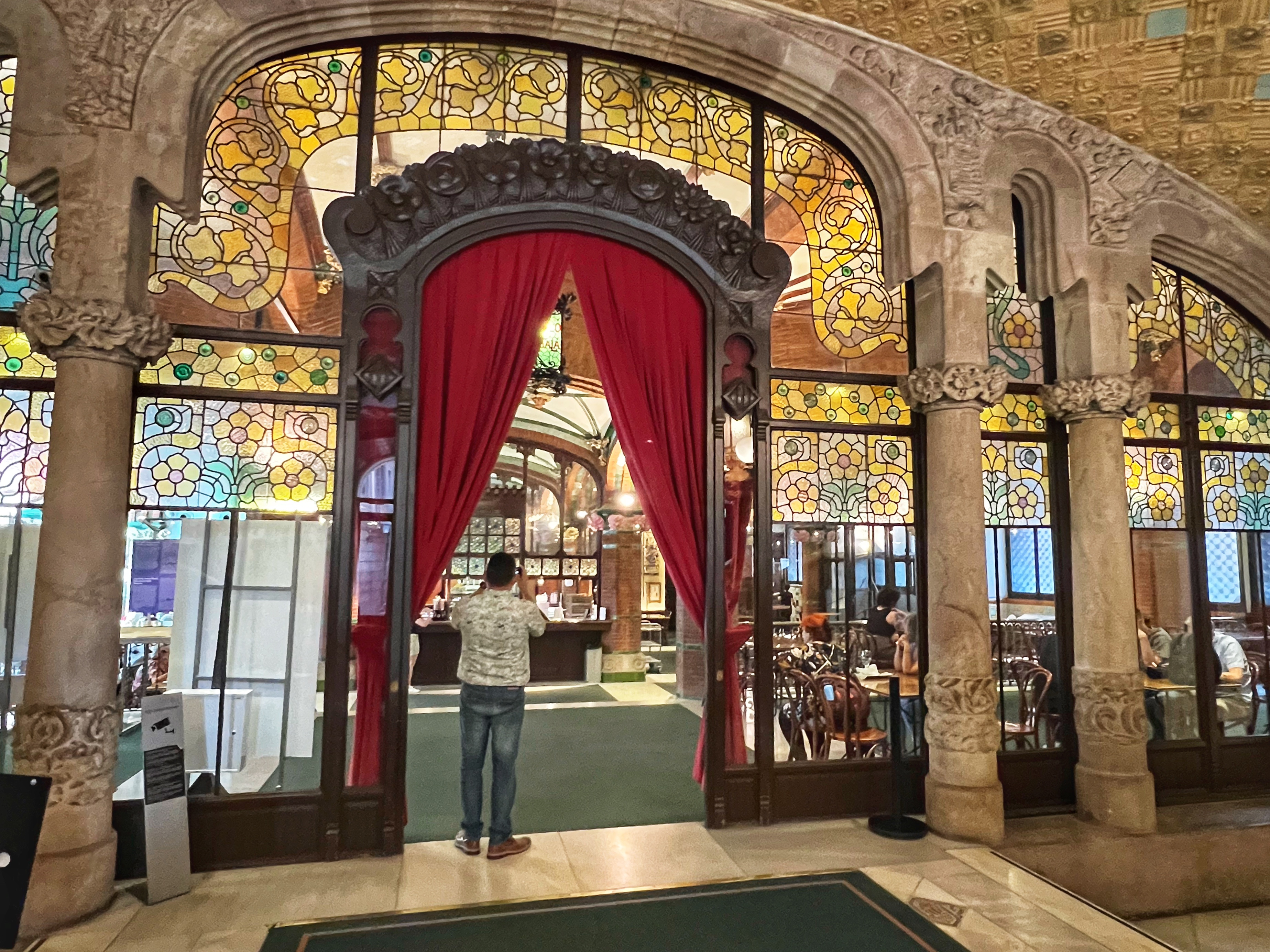

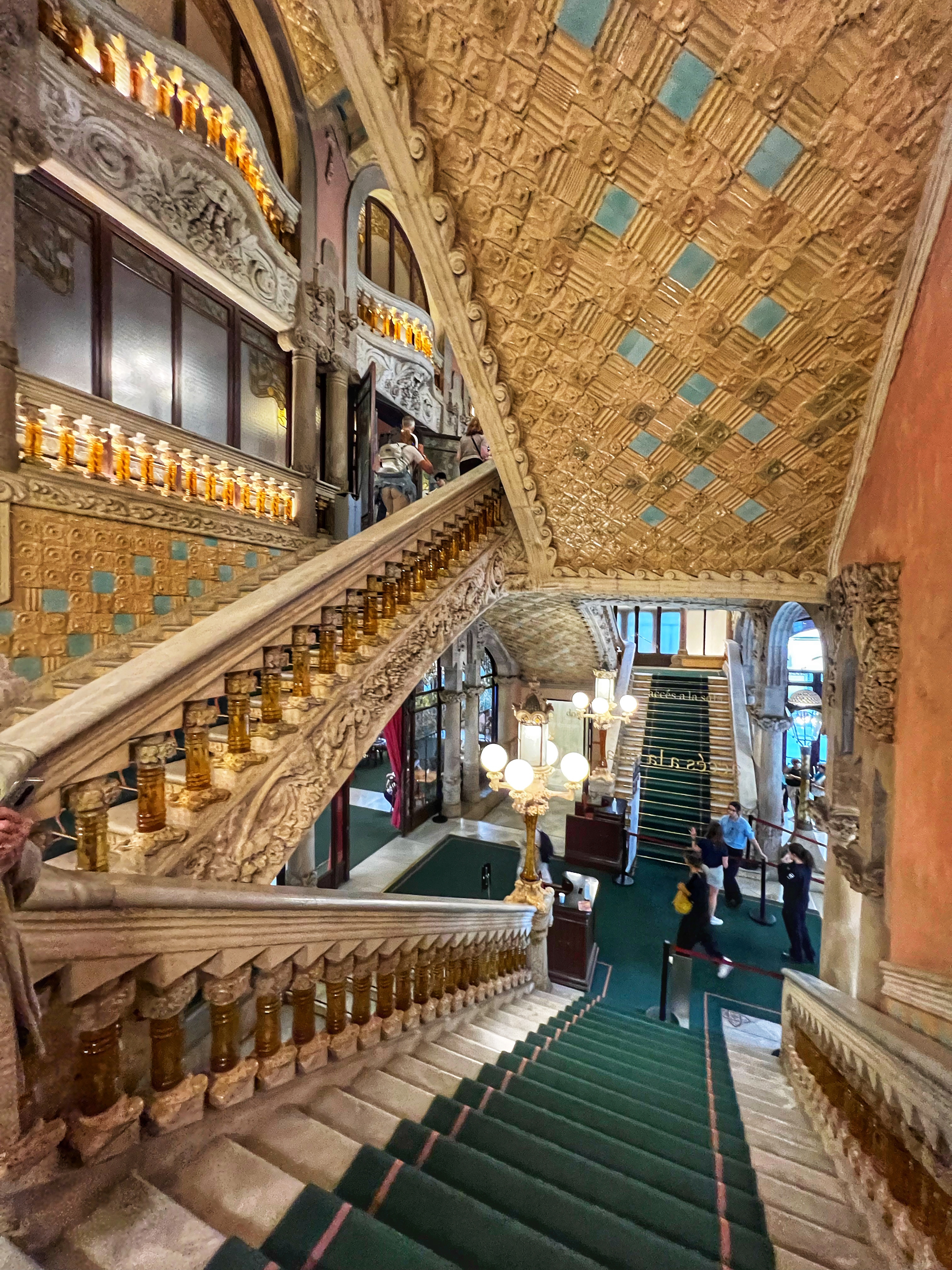
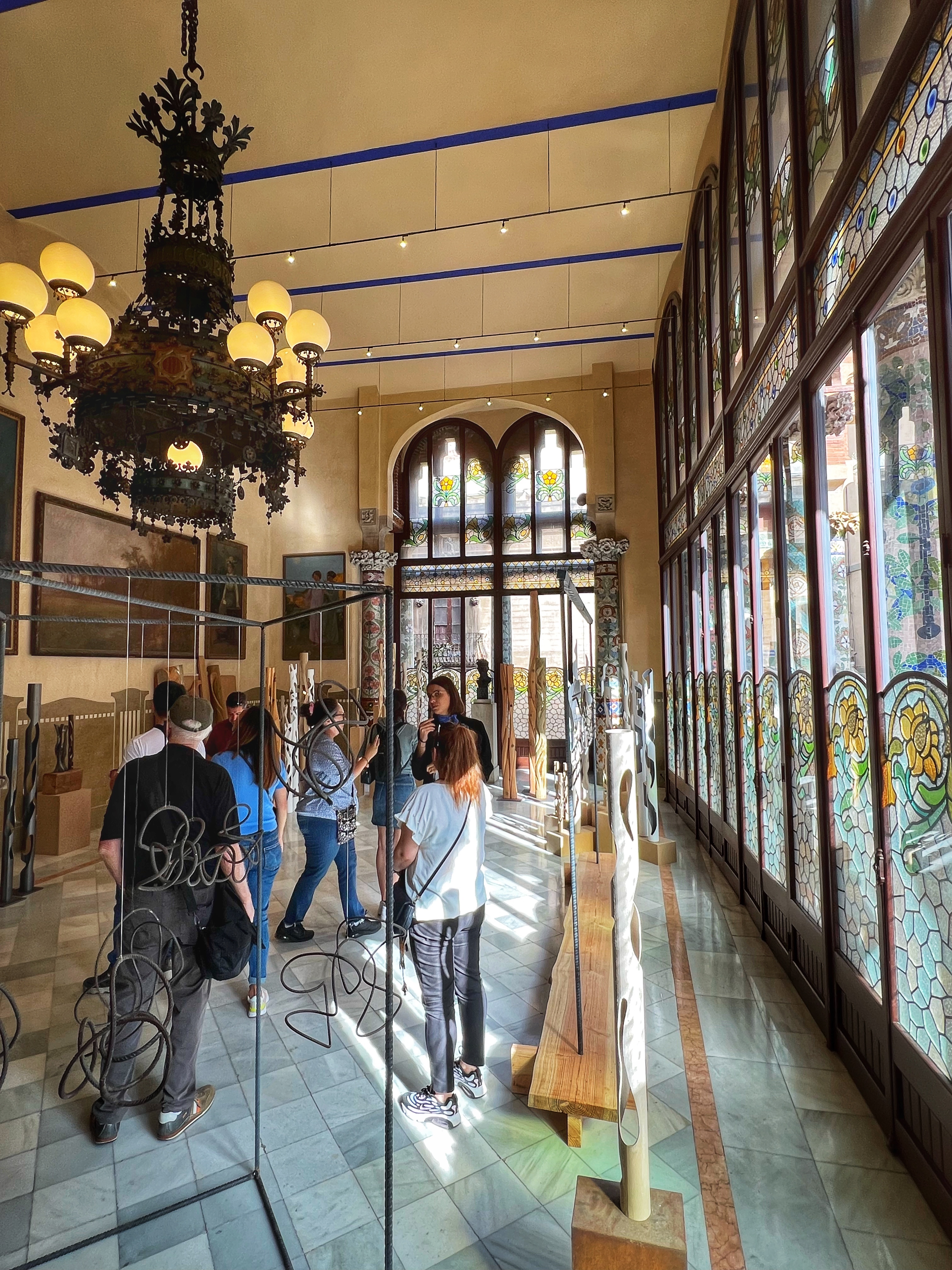

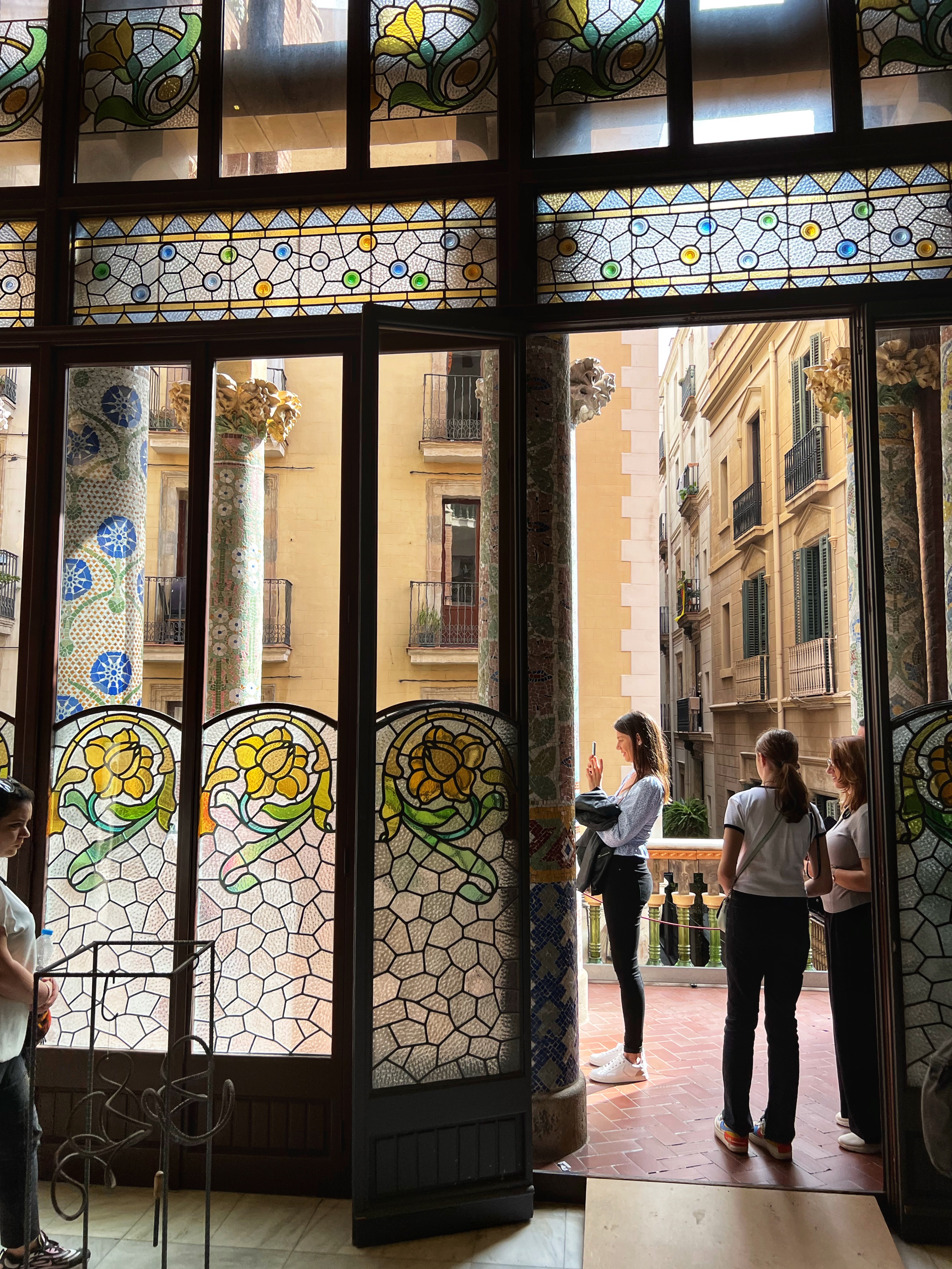
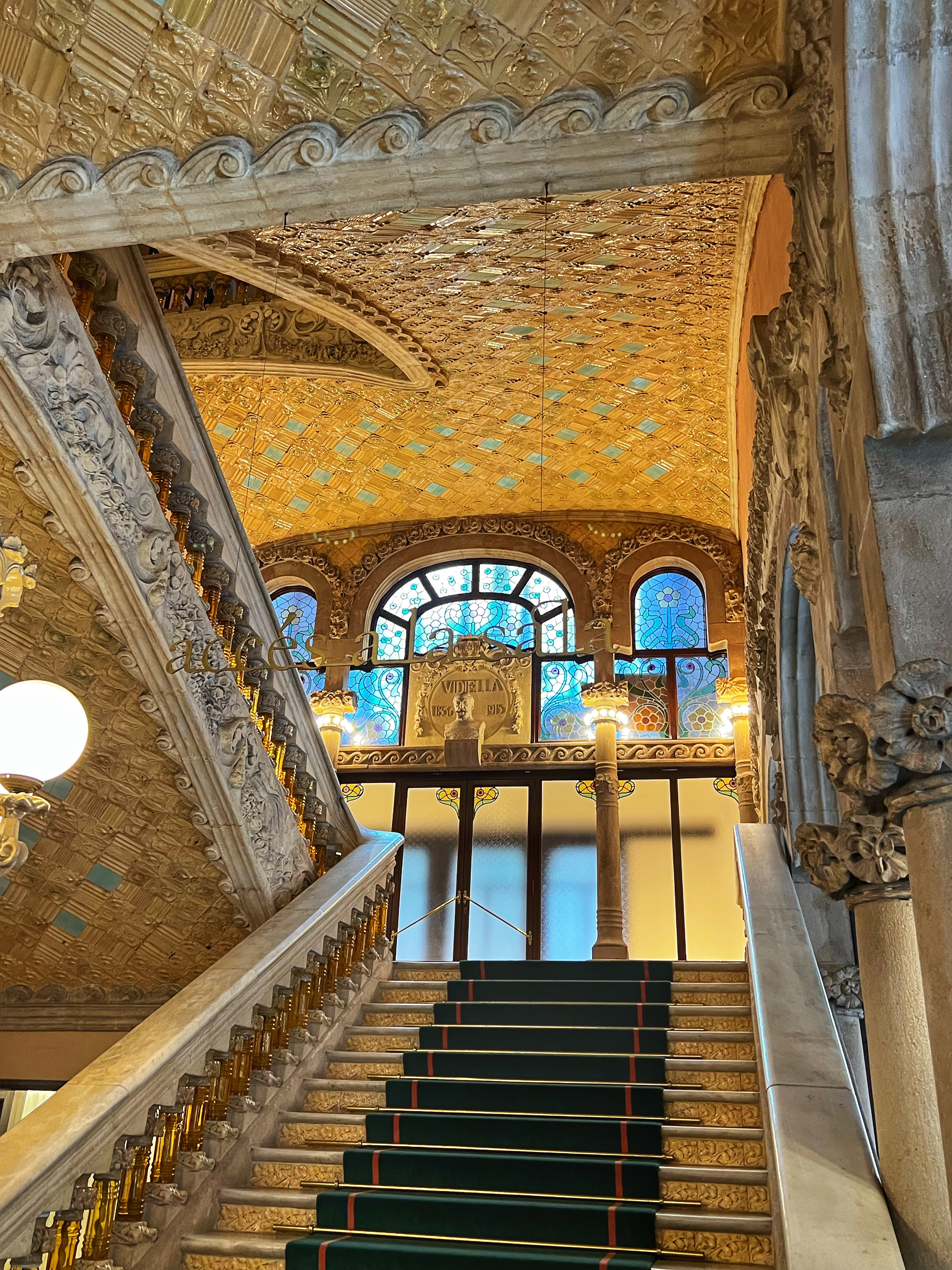
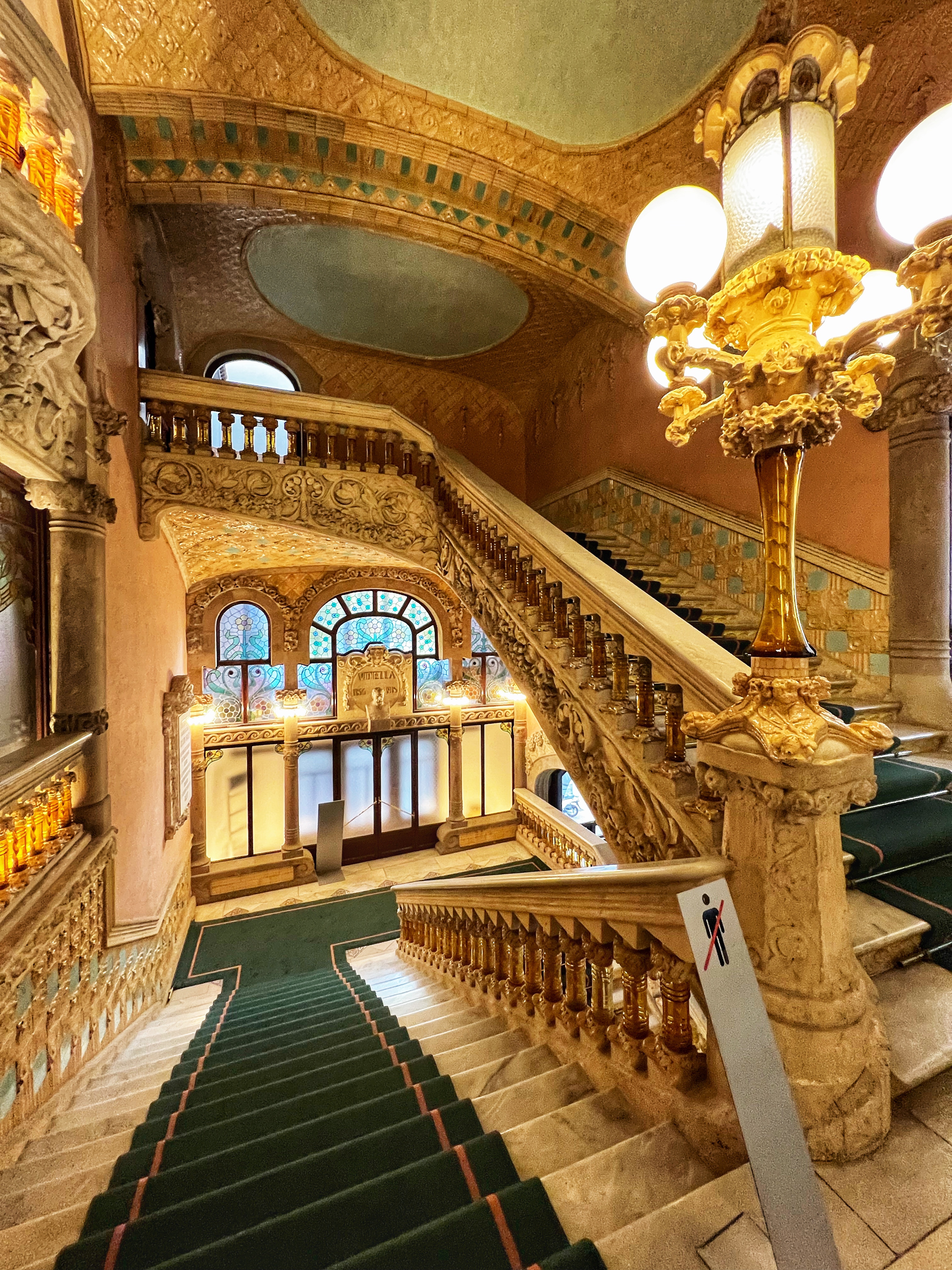
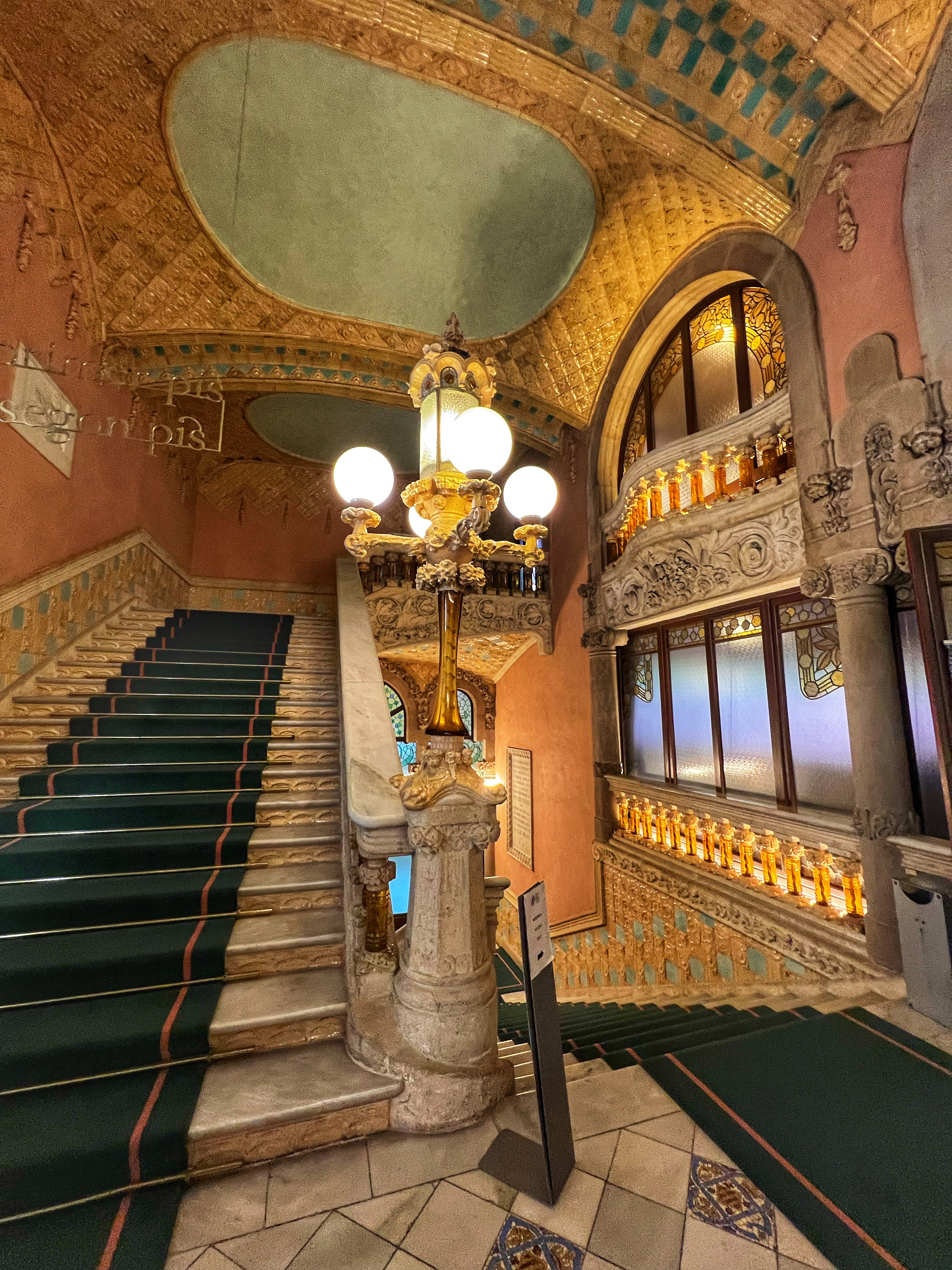
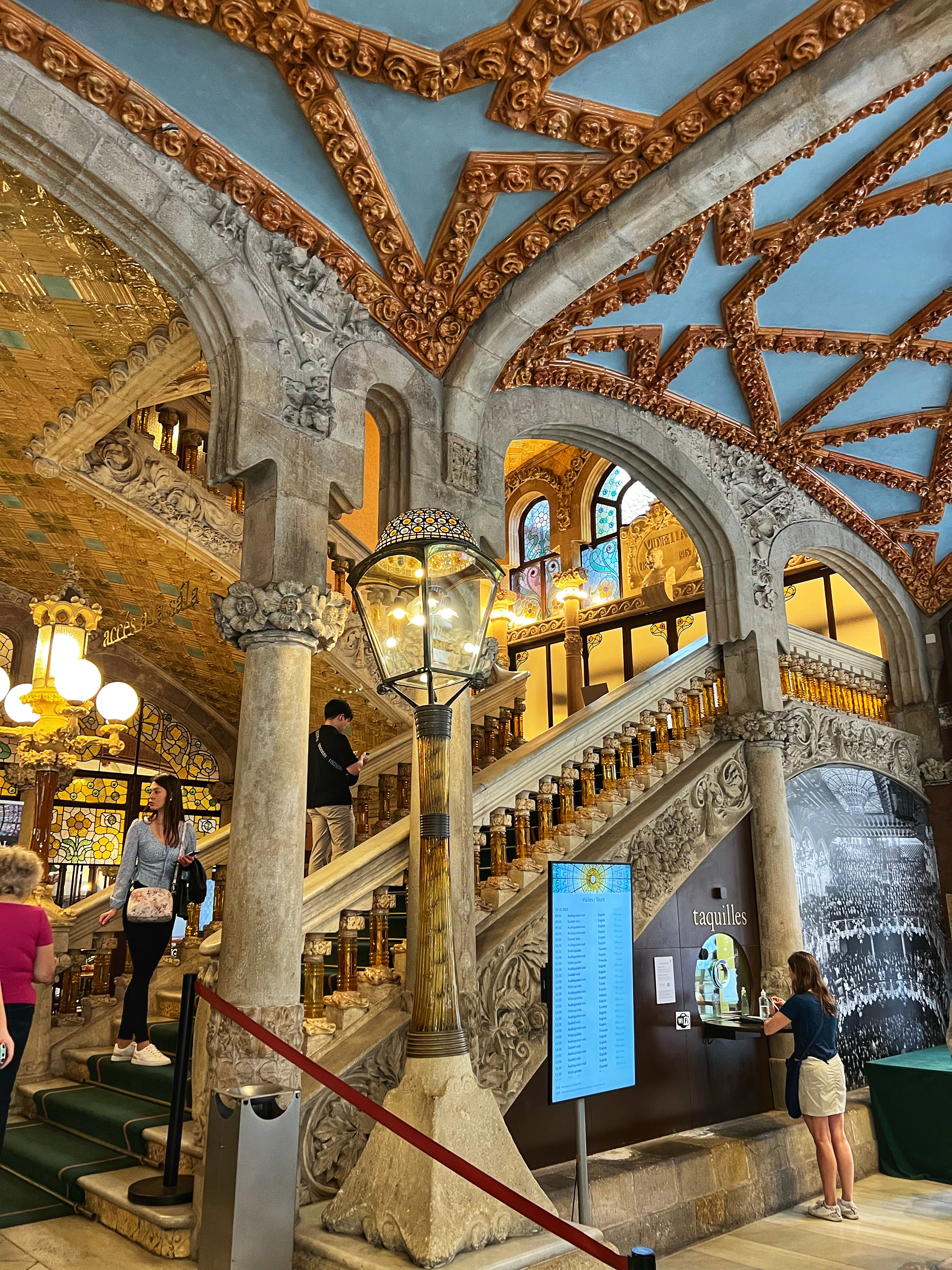

TO VISIT: Tickets can be purchased here. You can take a timed, guided tour for €20 or enter at your leisure for €15. I recommend entering from the Plaça Lluís Millet street entrance and exiting via the old main entrance on Carrer de Sant Pere Més Alt so you can appreciate the old and new sections of the performing arts center. If you take a guided tour, be sure to select your language as they are only available certain times of the day. A guided tour includes a short video about the history of the music hall as well as an organ demonstration.




4
GOTHIC QUARTER (take a tour!)
GOTHIC QUARTER: The most popular neighborhood in Barcelona is the Gothic Quarter, and it is not to be missed. Located between La Rambla & Via Laietana and from the waterfront to the Ronda de Sant Pere, this is the oldest part of the city, where evidence of its origins still remains. El Call, the medieval Jewish quarter, is also located here. I recommend joining a tour such as the free (tips only) Runner Bean Tours of the Gothic Quarter to appreciate it most. There are many things to wander, spot and ponder in this neighborhood, so I recommend giving yourself plenty of time to get lost exploring as many of these things as possible. Here are a few notable places:
- Cathedral of Barcelona
- Carrer del Bisbe
- Sant Felip Neri Square
- Temple of Augustus
- Plaça Sant Jaume
- Plaça del Rei
- Cathedral Santa Maria del Mar
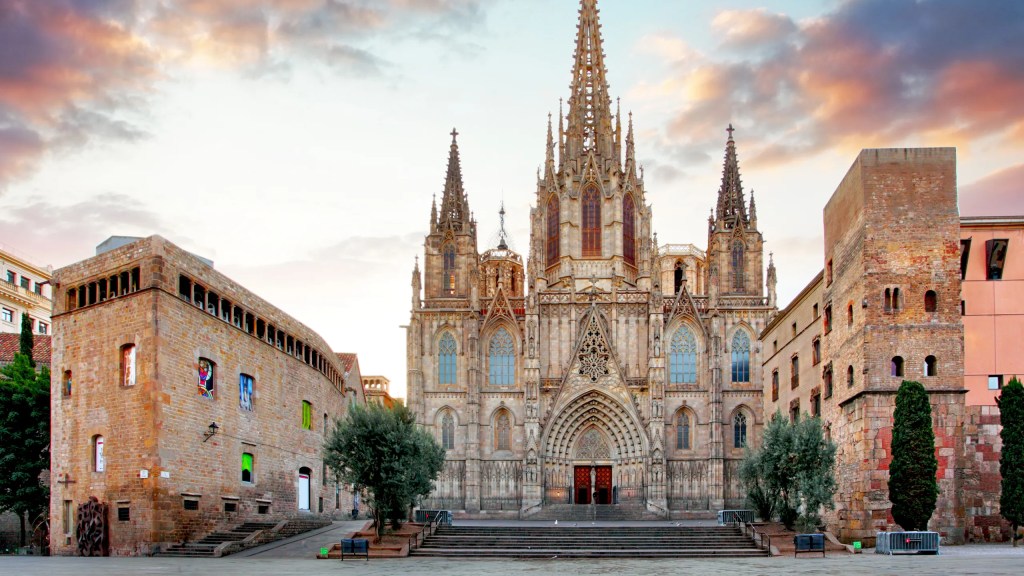
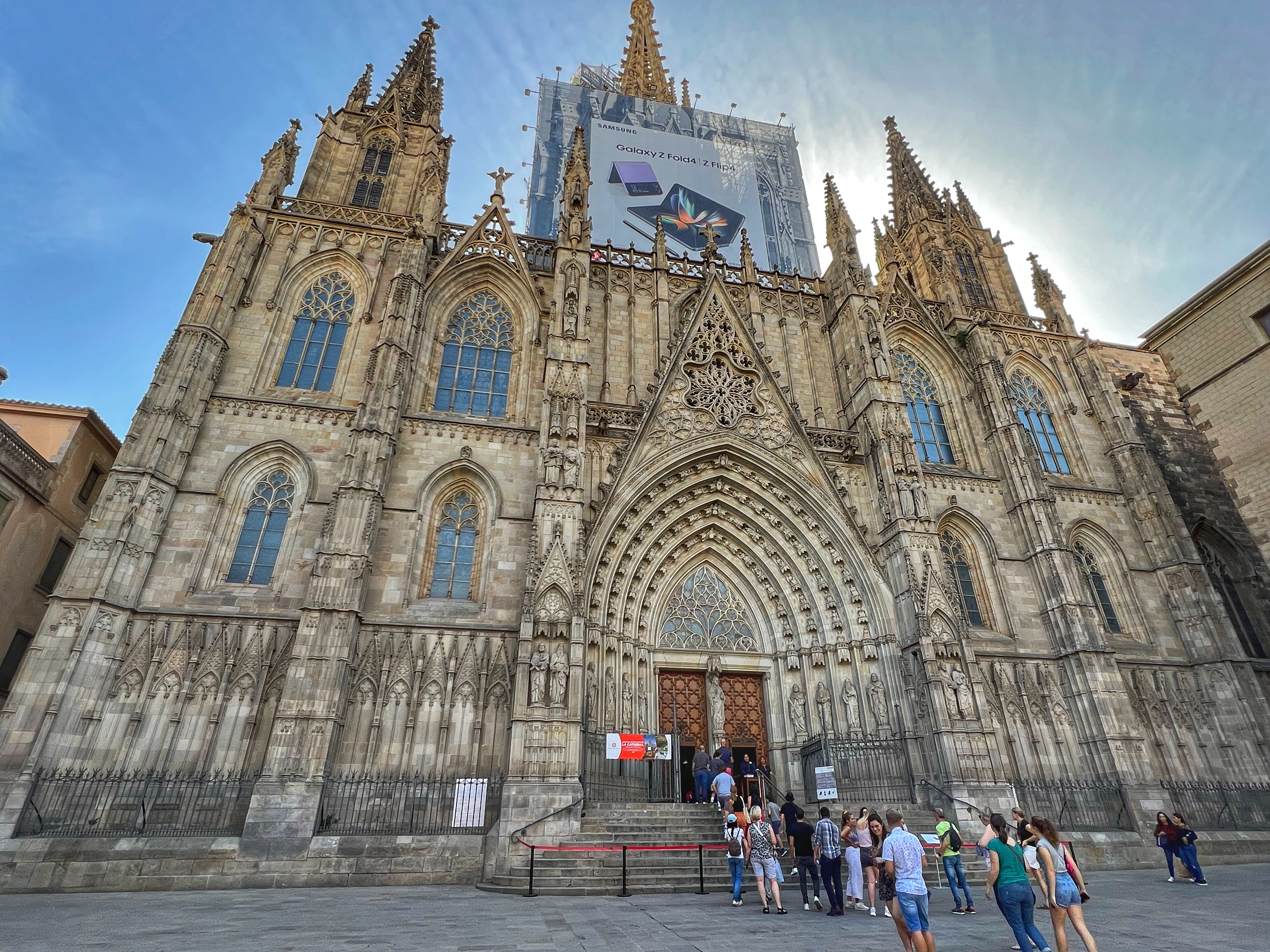
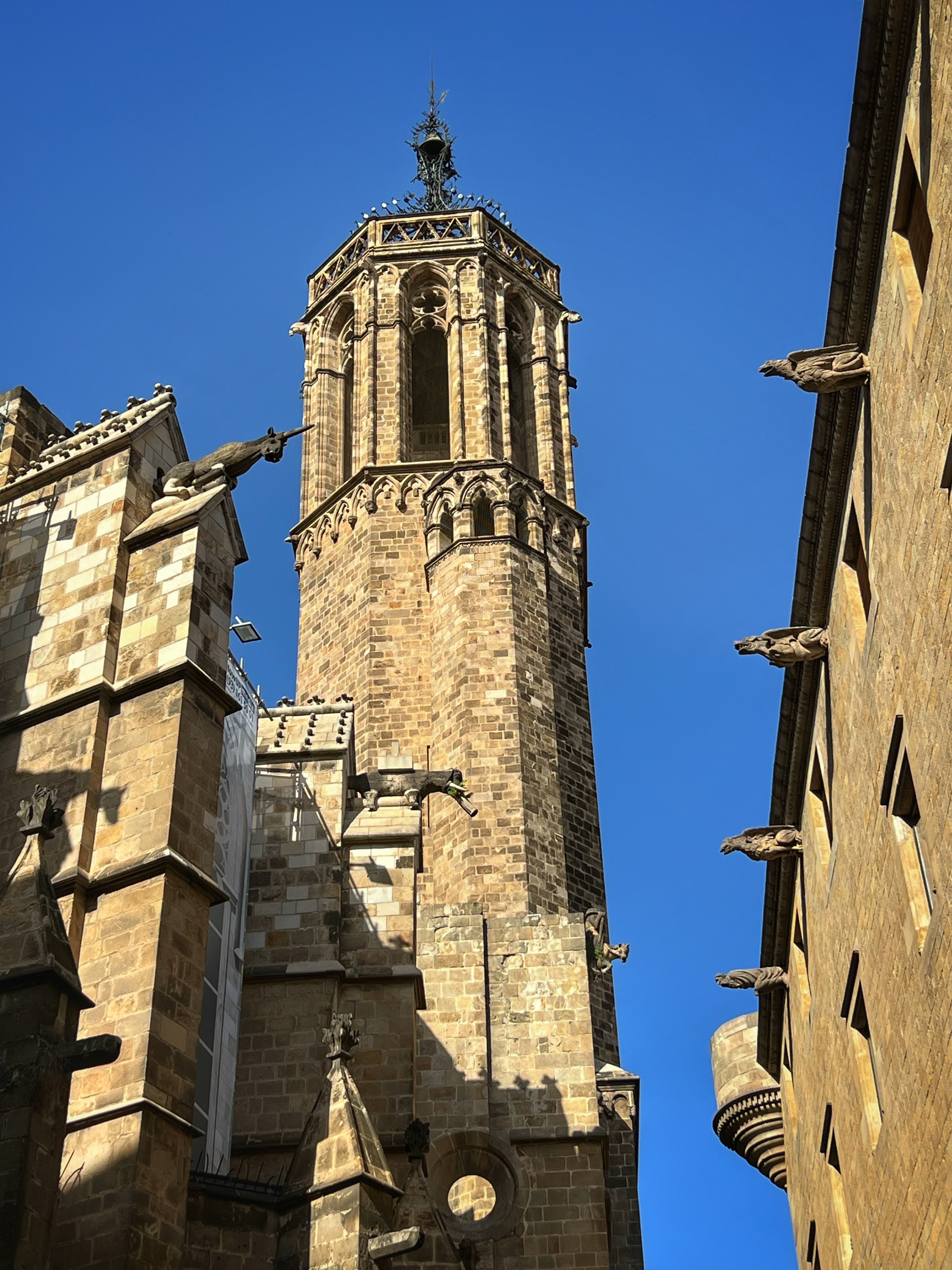
CATHEDRAL OF BARCELONA: Whether you choose to enter this monstrous cathedral or not, it is a must see in the Barcelona’s Gothic Quarter. At the moment the central tower is covered with a Samsung cell phone ad, which I found to be rather unsightly and distasteful (especially as there is also a €9 entrance fee). Officially named Cathedral of the Holy Cross and Saint Eulalia, Barcelona Cathedral has been a centerpiece of the city for almost 600 years. It took over 150 years to build the main building, but the central tower wasn’t added until 1913. Long before the great Sagrada Familia began construction, this grand house of worship welcomed the huge population of Catholics in Barcelona. Thirteen white geese live inside the cloister area, representing Saint Eulalia’s age at her martyrdom death.
TO VISIT: Click here to purchase tickets, or enter during mass for free. If you have a ticket, you will have access to the rooftop, chapter hall and virtual audioguide in addition to the main cathedral.


CARRER DEL BISBE: This striking bridge over Bisbe street is one of the most photographed landmarks in the neighborhood and it is not even 100 years old! Built in 1928, it is very similar to the Bridge of Sighs in Venice and Blinde-Ezelstraat in Brugge. You don’t need tickets to see this striking archway bridge but you do need keen eyes to spot the skull and dagger, said to bring you good luck if you stare at it while walking backwards.

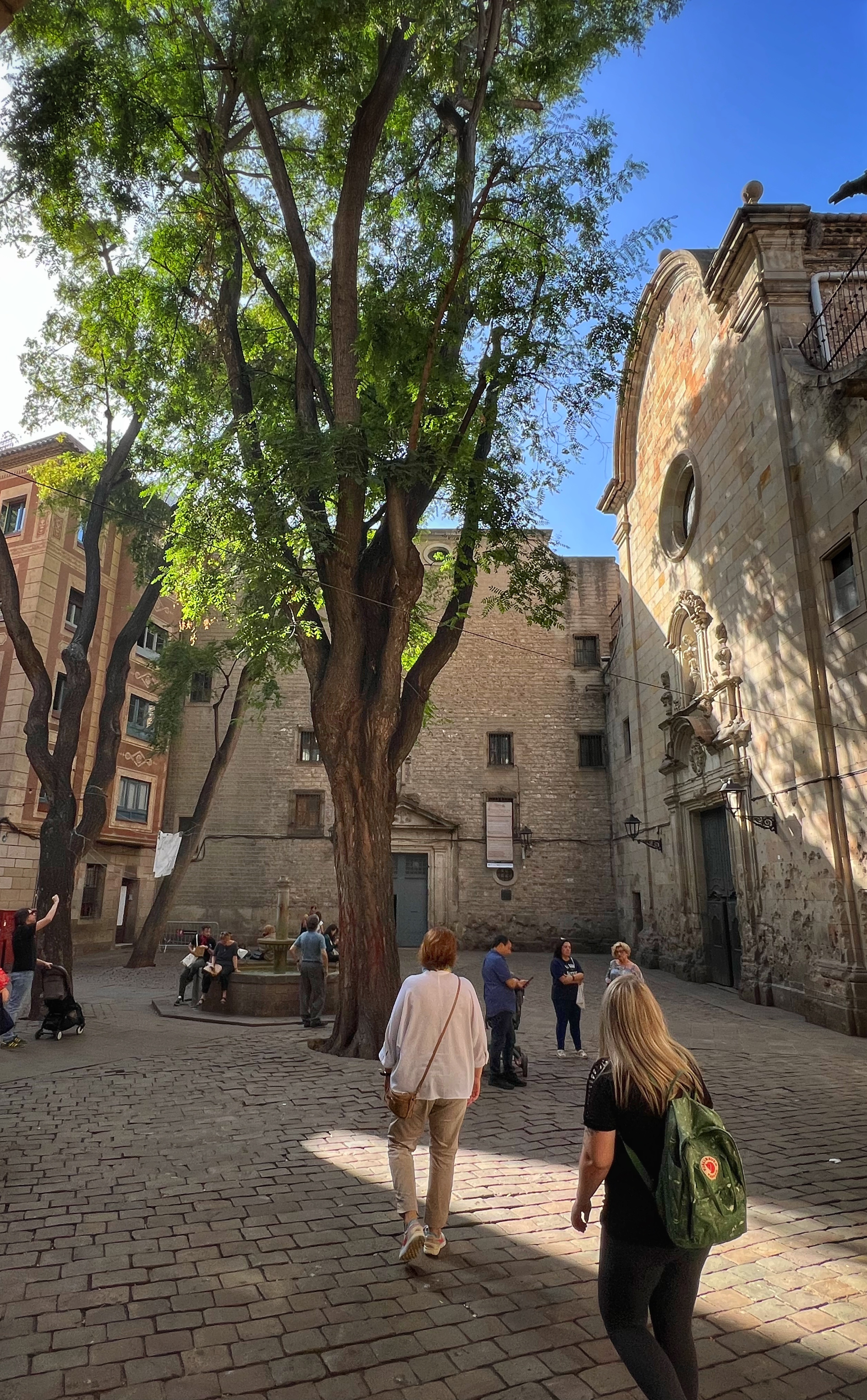
SANT FELIP NERI SQUARE: This square is one of the only places in the city to see evidence of Franco’s attack on Barcelona on 30 January 1938. A bomb hit the cathedral and destroyed all but the facade, killing 30 people – mostly children from the little Catholic Sant Felip Neri school, then a second bomb hit while survivors were clearing the rubble, killing 12 more people. The church and school still remain today. This is a place of great sorrow but also great importance in the endurance of the Catalan people.


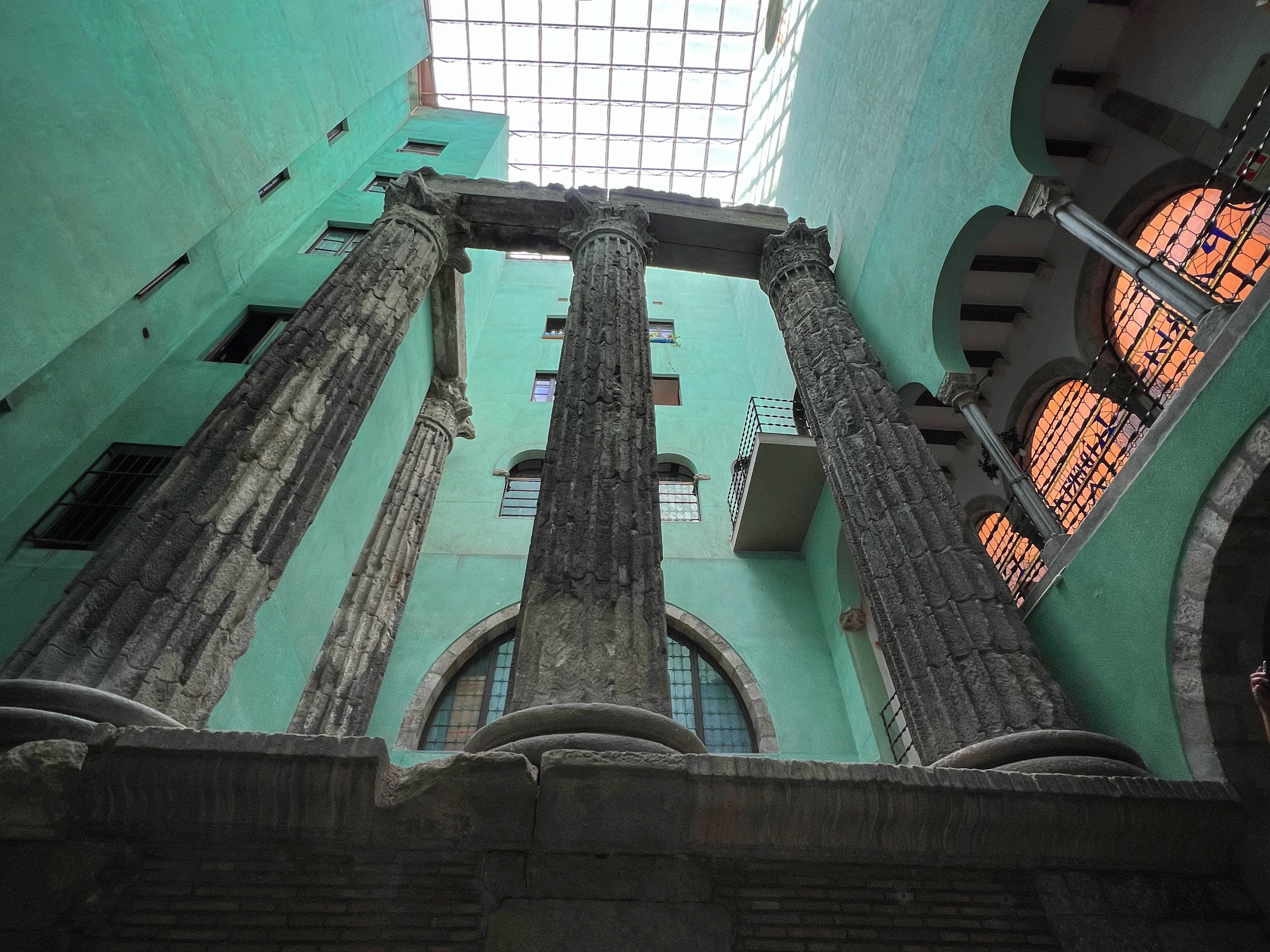
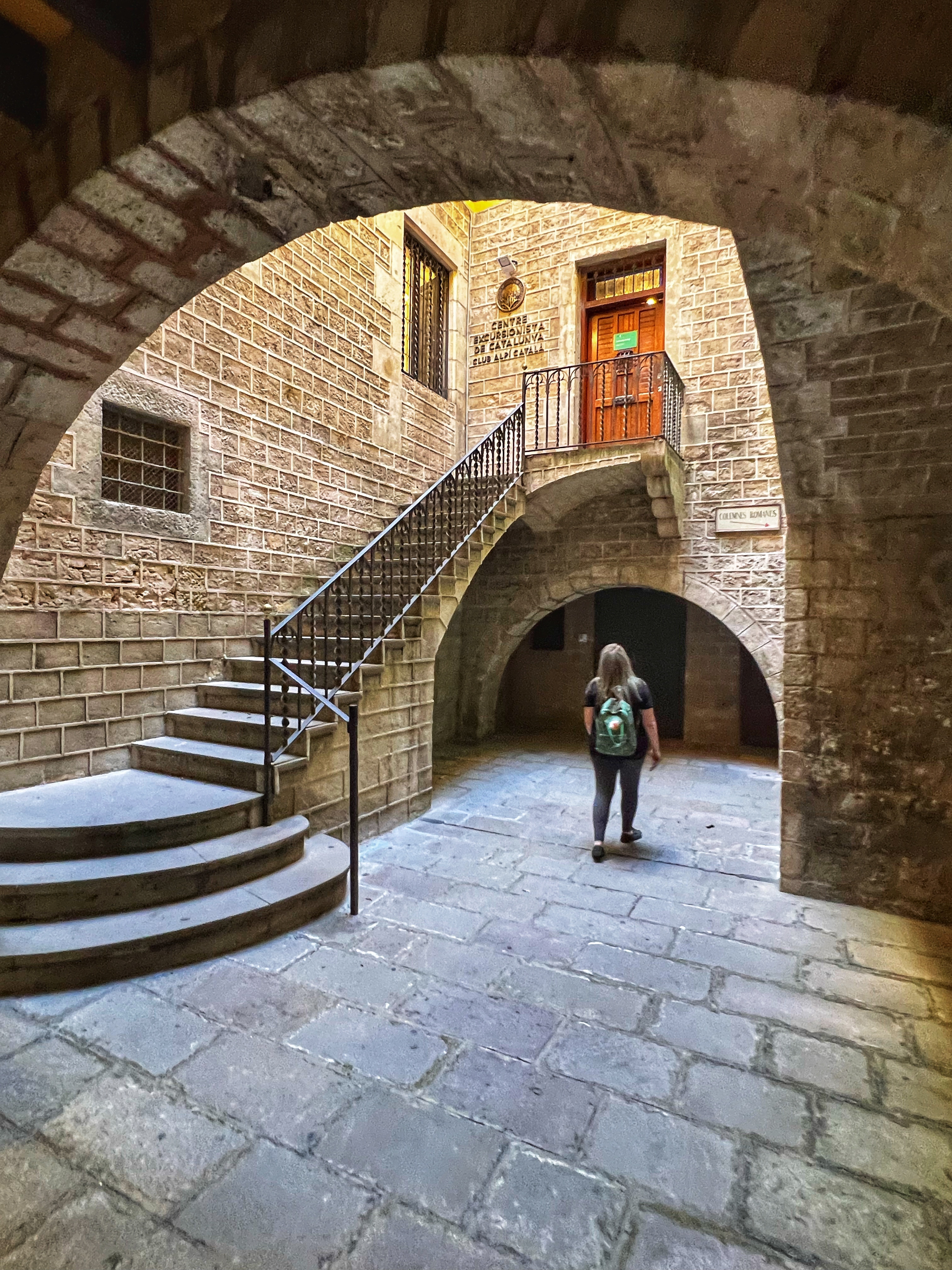
TEMPLE OF AUGUSTUS: When Barcelona was founded by the Romans before the turn of the first millennium, most buildings were constructed in Roman style with great columns. Today only a few columns remain, and they are tucked away inside the atrium of an apartment complex. Follow the signs from the street into the courtyard where you can view these grand columns for free and read a little bit about the city’s history. It’s fascinating that some of the columns we can’t see are basically built into people’s apartment walls. These Roman columns are over 2,000 years old.


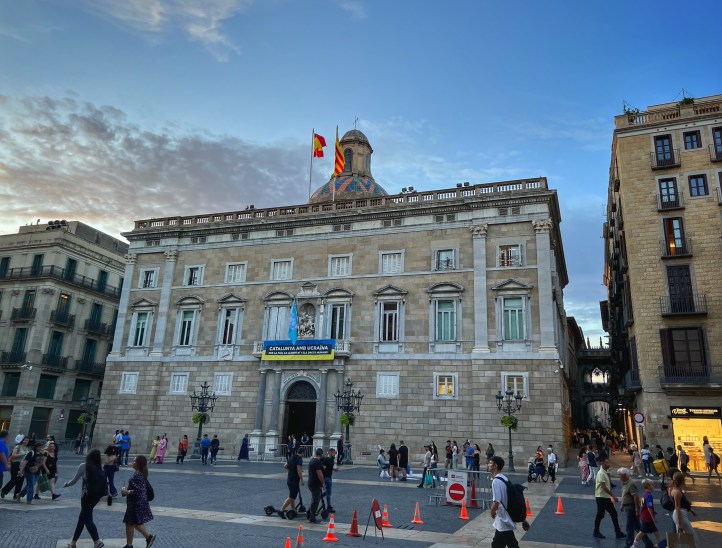
PLAÇA SANT JAUME: It is hard to miss this great square with political history dating back to the origins of the city. It is flanked with Barcelona city hall and Palau de la Generalitat de Catalunya, two important government houses of Barcelona culture. Protests take place here as well as celebrations where castellers build great human towers called Castells. The current buildings were built in the early 1800’s, but the space was used for centuries before that for political meetings. And look! You can spot Carrer del Bisbe to the right of the Generalitat Palace.
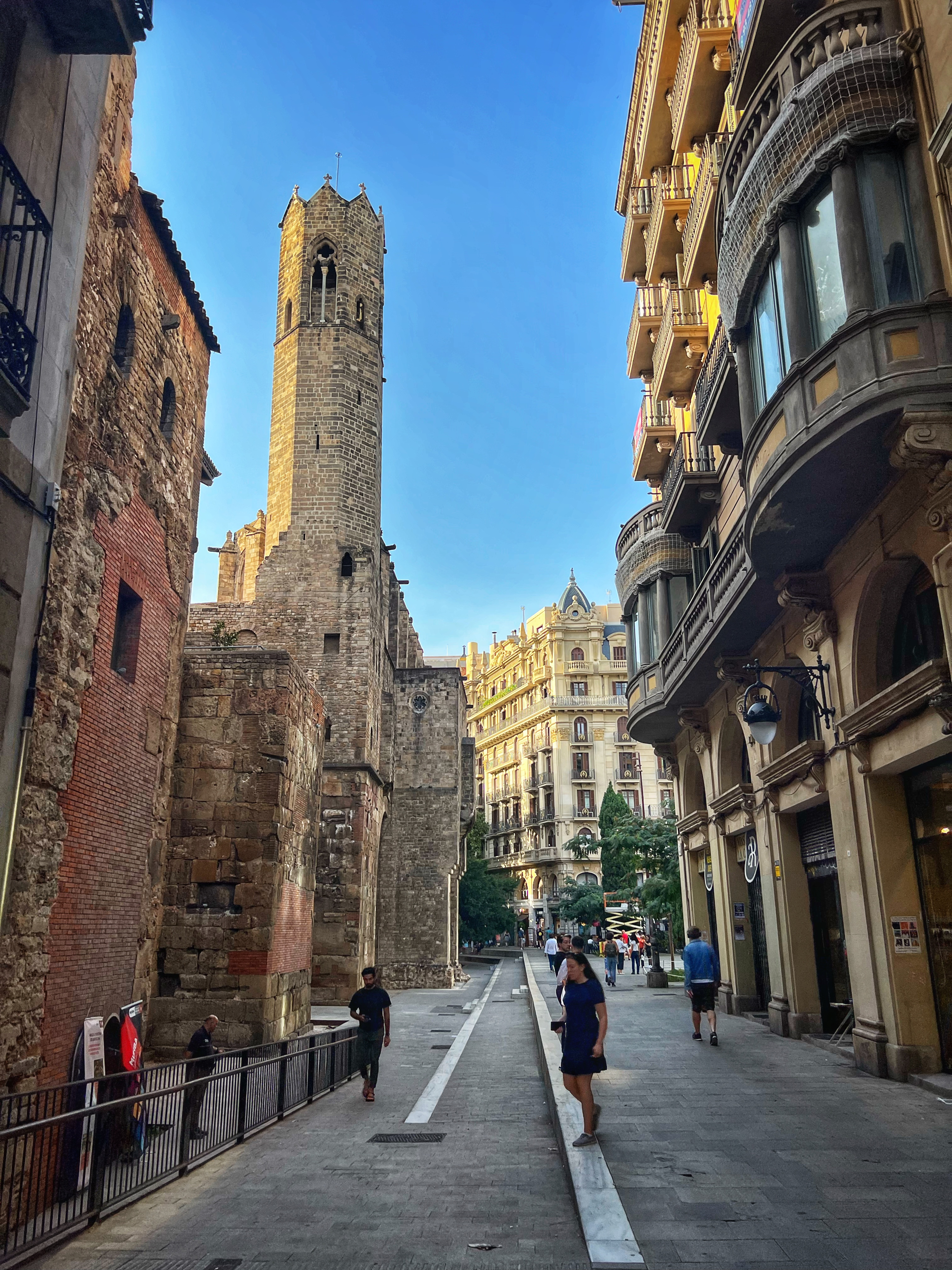
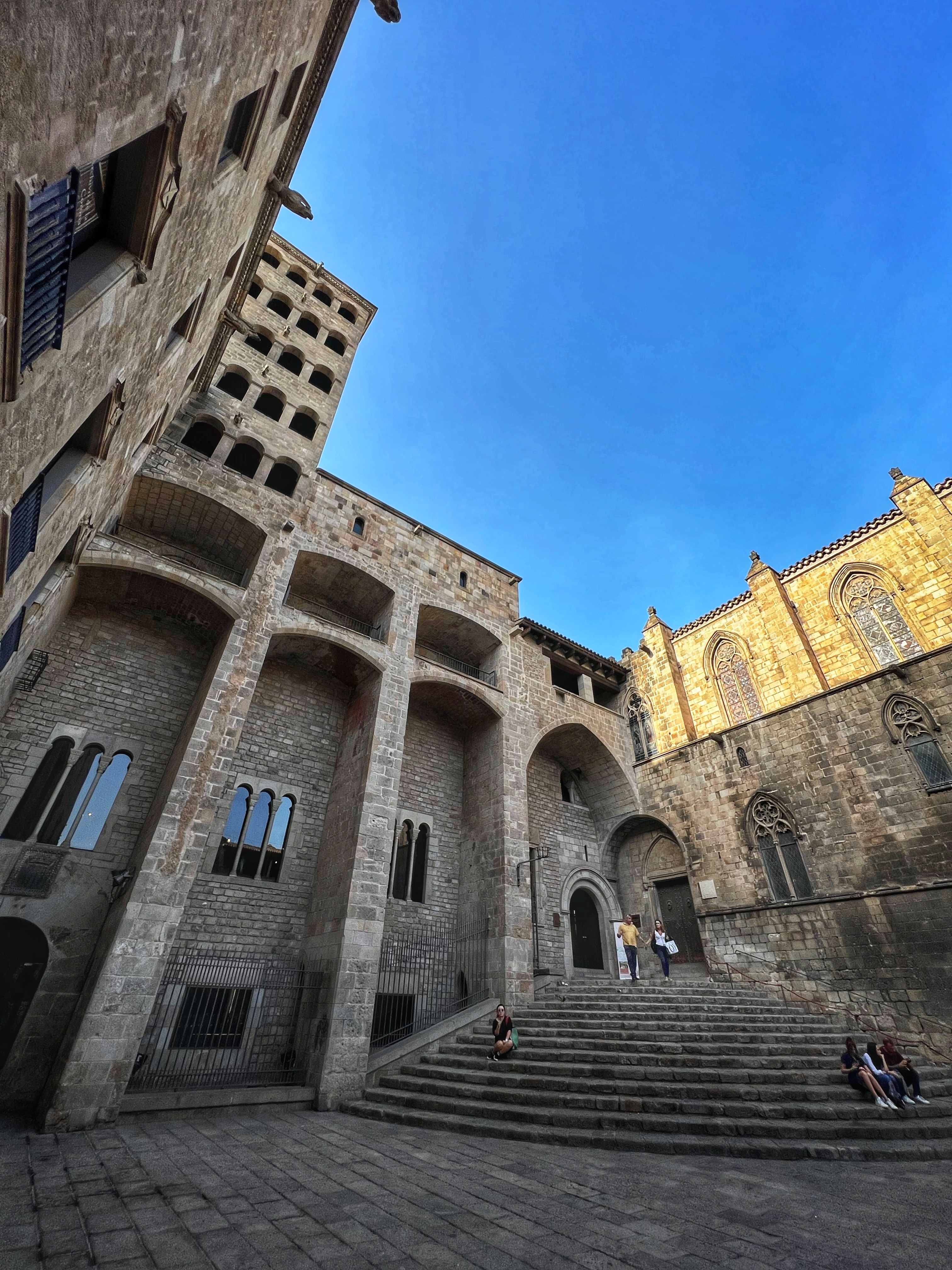
PLAÇA DEL REI: Wander into this square even if you don’t plan to visit the MUHBA museum (although I recommend that as well! See #9 for details). This plaça is from the medieval times, and is surrounded by a palace where the Catalan counts lived for centuries, a watchtower, and the history museum. It is here you can also view the stones used to build this square that were harvested from ancient Jewish cemeteries (learn more below in “Memorium” section).
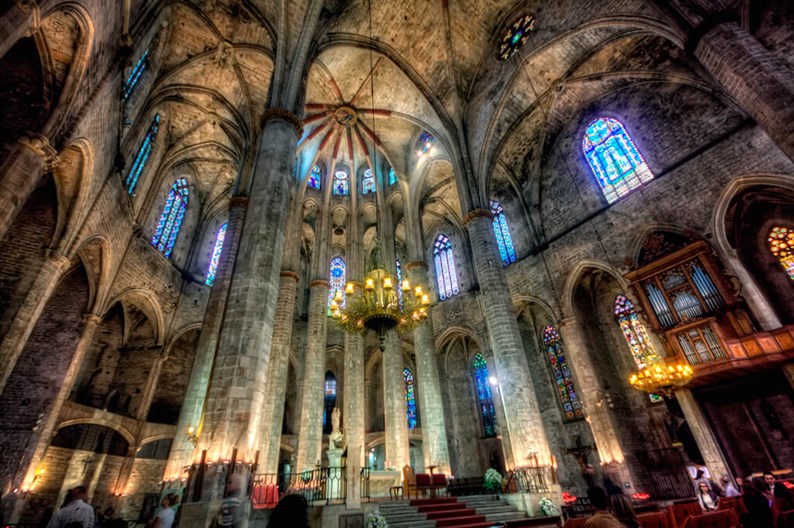
CATHEDRAL SANTA MARIA DEL MAR: This beautiful example of medieval architecture was built between 1329 and 1383 – very quickly indeed – during a period of great prosperity thanks to the city’s shipping merchant trades. The name Santa Maria Del Mar pays homage to the sea. This is one of the oldest cathedrals in Barcelona and definitely worth a visit. Entry is free before 1:00 PM or after 5:00 PM, otherwise the entrance fee is €5, with guided tours to the rooftop for €8.50.

5
PARC GÜELL
PARC GÜELL: There are many parks in Barcelona worth visiting including Ciutadella Park and Parc del Guinardó, but my favorite is Parc Güell. This incredible park located on the outskirts of Barcelona is a must see for Gaudí fans. Construction began in 1900 during the greatest city development in Europe of the time. It is my favorite park in all of Barcelona (and we know there are many parks) thanks to Gaudí’s ingenuity and vision. Although this park is not free to visit, it is still worth a stroll. Give yourself 1-2 hours to wander the paths and take in all the creations Gaudí intended to be savored.
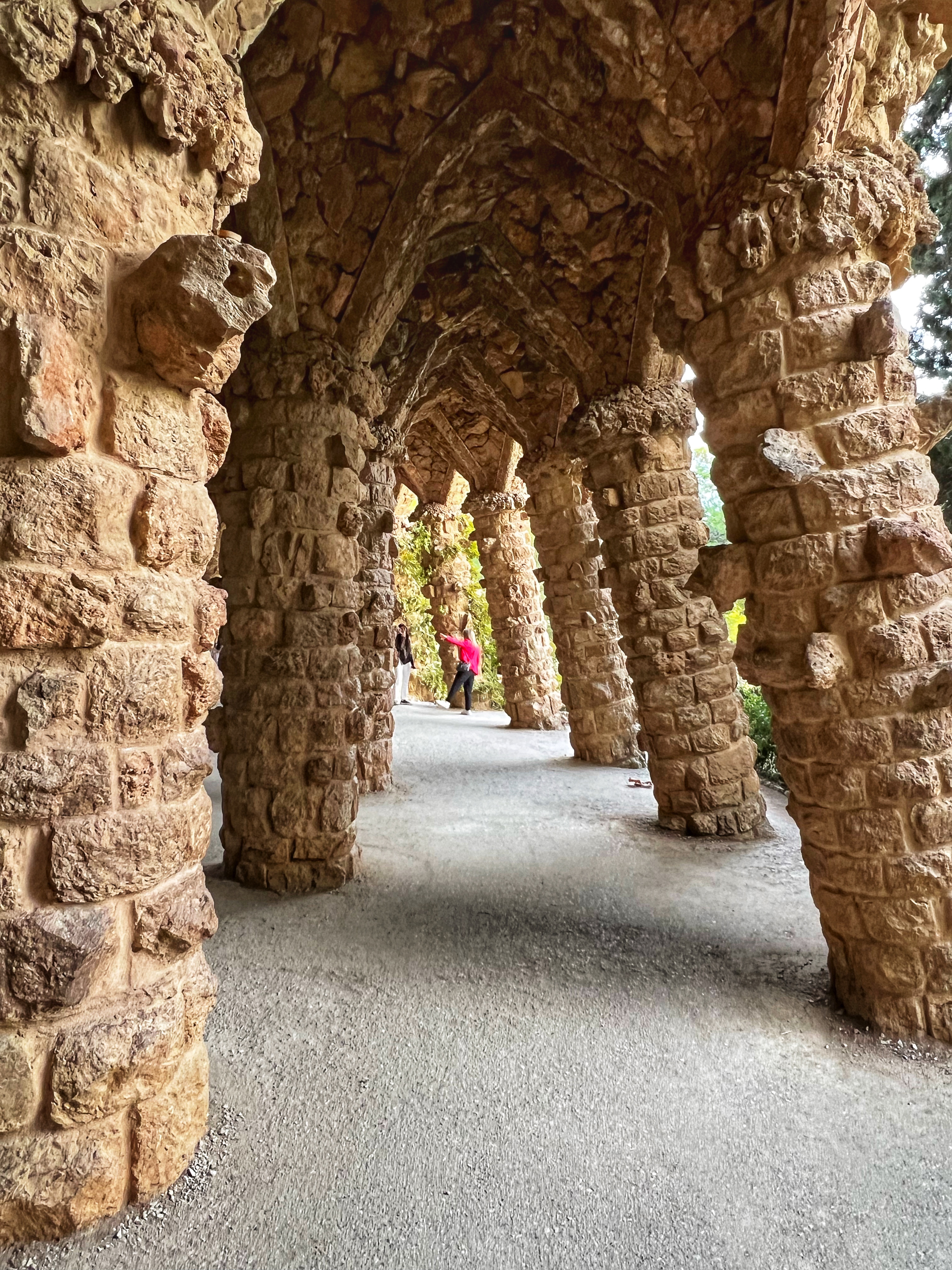

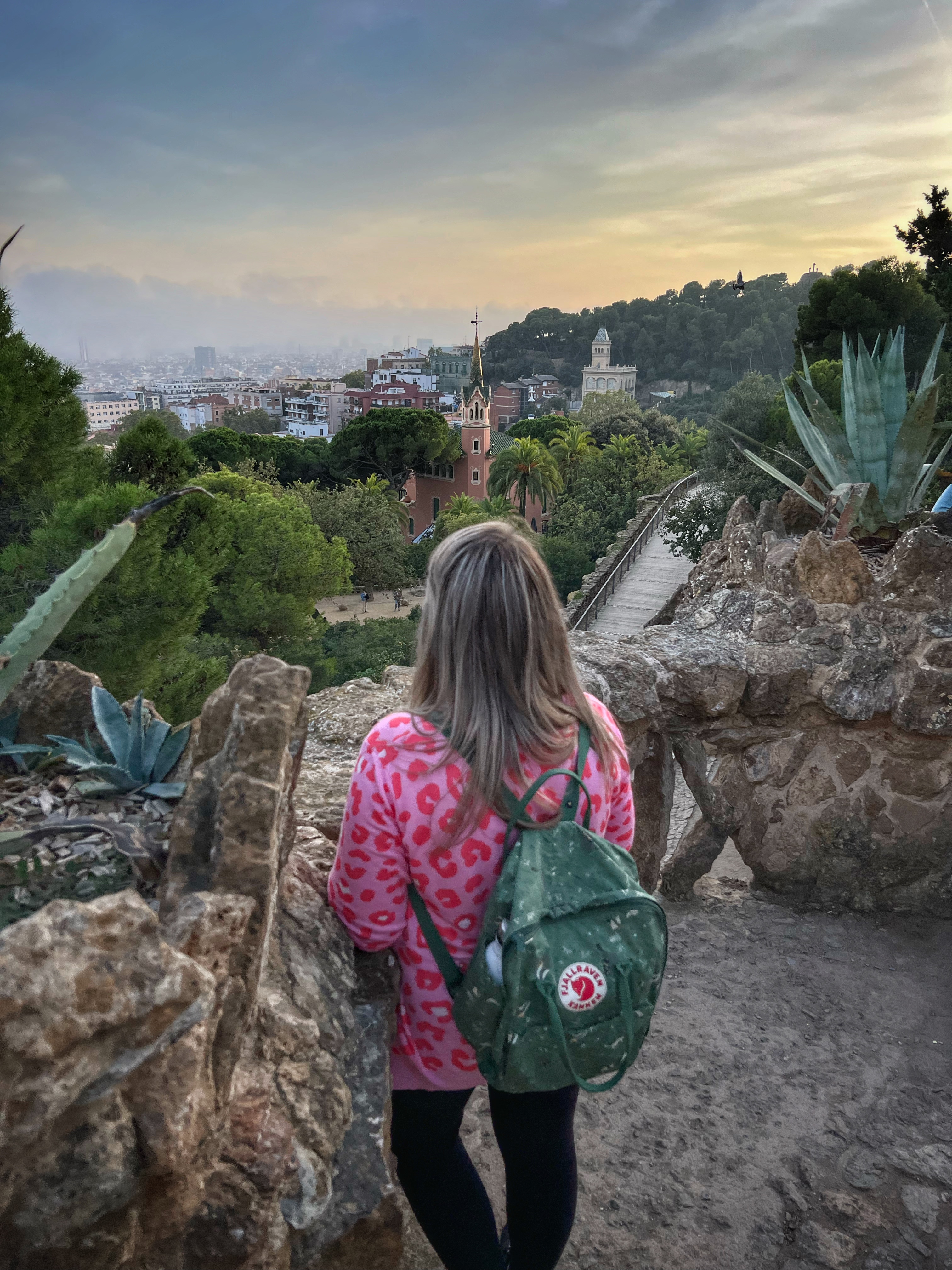
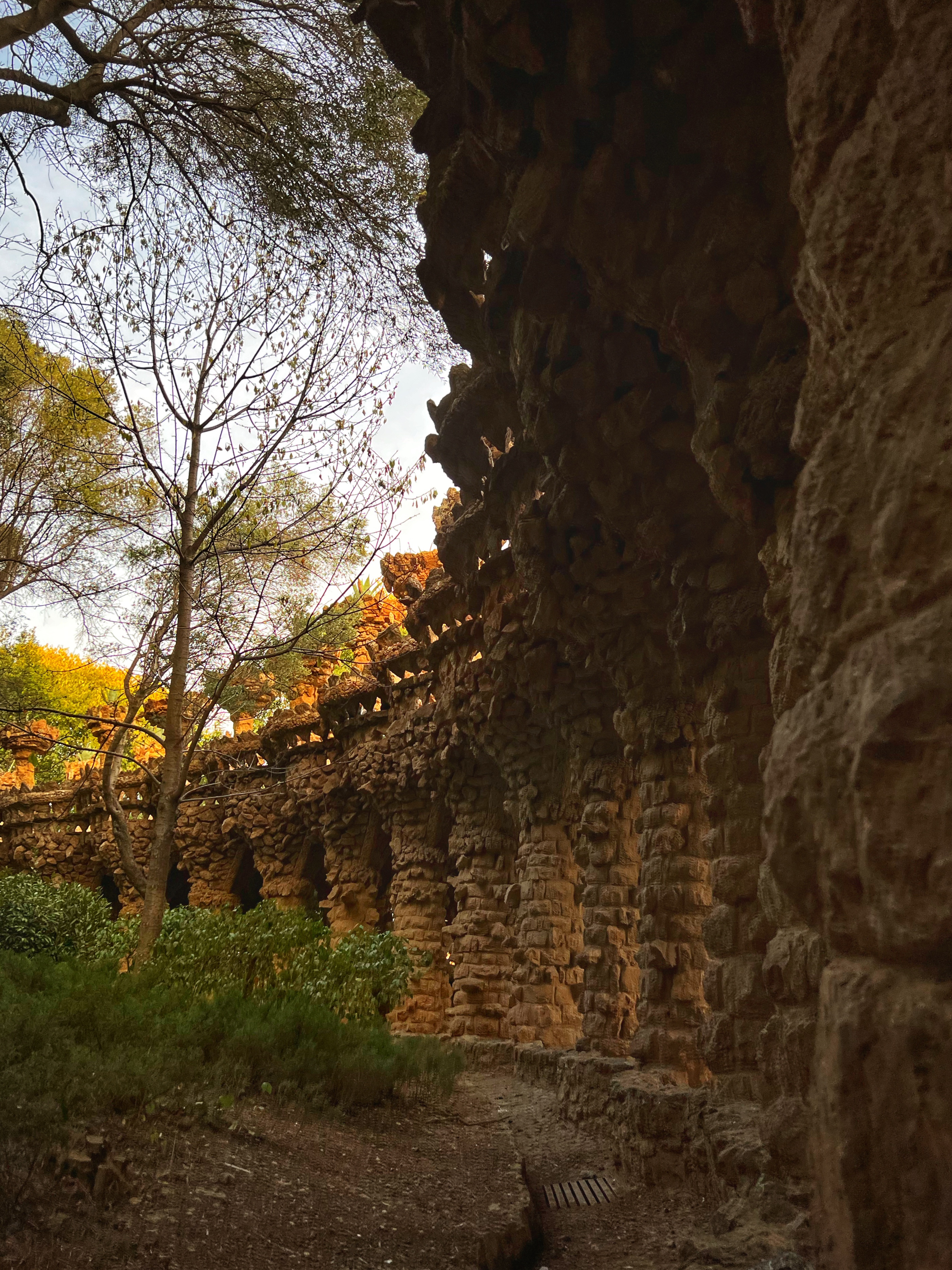
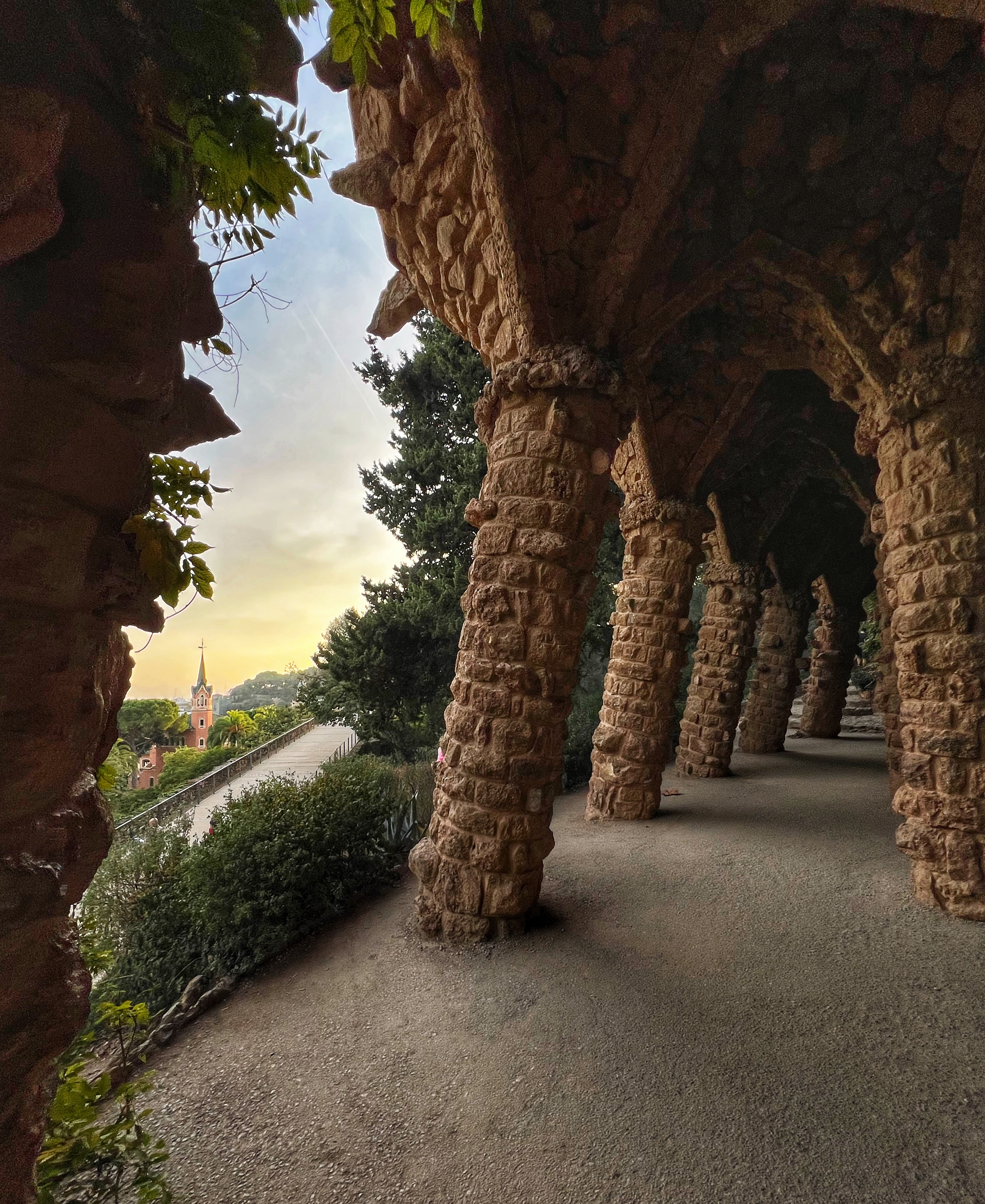
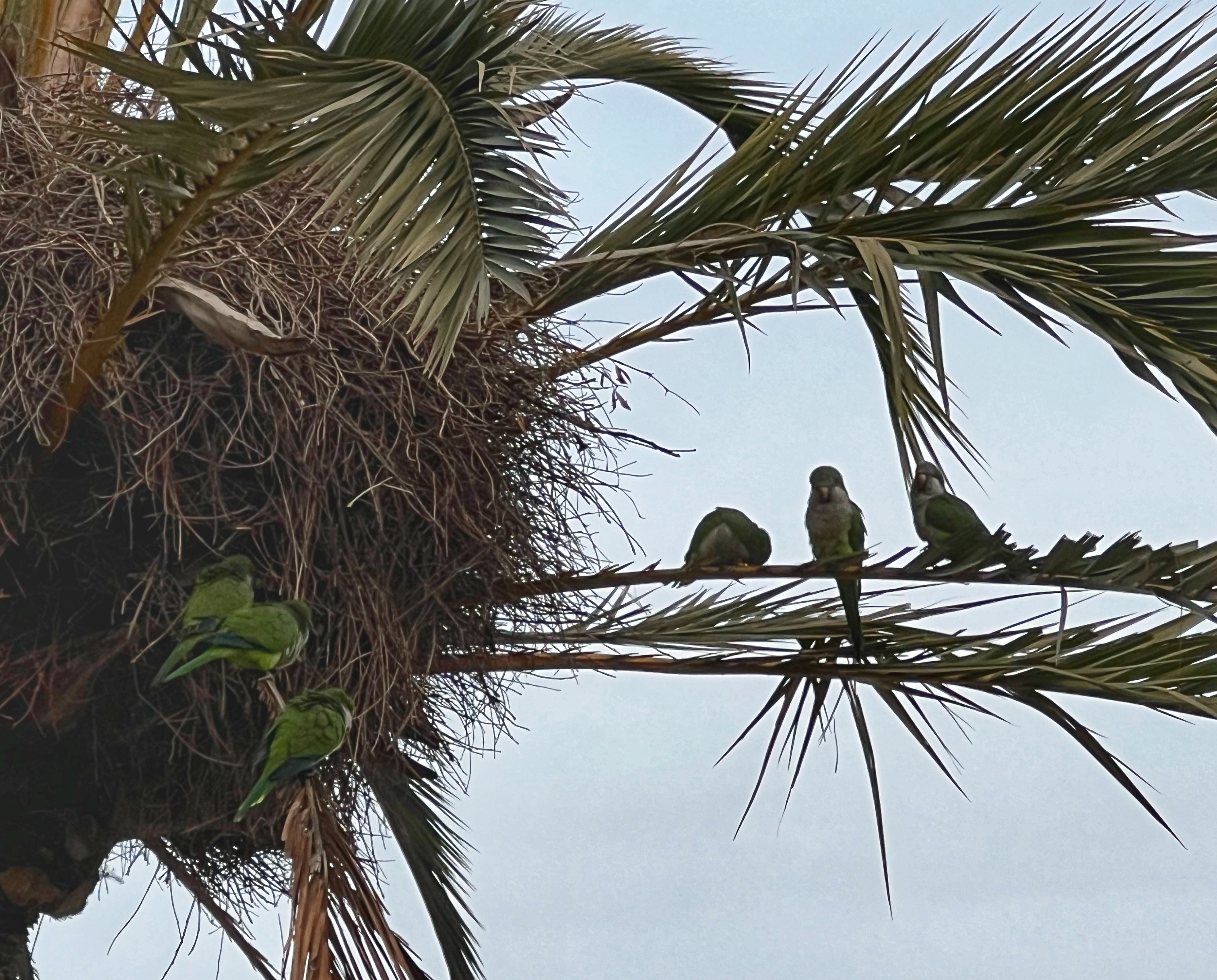
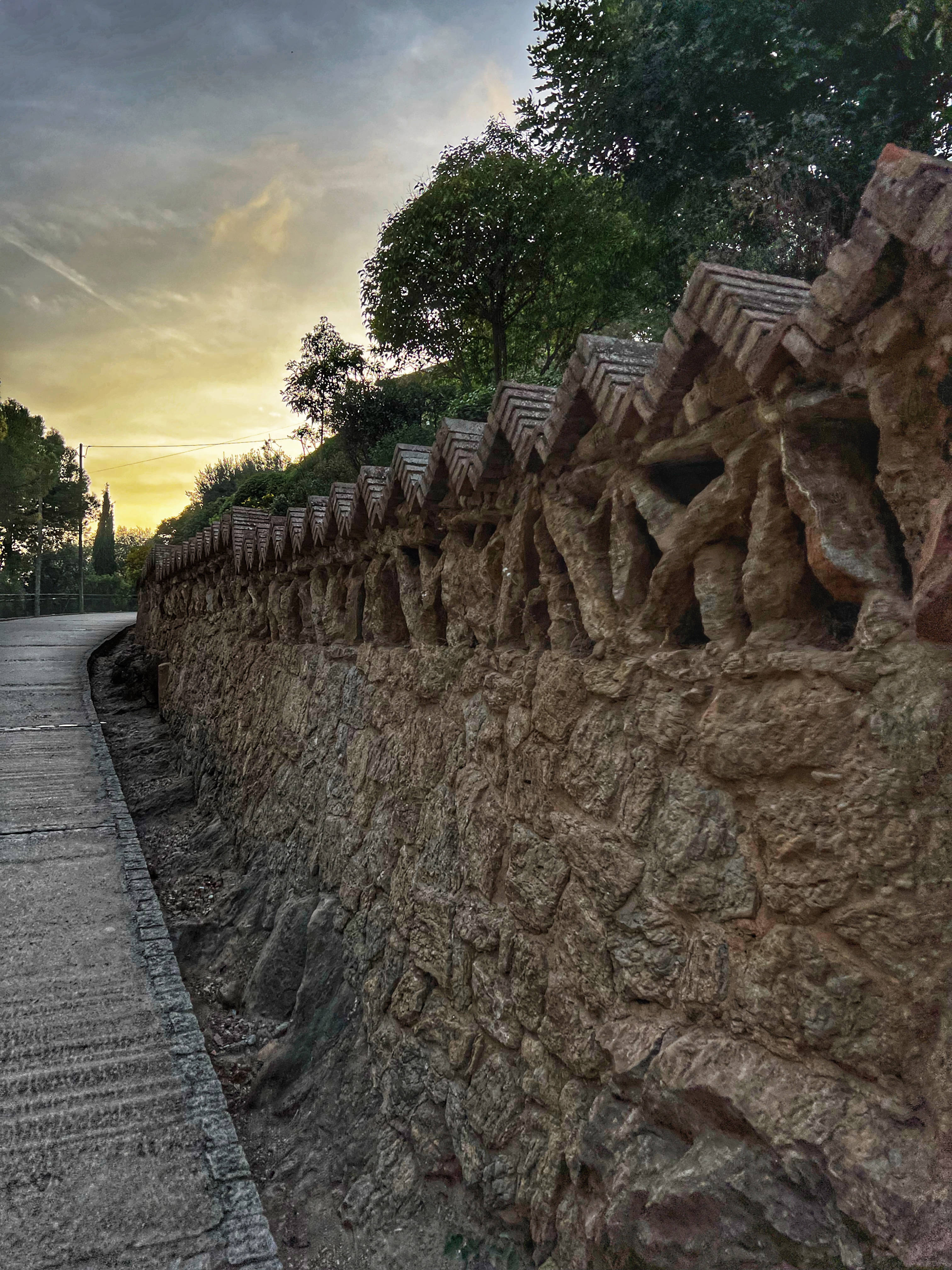
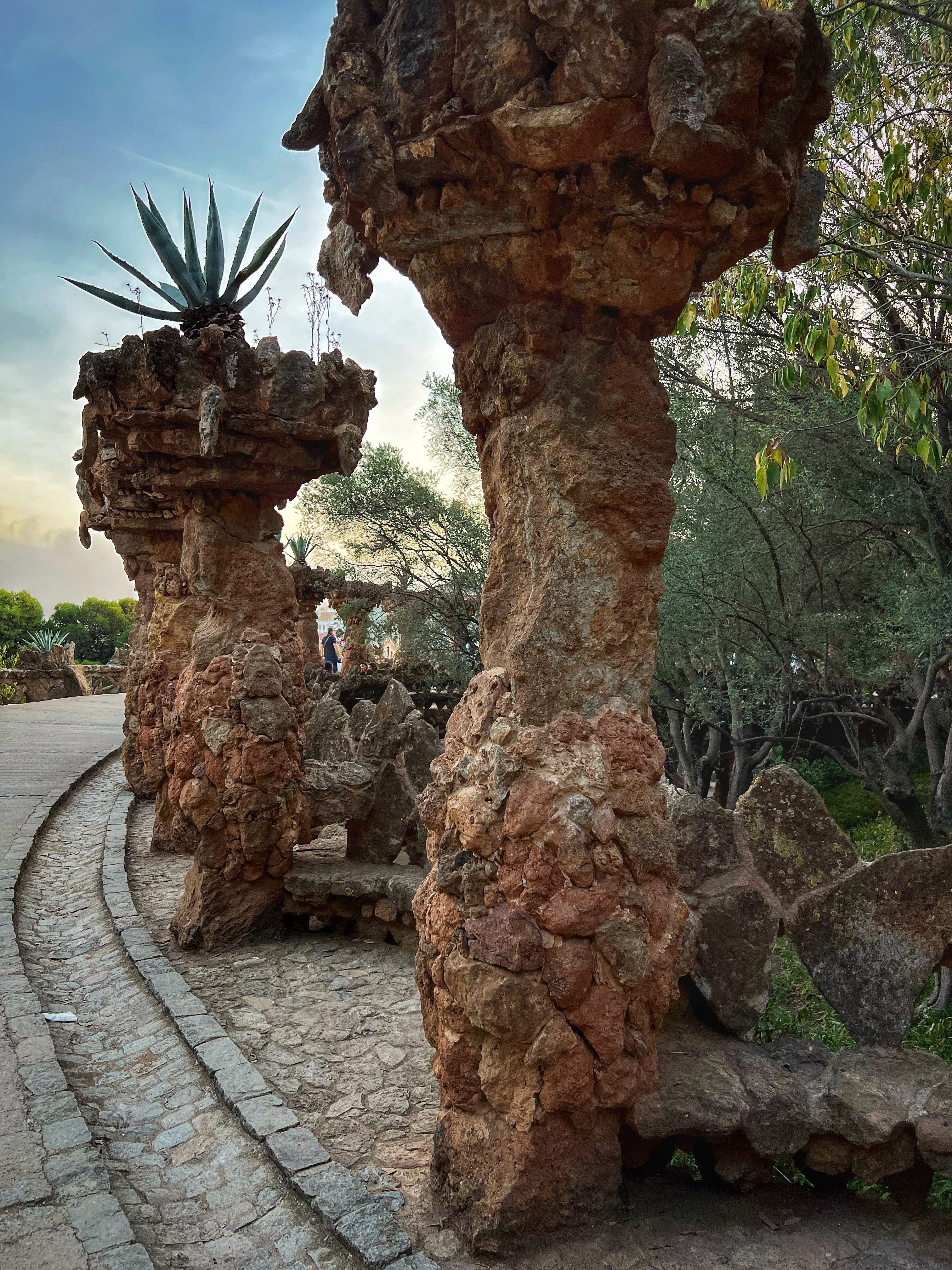

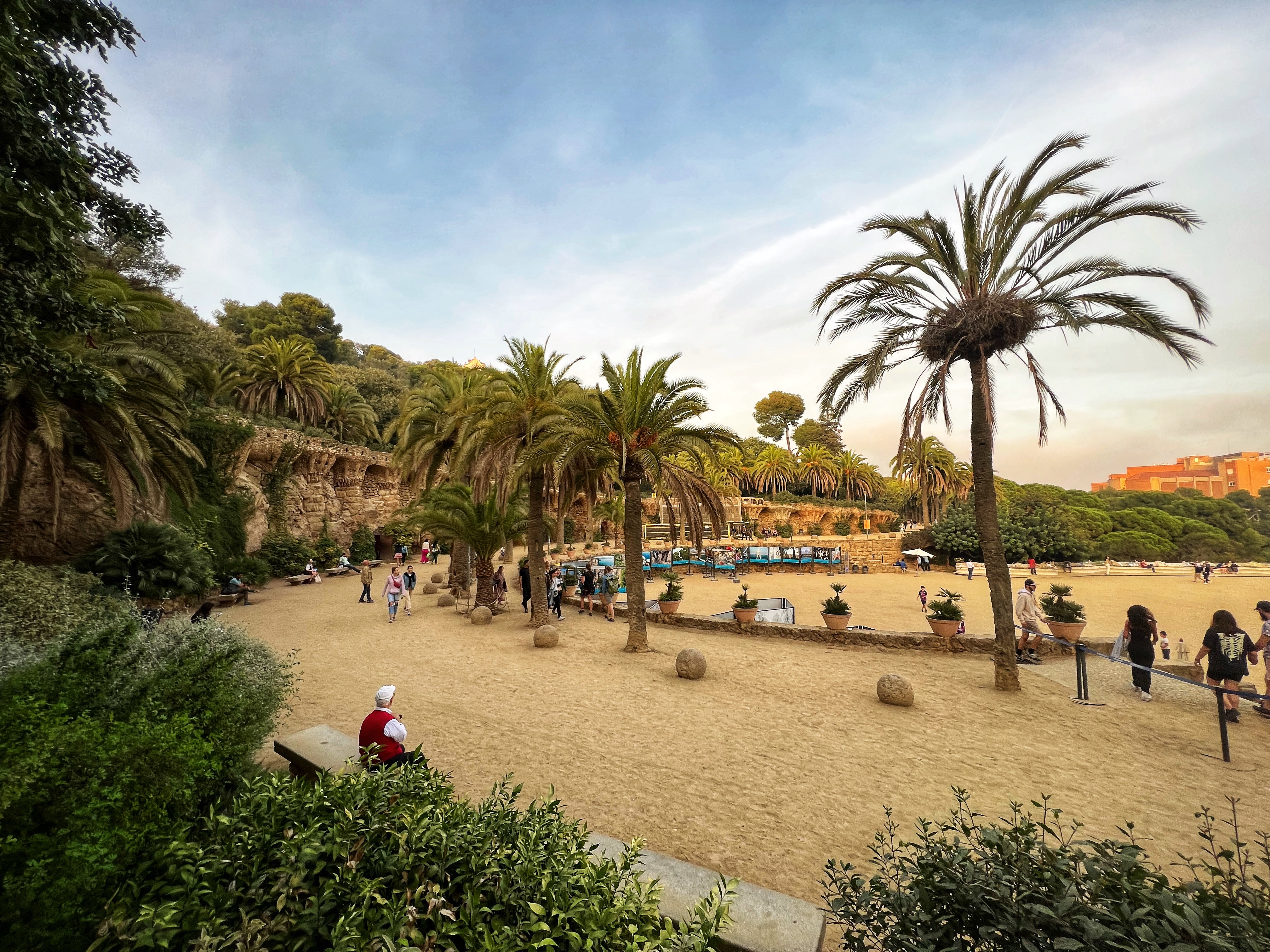


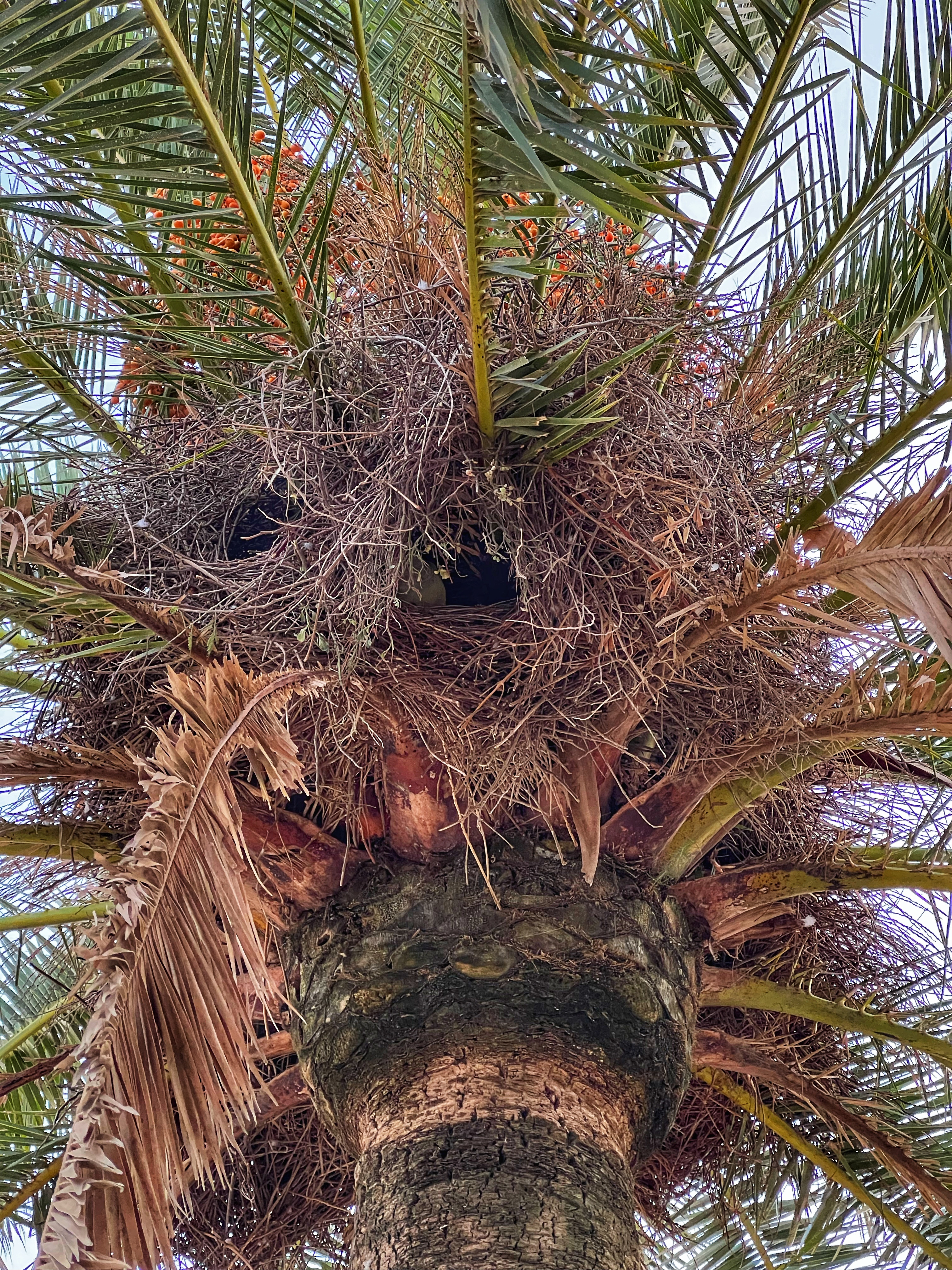
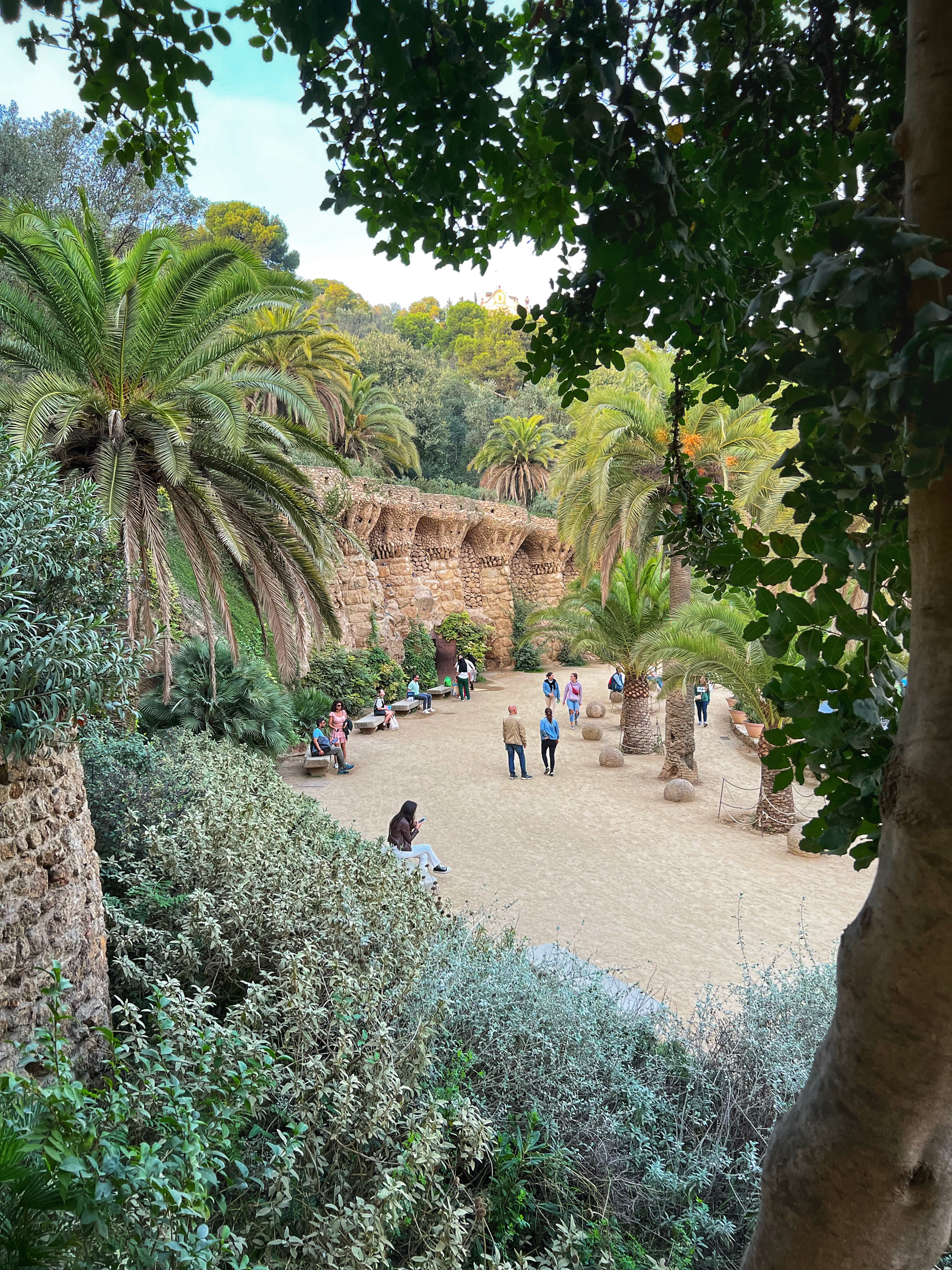


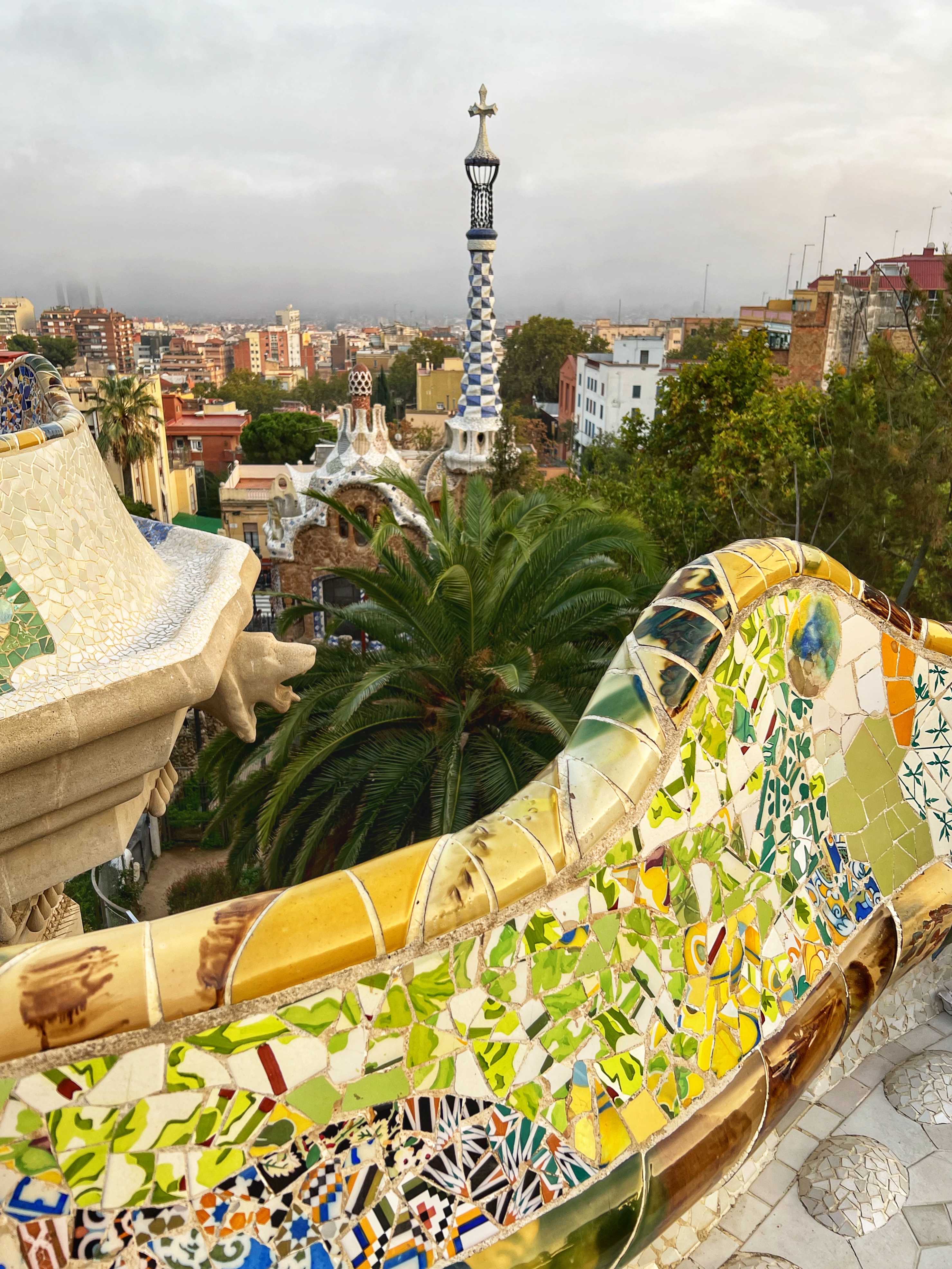
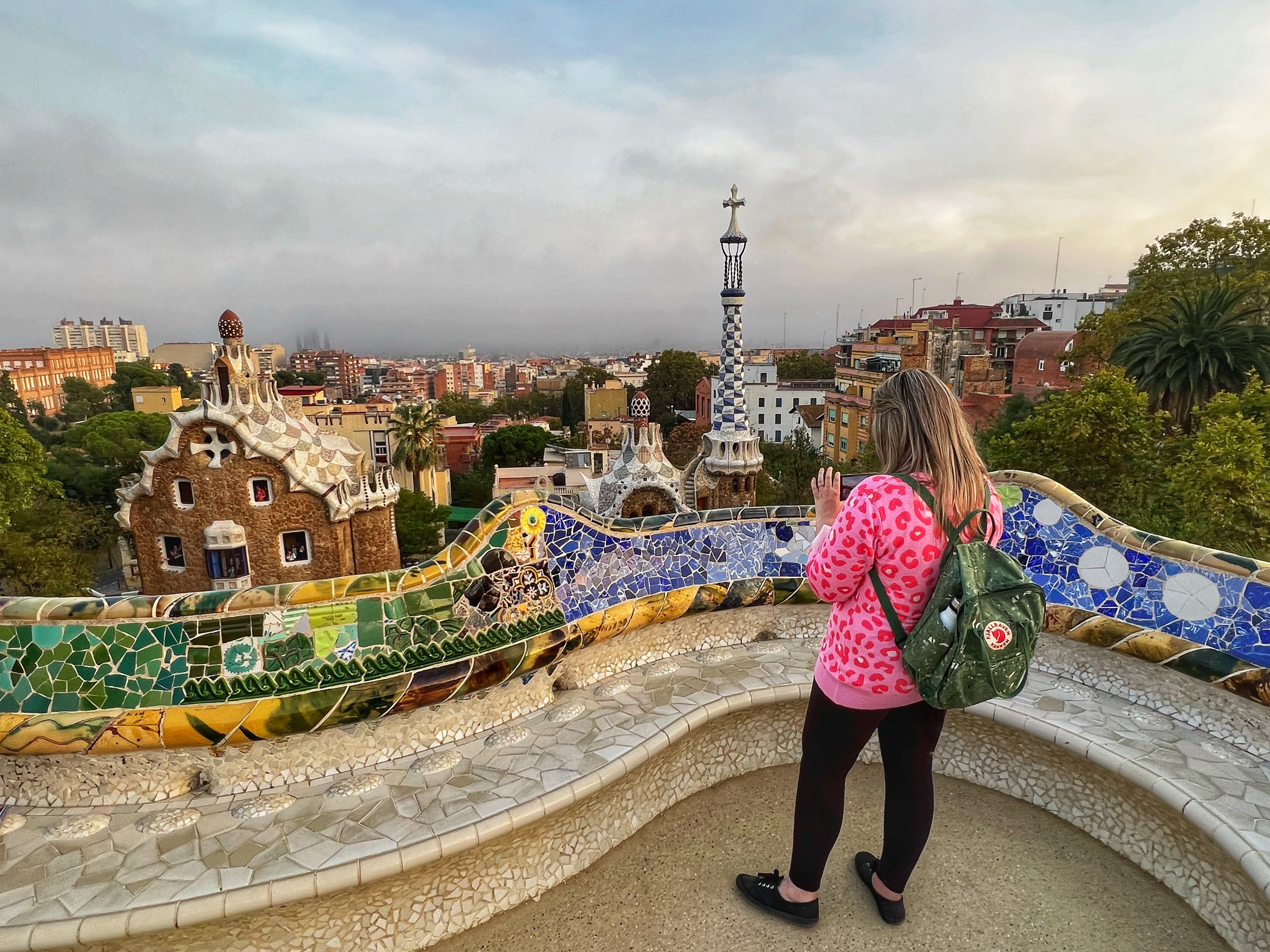
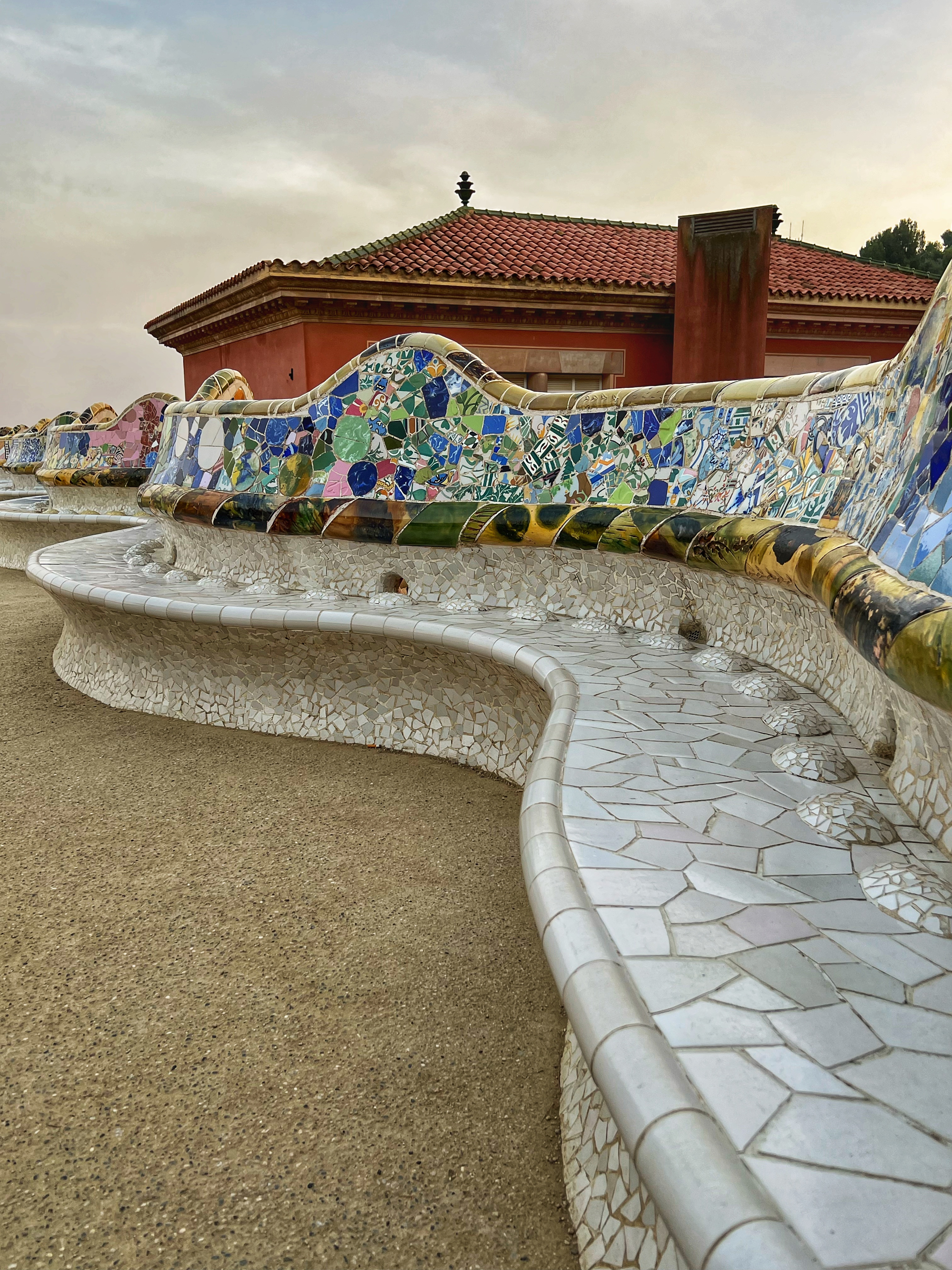
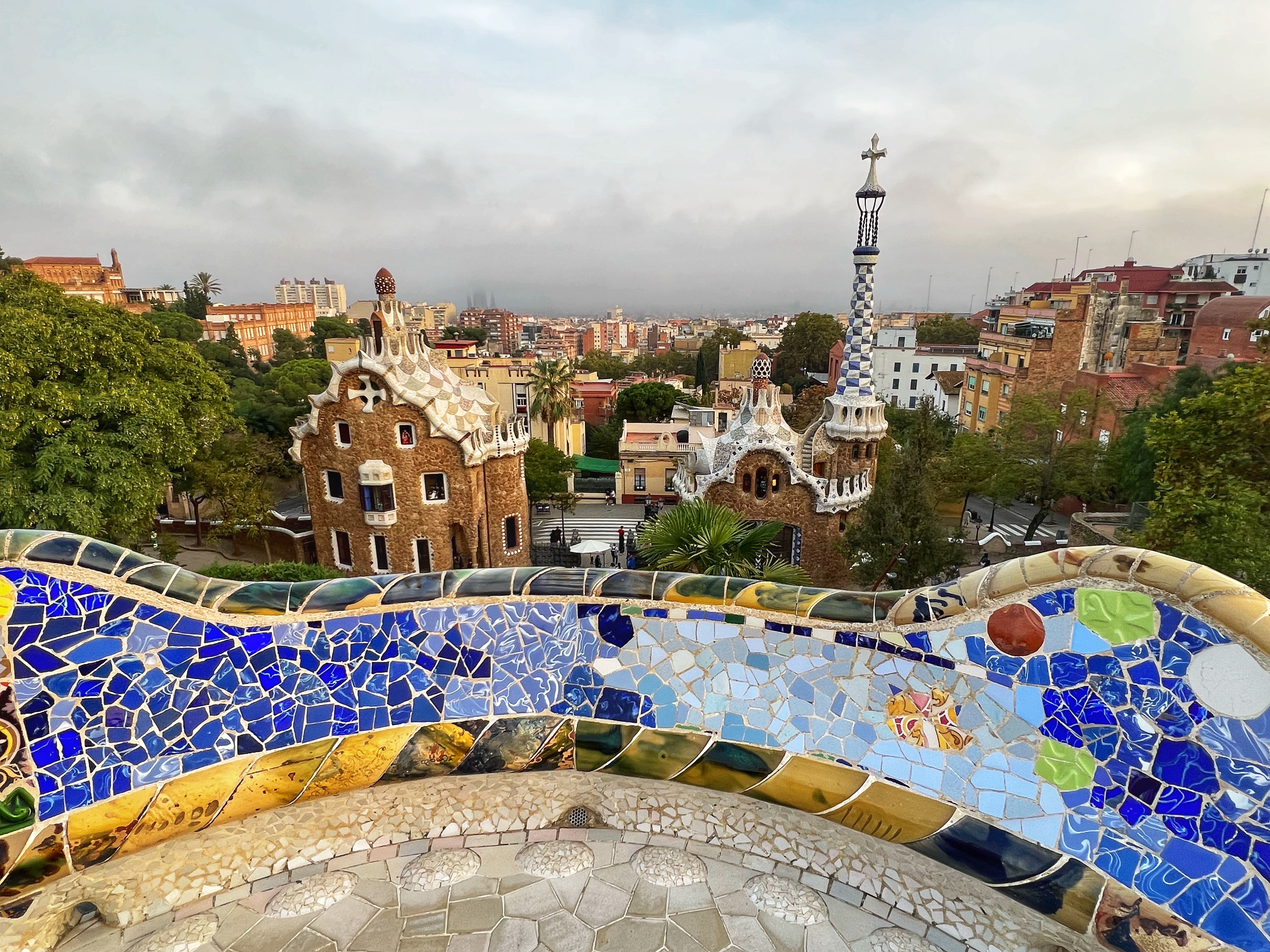
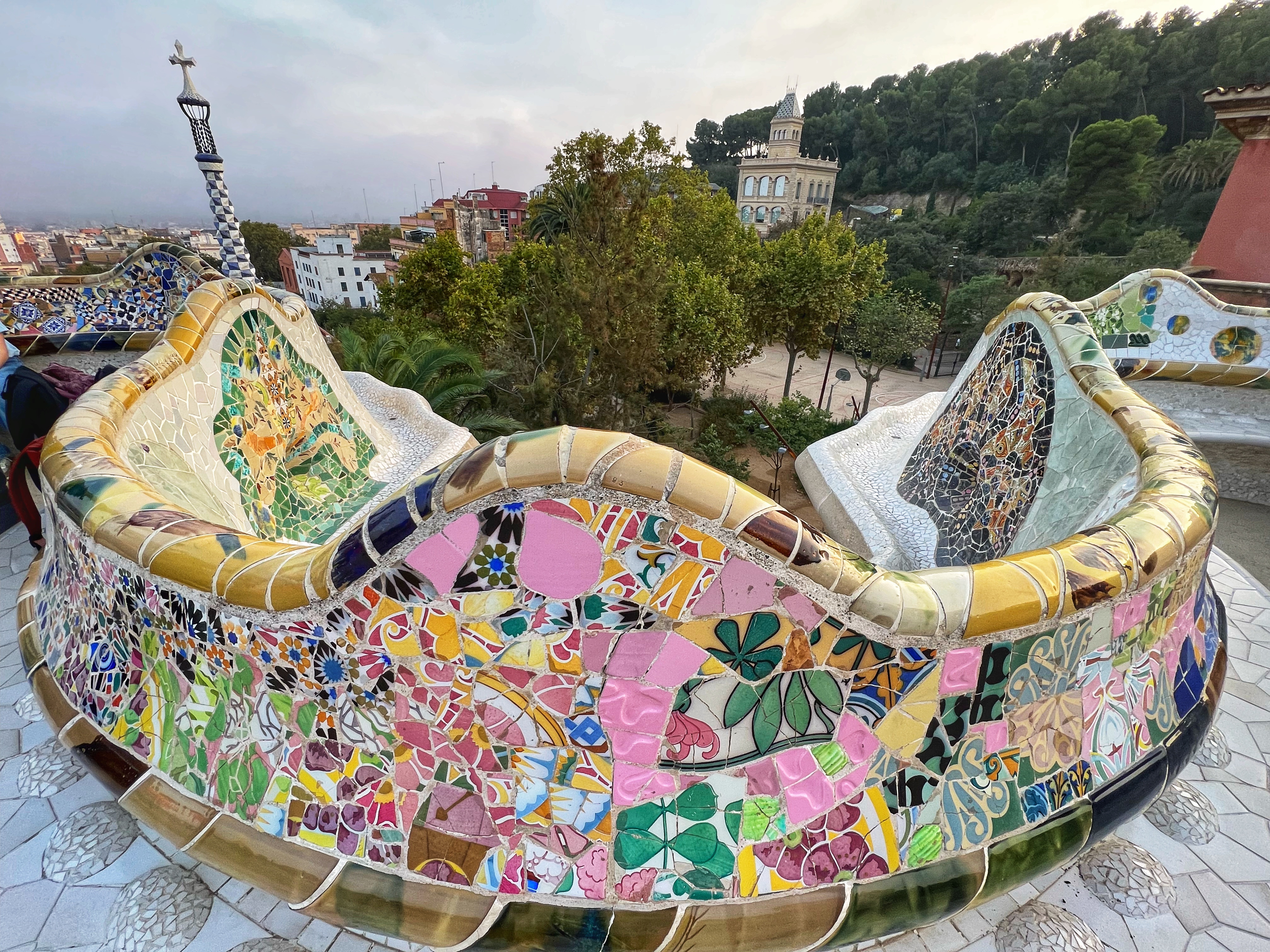
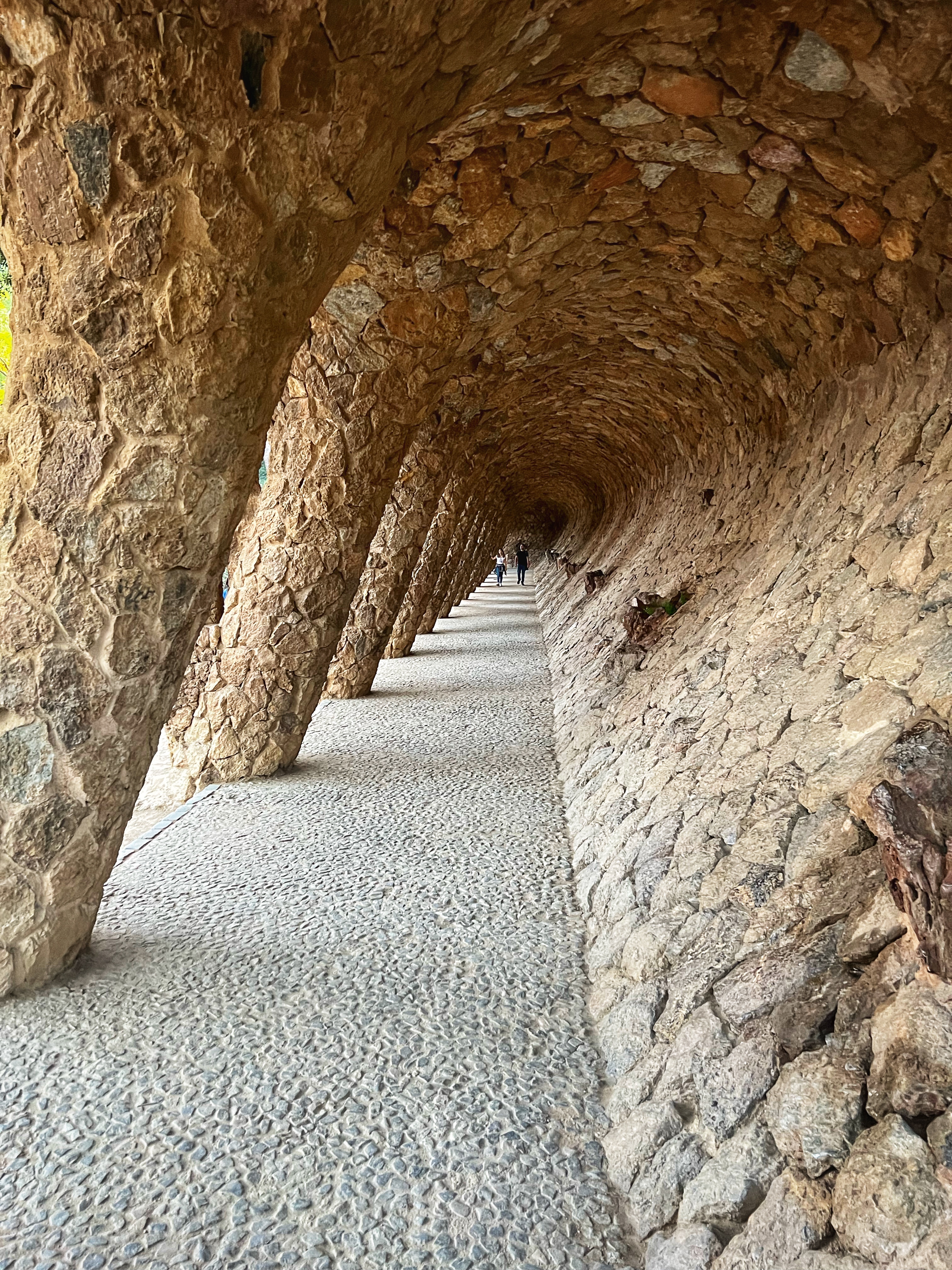
Don’t miss the most famous features of the park: Greek theatre, hypostyle room, escalinata monumental, pòrtic de la bugadera, el viaducto dels enamorats, passeig de las palmeras, the two pavillions, and the salamander. There are also three houses – this park was originally intended as a posh neighborhood but that never came to fruition – Escola Baldiri Reixac, Gaudi House Museum, and Casa Trias.
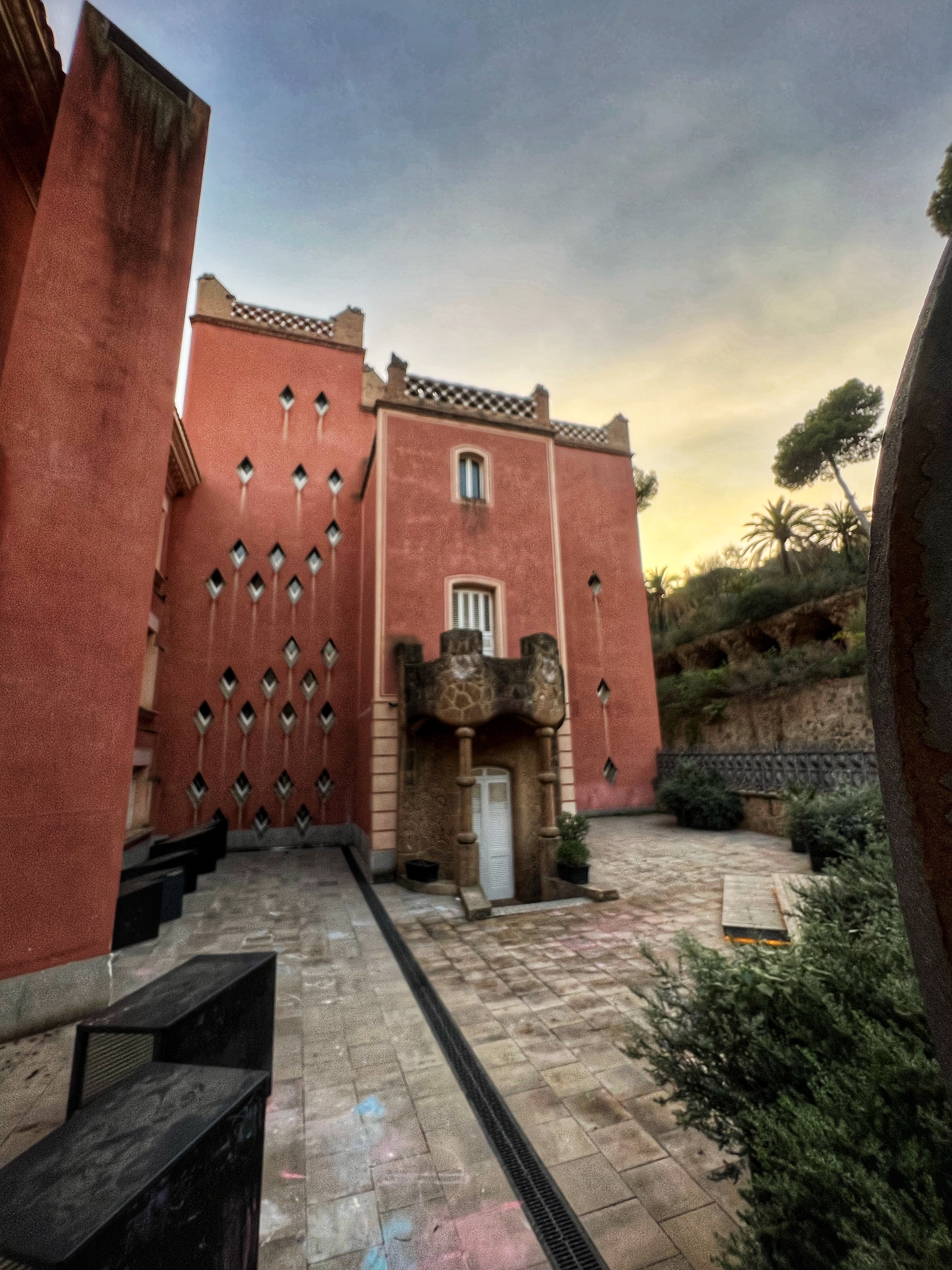
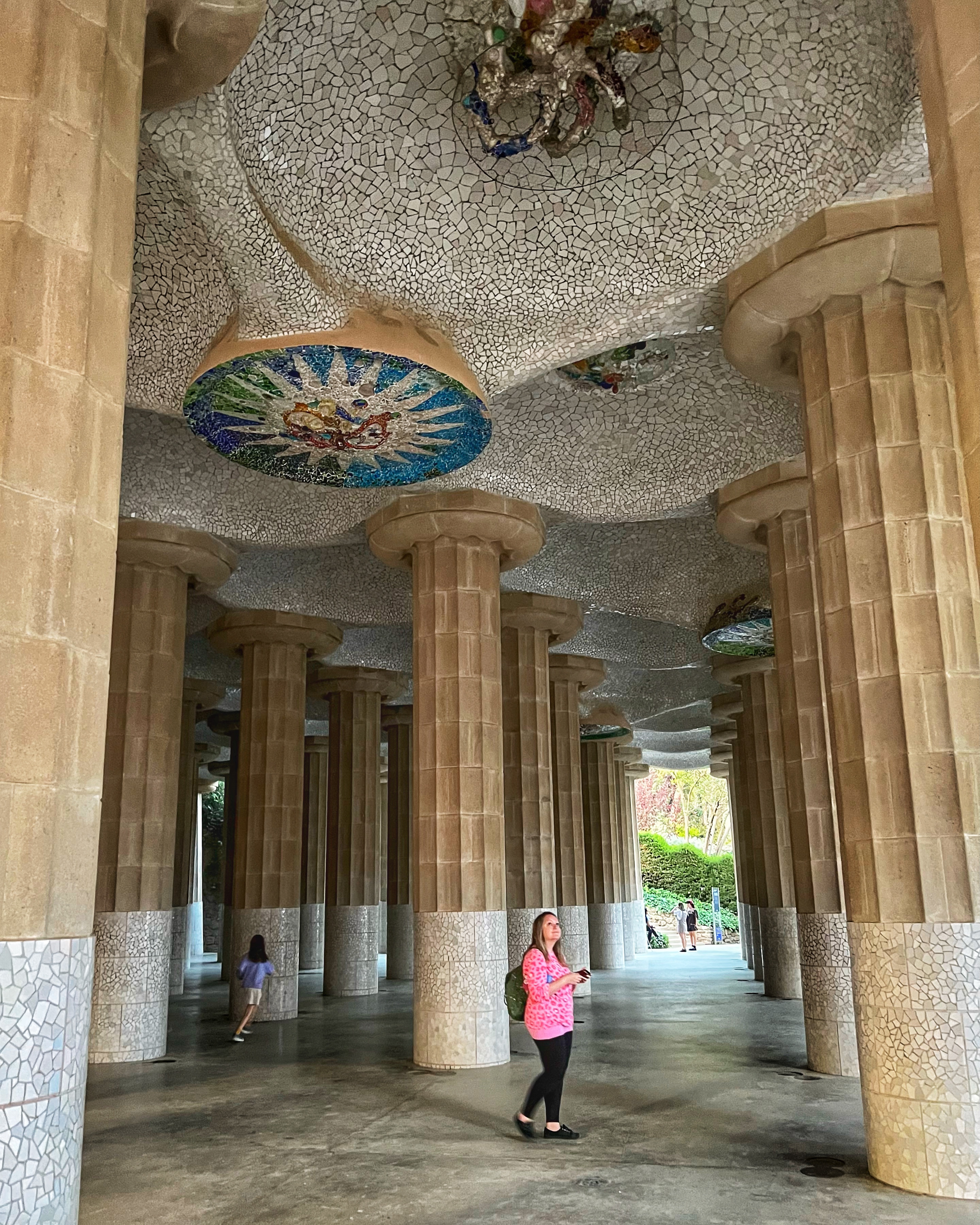

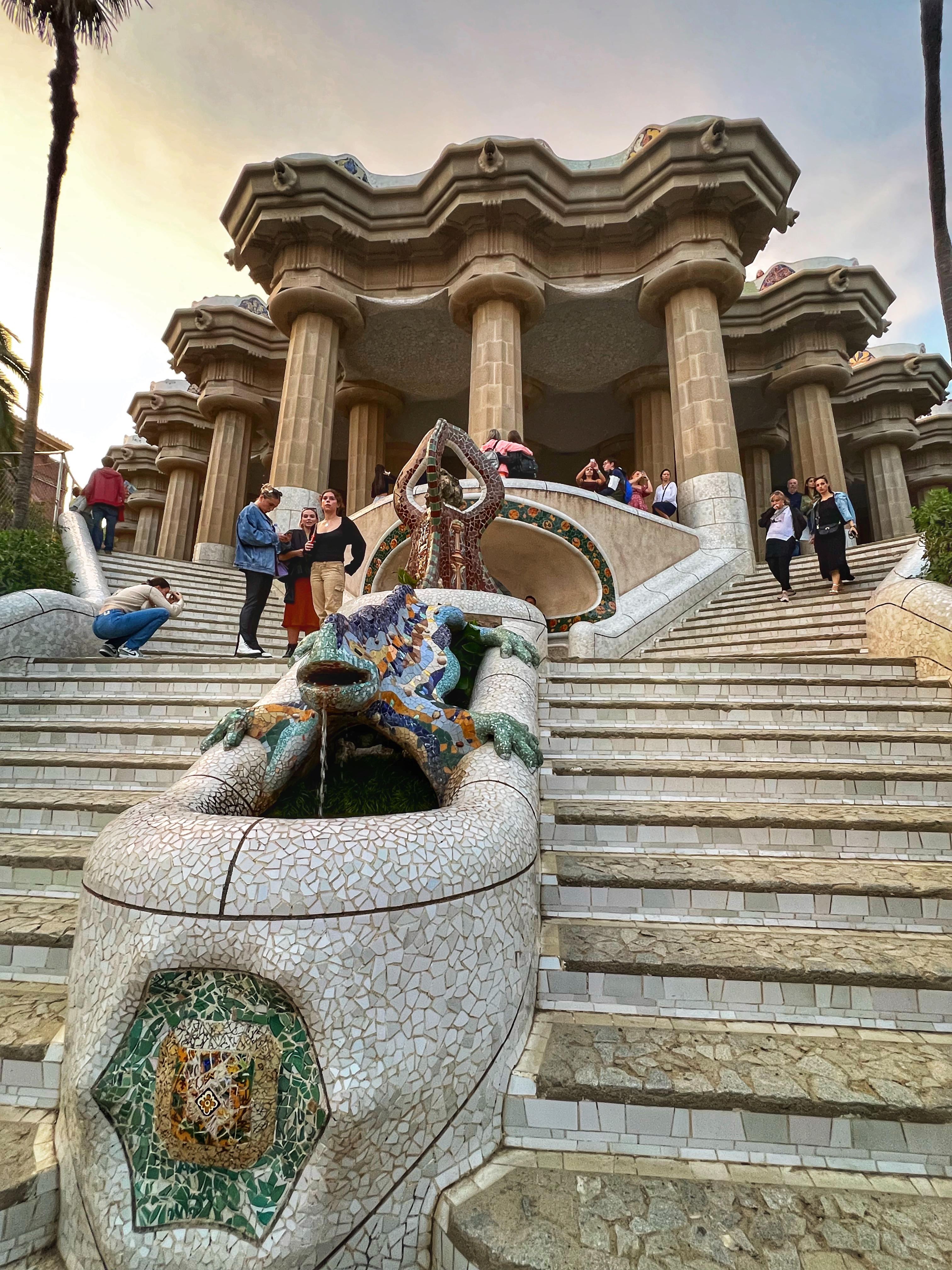

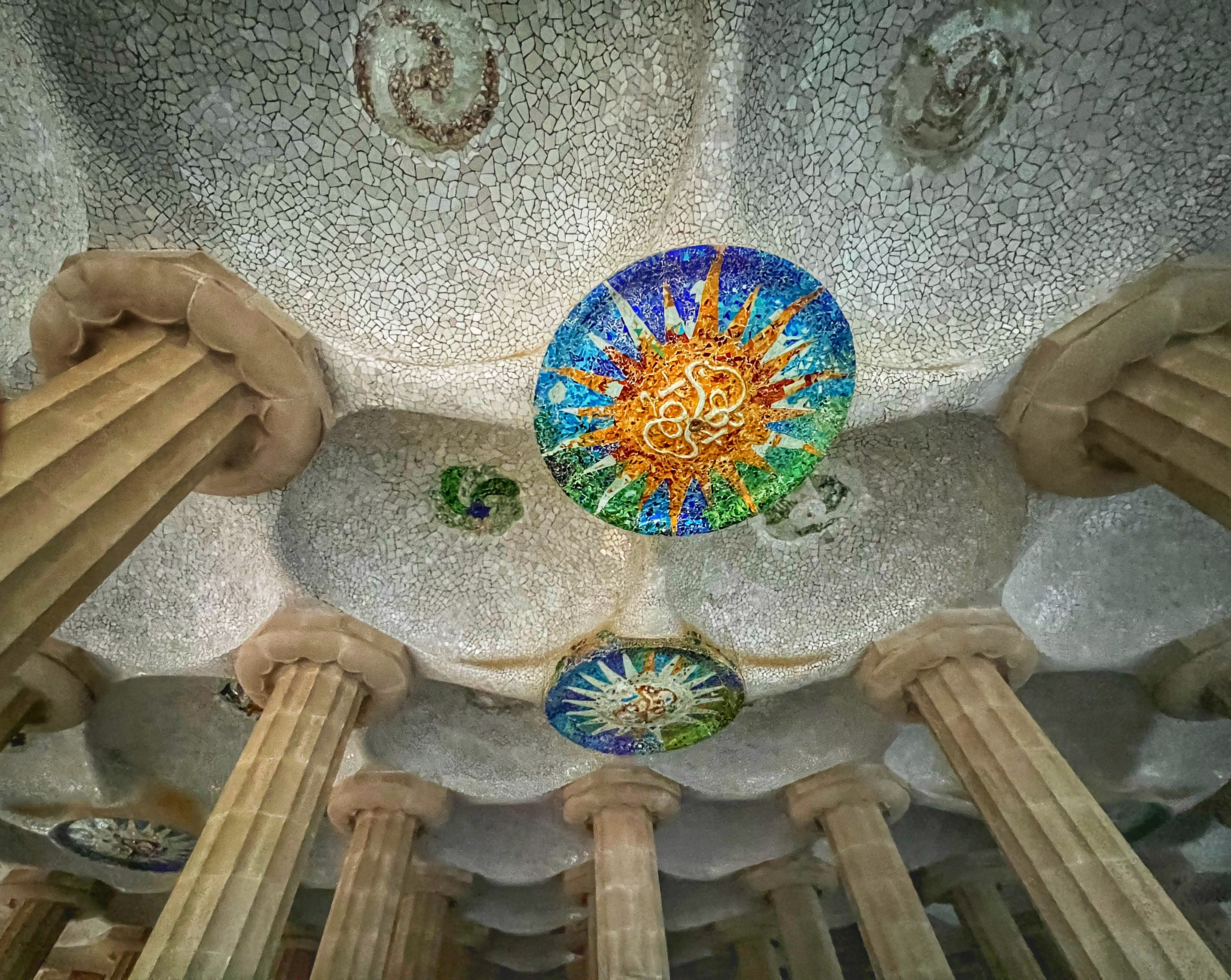

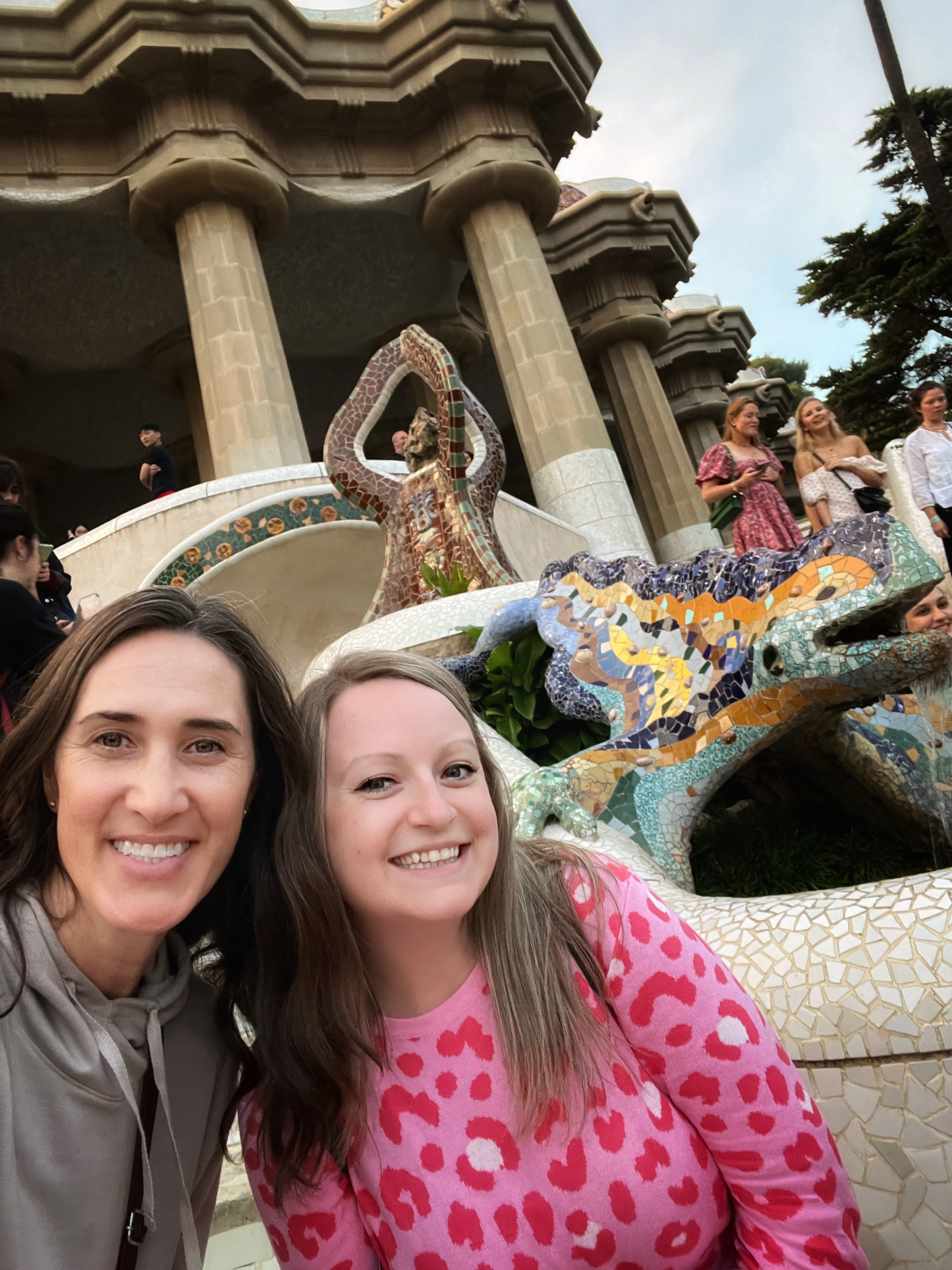
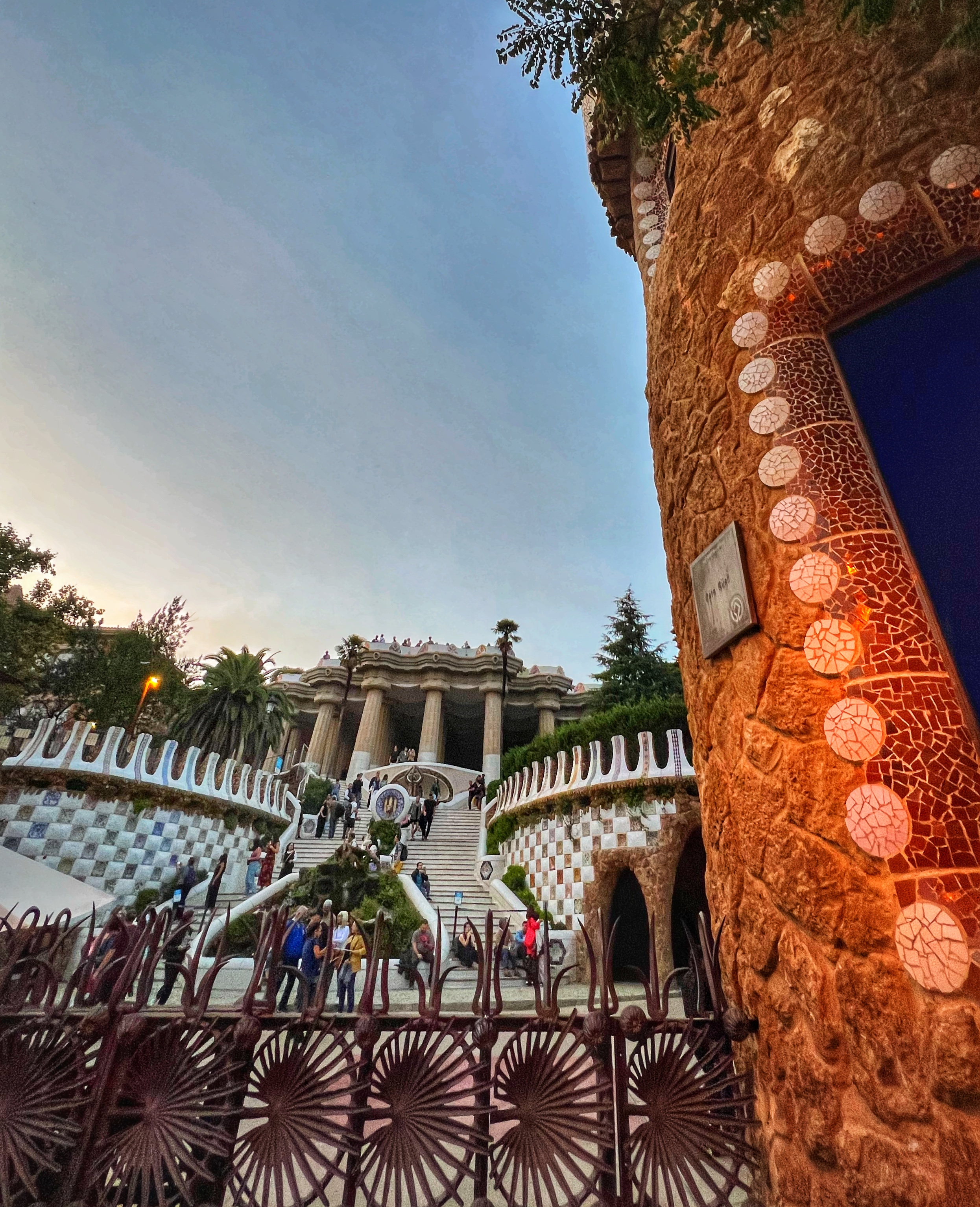

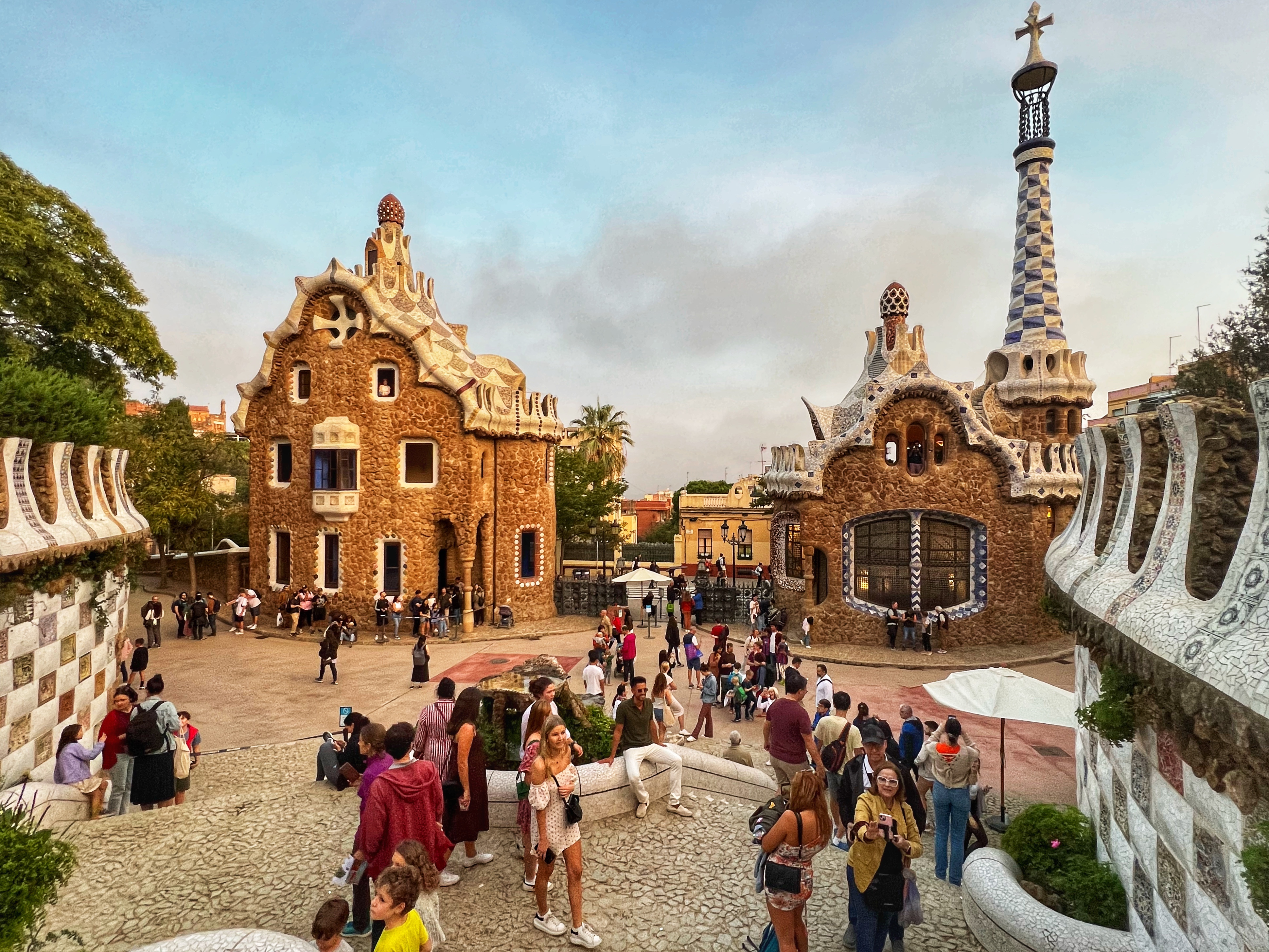


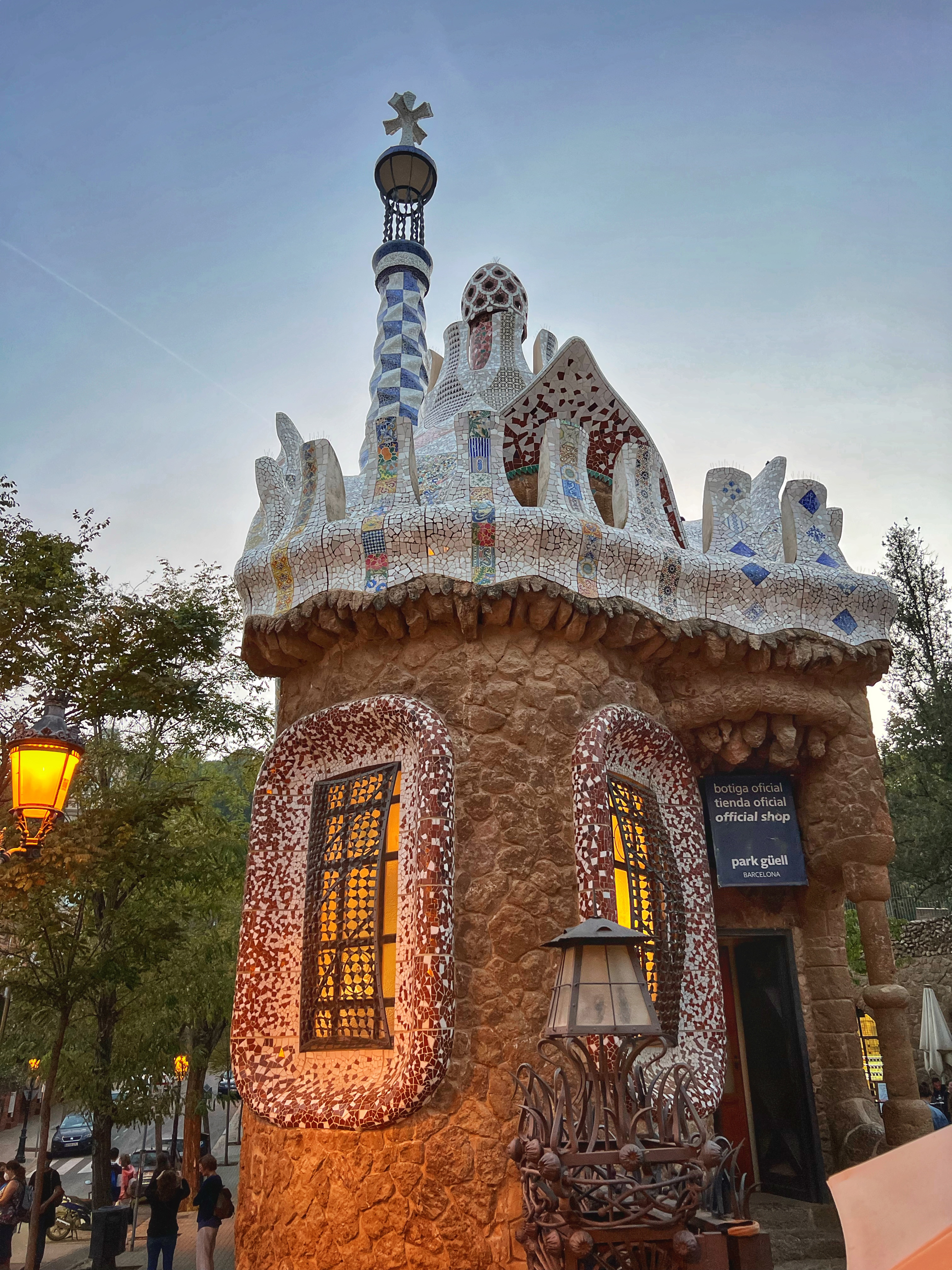
TO VISIT: Purchase tickets here for €10. You must enter within a reasonable time from the time slot you selected. Keep in mind it is most busy mid day through sunset. Arrive early if you want to peruse the park without the crowds. Opening hours are from 9:30 AM – 5:30 PM. I recommend entering from one side of the park and exiting from another (we started at the “top” entrance by the bus parking and wandered down to the exit by the guard house).
6
LA BOQUERIA
LA BOQUERIA: There are several markets in Barcelona including Barceloneta, El Encants, Mercat de Sant Antoni, and Santa Caterina Market. The most famous one is located near Las Ramblas and is not to be missed – La Boqueria! It’s a market, so it’s free to enter. So much colorful, delicious food can be found here at quite reasonable prices including grab and go bites, smoothies, croquets, and pantry staples. There are many notable restaurants as well, including:
- El Quim de la Boquería
- Bar Restaurant Pinotxo
- Ramblero de la Boqueria
- Bar Central
- Direkte Boquería

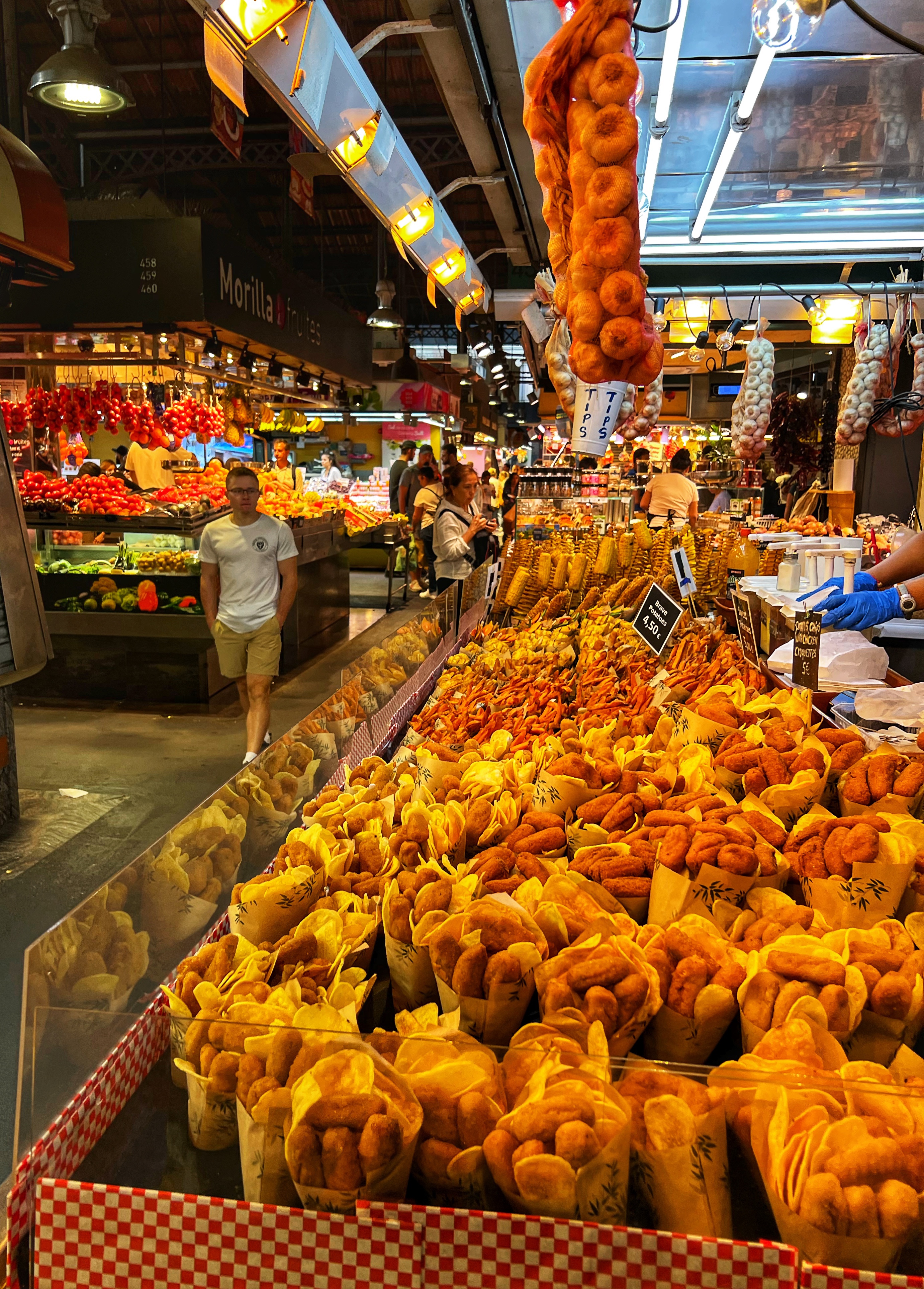
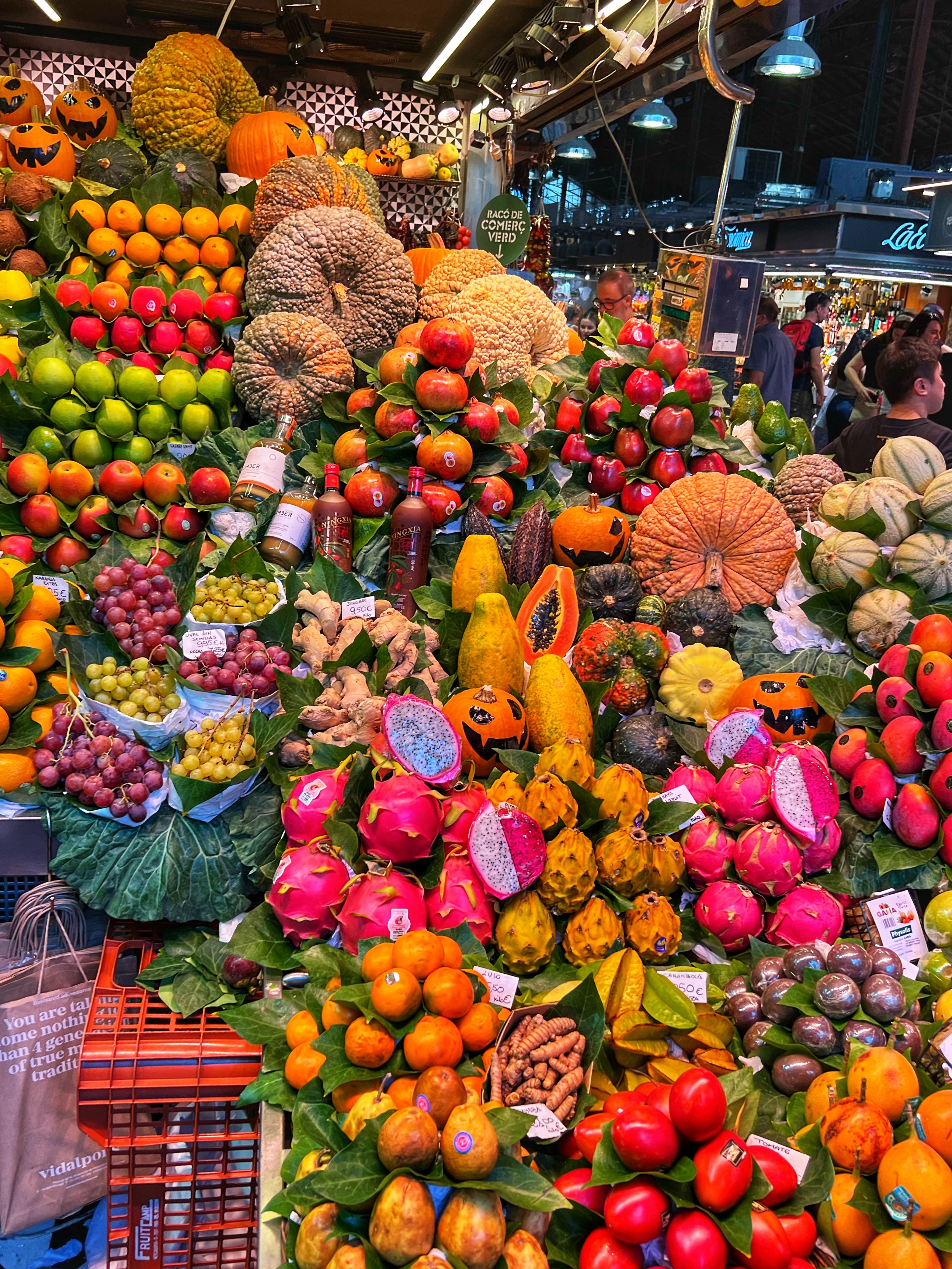
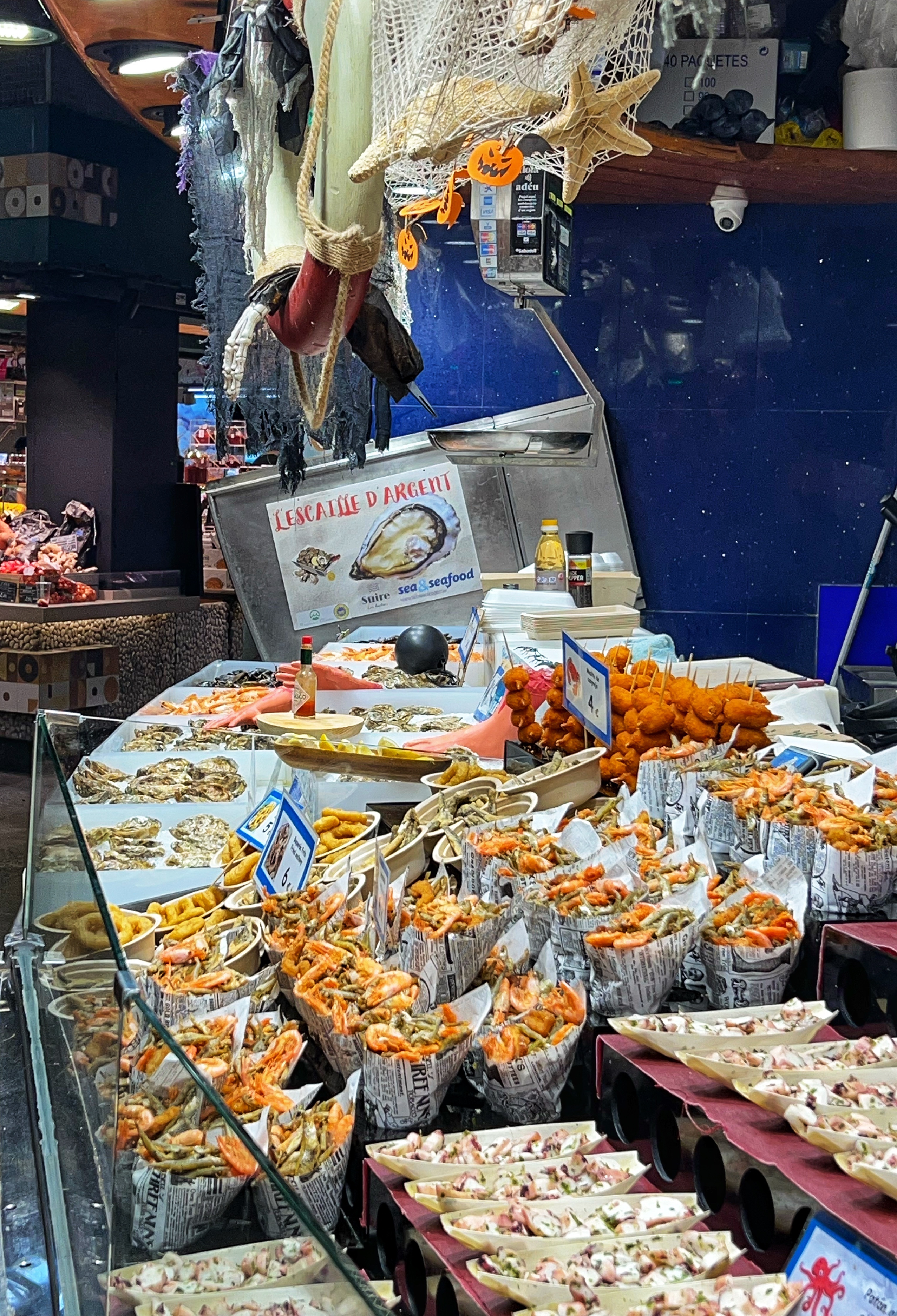

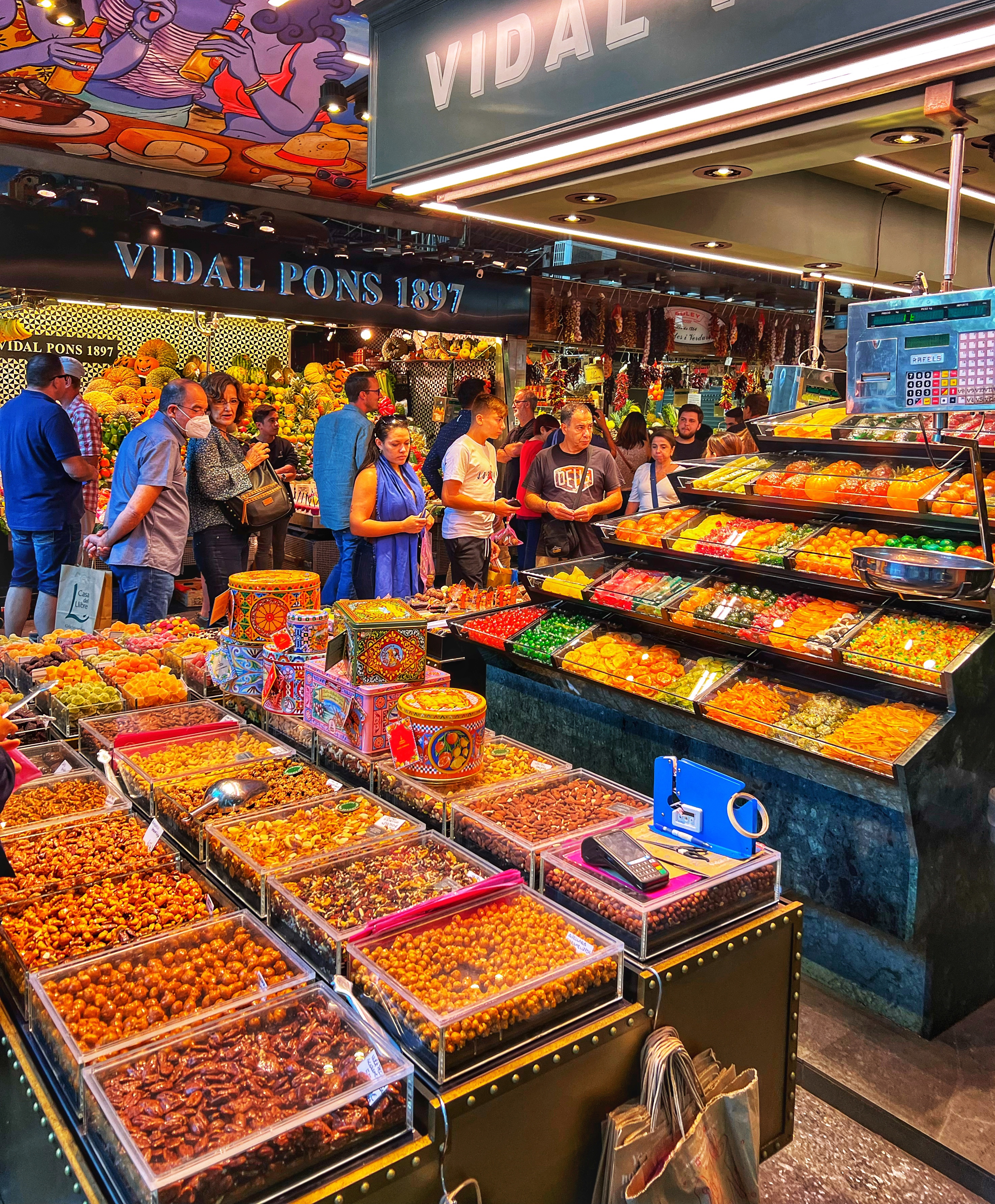
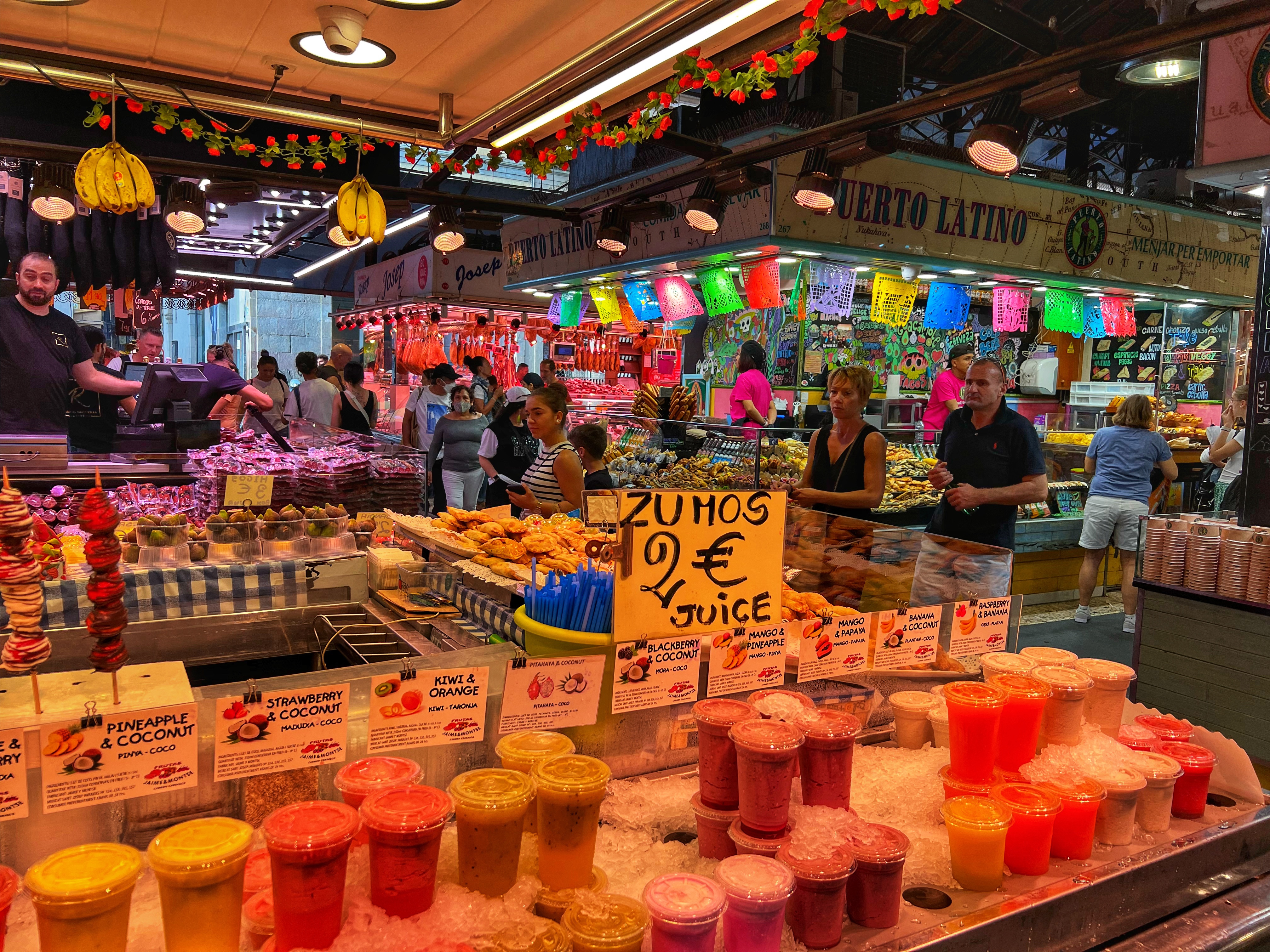
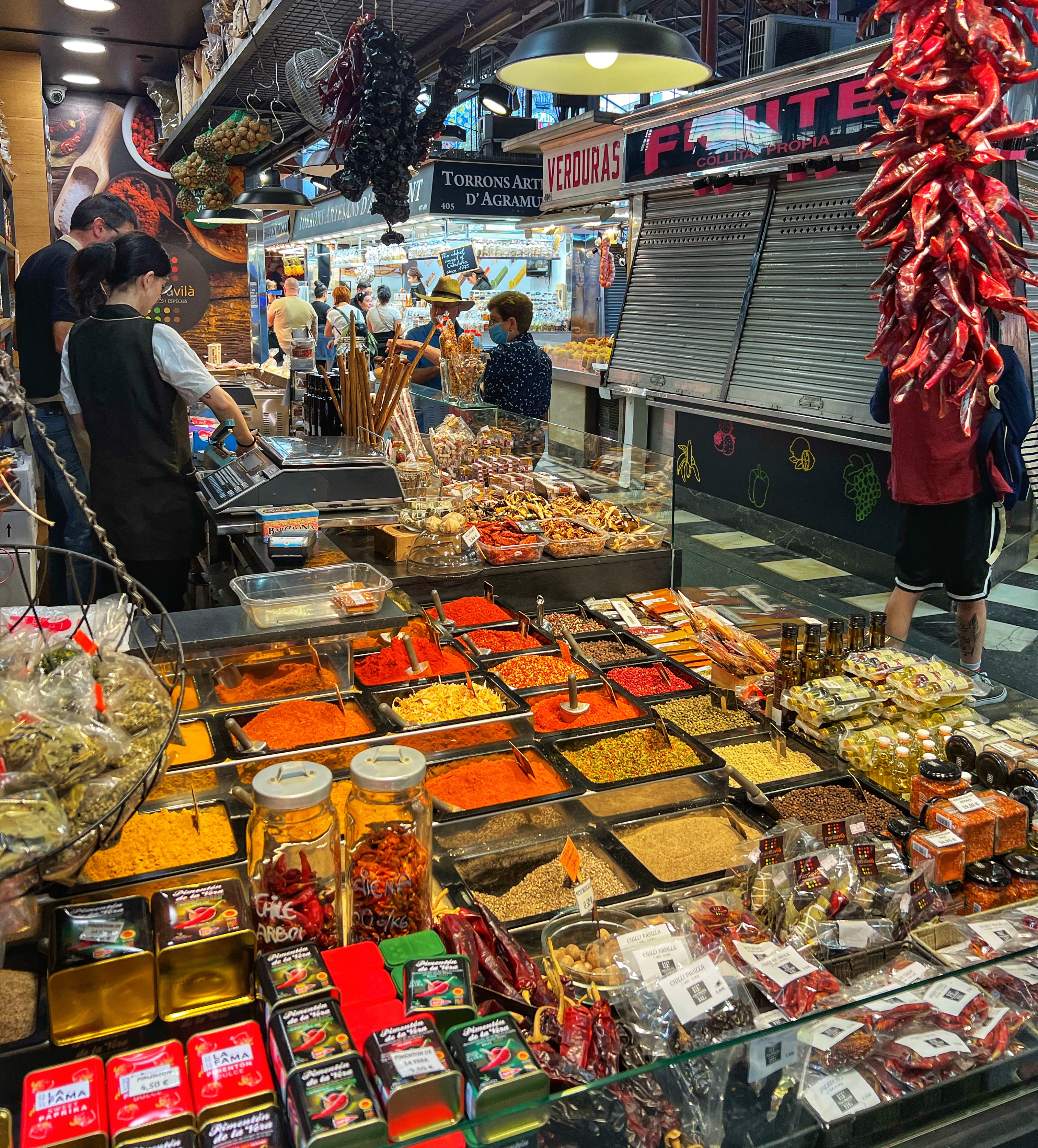
Hot tip: arrive late in the day before closing for grab-and-go deals on smoothies, fruit, and items that need to be sold!
7
MUSEU NACIONAL D’ART DE CATALUNYA
MONTJUÏC NATIONAL PALACE: You don’t need to visit this place inside to appreciate it, but the building, plaza, and whole area around the palace museum is incredible! It is especially magnificent when the fountains are running, but sadly they weren’t on when we visited (likely due to drought risk). The great palace was built for the 1929 International Exposition (World Expo), but today it houses the national art museum of Catalonia. In the plaza you will see four huge Roman pillars, many fountains, surrounding gardens, and even sets of escalators to help move people from promenade between Plaça d’Espanya and the palace. This is a great spot to stop if you’re also visiting nearby Poble Espanyol (detailed below) or spending the day on Montjuïc.
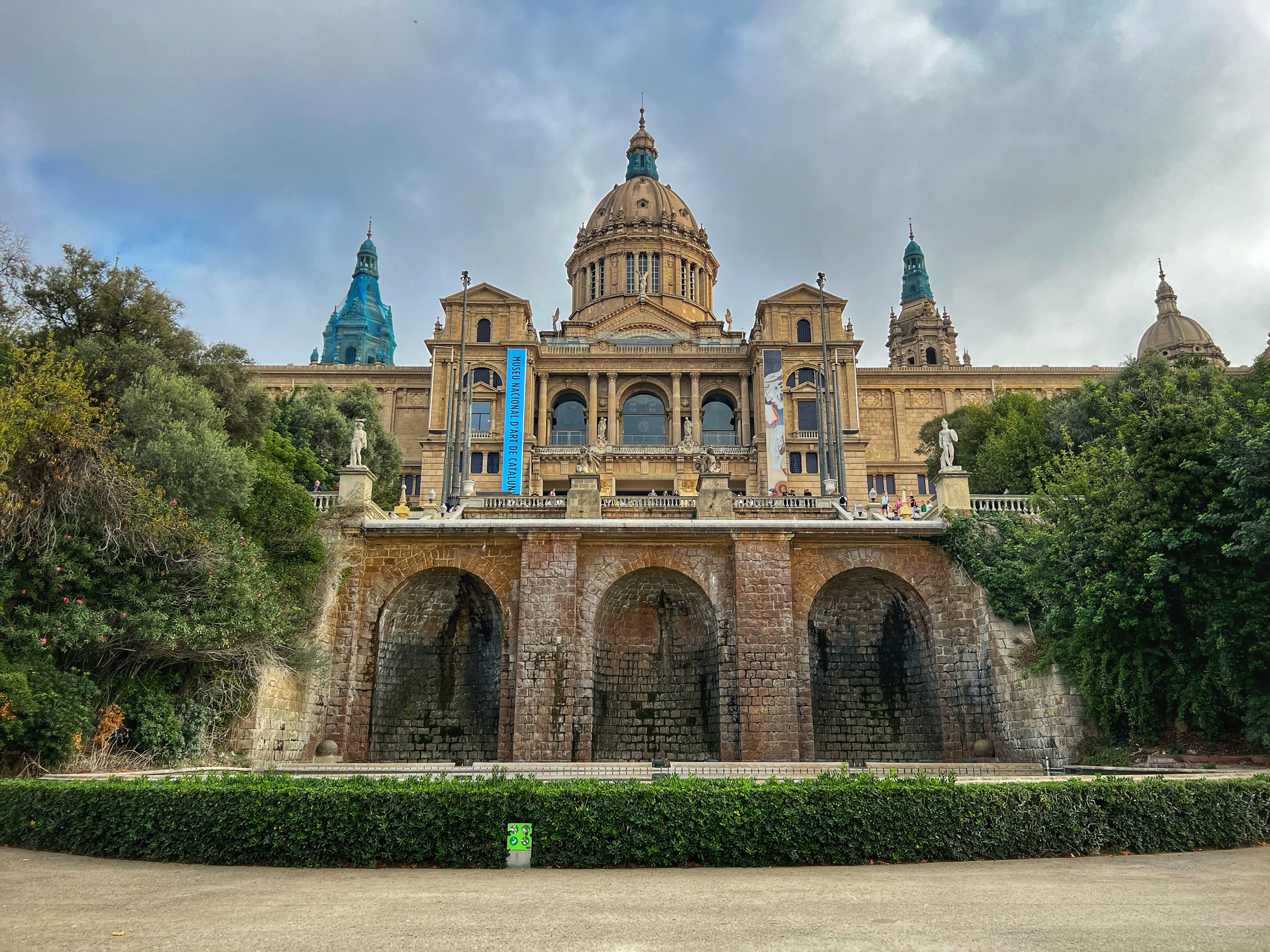
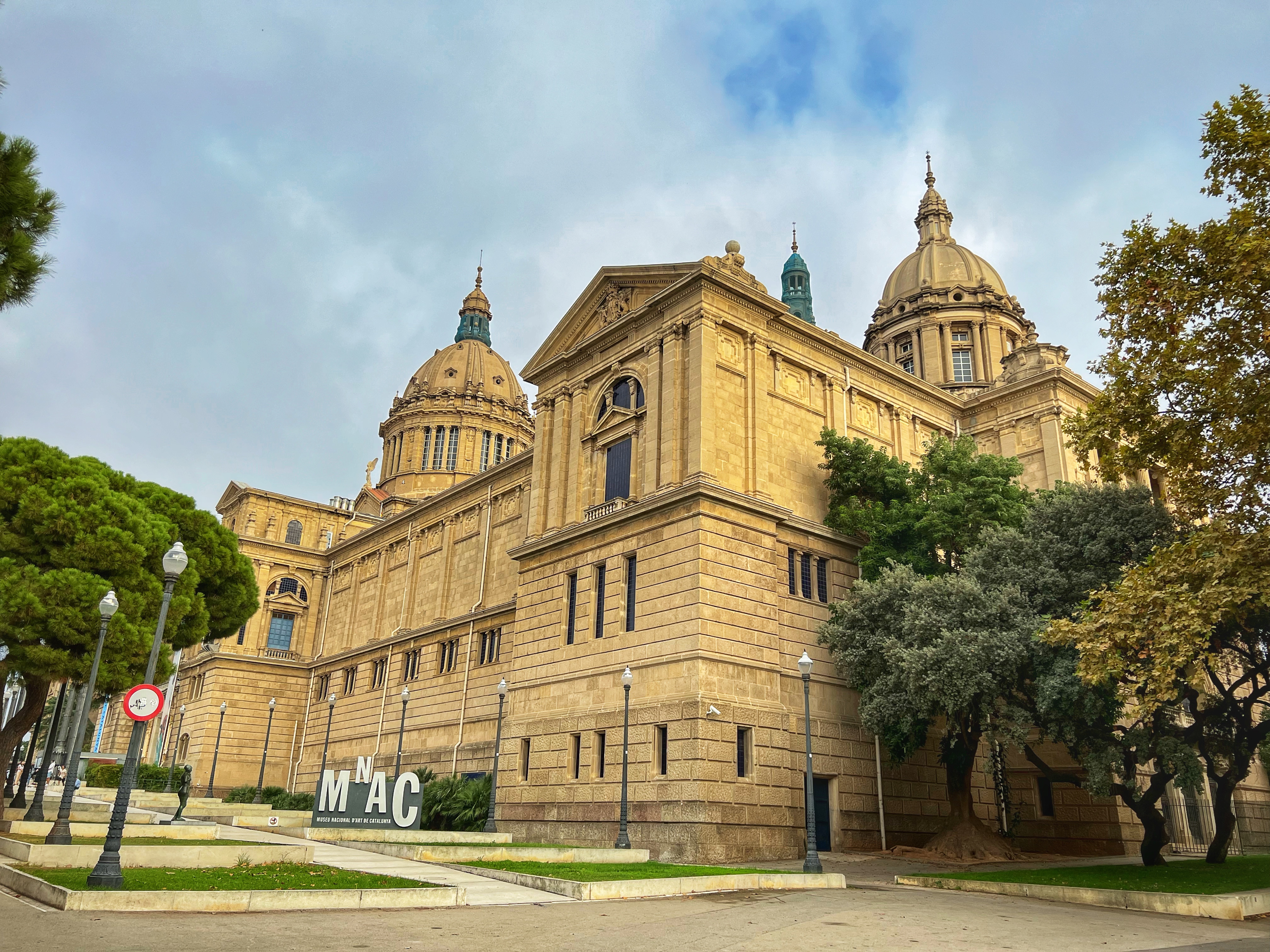
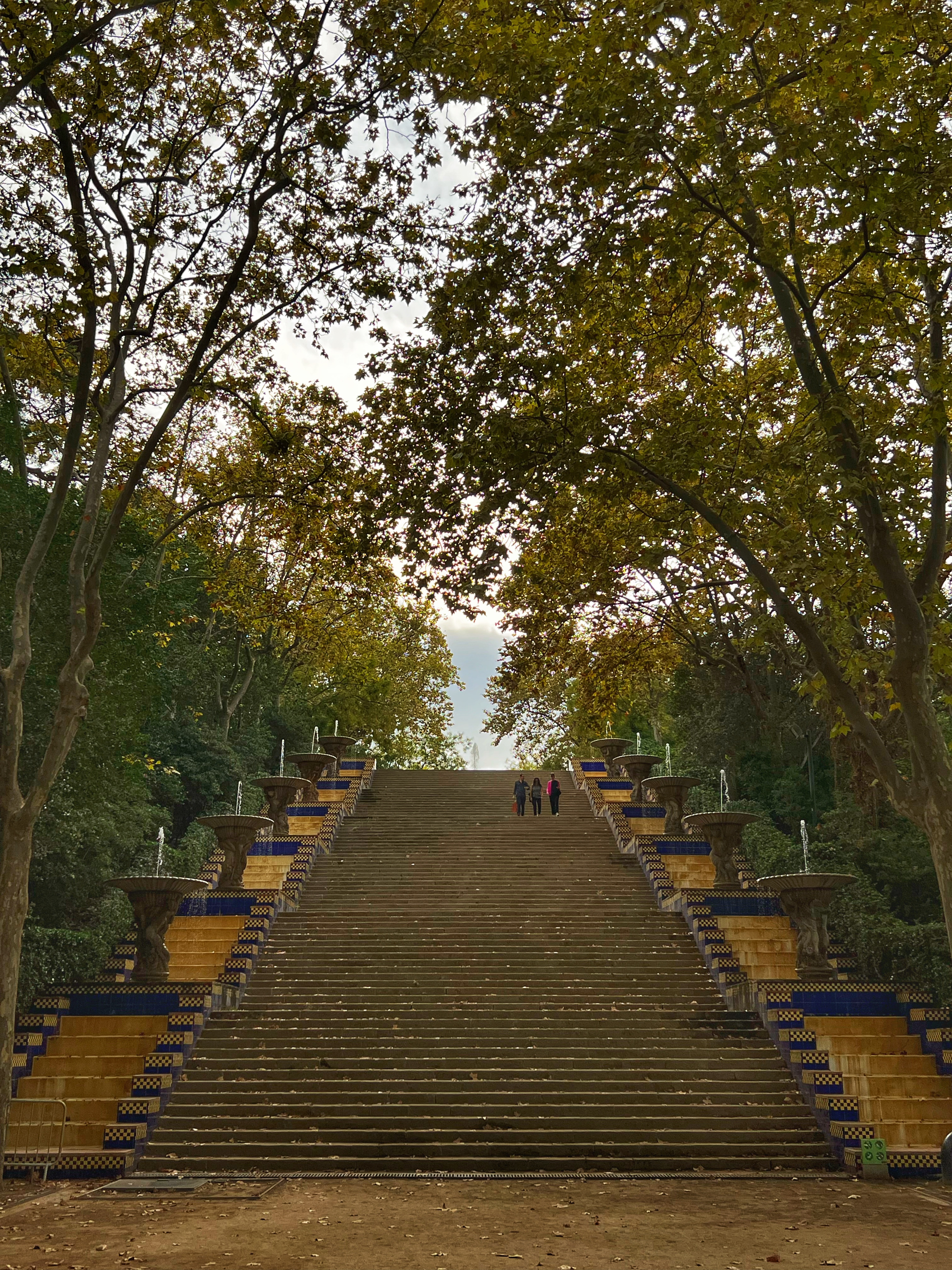
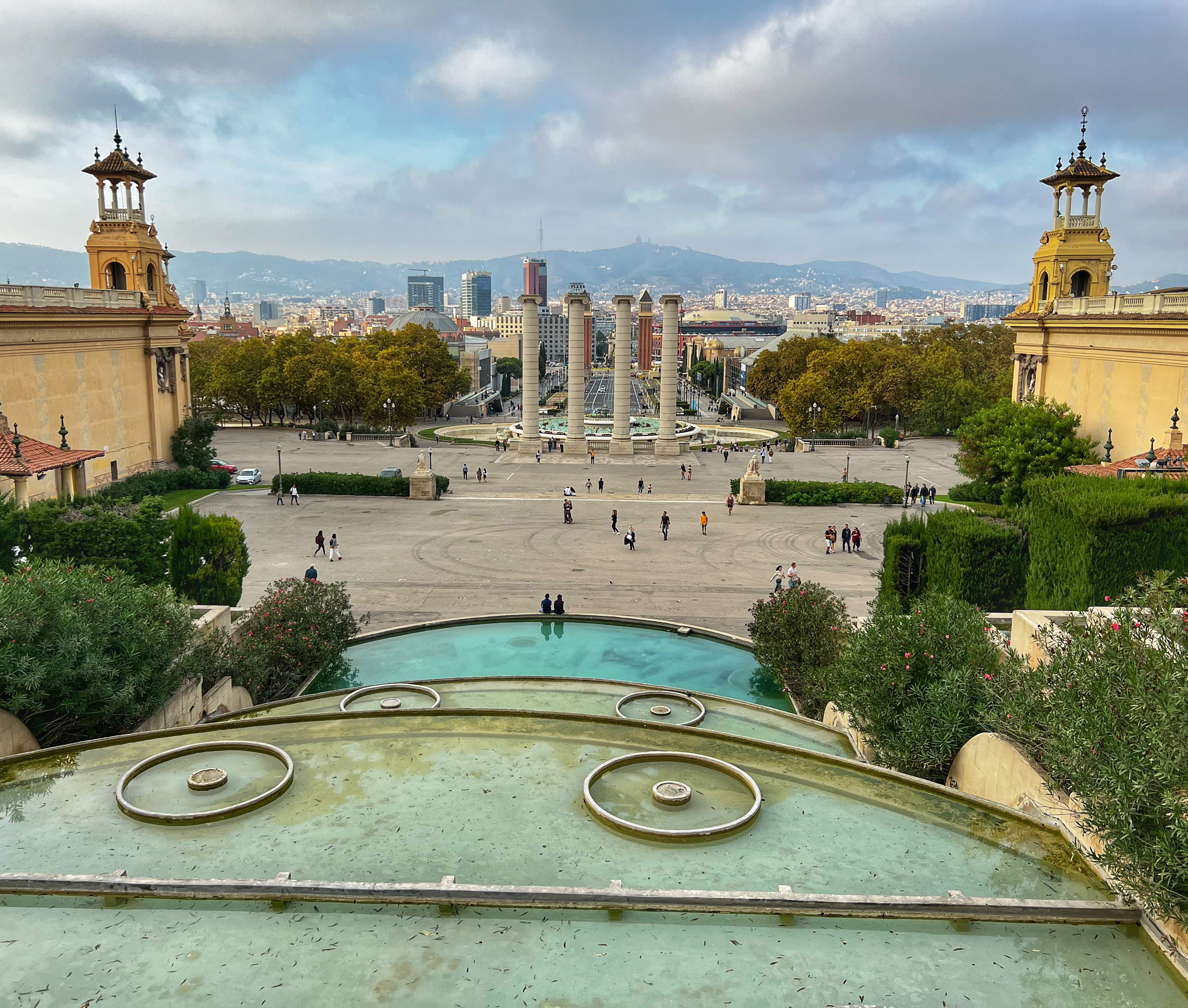
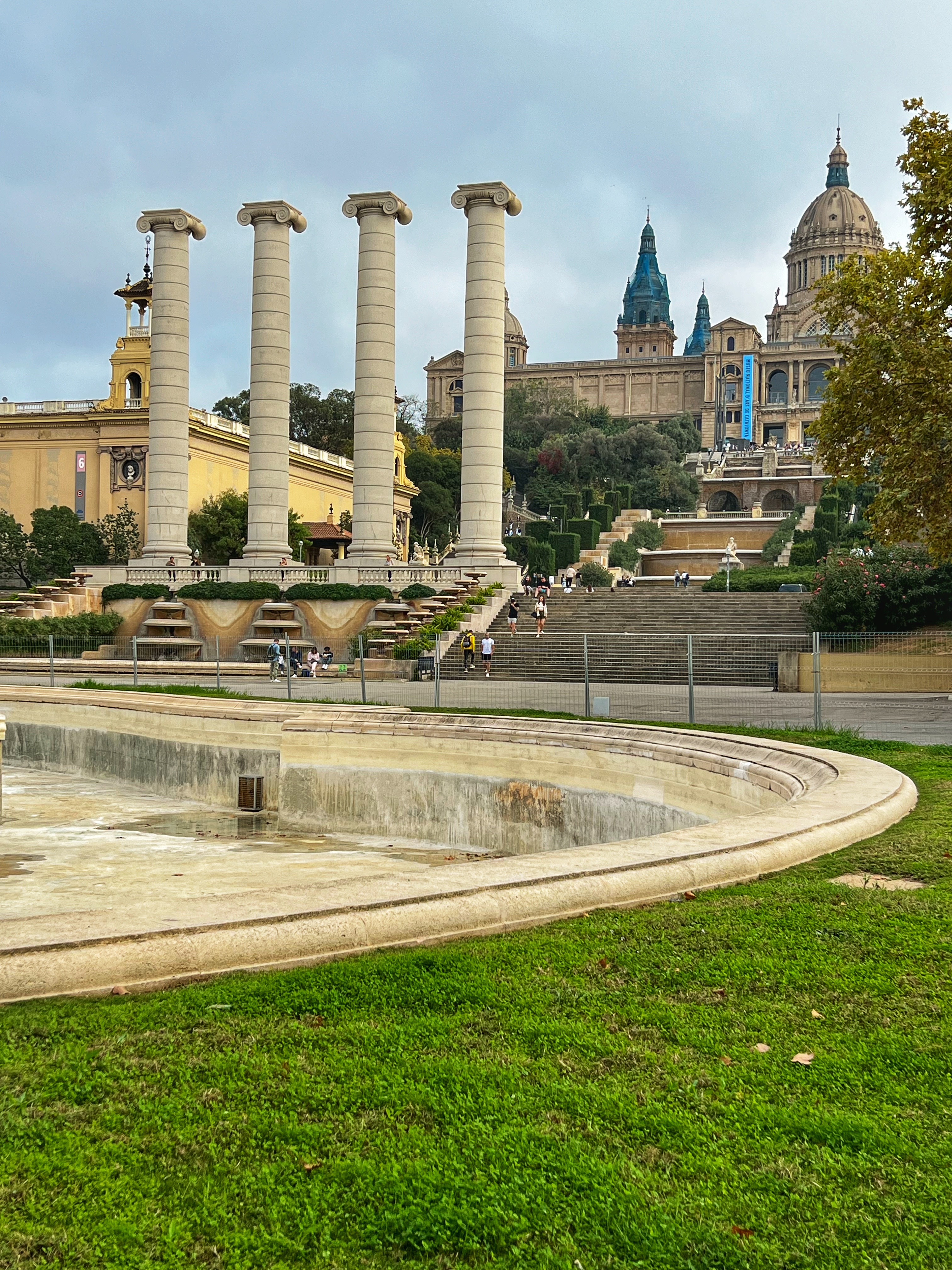

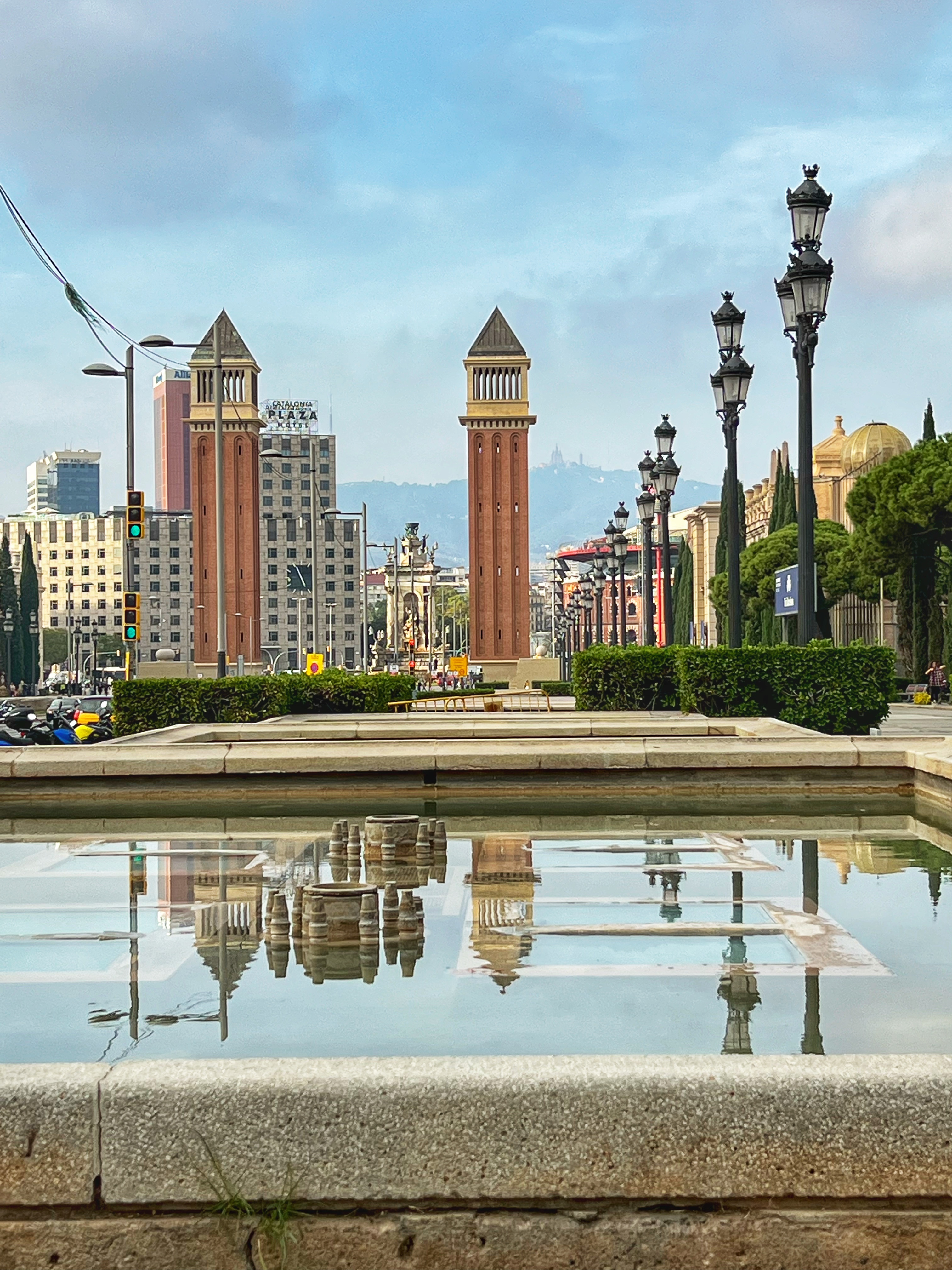
TO VISIT: Wander the grounds for free, or visit on Saturday after 3PM or the first Sunday of the month after 3PM to enter the museum for free. Even if the tickets are free, you still must click here to reserve a time slot. Adults are €12 and children under 16 are free.
8
LAS RAMBLAS
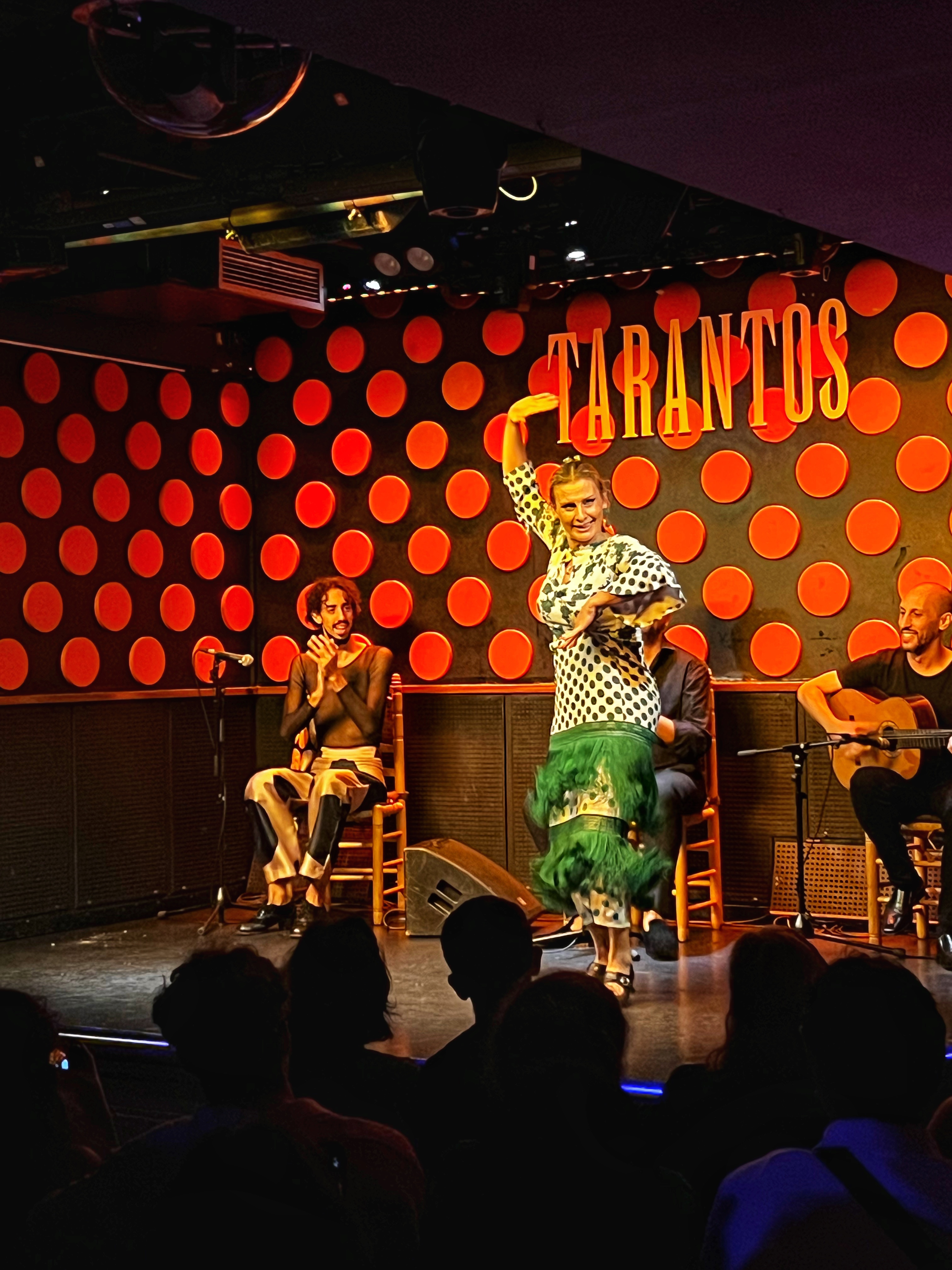
LAS RAMBLAS: This is the most famous street in Barcelona! It is hopping with eateries, shops, and kiosks, as well as several notable landmarks. Walk all the way from Plaça de Catalunya down to the Columbus Monument, taking a peek at Plaça Reial, Palau Güell, and maybe take in a Flamenco Show (at Los Tarantos) in the evening. Grab ice cream at Rocambolesc. This is also where you can find La Boqueria (detailed above), and several notable fountains – some of which you can still fill up your water bottle at! You probably will find yourself wandering down Las Ramblas several times on your visit to Barcelona, but it will always be bustling with street vendors and colorful people! If there is one place to take extra care of your belongings, it is here – unfortunately, Las Ramblas is notable for pickpockets. At the north end of Las Ramblas across the Plaça de Catalunya is El Corte Ingles, Europe’s largest and Spain’s only department store chain.
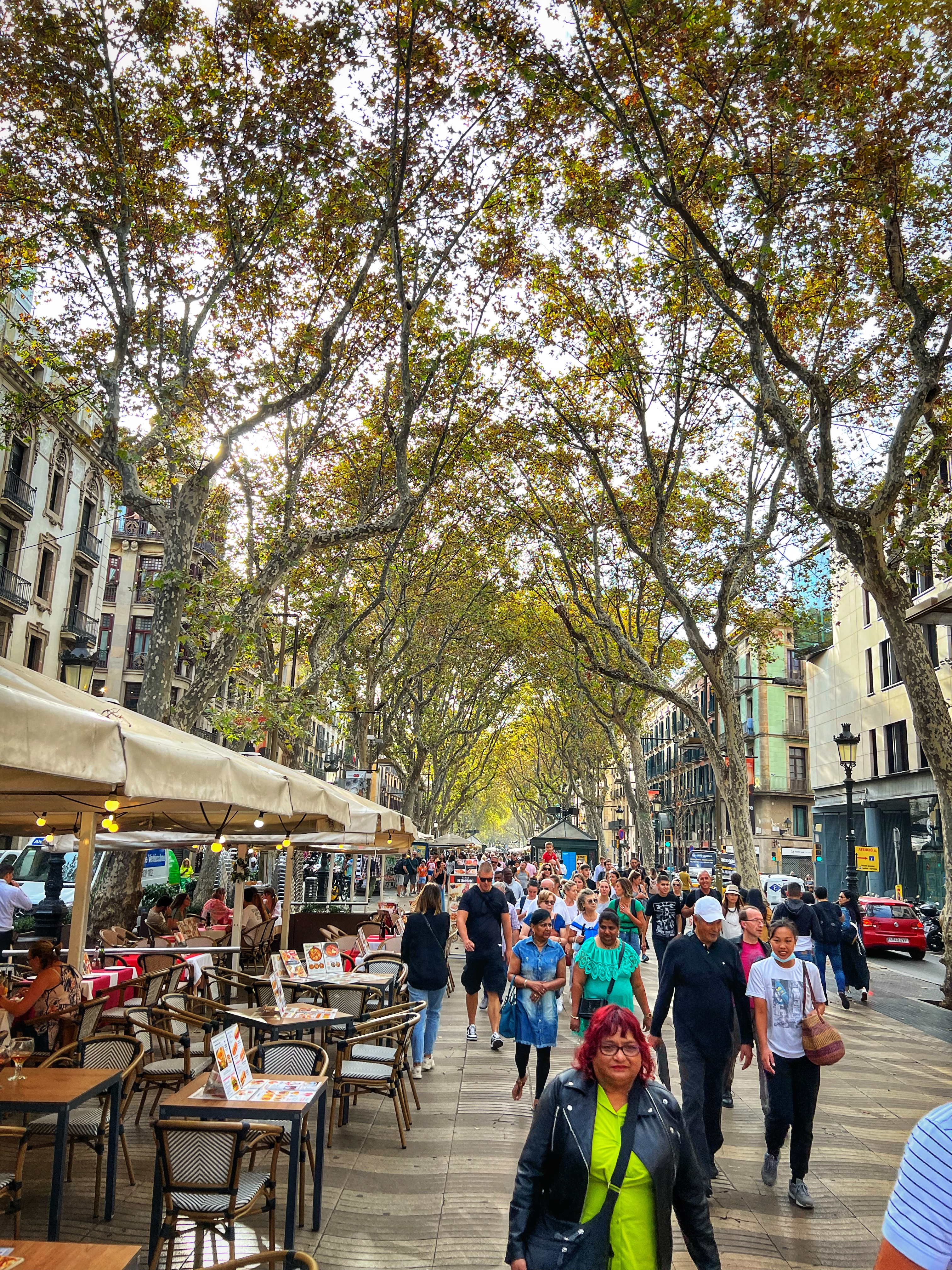
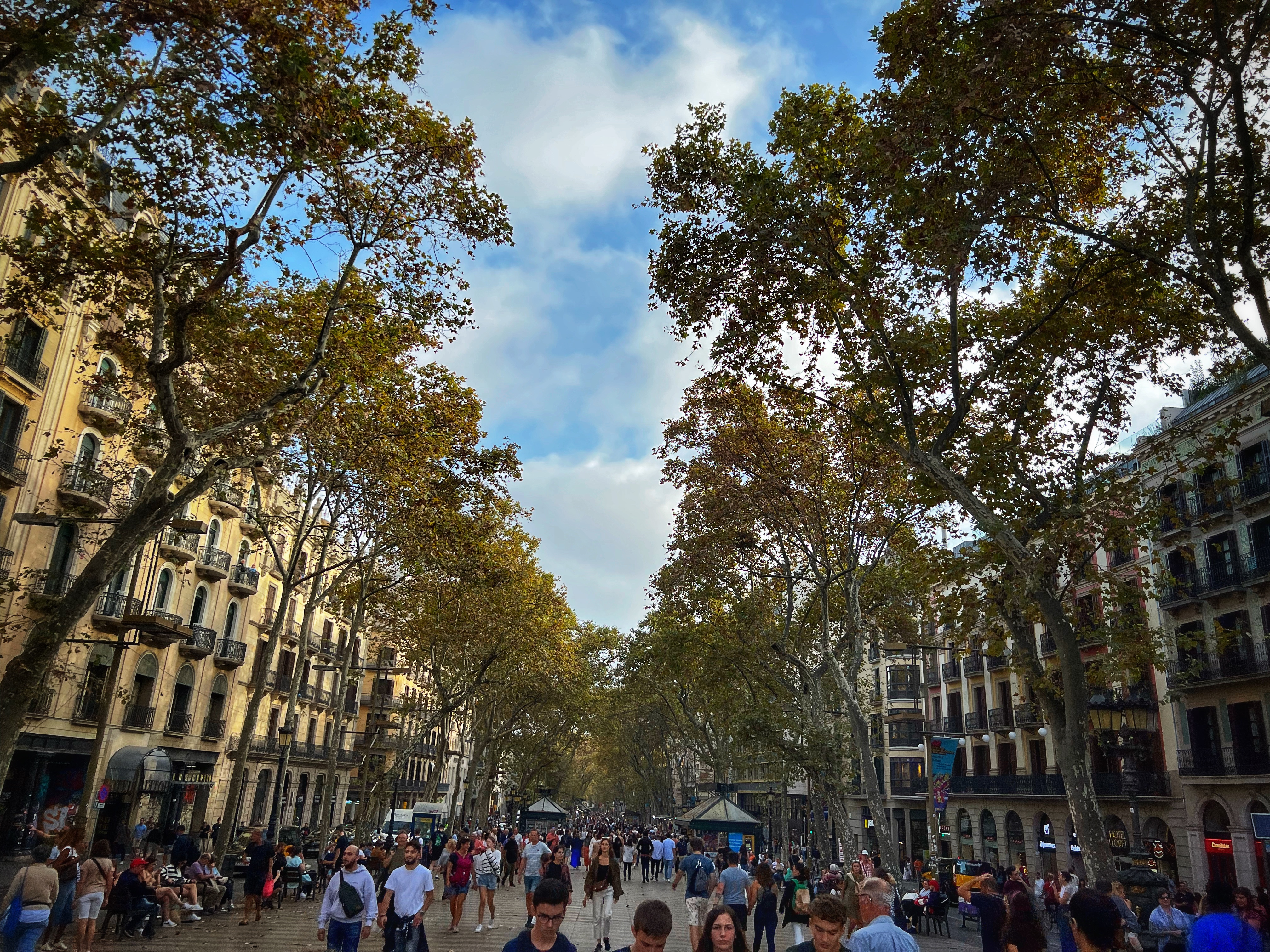
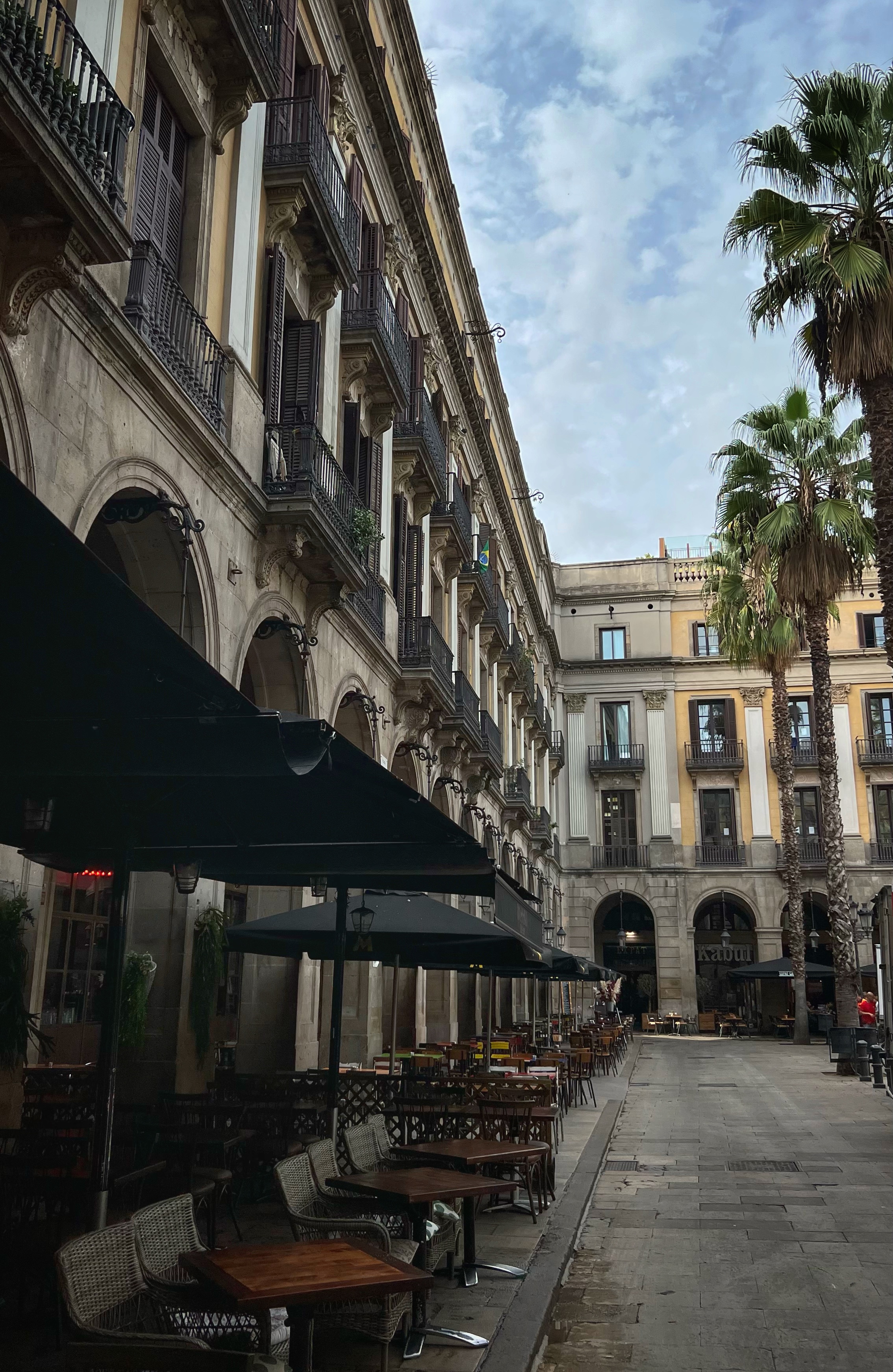

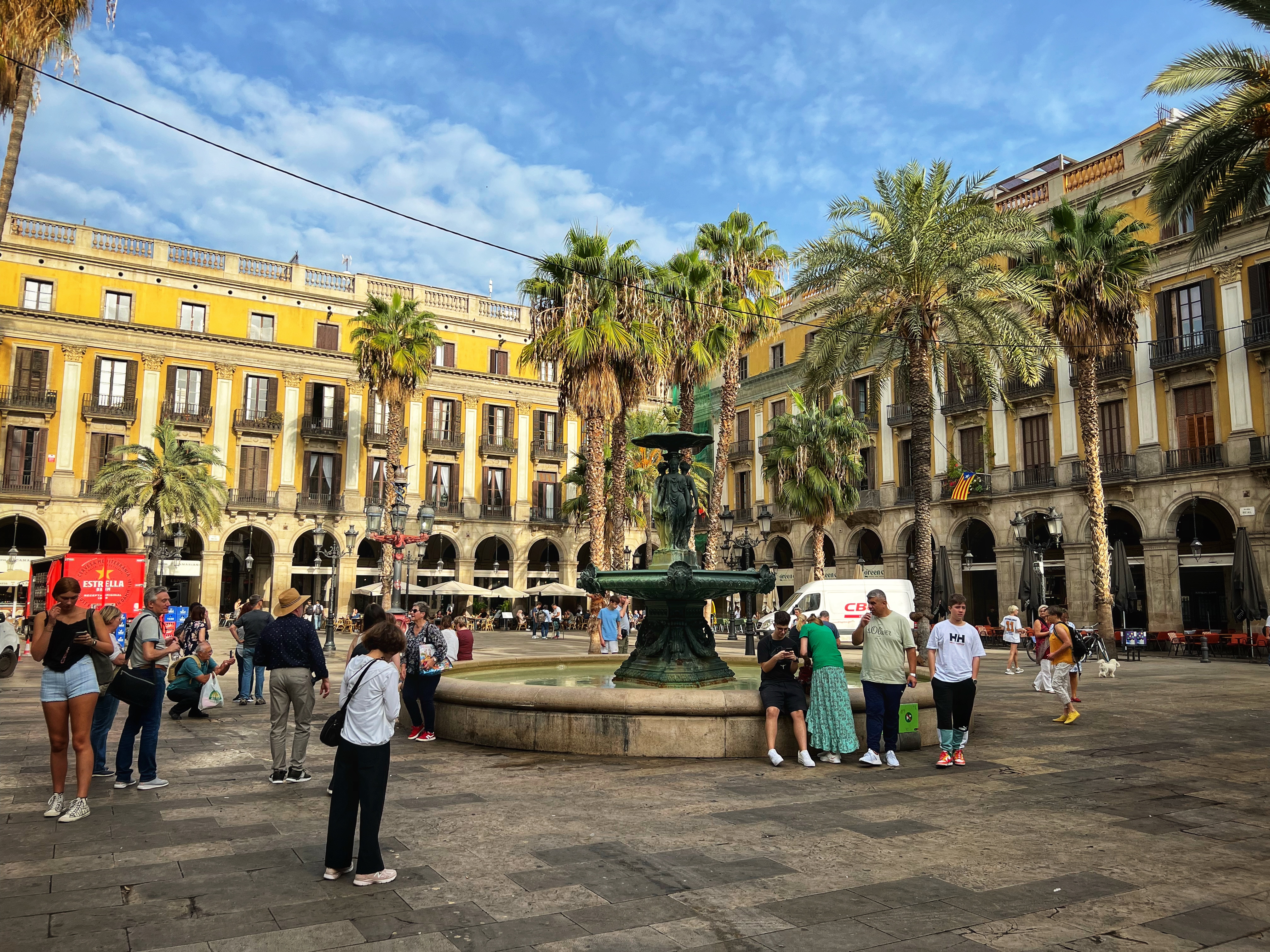


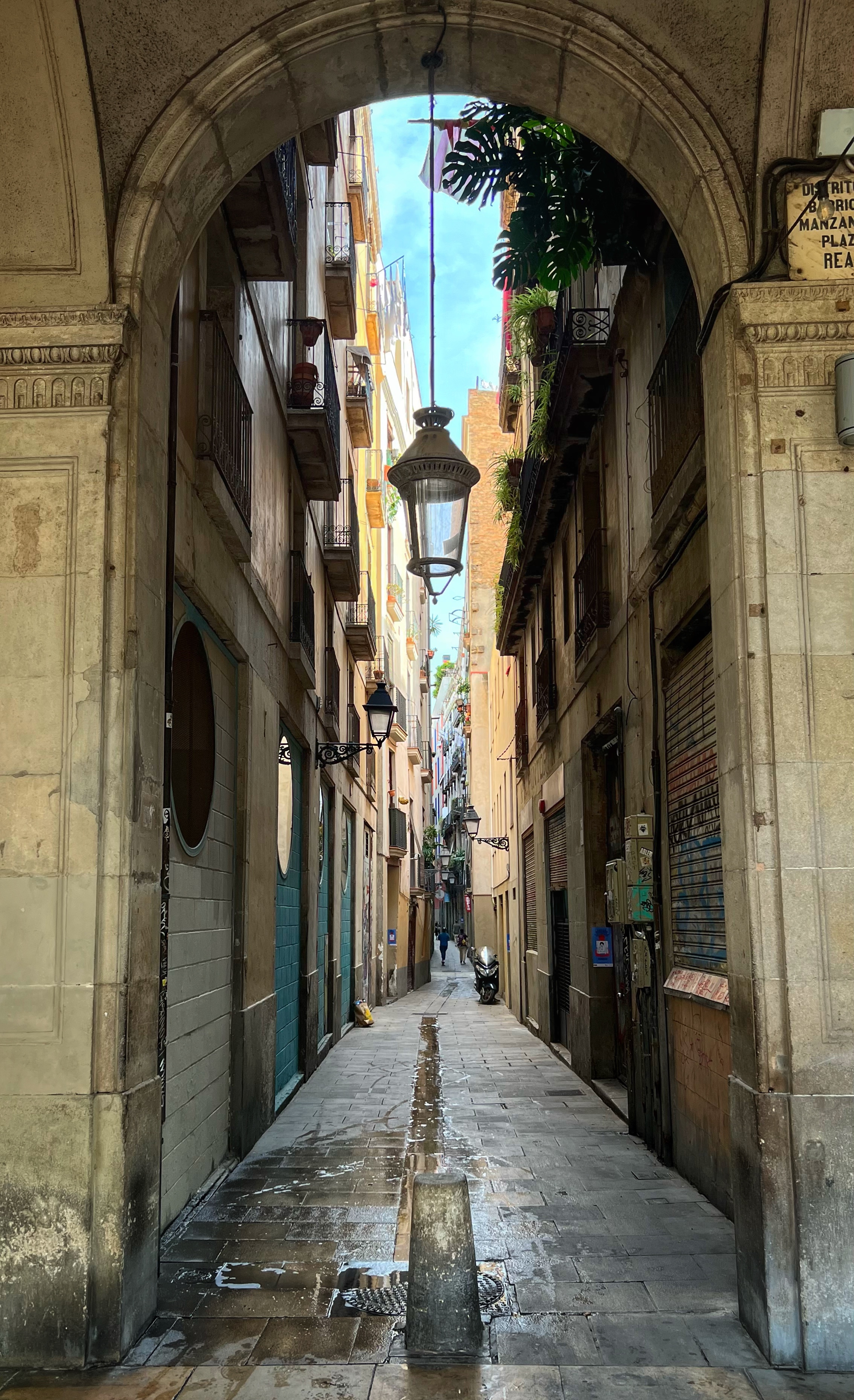
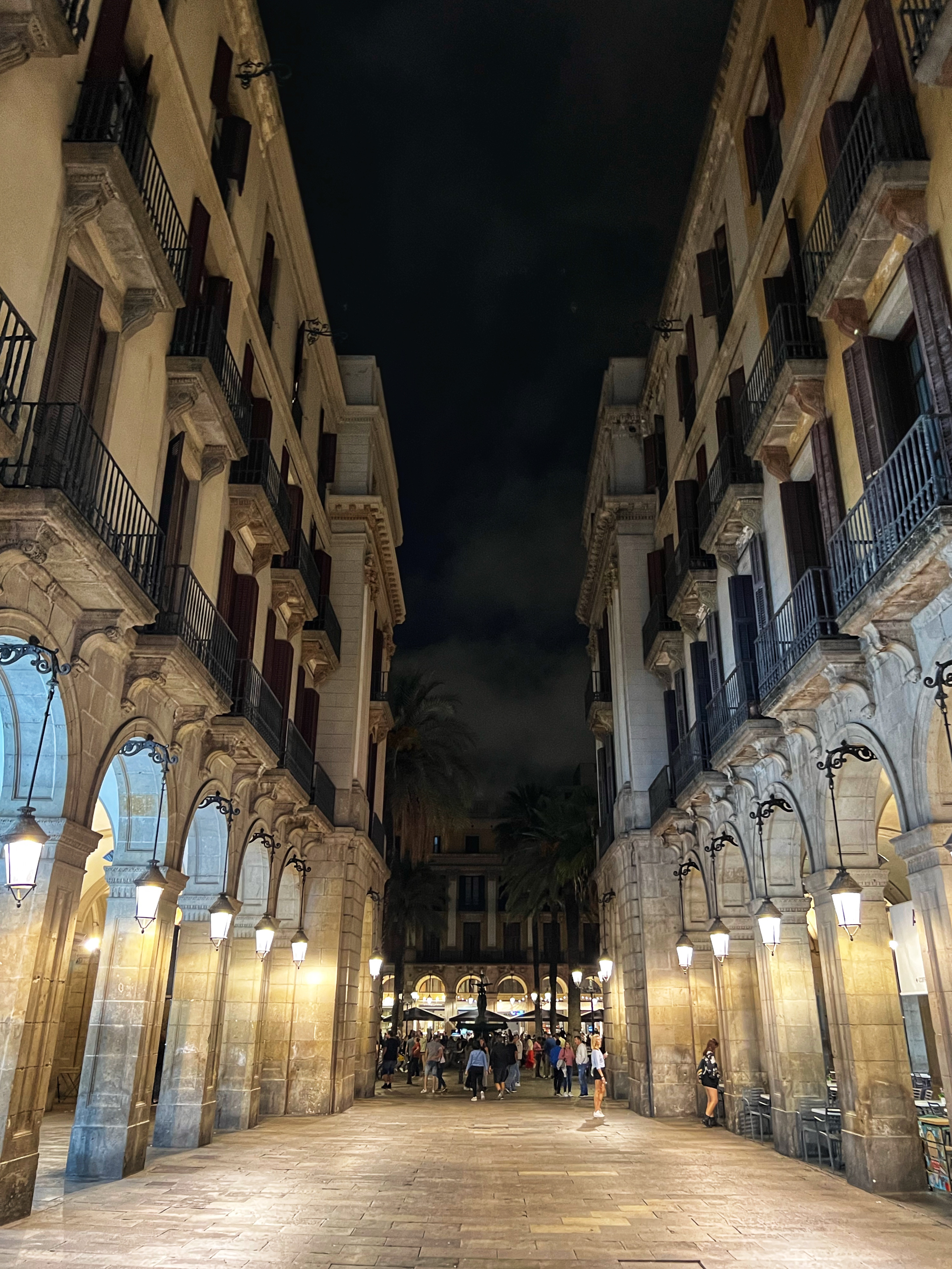

OTHER NOTABLE STREETS: Passeig de Gracia, Waterfront promenade, Portal de l’Àngel, Carrer dels Tallers, Passeig del Born, Carrer de Montcada, Enric Granados.
9
MUSEUMS
MUSEUMS: This is a tough category because it depends on your taste – are you an art fan or a history buff? Do you like architecture or science? There are several notable museums in Barcelona, but you likely won’t have time to visit them all. Here are the top museums I recommend.
- Poble Espanyol
- MUHBA History Museum
- Picasso Museum
- Museu de la Ciència CosmoCaixa (Science Museum)
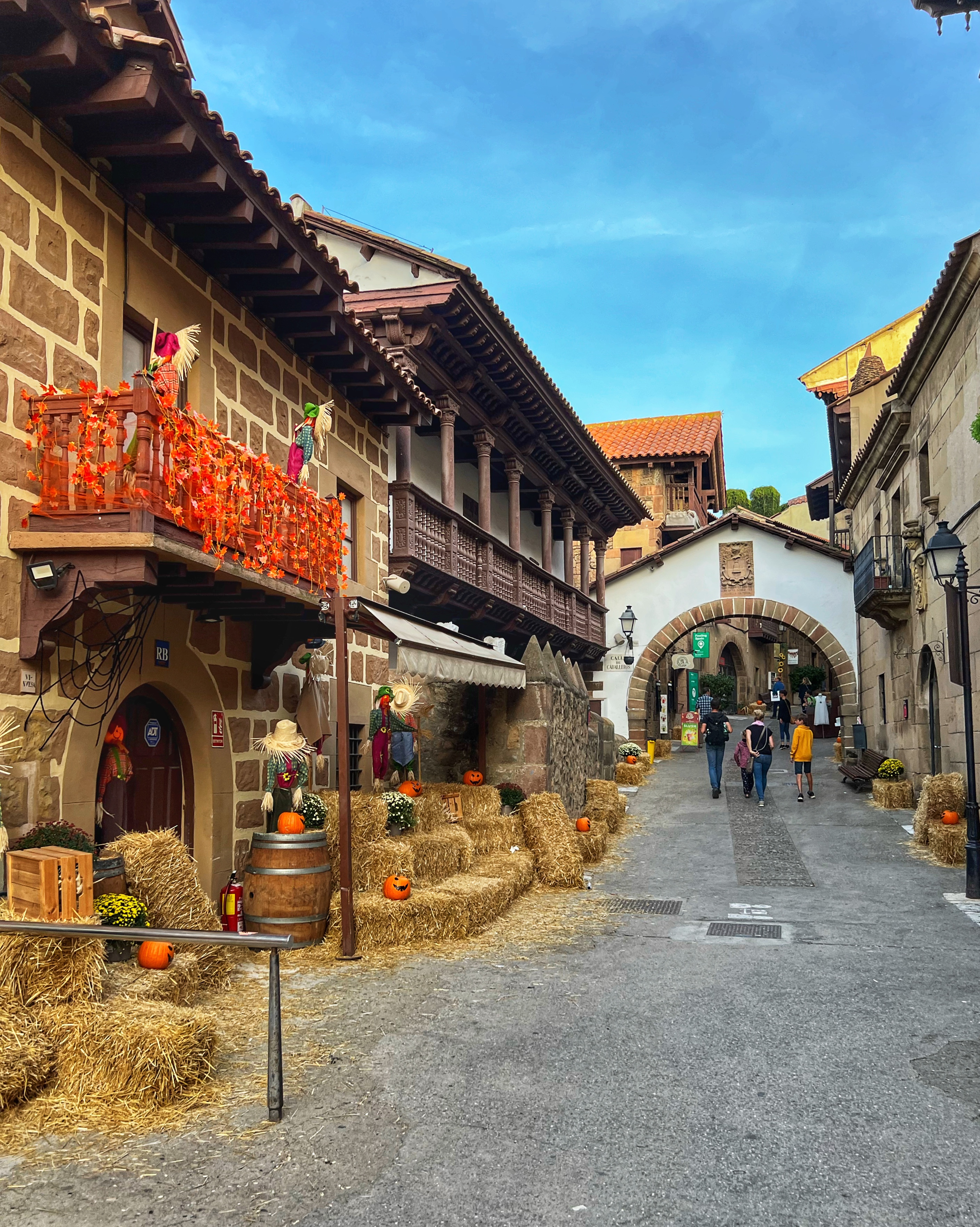
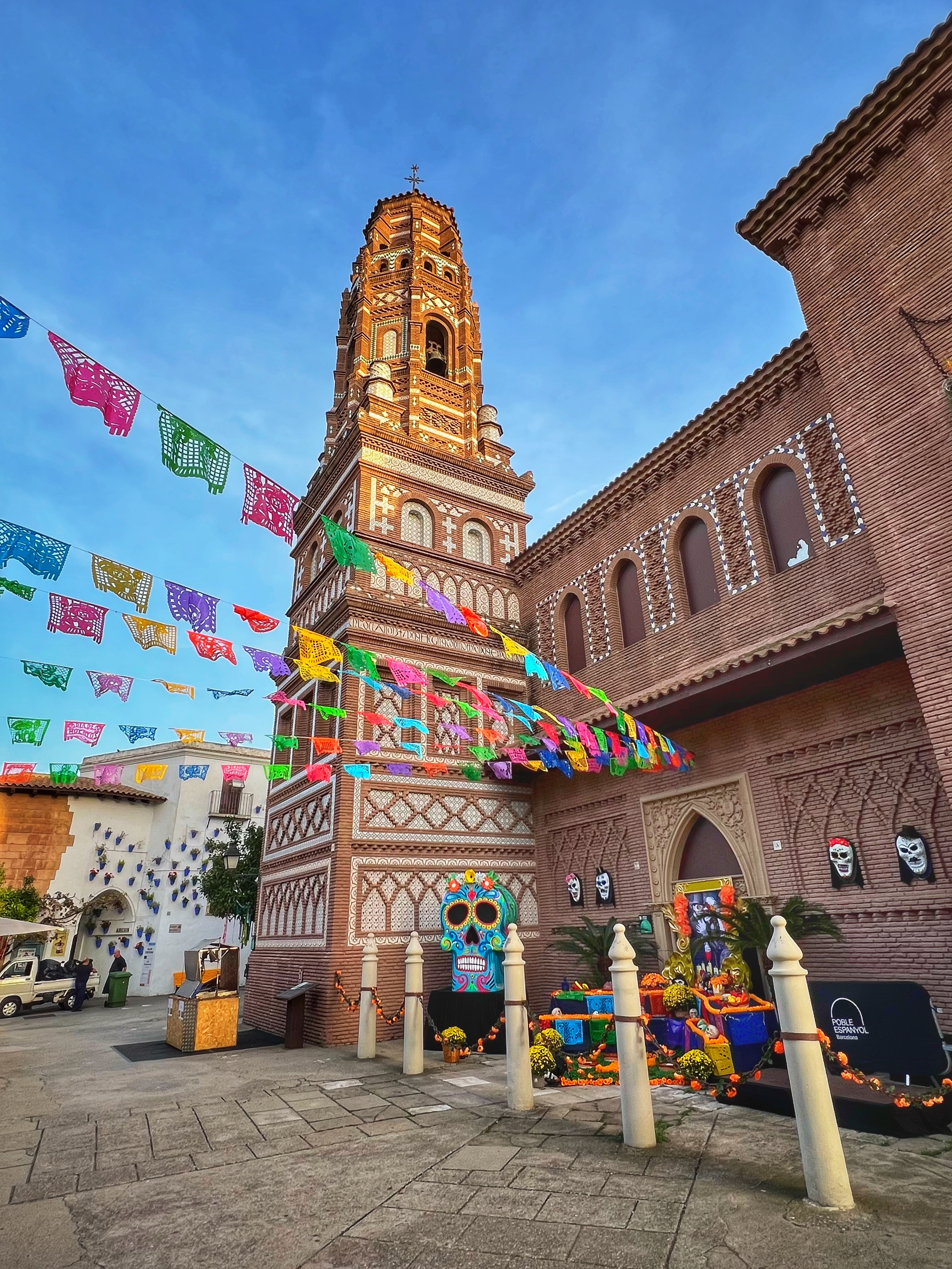
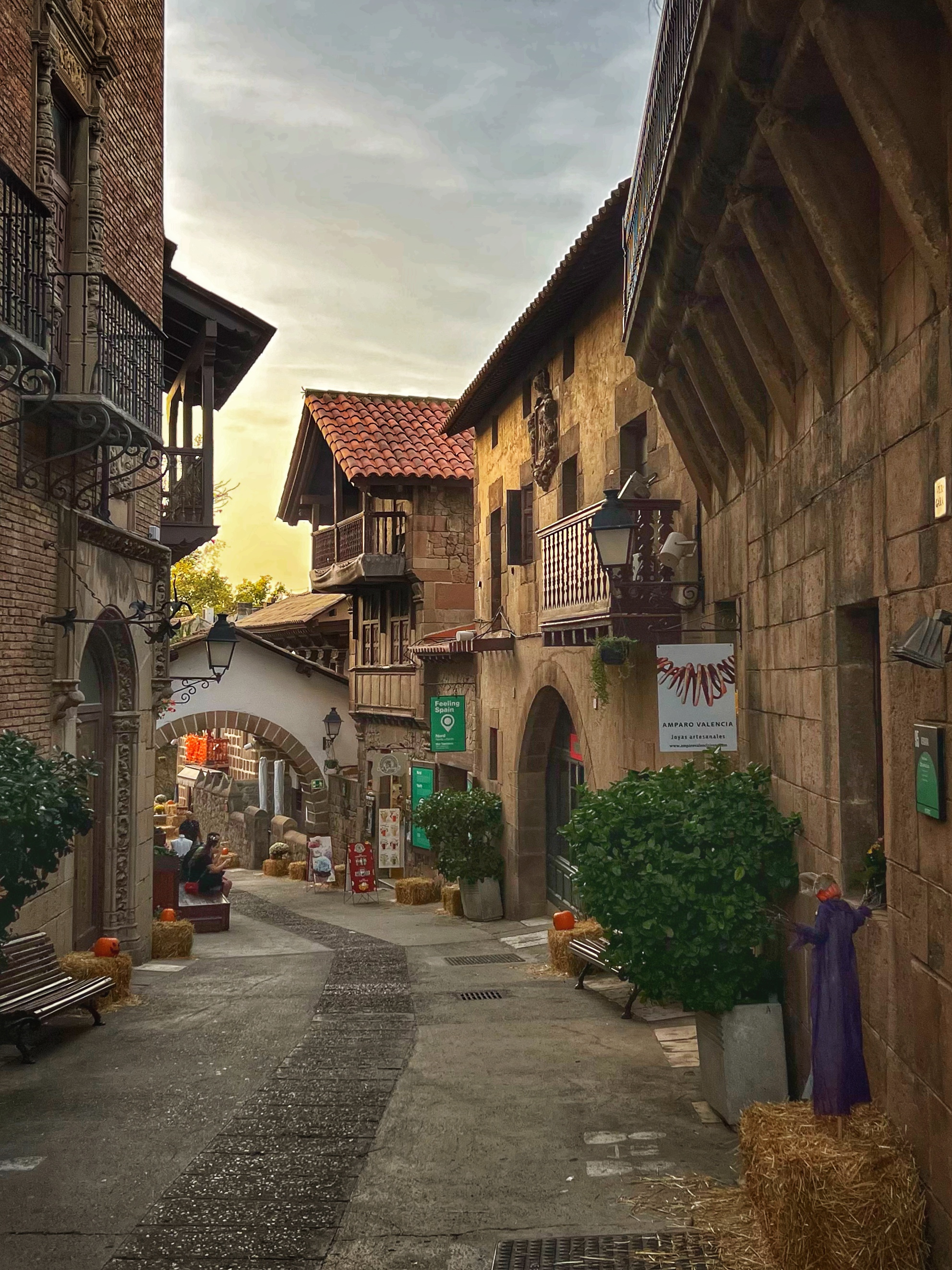
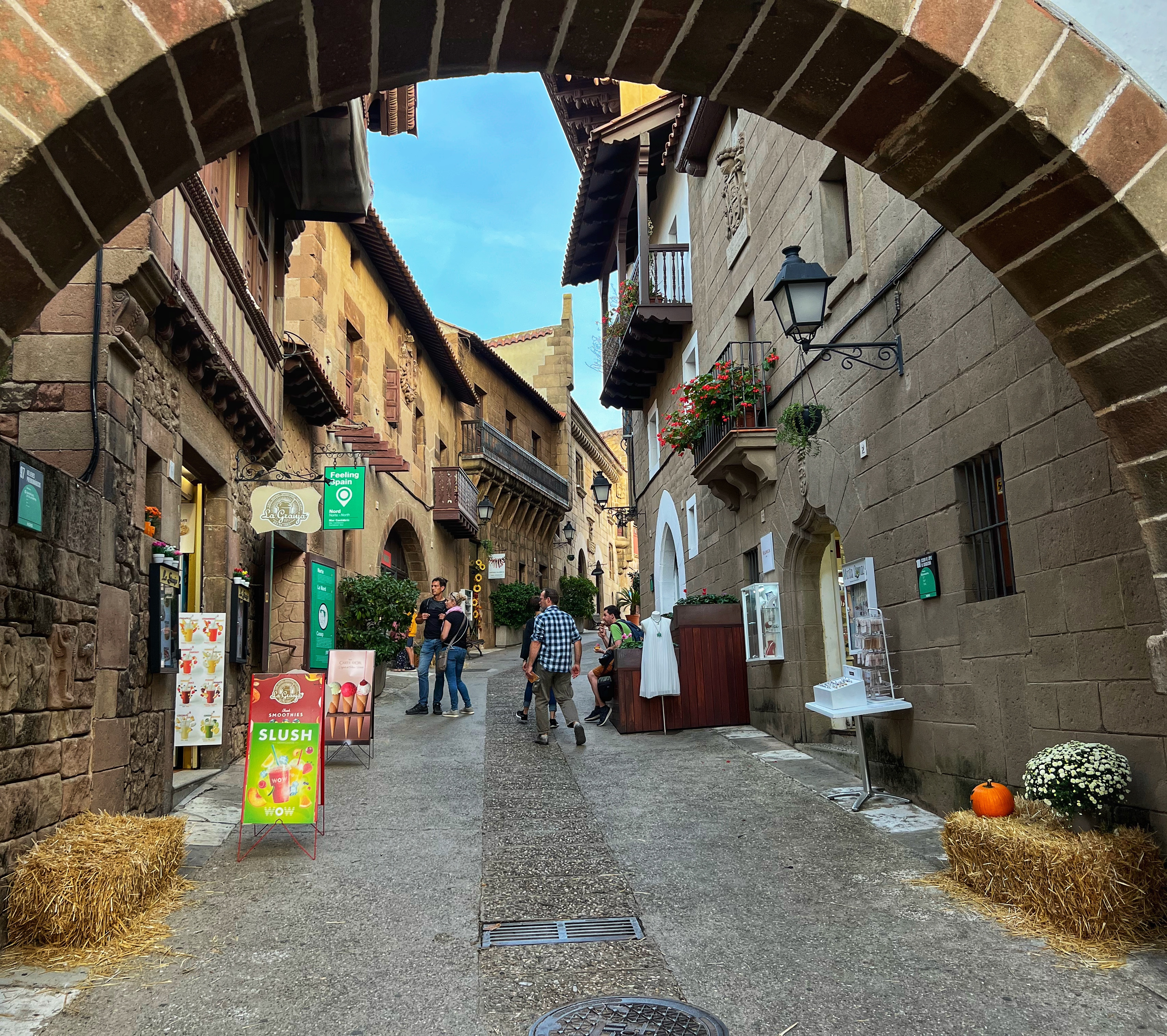
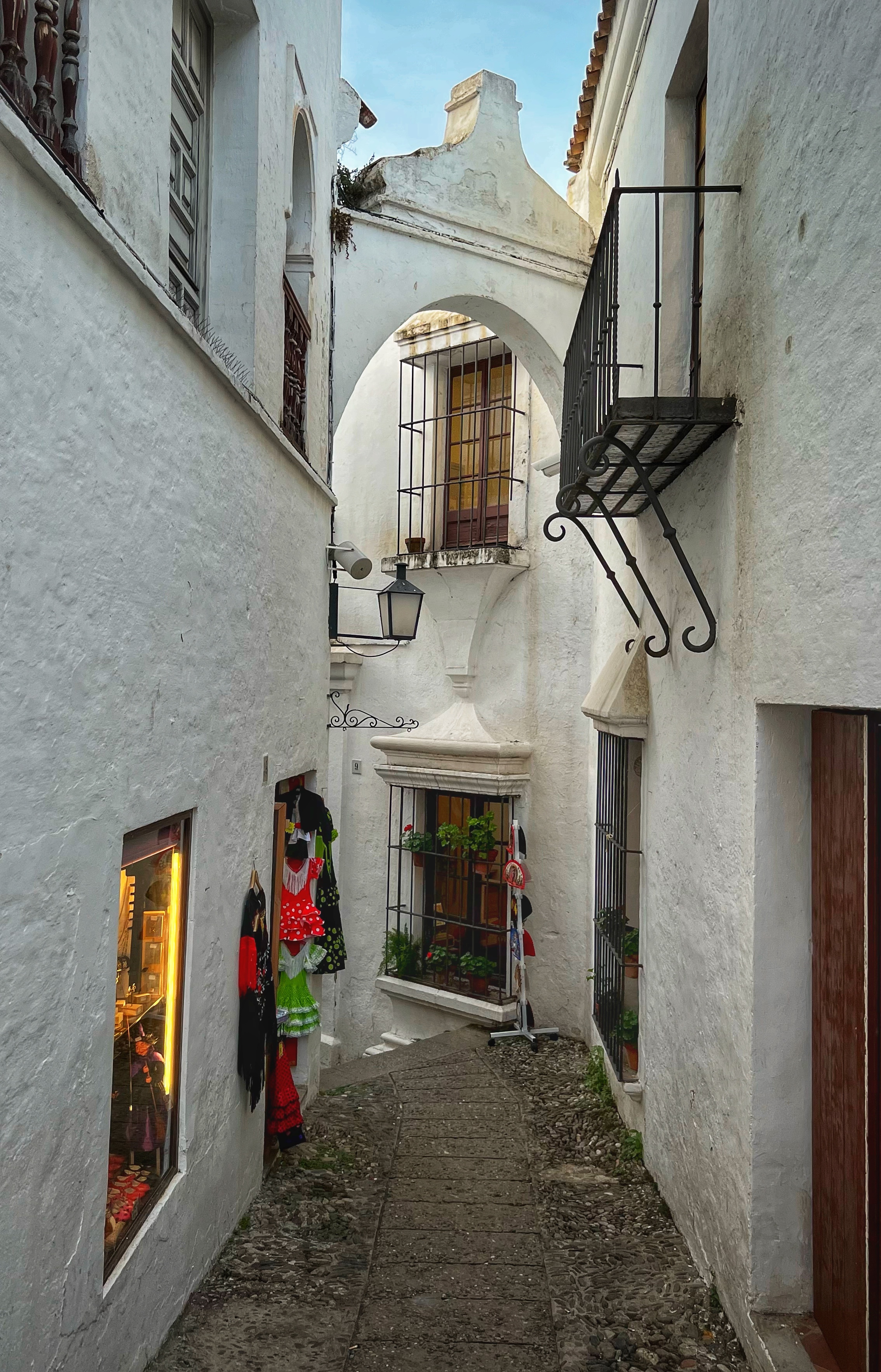
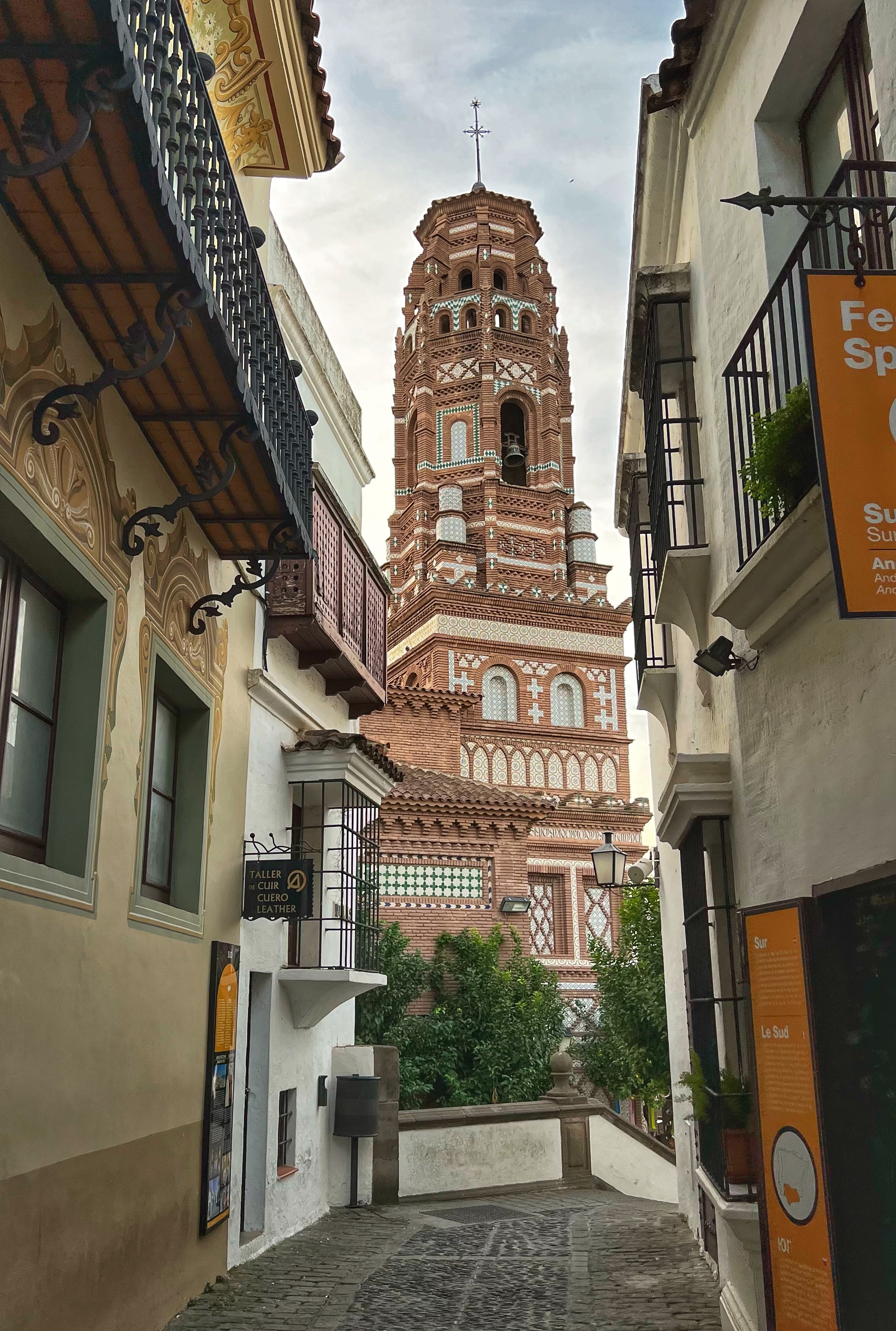
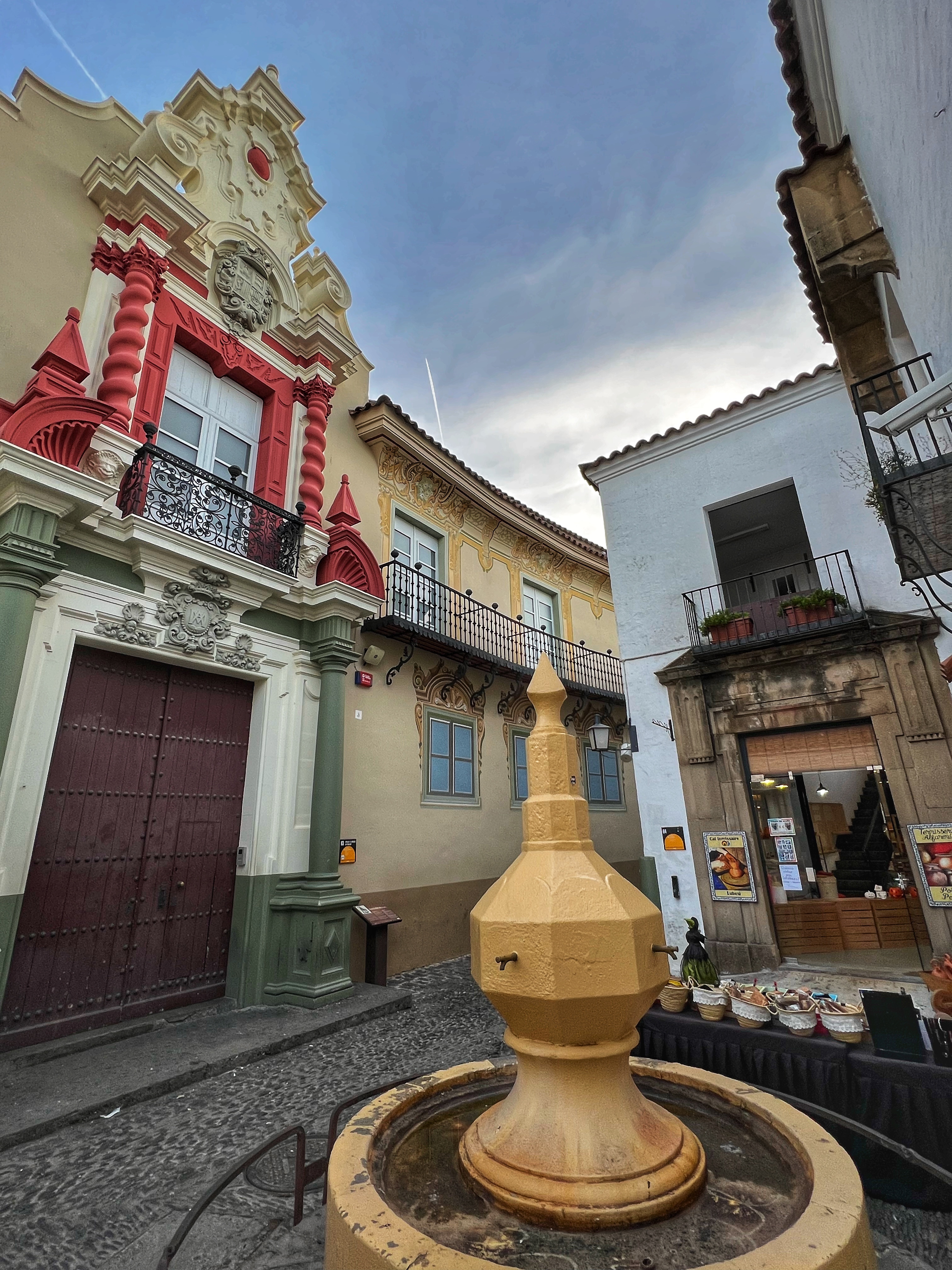
POBLE ESPANYOL: Technically this is an outdoor, living, architectural museum of sorts. It is an exhibit of architecture from all the regions of Spain so you can basically “walk through” all of Spain in one visit. I love how they decorate for the seasons and also have various events here. Again built for the 1929 International Exhibition, it is now used as a living museum. There are lots of little shops including food and art from all over Spain in the various “regions” of the little village. It was not at all busy when we visited in the evening. Opening hours are from 10AM-midnight most days.
TO VISIT: Purchase tickets at the box office or here prior to arriving. Adult: 11,20€ advance online / 14€ (same day online or box office), Children (4-12 years): €9 in advance online / €10 (same day online or box office).

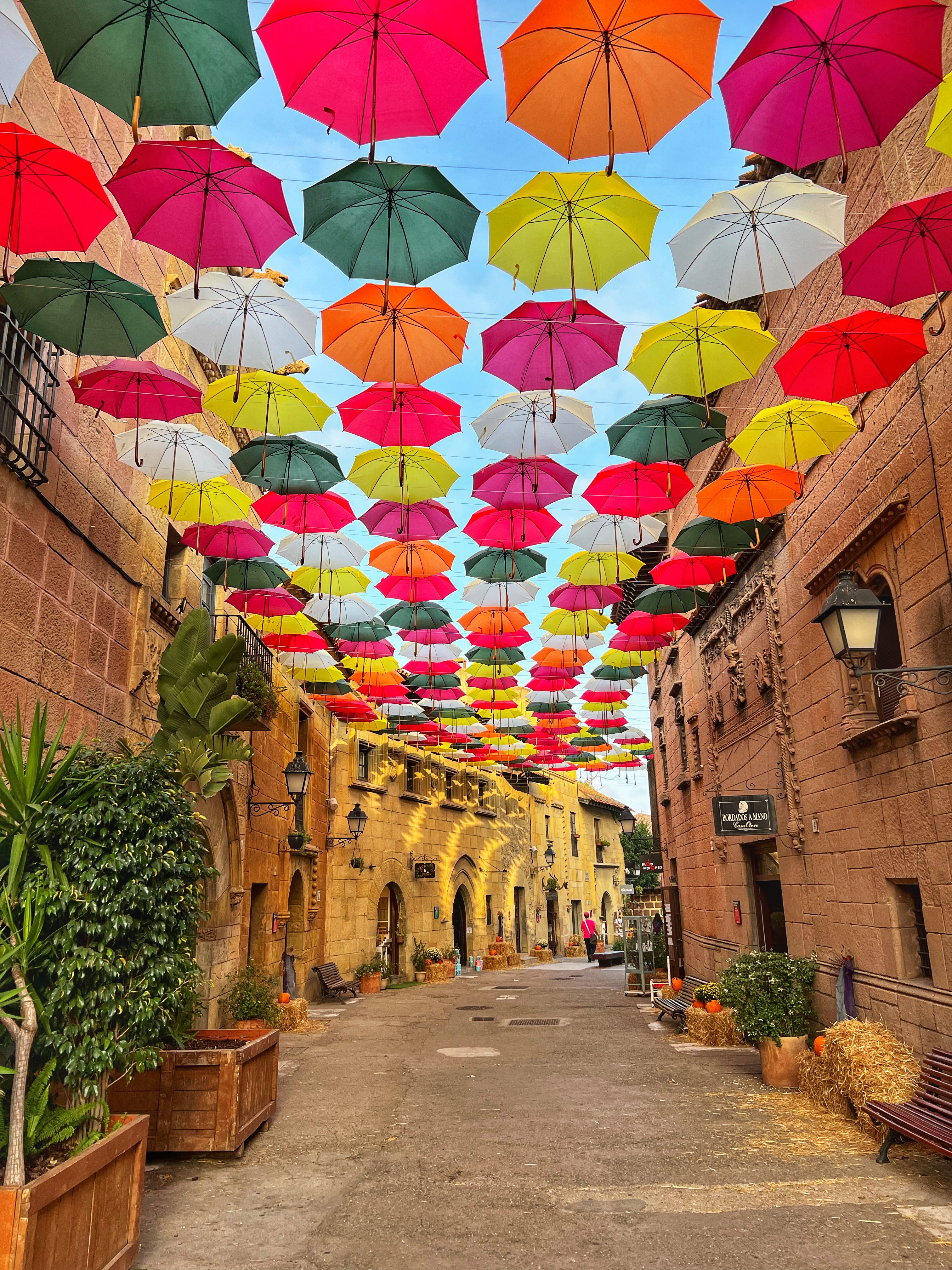


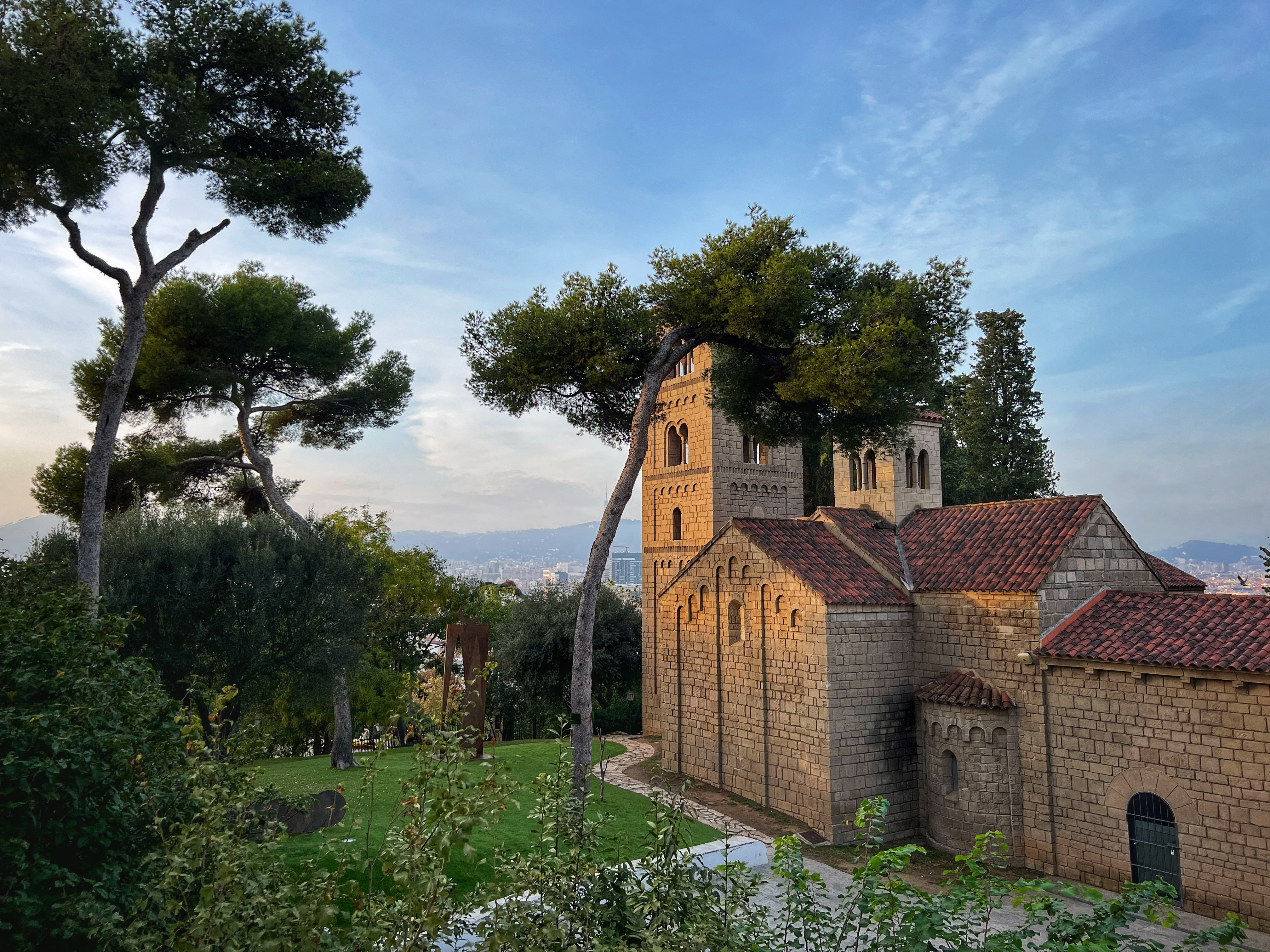

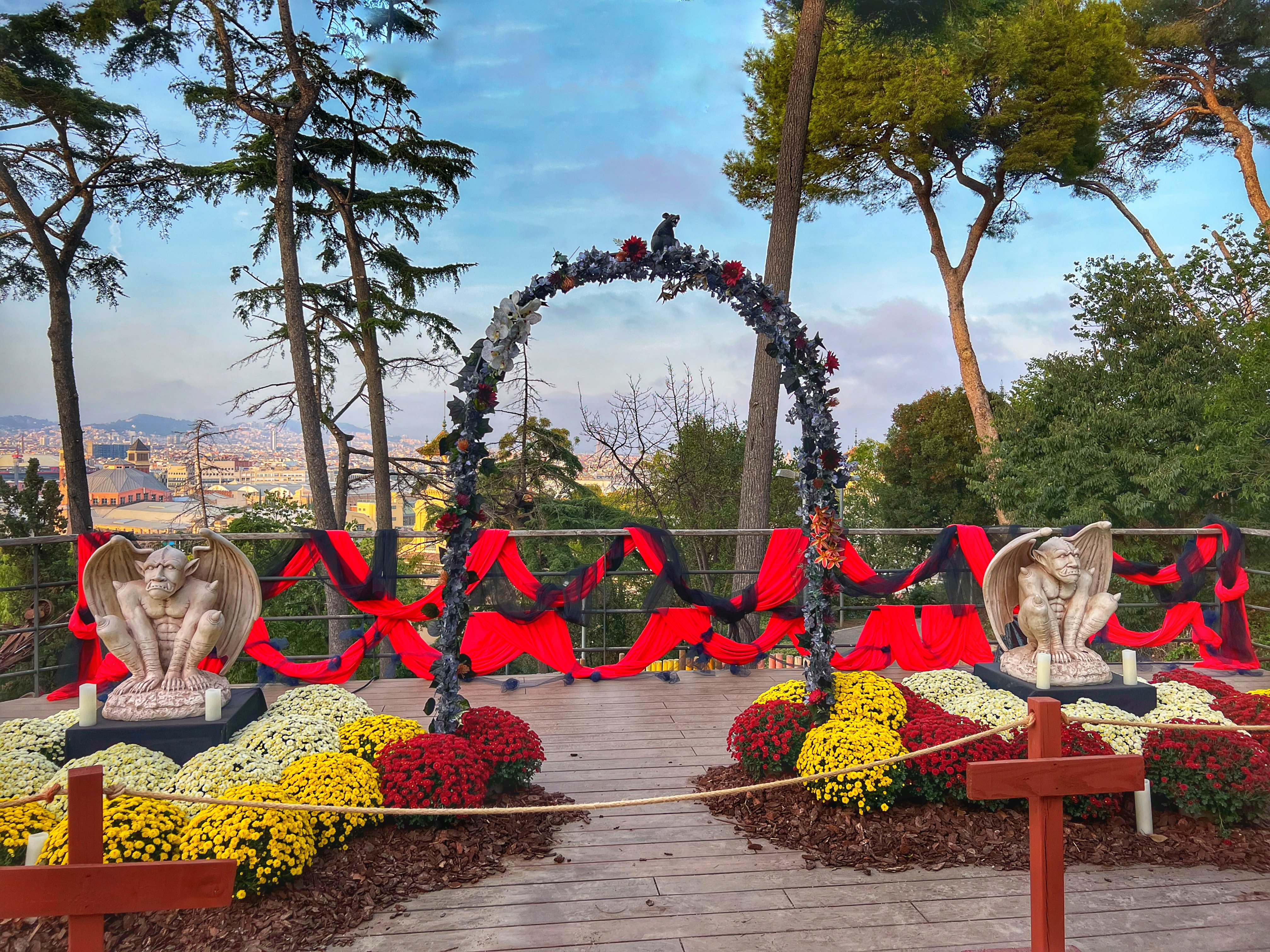
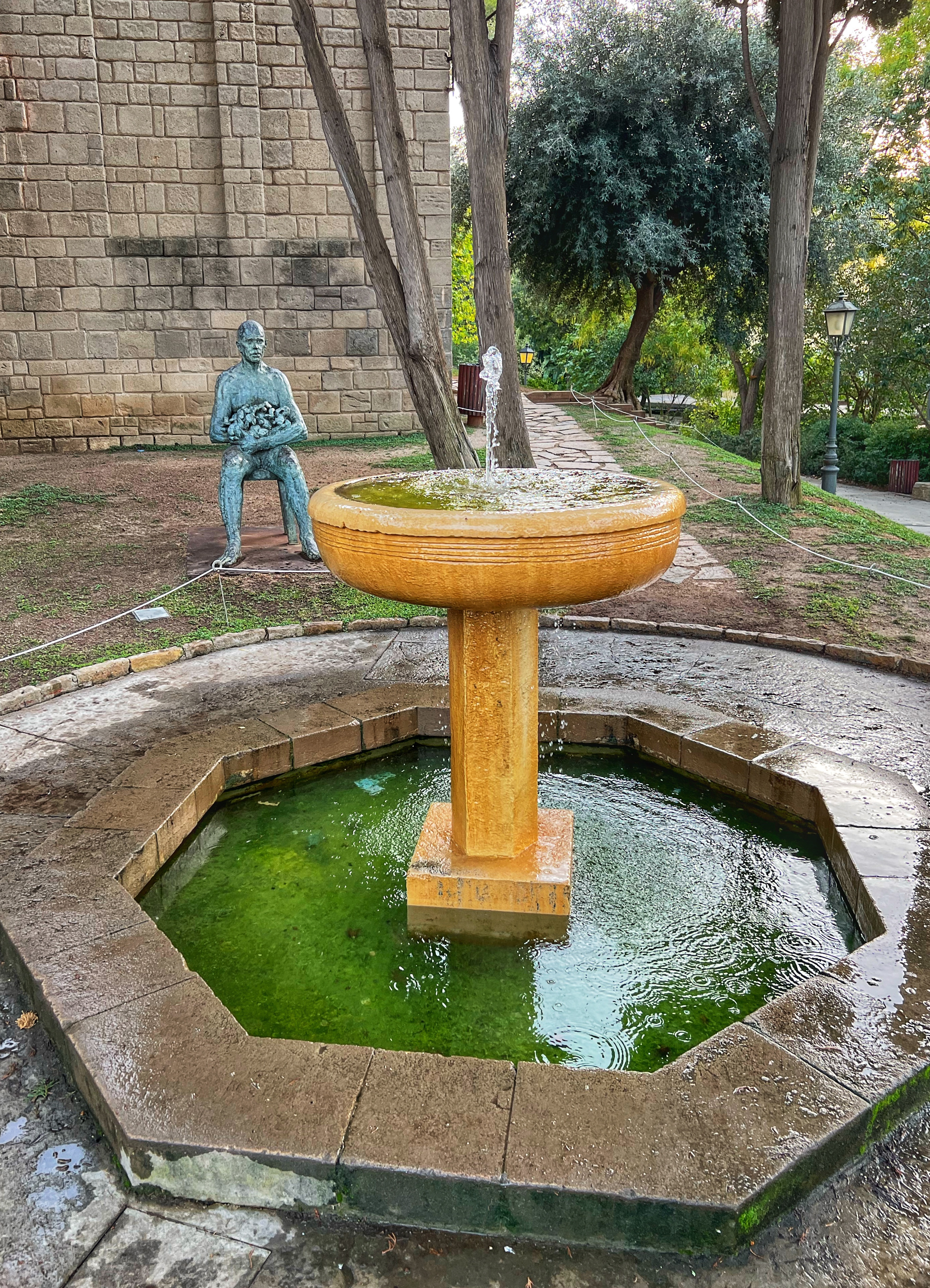
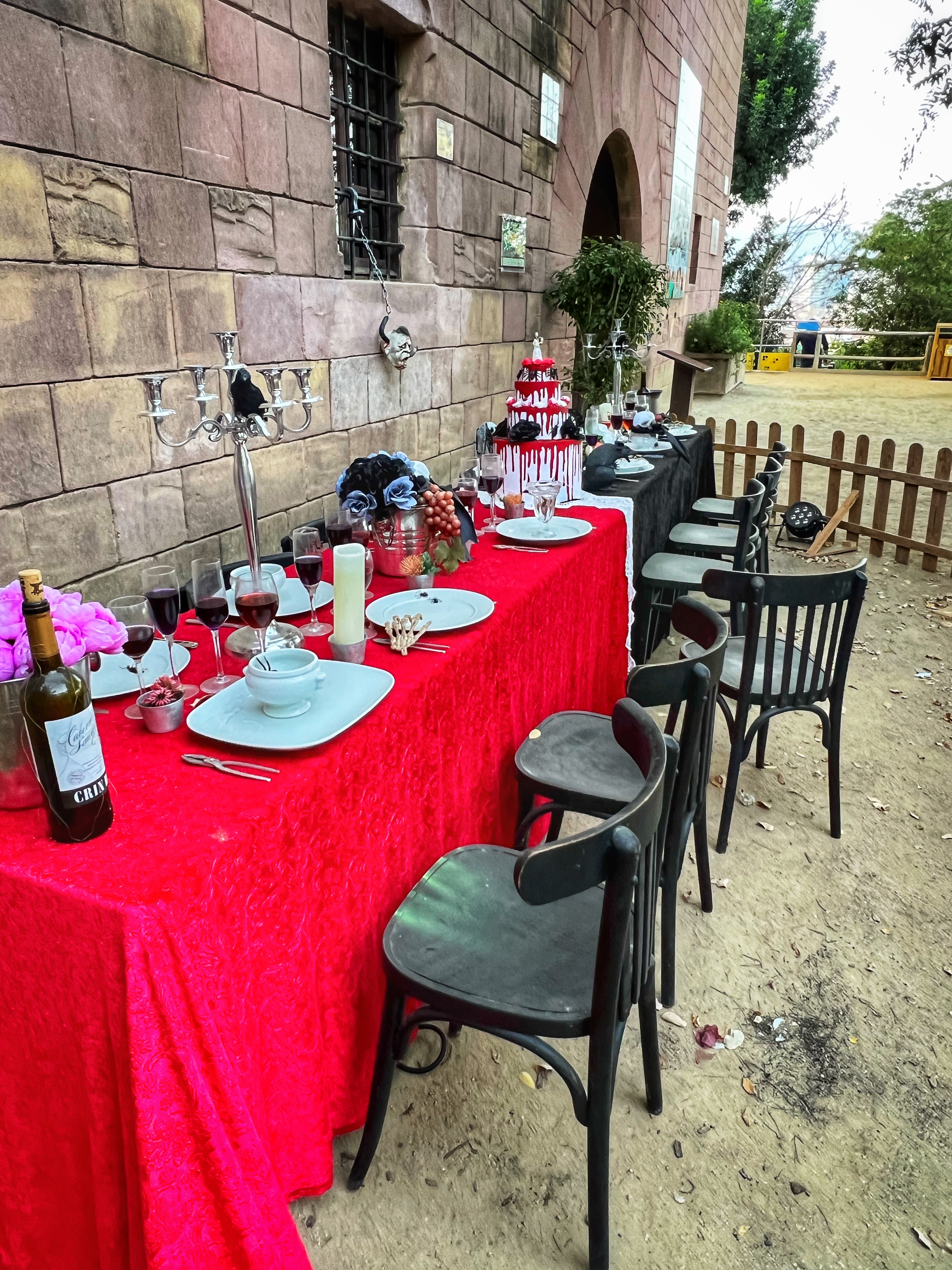

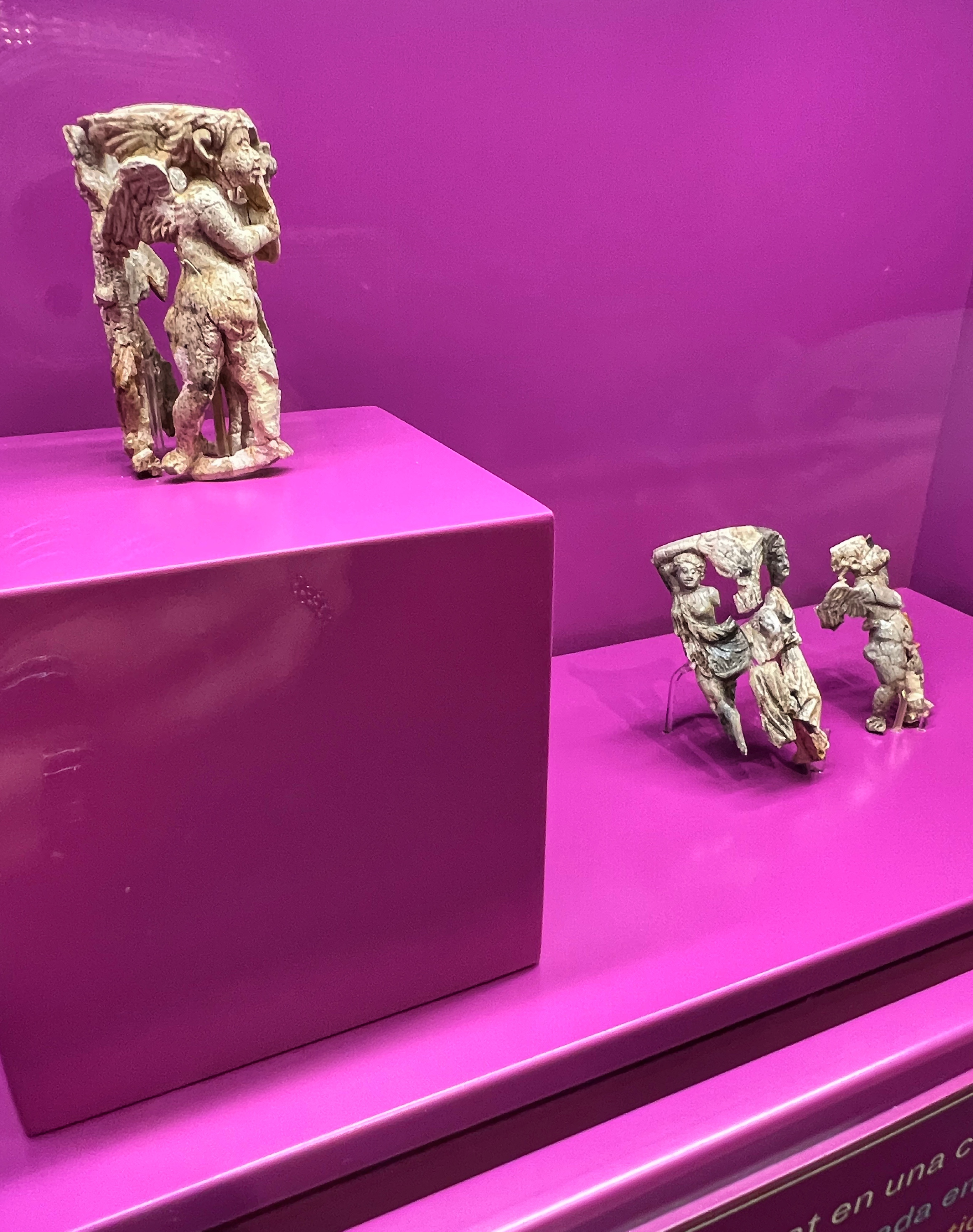
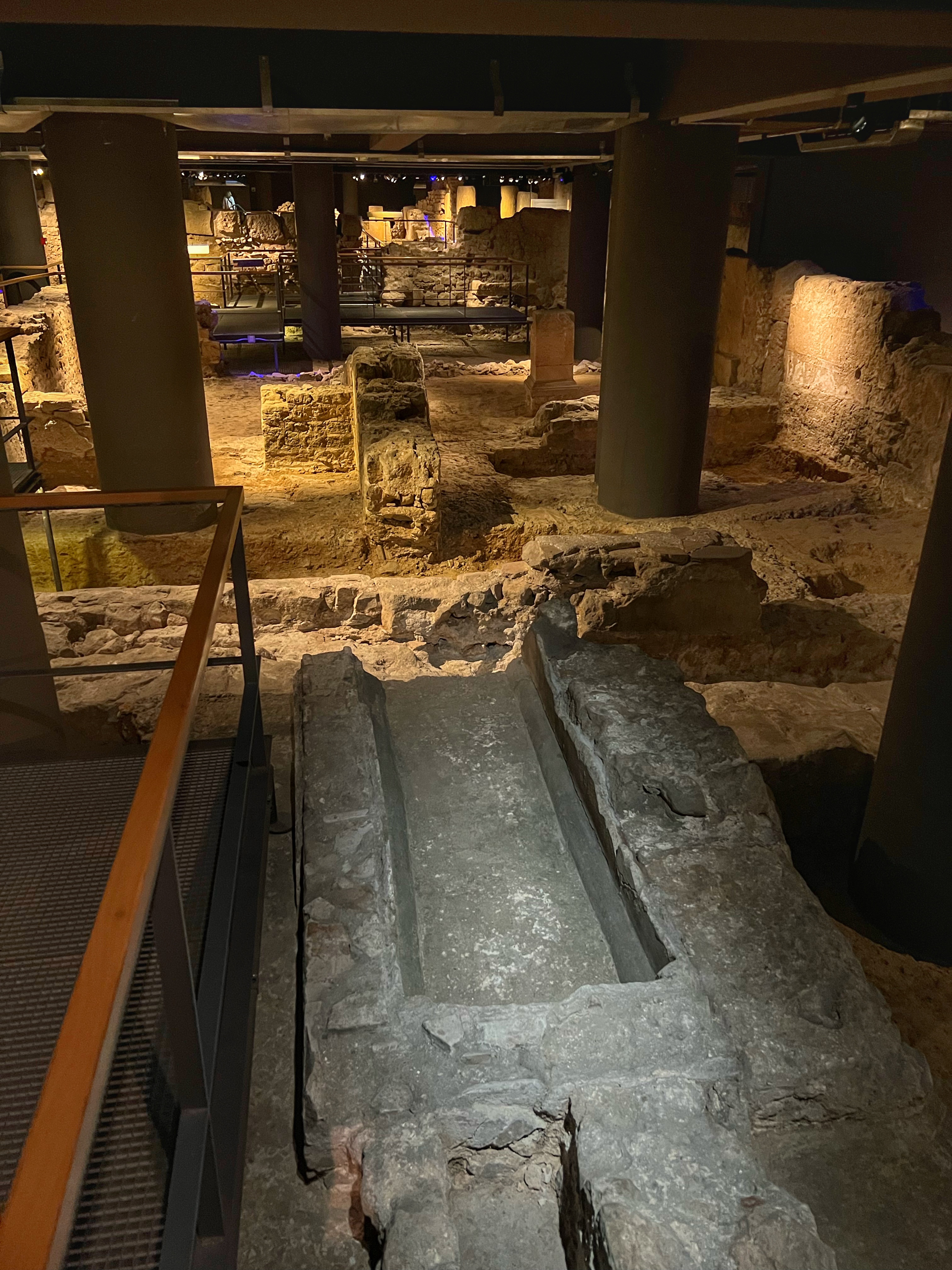
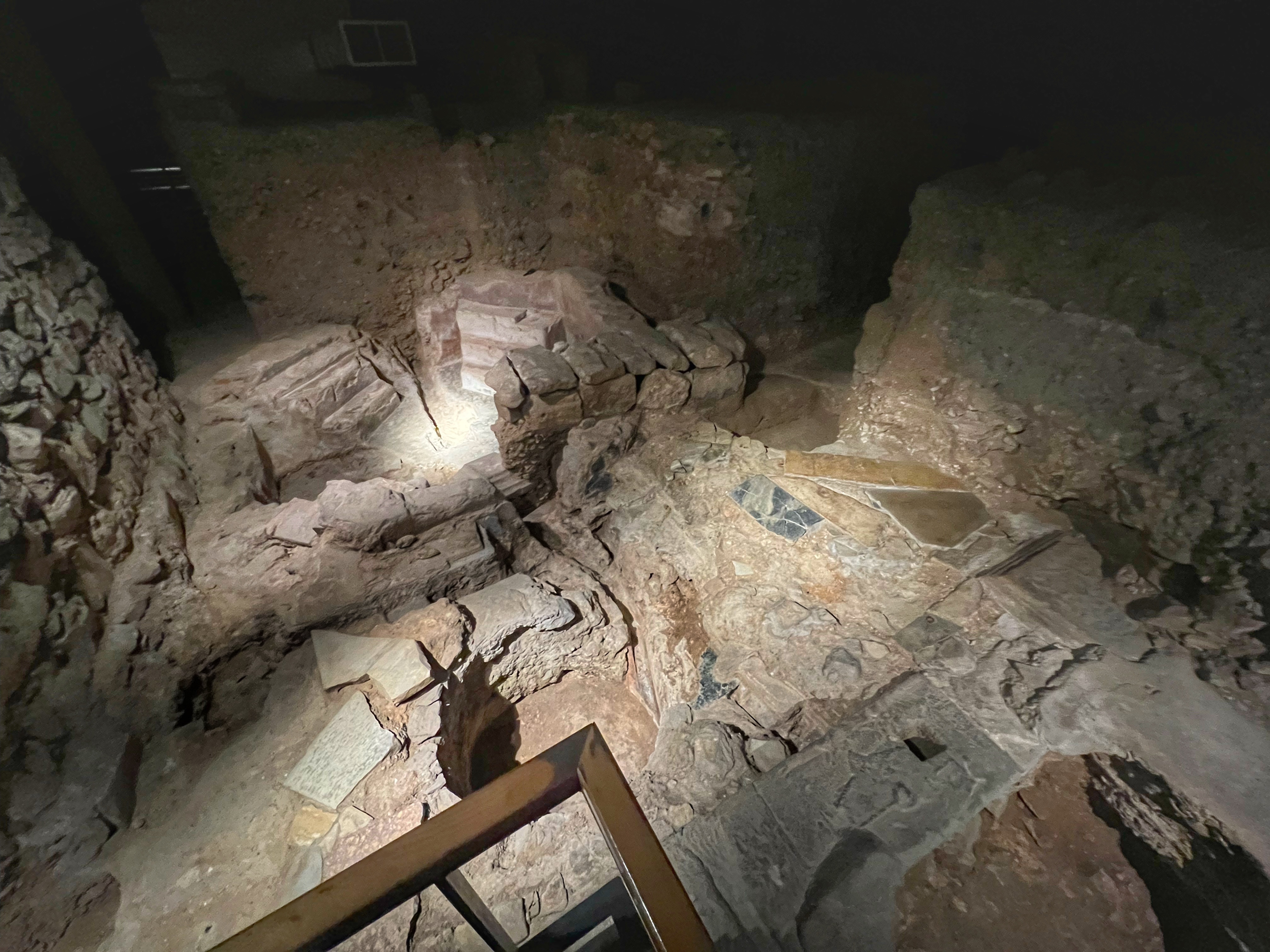
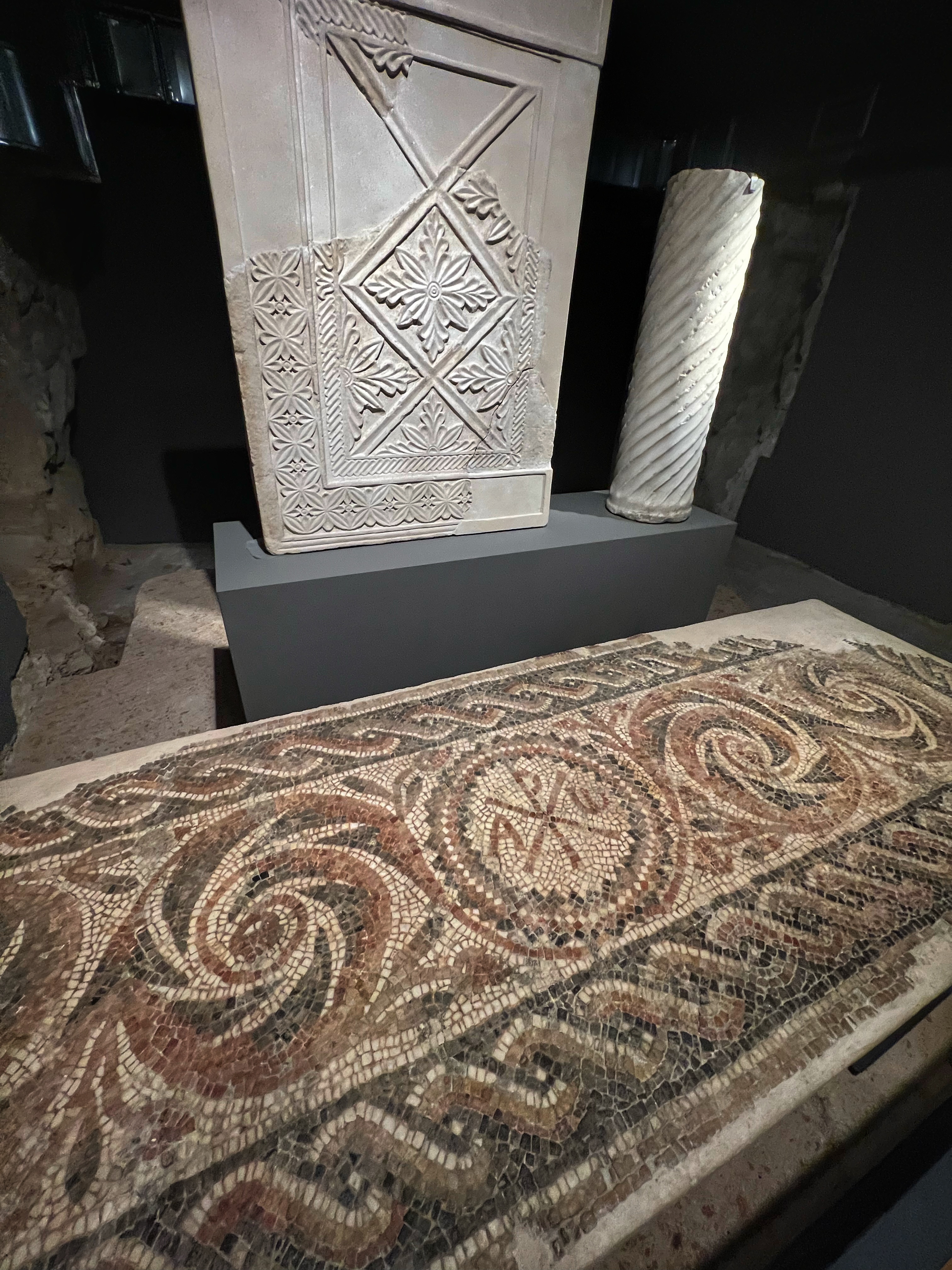
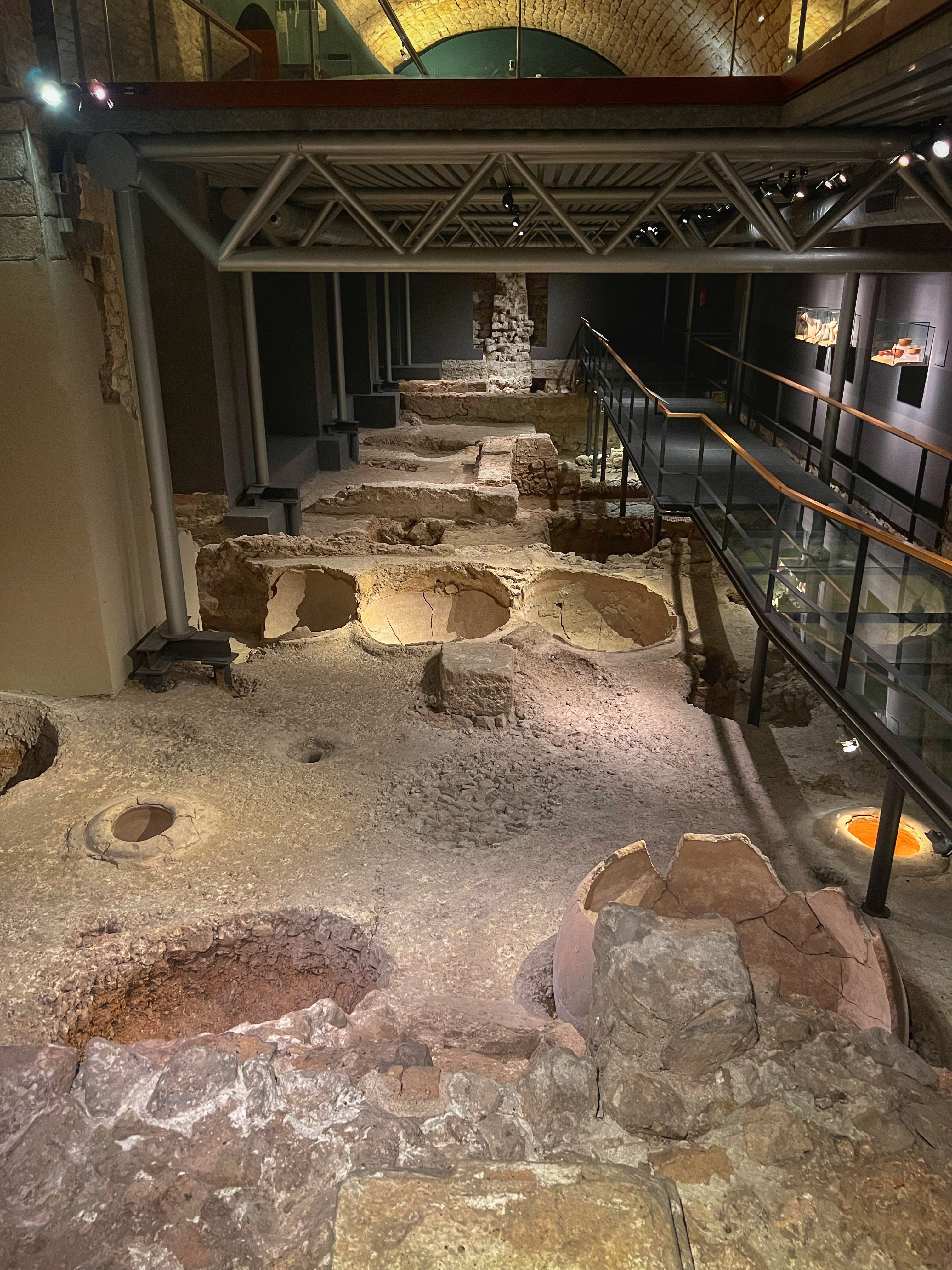
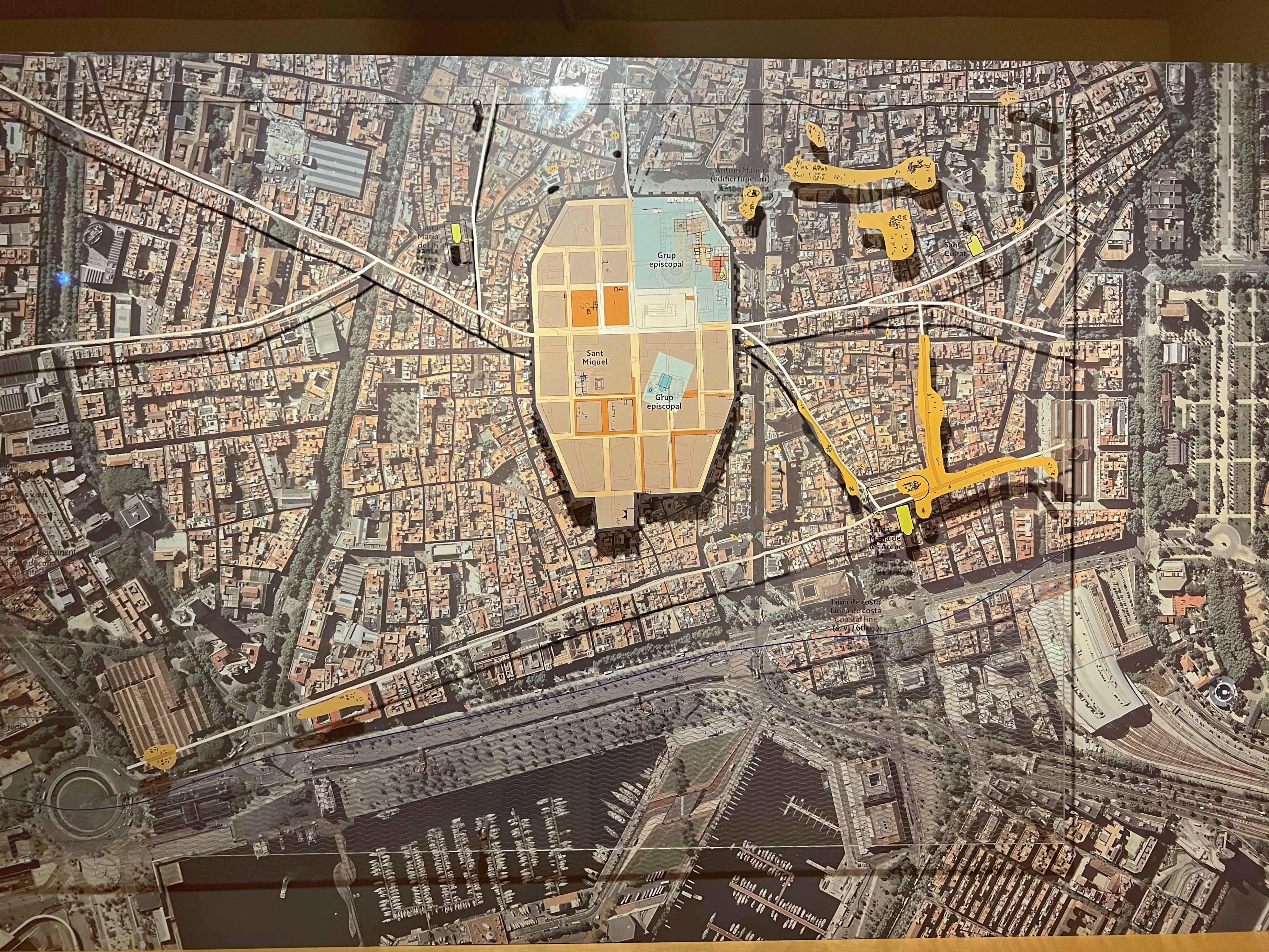
BARCELONA HISTORY MUSEUM MUHBA: This is the only place to go underground and see what remains of the Roman era that founded Barcelona. MUHBA is an open archaeological site where you can view ruins and learn about the origins of the city. This museum is very well done and affordable to visit – tickets are only €7, free for children under 16, and can be purchased here in advance or in person at the entrance. (Note: the museum is closed on Mondays.) You can spend anywhere from 1-2 hours here walking along the platforms that wind through the ruins. I especially appreciated seeing the tools found in the site, the huge vats used to store fish, and the Baptismal bath area.

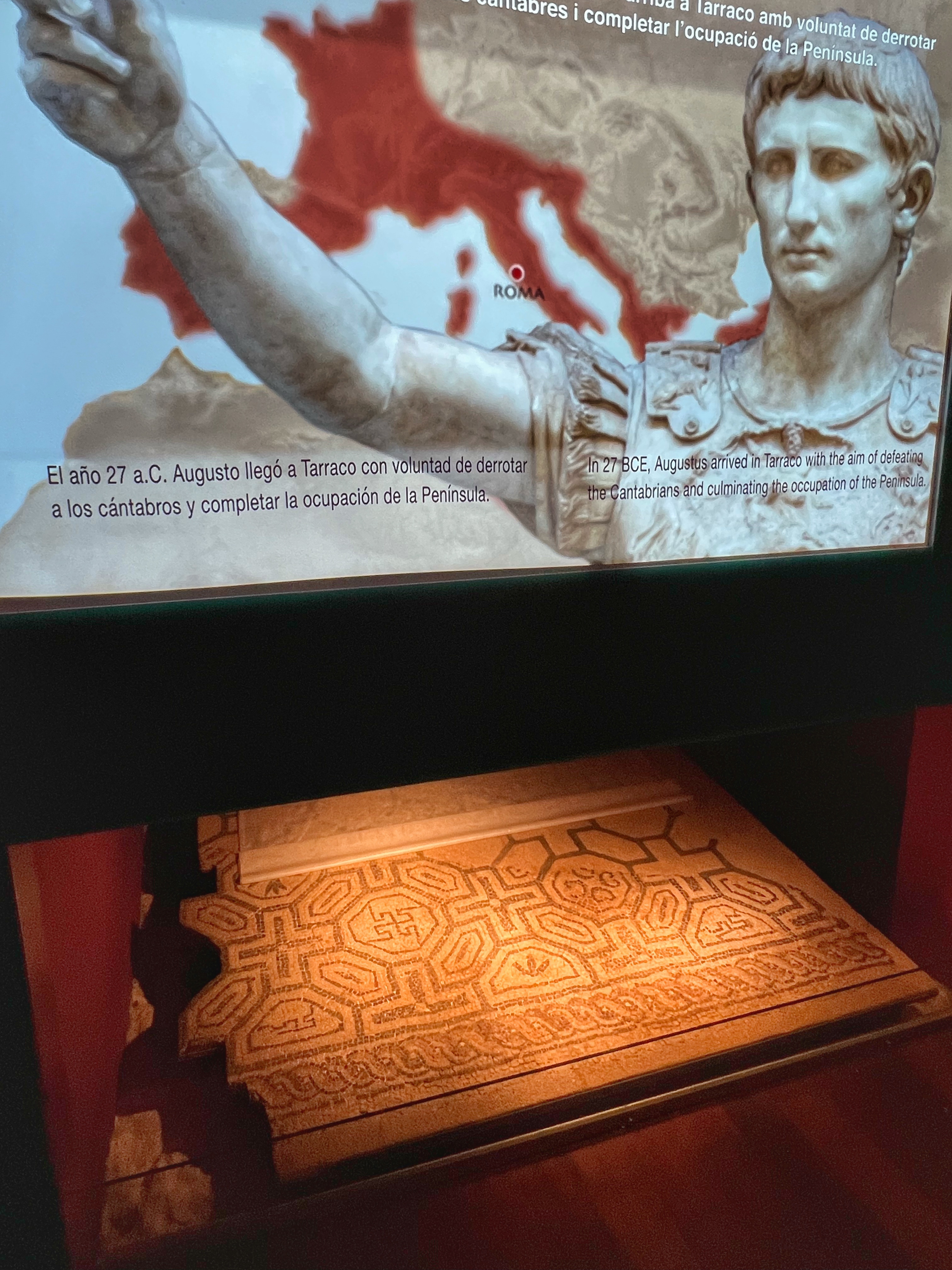
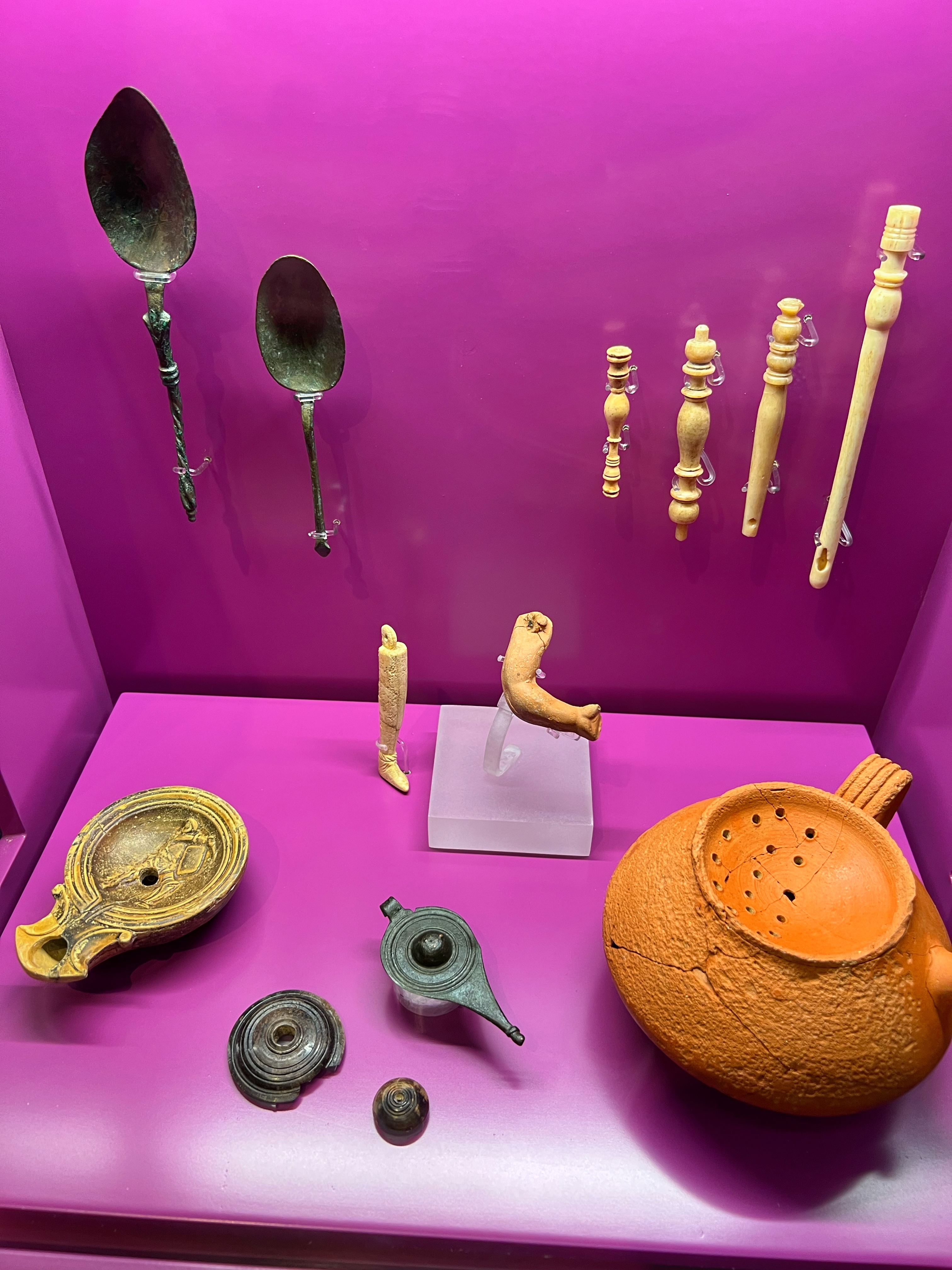
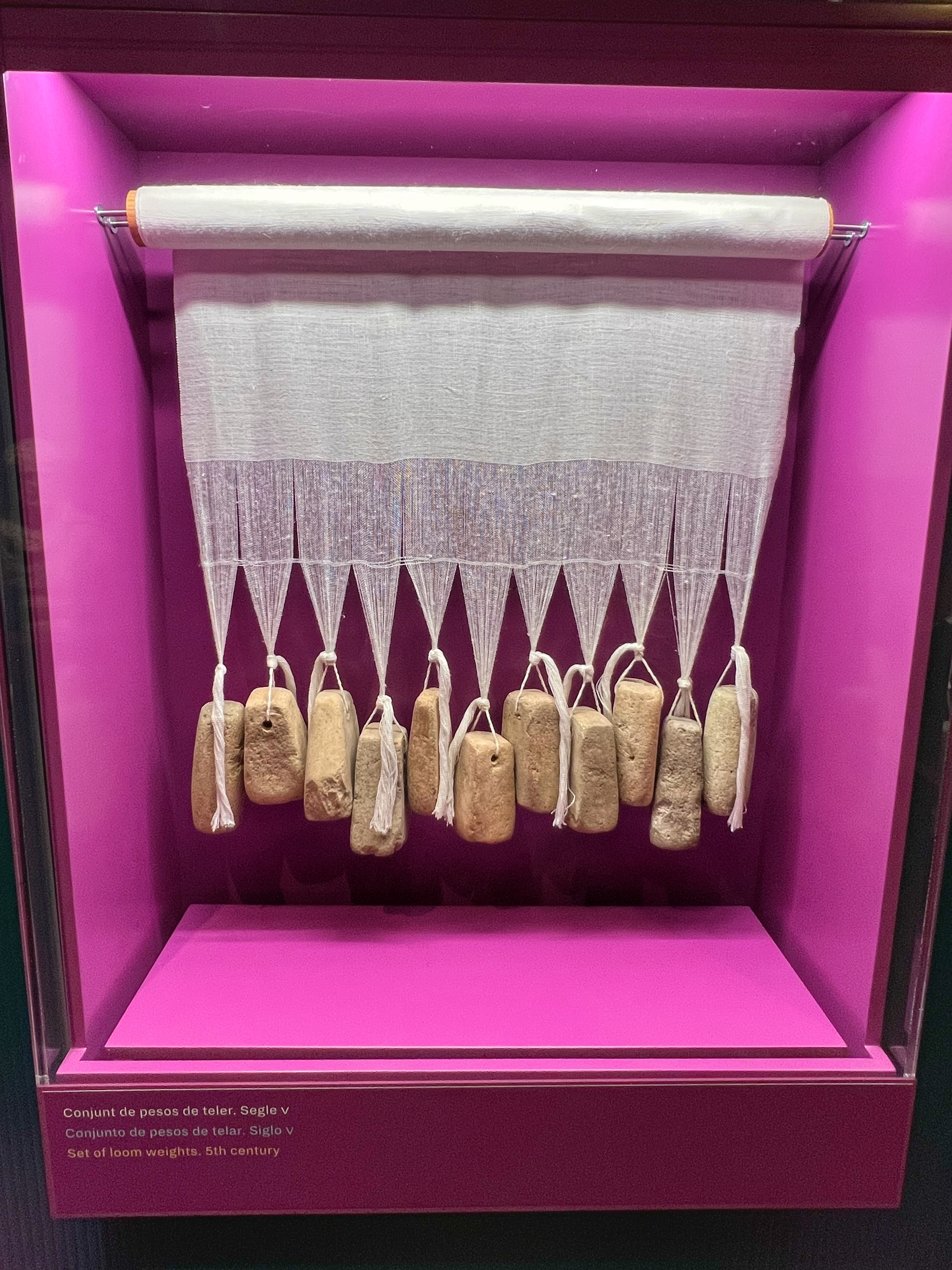
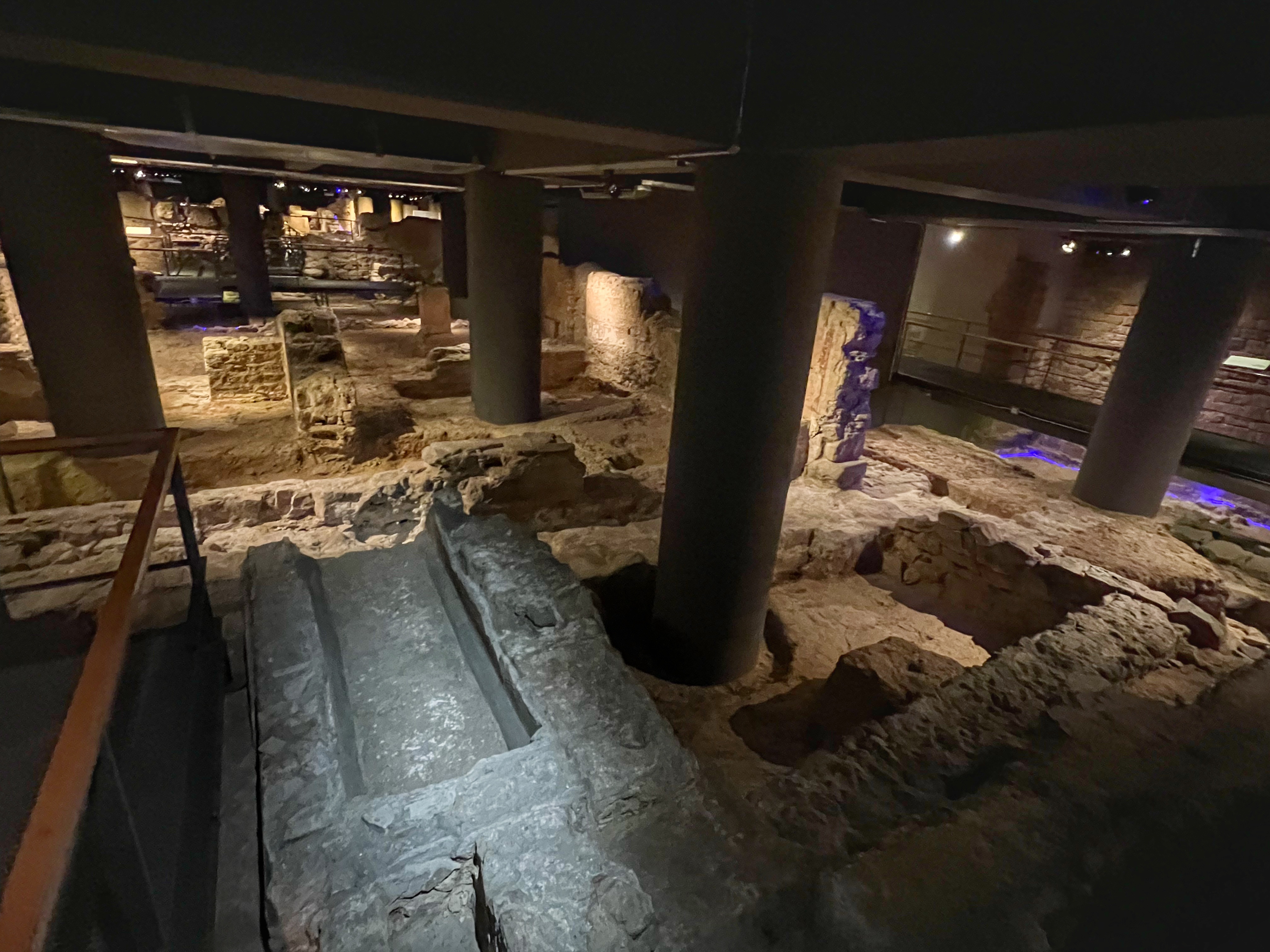




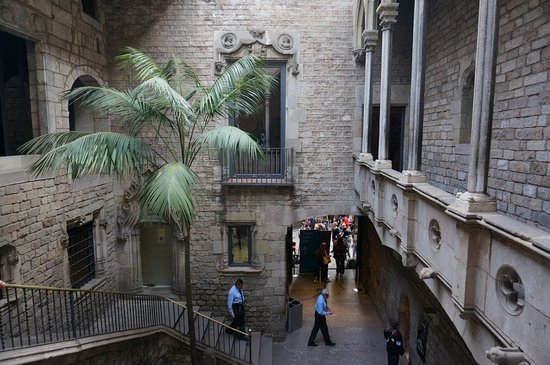
PABLO PICASSO MUSEUM: Open from 10AM-7PM every day but Monday, this is the most comprehensive museum honoring the Spanish artist Picasso that there is. Artwork from when he was just 14 years old can be viewed here, and all forms from realism to abstract are on display. You can enter for free from 4-7PM on Thursdays, or pay €12-€14 to enter the museum and/or view the temporary exhibits. Entry is always free for children under 18 years old. Don’t miss this museum if you’re a Picasso fan! Learn more here.
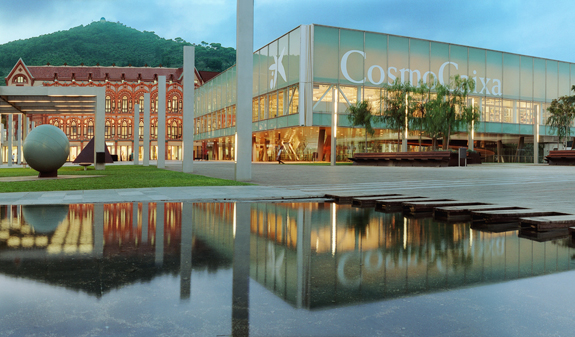
COSMOCAIXA SCIENCE MUSEUM: I tend to visit science museums with the kids – and this one is great! For only €6 you can learn about the universe, see fossils, and see different ecological and geological exhibits. The building is modern and beautiful, too. There is even a planetarium and lab – everything is very interactive! Learn more here.
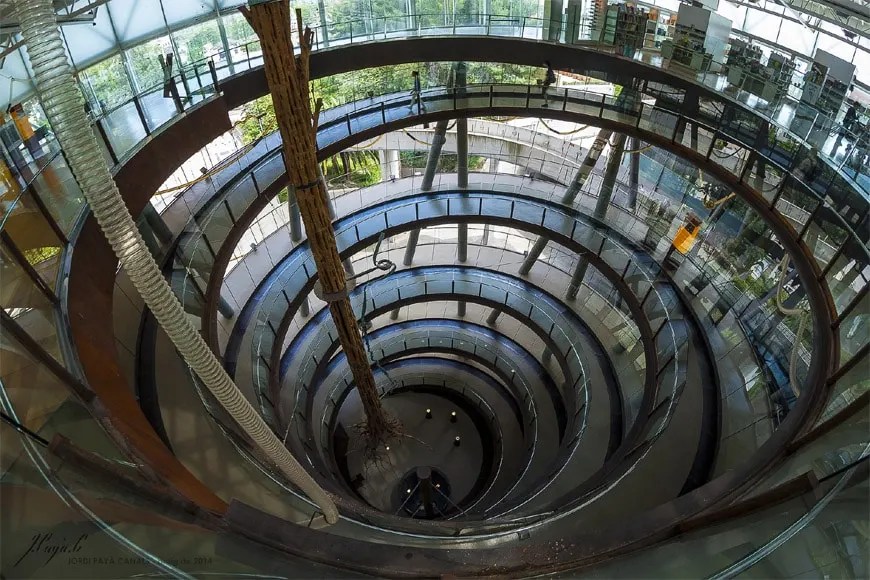
OHER NOTABLE MUSEUMS: MOCO Art Museum, Barcelona Museum of Contemporary Art, Museu d’Història de Catalunya (also has a great rooftop bar view), Barcelona Erotic Museum, Museum of Illusions, Museu de la Xocolata, Museu de la Música de Barcelona, Joan Miró Foundation Museum.
10
MONTSERRAT
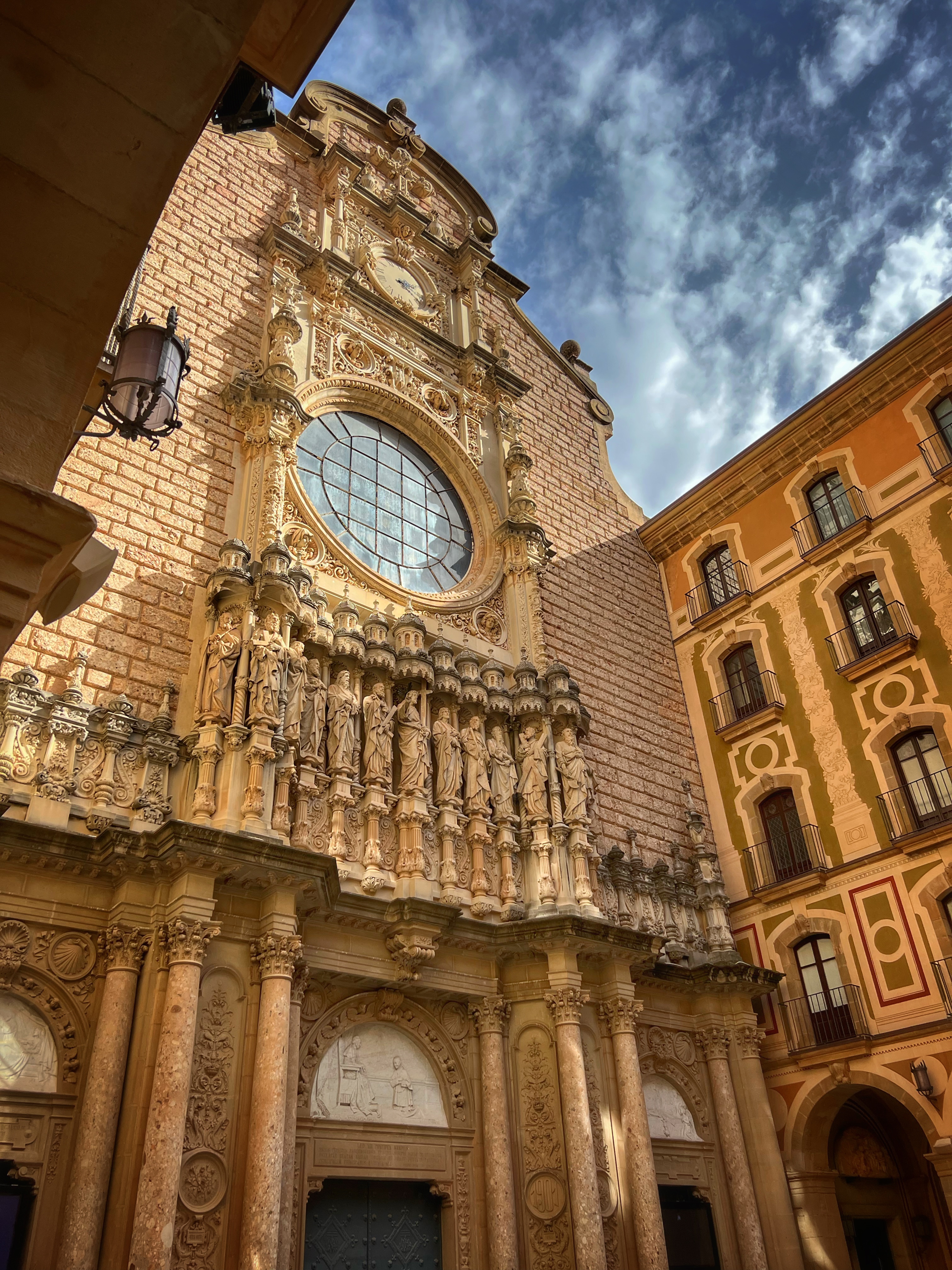
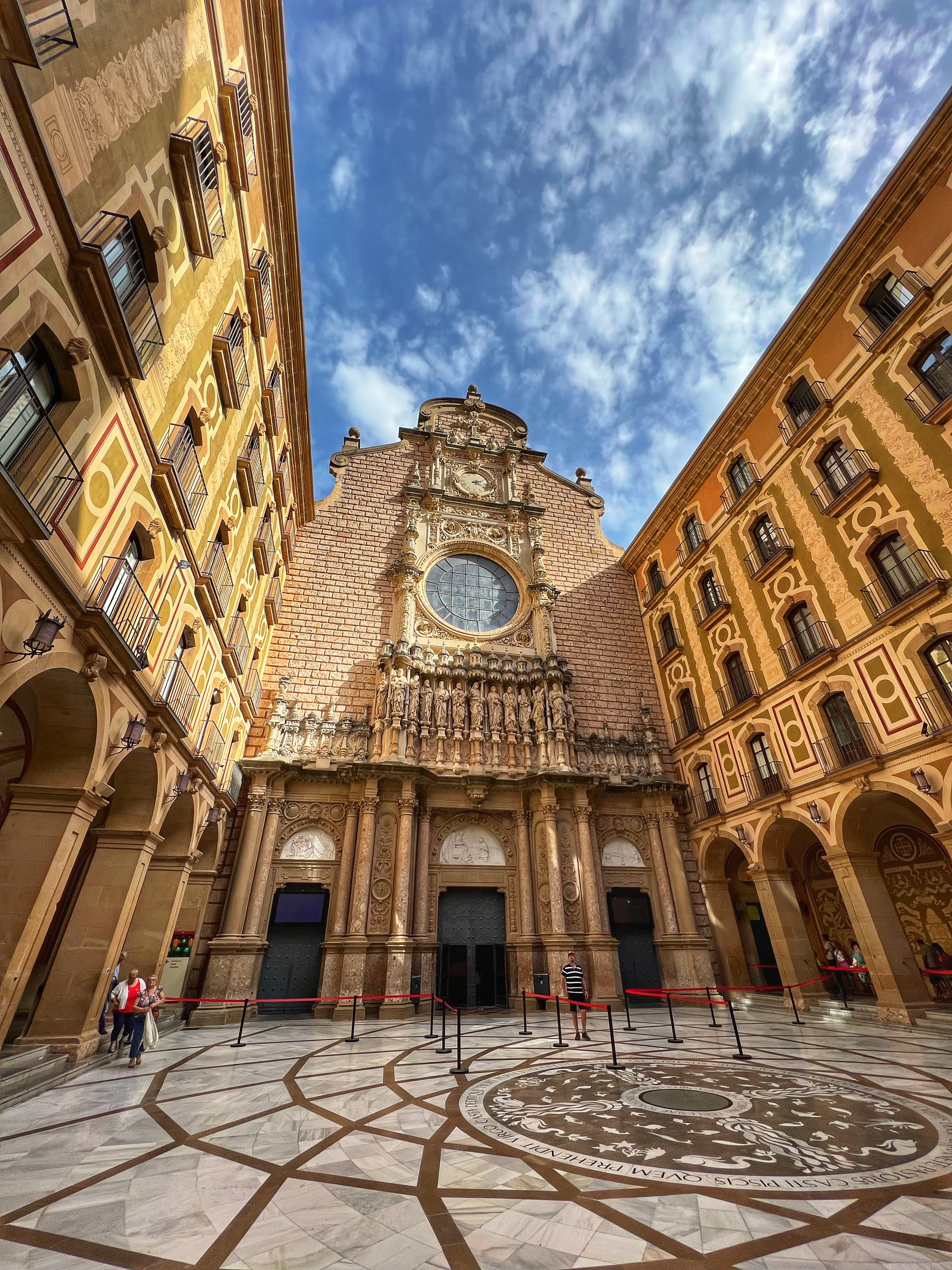
MONTSERRAT: The ONLY reason Montserrat comes in at number ten is because it’s not technically in the city, so if you don’t have a day to dedicate to visiting, that makes it very difficult. It is one of the most memorable places in and around Barcelona for me though, so I highly recommend it if you can swing it! This “serrated mountain” region is home to the Benedictine abbey Santa Maria de Montserrat, known for its dramatic location, legend of the black madonna, and boys’ choir. Visiting the abbey is free, but if you decide to join a tour, it will cost about €50 per person – which is a good deal, as it isn’t free to reach the abbey. We used GetYourGuide and had an excellent experience. They took care of all the transportation, and we learned a lot from the tour guide, too.


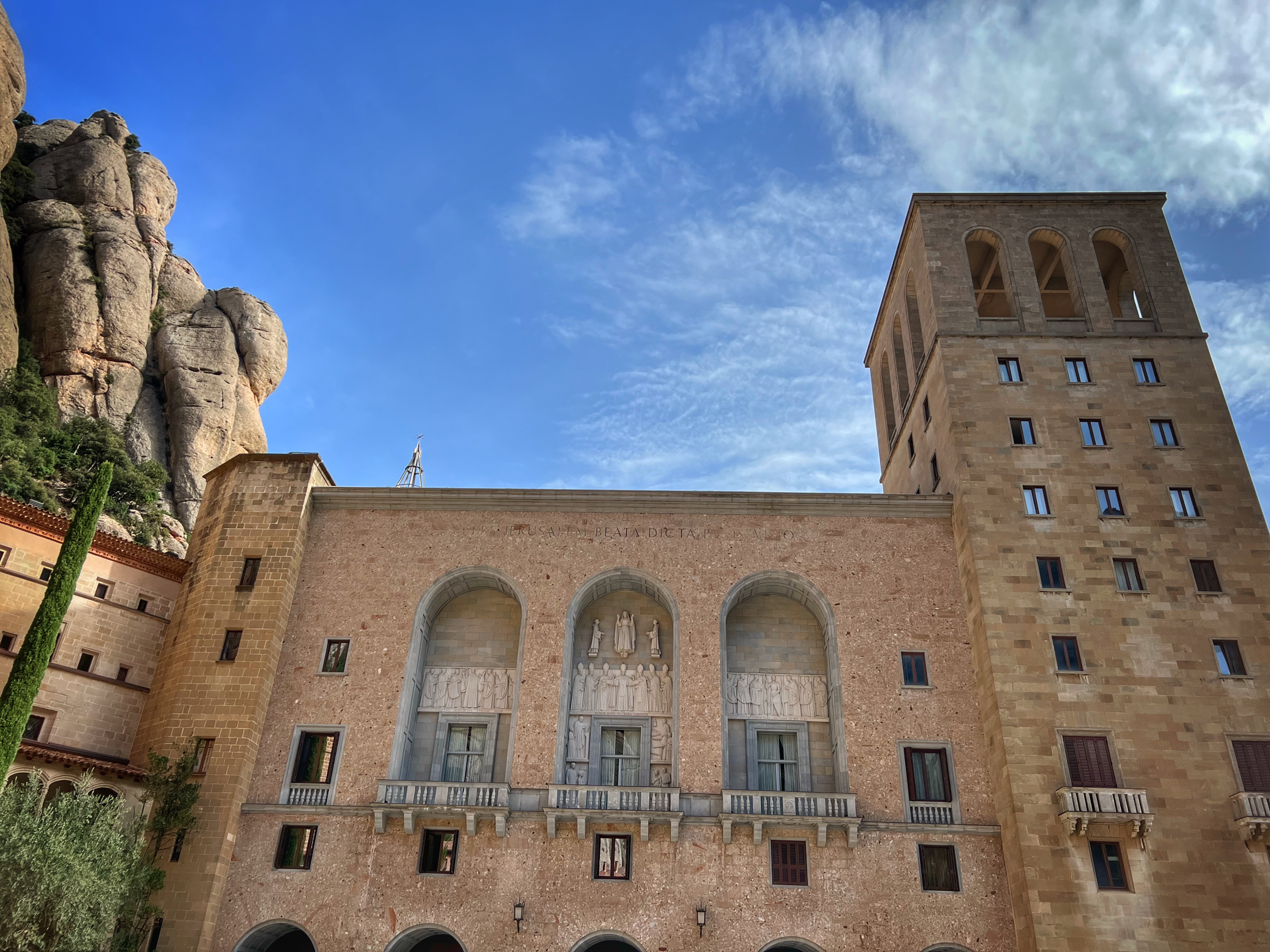
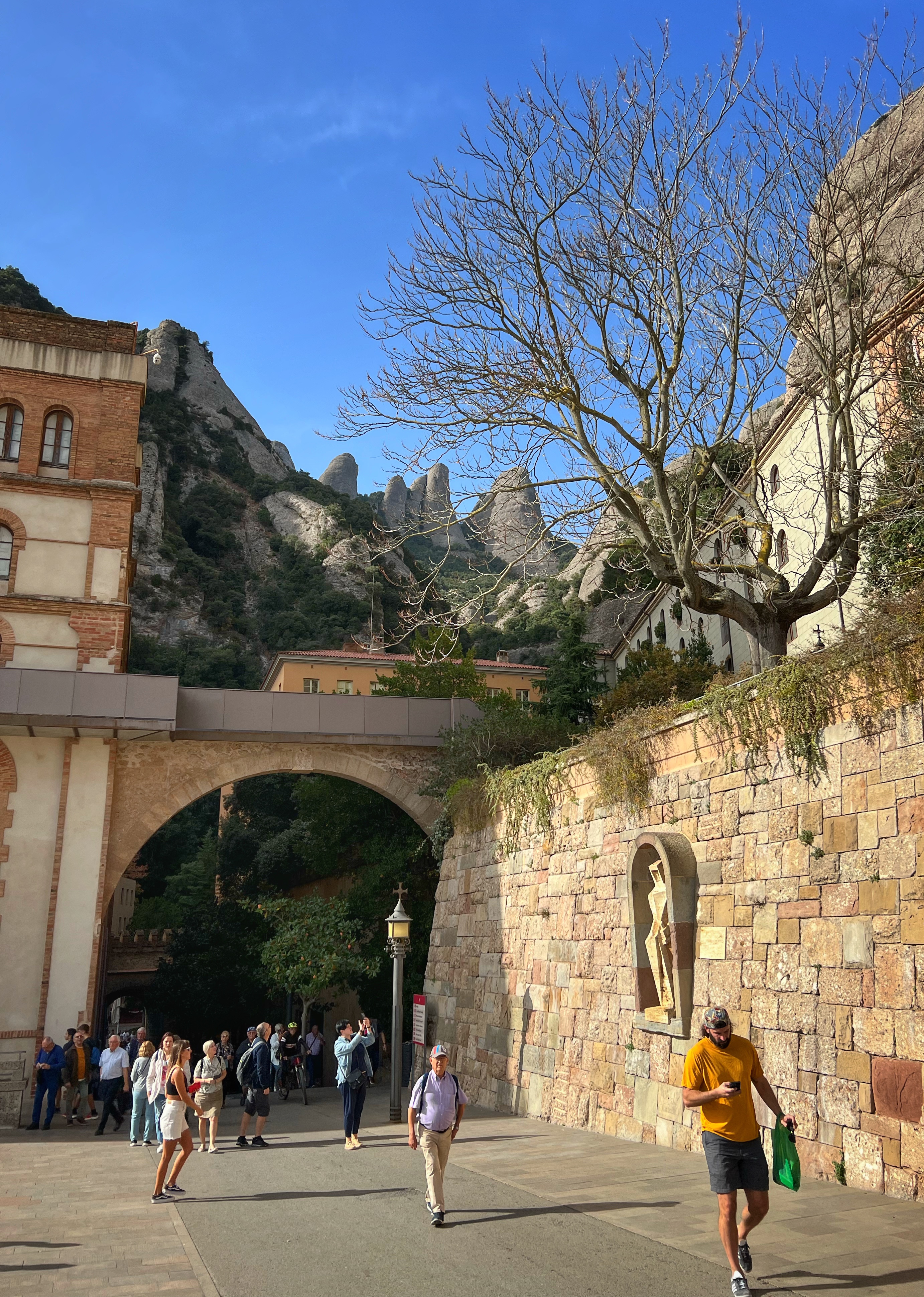
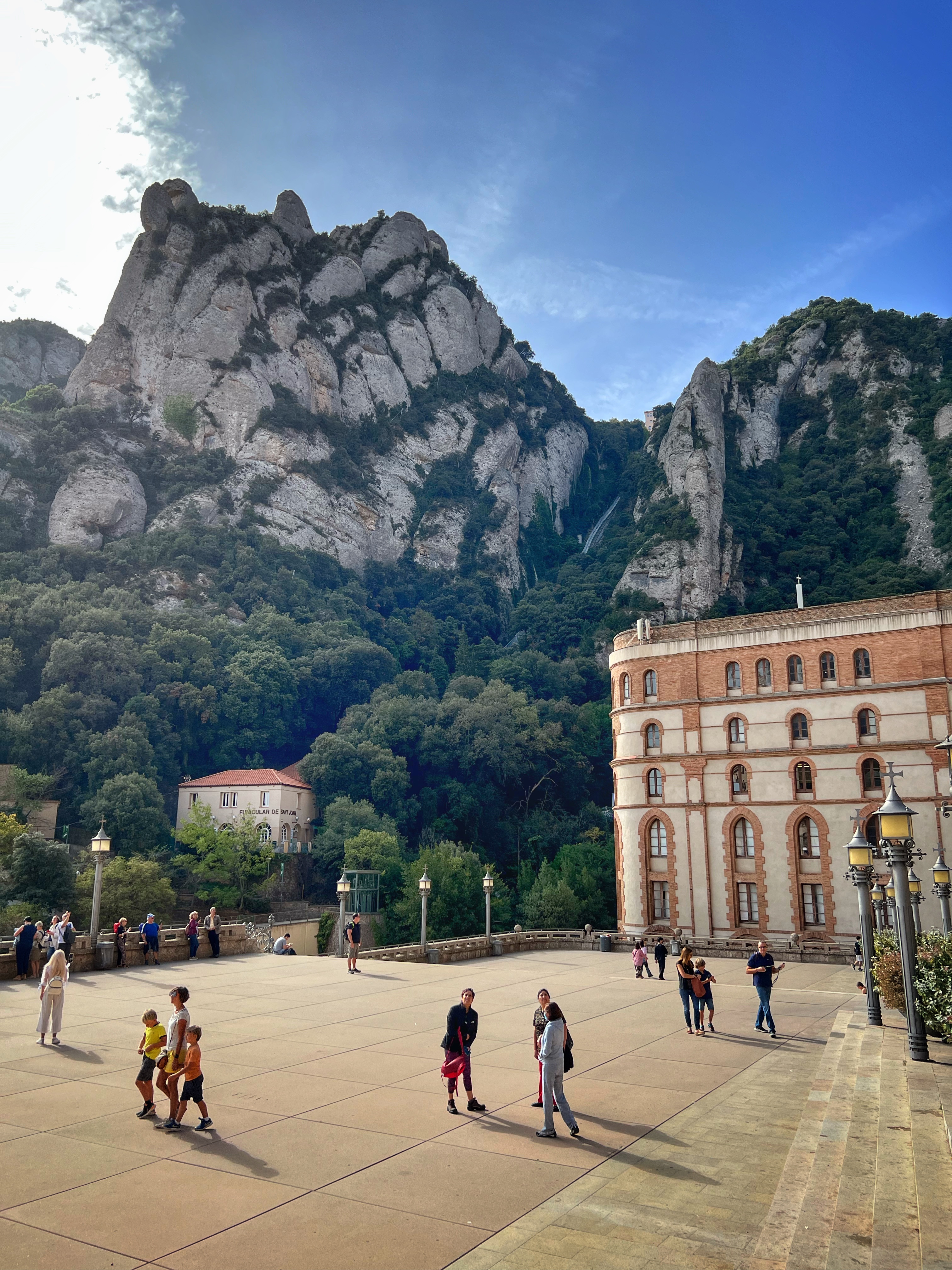
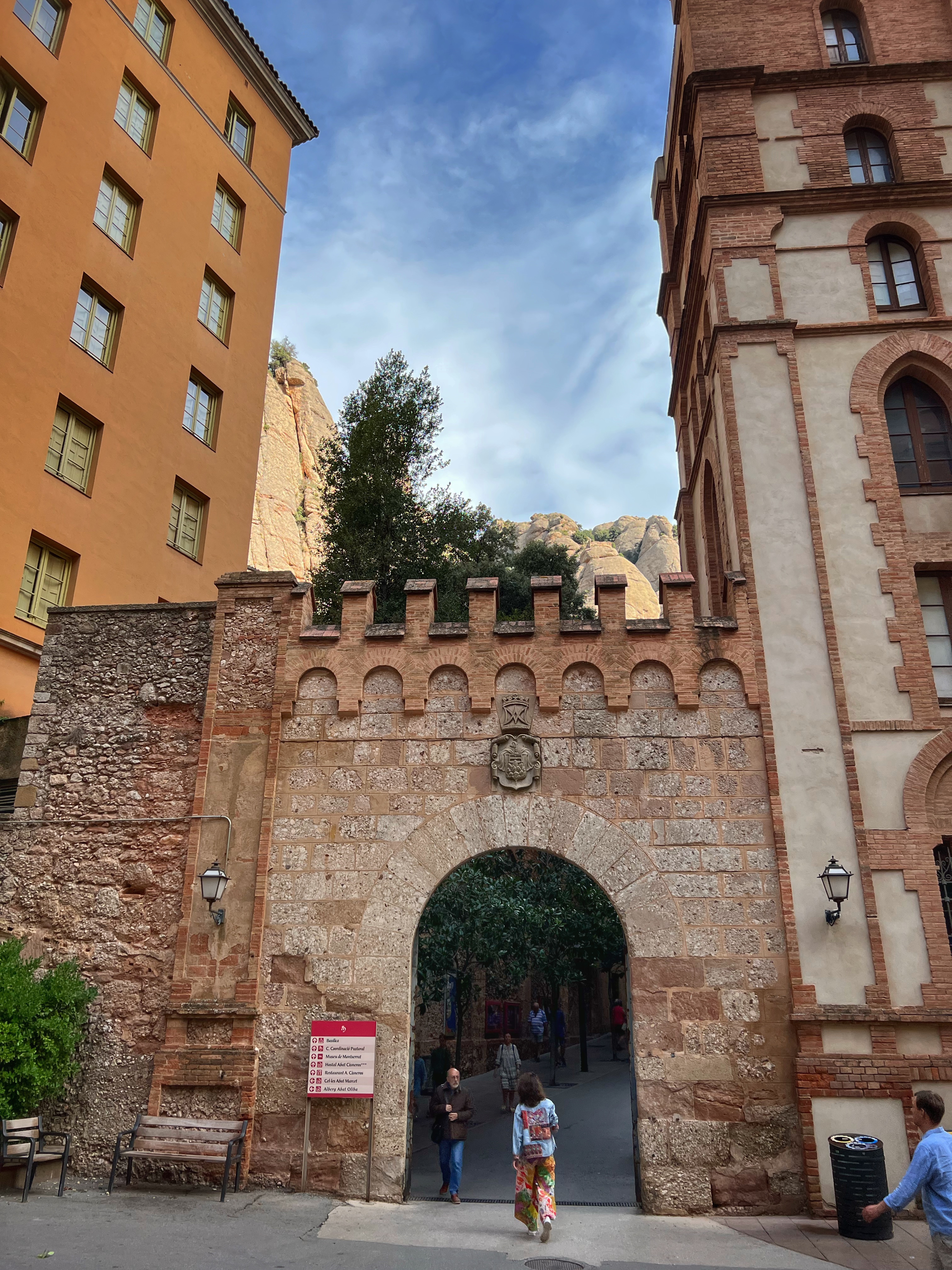
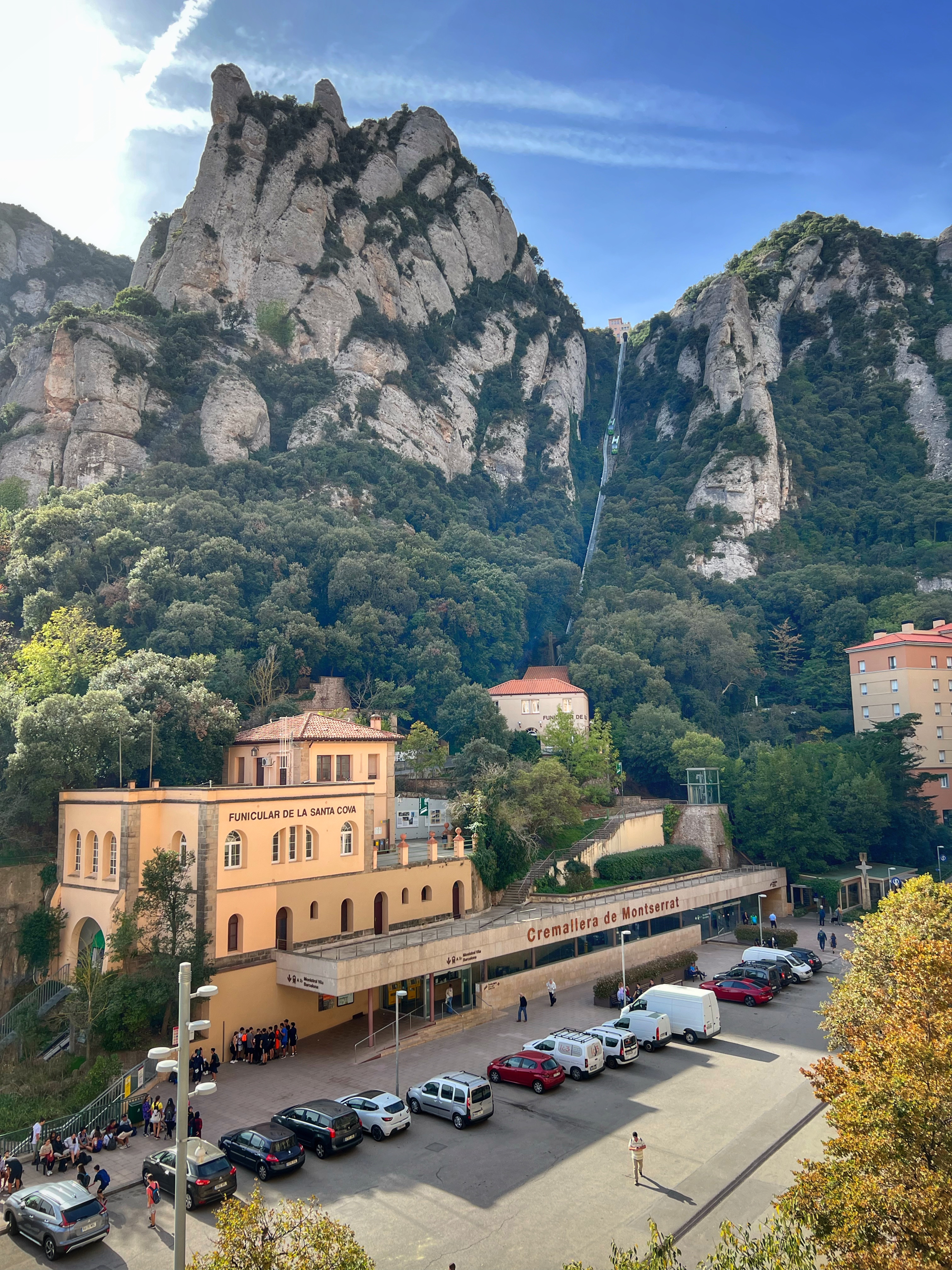
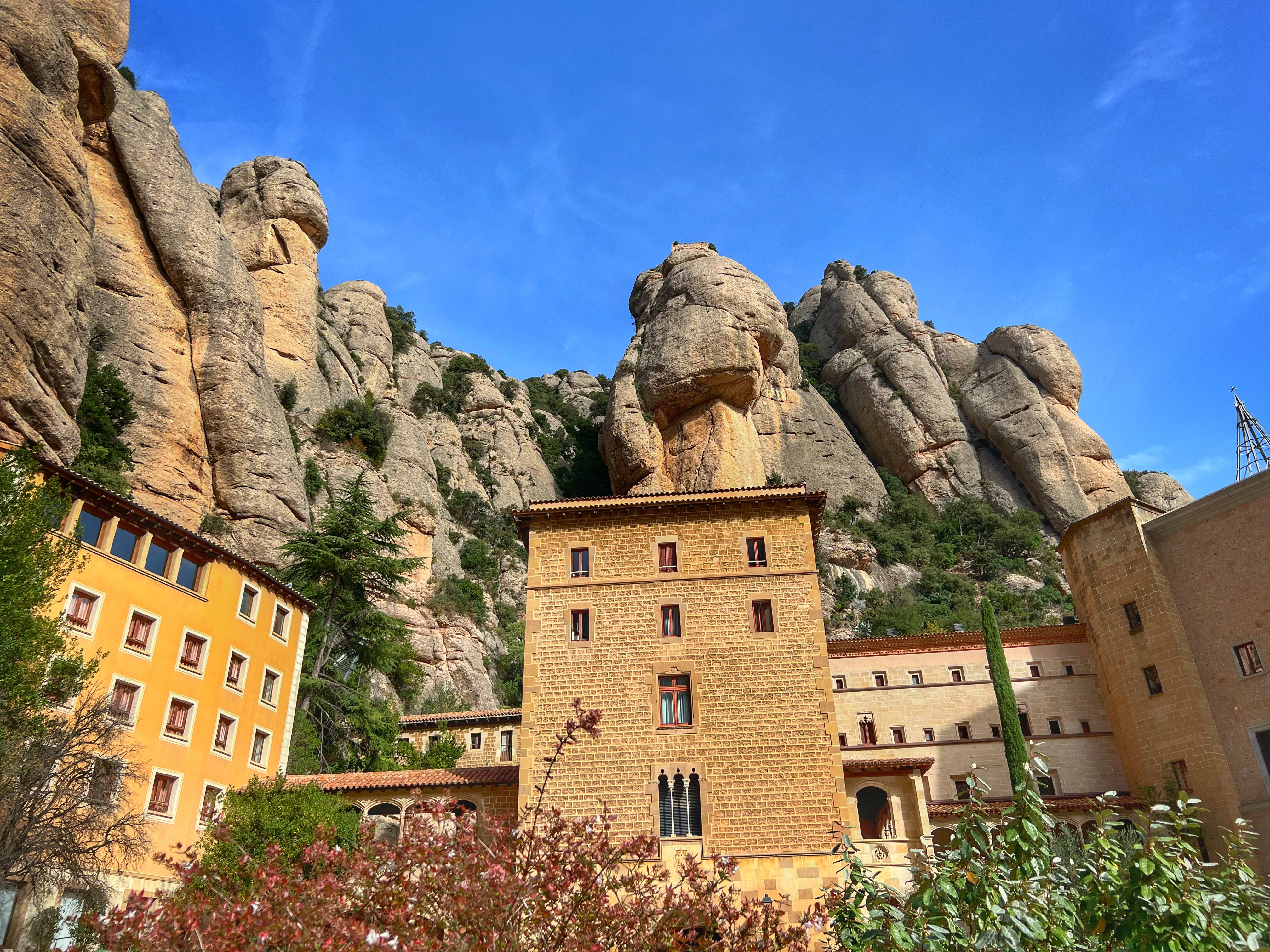
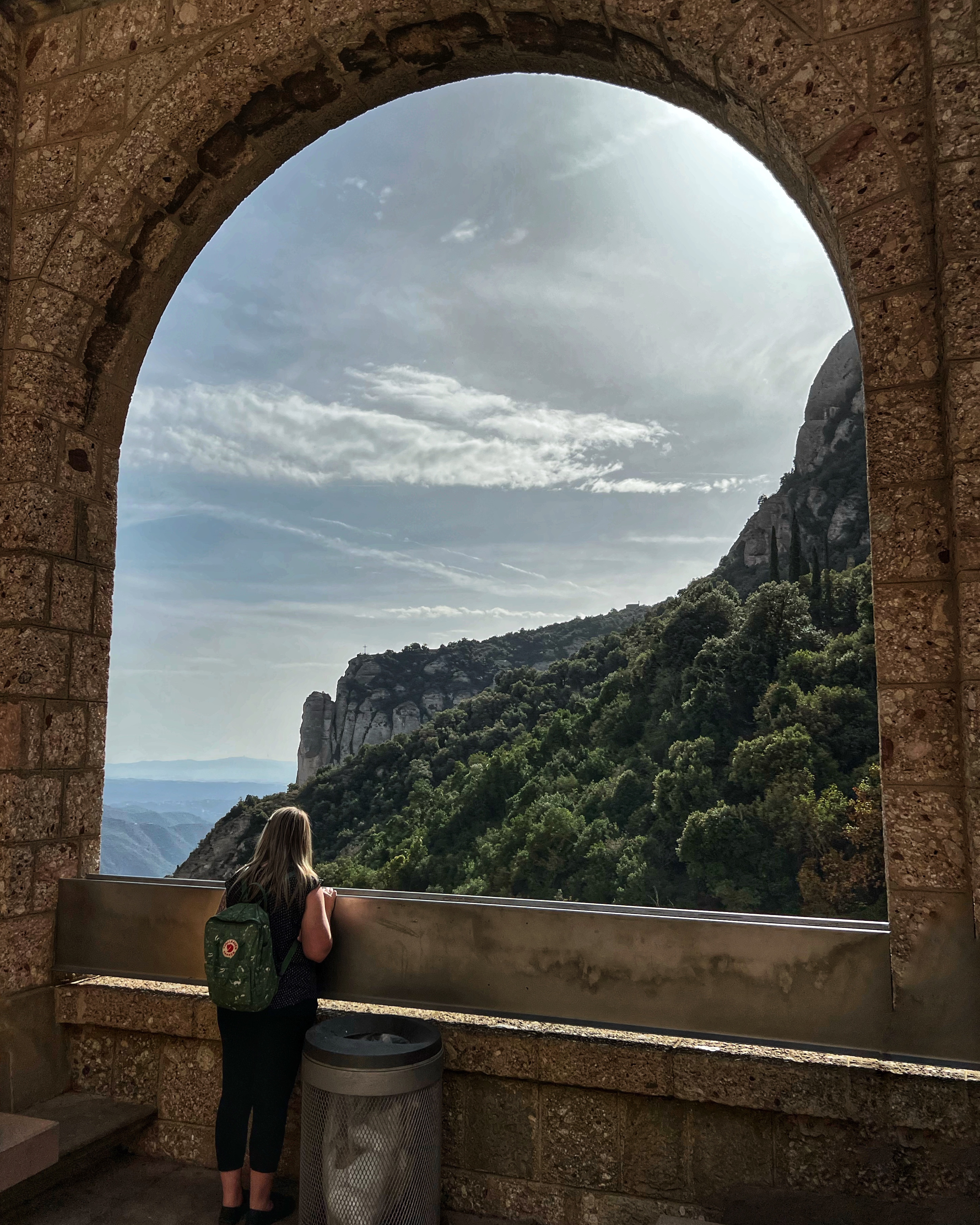
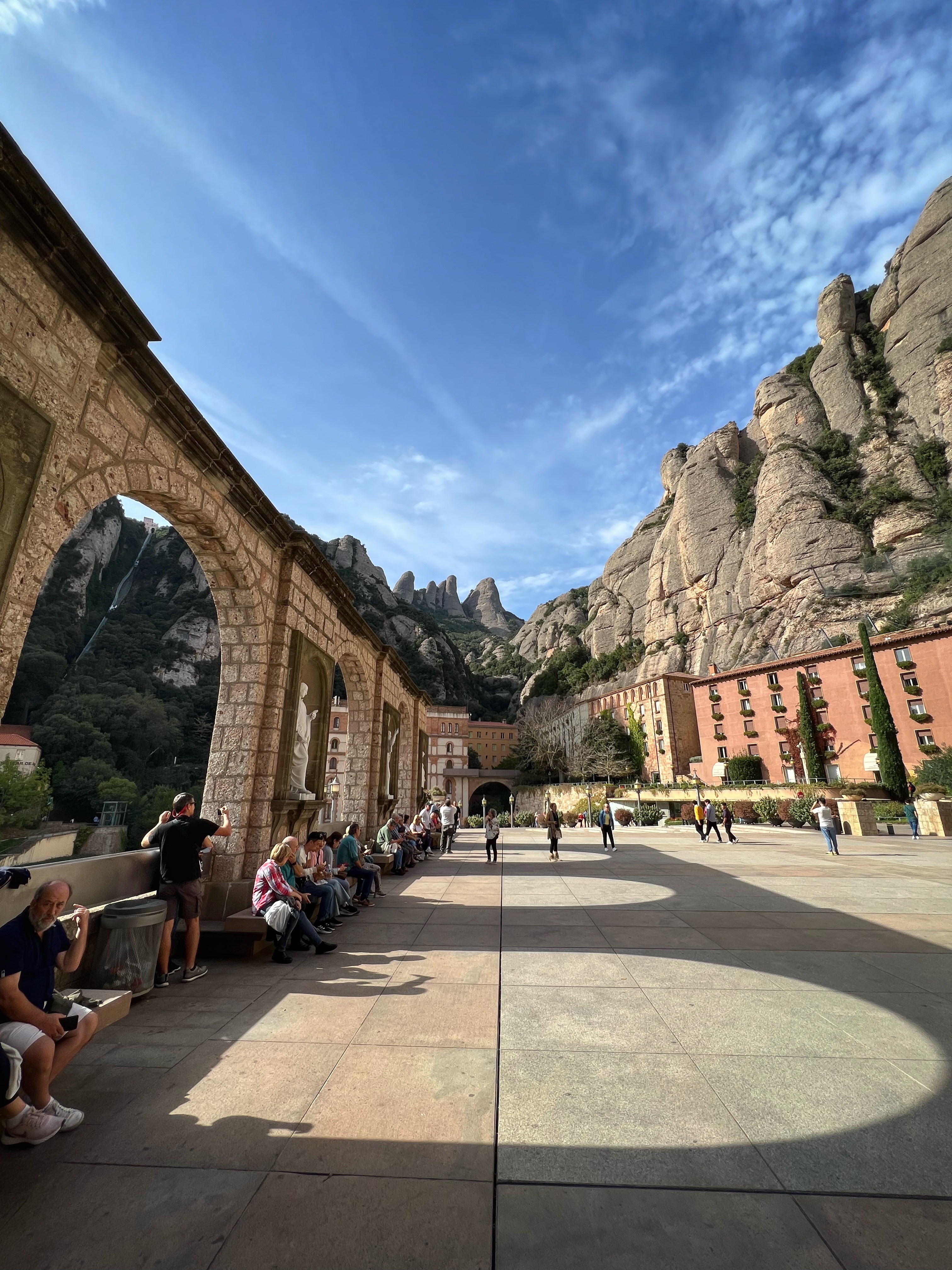
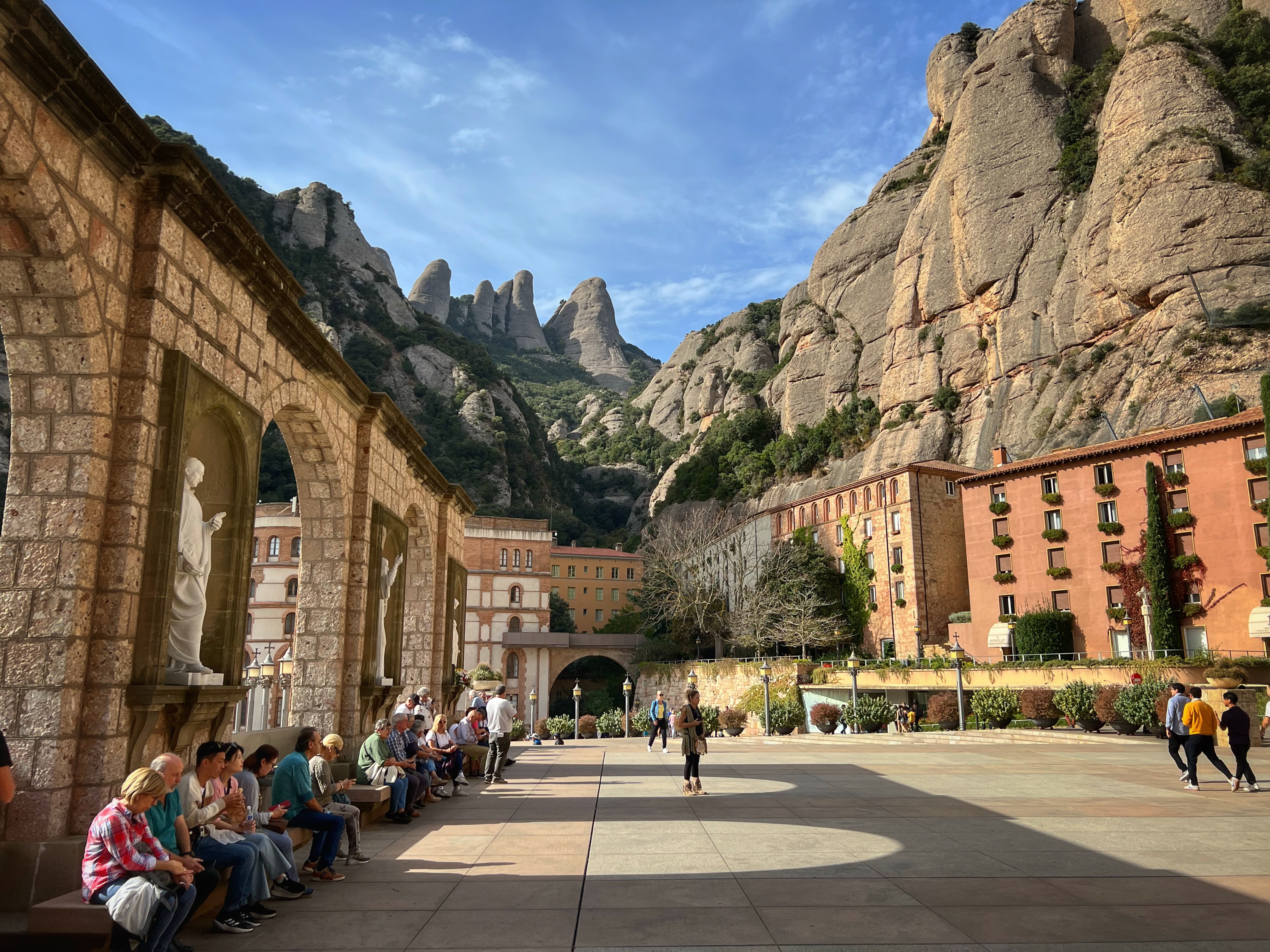
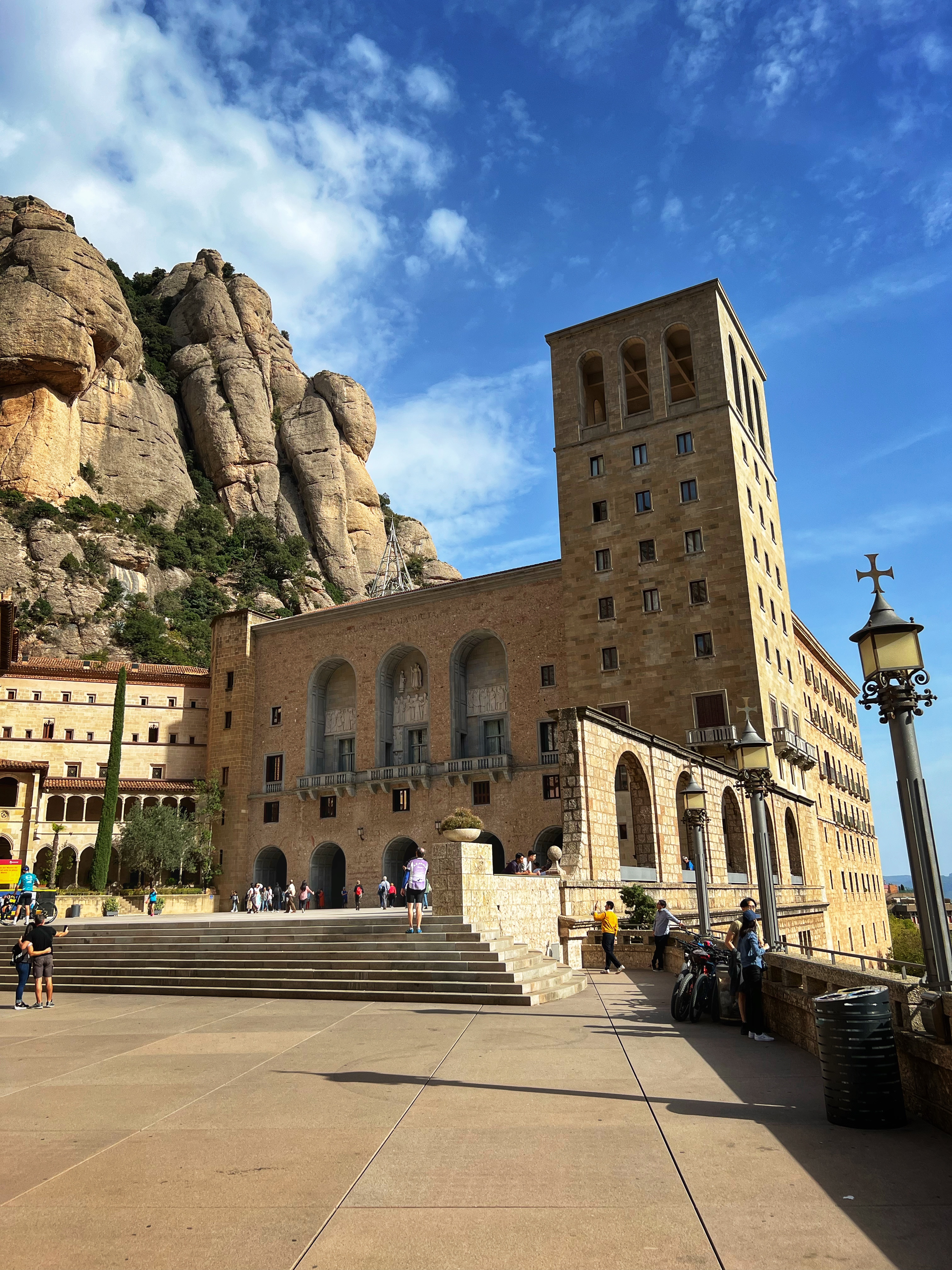

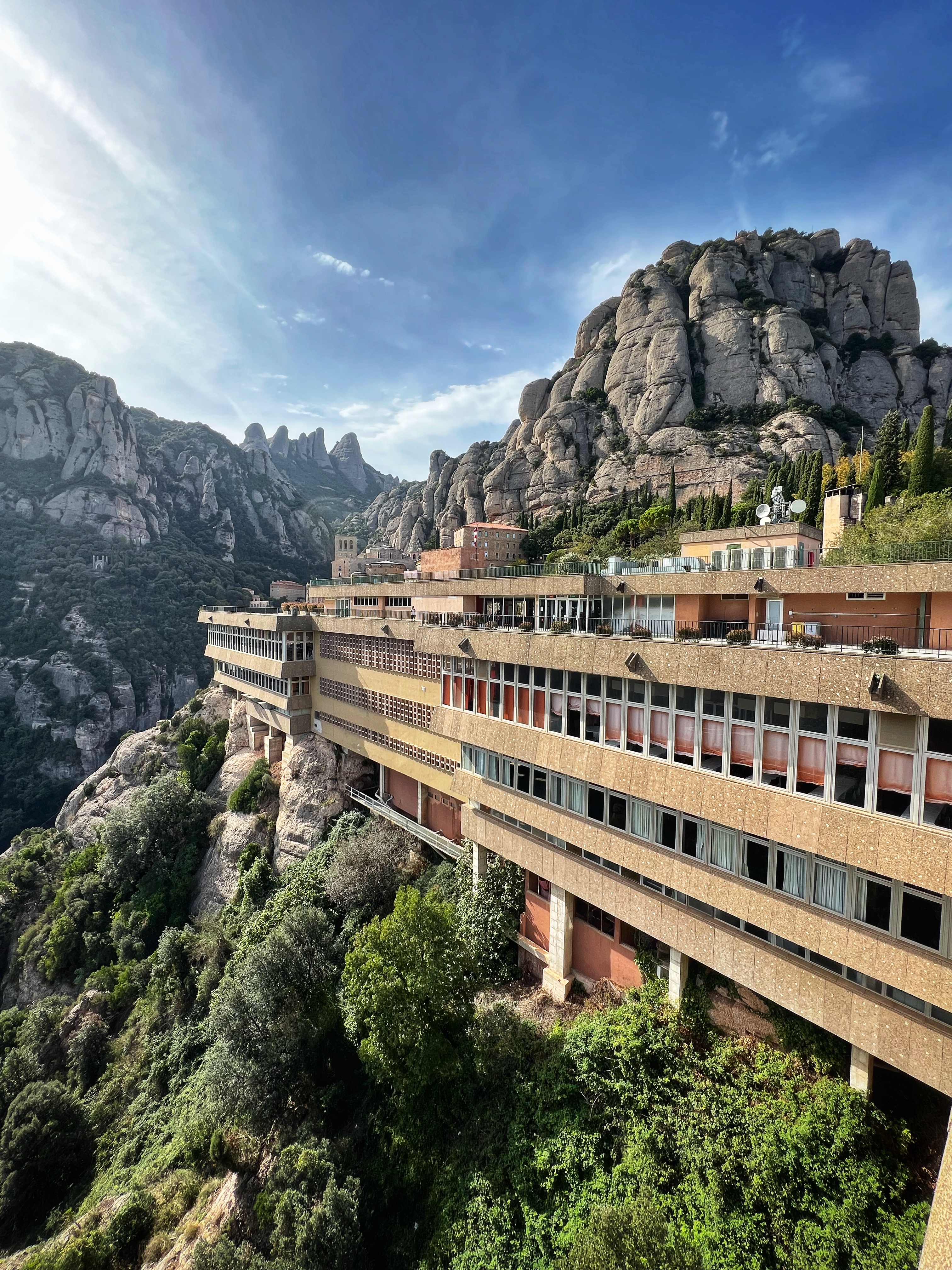

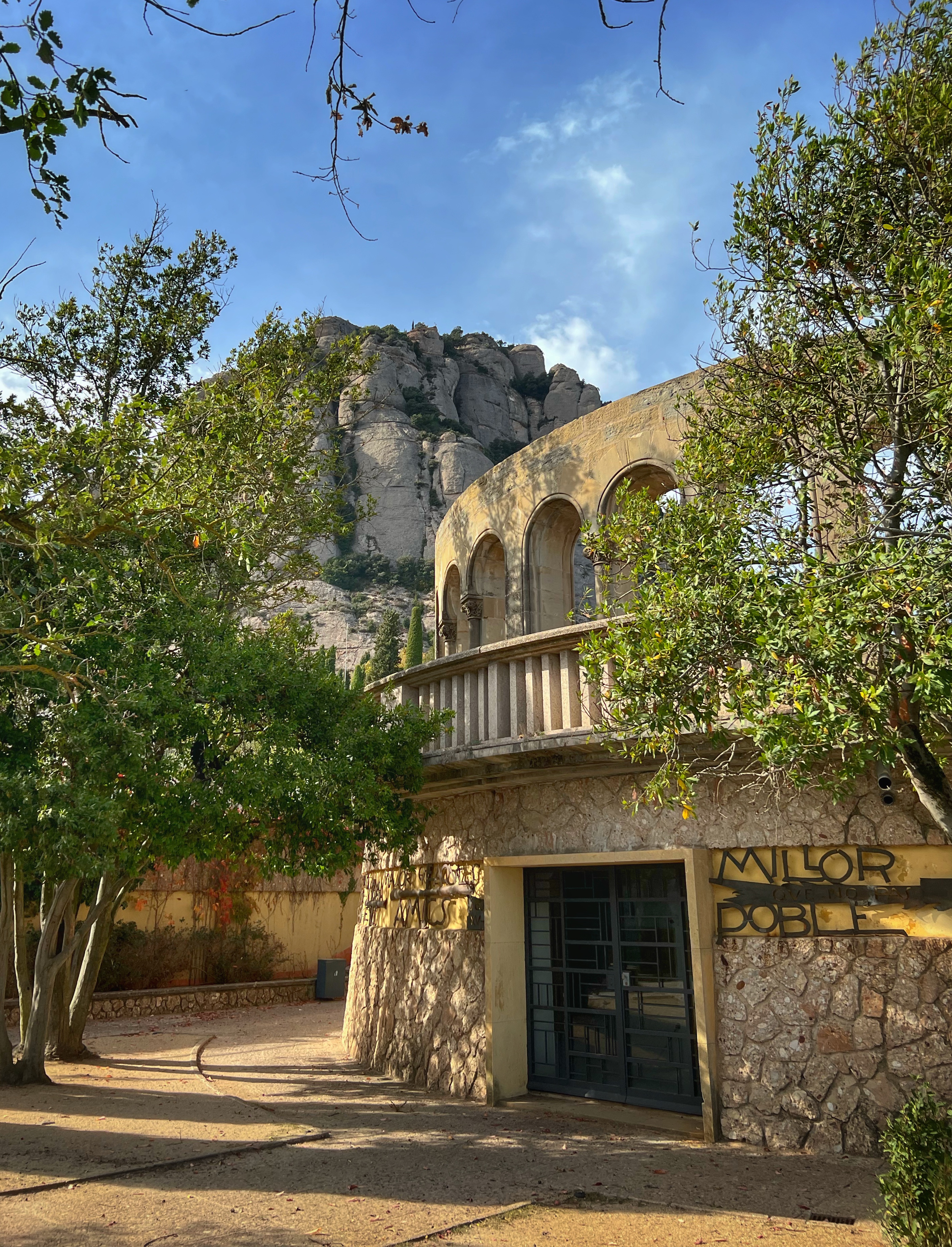
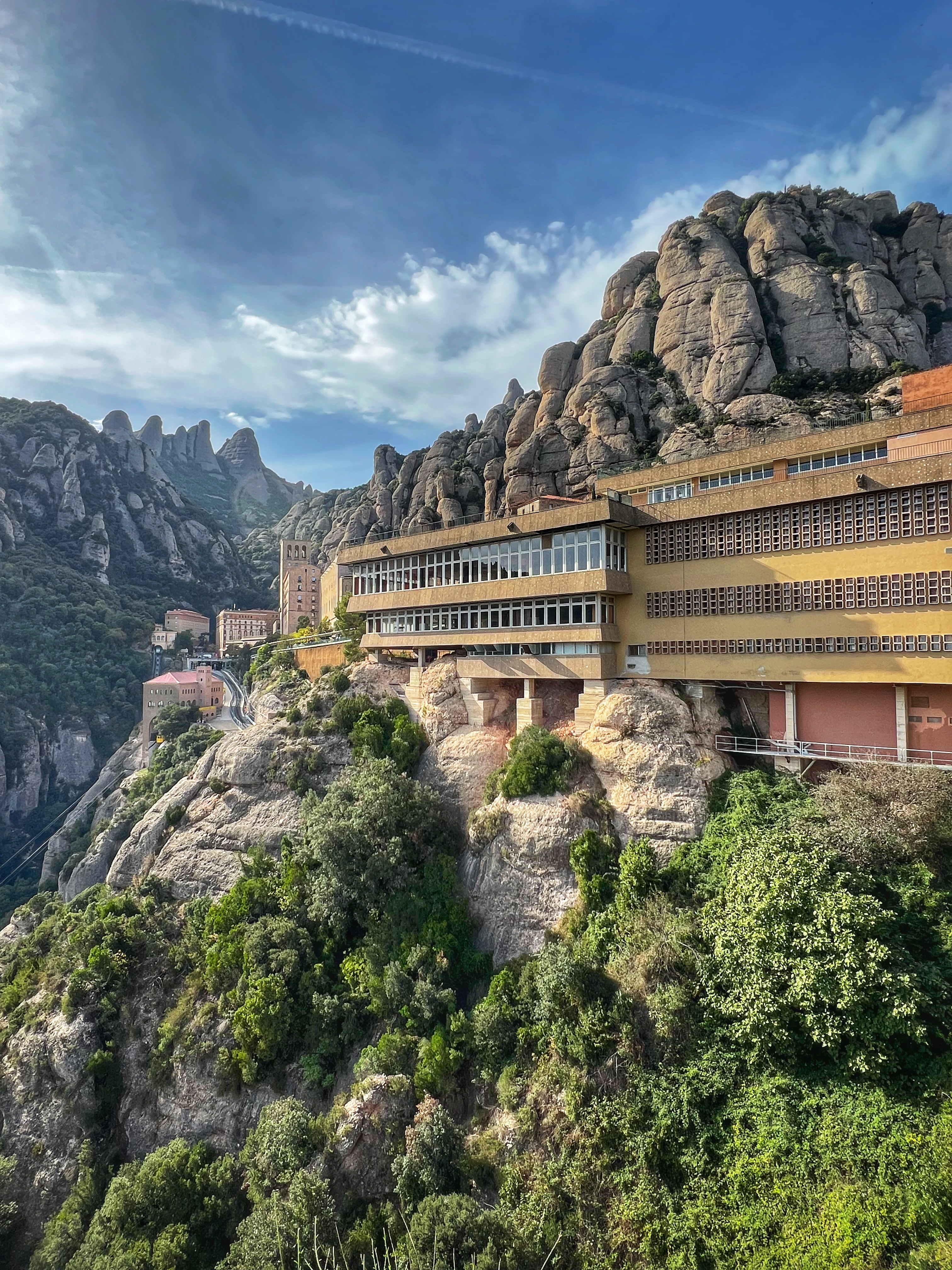

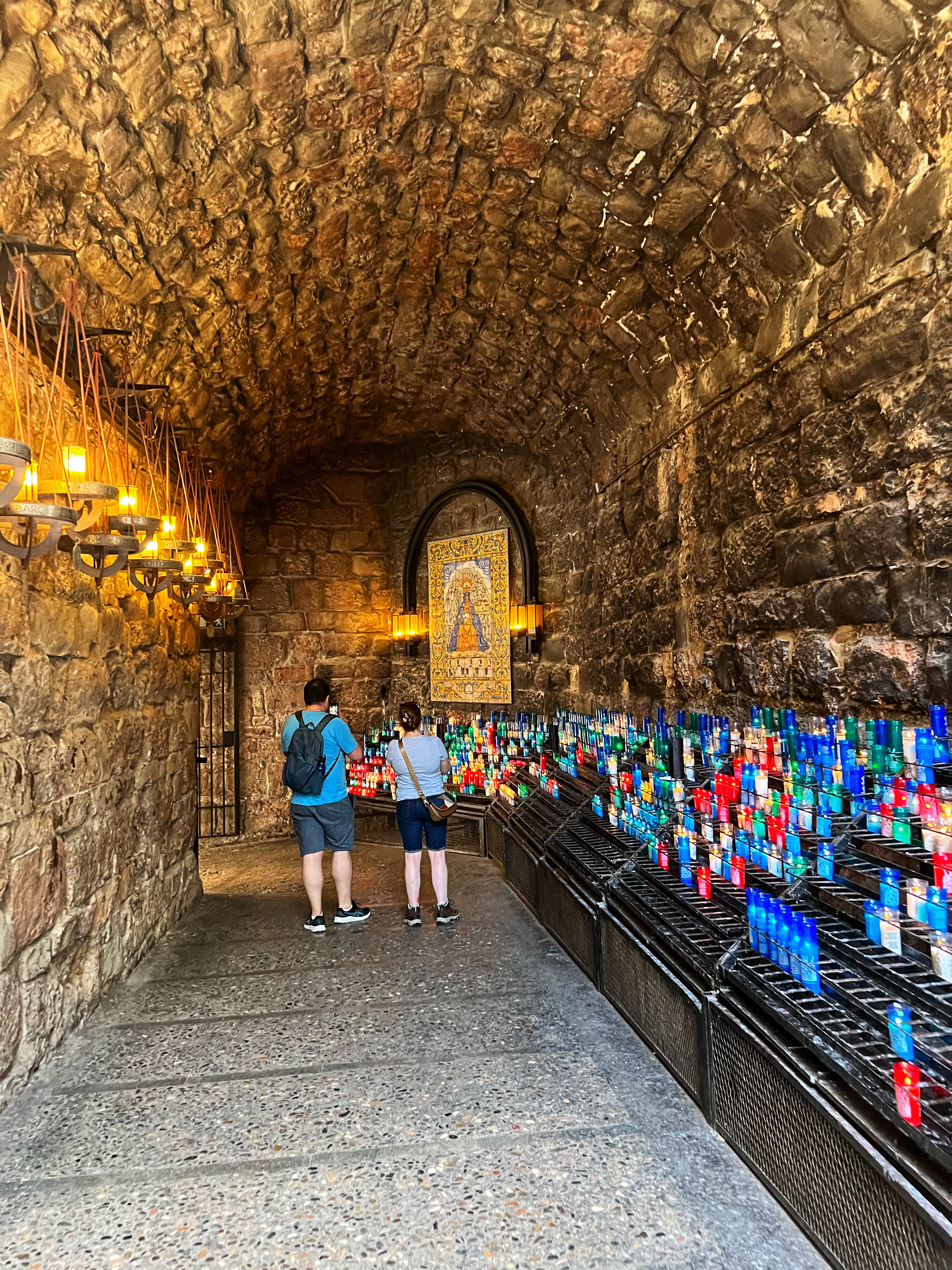
Montserrat abbey was built in the 11th century and has operated for over 1,000 years. There have always been between 70-80 Benedictine monks living and operating the abbey. The buildings visible today have been reconstructed and updated in the last 200 years, most notably the basilica which was re-built in 1811. The black madonna has an interesting legend attached – and it became the patron saint of Catalonia. It is said that in 880 a group of shepards saw light coming from the mountain, then followed the light and found the black madonna statue in a cave. They attempted to bring the statue down the mountain, but it was too heavy. When they couldn’t move any more, they decided to build the chapel for her in that spot. Quite the legend! If you’re a star wars fan, you might think some of the mountain’s rock formations resemble Jabba the Hutt! This is fitting, because it is said George Lucas was inspired by Gaudí’s “soldiers” on La Pedrera and Sagrada Familia for his storm troopers, so perhaps he was inspired by the mountains of Montserrat as well?
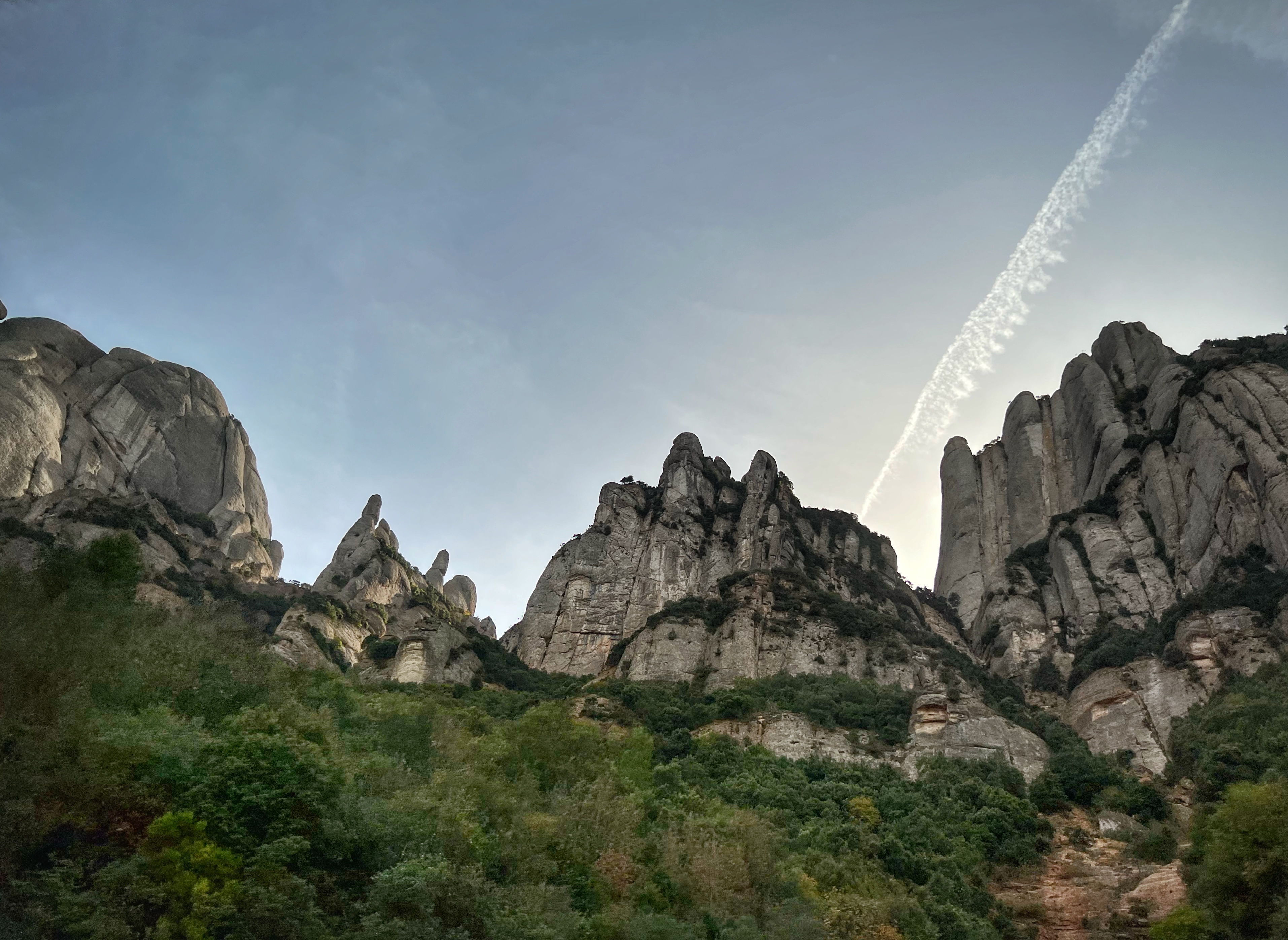
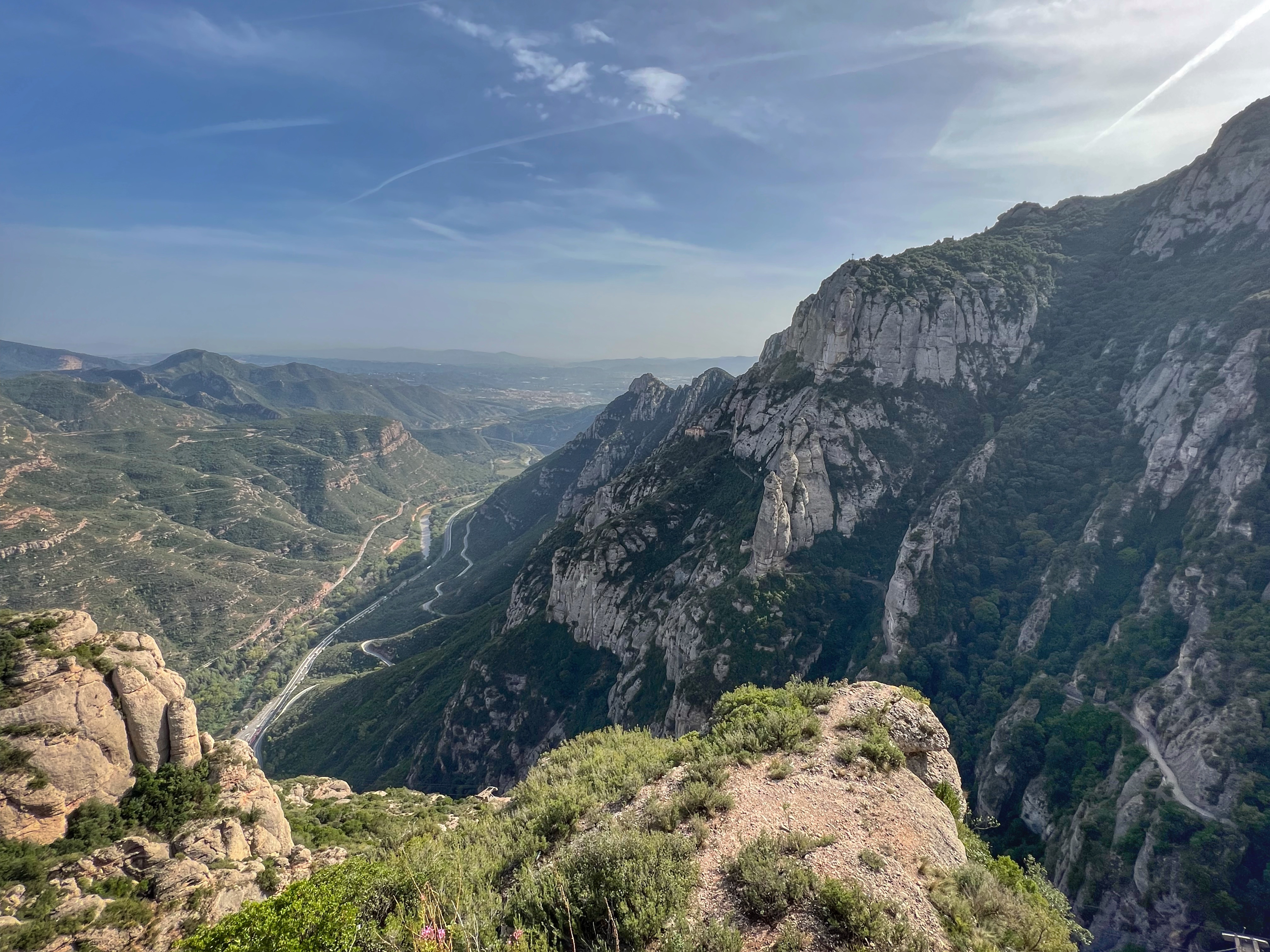
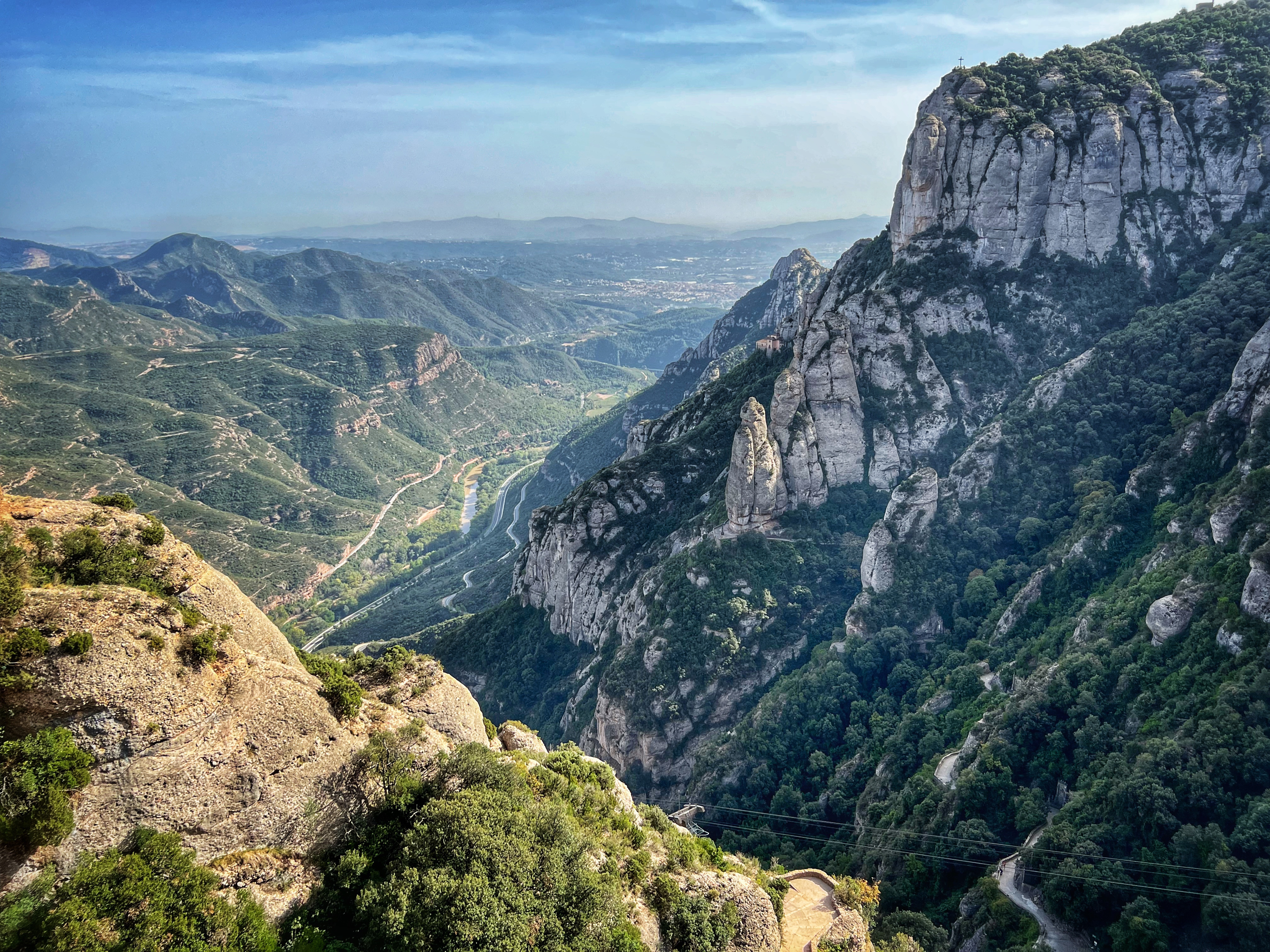
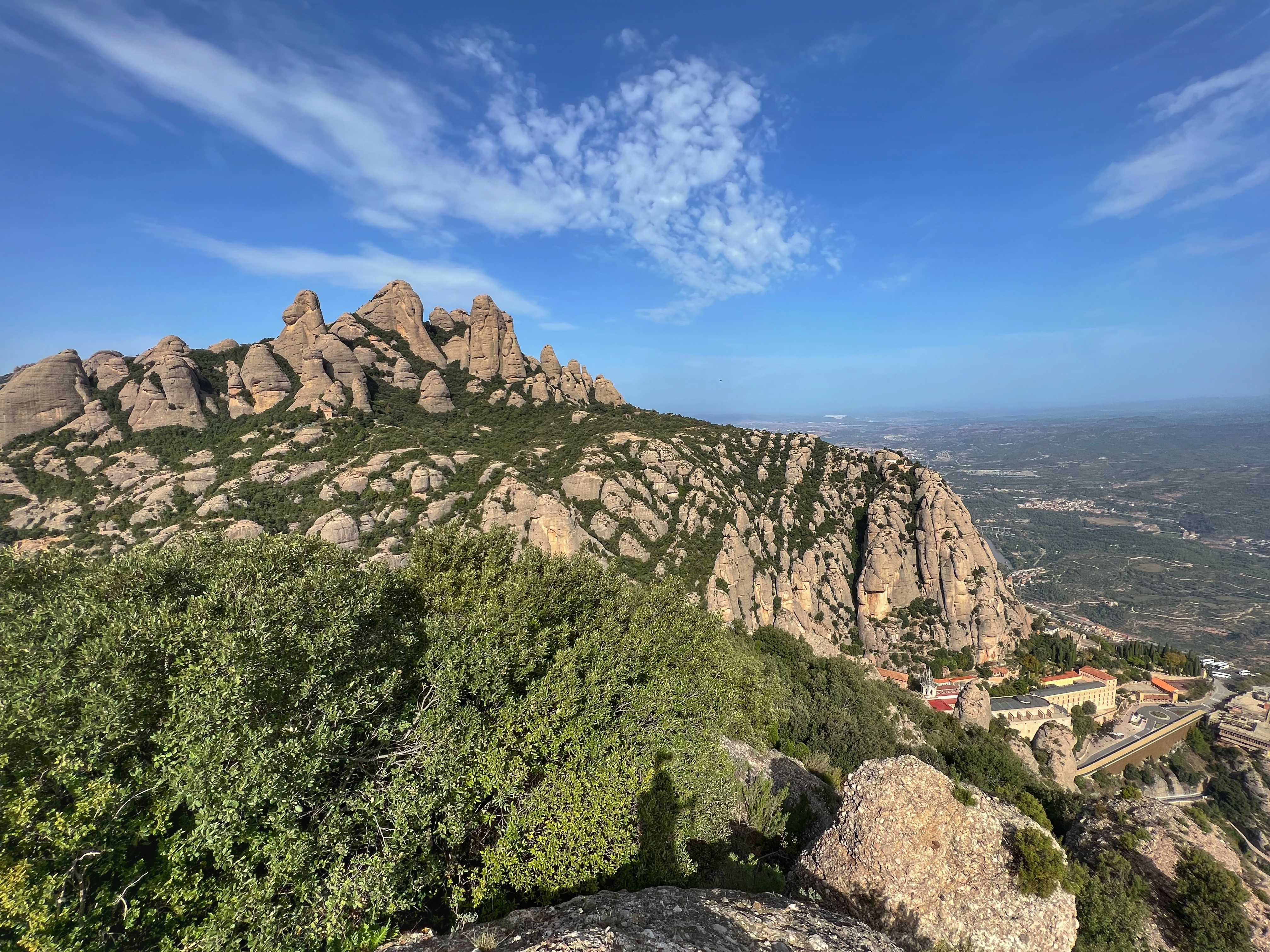


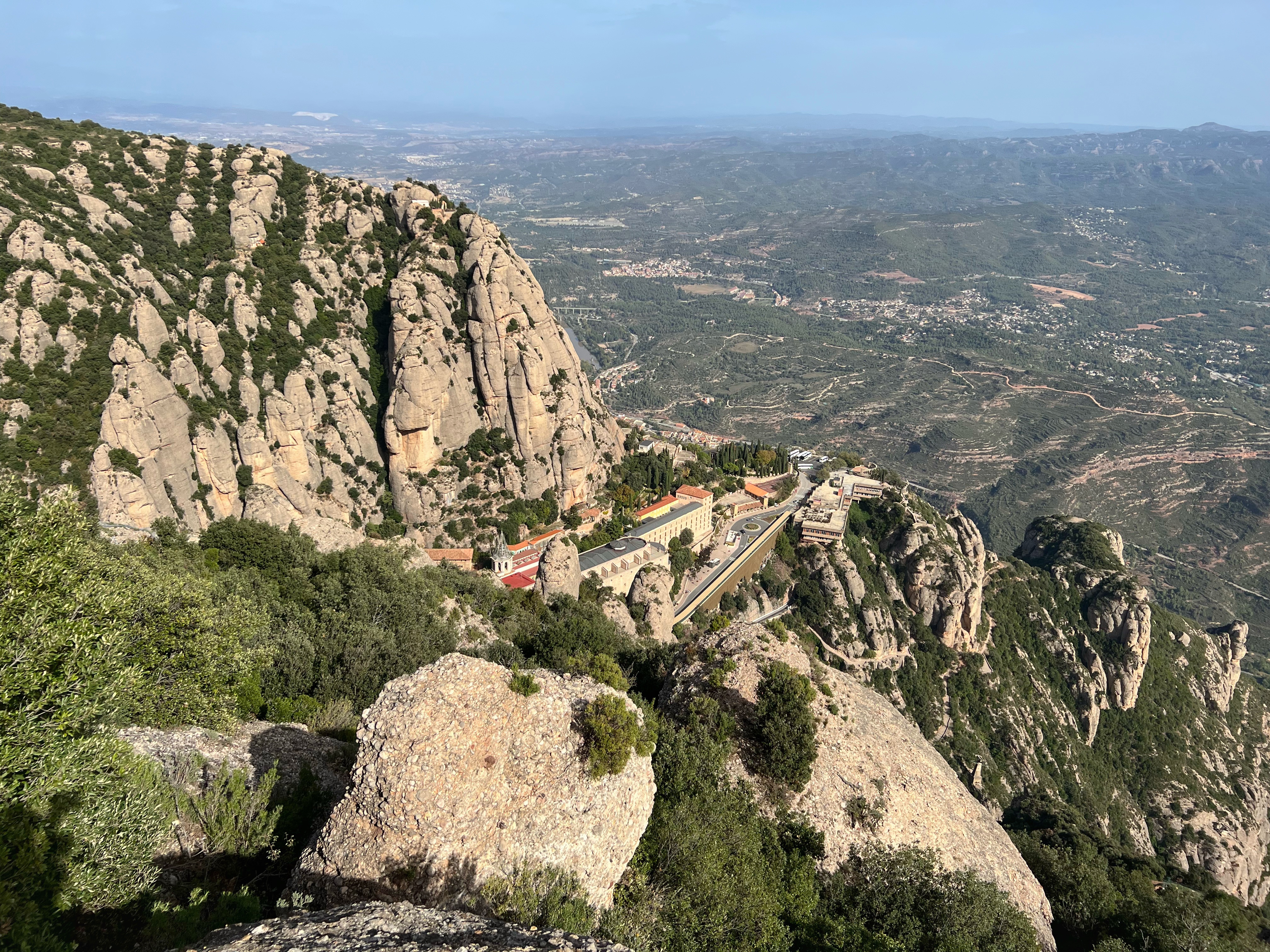
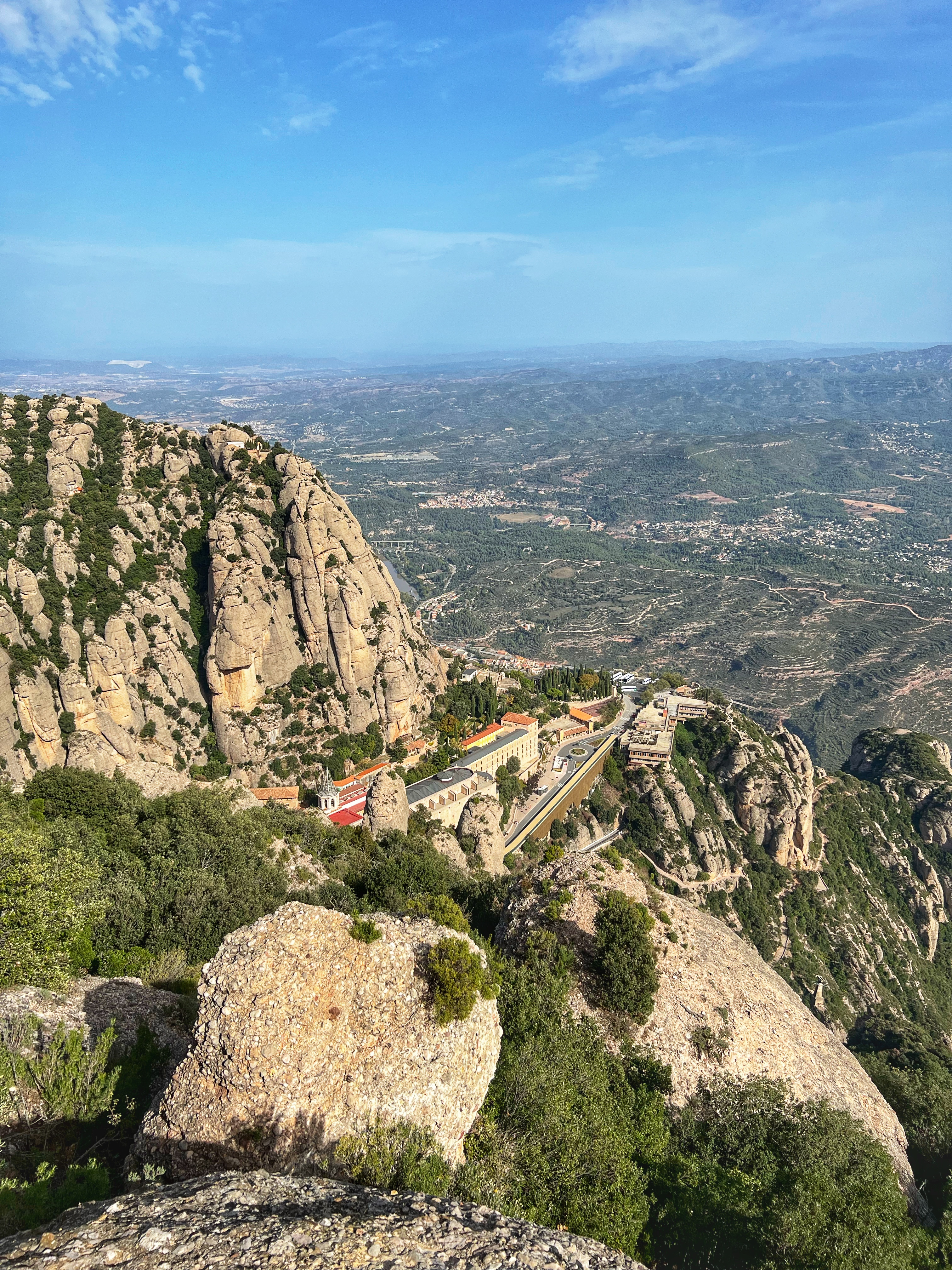

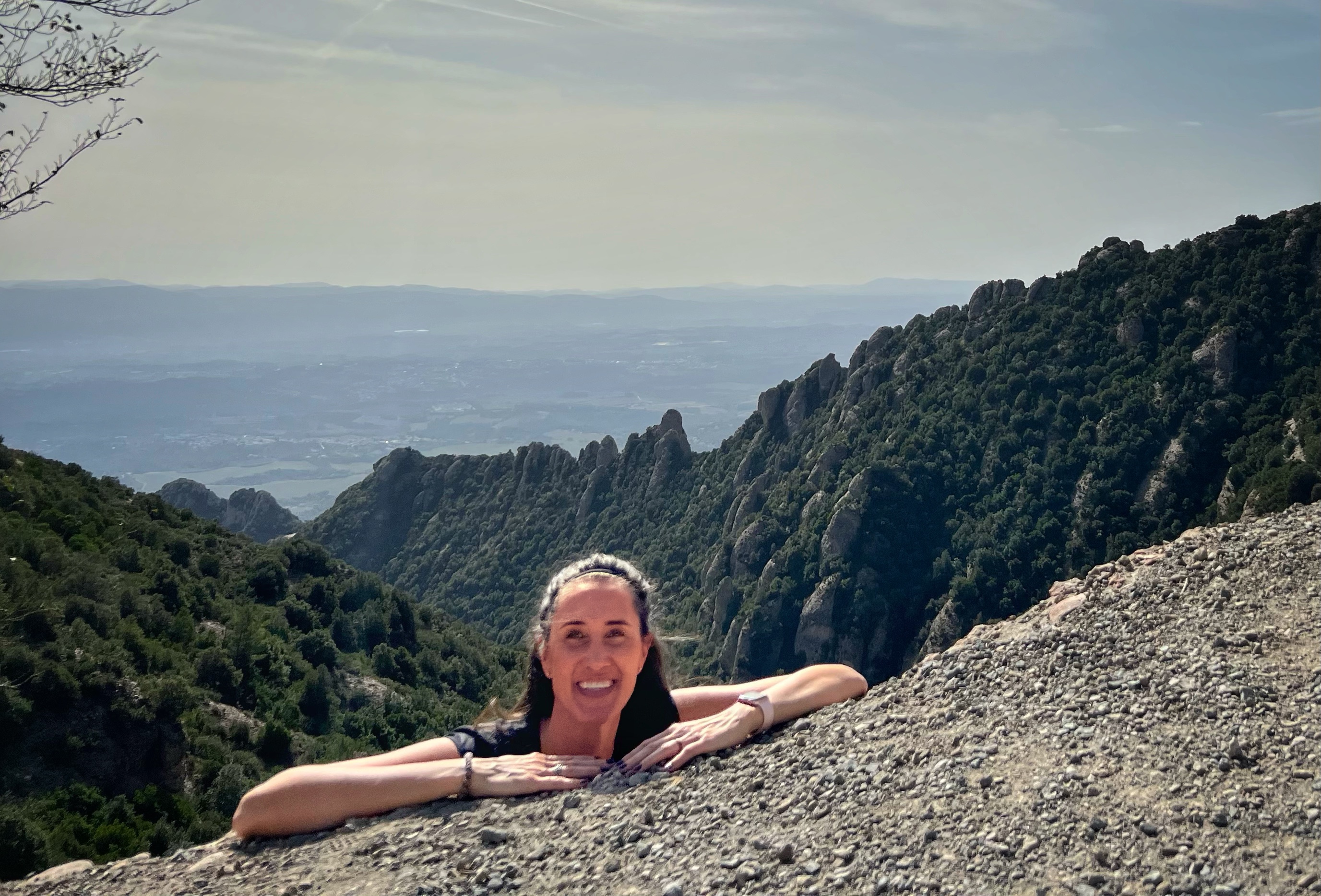

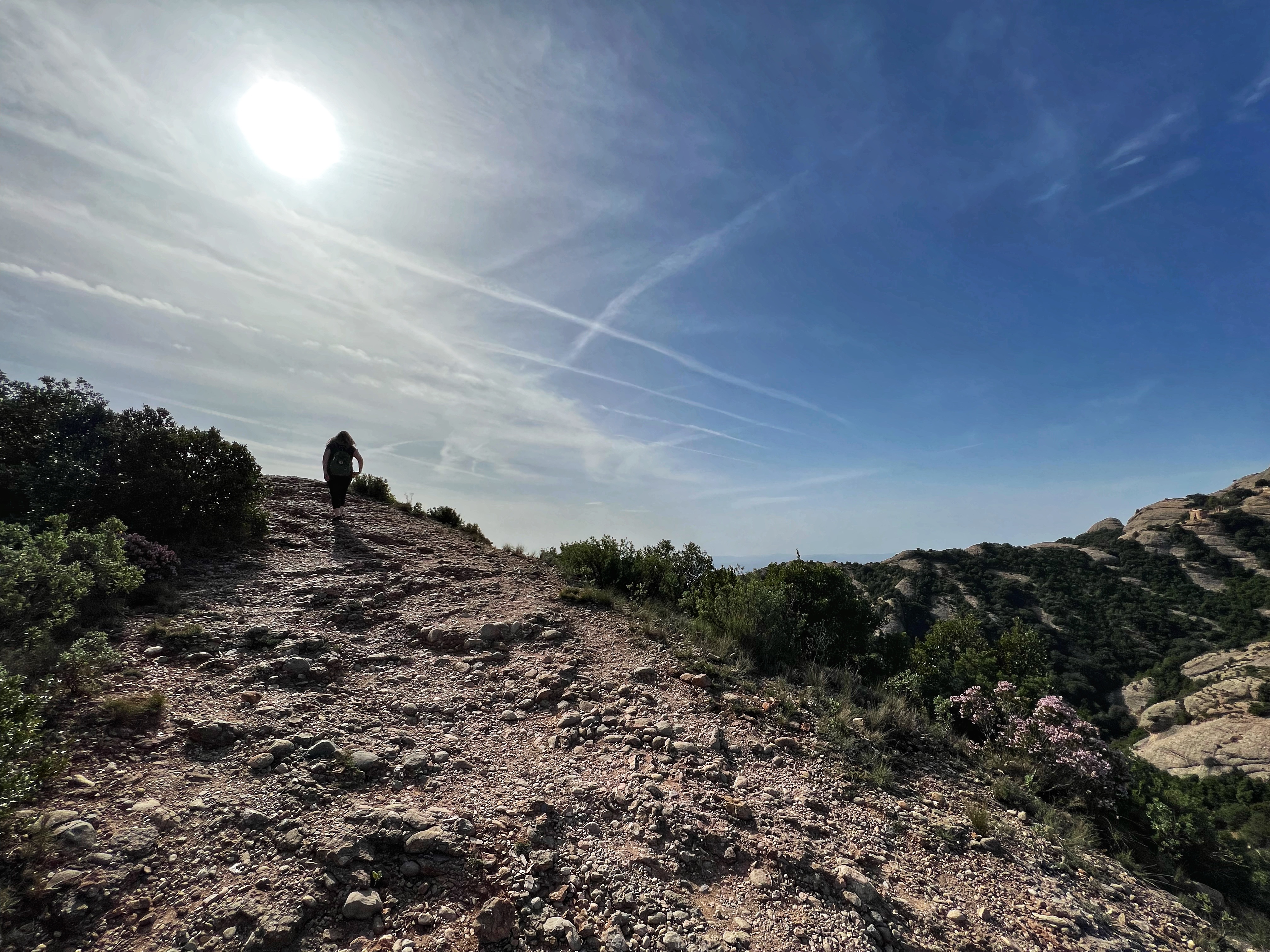
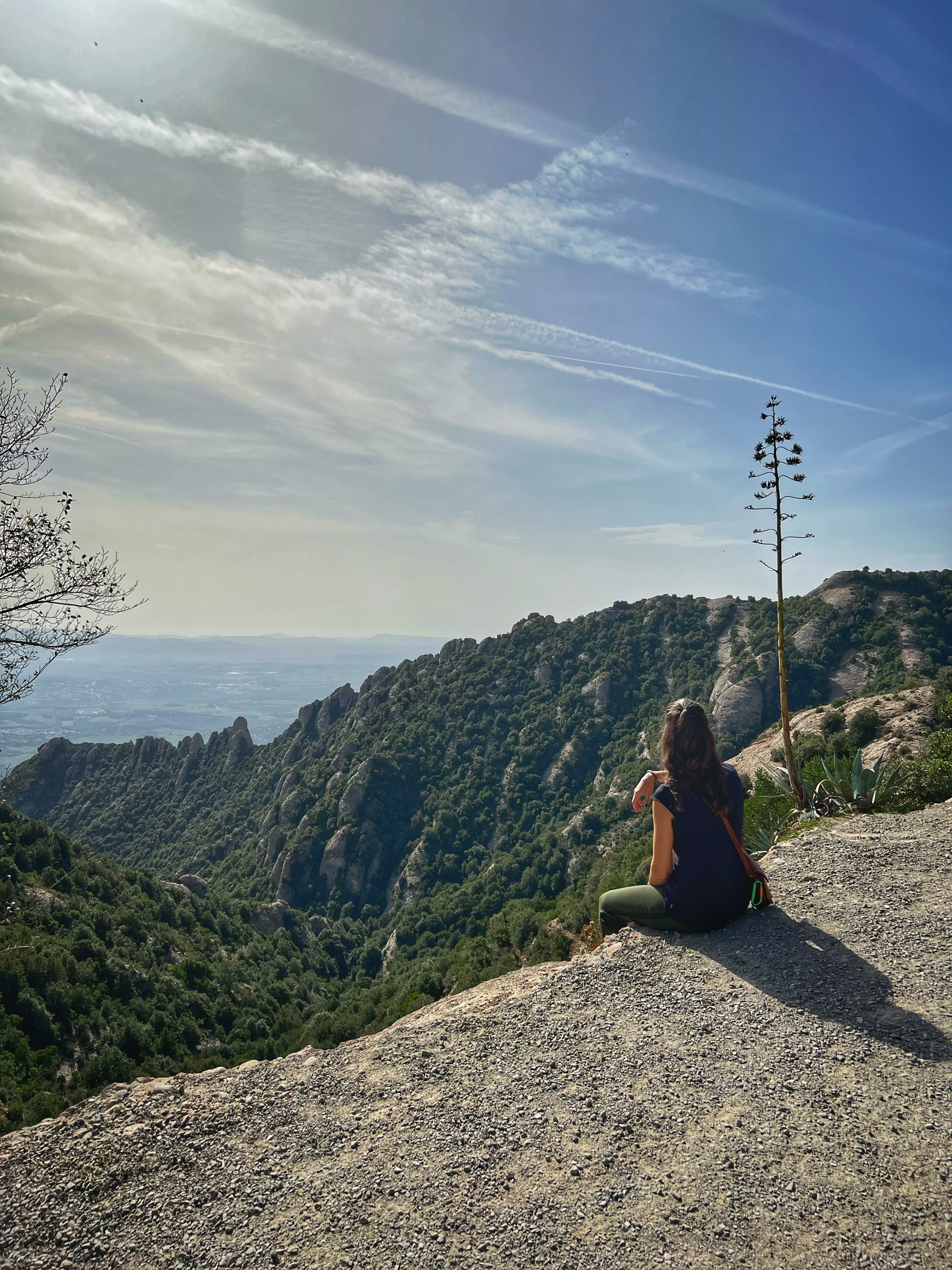

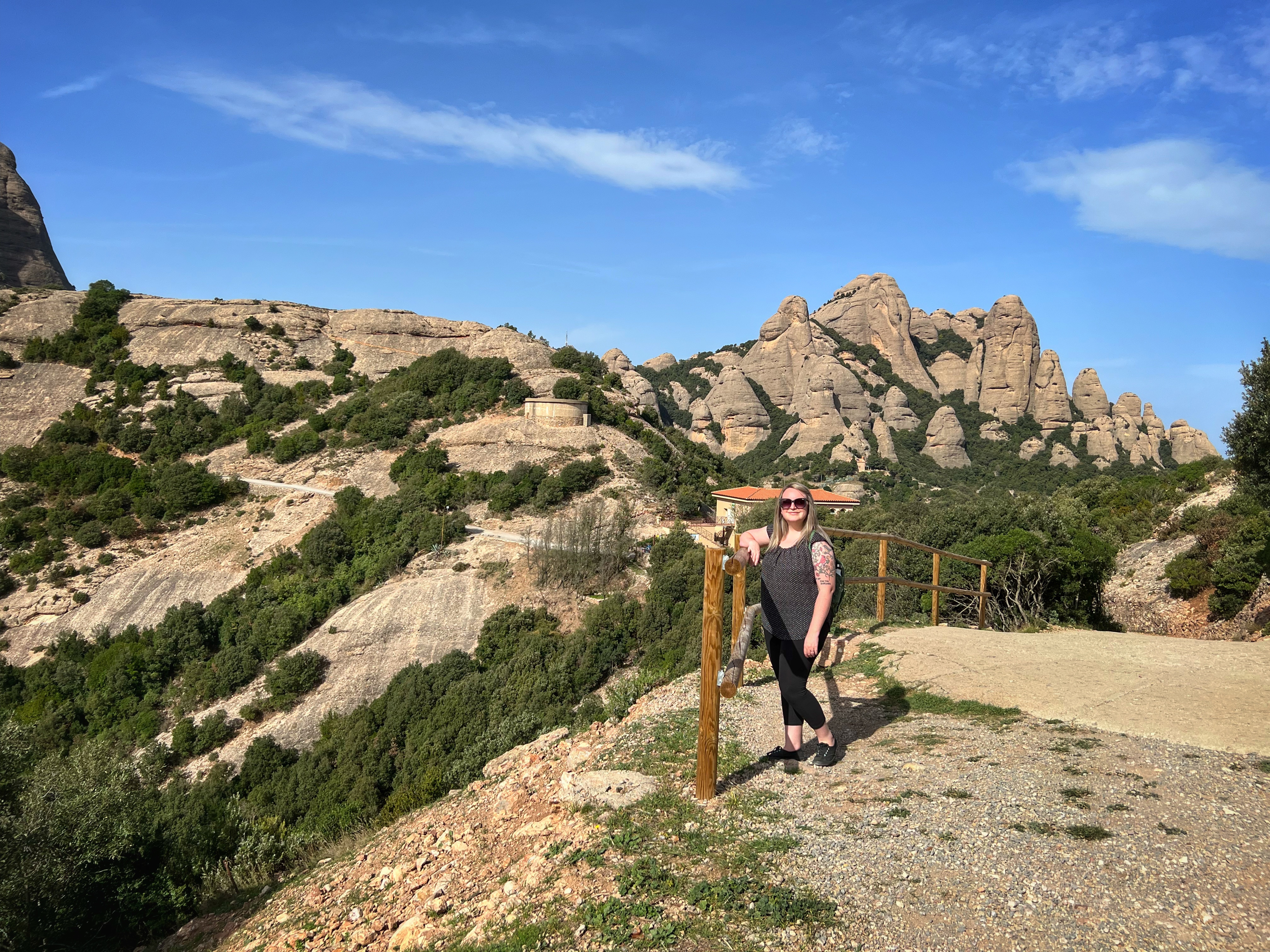
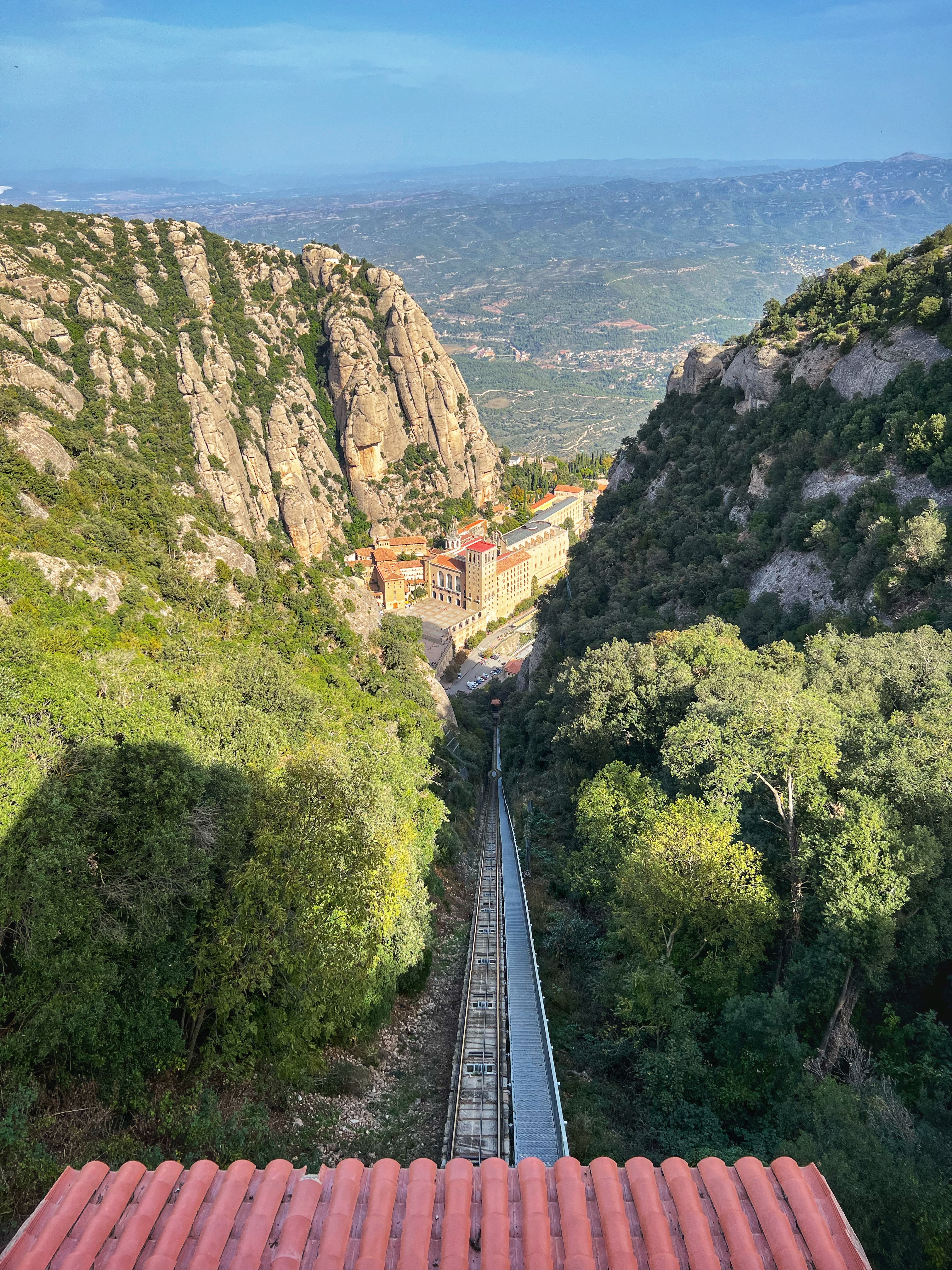
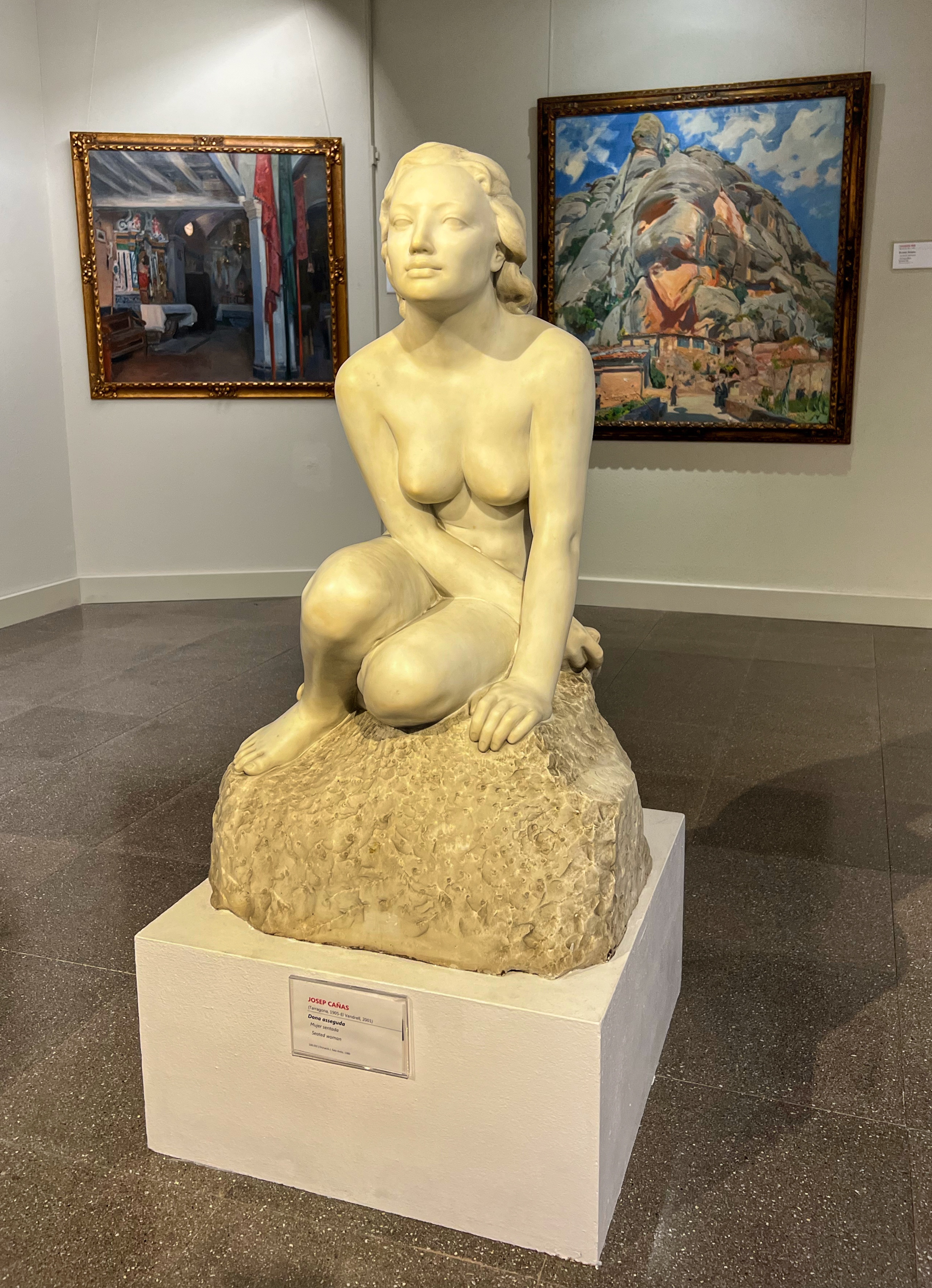
Once at the monastery, there are several things you can do. I recommend taking the funicular St Joan (€14 round trip) up the to the top the mountain to walk around and enjoy views from above. This will take about one hour or more if you decide to hike around. You can also hike all the way up, but that might not fit into the time frame if you’re on a tour. At the monastery you can wait with the crowd to hear the boys’ choir perform at 1PM each weekday, or wait in another line to visit the famous black madonna in the chapel behind the altar. Take note of the architecture here – the archways are beautiful. There are lovely shops and a couple of eateries plus free, clean bathrooms. For an added fee (€8) you can also visit the art museum that contains works from Picasso, Monet, Dalí and more. Finally there is a virtual audio-visual experience you can bundle with the museum ticket as well.
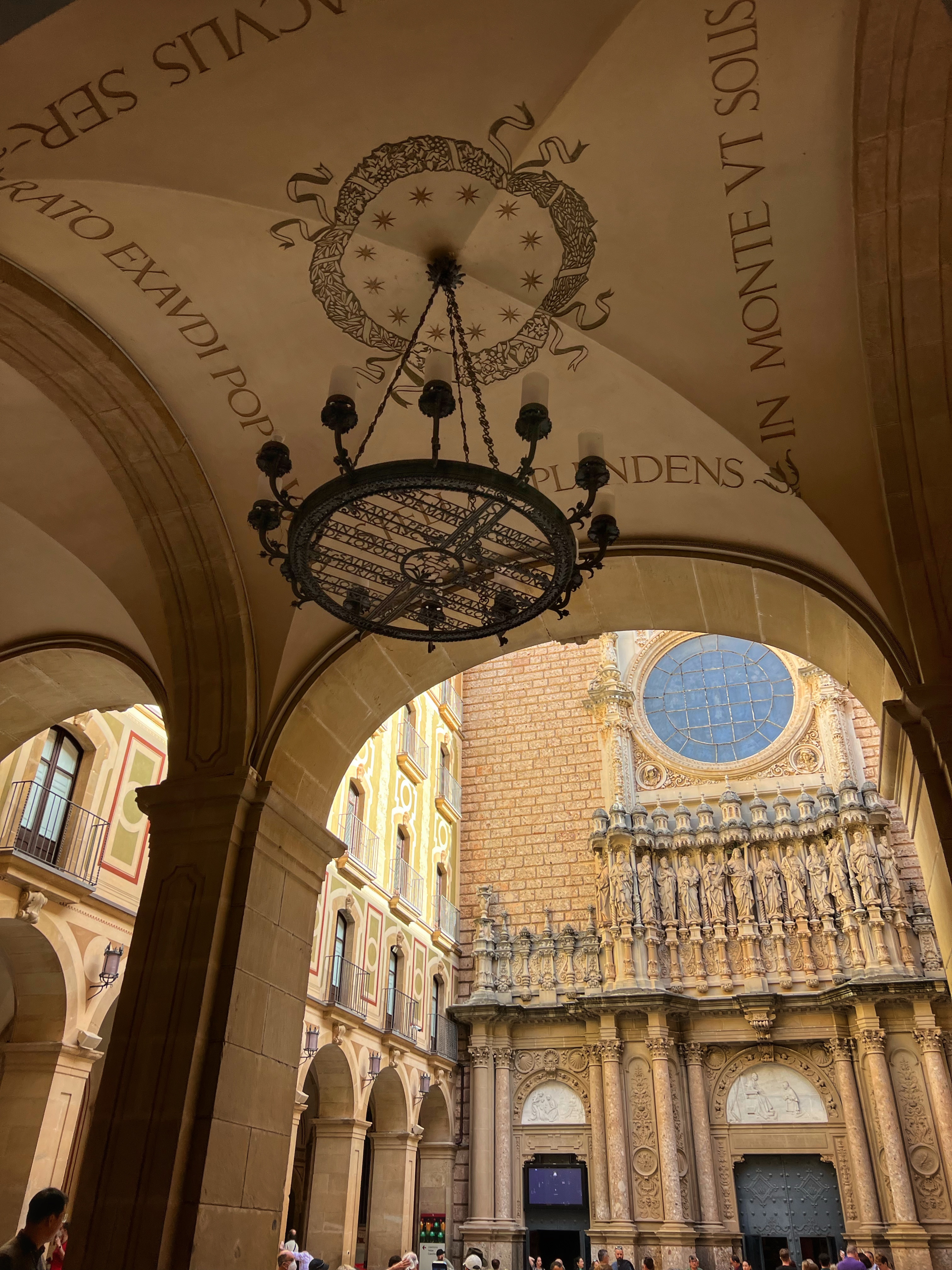
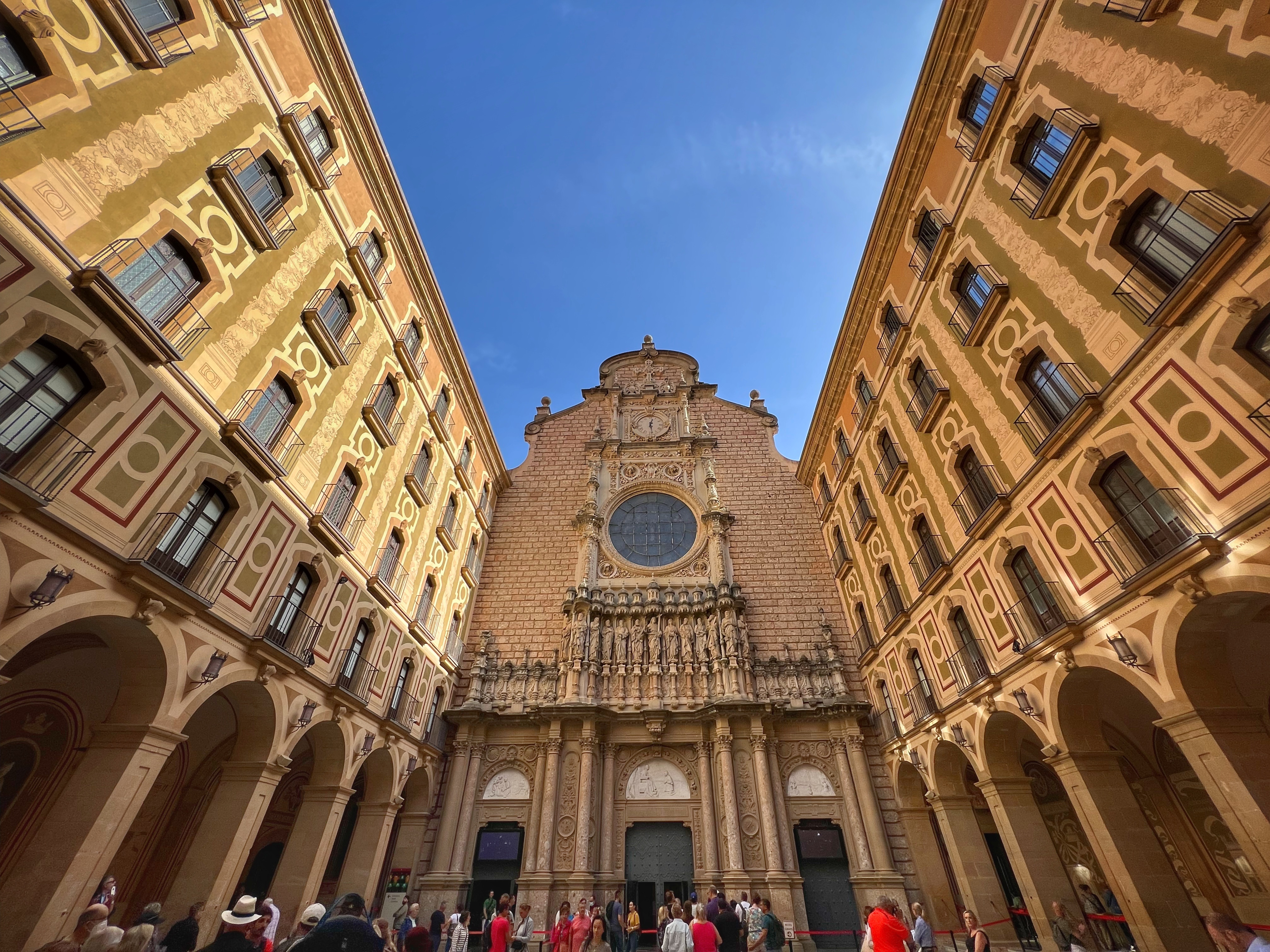

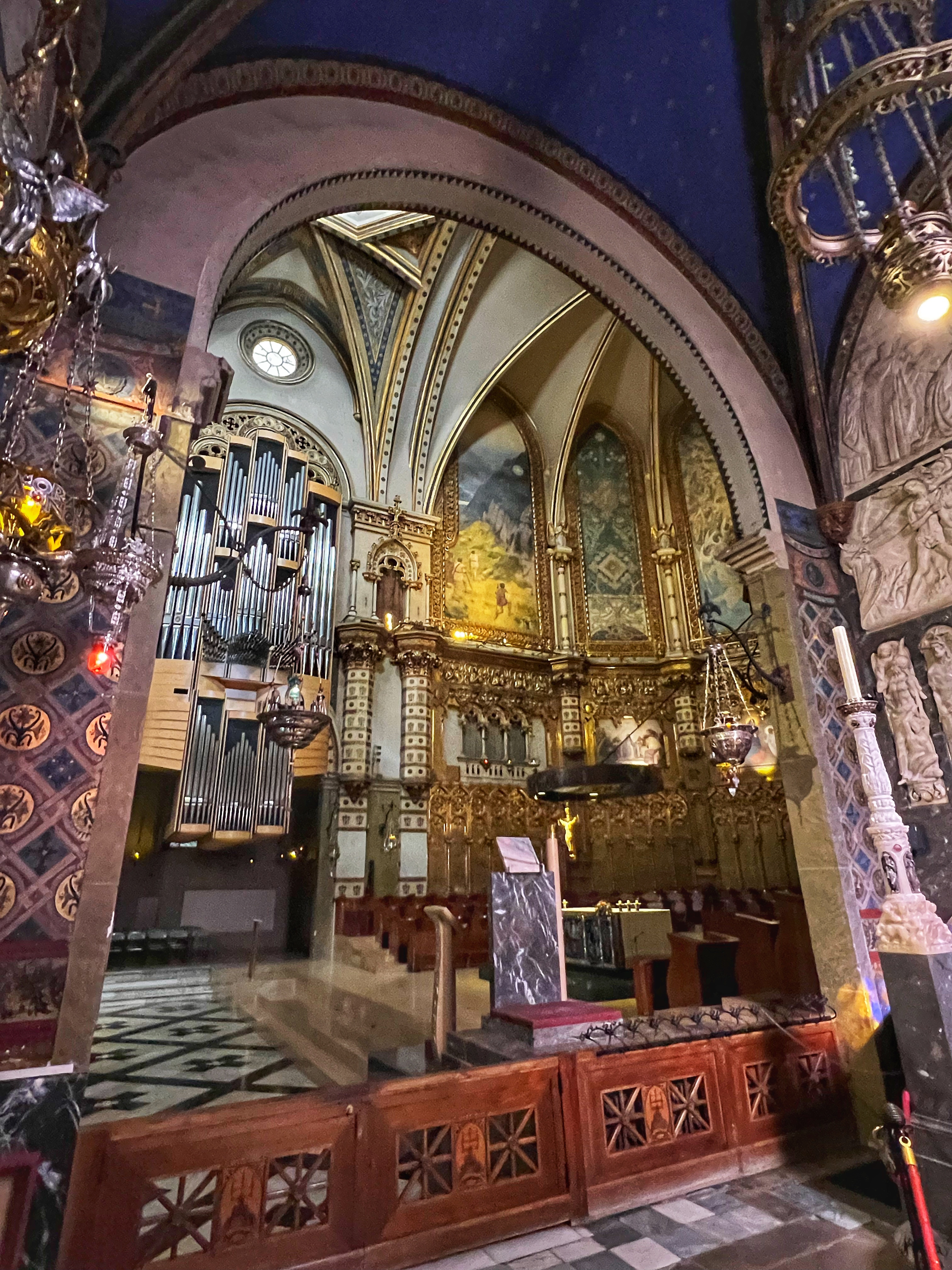
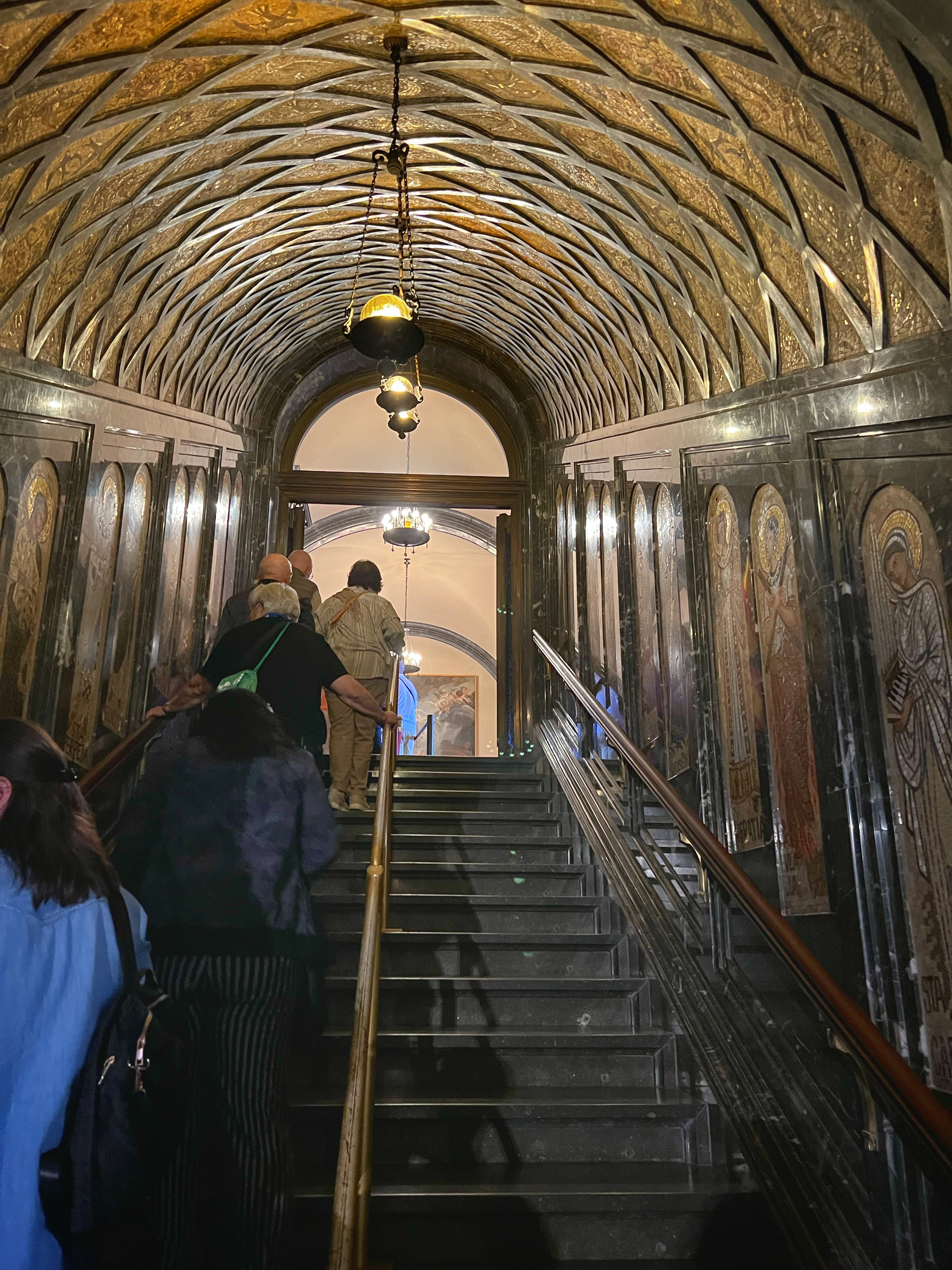

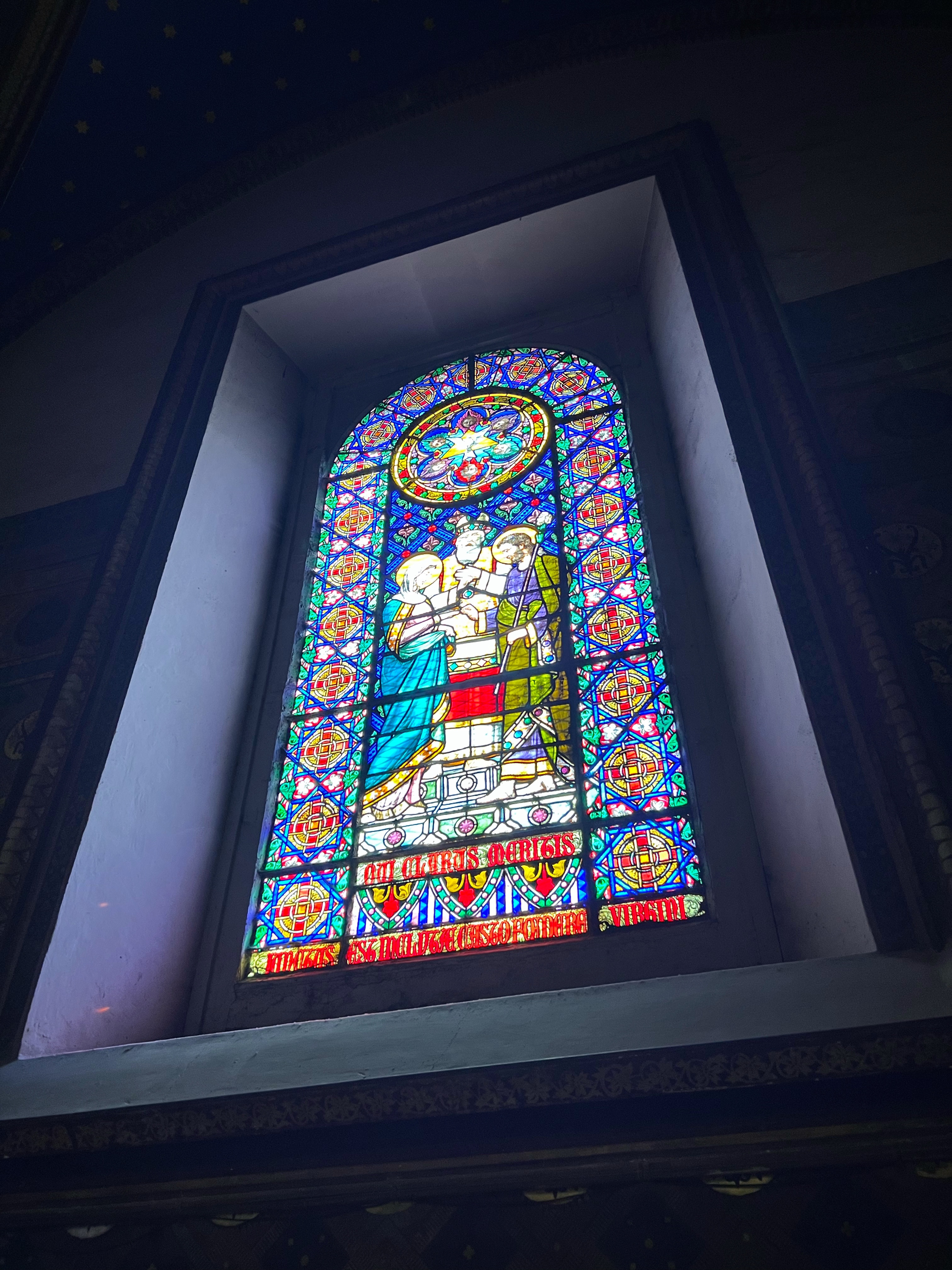
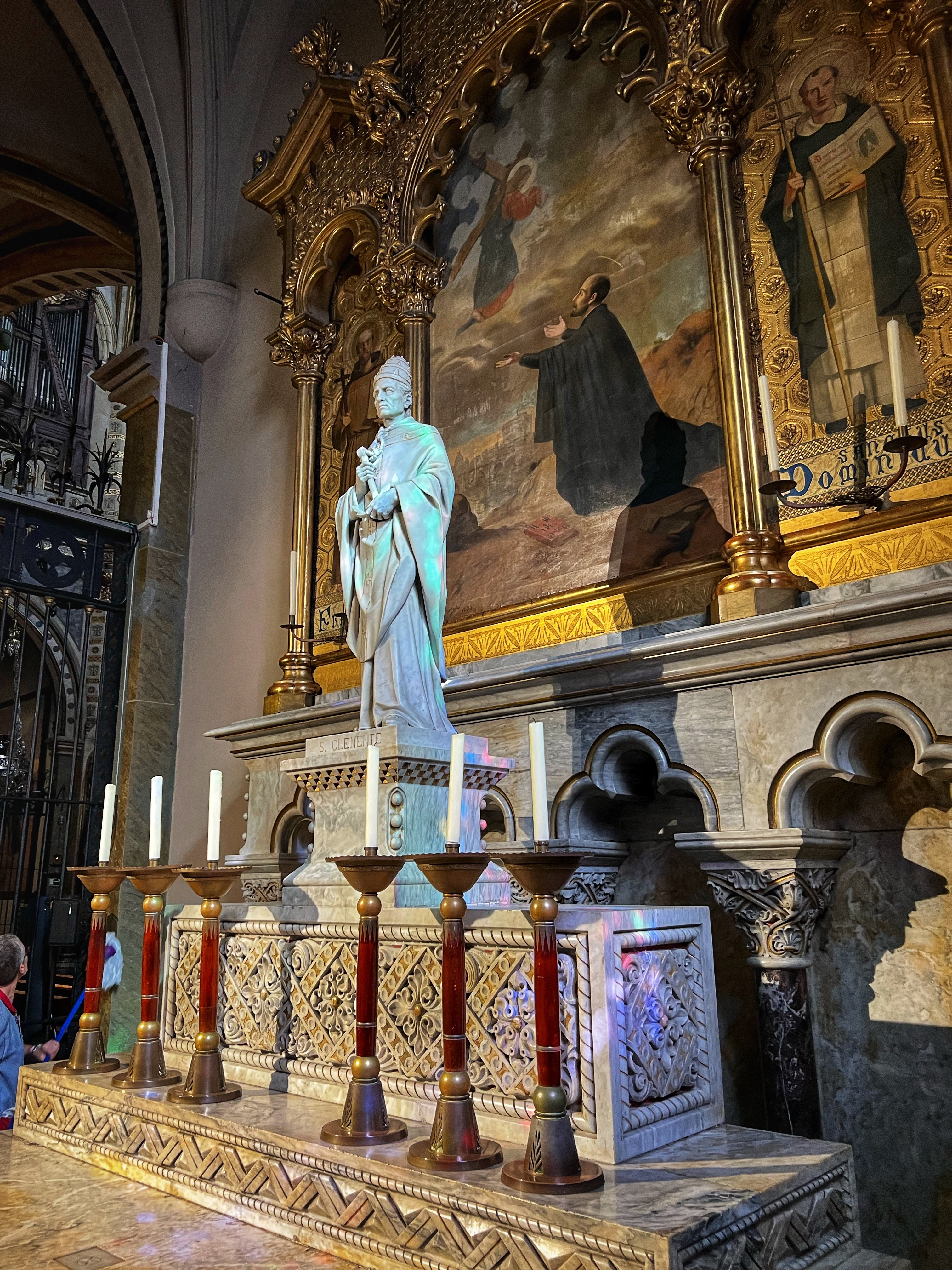
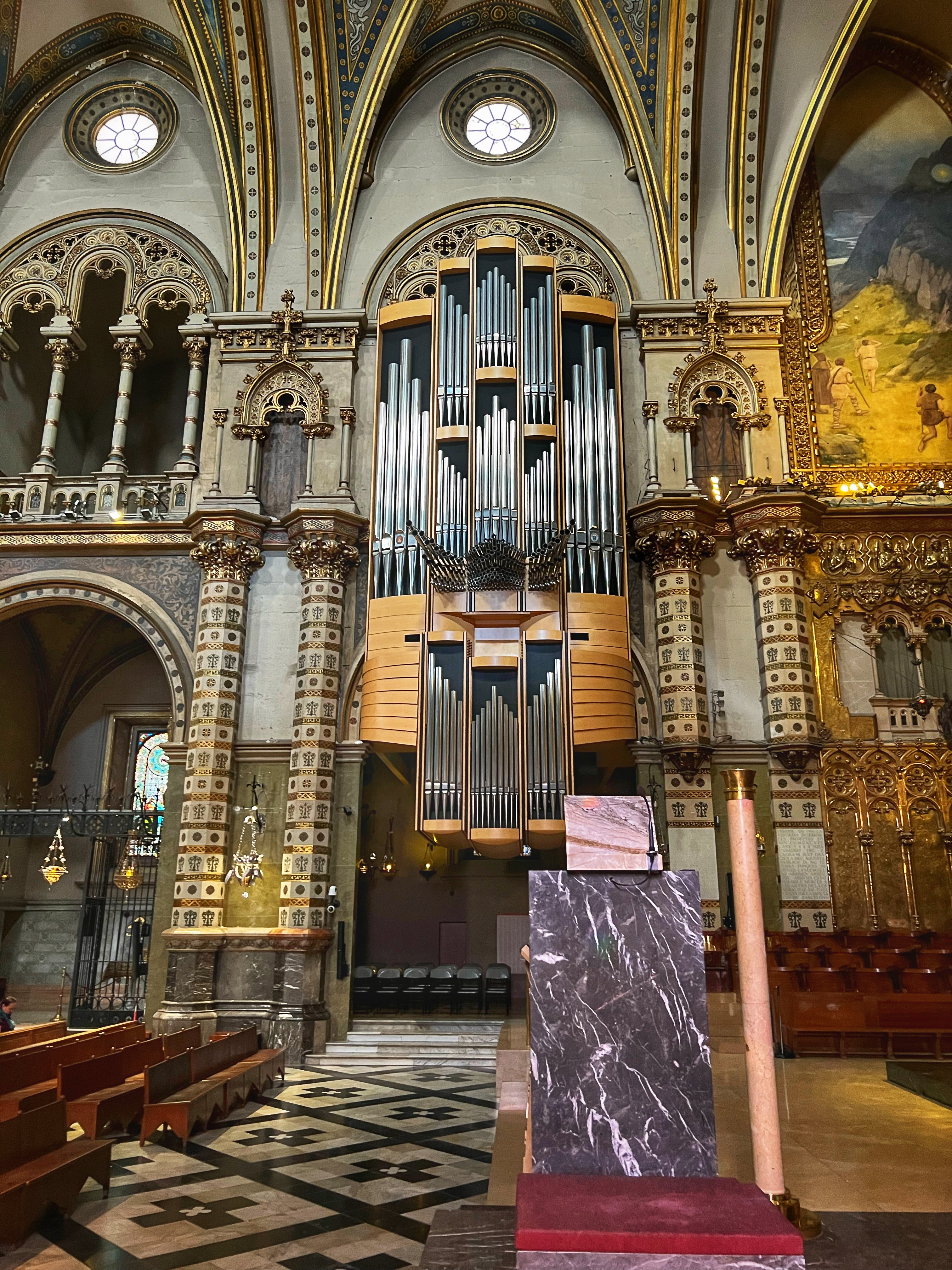

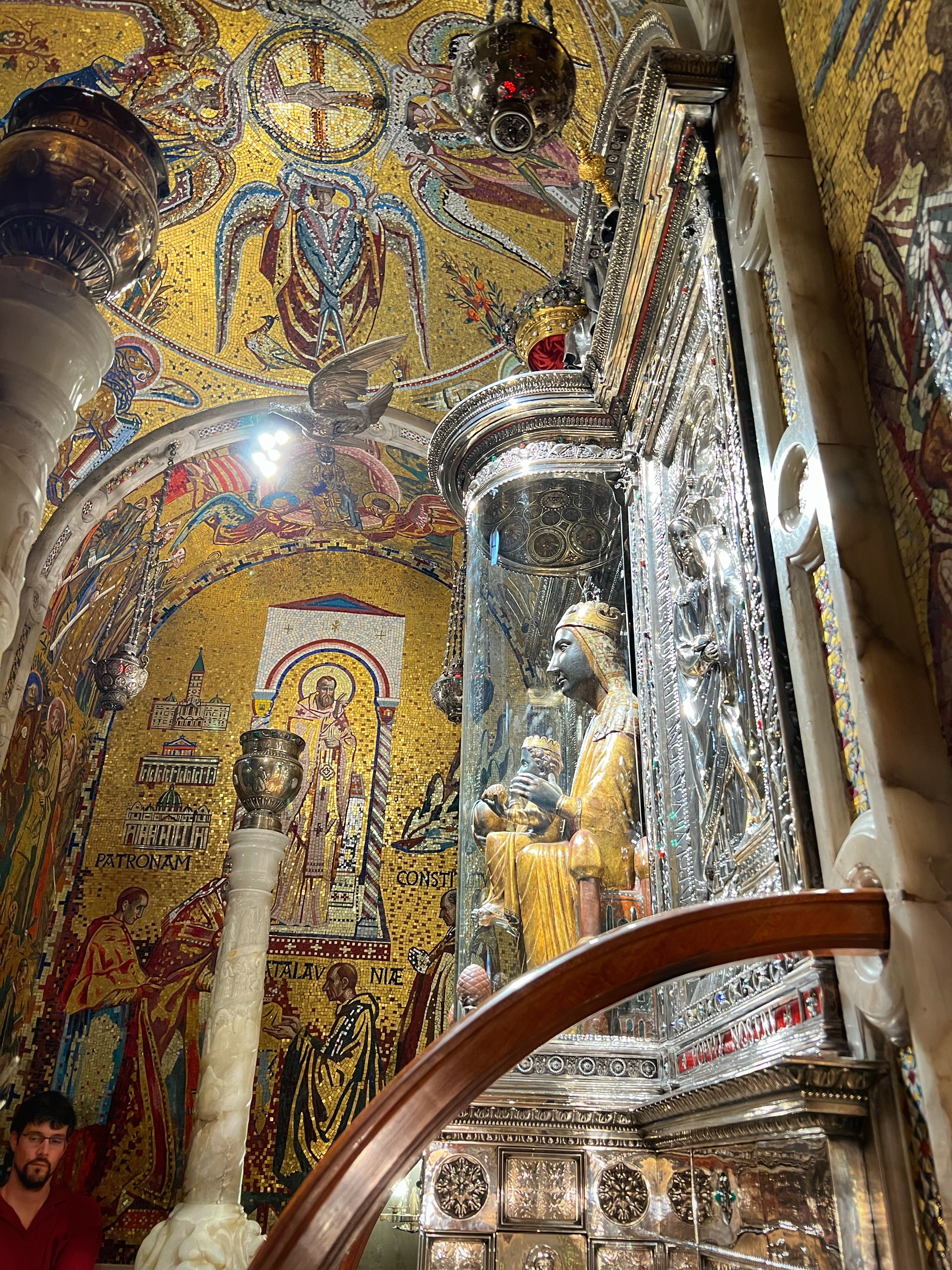

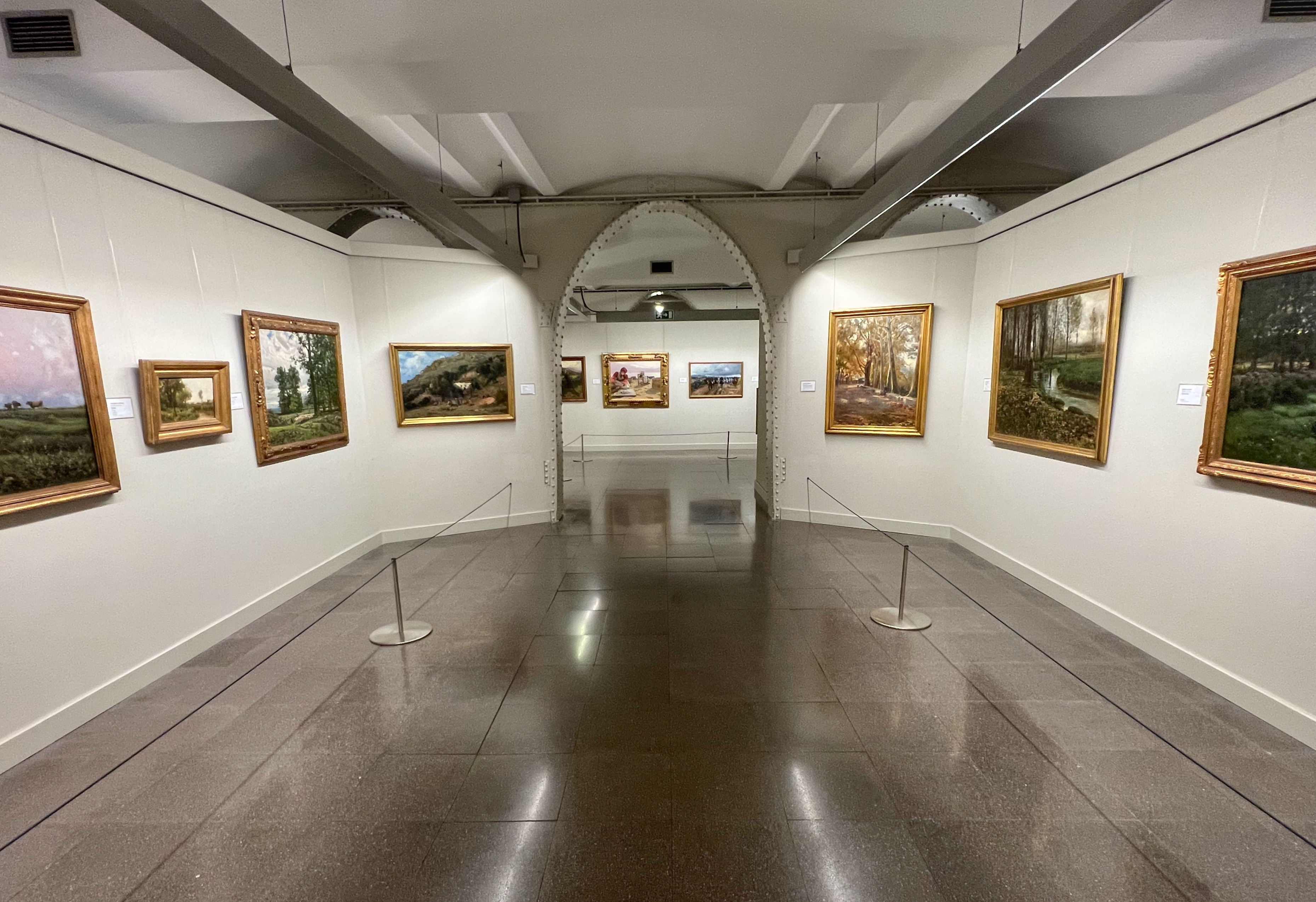

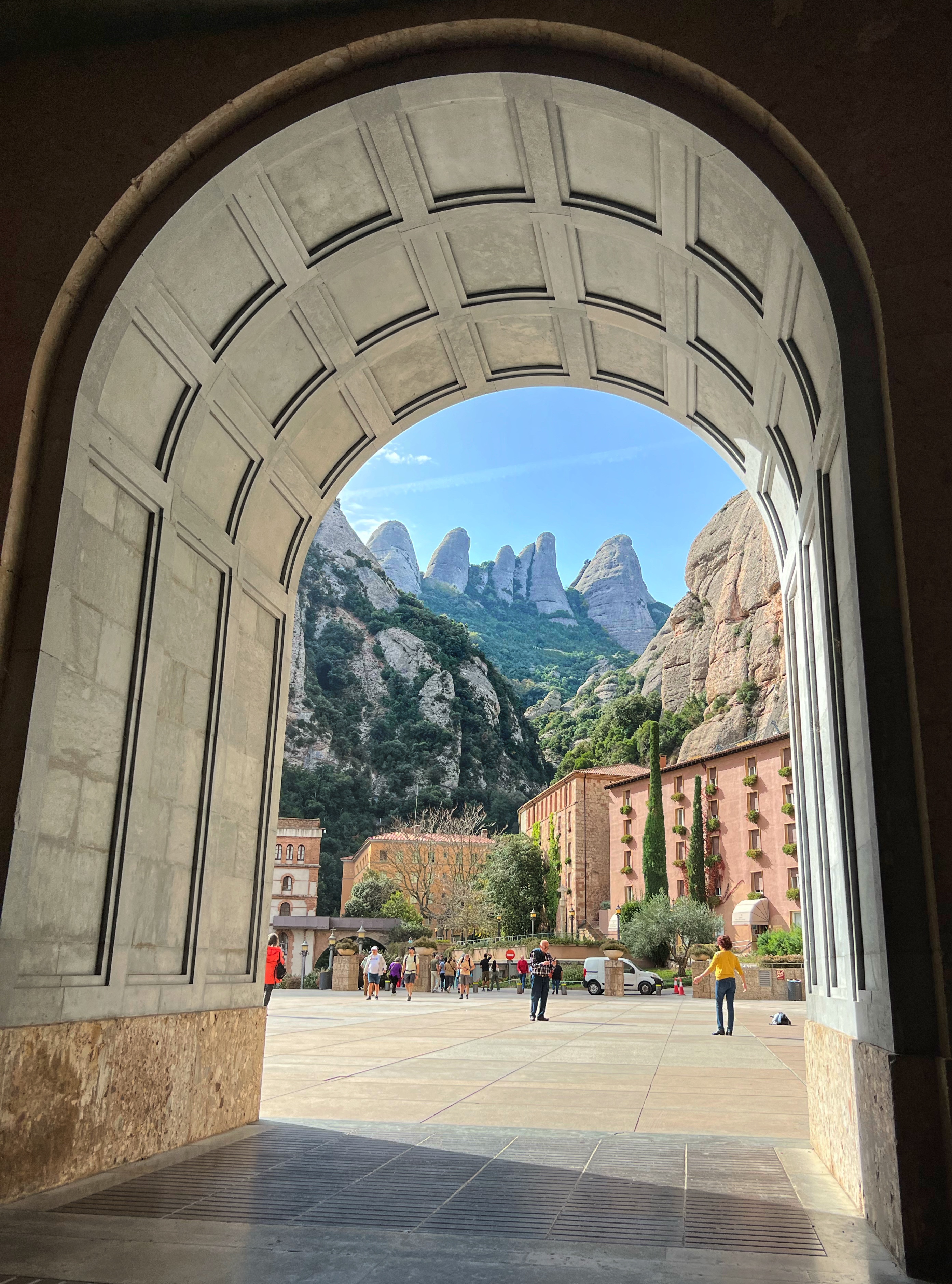
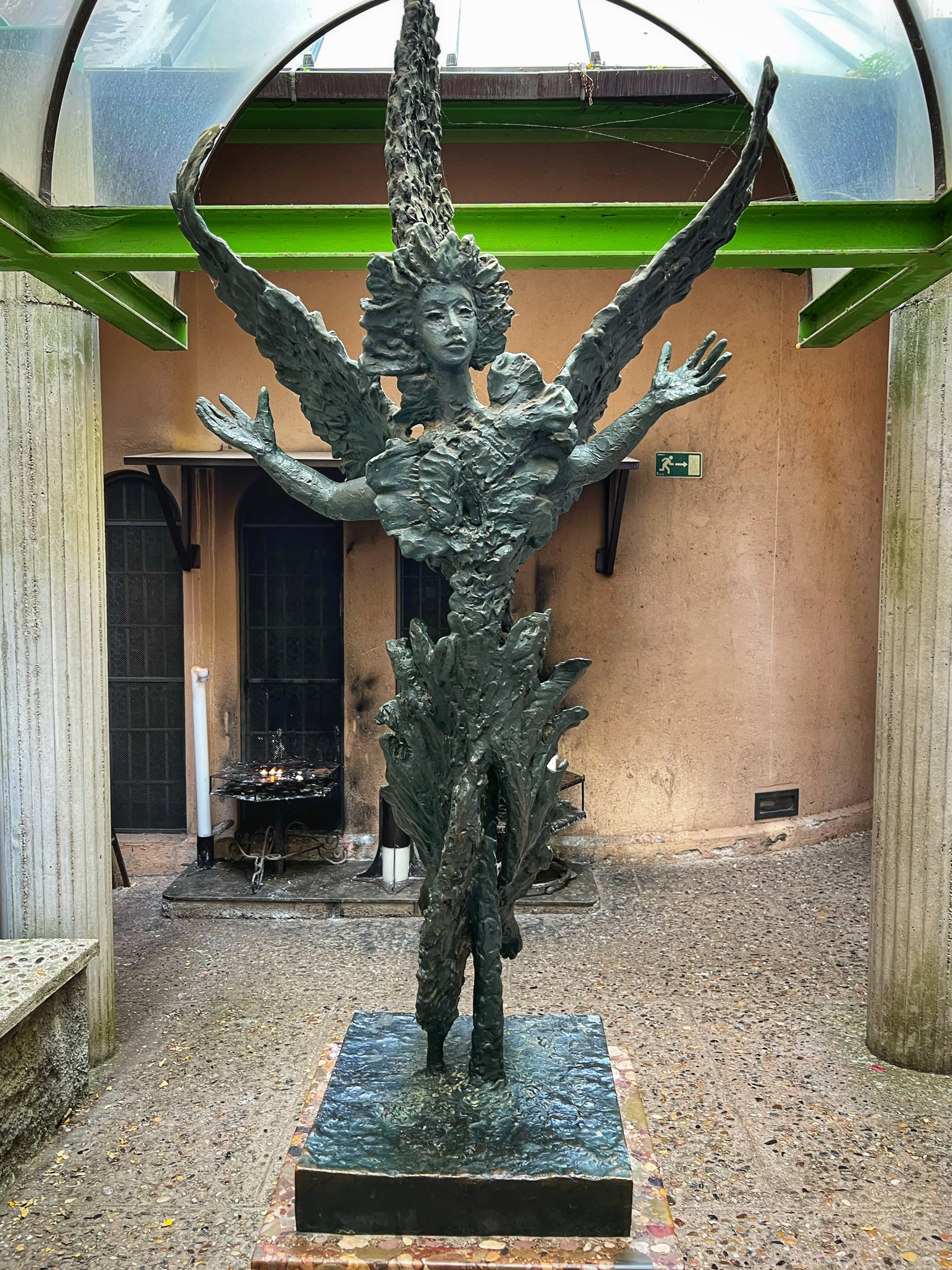




TO VISIT: There are several ways to reach Montserrat. You can join a tour and not worry about a thing – it will likely bring you by coach bus, then train to the monastery, and by bus for the return. It is also possible to drive to the monastery, park here and take the cable car up the mountain for €9.25 round trip, or park here and take the train from Monistrol up the mountain to Montserrat for €13/adult and €6.50/children up to 13. Buy your tickets at each station.
HONORABLE MENTION
1. BARCELONA IN MEMORIUM
My travel buddy Ashlyn is passionate about learning how countries memorialize events in history, centering the experiences of those who were effected by slavery, genocide and political brutality. We visited several places to learn more about Spain and Barcelona’s history of slavery, the eradication of the Jews (long before the Holocaust) and most recently, Francoism. Here are the spaces we visited and the resources that informed us.
FFRANCO’S FASCISM
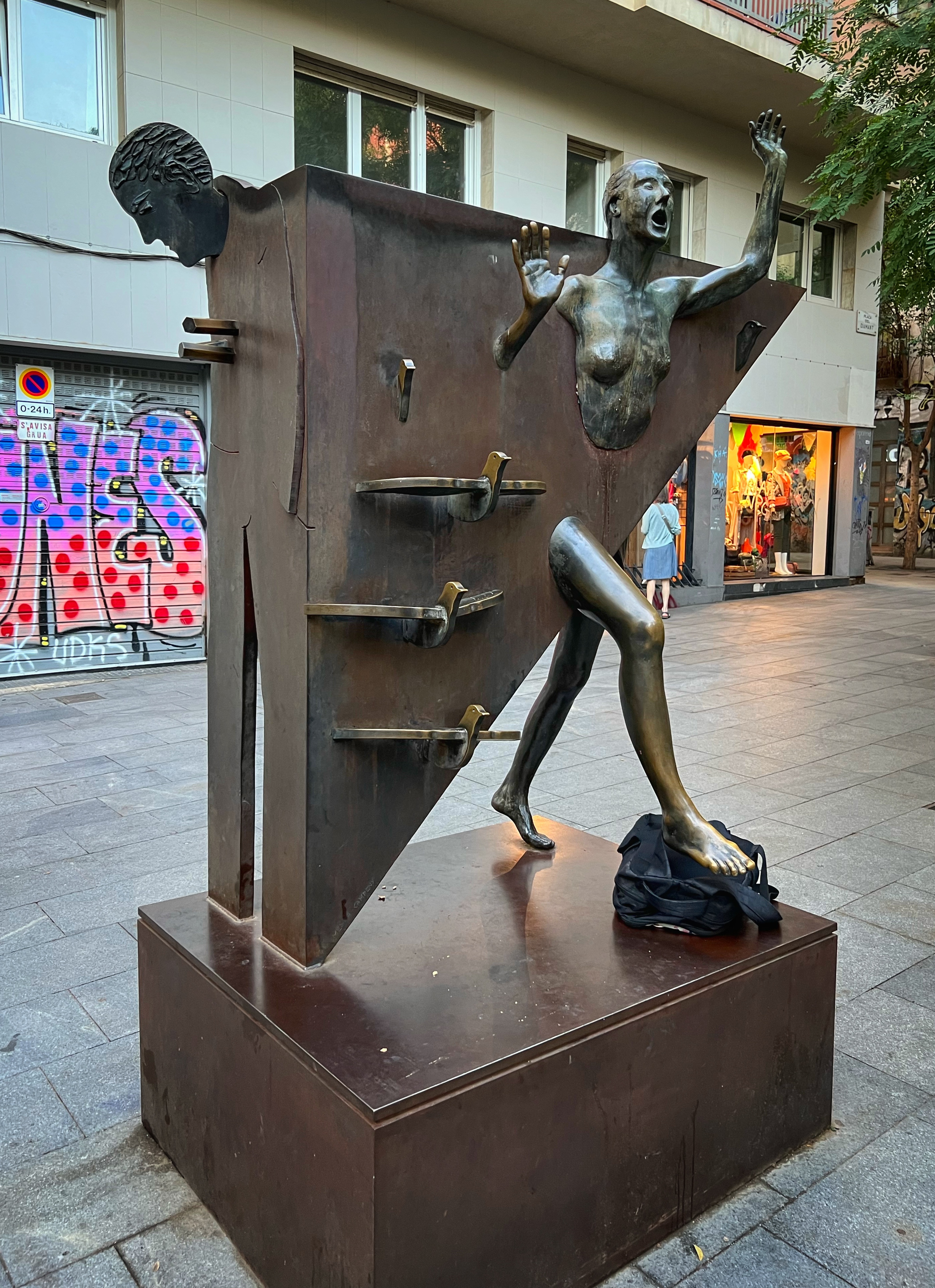
We visited several sites in the Gracia neighborhood that paid respect to those who lost their lives or honored Catalan heroes during Franco’s fascist reign. The sites below were commemorative, and we were only able to visit a few. Here is the website indicating all memory sites in Barcelona and their significance.
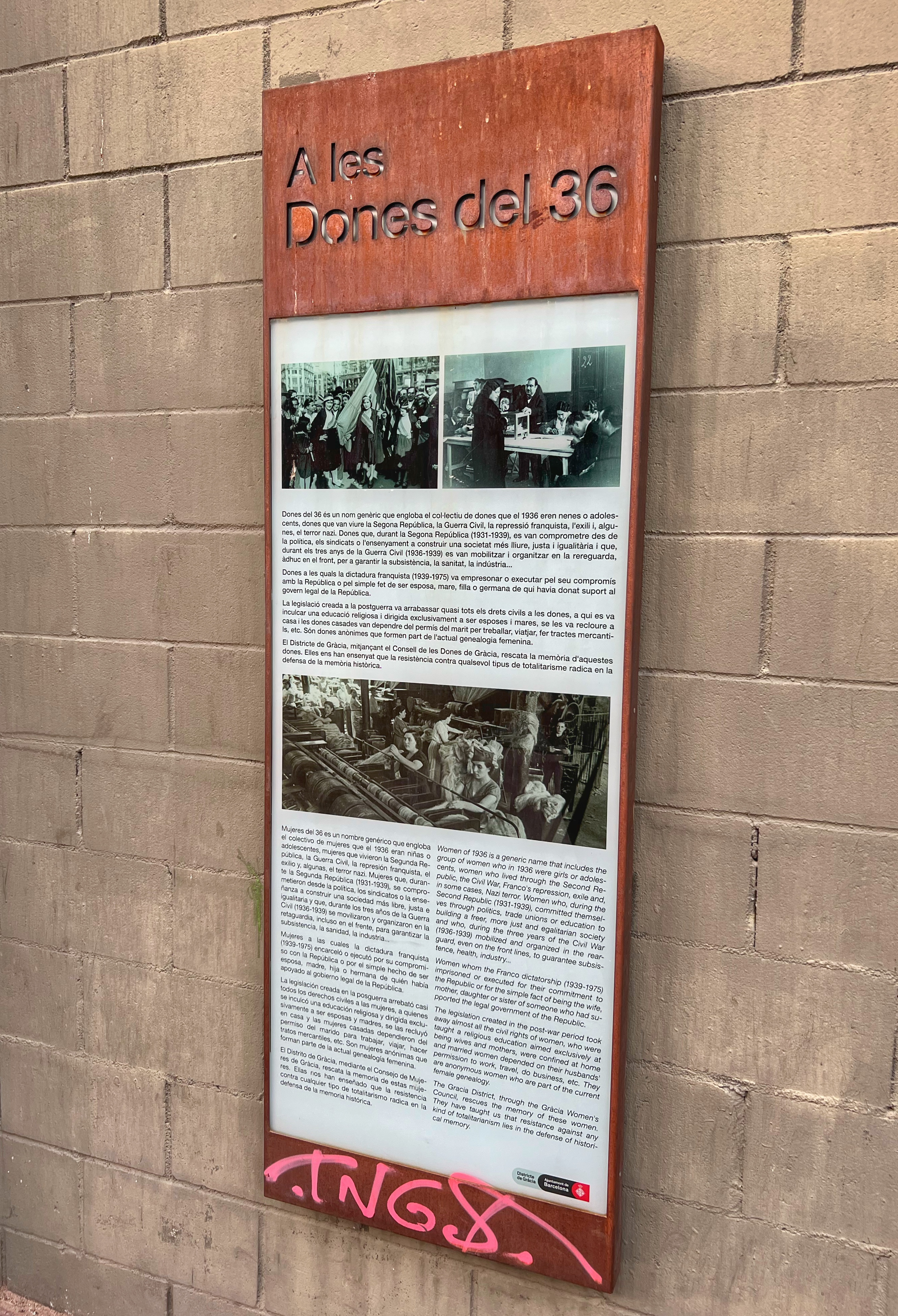


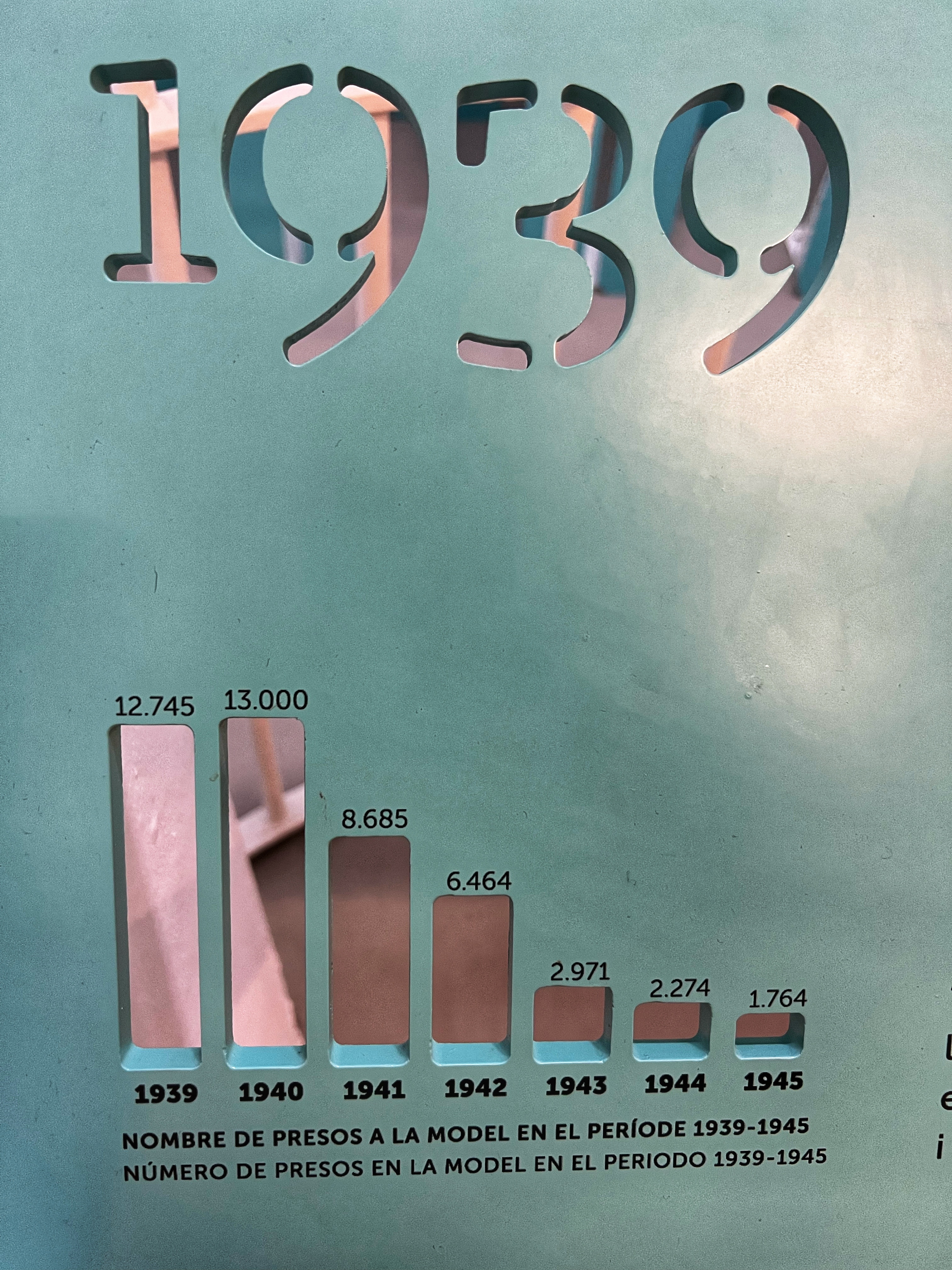
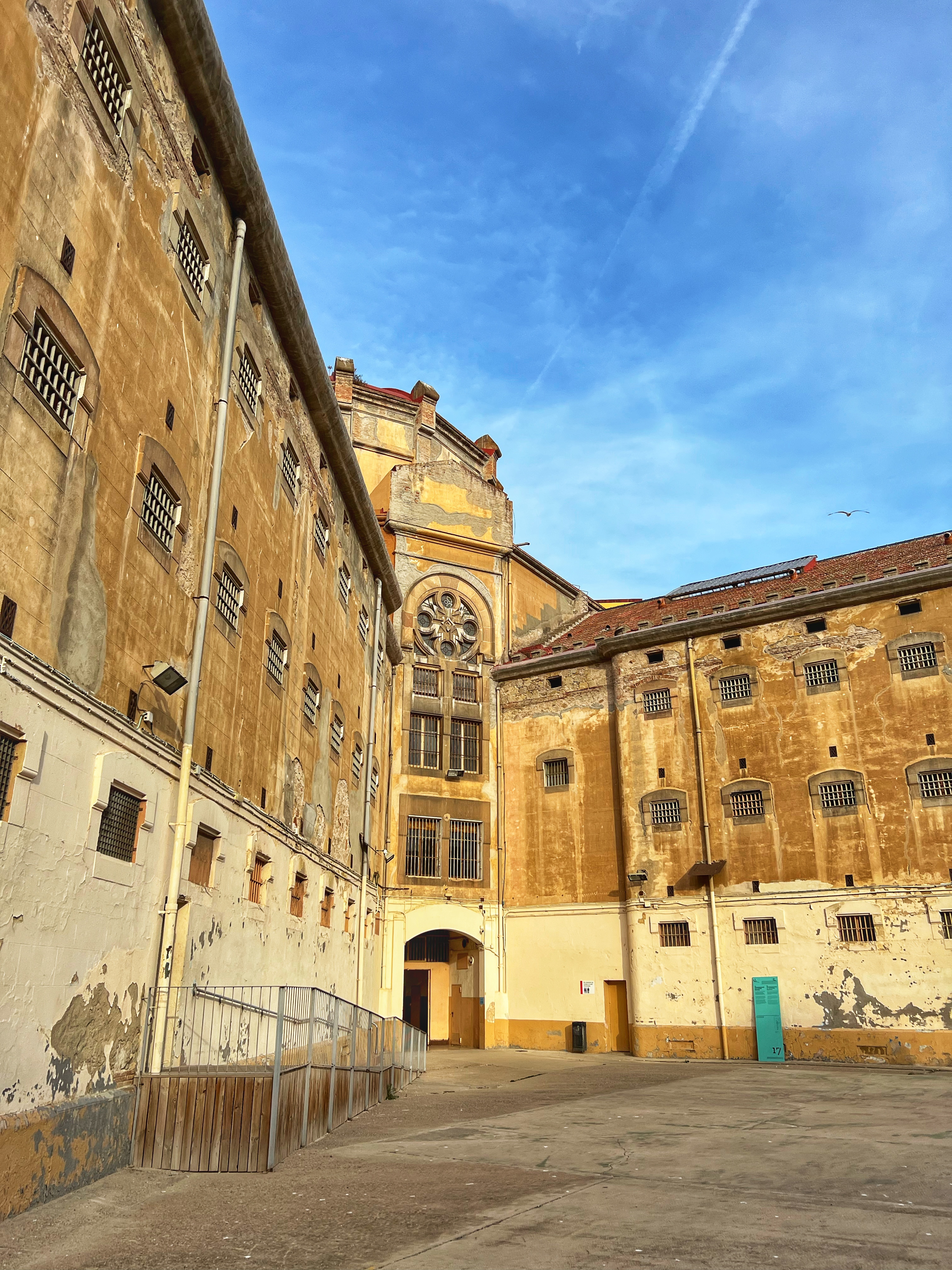
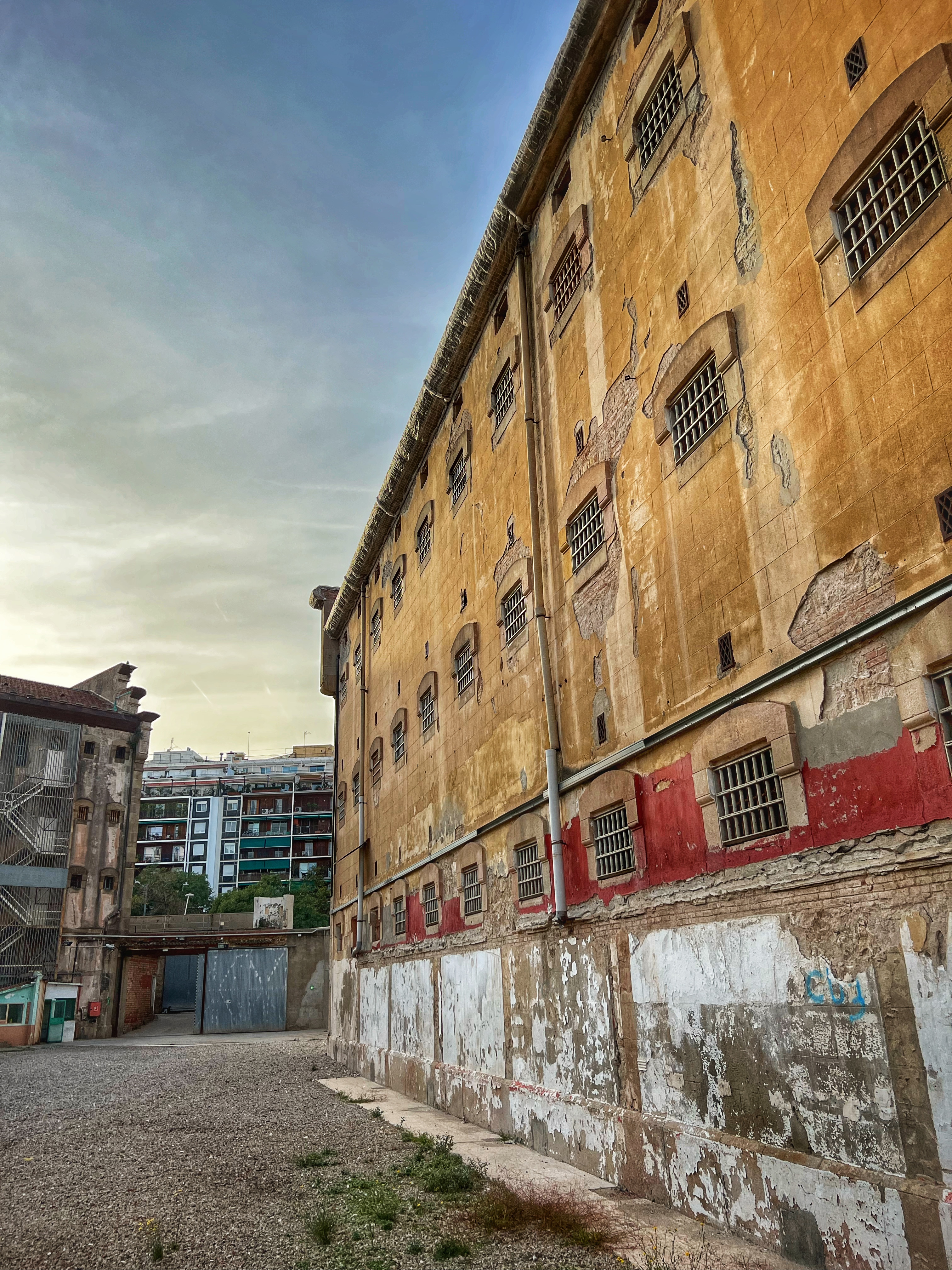
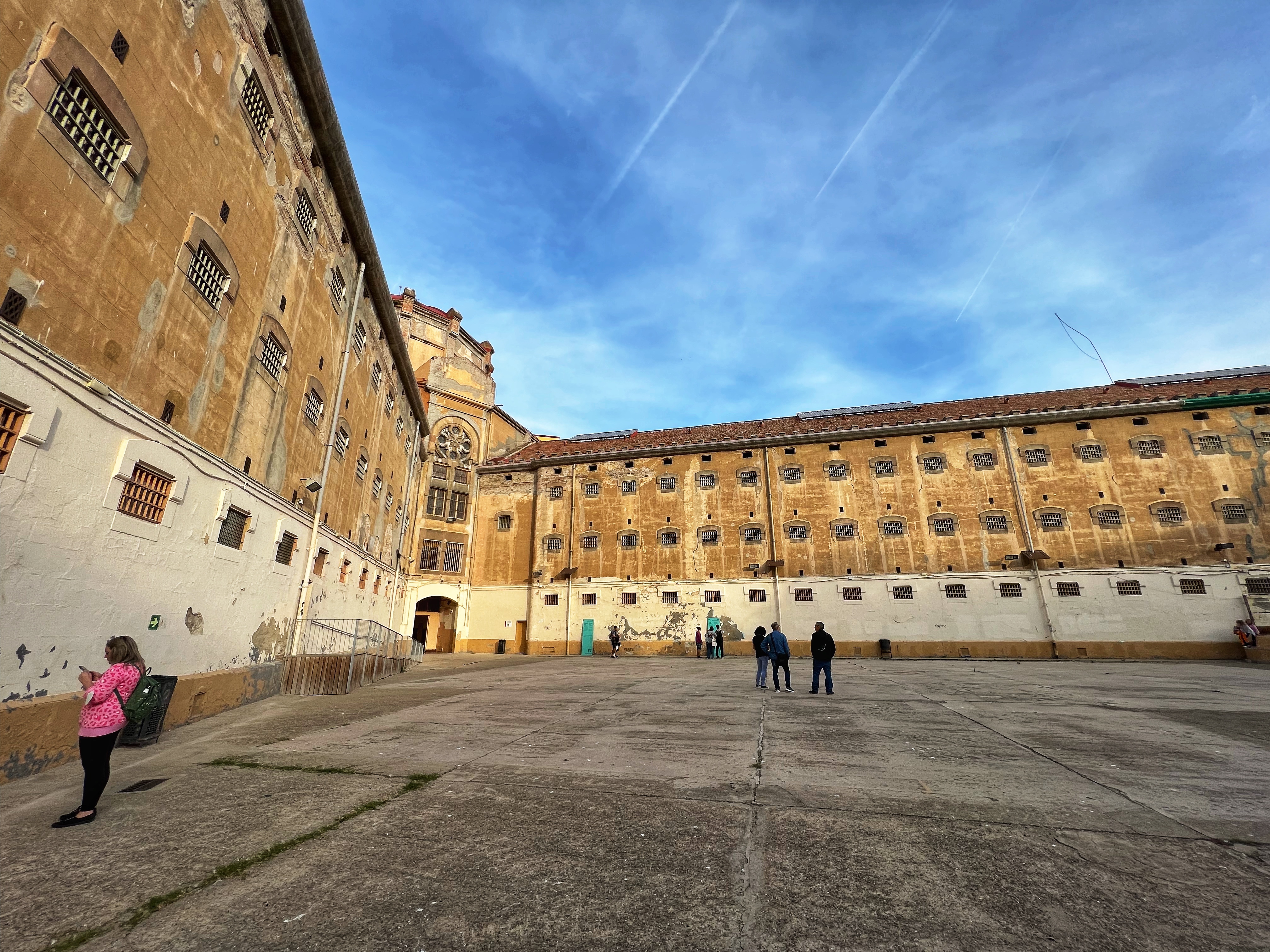
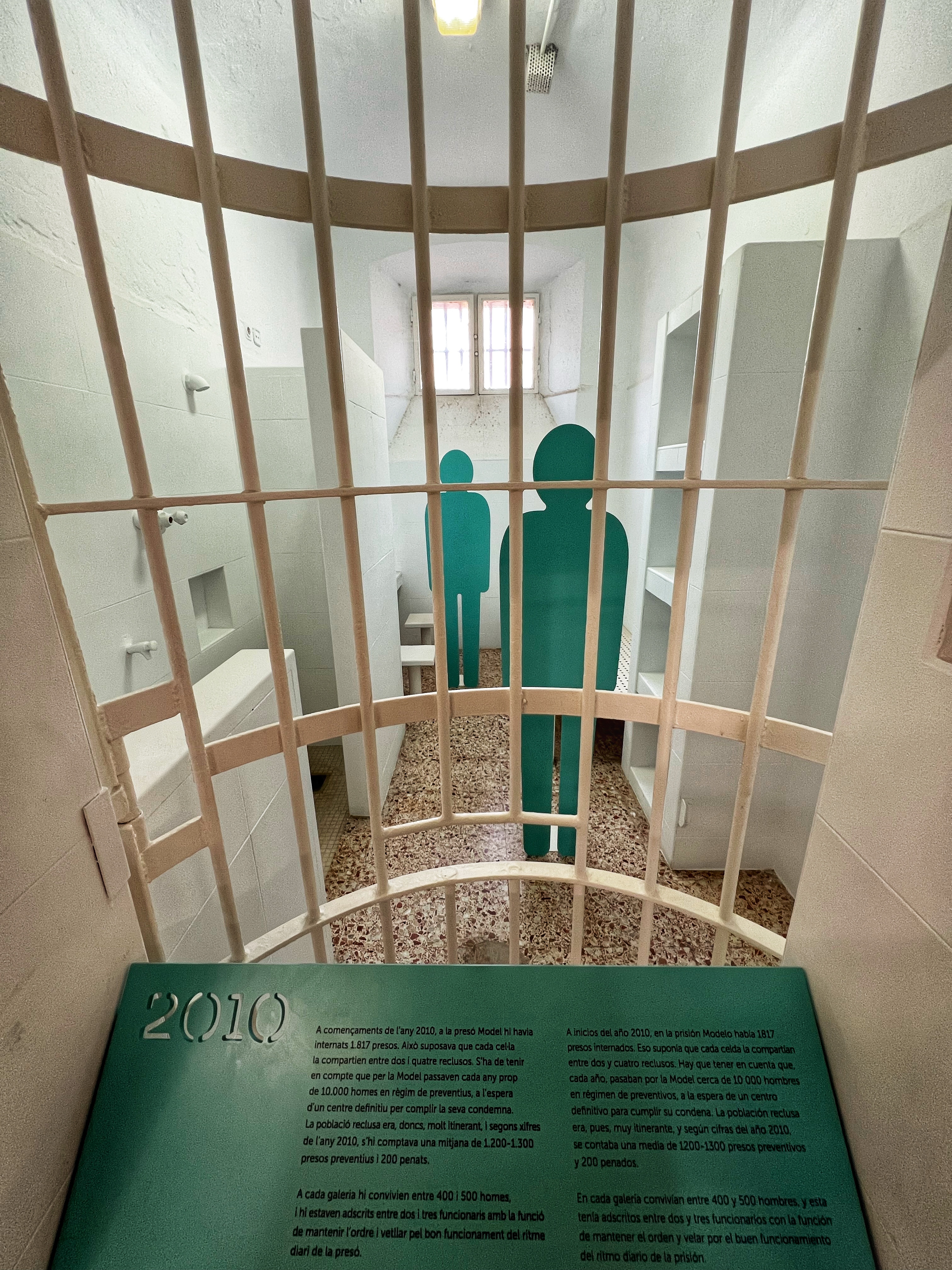
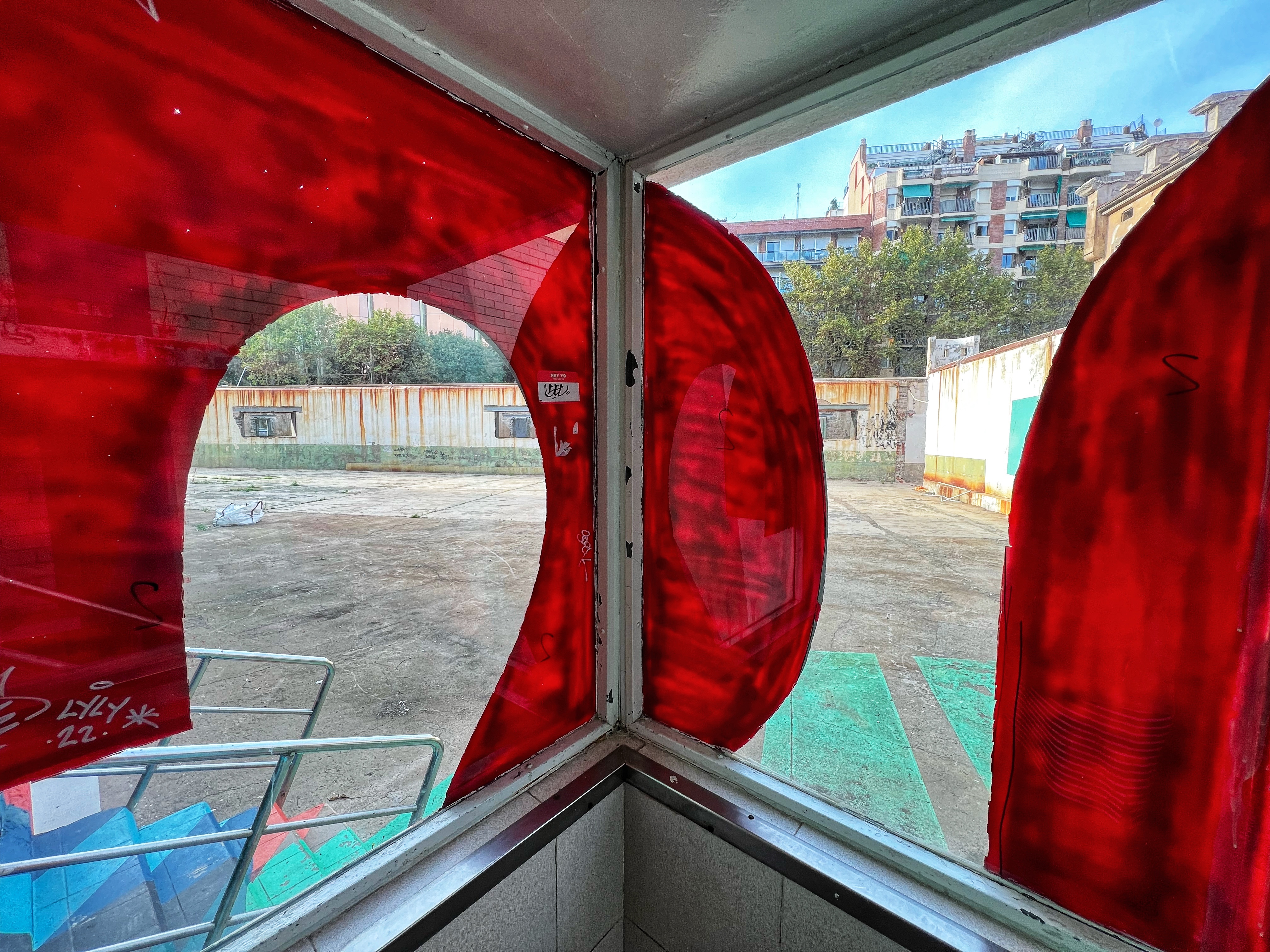
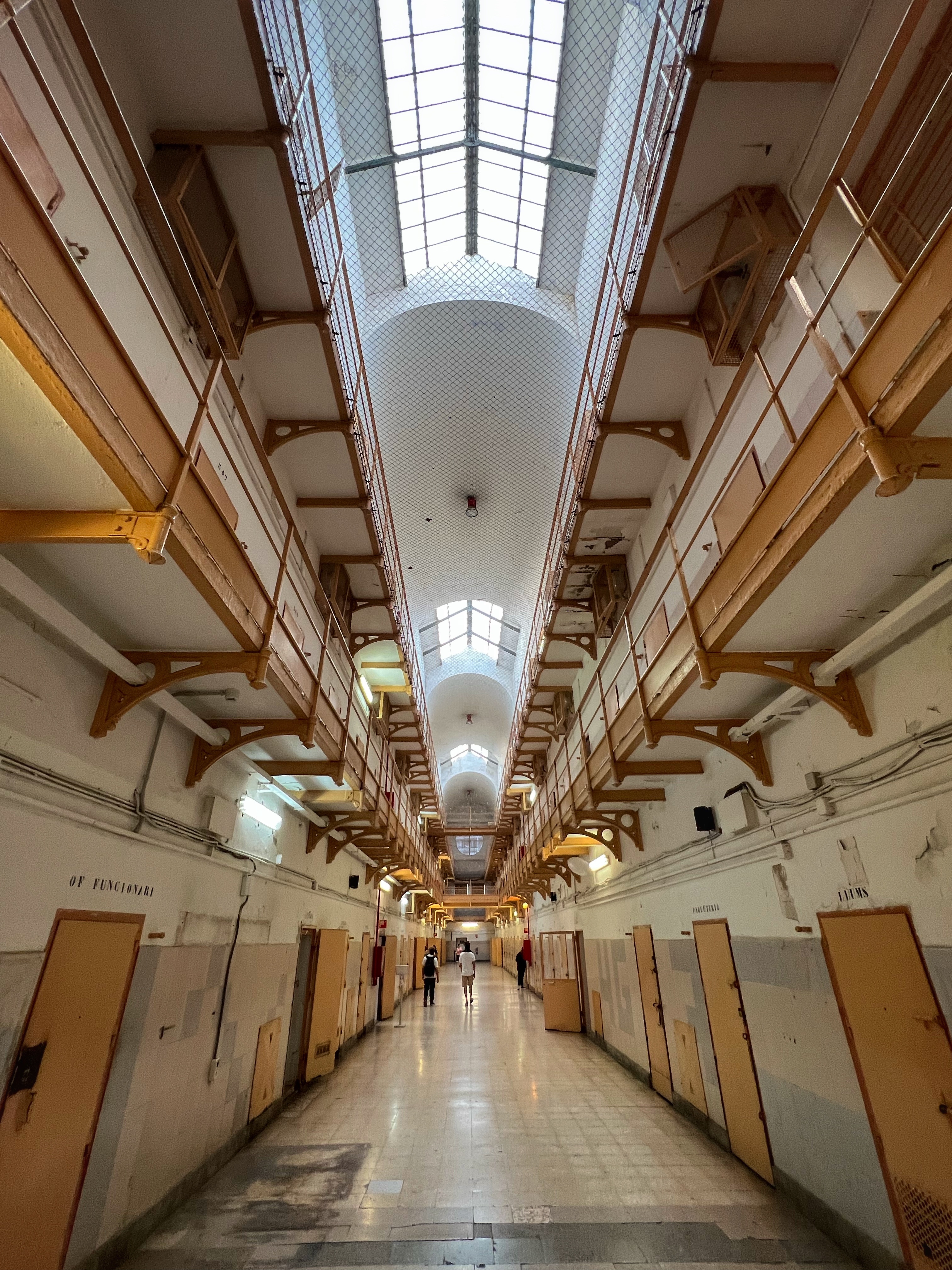
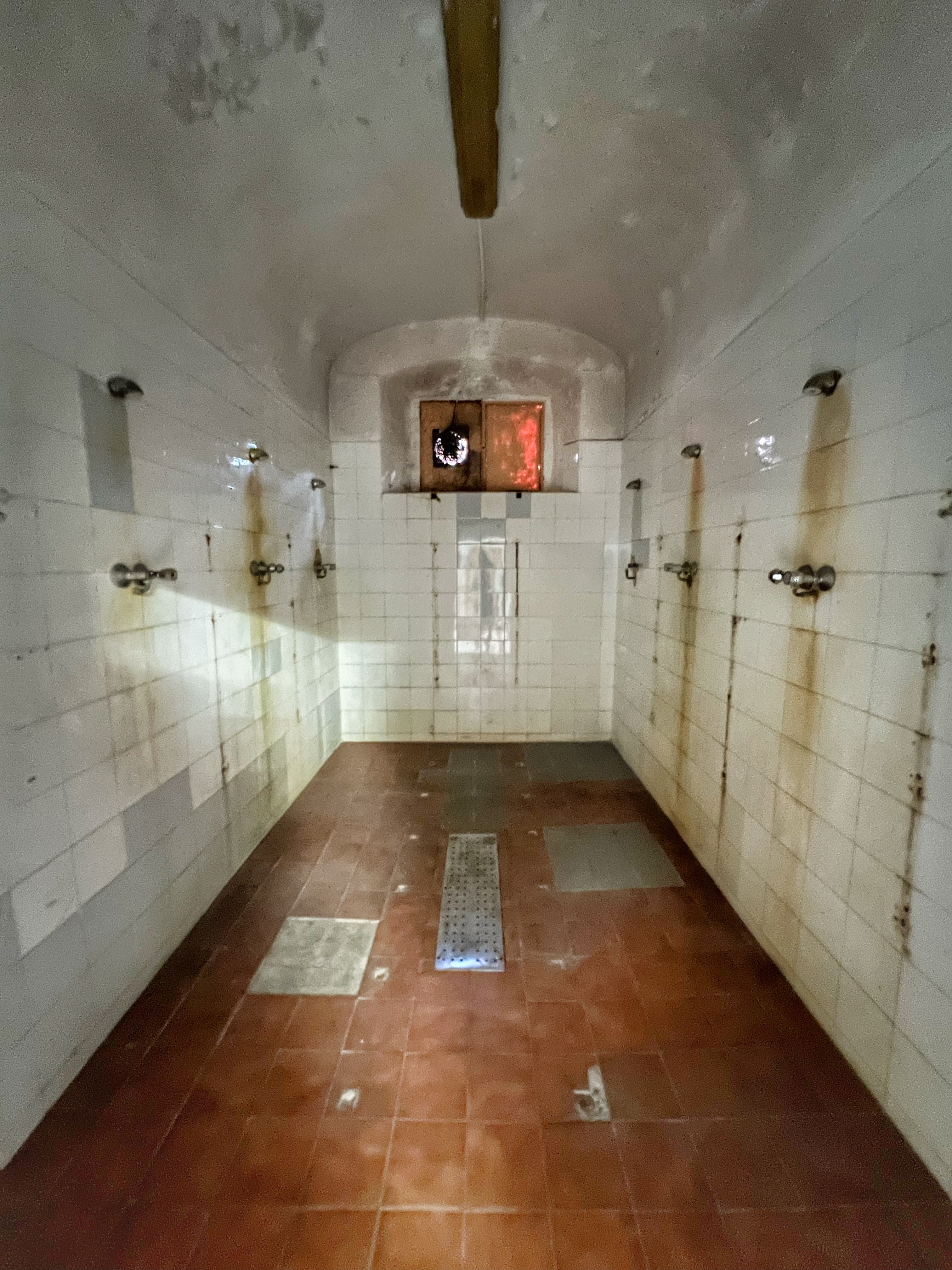
CENTRE CULTURAL LA MODEL (Model Prison): It was free to enter the prison and wander the exhibits inside (all in Spanish that I translated with google translate app). This was an important place that housed Franco’s prisoners (mostly those who opposed his fascist regime) and was often overcrowded. Built to house around 850 people, at times it held upwards of 13,000 prisoners. In the exhibits we learned about many stories of the prisoners, how they managed that many people, and eventually, how this space became a cultural center. I highly recommend visiting if you have time and are interested in the history of Spain and Barcelona. Learn more about the history here.

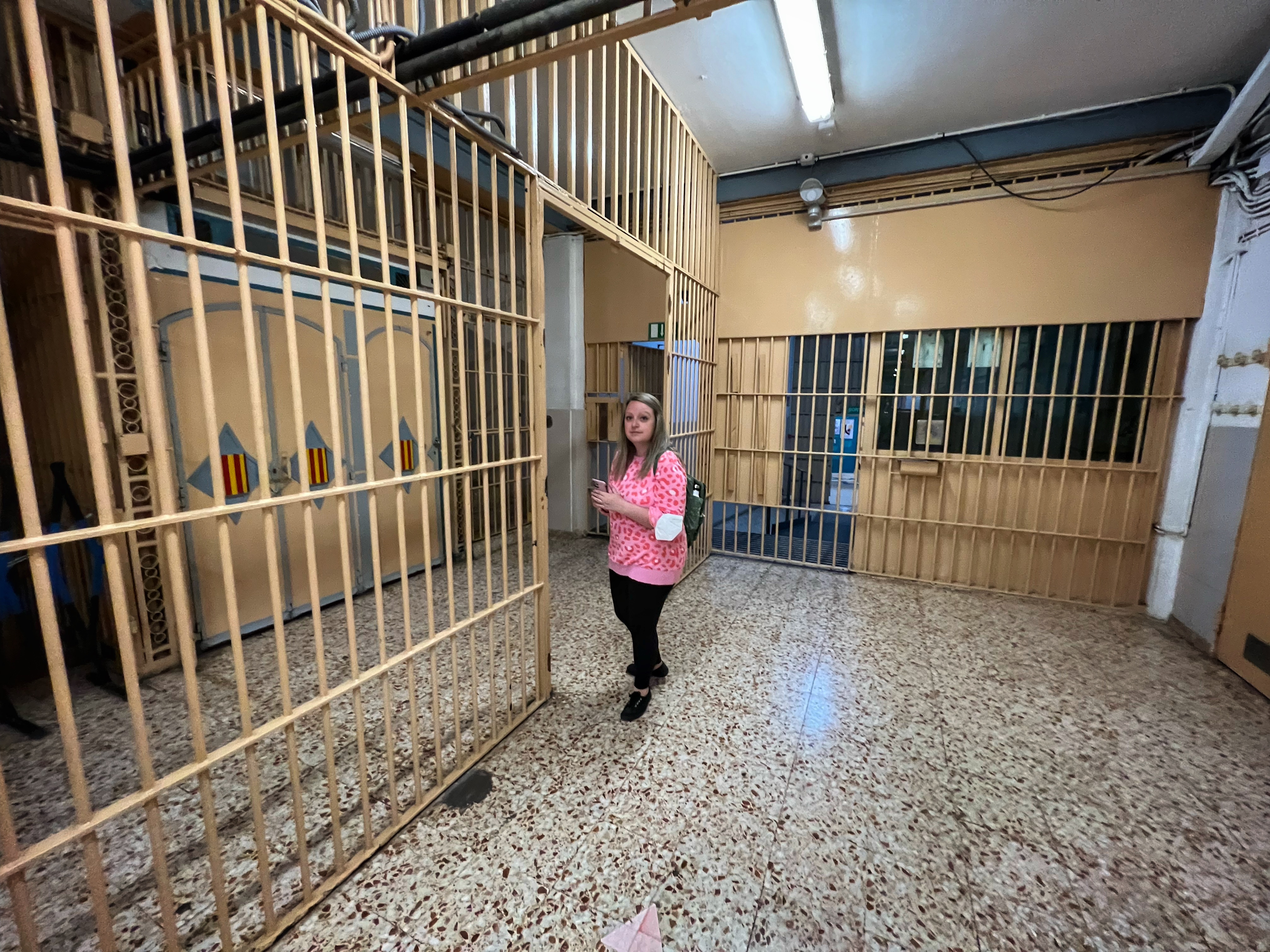


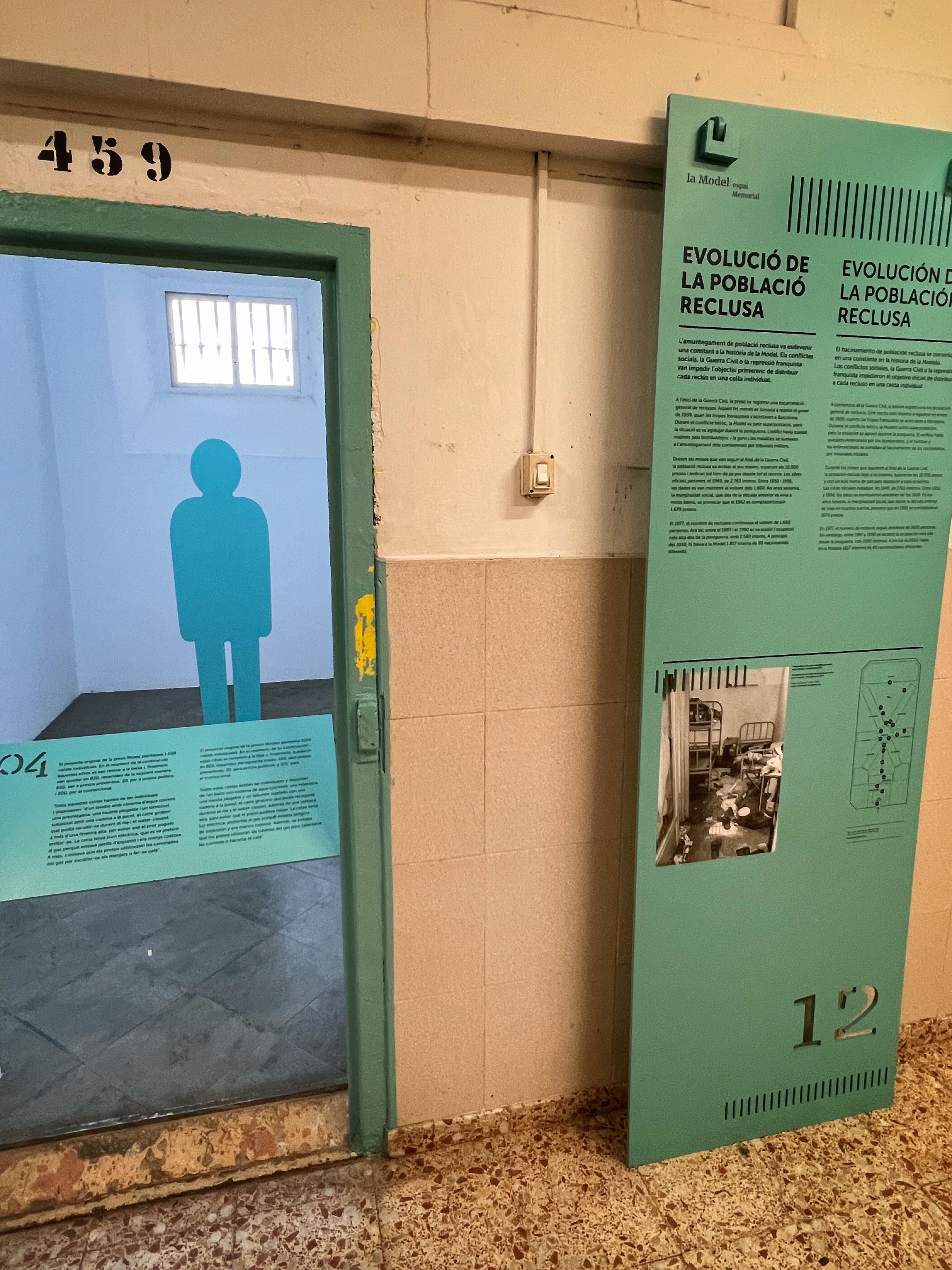
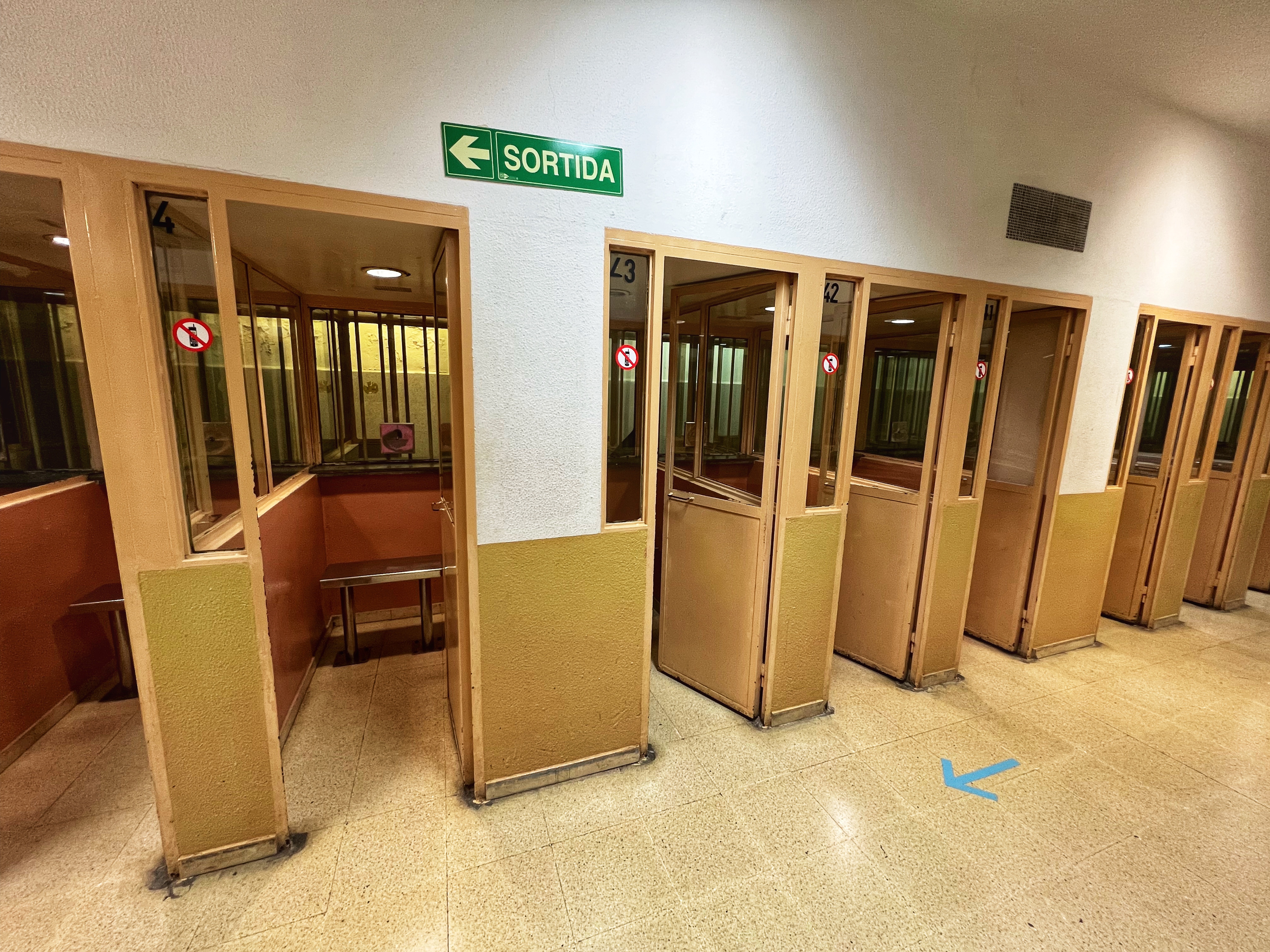
TO VISIT: The Model Prison Cultural Center is open 10AM-2PM Sunday, and 10AM-8PM Monday-Saturday.
JEWISH HISTORY
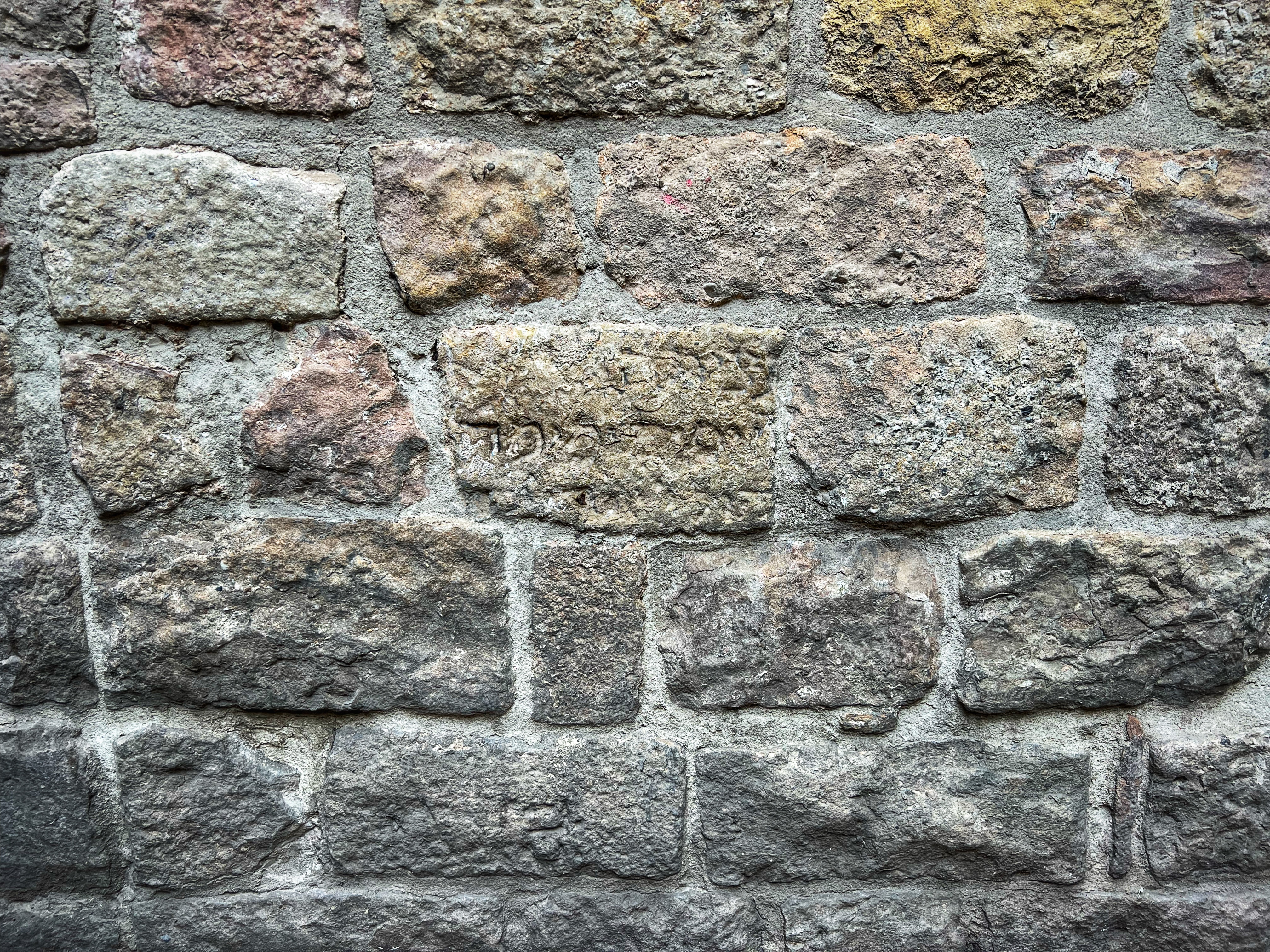
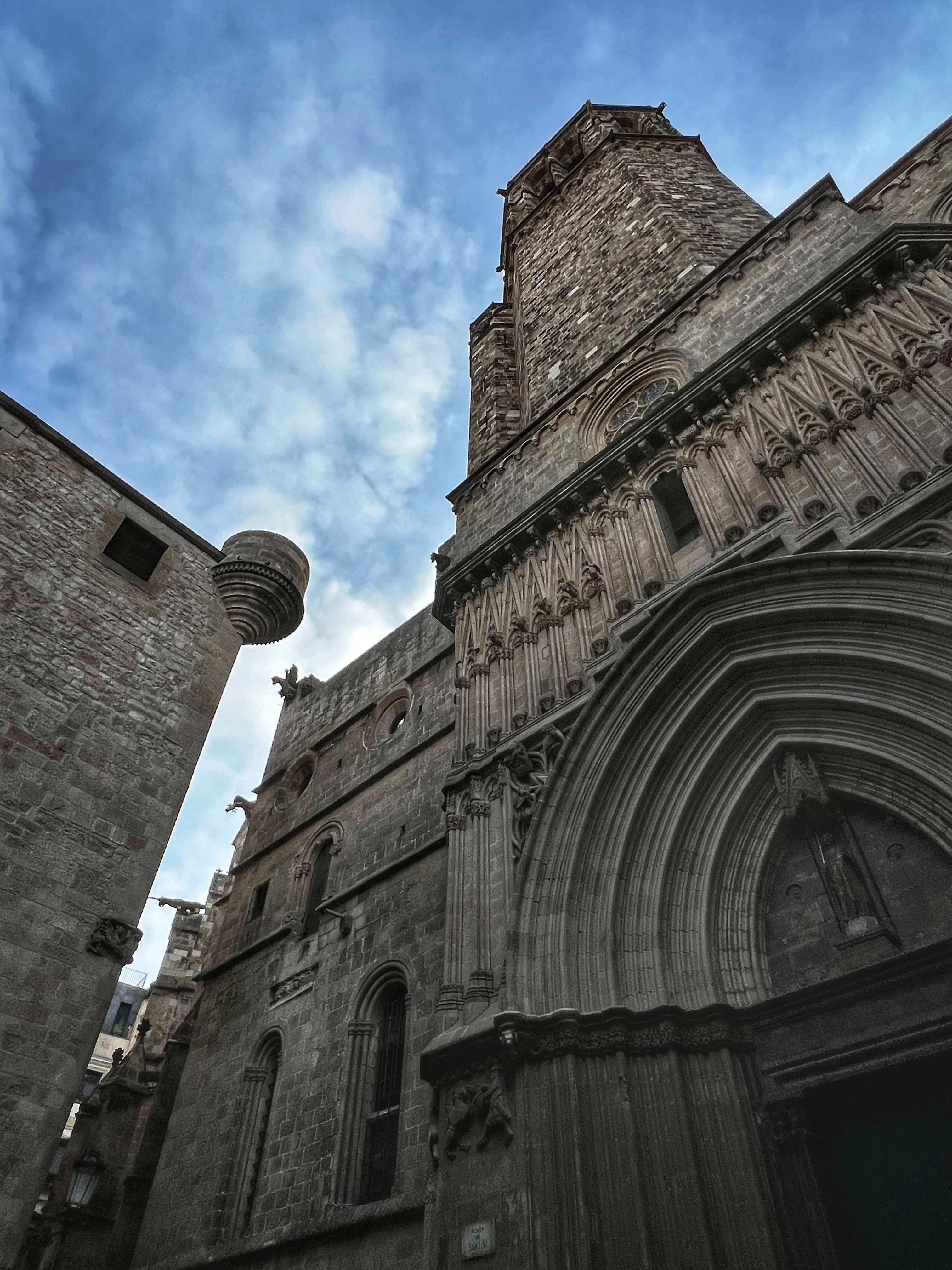
We learned that Montjuïc translates to “Jew Mountain,” so we wondered how Montjuïc got its name, and in turn learned a lot about the history of the Jewish population in Barcelona that dates back to the beginning of the common era. From approximately 1263-1400, Jews were either forced out, murdered or forcibly converted to Christianity. There were no Jews in Barcelona for about 500 years, and during that time, the old Jewish cemeteries were unearthed and the stones were used erect various buildings around Barcelona. Evidence of this remains in the Gothic Quarter. Can you see the Hebrew writing on the stones below? Learn more about the history of Judaism in Barcelona here, and all about the evidence that remains and where to find these stones here.

LEGACY OF SLAVERY
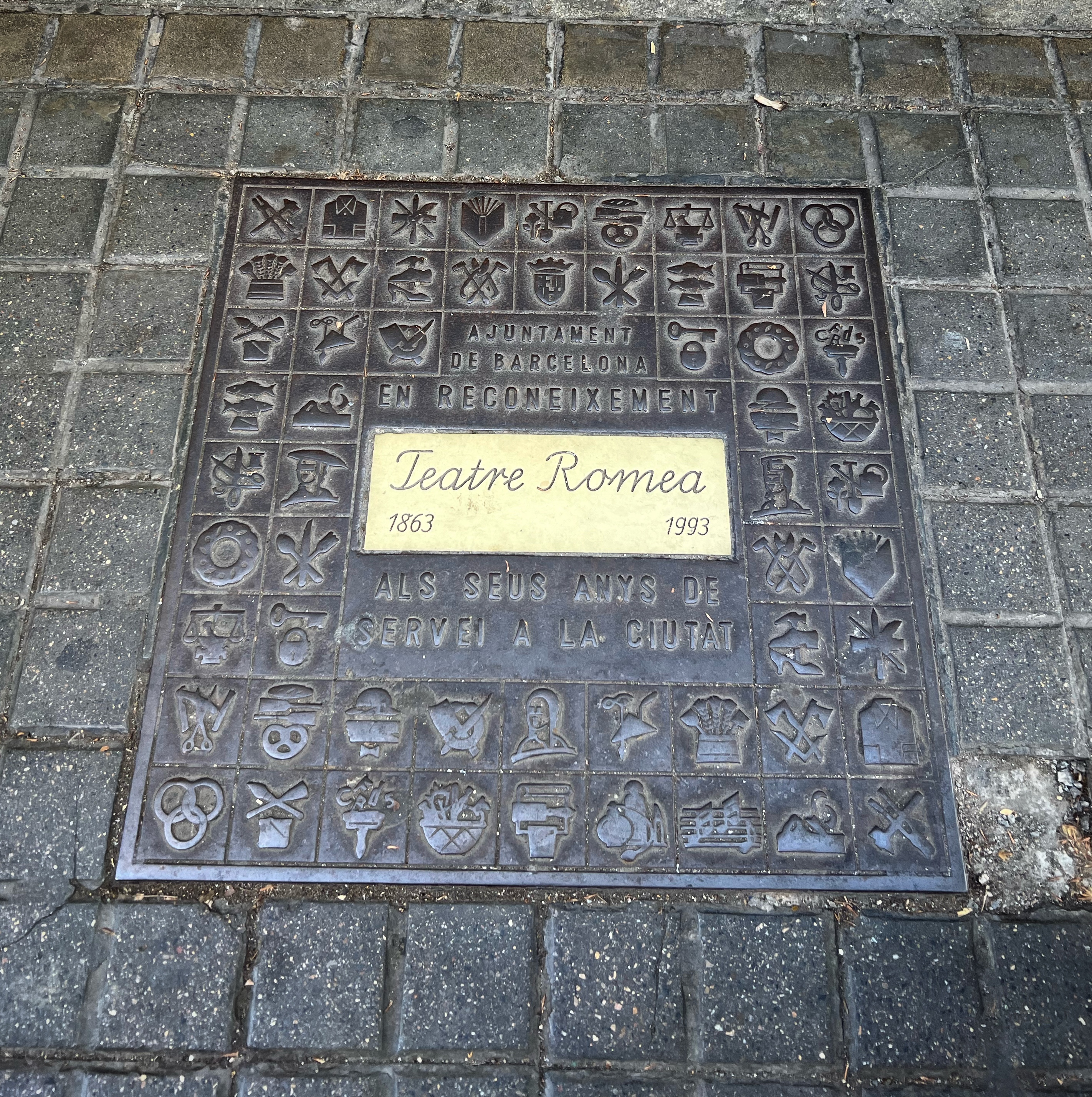
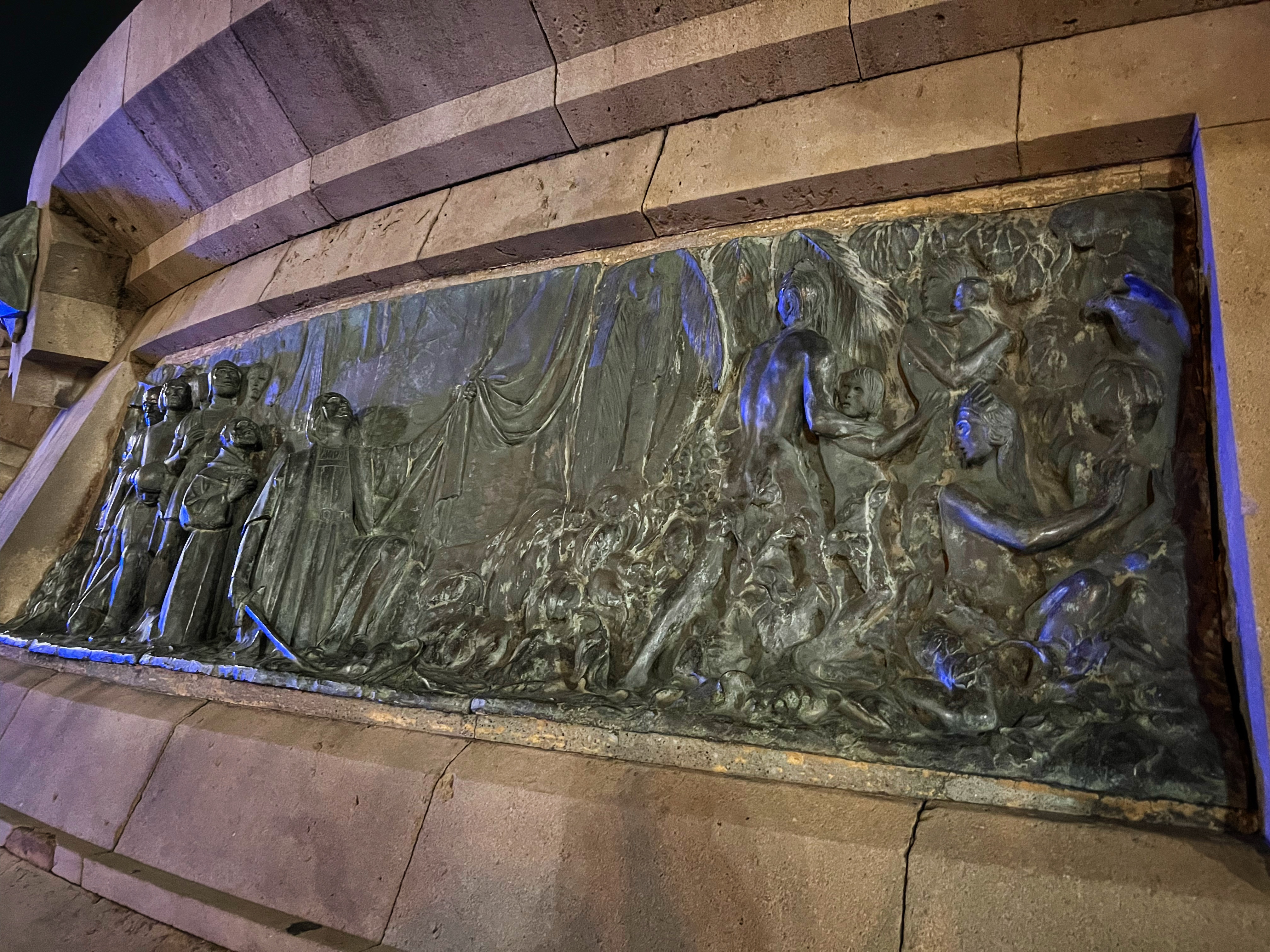
It is well known (but not talked about) that Barcelona experienced prosperity thanks to the successful shipping industry and the slave trade. Prominent citizens like Lopez y Lopez were especially instrumental in keeping the city alive and well with the riches won through slavery in the Caribbean. We visited several sites through the city to see how Barcelona is and isn’t commemorating and memorializing certain historic figures, places, and events. For the full PDF of sites related to Barcelona’s legacy of slavery, click here.


2. MONTJUÏC
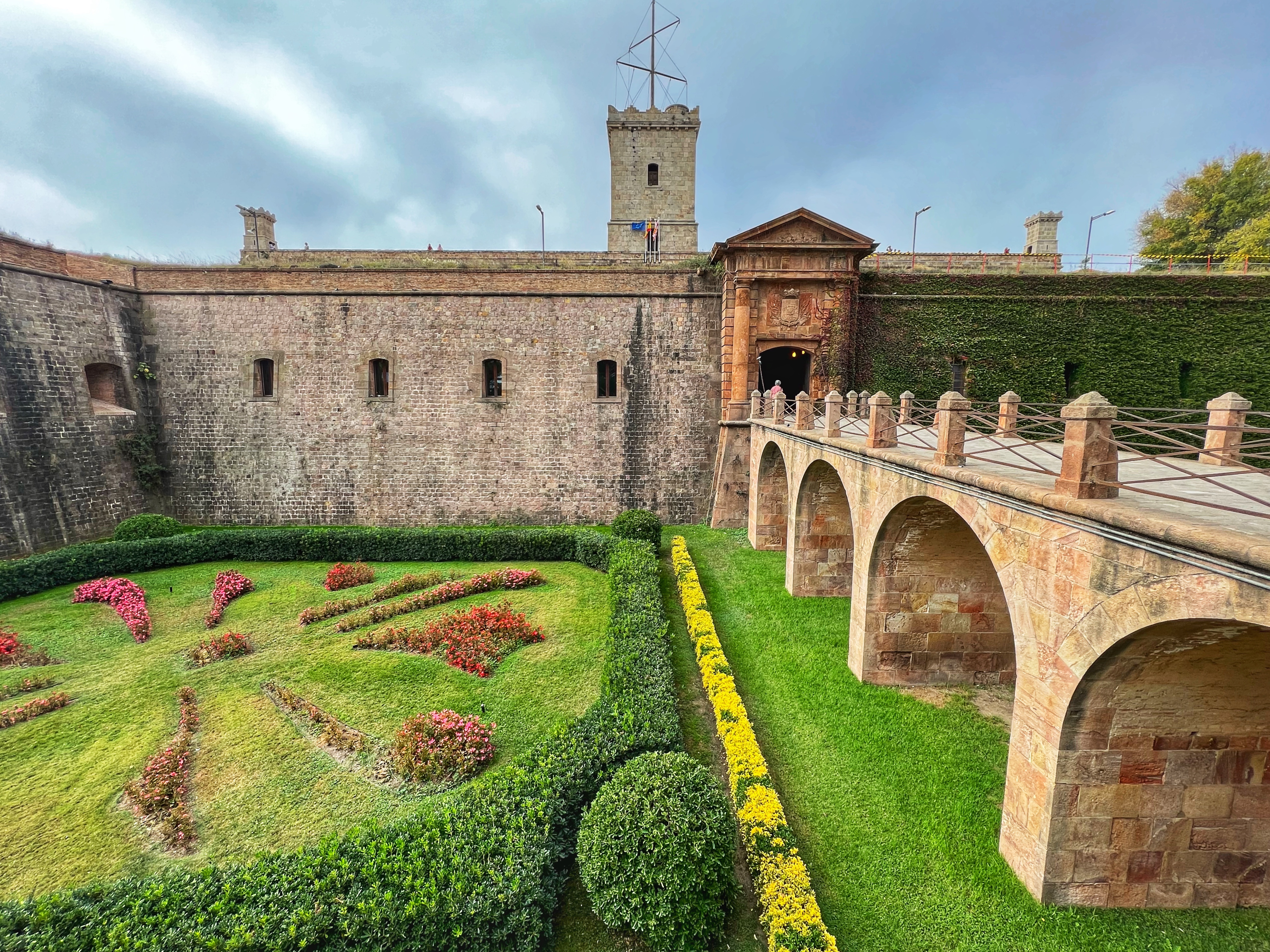
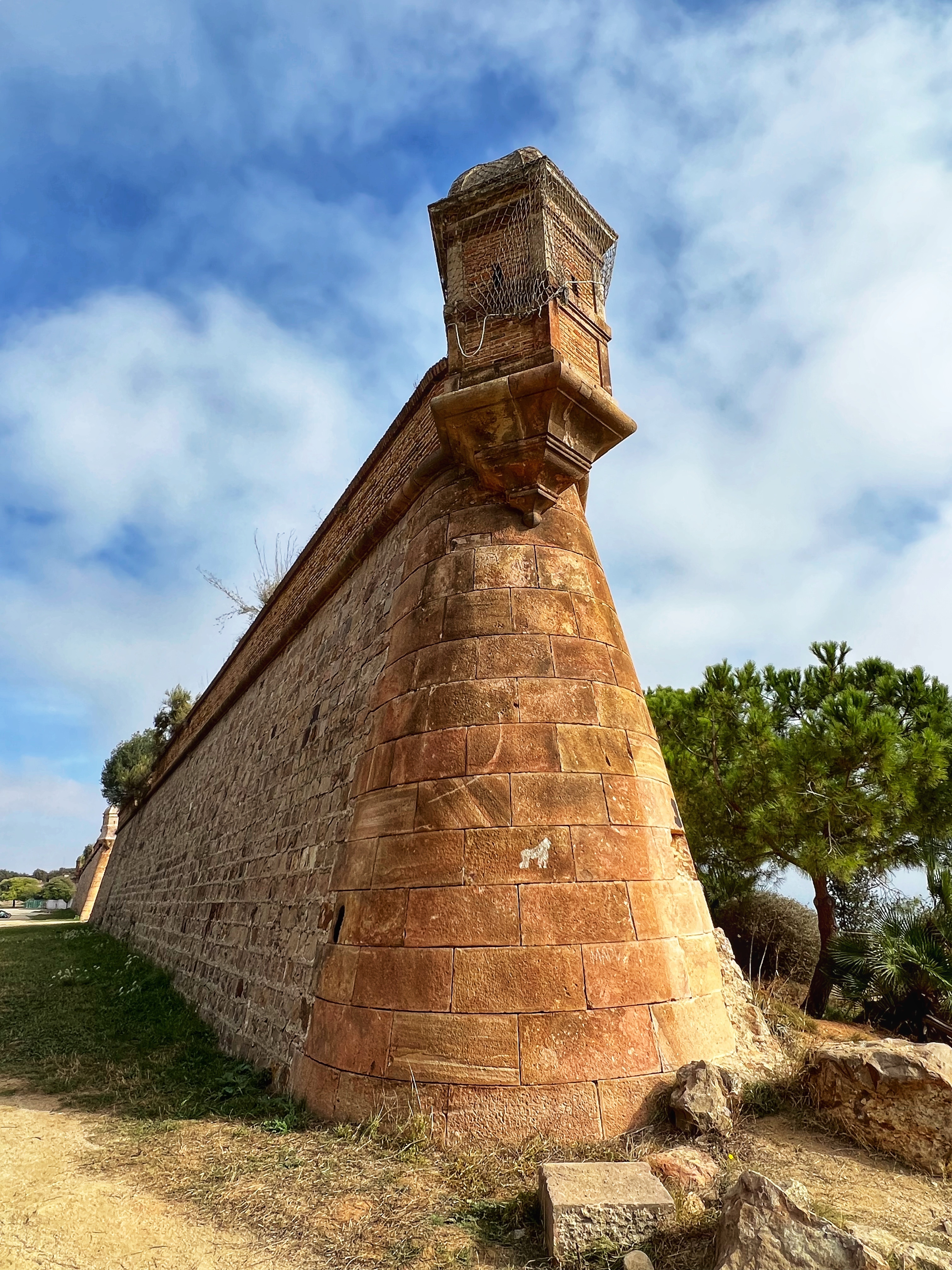
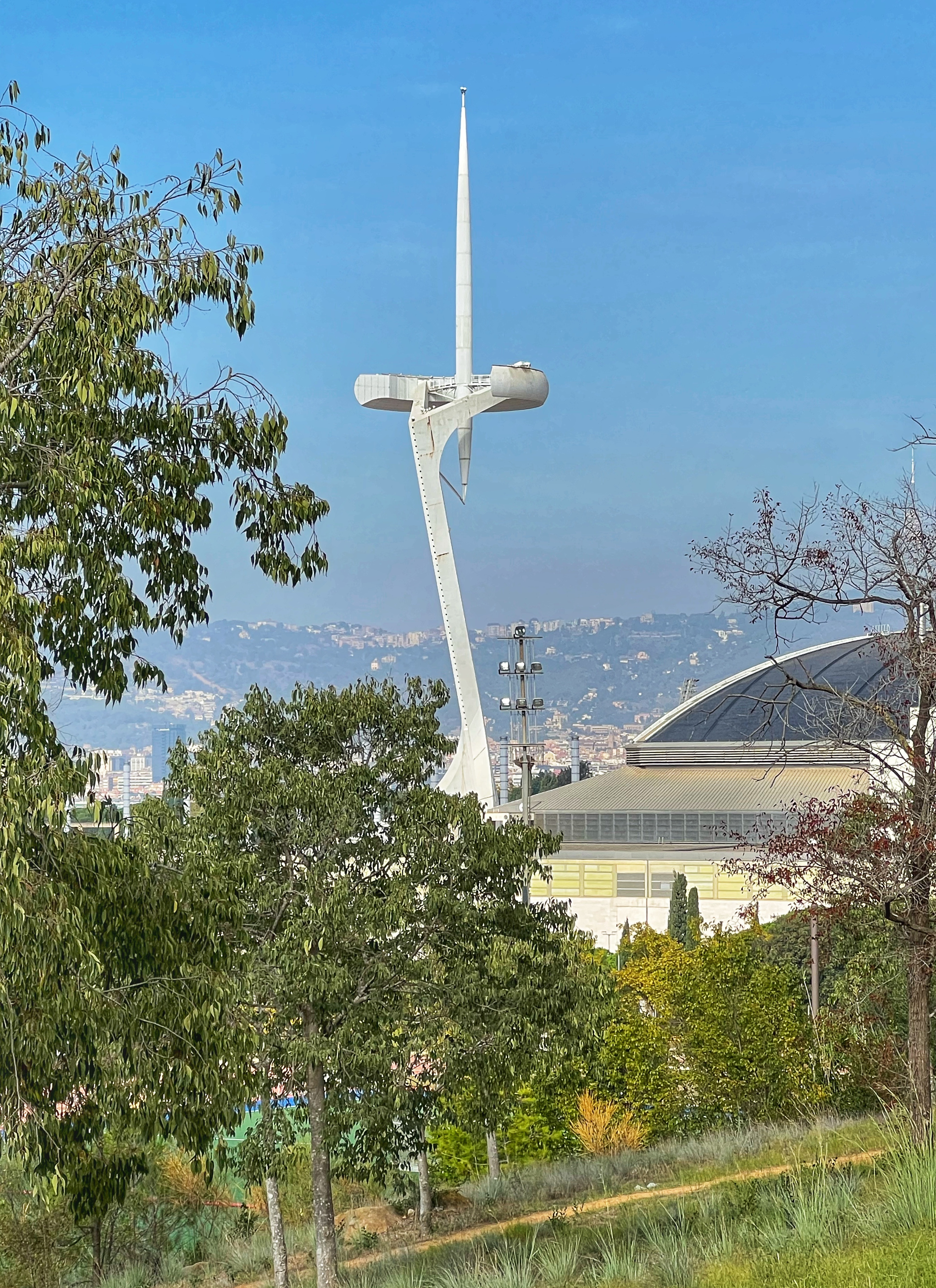
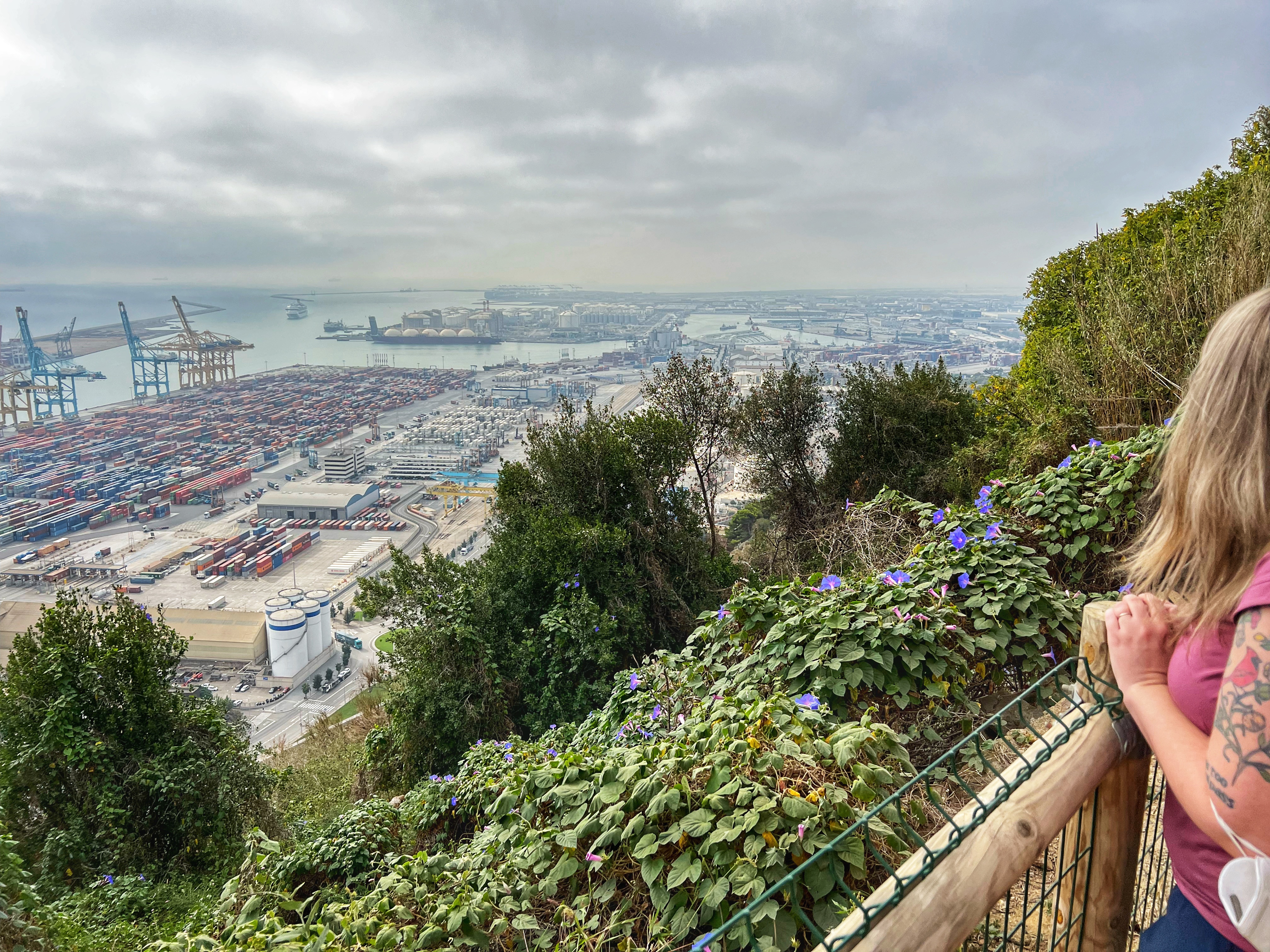
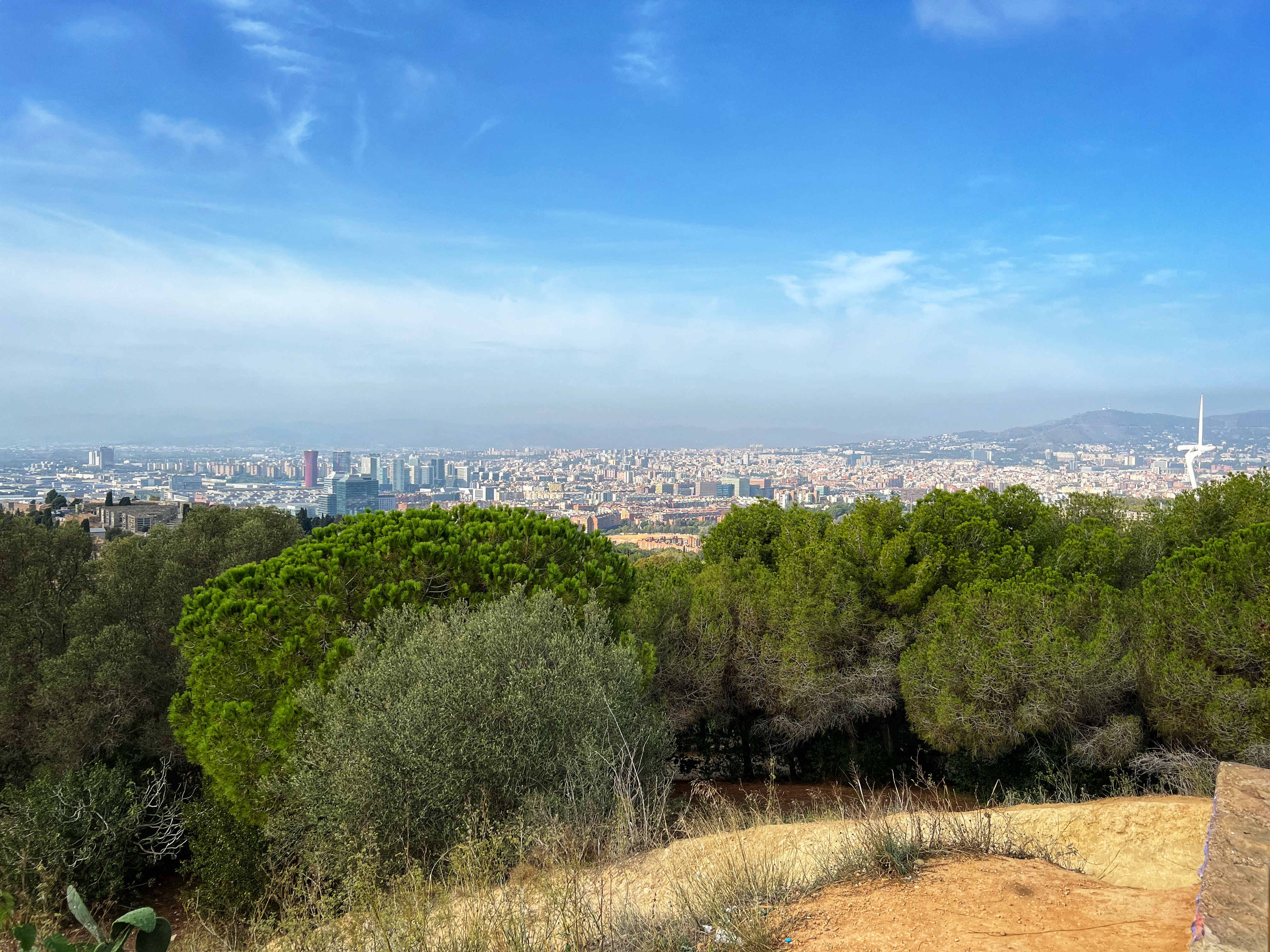
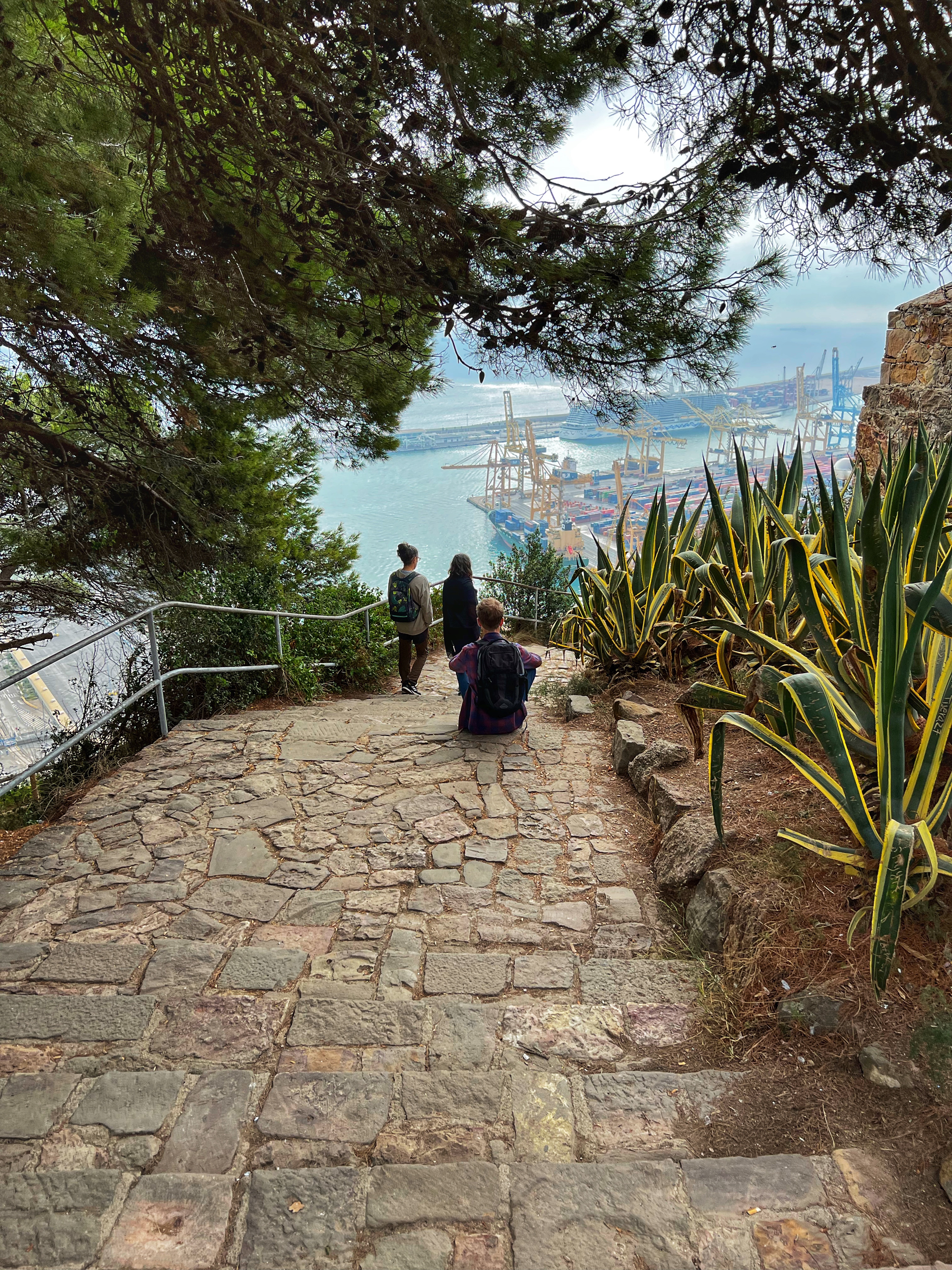
We spent an entire day on Montjuïc in an effort to get a good feel for this elevated area of the city. This is an important area where the 1992 Olympics took place, where the largest cemetery in the city is located, as well as gardens, a castle, and several iconic beautiful architectural attractions.
TRAILS, PARKS, AND CASTLE
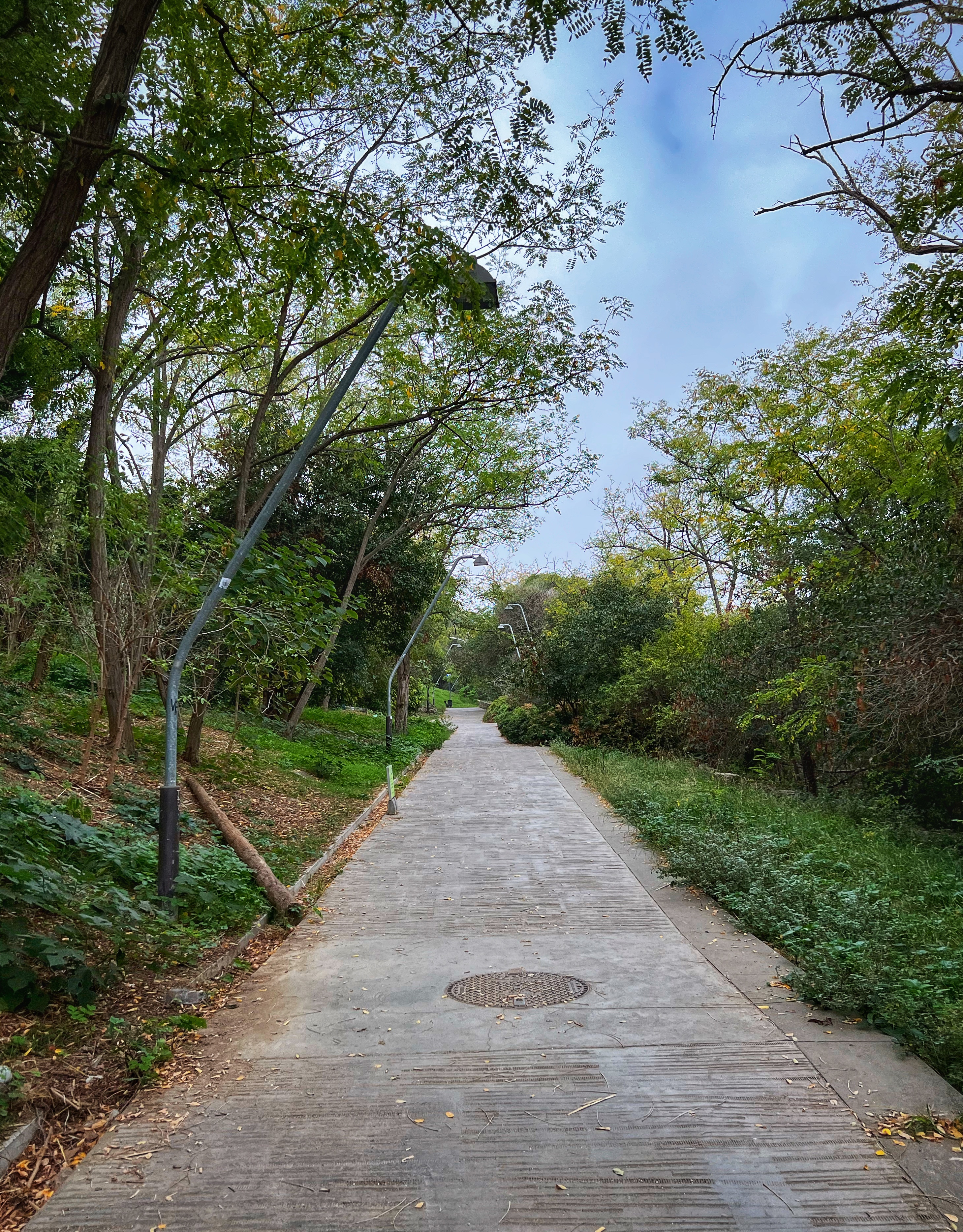
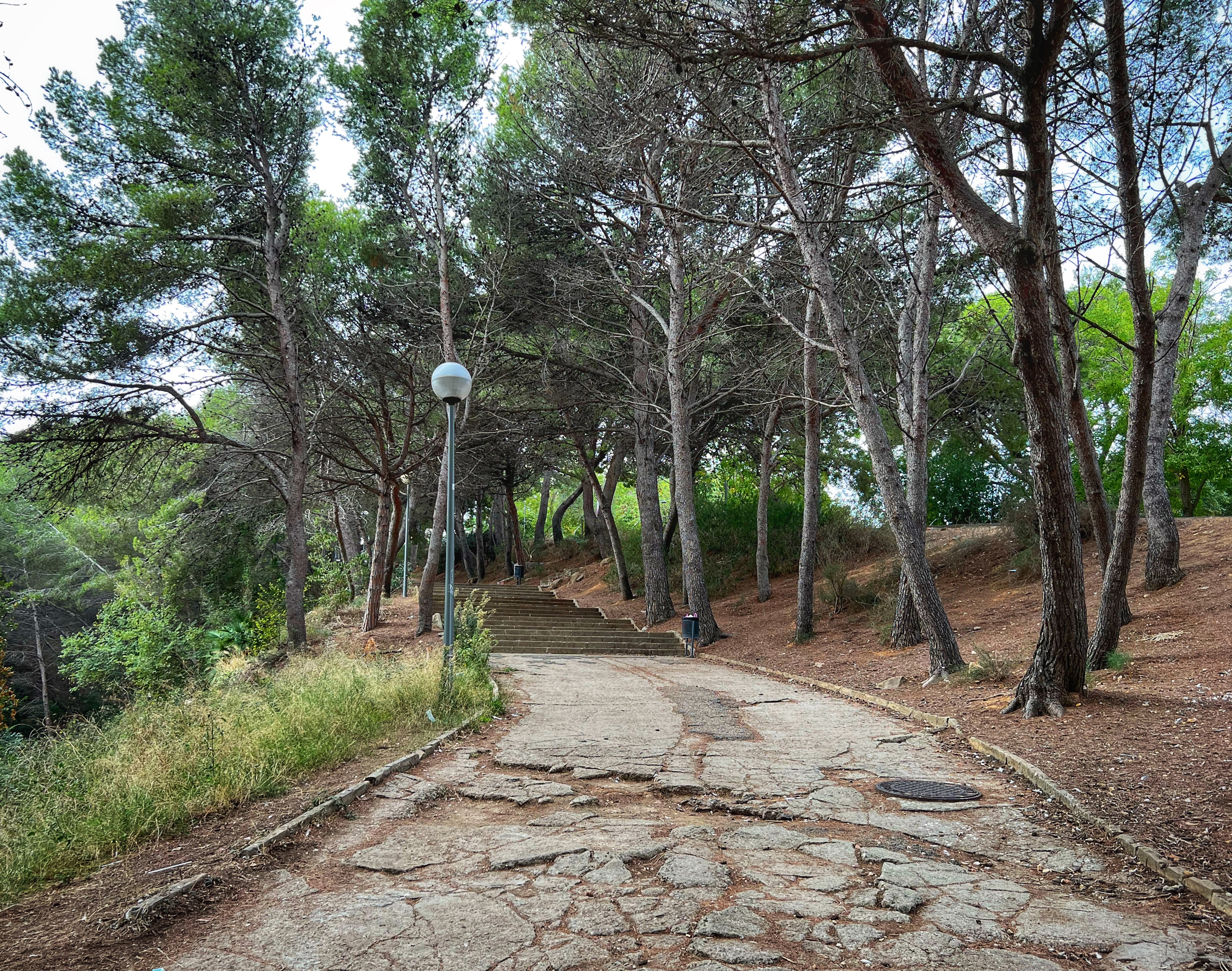
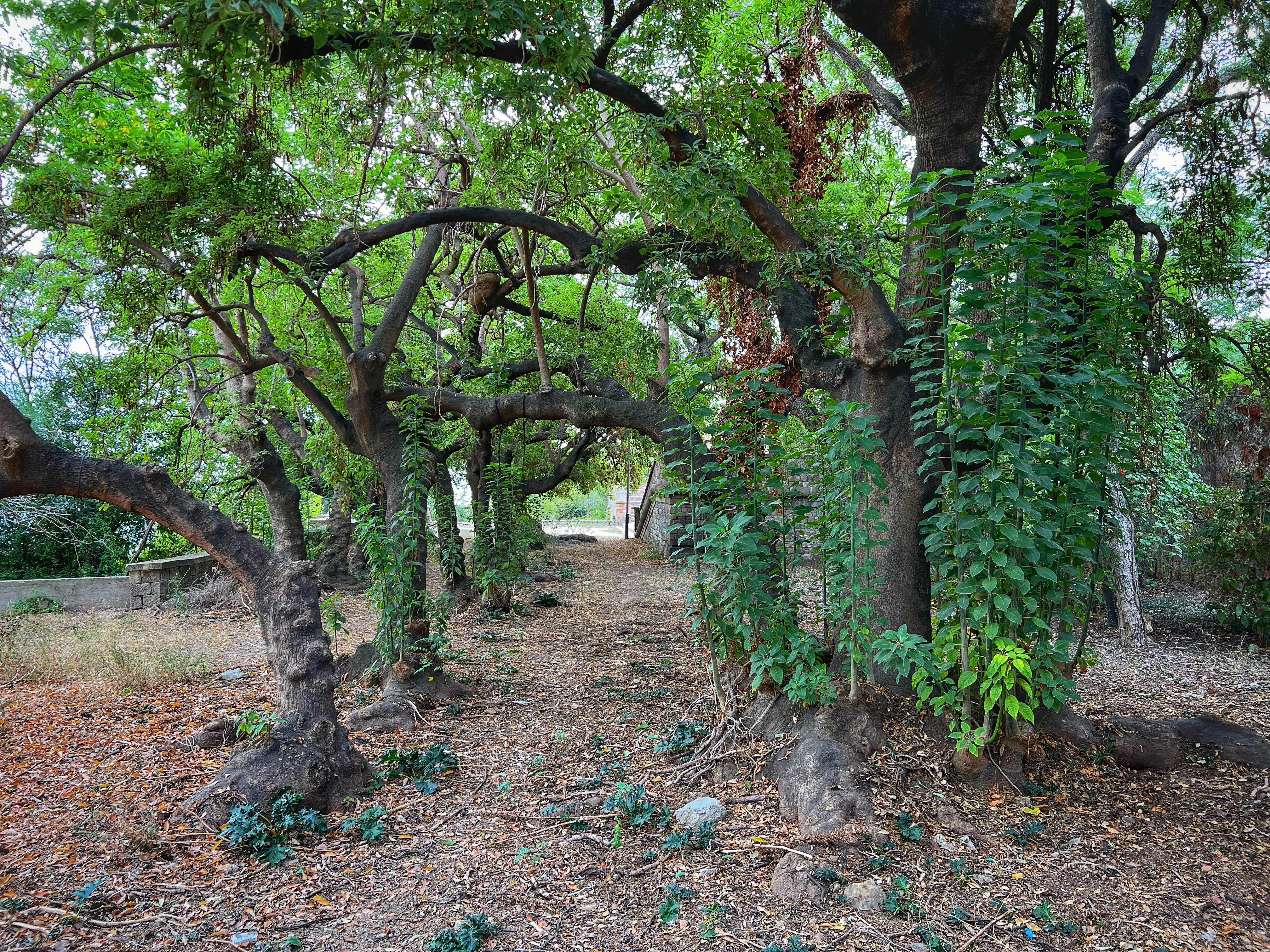
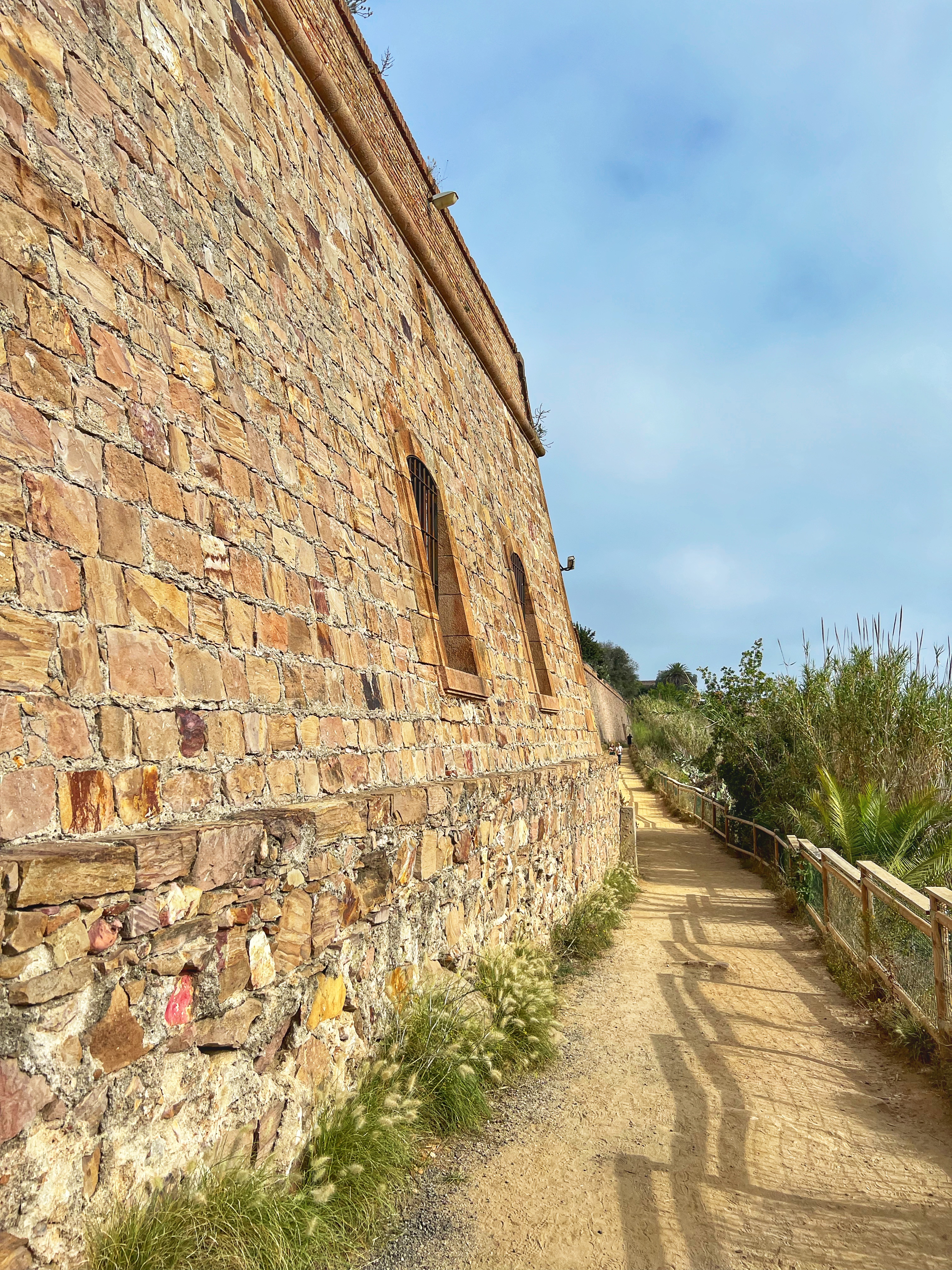
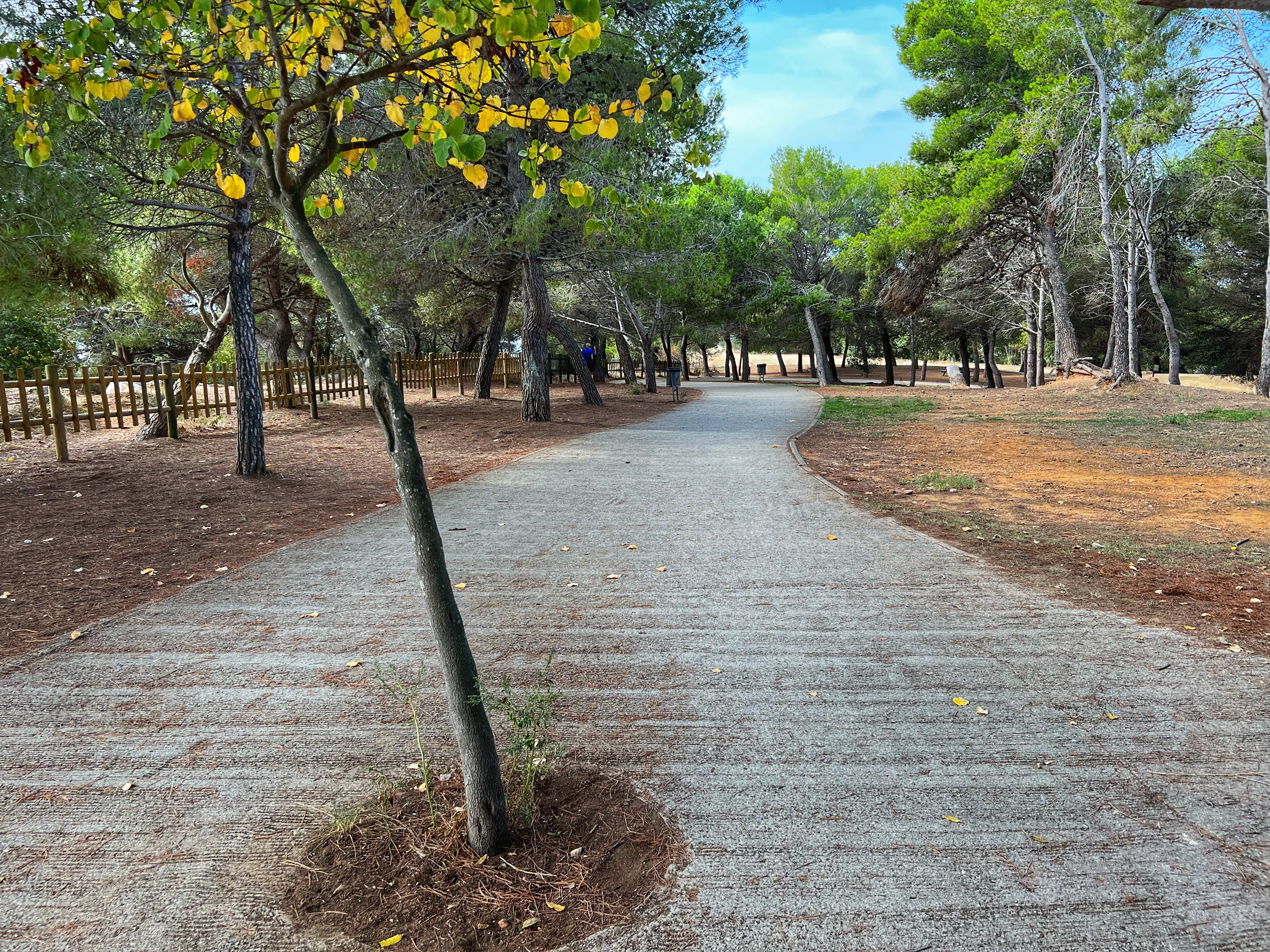
Although we didn’t tour the Montjuïc Castle, I would love to one day. It is only €9/adult to visit and has very interesting history. It began as a beacon, then a fort, then a fortress, and finally a castle. Learn more about it here. Along the shore side of Montjuïc there are several lookout platforms called “Miradors” in google maps. Keep an eye out for the Monumento a la Sardana, paying homage to the national dance of Catalunya. There are gardens (including a botanical garden), parks, playgrounds and fountains. You can walk just about everywhere – so wear comfortable shoes! The stroll from the castle down to the cemetery had especially nice views.

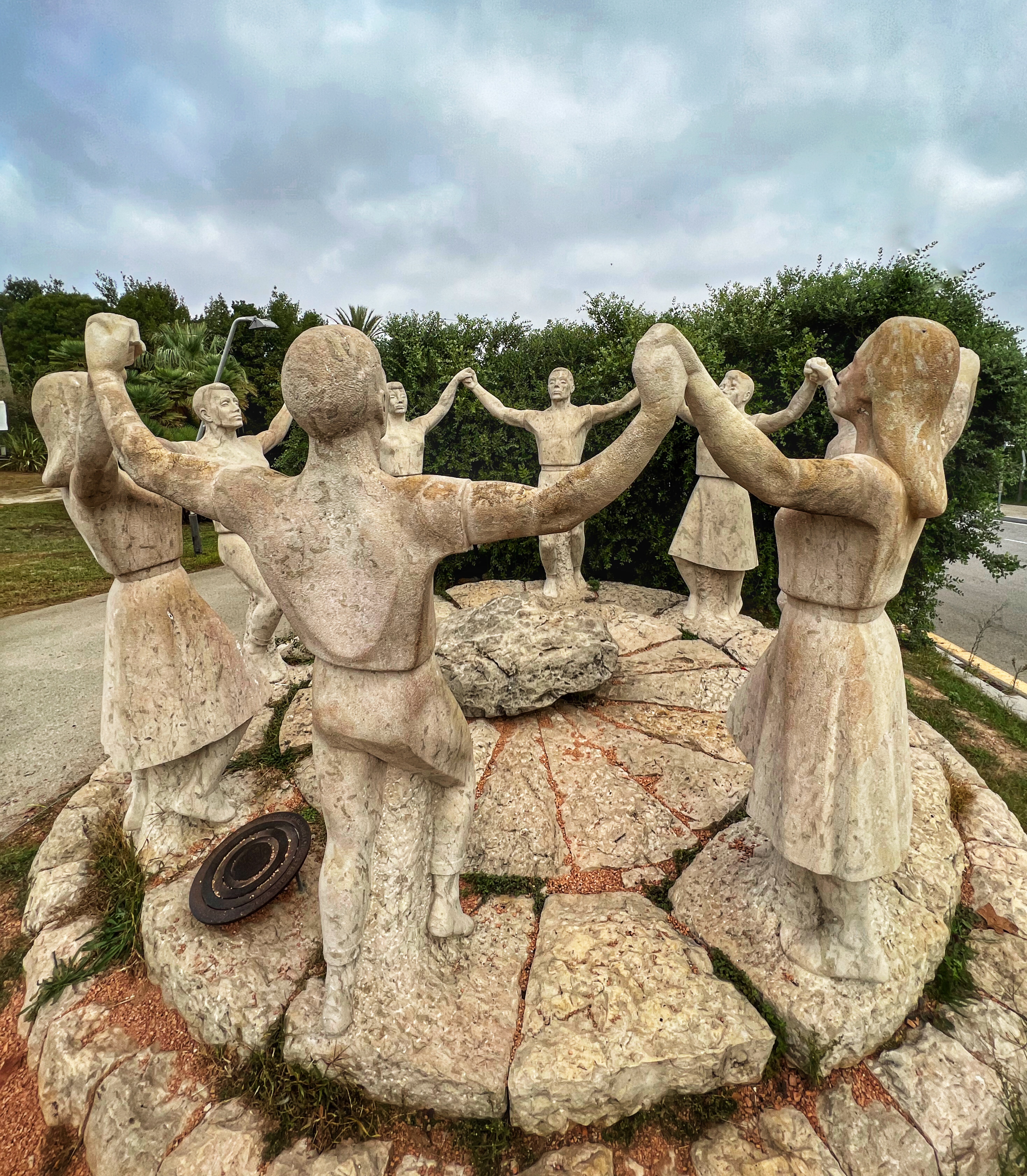
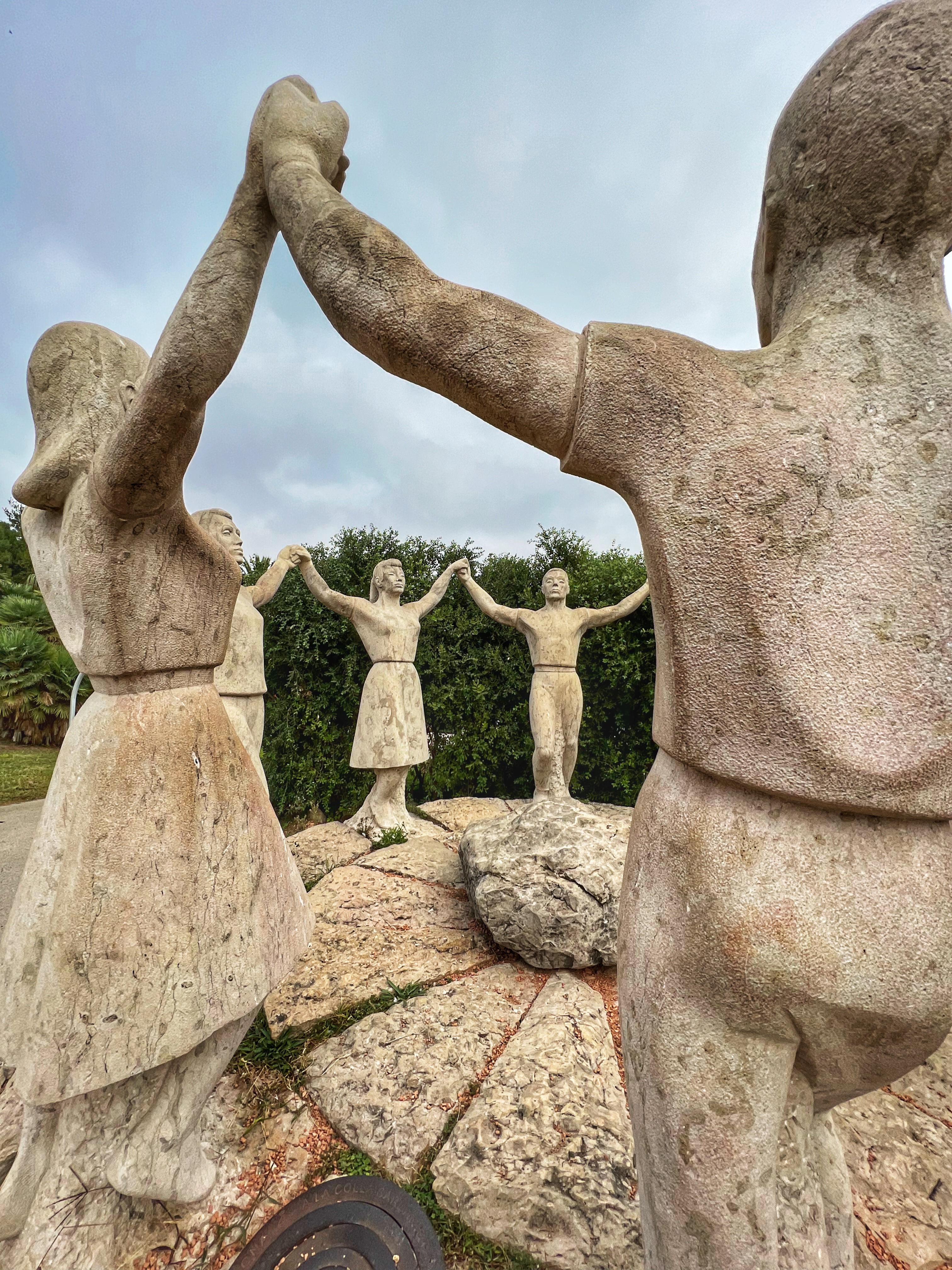
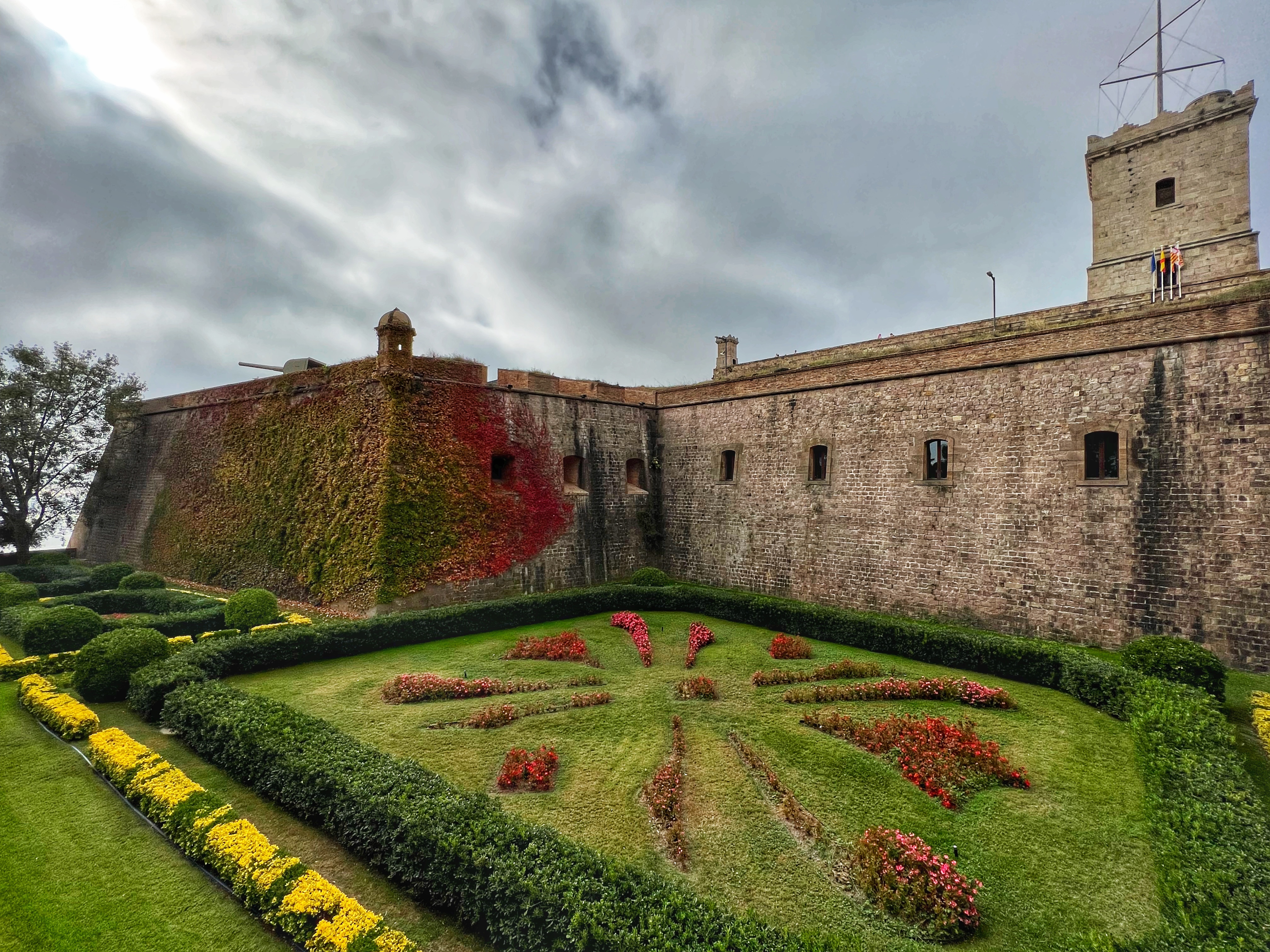
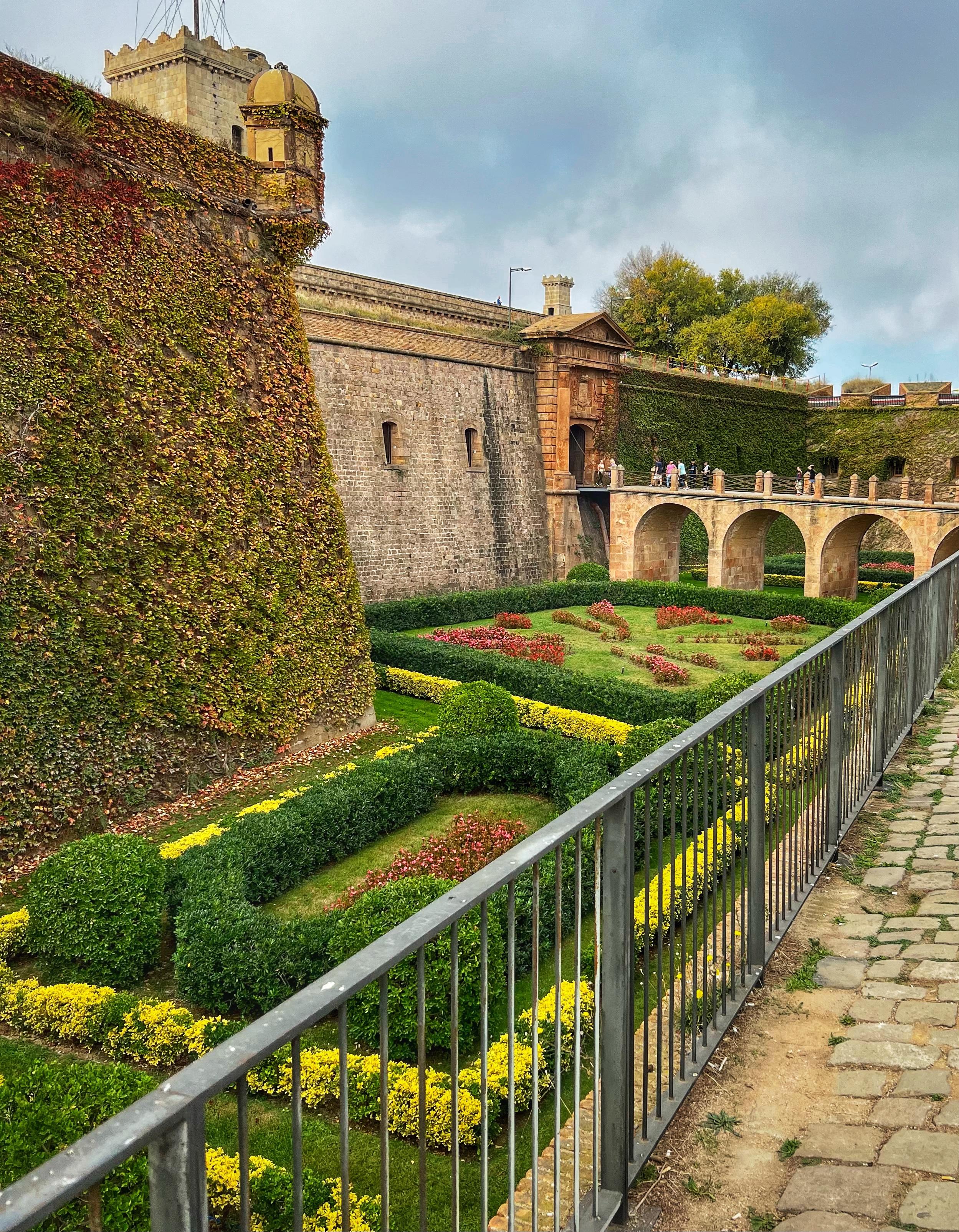



MONTJUÏC CEMETERY
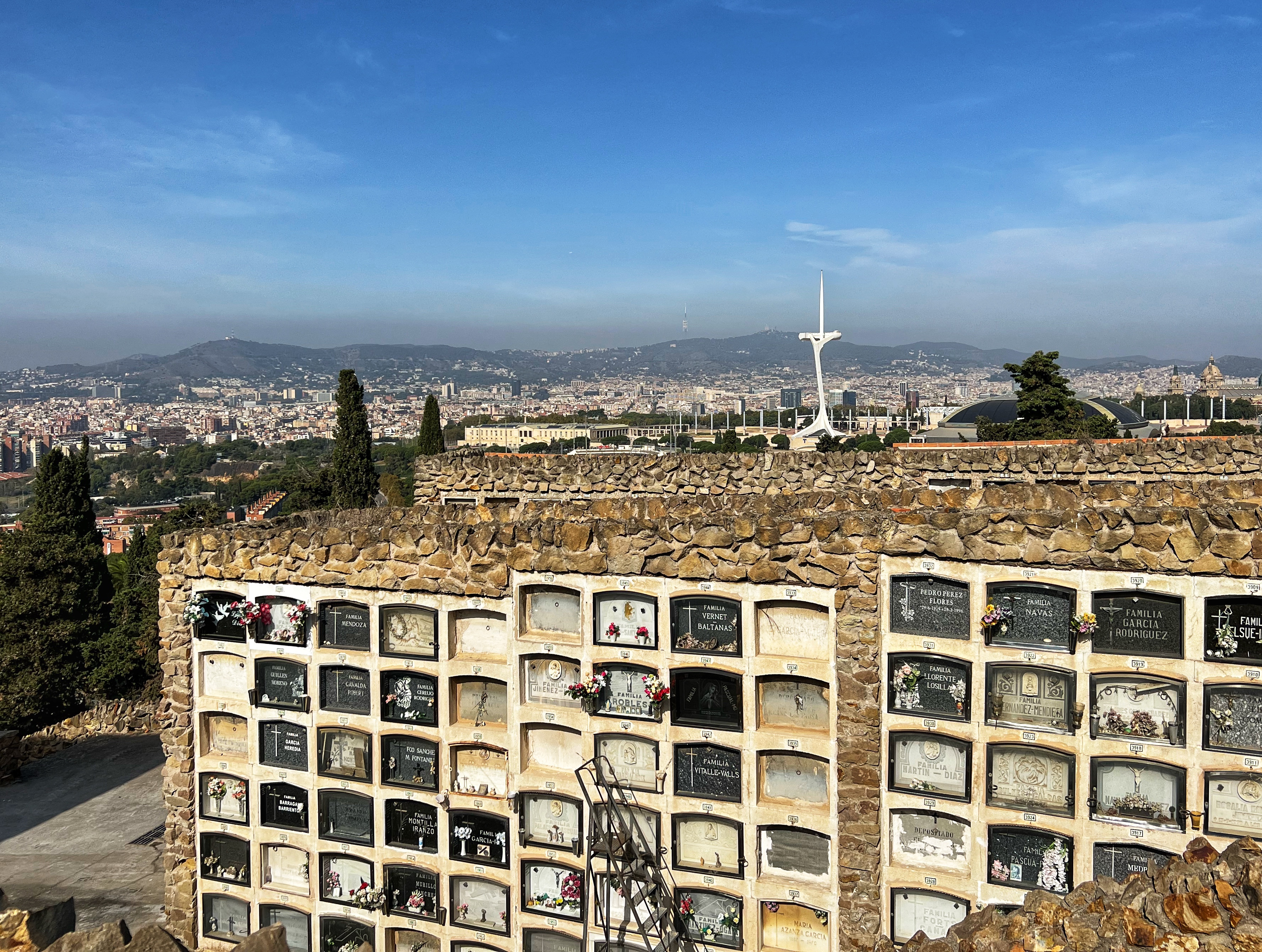
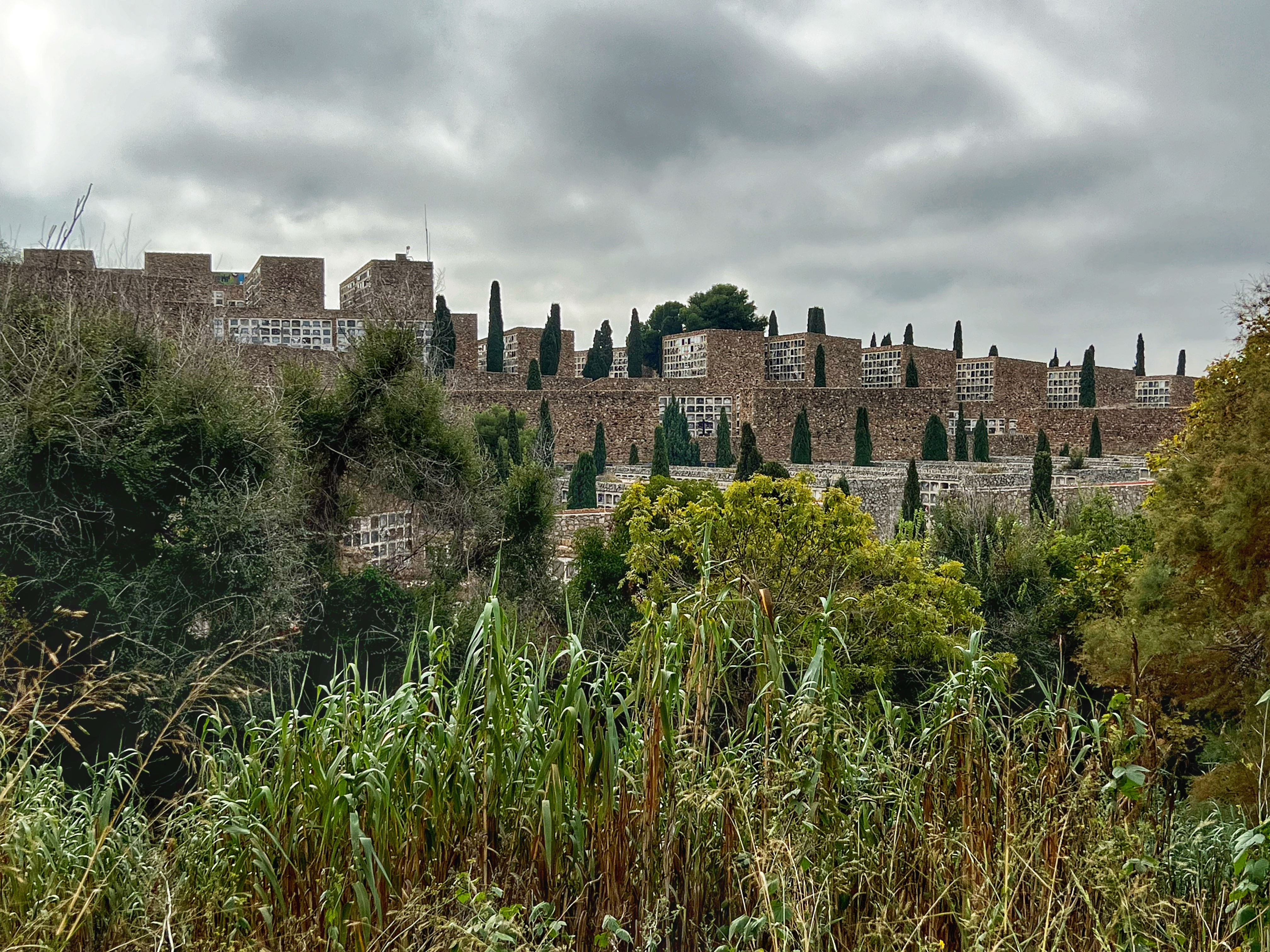
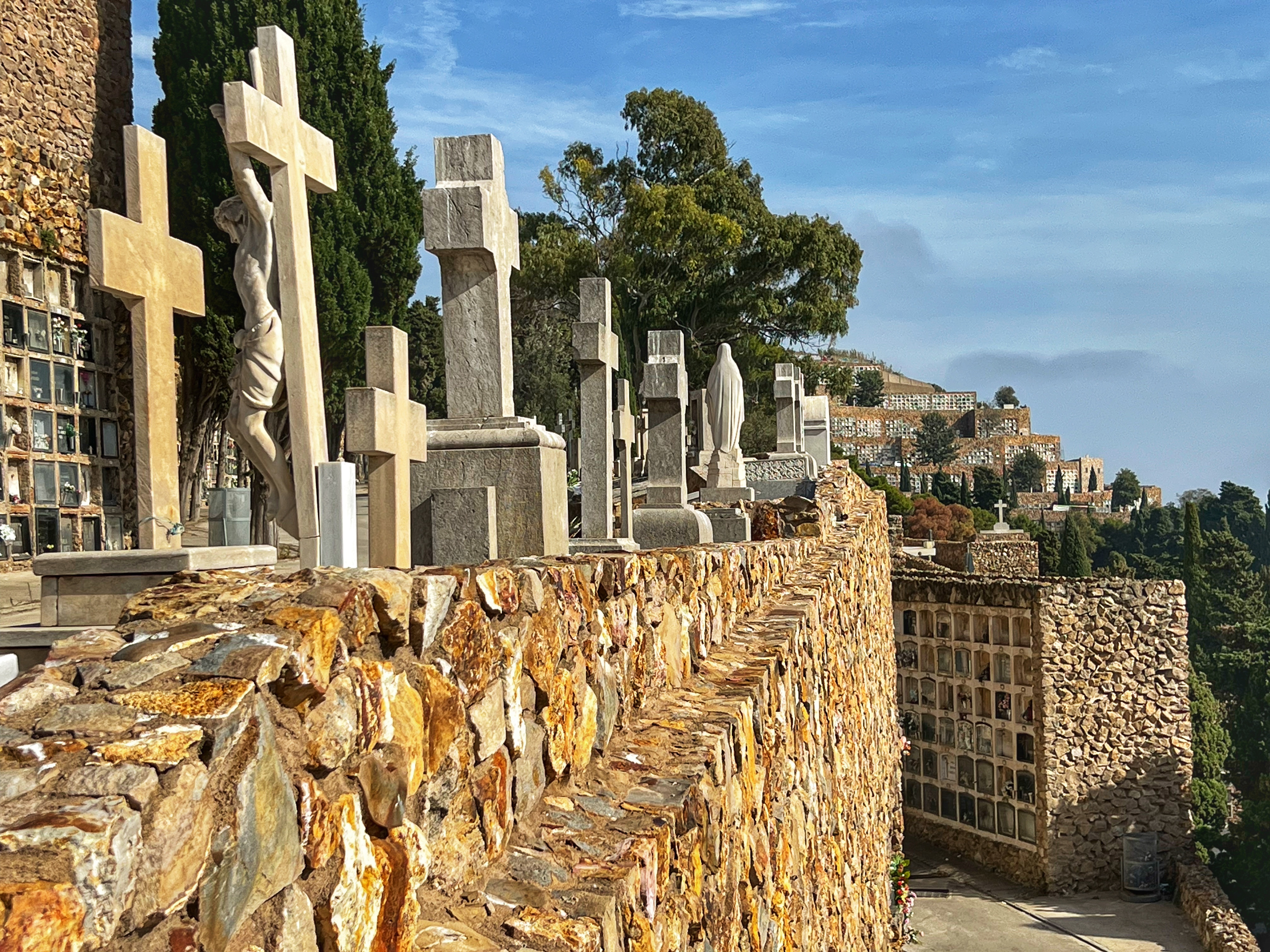
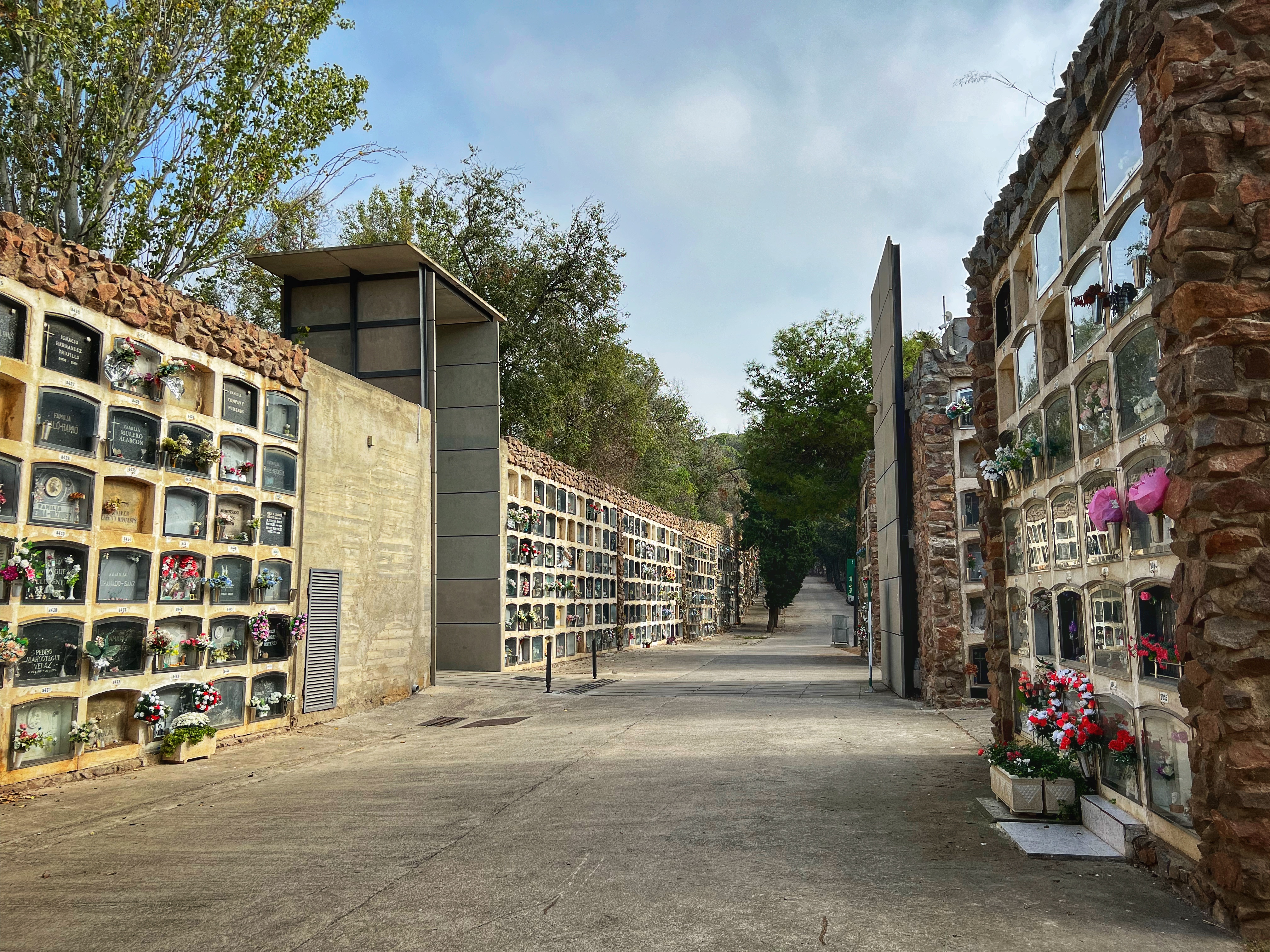
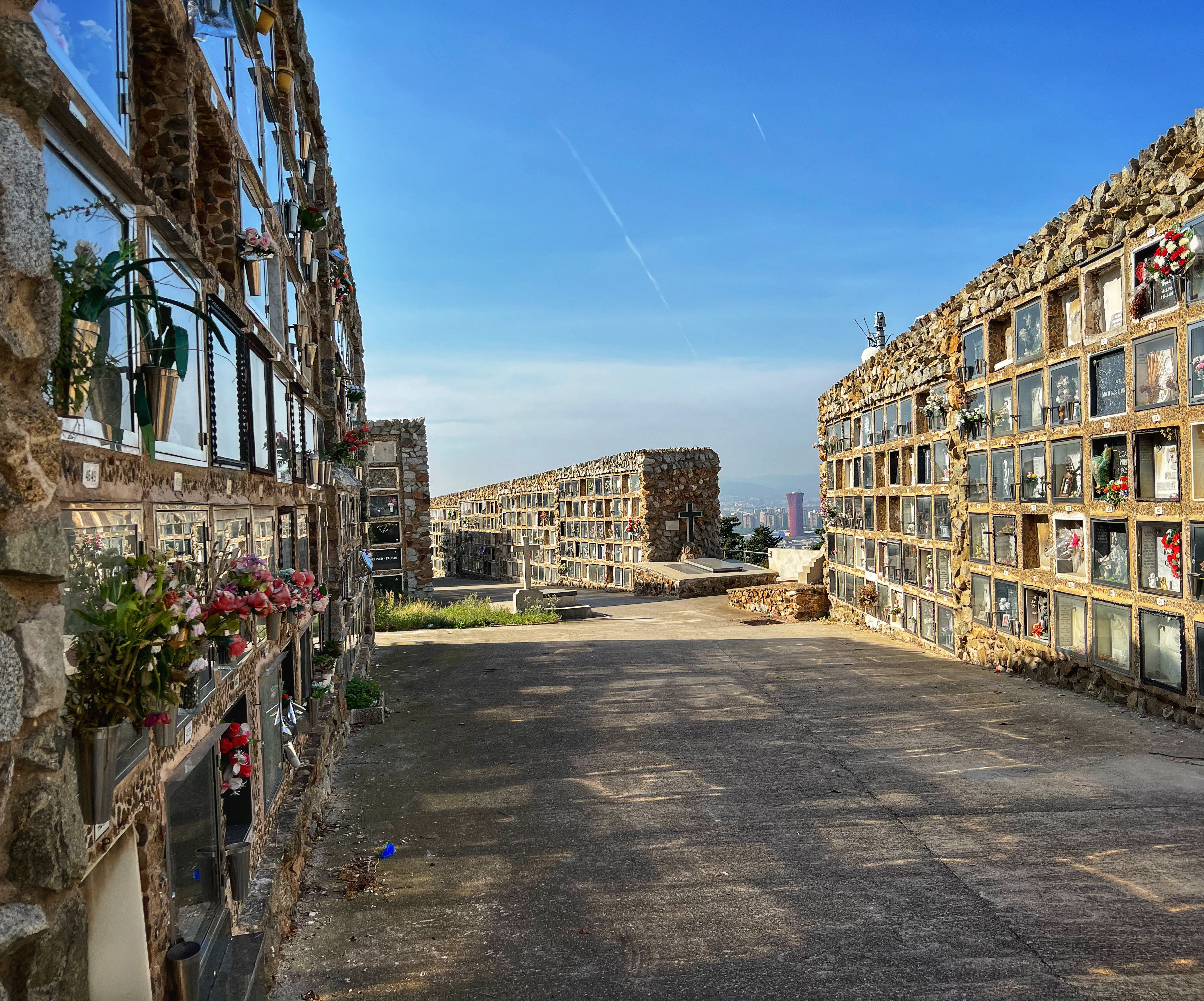
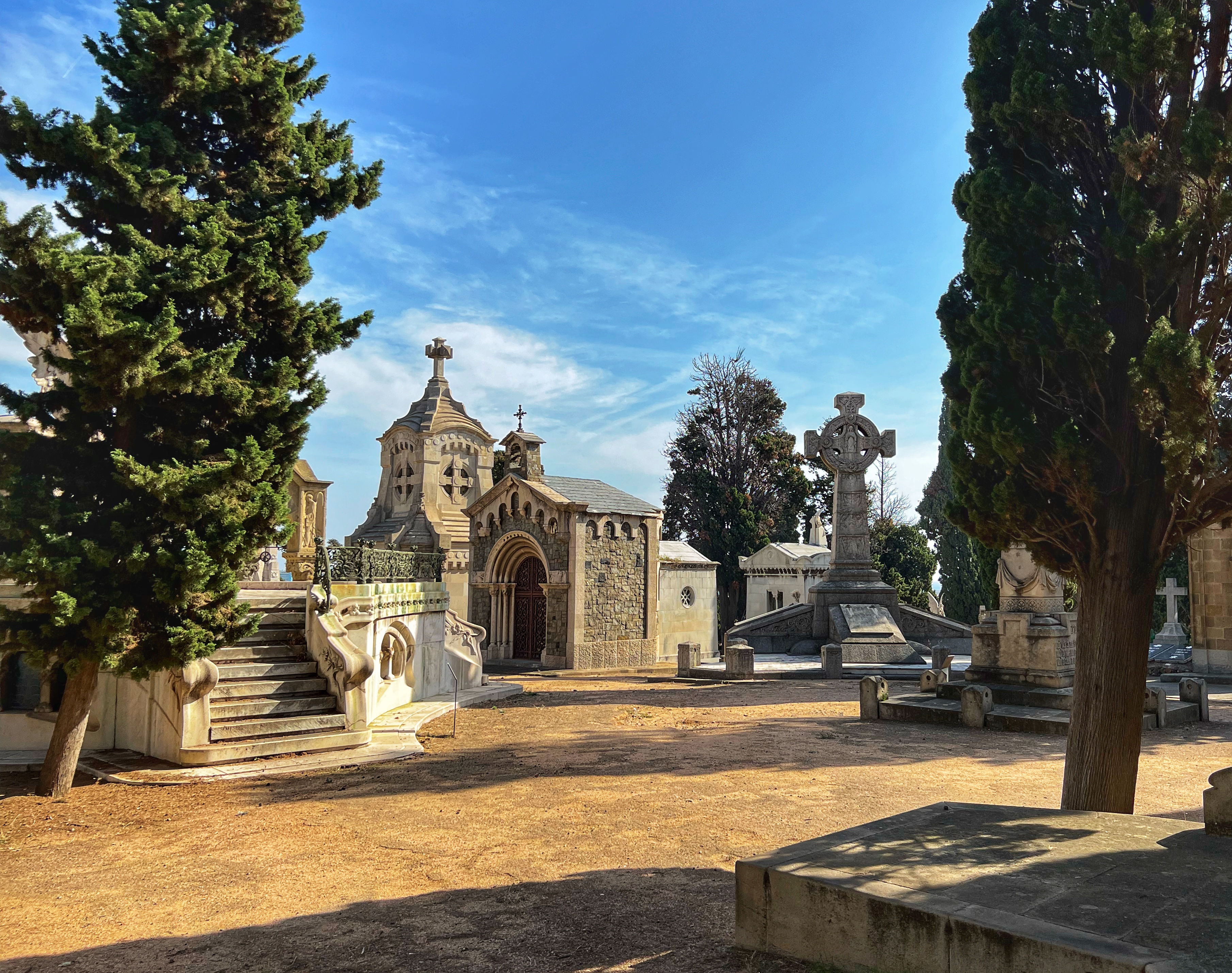
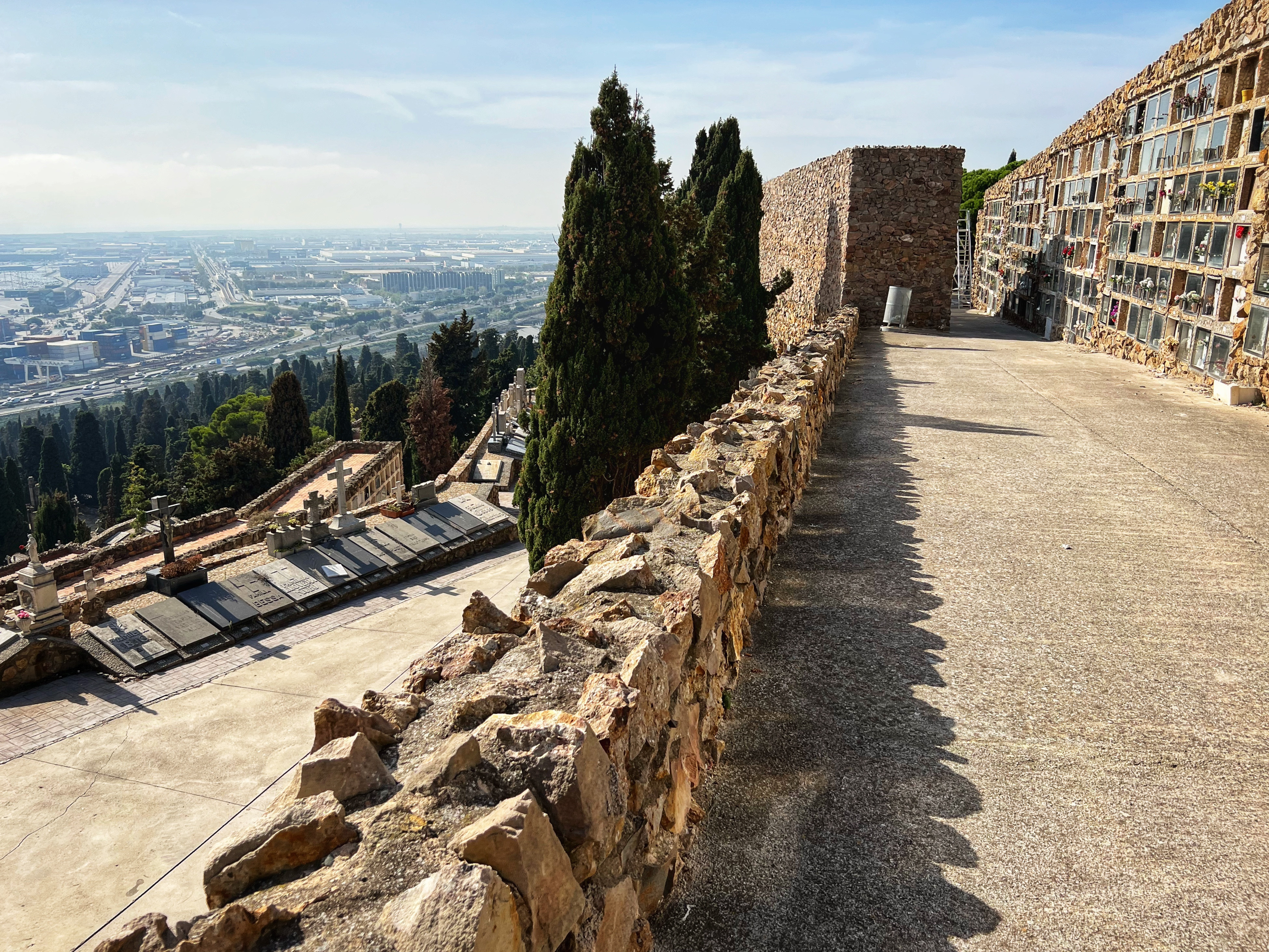
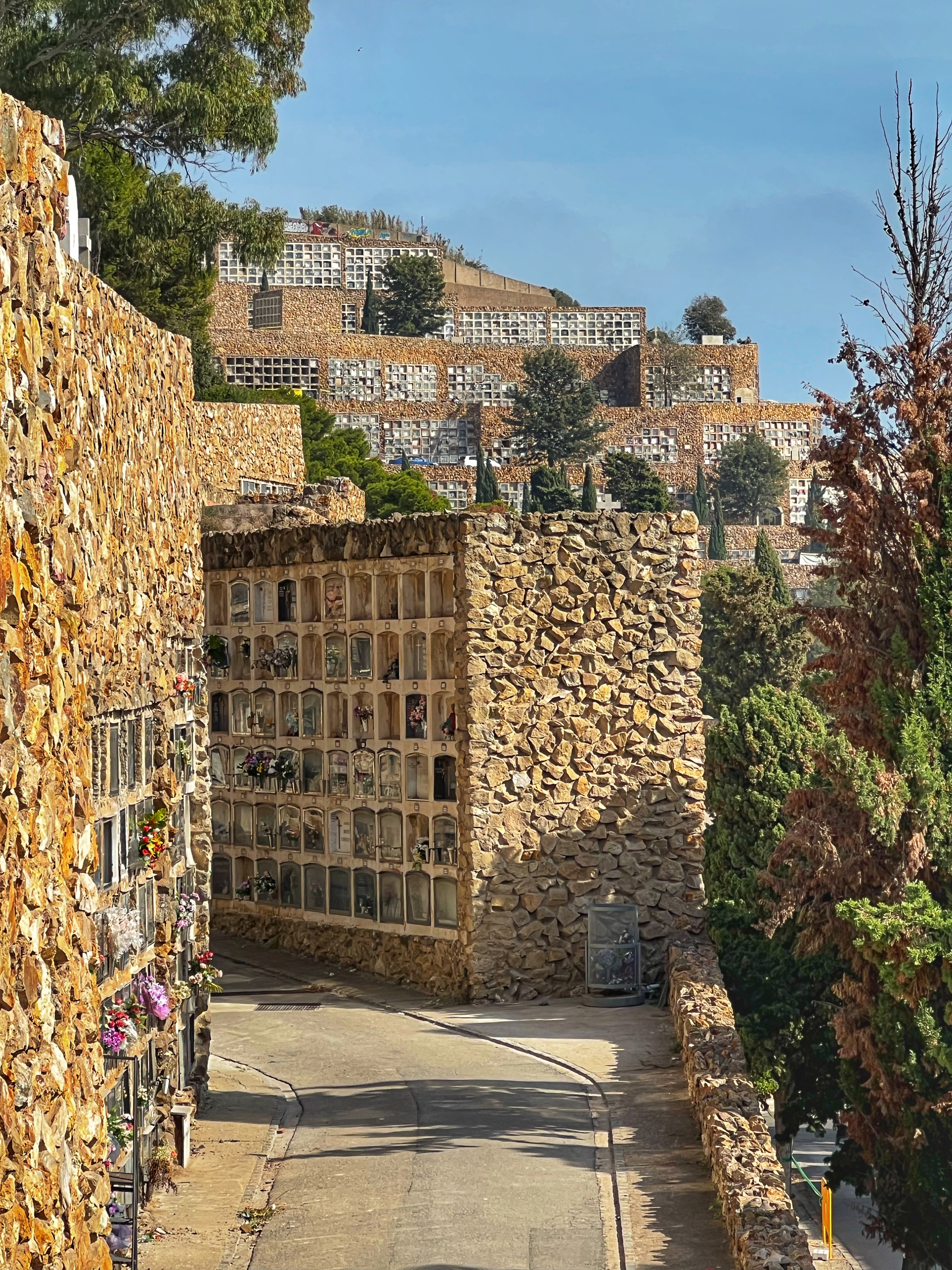
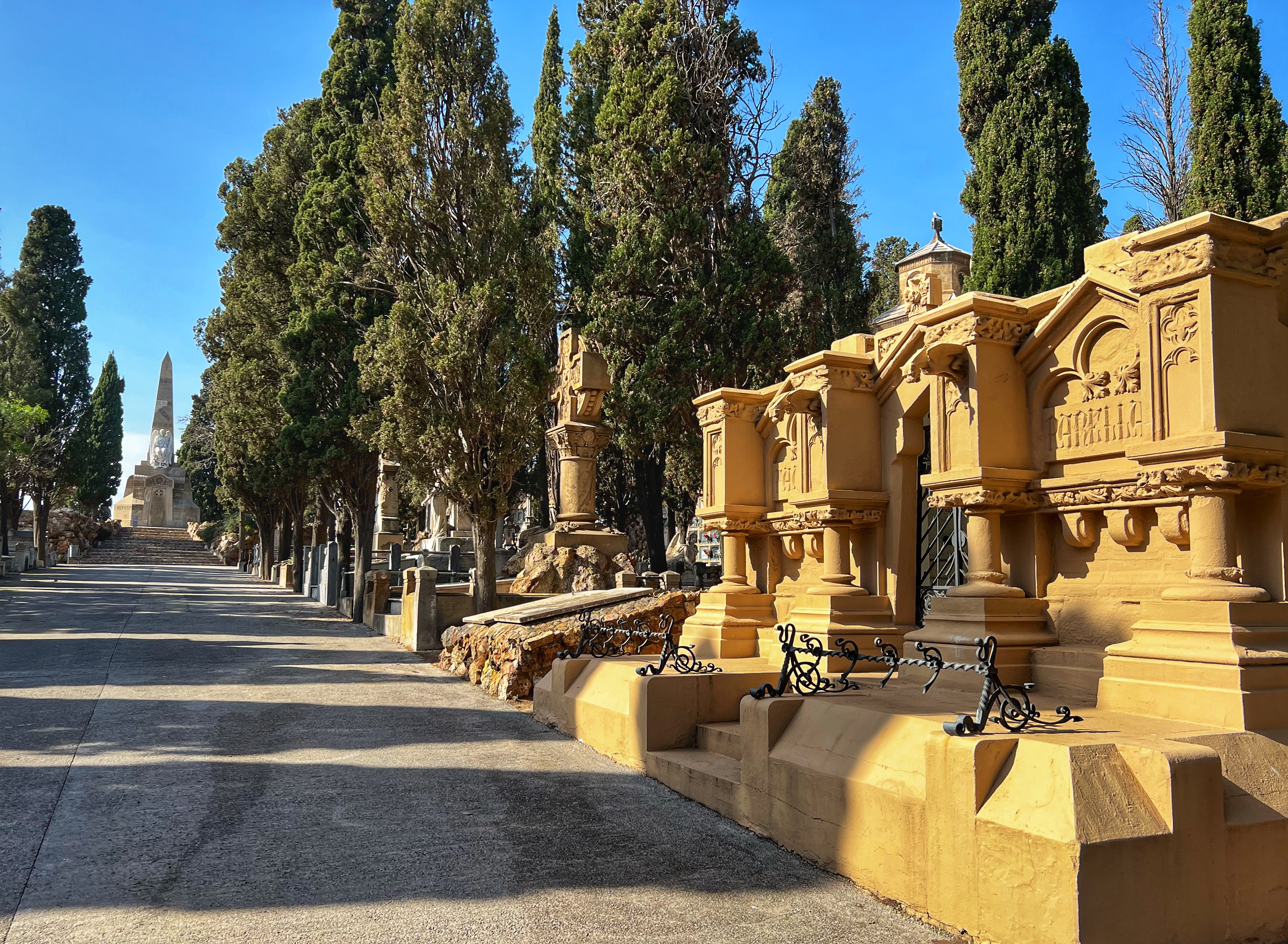
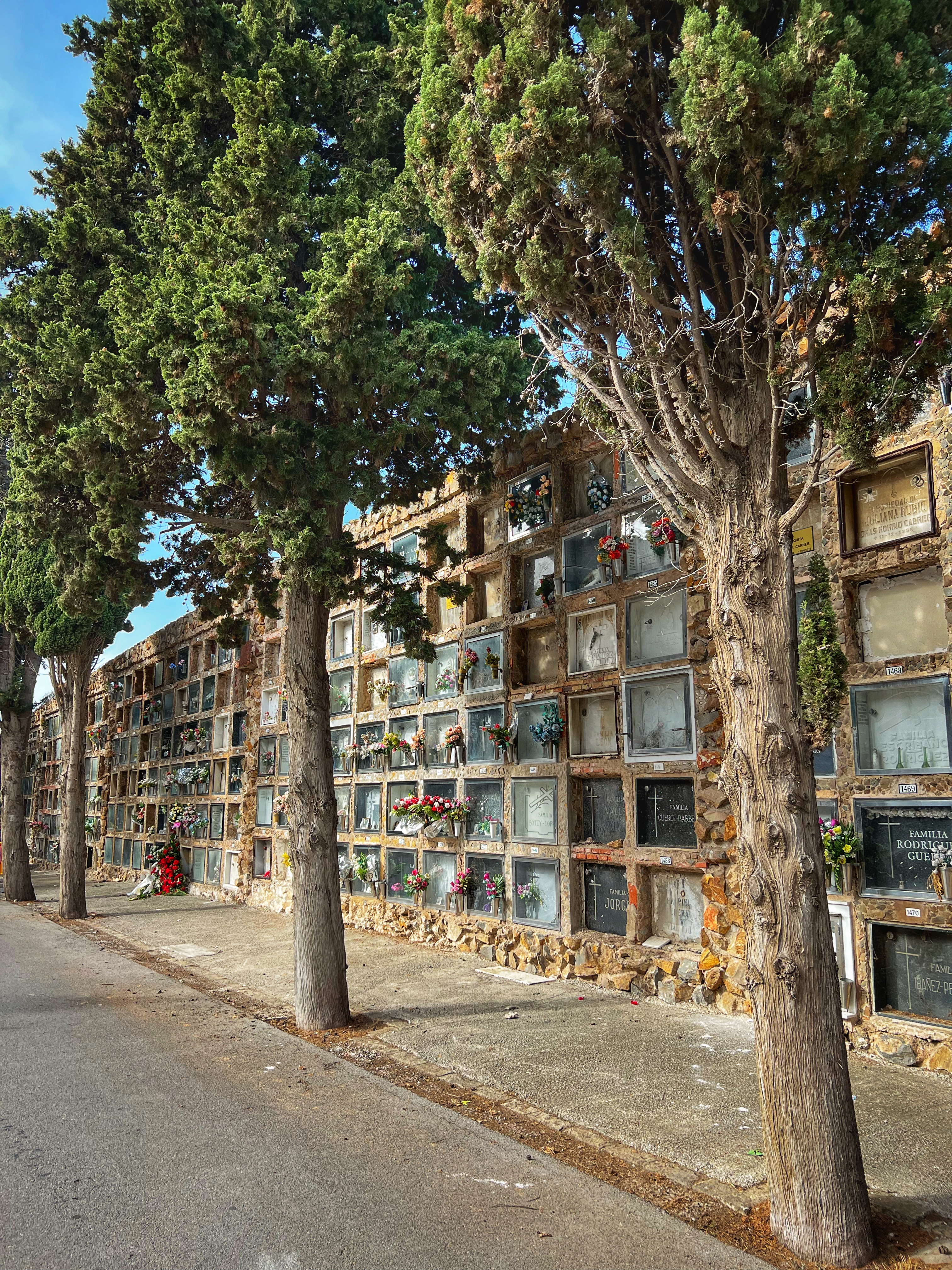
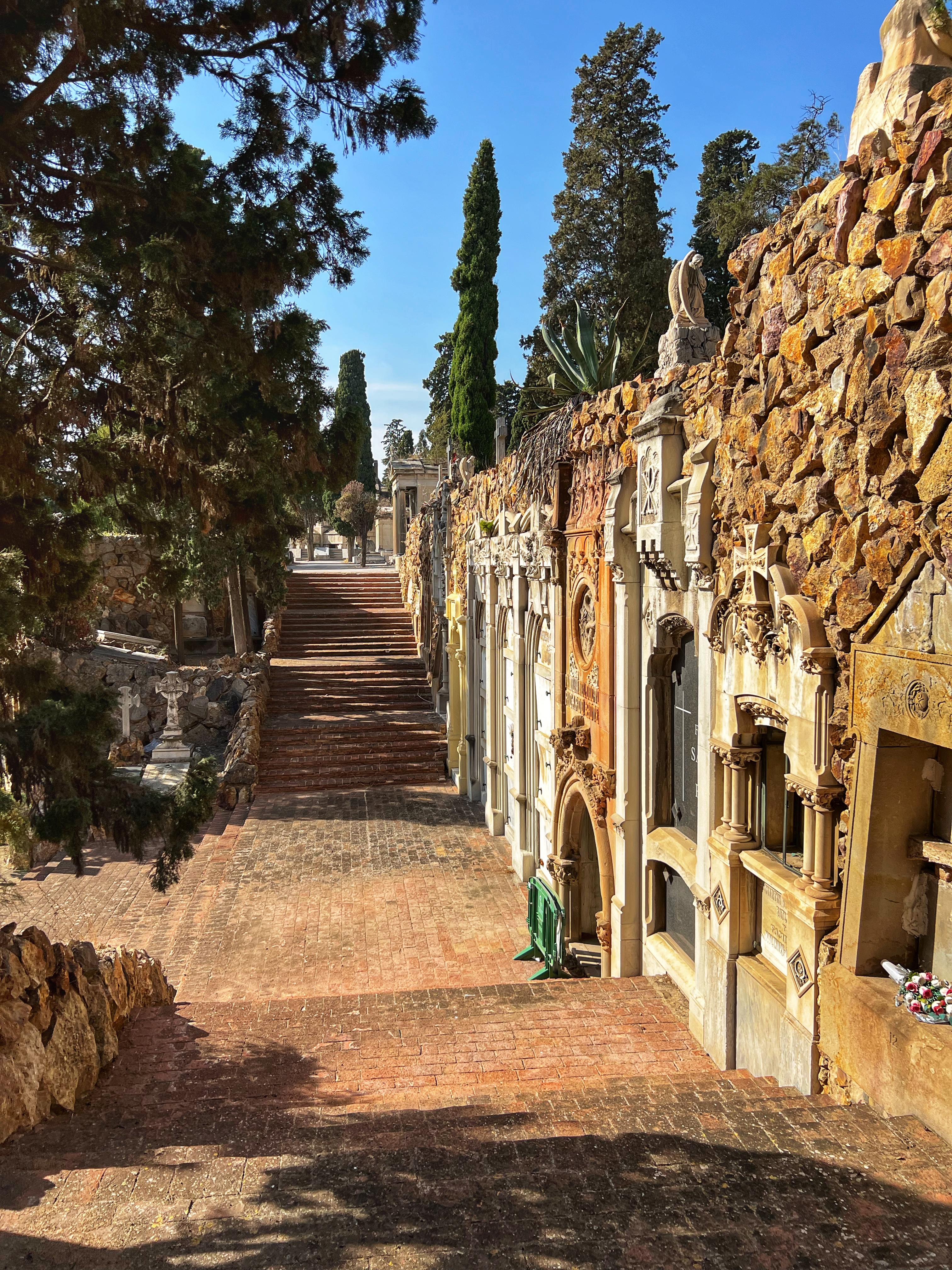
We visited over the Halloween weekend, so we thought it was appropriate to take a stroll through one of the largest cemeteries we have ever seen. From a distance it looks like a massive tiered cake, and upon closer look you can see the cemetery is made up of walls and walls of tombs and gravesites. The land is very well mapped out, and we were able to find the graves of several prominent figures including Joan Miró. Neither of us had ever seen a cemetery quite like this, with tall stacked coffin cubbies, and it was marveling to think that it covers 56 hectares (almost 140 acres). In all, the Montjuïc cemetery is the final resting place of over 1 million people and they all have incredible views overlooking Barcelona’s Balearic Sea coast. Learn more about Montjuïc cemetery here. It is so huge it took us over 2 hours just to walk casually through it – and we barely covered 20% of the place!






CABLE CARS TO MONTJUIC
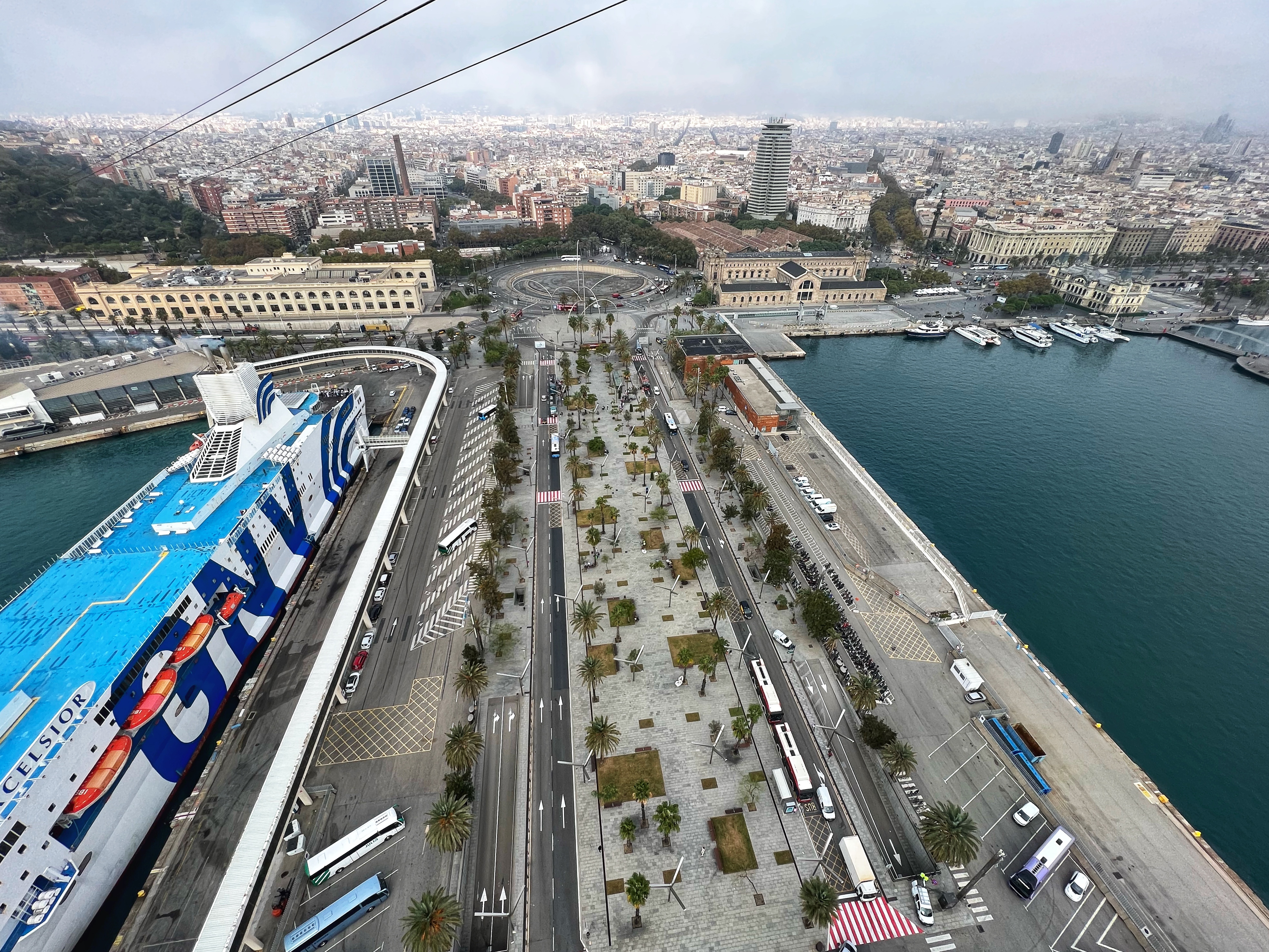
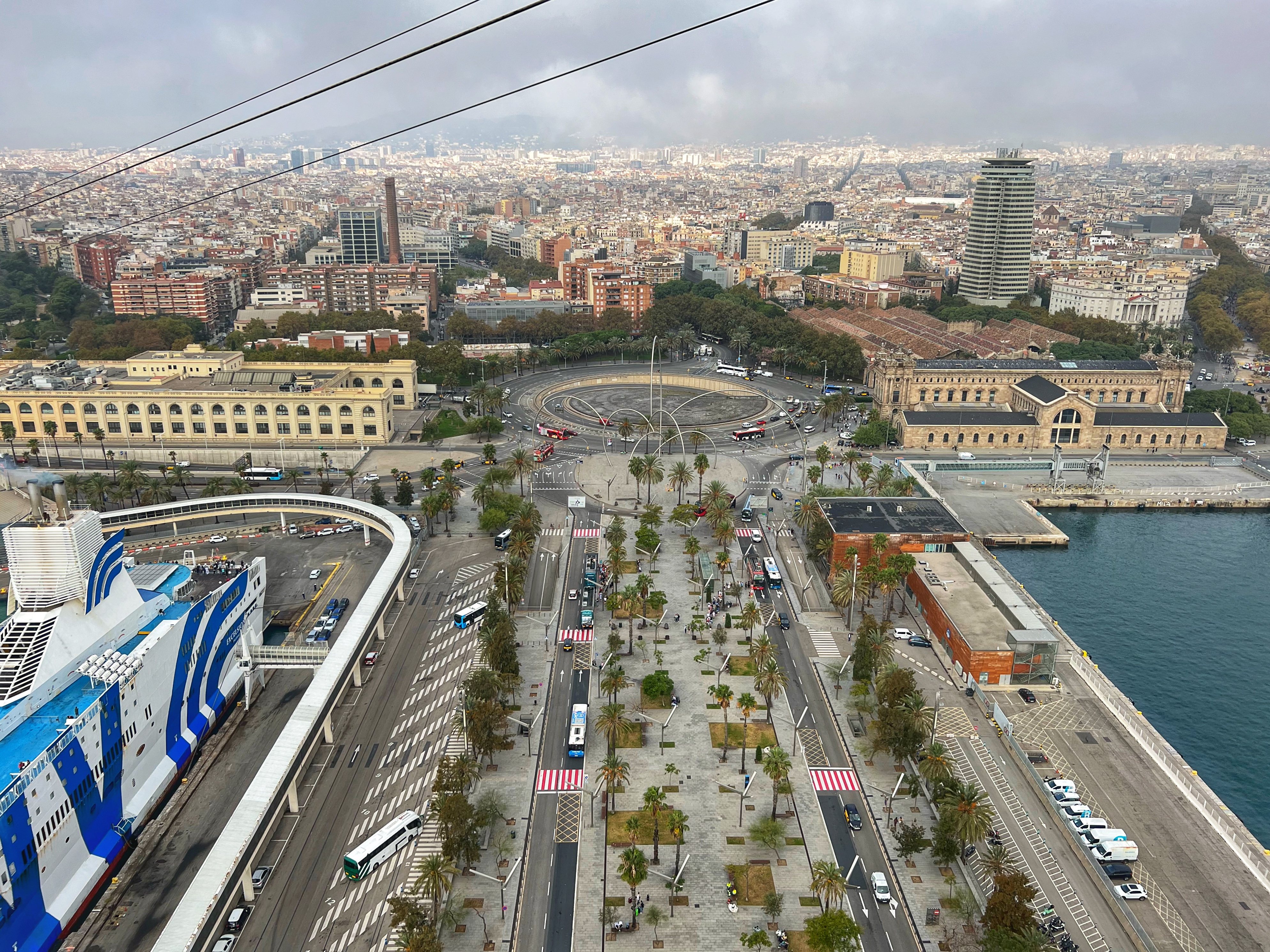
PORT CABLE CAR This is a fun experience even if you’re not planning to visit Montjuïc! If you love a good skyline ride, this is the one for you. It takes less than 10 minutes to cross the port with one pause (not stop) at the middle tower, all with sweeping views. This is also a fun way to get down from Montjuïc and cover a lot of ground over to the harbor after your visit on the mountain. To visit, walk all the way down the harbor peninsula or take the V19 bus until you reach the cable car tower here. Purchase a ticket for €10/adult to cross the harbor on the slow moving cable car — it ends on Montjuïc at Miramar station.

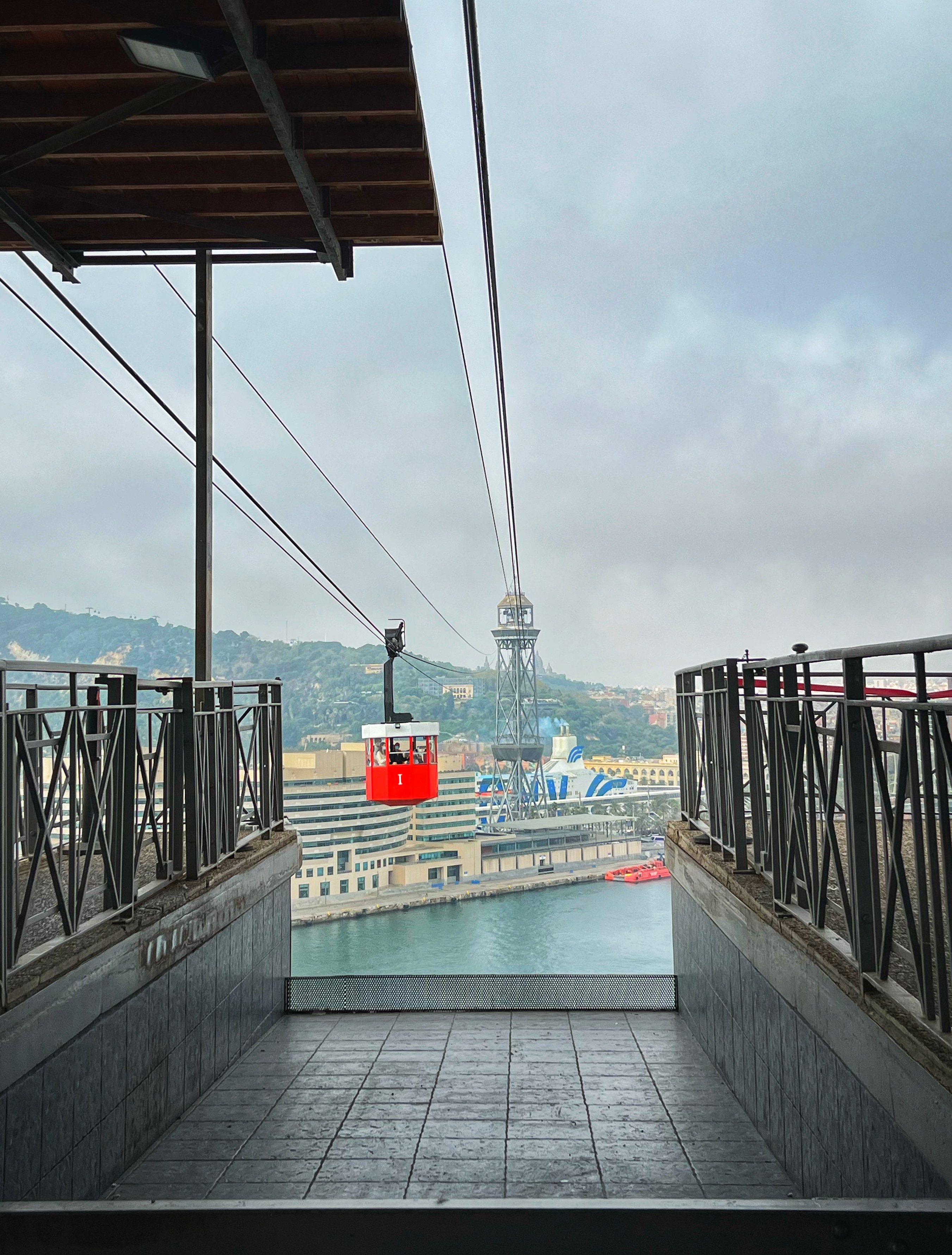
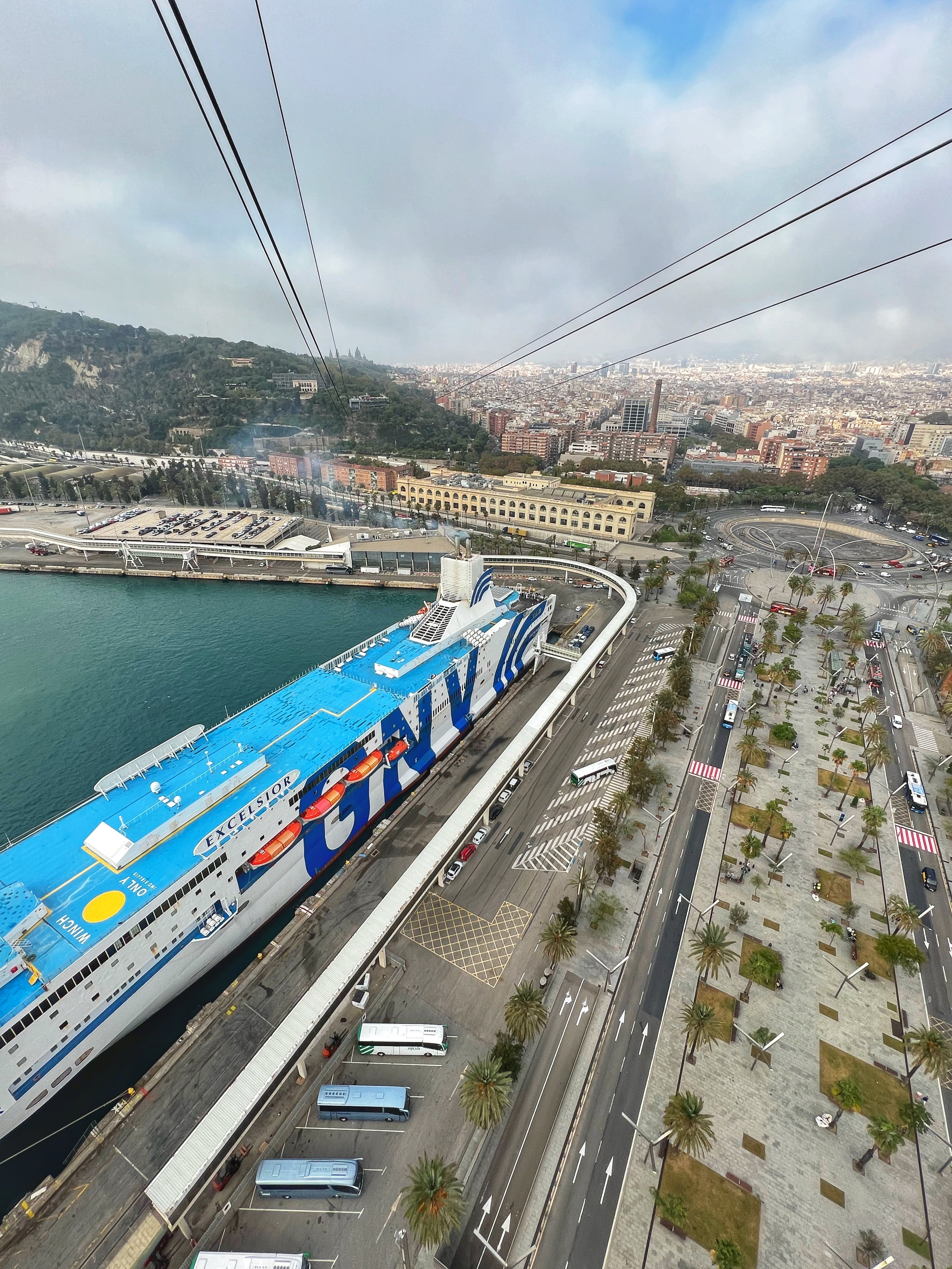
TELEFERIC MONTJUIC This is the more popular option to reach the top of the Montjuïc mountain. The cable car begins here and can be reached by various bus stops and the funicular from the Parallel metro stop. It ends at the top of the mountain near the Montjuïc castle, here. This is a bit quicker option at only about 5 minutes to reach the top, and there are more gondolas to take guests up the hill than the single cable car across the harbor. The price sometimes varies, but is around €13 per person round trip and can be purchased here.

OLYMPIC STADIUM
It is possible to visit the Olympic stadium and take a tour. There are two different types of guided tours here – the Barcelona Olympic museum only and the Olympic museum and the Olympic Stadium together. The museum visit alone takes about 1 hour with a guide. The two together take about 2 hours. Prices for stadium tours vary depending on group size and time – inquire at this number +34 93 292 5379. You can also check the event page and visit the stadium during a concert or event – so epic! Prices for visiting the museum are €5.80/adult and €3.60/child. Learn more about this historic location here.
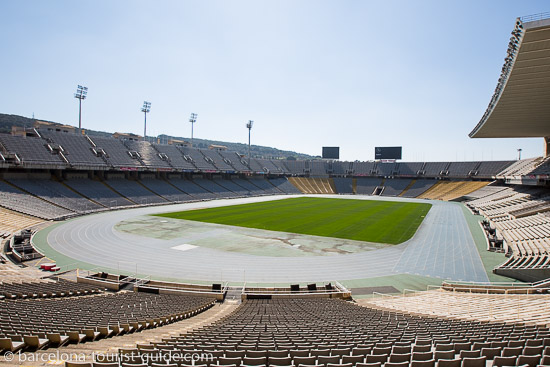

Remember: Poble Espanyol and the National Palace are also on Montjuïc and all of these make for a great day itinerary.
3. La Pedrera
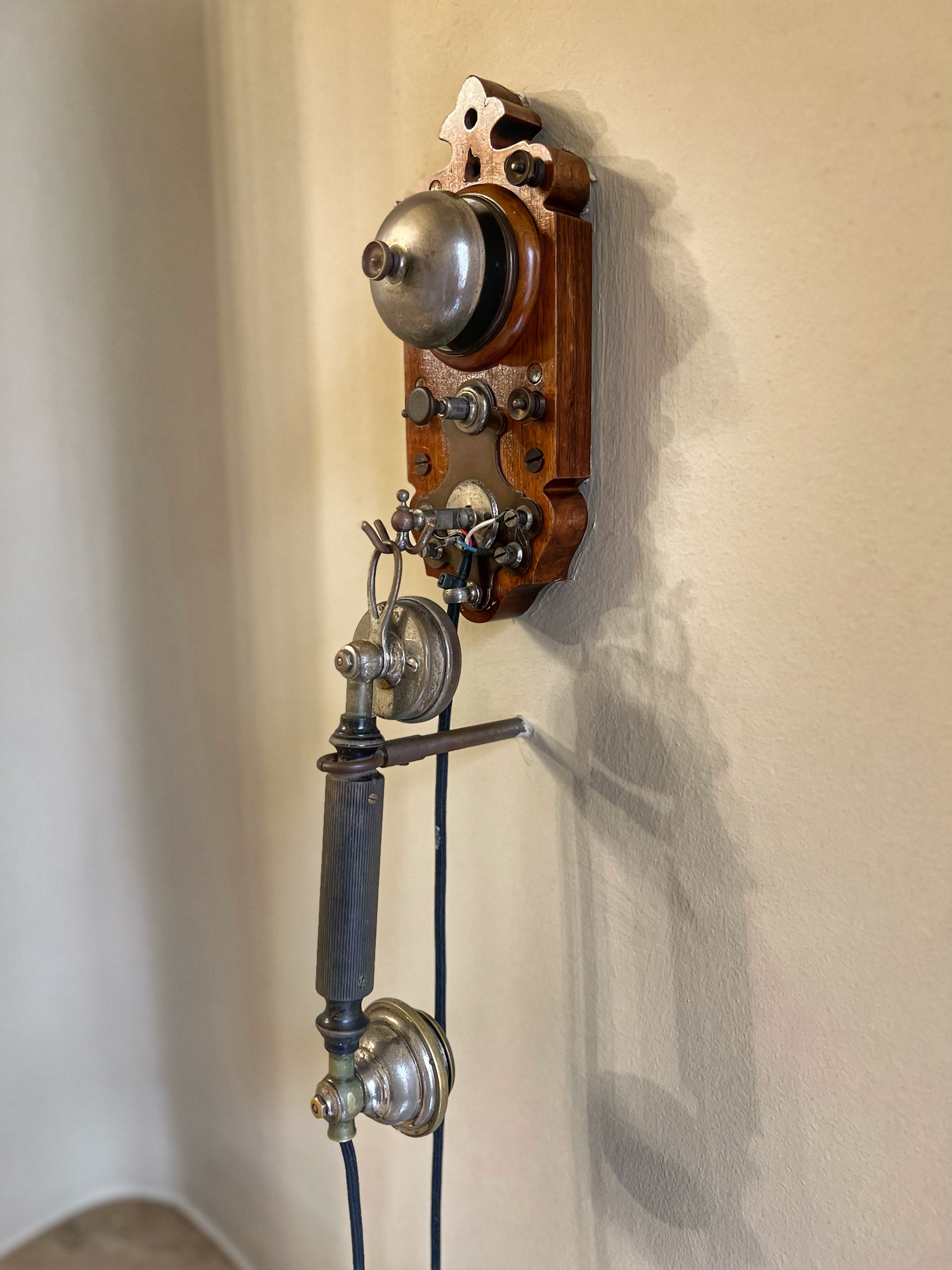
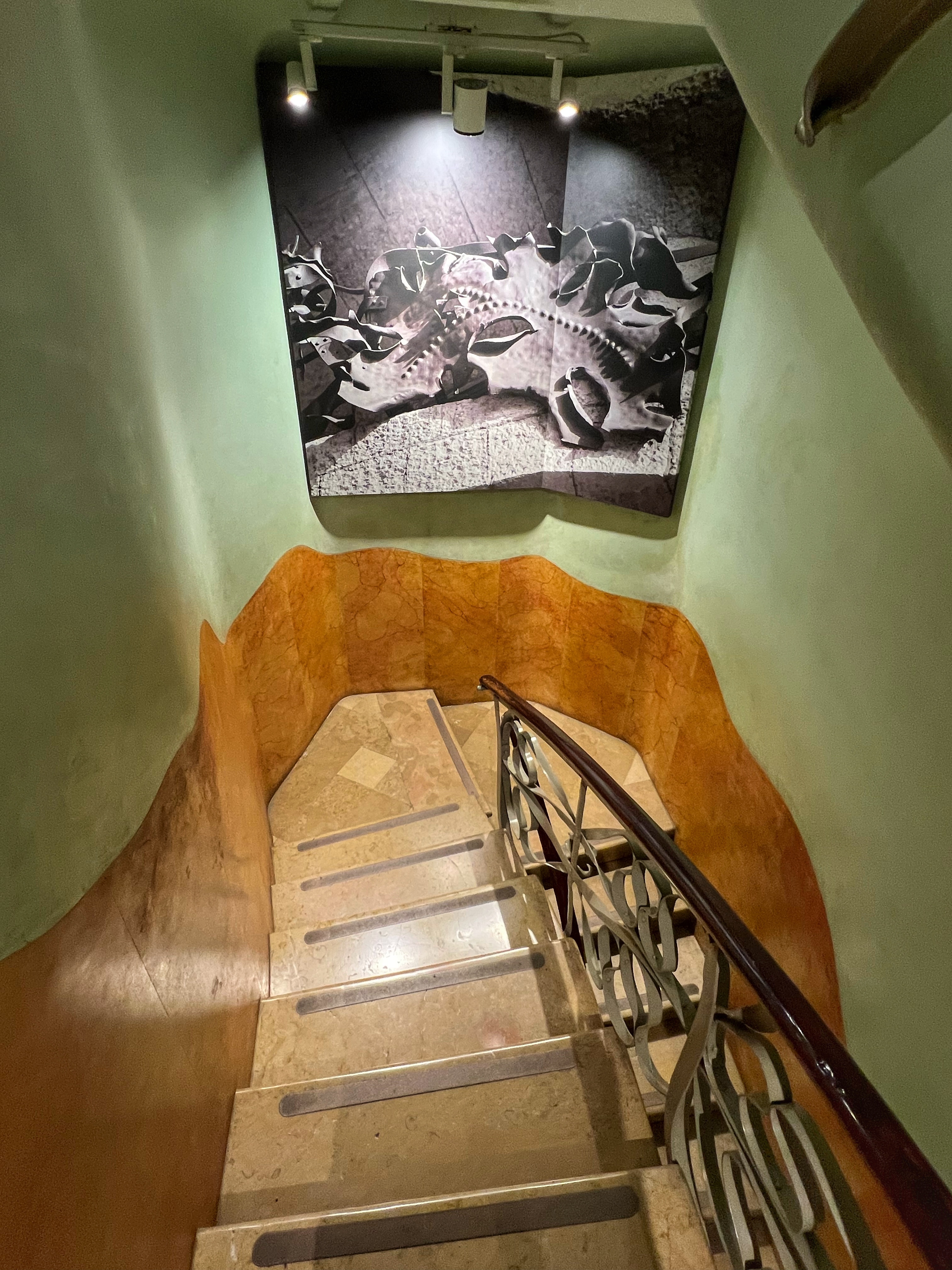
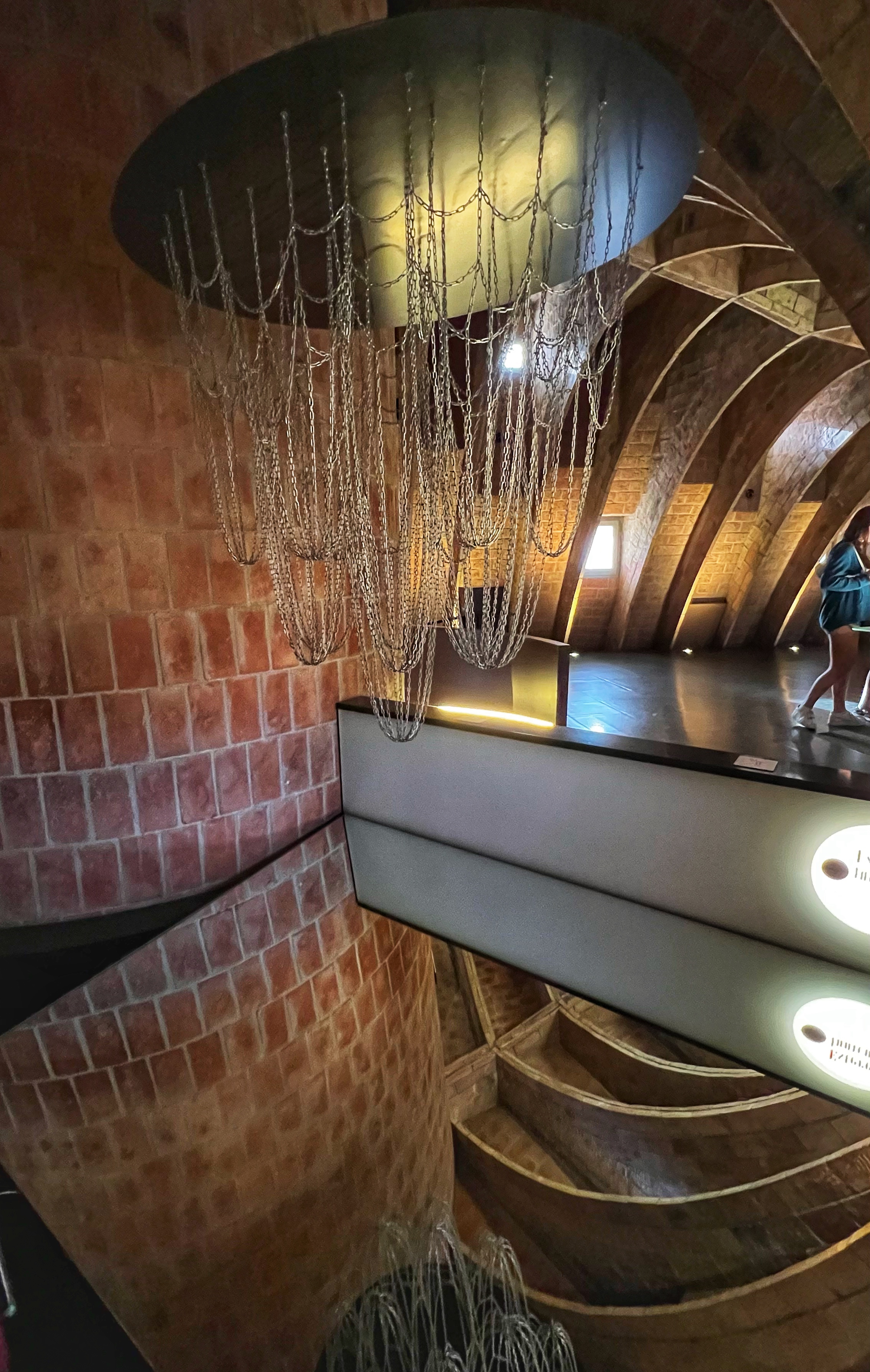
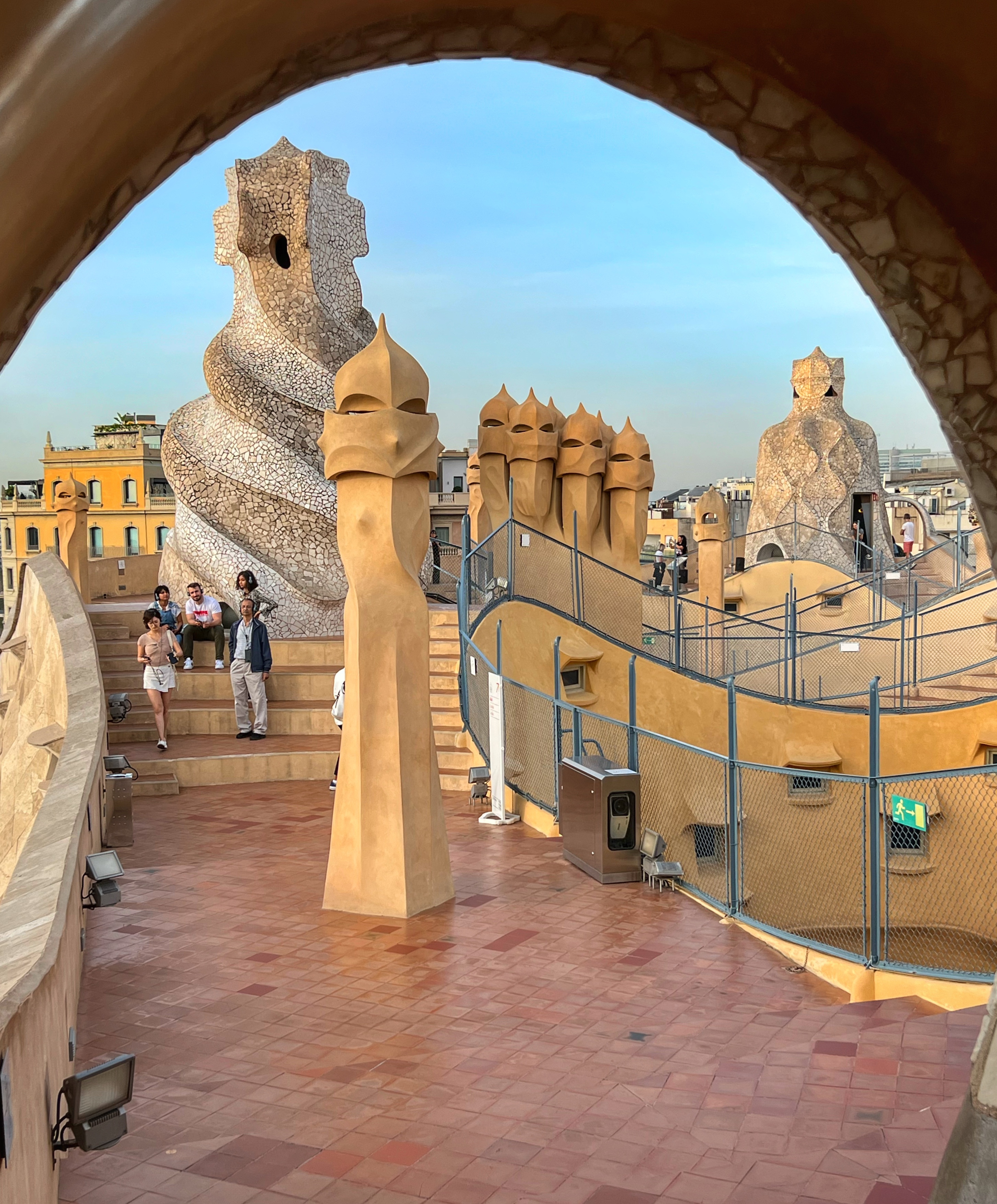
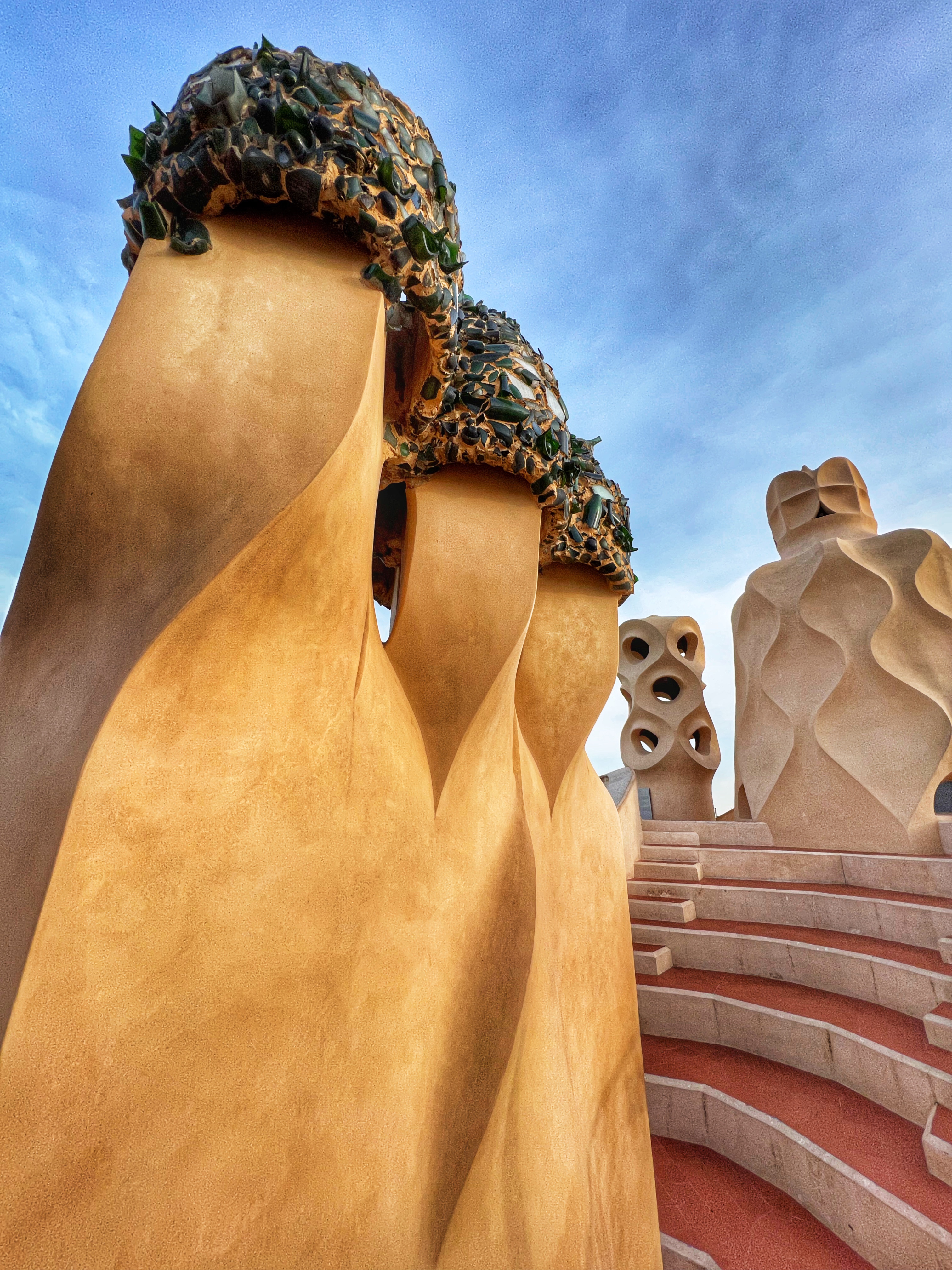
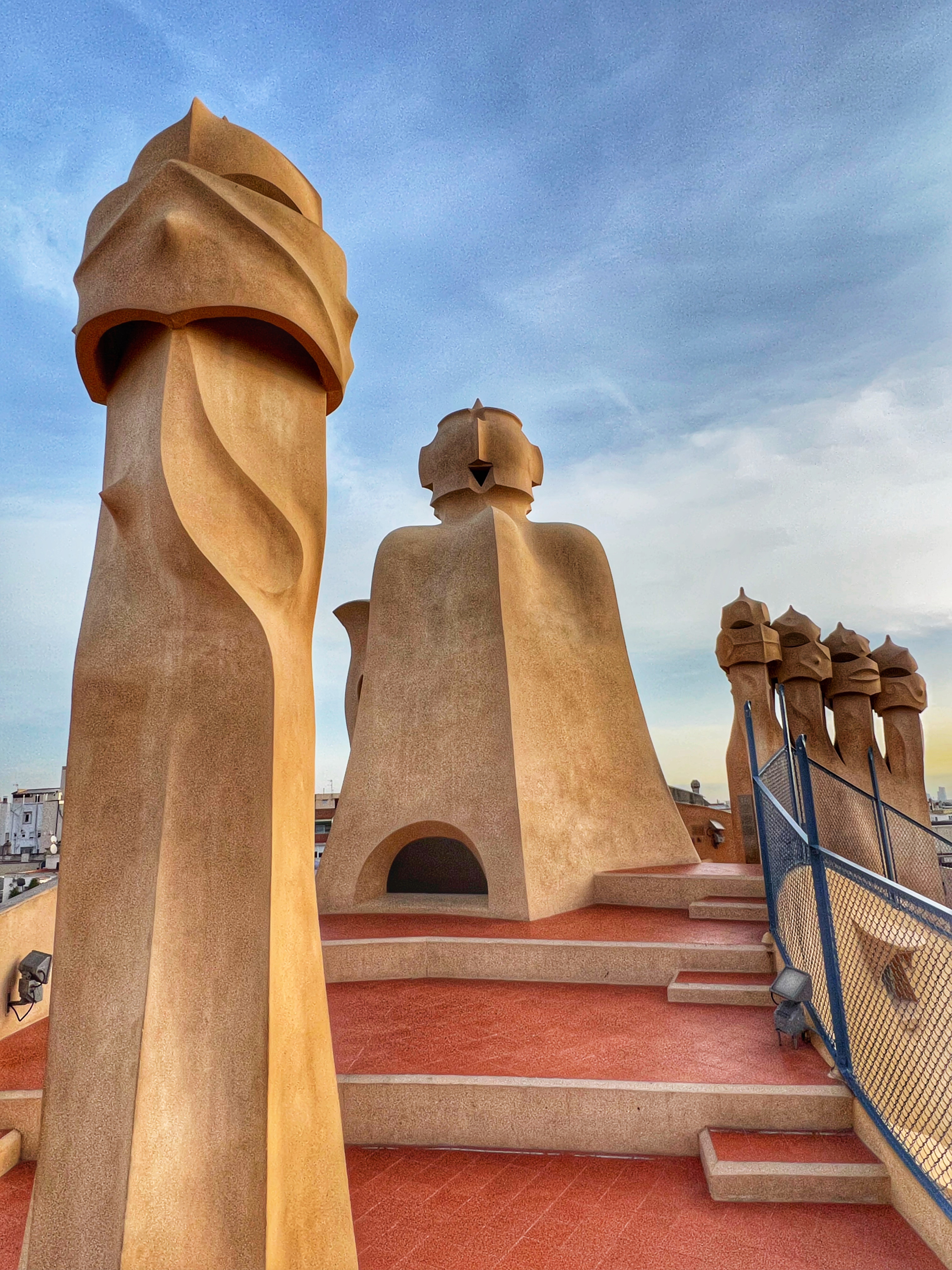
La Pedrera is also known as Casa Milà and it is Gaudi’s most famous building built from scratch (not a renovation). Most well known for its incredible rooftop, La Pedrera was not well received by the people of Barcelona – or the commisioner’s wife! I enjoyed visiting again and seeing the attic space built to resemble the belly of a whale, housing a mini museum of Gaudi inspiration. It is said that the “soldiers” on the rooftop inspired George Lucas’ design of the stormtroopers in Star Wars! Visit early to avoid the crowds, or late to enjoy the sunset. Built in just six years from 1906-1912, La Pedrera has become an iconic landmark in the Eixample district.
First you tour the Milà apartments with an audioguide explaining all the interior features and furniture details. I love the giant, colorful atrium with a stairway that resembles a vertebrae.
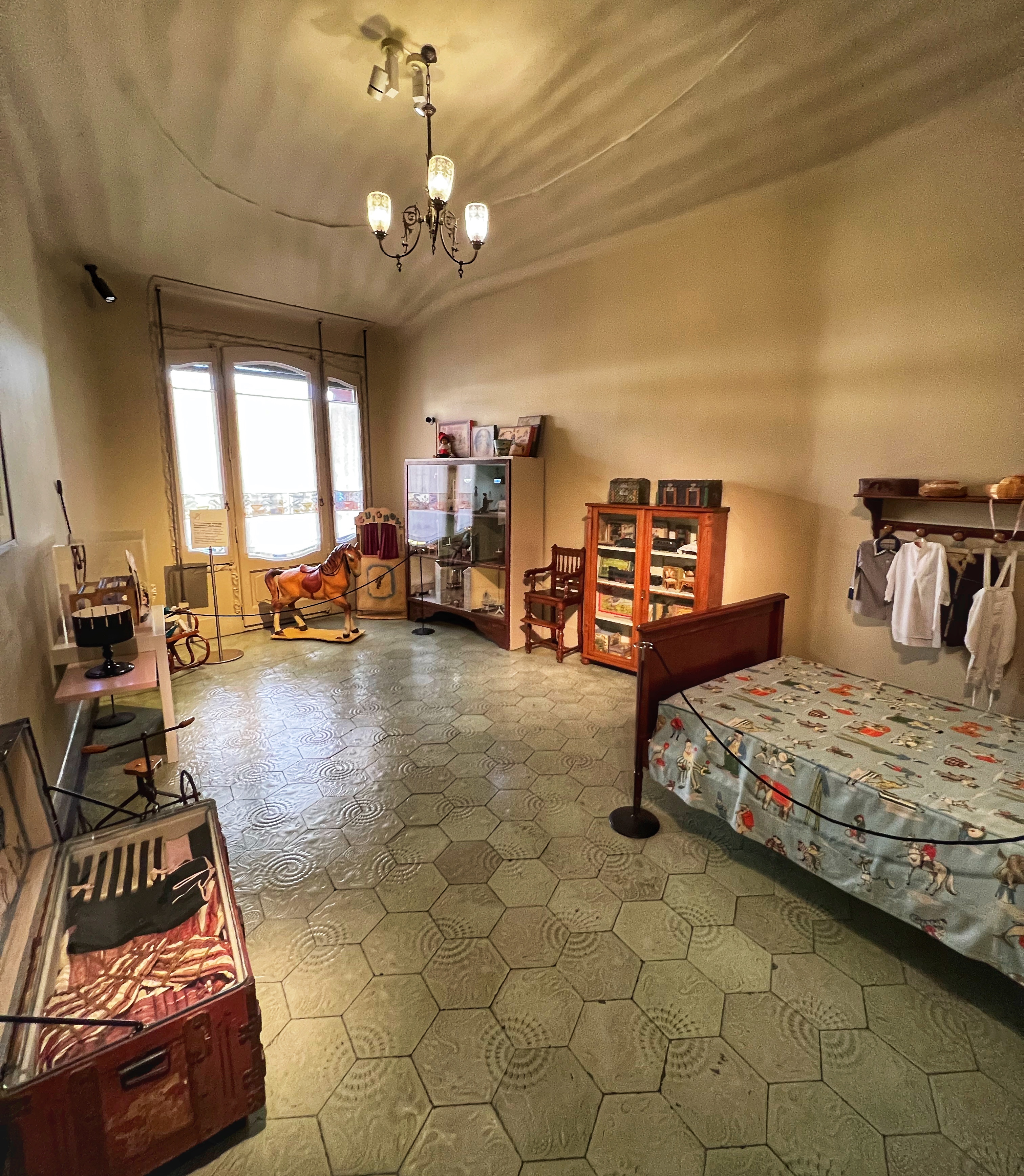

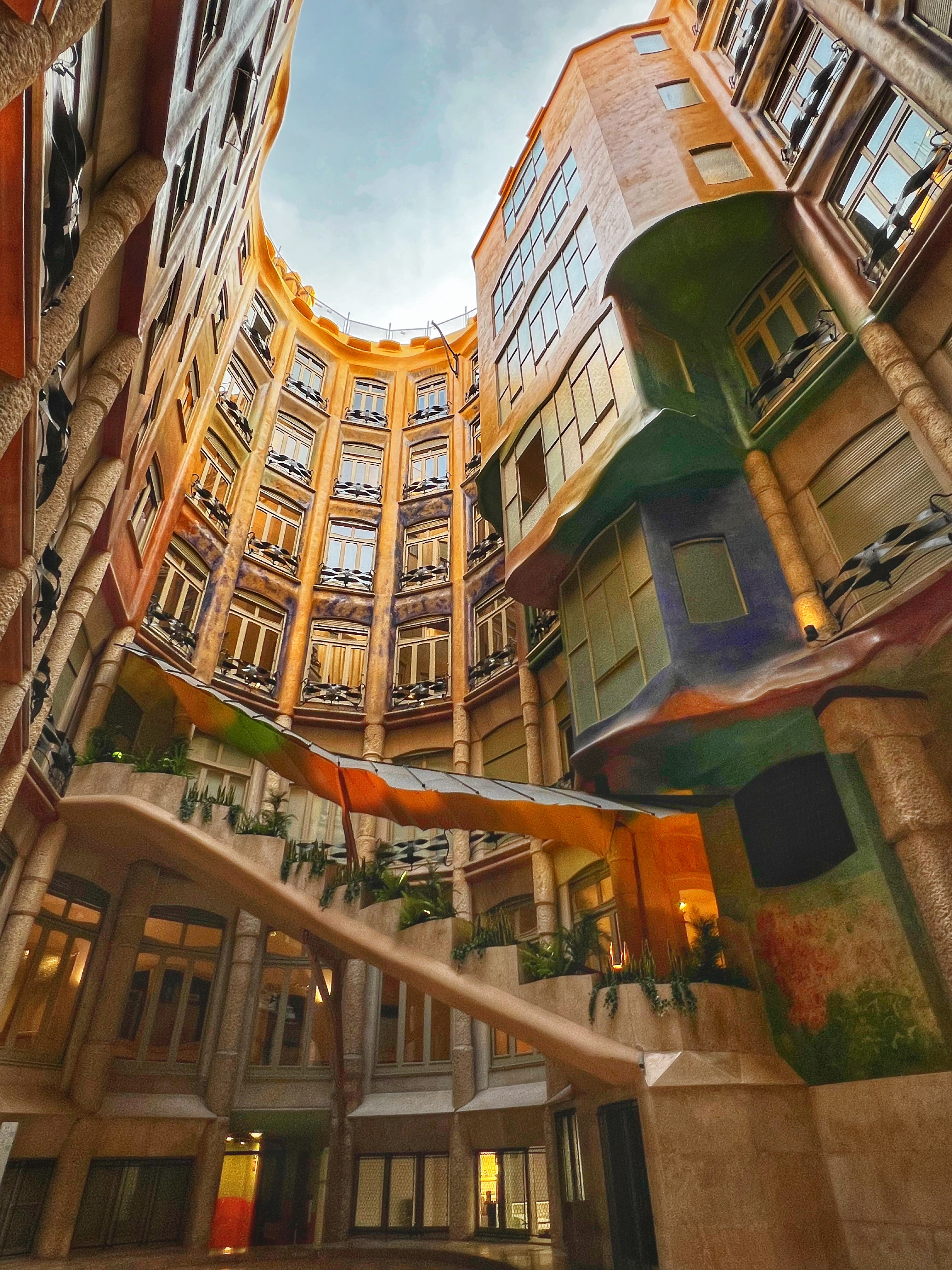
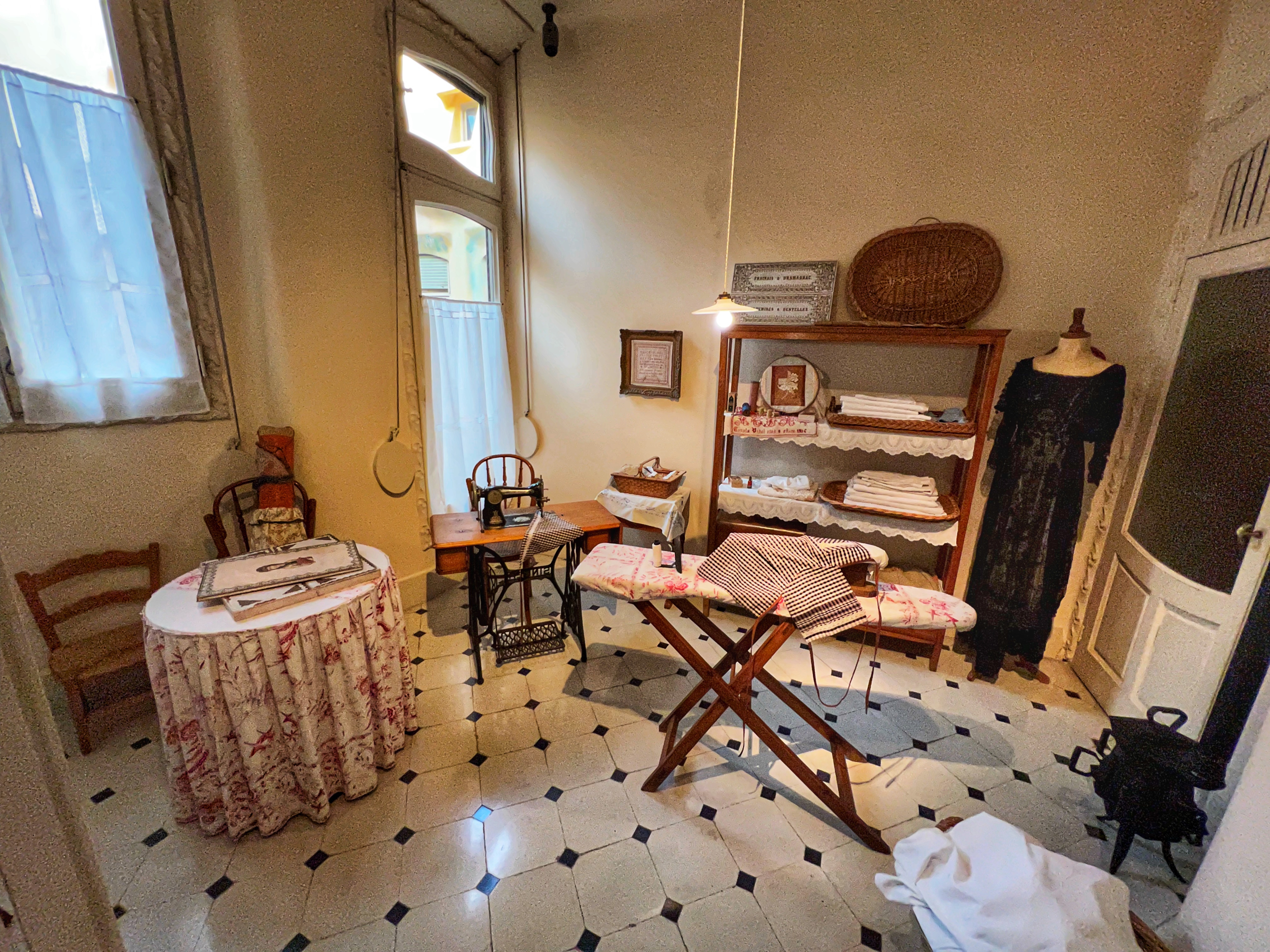

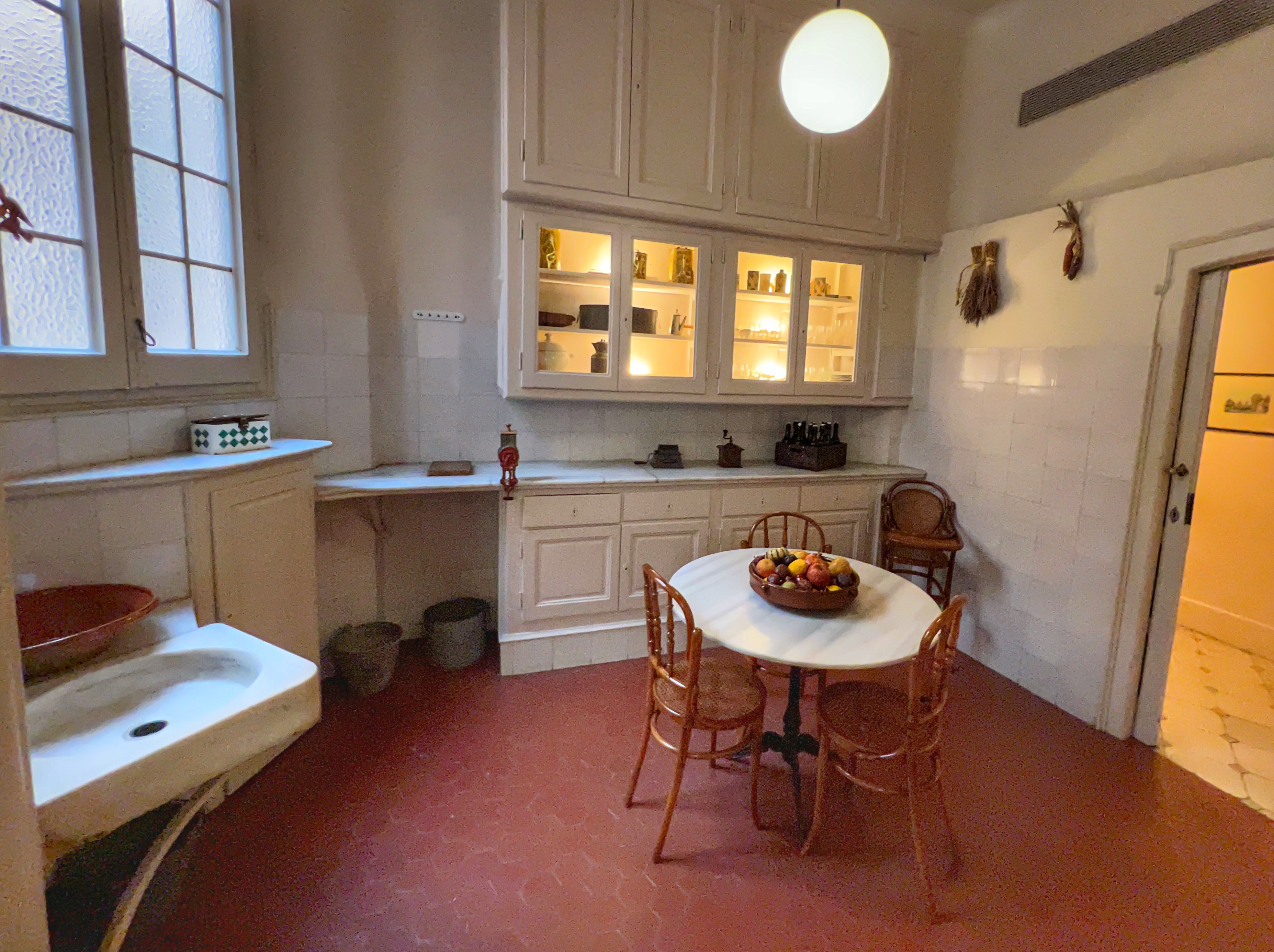
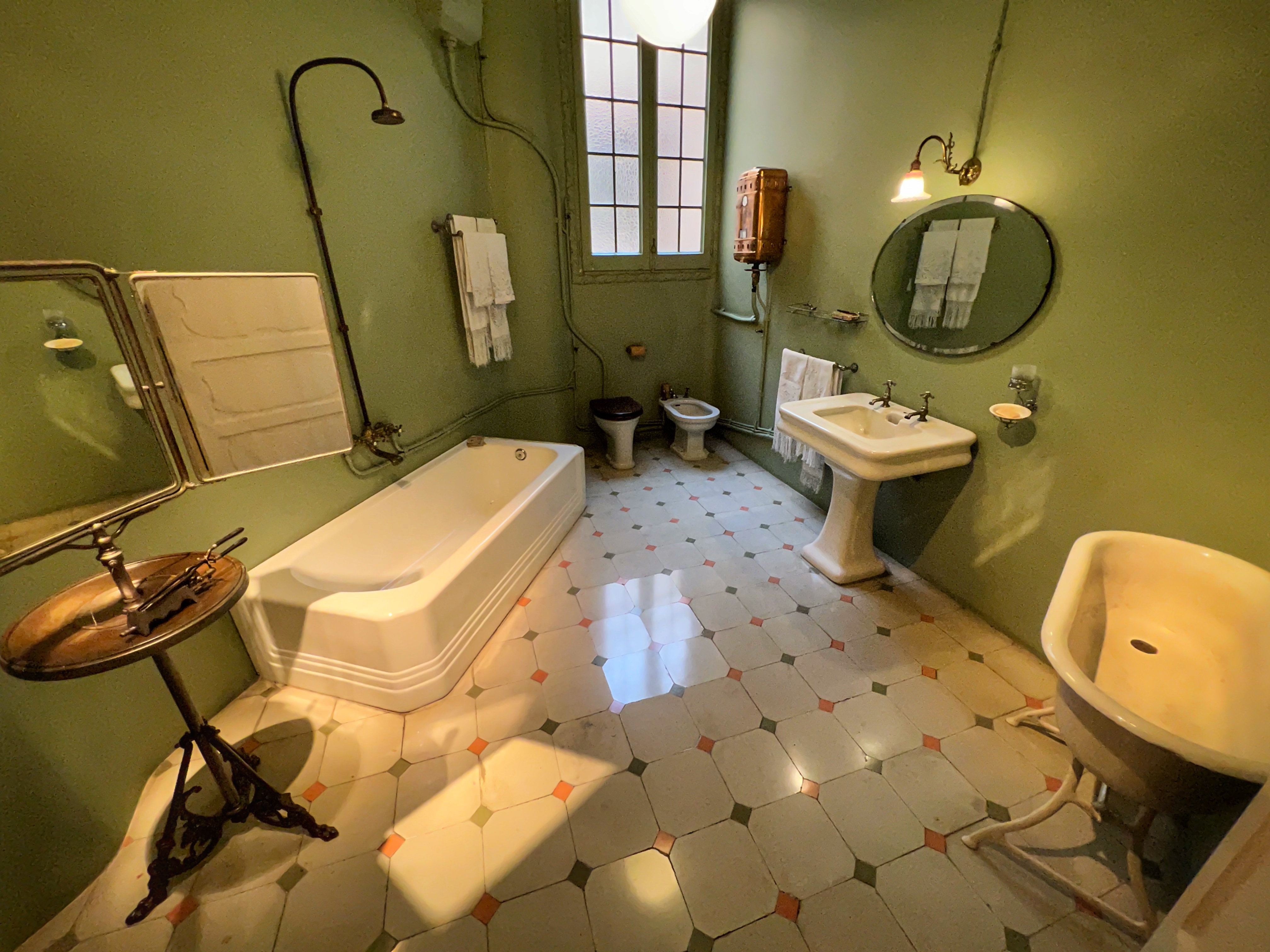
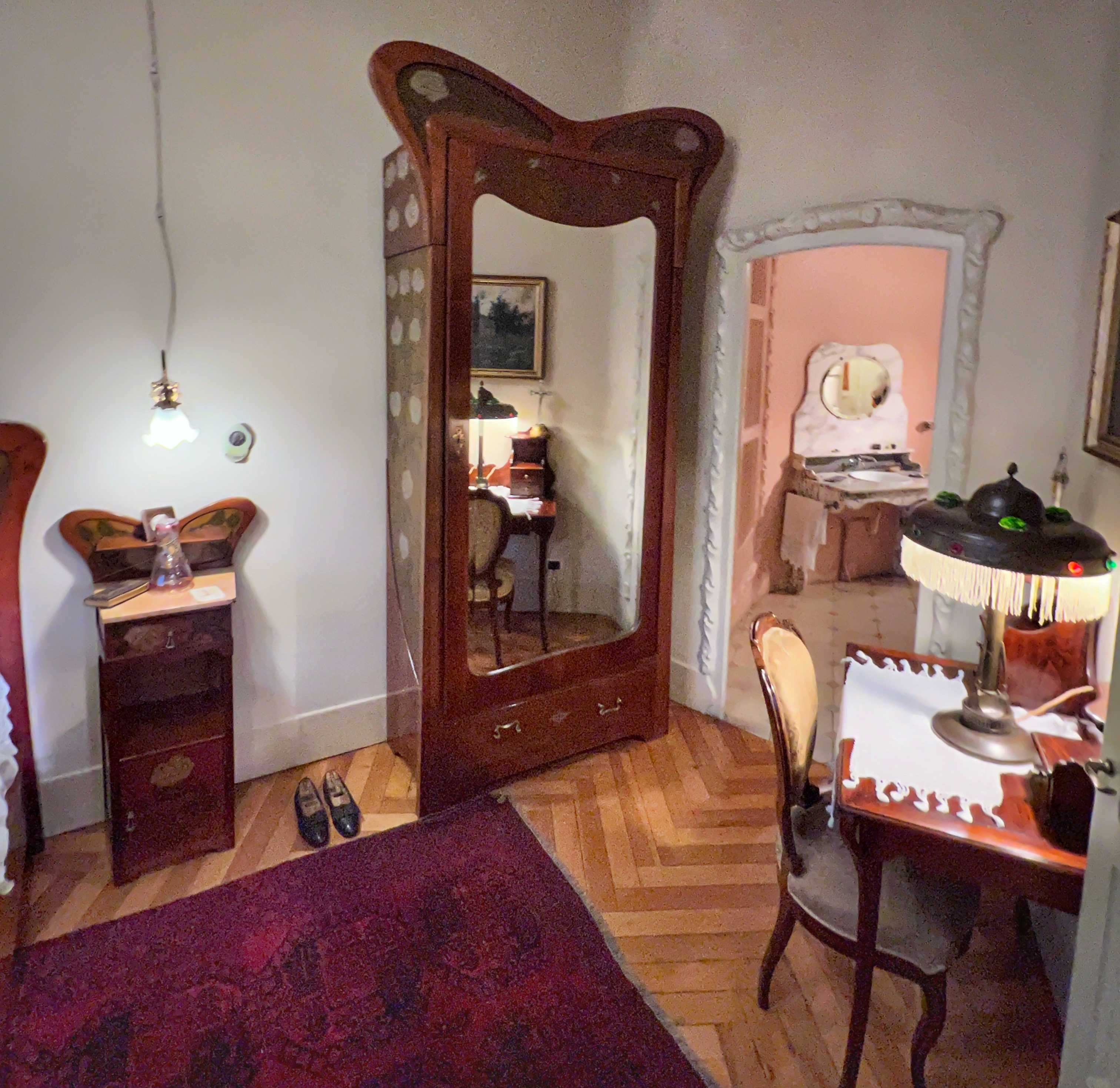
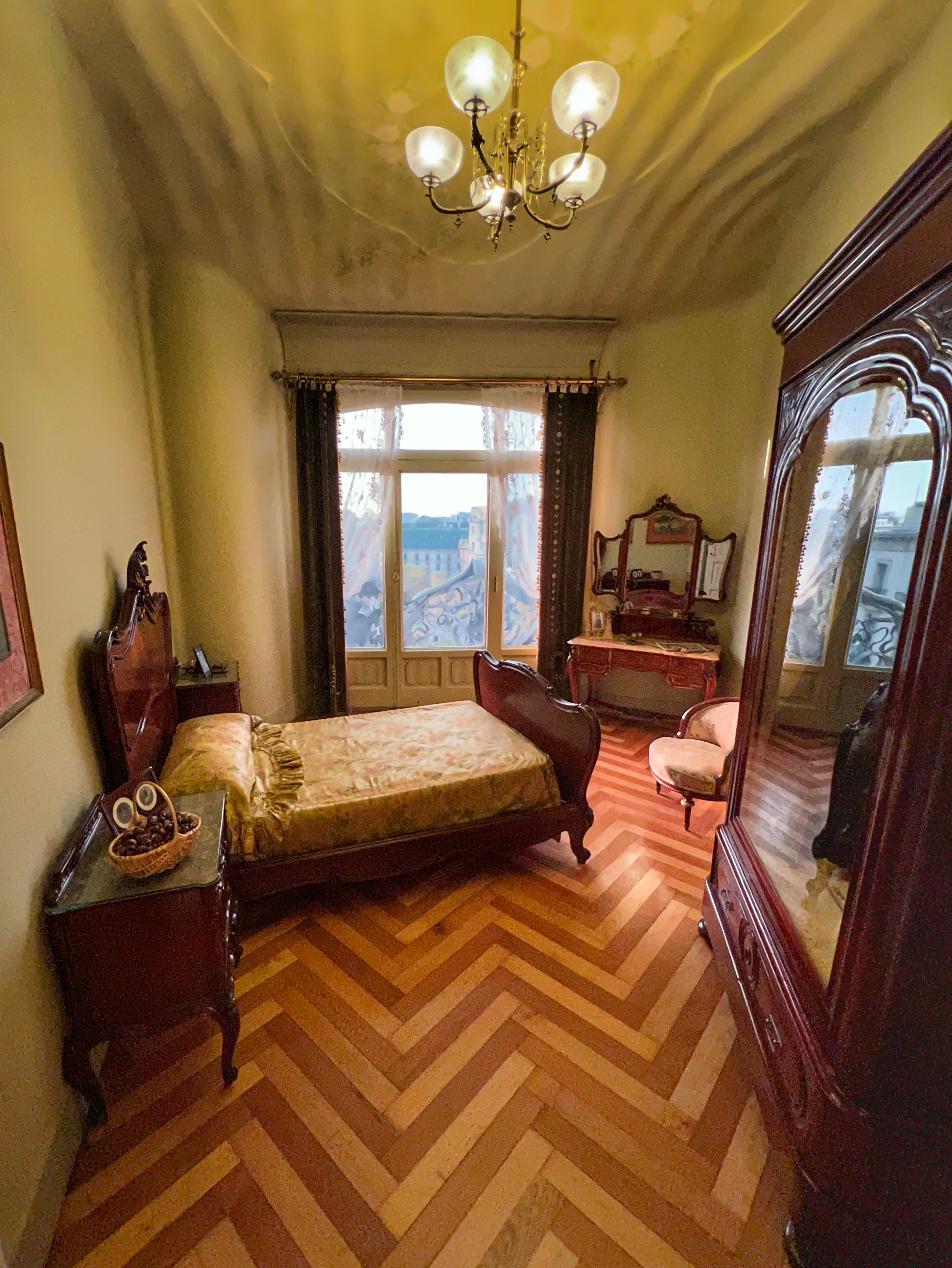

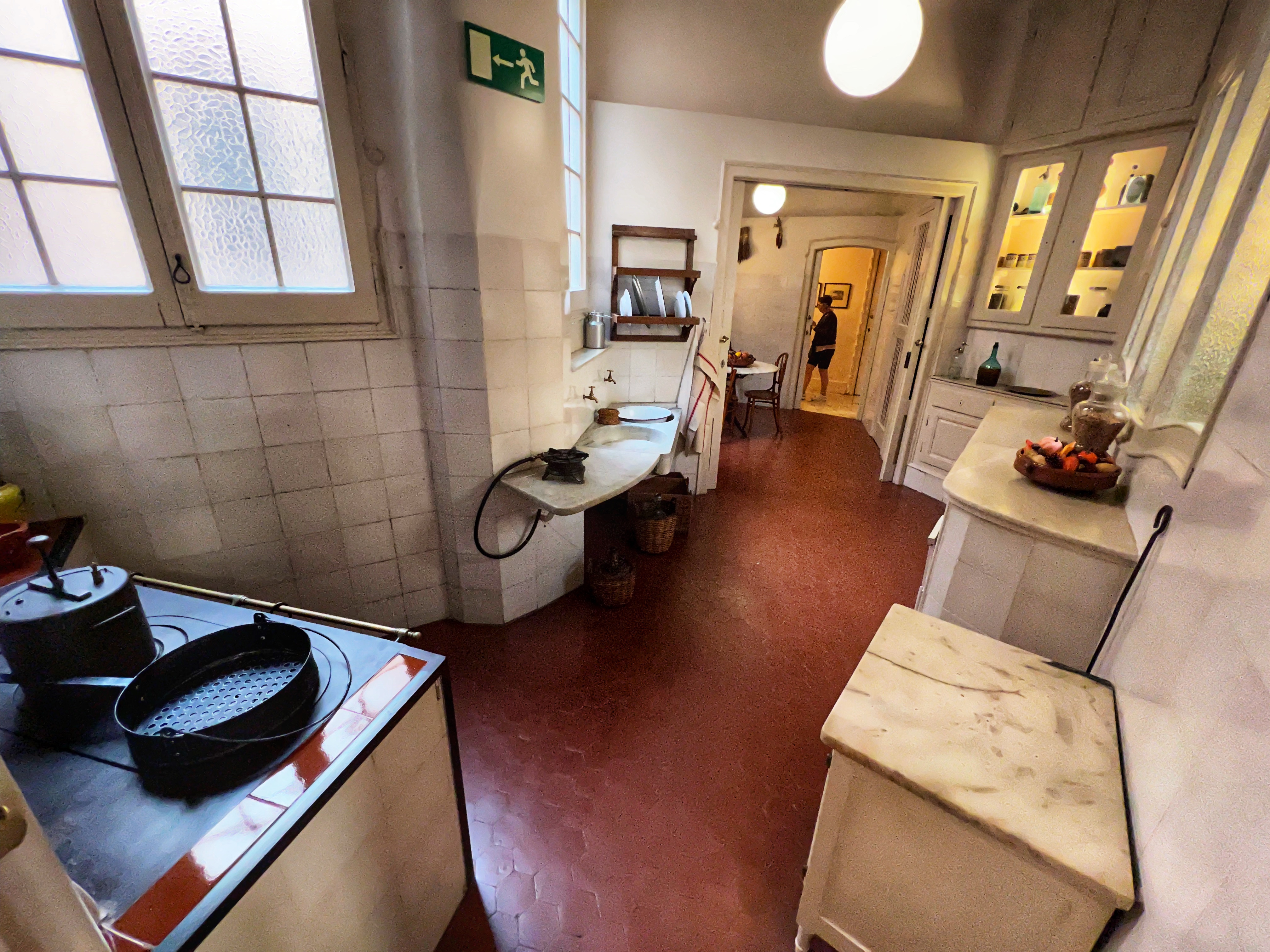

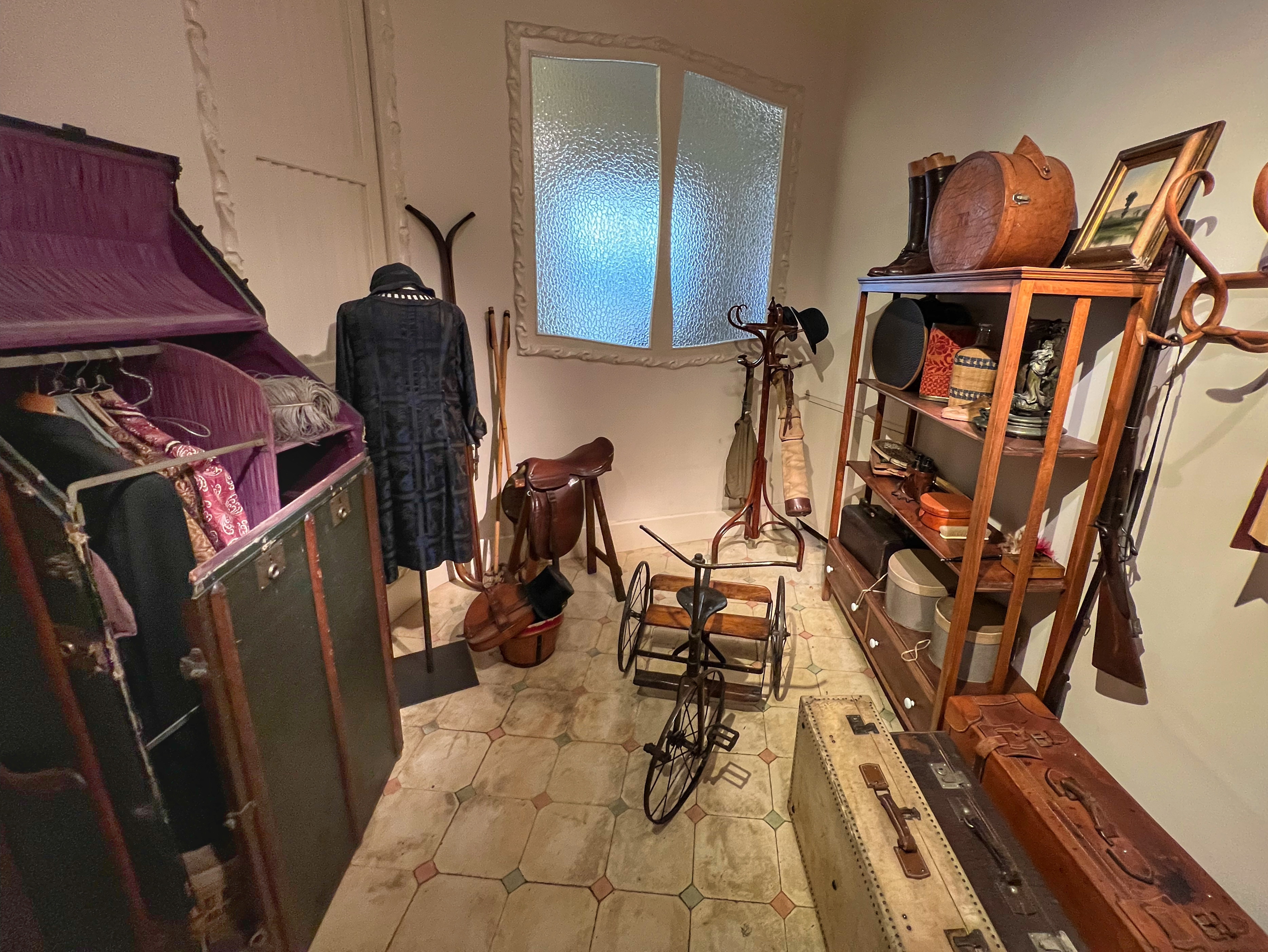
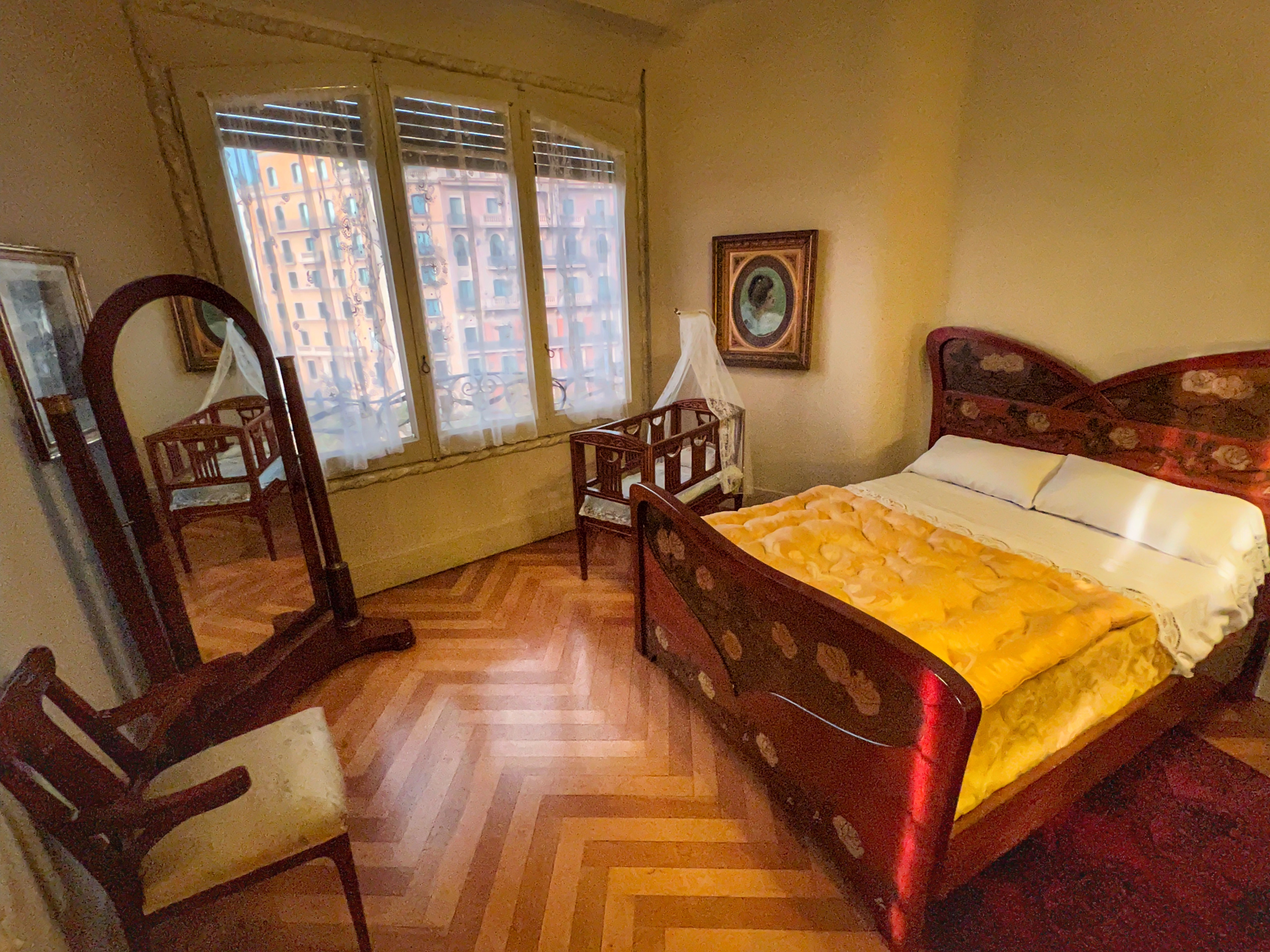
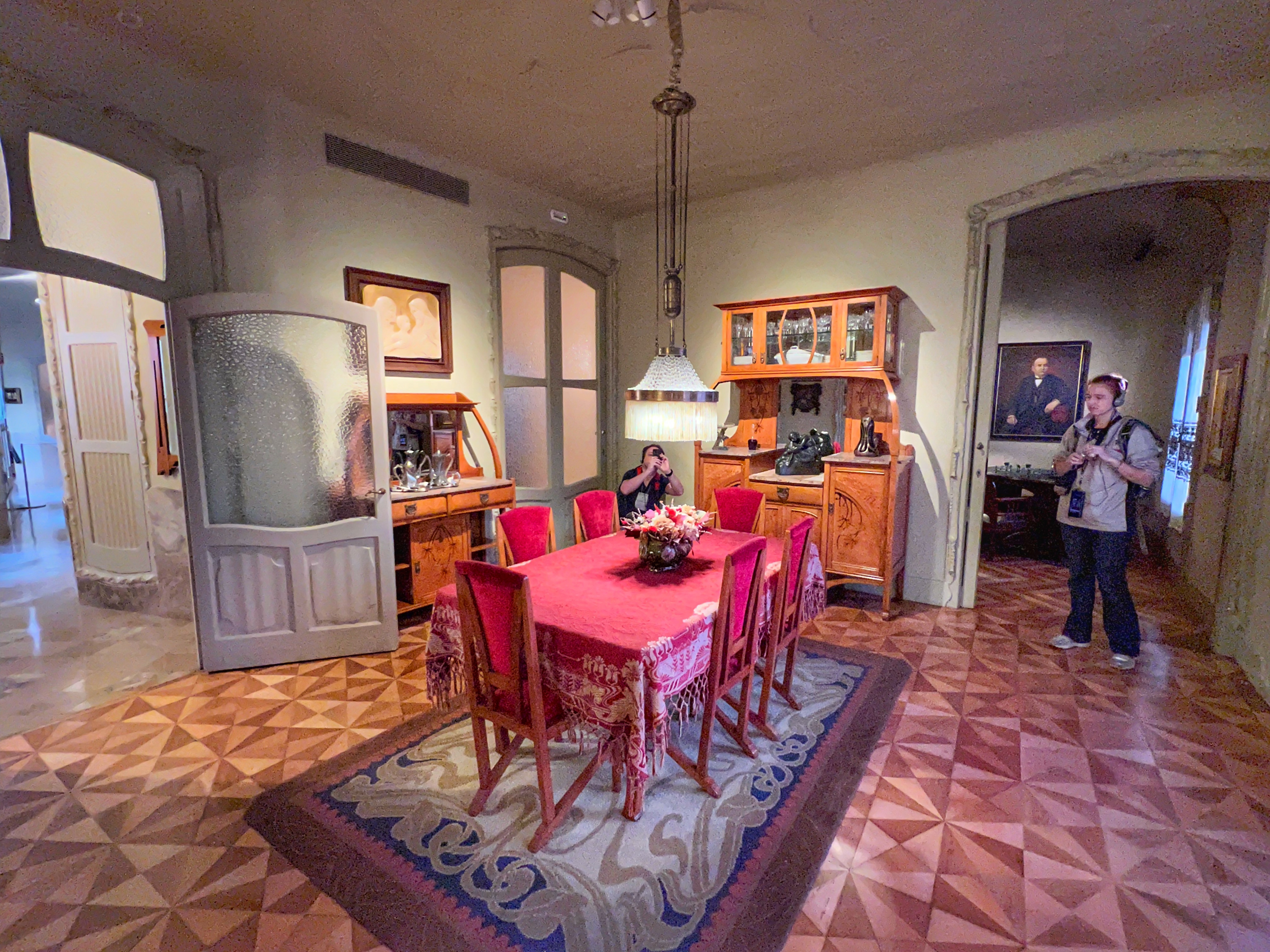
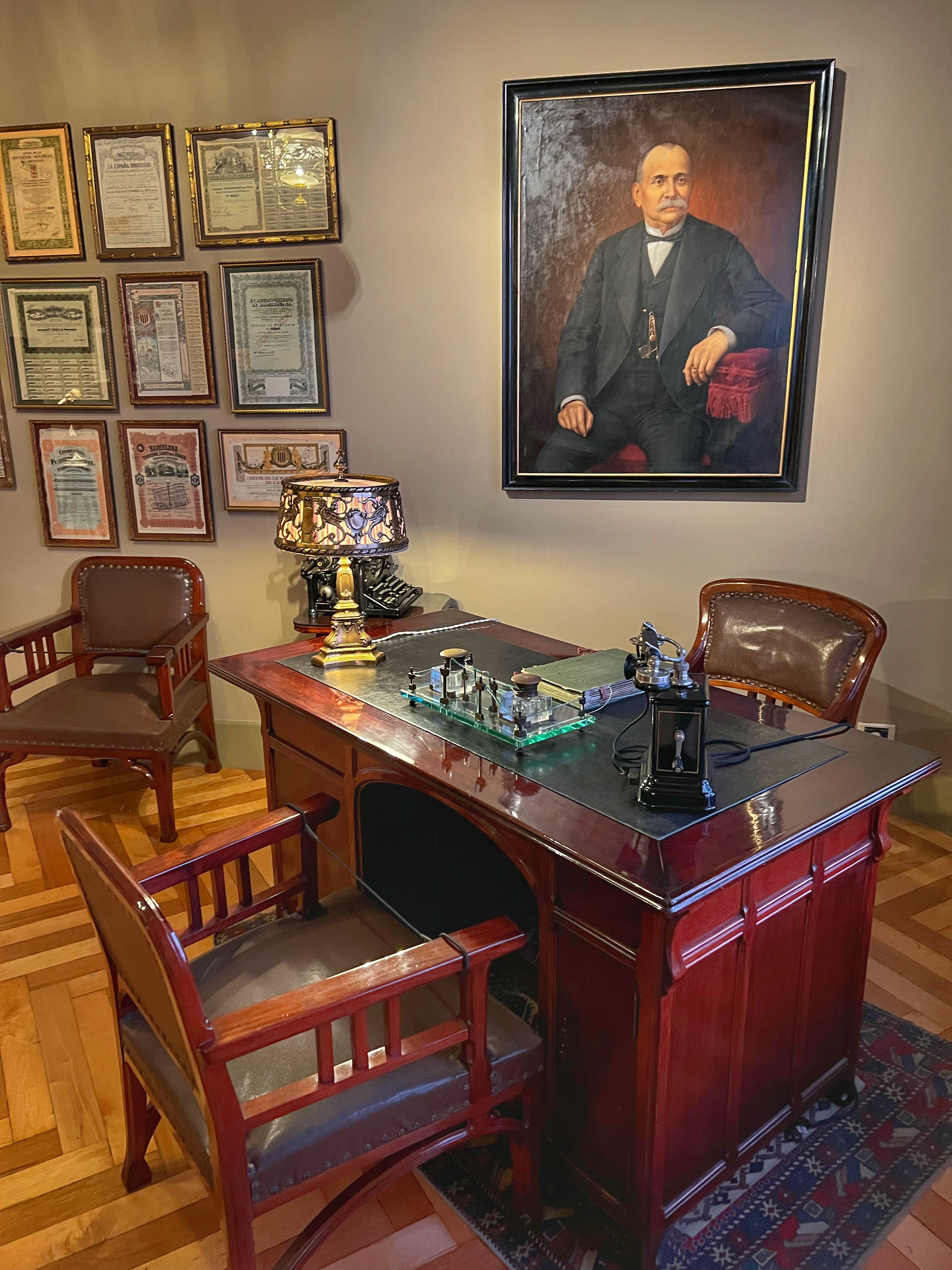



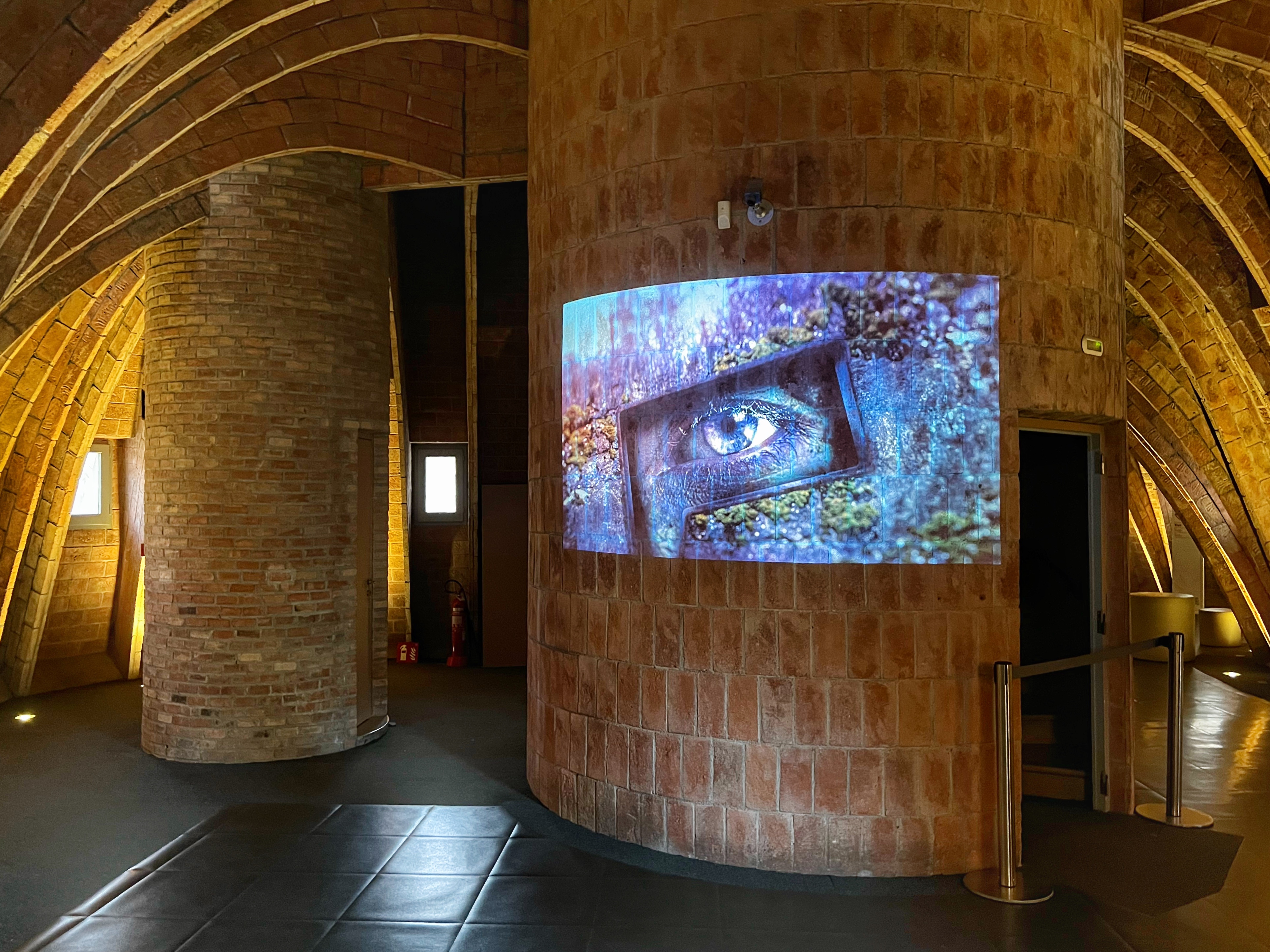
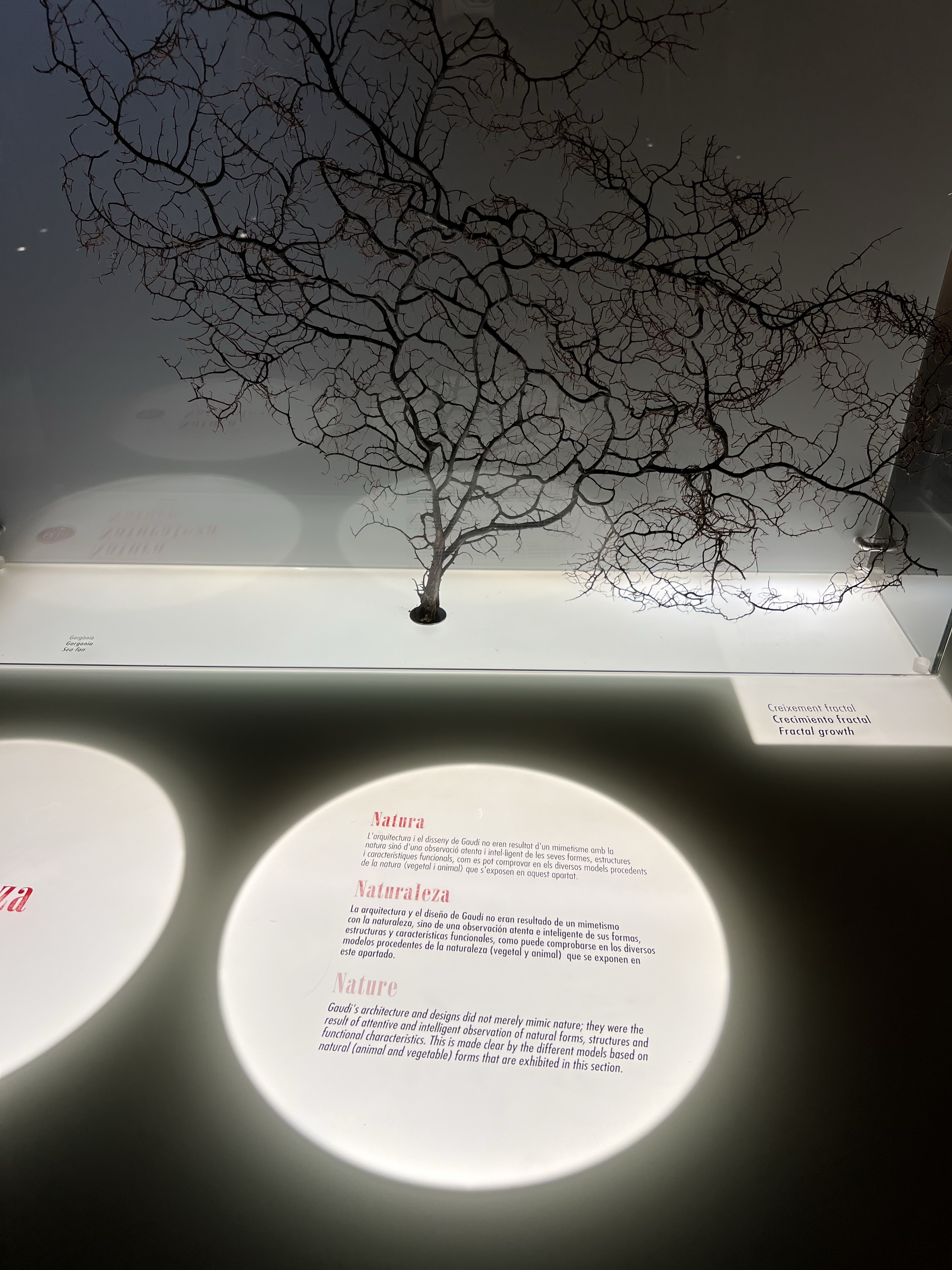
Next you enter the attic space that was made to resemble a whale skeleton, and learn all about Gaudí’s inspiration and architectural techniques.


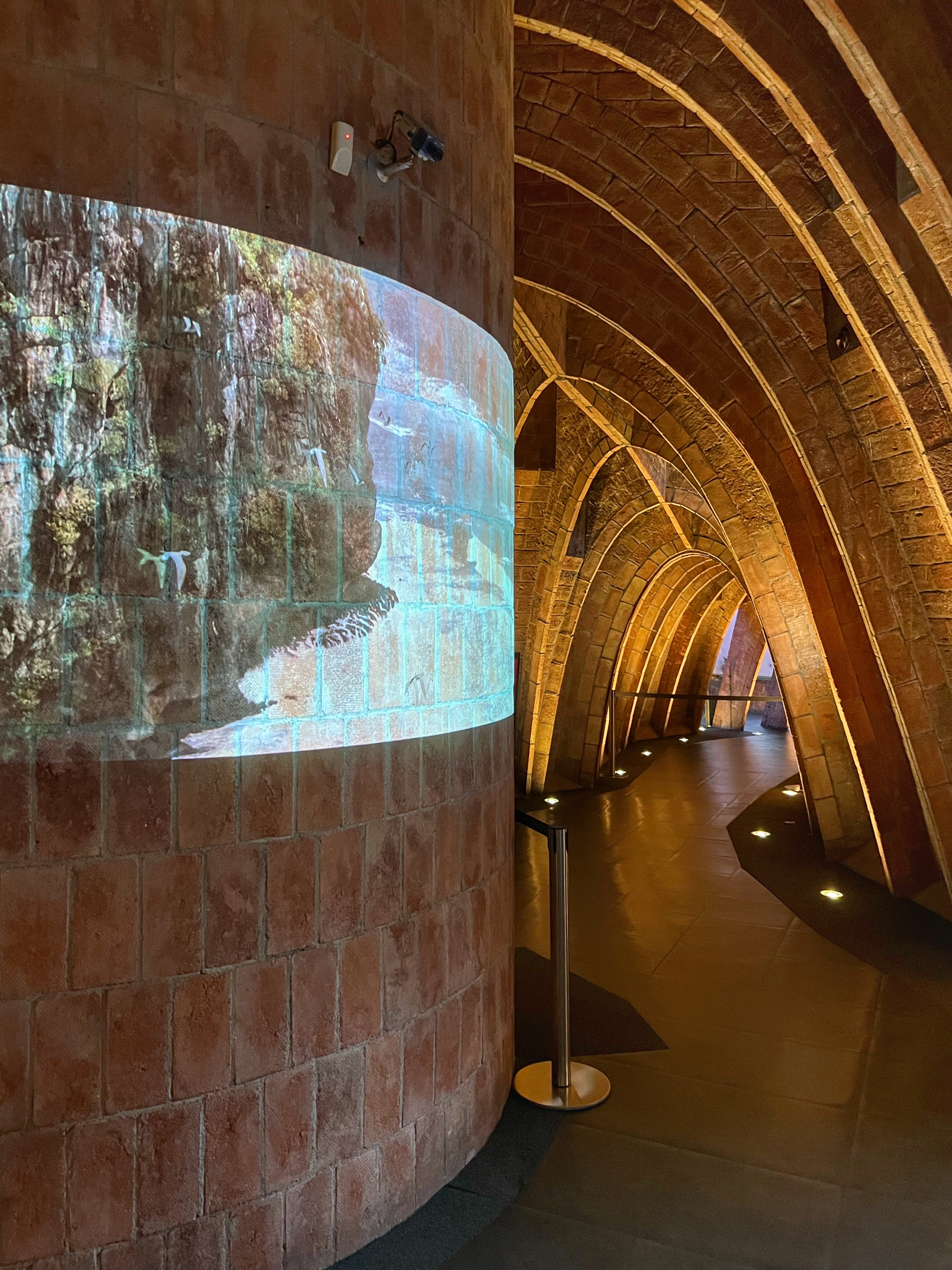
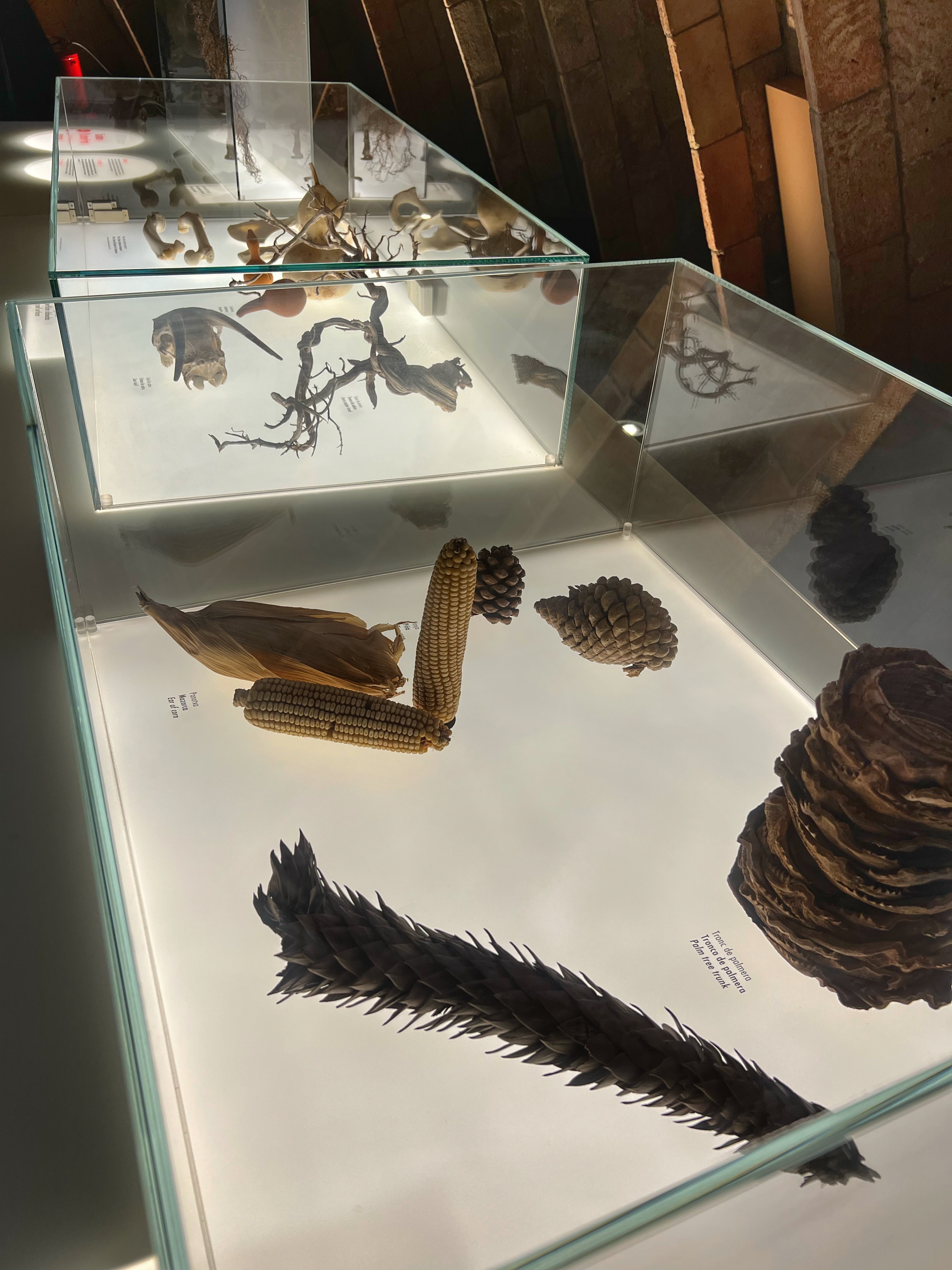
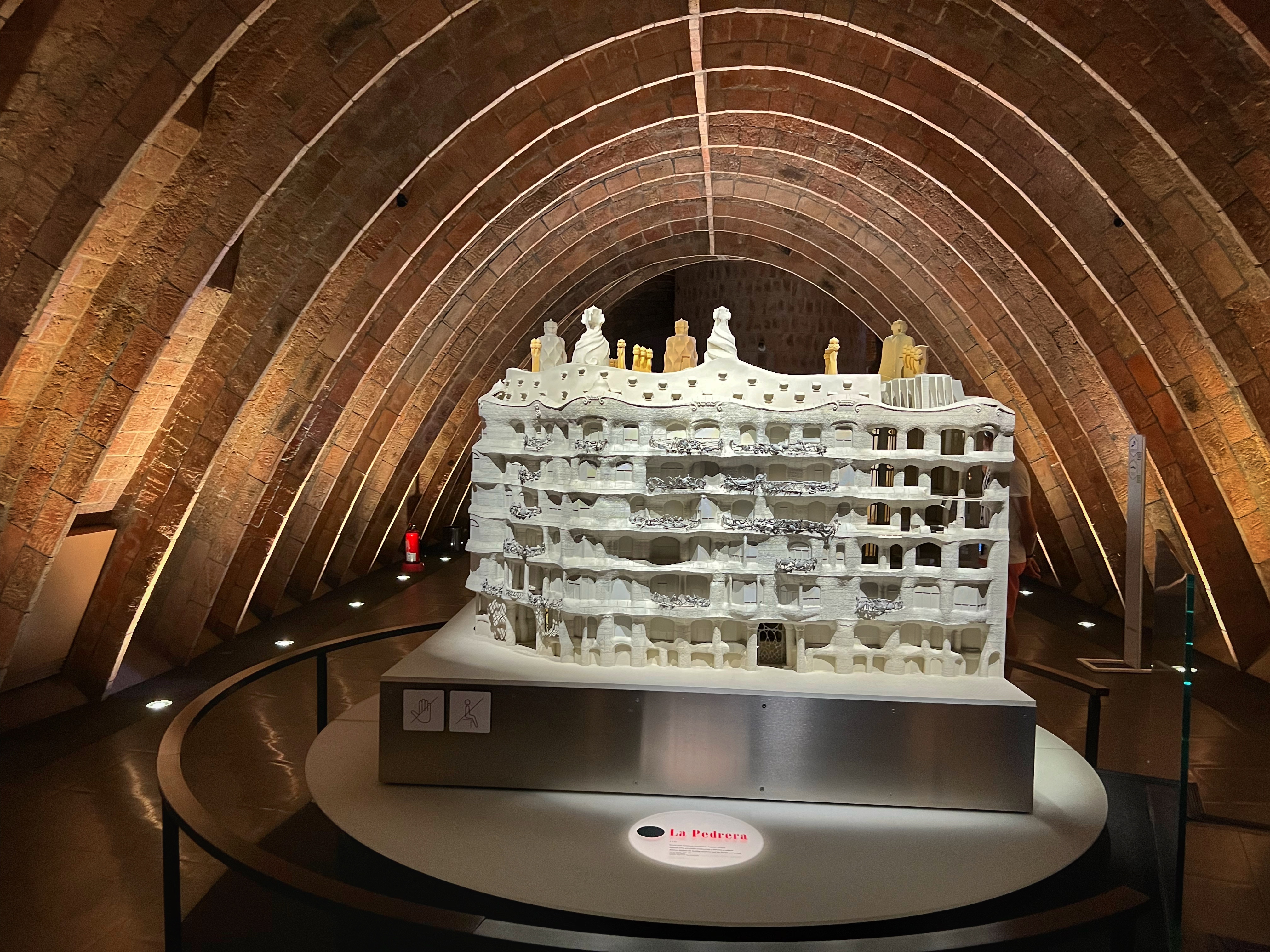
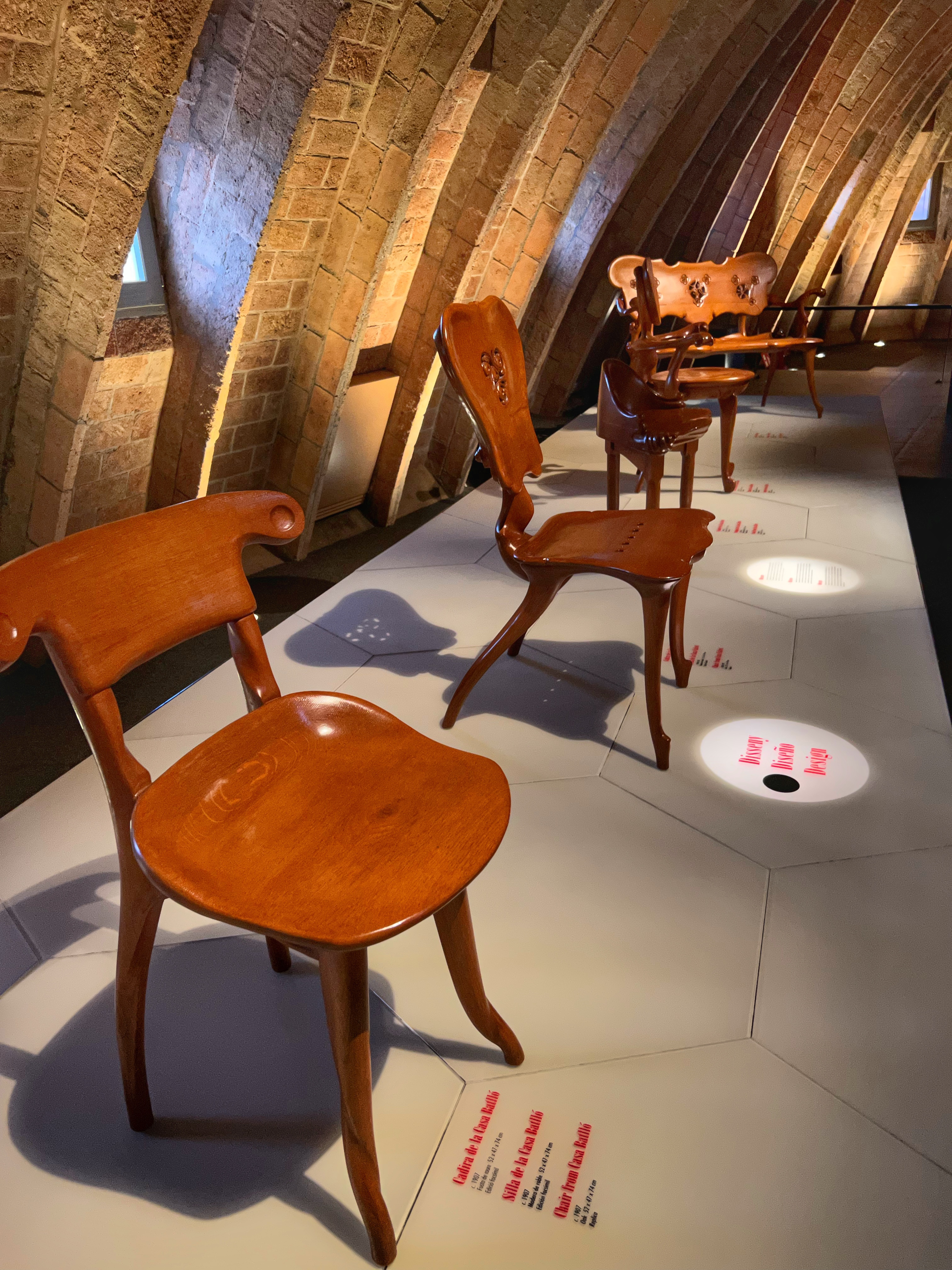


Finally you reach the magnificent rooftop that flows and bends with almost no straight lines. Views from up here are terrific – even of Sagrada Familia in the distance!




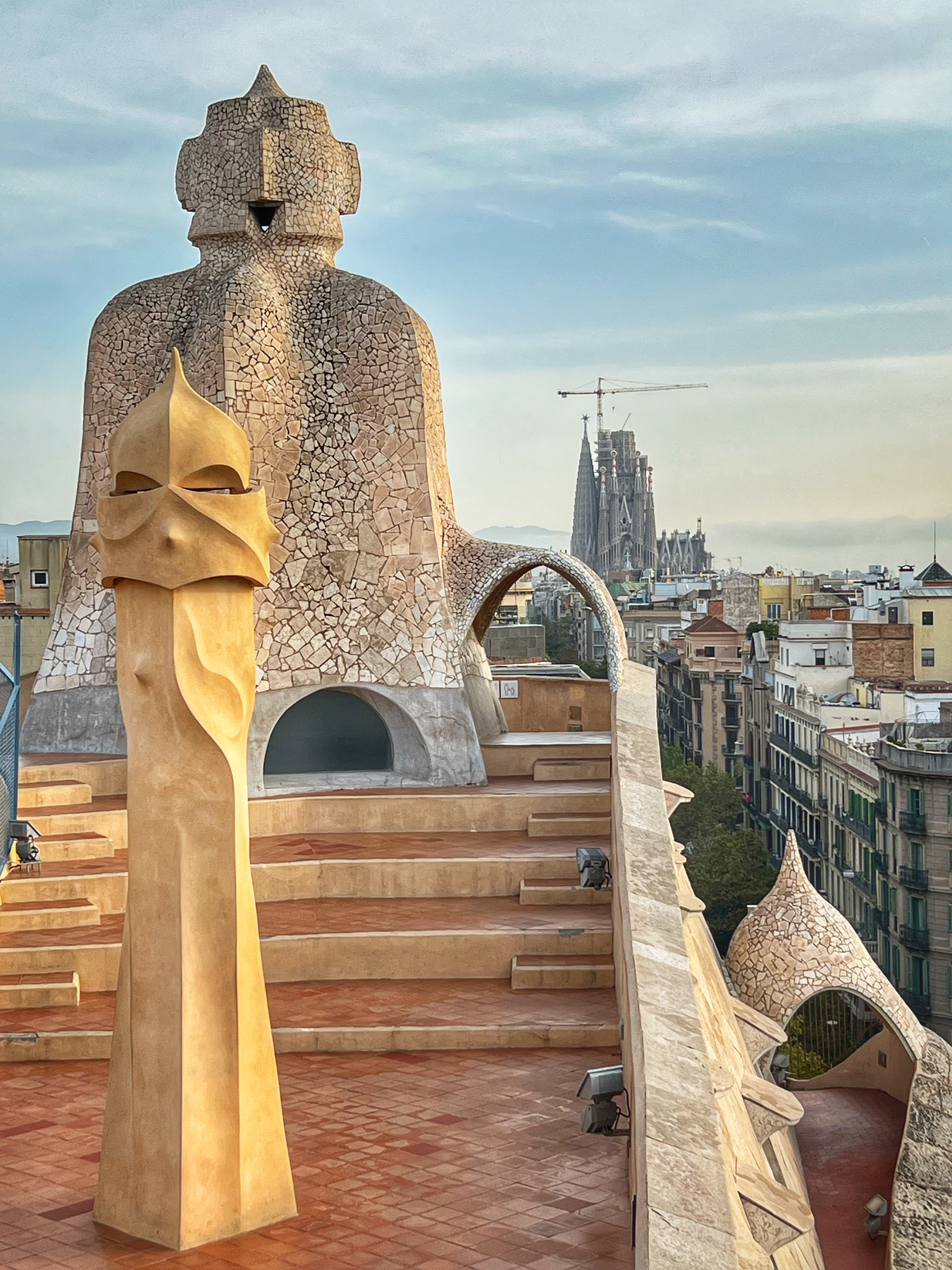
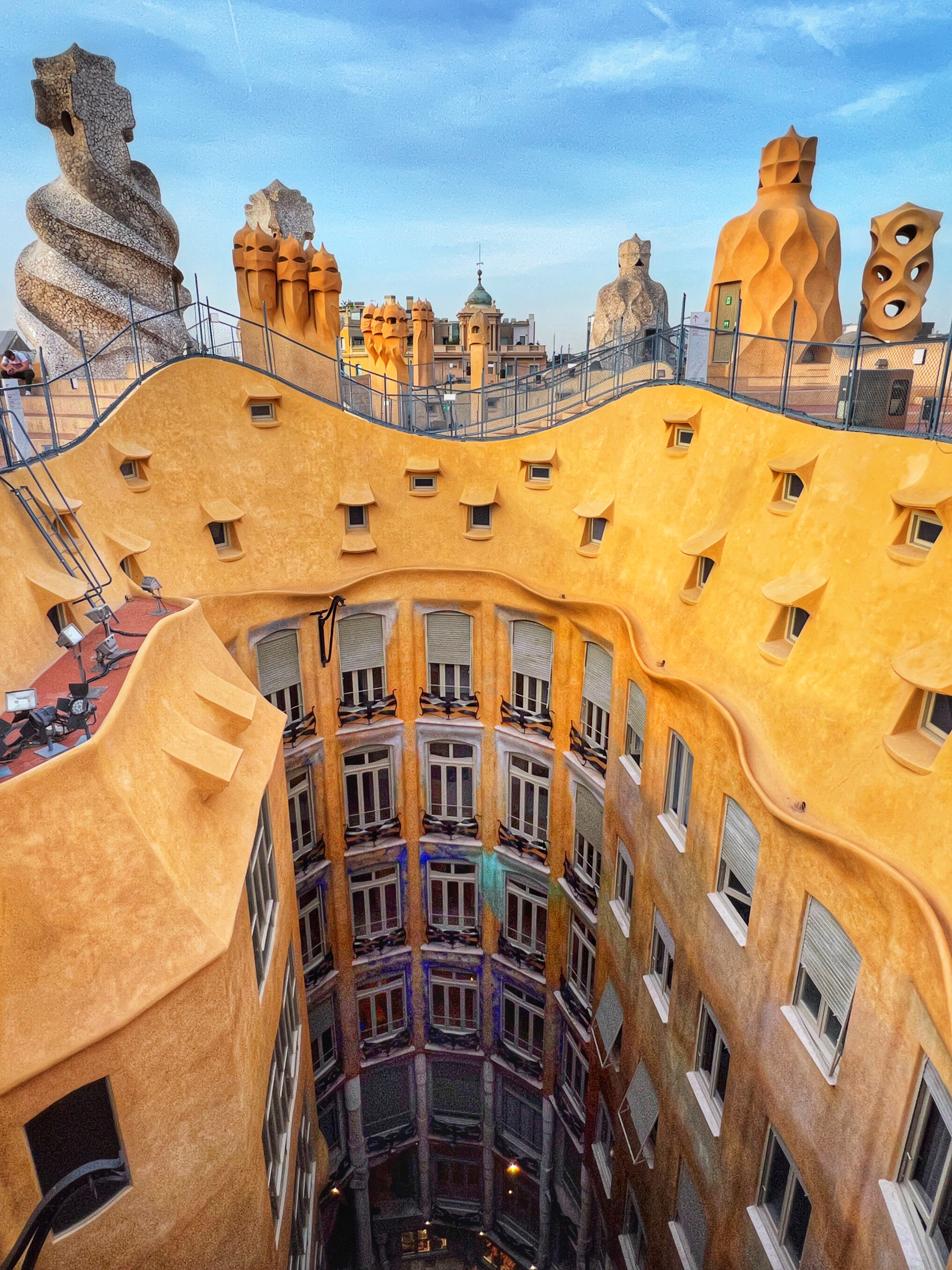
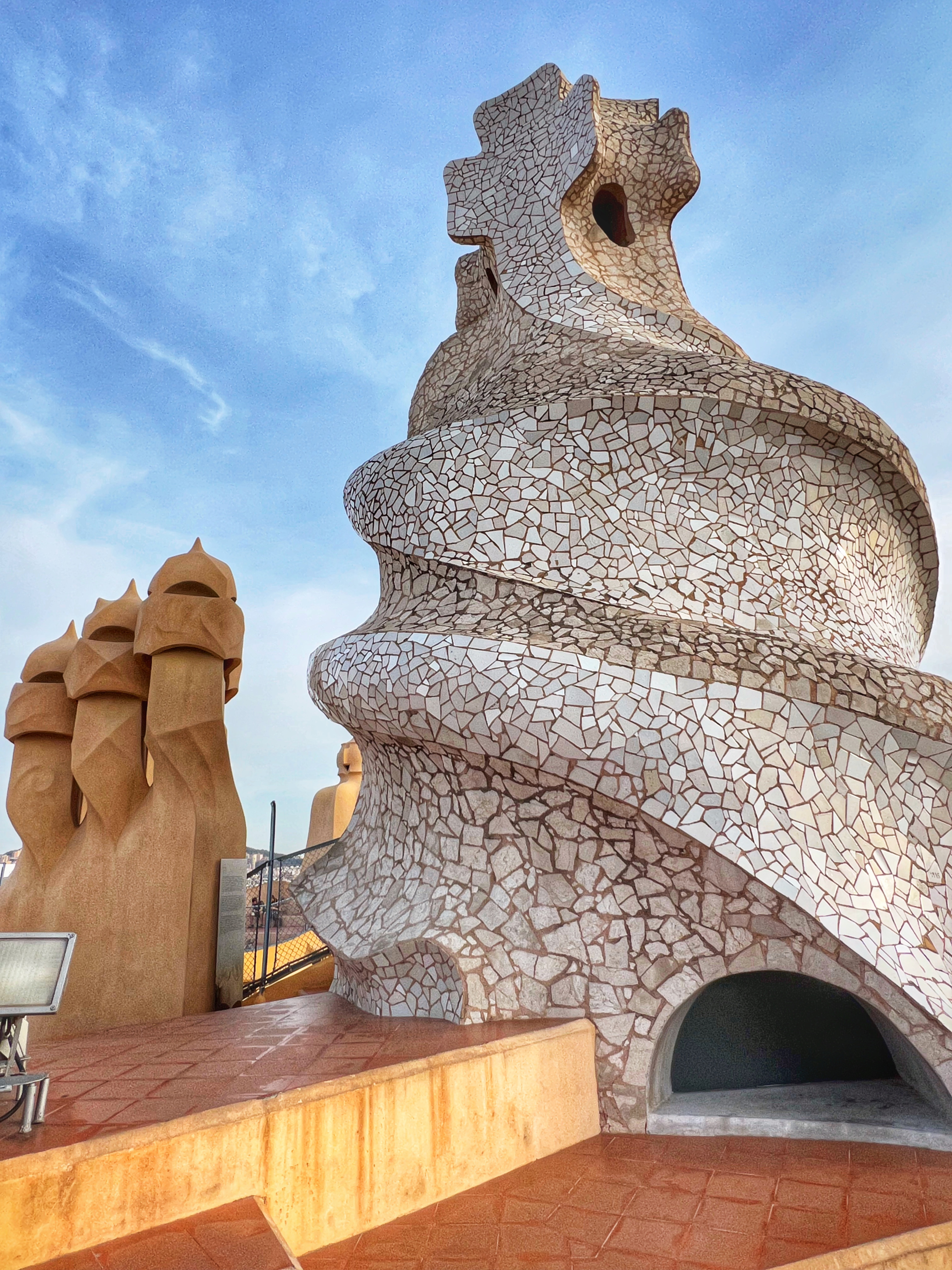
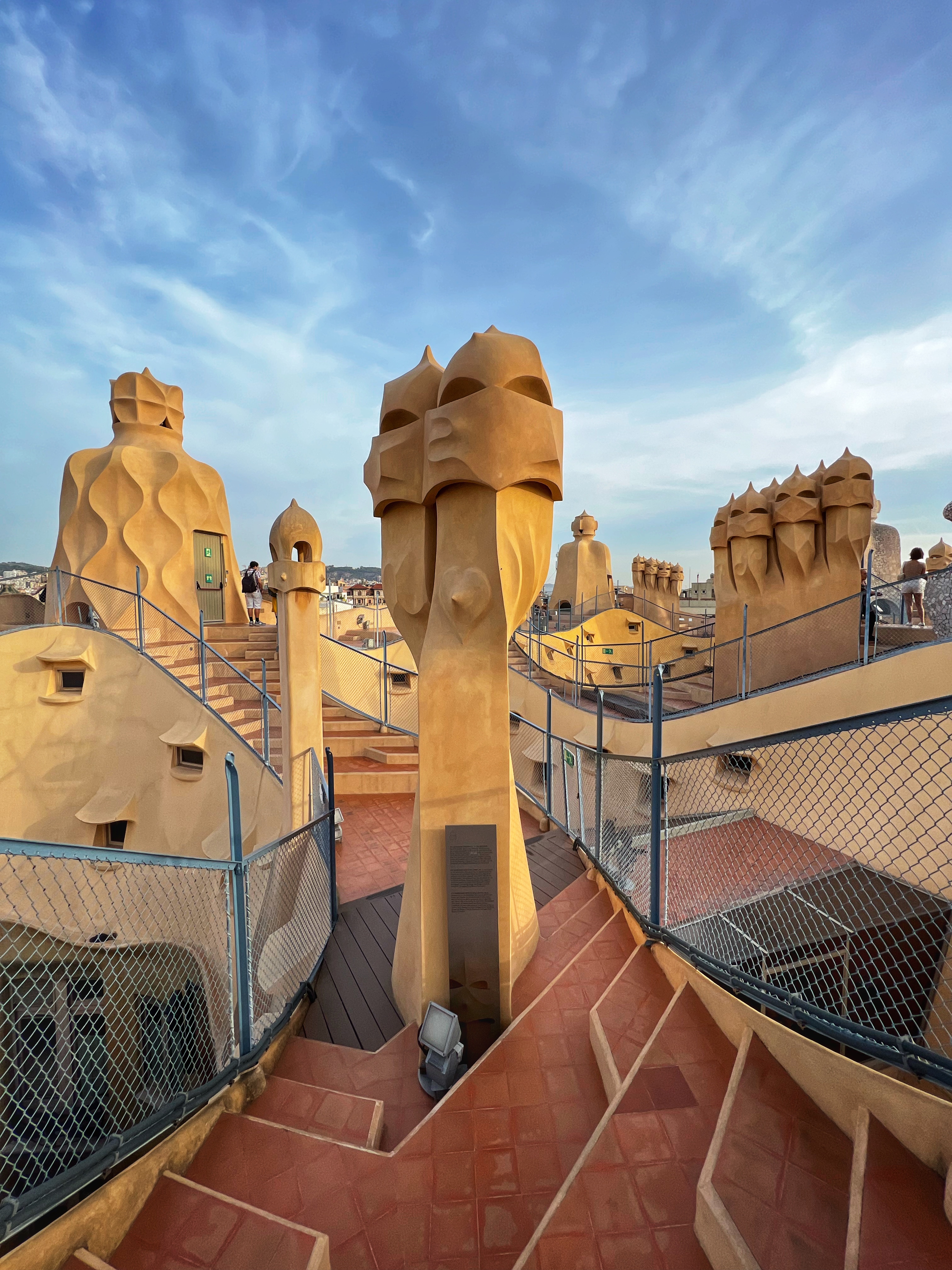
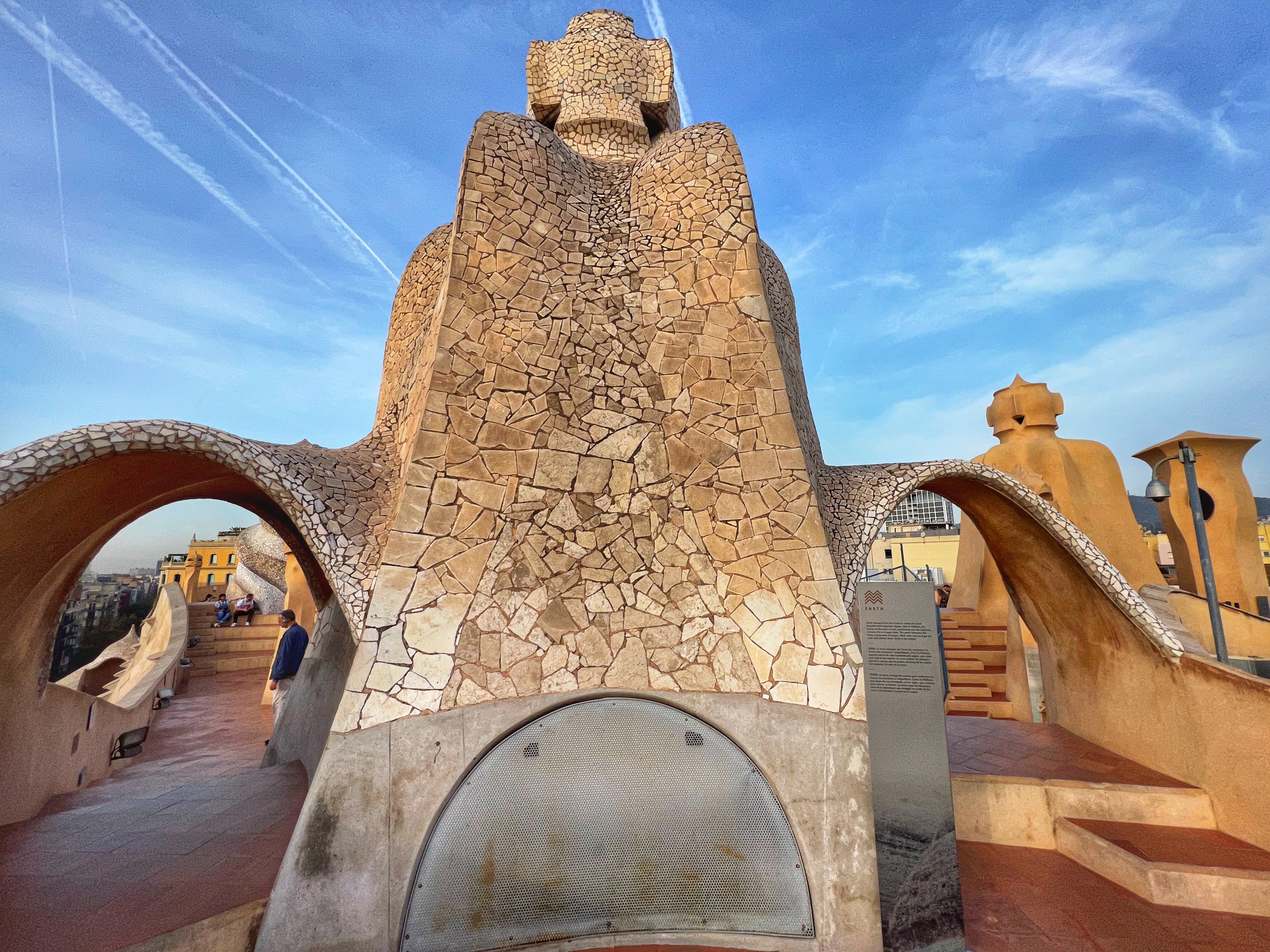

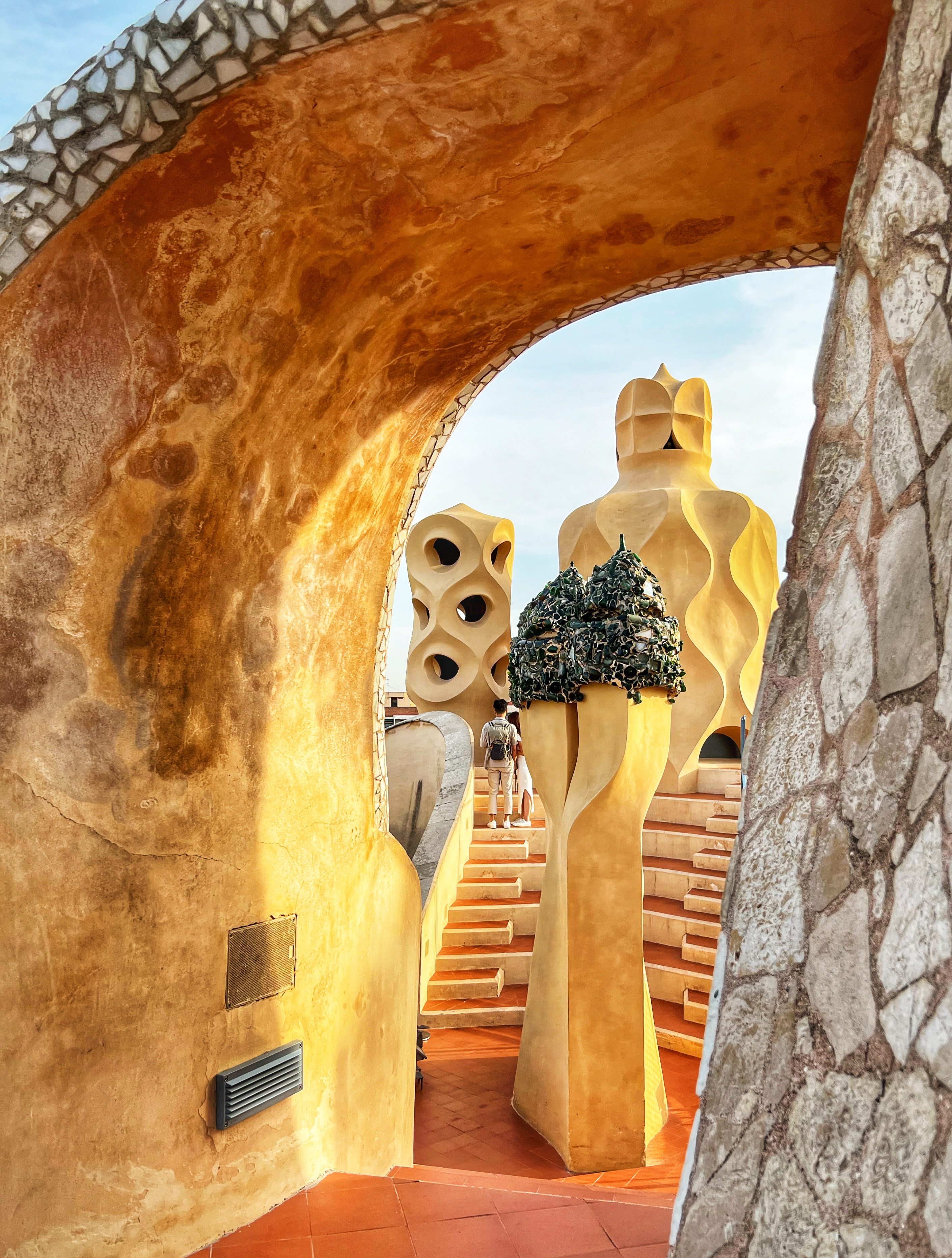
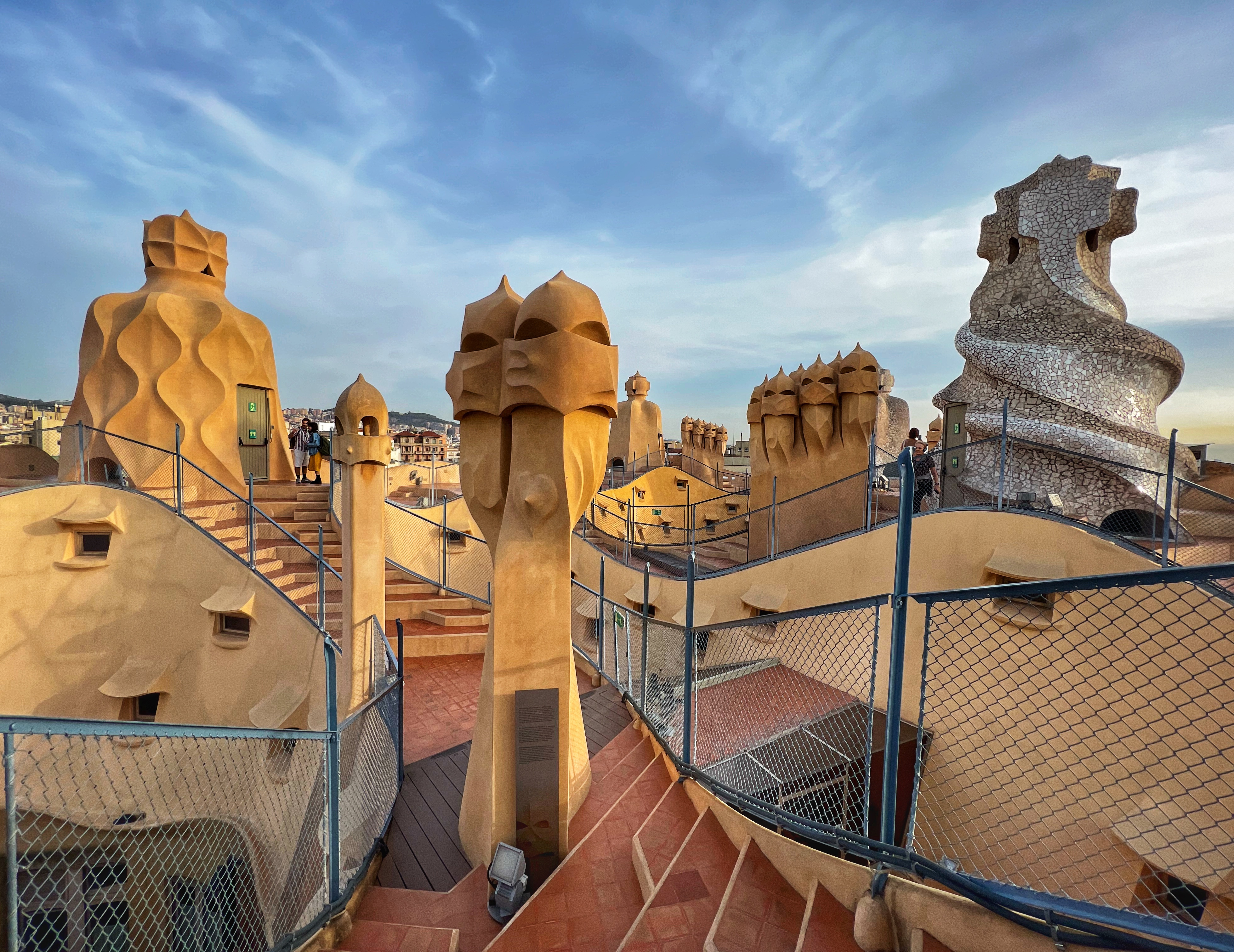
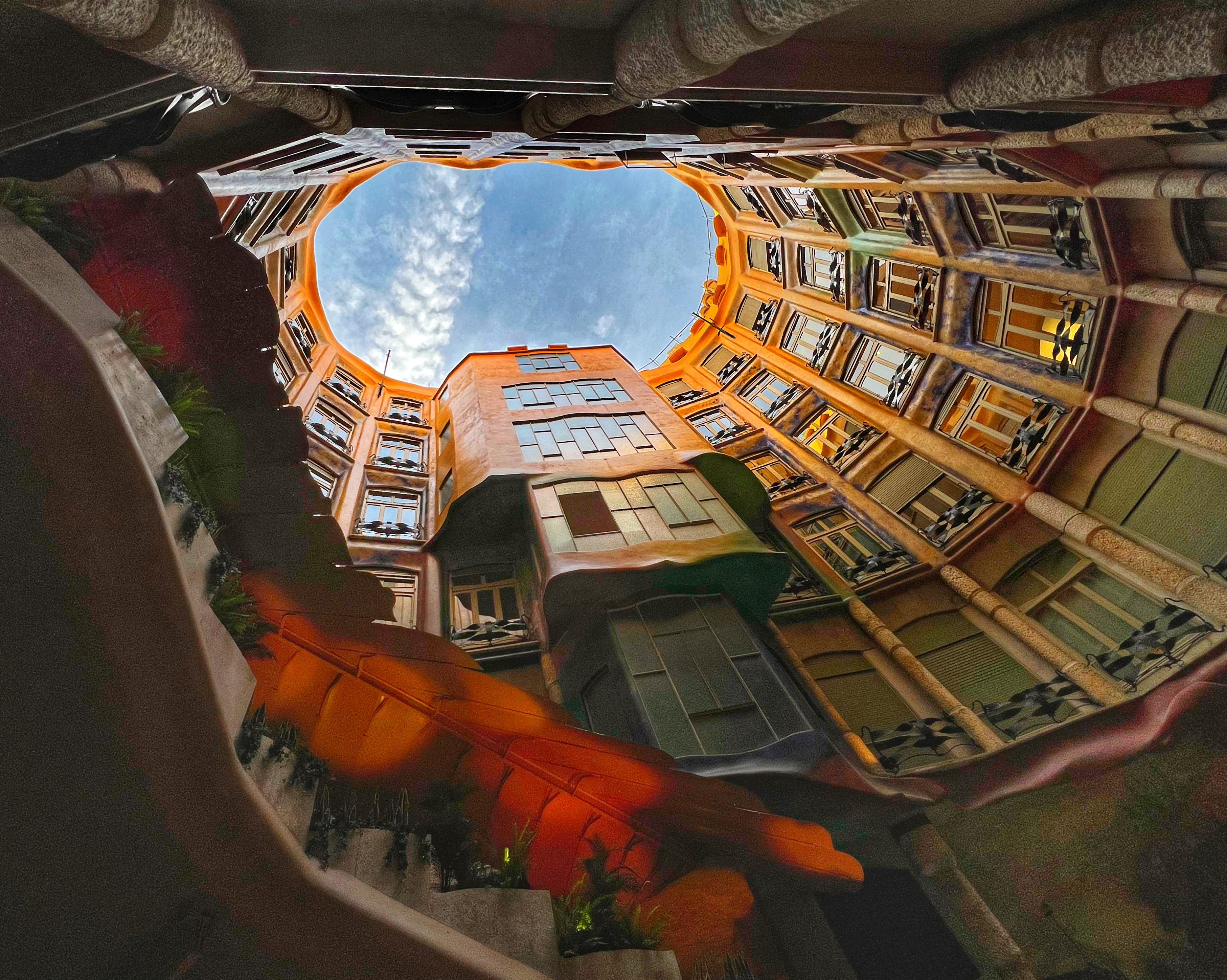

TO VISIT: La Pedrera is open every single day from 9AM – 10 PM. It is beautiful in all light, but I recommend visiting early in the morning or at sunset for the best views. Always buy your ticket online and get a time slot – if you arrive and expect to buy a ticket they’ll likely be sold out, or if you are lucky enough to get a ticket, the price is €3 more. Tickets are €25 for a regular ticket with audioguide, self tour. OR you can spend €35/ticket and have a virtual reality experience through La Pedrera. For more information, click here.
4. CITUADELLA PARK
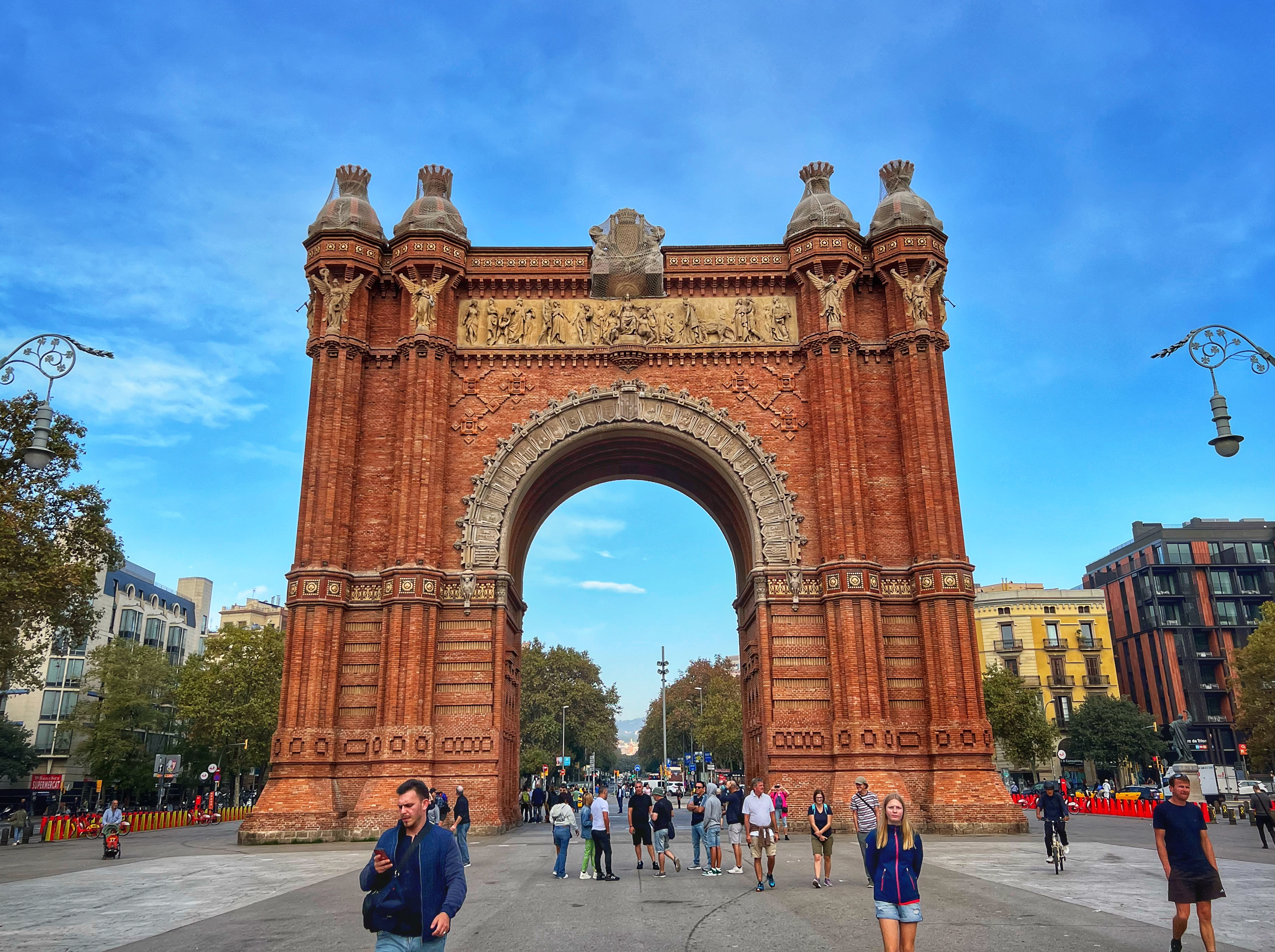
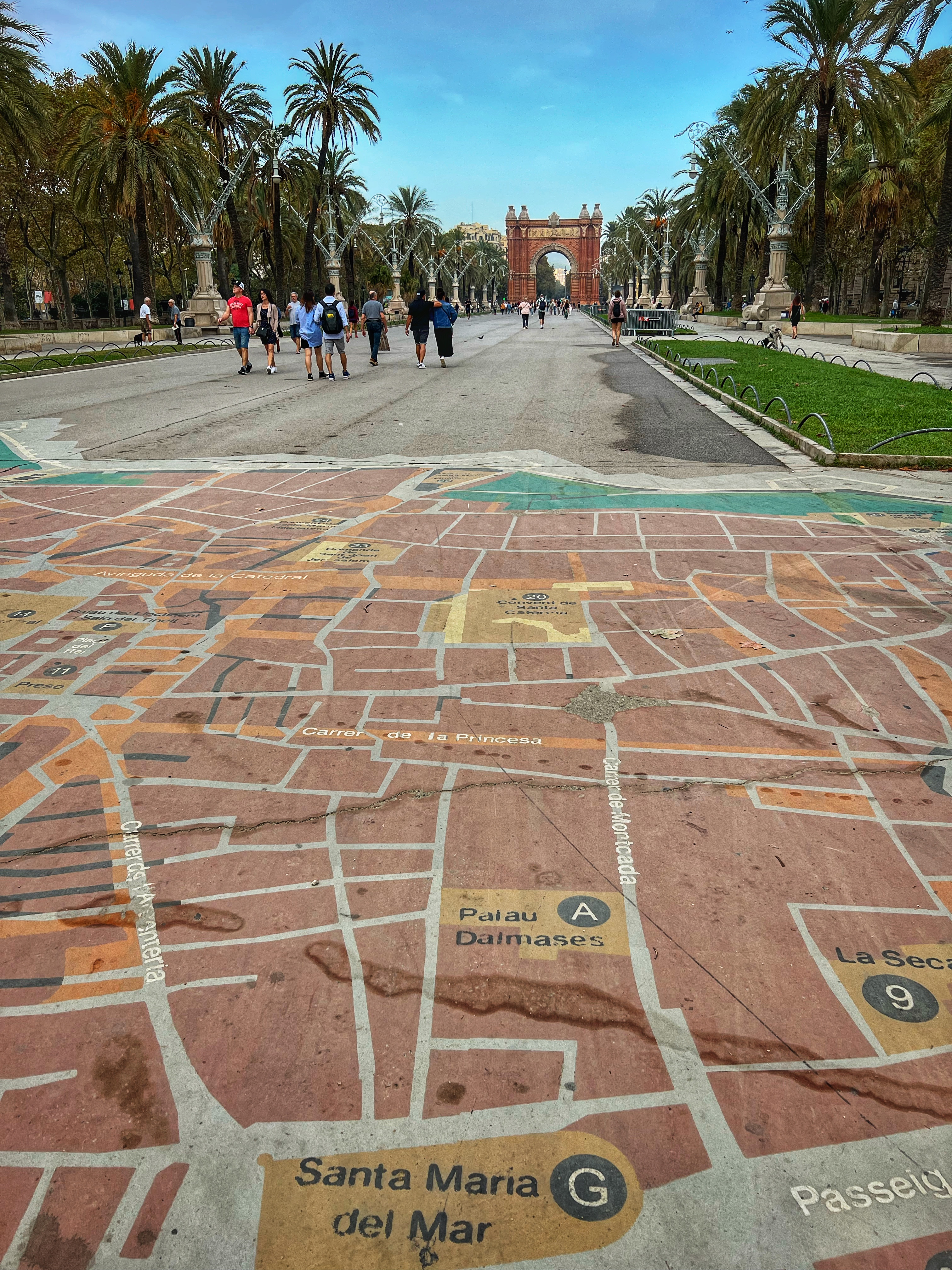
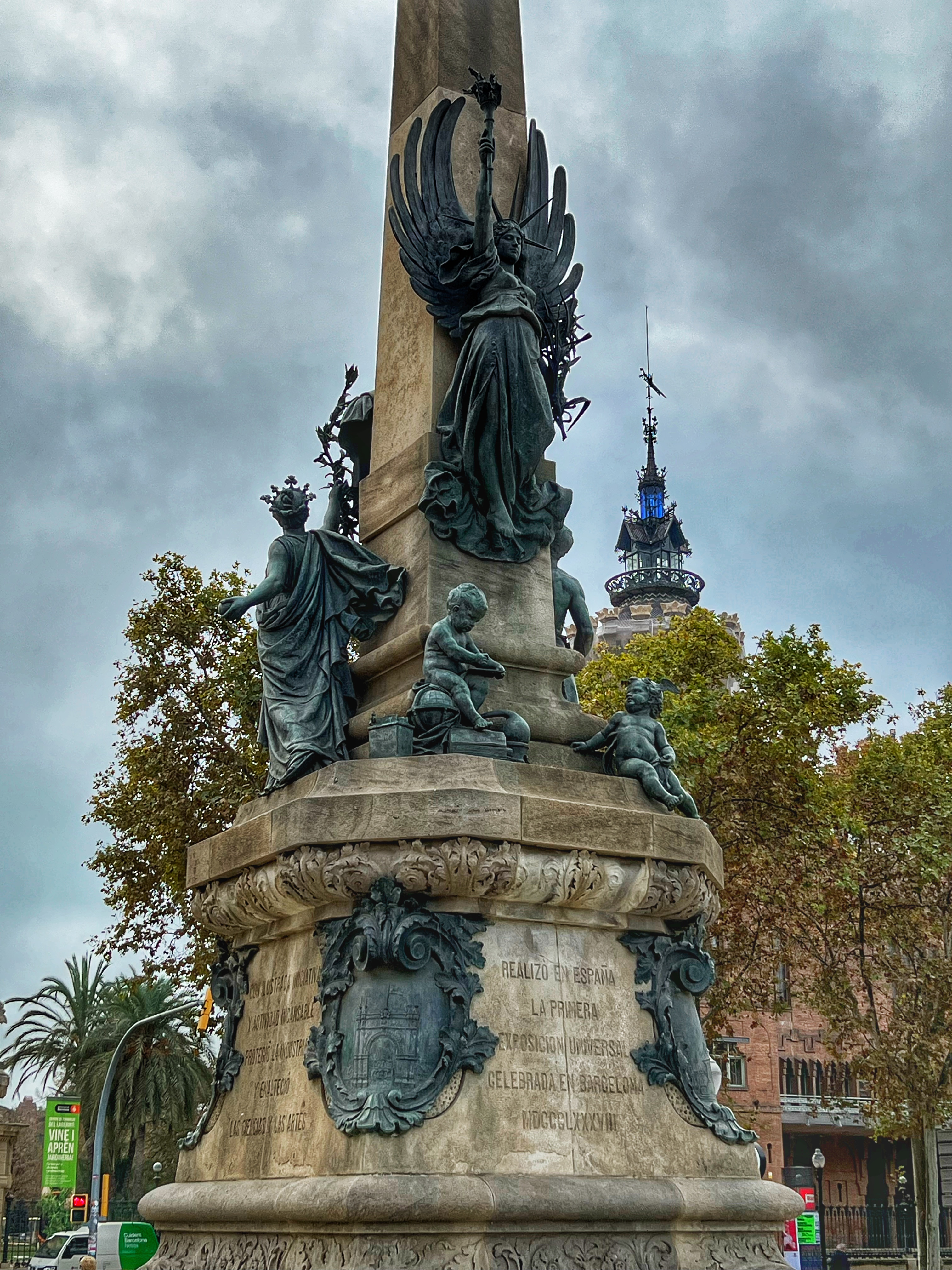
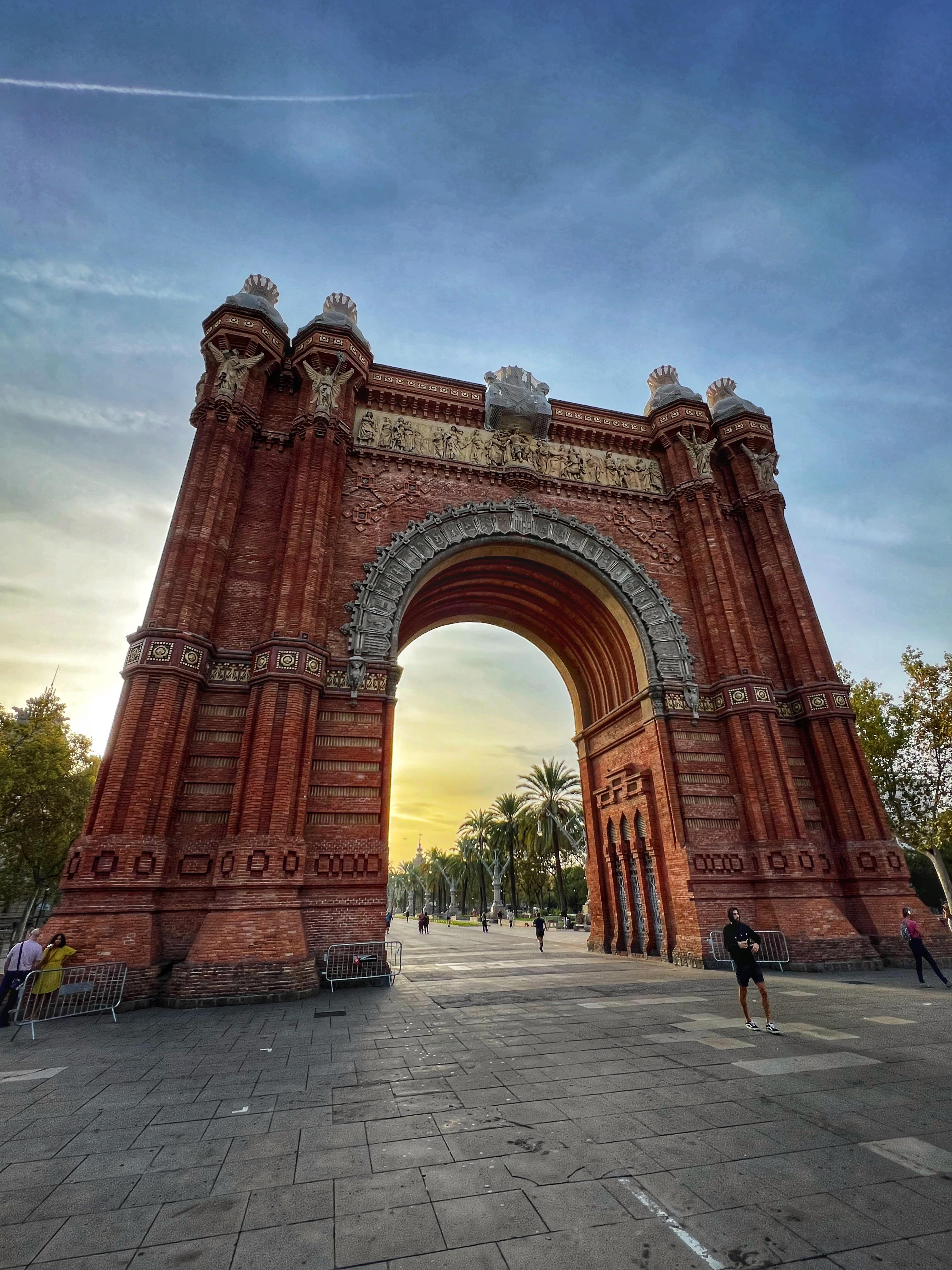
Another honorable mention spot is the Cituadella Park. One of the oldest parks in Barcelona, it was updated for the 1888 World Fair. At the entrance is the Arc de Triomf, built as a gateway to the World’s Fair. Today there are several government buildings still in use such as the chapel, governor’s palace and arsenal, but the most striking features are the unmistakable Castle of the Three Dragons and the Cascada fountain. You can spend as much or as little time here as you like, but it is definitely worth a stroll.


5. Hospitals
For the last Honorable Mention location, here’s something unique to visit. Like cemeteries, hospitals aren’t exactly what people think of to tour in cities, but there are a couple of historically significant and beautiful hospitals in Barcelona that are well worth a visit.
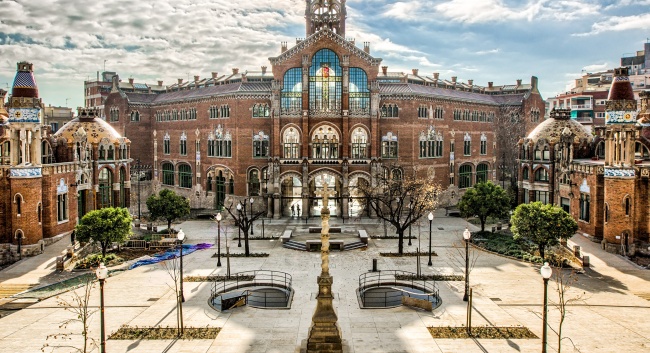
HOSPITAL SANT PAU is now called Sant Pau Art Nouveau Site, and. it is a UNESCO World Heritage site. An architectural marvel as the largest art nouveau complex, it was once a hospital complex with underground passageways and origins in the 1400’s. Most of what can be viewed now is about 100 years old. Learn more here before your visit.
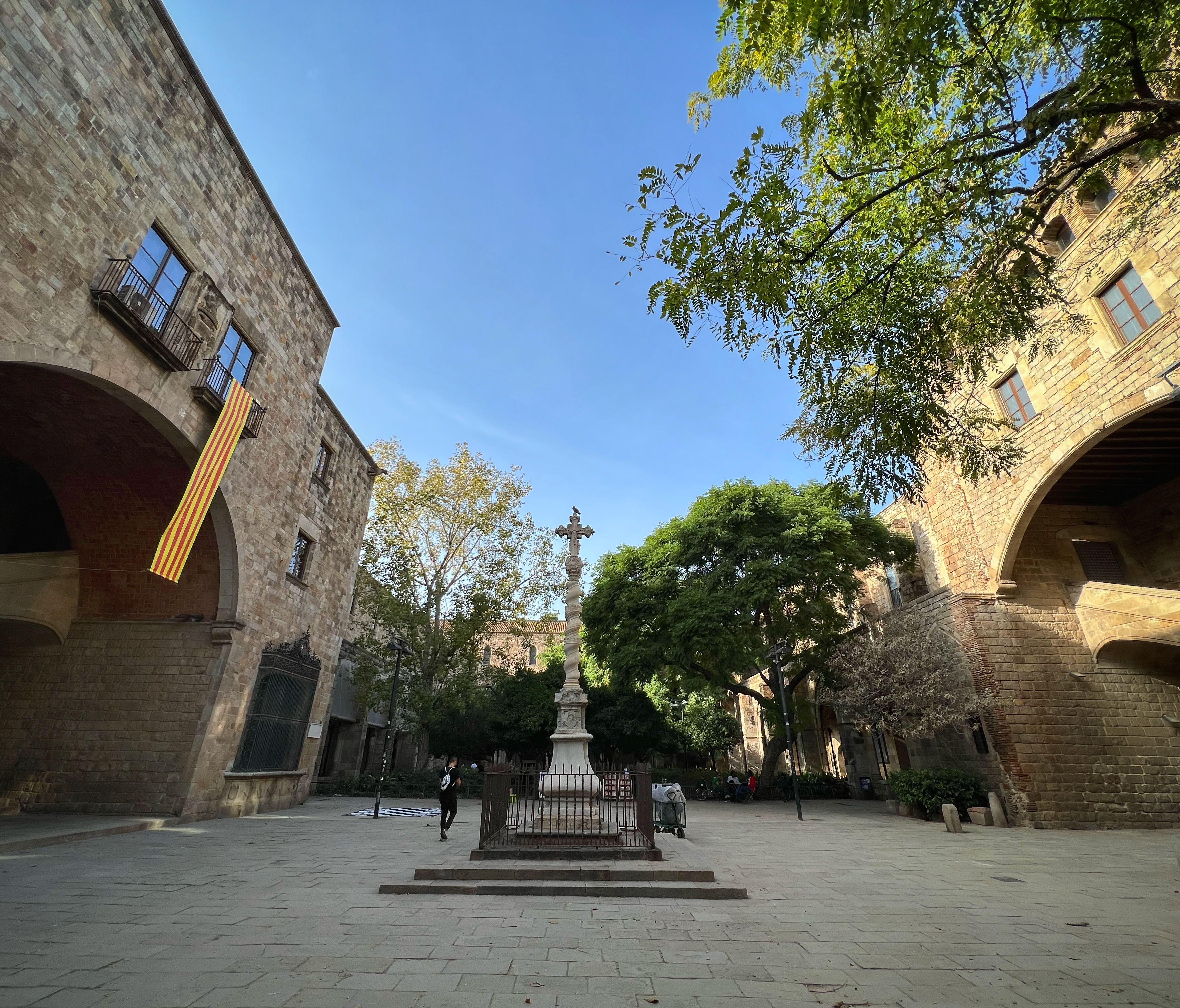
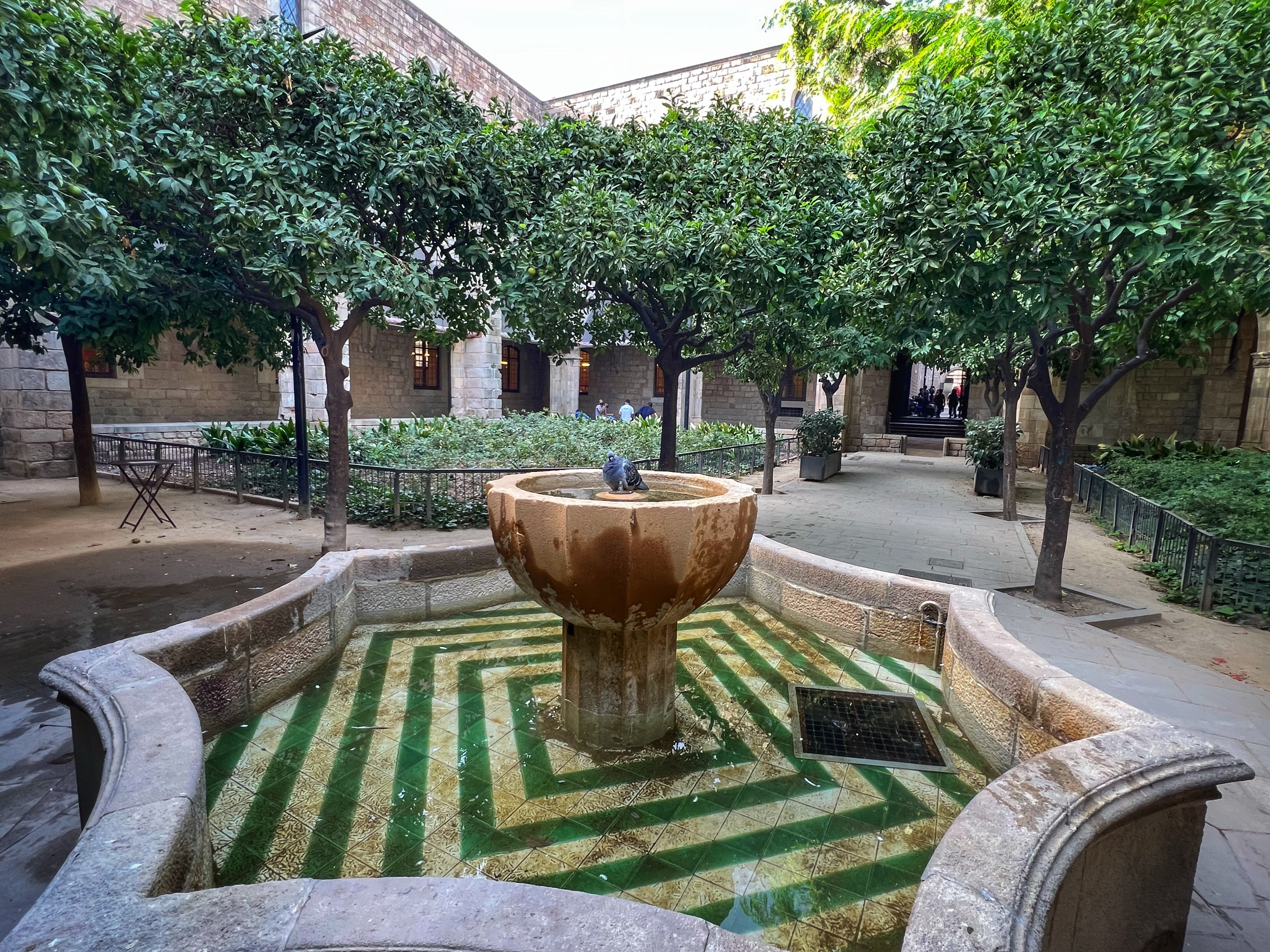
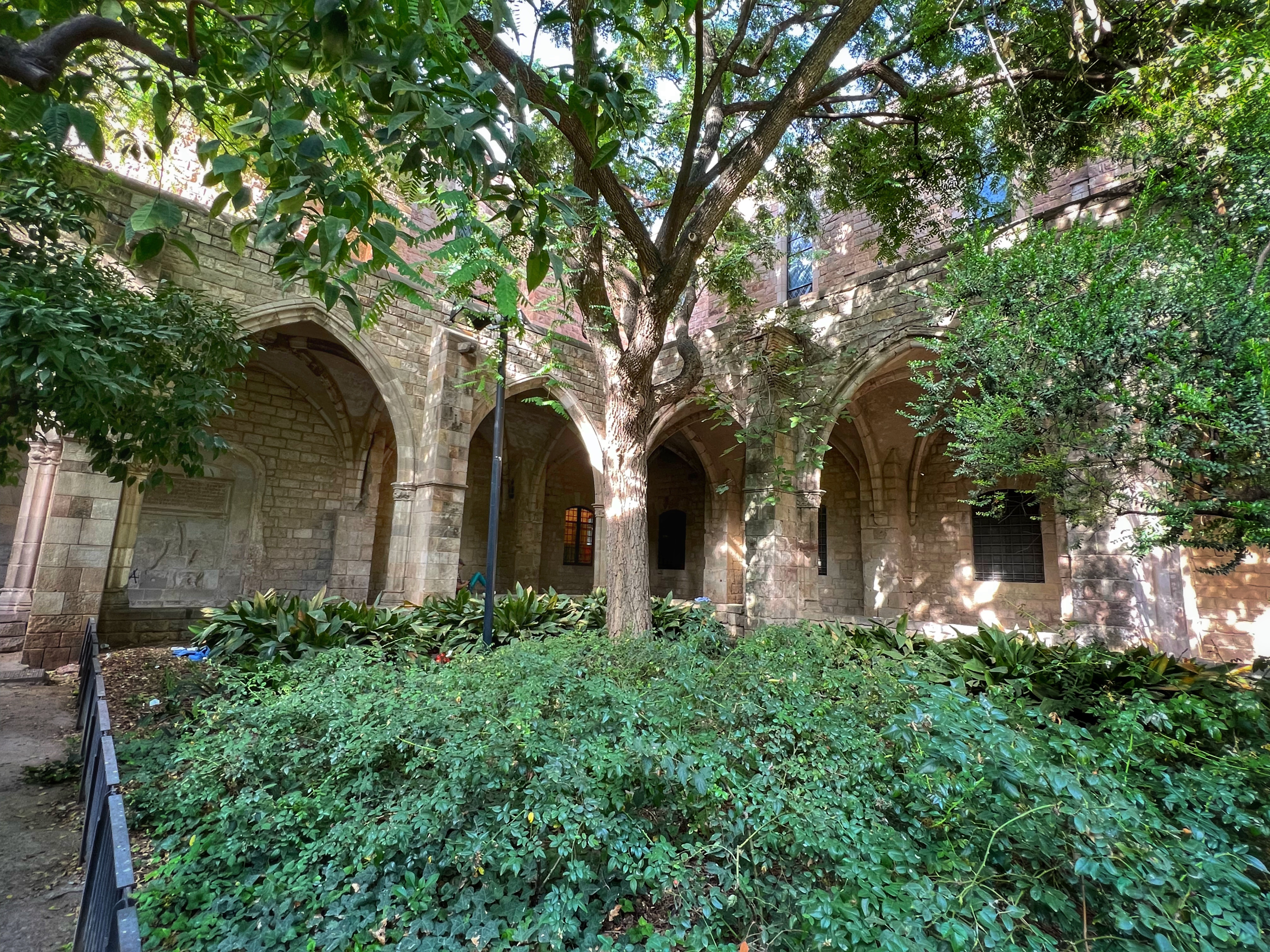
OLD HOSPITAL DE LA SANTA CREU is another historic hospital and hospice complex. Today it houses the National Library of Catalonia. It was designed by Guillem d’Abriell and built in the 1400’s and served as an important place for rich and poor alike for hundreds of years. The most notable fact of Santa Creu is that just one month before the complex closed its doors as a hospital and hospice center, an important Barcelona resident passed away here. Antoni Gaudi died at Santa Creu just three days after his unfortunate and untimely tram accident. Visit this complex if you’re near La Boqueria; you can wander through for free!

EXPERIENCES/TOURS
FOOD TOUR
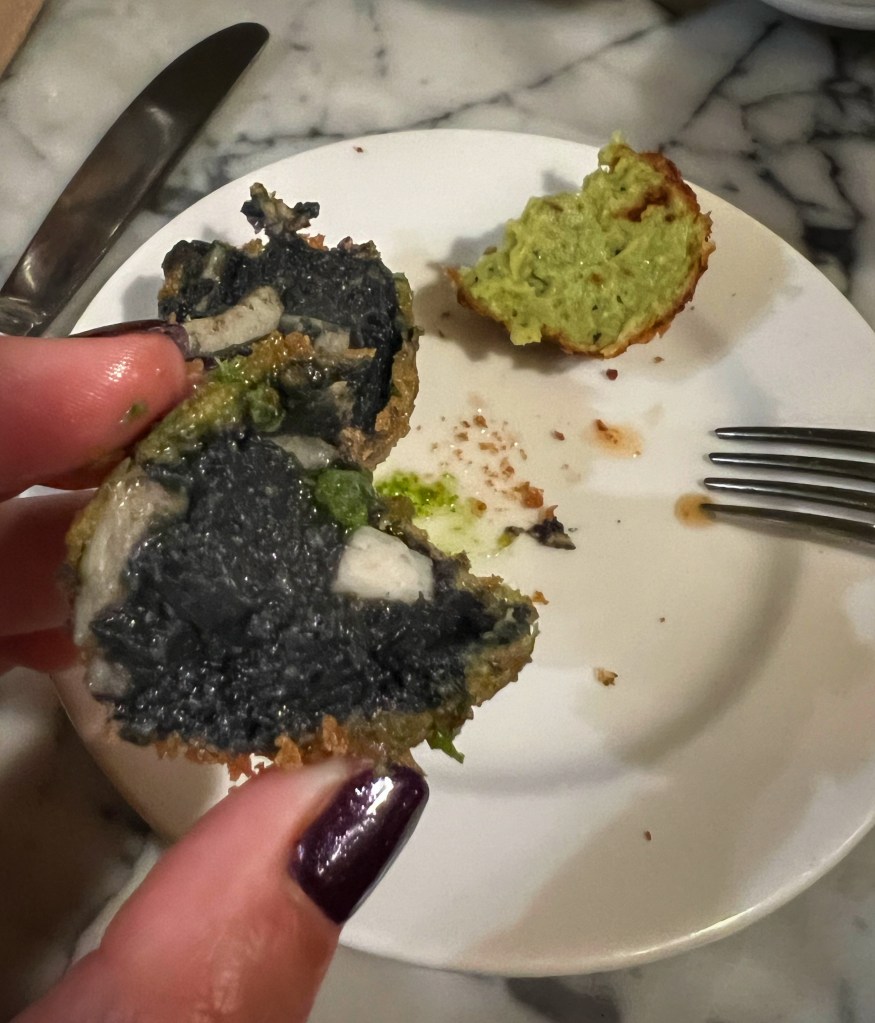
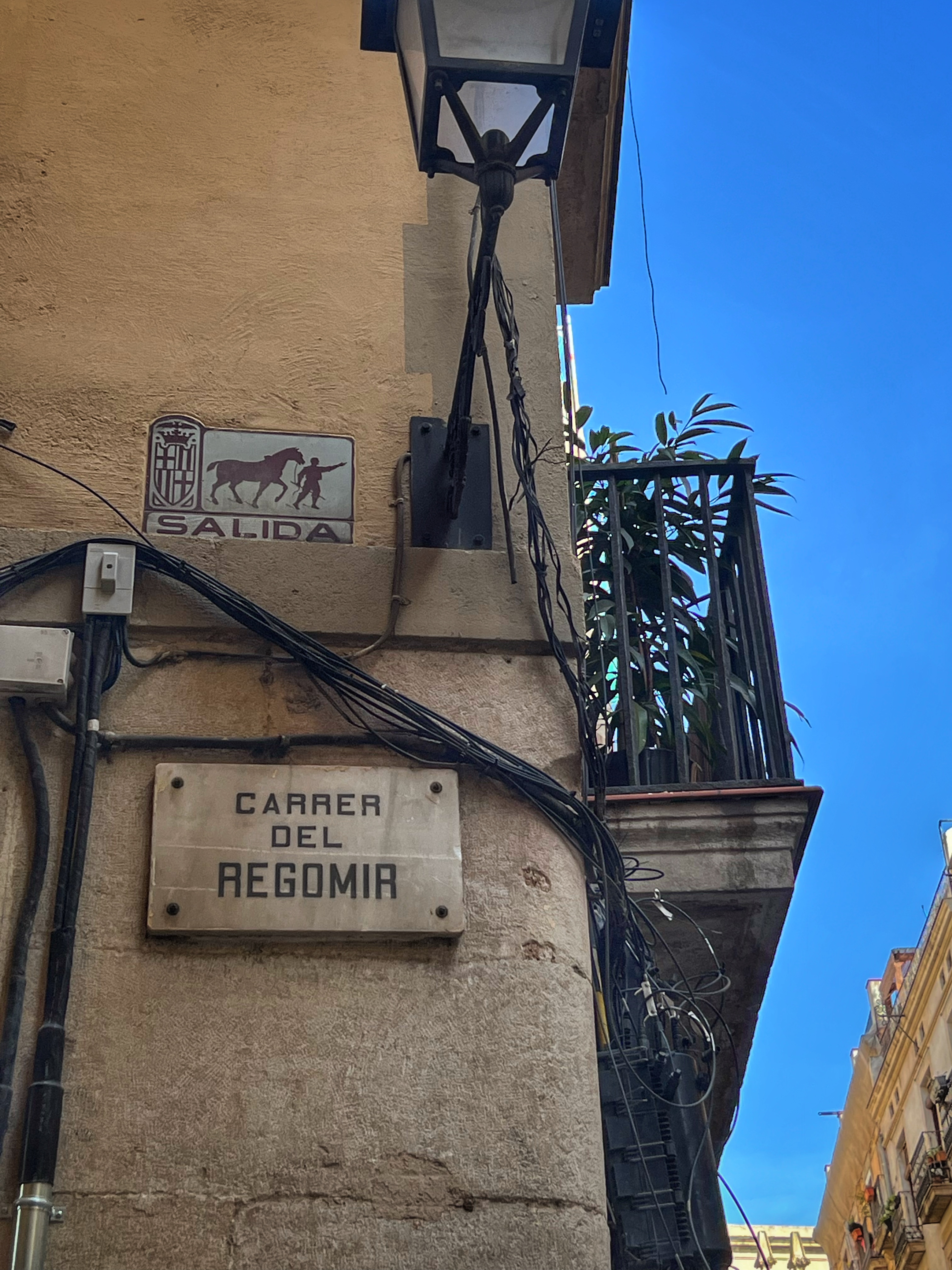
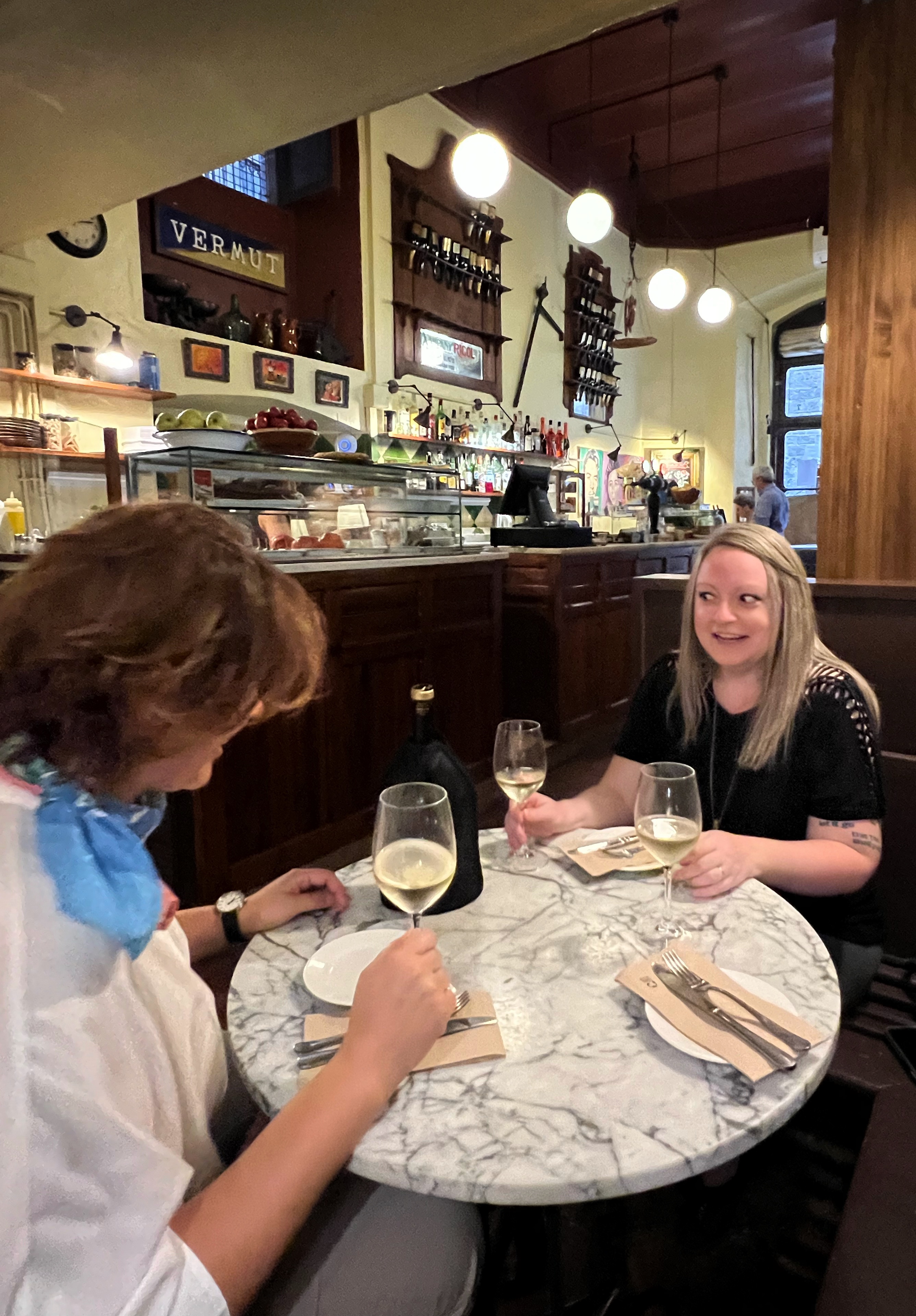
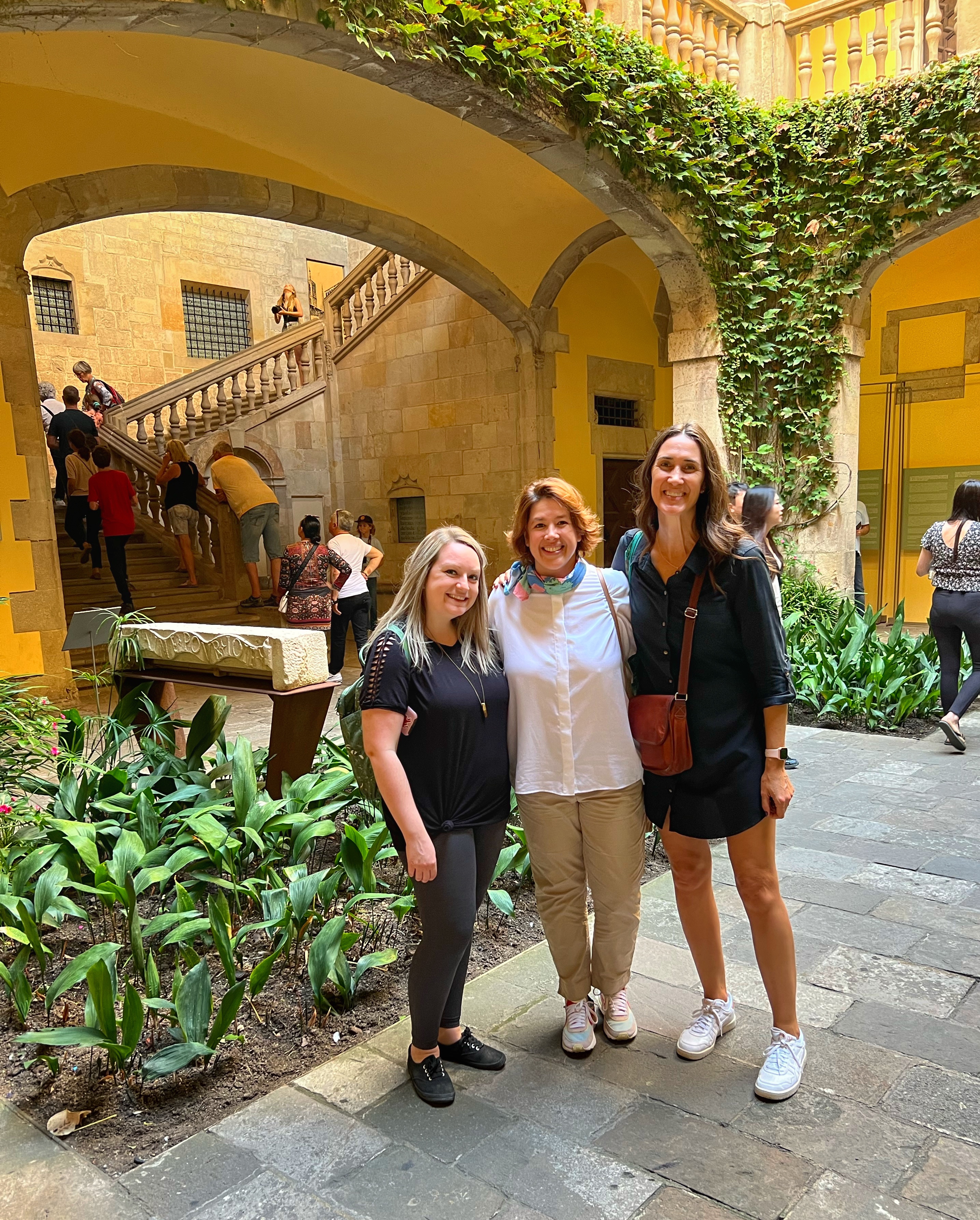
We learned SO MUCH from Susana at Food Lovers Barcelona. I can’t recommend this tour enough! It was €180 all inclusive per person for the two of us (of course we tipped) and it lasted nearly 6 hours for this tastebud tantalizing tour. I loved how our vegetarian diet was catered to and all foods were highlighting local cuisine. We wandered many parts of the city, ate and drank at 3 delicious establishments, and shared our interests with Susana. Between meals she brought us to various landmarks and pointed out historic fun facts like “see that graffiti? It used to be customary for a student to make graffiti when they graduated university.” and “see that street sign on the building? Above it is the old street sign pointing the direction horses were allowed to go.” We learned about the giants of Barcelona, and she indulged us in our interest in the history of slavery in Barcelona as well as famous architecture. We also learned that it costs €10k for the large yachts just to park in the Barcelona harbor. Imagine! This was so much more than a food tour, but the food was absolutely the most memorable. Susana was fabulous and we give Food Lovers the highest recommendation! See the food section above to see some of the food we ate – we were so full, we didn’t need dinner!



WALKING TOURS
Runner Bean Tours are renowned in Barcelona for being the best (just ask Rick Steeves!). We took the Gaudí tour, but I would love to return and take the Gothic Quarter tour. I believe this would be the perfect way to get a feel for the history of the city in just a few hours. Runner Bean Tours are free, and operate on tips only. They also require a reservation, so sign up for a time slot if you want to join! In our Gaudí-centric tour, we learned about Gaudi’s life and saw the various ways he has left his mark on the city. Tours begin at Plaça Reial and sometimes take the subway (be prepared to buy a metro ticket if you don’t have one).
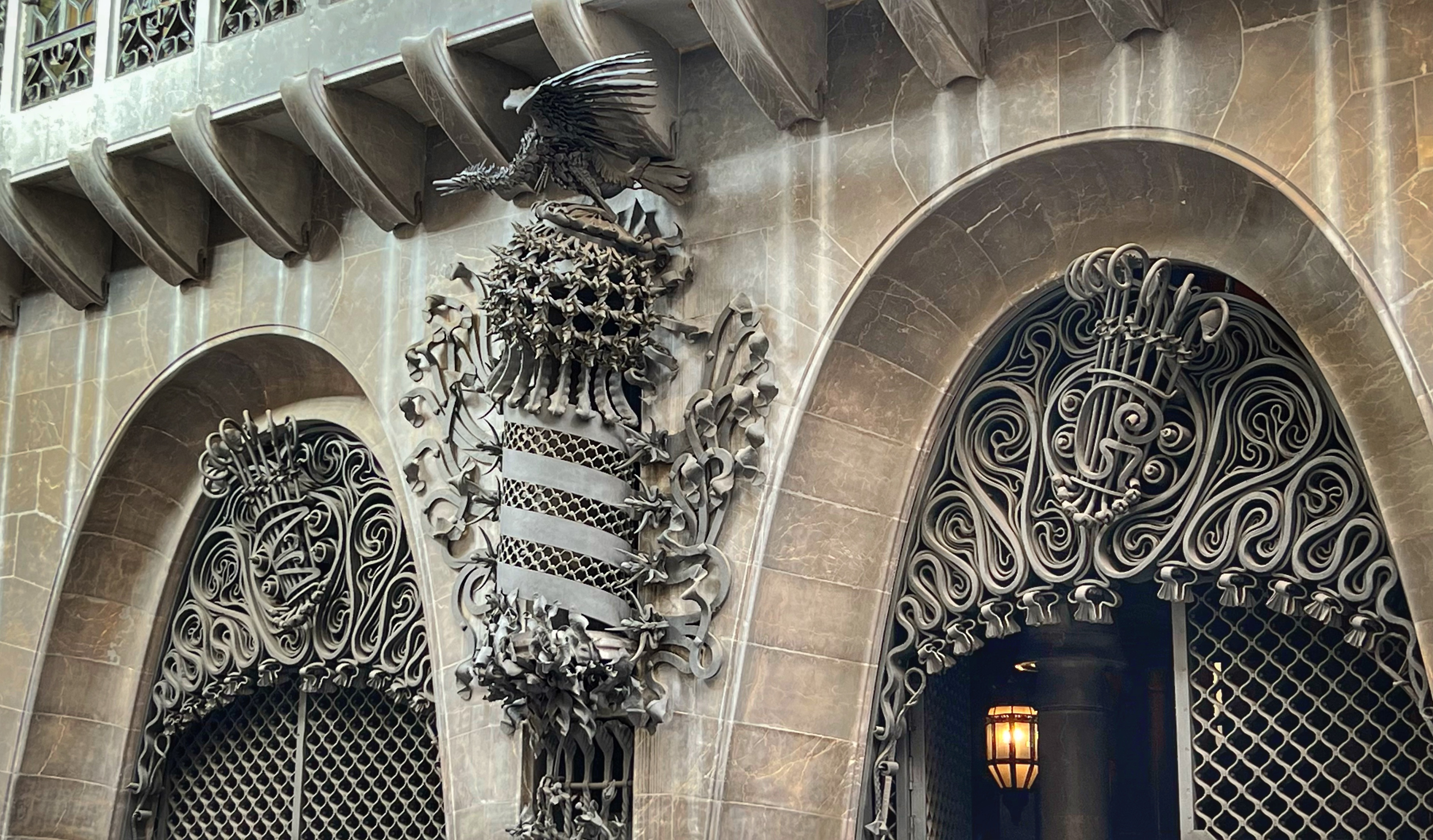
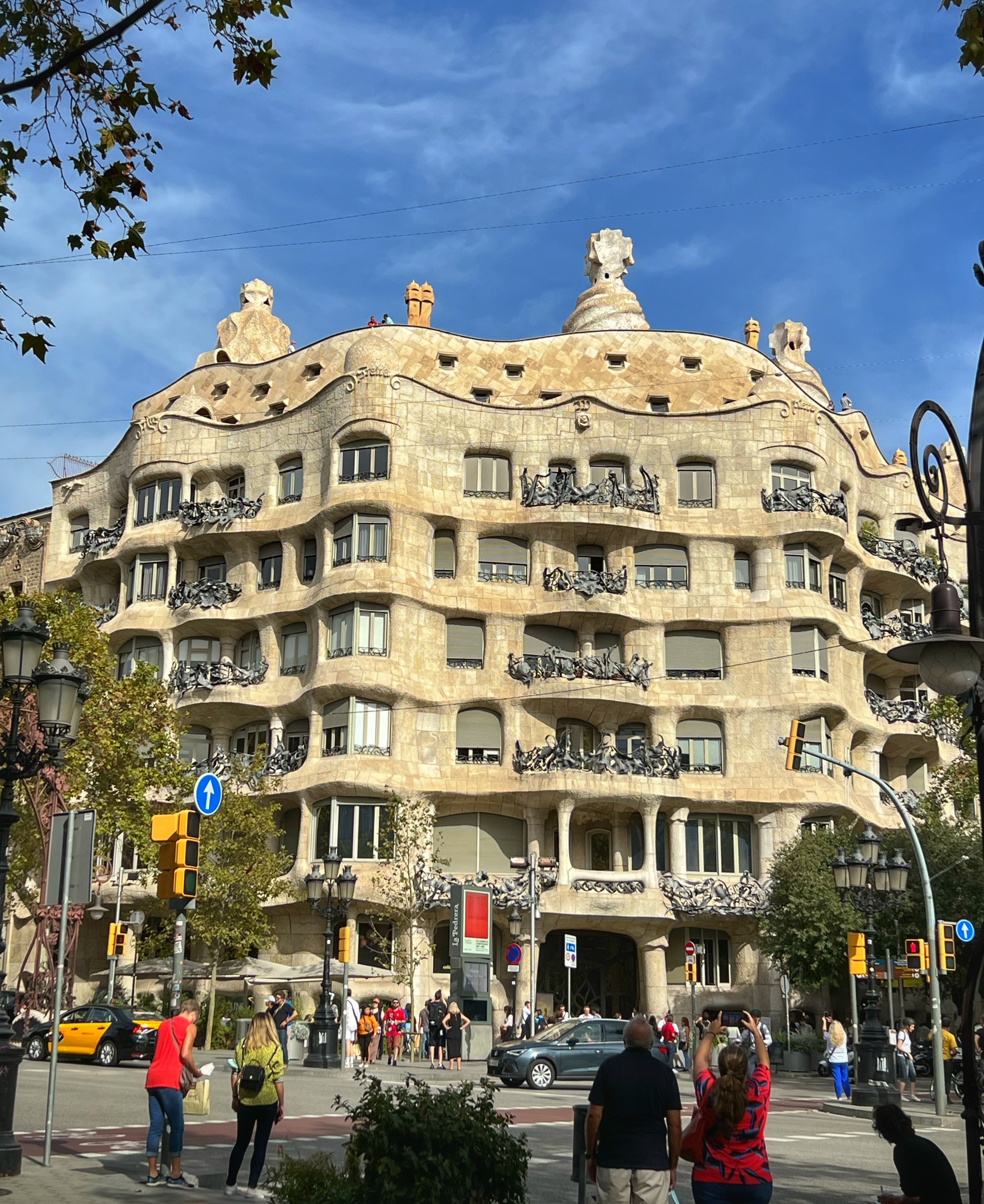
OTHER TOUR IDEAS: Barcelona has a good Hop on Hop Off Bus that brings you to all the most noteworthy sites in the city – learn more here. There are also family friendly tours like Giants, Dragons & Kings Tour and day tours outside of town through Get Your Guide.
MUSIC
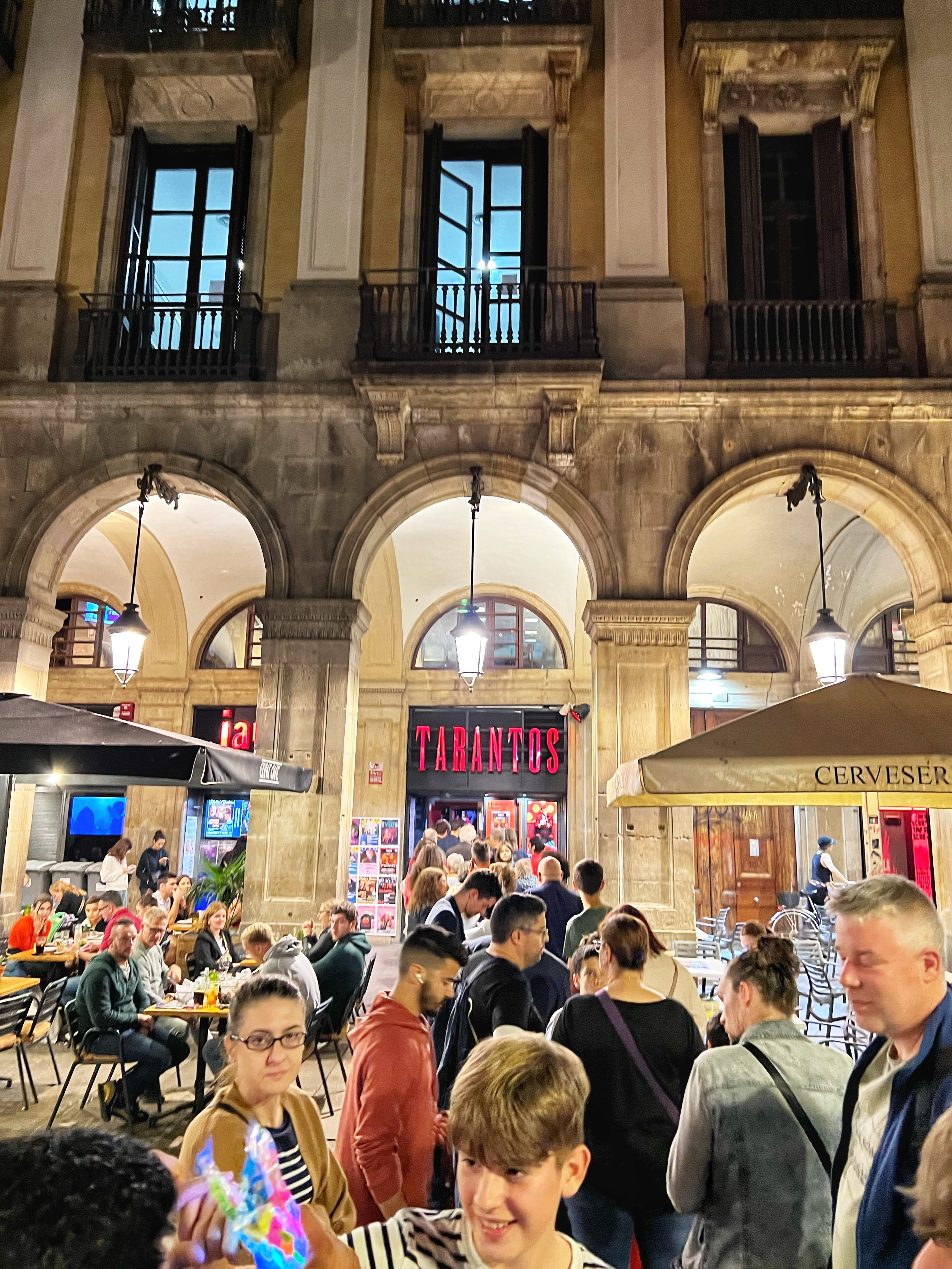
Take in a performance at the Olympic Stadium or at Palau de la Música Catalana. Or catch a Flamenco show at Los Tarantos in Plaça Reial or Tablao Flamenco Cordobes Barcelona on Las Ramblas.


SPORTS
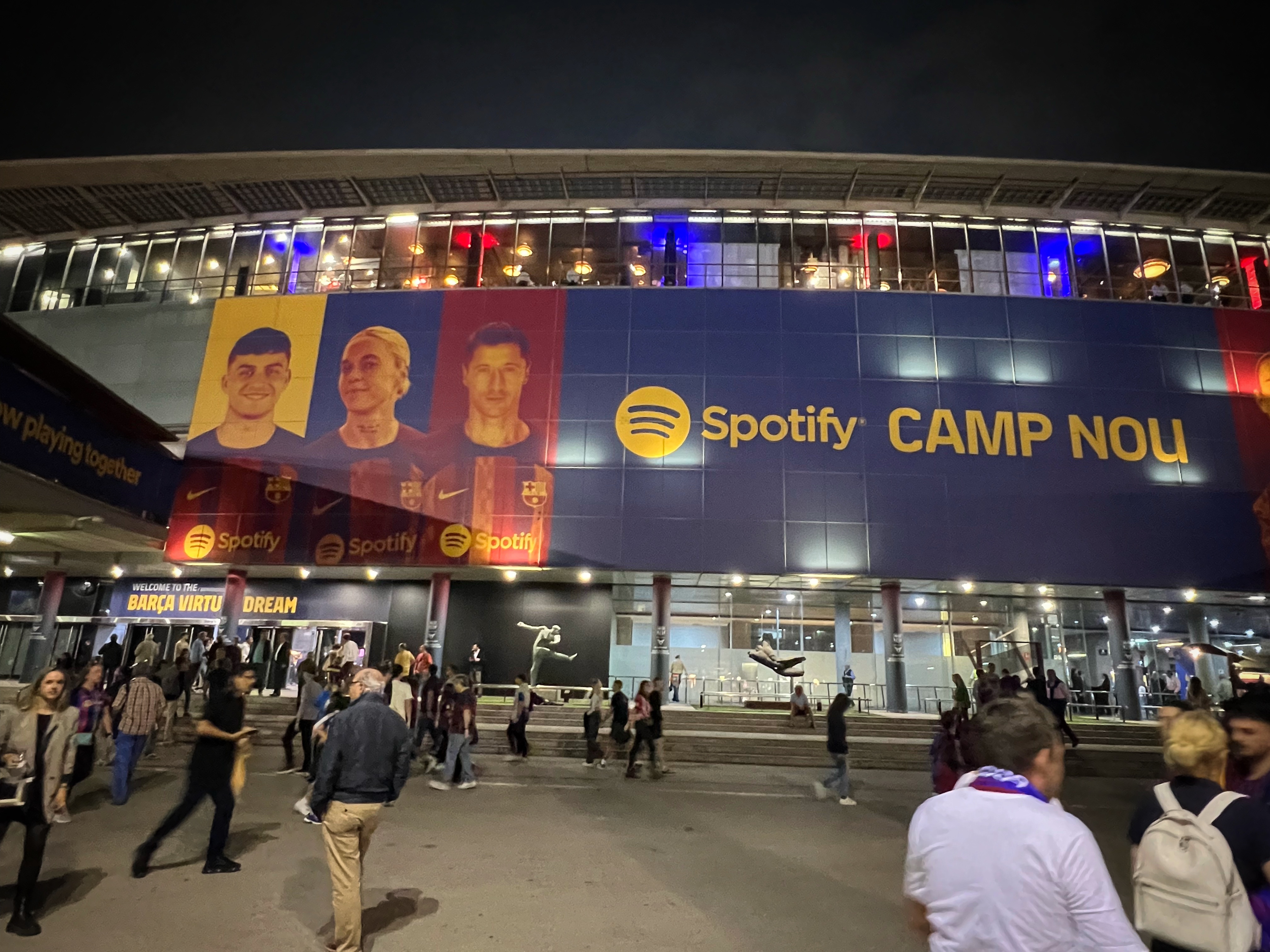
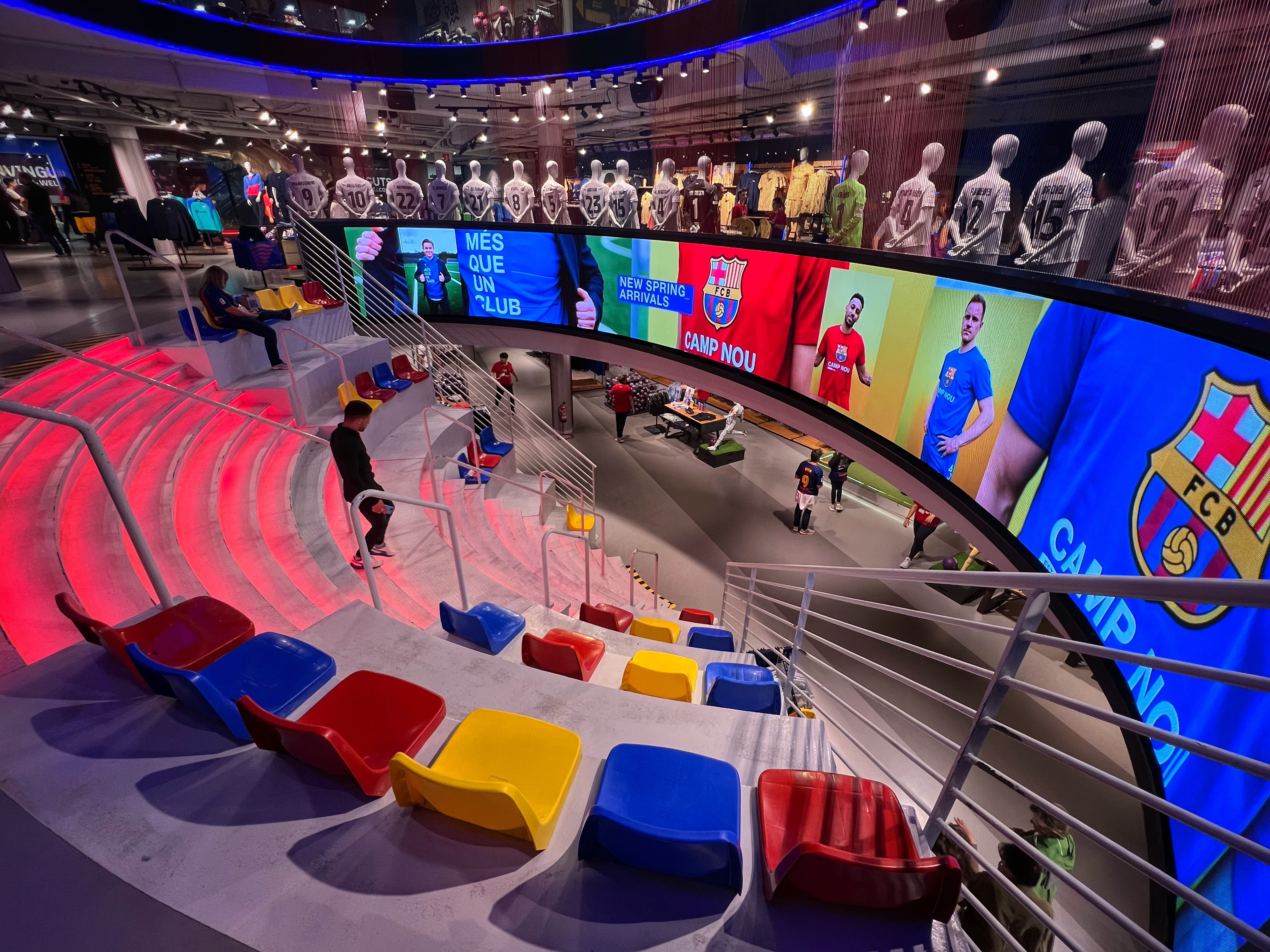
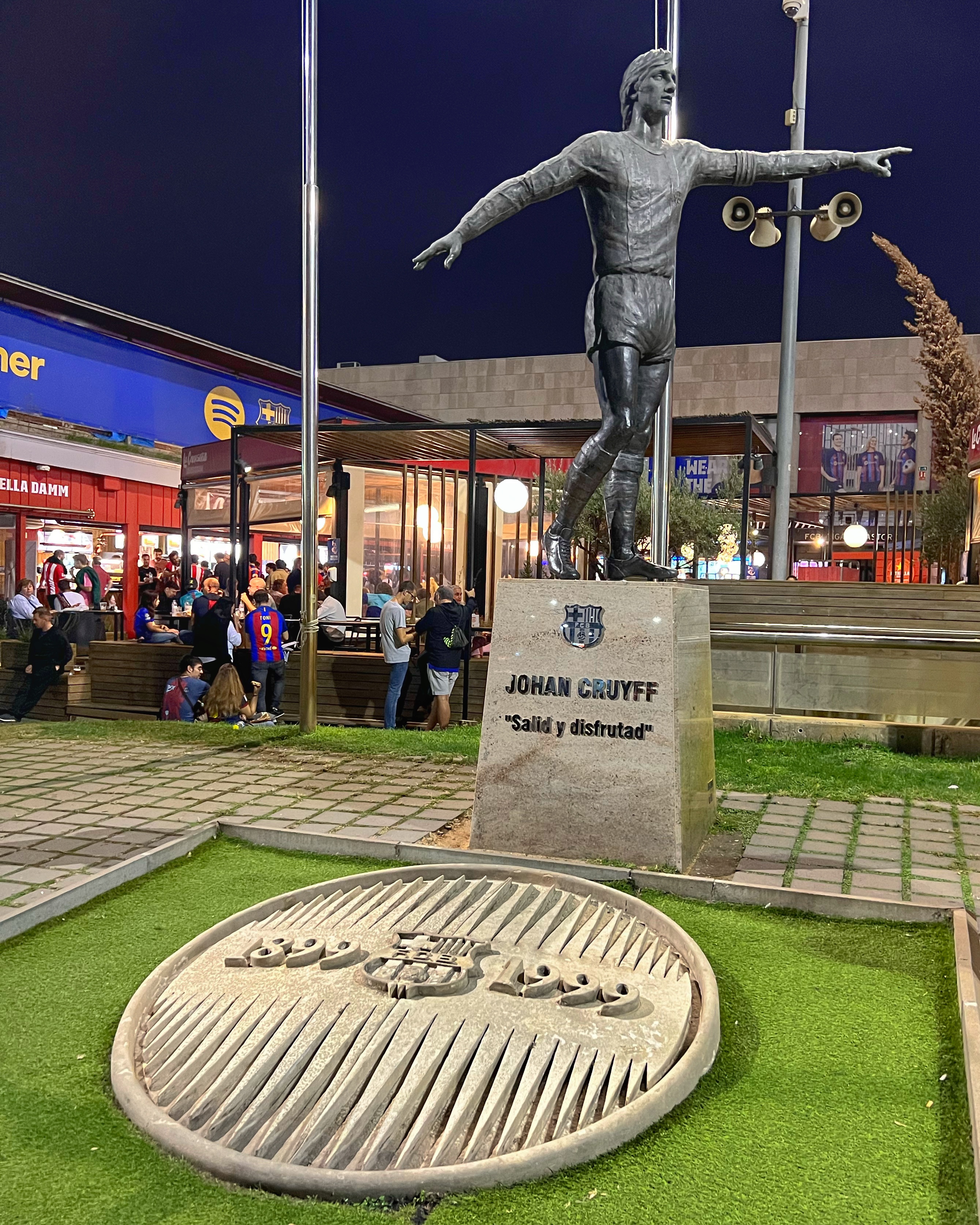
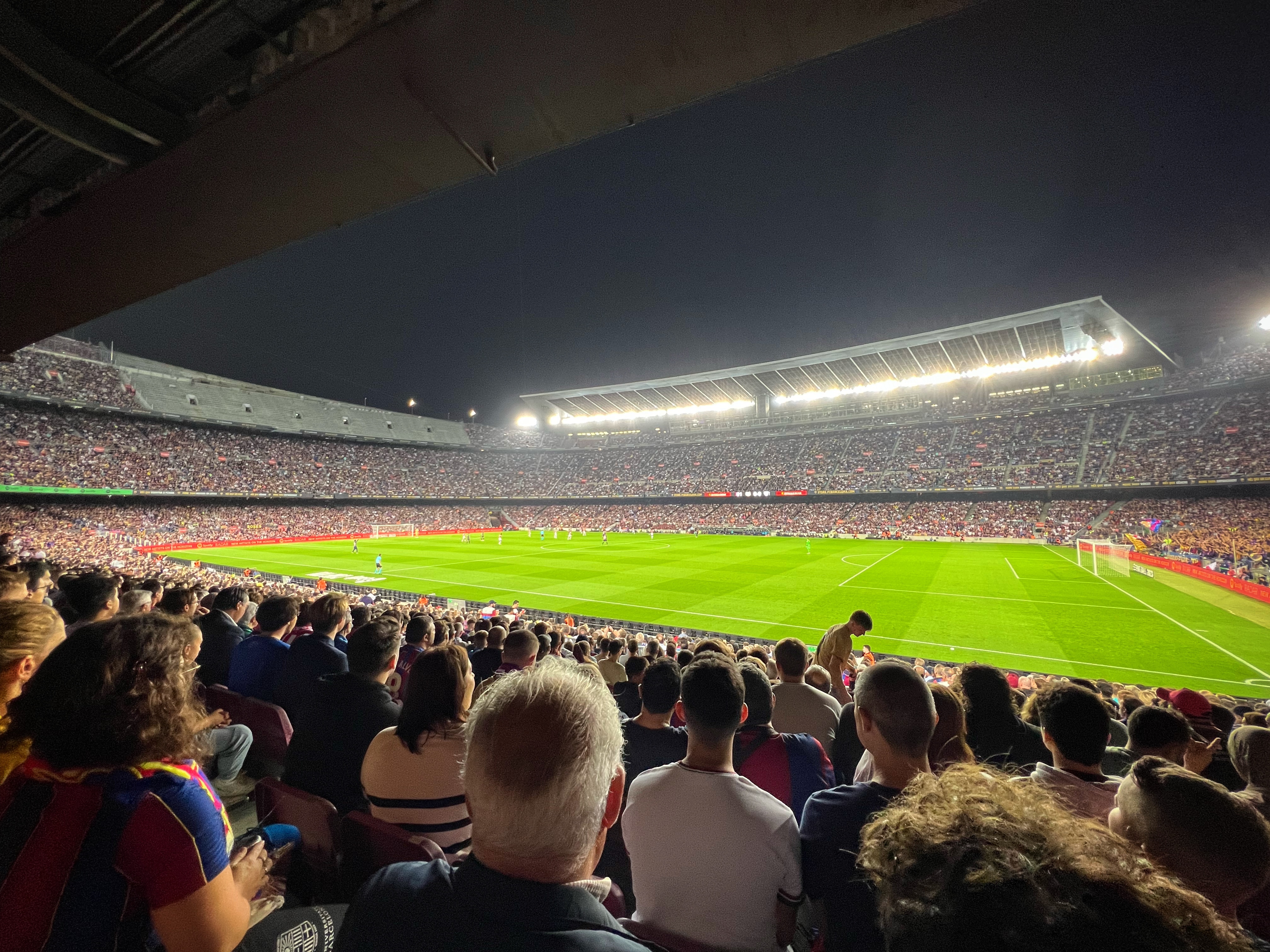
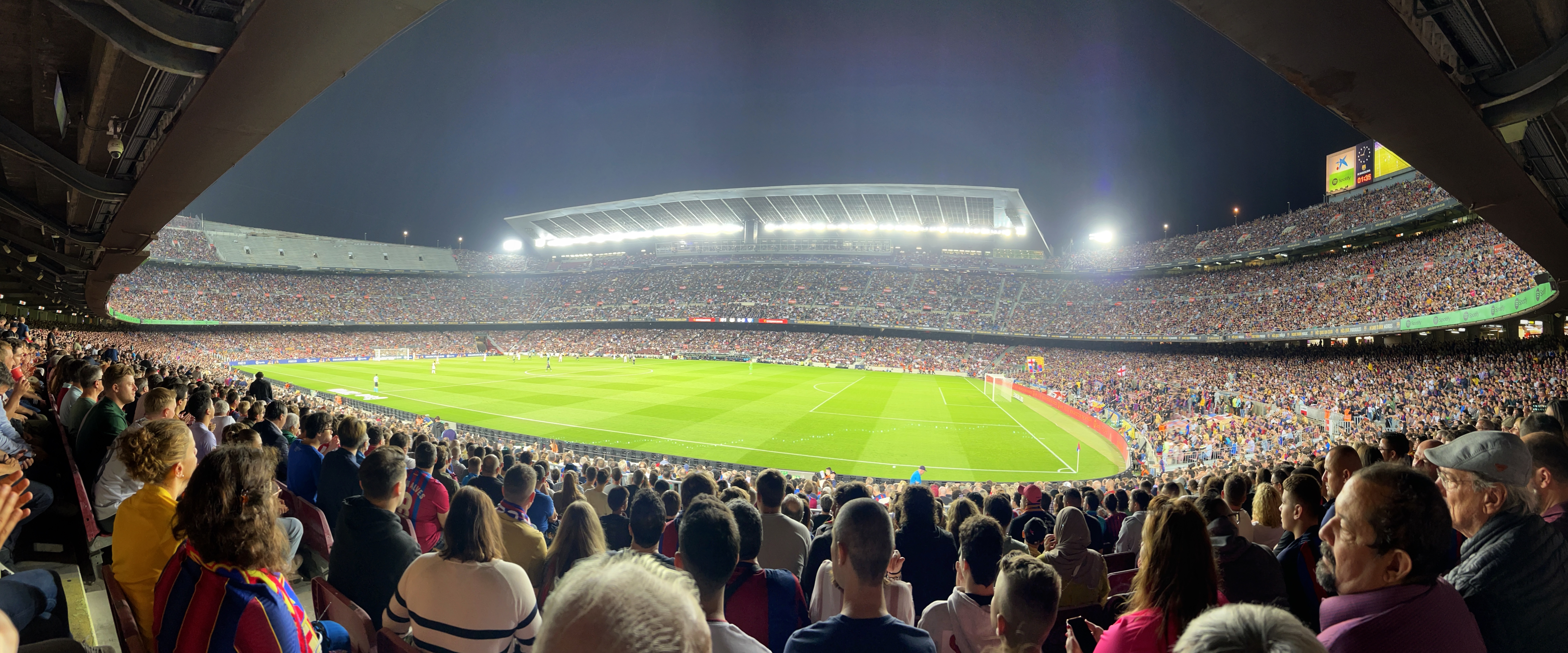
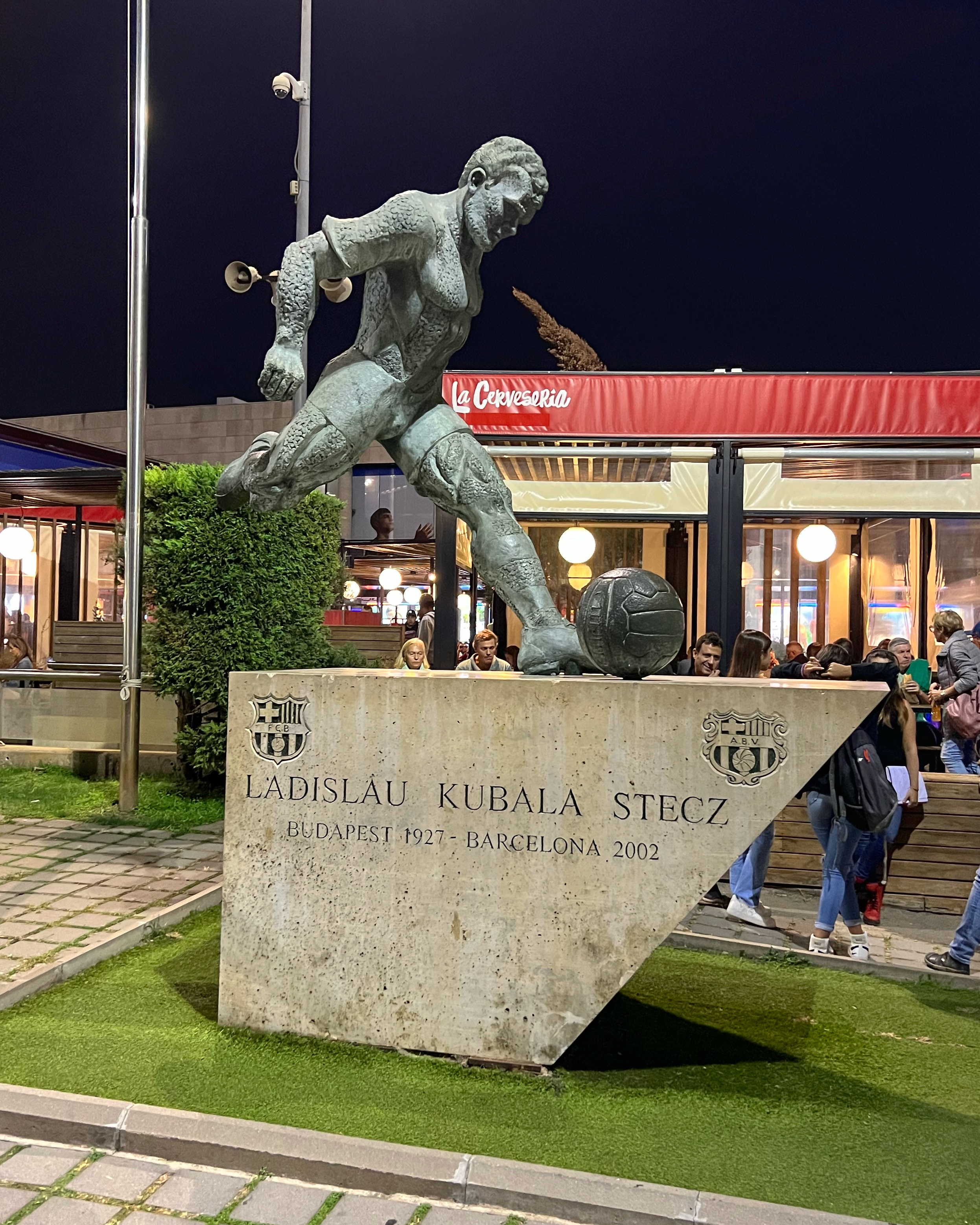
FUTBOL/SOCCER We had the best time at the FCB soccer match vs Bilbao…Barcelona won! It was so fun to hear the loud cheers and feel the energy of the place. What an experience – all for about €90/ticket. We purchased tickets ahead as soon as the date and time for the game was confirmed, but we didn’t know our seats until just a few days before the game – and the seats were awesome. Right now the big players to watch are Lewandowski, Pedri and Gavi. Learn more about schedules, and prices here. Even if you can’t see a game, if you’re a soccer fan it’s fun to visit Spotify Camp Nou, check out the stadium and massive gift shop.
MUSEUMS
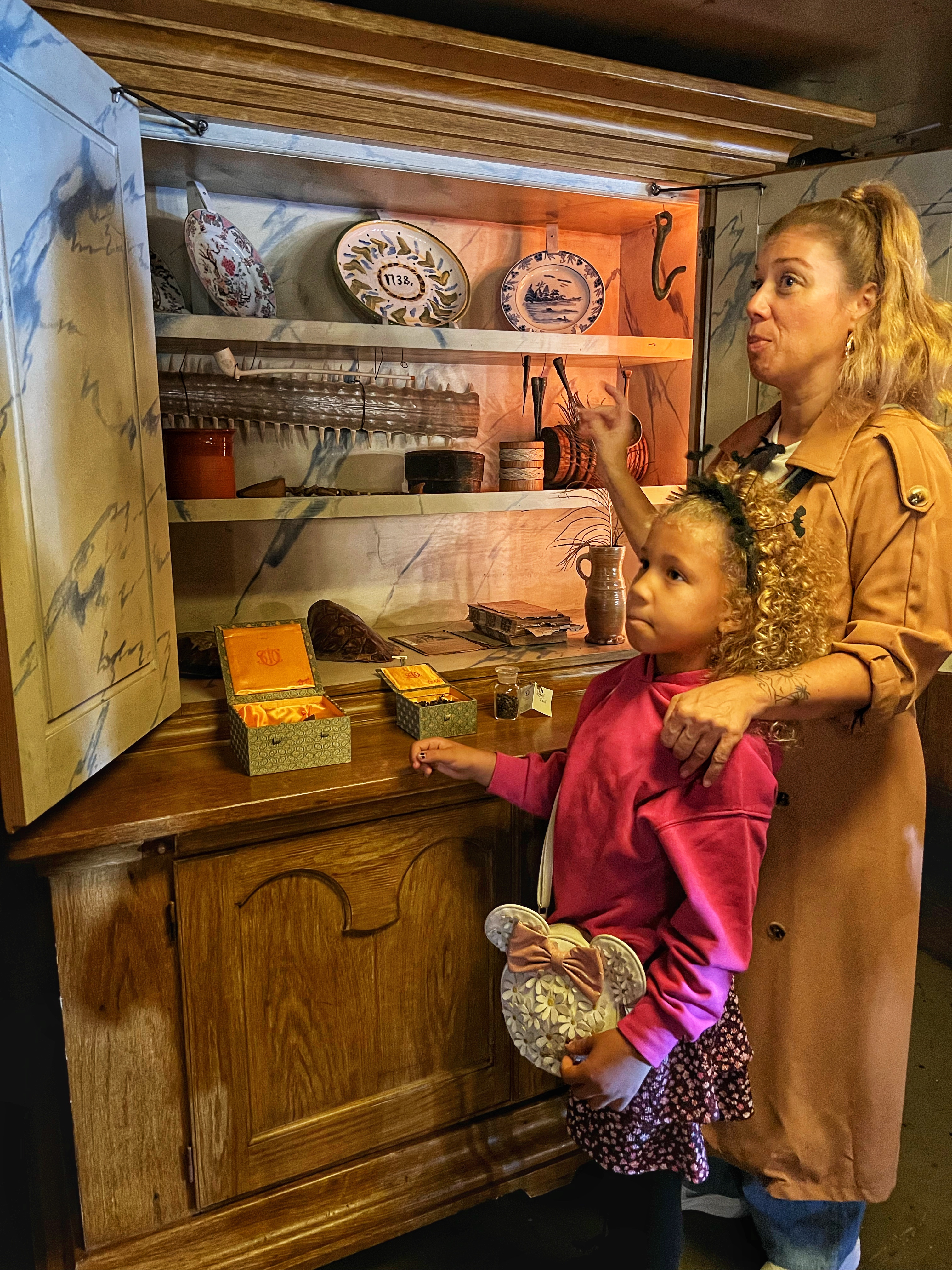
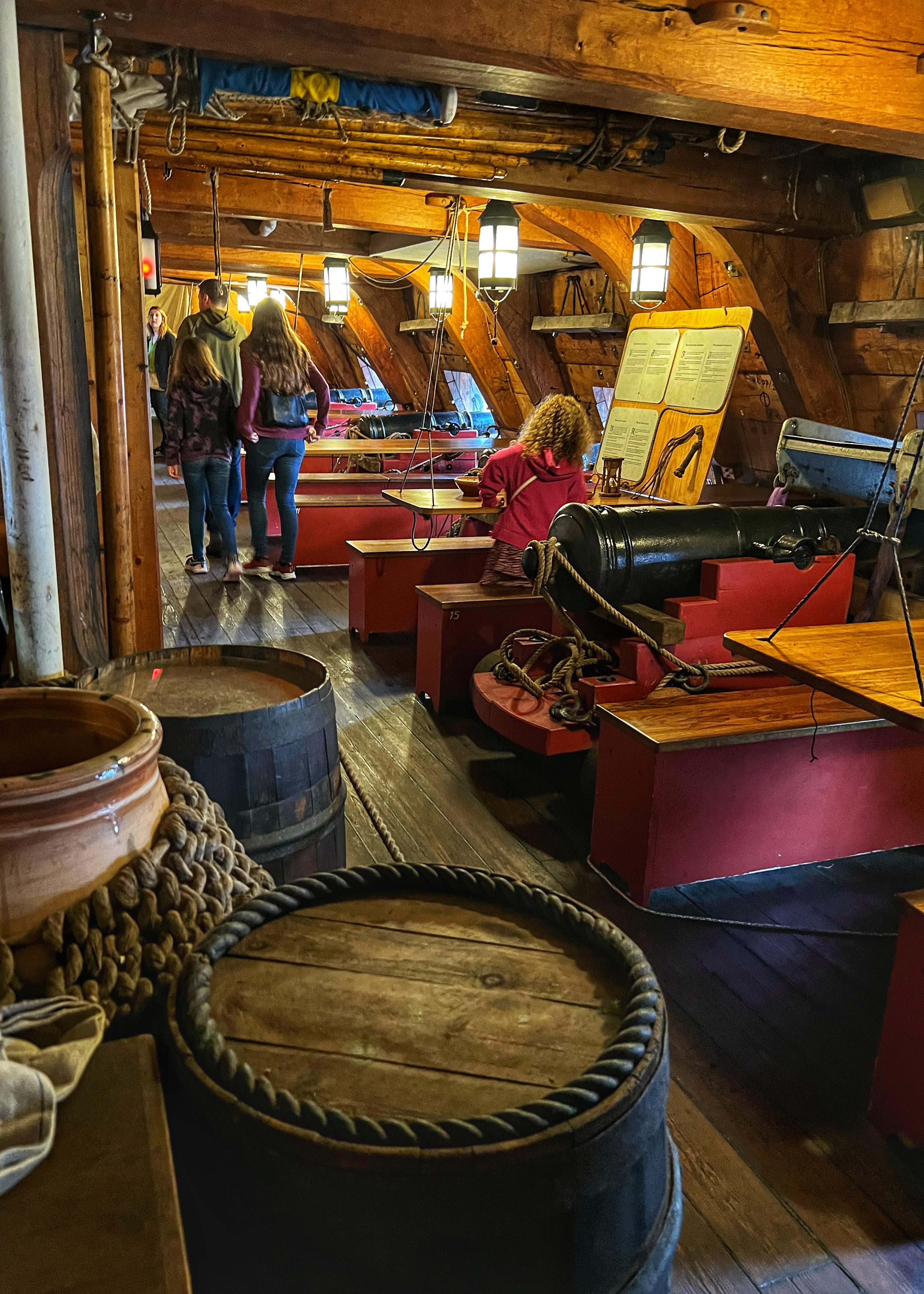
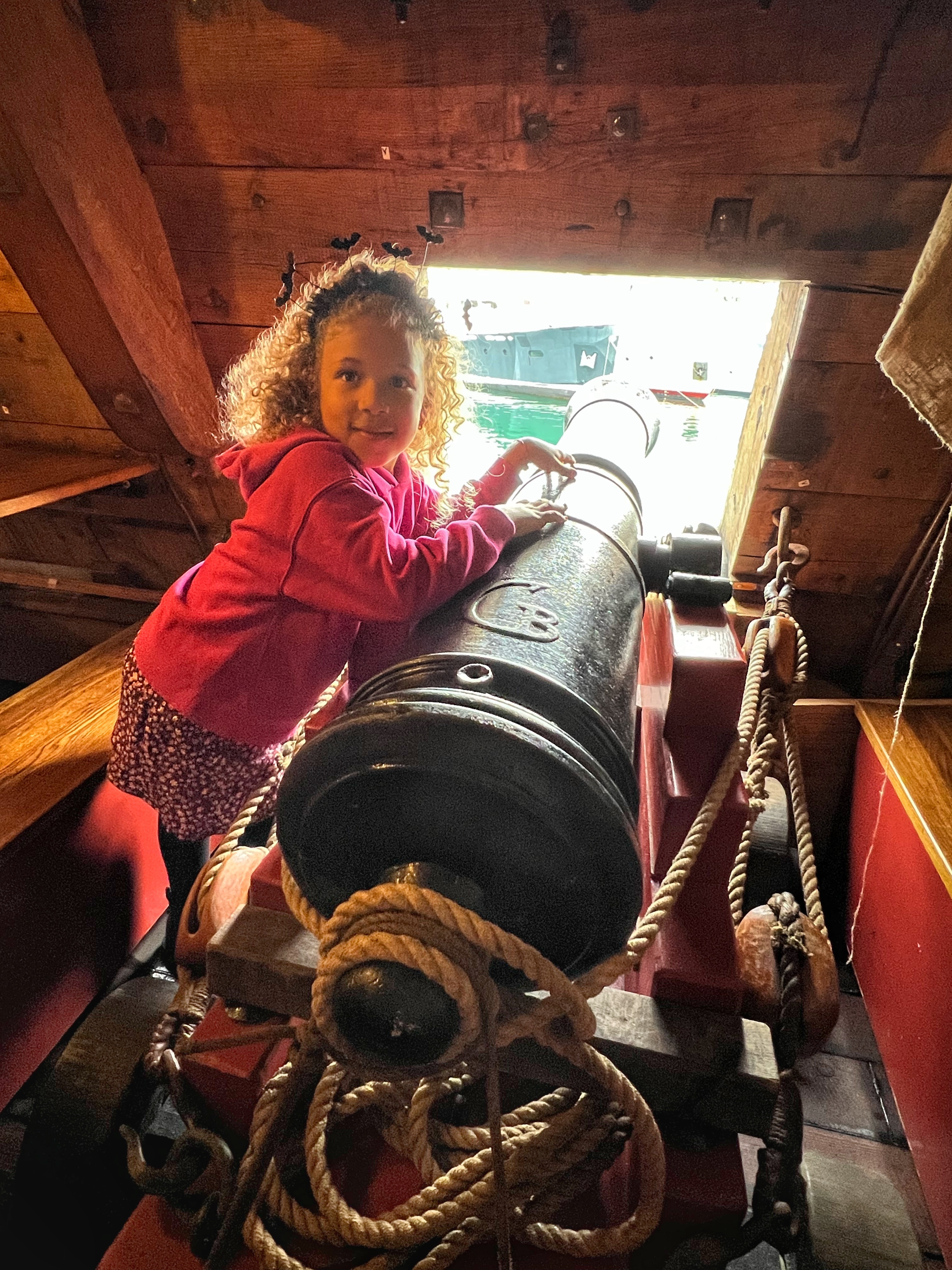
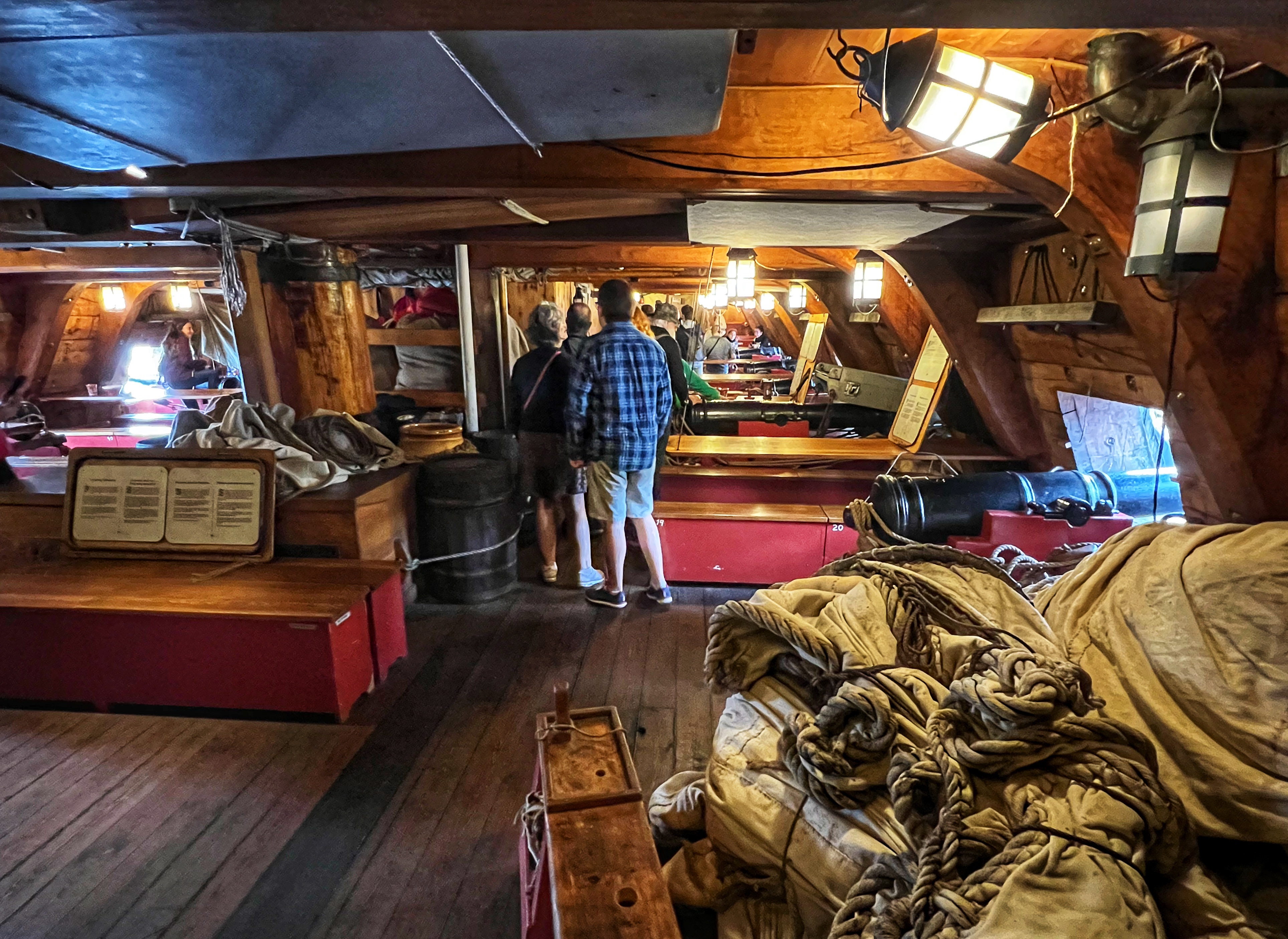
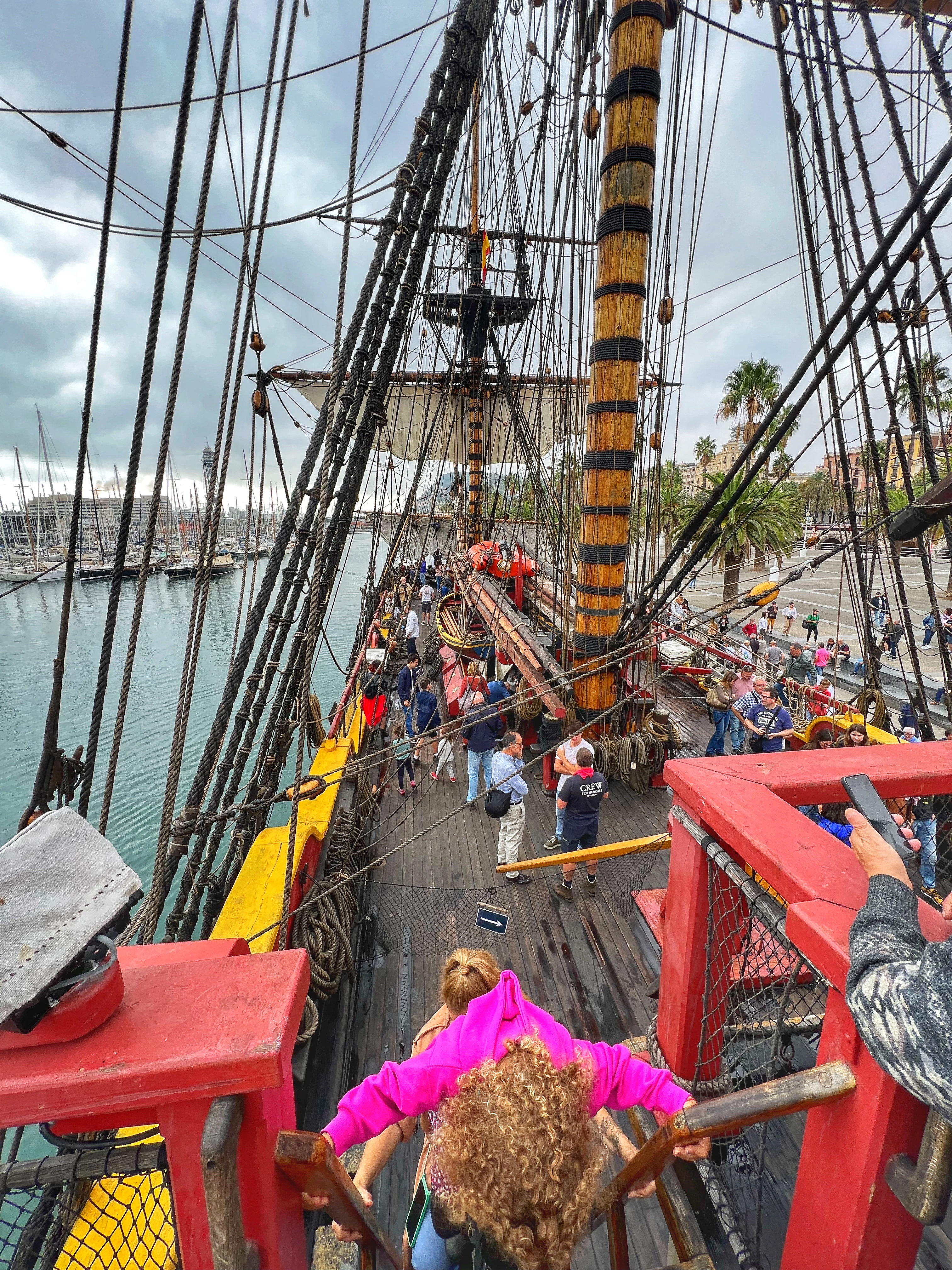
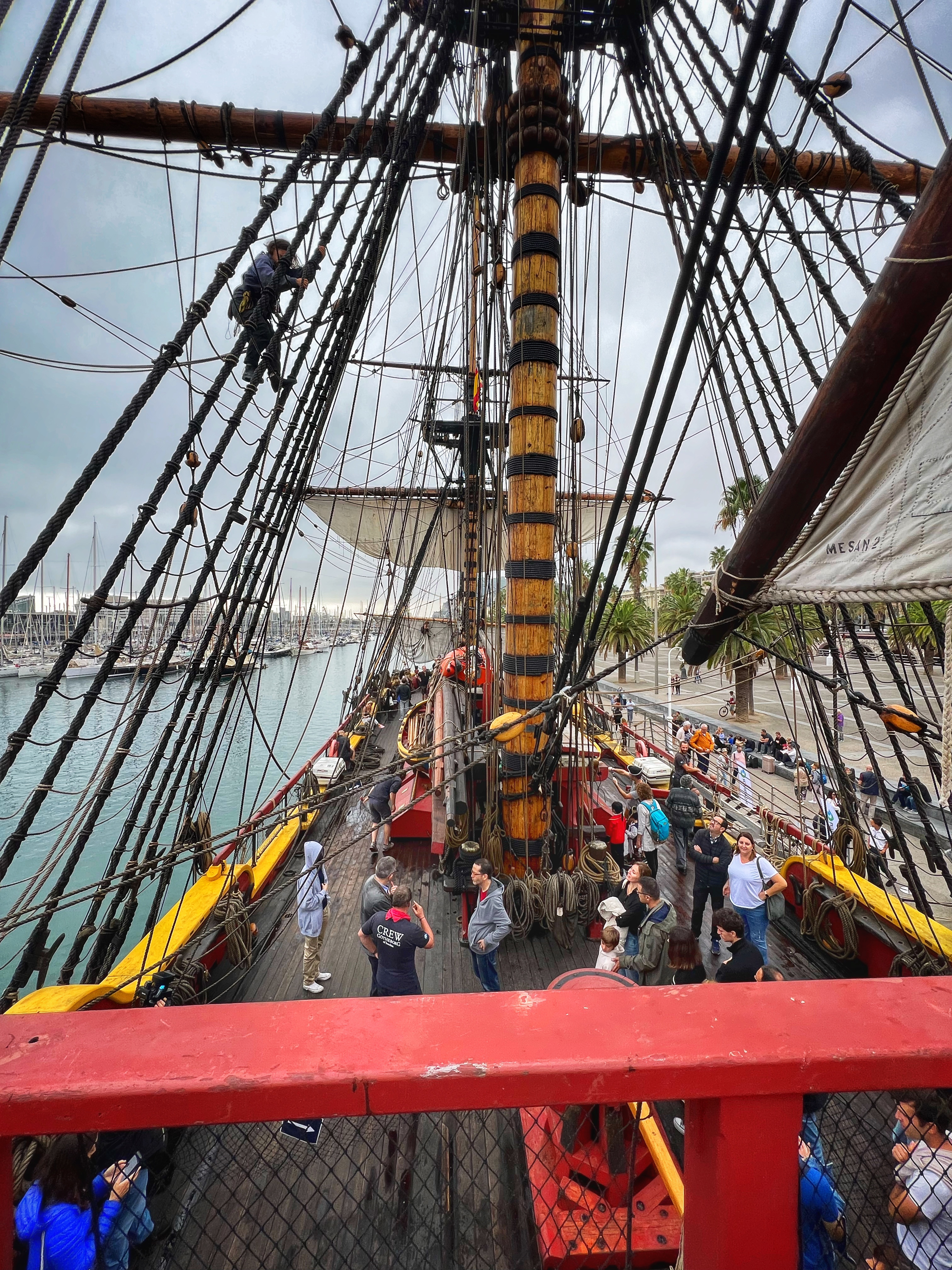
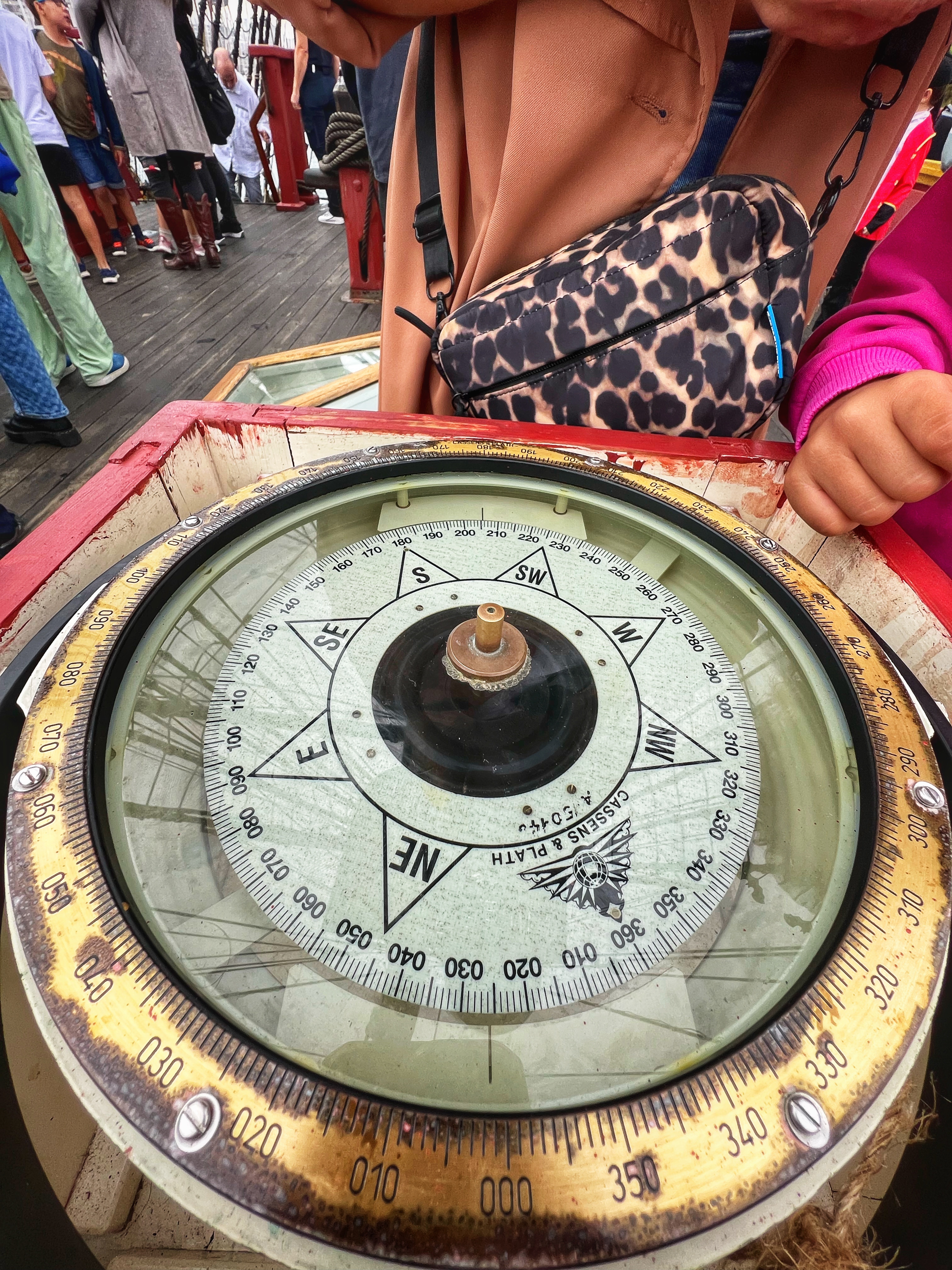
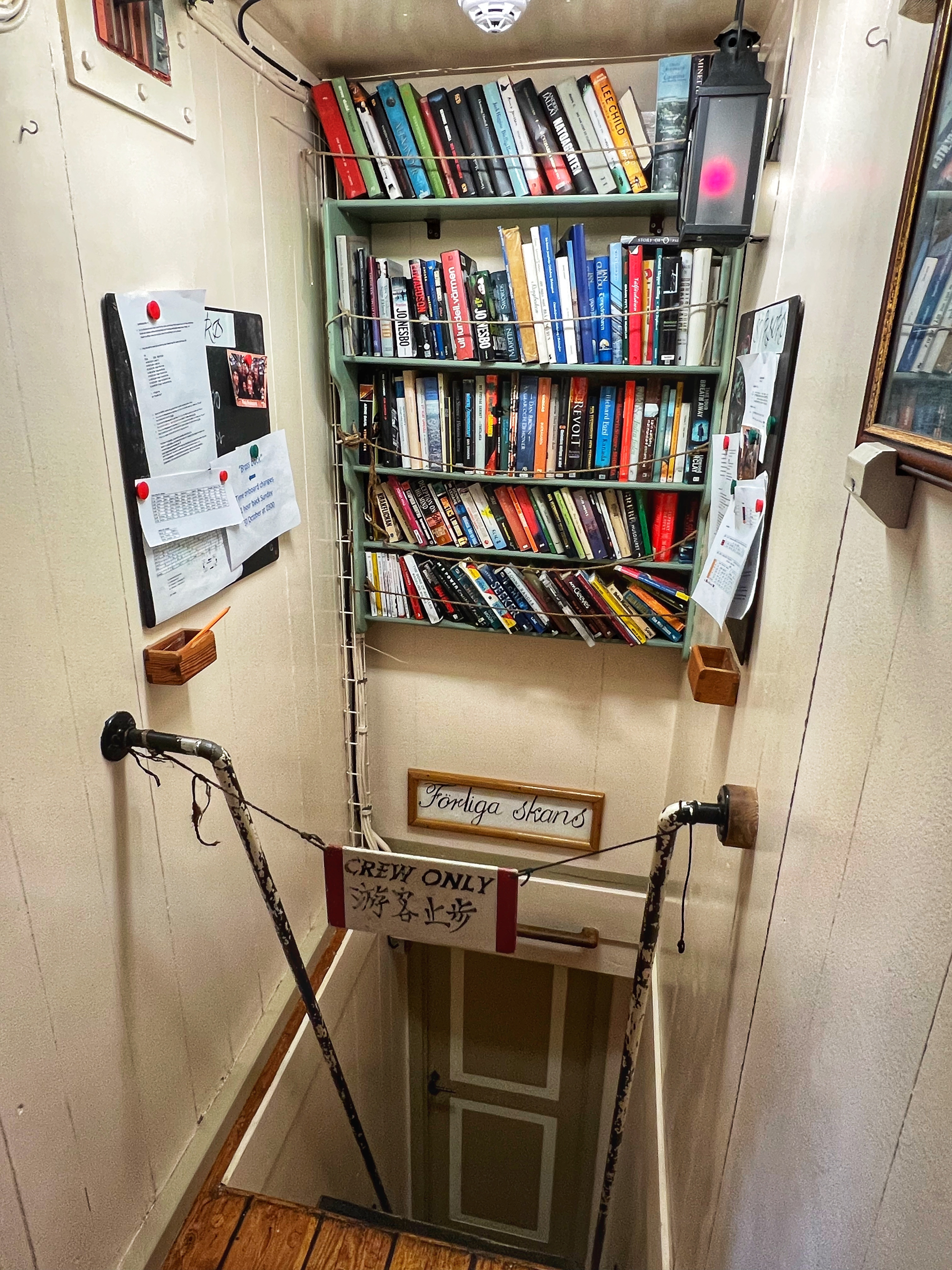
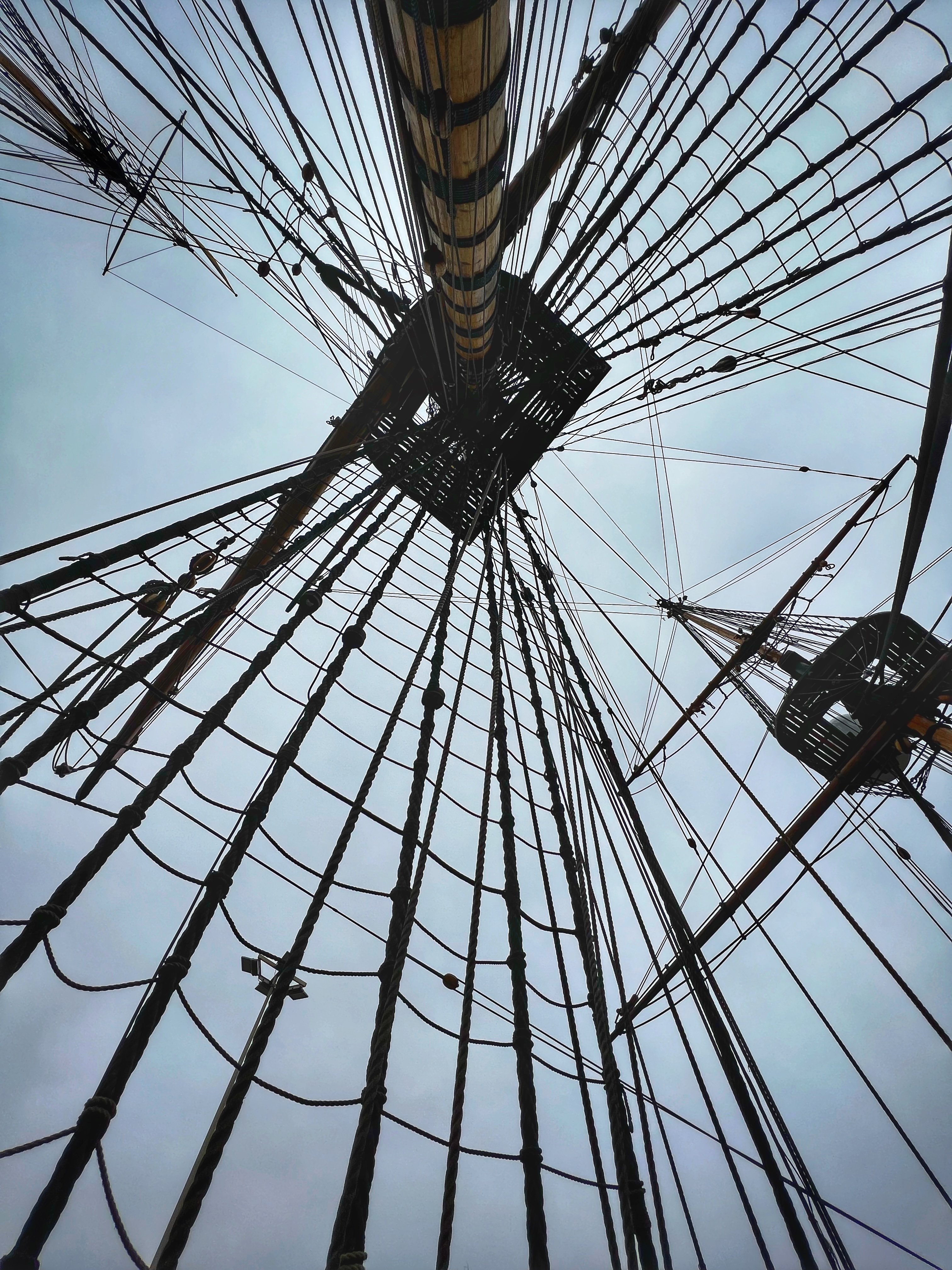
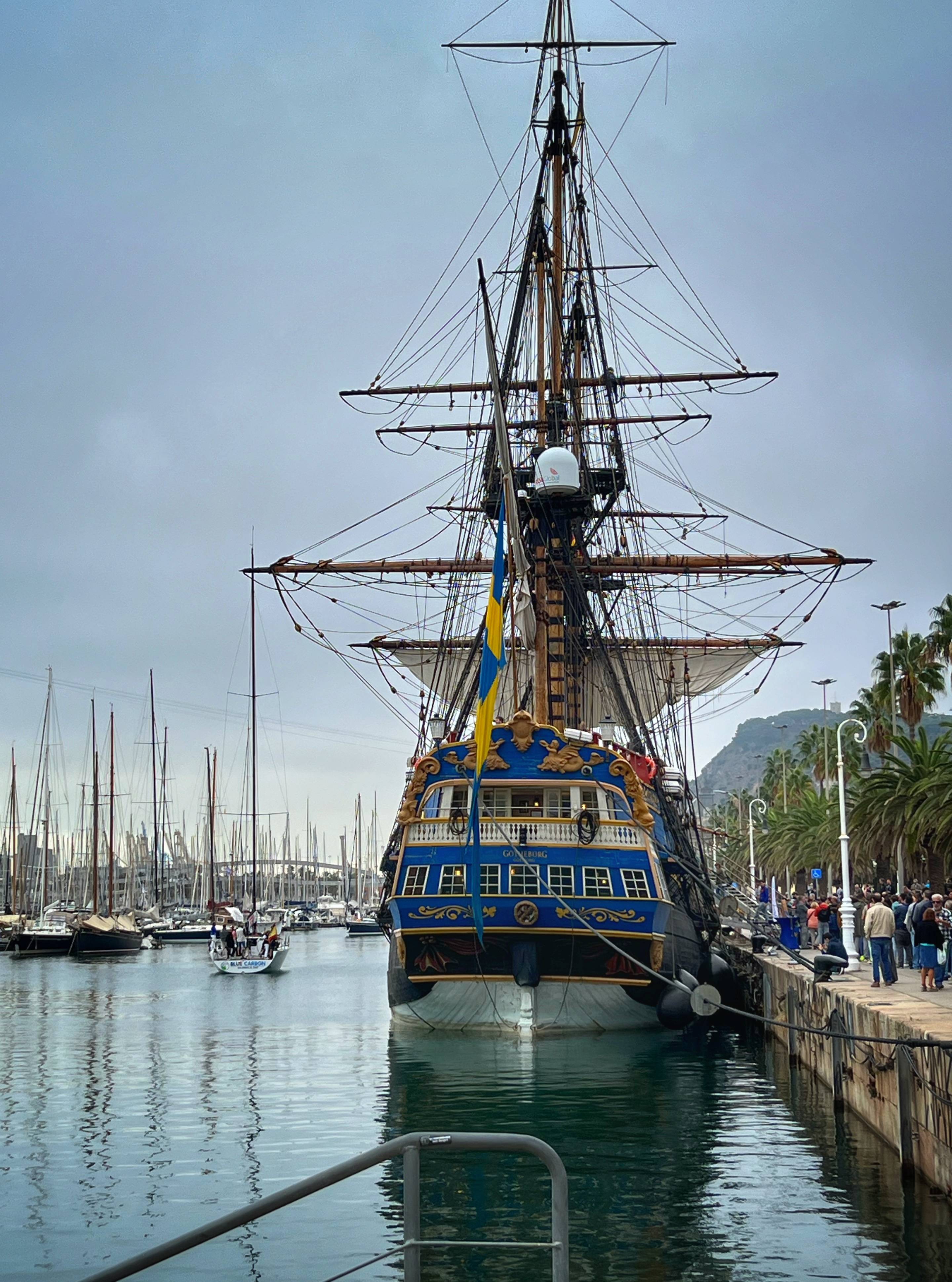
GOTHEBORG SHIP (temporary exhibit) When we were in Barcelona, so was the Gotheborg Ship! This is a living, moving, real-life museum on the water that was reconstructed to be able to operate just like ships did hundreds of years ago. The ship has since left the harbor of Barcelona for another port – but it could be coming to a port near you! Check out the schedule and more info here. Its perfect for pirate lovers and sailing enthusiasts – even if the tickets are a little pricey (€15/adult, €7.50/child).



CARRIE MAE WEEMS When I was visiting the Gaudí houses, Ashlyn went to the Carrie Mae Weems temporary exhibits. This Brilliant photographer focuses on issues of gender, race, identity, family, hope and love and her exhibition highlights work across her entire career. I would’ve loved to see it as well but just didn’t have time. It is open 11AM-7PM Tuesday-Sunday until mid January 2023. For more information, click here.
BONUS: FOR THE KIDS!
BARCELONA AQUARIUM: Marine life lovers? Check out the aquarium! It is located on the waterfront. For opening hours and tickets, click here.
BARCELONA ZOO: If you’re a fan of the zoo, Barcelona has a small but very nice zoo located in Cituadella park featuring hippos, giant anteaters and gorillas. Learn more about the zoo here.
BIG FUN MUSEUM / MUSEUM OF ILLUSIONS: If you’re into kitschy fun, check out the big Fun Museum and Museum of Illusions in Barcelona! It’s a lot of fun, great for photo ops, and basically science. Learn more here.
Sample Itineraries
2 DAYS IN BARCELONA
Day 1: AM Casa Batlló, Plaça de Catalunya, Palau Musica Catalunya, PM Sagrada Familia & either soccer match or Montjuïc Palace area.
Day 2: Las Ramblas (la Boqueria, Plaça Reial) for Gothic Quarter free tour through Runner Bean (Cathedral of Barcelona, Temple of Augustus, Carer del Bisbe, Plaça del Rei), museum of choice, evening Flamenco show.
3 DAYS IN BARCELONA
Day 1: Plaça de Catalunya, Las Ramblas (La Boqueria) to Gothic Quarter (Cathedral of Barcelona, Temple of Augustus, Carer del Bisbe, Plaça del Rei), afternoon Sagrada Familia, evening Parc Güell.
Day 2: 9 AM Casa Batlló tour, day trip to Montserrat, evening soccer match.
Day 3: Palau Musica Catalunya, Cituadella Park (Arc de Triomf), museum of choice and evening at Montjuïc Palace area.
5 DAYS IN BARCELONA
Day 1: Plaça de Catalunya, Las Ramblas (La Boqueria) to Gothic Quarter (Cathedral of Barcelona, Temple of Augustus, Carer del Bisbe, Plaça del Rei), MUHBA museum (or Picasso Museum).
Day 2: Morning visit Casa Batlló (and La Pedrera if you have time), afternoon visit Sagrada Familia, wander Gracia neighborhood in the evening.
Day 3: Full day Montserrat, evening soccer match.
Day 4: Morning/afternoon beach day, evening Poble Espanyol and Montjuïc Palace area to see fountains.
Day 5: Palau Musica Catalunya, Cituadella Park (Arc de Triomf), wander La Barceloneta neighborhood, visit rooftop bar or take port cable car across the port, evening Parc Güell.
OUR 7 DAY ITINERARY IN BARCELONA
Day 1: Arrive in the afternoon, check into hotel, head to Camp Nou area for pizza dinner and evening FCB soccer match.
Day 2: AM free walking tour with Runner Bean Tours of Gaudi architecture, early afternoon tour of Sagrada Familia, PM wander Gothic quarter to view legacy of slavery sites, dinner at Vegetalia in Gothic quarter.
Day 3: All day vegetarian food tour with Food Lovers Company, early evening MUHBA history museum, Sagrada Familia by night.
Day 4: 6 Hour Montserrat tour through Get Your Guide, late afternoon walk through Gracia neighborhood to view memory sites, Casa Vicens, dinner at Fat Veggies.
Day 5: Ashlyn AM art exhibit, Bri AM visit La Pedrera, Casa Batlló and Palau Musica Catalana, lunch at Sim Sim, walk through El Nacional, stop at La Boqueria, drinks and tapas at 1881 rooftop terrace, 8:30 Flamenco show Los Tarantos.
Day 6: Montjuïc day – cable car to the mountain, walk through park, see castle, walk to cemetery, search for Jewish memorial sites, late lunch at La Reposa and Pincho J, Montjuïc Palace on the way to Poble Espanyol, late dinner Flax & Kale.
Day 7: AM Bri meet up with friends and visit Götheborg of Sweden ship, lunch at Rasoterra, Tour La Modelo prison, evening at Parc Güell, late dinner Xavier Pellicer.
Day 8: Fly home.
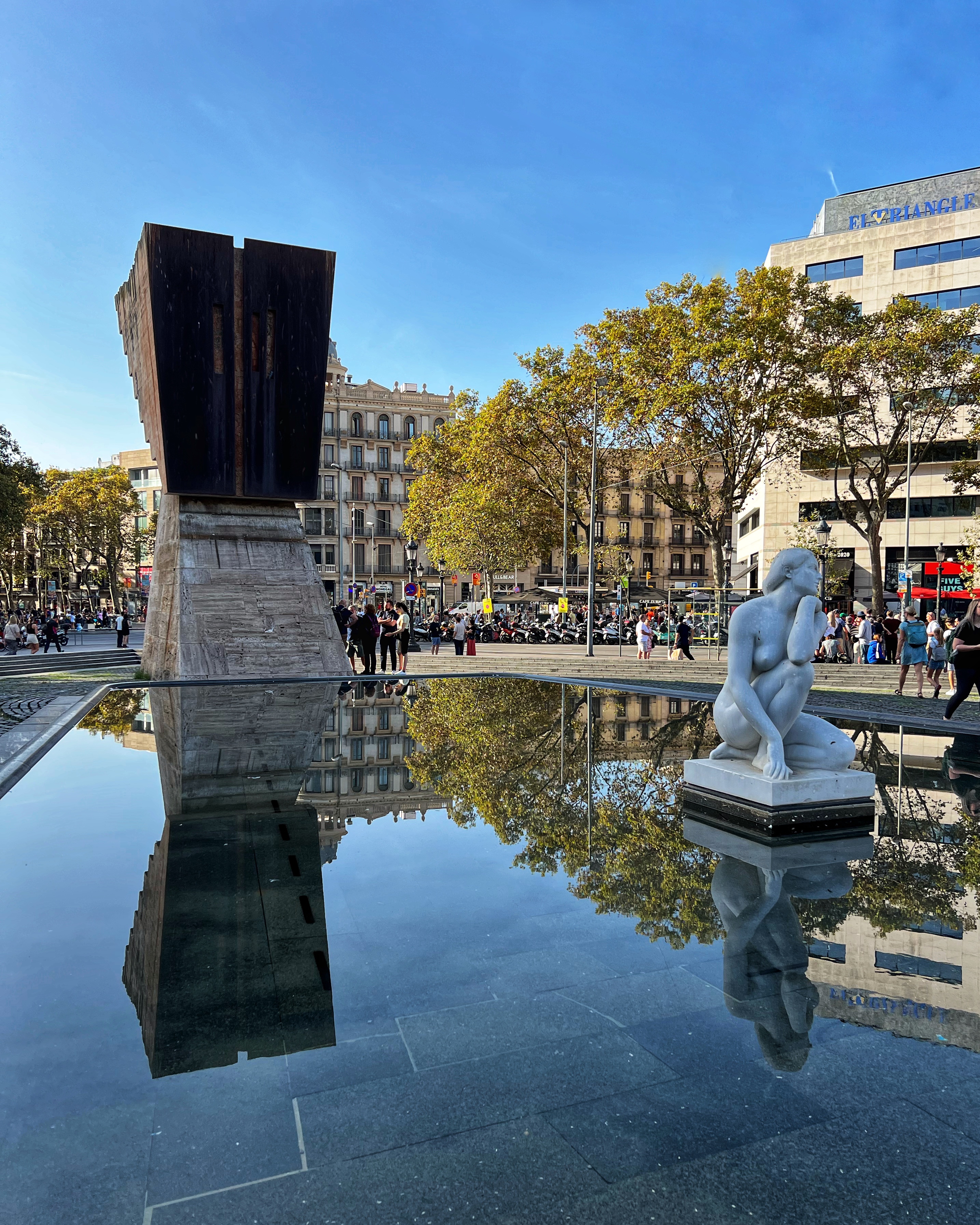
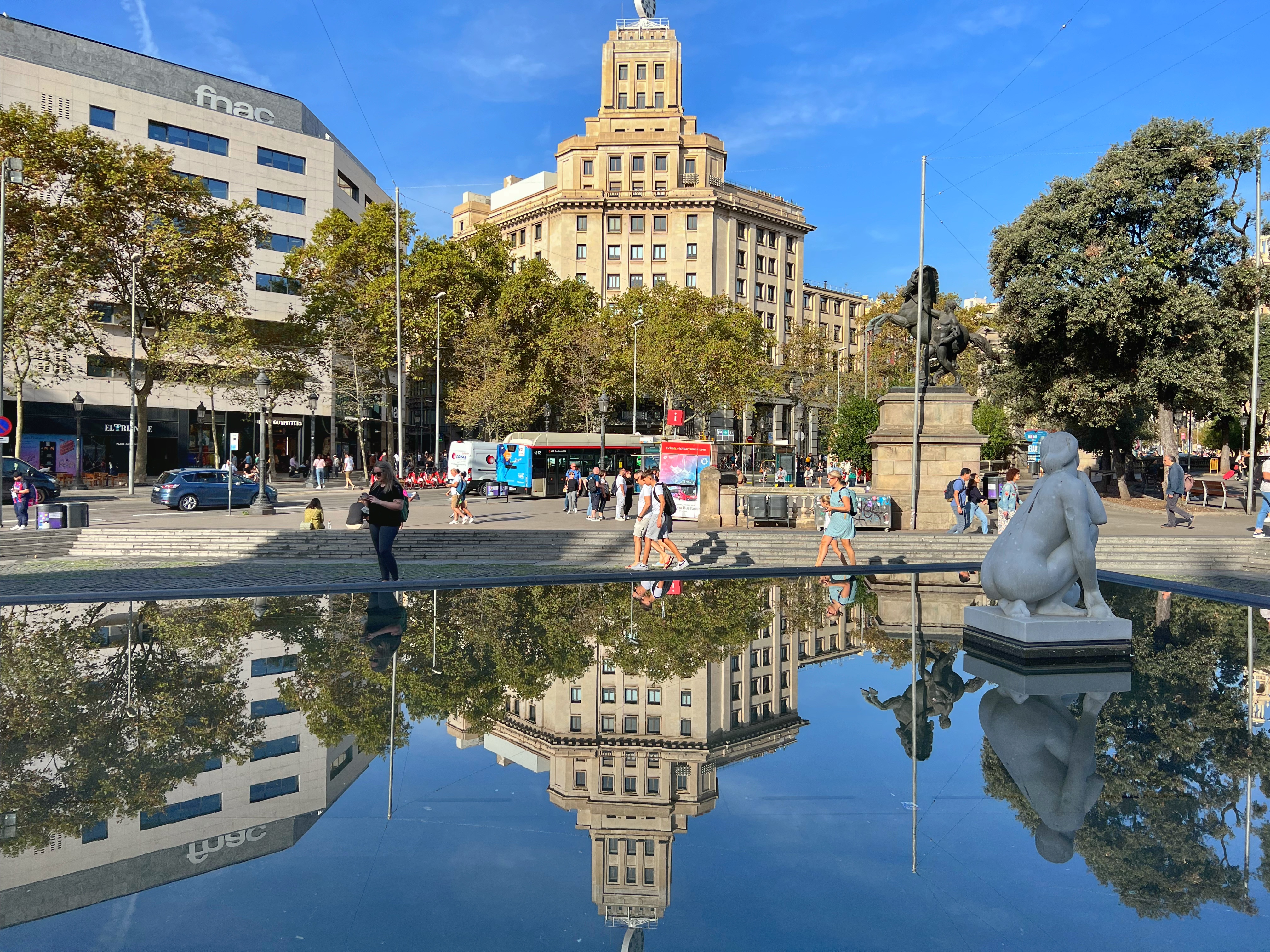
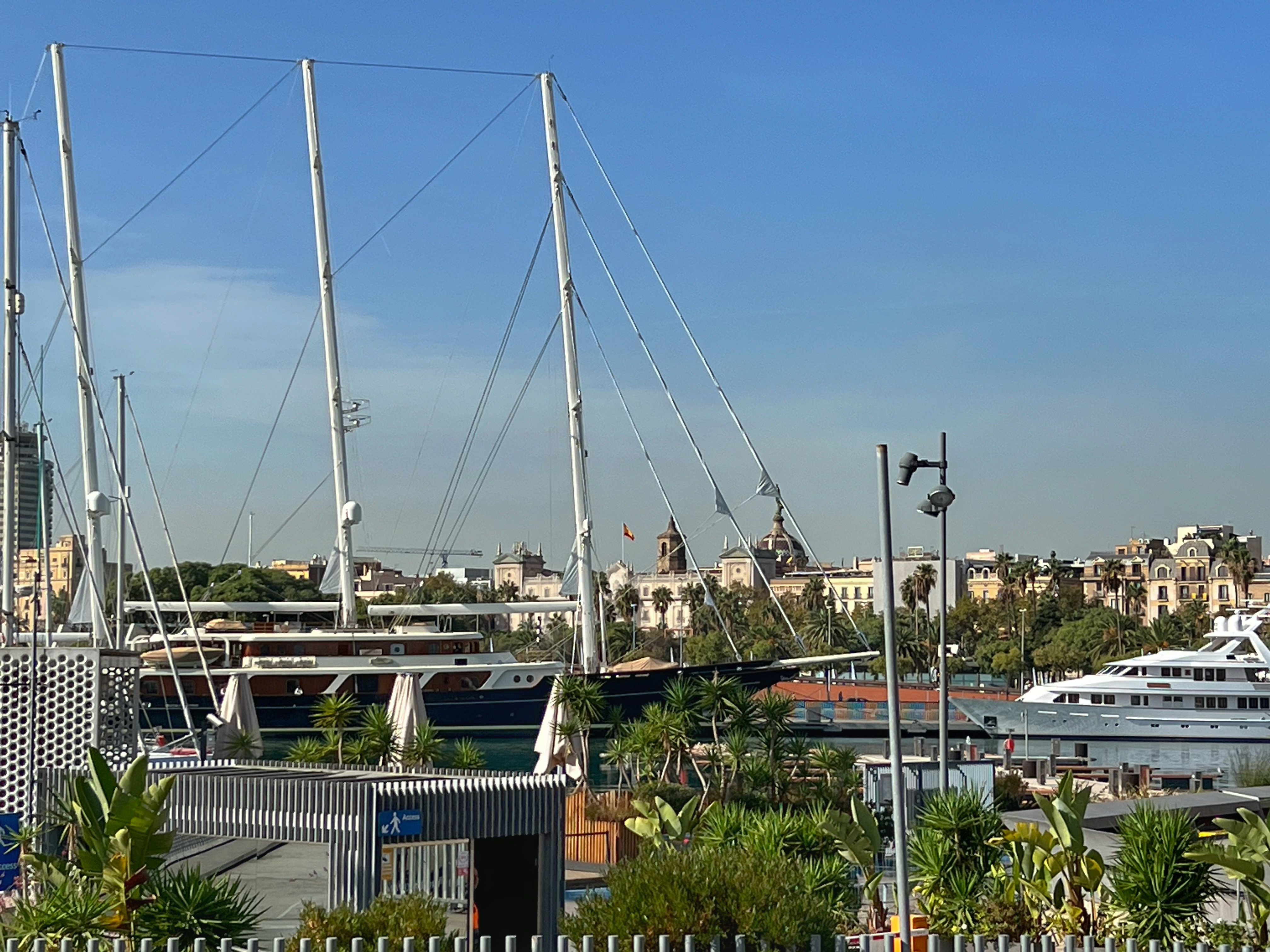
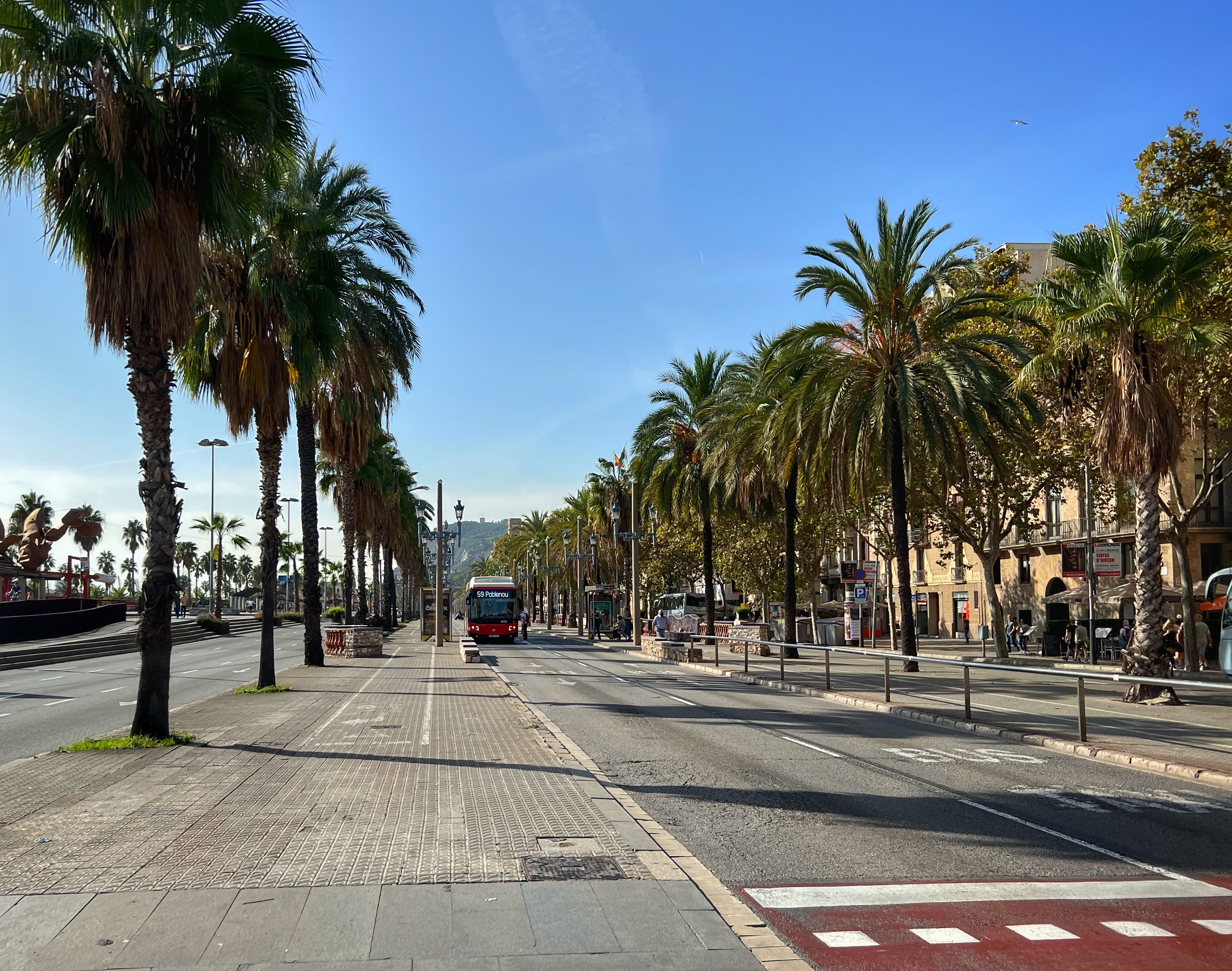
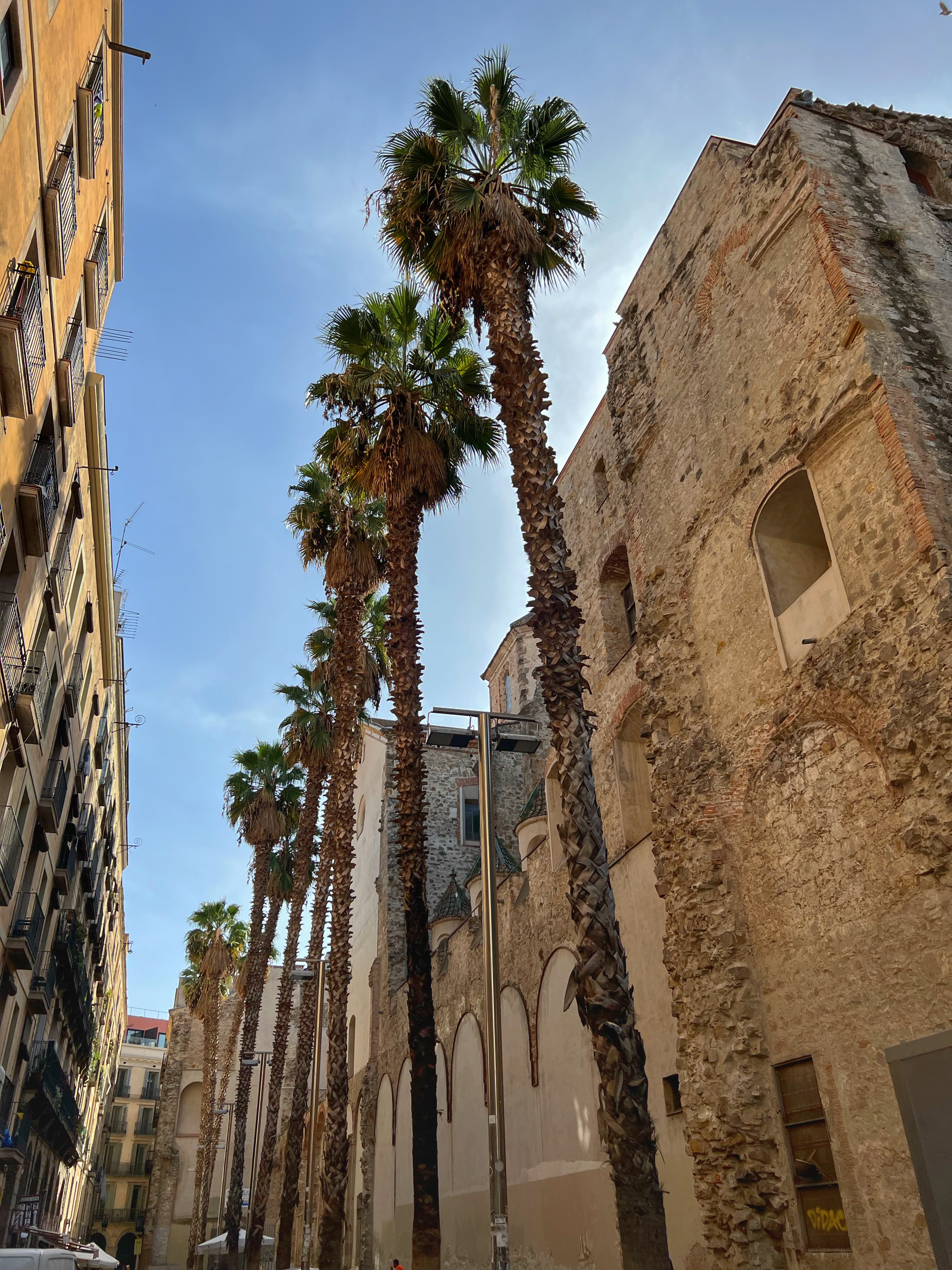
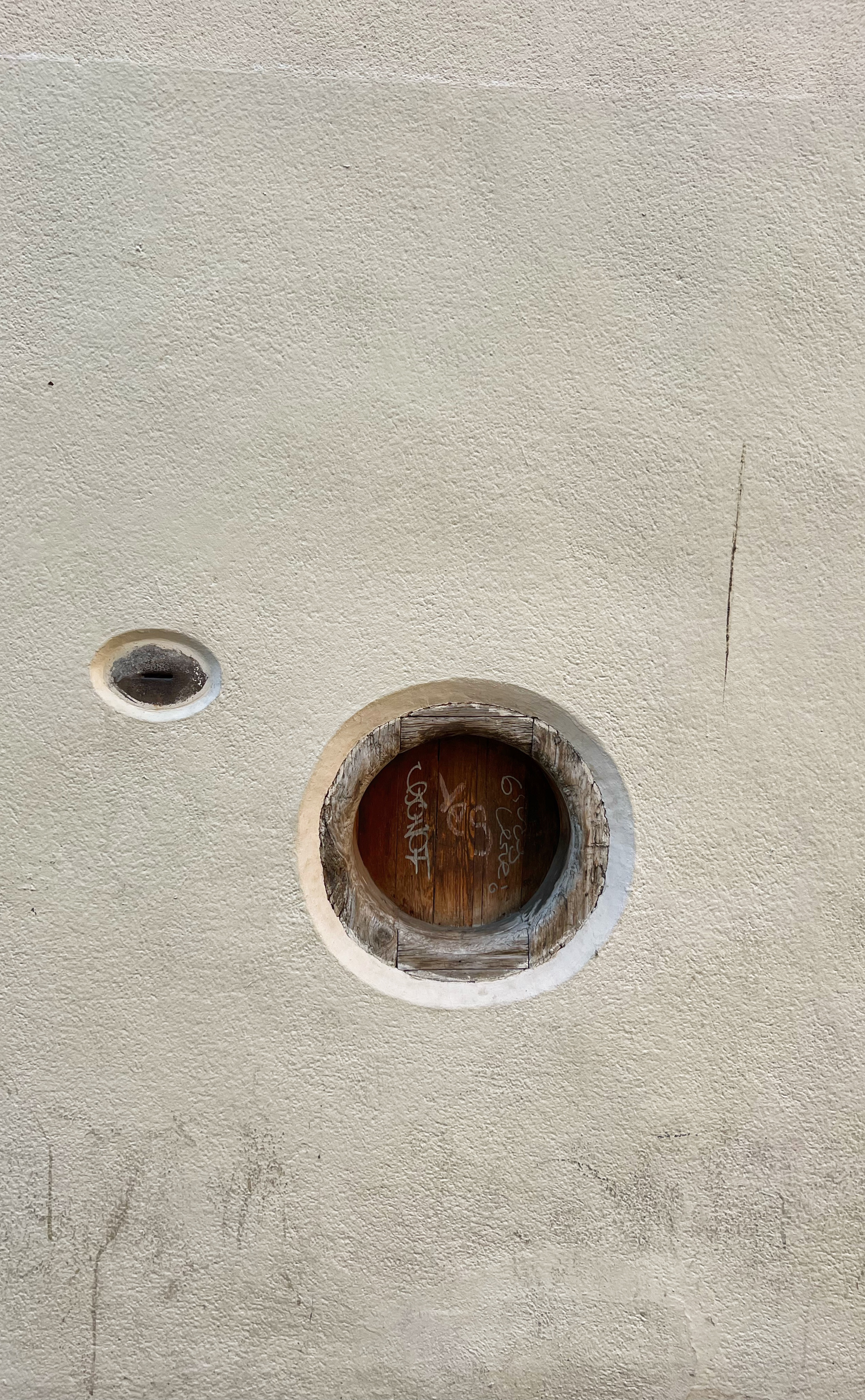
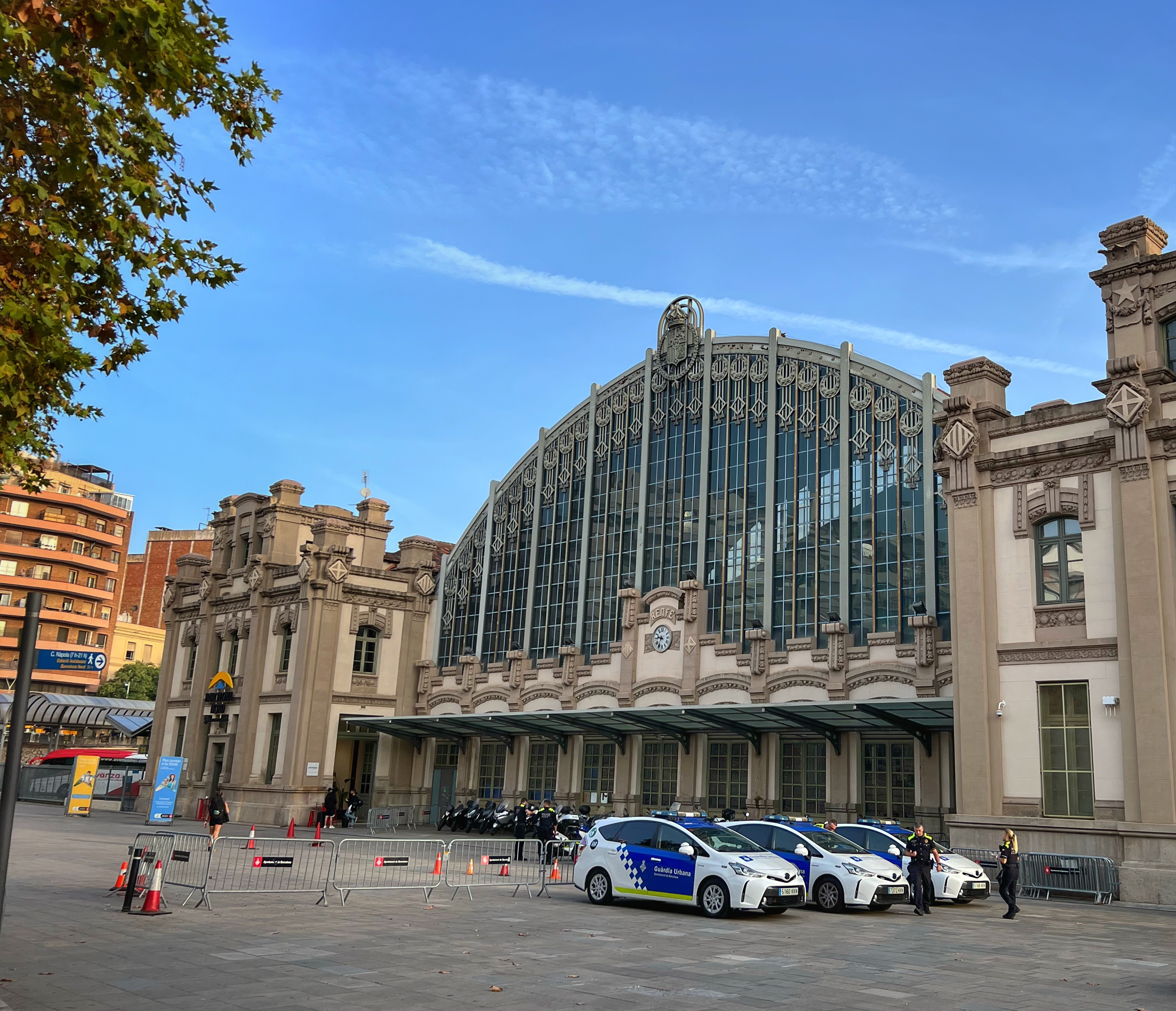
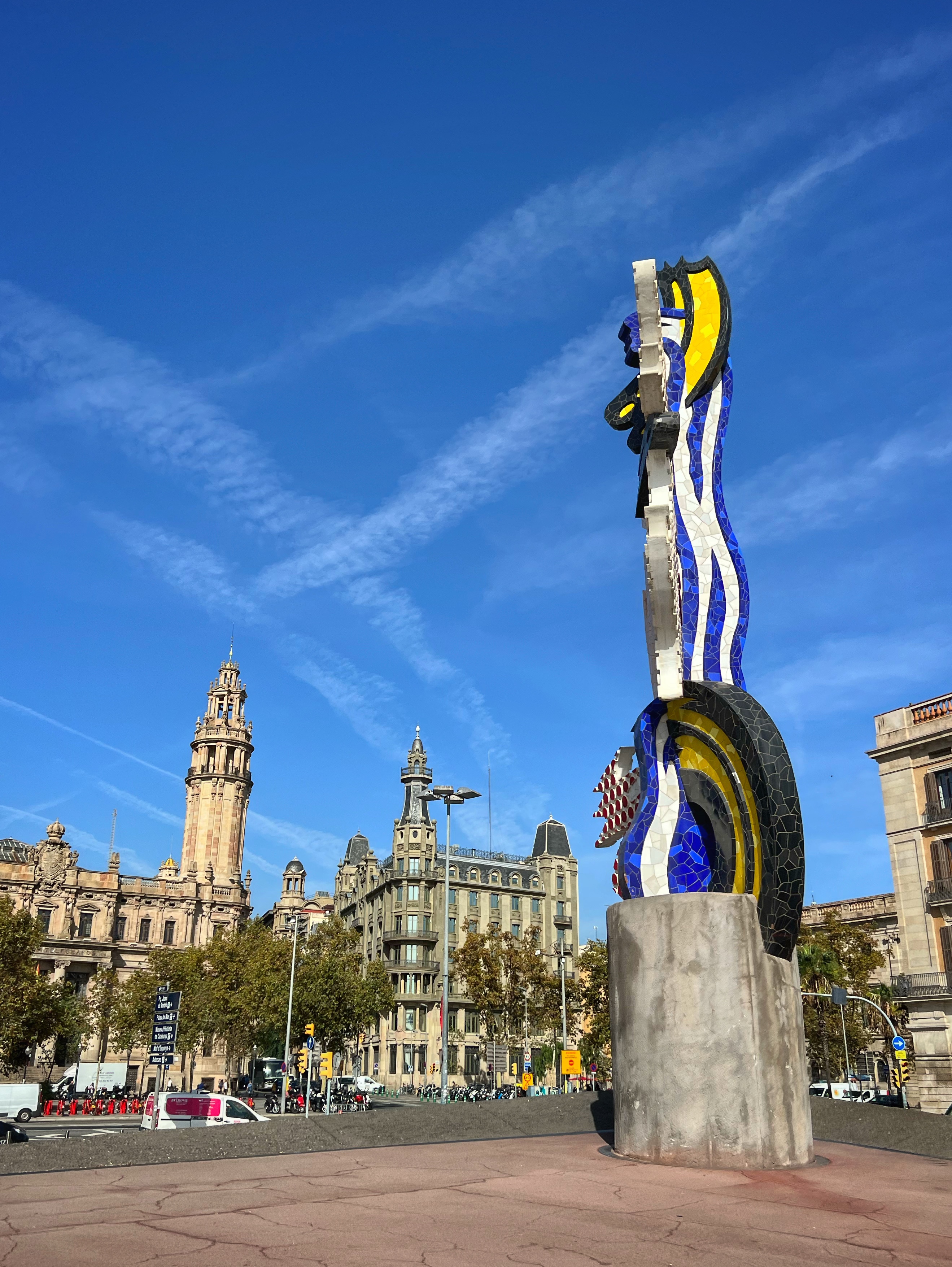
Fun fact: the hole in the wall (above) used to be used as a drop off for unwanted newborn babies at the House of Mercy. The little coin slot still exists for whatever offering the families could manage. Learn more about it here. Also pictured: Barcelona Nord station, waterfront, Plaça de Catalunya.
Budget
Here is what I spent for 7 days in Barcelona. Keep in mind I split some costs (taxis and lodging) with my travel buddy, and these expenses are for one person:
- TRANSPORT: $260
- LODGING: $432
- FOOD: $292*
- TOURS: $370
- TOTAL: $1354
Usually I try to stick to about $1k/week (or per trip) rule when I travel by myself. This time the tours were a big splurge and I probably spent $275 more than usual on things like an all day food tour and soccer game. But they were totally worth it! *Note: I counted the food tour cost in tours, not food.
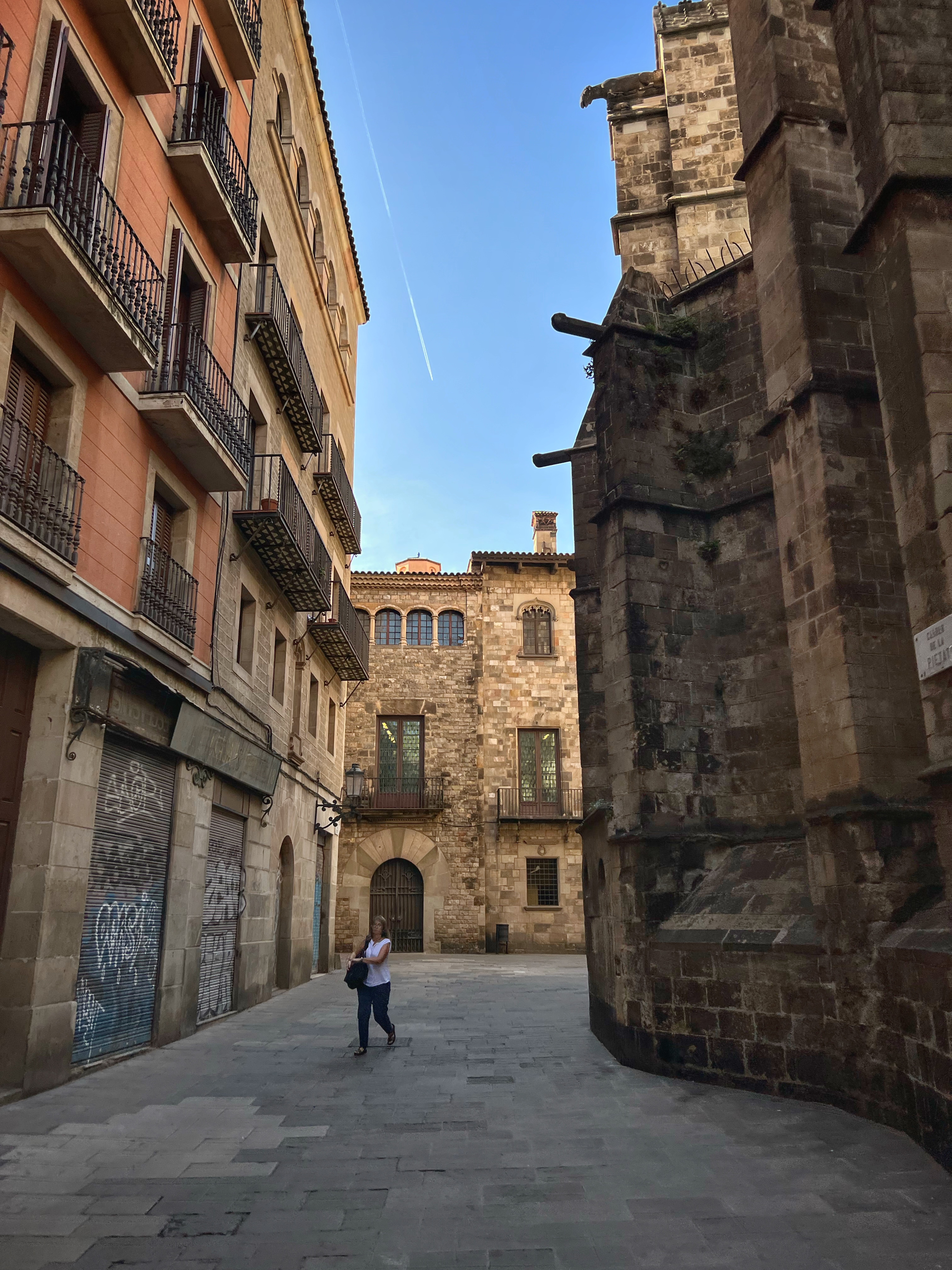
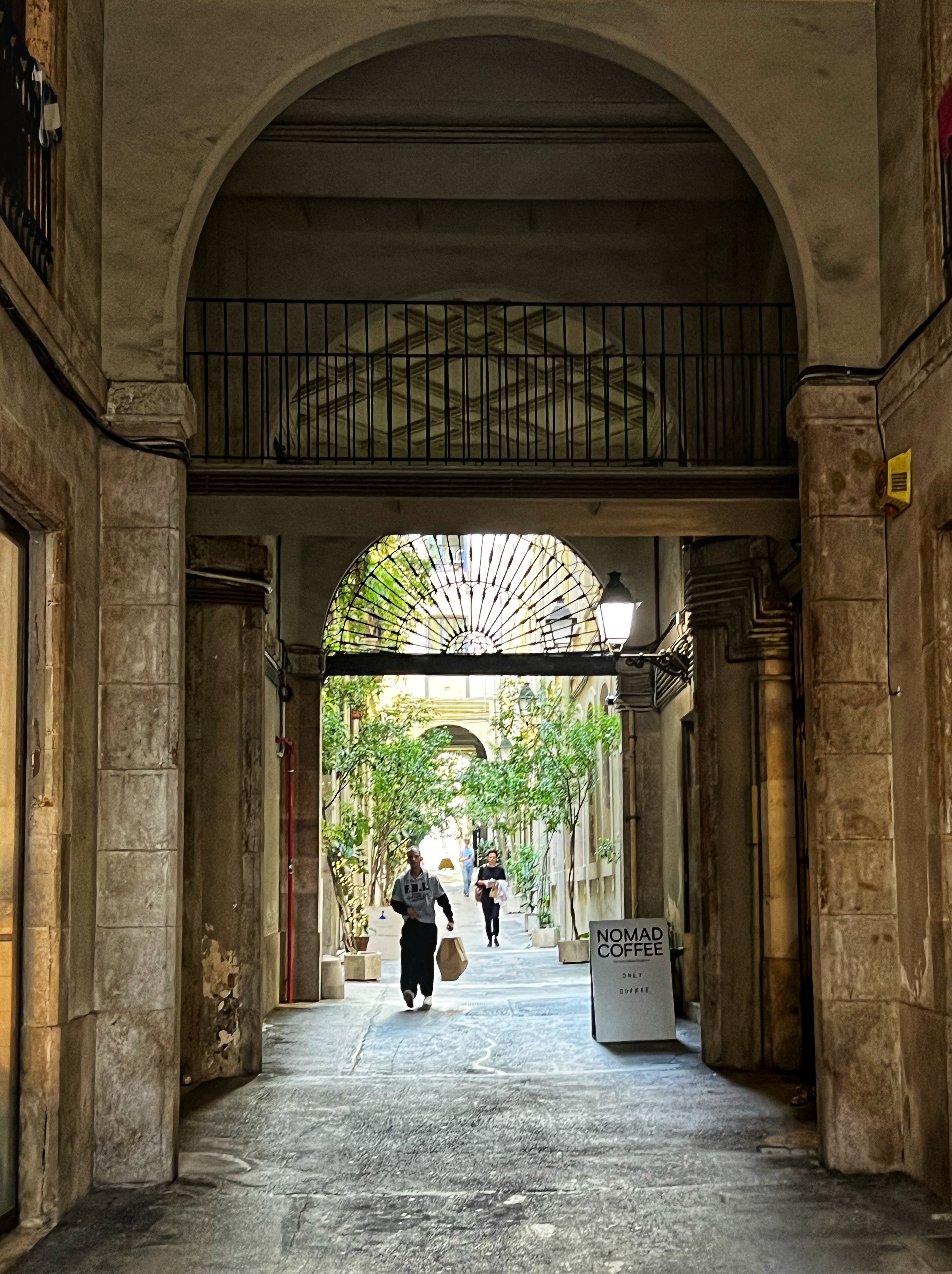
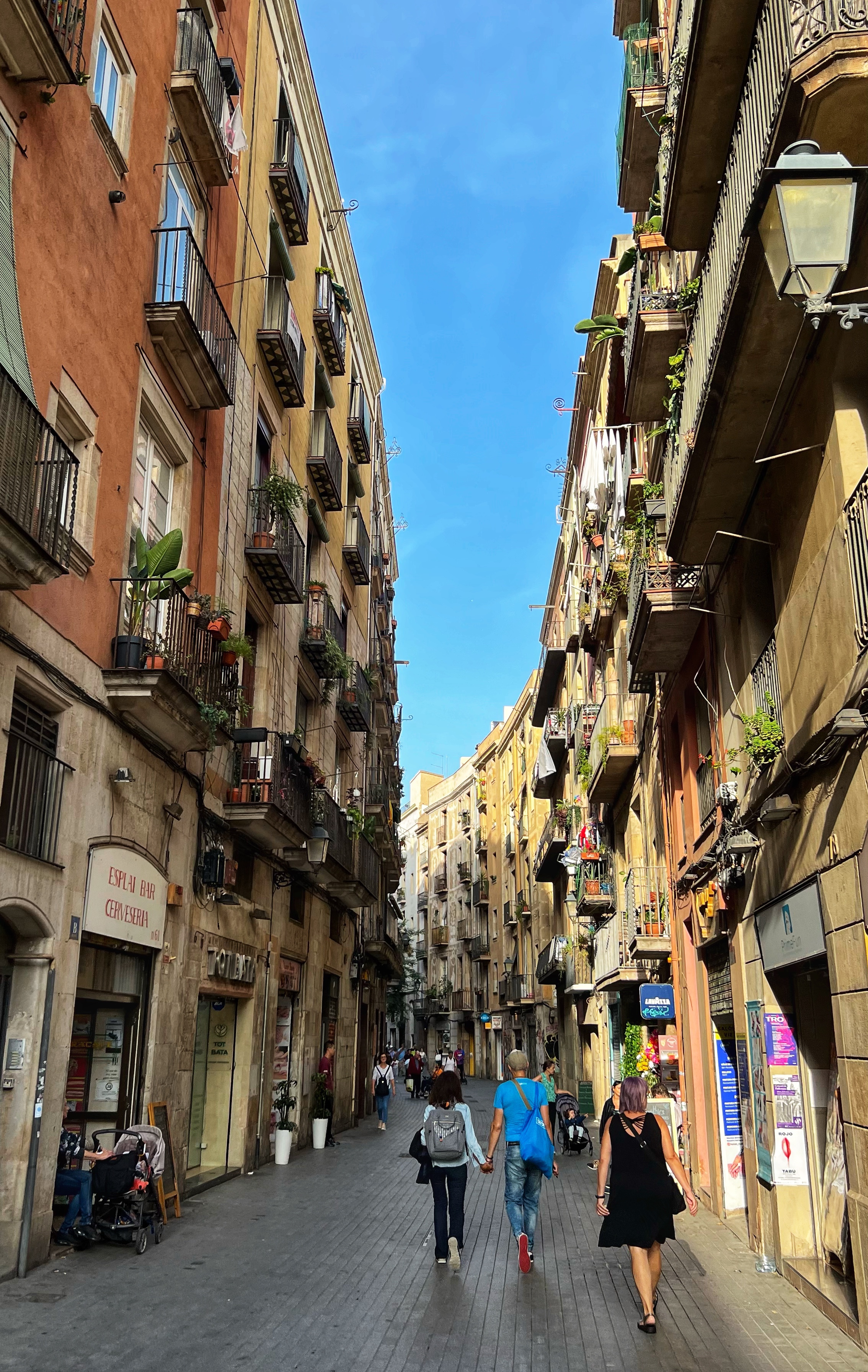
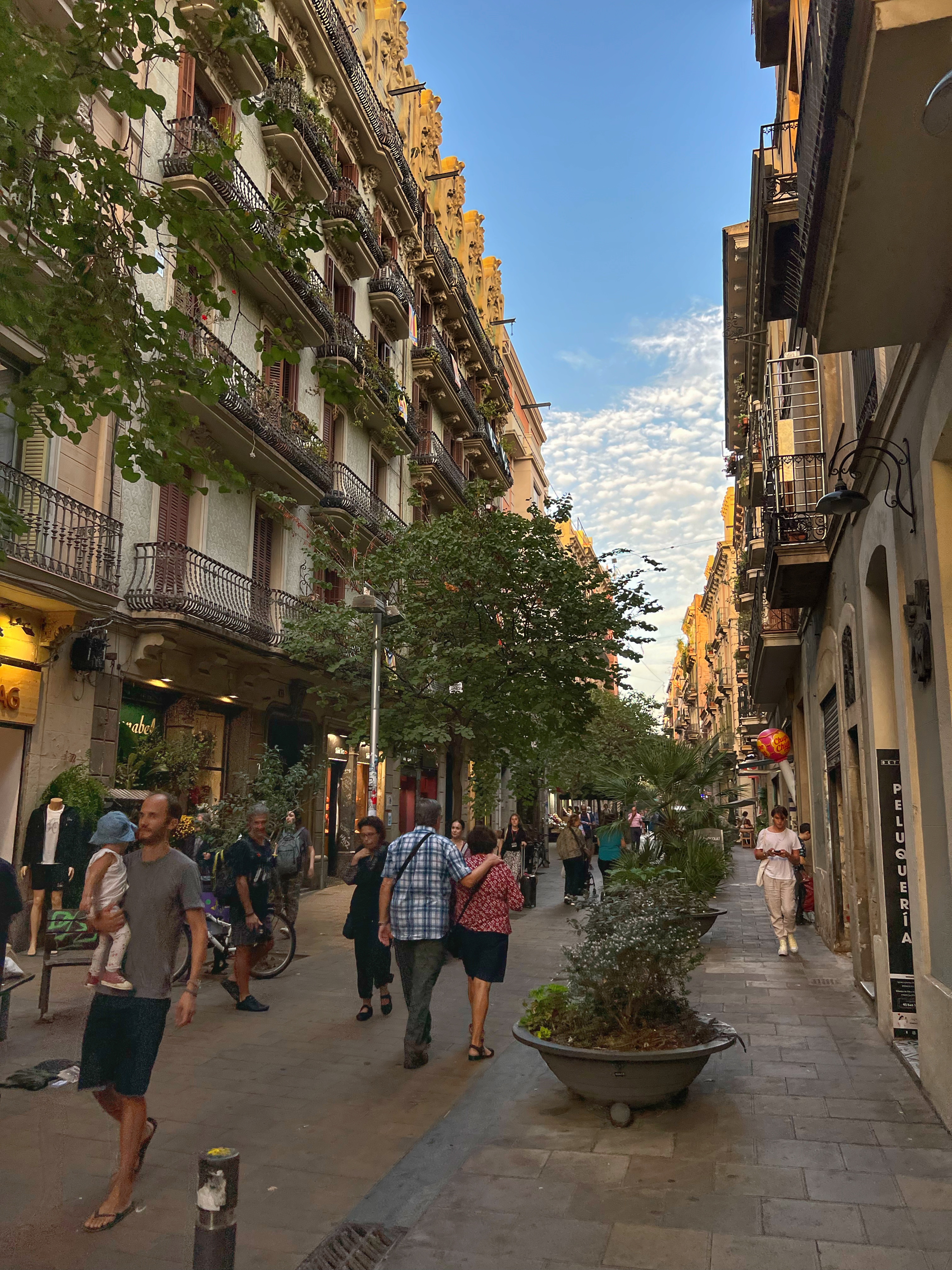
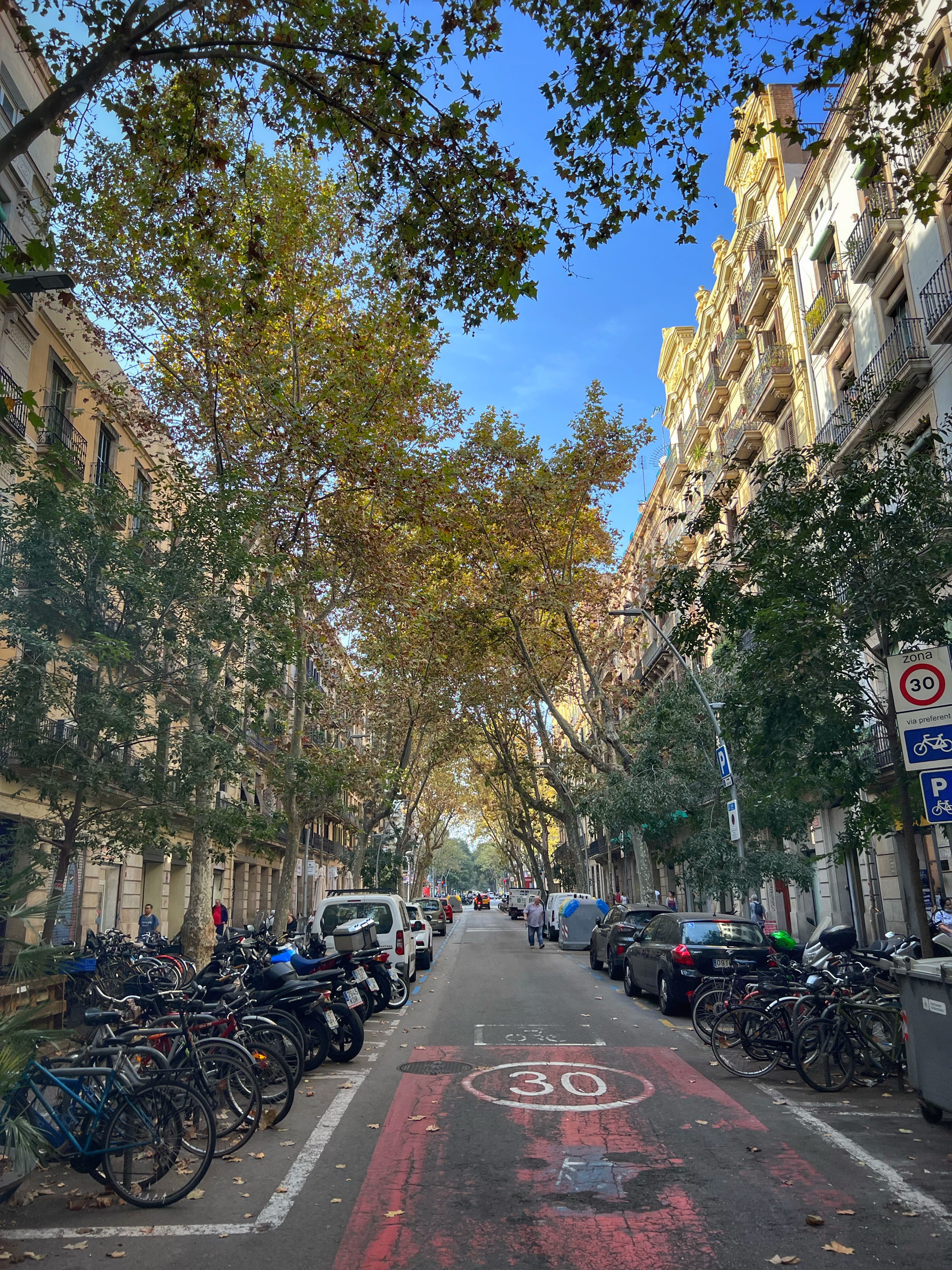
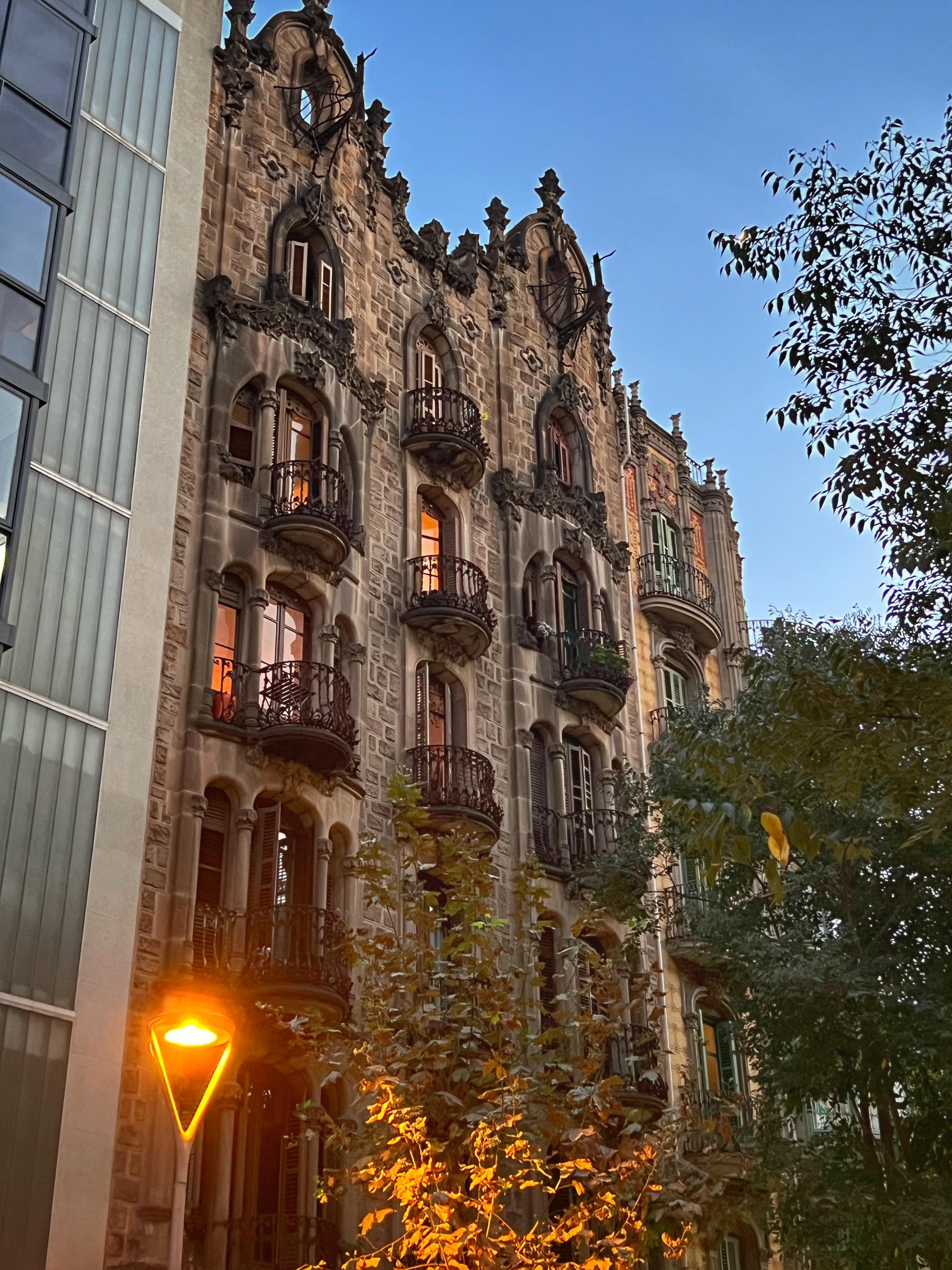
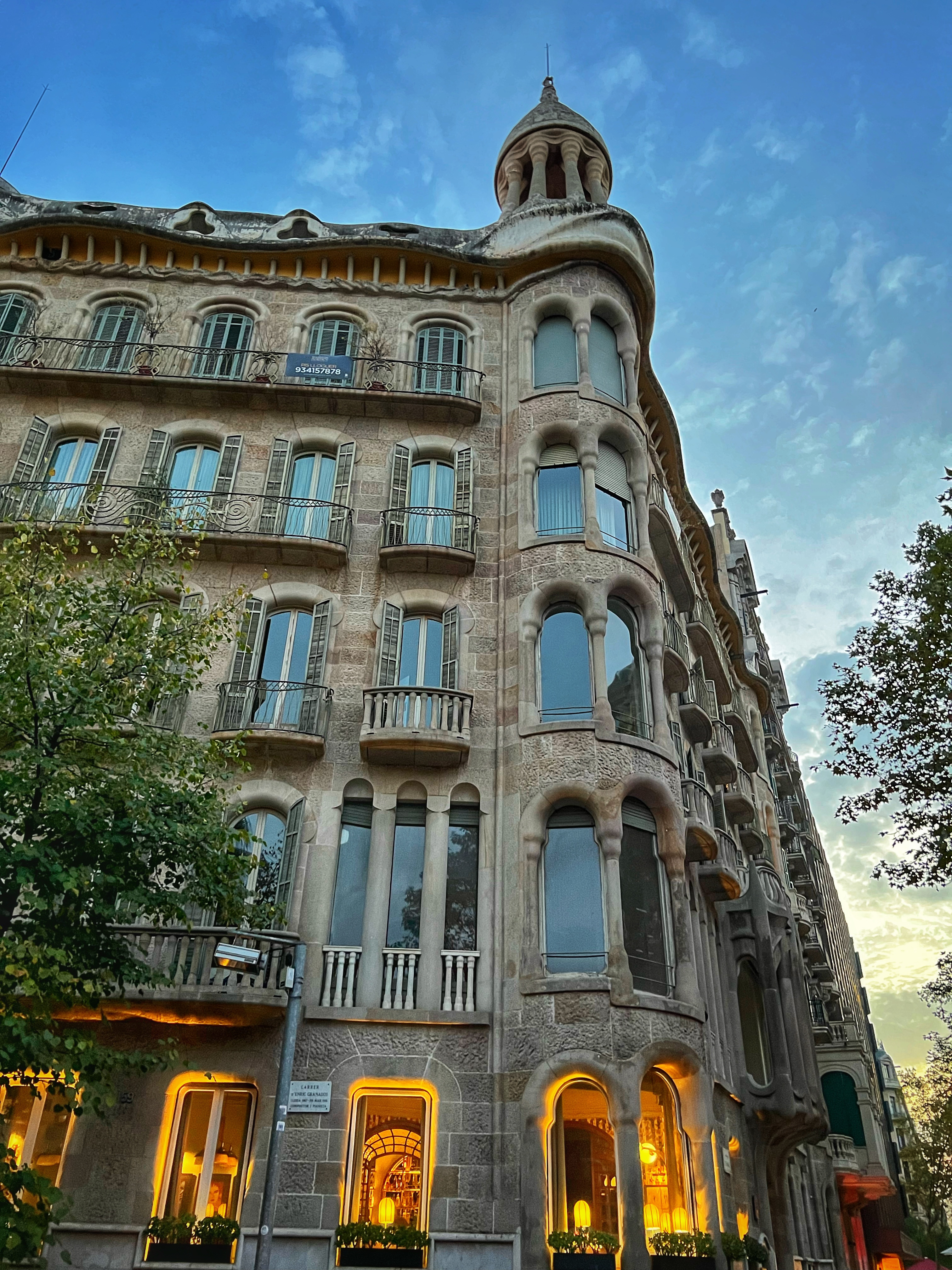
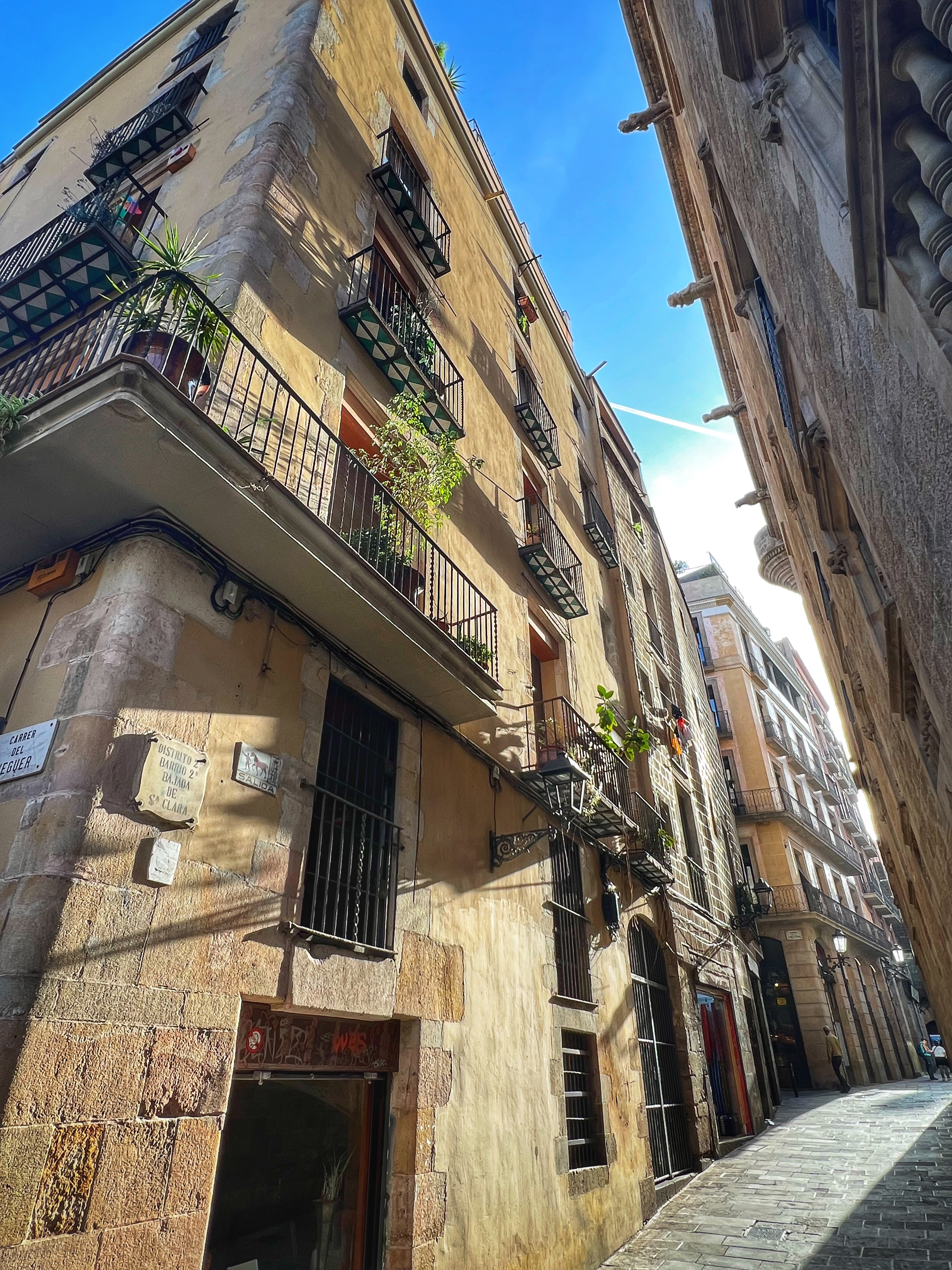
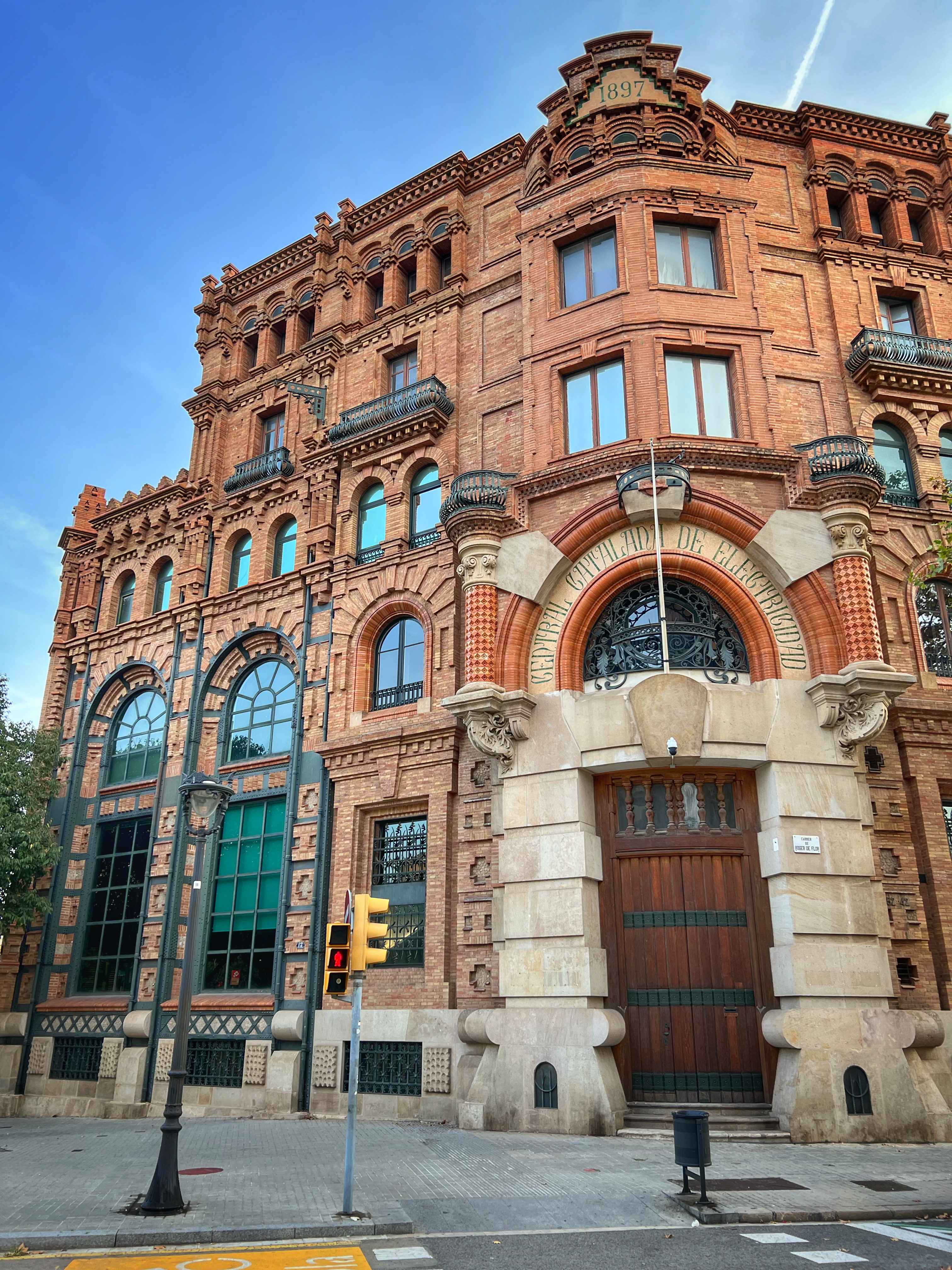
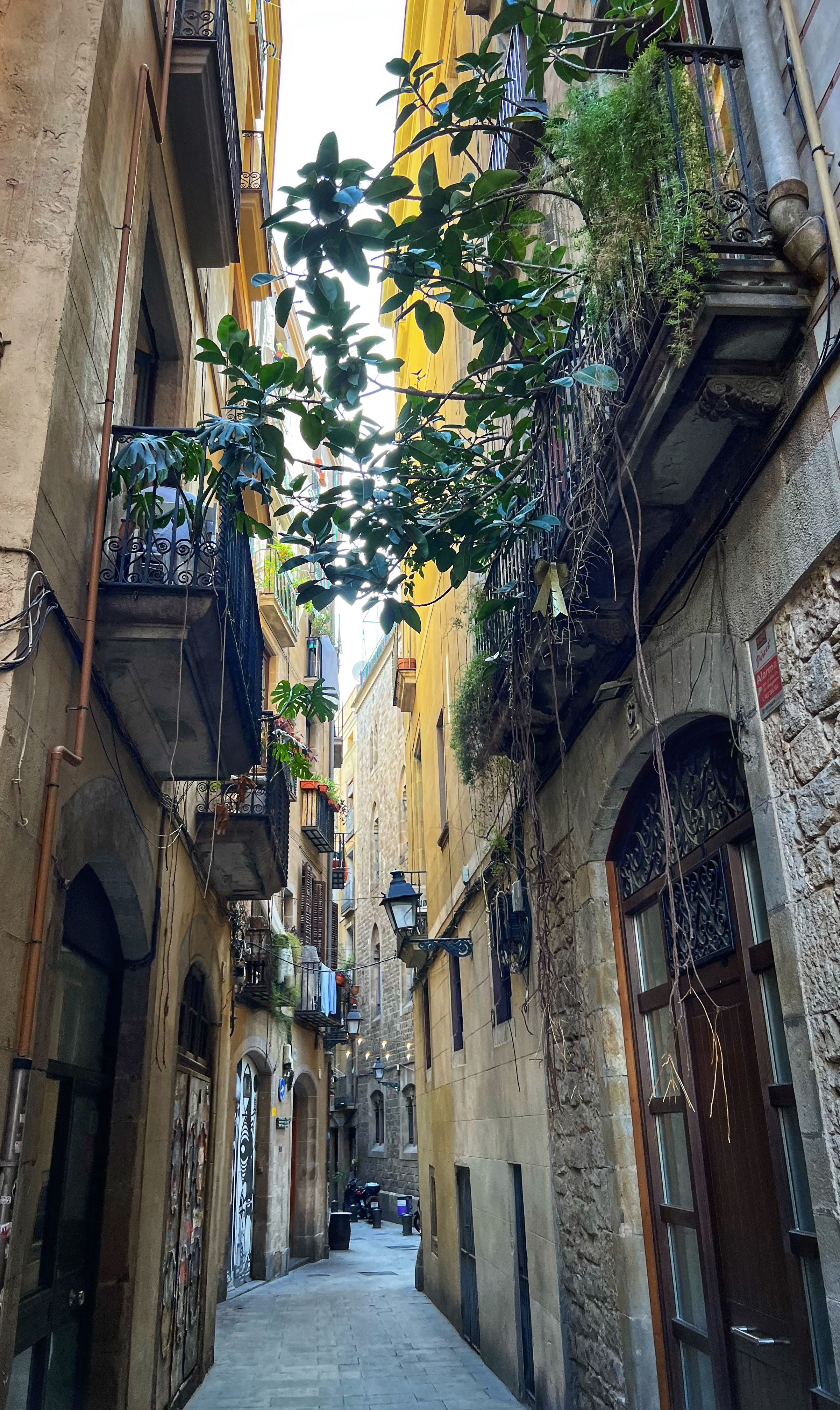
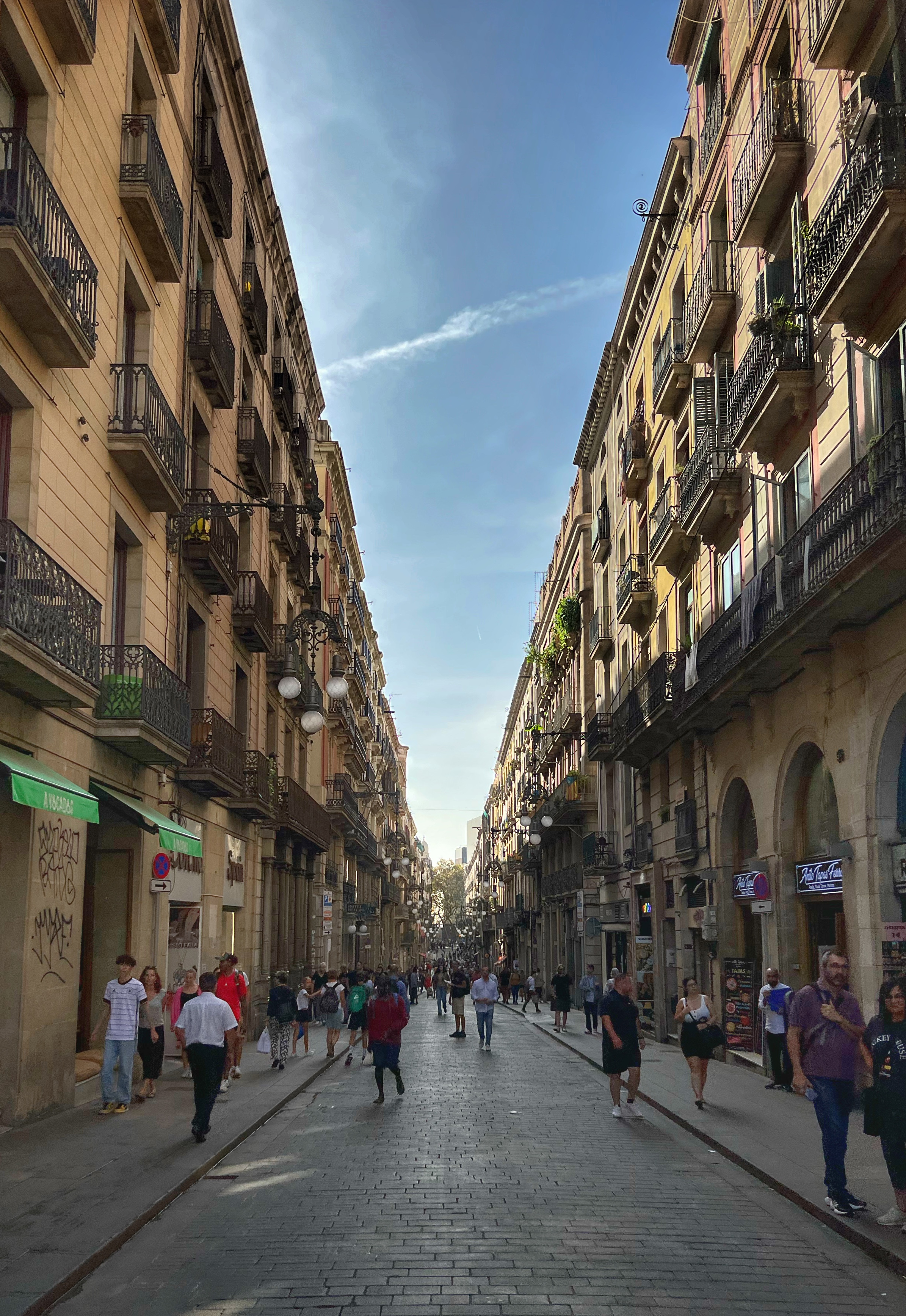
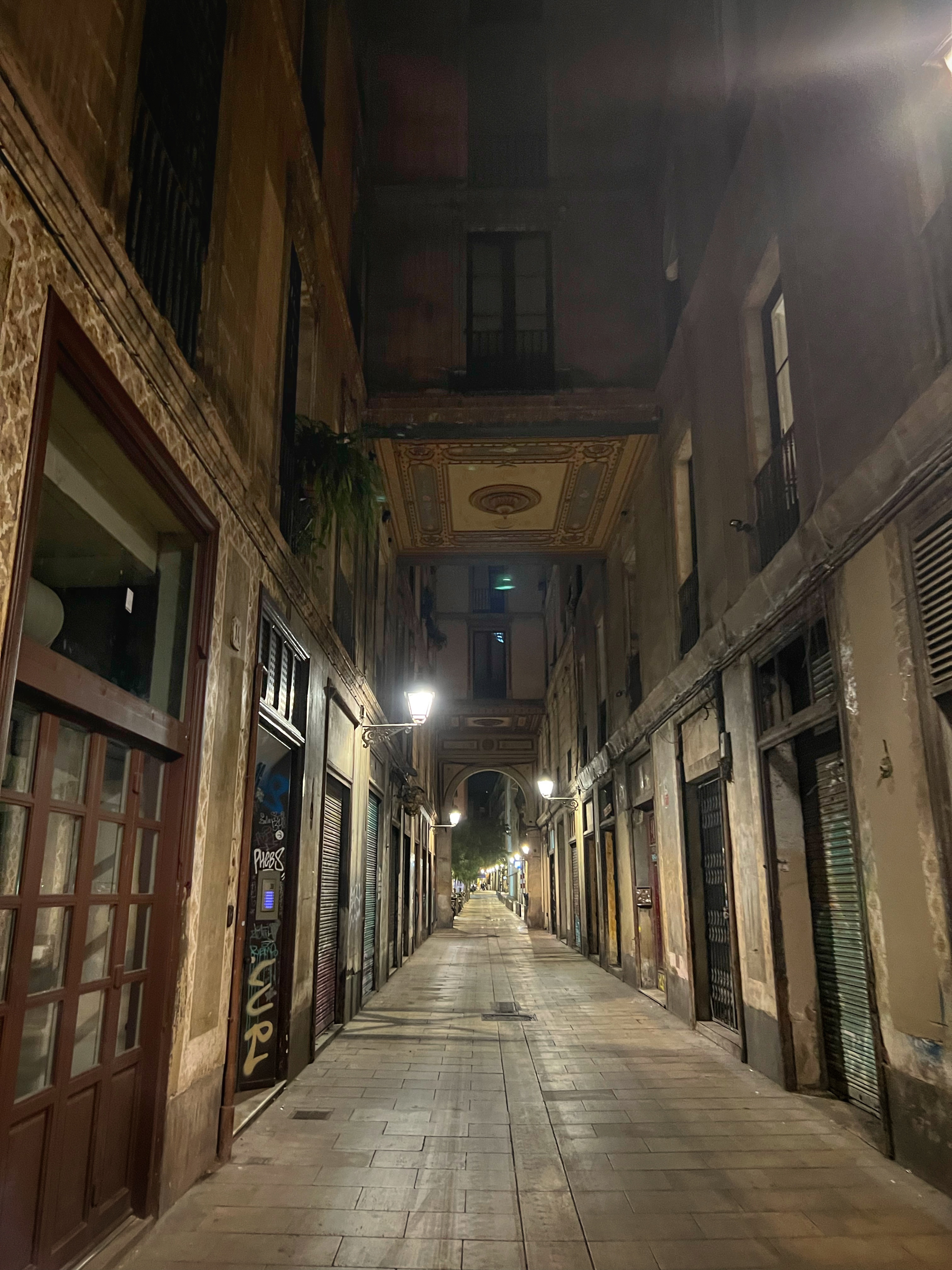
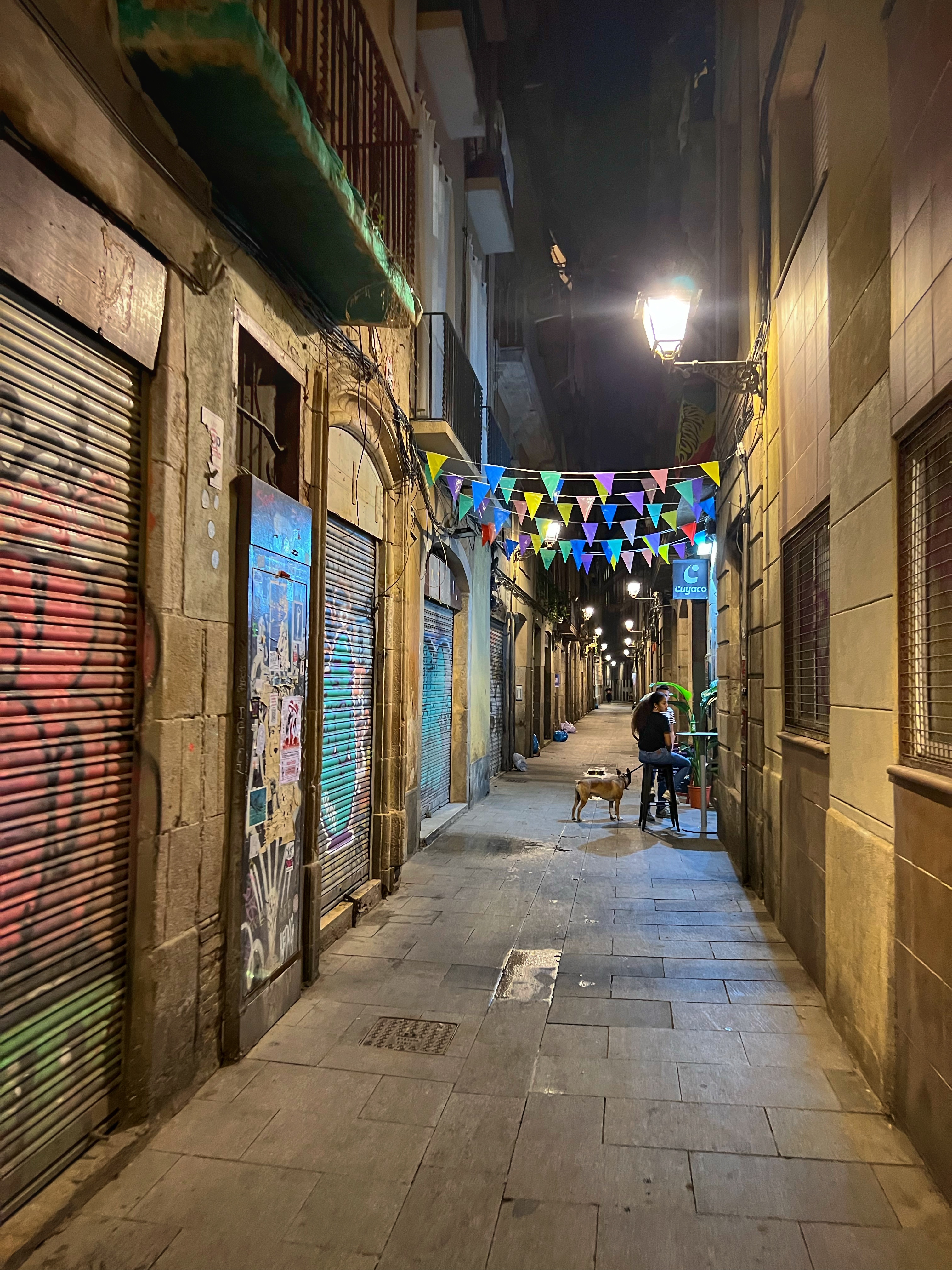
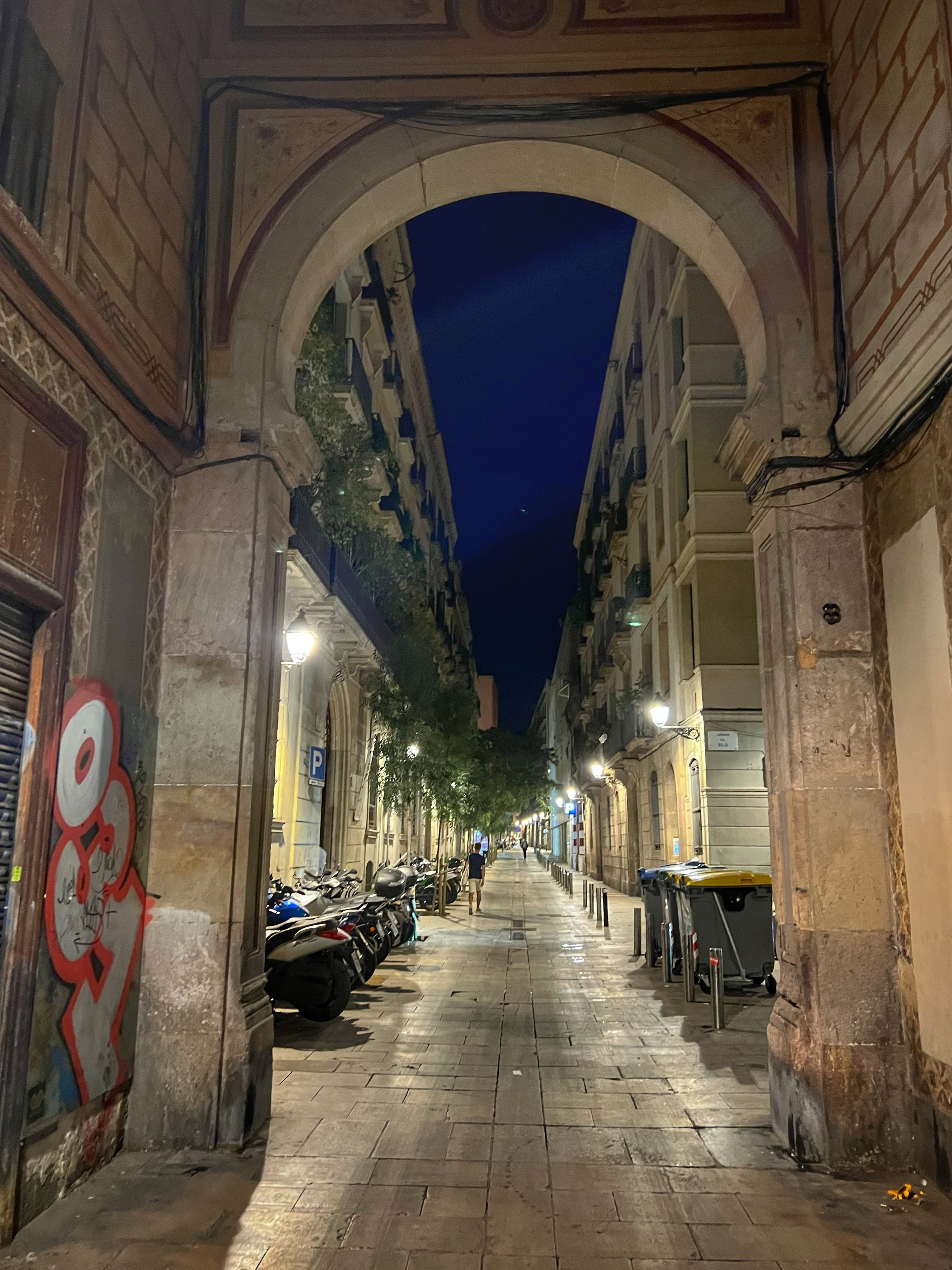
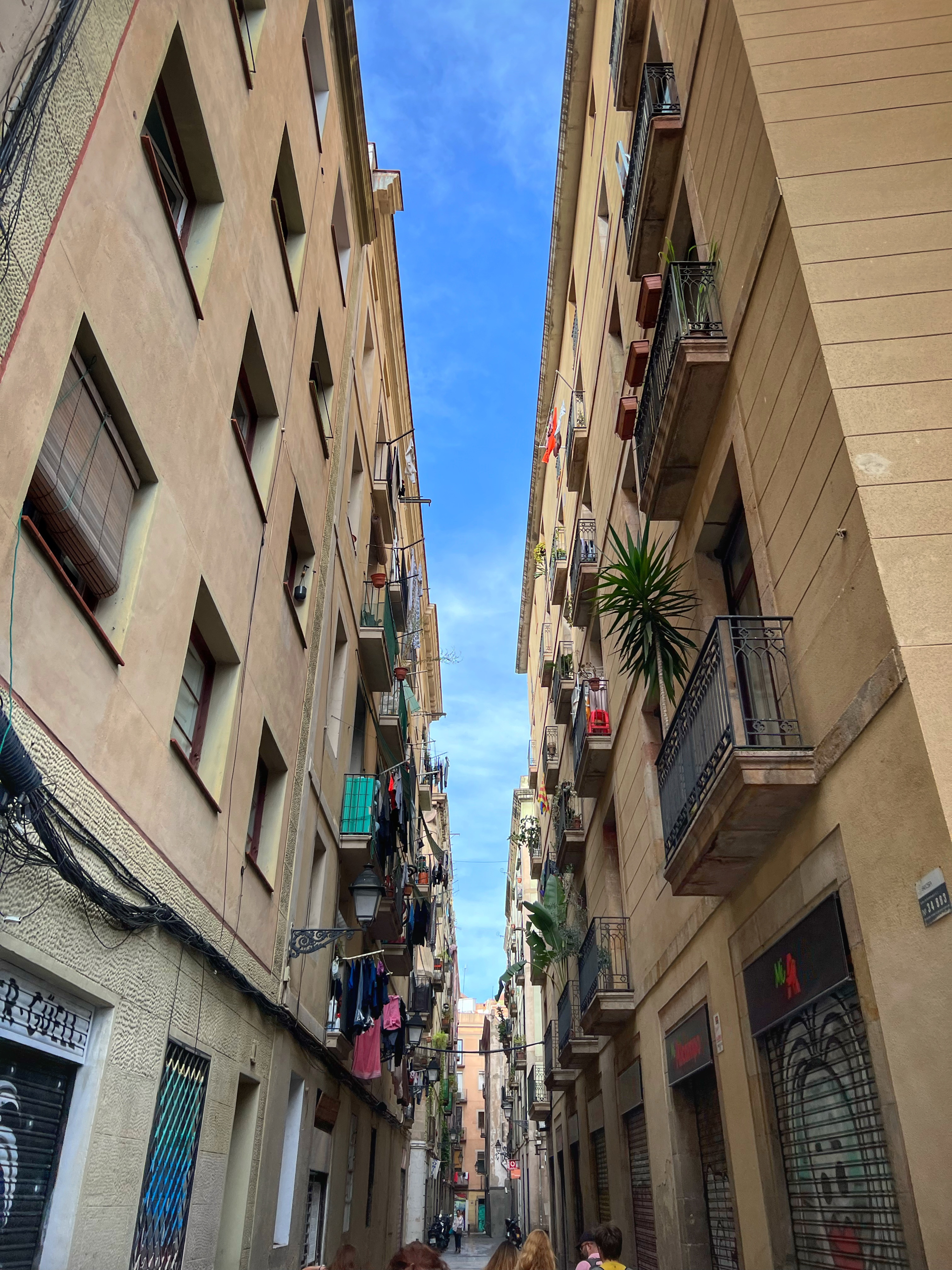
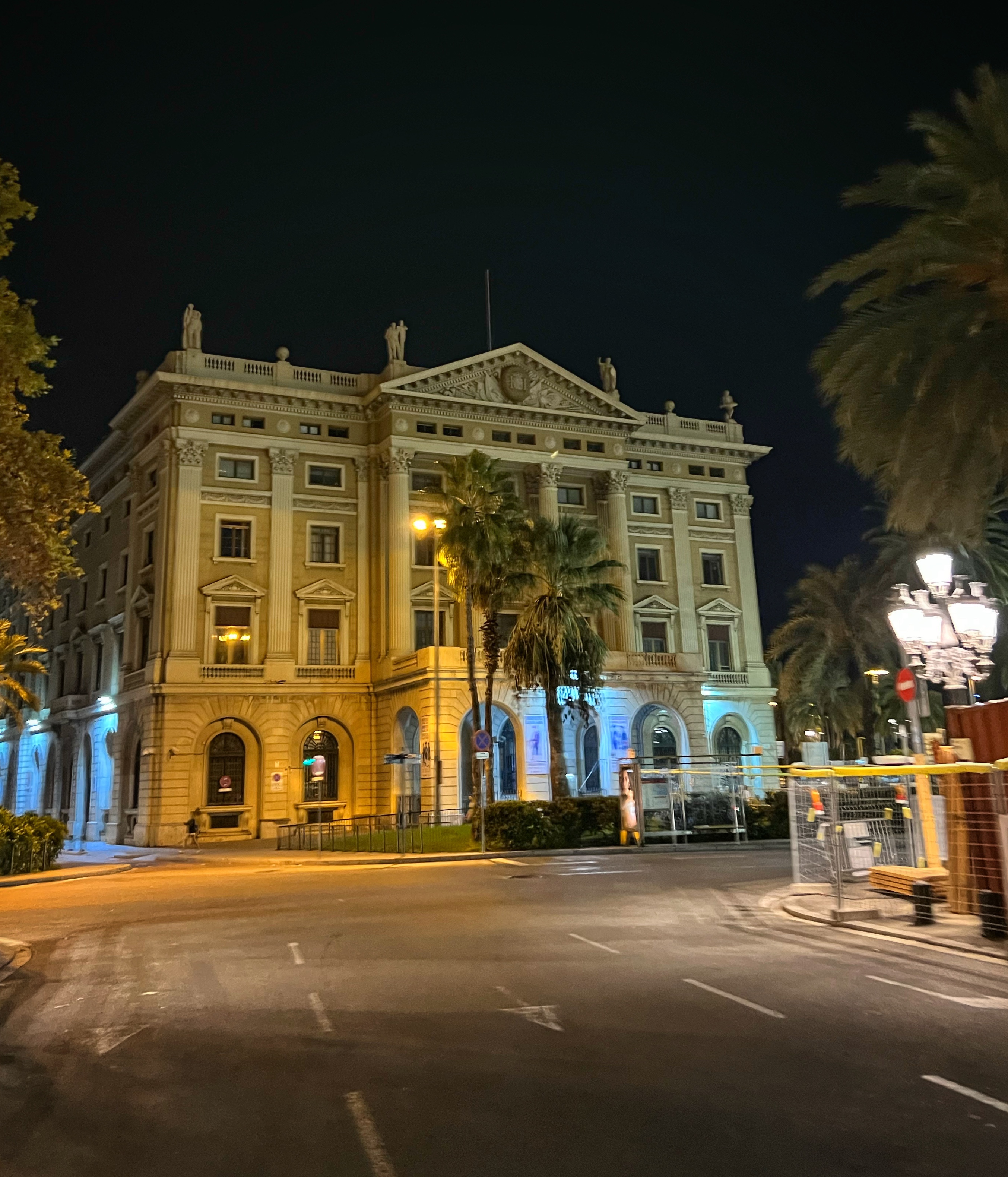
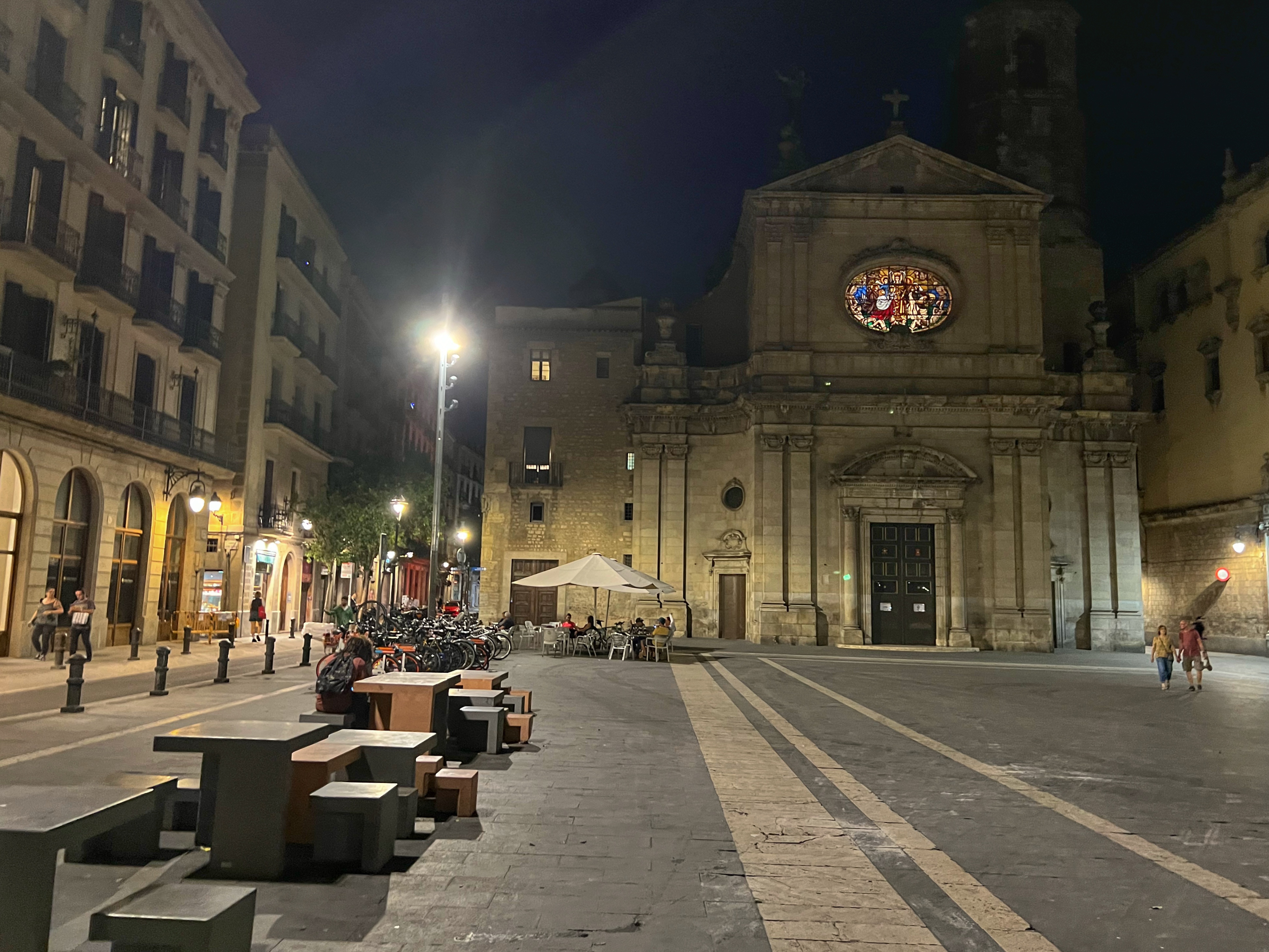
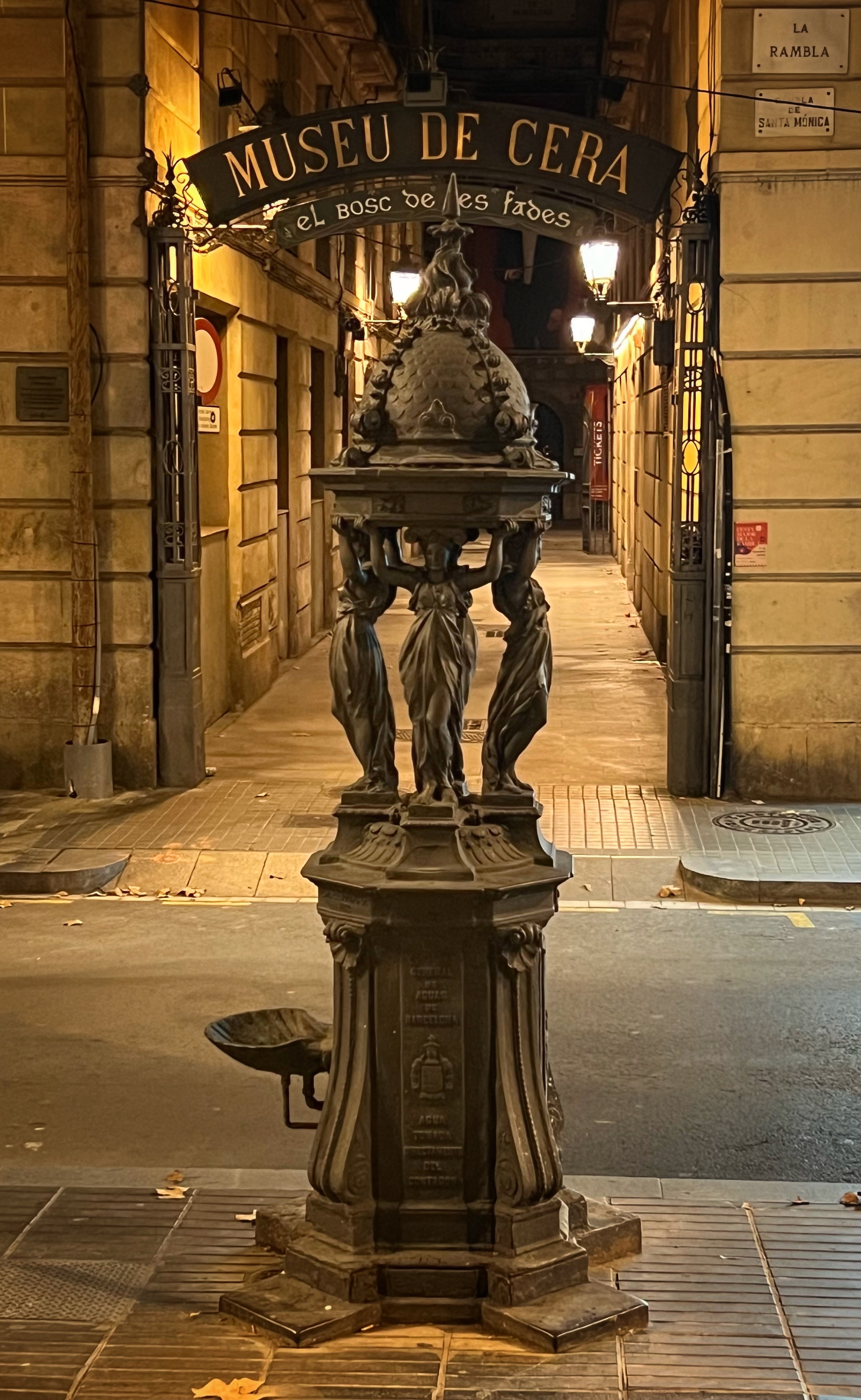
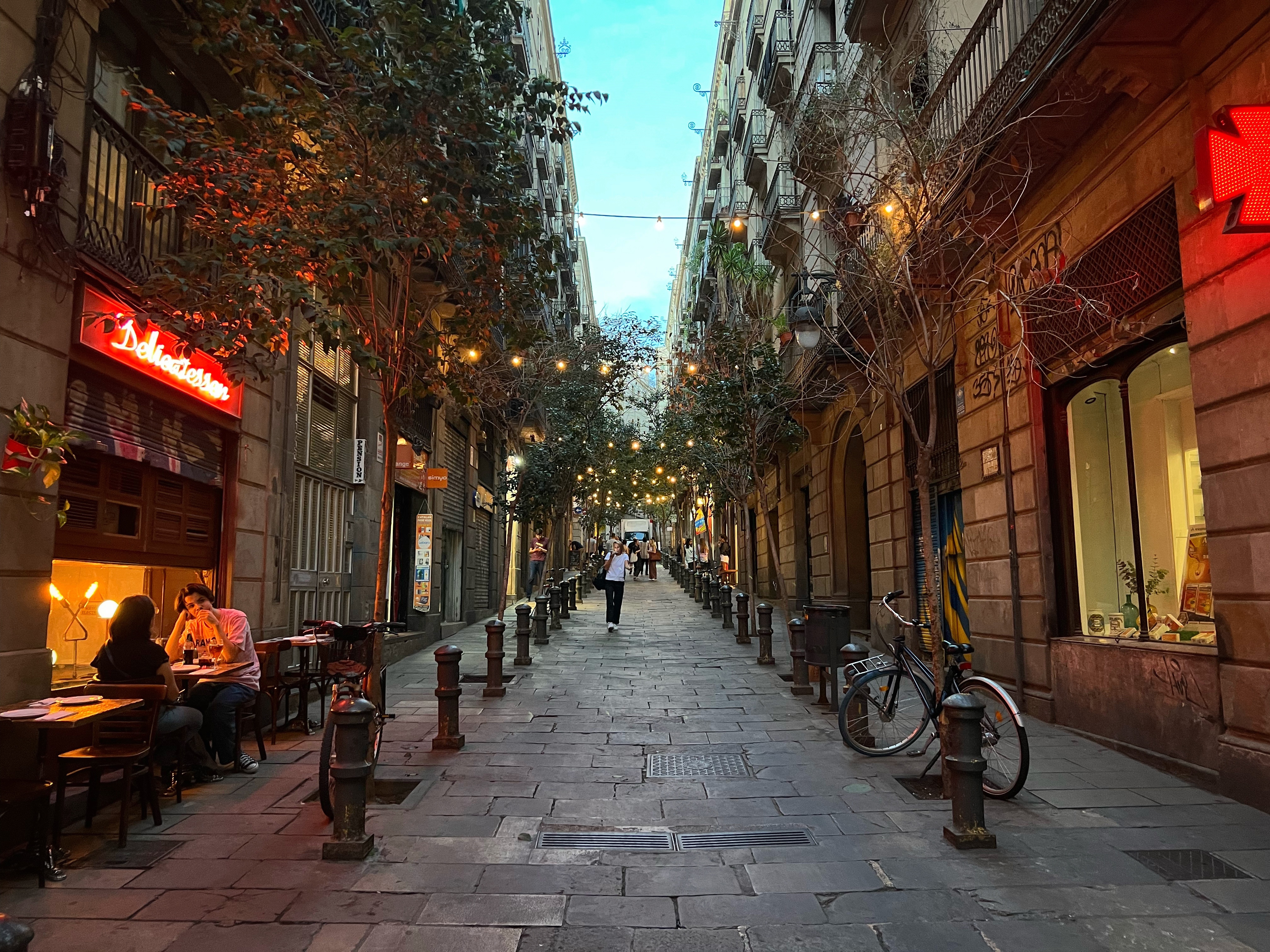
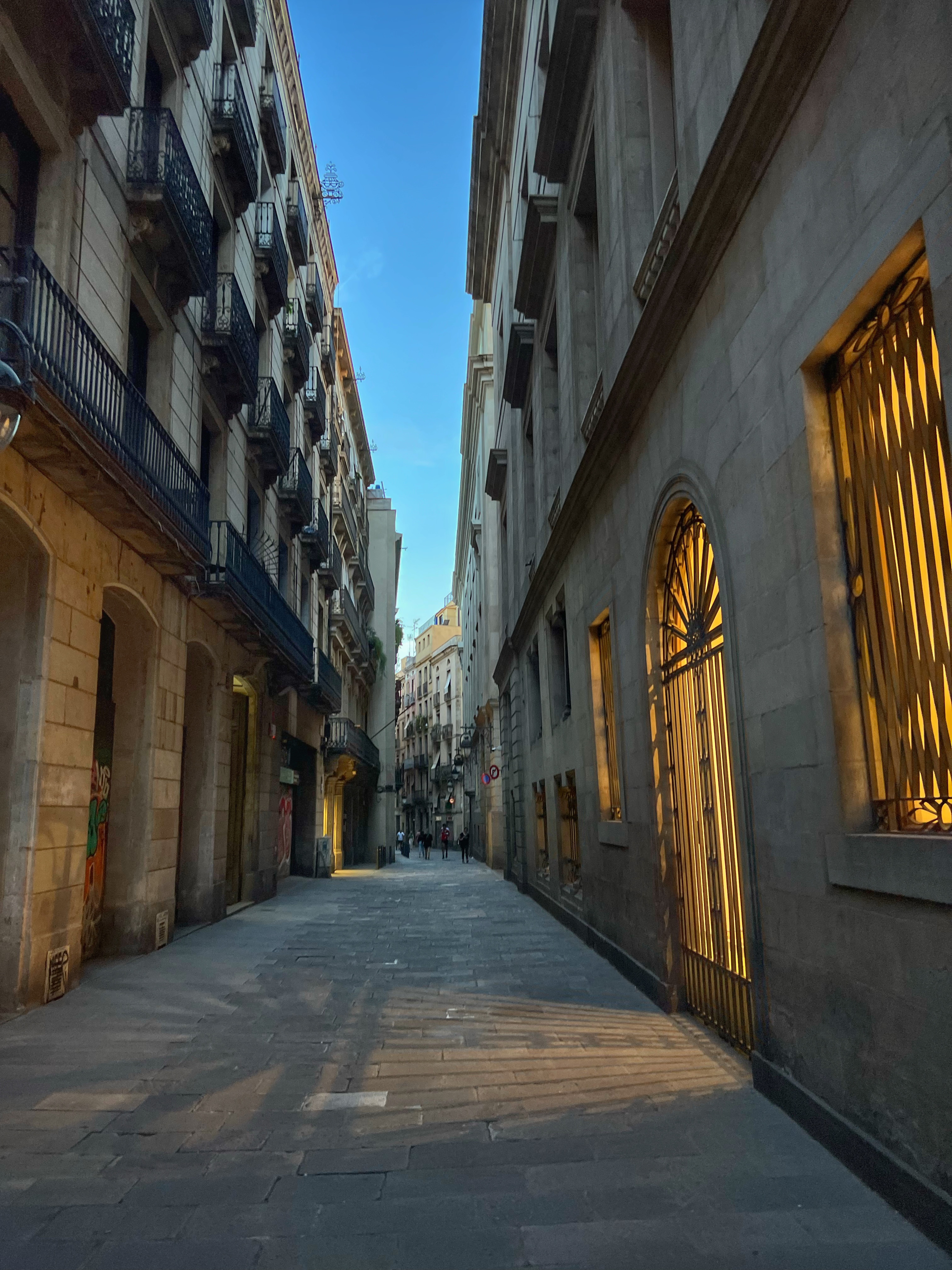
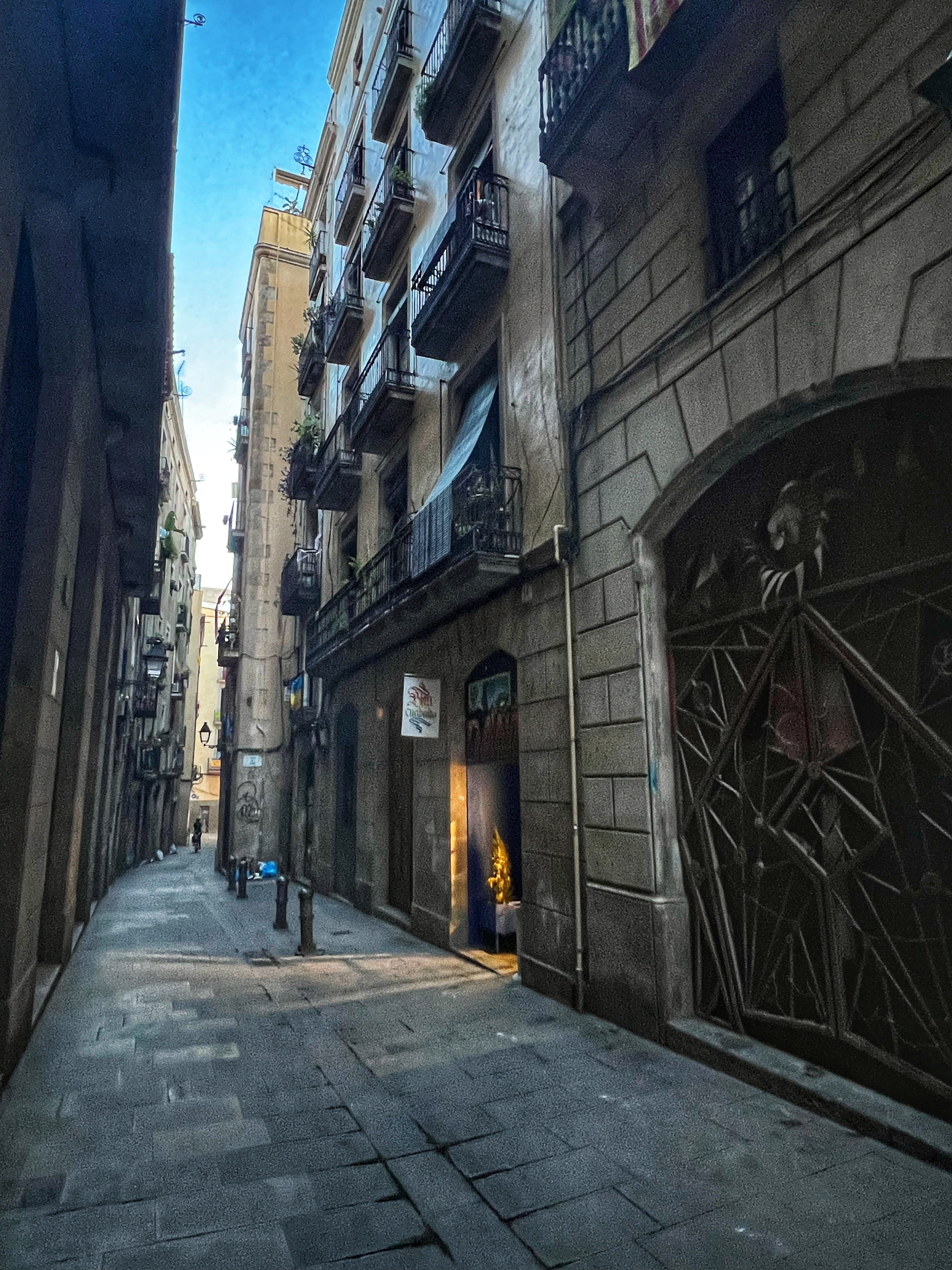
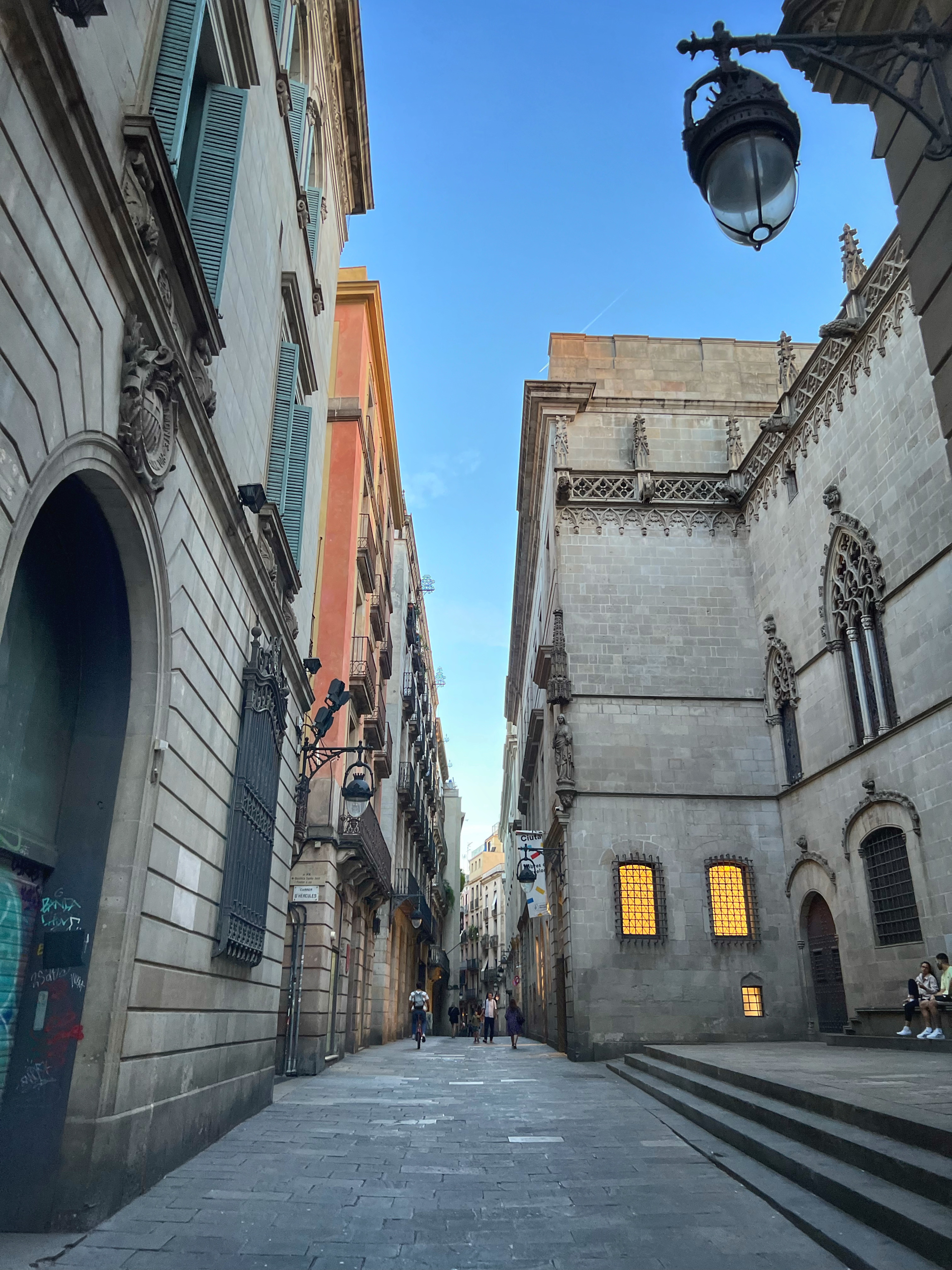
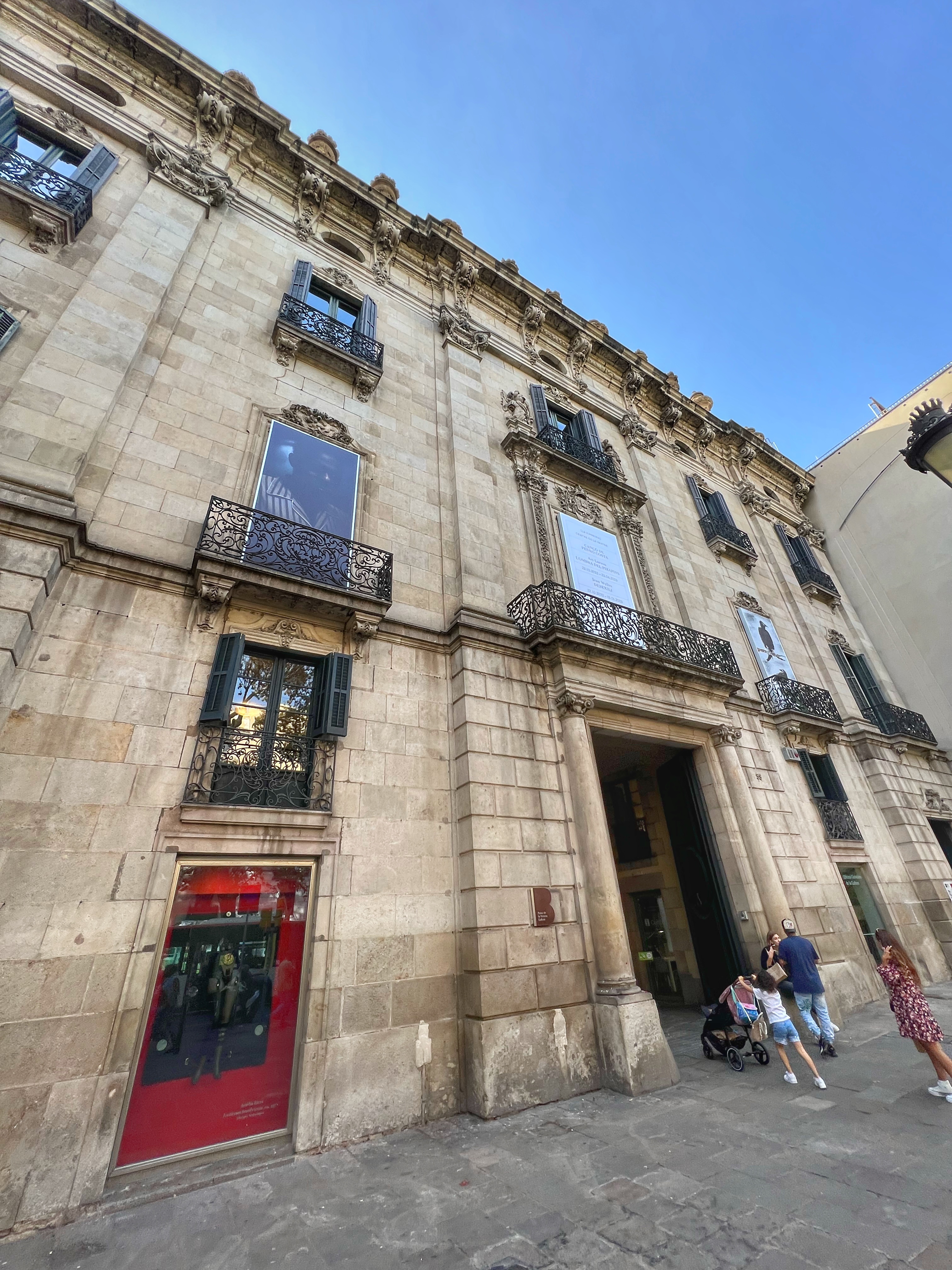
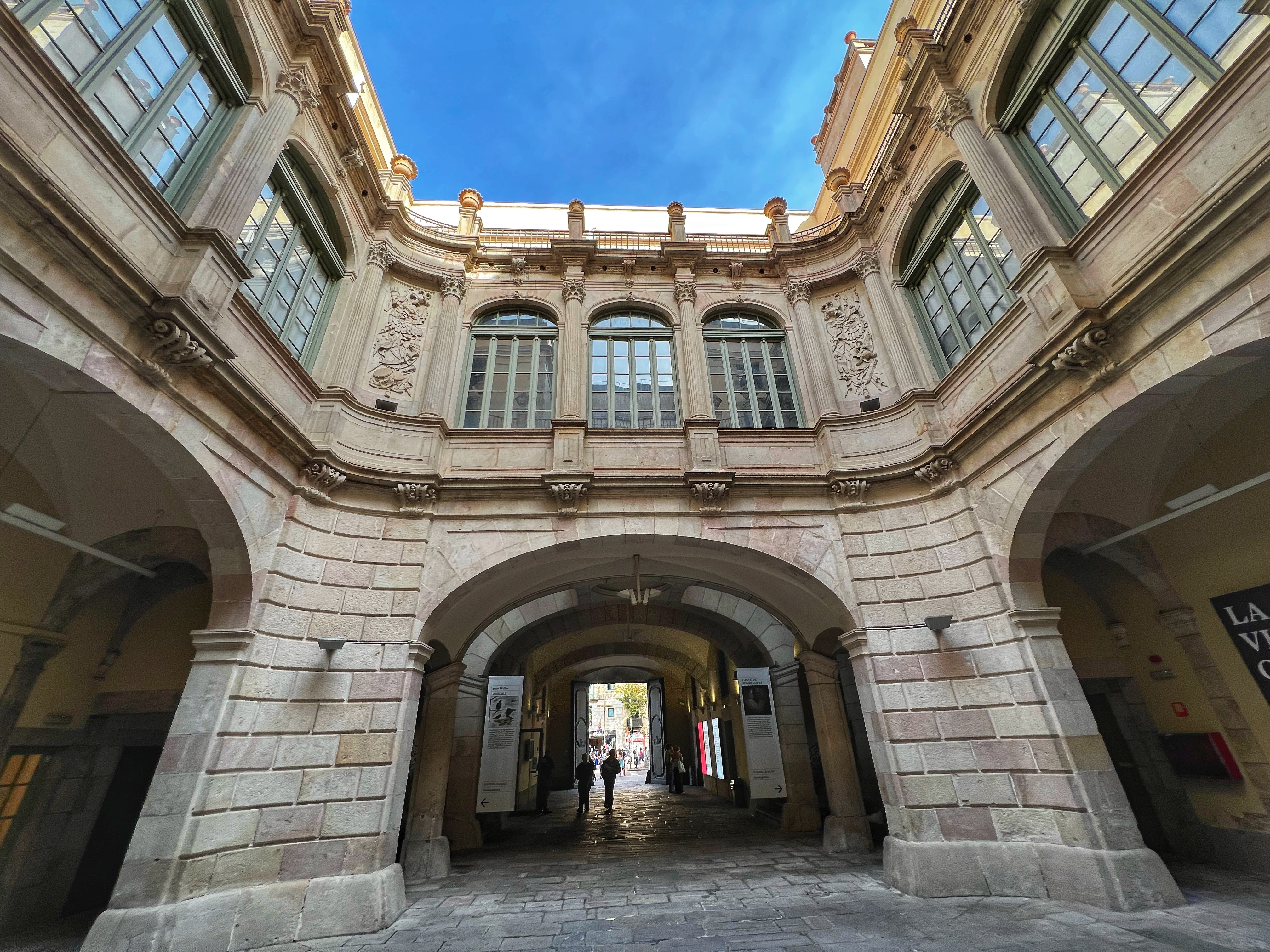
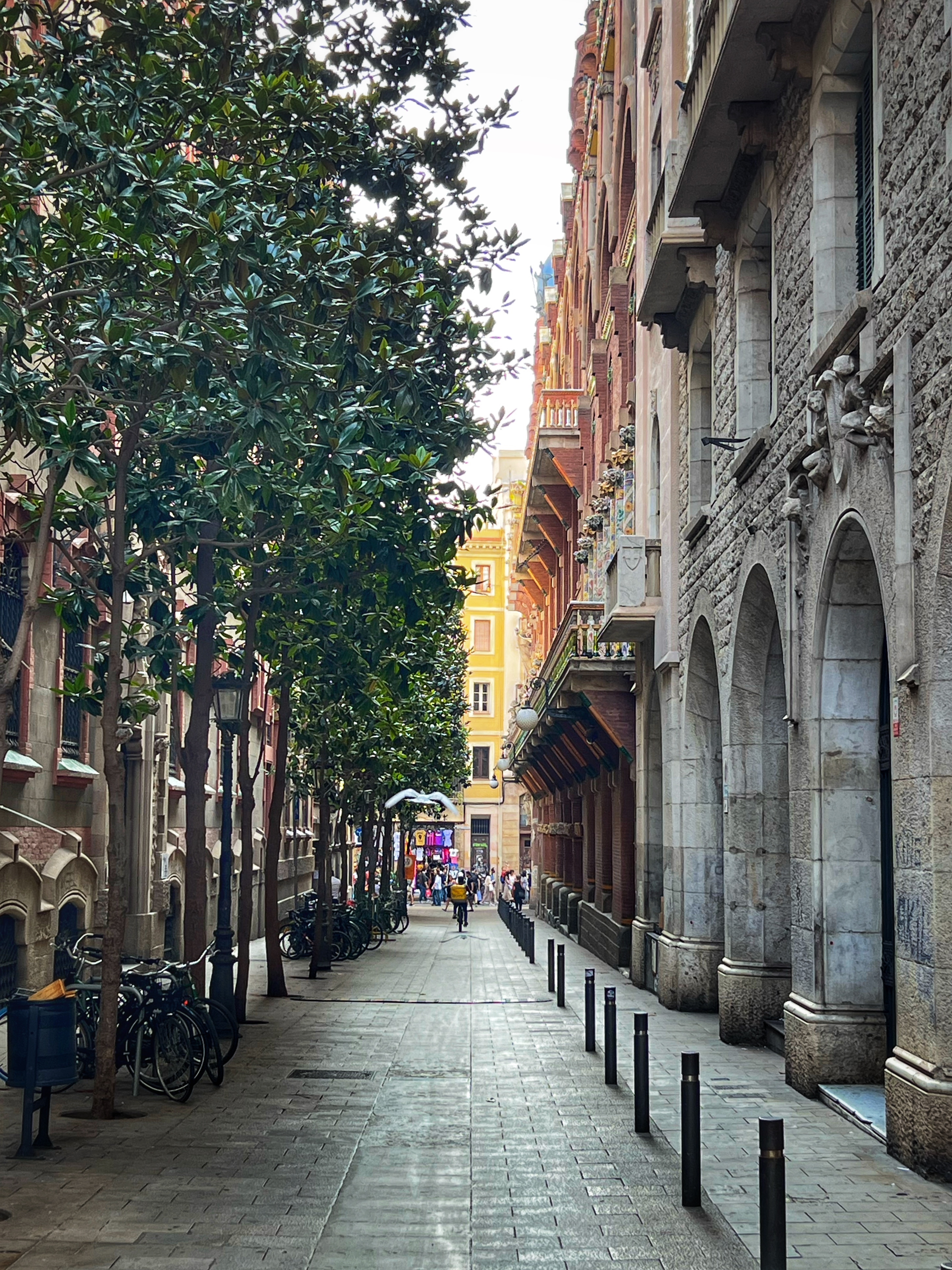
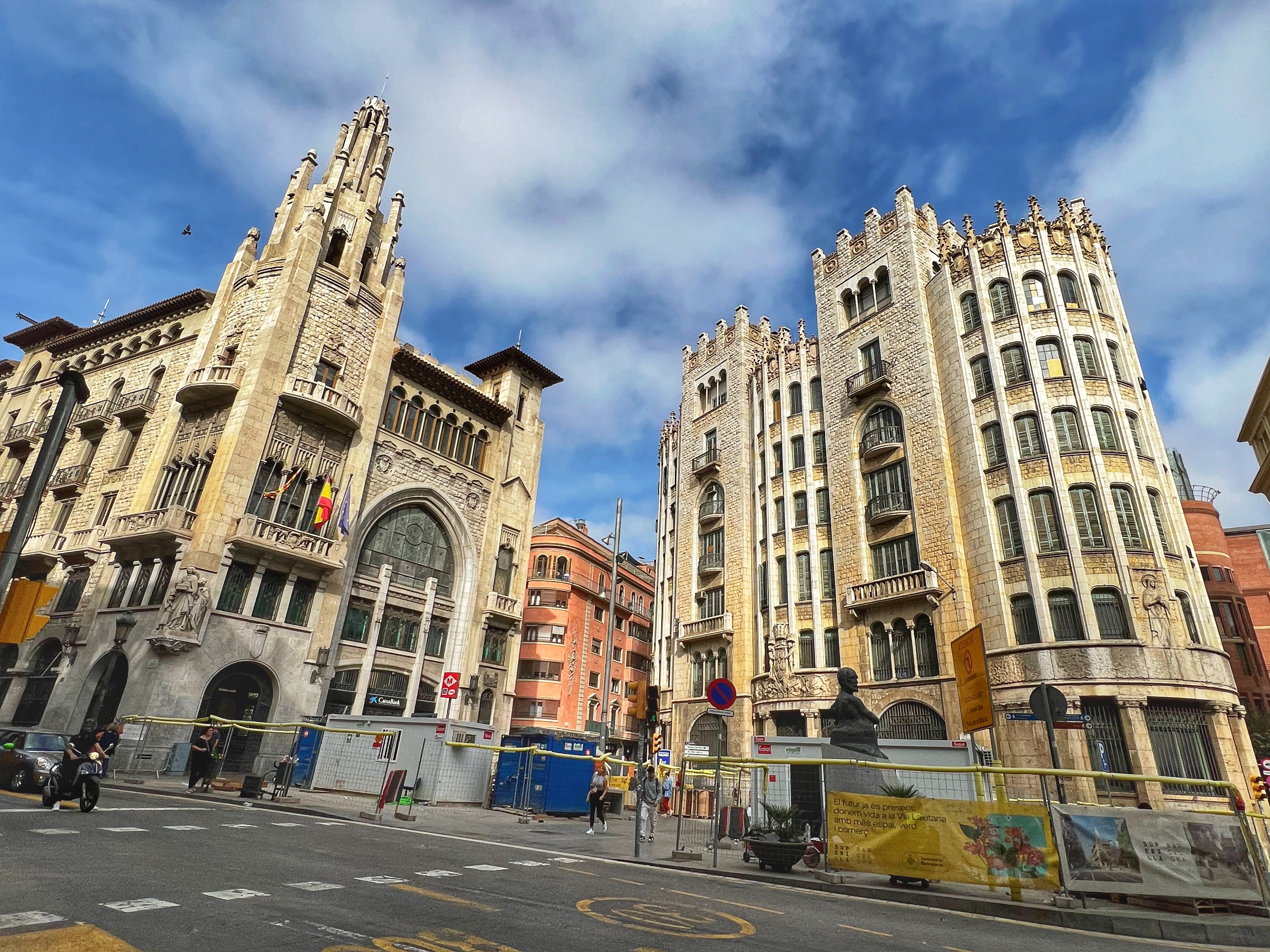
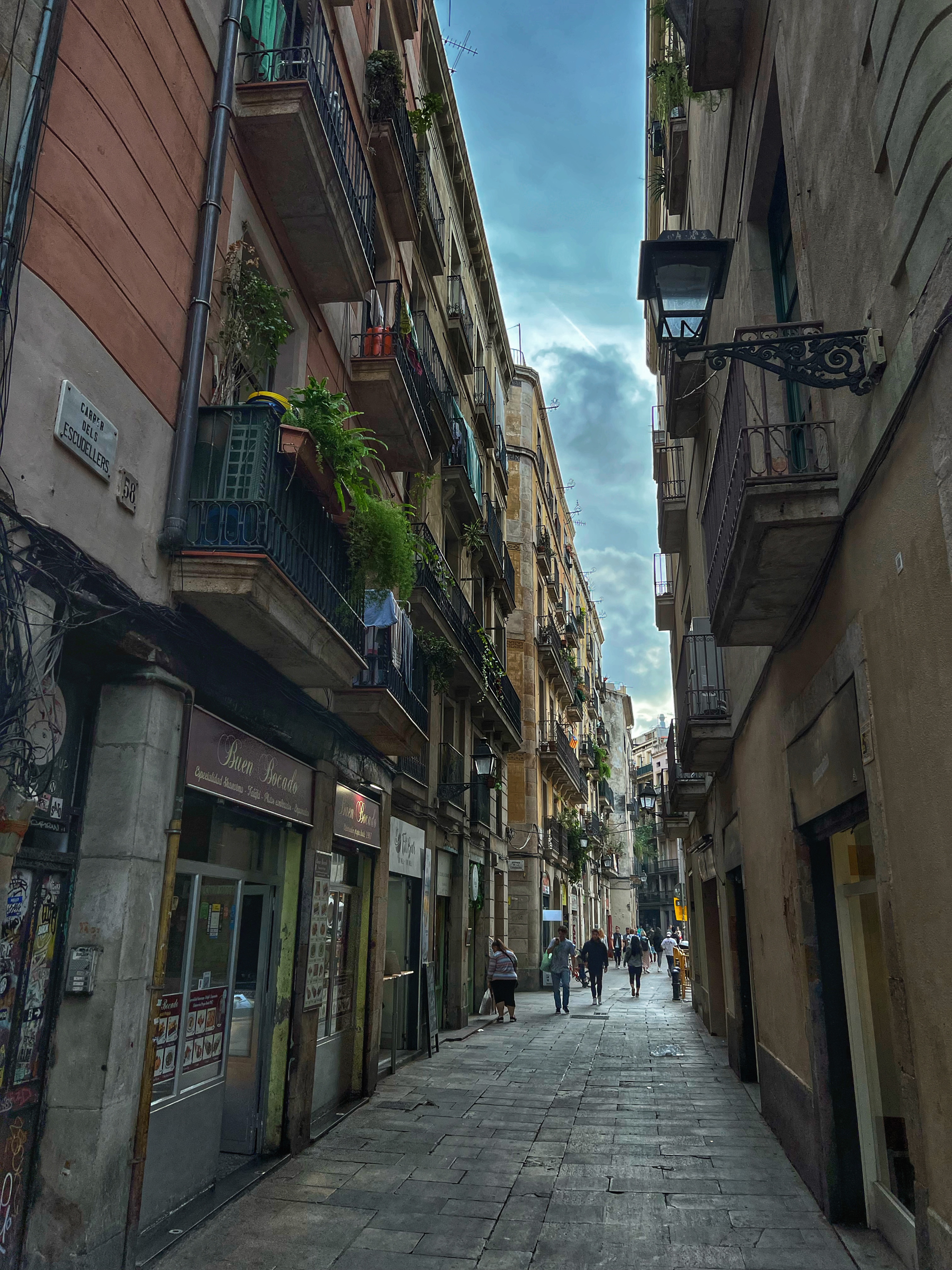
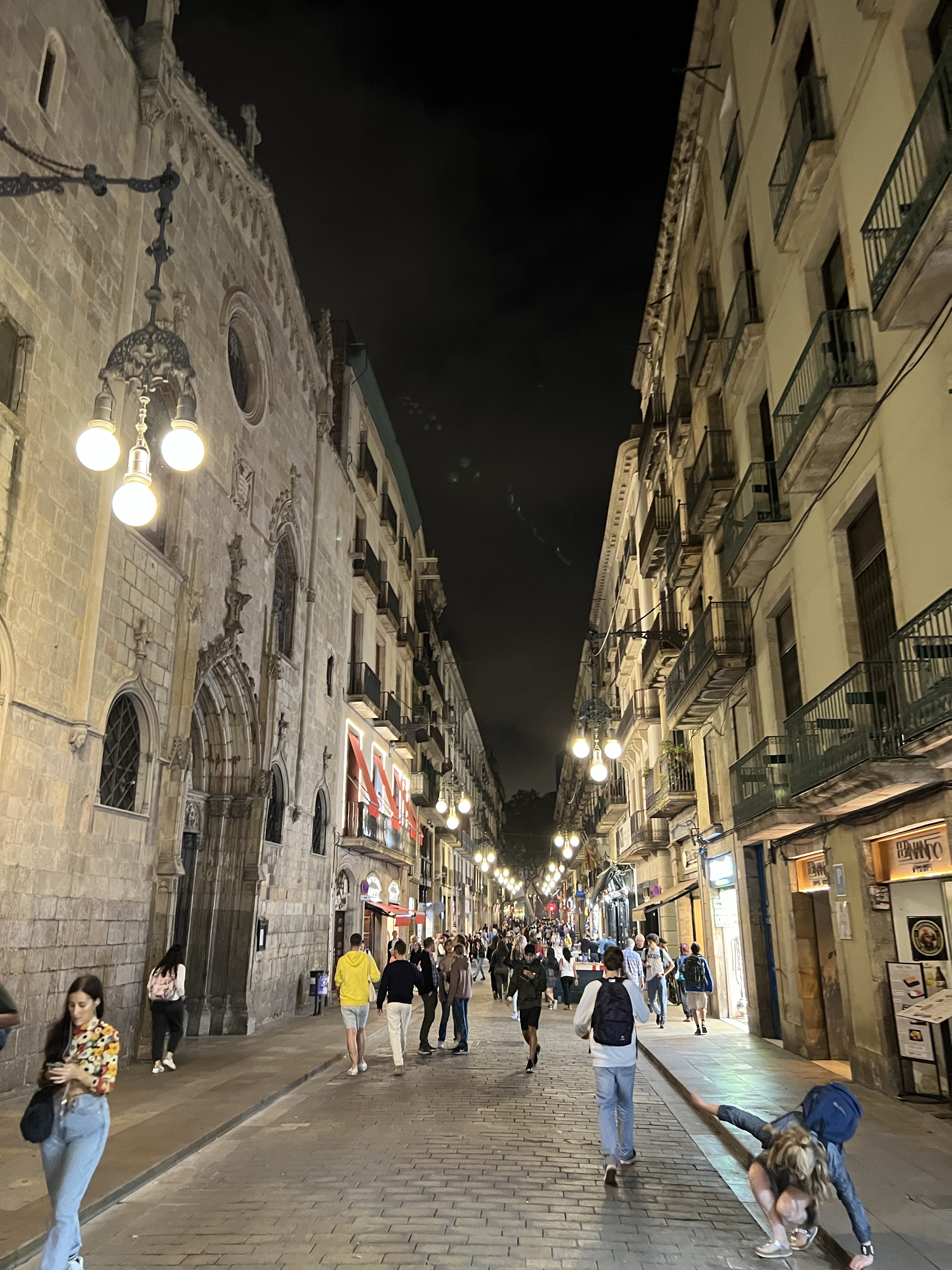
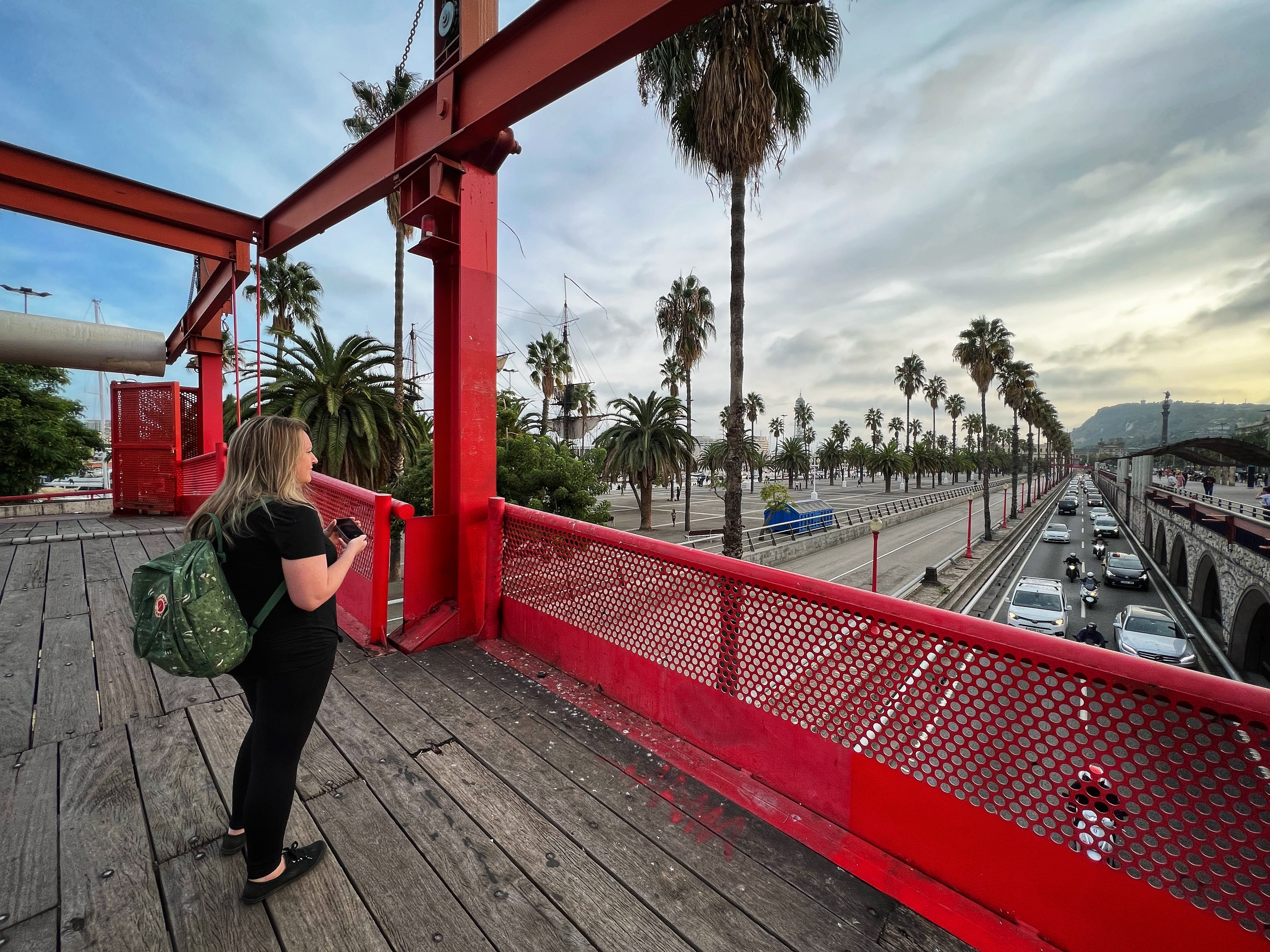
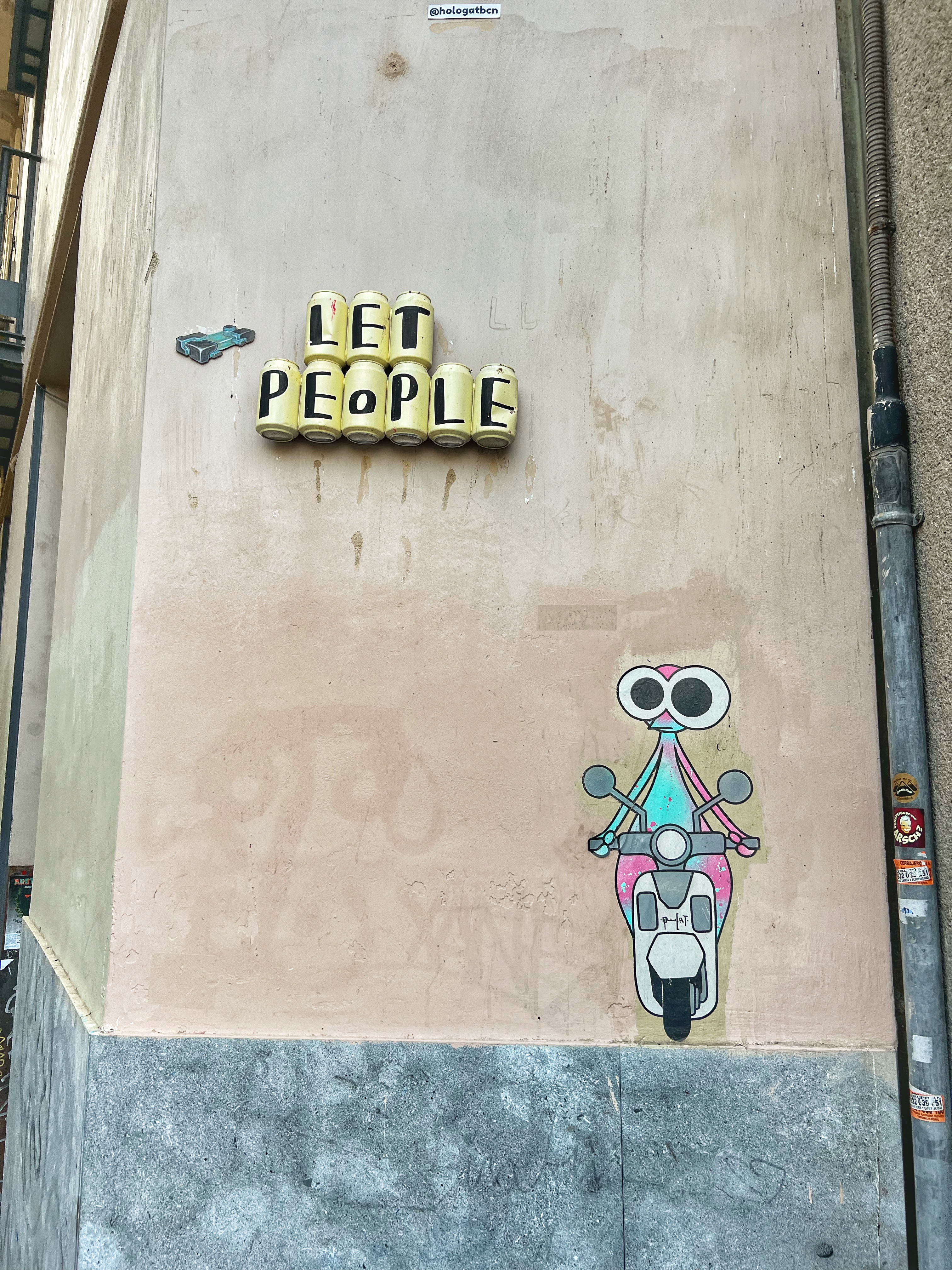
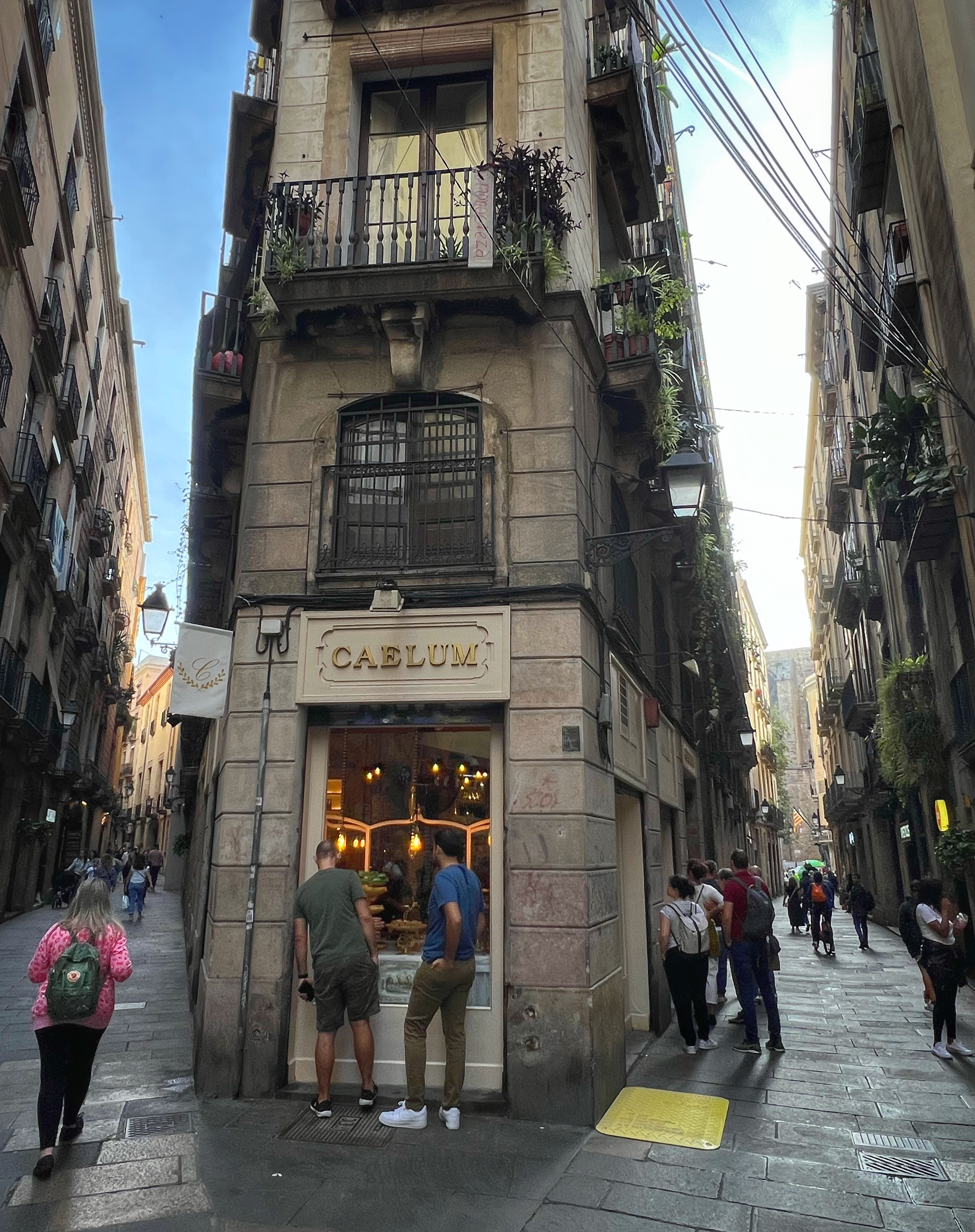
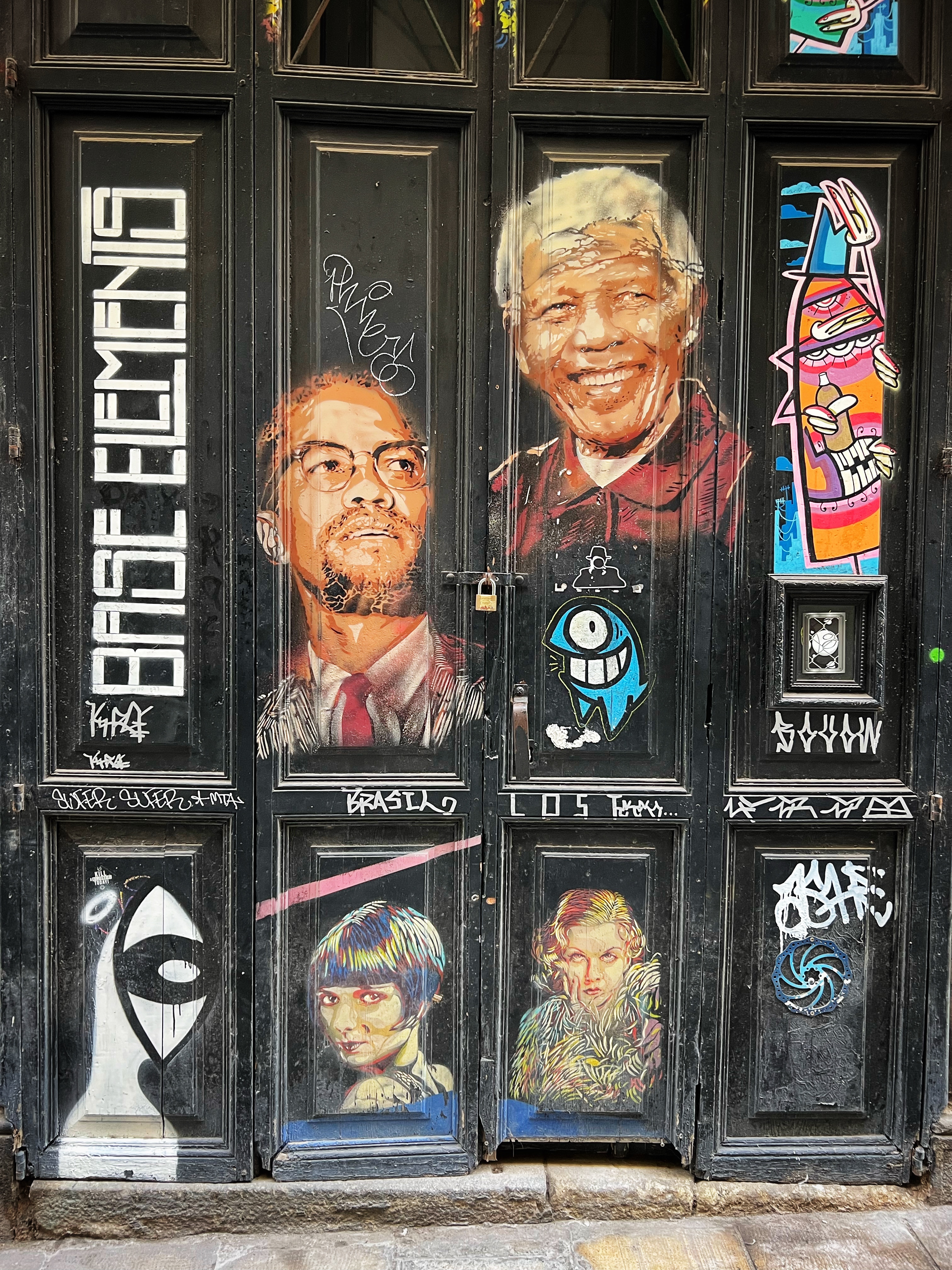
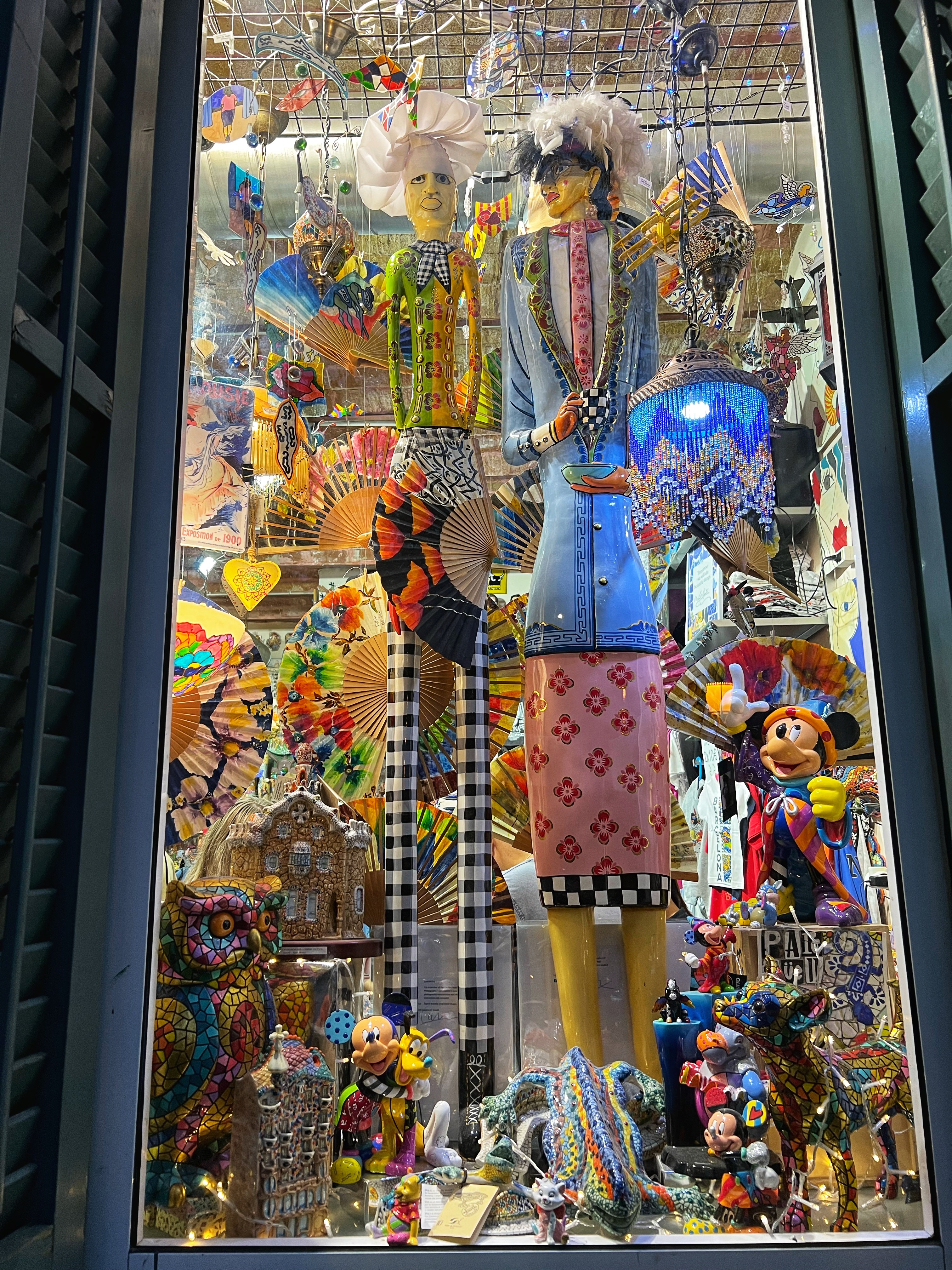
I’ll leave you with a gallery of the streets of Barcelona. They never get old…there’s always more to see and do. I look forward to returning and bringing the whole family when Sagrada Familia is finished. Until next time, Barca!




 Home Base Bri