Your ultimate guide to planning a castle-hopping trip to the Loire Valley in France!
A Mother Daughter Trip
When I was a young girl – about the age of my daughters now – I learned about the magnificent chateaus of the Loire Valley in France. My mother taught French for 30 years, and when I walked into her classroom and saw posters of Château de Chambord and Château de Chenonceau, I knew I HAD to visit them someday. Fast forward 30 years and here I am living in Belgium, just a 4 hour drive from the Loire region, with four days free and nothing planned. This called for our very first Mother-Daughter Road Trip!
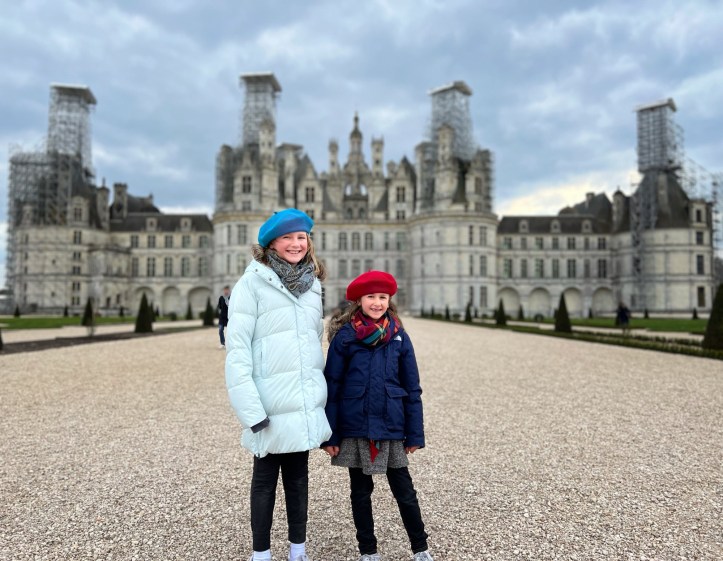
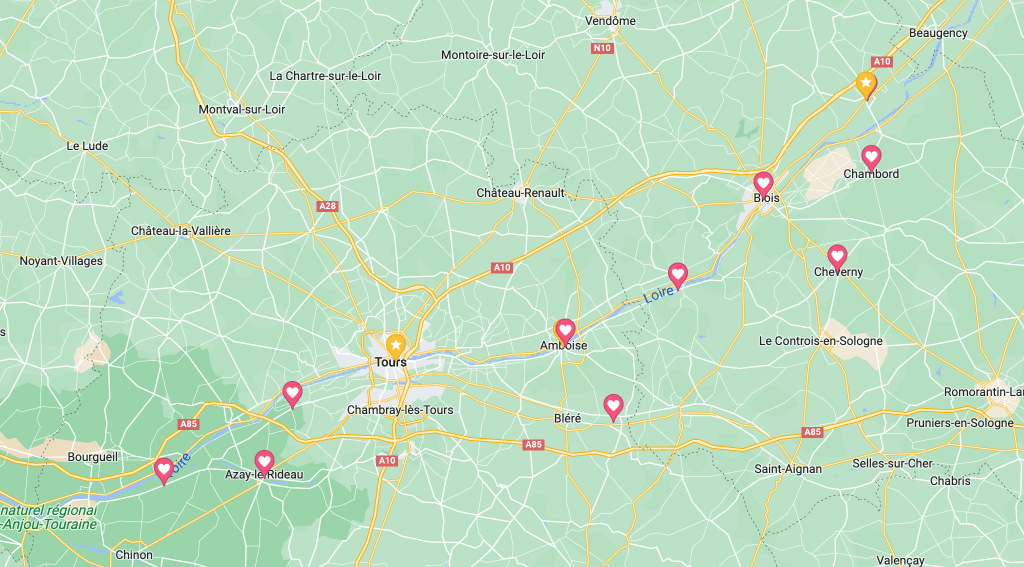
This trip was being planned in my head for years, but it wasn’t until I was actually booking things that I realized just how difficult it is to choose a handful of castles to visit out of 300 châteaux in the Loire Valley! I scoured the internet for various lists of “must sees” and “top 10” and took out a few books from the library to help. Besides the two obvious choices (Chambord and Chenonceau) I wanted to fit at least six other castles into this trip. As it turned out, we were able to visit nine! I consulted with my mom of course (she’s an avid traveler too), and looked at what might be most fun for my girls based on reviews (some castles are more family friendly than others) and also factored in proximity and opening times and decided on the following list: Villandry, Azay-le-Rideau, Ussé, Chambord, Blois, Chenonceau, Amboise, Chaumont, and Cheverny. I chose this order to visit them for ease in travel based on our lodging in Mer, as well as how long I estimated each visit to be. The priority for this trip was also making it budget friendly. The most expensive part of the trip were the château entrance fees, but I will break down the expenses in each section and summarize it at the end. Unforeseen expenses were the higher gas prices and highway tolls, which maybe added an additional $75-$100 to the trip.
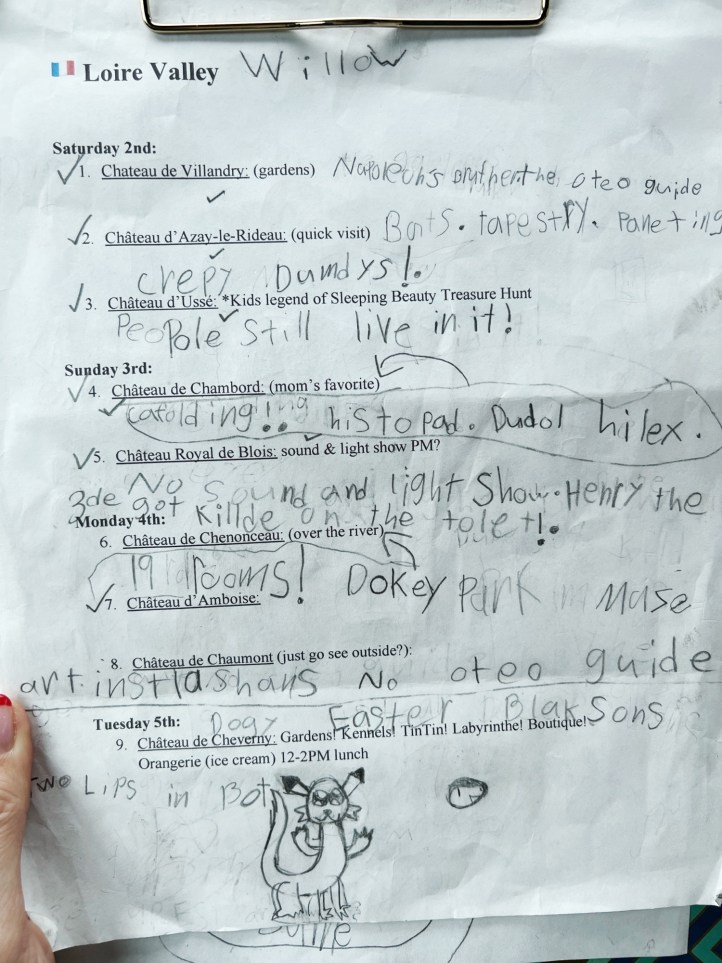
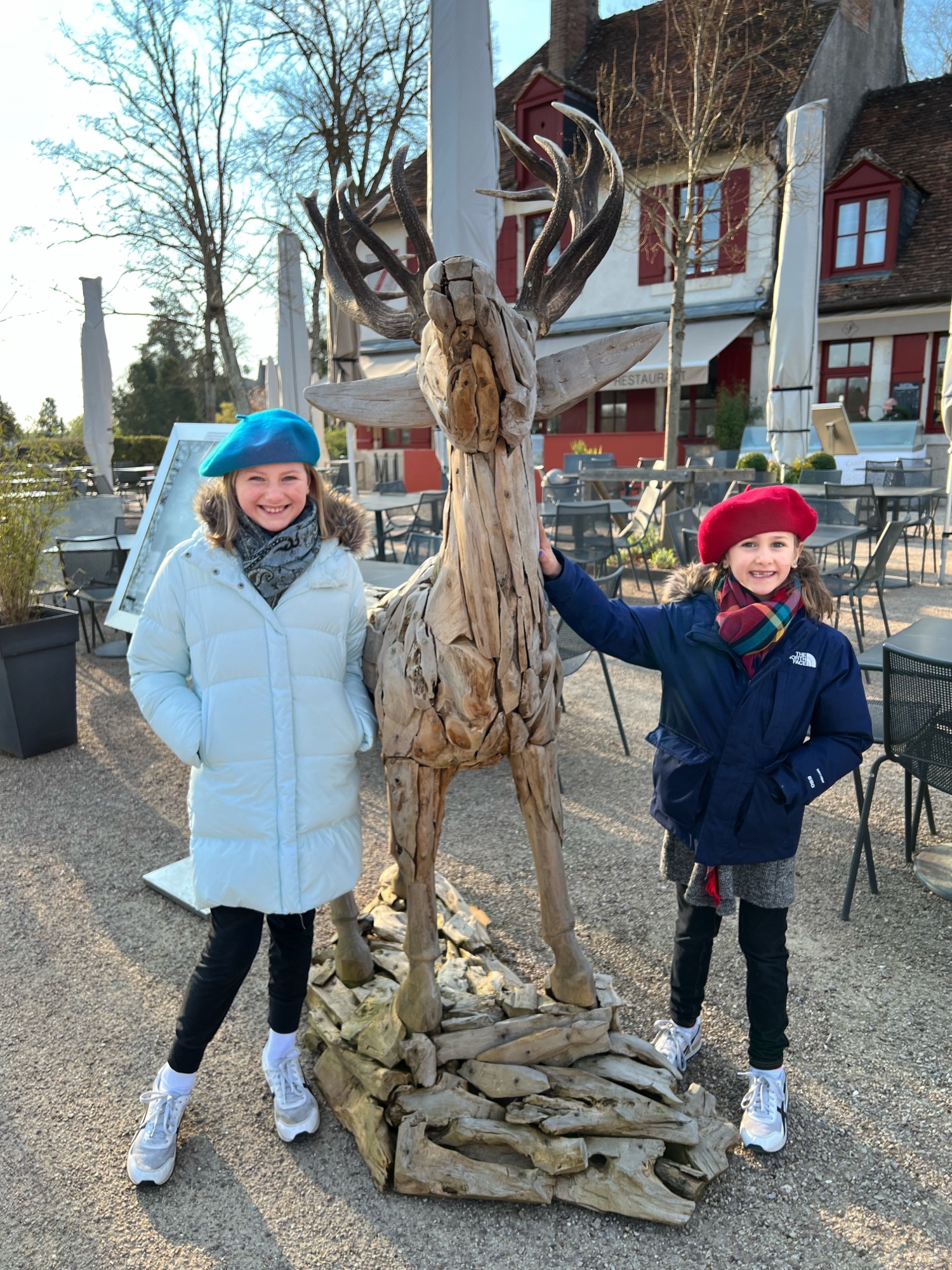
To make the experience more engaging for the girls, I printed out a list of the castles we were going to see so after each stop we could debrief and they could write down the things that stood out at each place. They also had photos of each castle that they would label when we were finished, and they put them in order of when we saw them. I found that stops could easily blur together when you have so many, and this was a great way to help them remember. “Remember the château with the bats in the attic? Which château had 100 hunting dogs? My favorite château is the one with the double helix staircase!” Check out their notes! They’re hilarious:

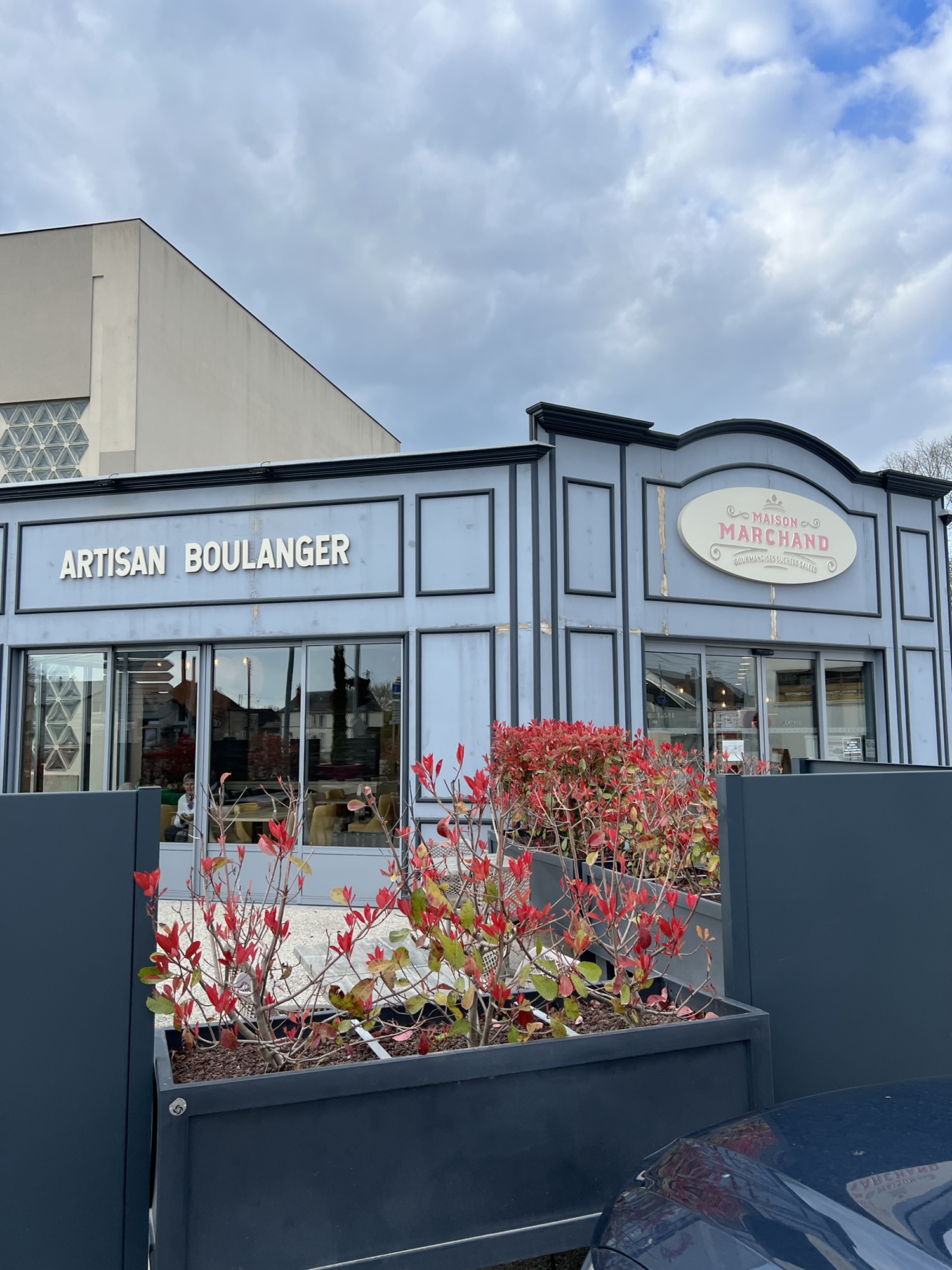
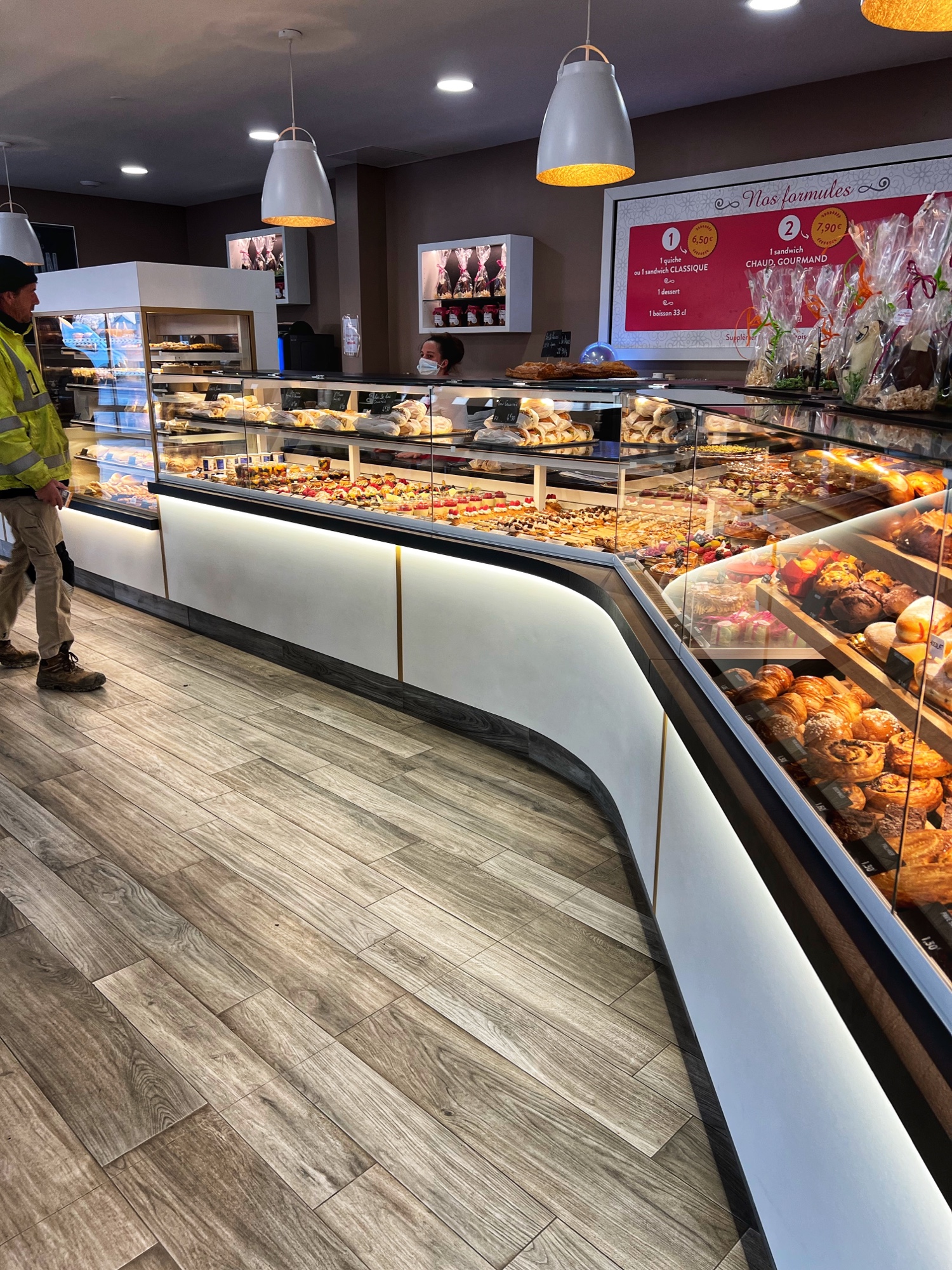
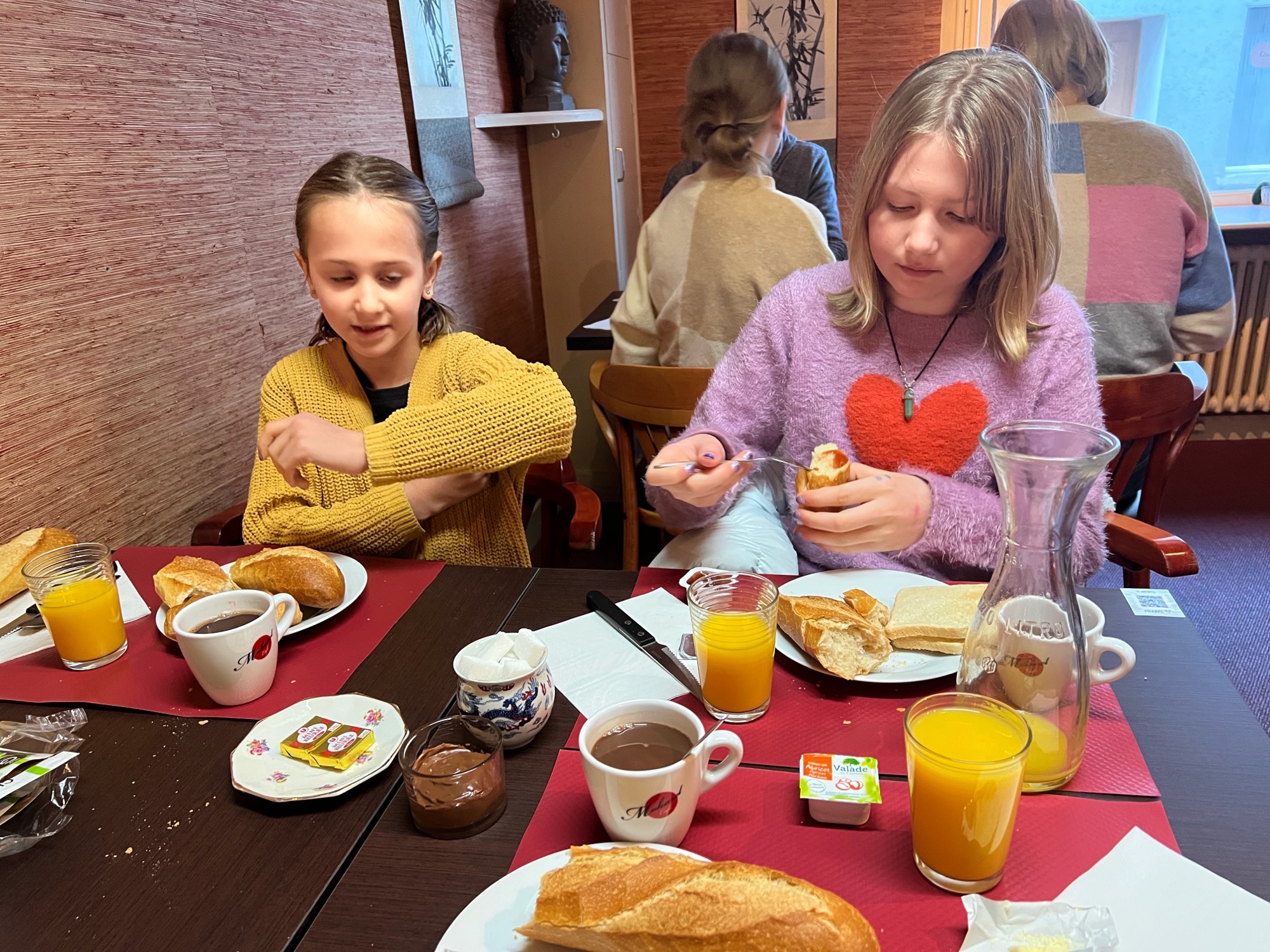
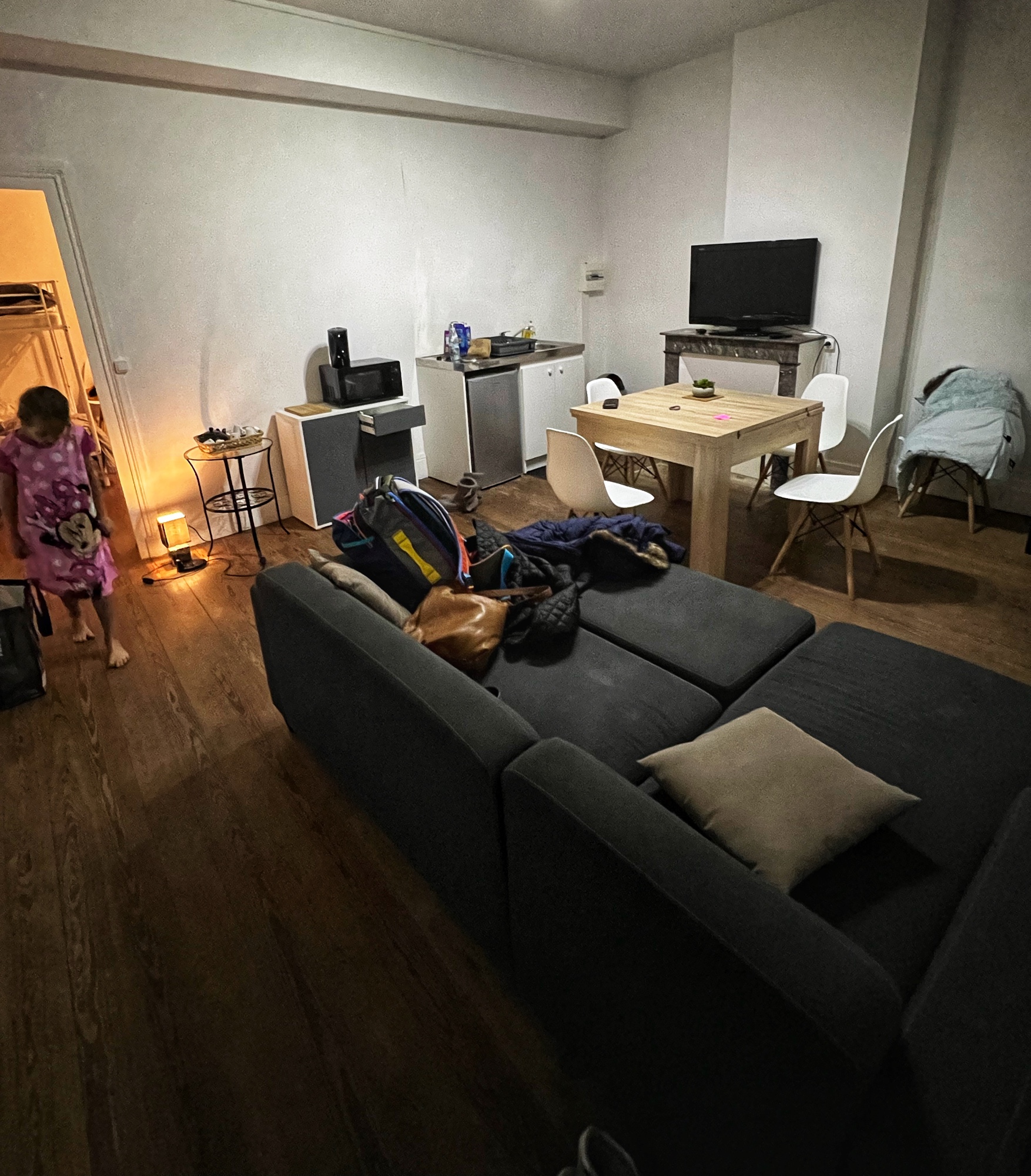
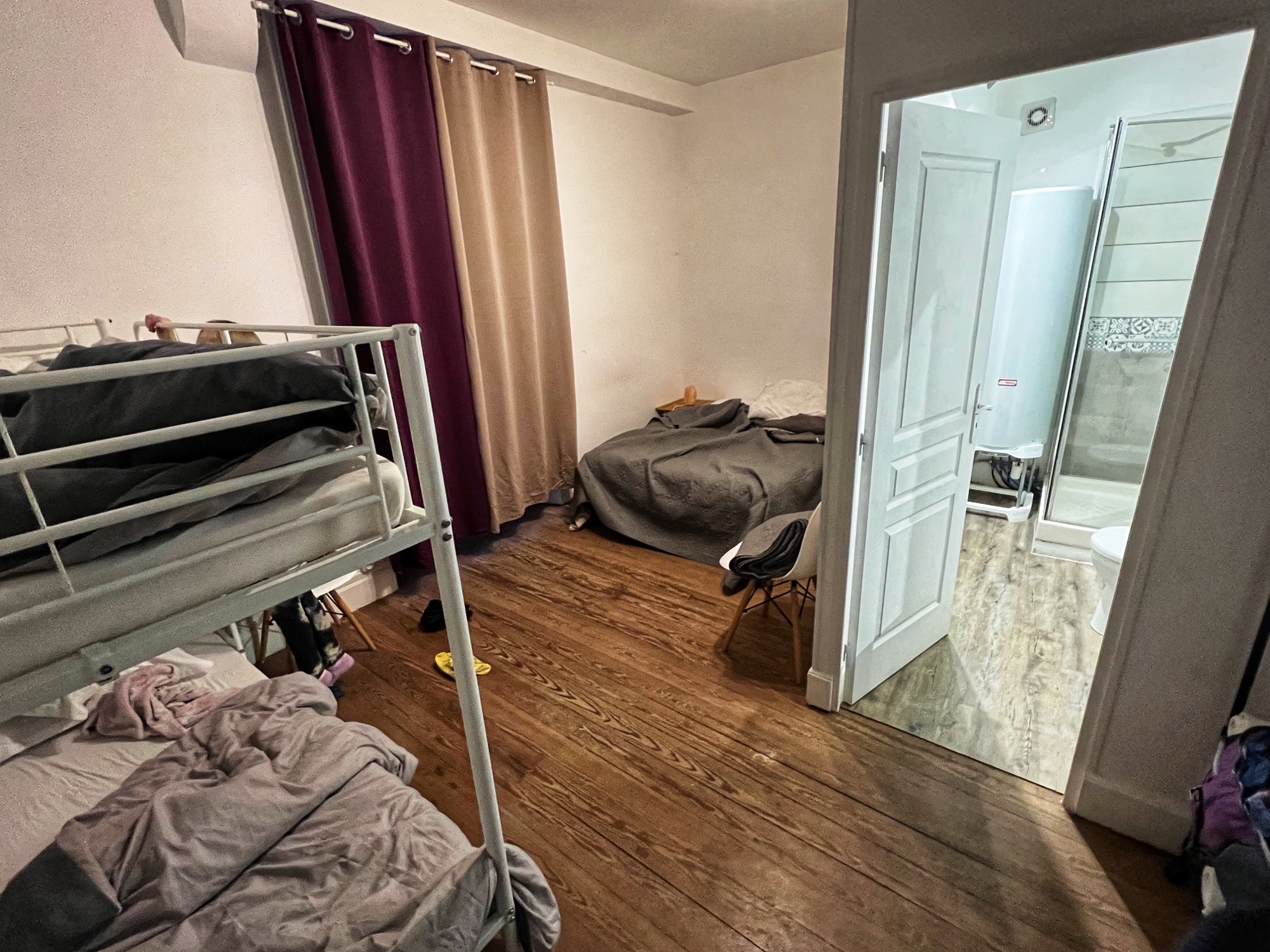
We chose to stay in Mer, which turned out to be closest for us to arrive and leave from and a quiet spot to navigate through each day on our way to the châteaus. We grabbed breakfast at our hostel and picnic lunch from the amazing bakery in town (or Lidl) and were on our way. We saved a ton on food and lodging this way. Here is a link to our lodging: Gite Felicidad Chambord (€350/4 nights). Everything was as advertised – nothing luxurious but just fine for mom and daughters for a good night’s sleep. The staff was super friendly and helpful, and I loved the free parking lot and simple breakfast included. And check out this amazing bakery just up the street! We loved the sandwiches, quiche, salads, and pastries. Five stars for boulanger Maison Marchand.
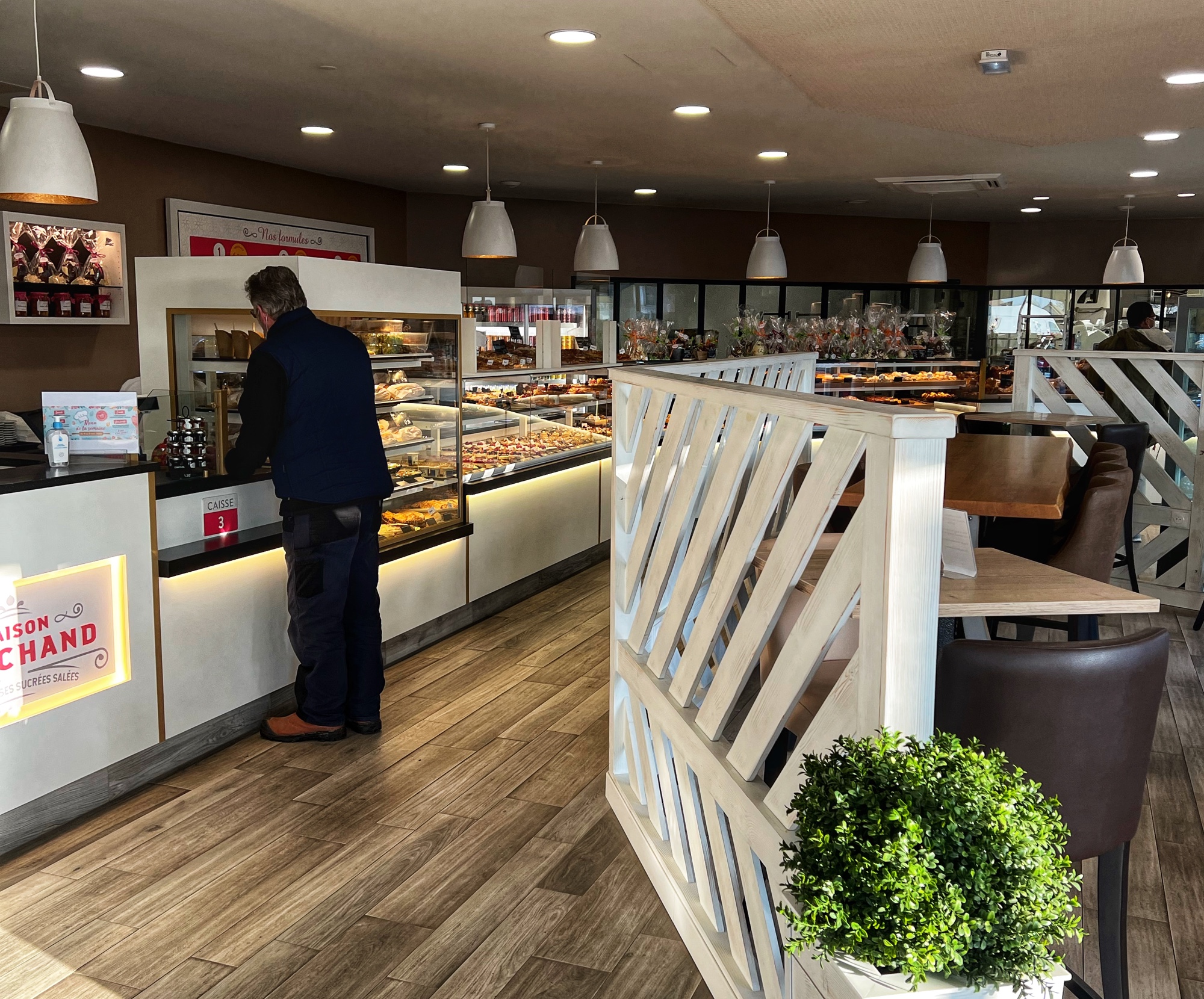
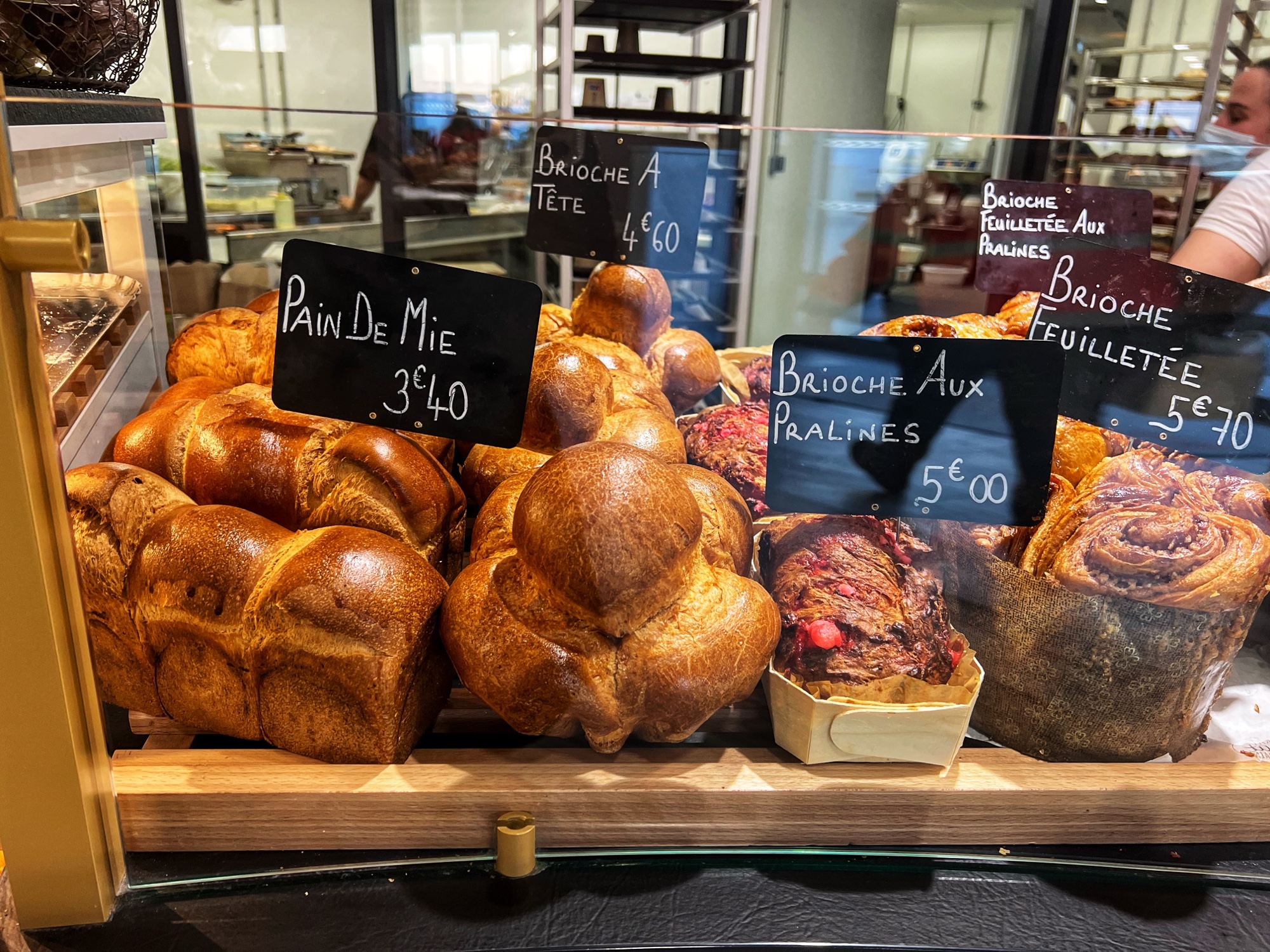
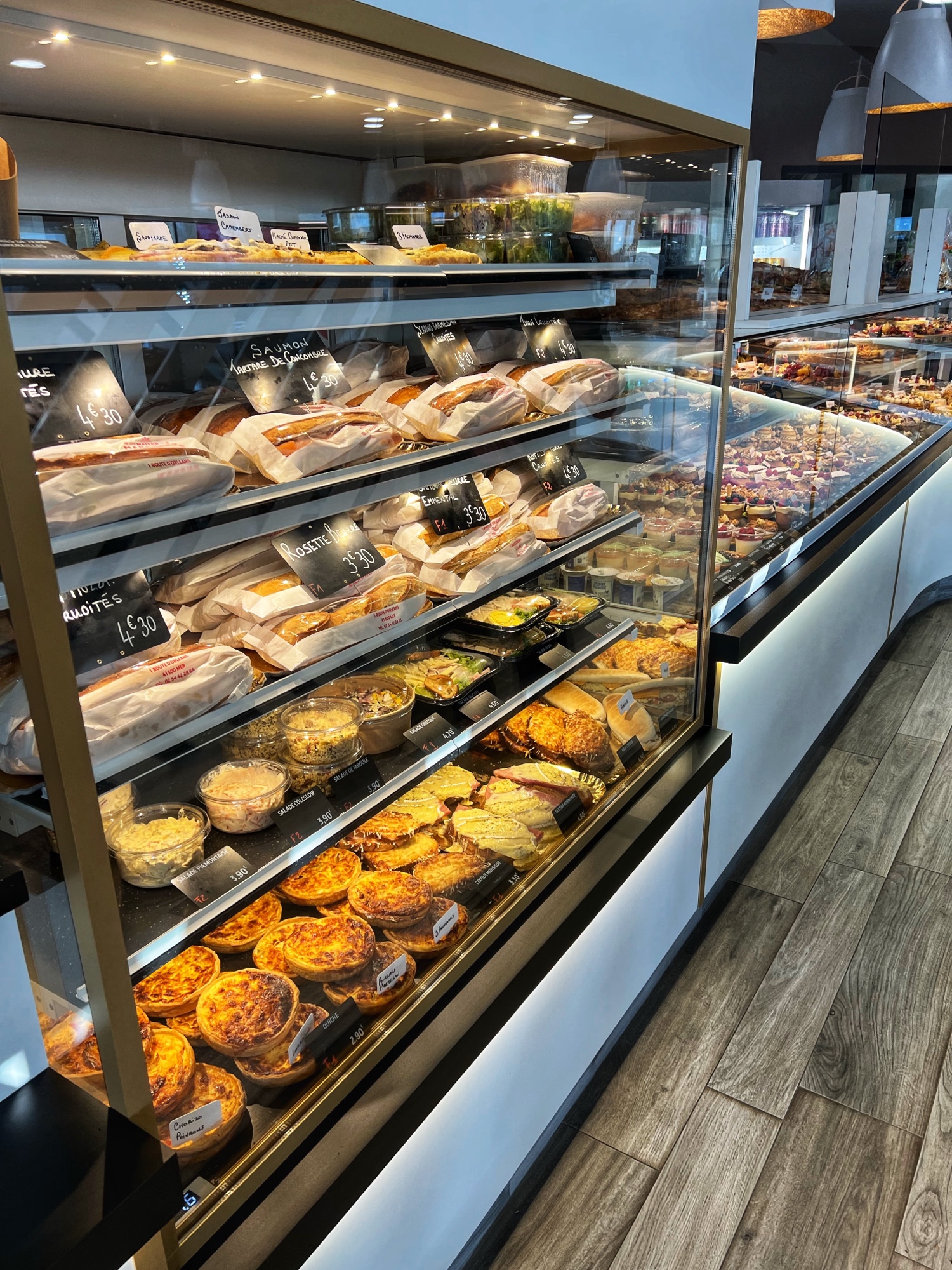
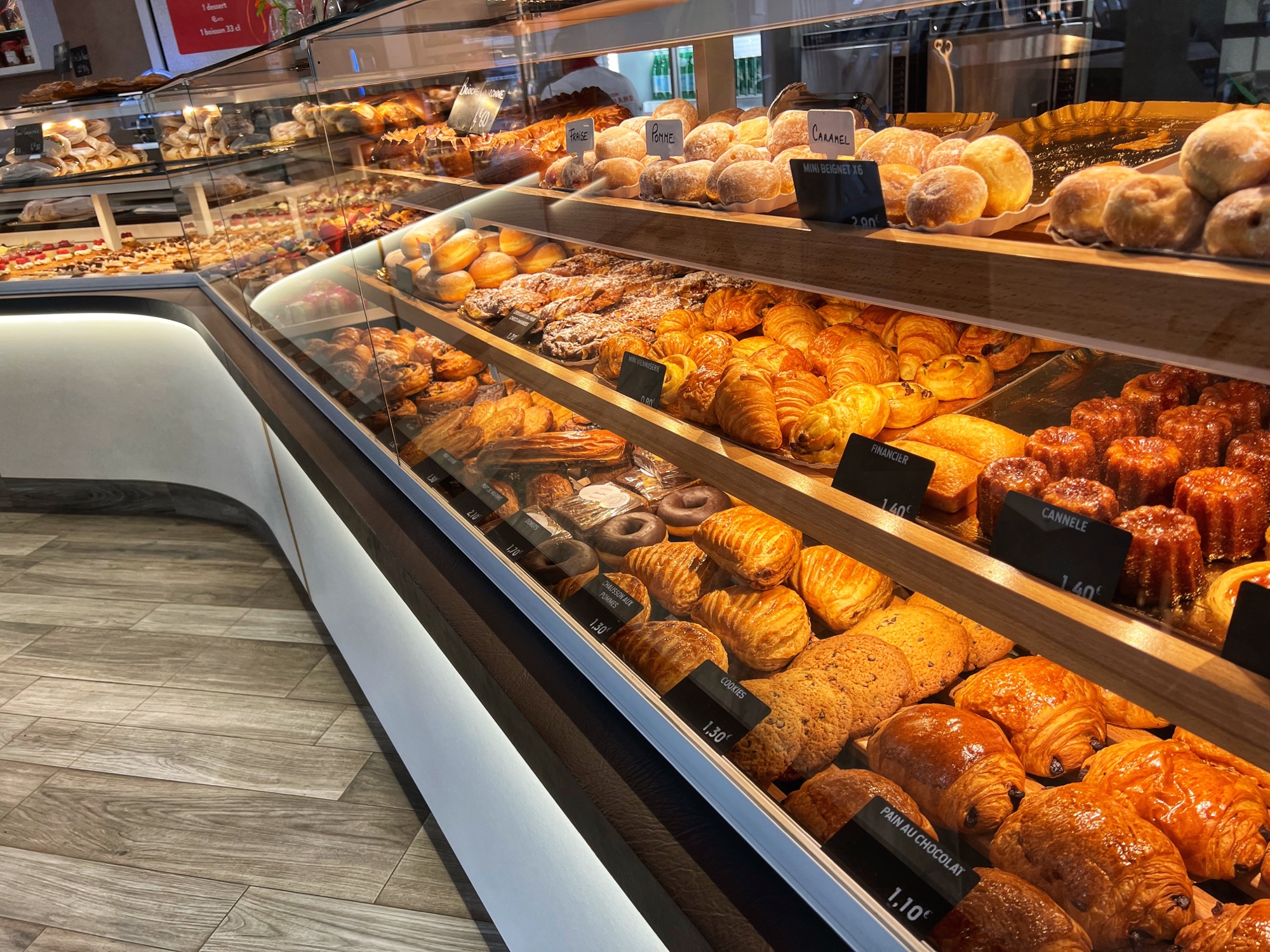
Simple but sufficient accommodations in Mer:
Each day we reviewed where we were heading on the itinerary, read a little bit about each place to know what to look for, and ended the day exhausted after thousands of steps! I recommend watching any kind of YouTube informational video (here’s a good one) to see these castles from aerial views and learn a little bit more before visiting the region. It was so helpful when the girls recognized places from our research! *It’s worth noting that although I speak French, staff at most places also spoke English. All places had materials in English, and some places had kids’ materials in English.


Loire Valley
For quick reference, jump to a Château here:
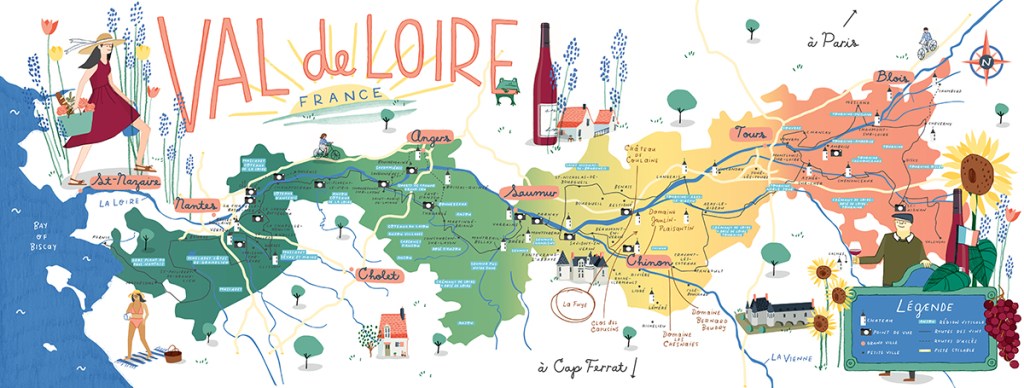
The beautiful Loire Valley is located south and west of Paris, between the cities of Orléans and Nantes to the coast of France, in the charming countryside along the Loire River. As mentioned before, there are over 300 castles in this region, and many of them are still inhabited – some by the same families for centuries! Due to our time constraints, we focused primarily on the region between Chambord and Ussé, surrounding the cities of Blois and Tours. These two cities would be great “home bases” for visiting the châteaus highlighted here, as well as Amboise. To the west, Angers and Nantes would be other good options for staying if your focus is on the more well known castles in those regions, which I will touch on at the very end.
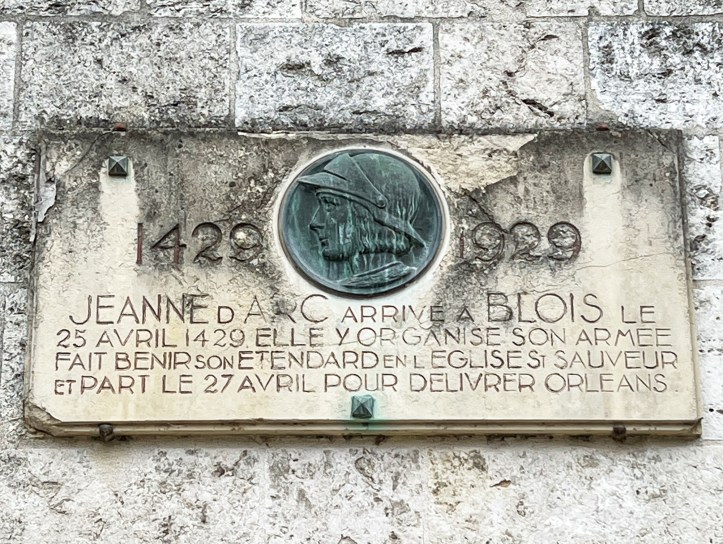
Besides châteaux, the Loire Valley is known for its sparkling wines and cheeses, plus the famous Cointreau liqueur. In addition, the famous Rose de la Paix was created in the Loire, a unique white rose bred to commemorate the 70 years after the DDay landings. Joan of Arc holds a meaningful historic influence in the Loire Valley too, so keep an eye out for memorials to this heroine on your travels.
All of the chateaus of the Loire Valley were built between the 10th and 15th centuries. It would behoove the visitor to become familiar with the history of France during these times in order to better appreciate what you’re seeing. A time frame of rulers, military conquests, and elite personalities is useful in understanding the significance of each castle, be it a royal chateau, “hunting lodge,” or residence of nobility. The most remarkable thing to note in these grand palaces, besides the architecture, are the impressive collections inside. You will never see a more vast and rich display of renaissance artifacts than in these castles – so beautifully preserved and lavish in scale. Each is like a museum.
Things to look for:
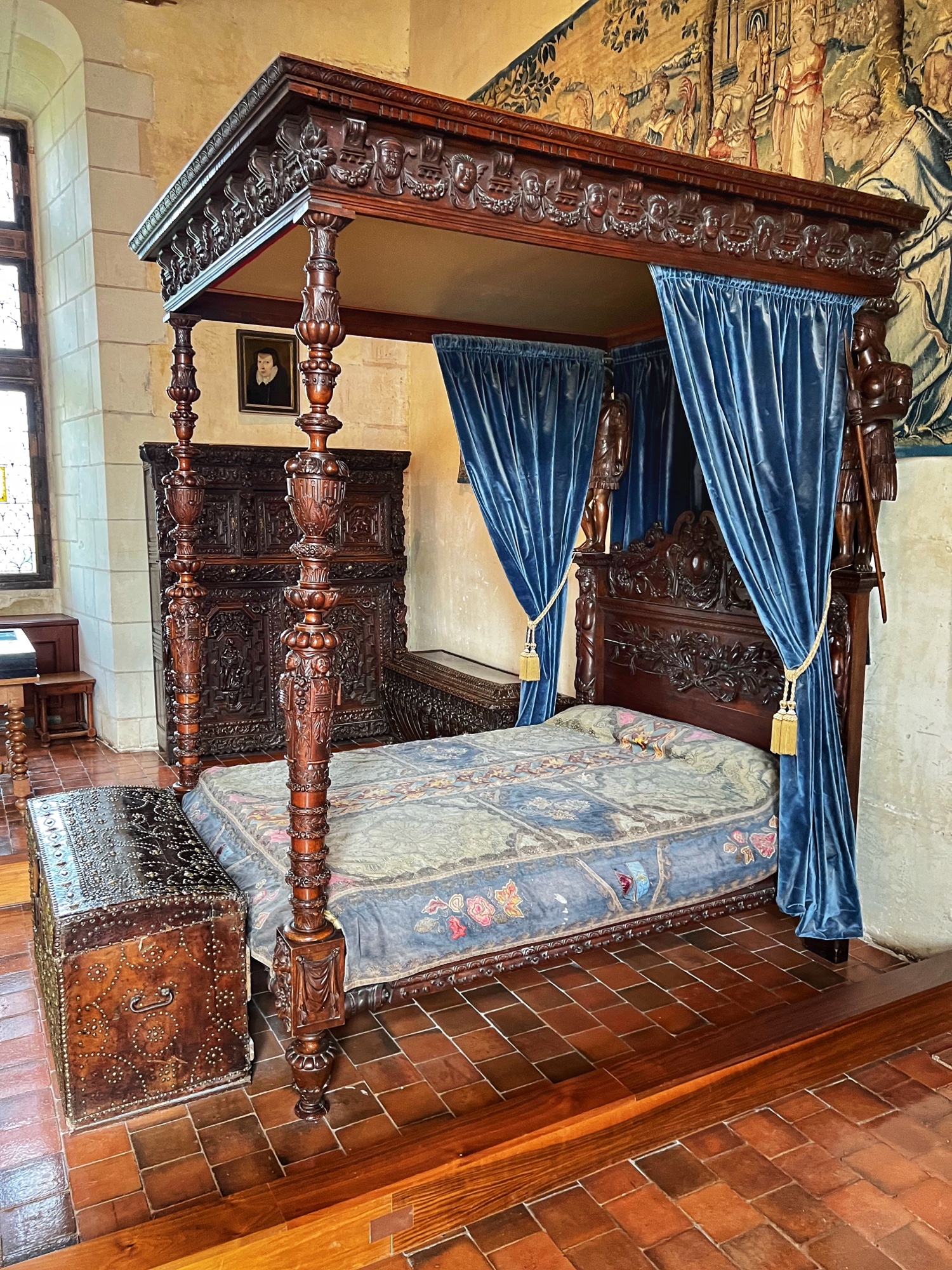
- Furniture: elaborate wooden carved furniture, upholstered seating, canopy beds, desks and tables.
- Collectibles: mirrors (rare in these times, indicating wealth), candelabras, chandeliers, table wear, period clothing.
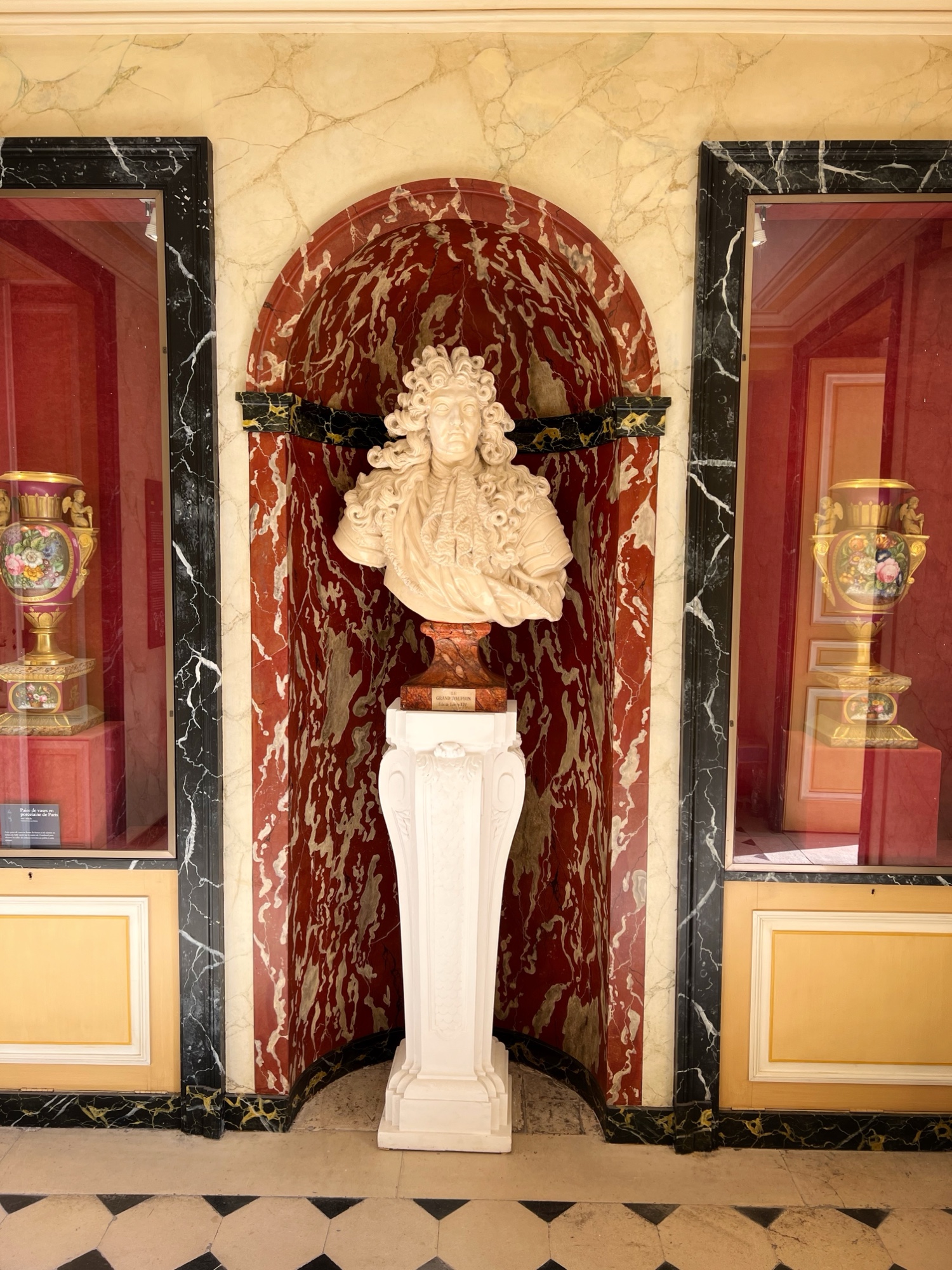
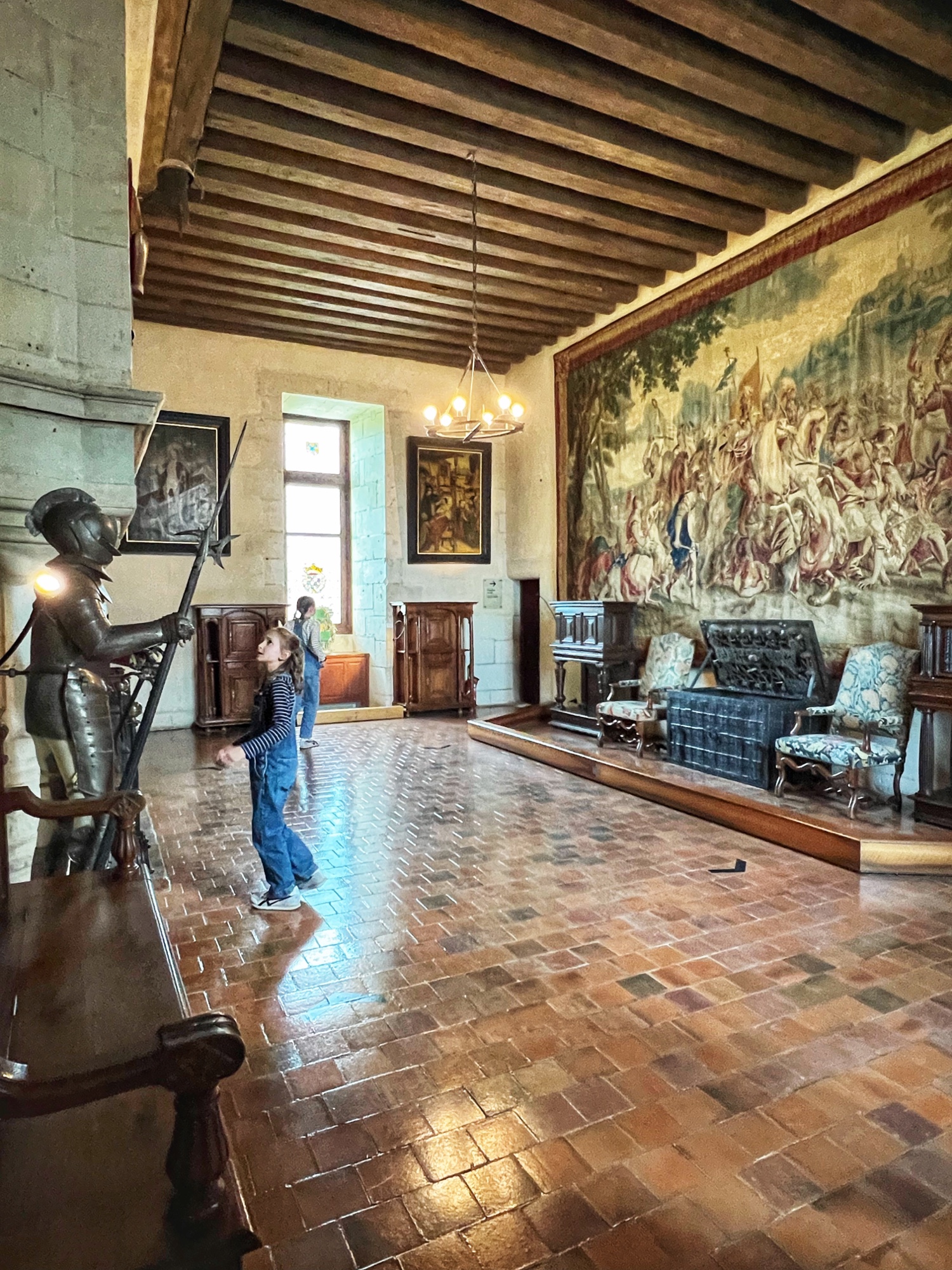
- Art: tapestries (remarkable), portraits, busts, statues and sculptures.
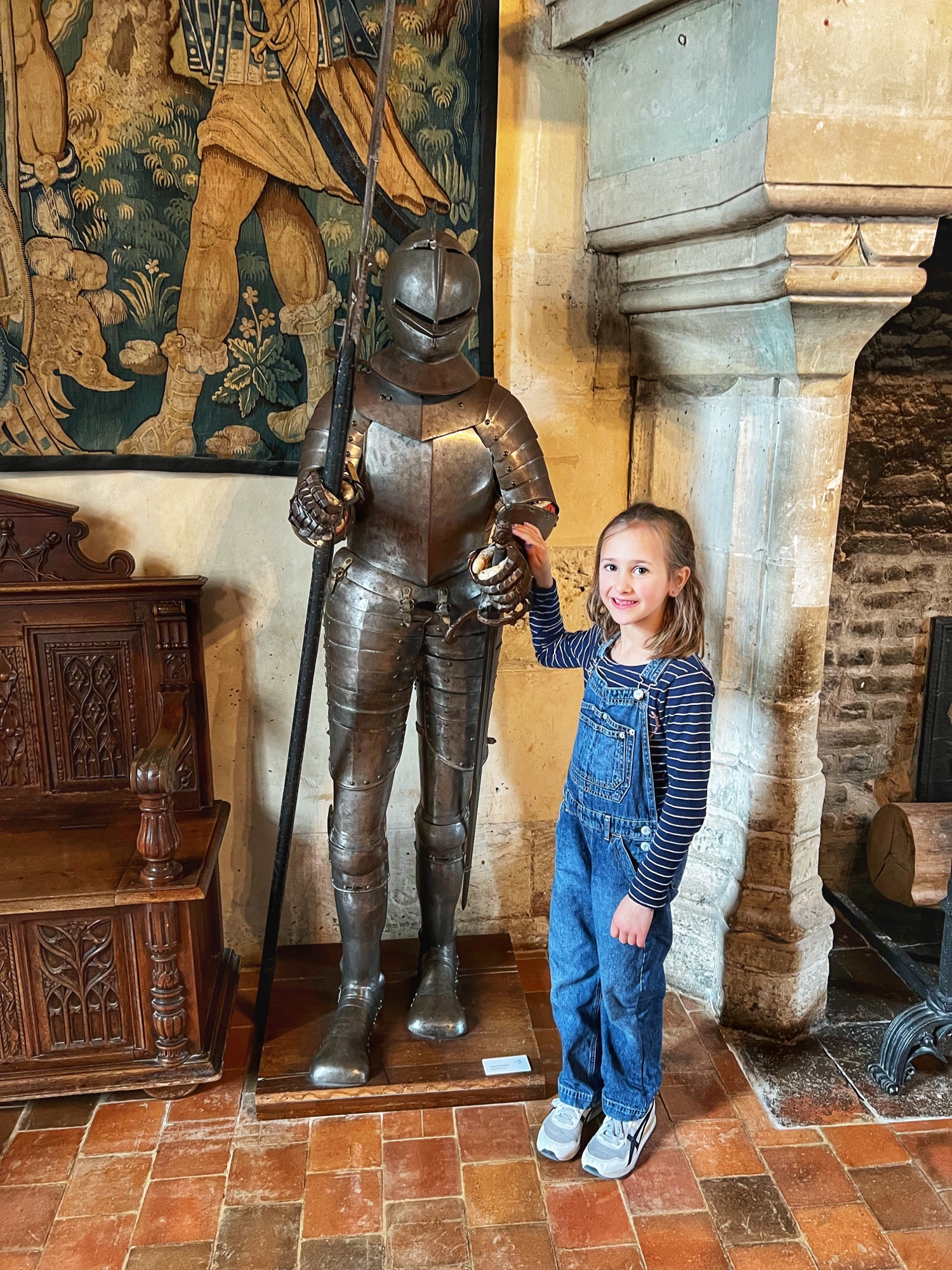
- Unique Features: chapels (many have them inside, some built them separately outside), arms rooms, prisons.
- Vehicles: many châteaus have a collection of carriages.
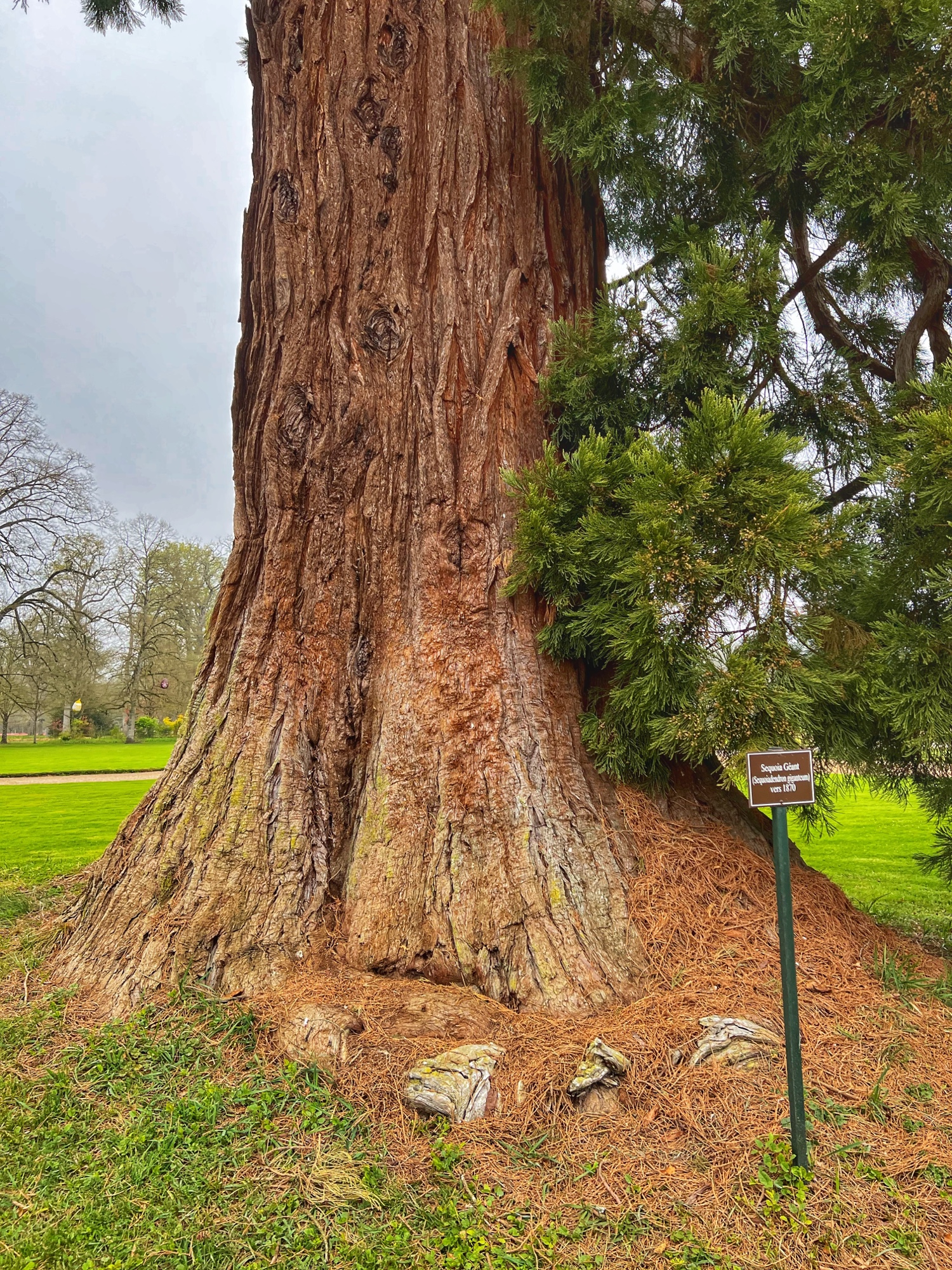
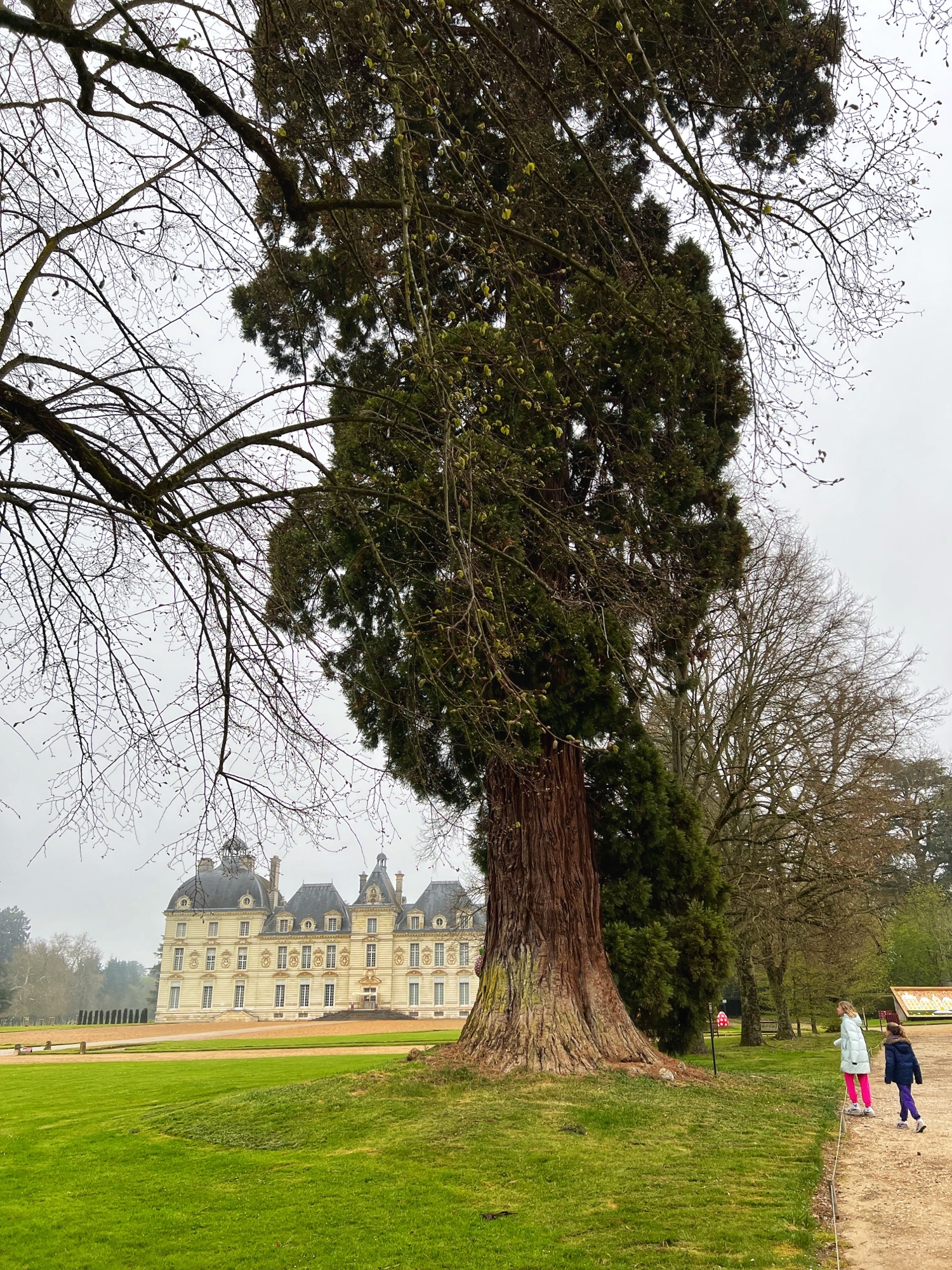
- Grounds: remarkable trees (giant sequoias were famously planted at many chateaus), lavish gardens, and swans.
BEST OF: The following castles are what I deem to be the best nine in this particular region. If you only have time for the top four, I recommend Chambord, Chenonceau, Cheverny and Blois. If you value gardens and modern art, don’t miss Villandry, Chaumont, and Cheverny. The best chateaus for kids (that have Histopads and/or children’s activity books) are Blois, Chambord, Cheverny, Azay-le-Rideau and Ussé. Best for views over the river: Amboise, Blois, Chaumont, Chenonceau. If you only have one day: Chambord, Blois, Cheverny OR Amboise, Chenonceau, Chaumont. Feel free to message me with any itinerary questions!
DAY 1
Villandry
- Opening Hours: 9am-6pm
- Rates: Adults €12, Youth €7, Under 8 free
- Parking: free
- Audioguide: €4/each (recommended)
- Children’s Activities: maze, small playground in gardens, no booklet or Histopad.
- Highlights: small gift shop, boutique, gardens
- Accessible: partial, and outside in the gardens. Discounted rates available.
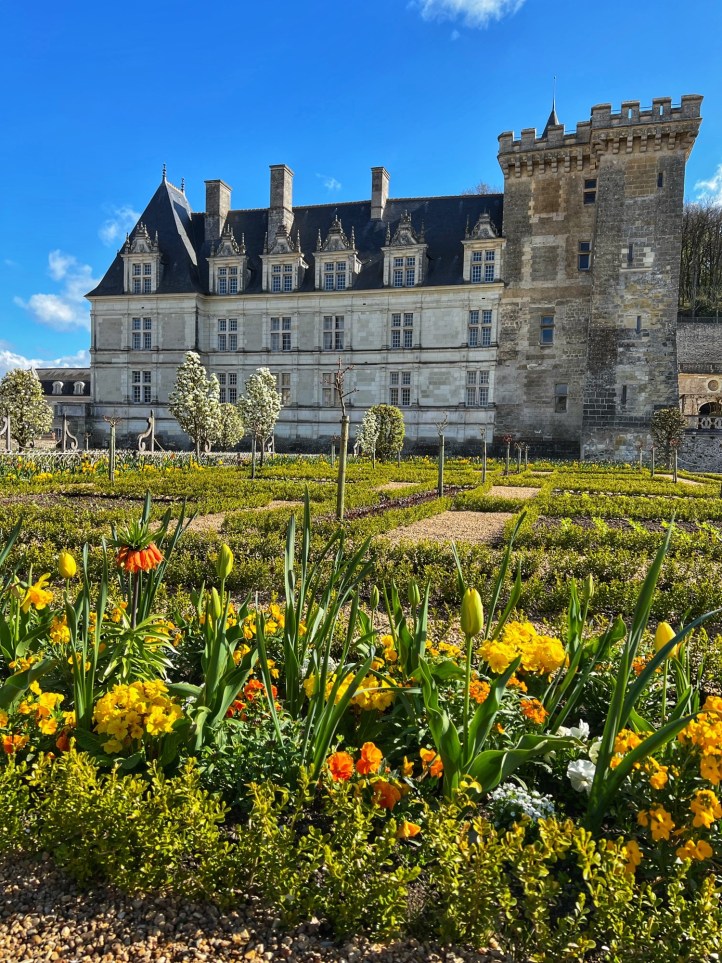
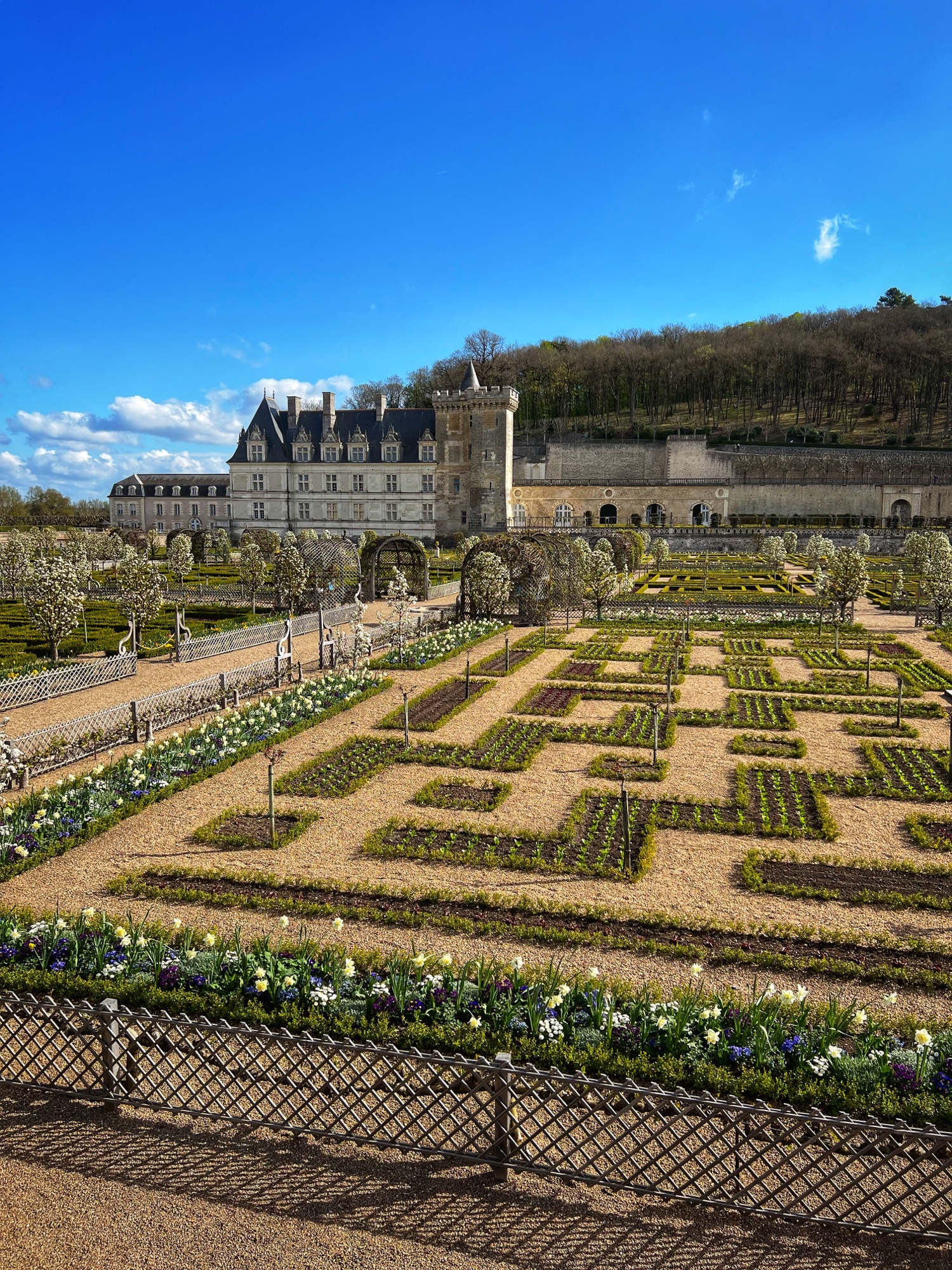
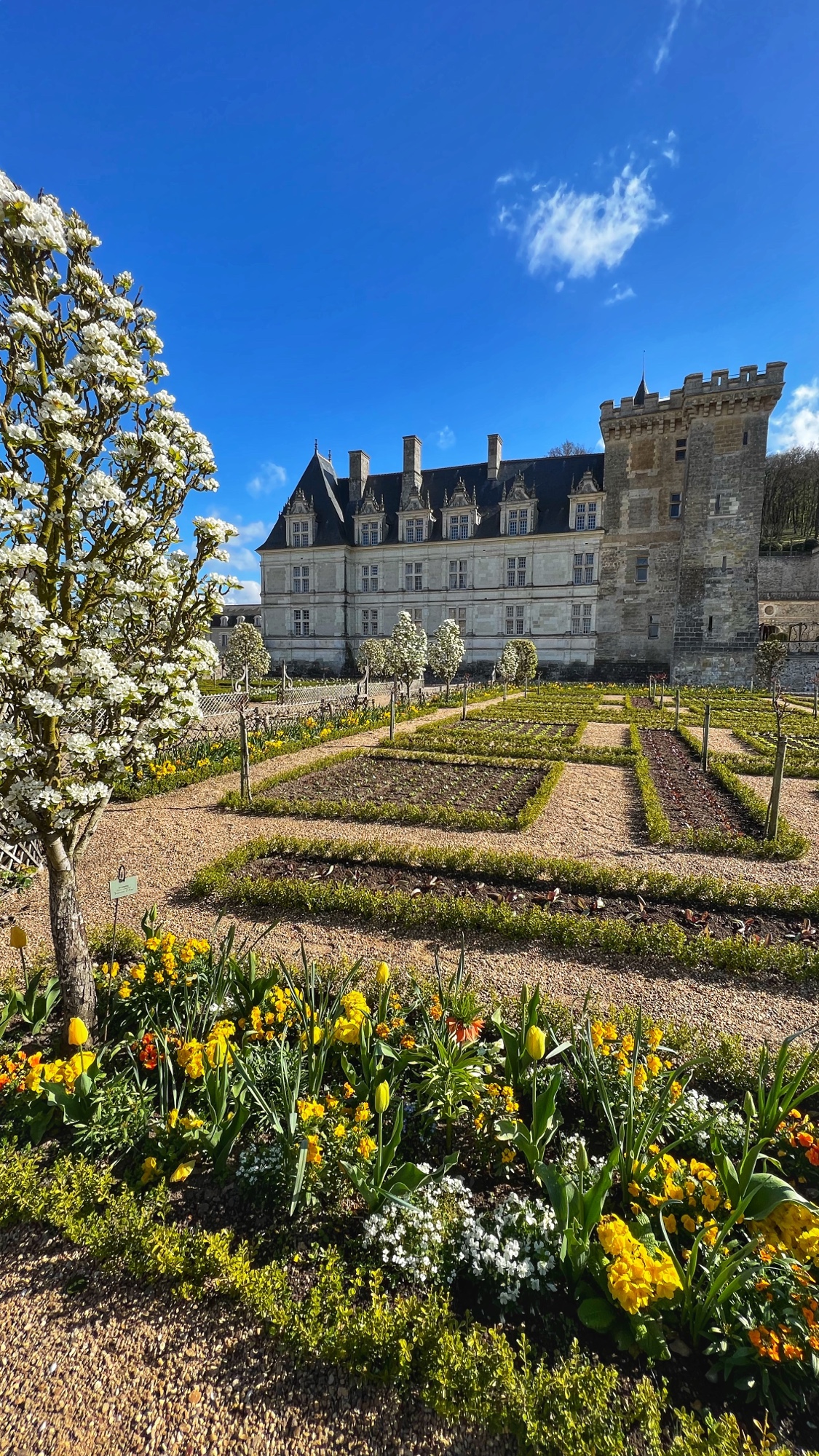
Villandry was built in 1536 during the time of Francois Ist, and then redisgned in 1754 to resemble what we see today. The keep (tower on the right in the photo) is all that remains of the medieval castle. The incredible gardens were created in 1906, and each room has a unique view over them. Note: there is a 15 minute film presenting the history of Villandry and the gardens, but you must ask the staff to view it.
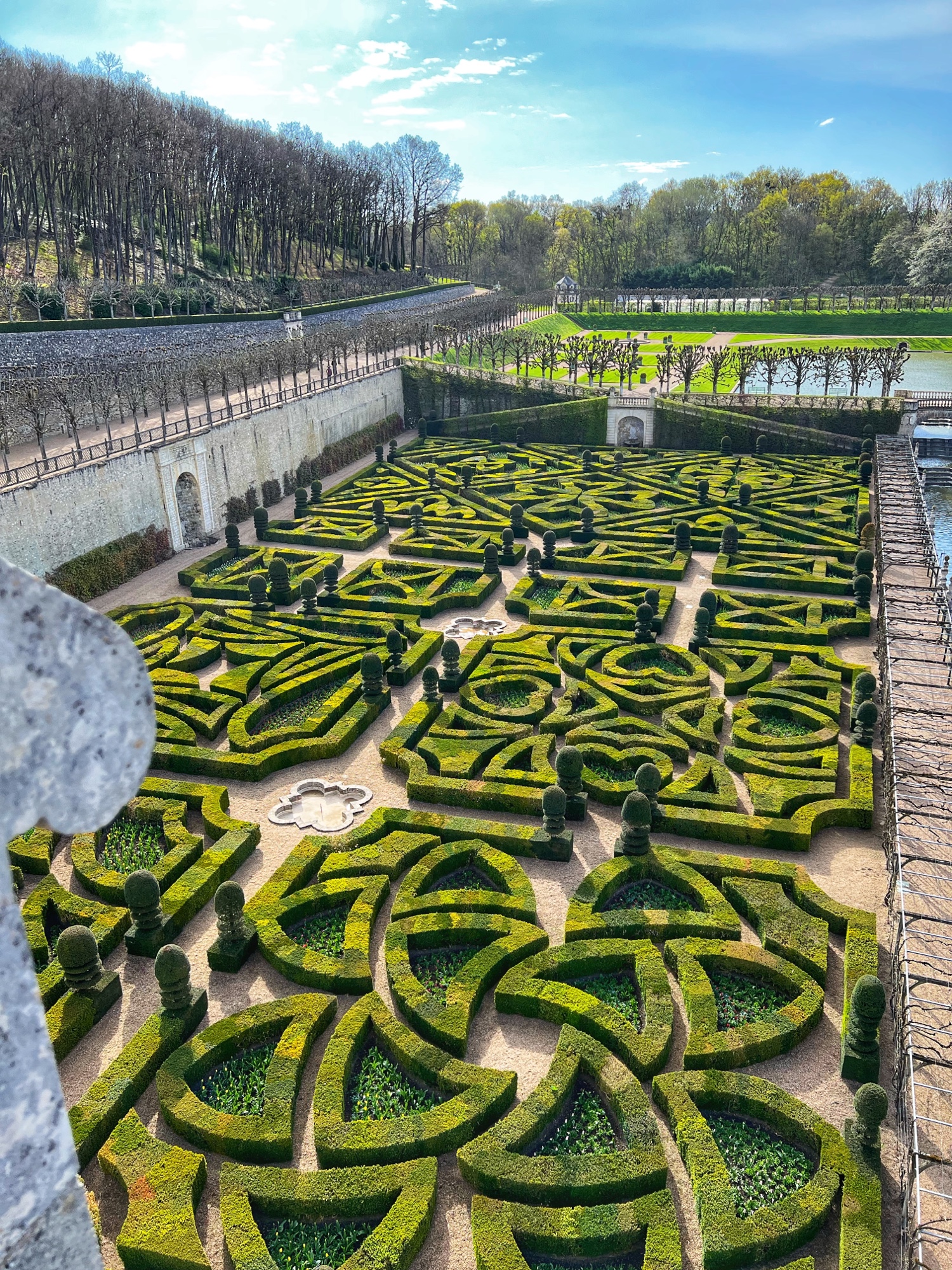
Villandry greeted us bright and early on our first day with free parking, and we noticed a little cafe area at the entrance for light fare. The staff was very friendly and helpful, and we were exploring with our audio guides and pamphlets (one for the château, one for the gardens) in no time. The priority here was to see the gardens of course, but another interesting feature was being able to stand outside on the rooftop of the keep. The views over the grounds were beautiful from there, and unique, as most castles don’t allow for this kind of rooftop view.
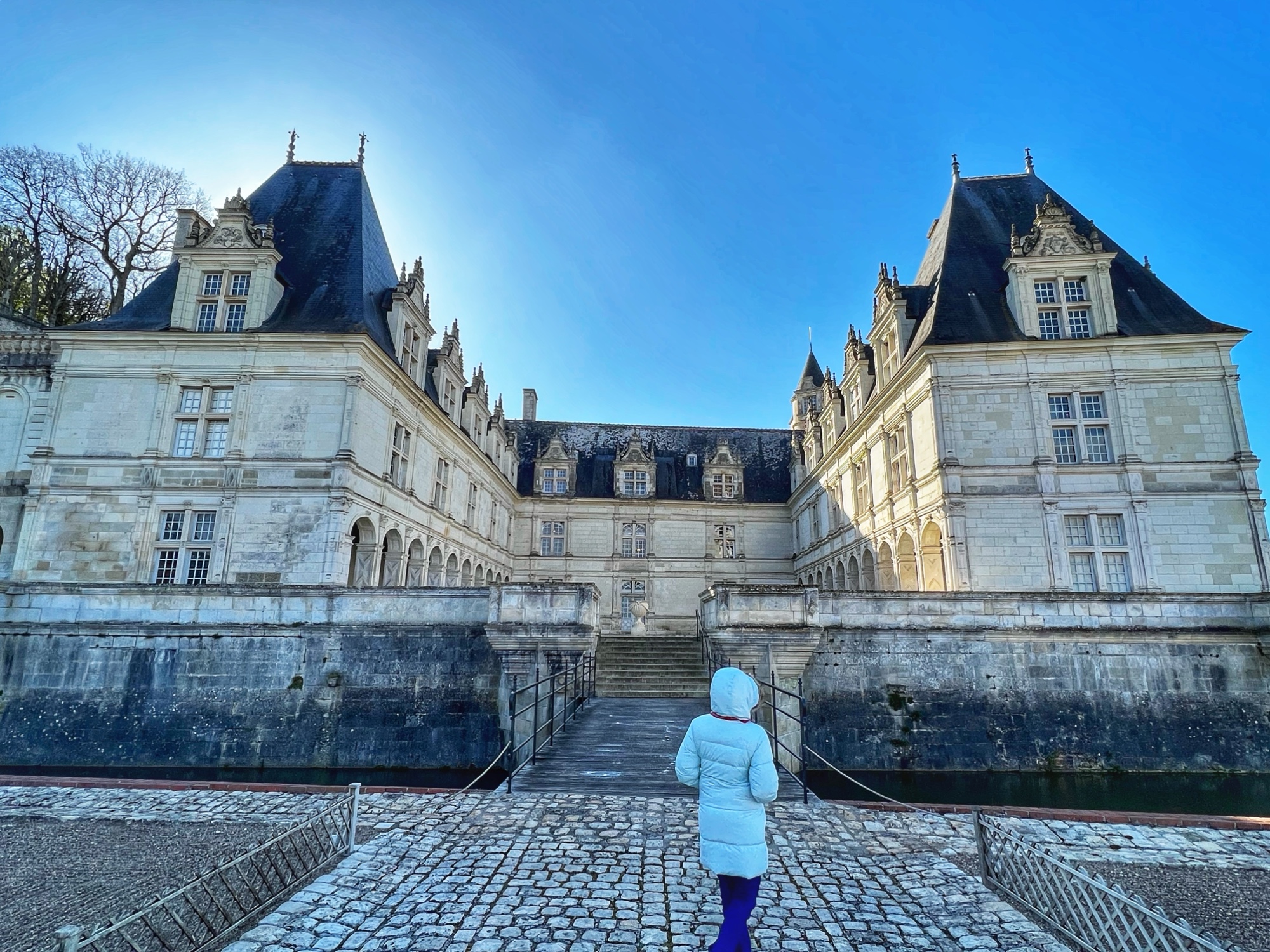
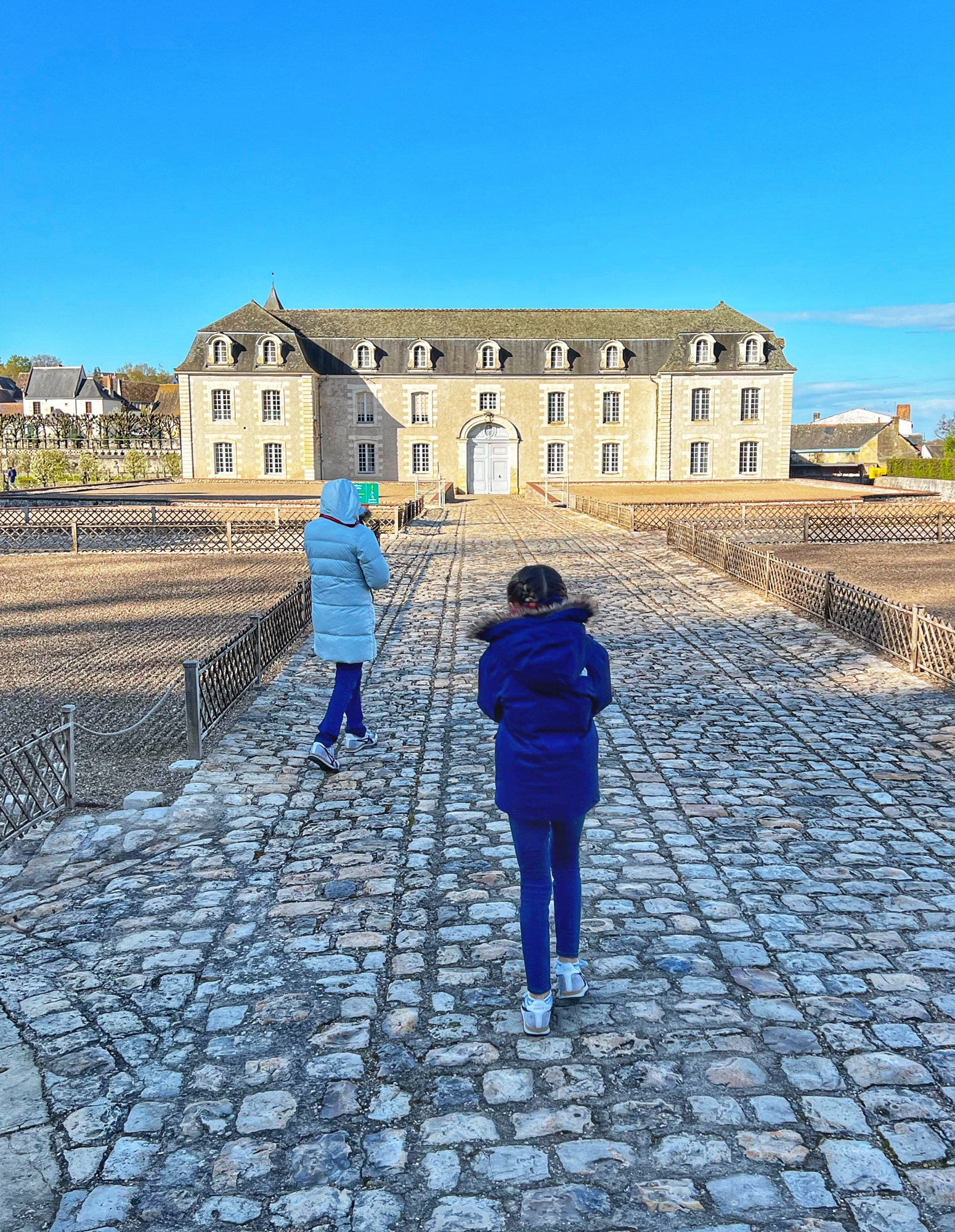
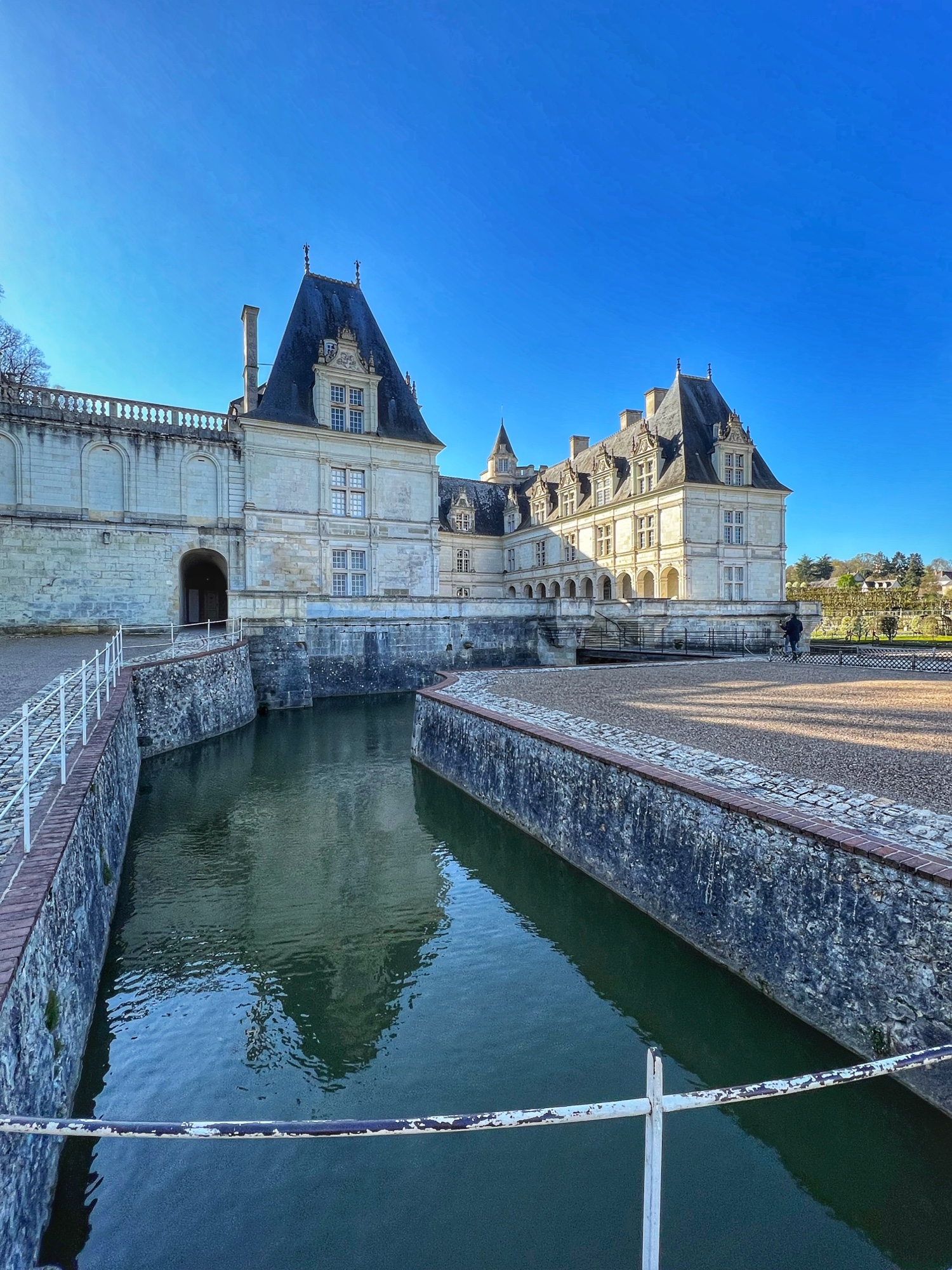
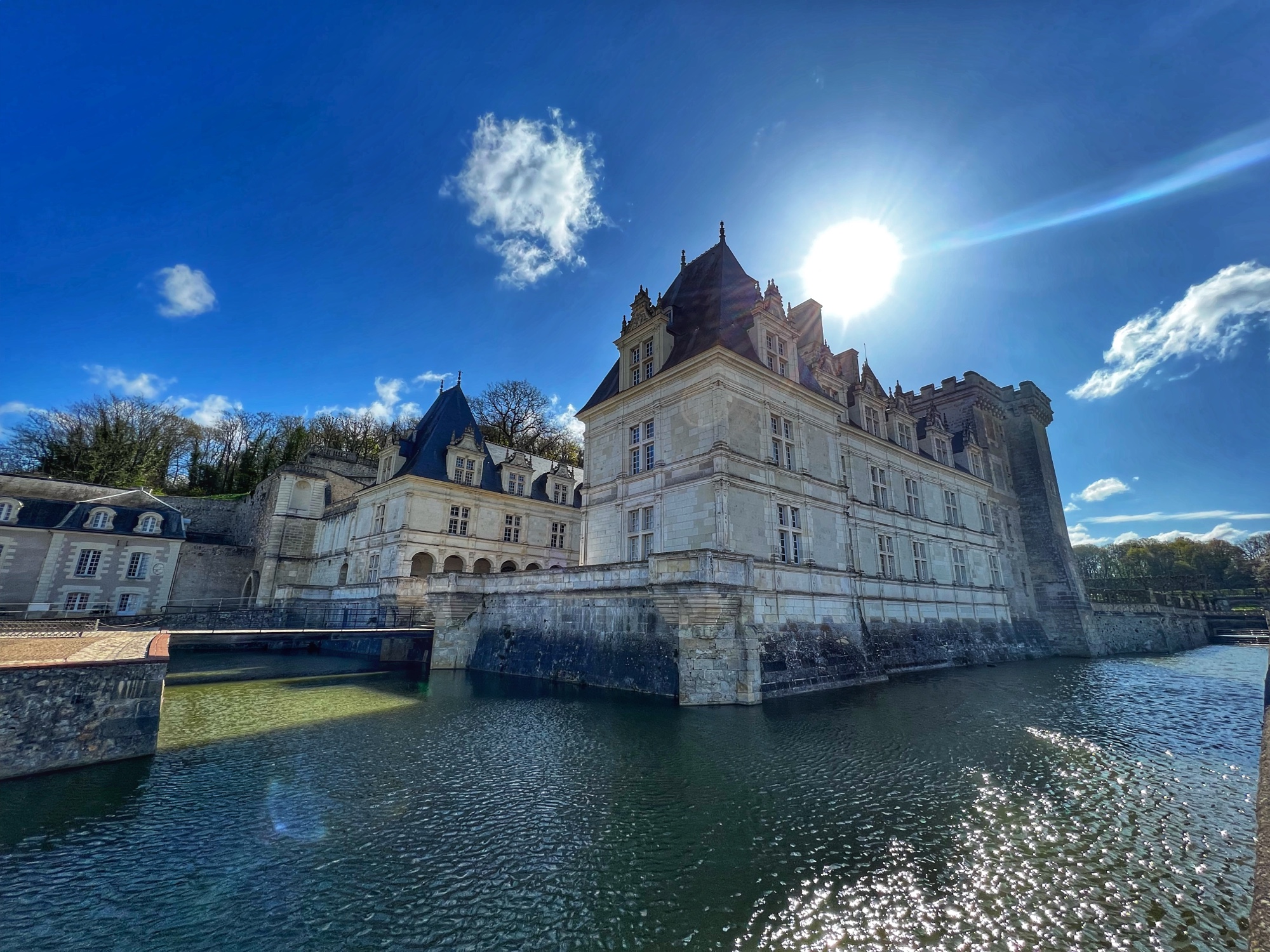
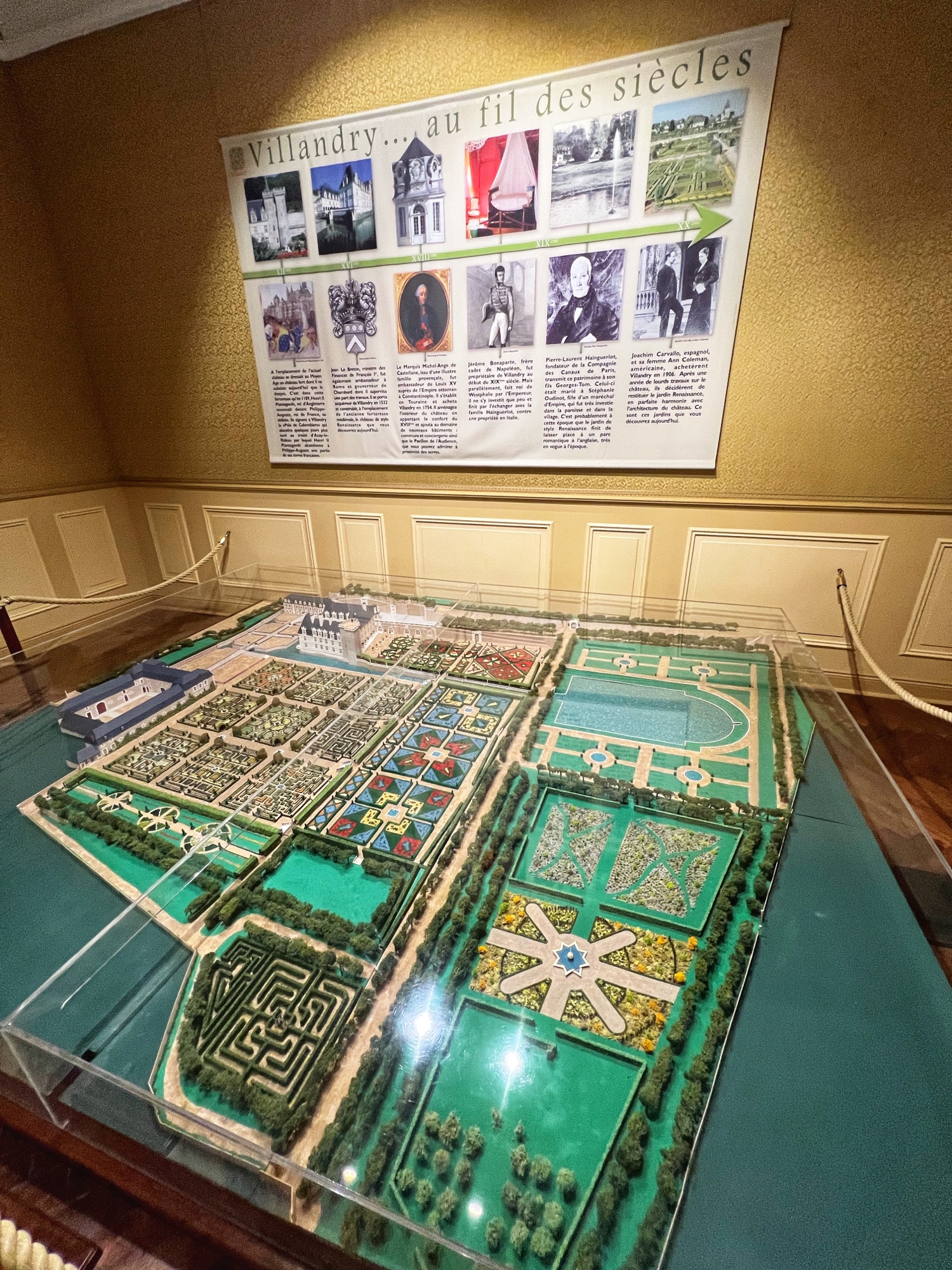

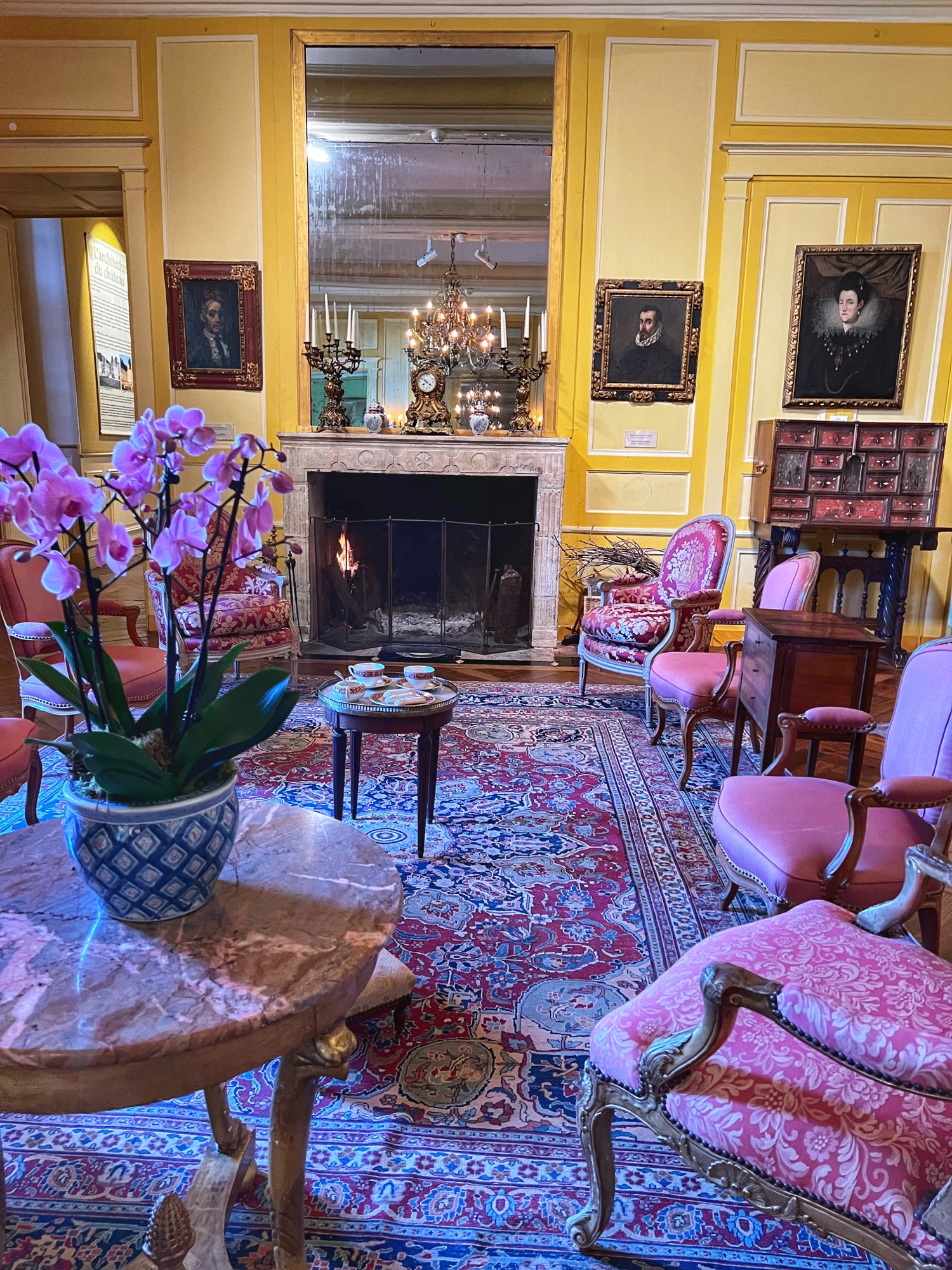

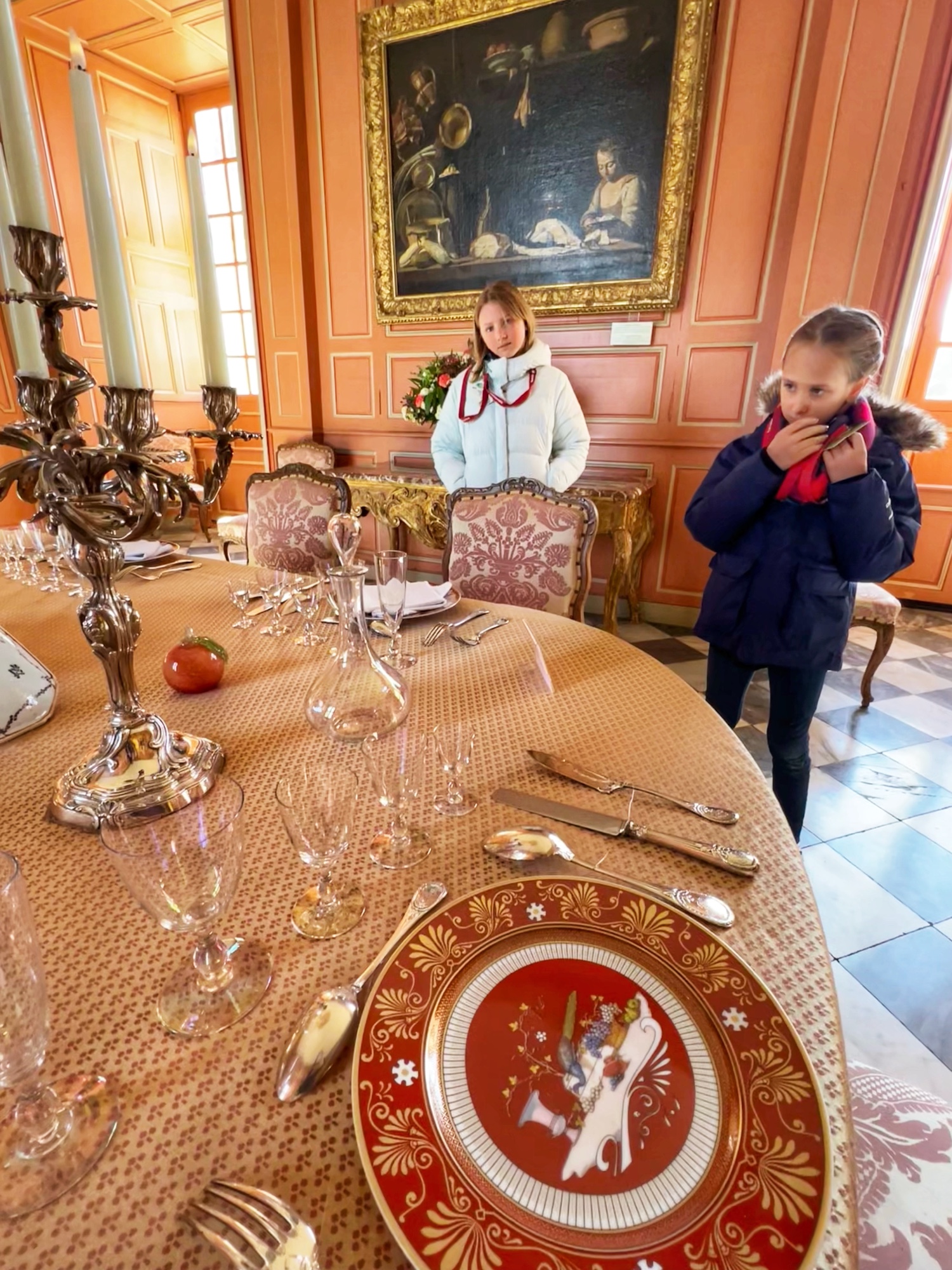

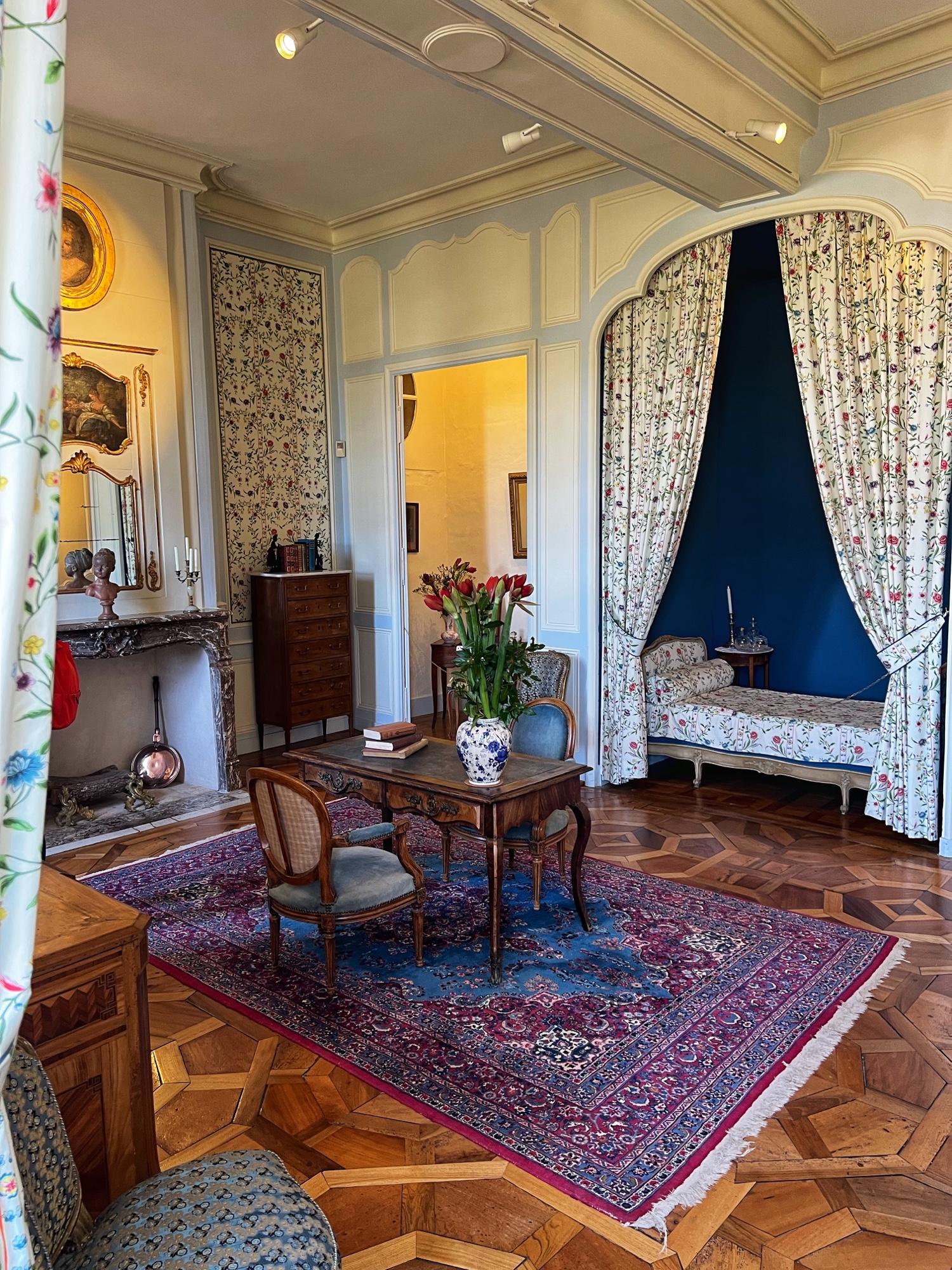

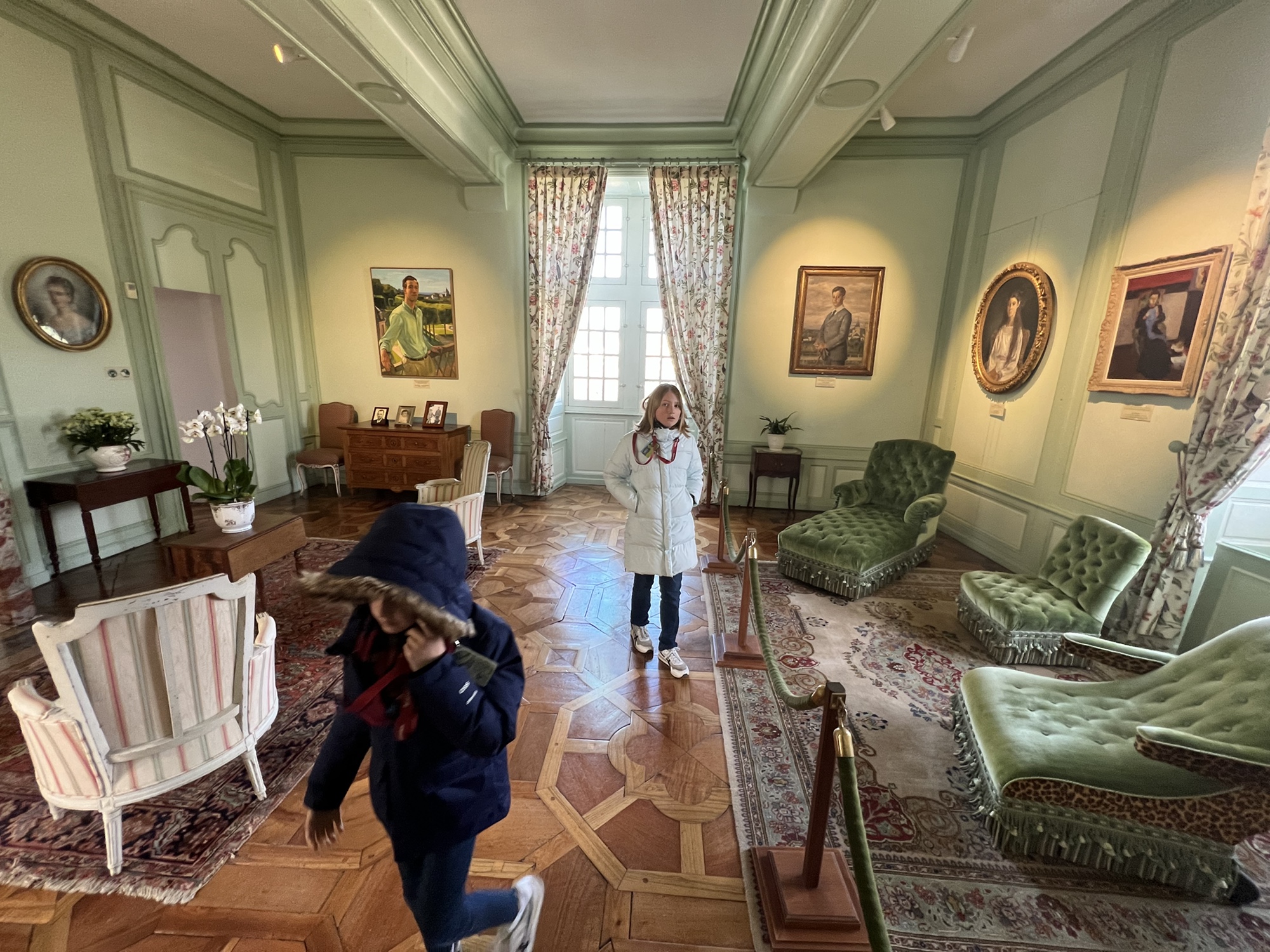


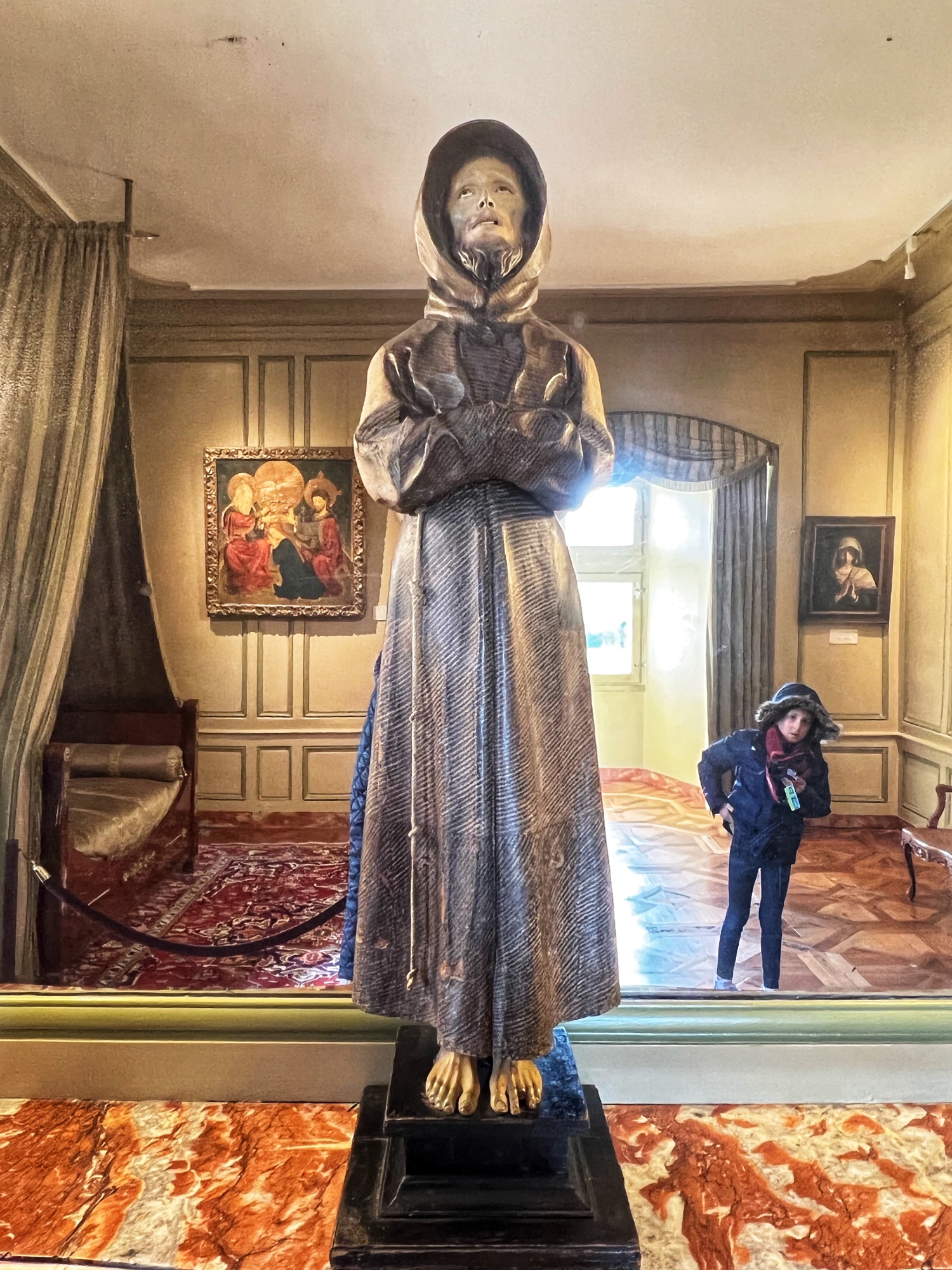
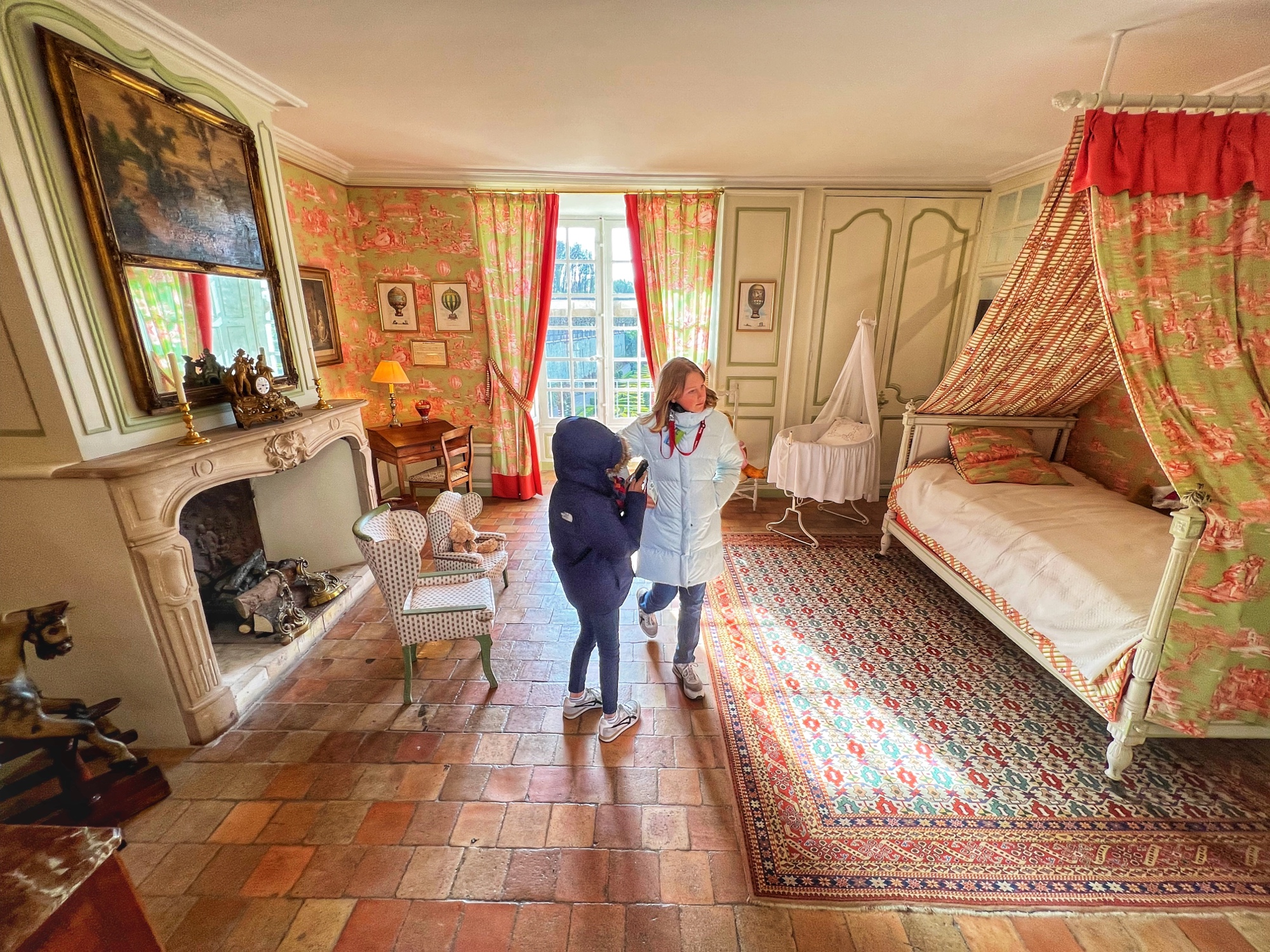
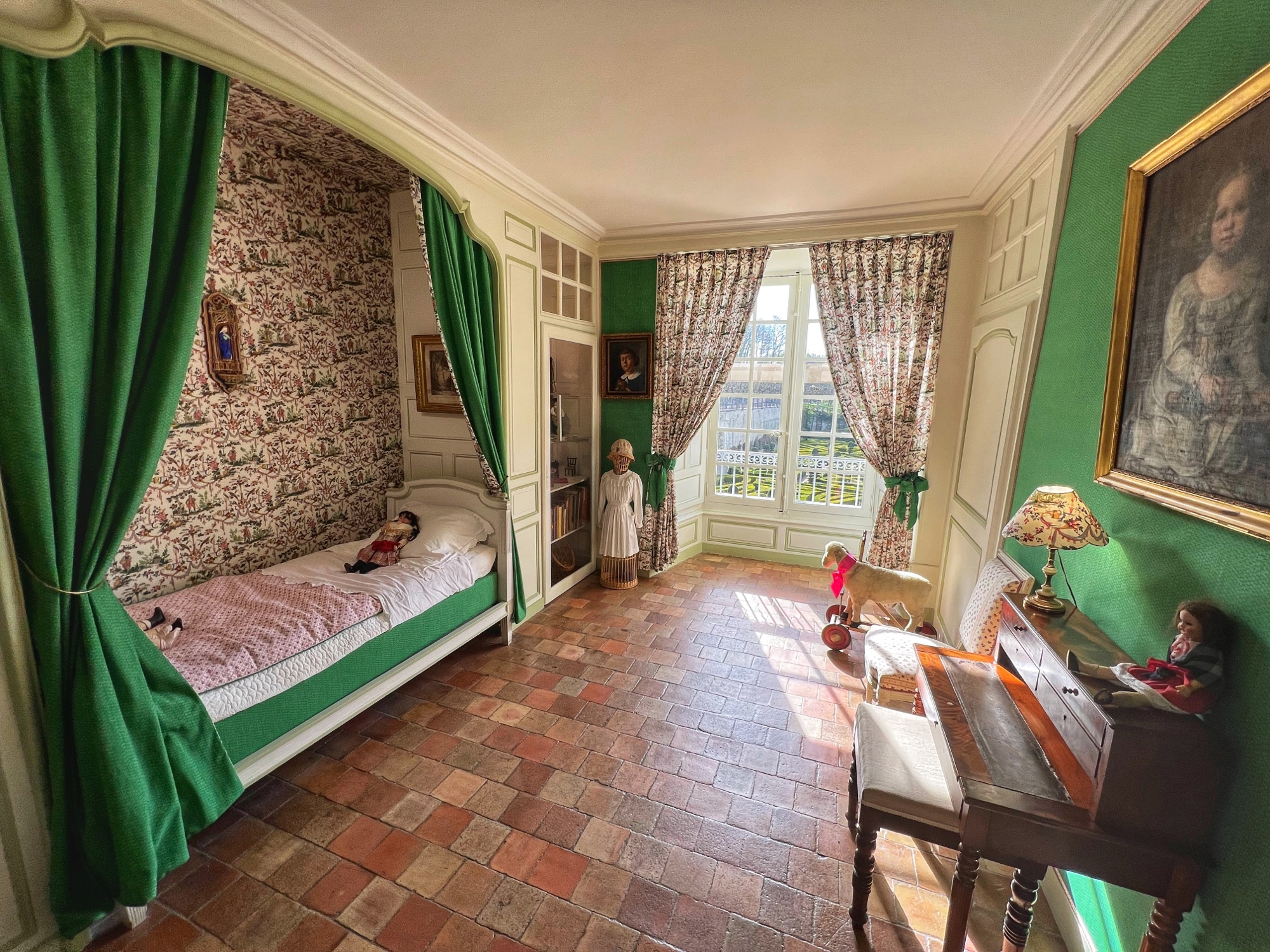
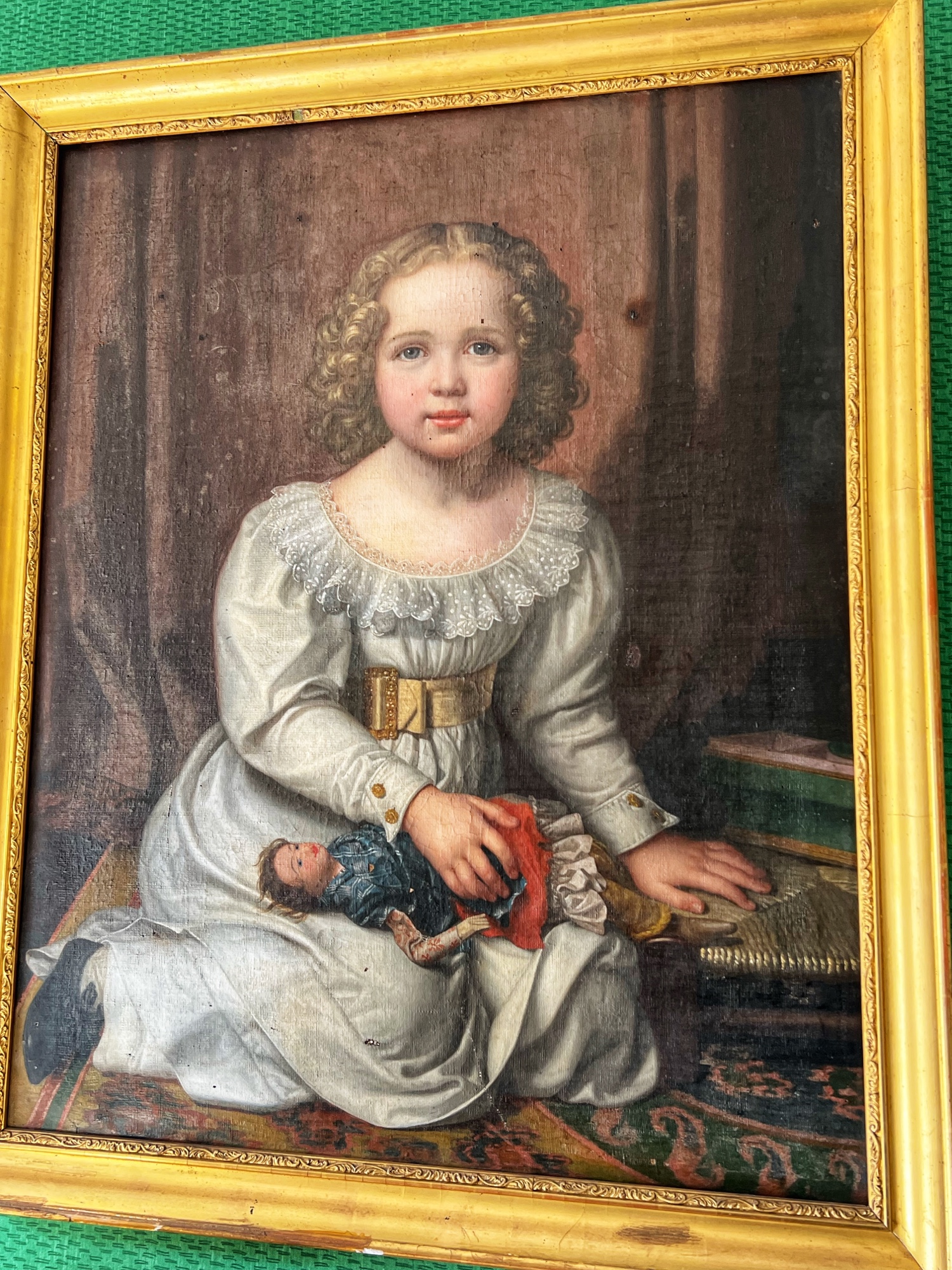
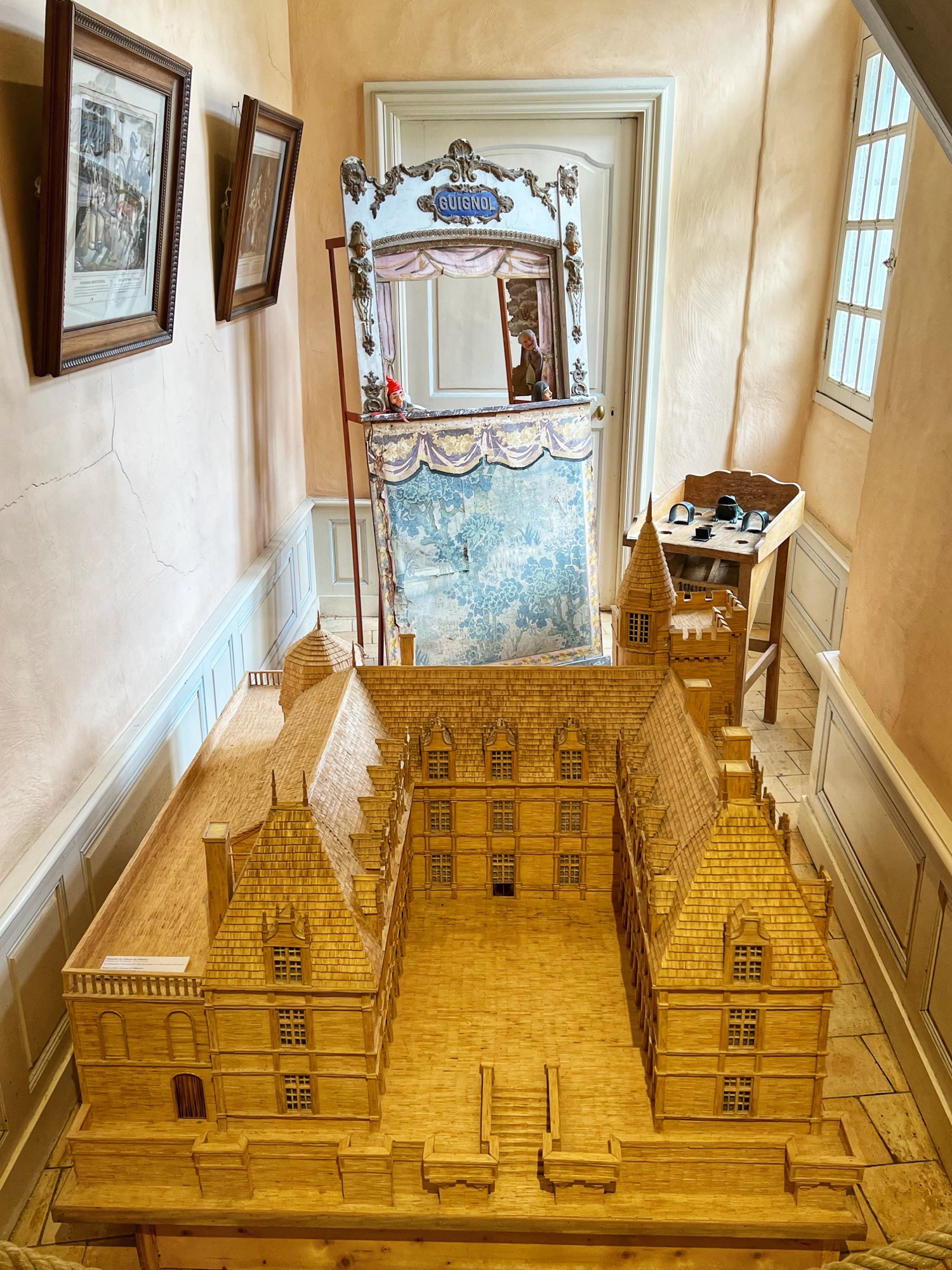


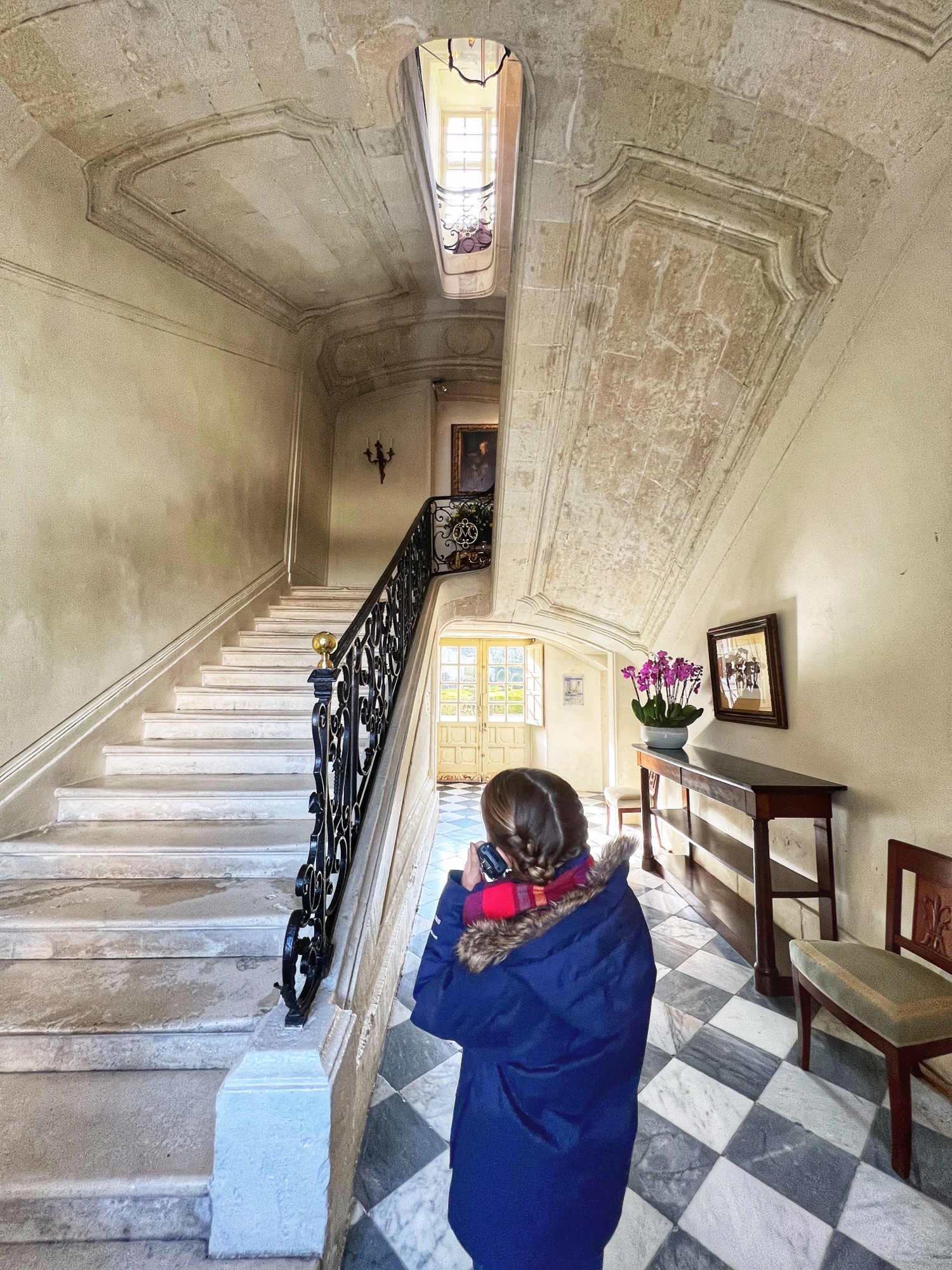
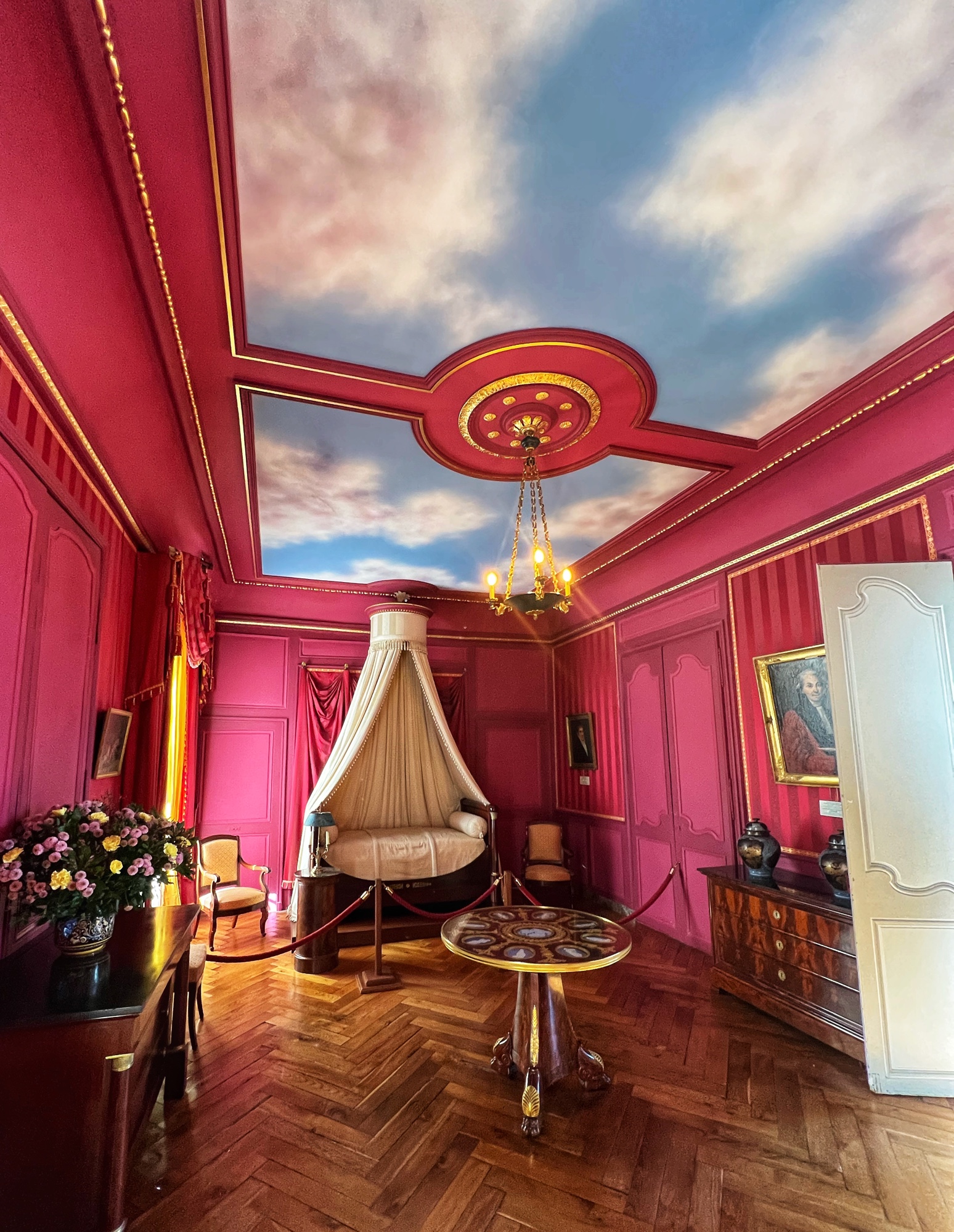
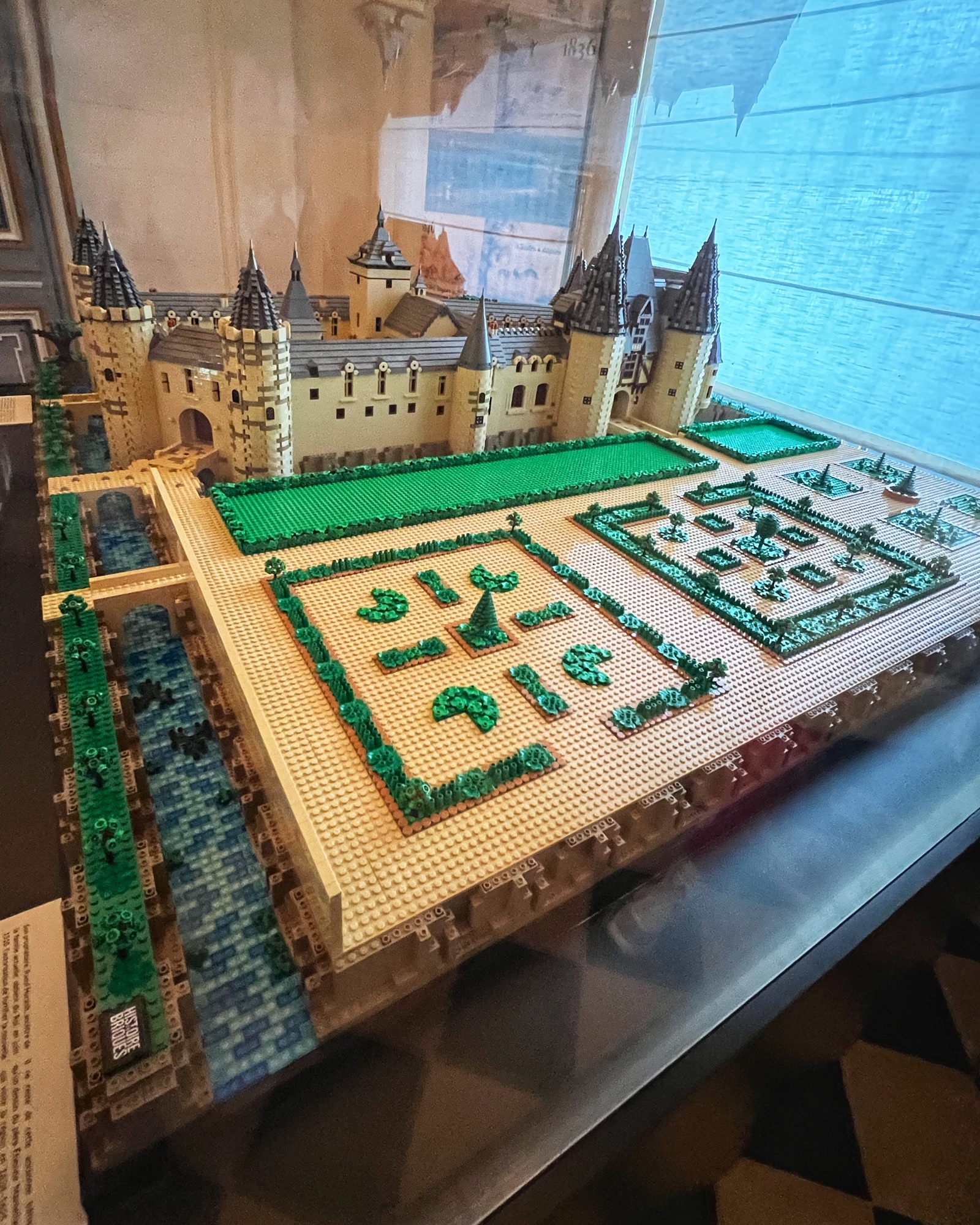
Especially noteworthy were the modesl of the castle and gardens, as well as the furniture, tapestries and fabric throughout. This chateau also was one of the few that had a real working fireplace, very rare in the French châteaus today. Keep an eye out for the painted cloud ceiling in Prince Jerome’s bedroom as well as the statue of St. Francis of Asisi. Don’t forget to peek out all the windows to see the gardens from various angles.
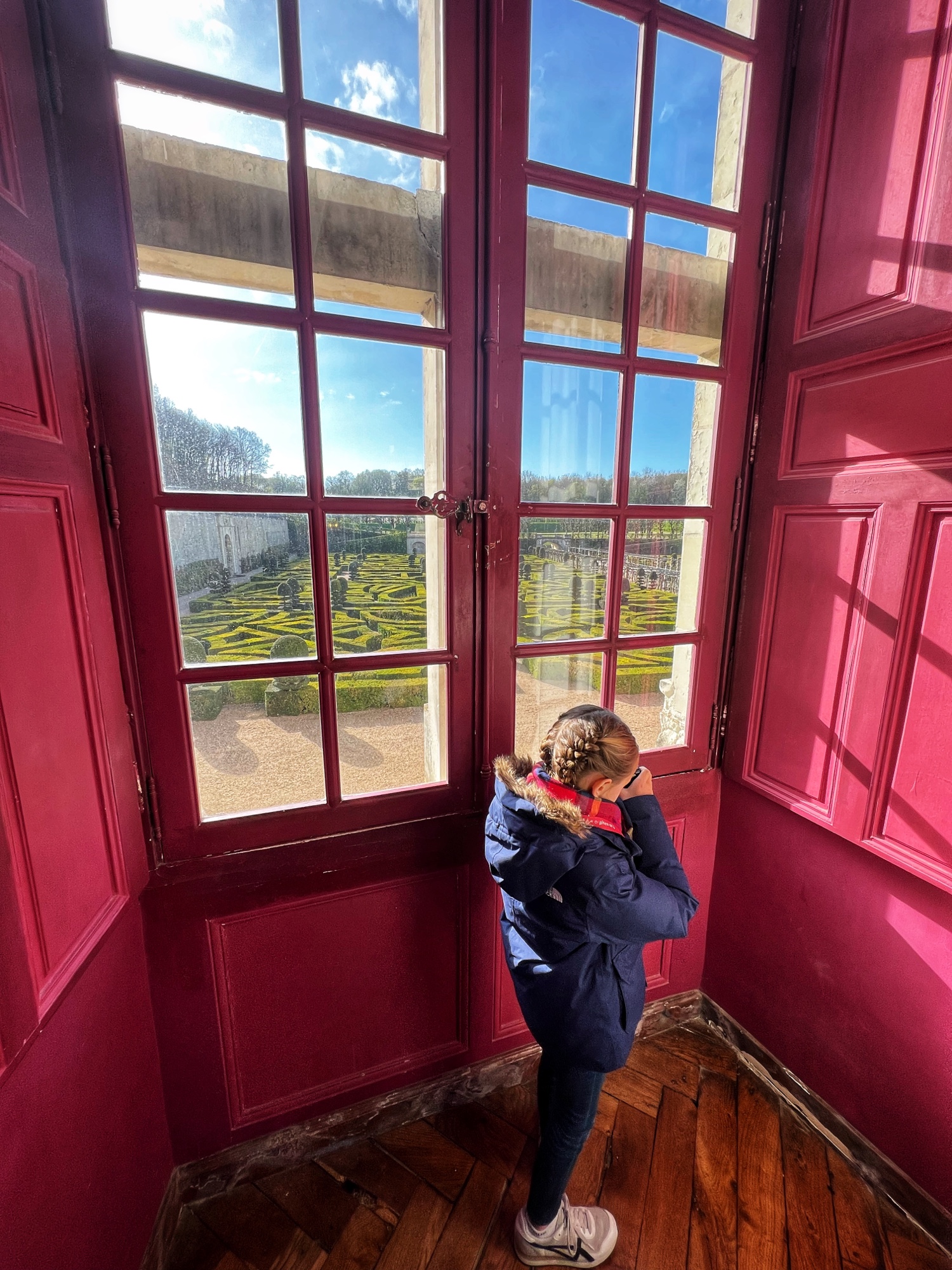
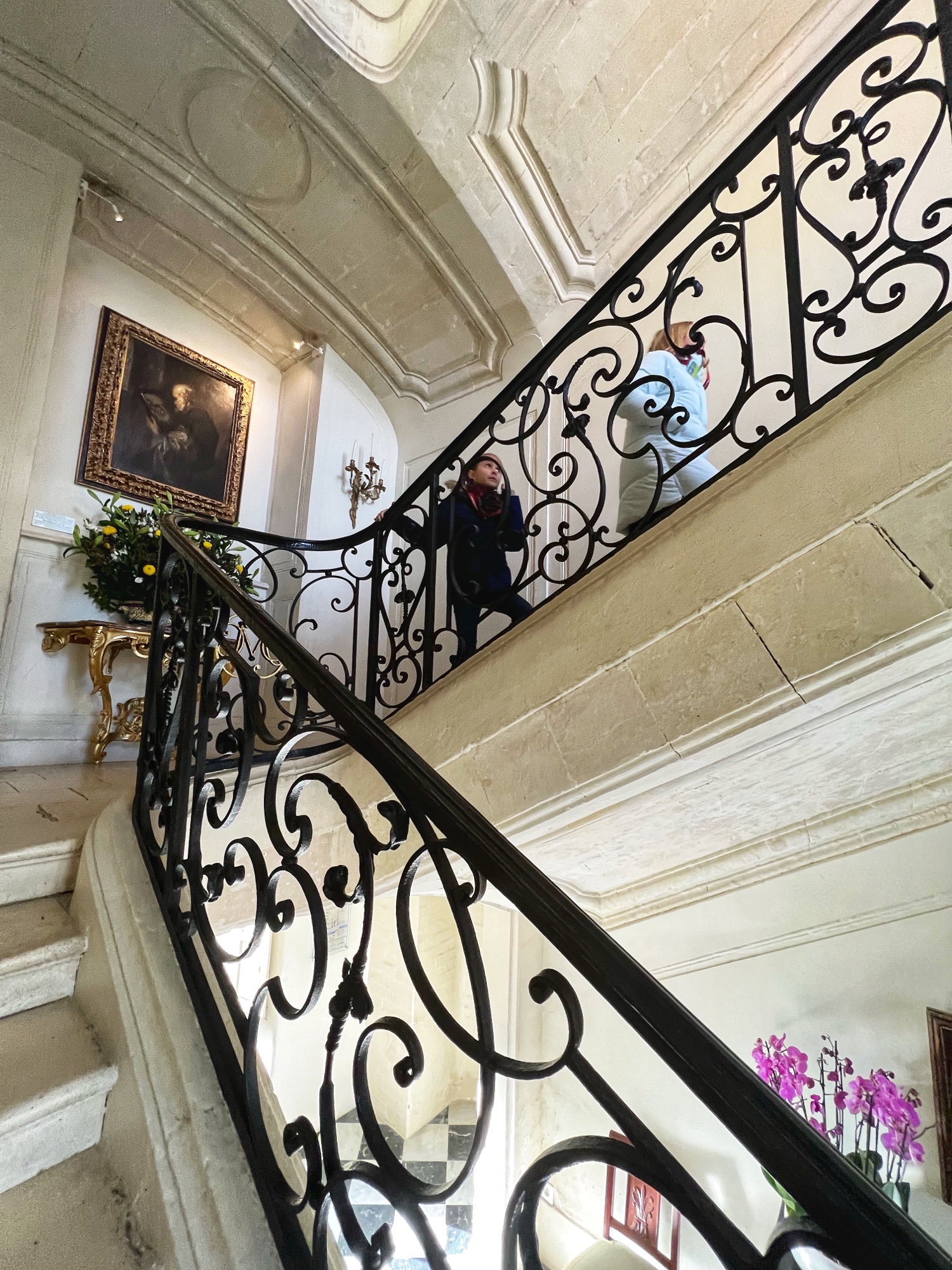
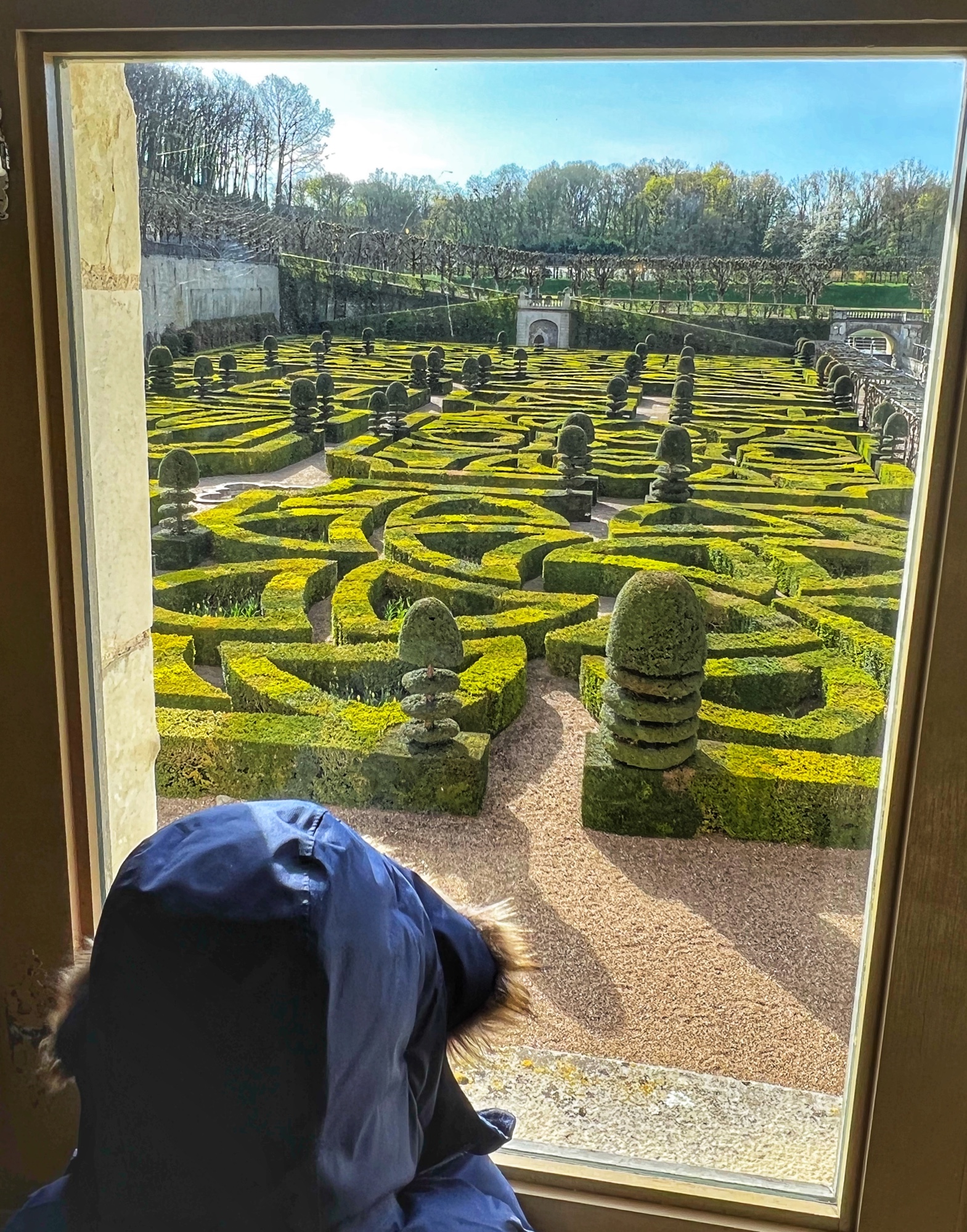

The views are stunning from atop the keep. You can see the various gardens and designs and learn about them in the accompanying booklet. Everything on this land was designed with great meaning and intention, right down to the usefulness of the “kitchen garden,” which will soon be blooming again with two seasonal plantings of vegetables.
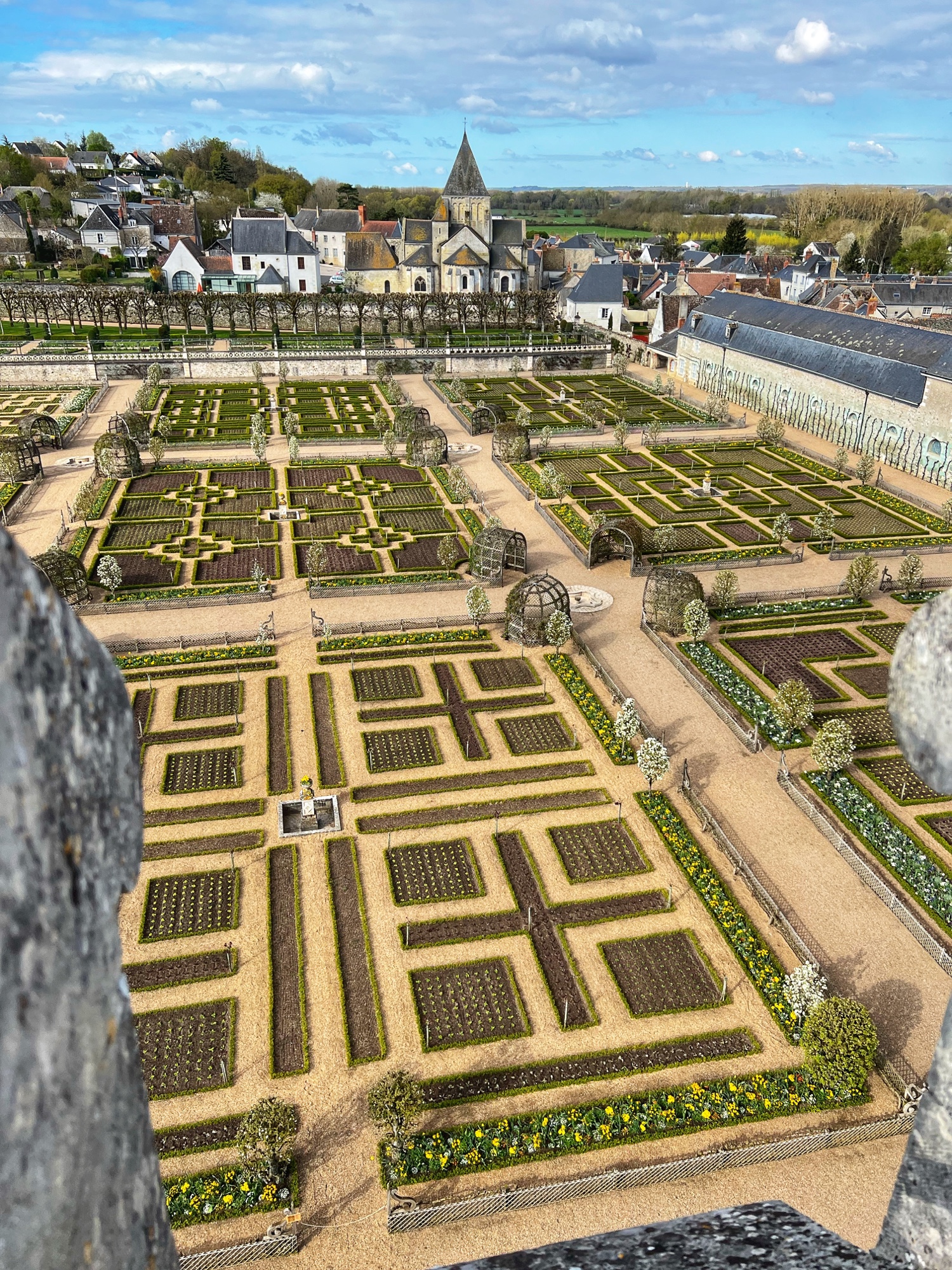
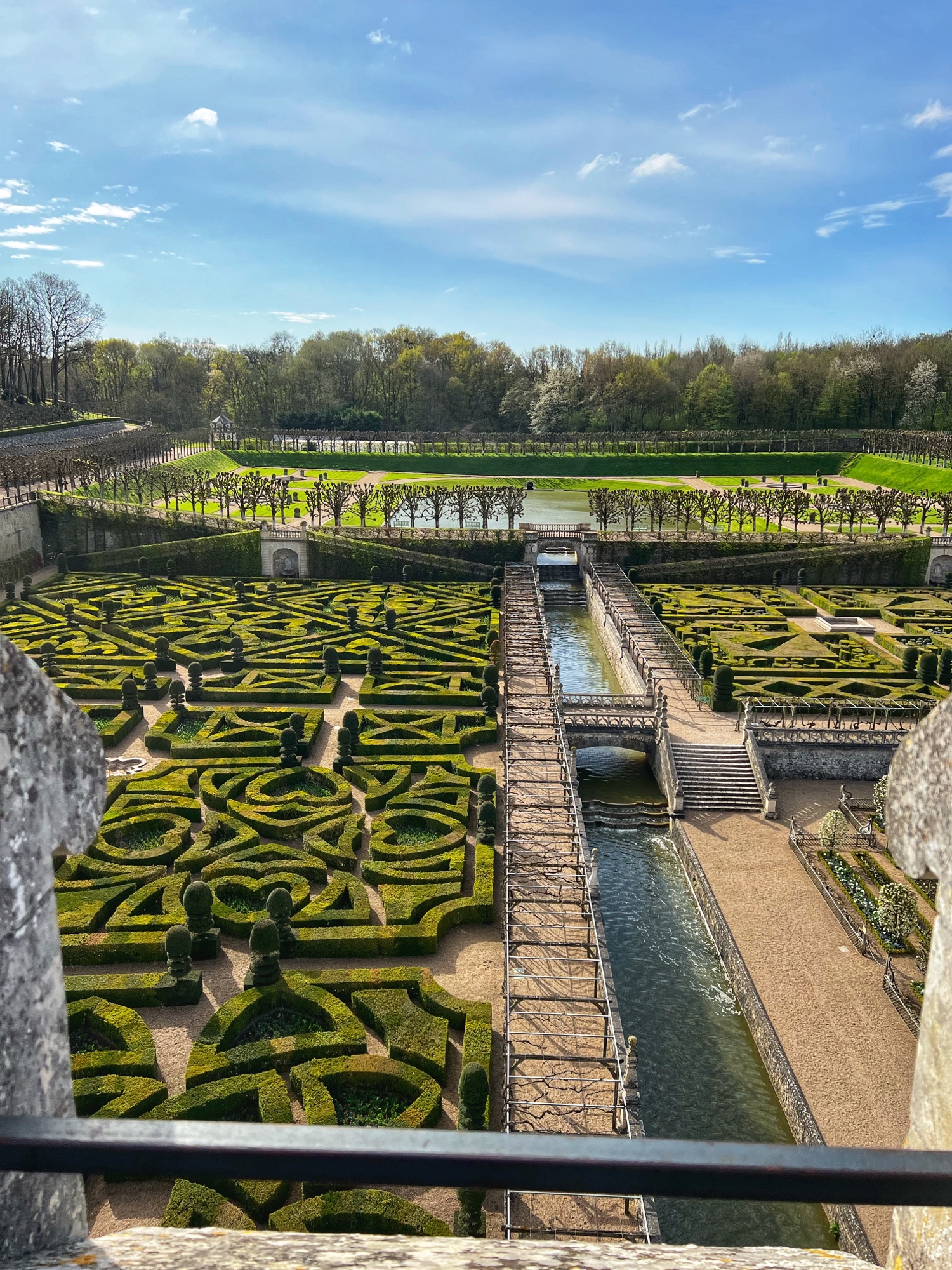
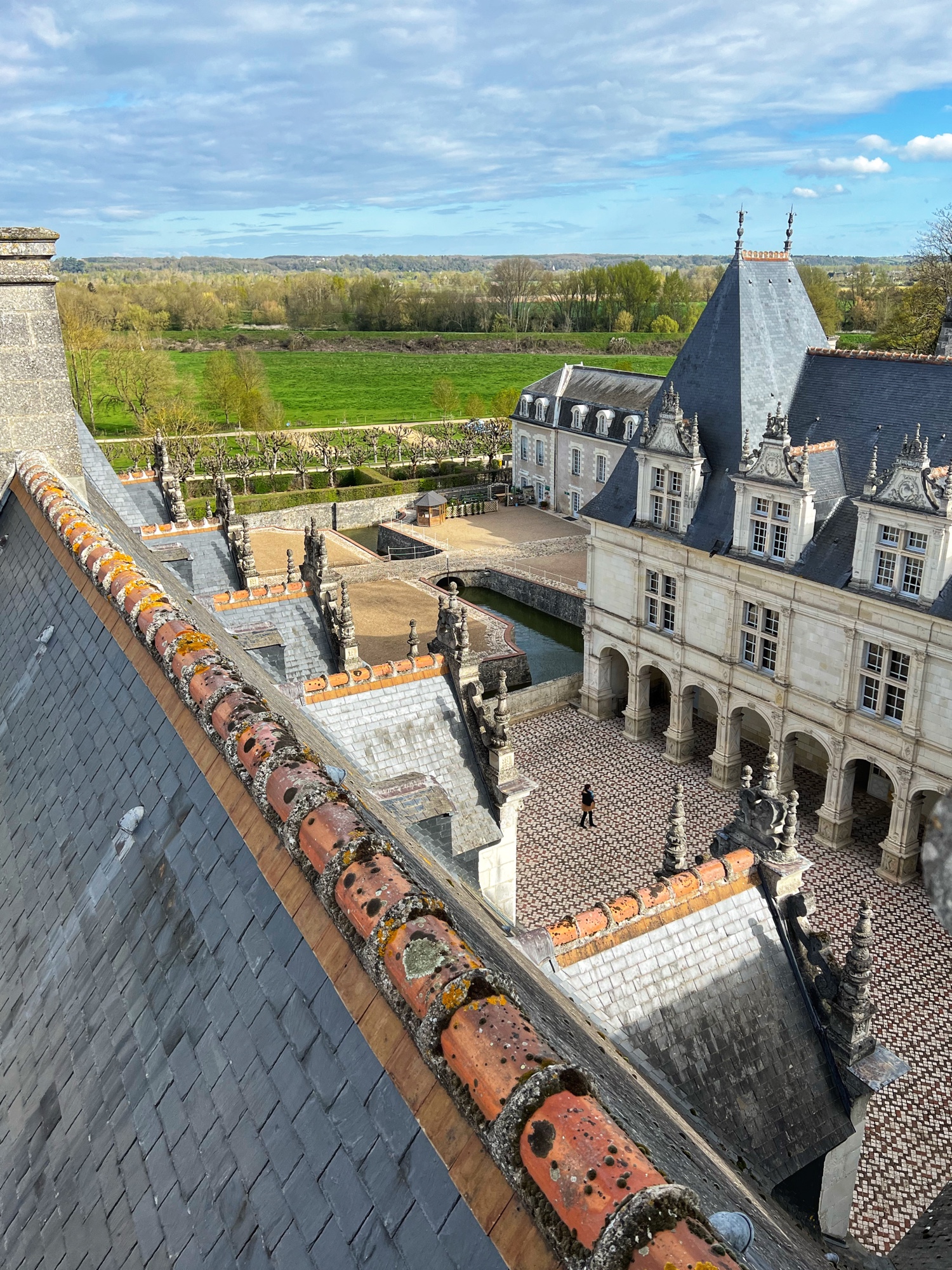
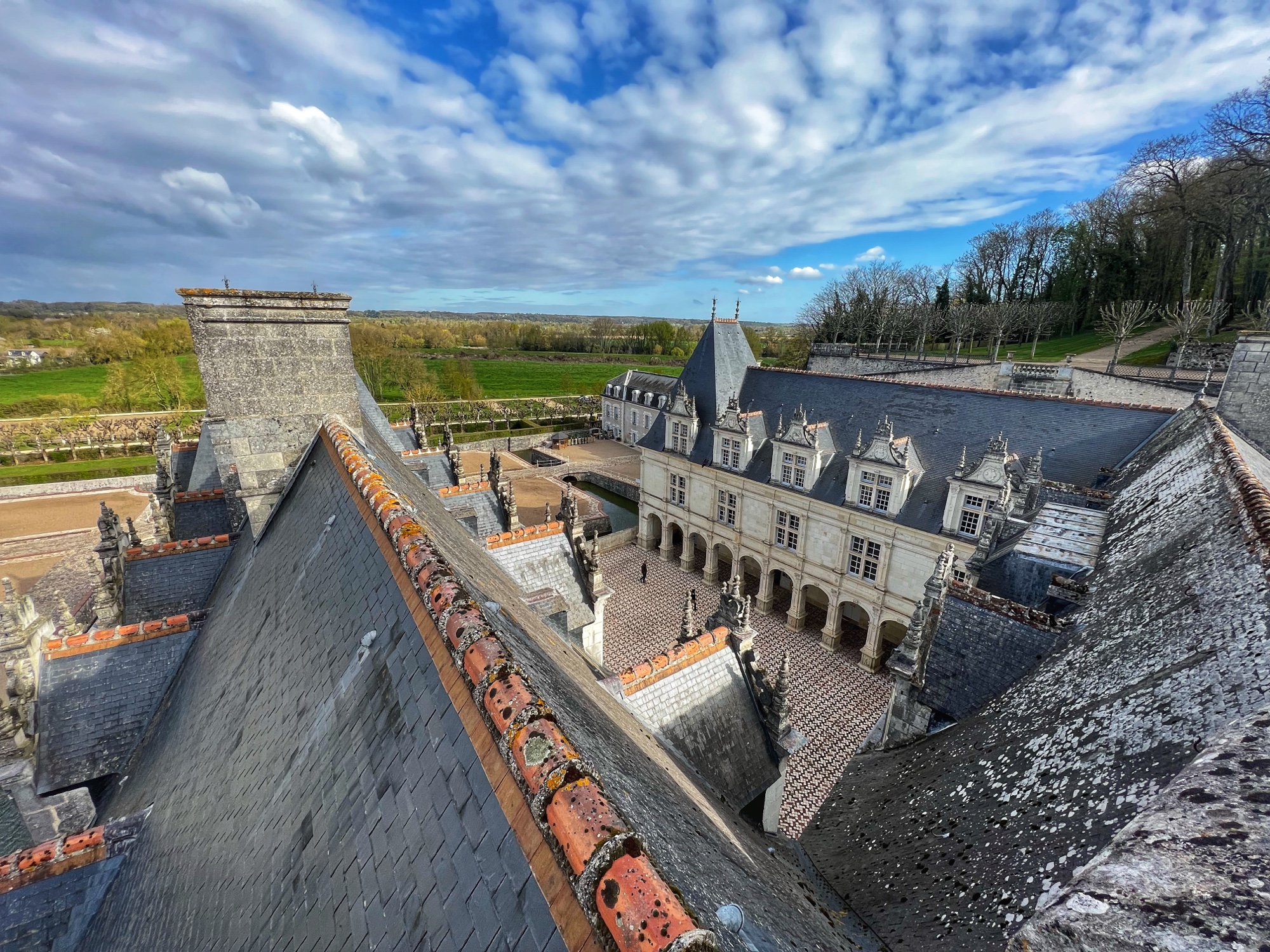
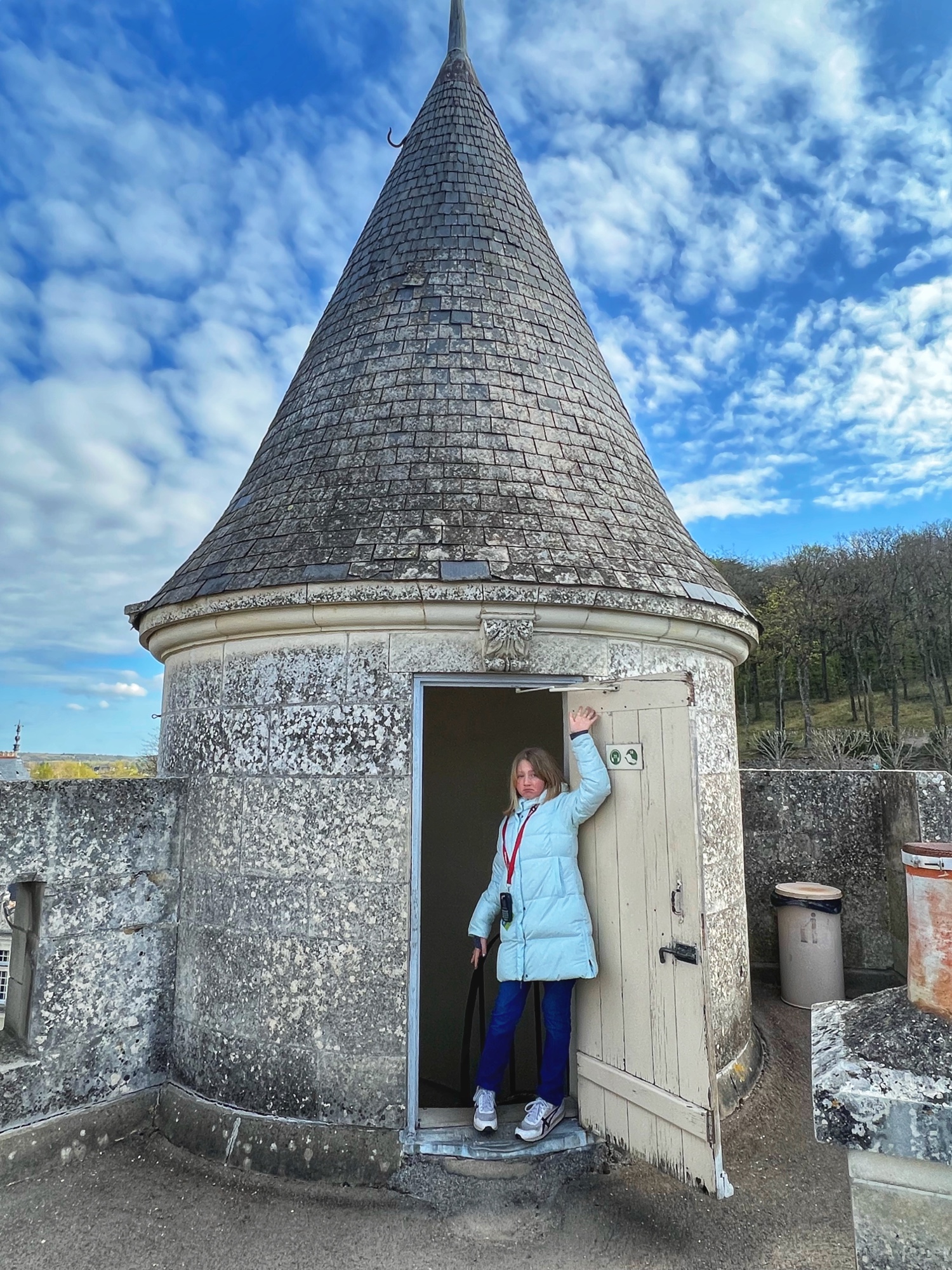
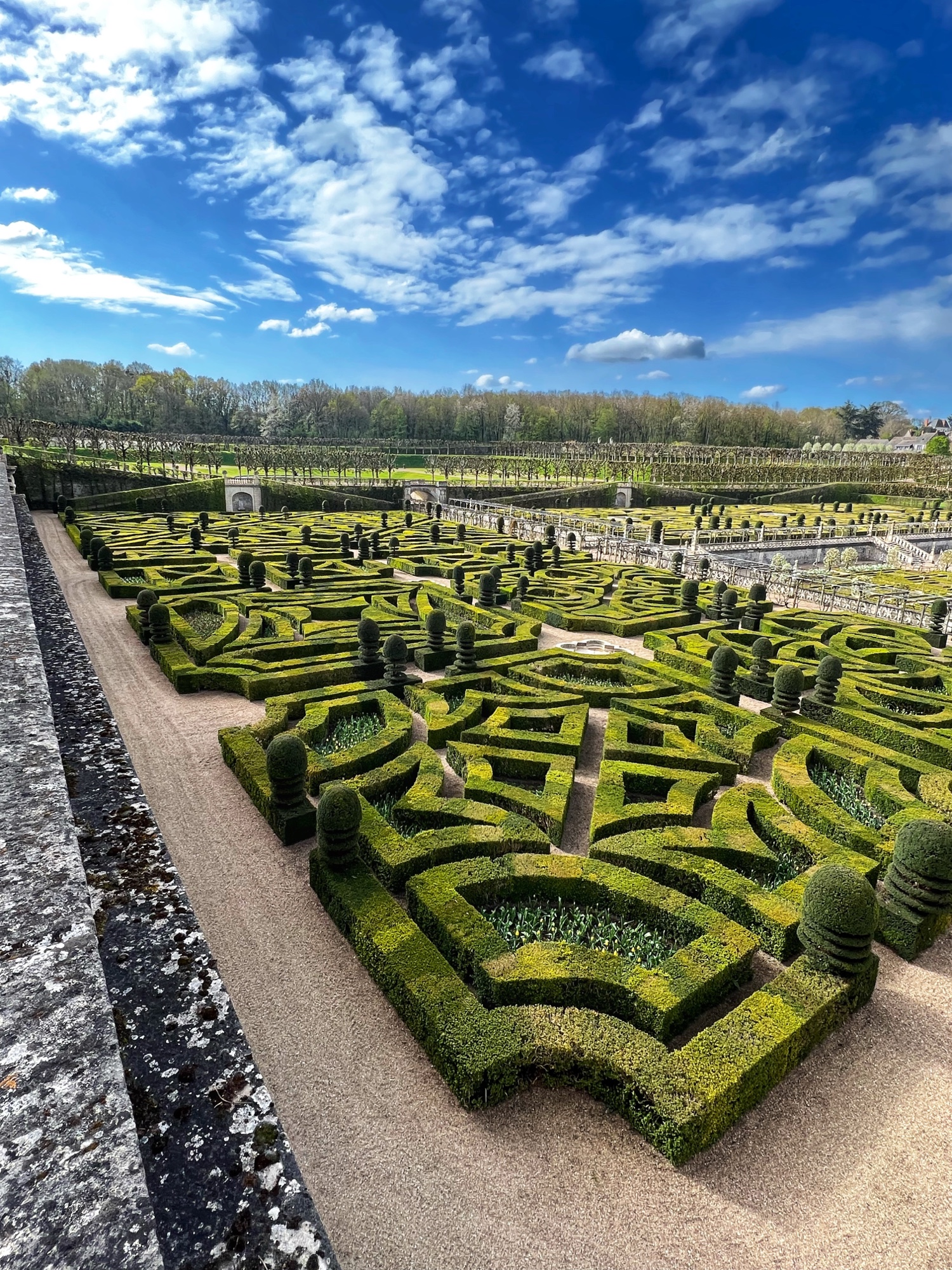
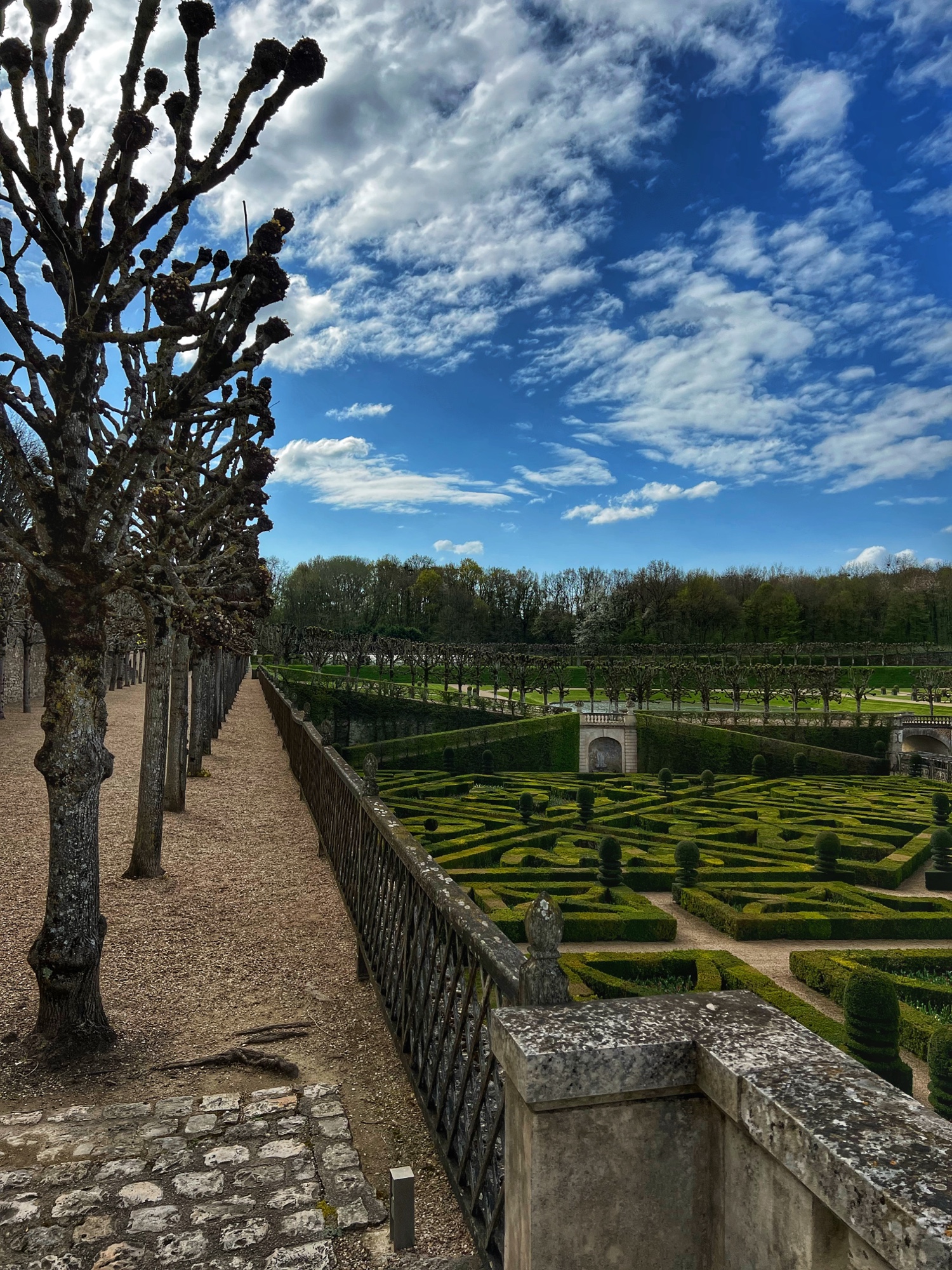
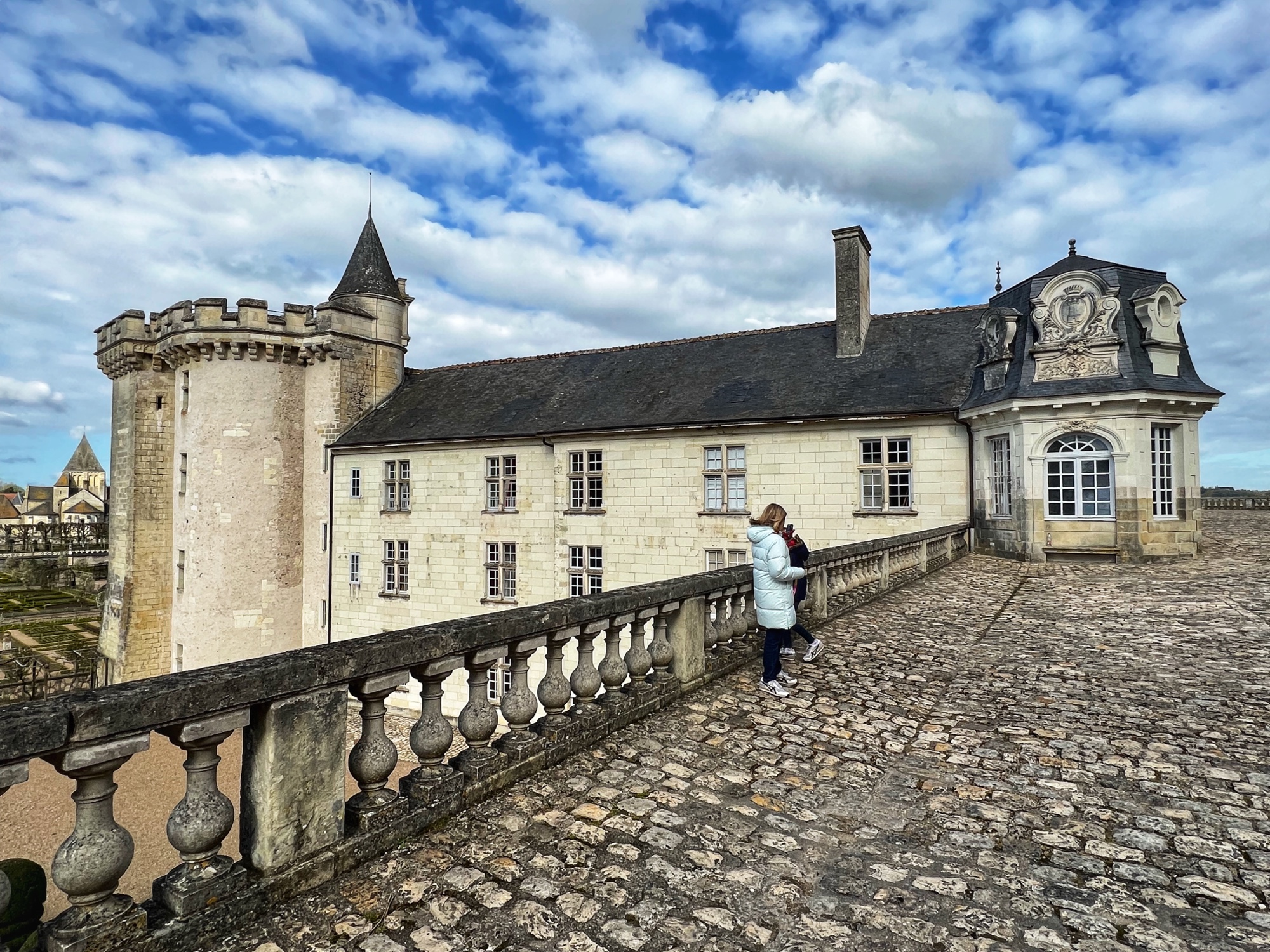

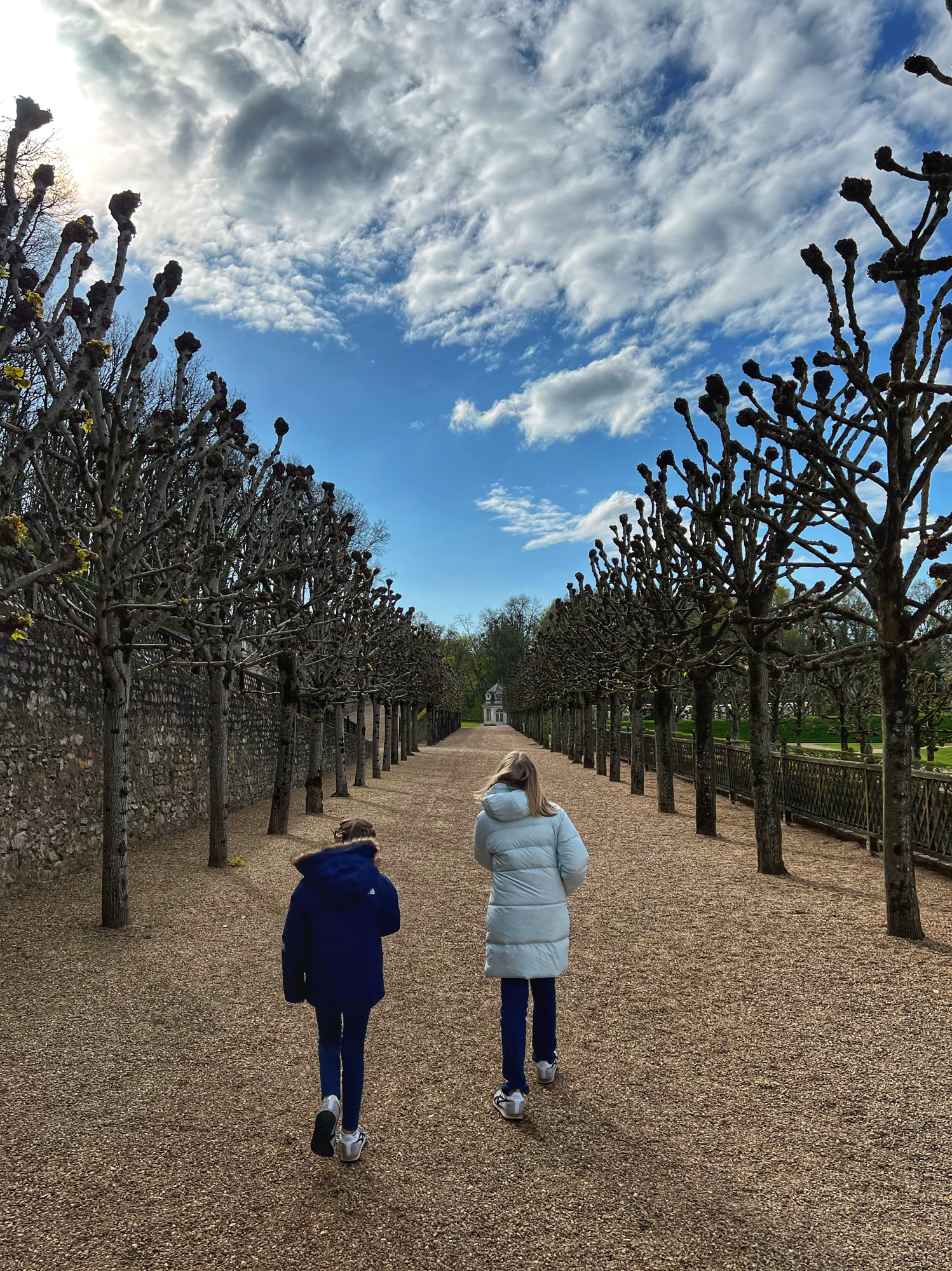
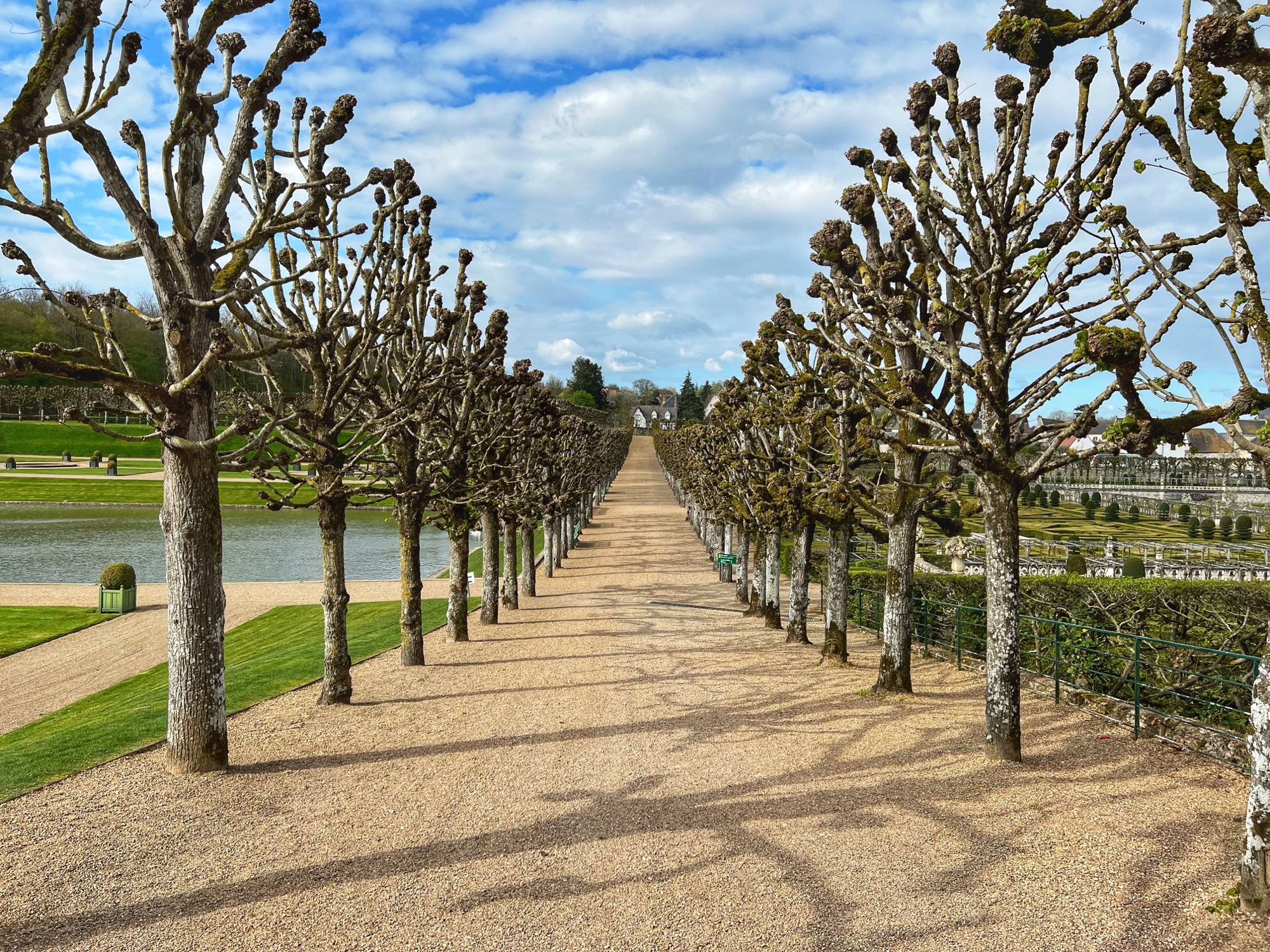
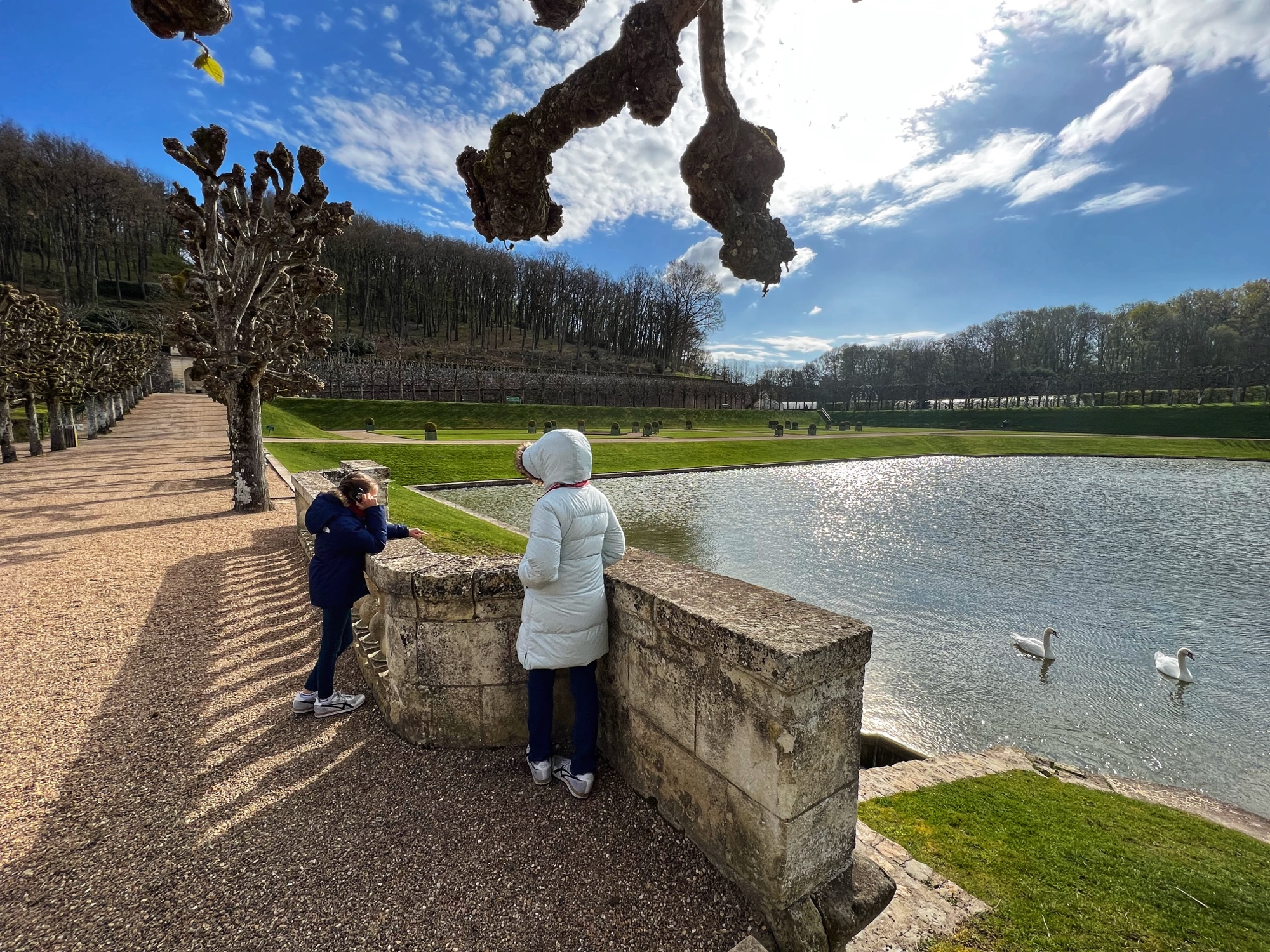
I loved all the trees (the girls called them “bone trees”) that had been cut way back and lined all the paths. They made for beautiful perspective shots throughout the gardens. I wonder what kind of tree it is?
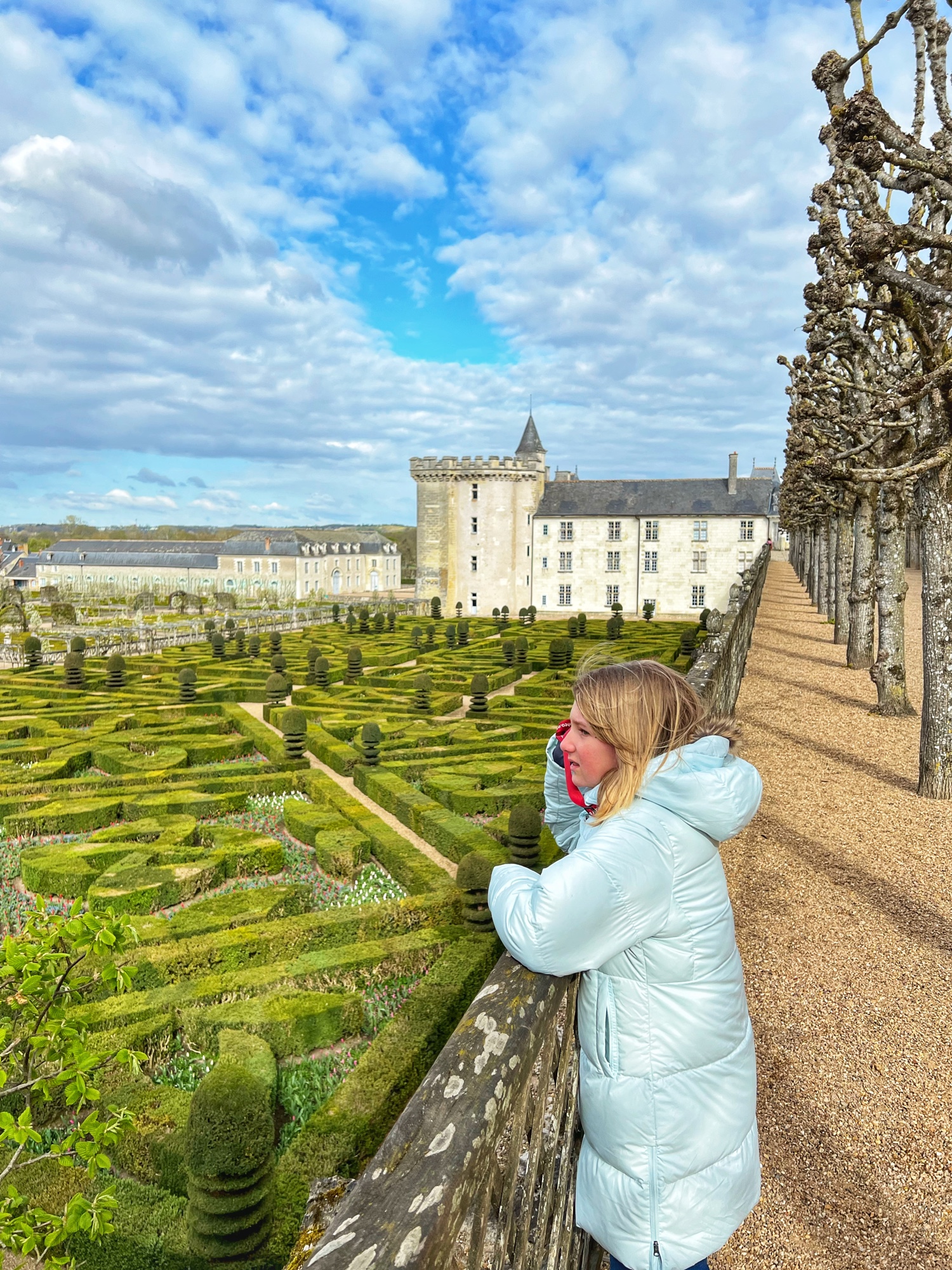
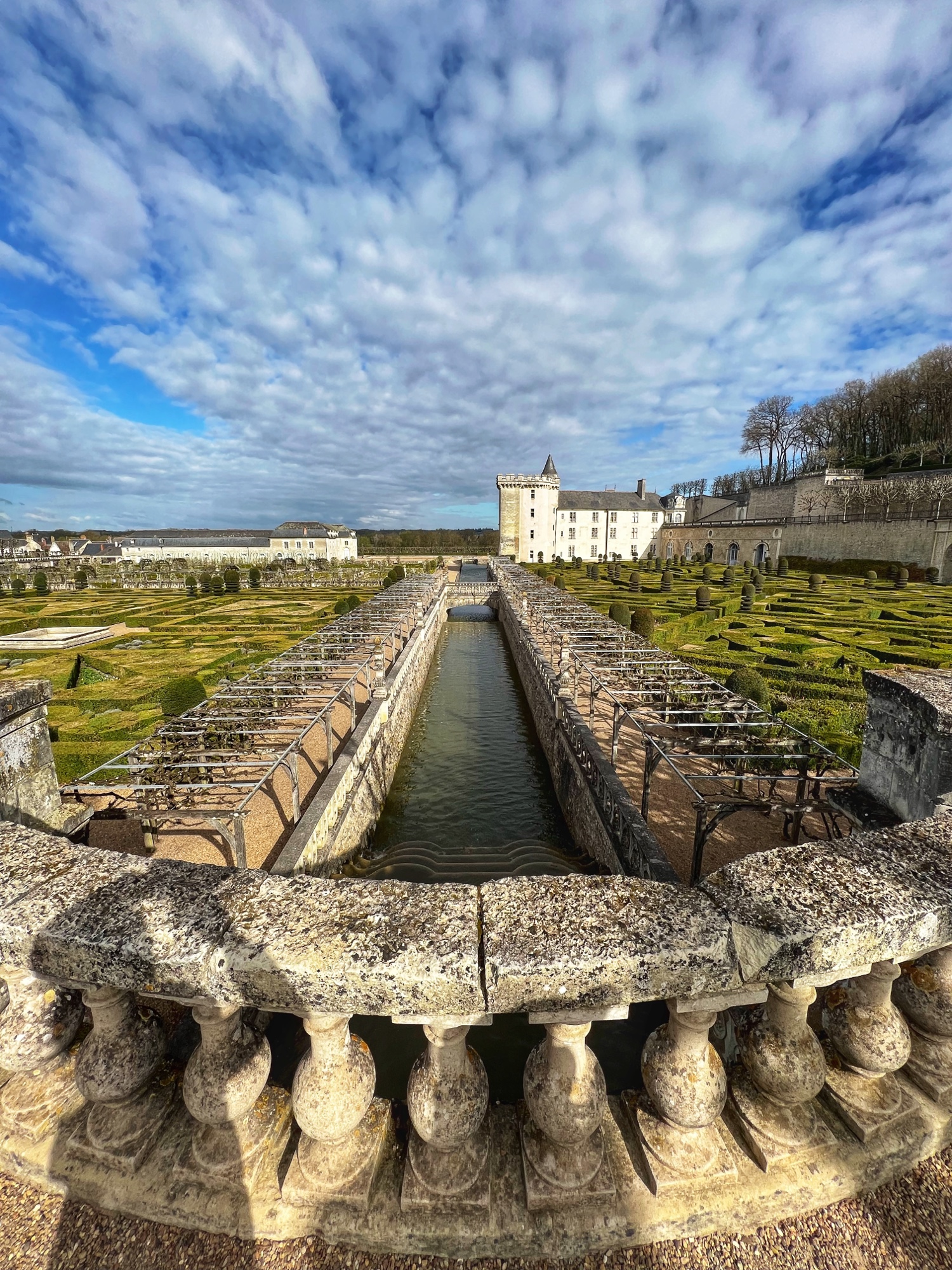
Outside we walked through all the gardens and had them all to ourselves in the morning. The girls loved the “Sun Garden,” as that is where the playground is and it leads to the Maze. I was most impressed by the vegetable and herb gardens and would love to return to see the trellises thick with blooms. We didn’t walk through the woods, but it is possible to take a short, elevated path through the nearby woodlands that ends at the Pavillion d’Audience. For a sunny day, it was bitter cold and we decided to take the most direct path through the gardens to save our finger tips!
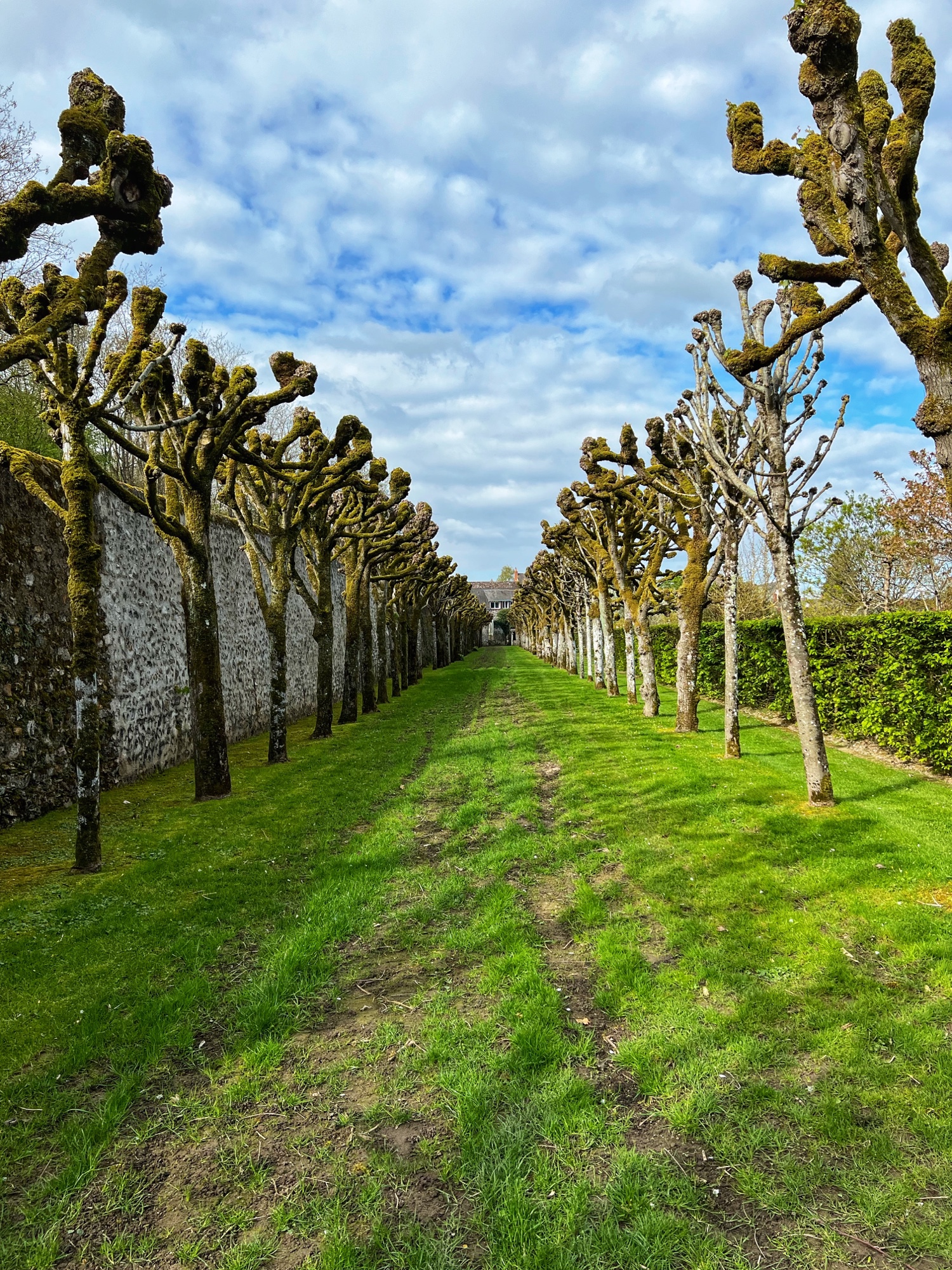

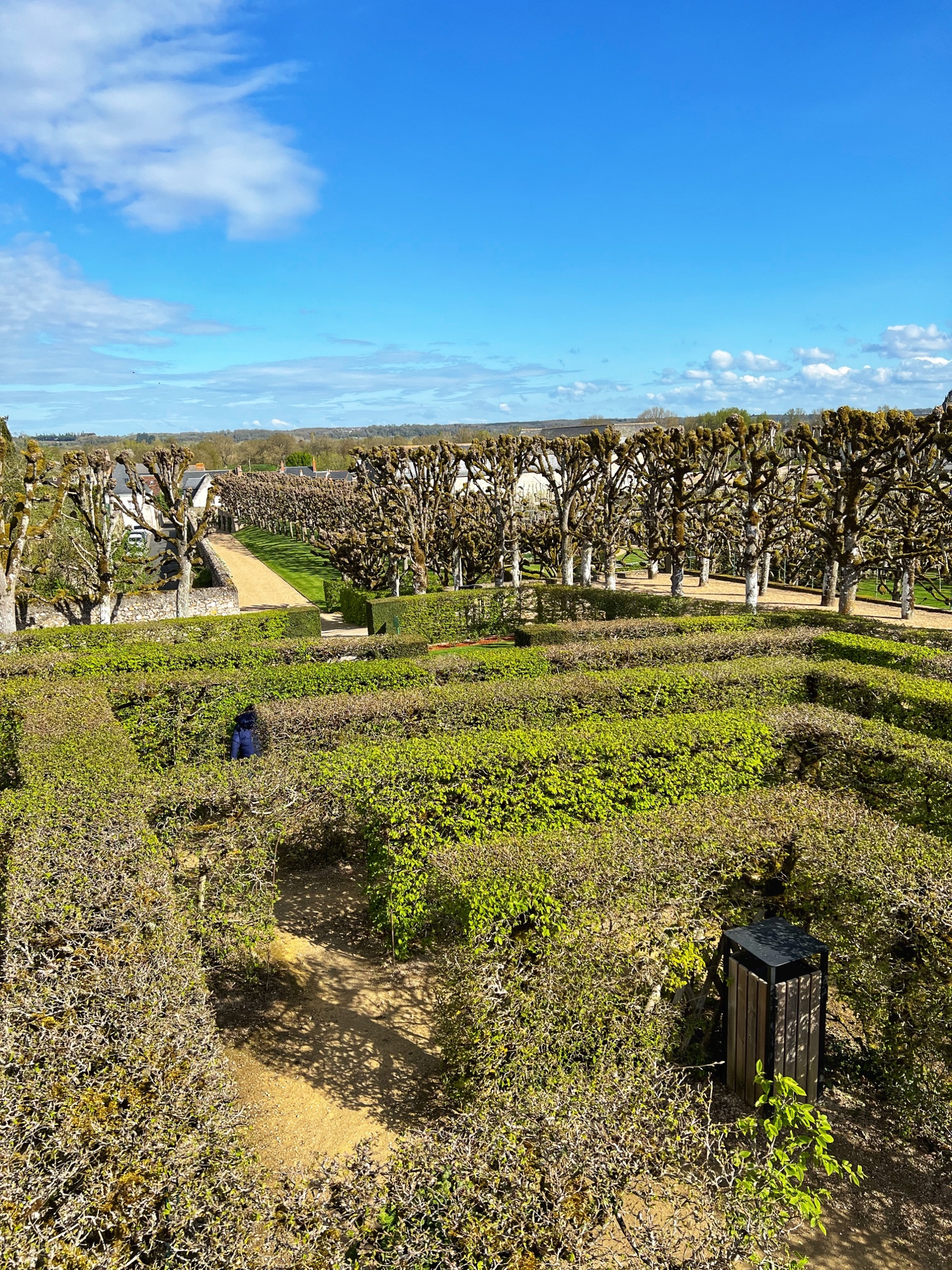

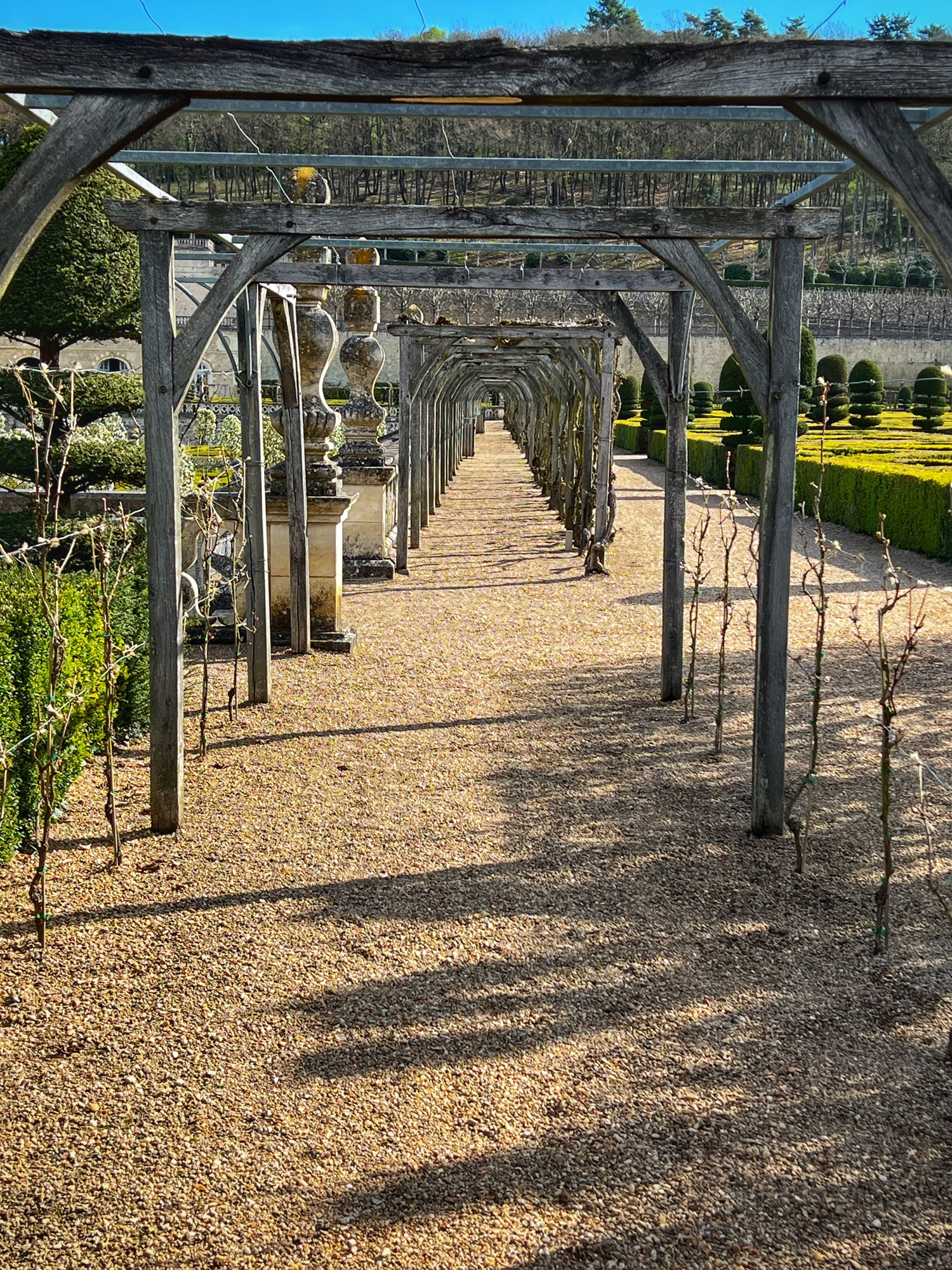
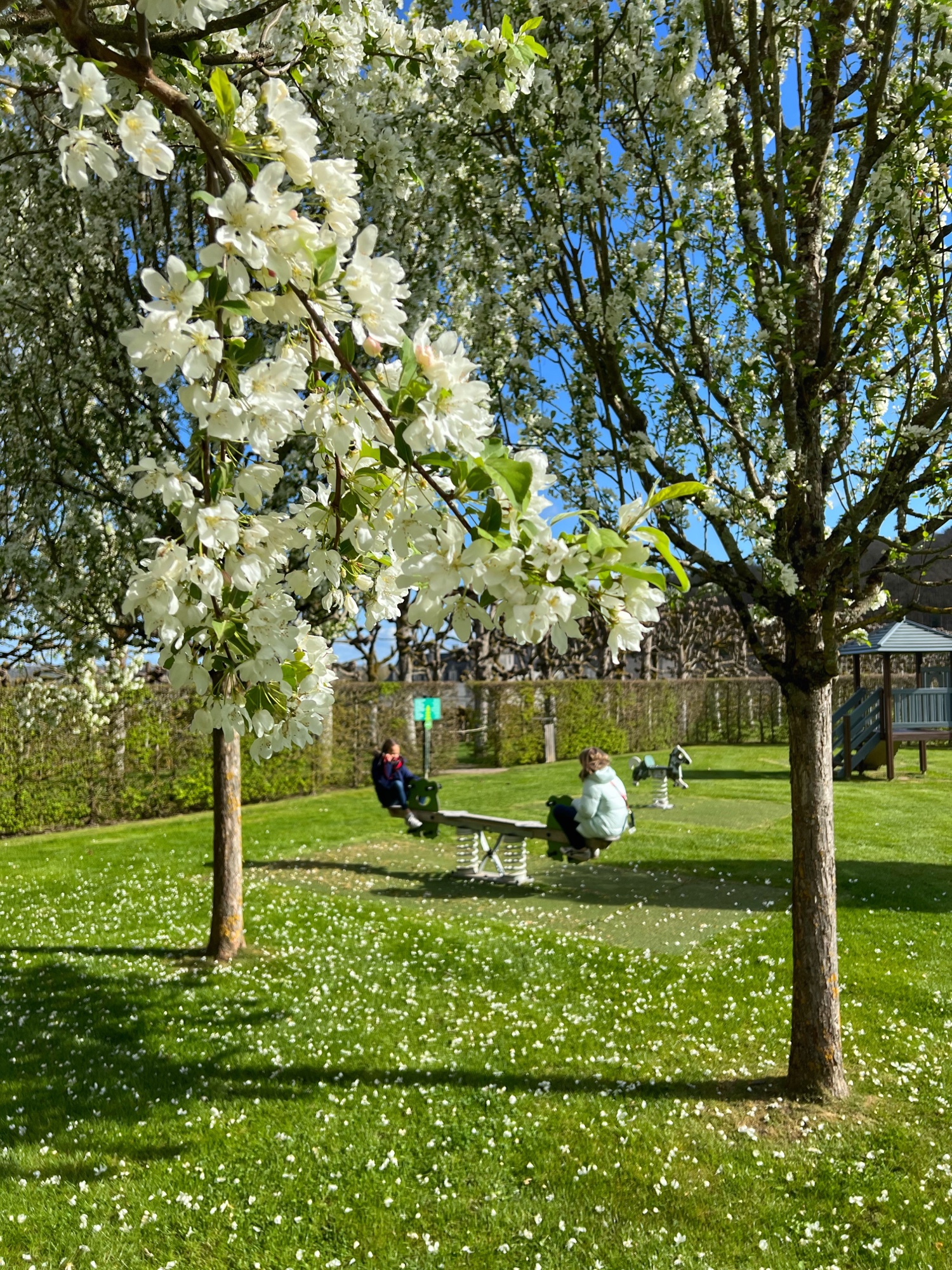
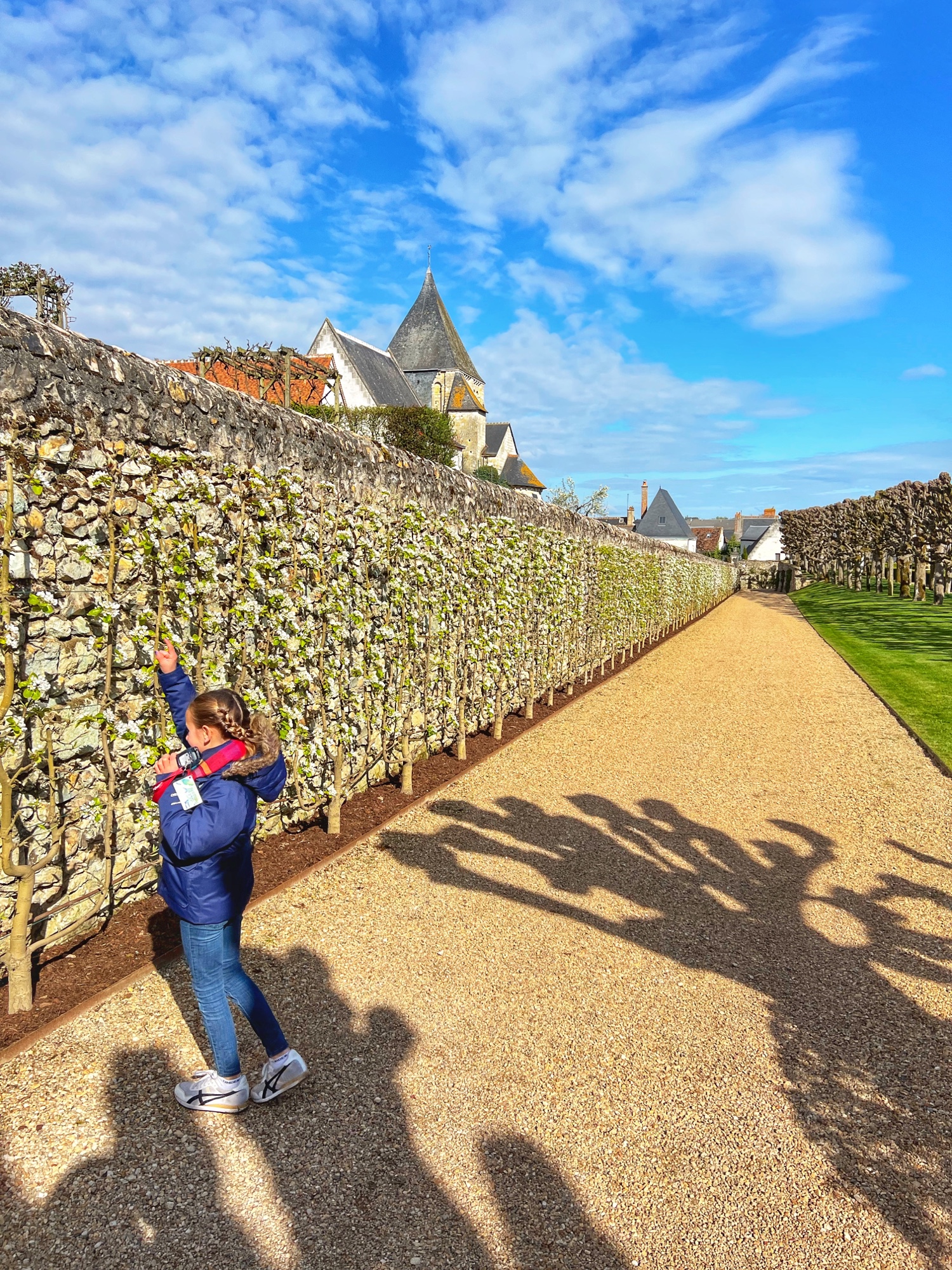
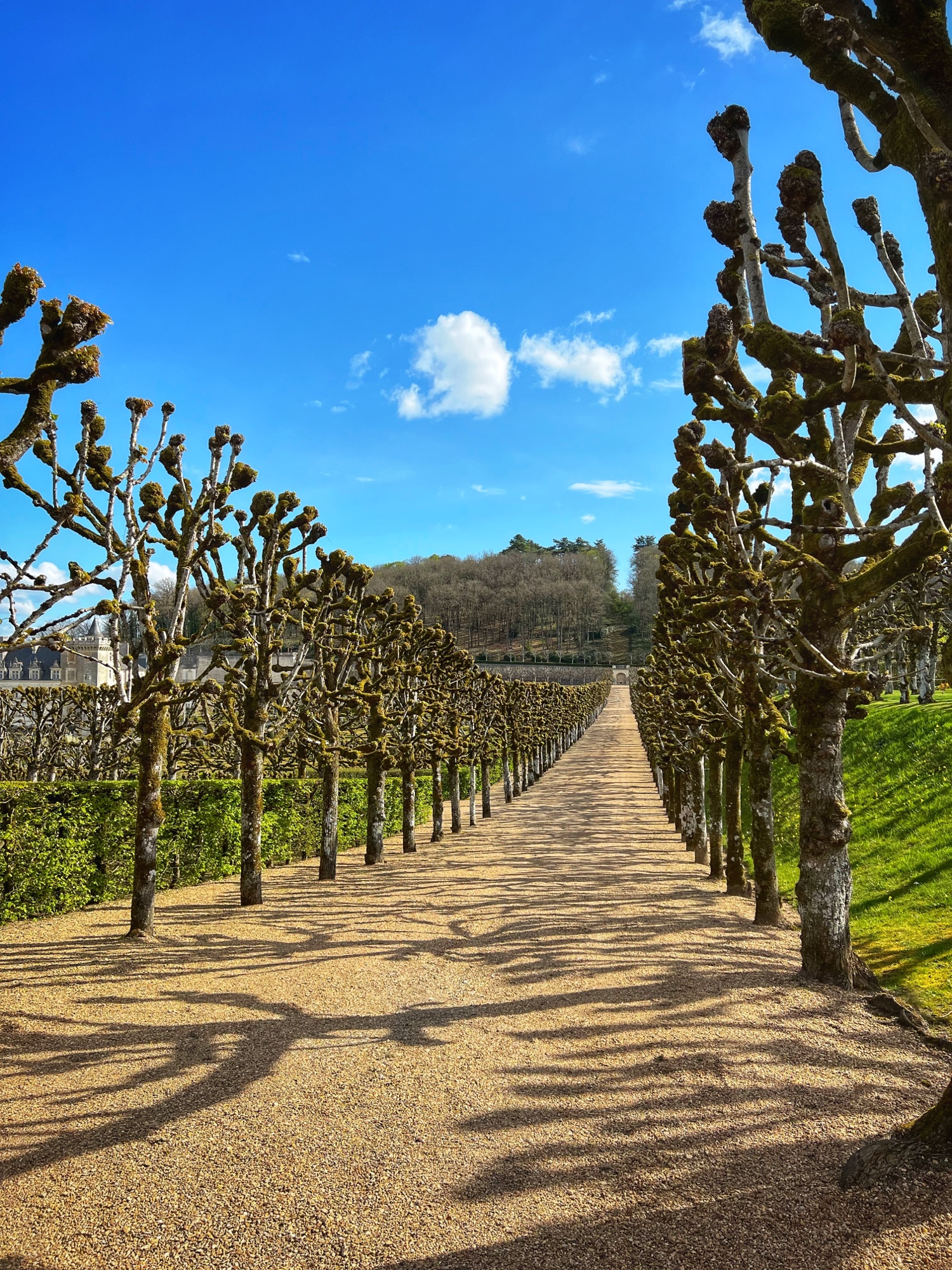
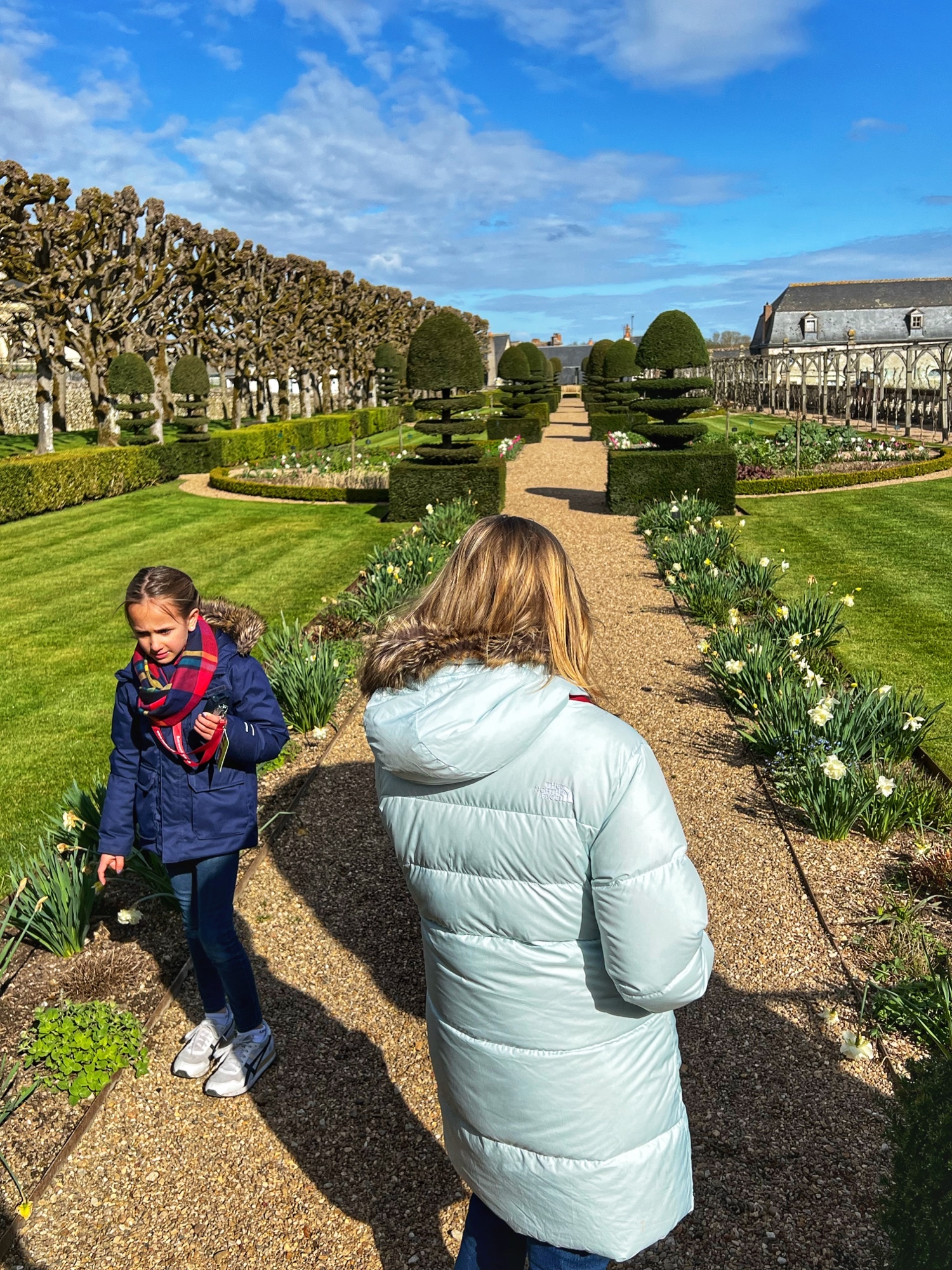


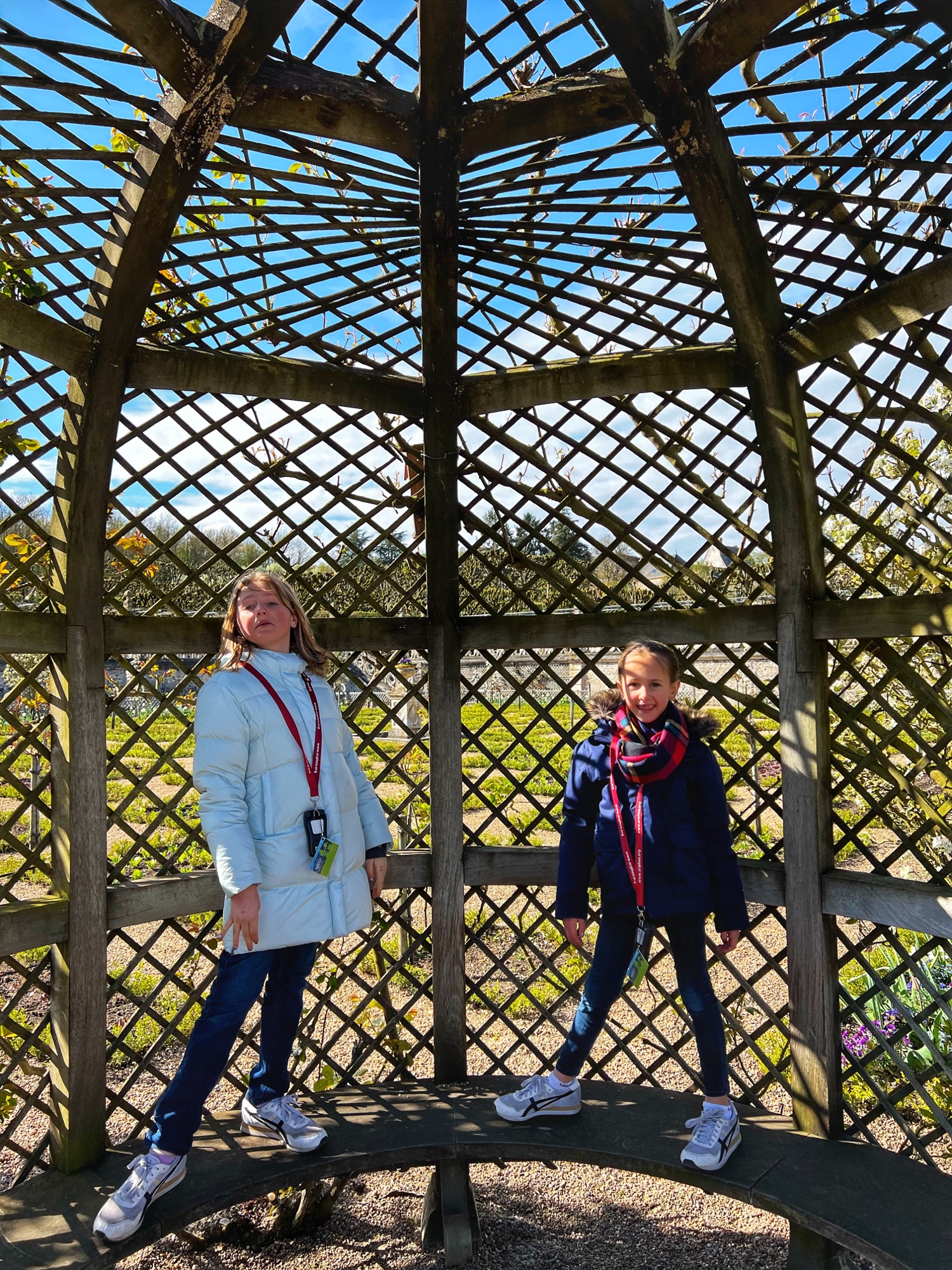
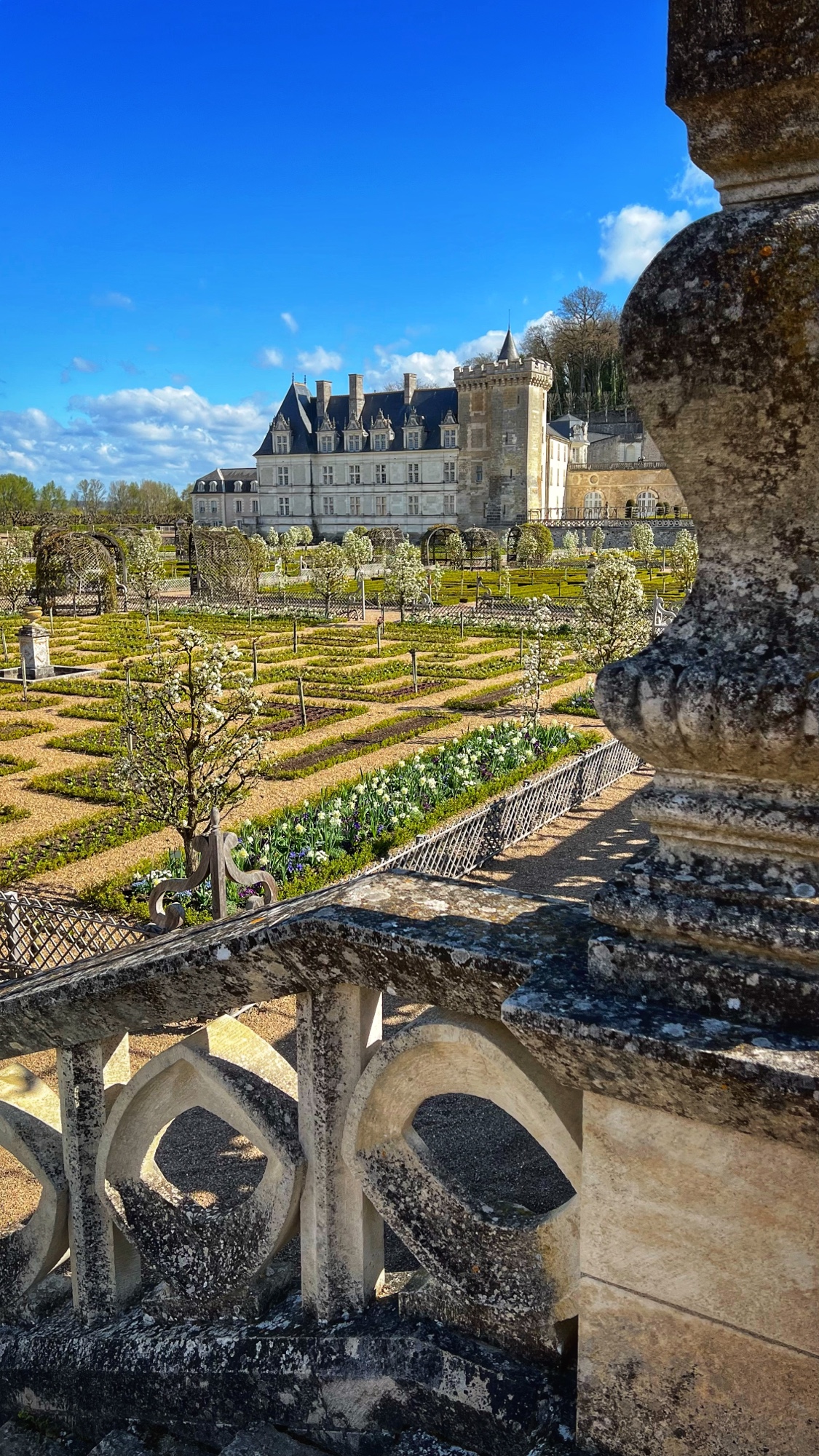
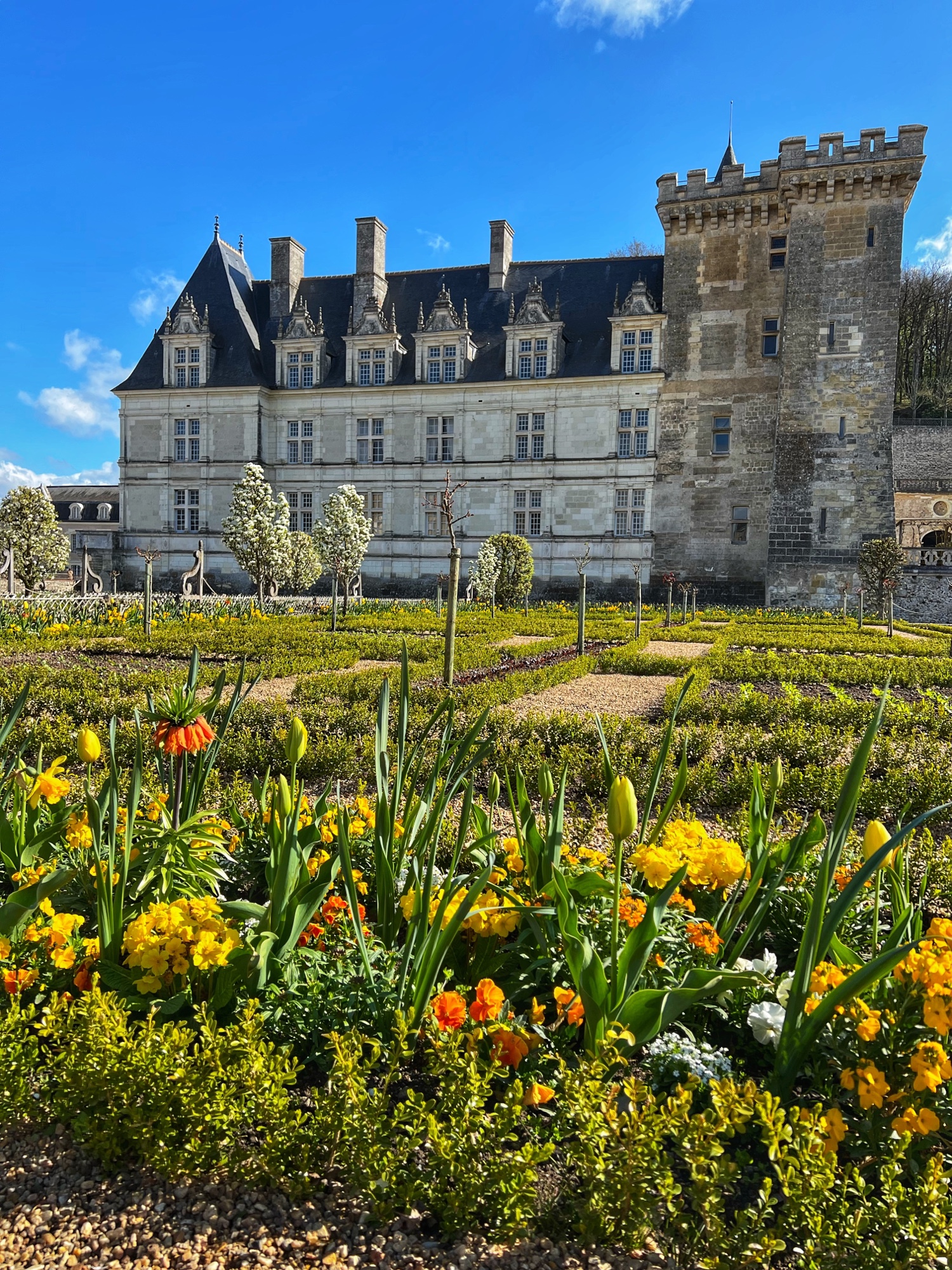
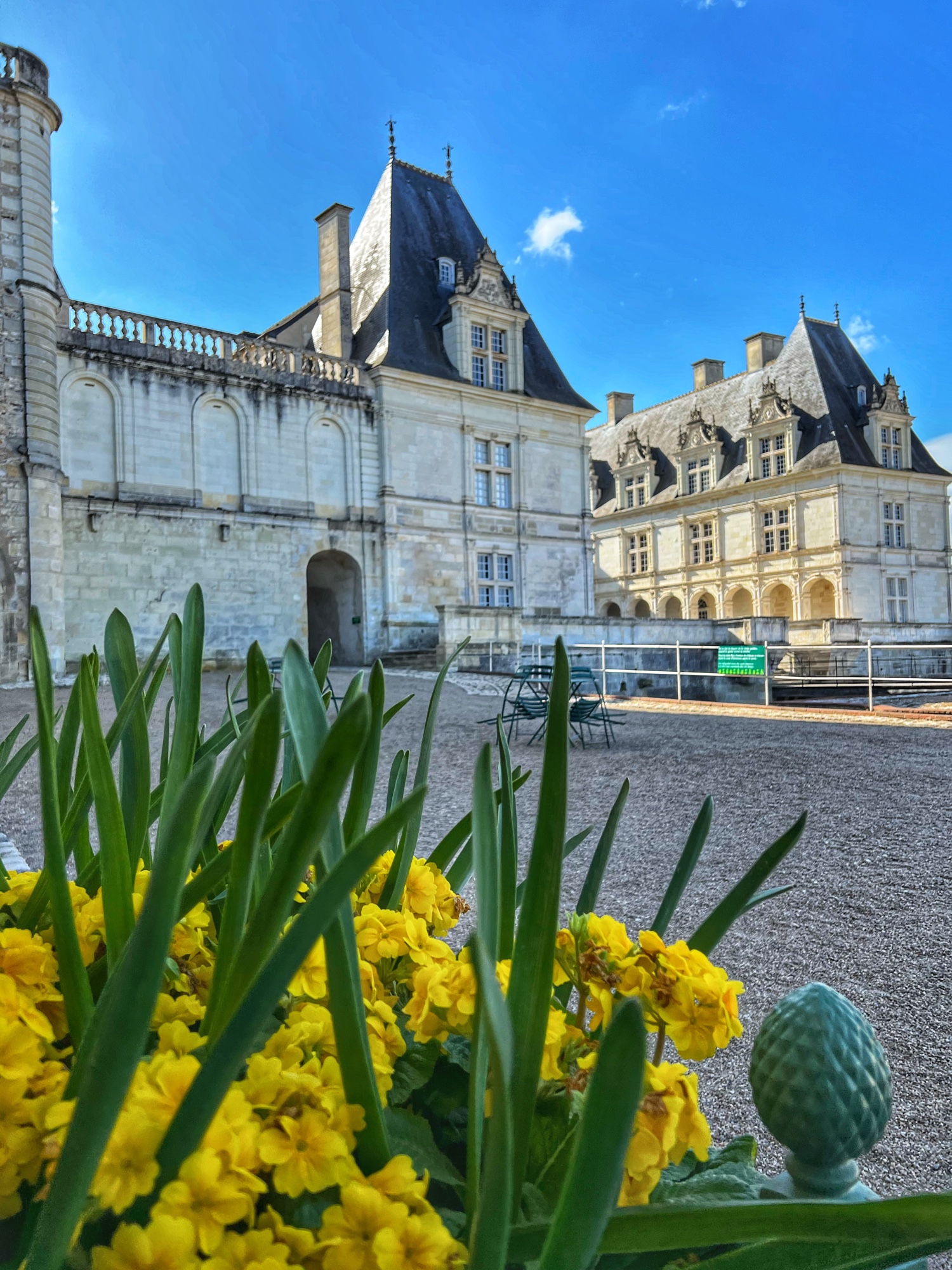
Not much was blooming when we visited in early April, but it is fair to say that from April-October these grounds will be magnificent. This is a must see for any garden lover!
For more info, consult the website for Villandry here.
Azay-le-Rideau
- Opening Hours: 9:30am-6pm (approx – varies by season. Check website for exact times)
- Rates: Adults €11.50 (show ticket from Villandry for €2 discount), under 18 free
- Parking: paid (very reasonable) here
- Audioguide: usually yes, but unavailable at the moment (due to Covid).
- Children’s Activities: very nice kid’s treasure hunt booklet (French only).
- Highlights: boutique, cafe, bats in the attic, secret garden, sequoias, cute town to wander.
- Accessibility: Partial, plus gardens. Free access.
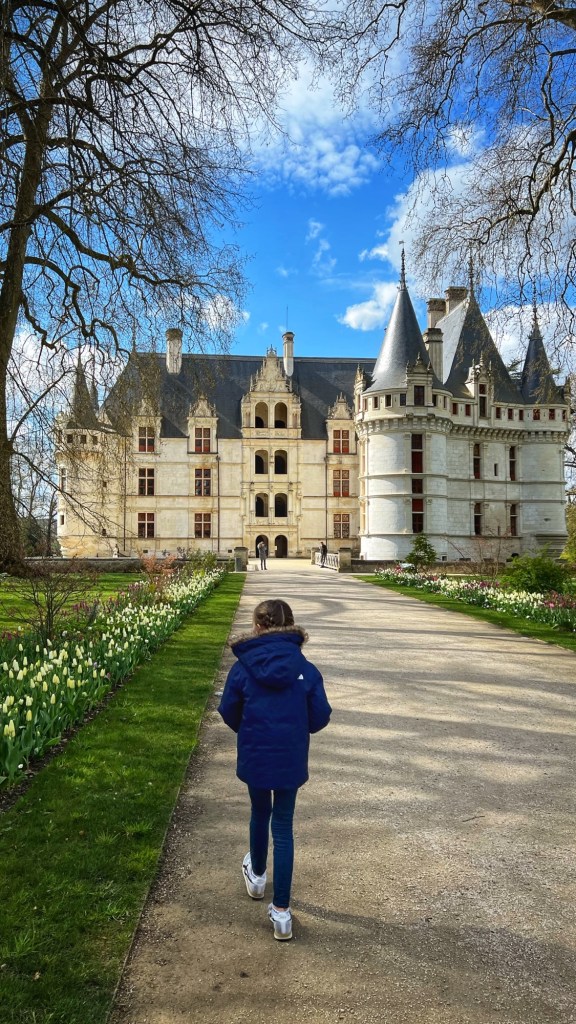
Truth be told, I didn’t expect much from Azay-le-Rideau, but it was a pleasant surprise. My mother suggested this one and I’m so glad we went. It was a fairly quick but satisfying visit.
Built in the early 1500’s, Azay-le-Rideau is a Rennaissance marvel. With Italian and Flemmish influences (I noticed this right away, given how similar it looks to many Belgian castles I have seen), it has been well preserved by the French government since the turn of the 20th century. We loved being able to tour all the areas of the château and solve the riddles in the French children’s book together. Although they are not offering the audio guide right now due to covid, the girls loved the thick kid’s booklet and we learned a lot from the pamphlet as well.
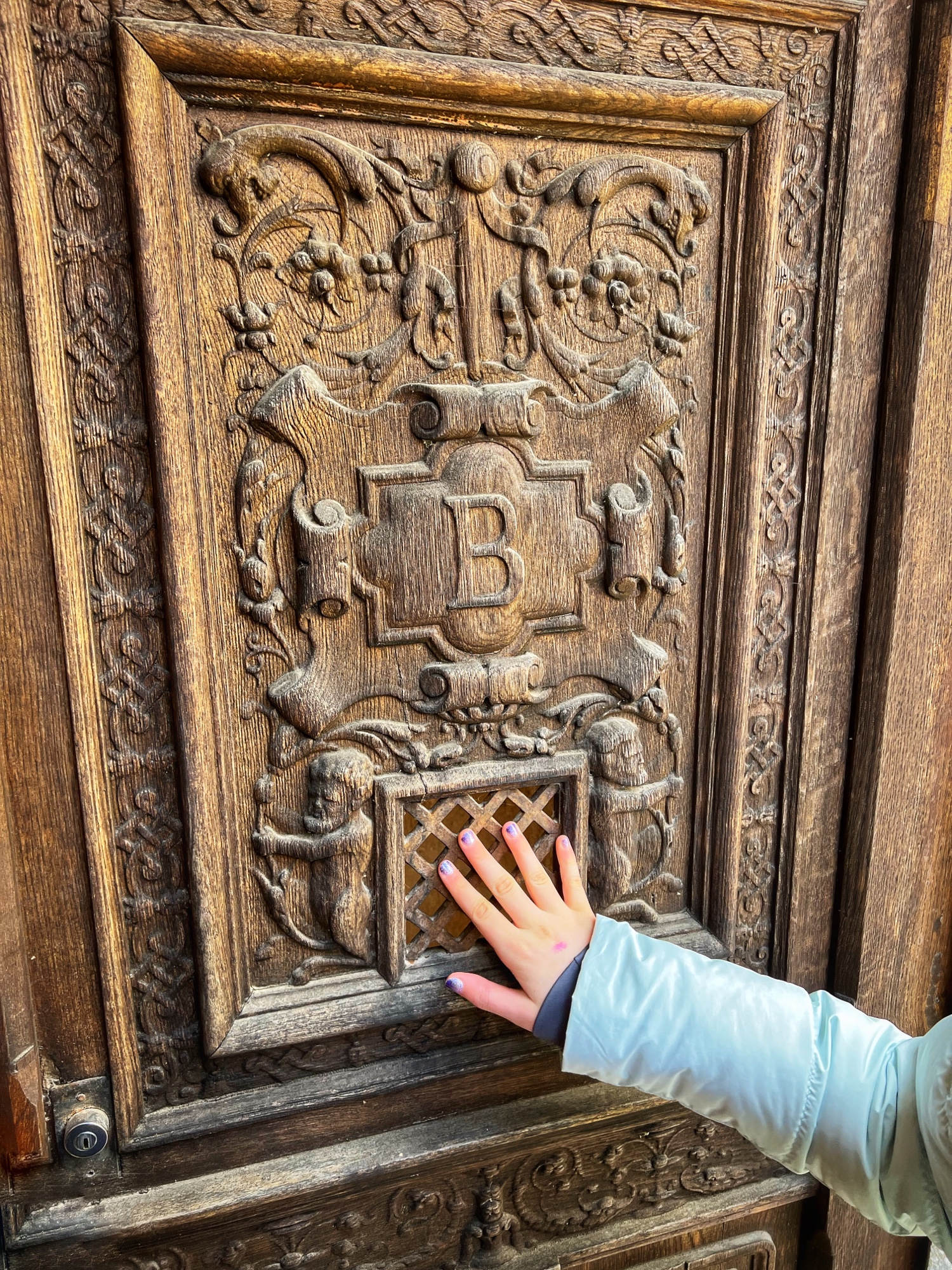
Unique to the châteaus (I don’t remember seeing this anywhere else) but typical of the period, keep an eye out for the “rush mats” or wall coverings made of straw that adorn the walls, intended to warm up the rooms. How many portraits of kings can you find? How many salamander designs can you find? These are all indicators of nobility. The salamander represented king Francois Ist, who lived at the time many of these châteaus were at their peak.

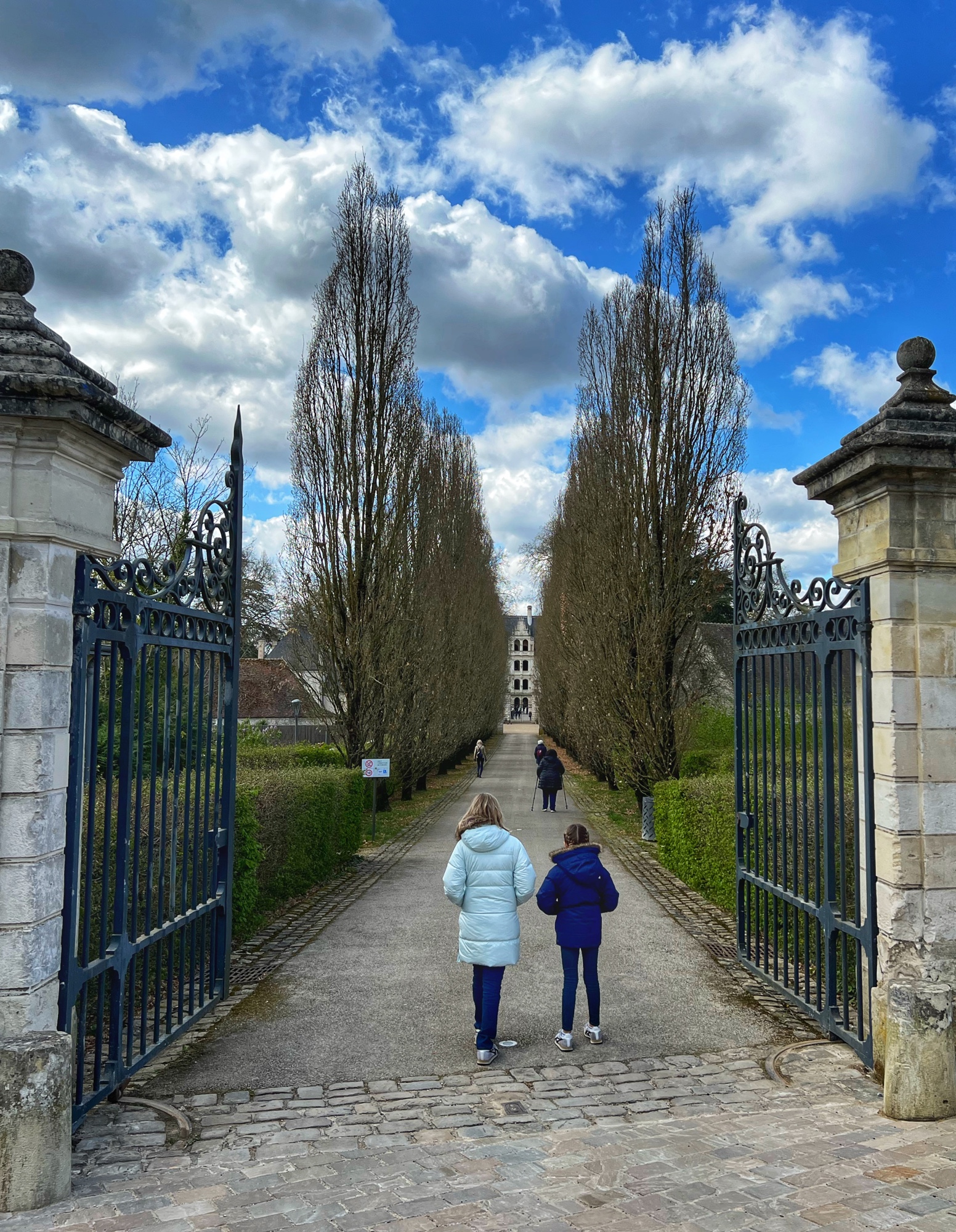
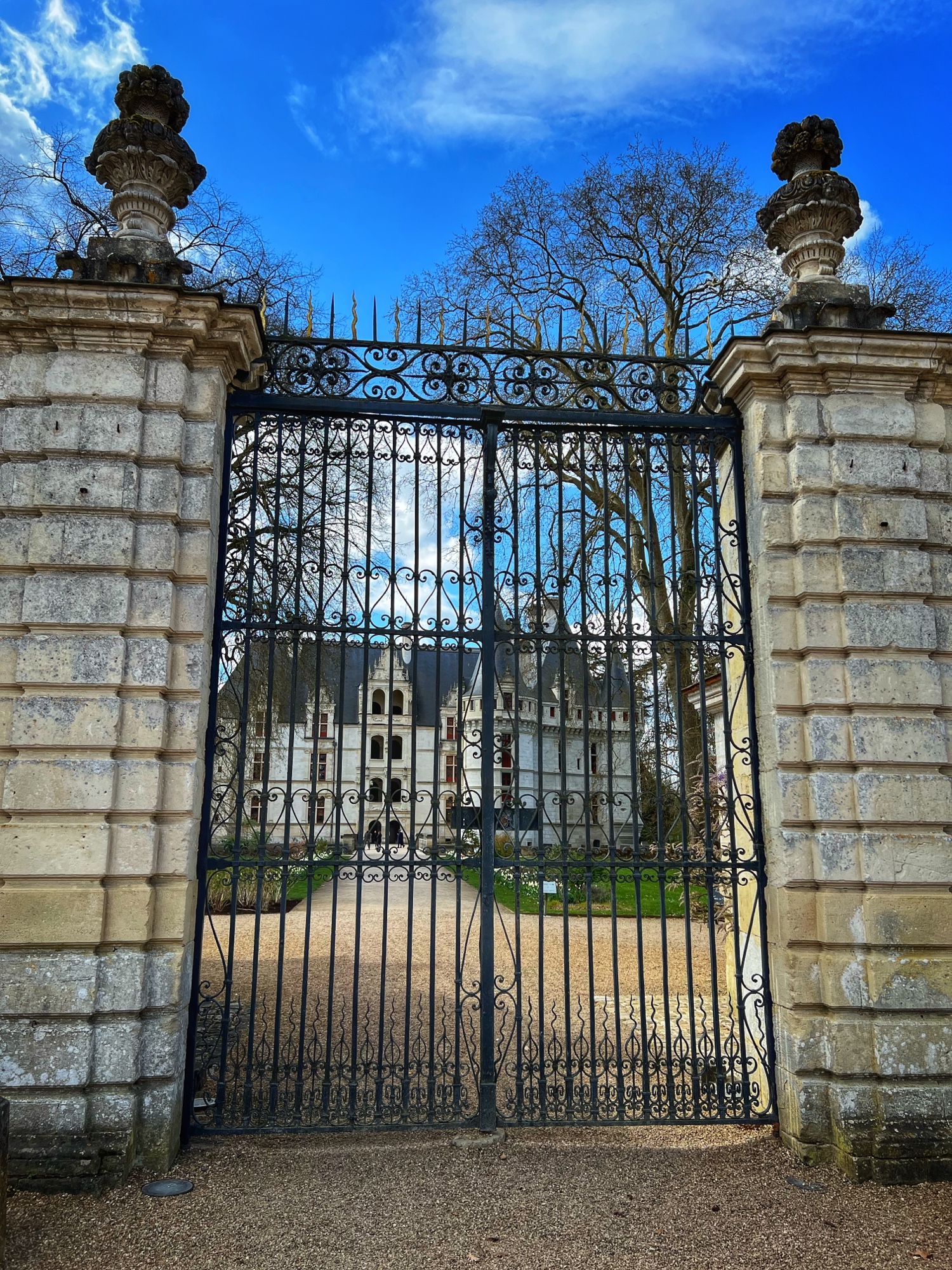
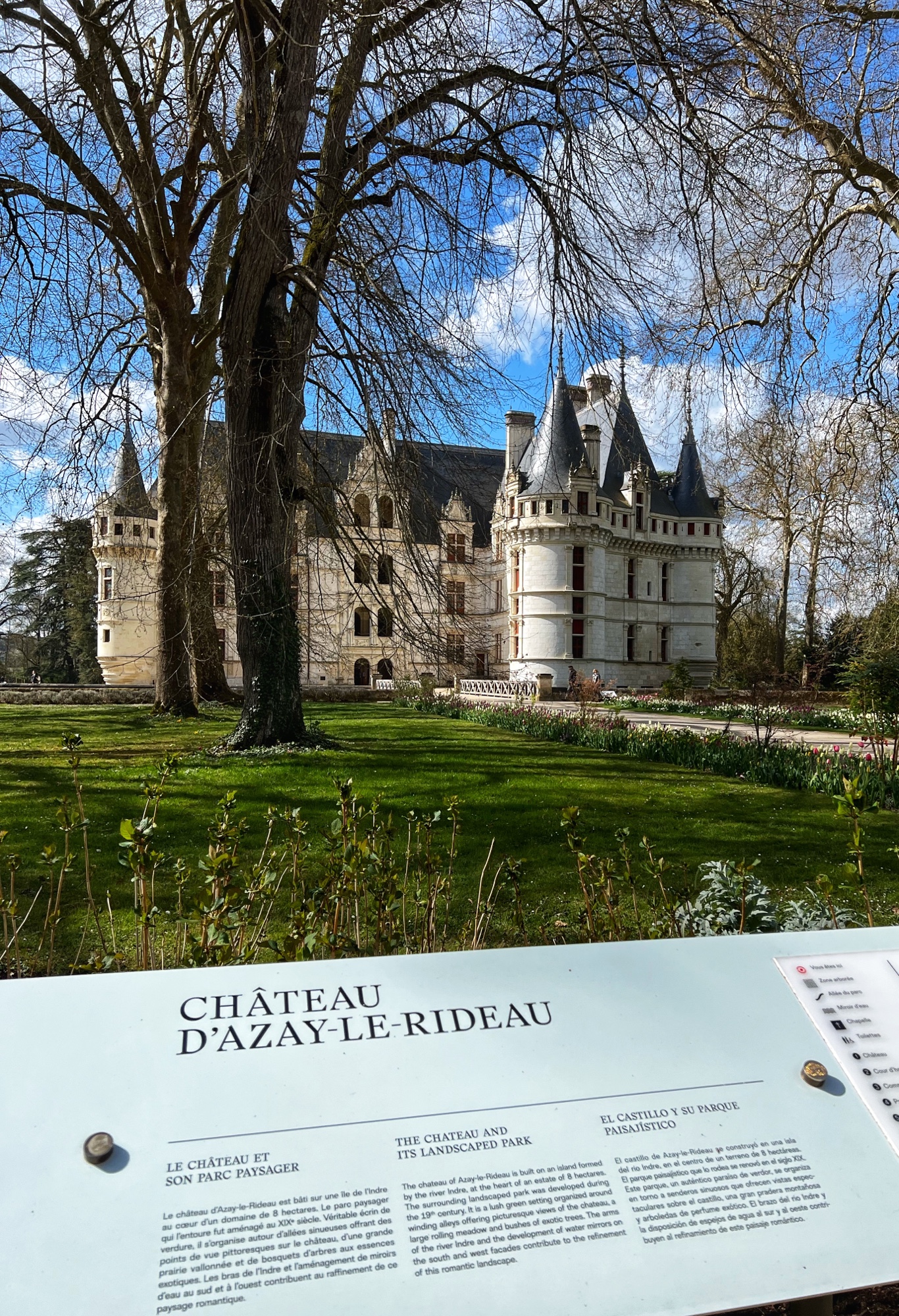
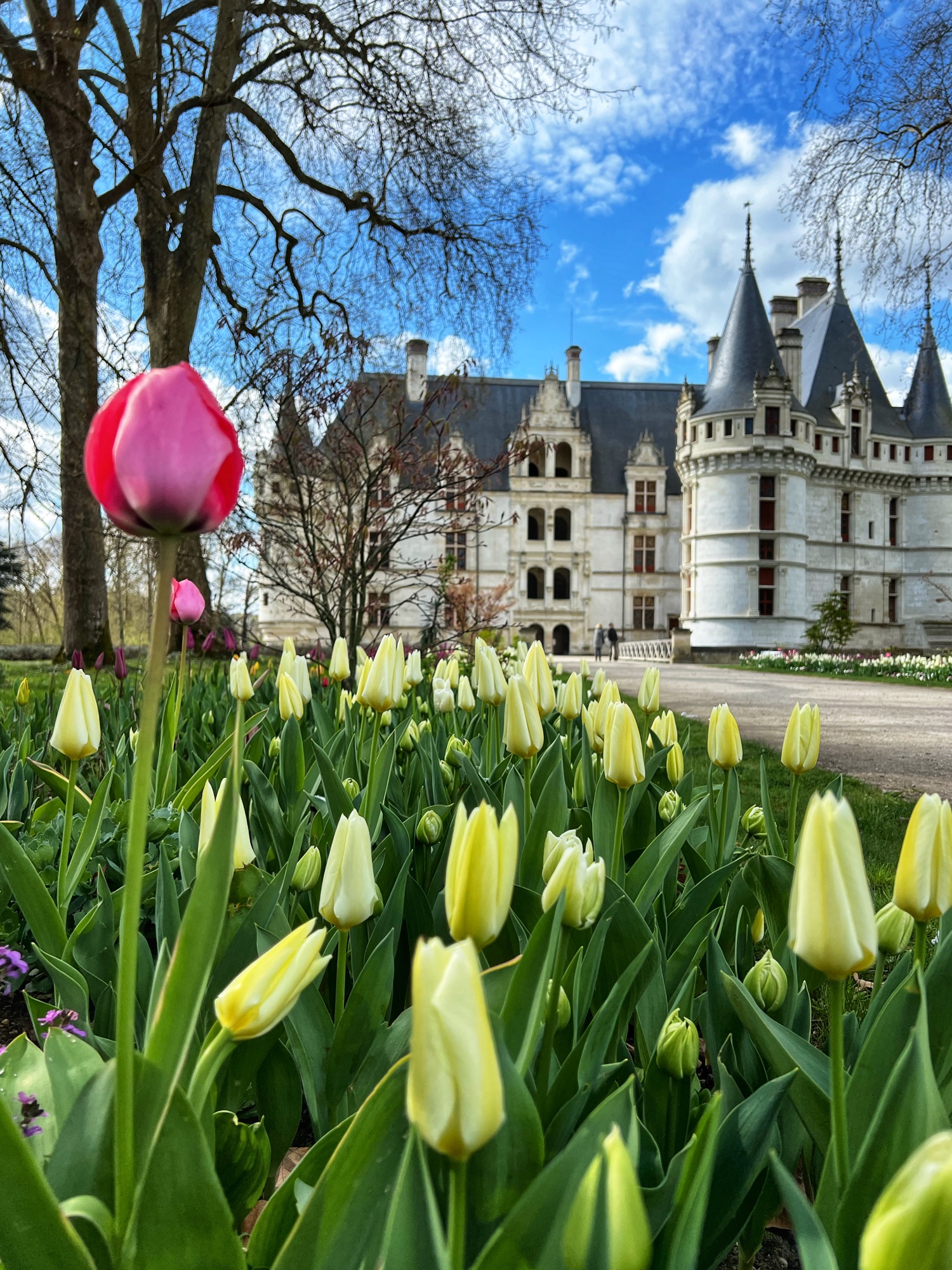
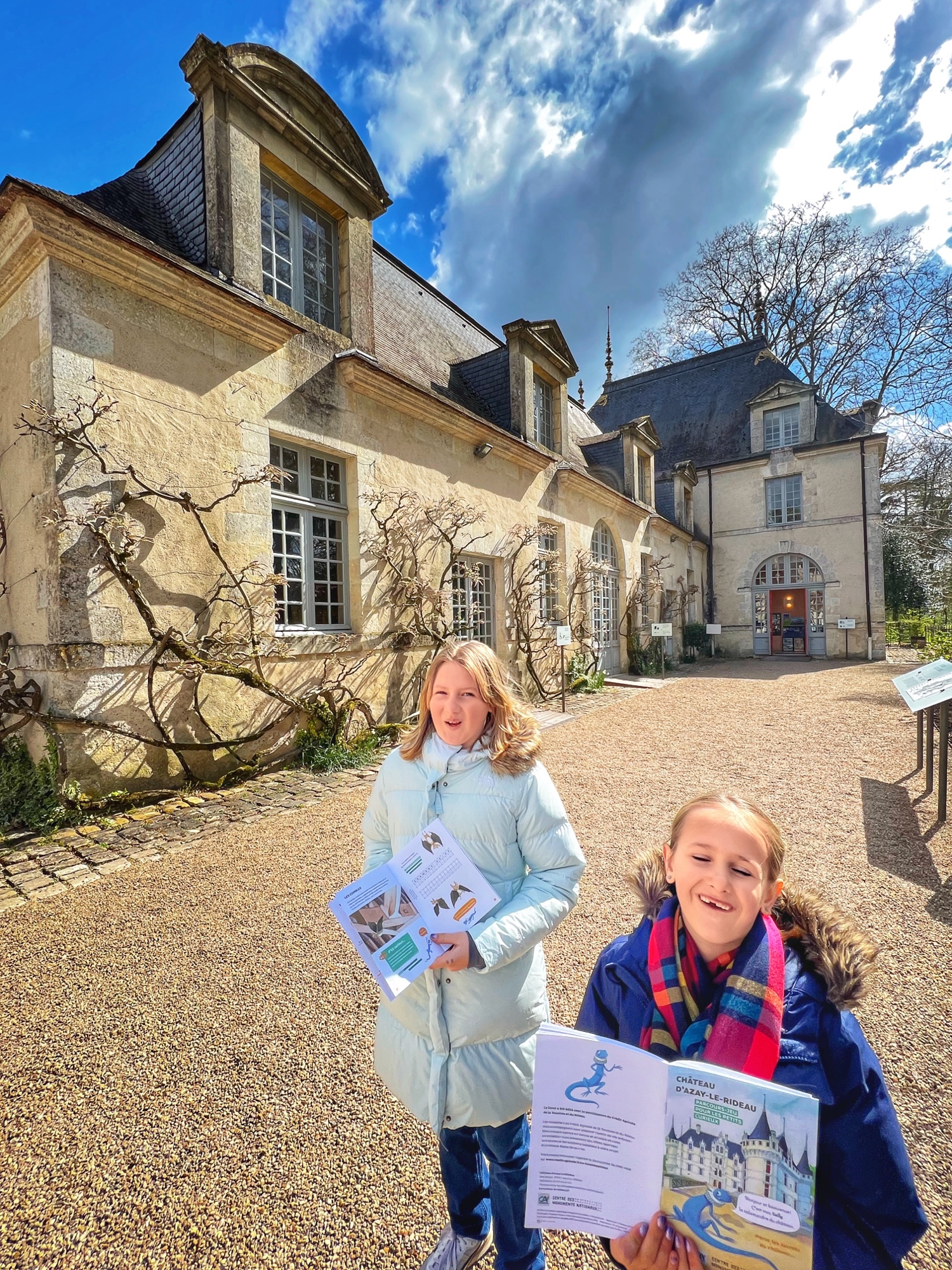
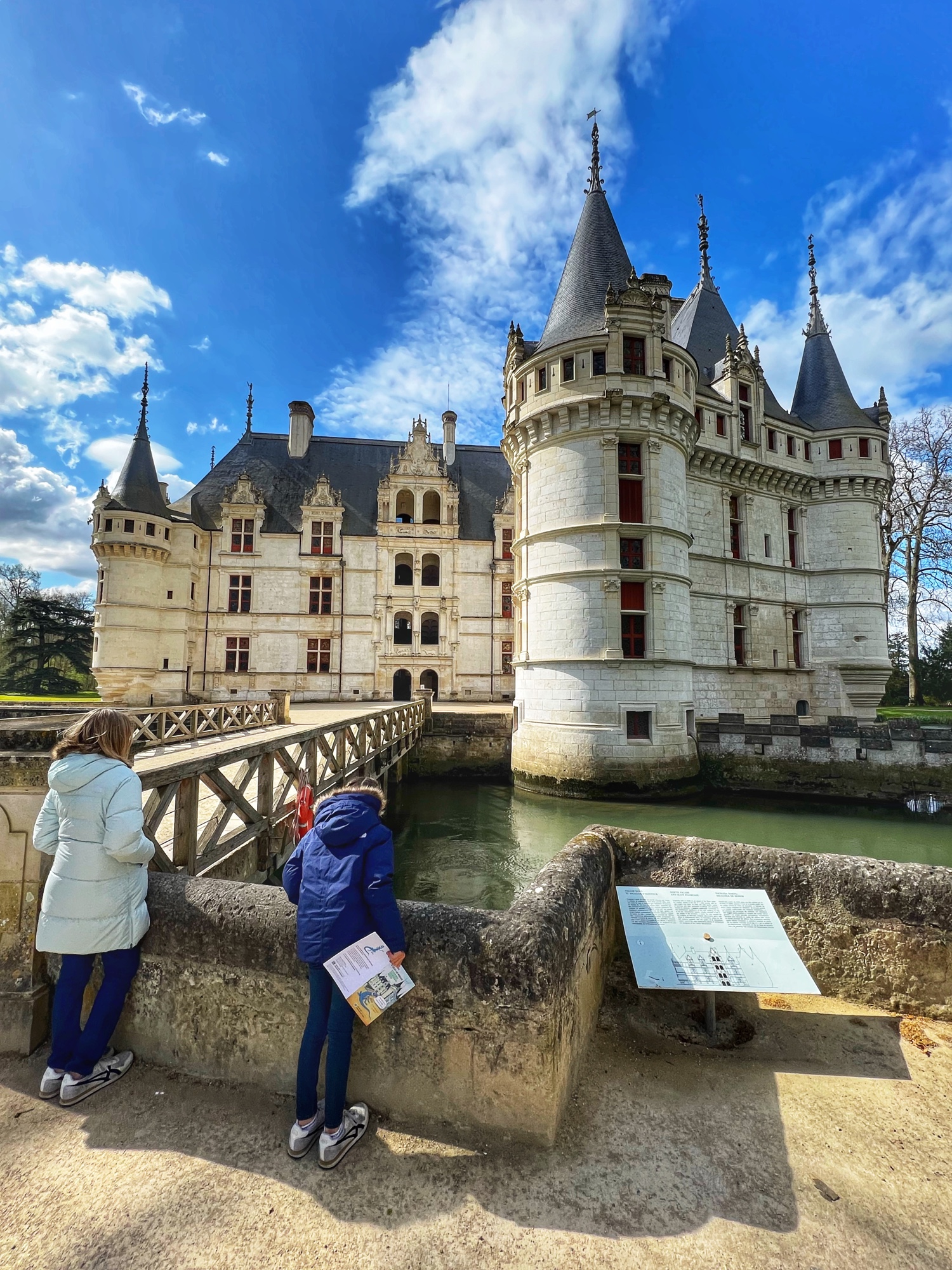
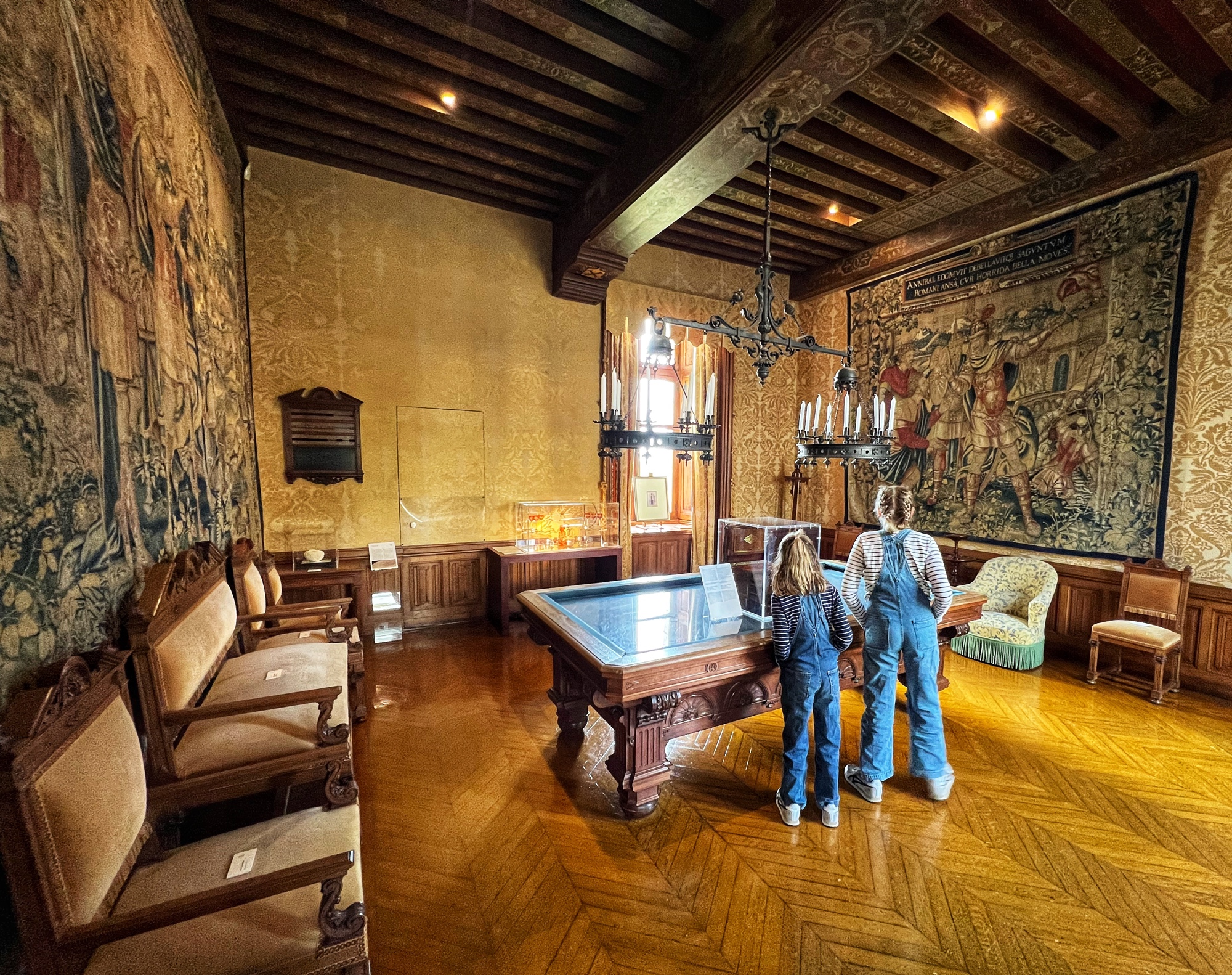
In late April and early May, the wisteria will be fabulous here. Take note of the billiard room – something you don’t see often in these châteaux – as well as the ornate wooden detailing on furniture and doorways.
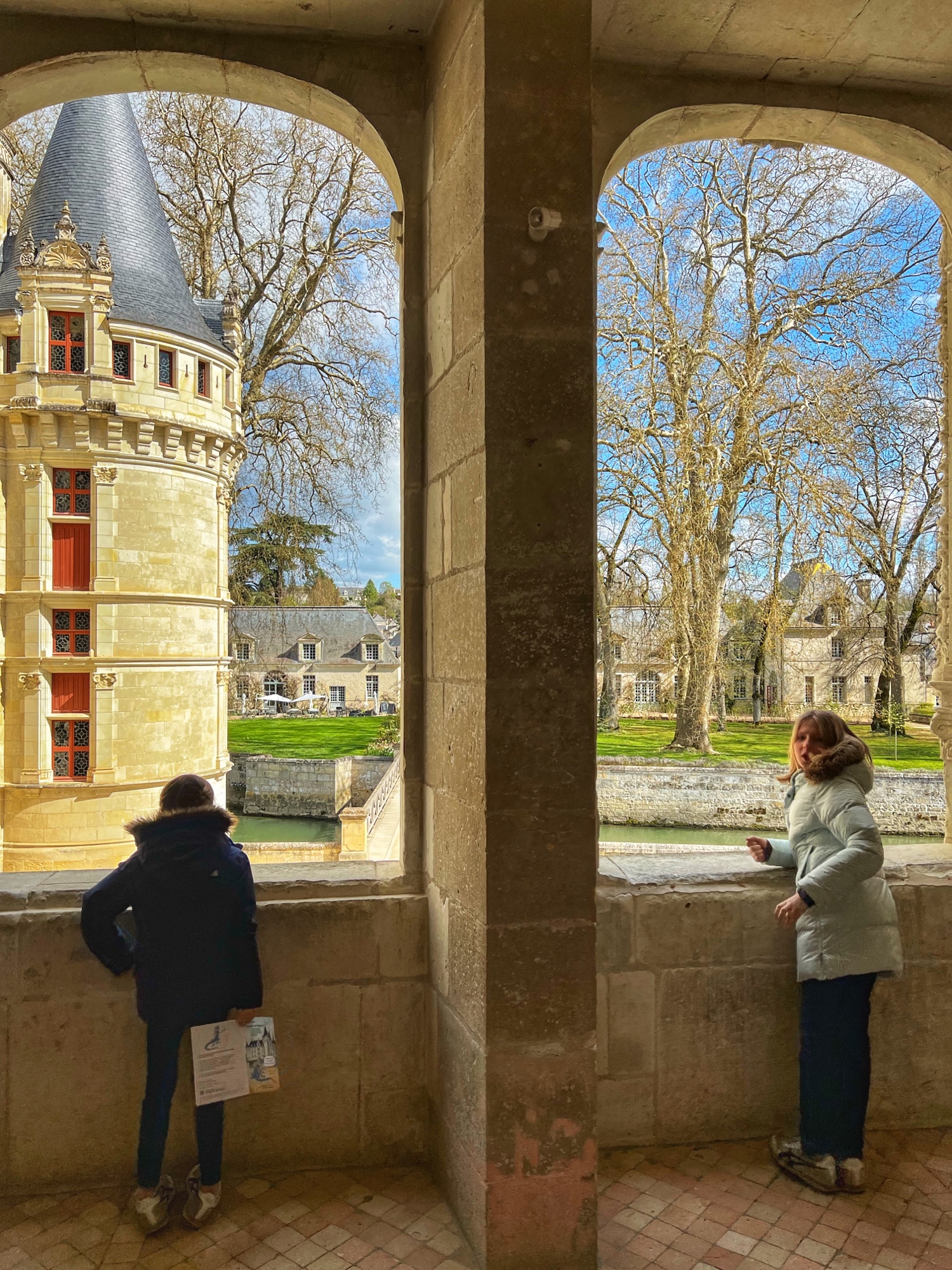
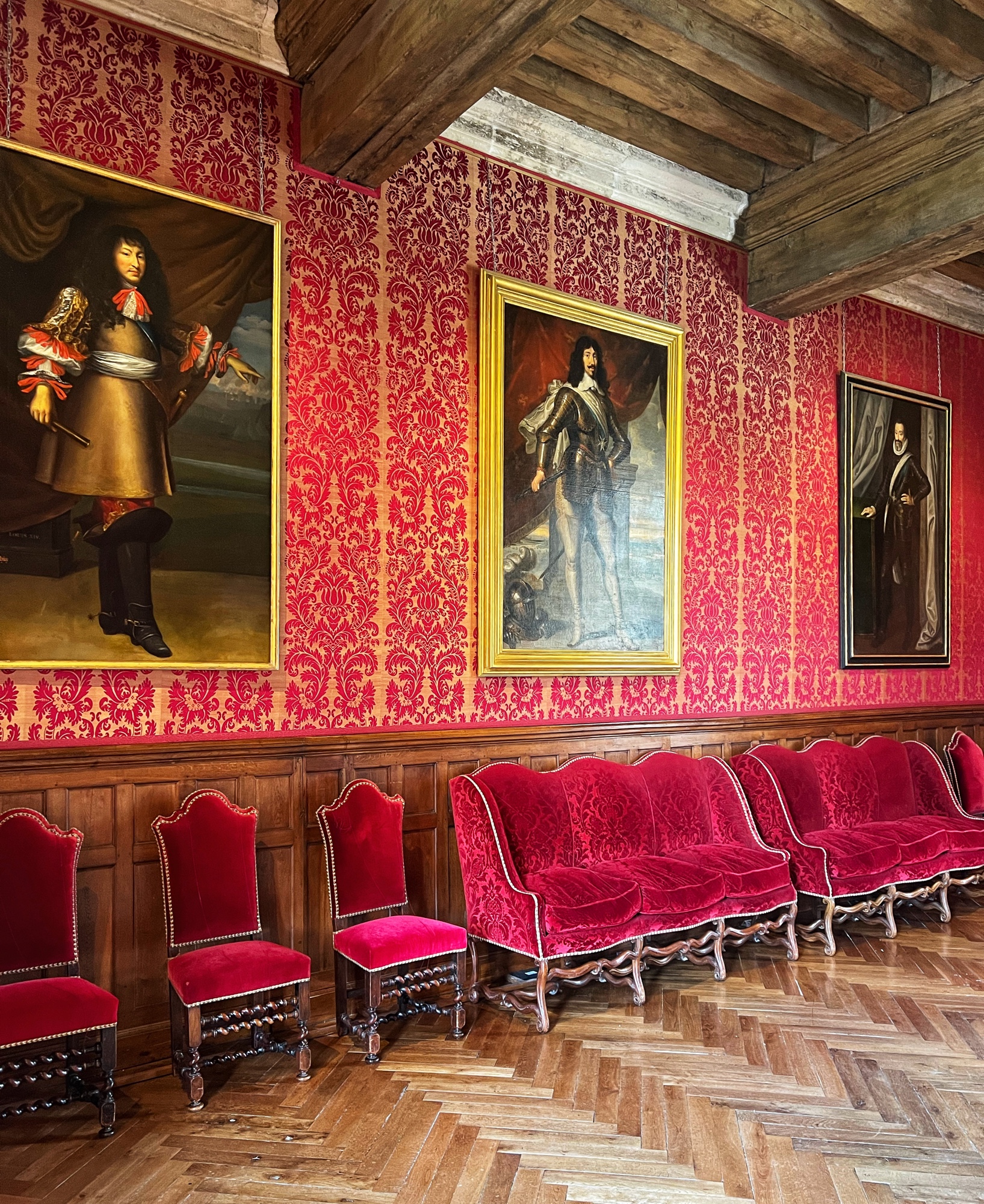

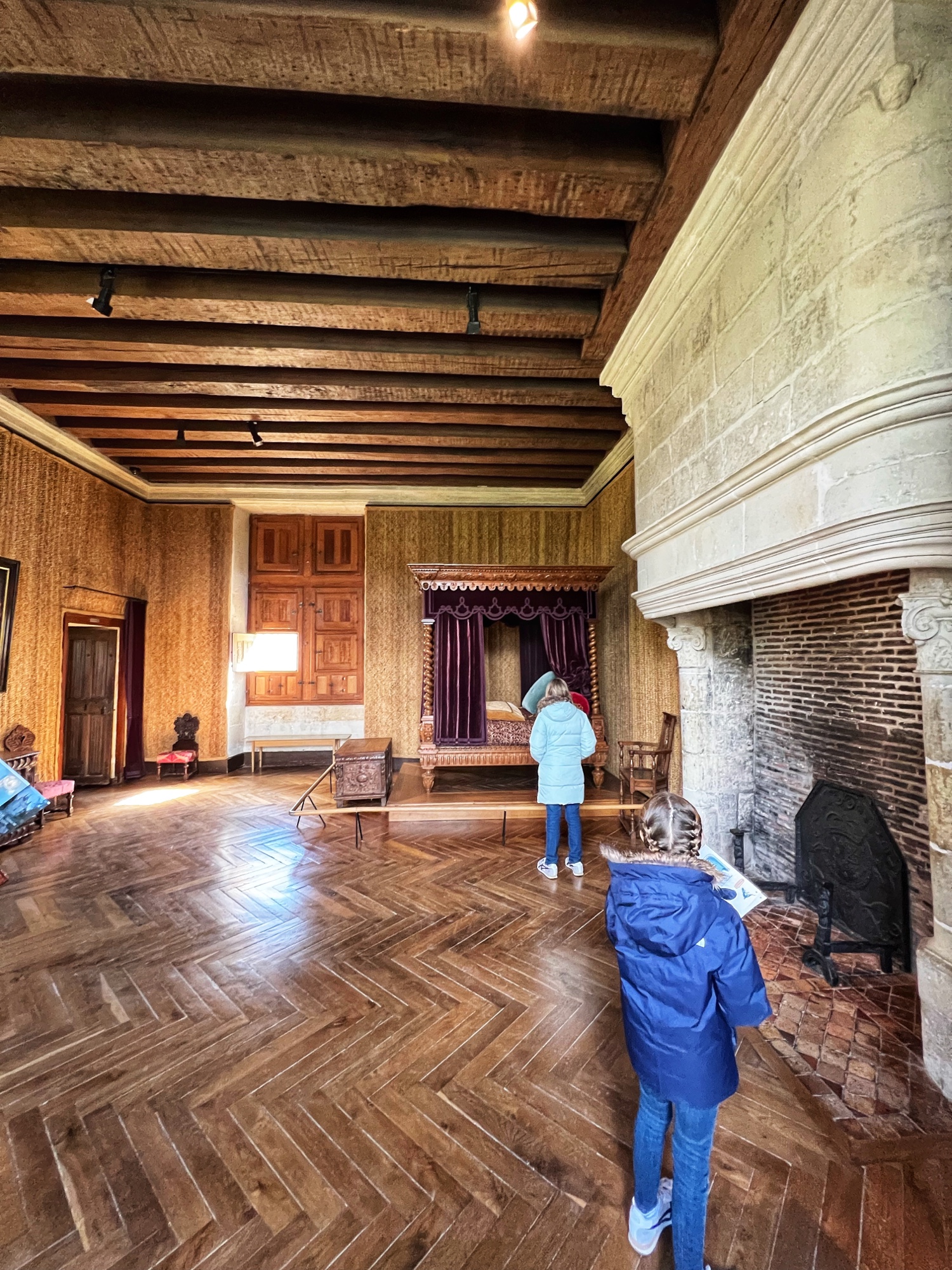
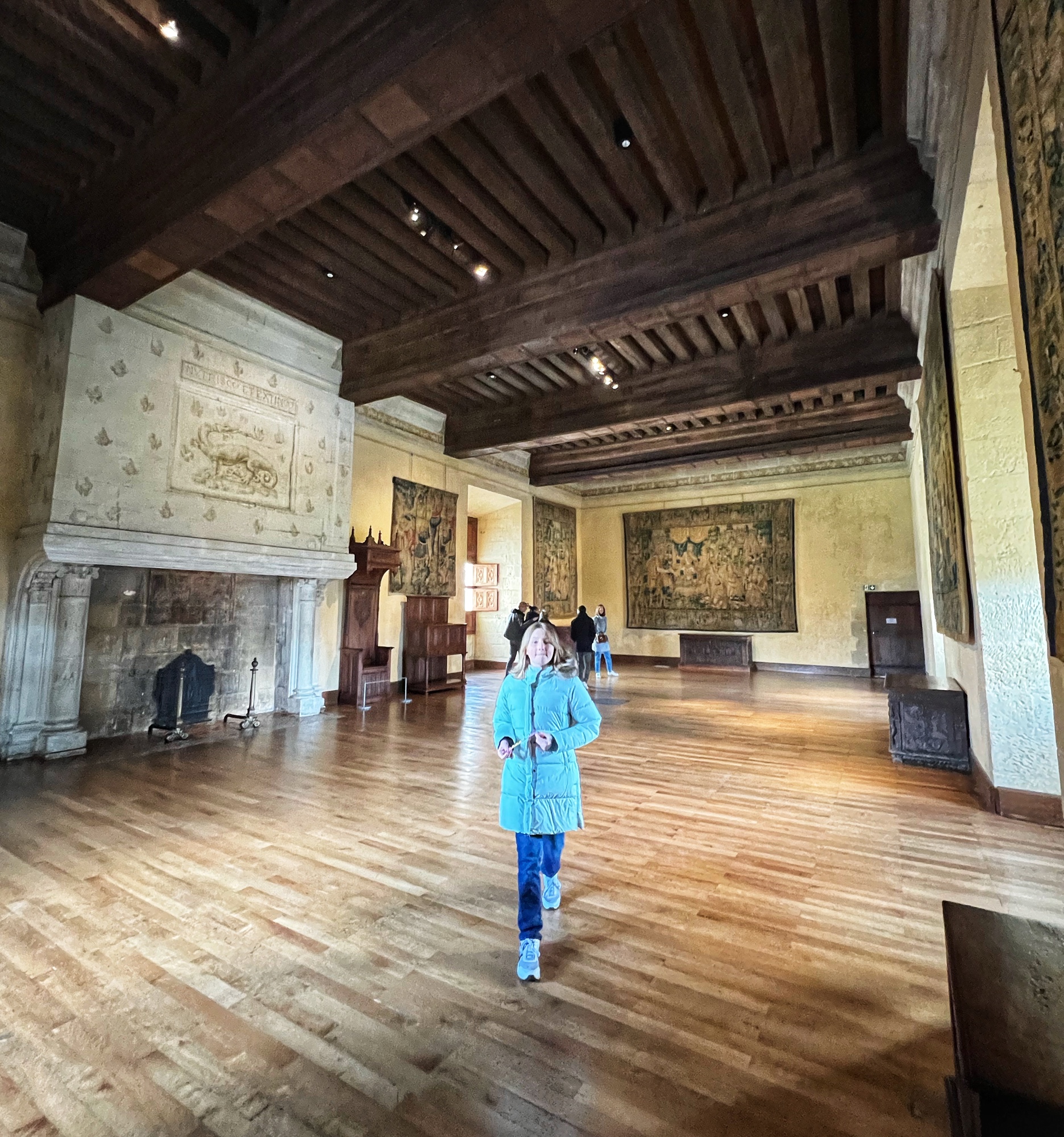

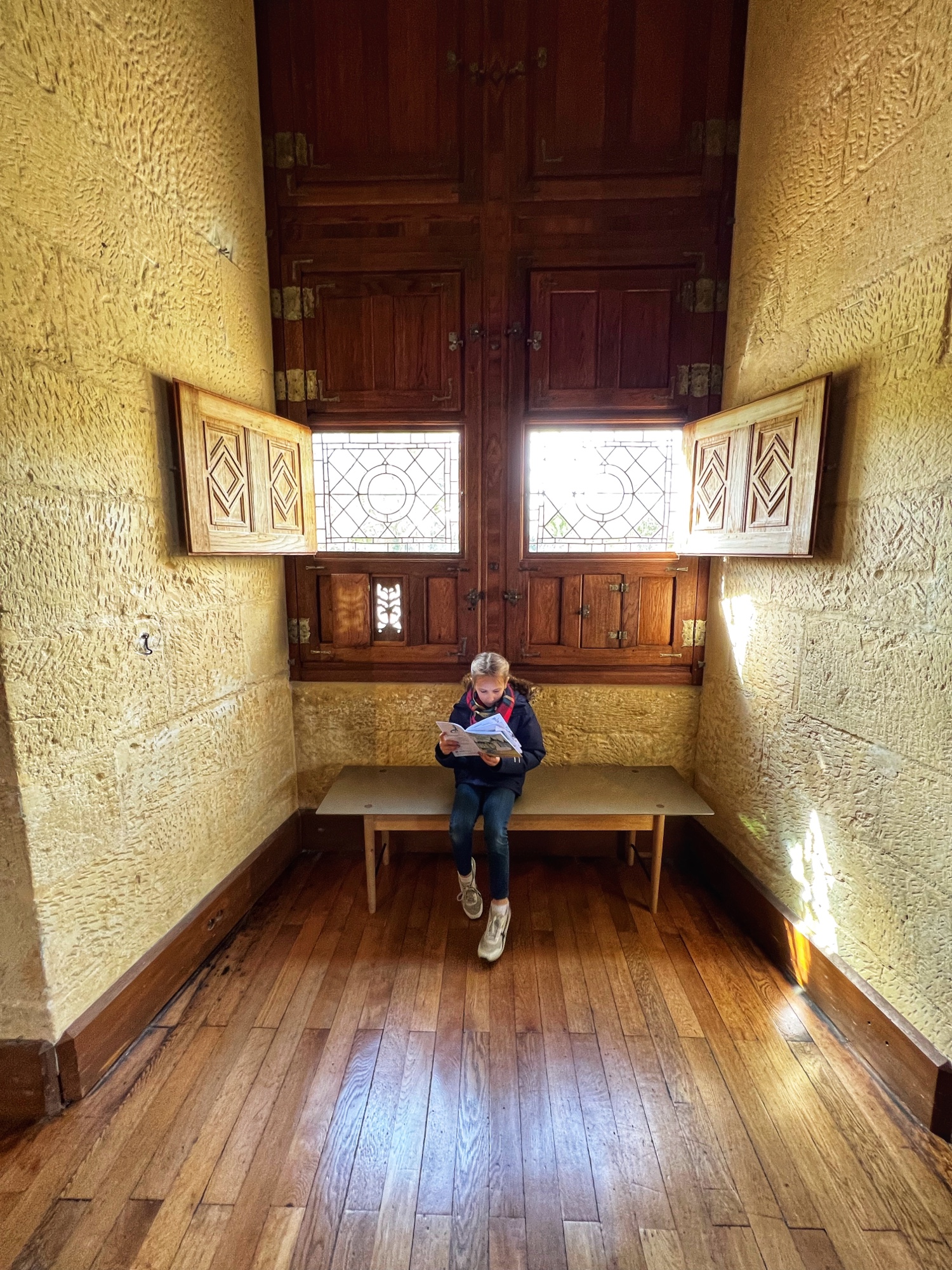

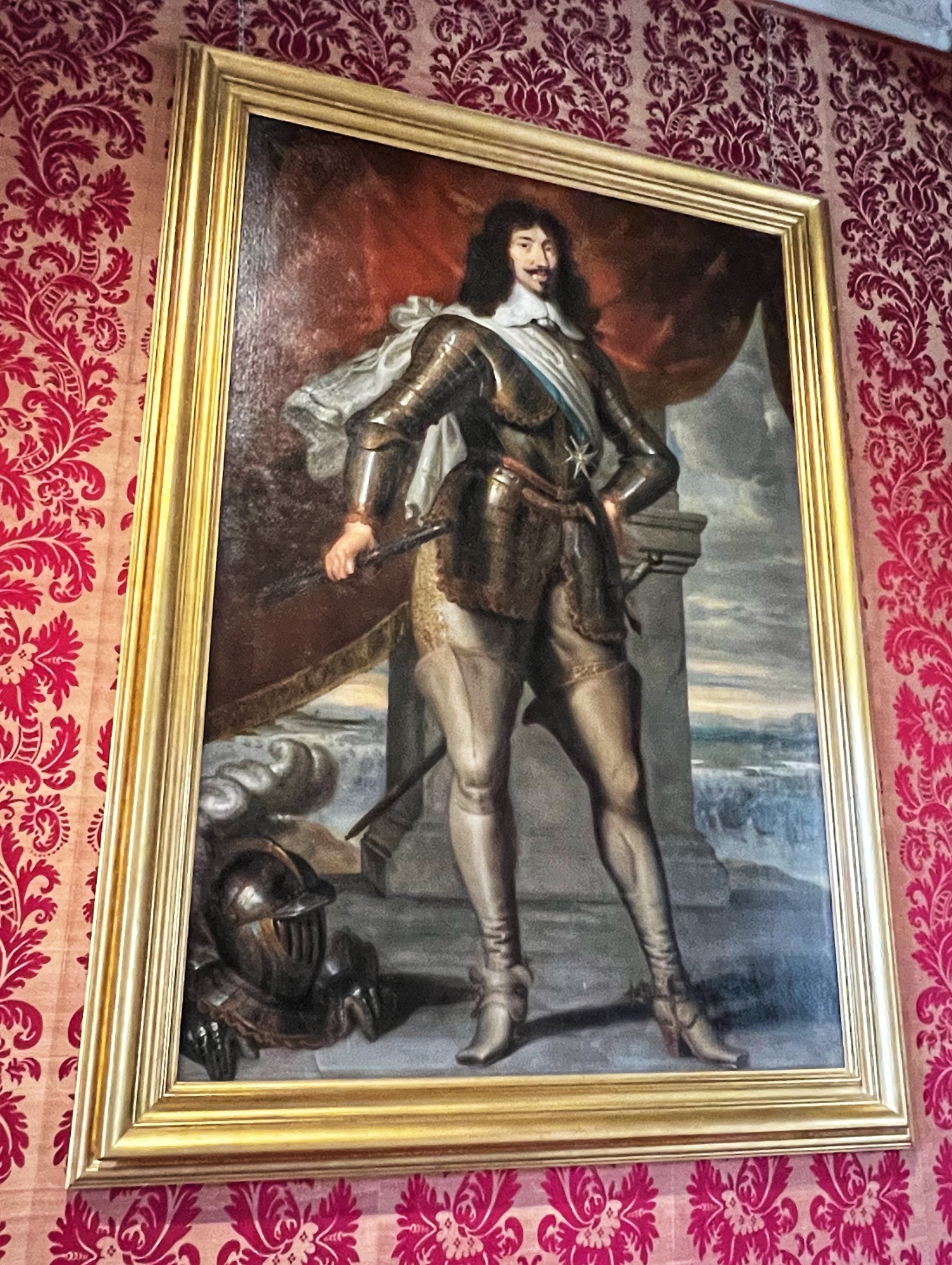
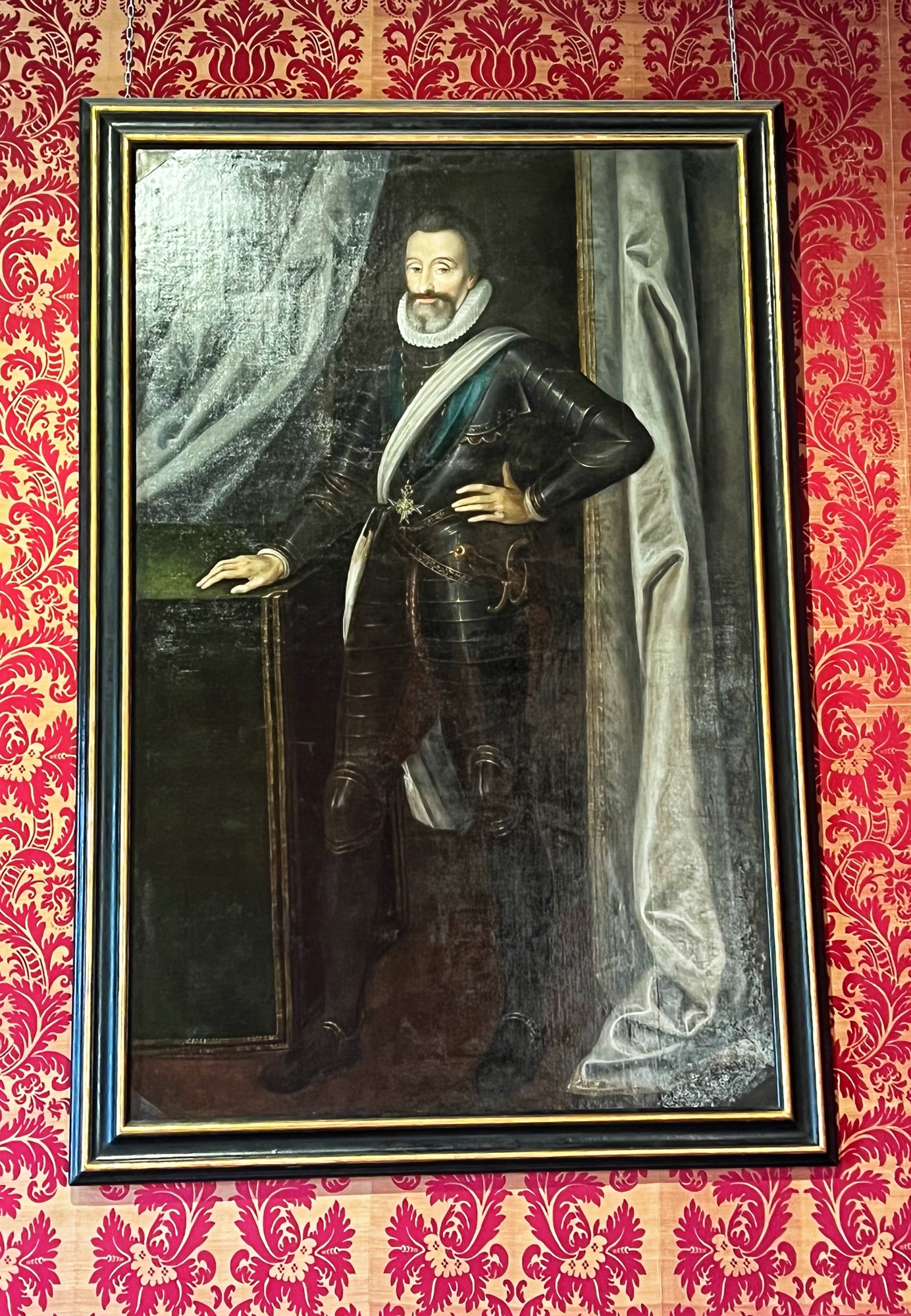
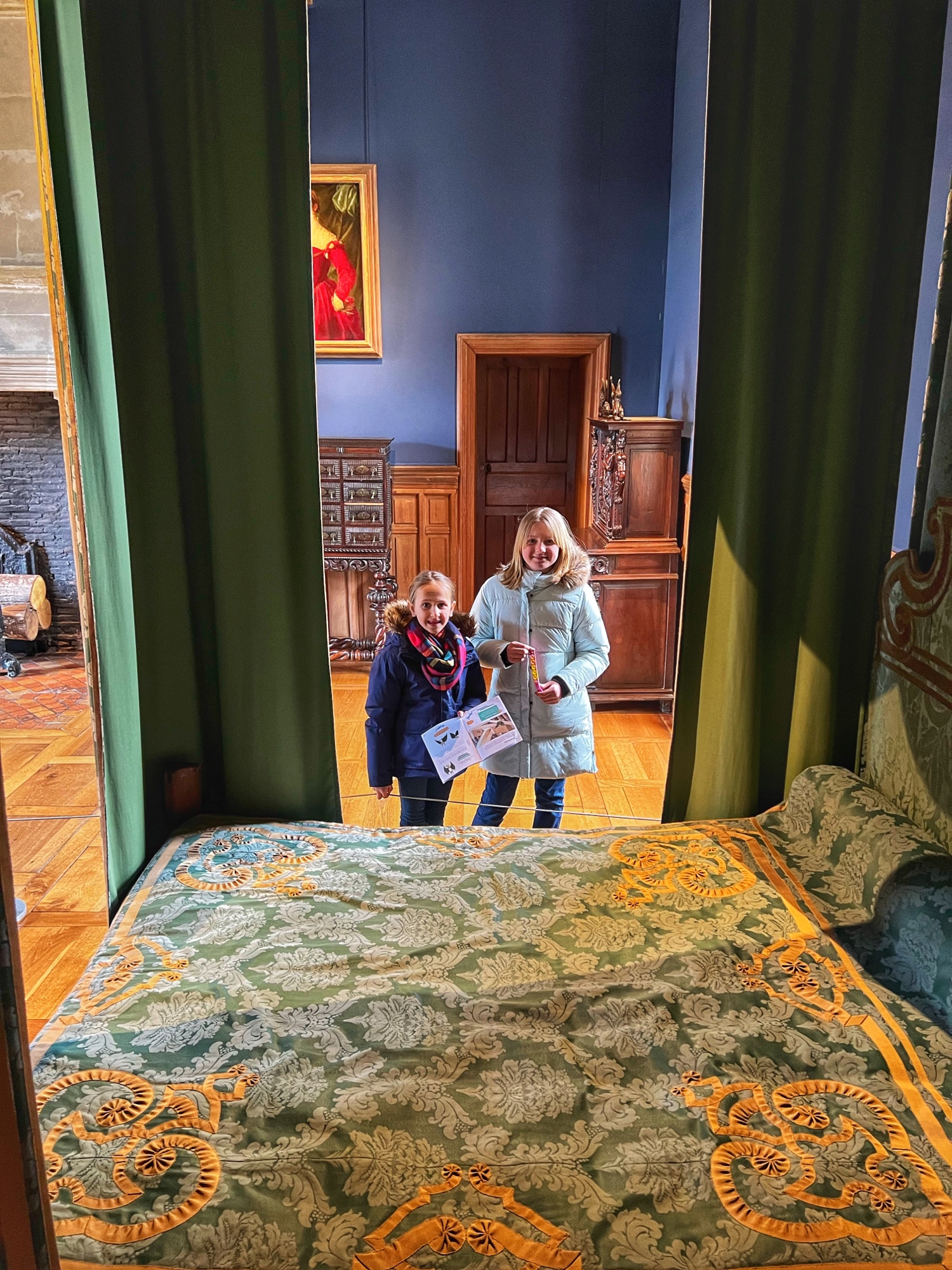

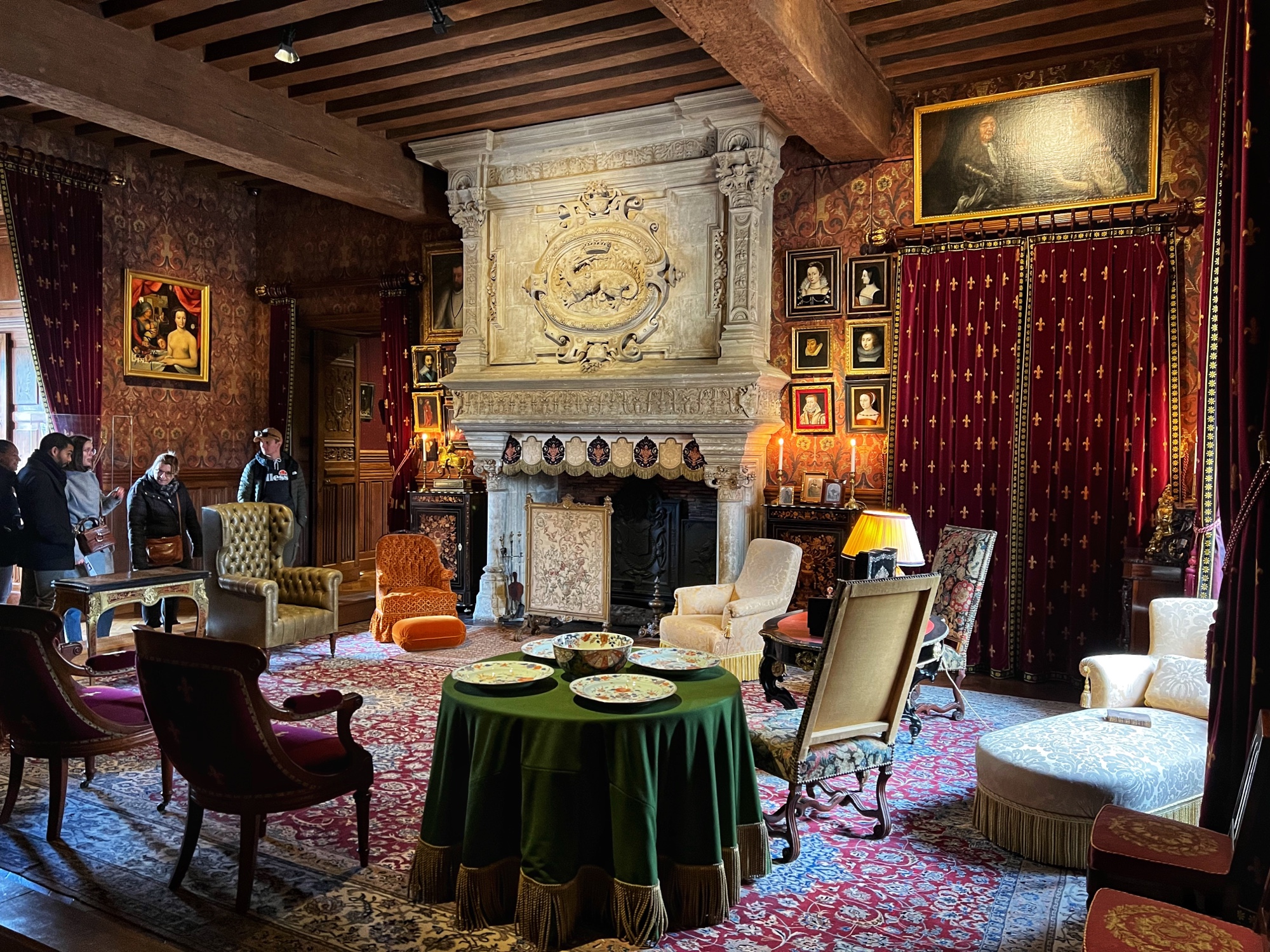


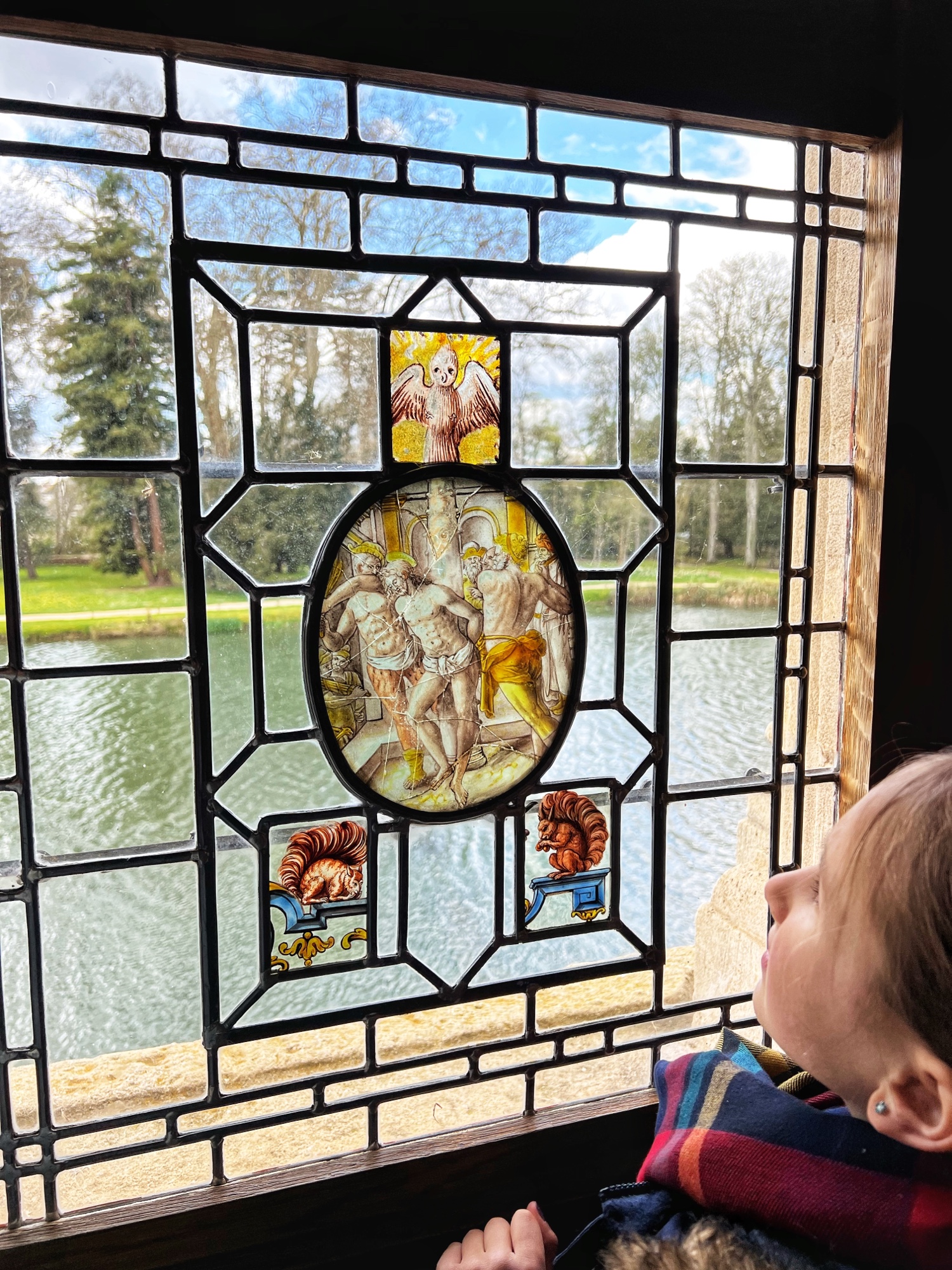
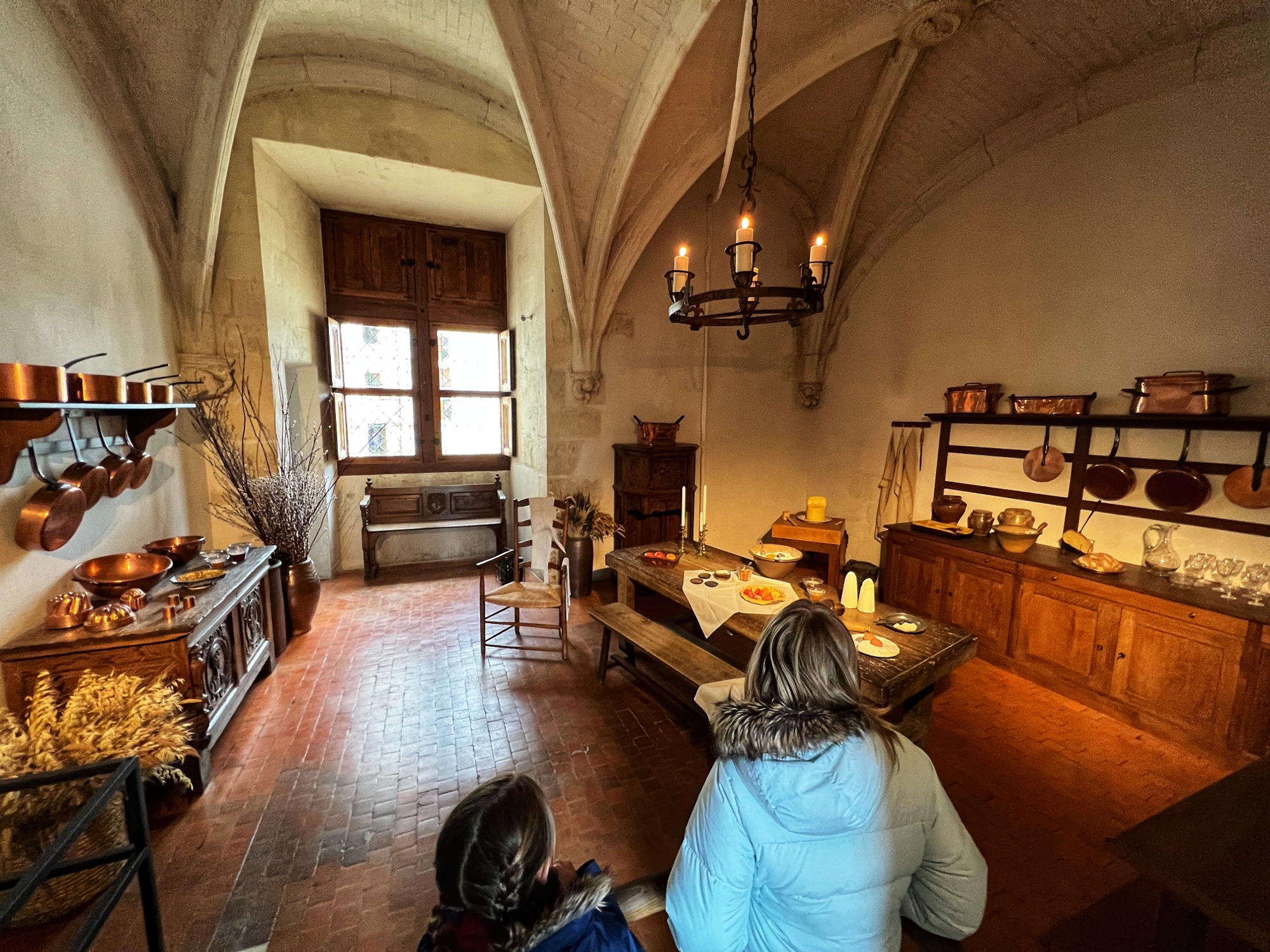
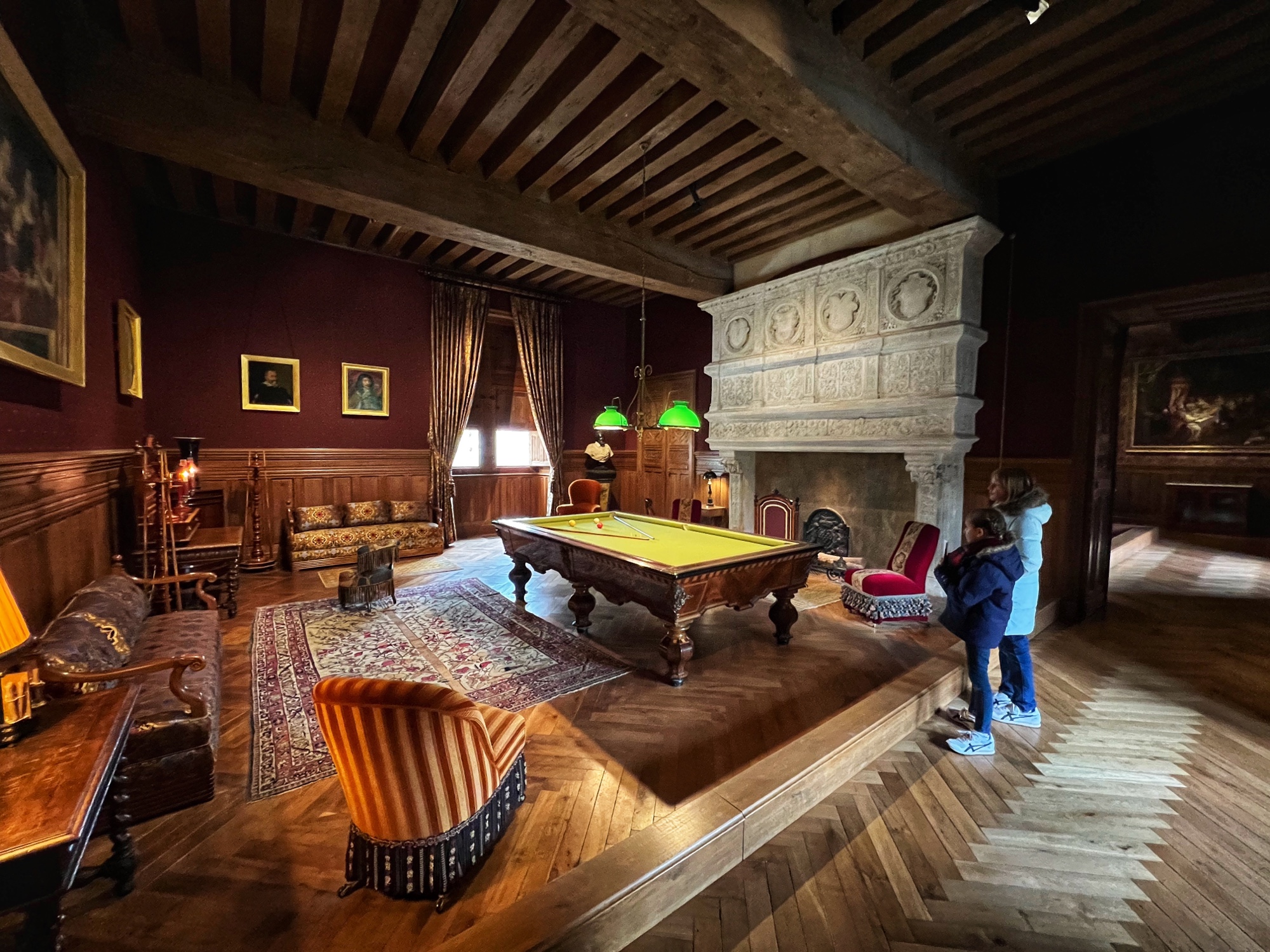
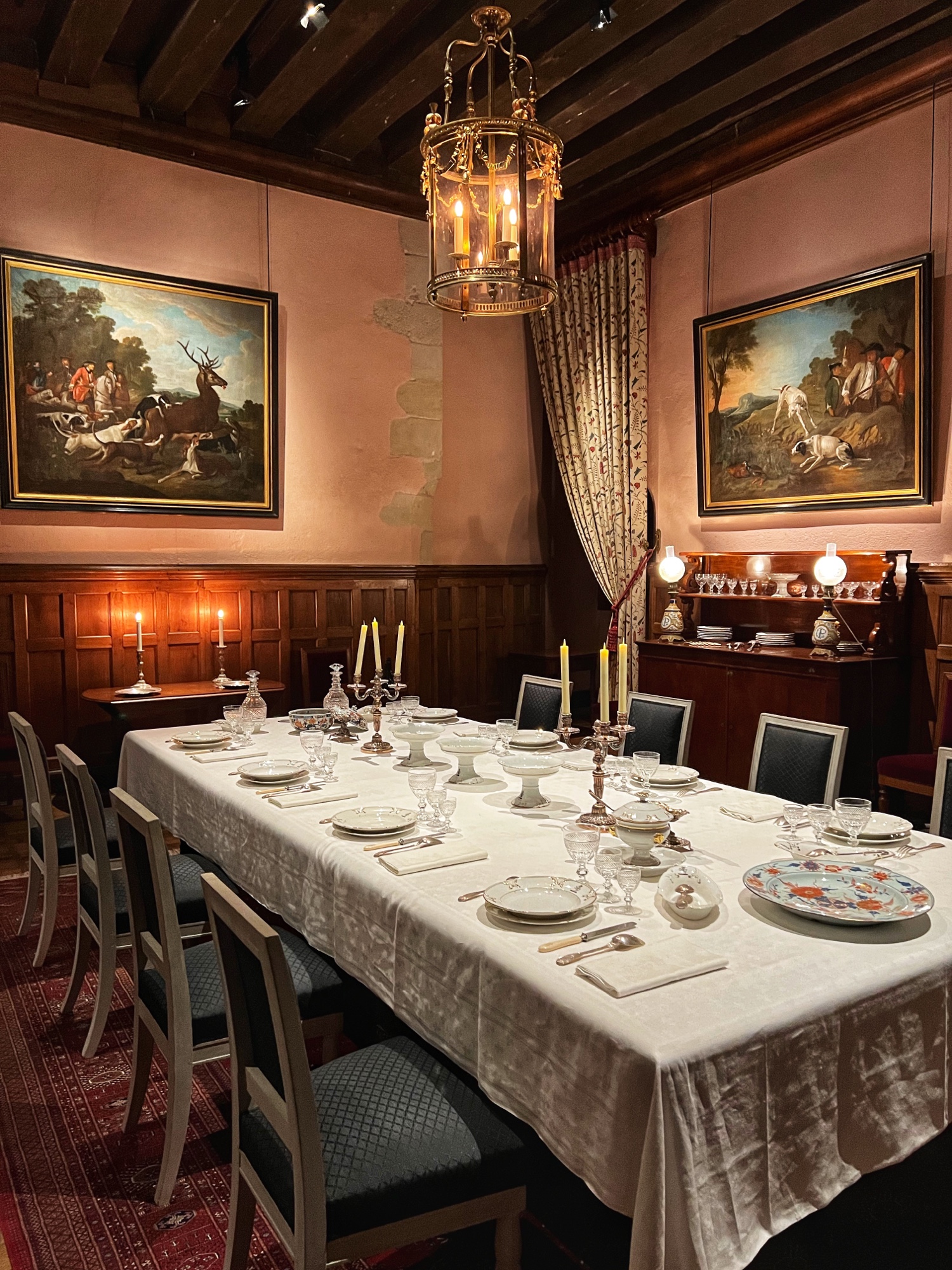

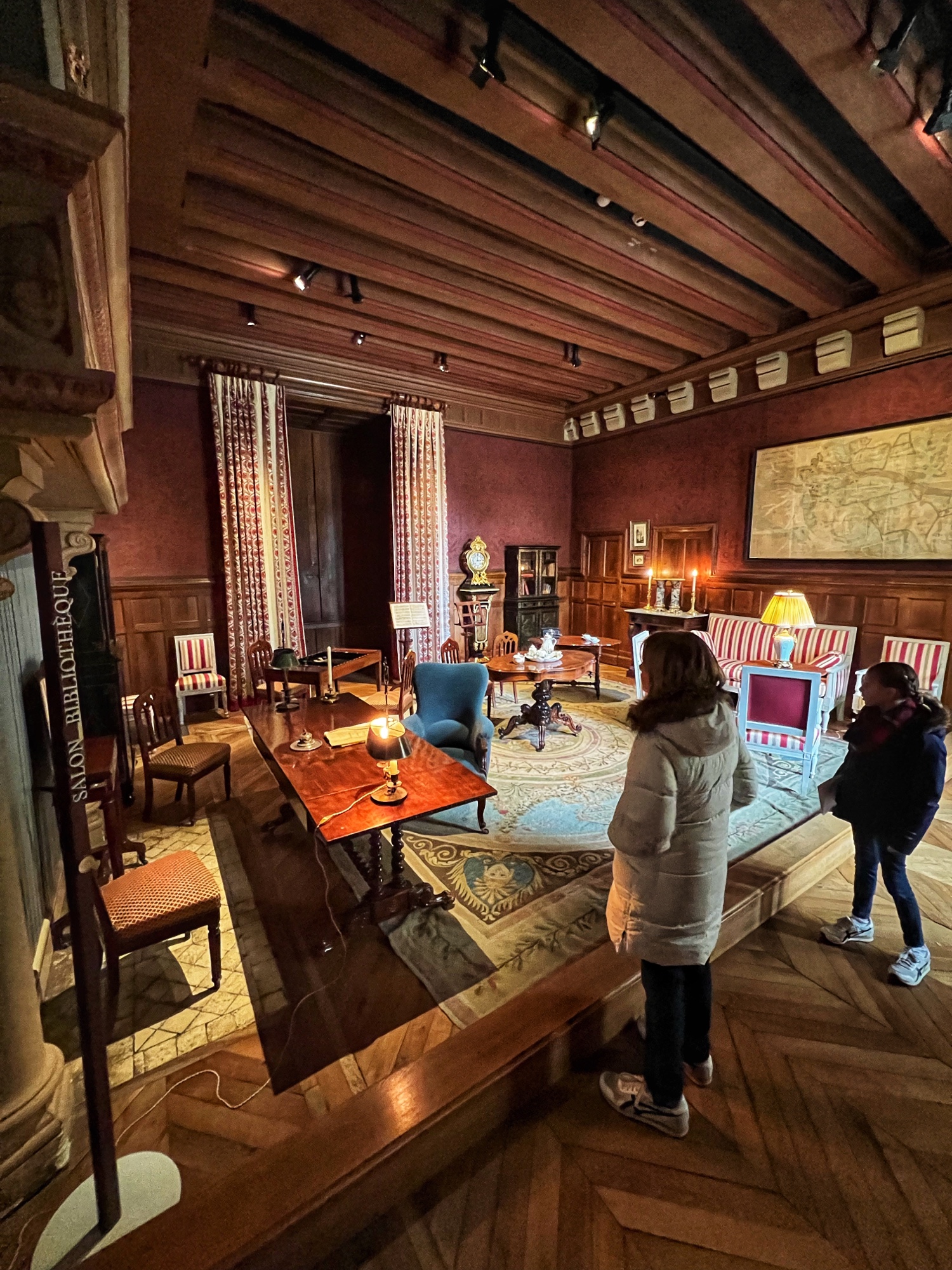
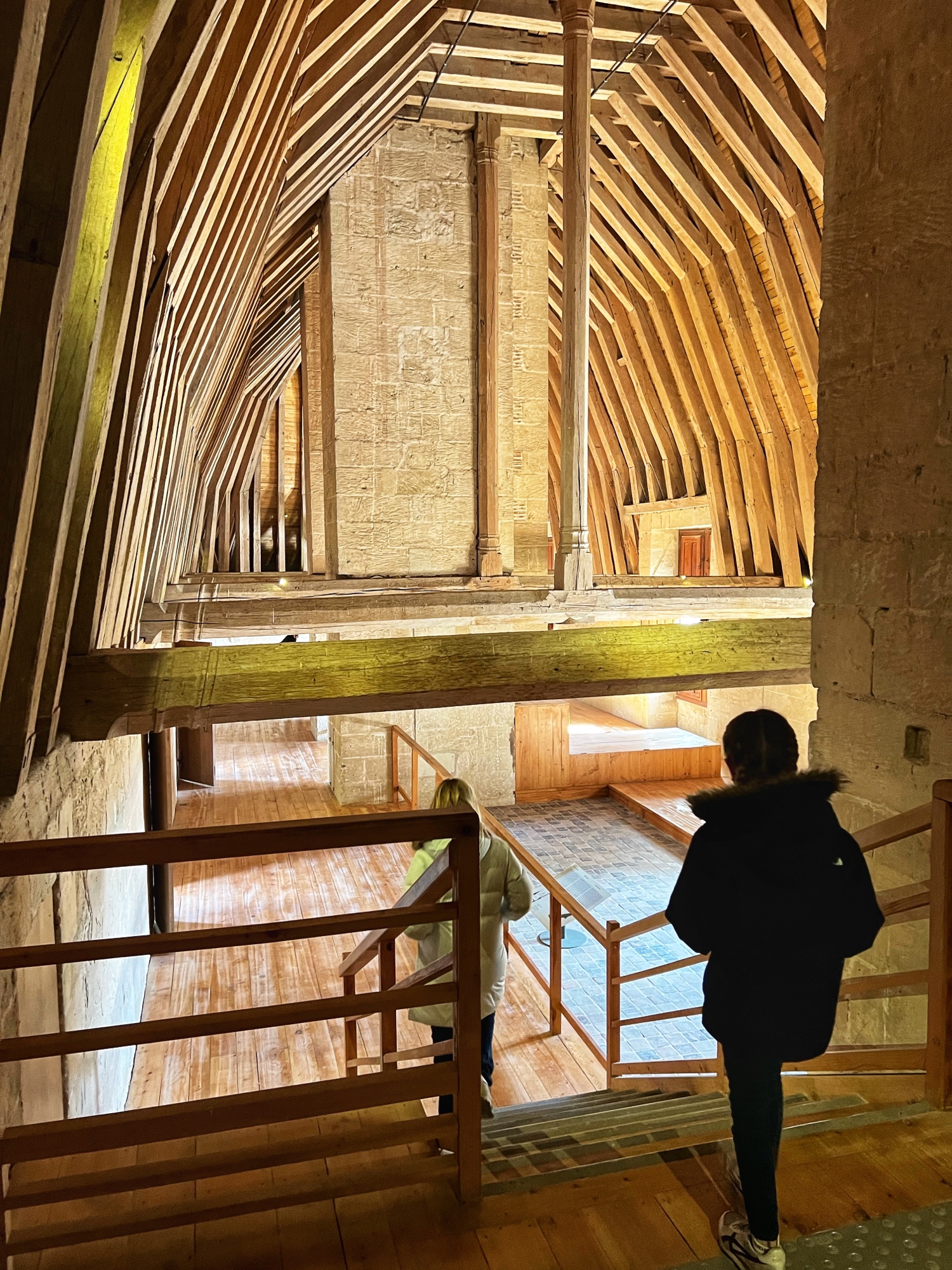
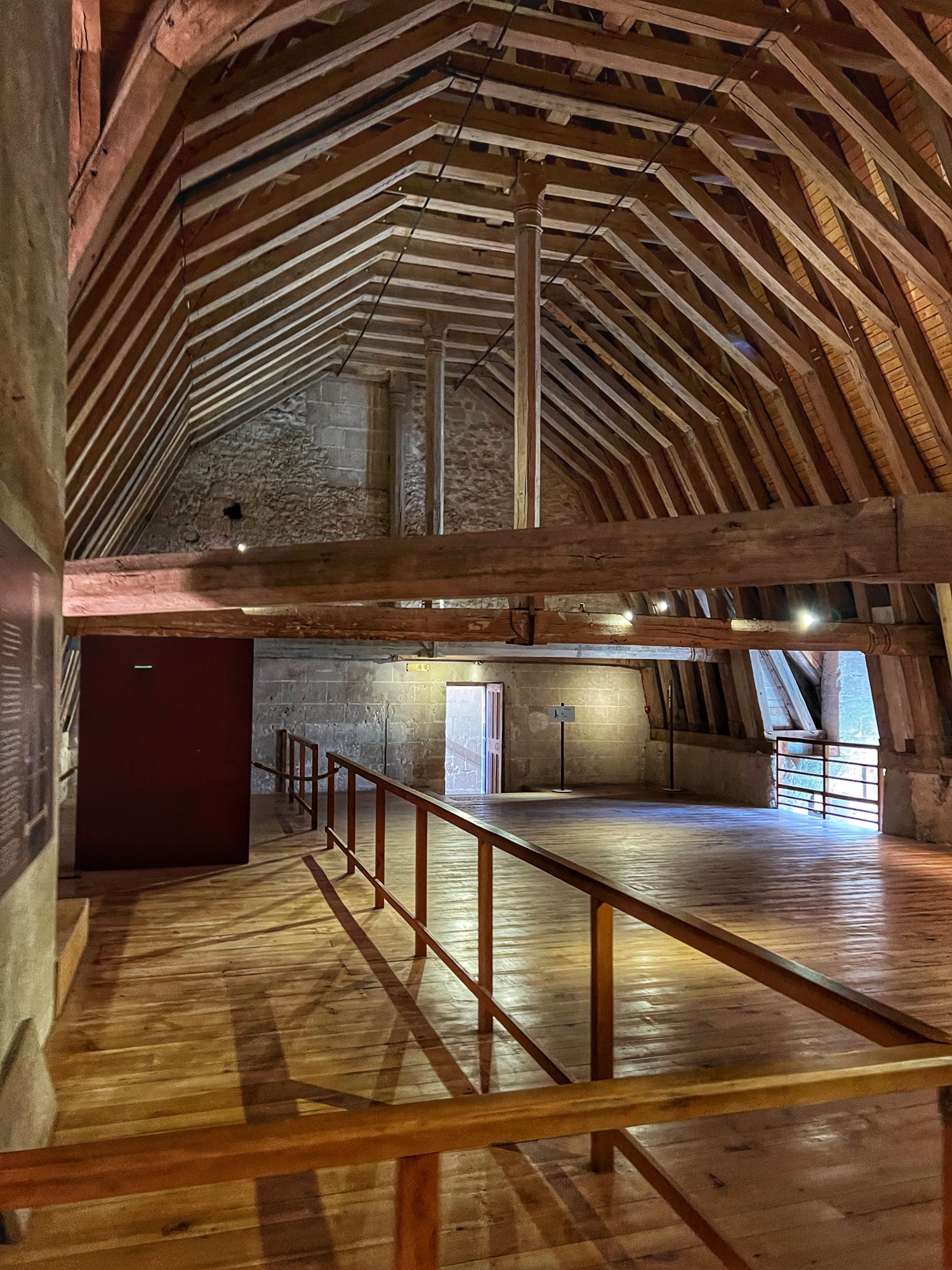
We didn’t see any bats during the day time, but if you are there in the late afternoon or early evening, it is possible to spot them! They are protected, and the attic space is surprisingly pristine. I didn’t spot a single drop of guano!
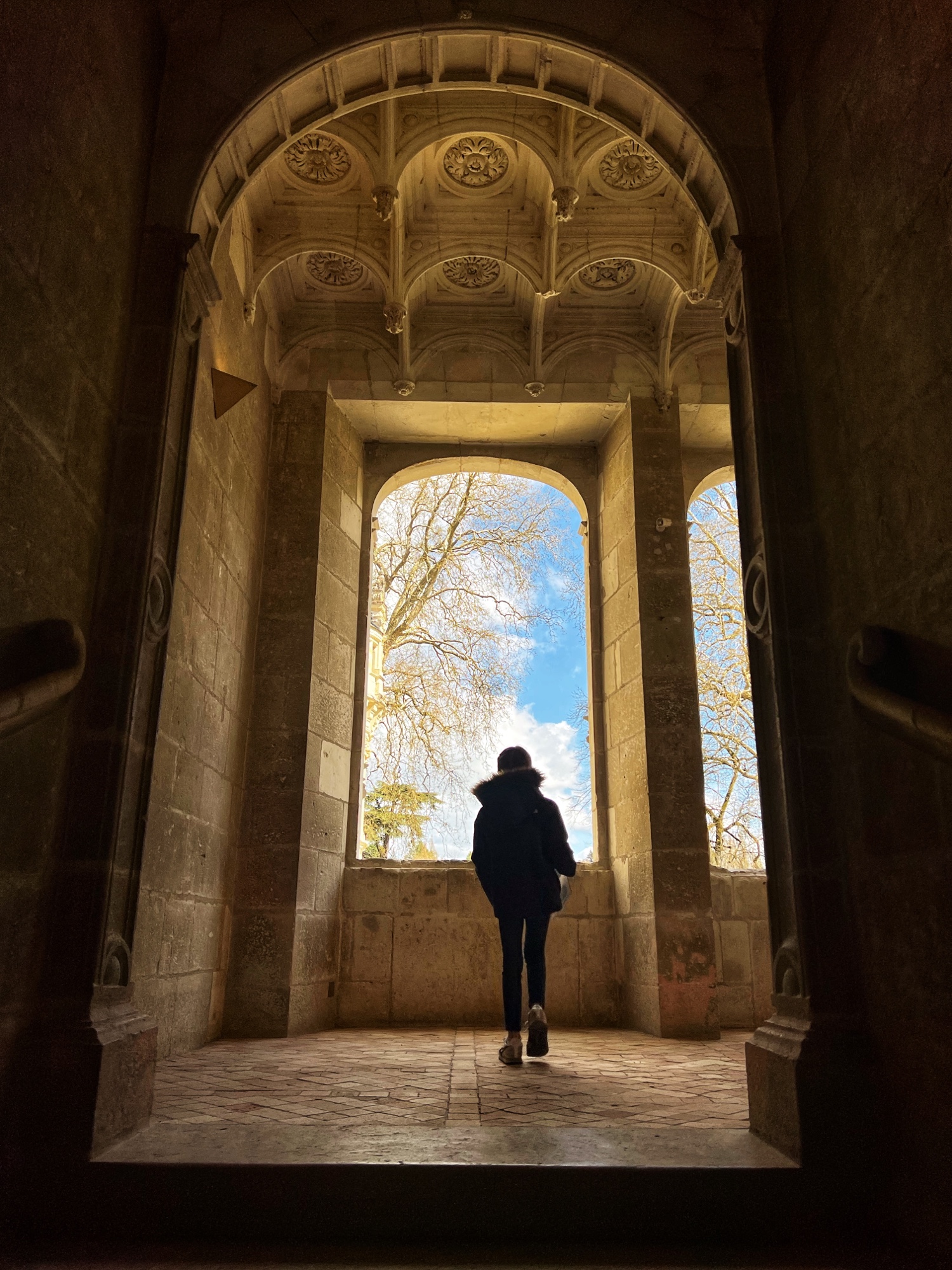
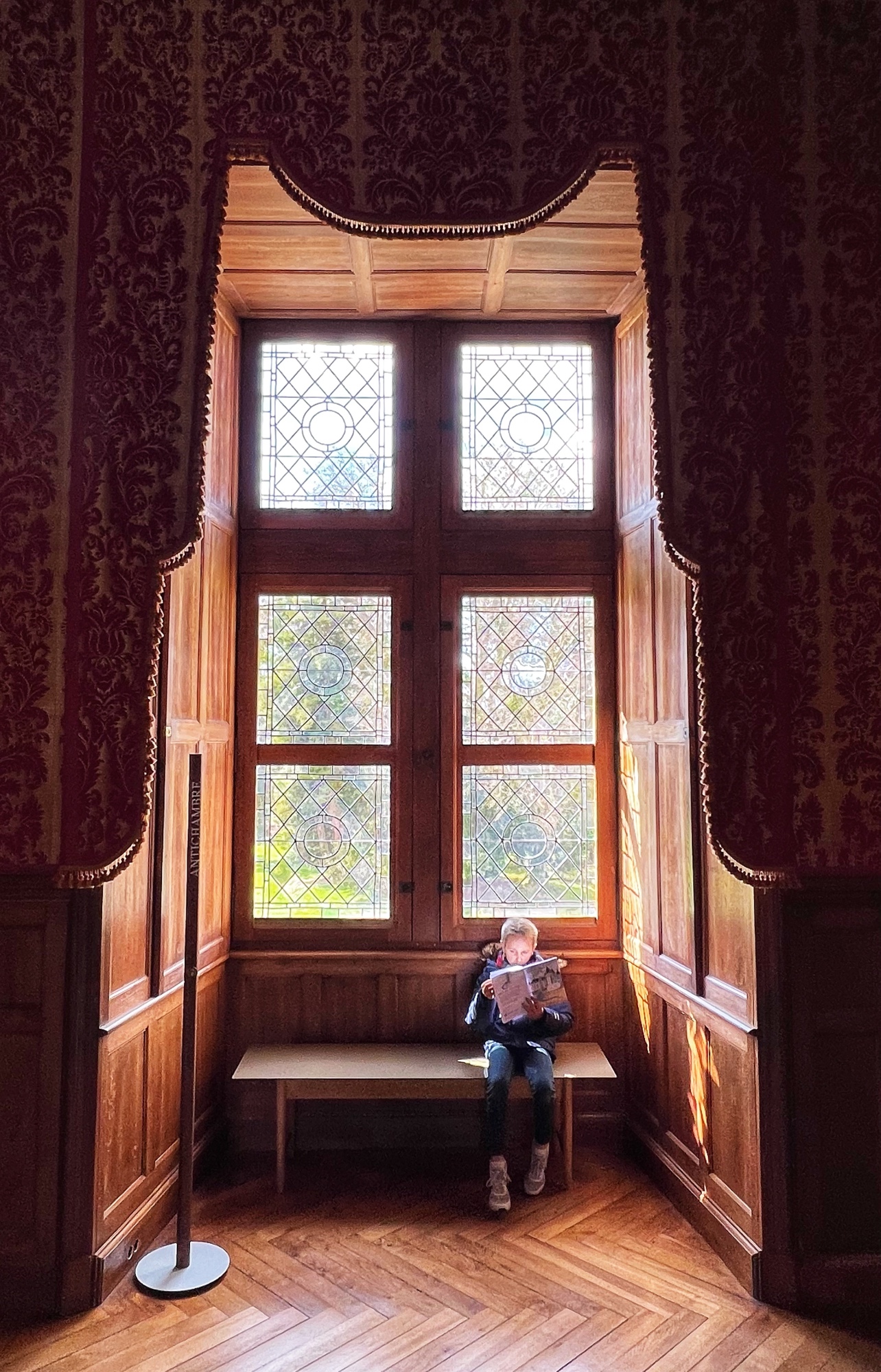
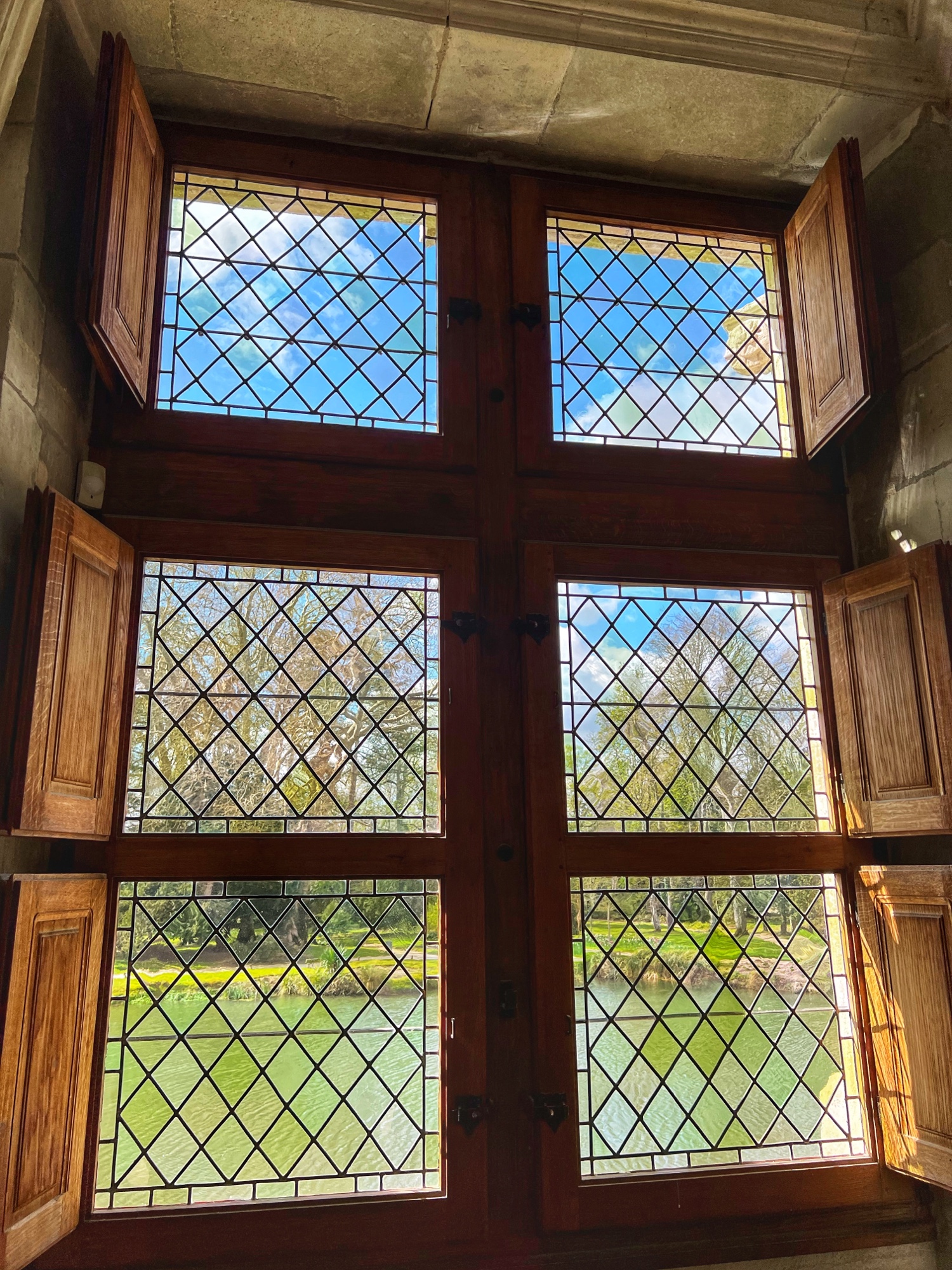
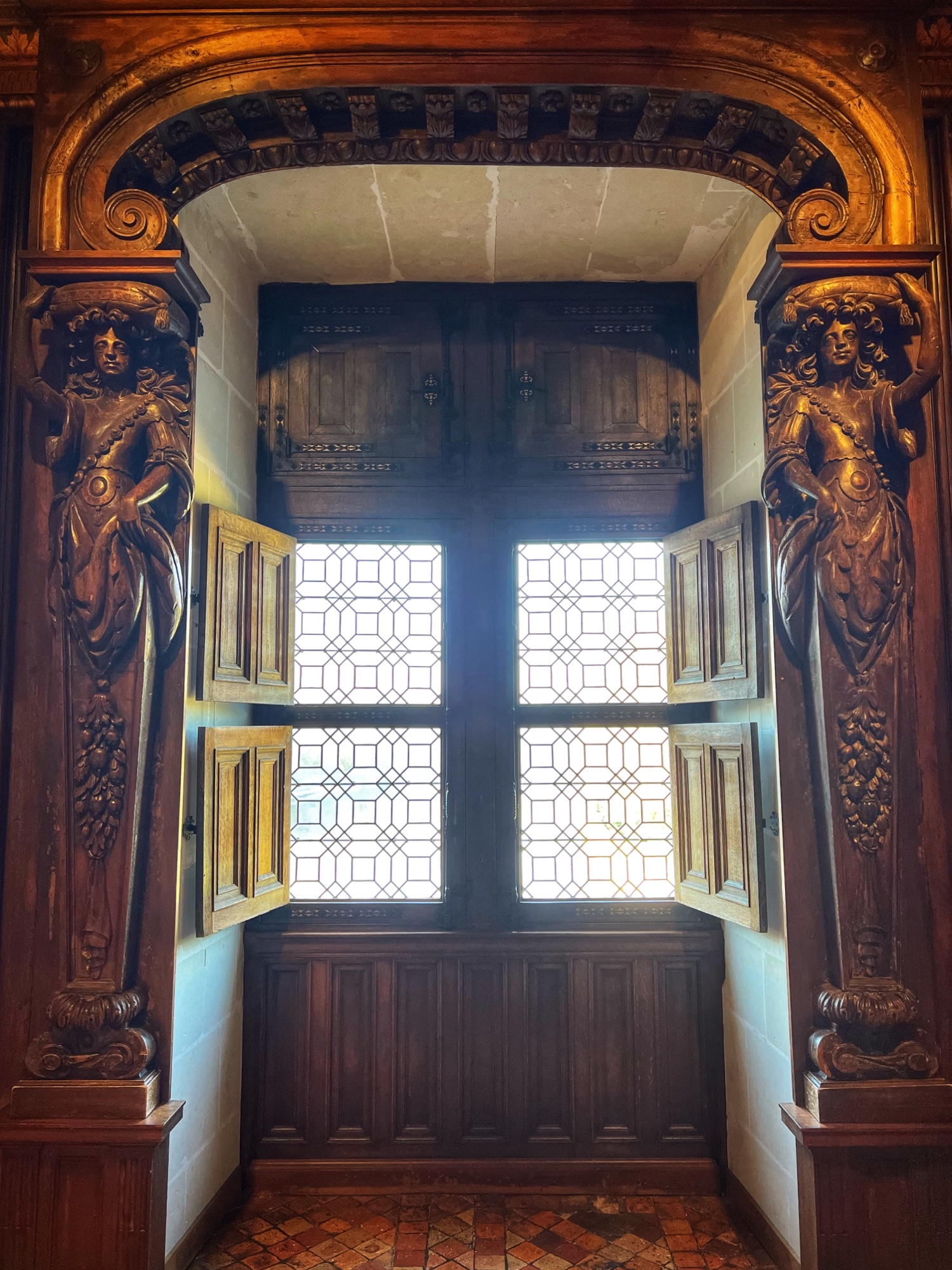
How gorgeous are these windows?

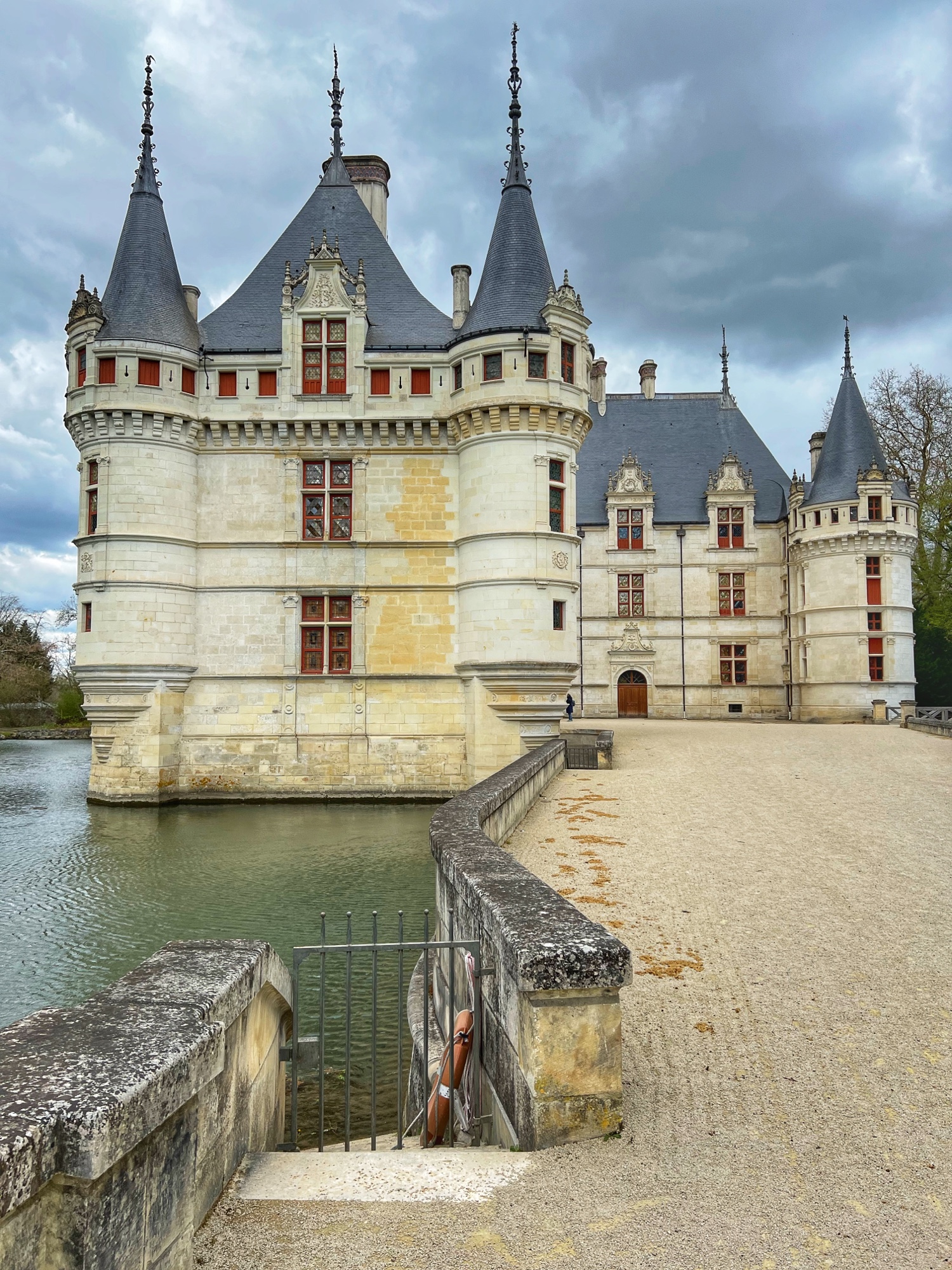
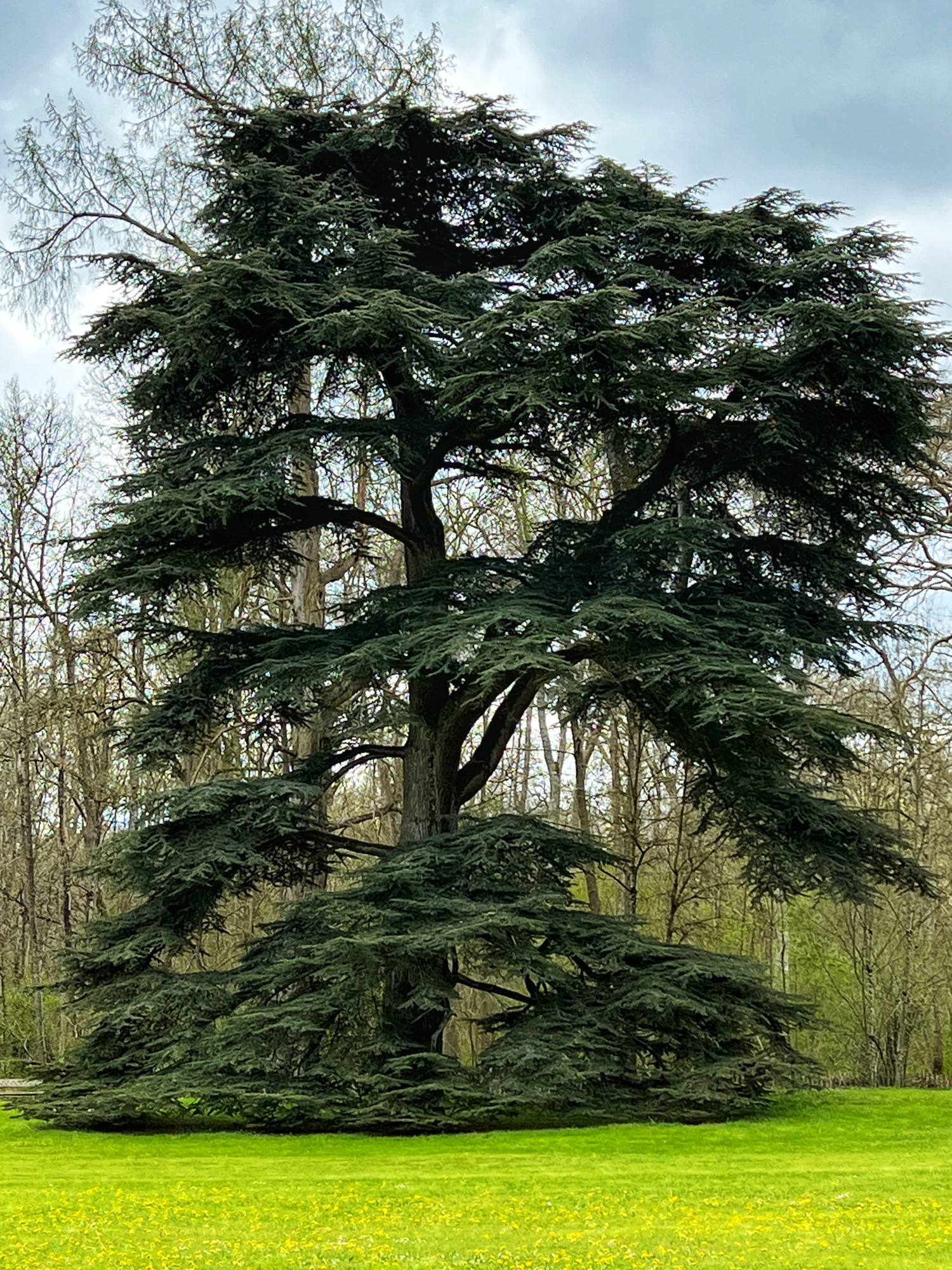
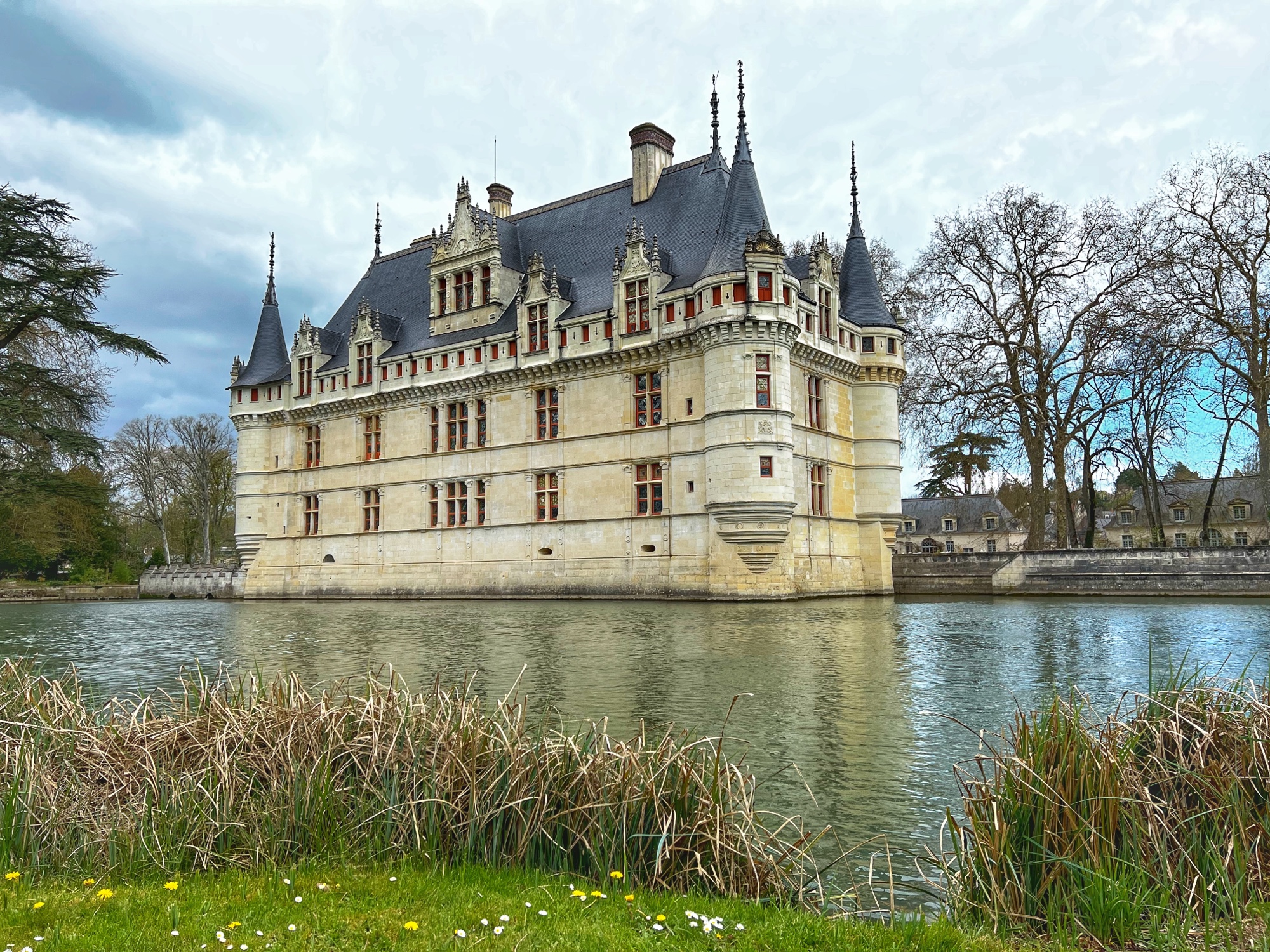


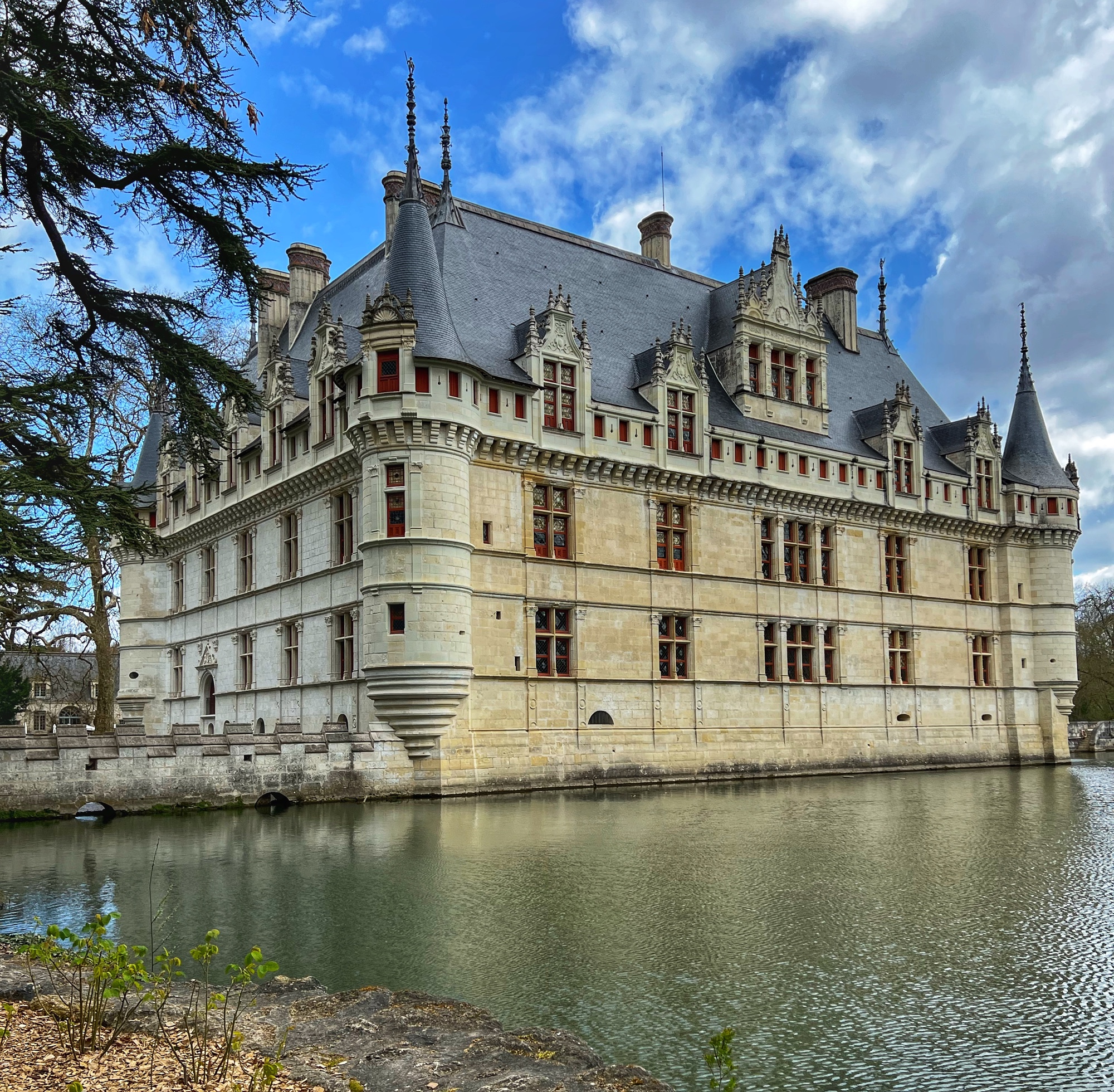
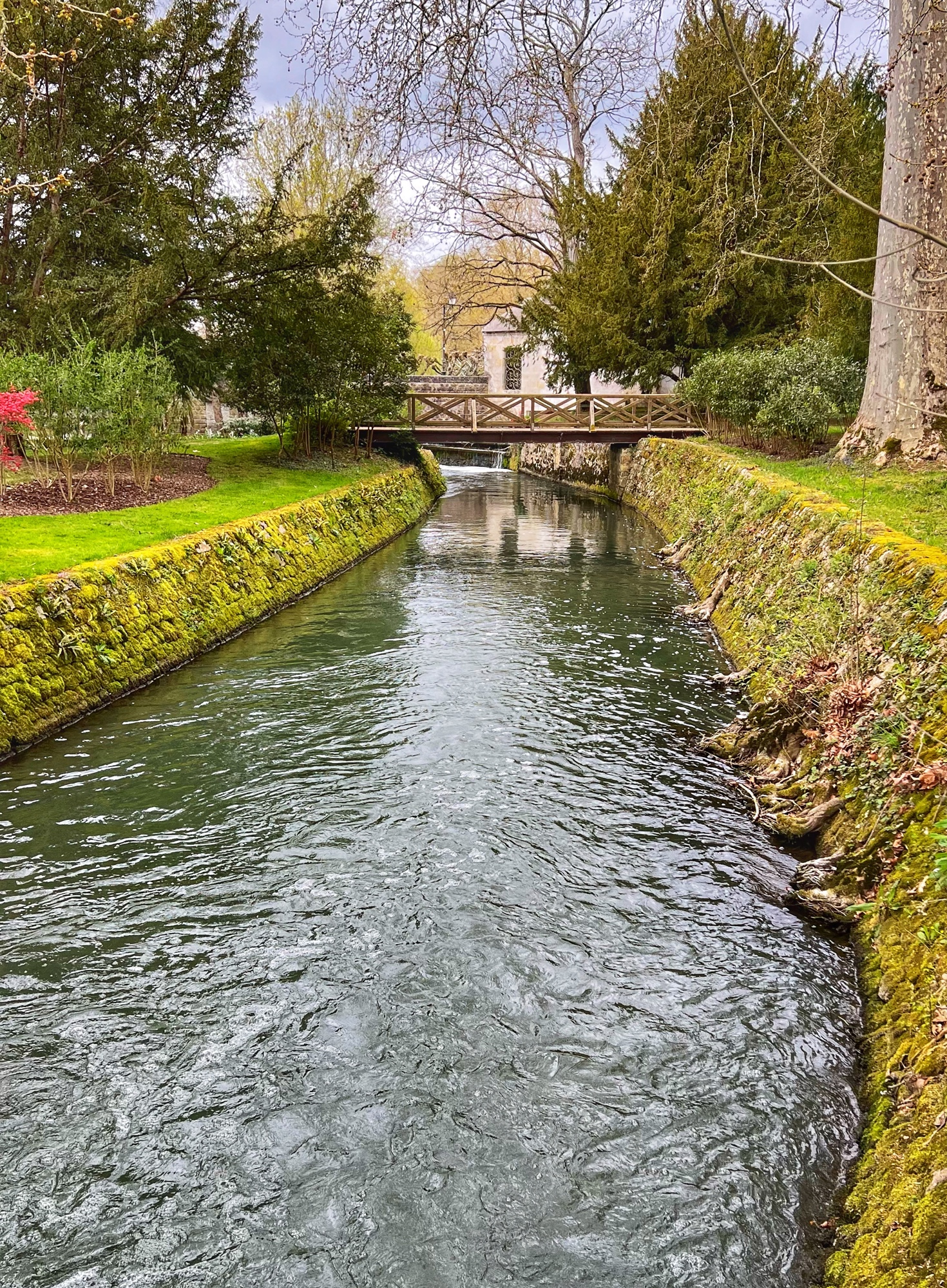
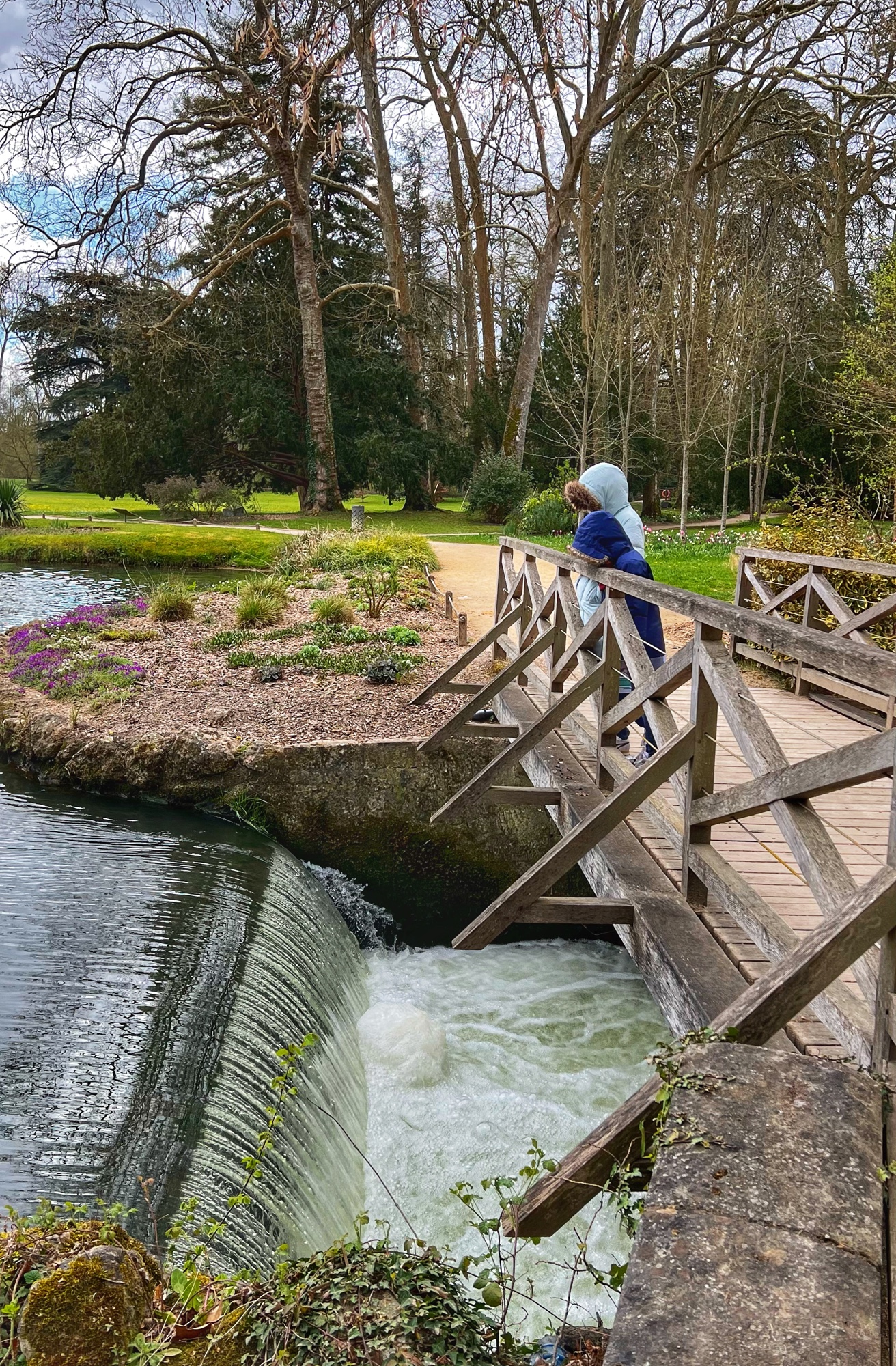
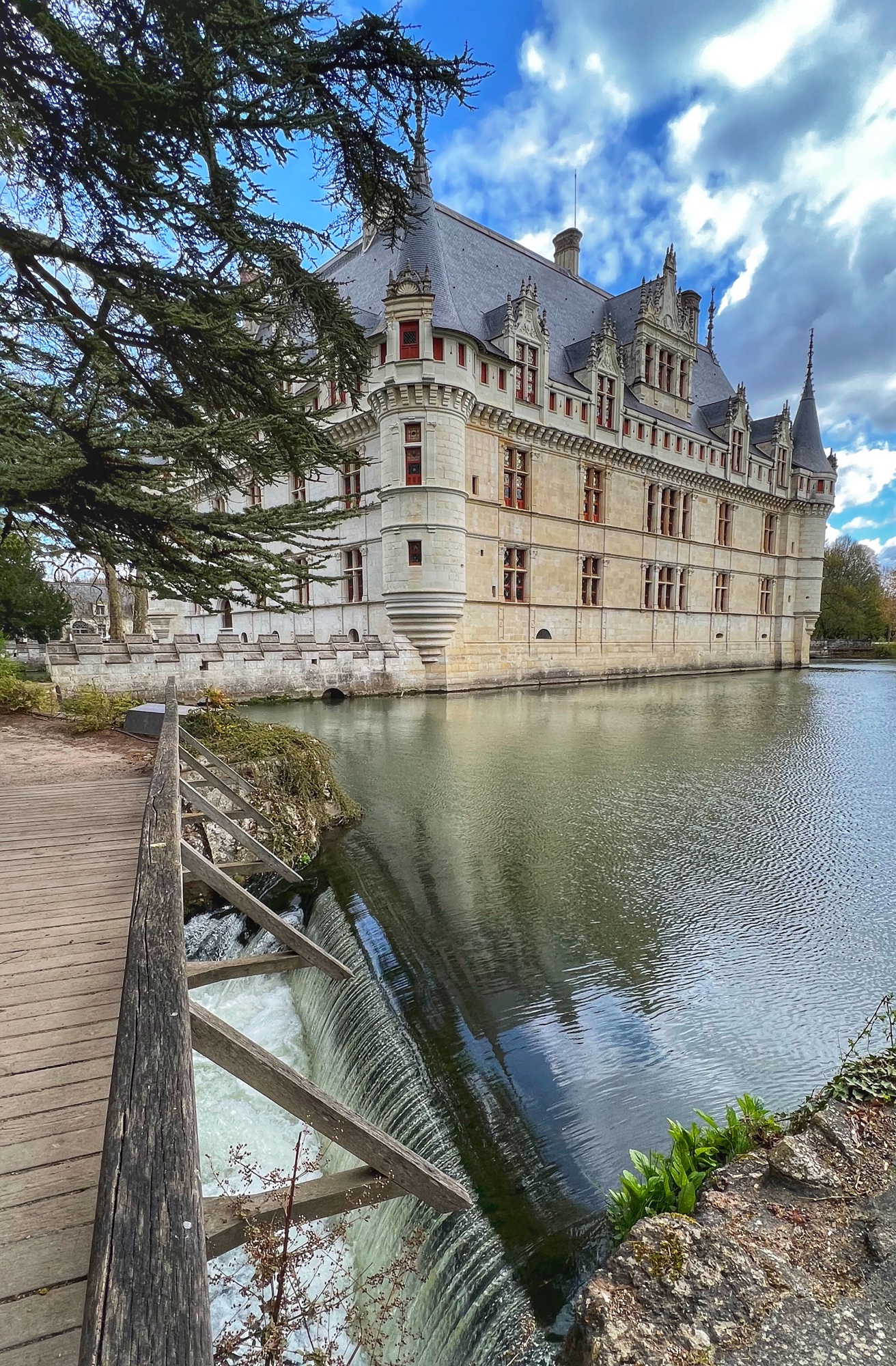
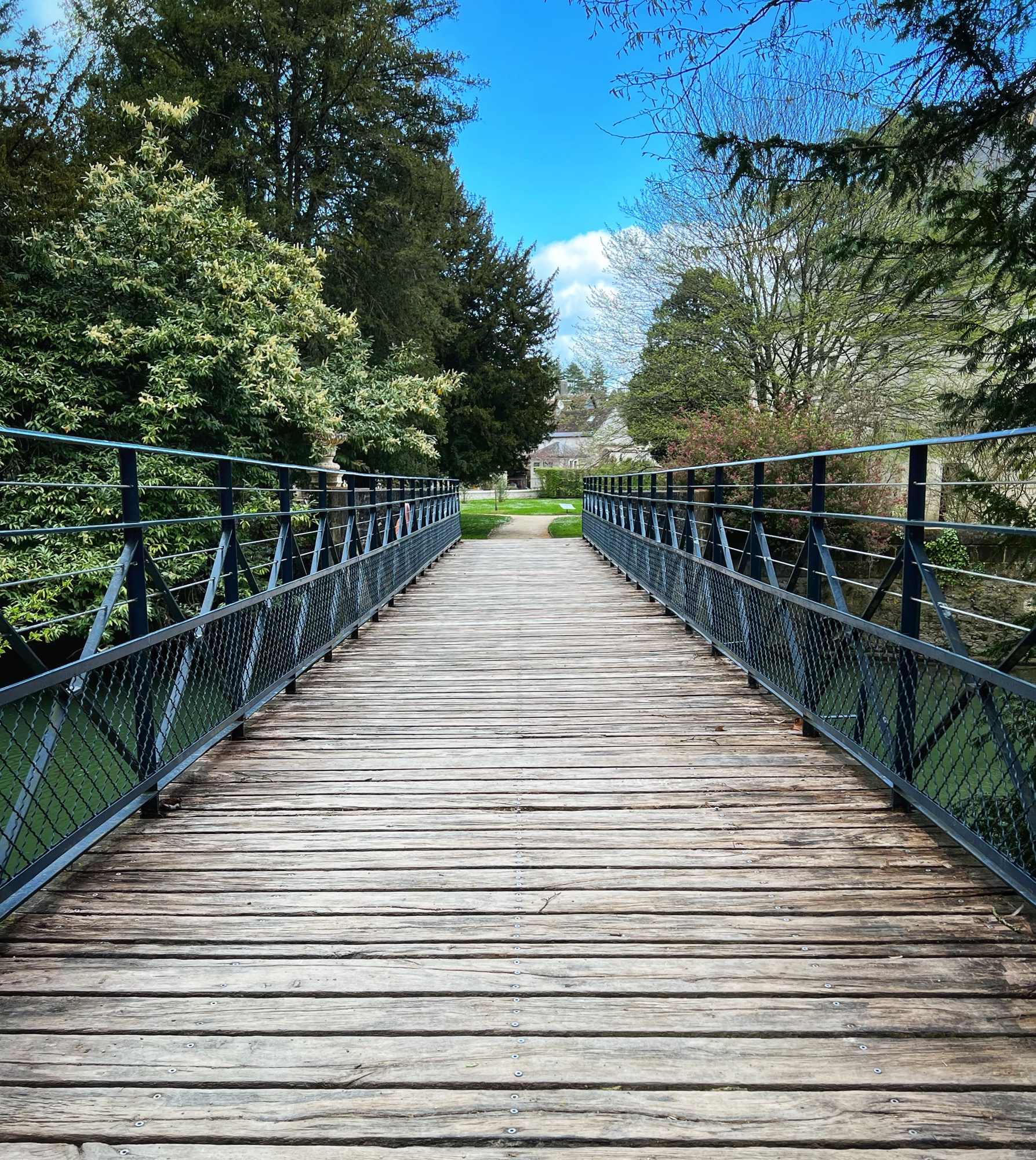
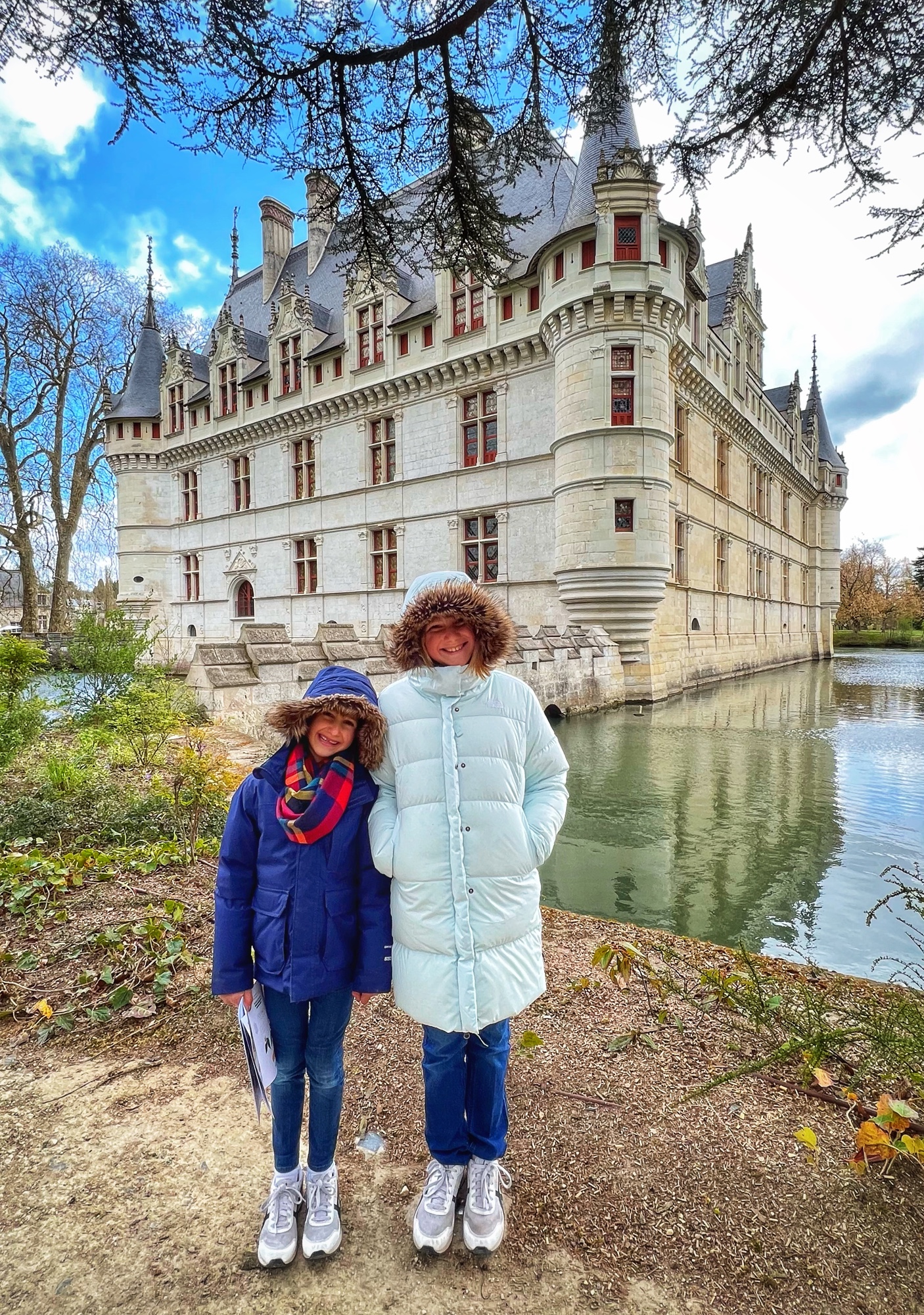

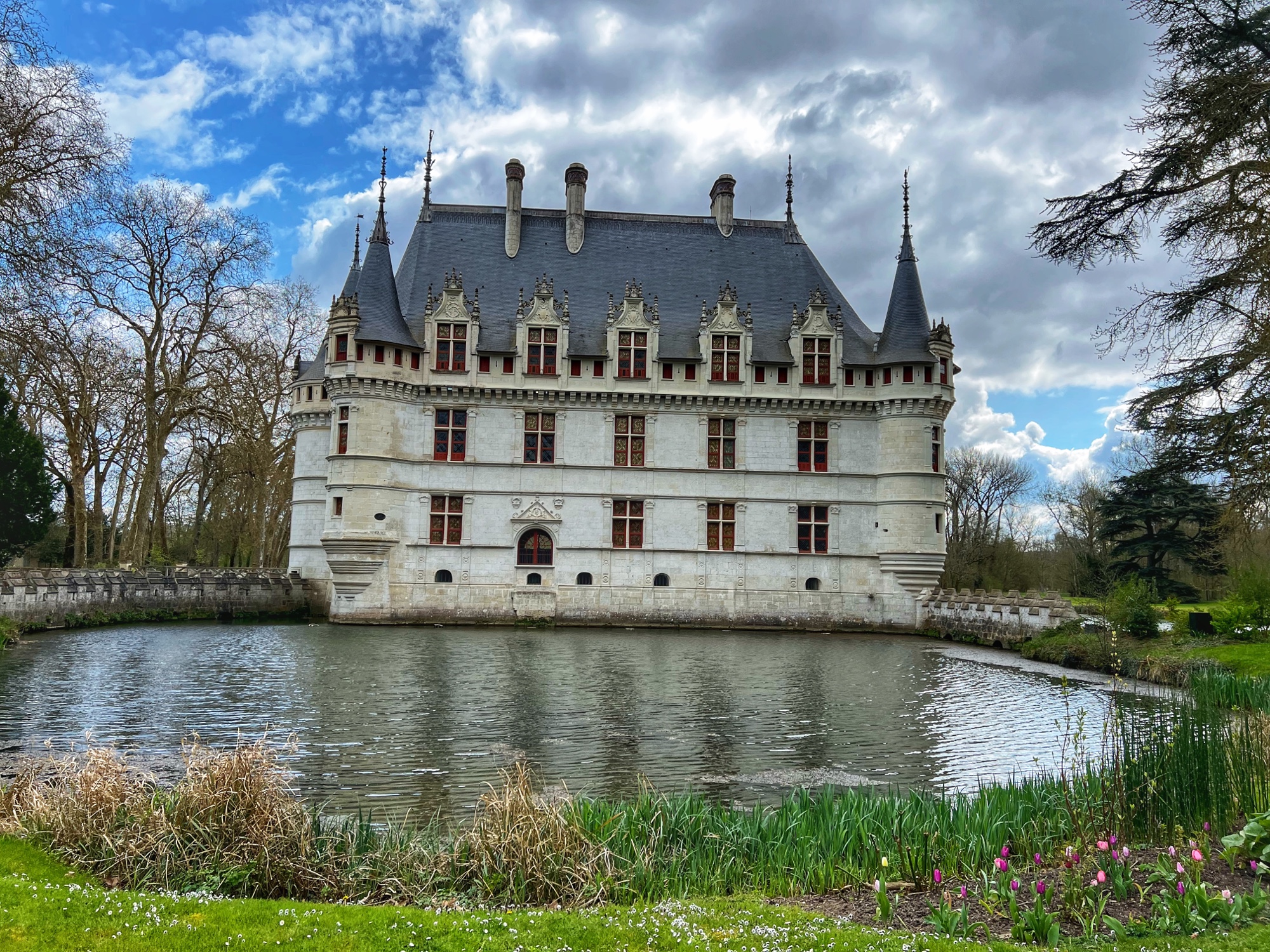
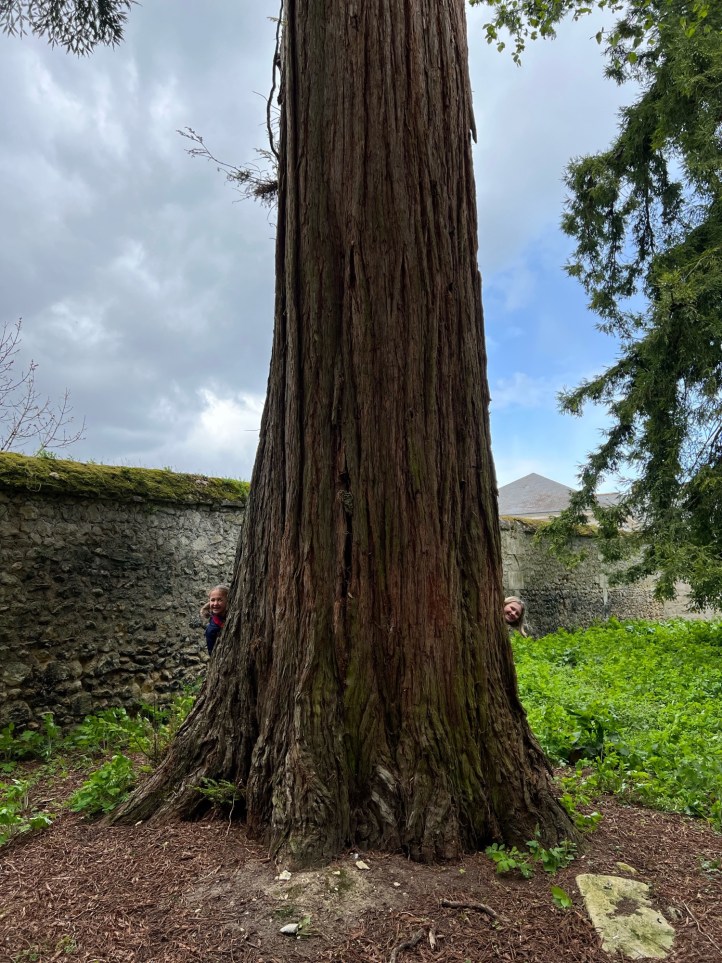
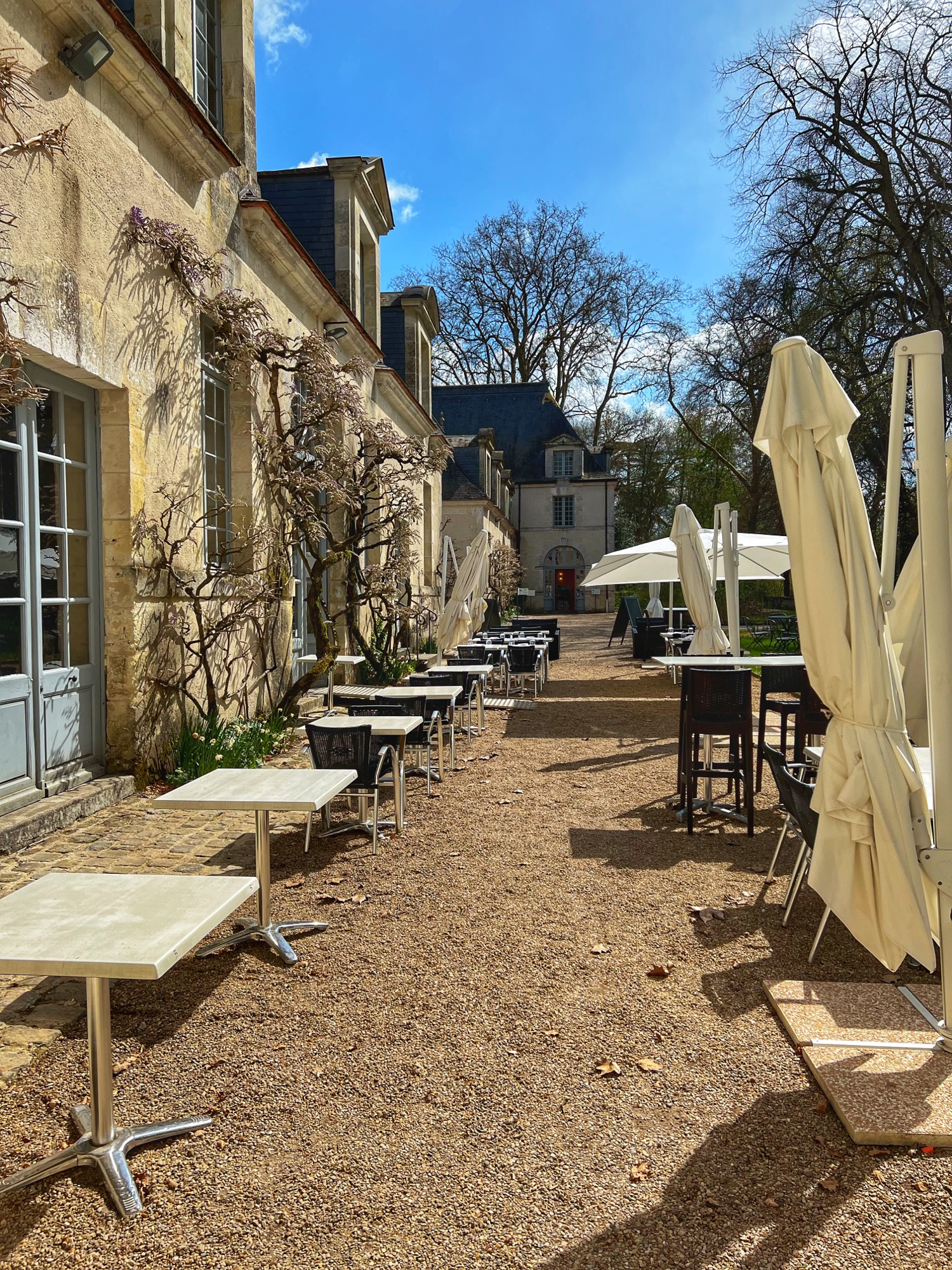
Outside the castle you can take a quick walk through the gardens. They aren’t immense like Villandry, but they are peaceful. There is a tiny waterfall, small bridge, and moat area. Also, look UP! There are two giant sequoias in the garden.
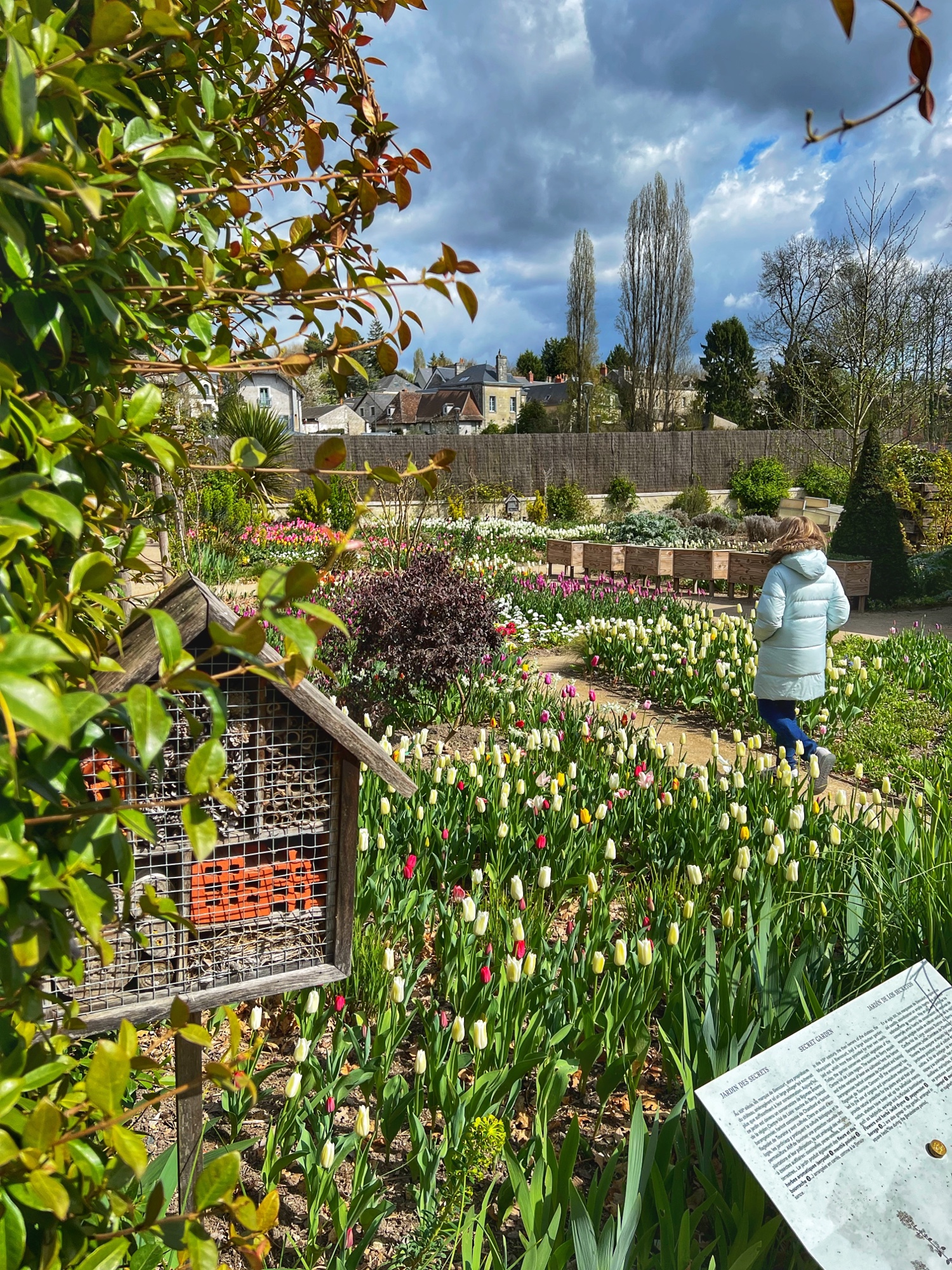
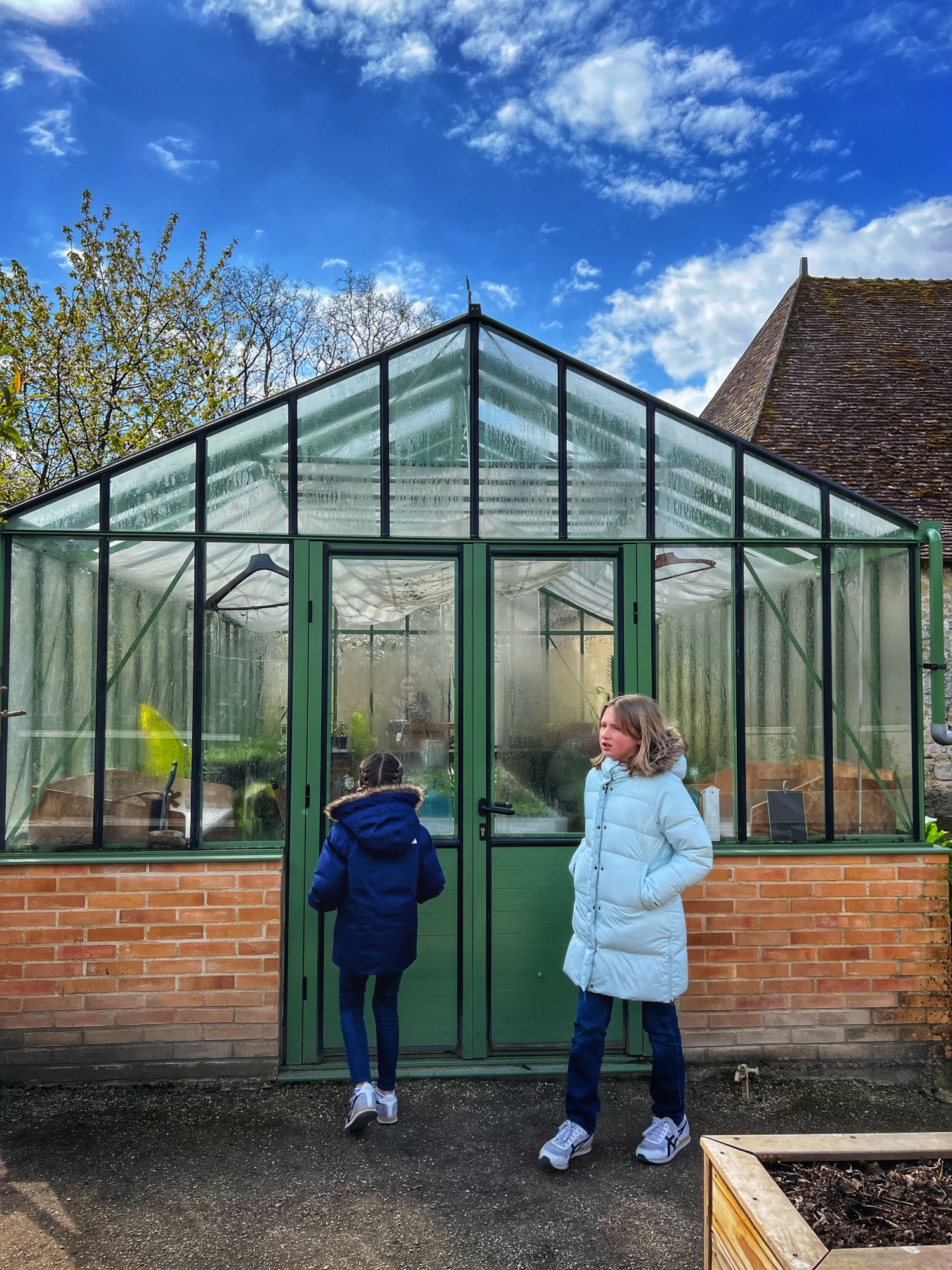
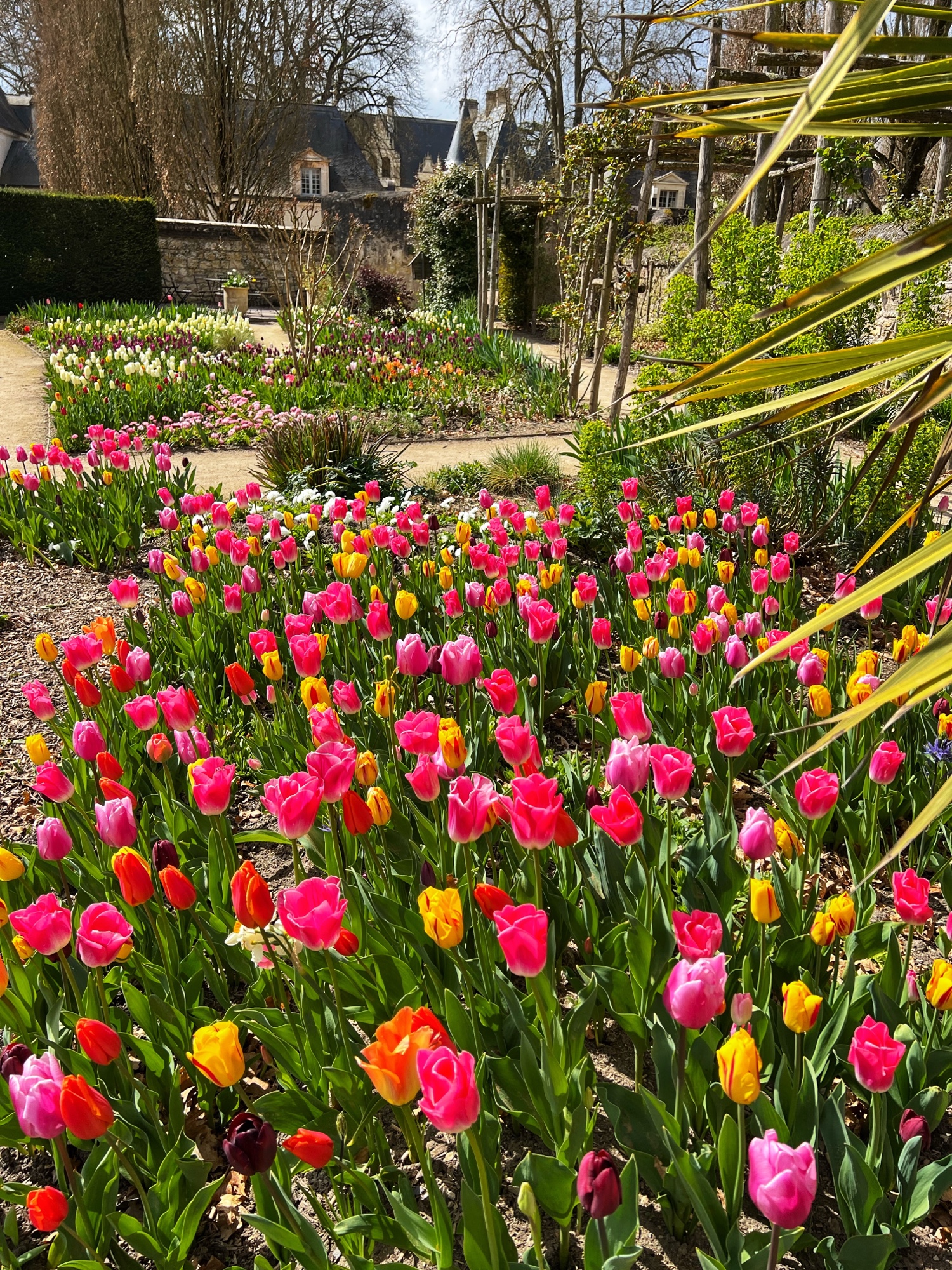
There is a mini museum in one of the buildings on the grounds, including many historical items, a giant video touch table and a short video presentation. There is a lovely gift shop and cafe as well, and on your way out you can wander the small but lovely “secret garden” that has a small entrance from the courtyard outside the gates.

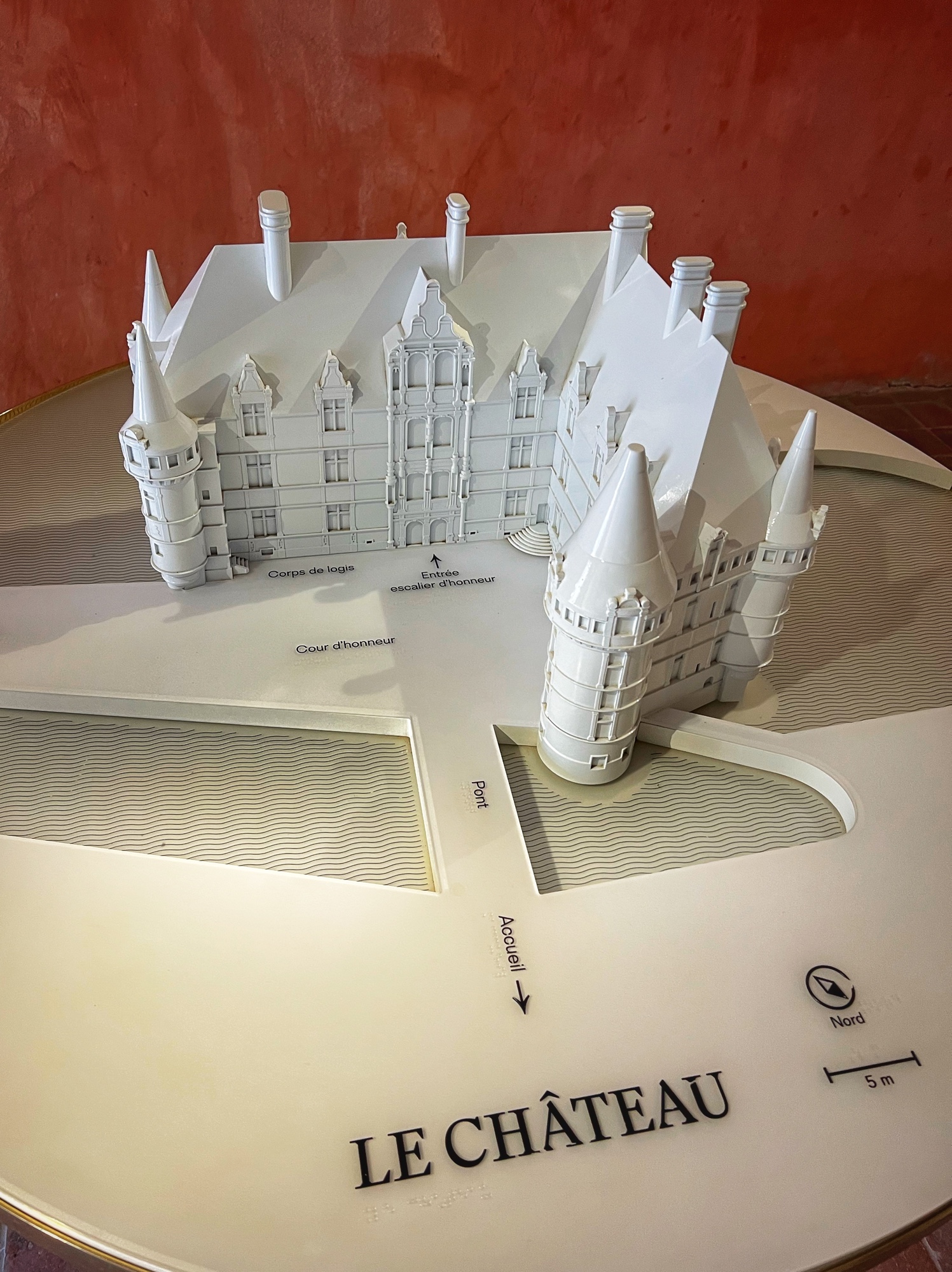
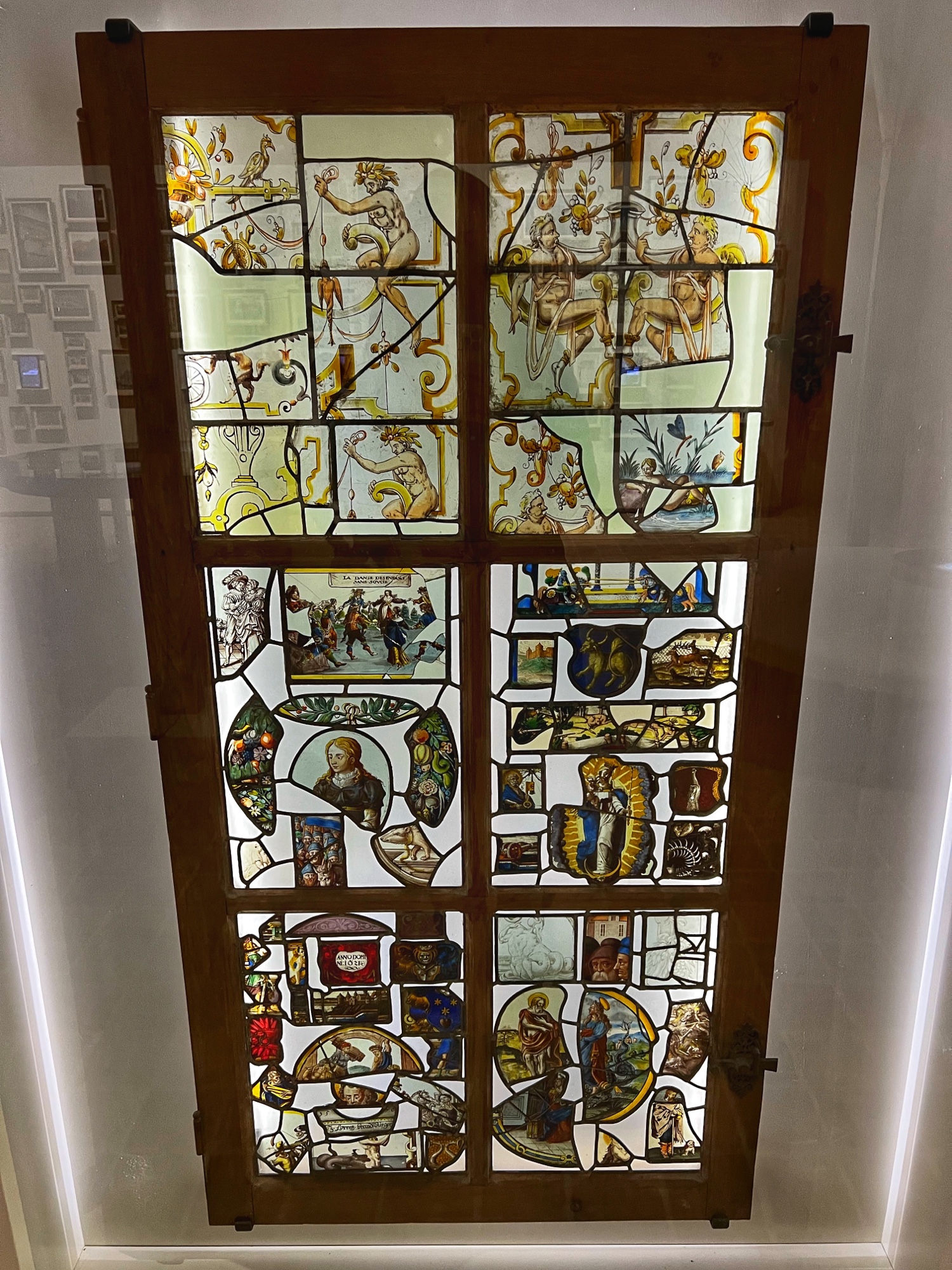
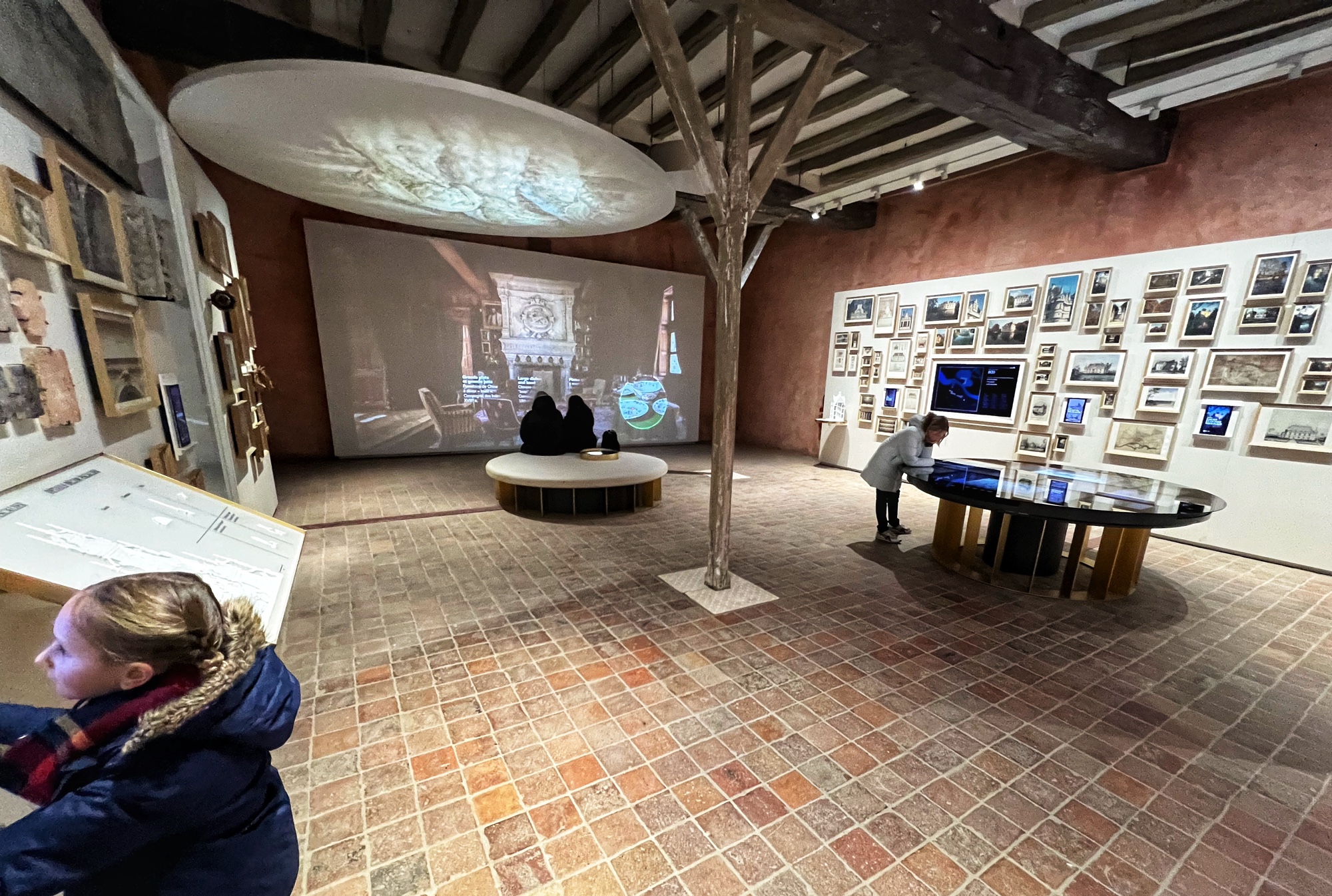
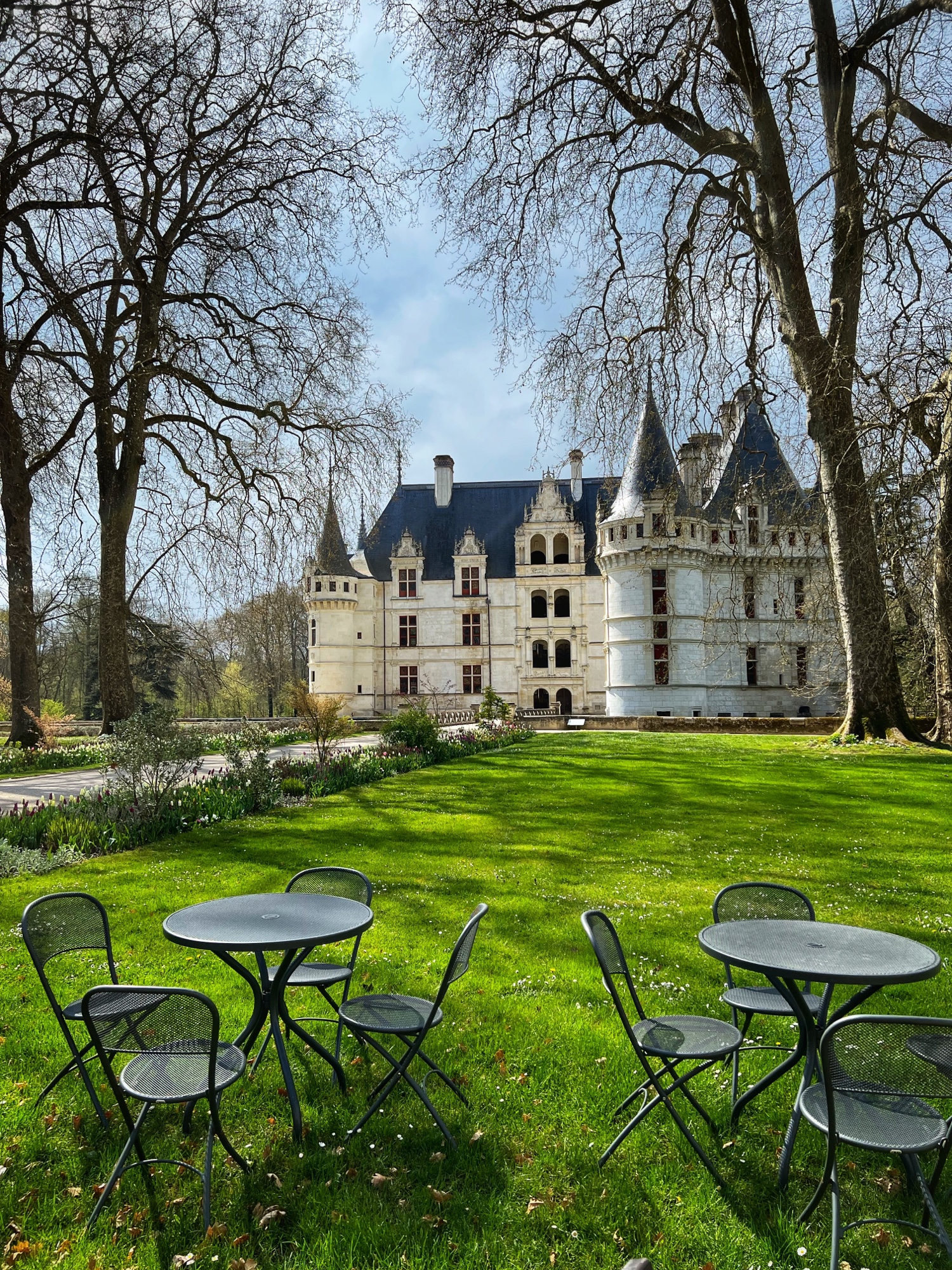

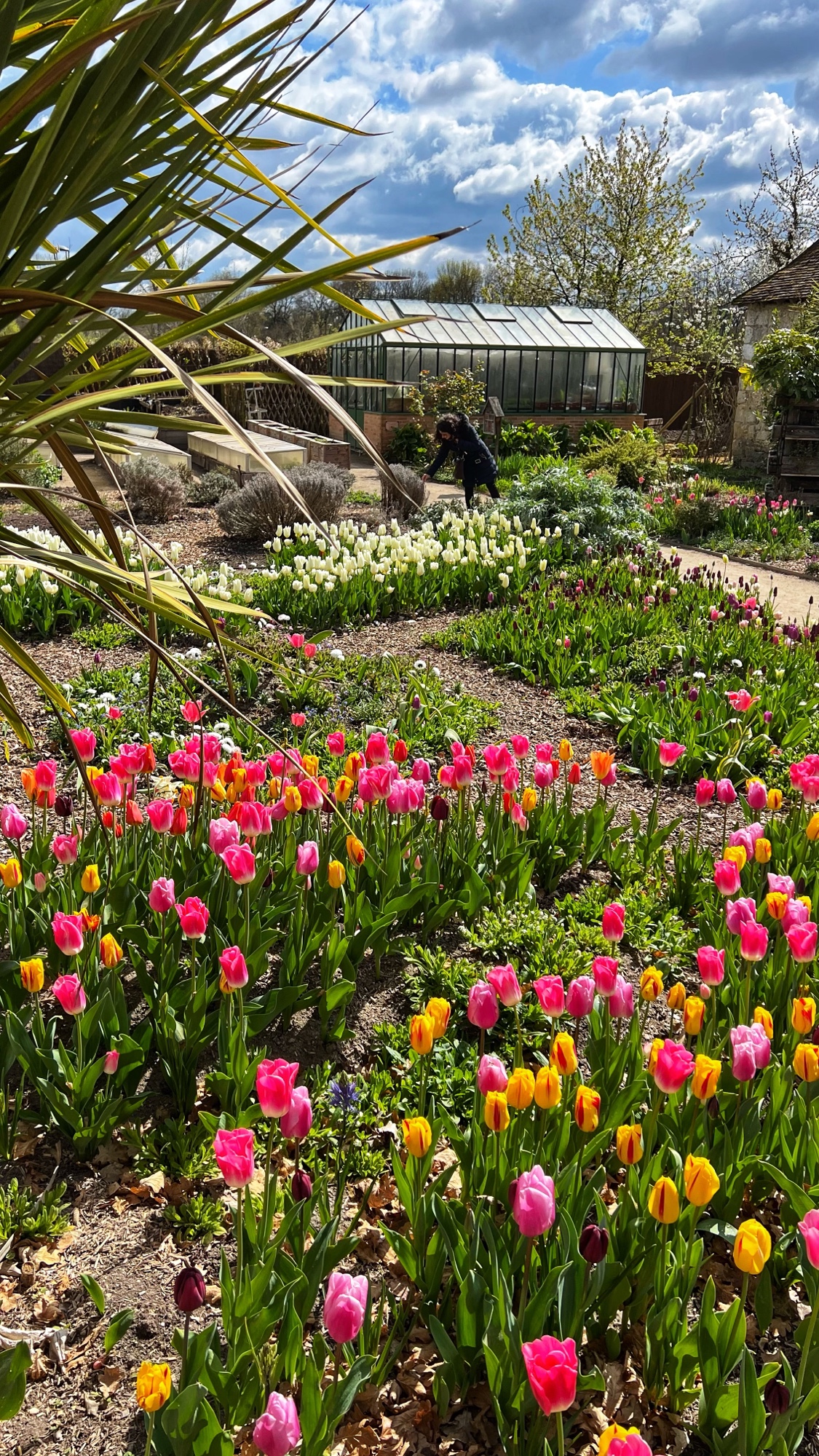
For more information, see Azay-le-Rideau website here.
Ussé
- Opening Hours: 10am-6pm
- Rates: Adults €14, Youth 8-16 €5, Under 8 free
- Parking: free
- Audioguide €3/each (pen with a speaker so you can share)
- Children’s Activities: Sleeping Beauty walk, quiz booklet (French only)
- Highlights: Sleeping Beauty, prison, gardens, chapel, cave, chariots, remarkable trees
- Accessibility: Partial (ground floors and outside), no ticket discount.
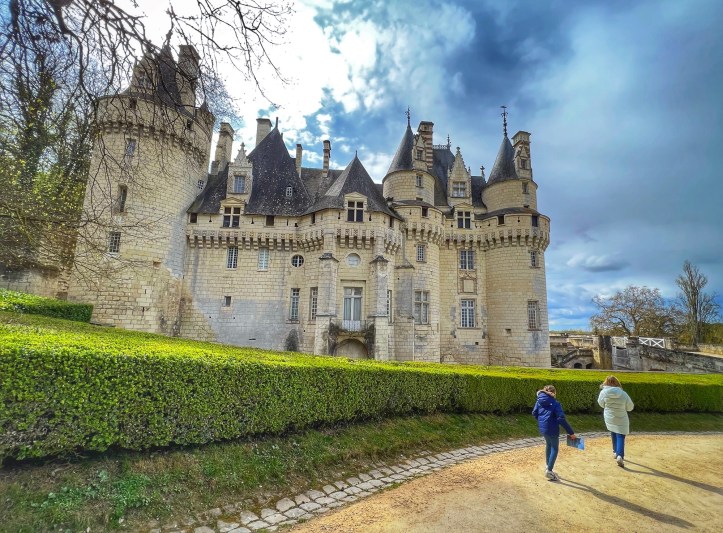
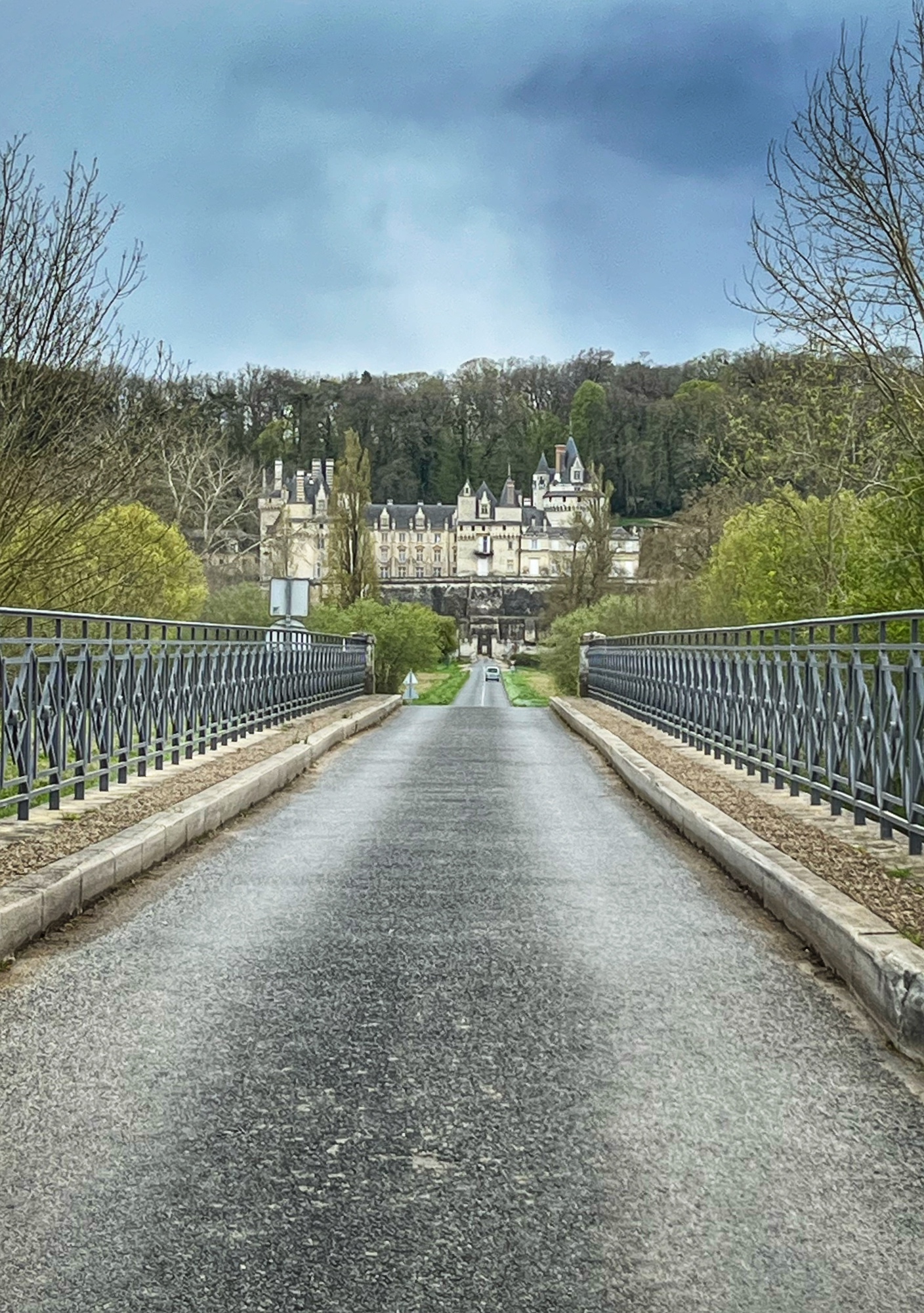
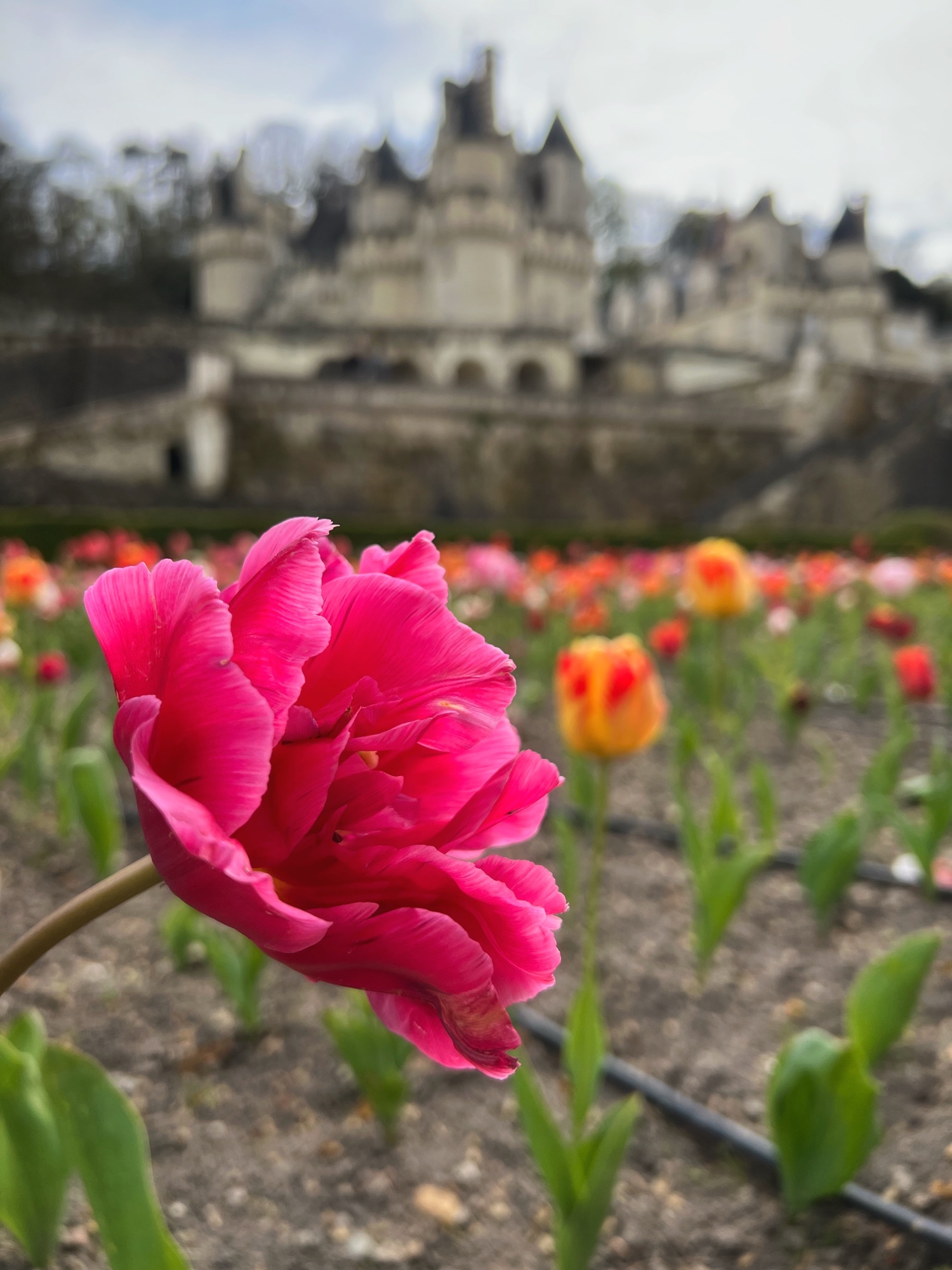
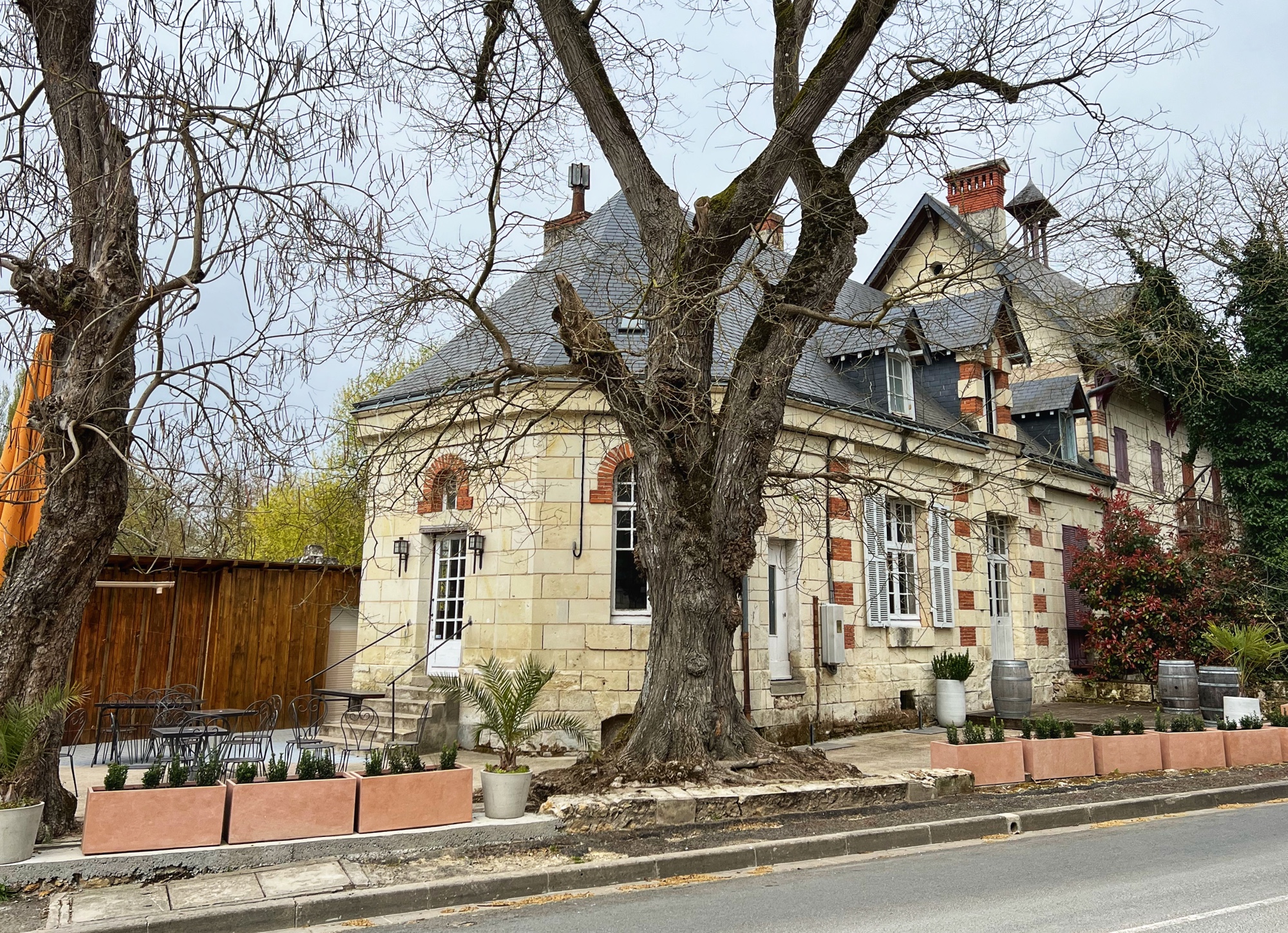
Driving up to Château d’Ussé is like something out of a movie. As you cross the bridge, the castle appears to change sizes and is so impressive from this front perspective. Parking is nearby on the left, as are a few small eateries and shops. Ussé is out in the countryside without much else nearby, so it’s nice to know there are plenty of facilities if you need it. This is the furthest château we visited on the first day, and we had about a 90 minute ride back to our lodging when we were done. Still, having visited three chateaus in one day, if we had enough energy we could have visited one more. For us, this was the perfect pace as our day started at 8 am and ended around 6 pm. There is a lot to take in at these places, and each one has unique and memorable features!
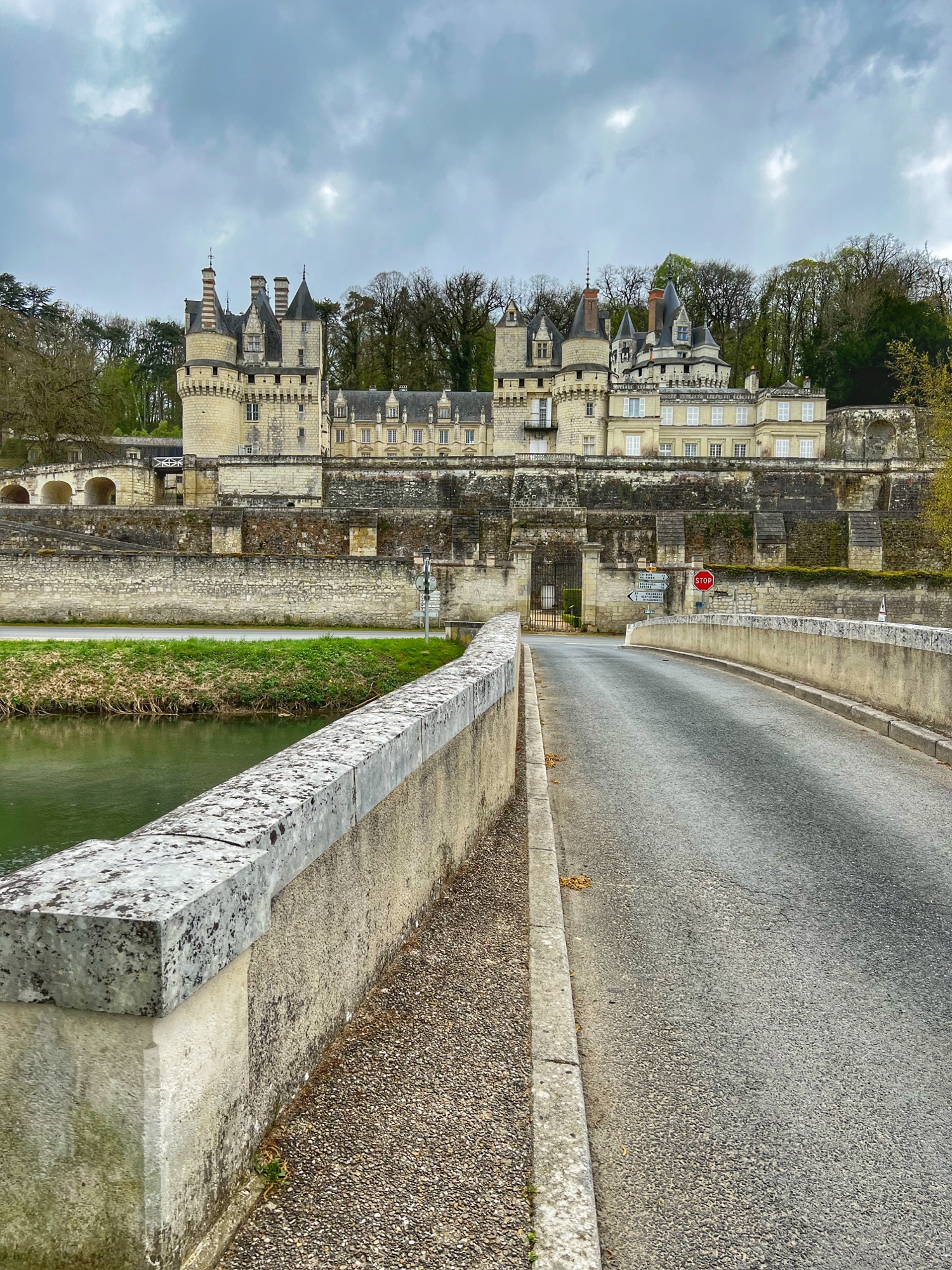
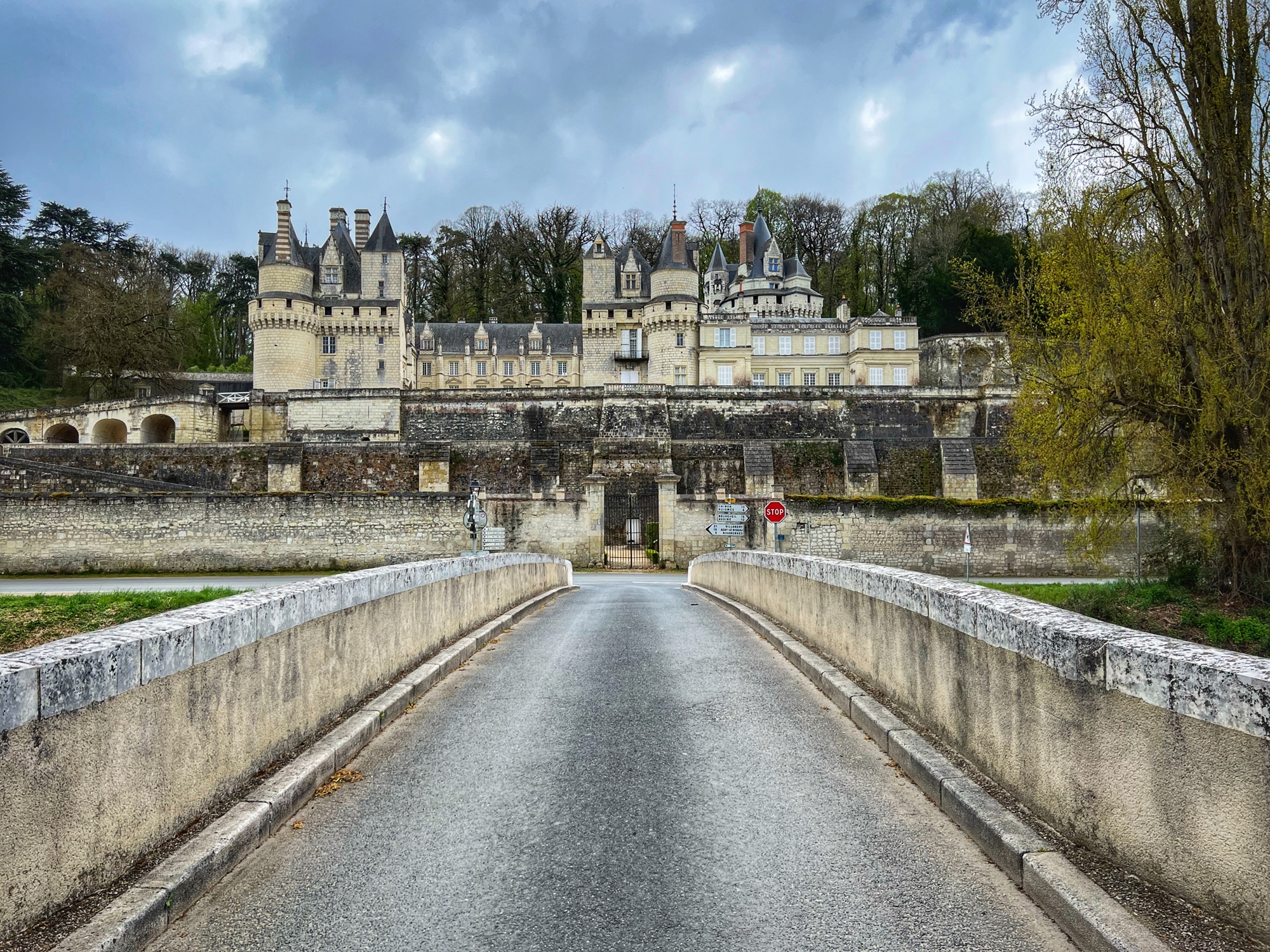
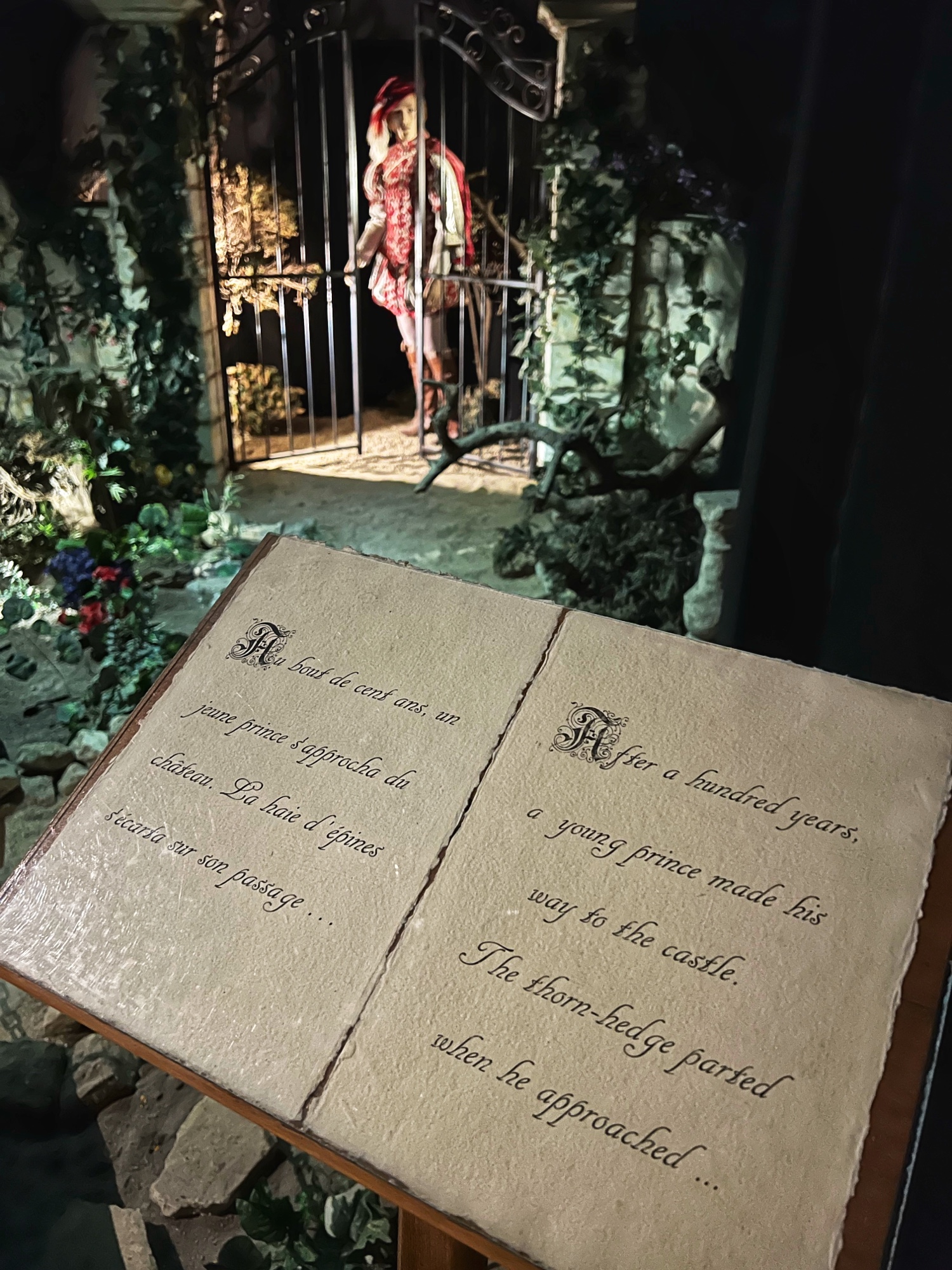
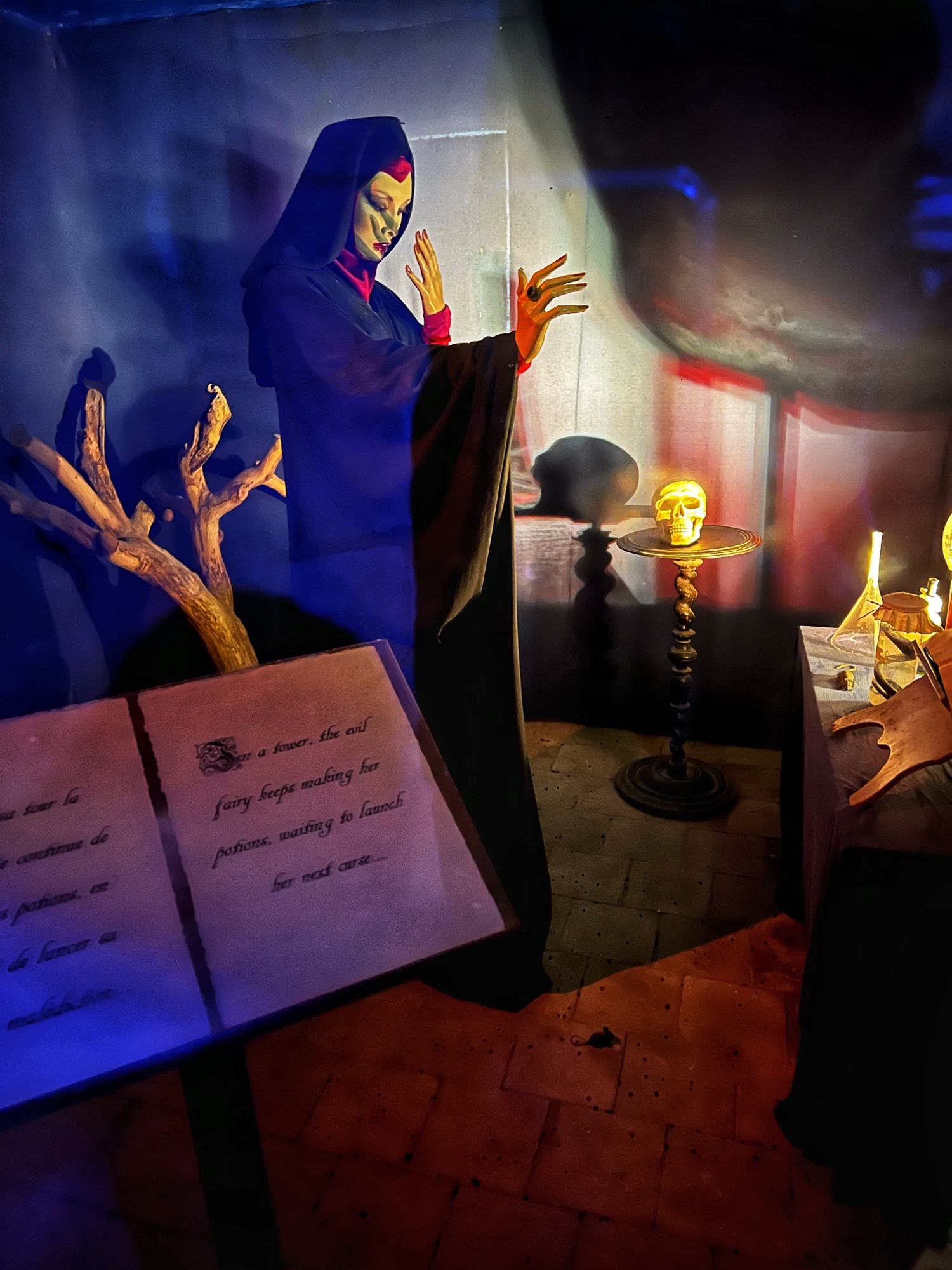
This château is the home of the story of Sleeping Beauty – but it didn’t begin that way. The castle was built and modernized several times over the course of a millenium, first dating back to the year 1000. It transformed over the centuries from a strategic defensive fortress to the pleasure palace we see today. Charles Perrault is the author, who, during the time of Louis XIV, discovered the castle and was enchanted by it, inspiring him to write the story of Sleeping Beauty. This iconic story is commemorated in a series of displays depicting the tale along the rooms of the ramparts.


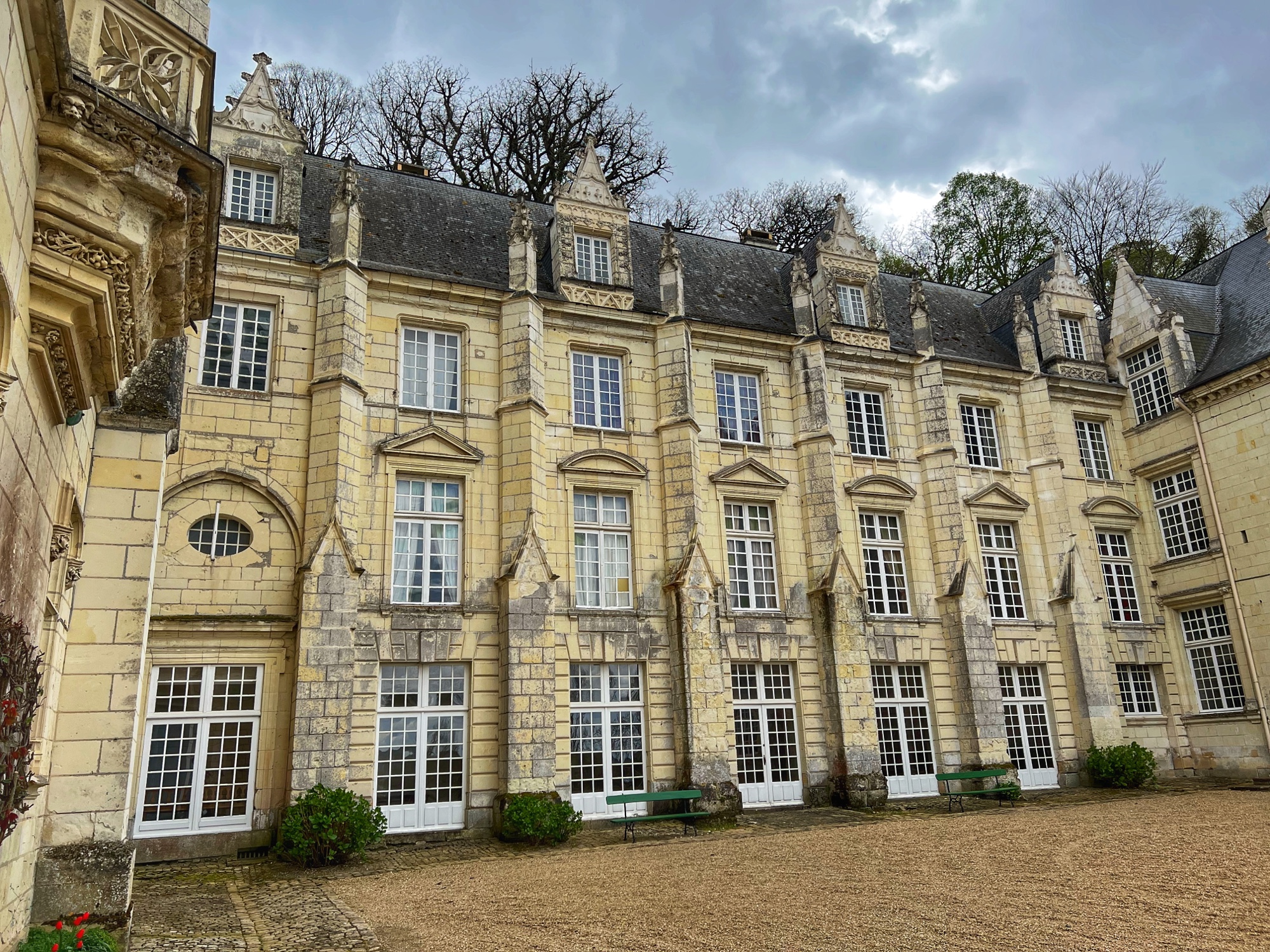


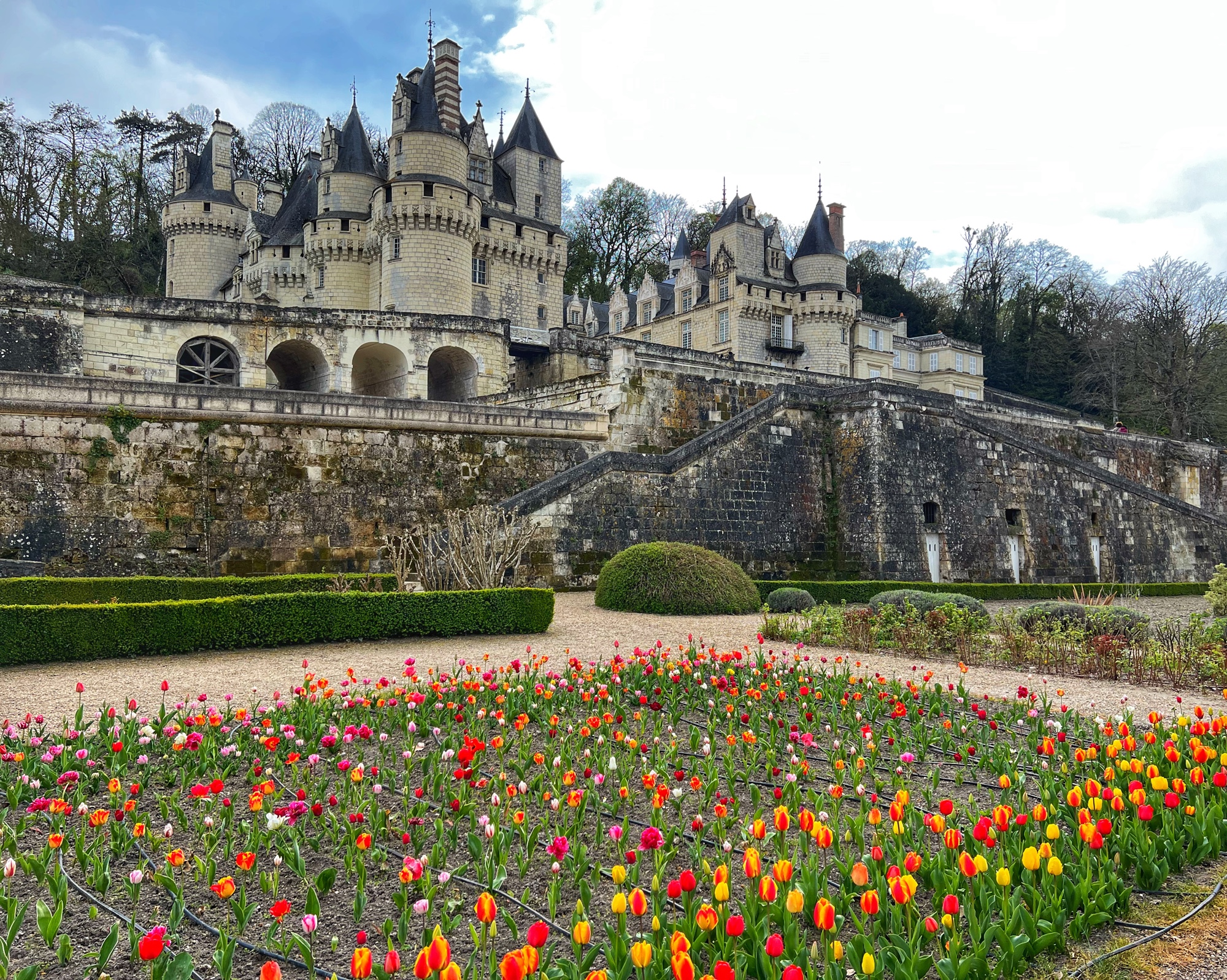

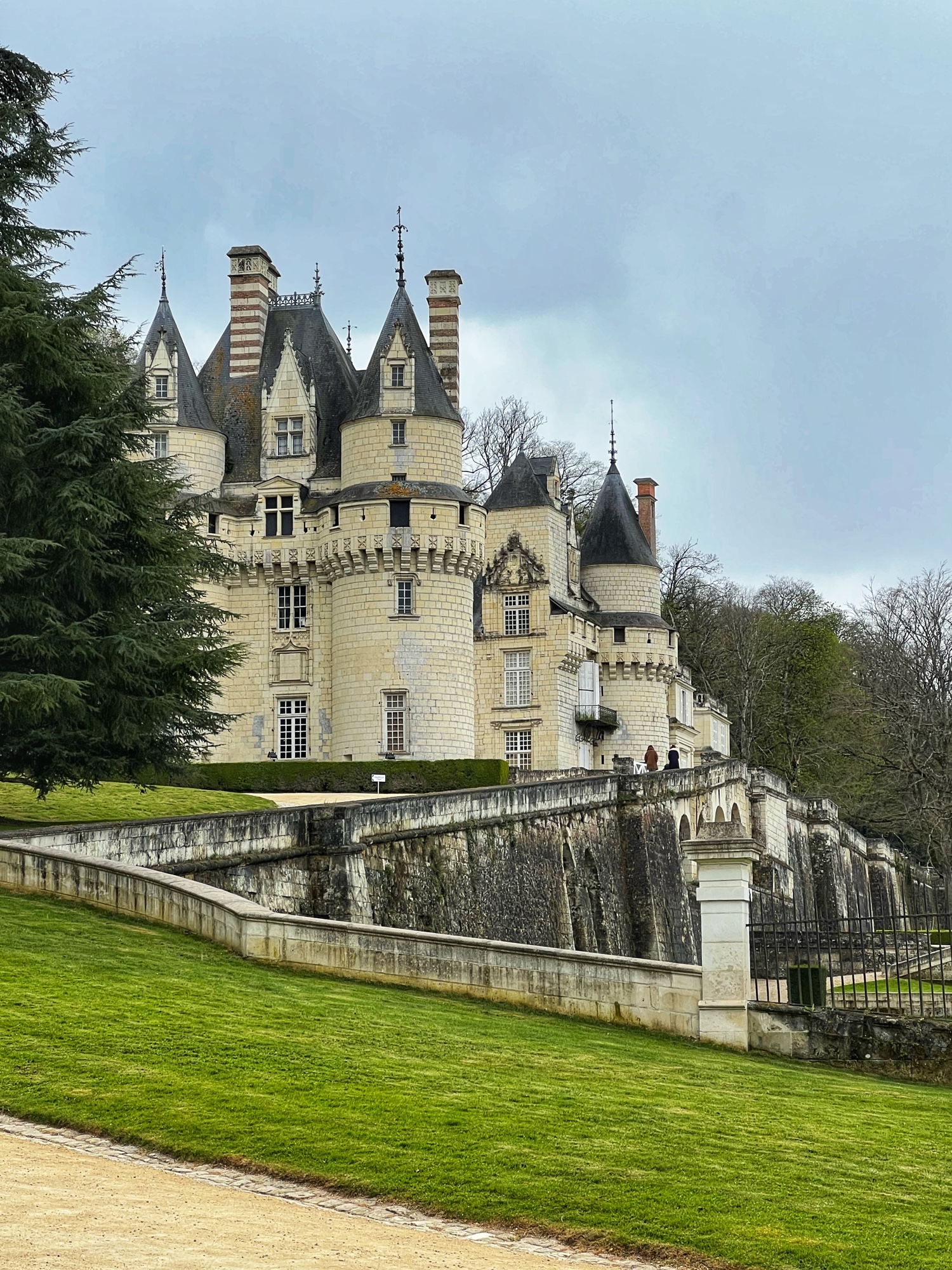
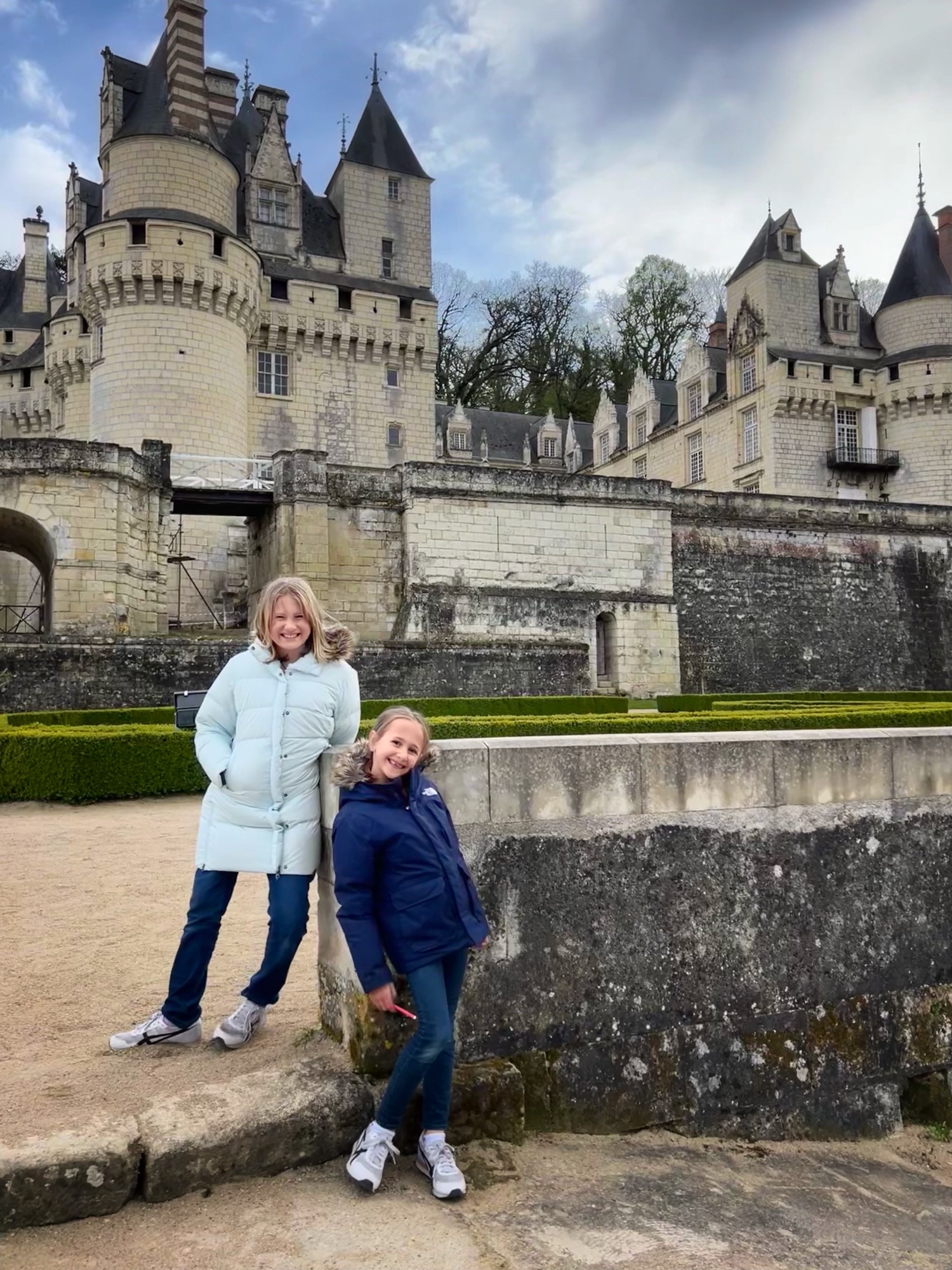

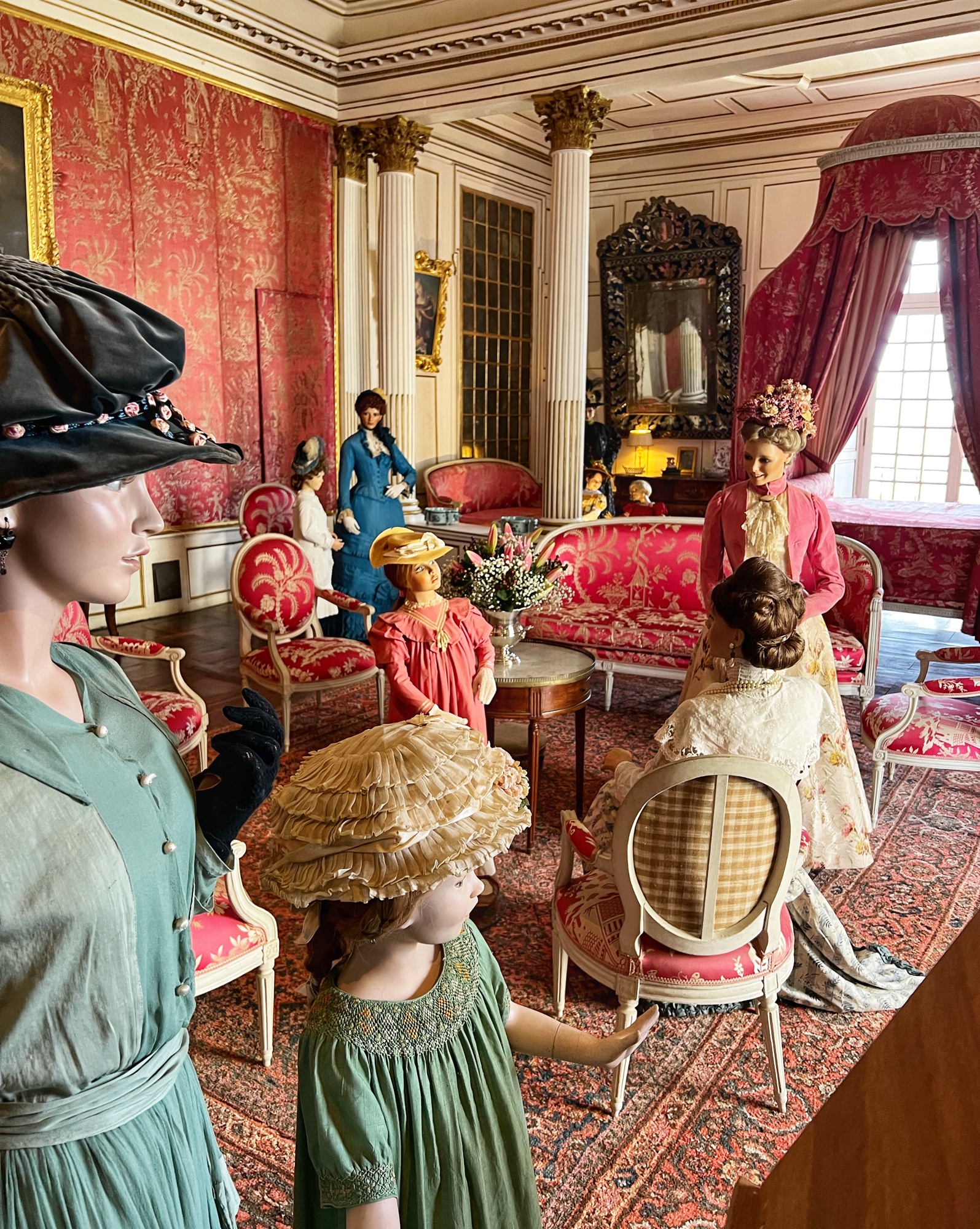
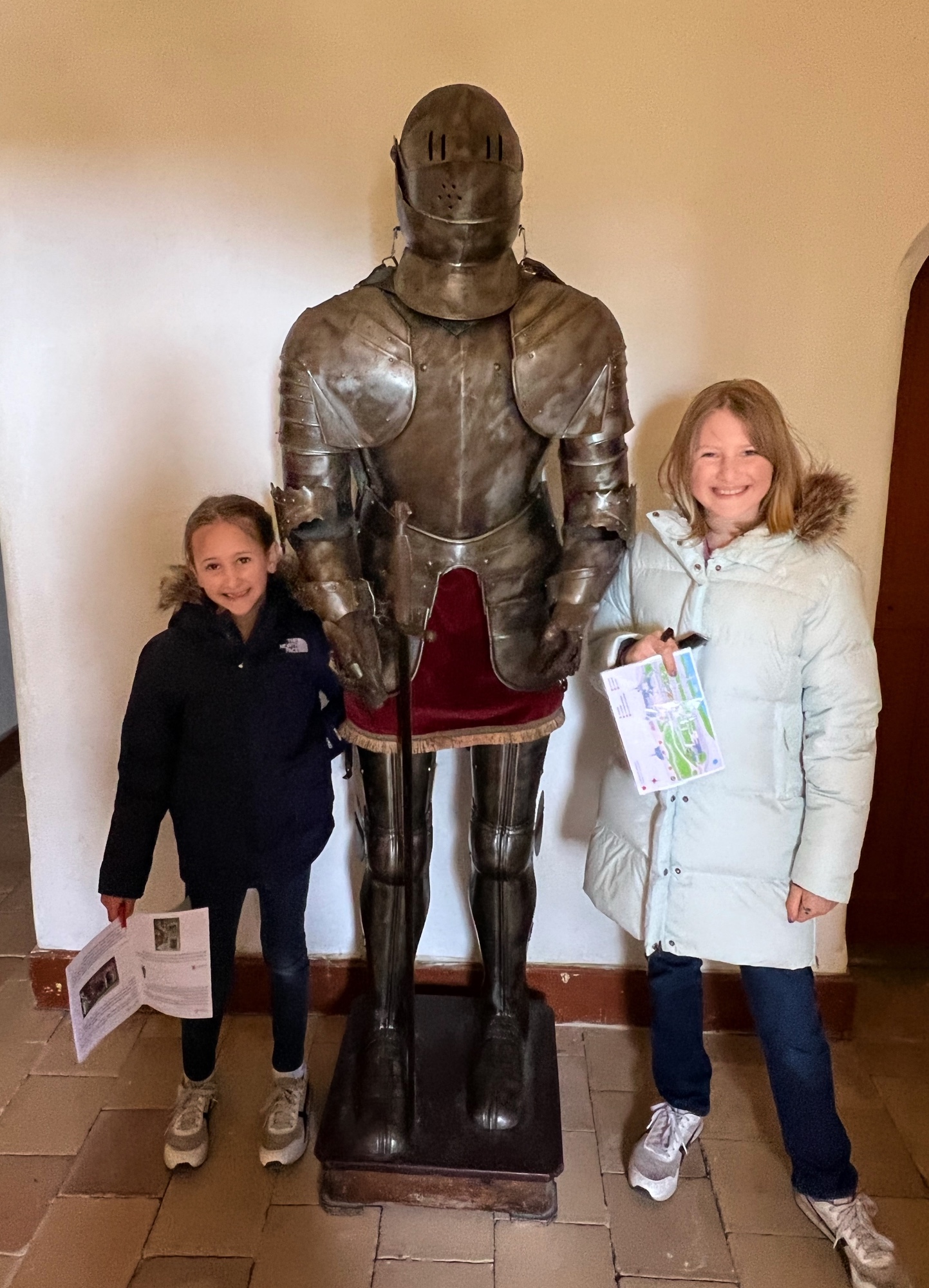
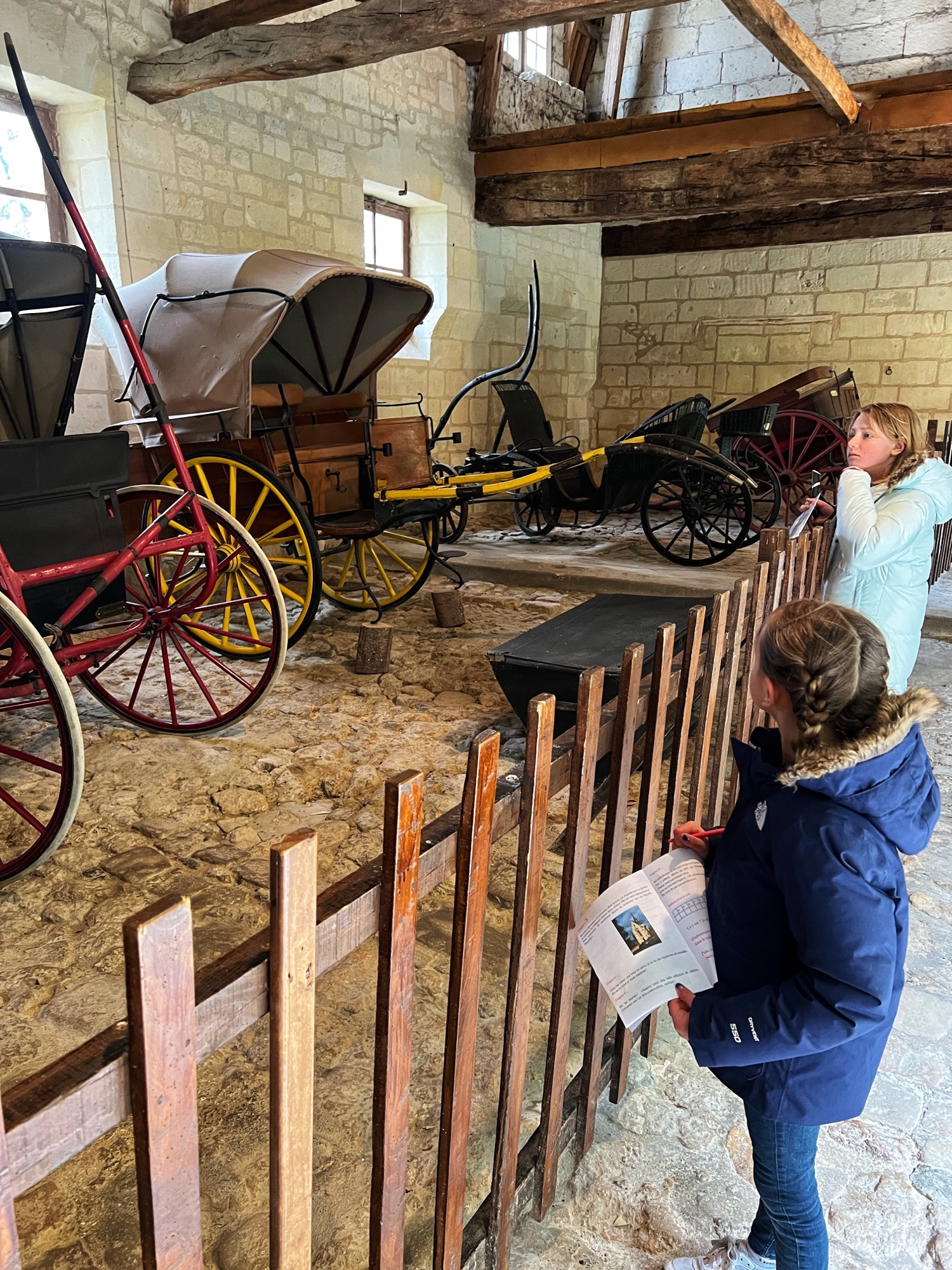
The tour will take you through the extensive rooms of the castle, then outside to a few notable spots (chapel, cave, prison, carriage house in the stables, and gardens). Most notable perhaps is the abundant use of mannequins to display period fashion. The girls said it creeped them out, but I thought it was fascinating to see the clothing of the time. Dresses, shoes, gloves, all meticulously crafted. Keep an eye out for tiny versions of things, as this castle was very kid friendly. Also, although the quiz booklet is in French, it was easy for us to decipher the clues and solve the puzzle. The girls loved finding clues and questions in each room!
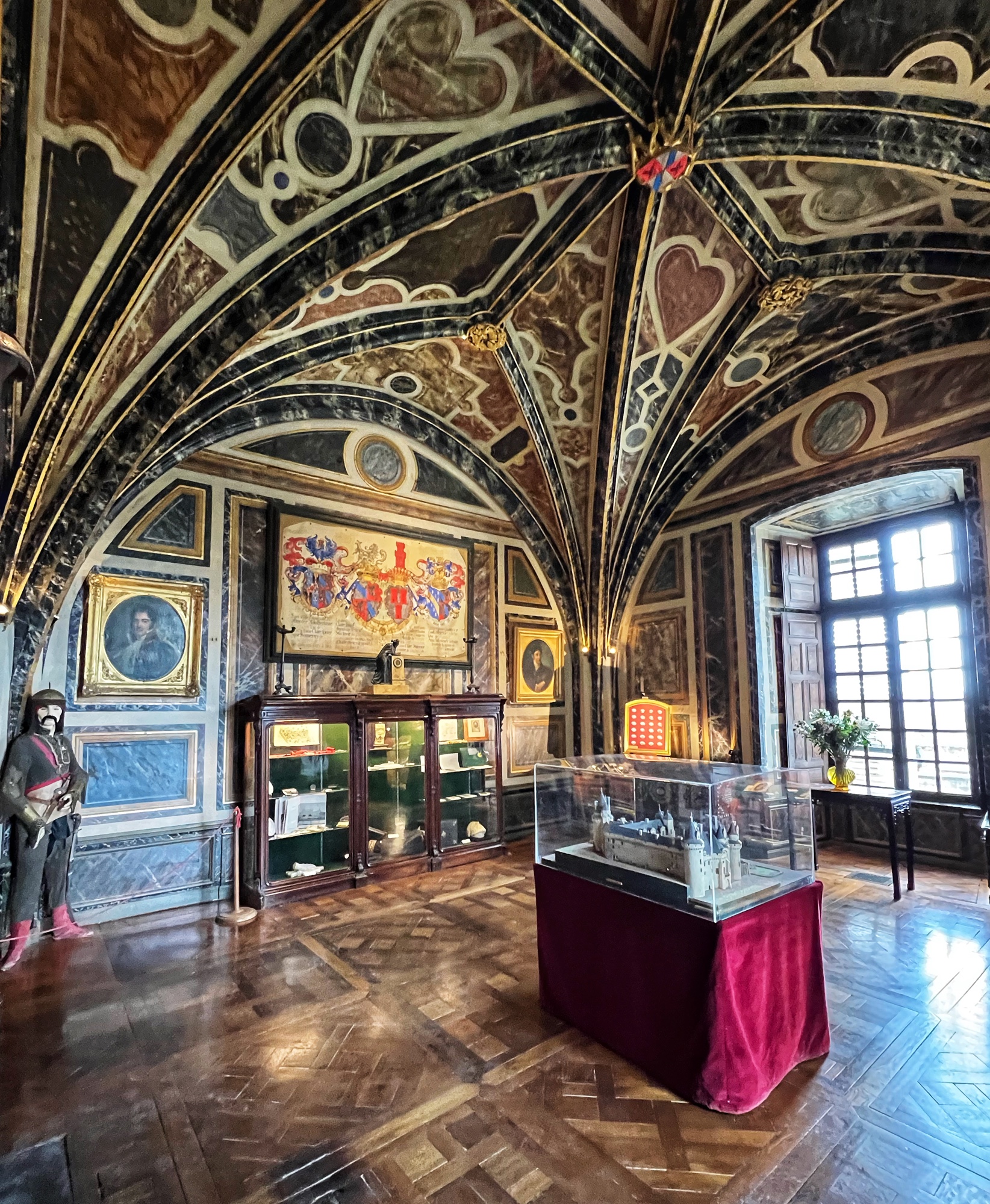
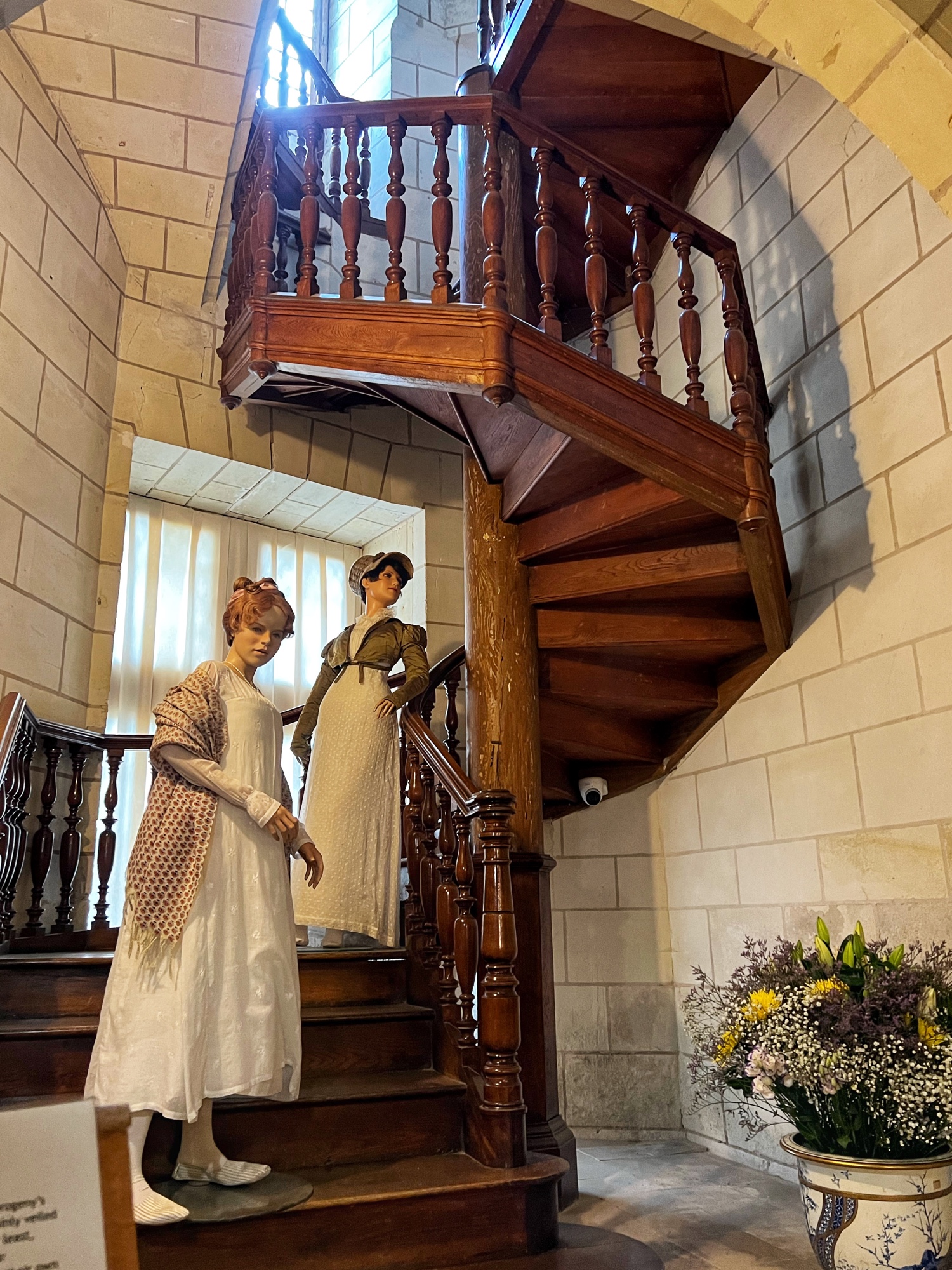


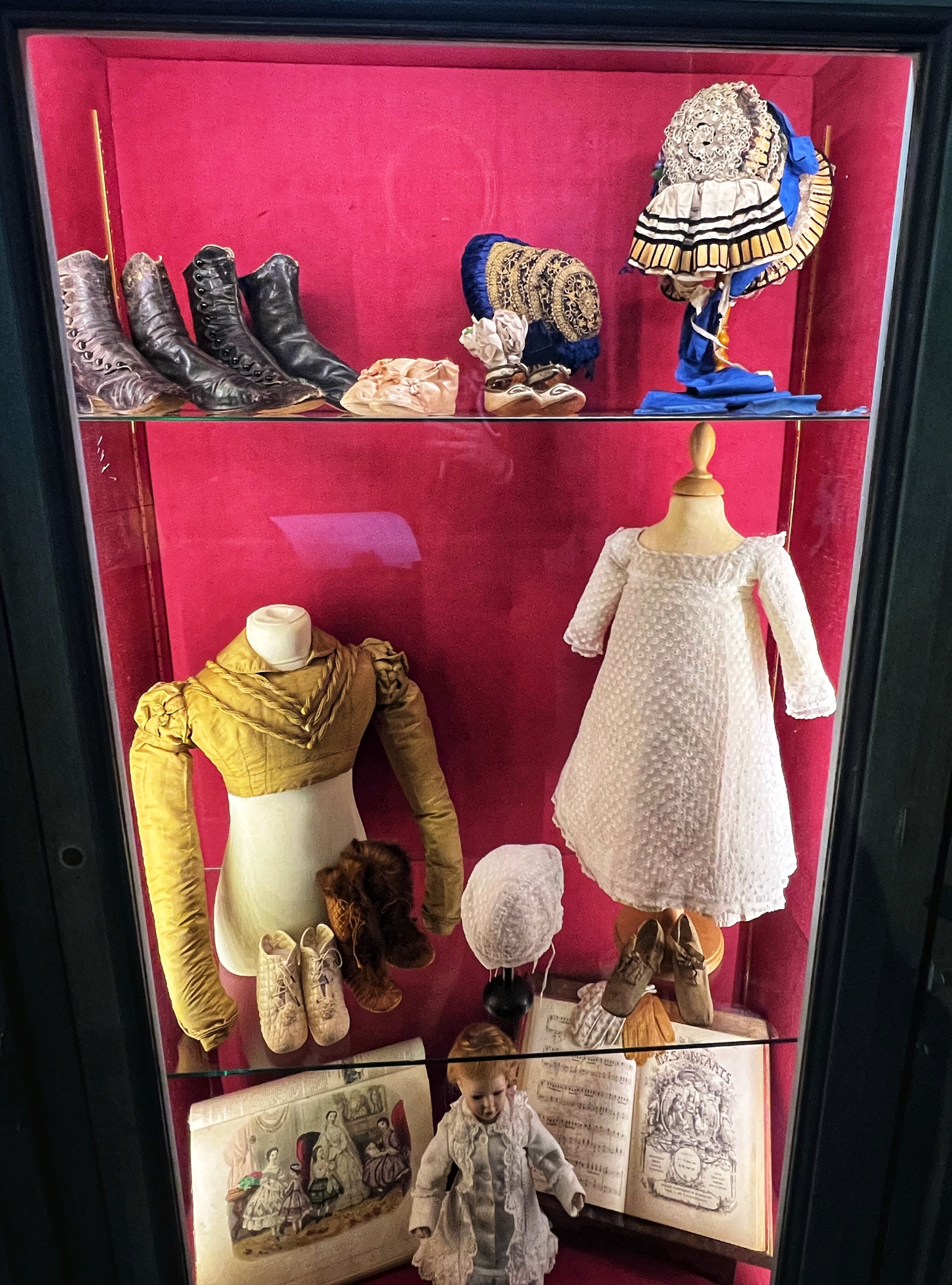
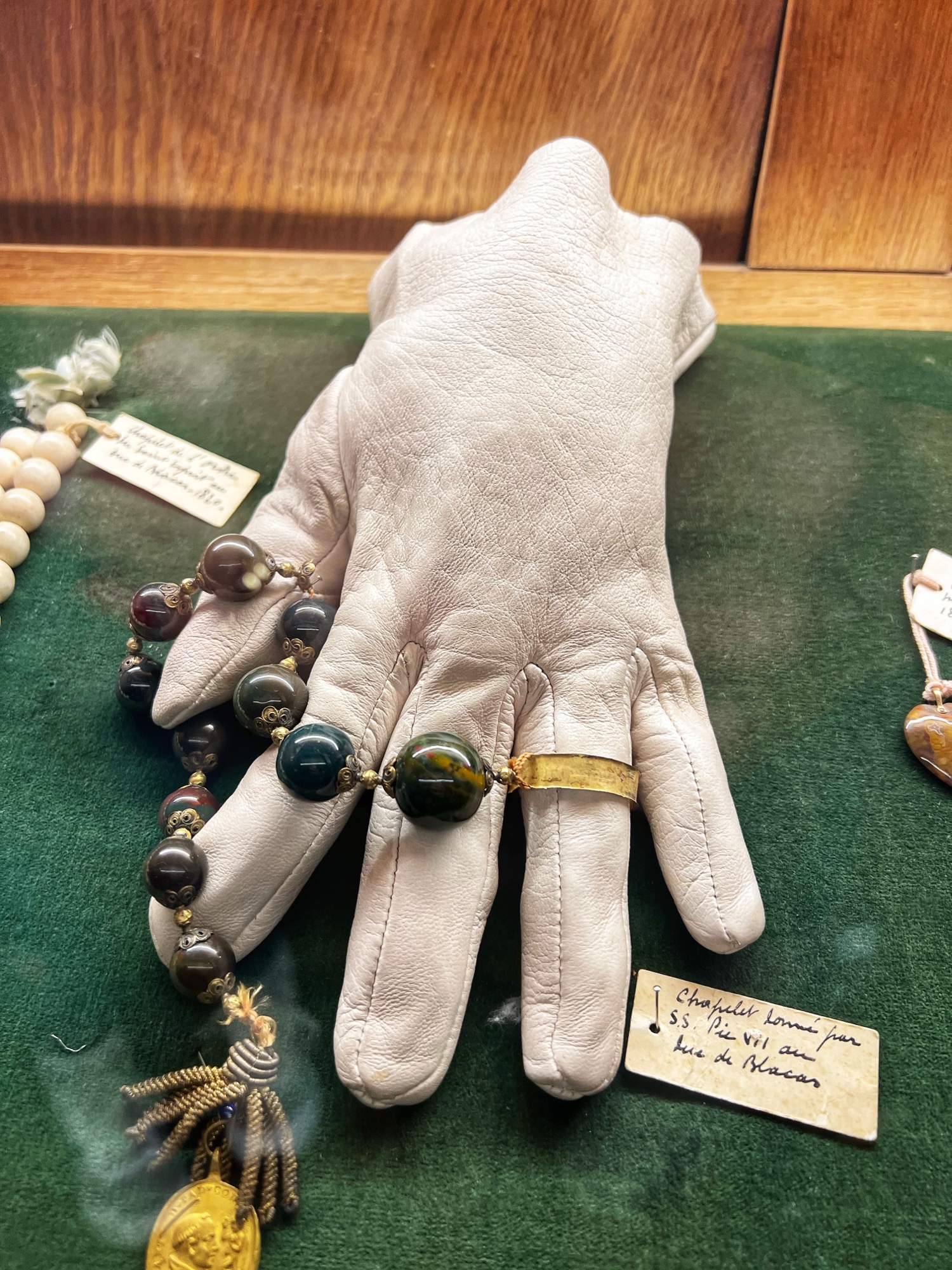
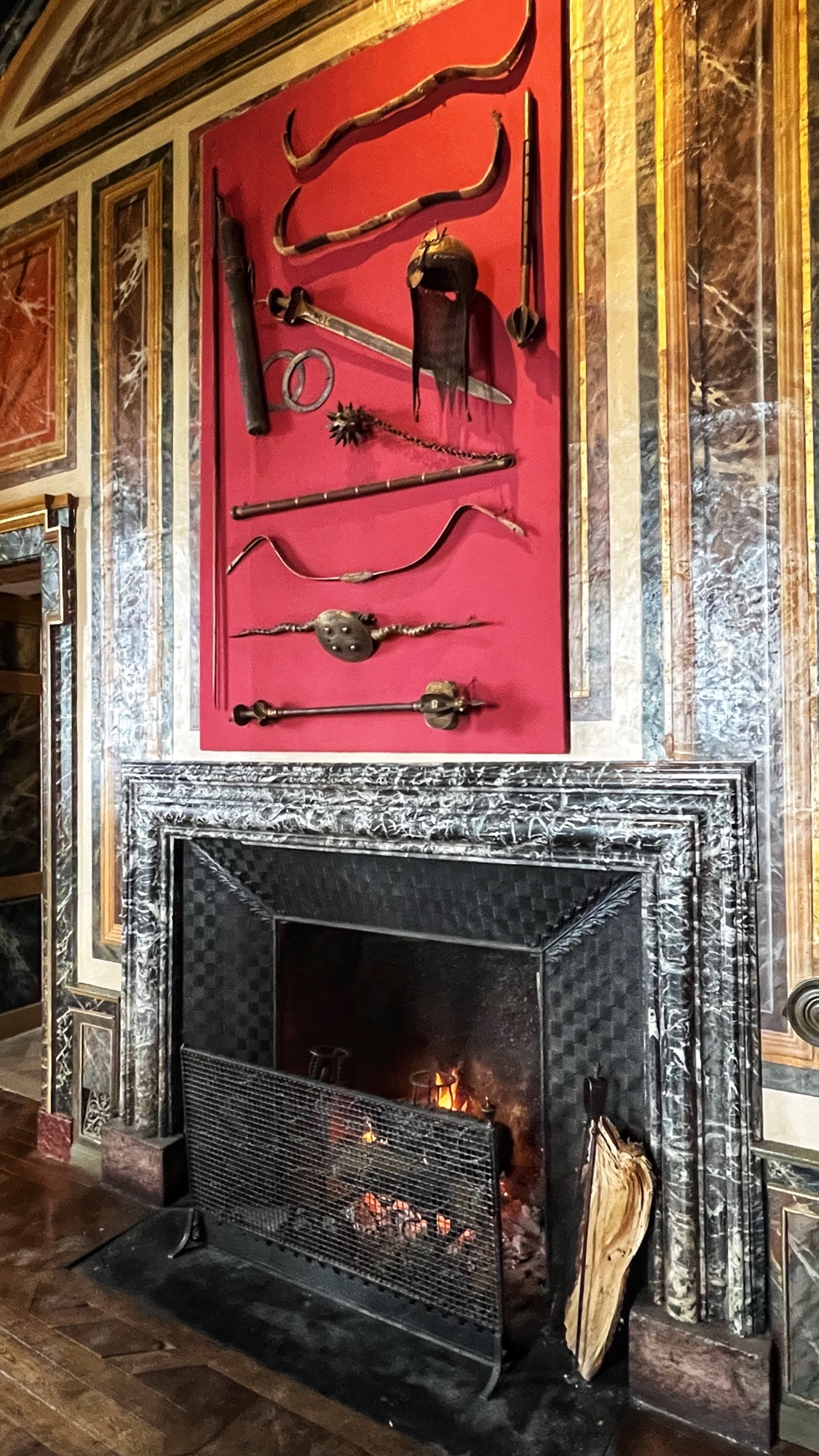
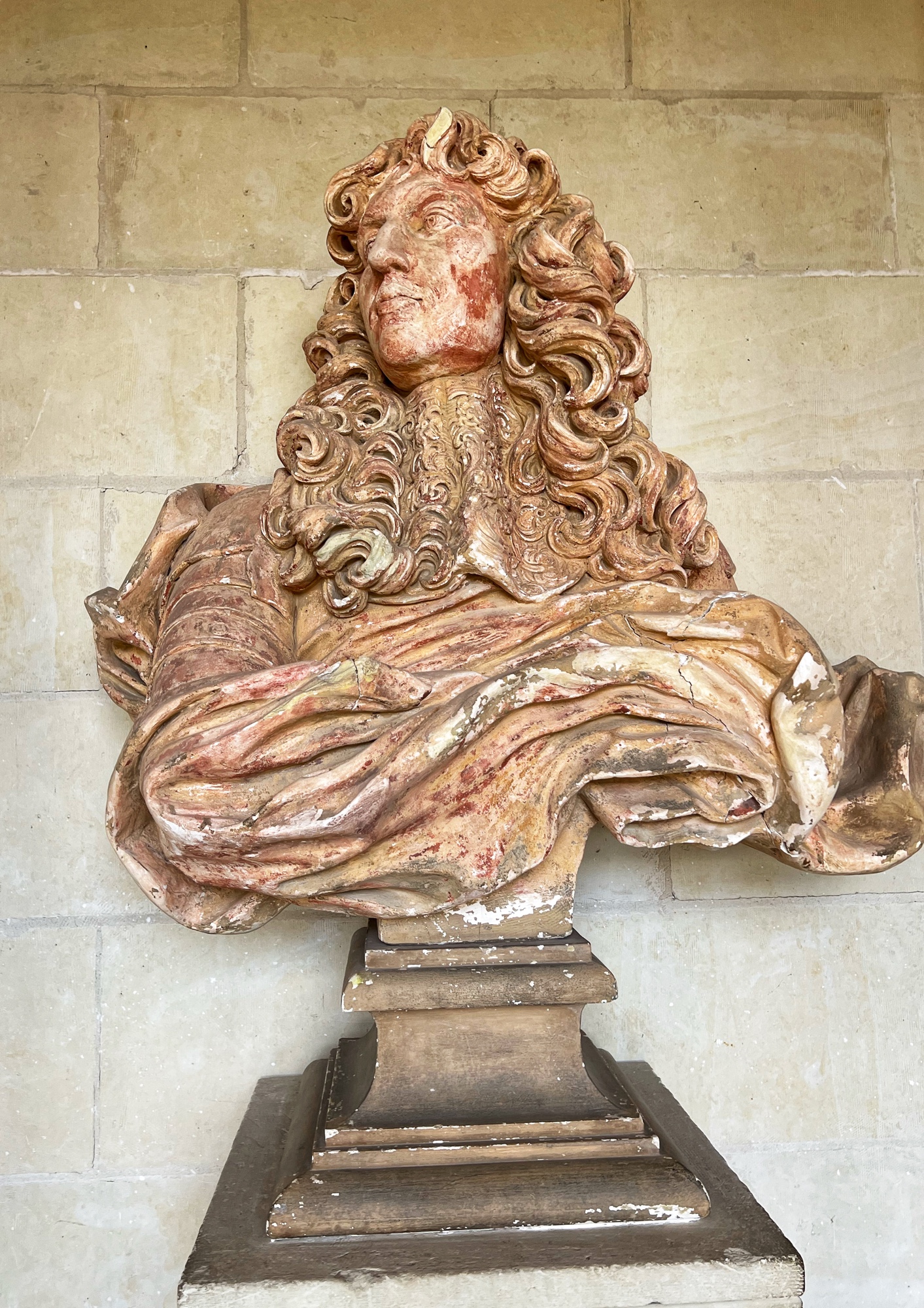

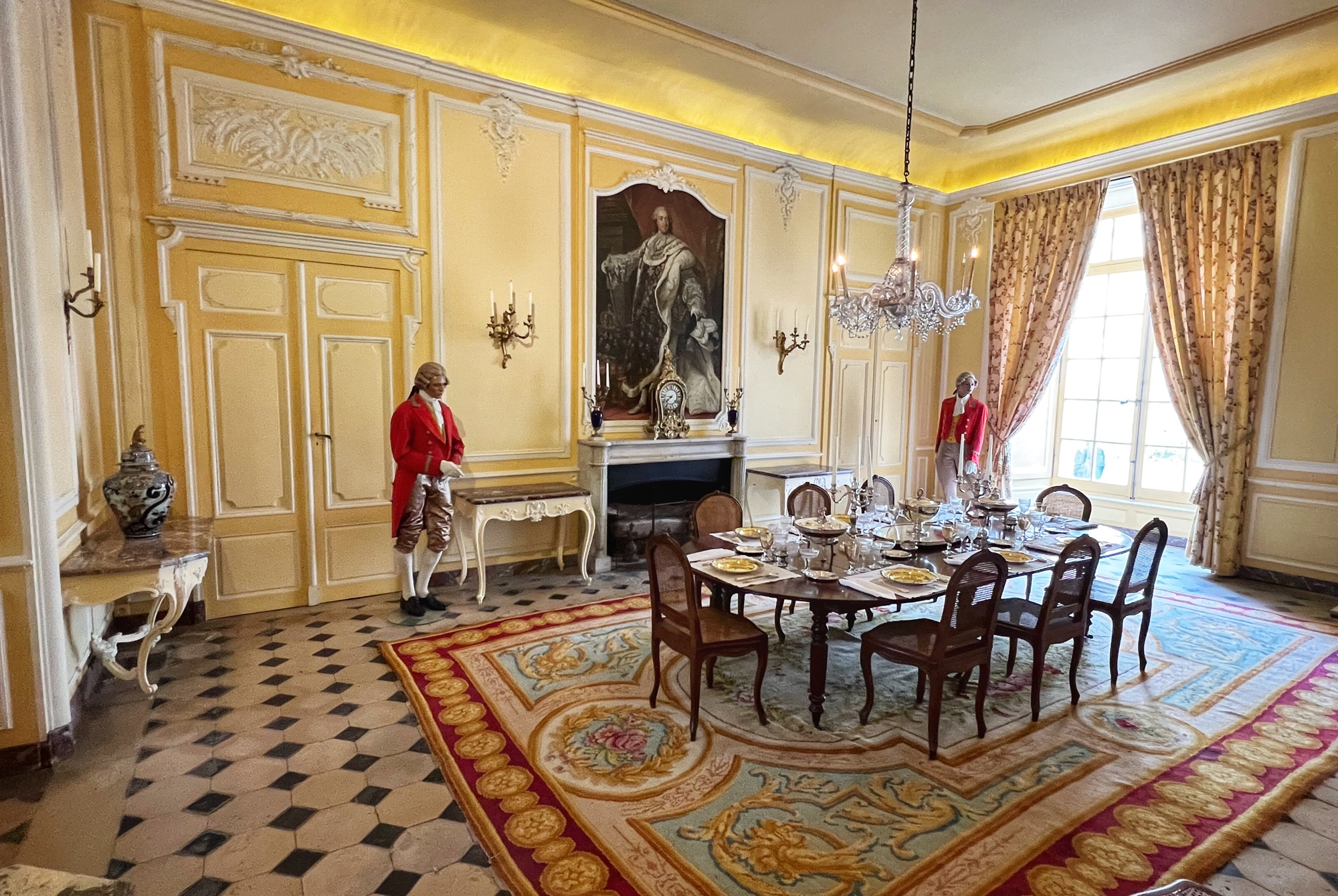

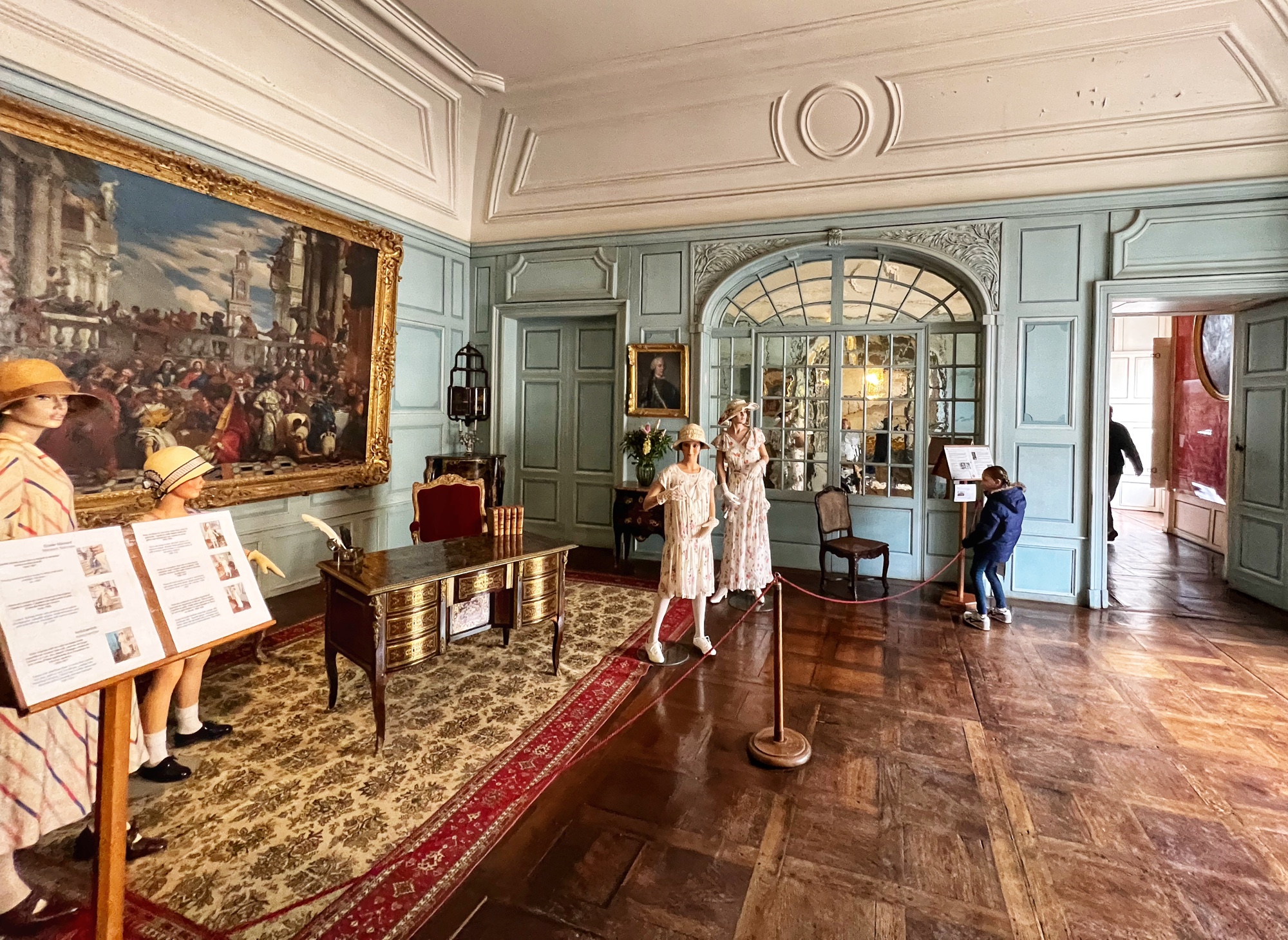
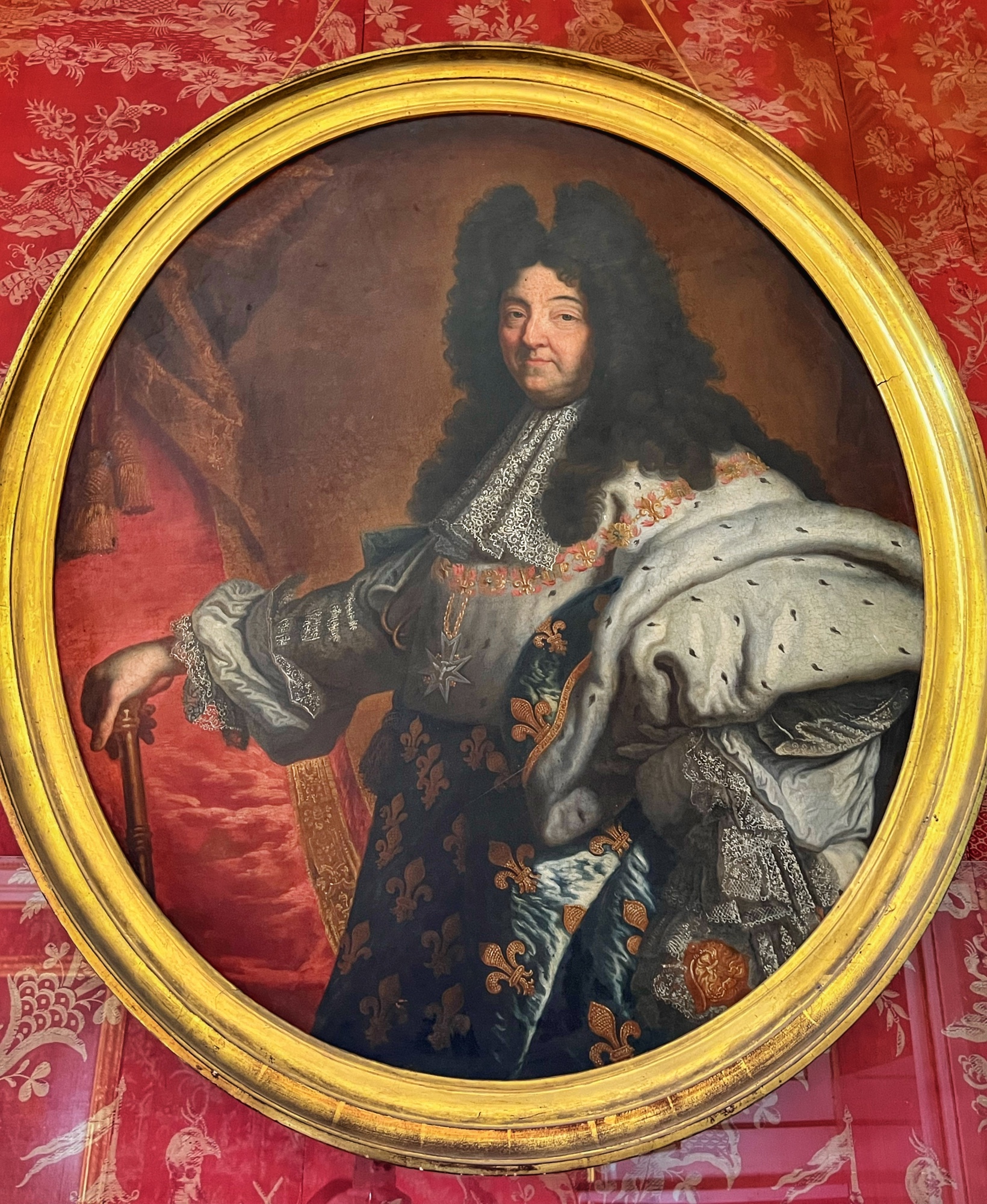
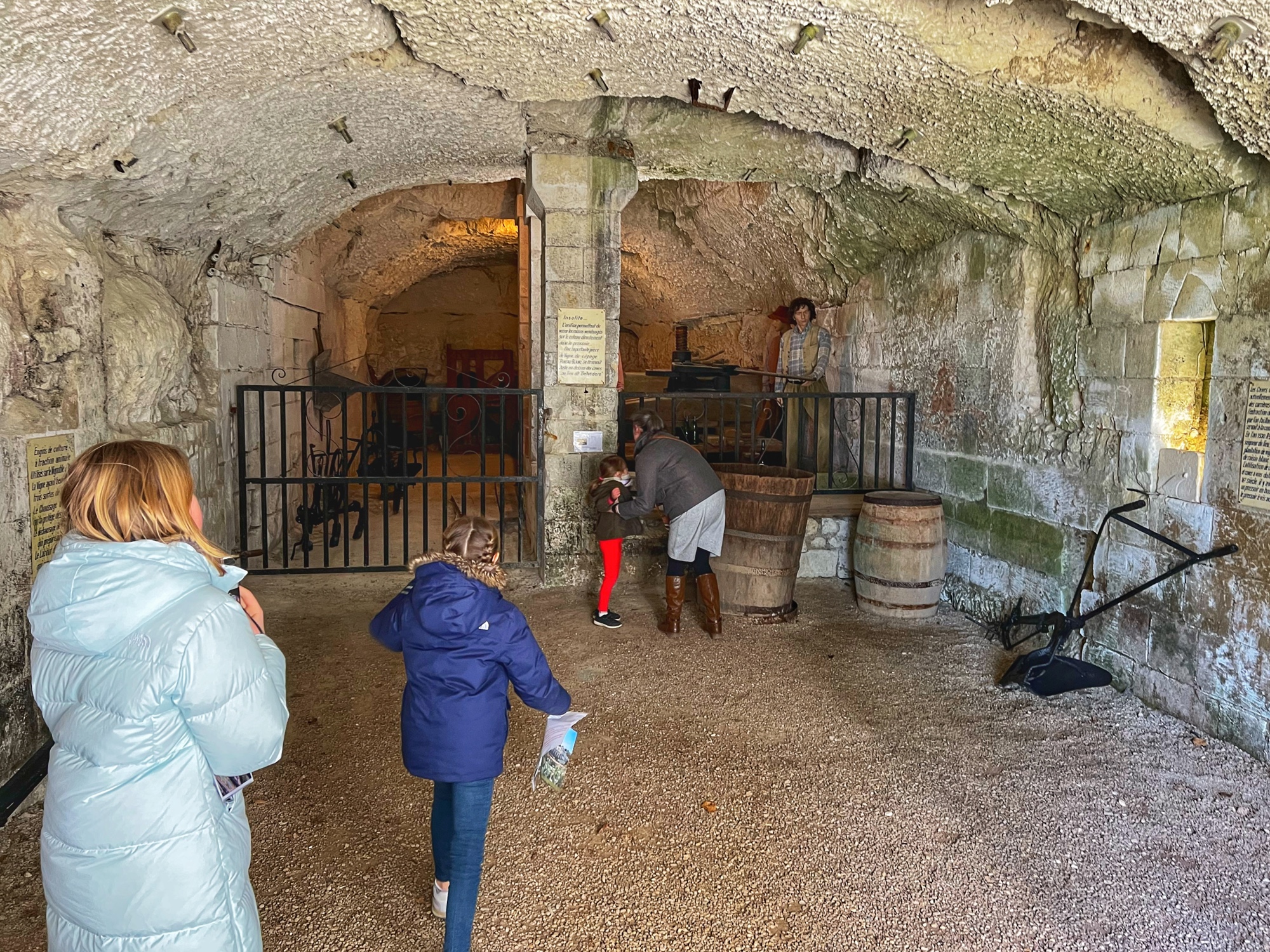
This was one of the few castles that had a cave built right into the rocks from inside the castle. We were able to descend into it, and it felt like a basement. Very unique!
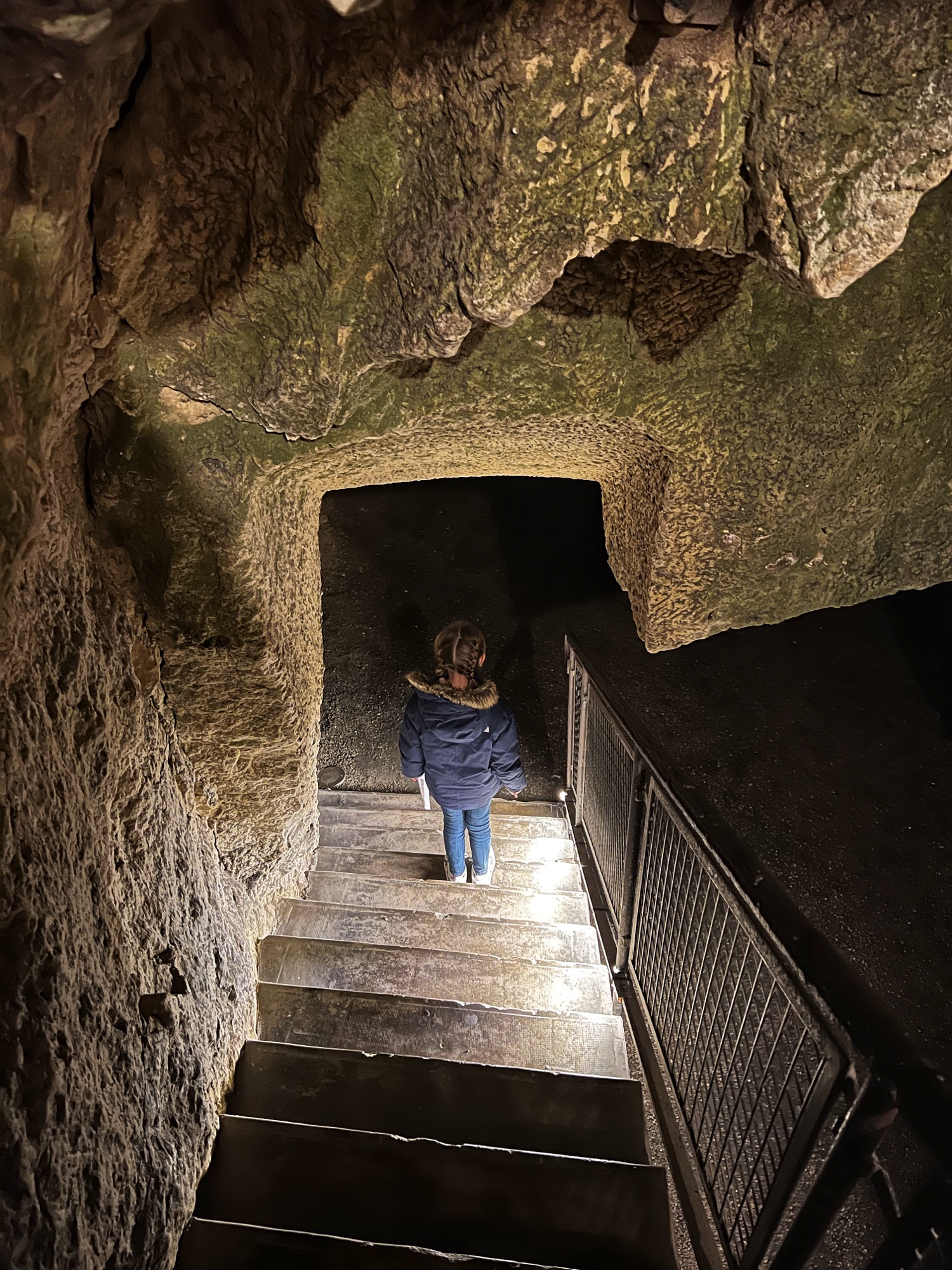
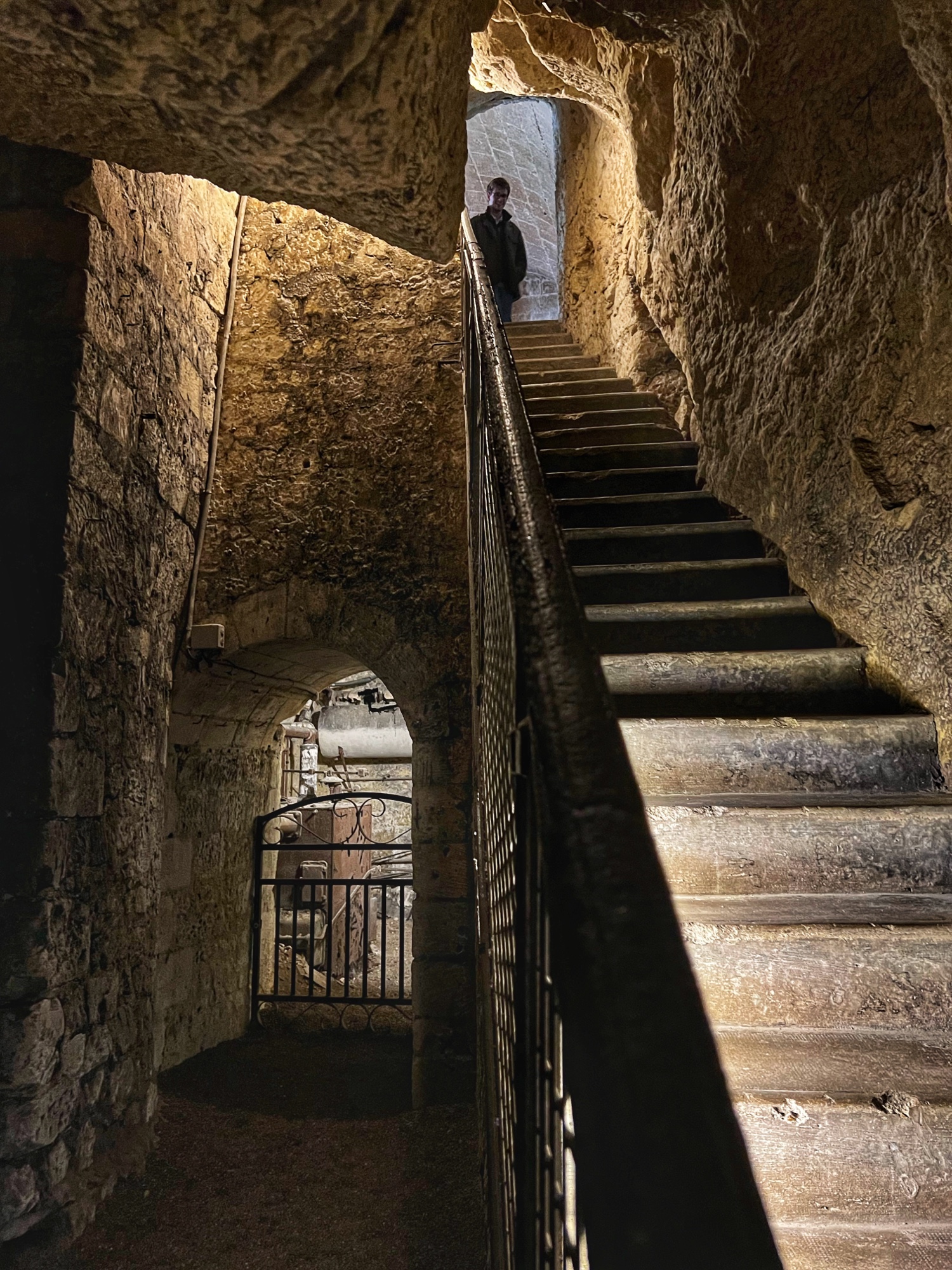
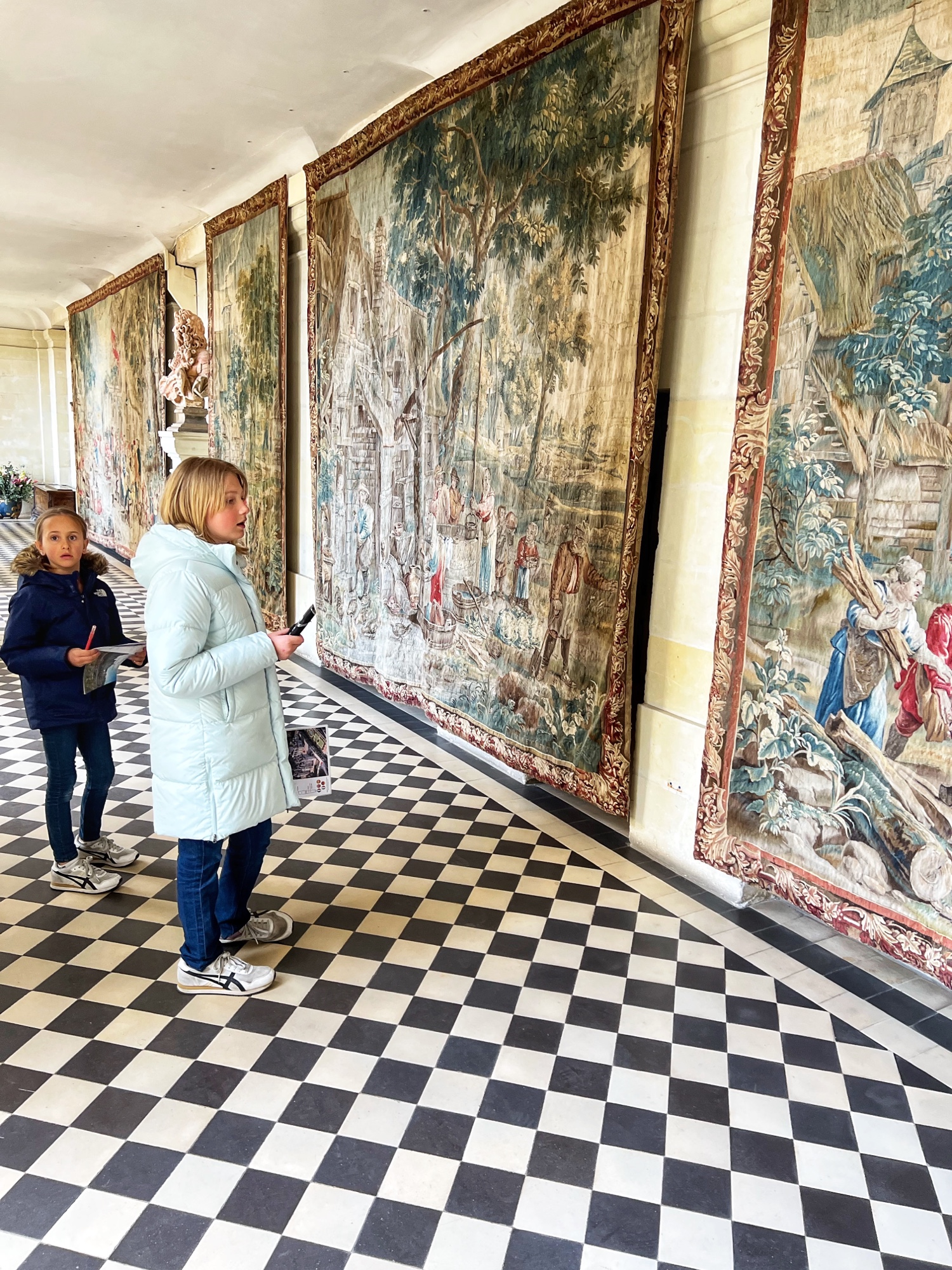

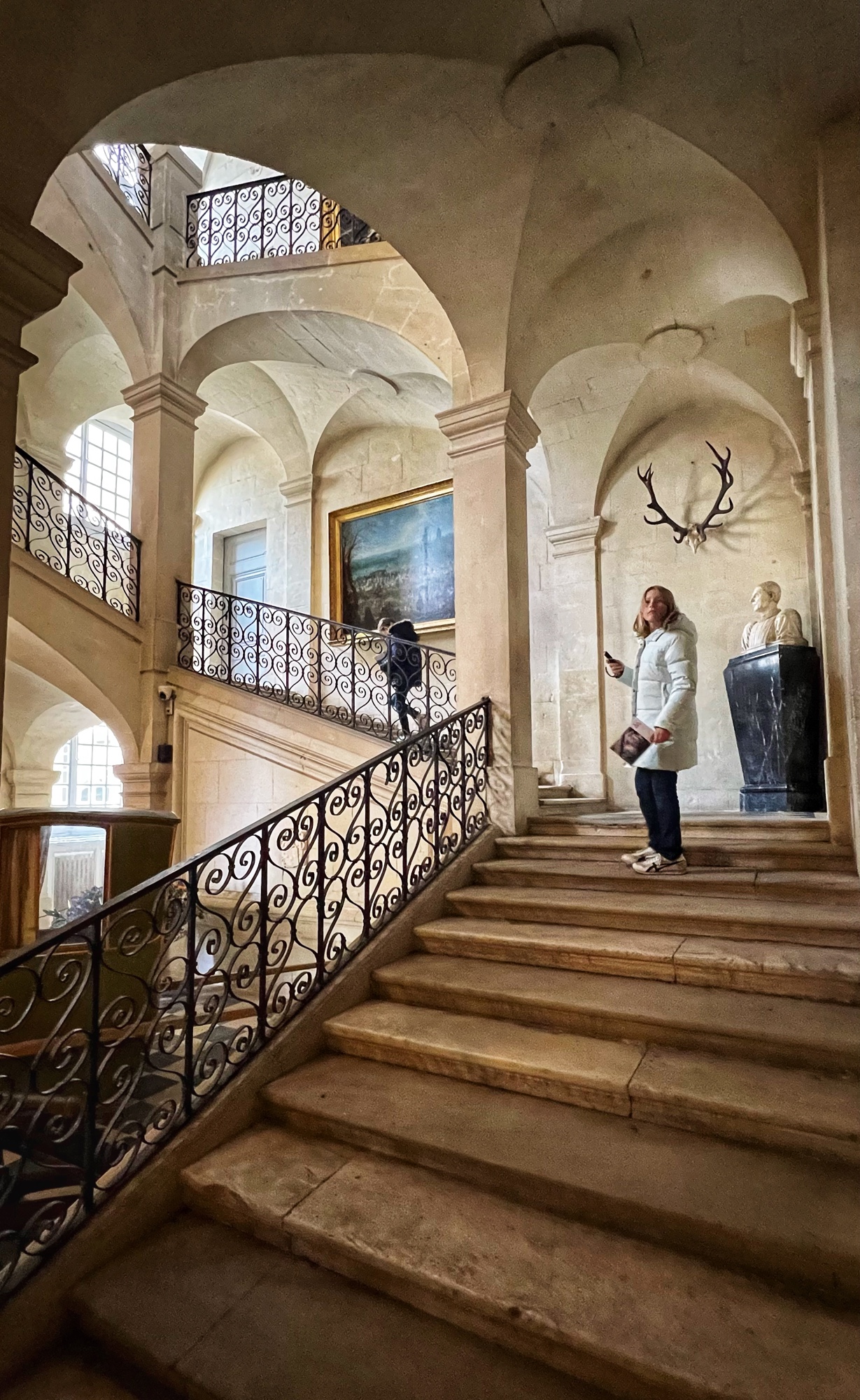
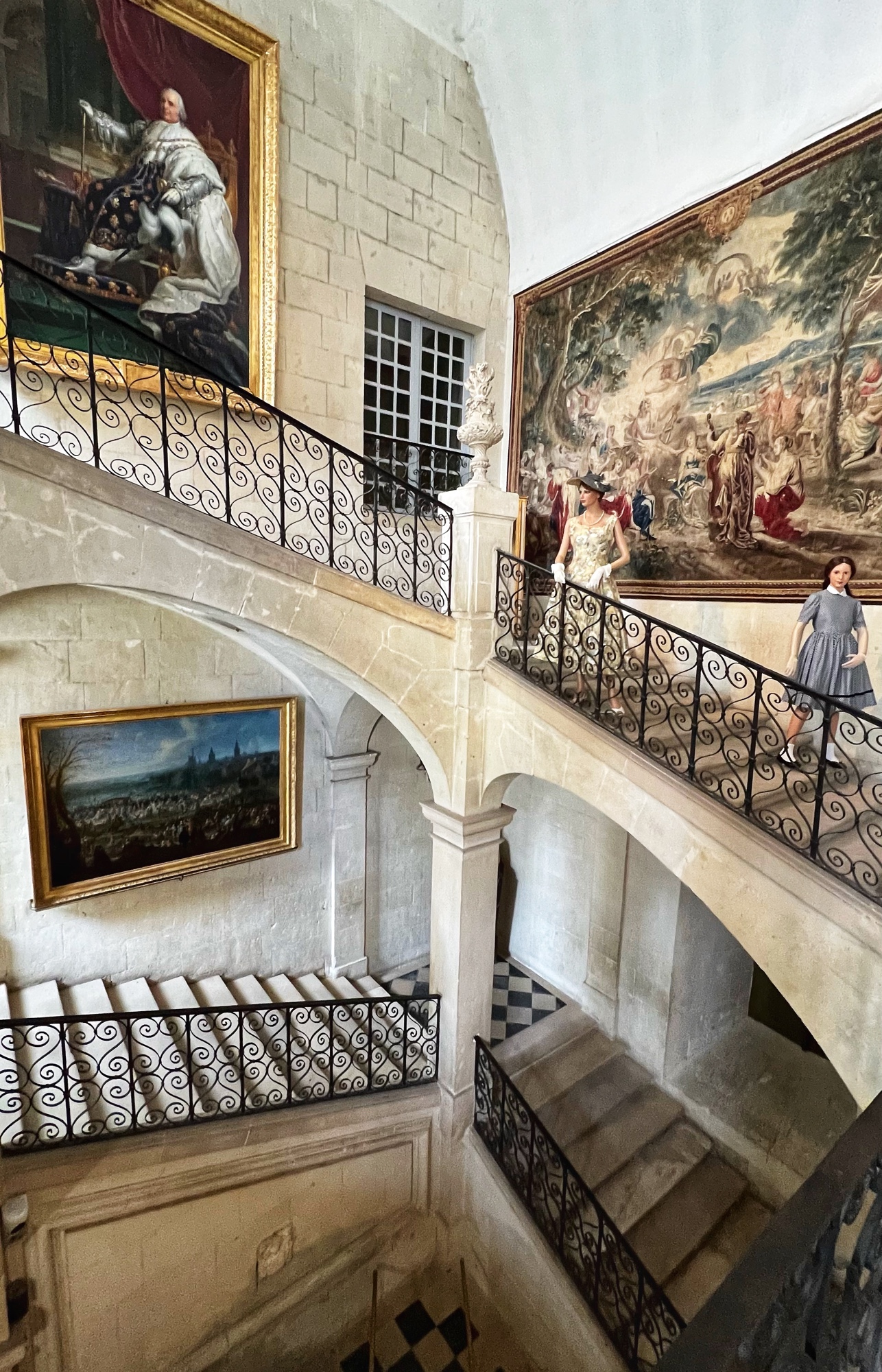
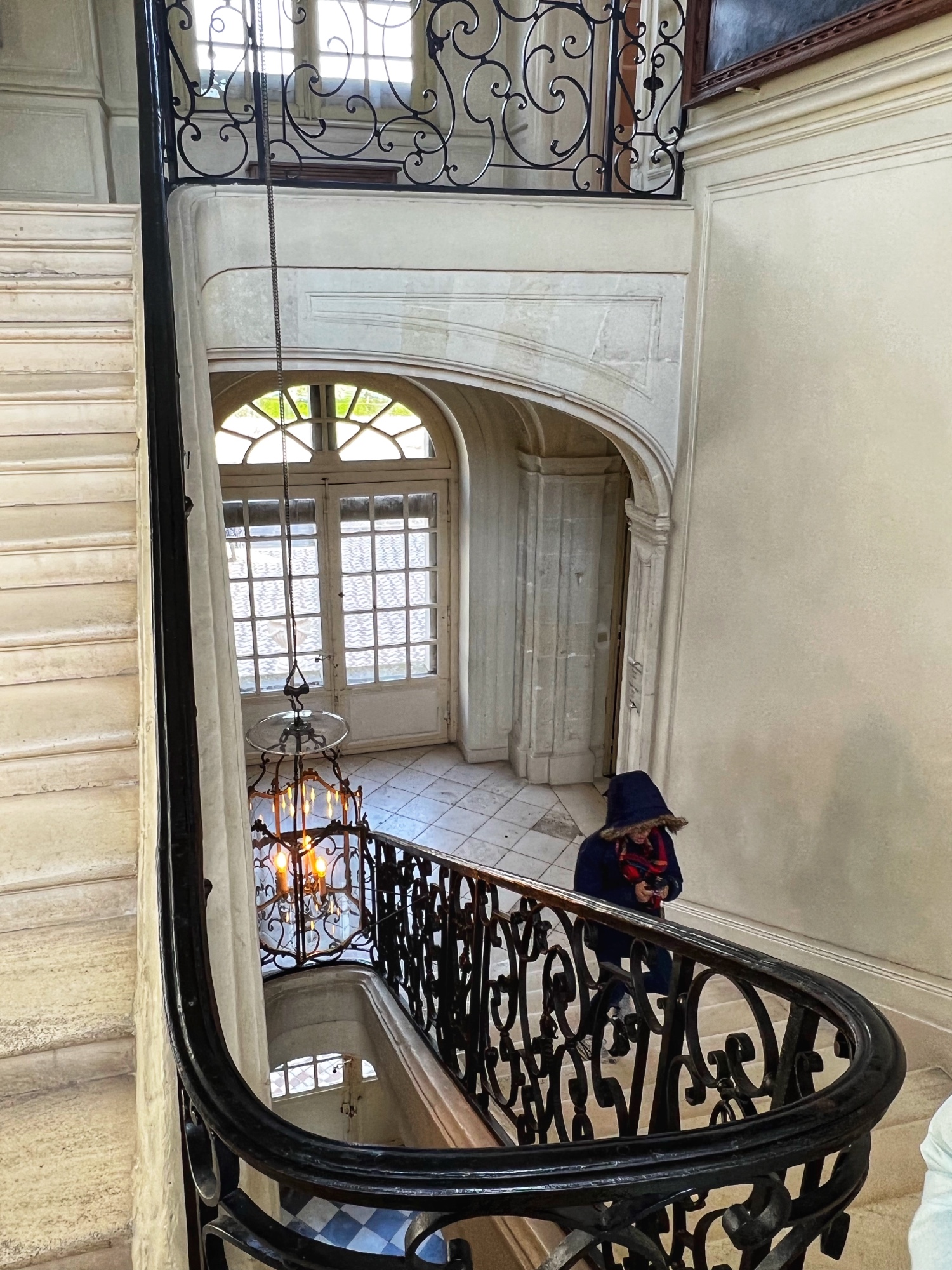
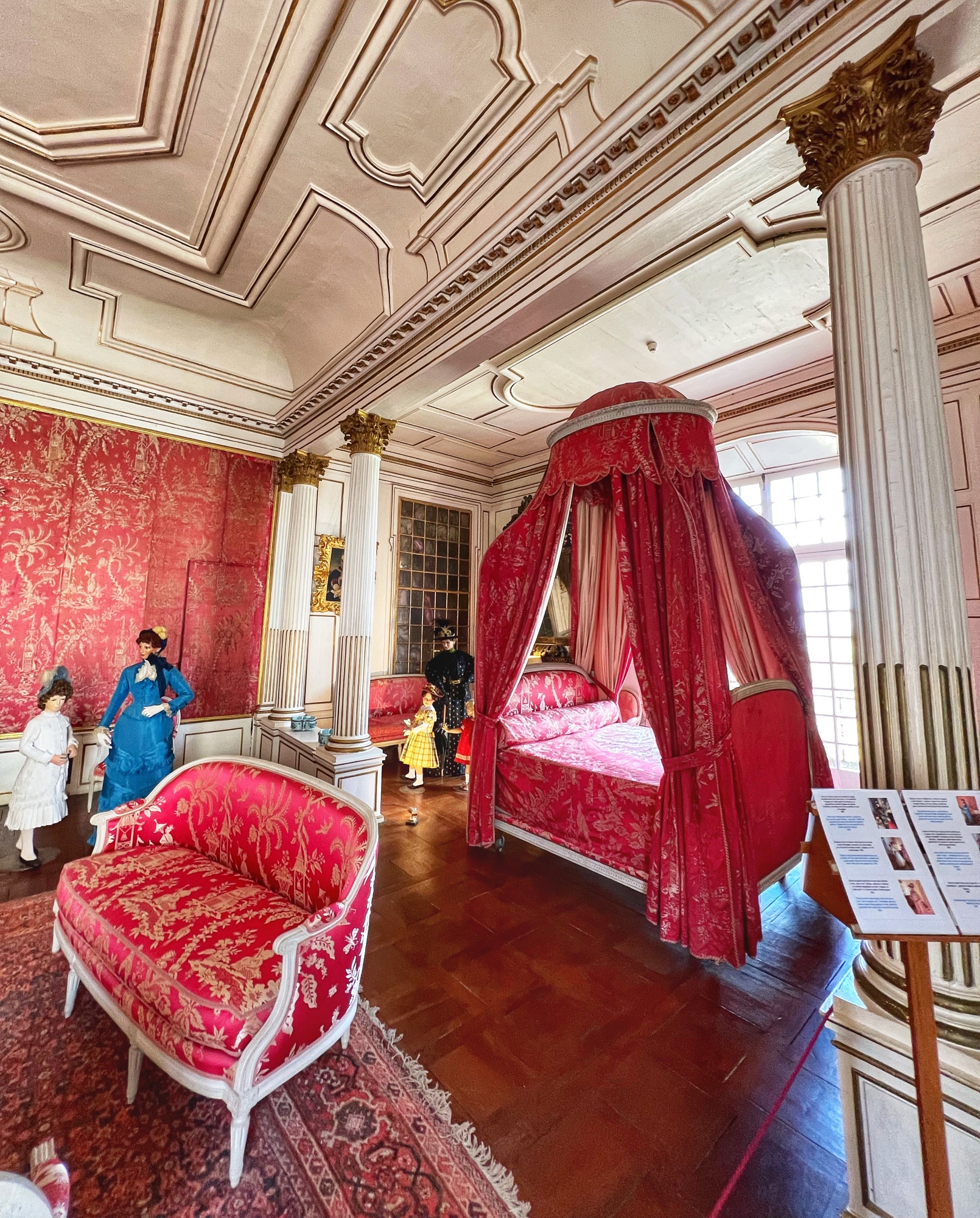
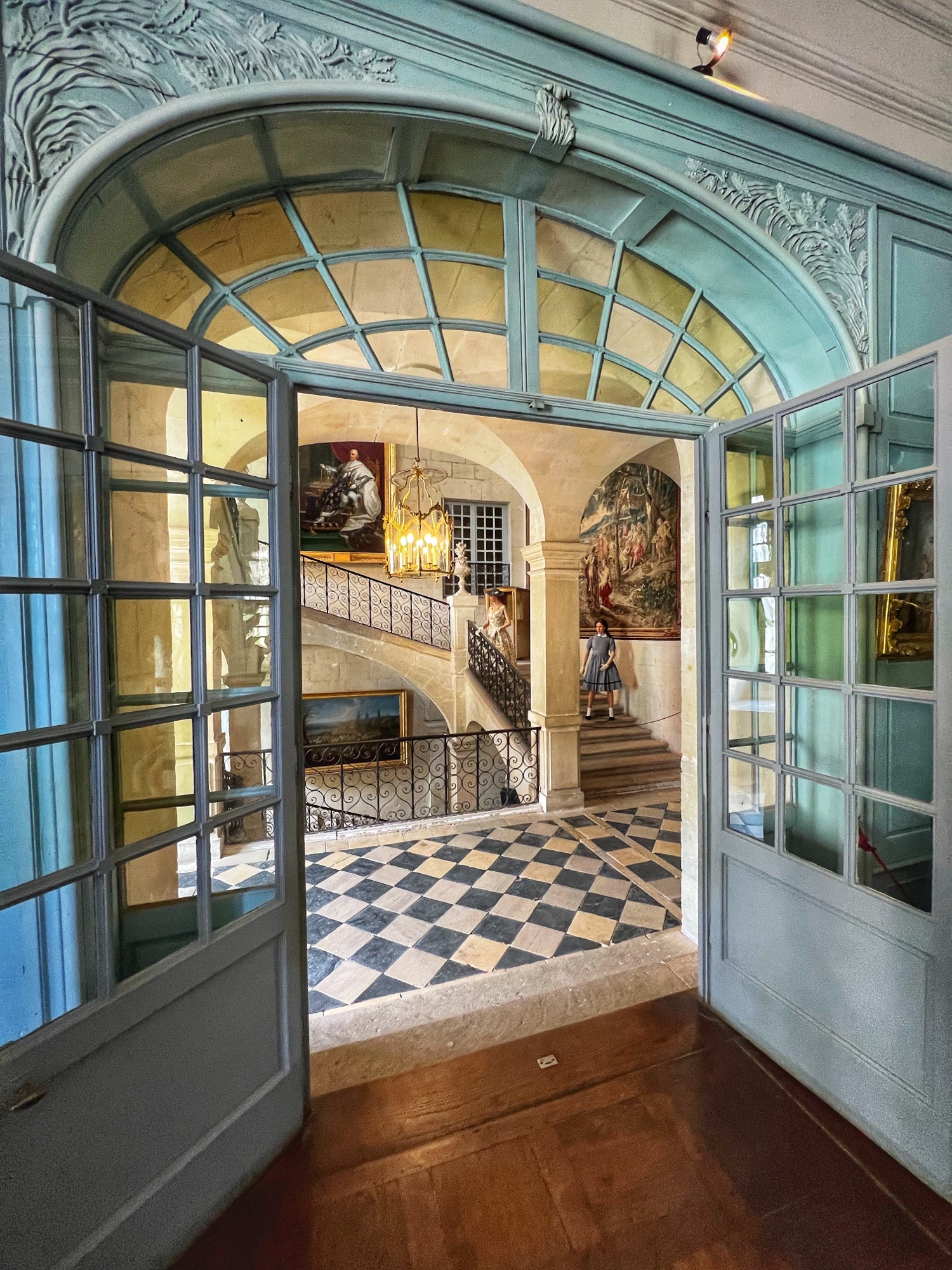
The most hilarious part of the tour was when the audioguide instructed us to inspect the tapestries along the grand gallery (hallway) to count how many people in the image were “peeing.” HA! The girls really got a kick out of this. I also loved the fancy staircases. Something especially interesting was the King’s Chamber (red room). All along the walls and on much of the furniture was a special golden palm designed red fabric. Apparently when they were renovating the château in more recent years, they found giant spools of this red fabric in the attic – and they decided to reupholster a set of chairs to match. You can see the difference in wear and fabric color brilliance in this room. Fascinating! Fabric covers everything. And fabric did not come cheap in the renaissance.

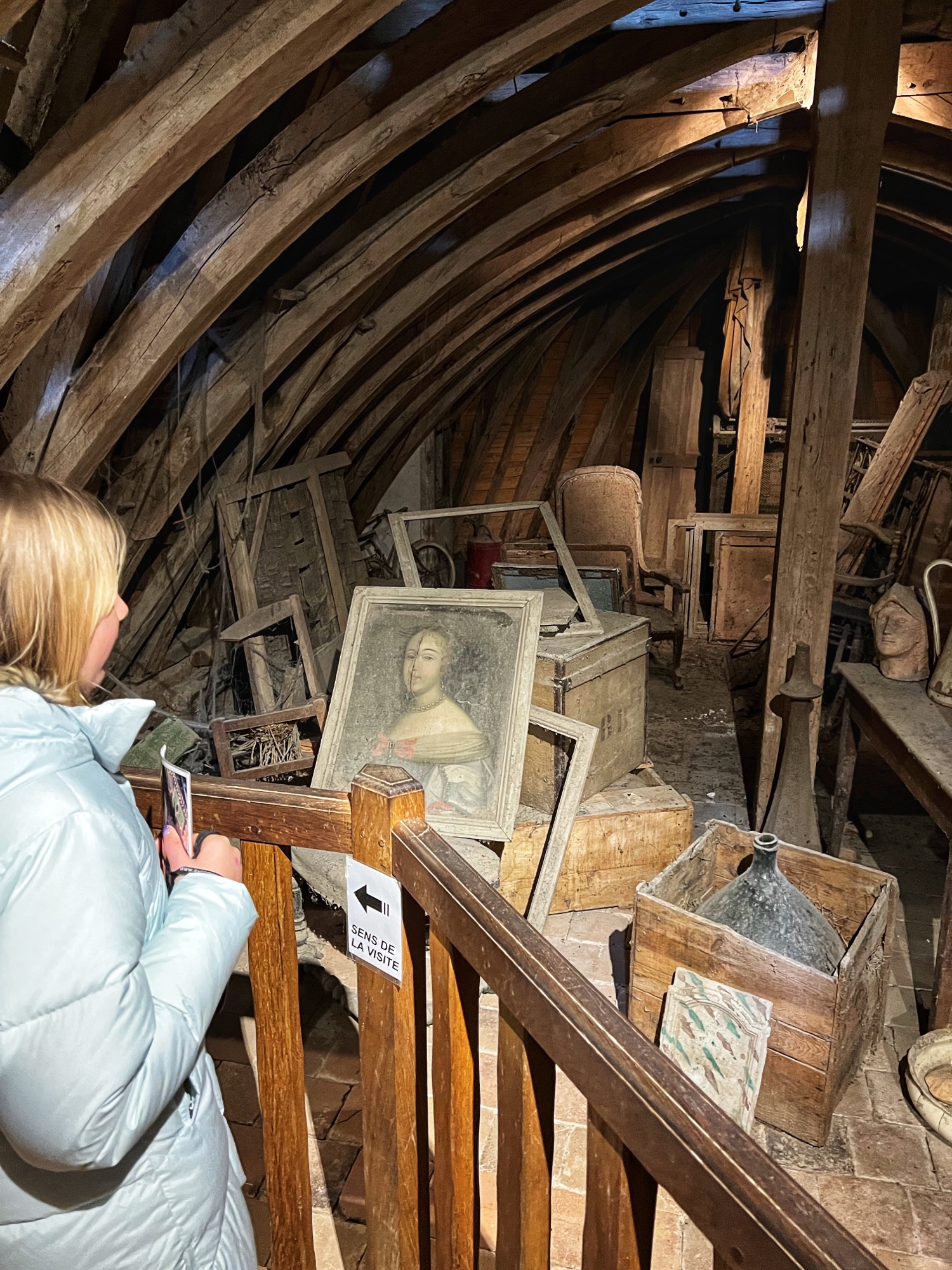
After viewing the various dining rooms, galleries, and fancy bedrooms, the tour will take you up into the towers and along the open air ramparts. Here you can peer into closed rooms, each one telling a portion of the story of Sleeping Beauty. I admit it’s a little bit kitschy (and by then I had had my fill of mannequins), but the girls thought it was cool and immediately wanted to re-watch Disney’s Sleeping Beauty. You also walk through the attic in this castle and it is NOT pristine like in Azay-le-Rideau. Instead it is a creepy, dusty old attic filled with broken memorabilia and cobwebs. It lent itself well to the fairytale story though, giving us the chills as we walked through!
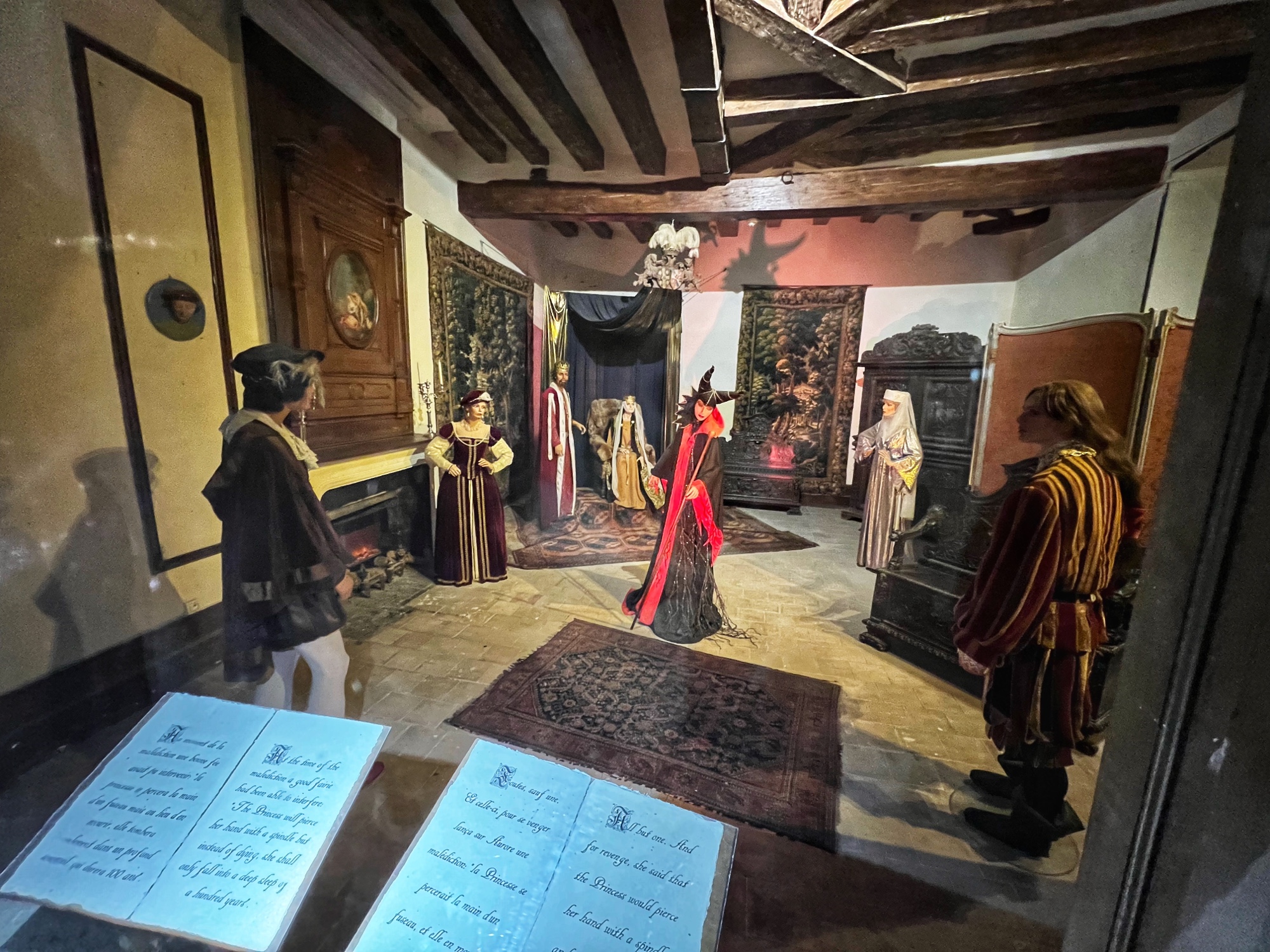
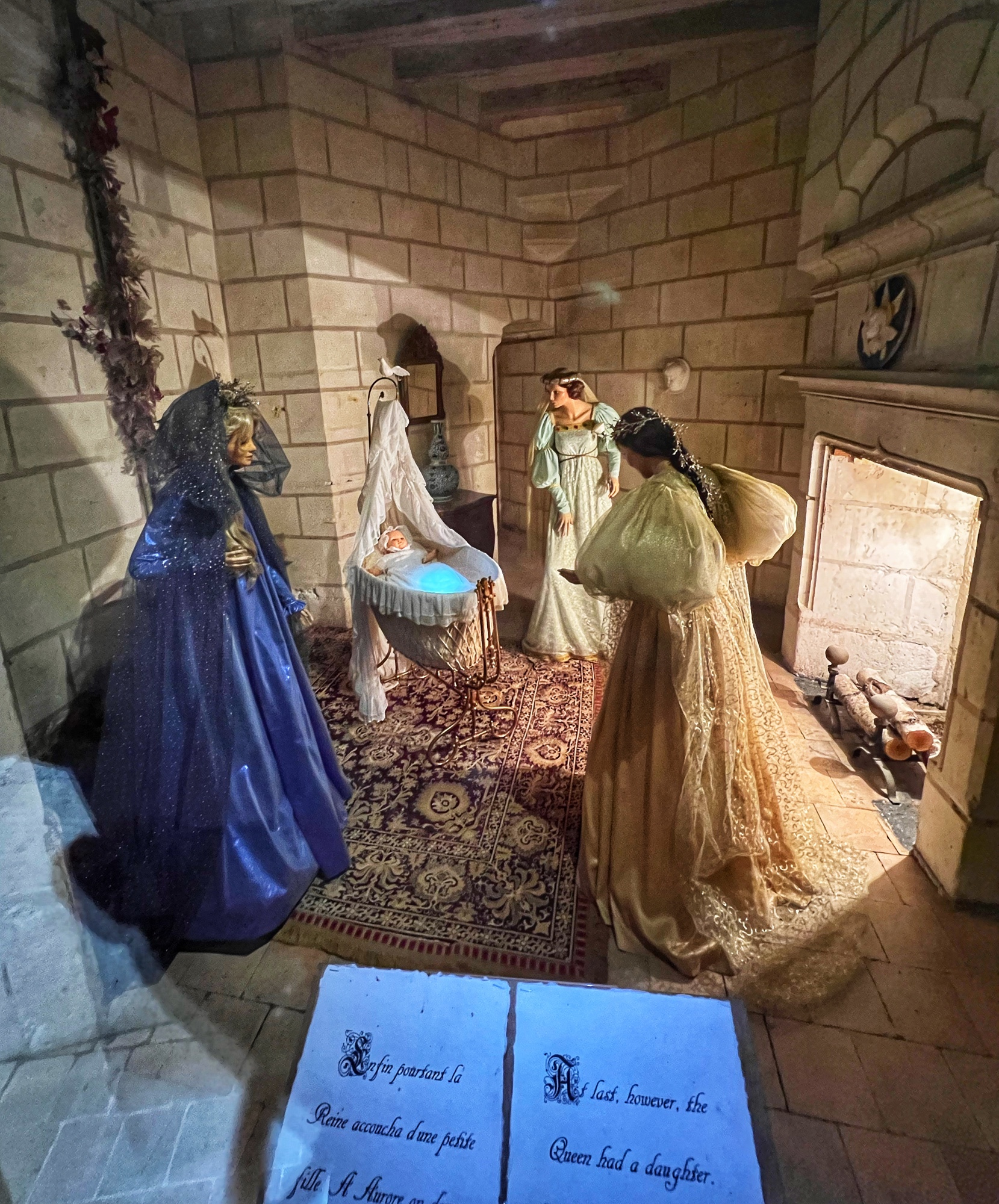

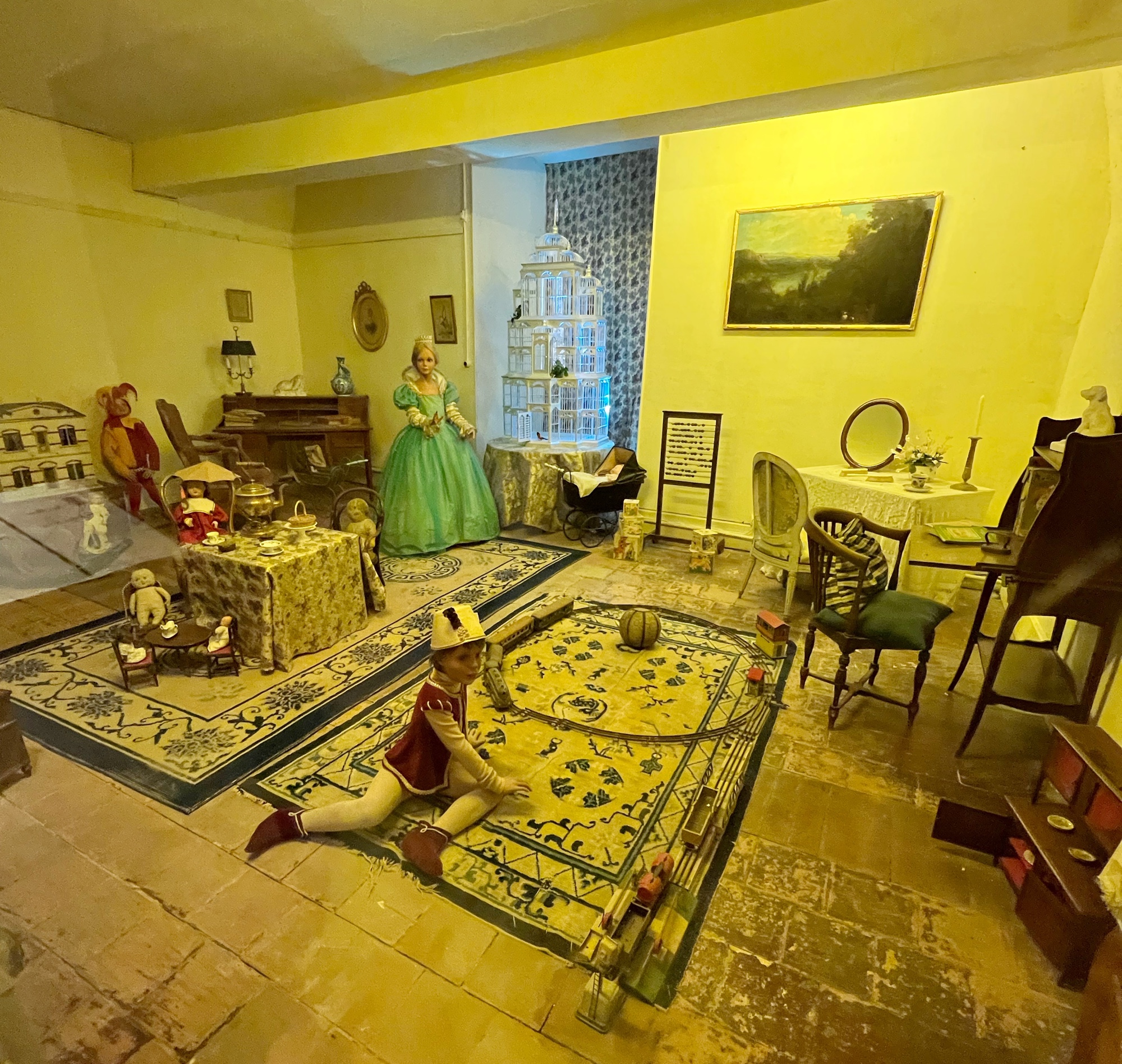
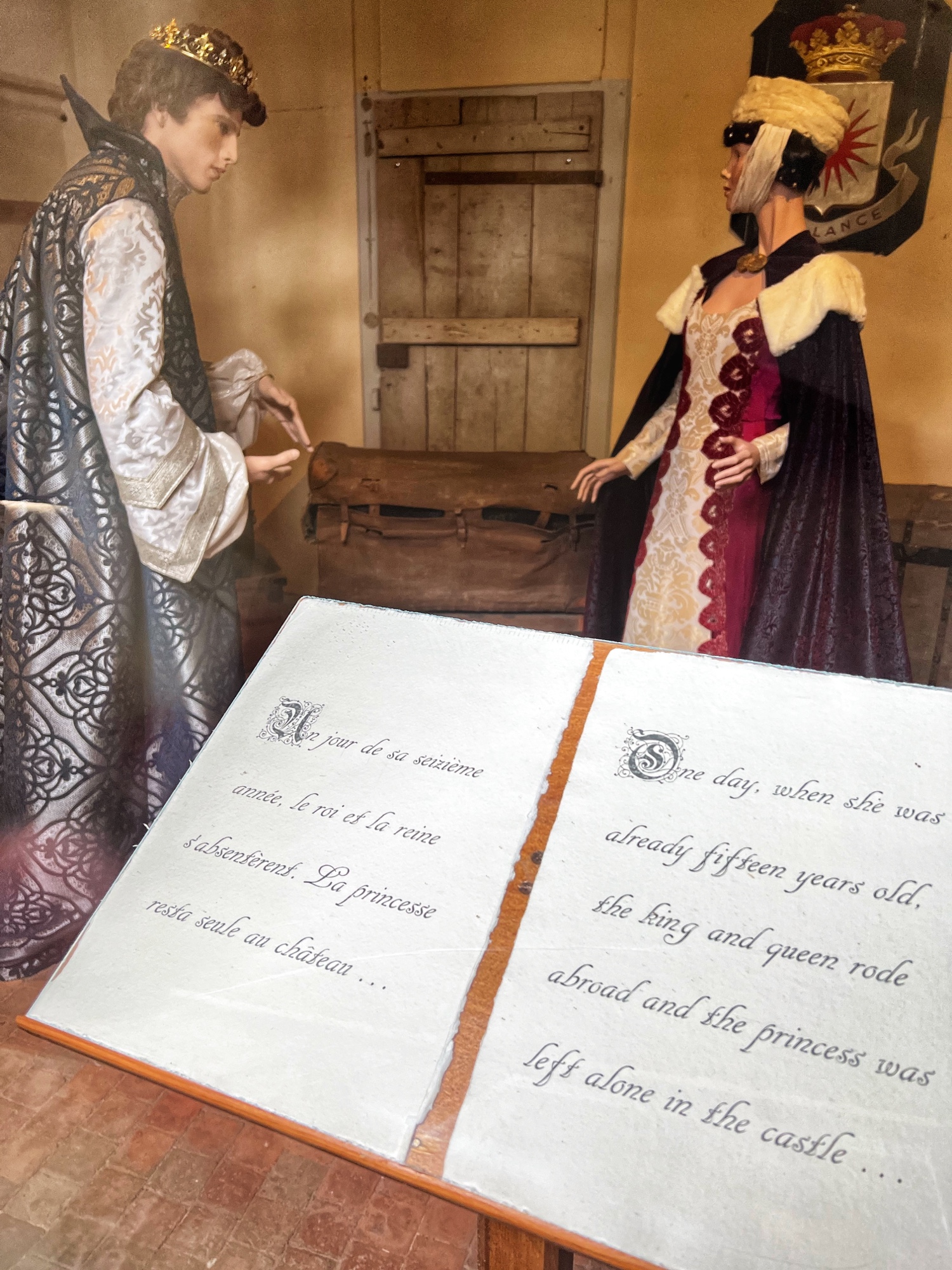

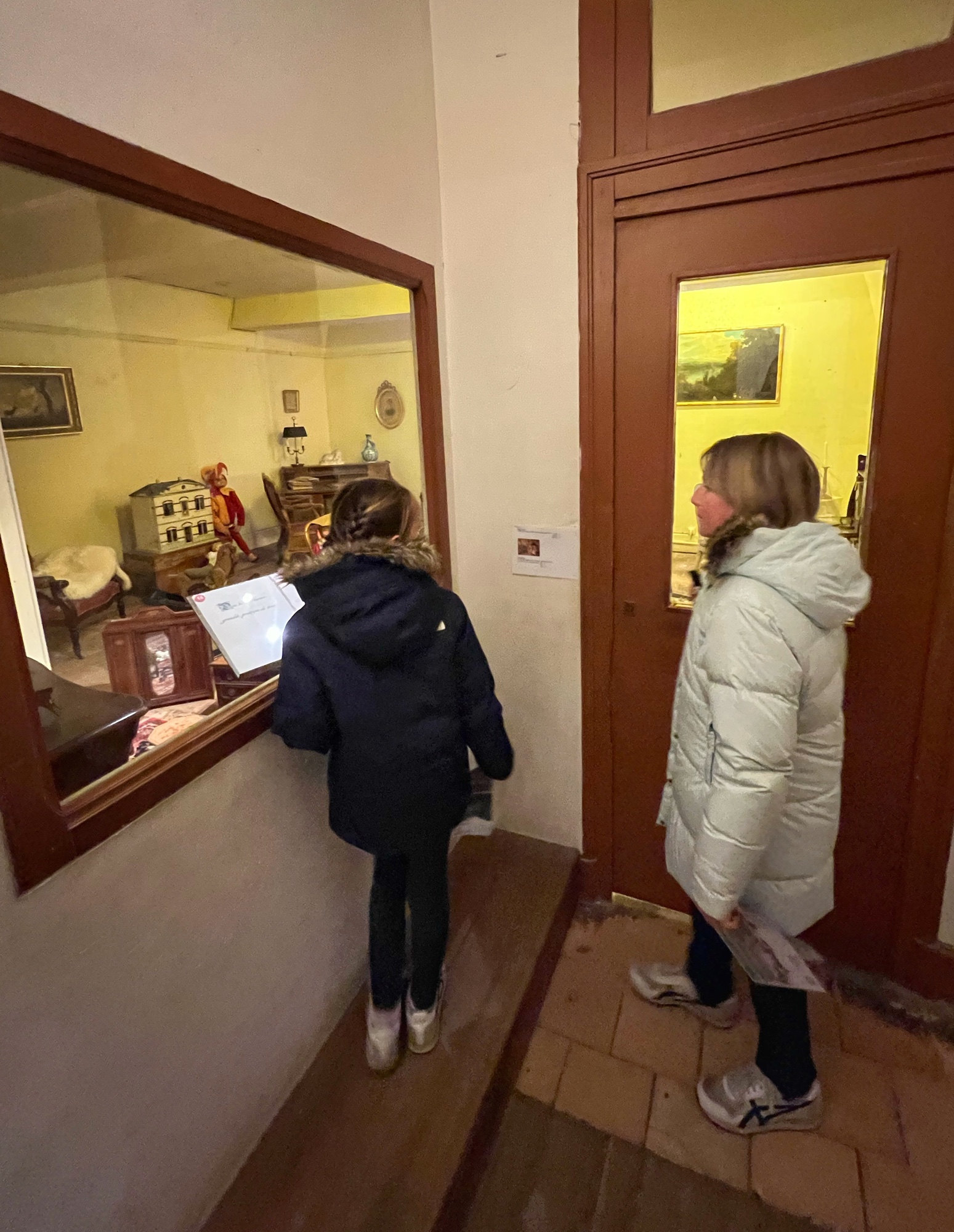
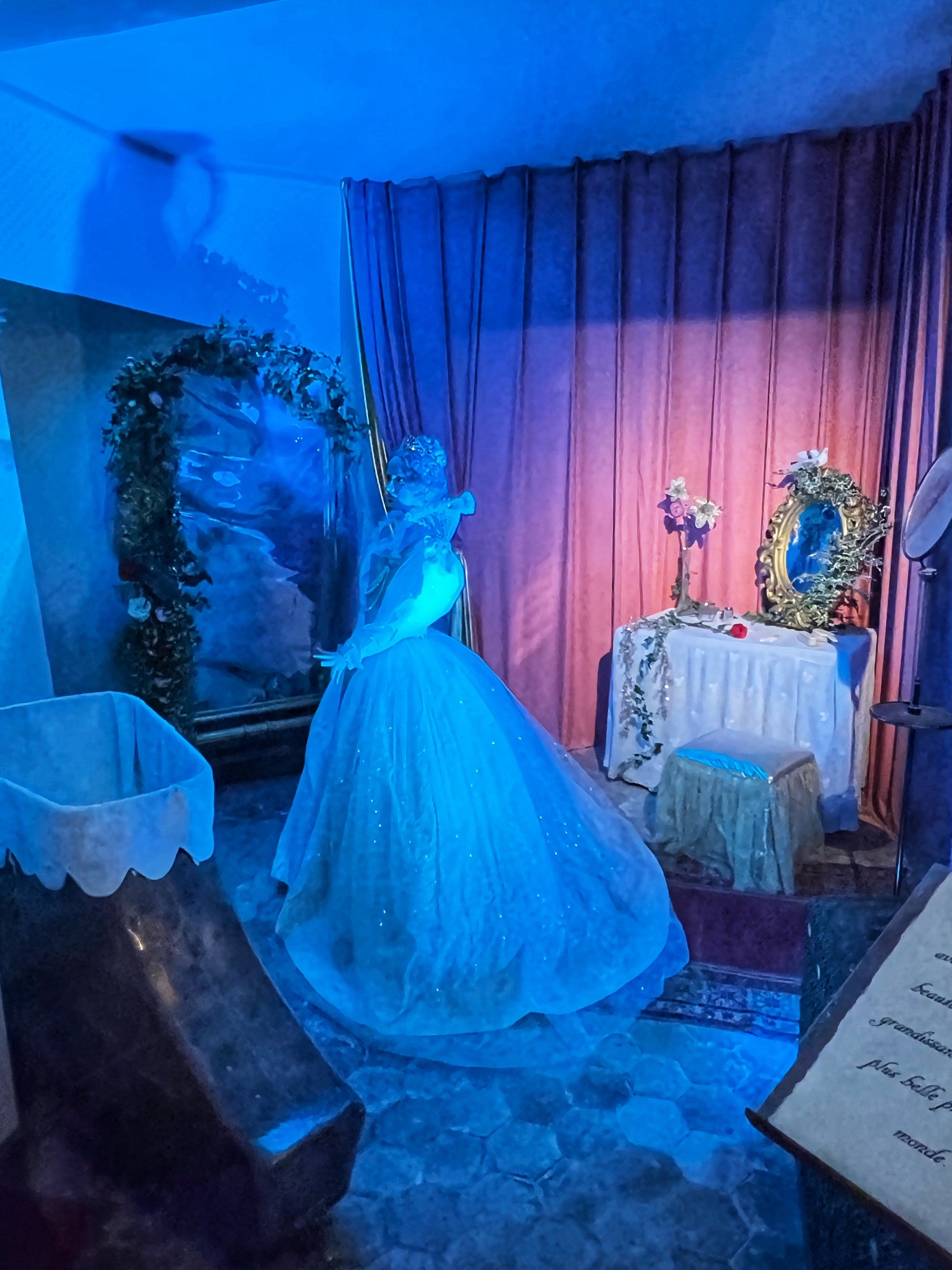
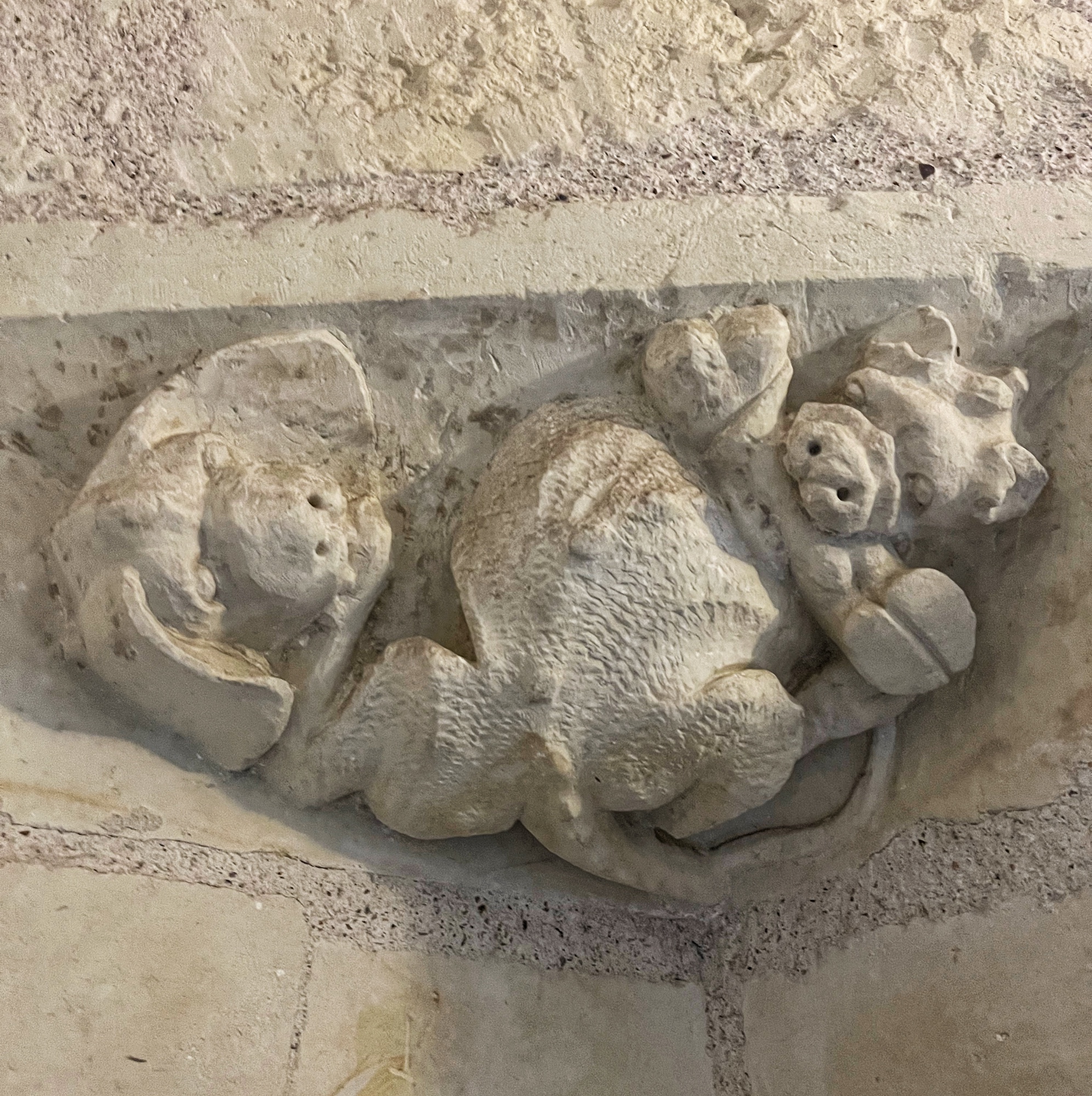

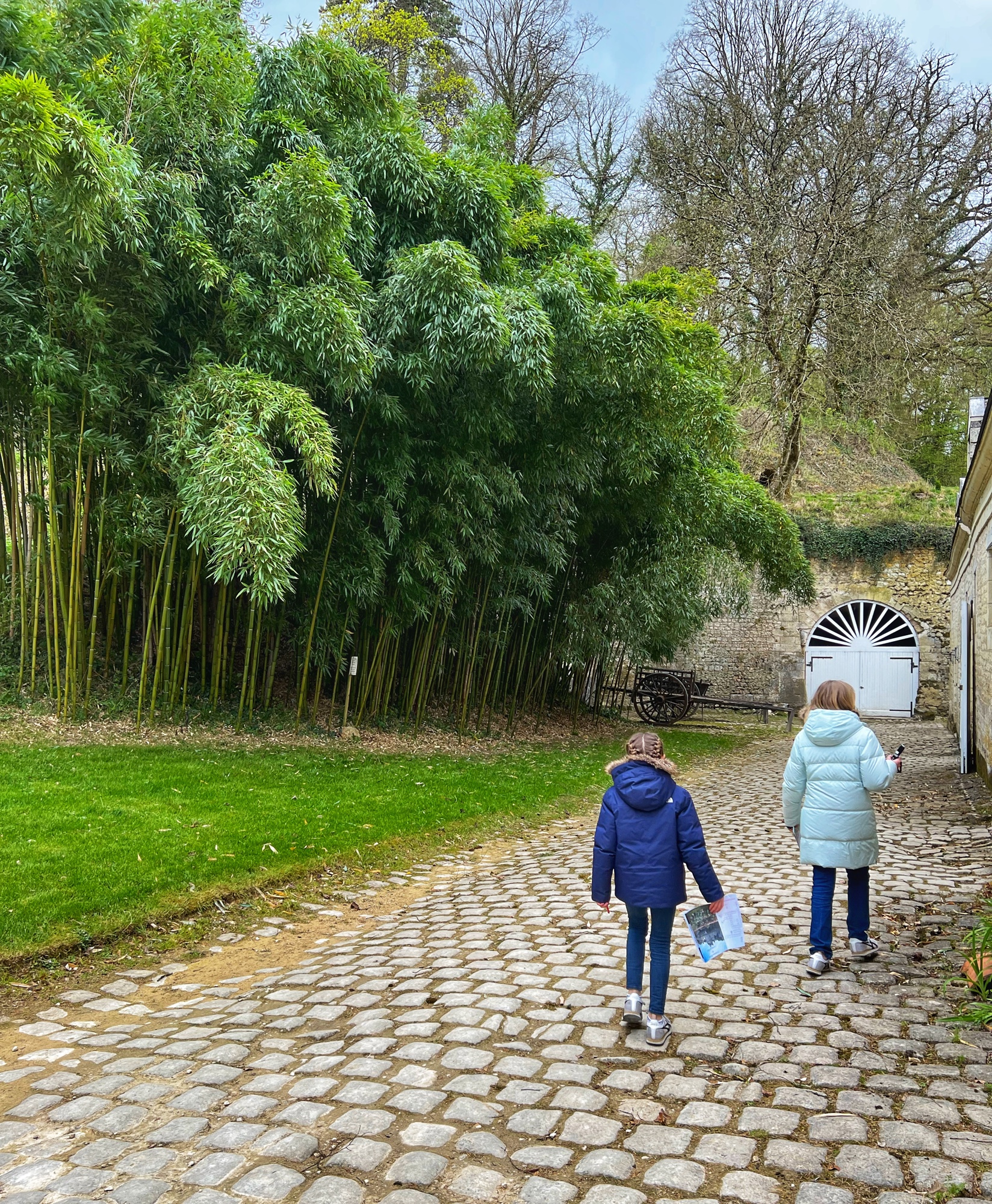
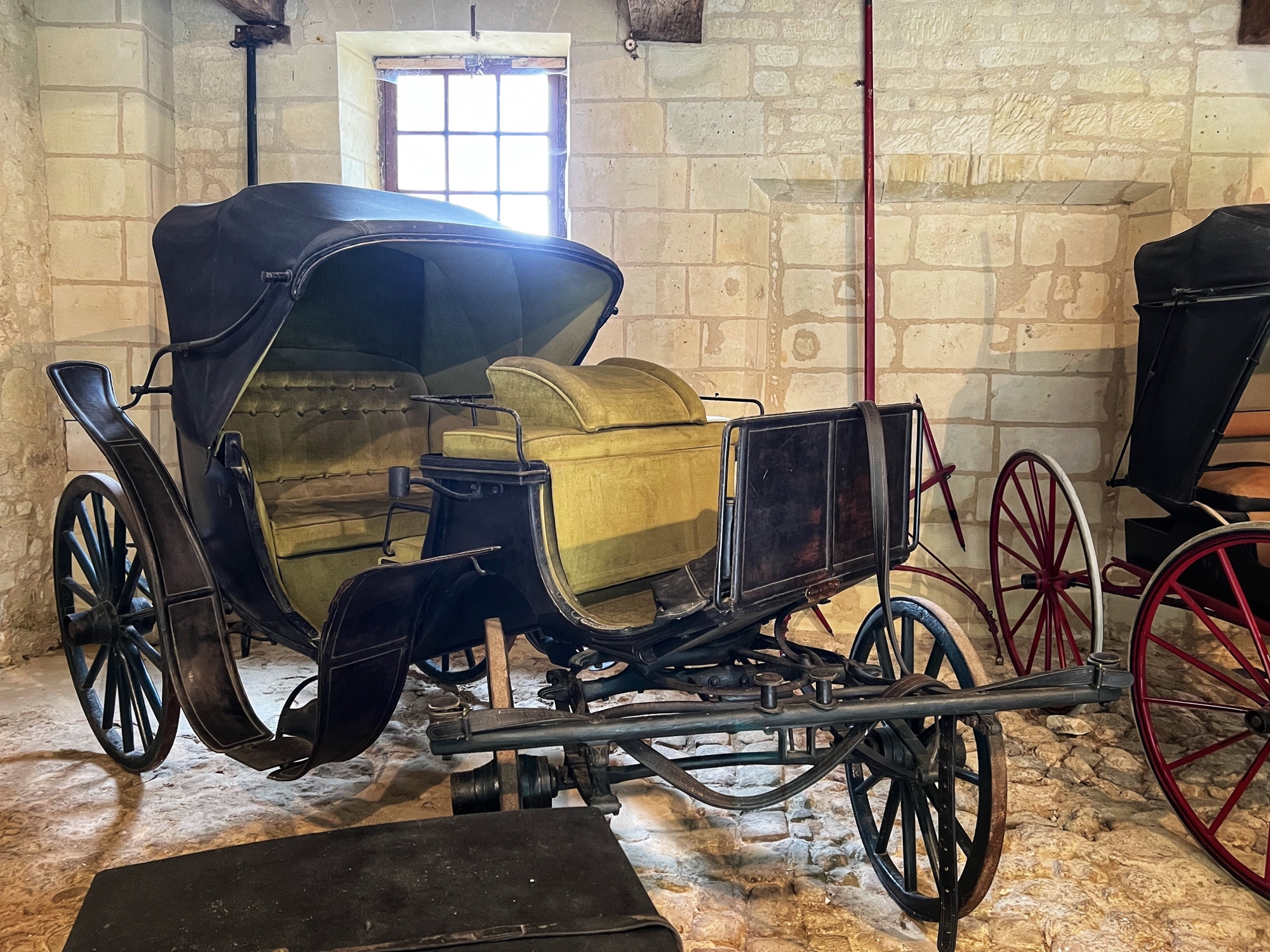
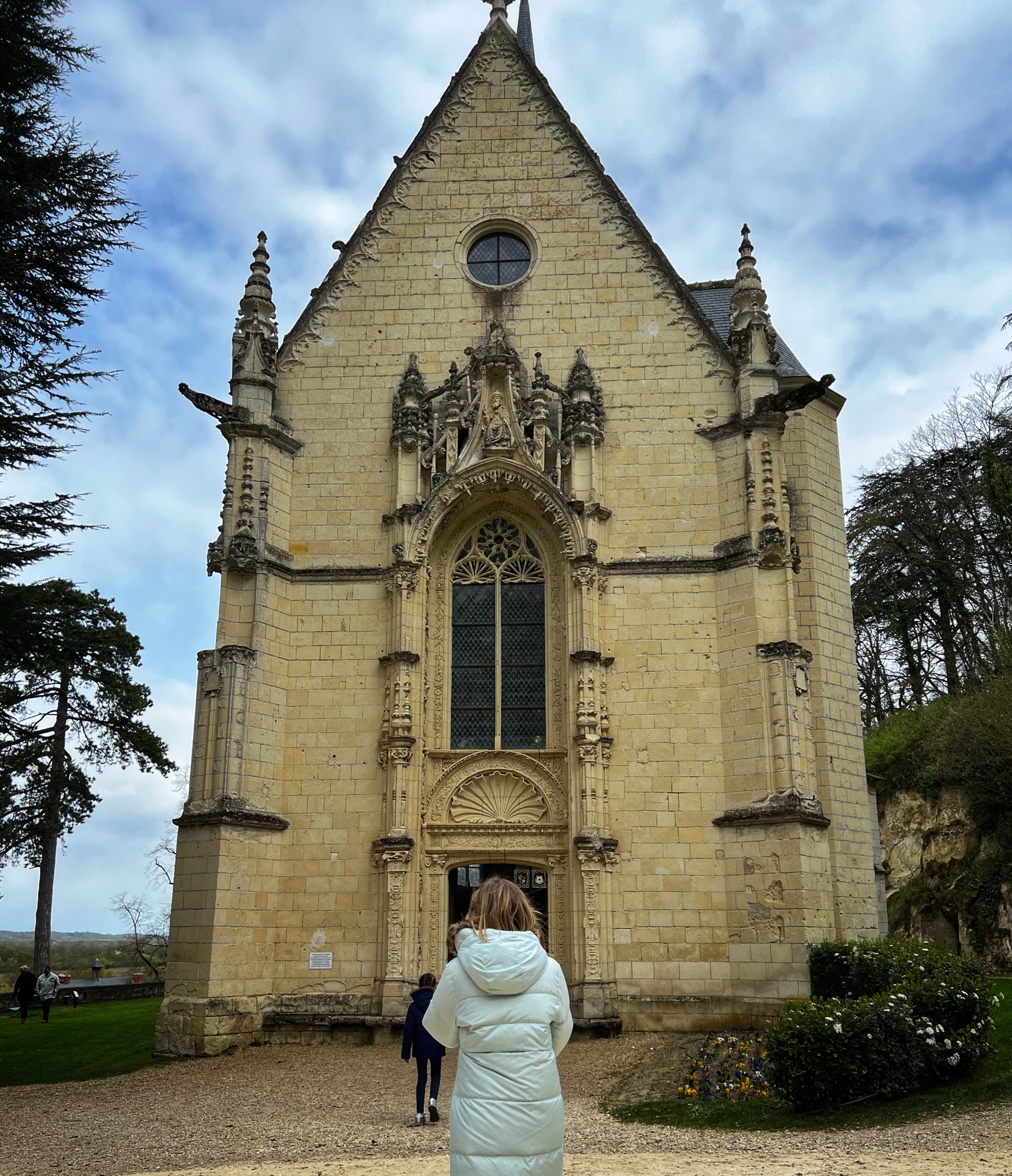
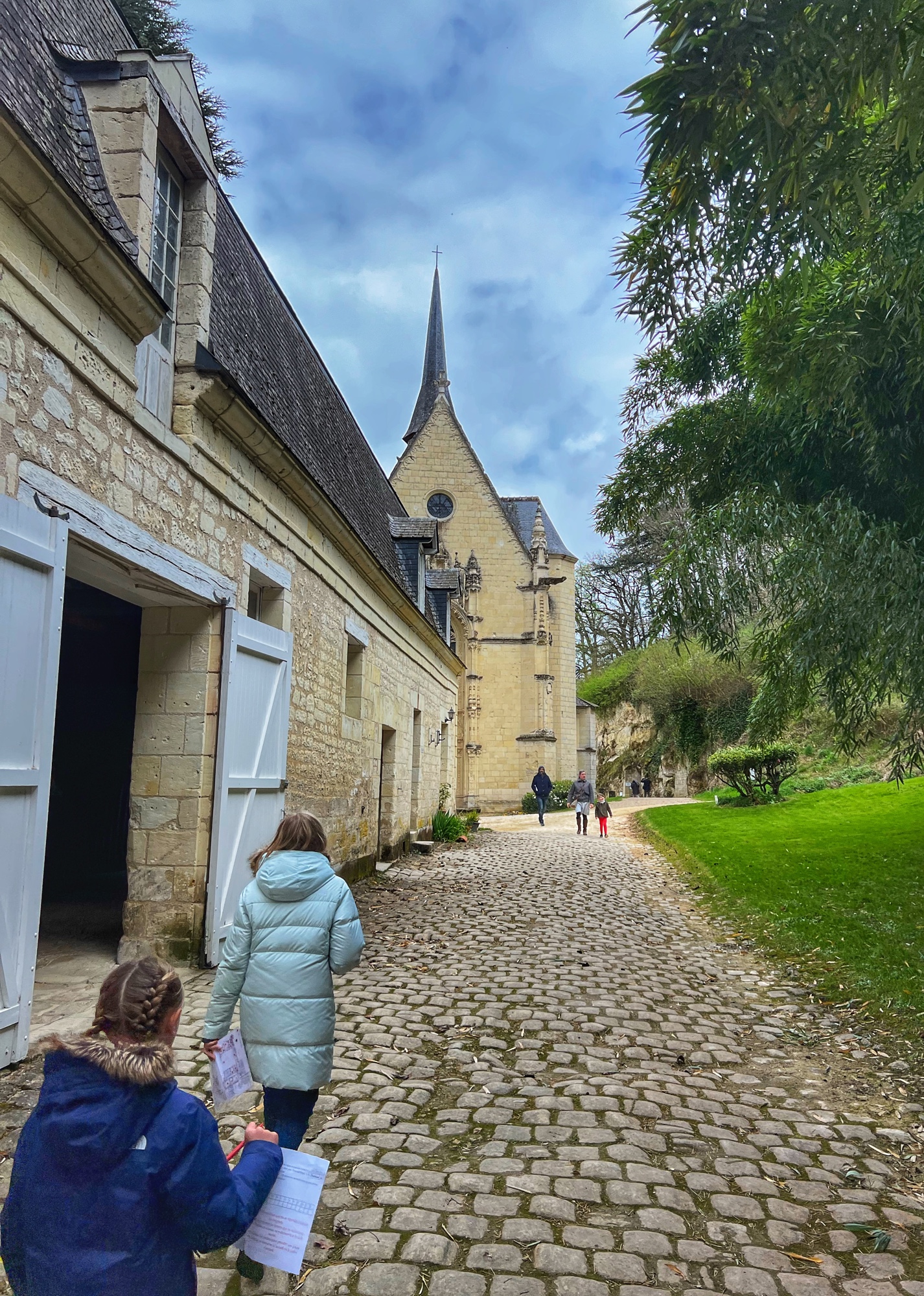
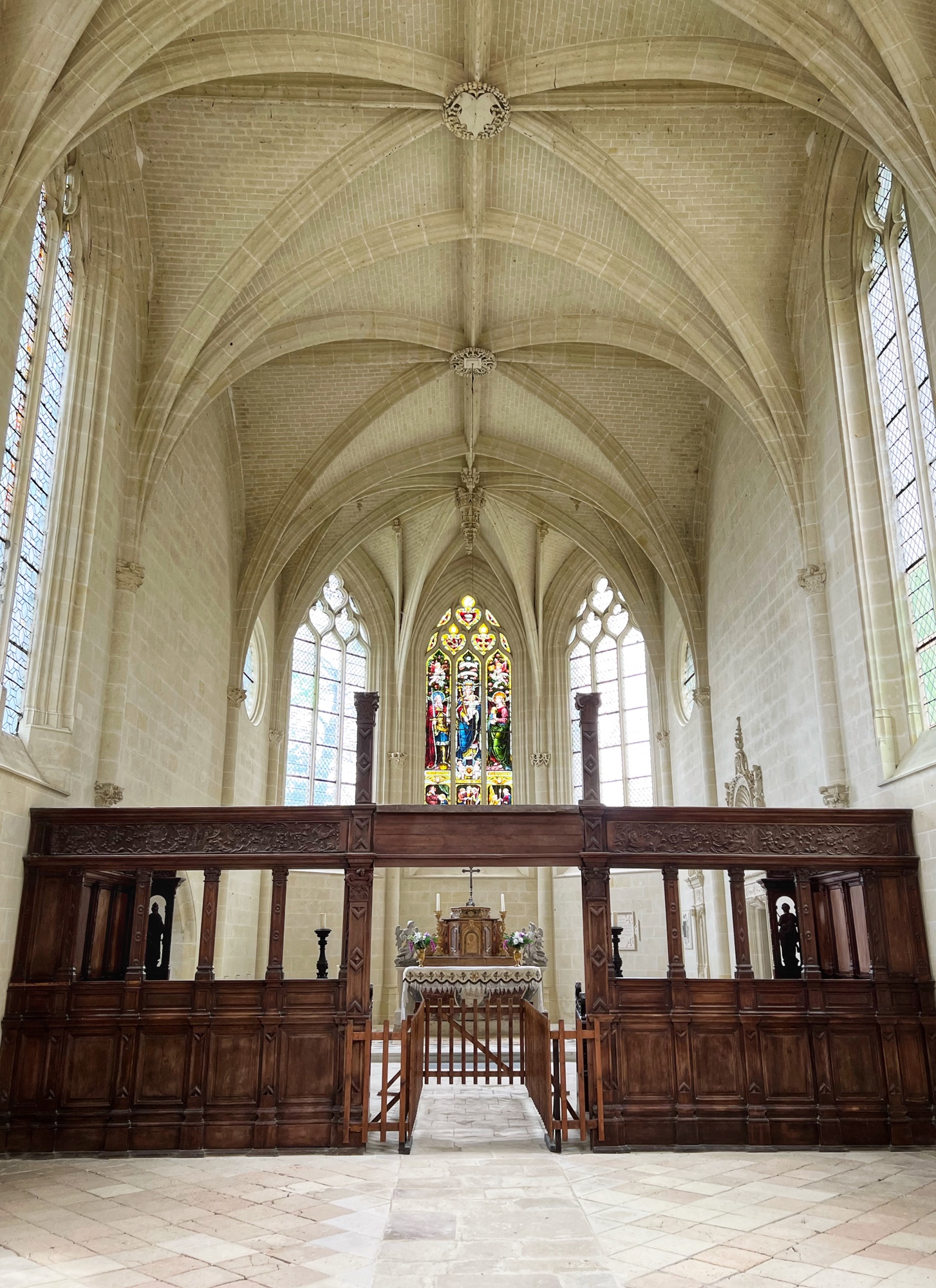
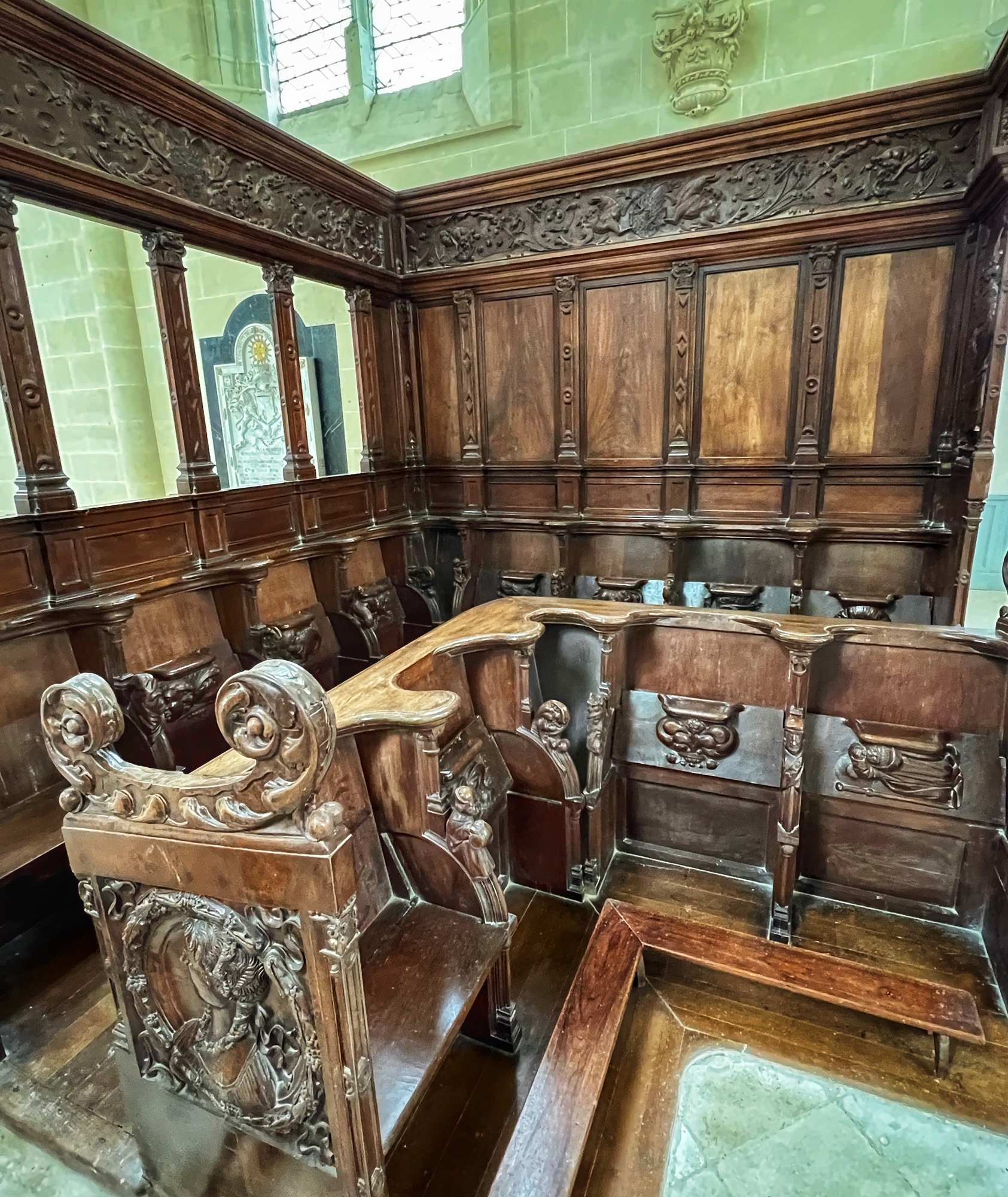
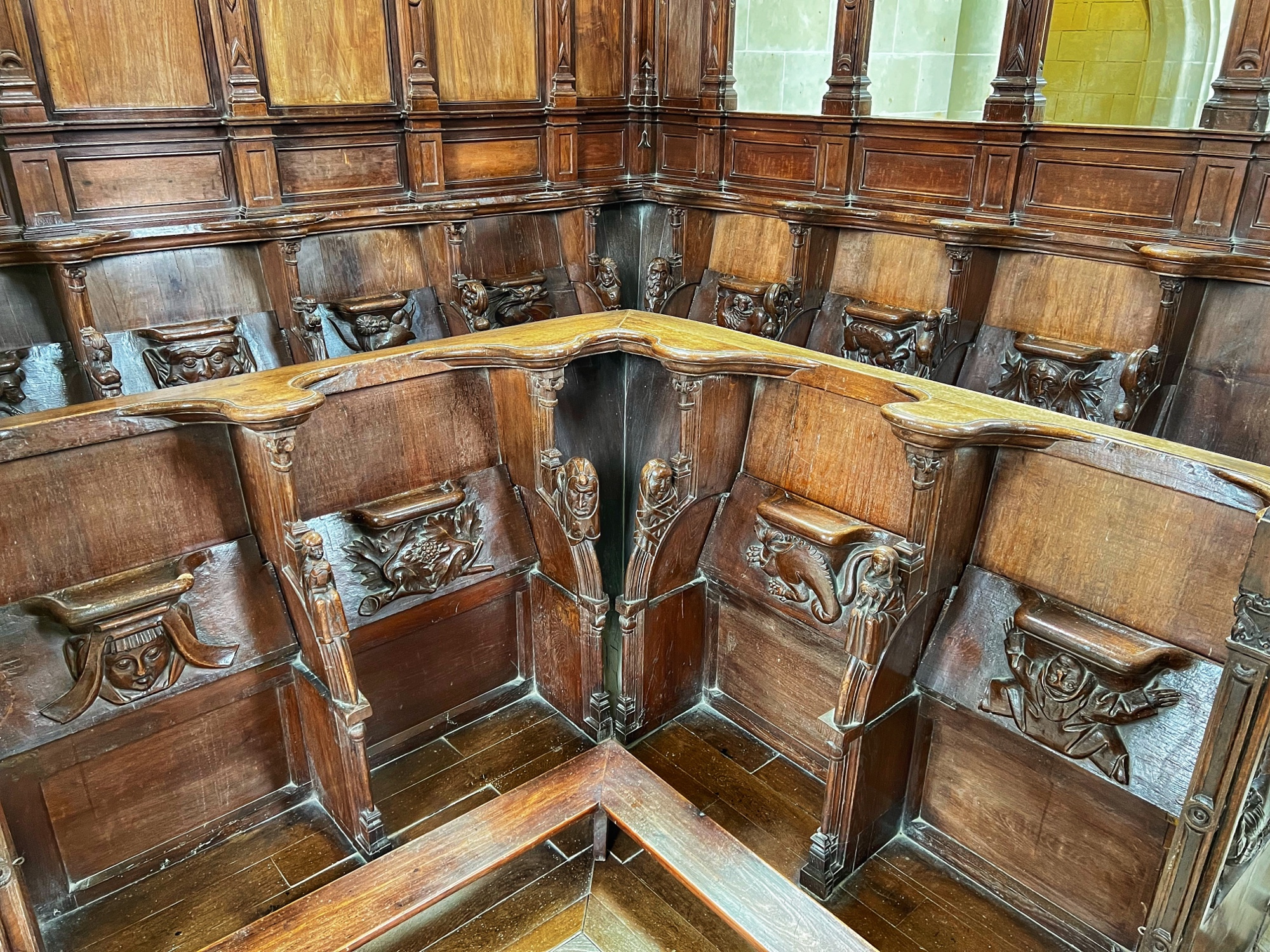
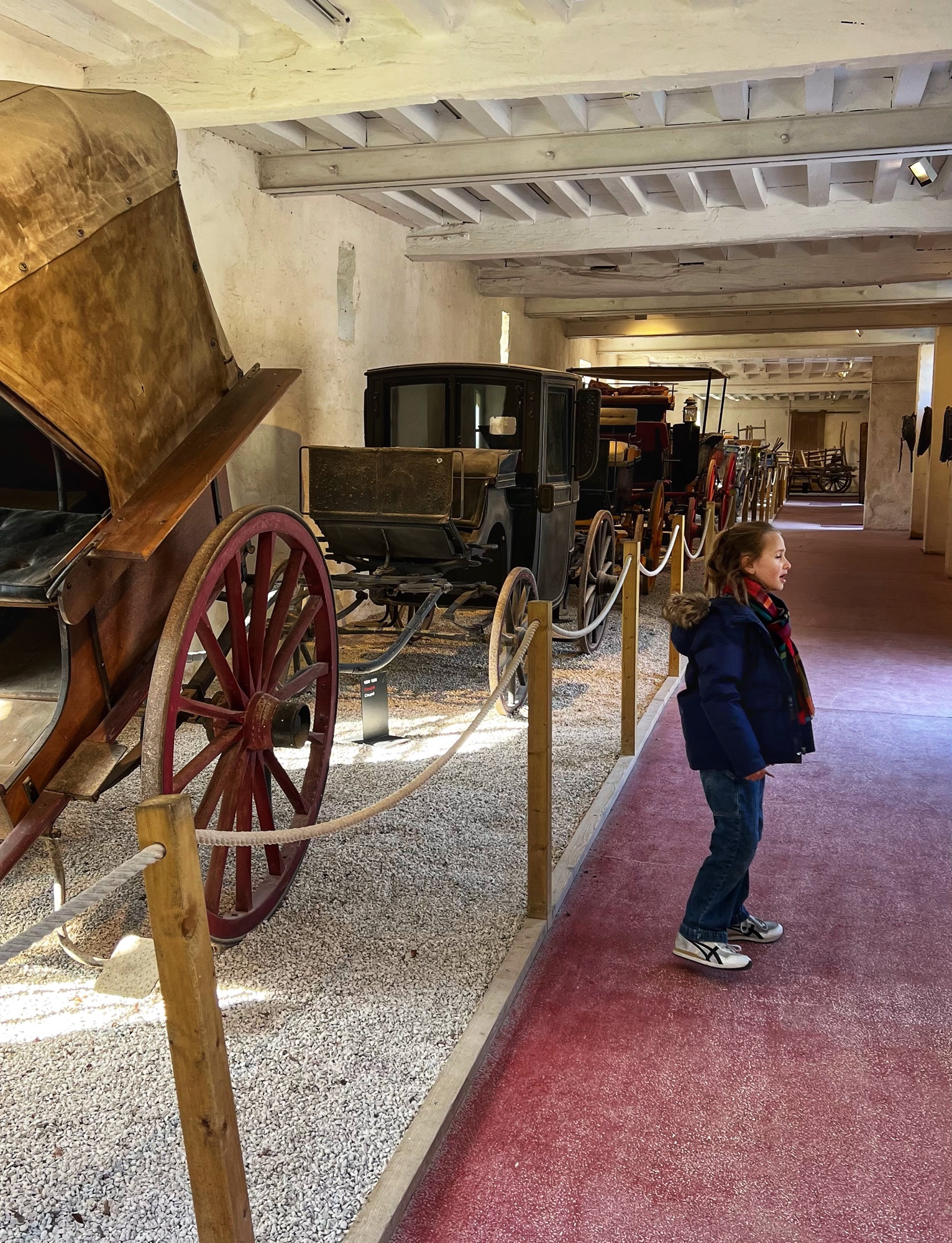
Outside we walked past the small bamboo grove to see the stables and carriage collection. Note the small “dog” carriage on one of the larger vehicles. We also peeked into the caves, now used for wine storage, as well as the chapel. I was blown away by the carvings on the wooden choir seats in the chapel – this was probably someone’s life’s work. Do not miss it! As we walked towards the gardens, we noted the “remarkable” trees, each labeled with a name. We couldn’t believe how huge the pine cones were on one of them! Finally, don’t miss the prison. This is certainly a unique place that carries tremendous history.




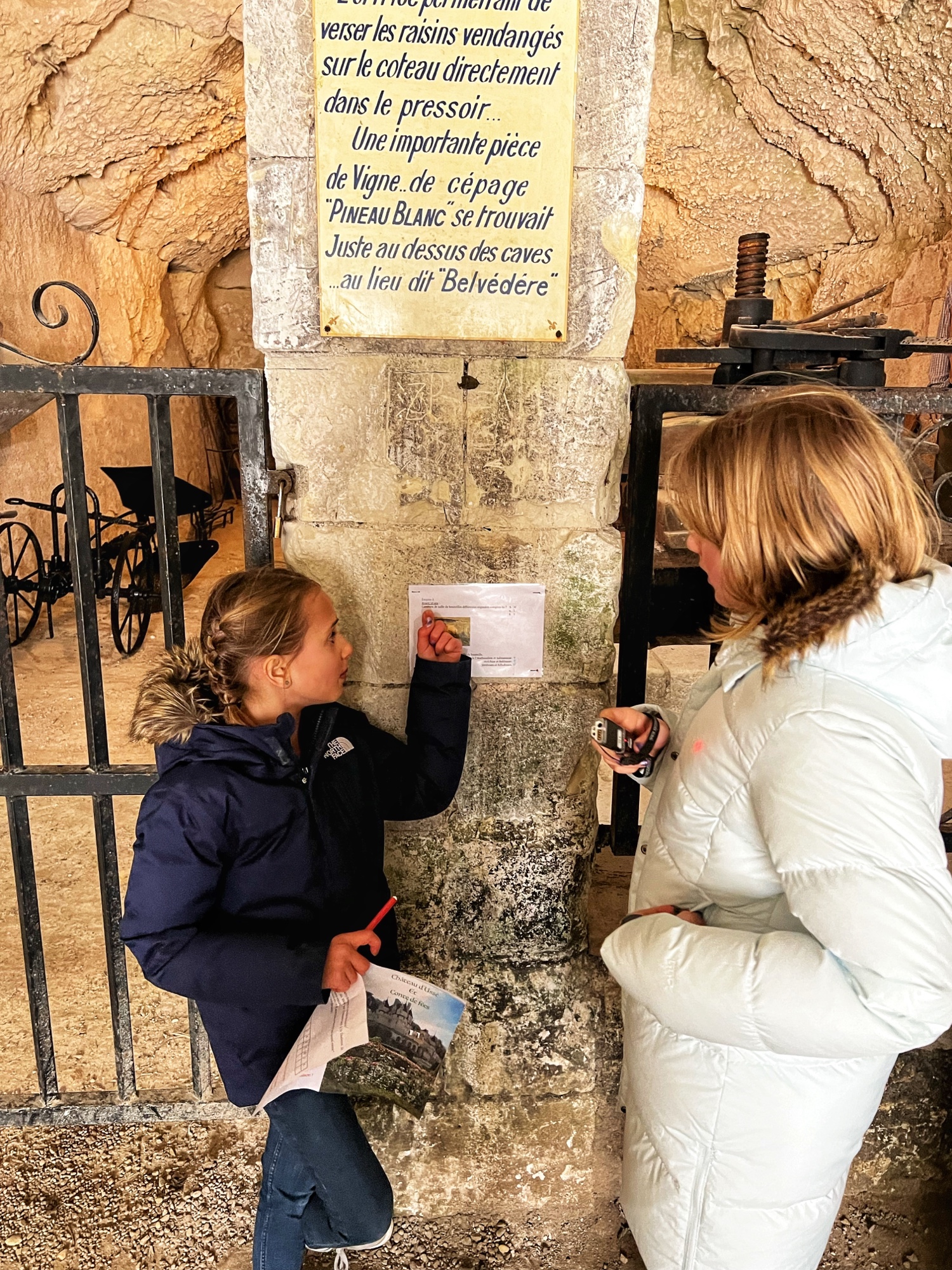
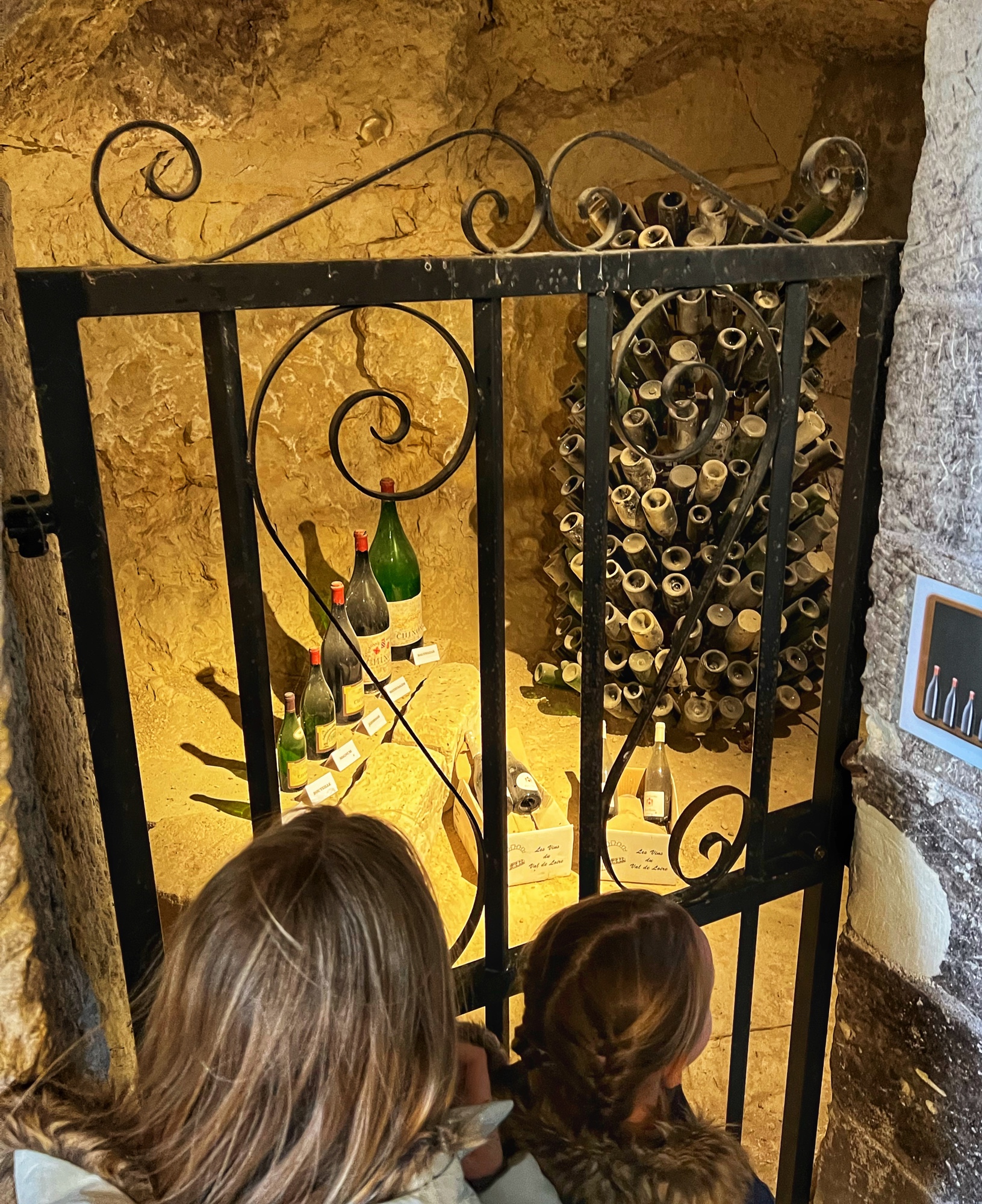
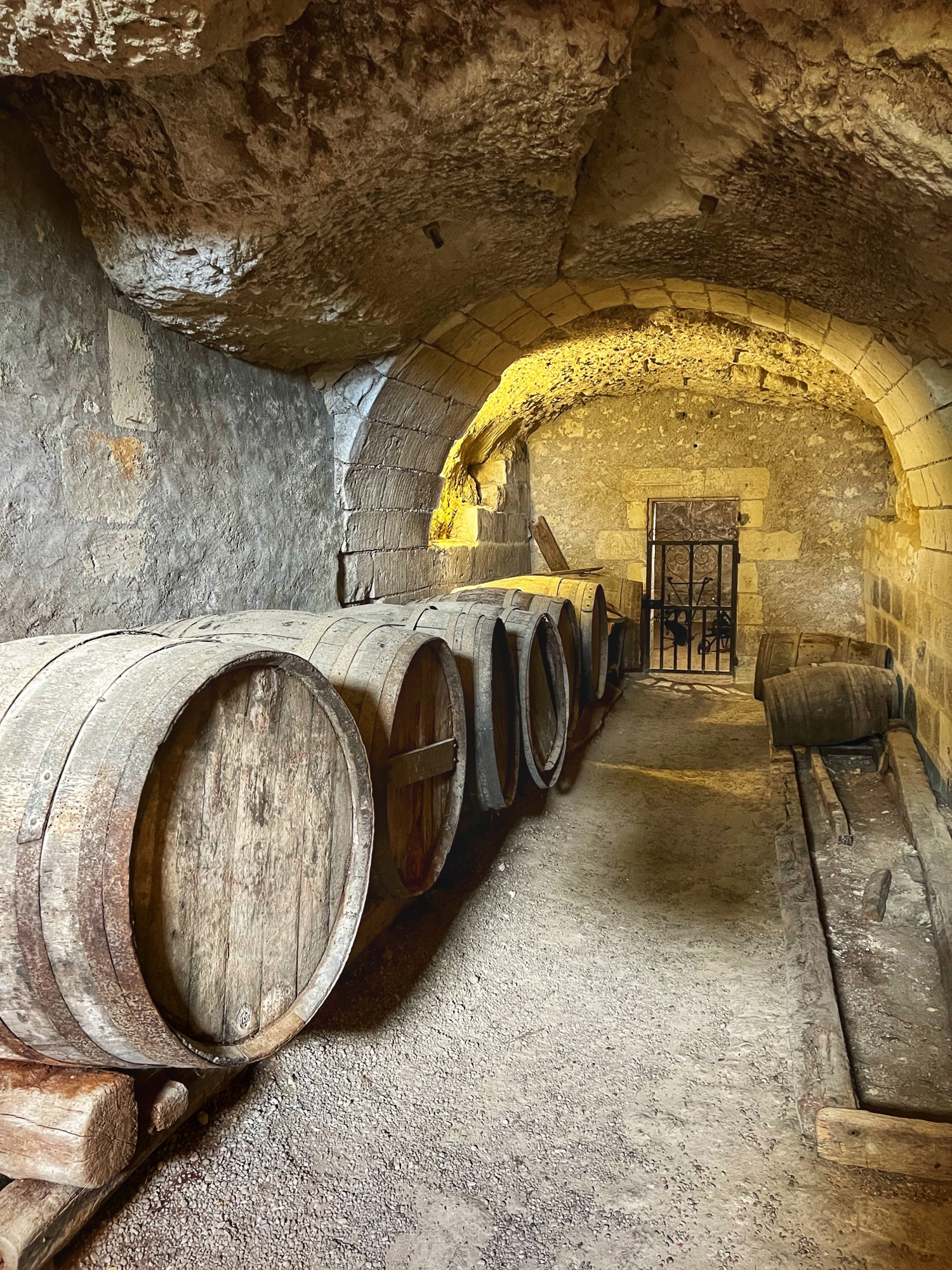
For more information, consult the Ussé website here.
DAY 2
Chambord
- Opening Hours: 9am-6pm (closes at 5pm in low seasons)
- Rates: Adults €14.50, under 18 free
- Parking: €6 P1 or €4 P2
- Audioguide €6.50 for Histopad, €4 Book of Castle Riddles for kids
- Children’s Activities: Book of Castle Riddles
- Highlights: double helix staircase, rooftop, gardens, village with shops and eateries, huge grounds for biking.
- Accessibility: partial, ground floors and outside. Free access.
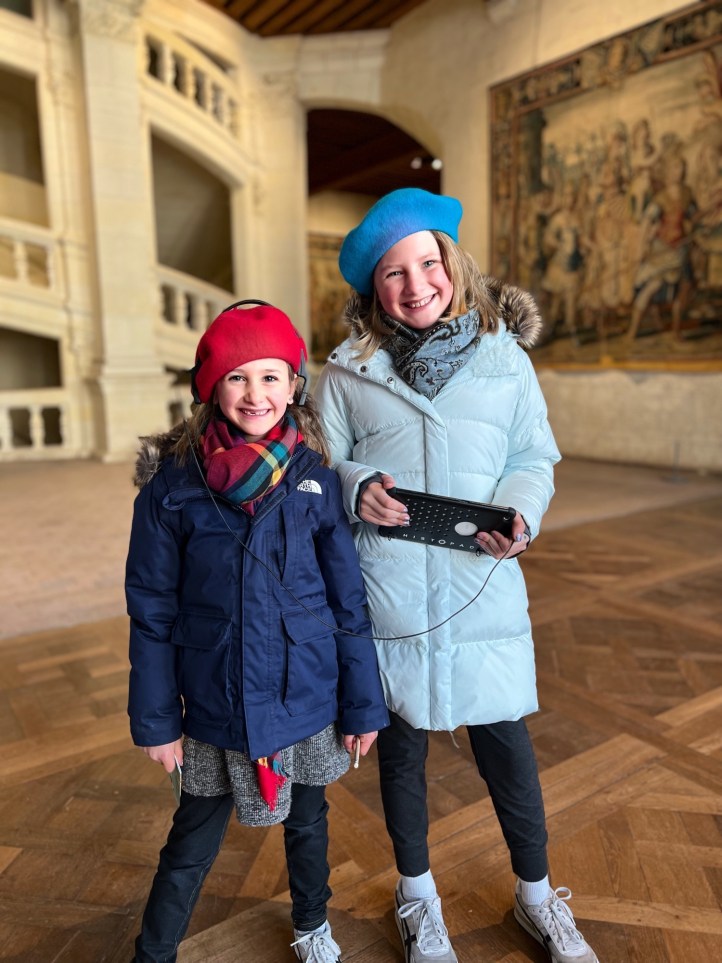
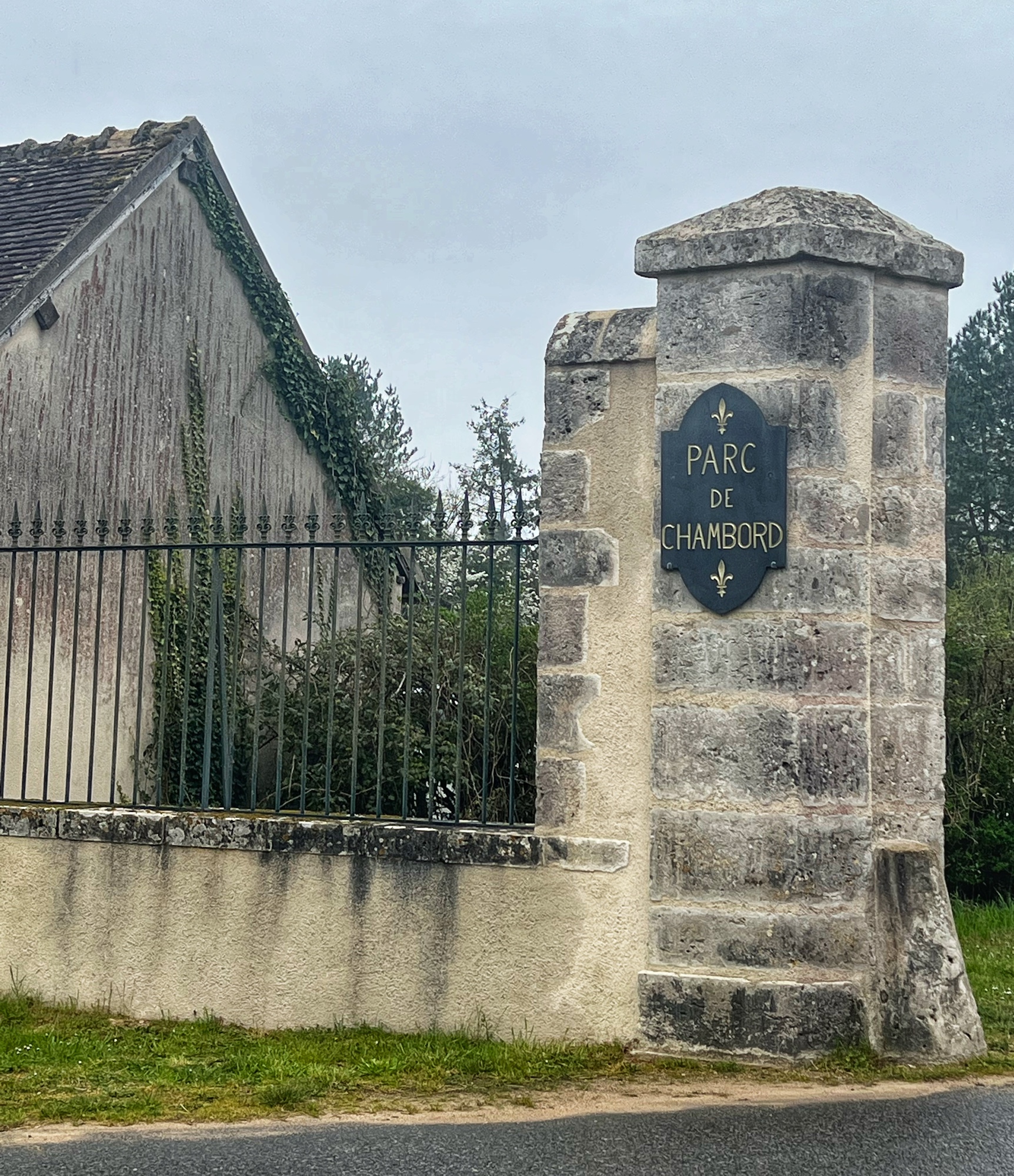
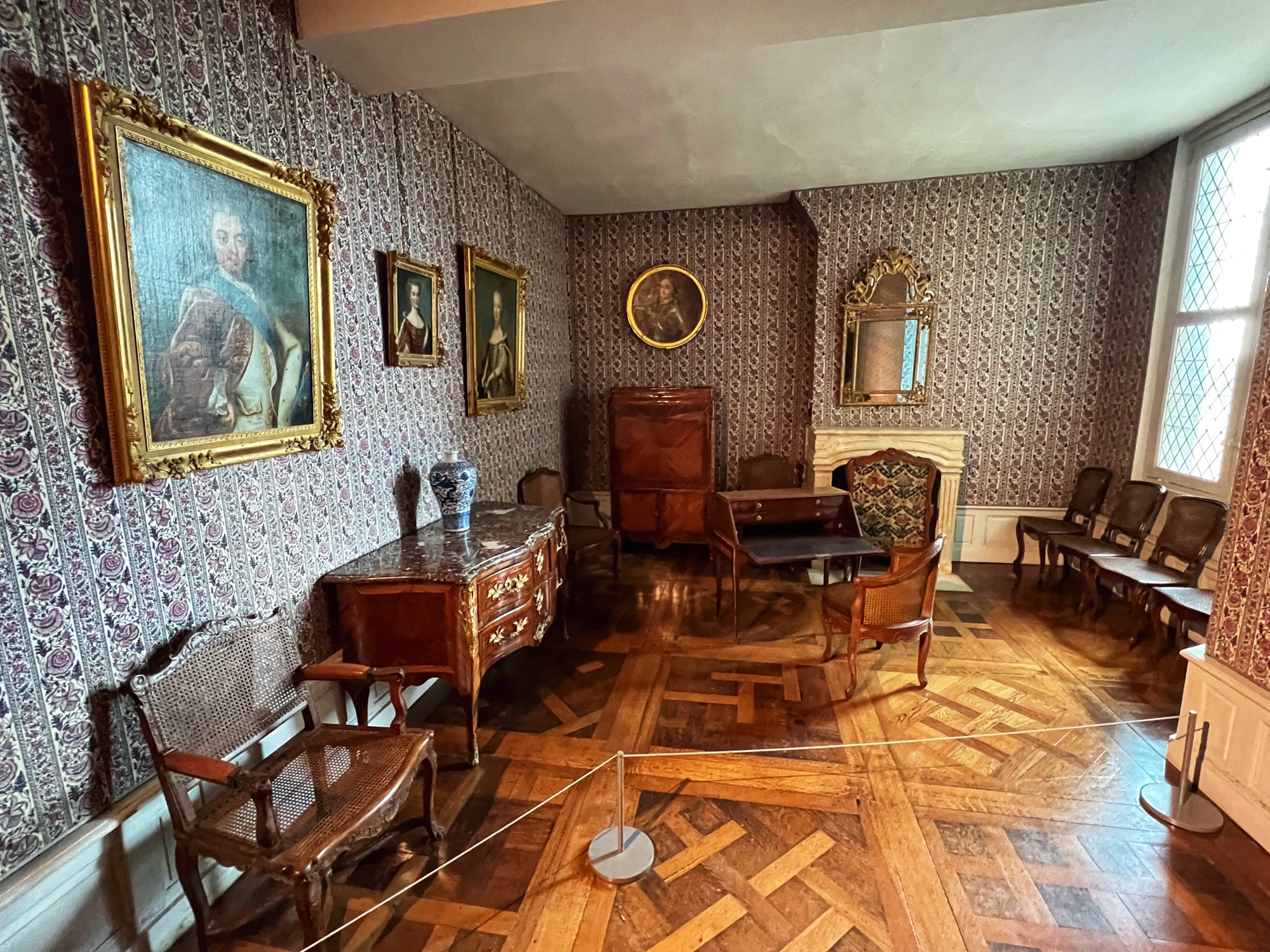
The great Château de Chambord is a marvel, the largest castle in the Loire Valley that wasn’t originally built as a castle – but instead a hunting lodge. Like most châteaux of the time, the vast interior lied empty and dormant until a week before royalty was to arrive. The long caravans of carriages full of belongings consisted of furniture that could always be disassembled quickly as it was moved from place to place accommodating the king or noble people. Most of the items in Chambord are good examples of this.
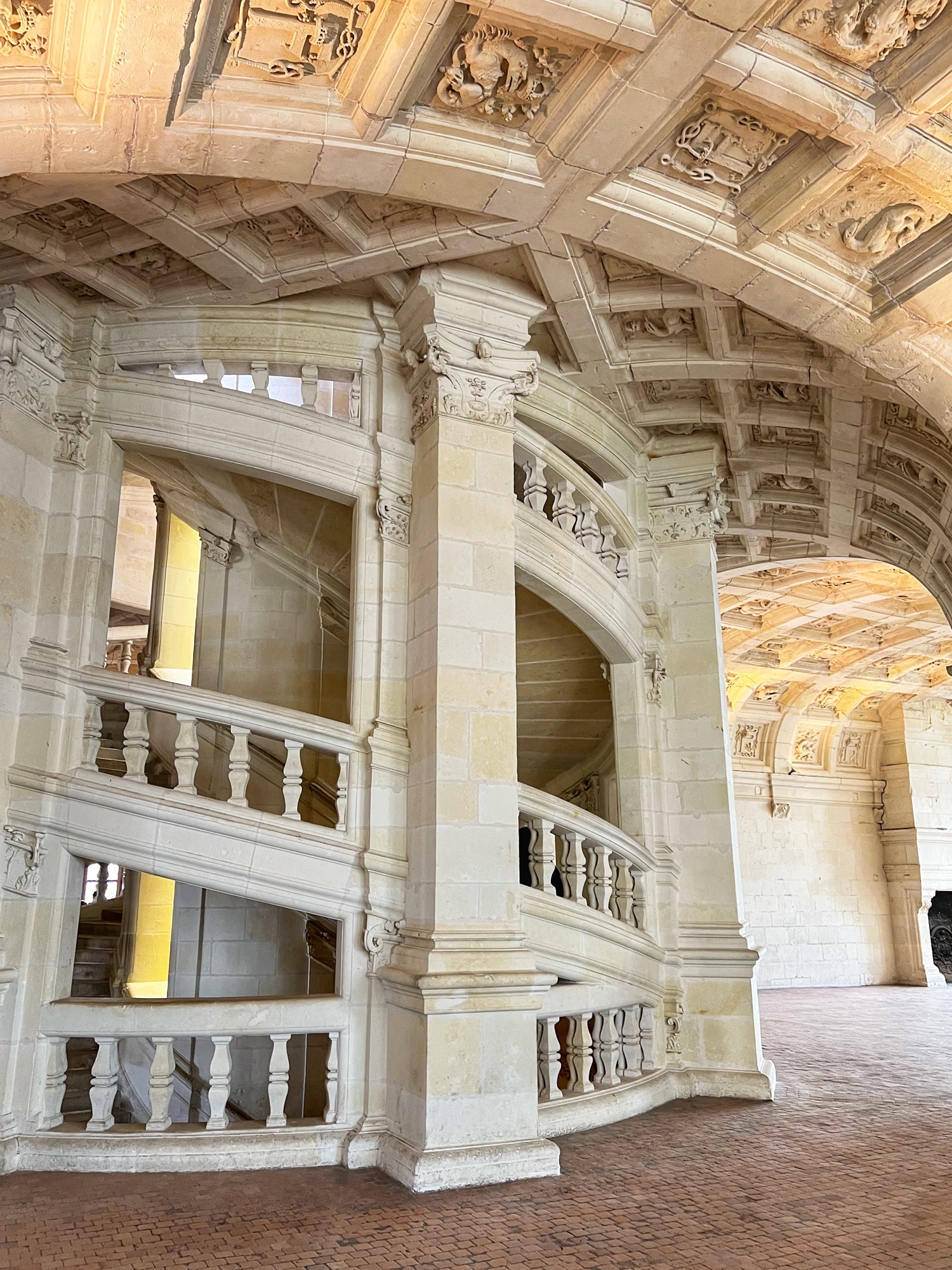
Built in the early 1500’s by Francois 1st over 28 years while living at nearby Blois and Amboise, this enormous marvel of medieval and renaissance architecture was inspired by the work of Leonardo DaVinci. DaVinci may have been consulted for the famous “double helix” staircase – two spiral staircases intertwined. The rooftop was intended to look like “the skyline of Constantinople.” The chateau has 440 rooms, 282 fire places, and 84 stair cases! Perhaps most impressive is the 19 miles (31 km) of wall enclosing 13,000 acres (52 sq km) of land that was used for hunting and is now a national estate.
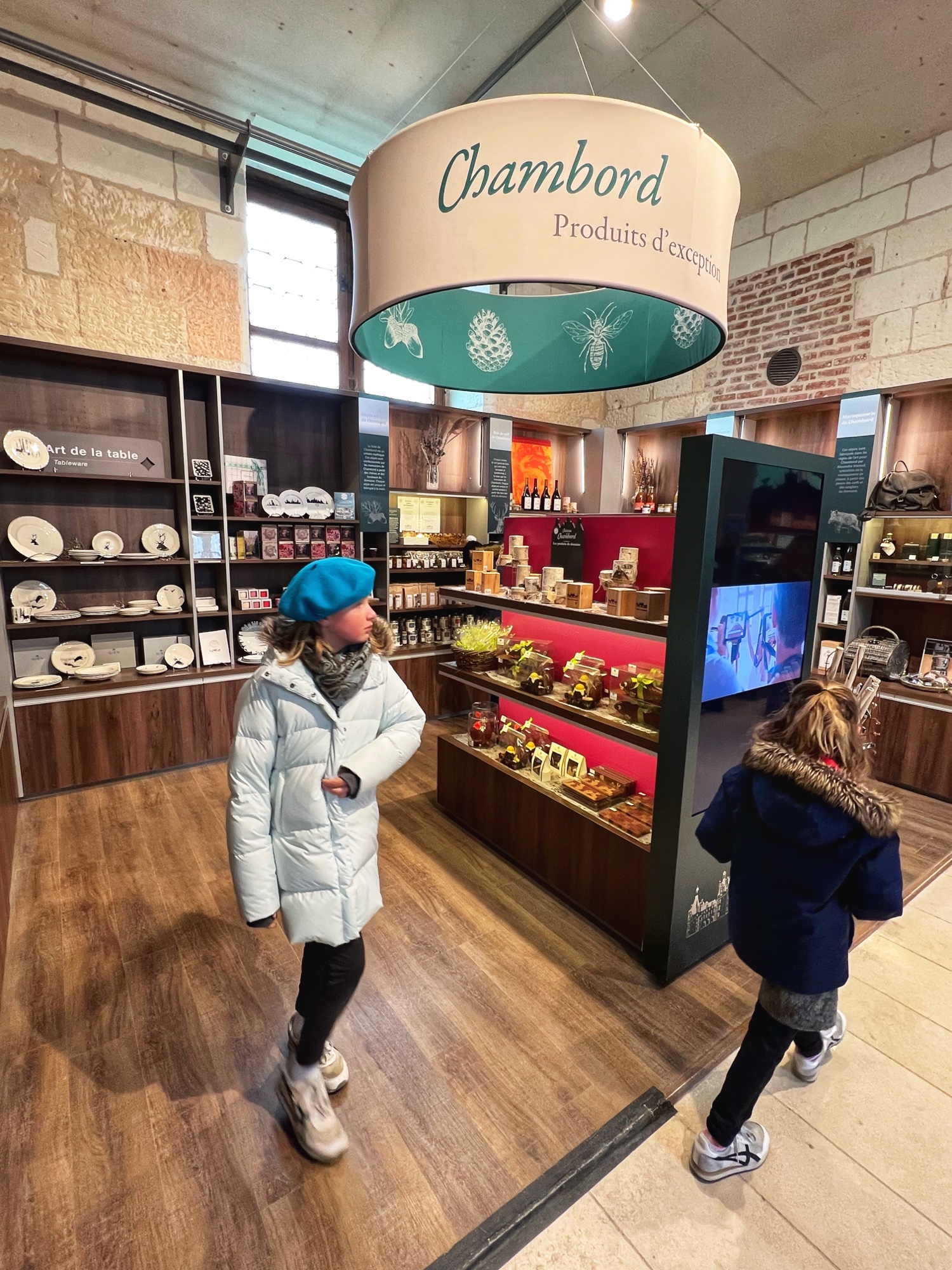
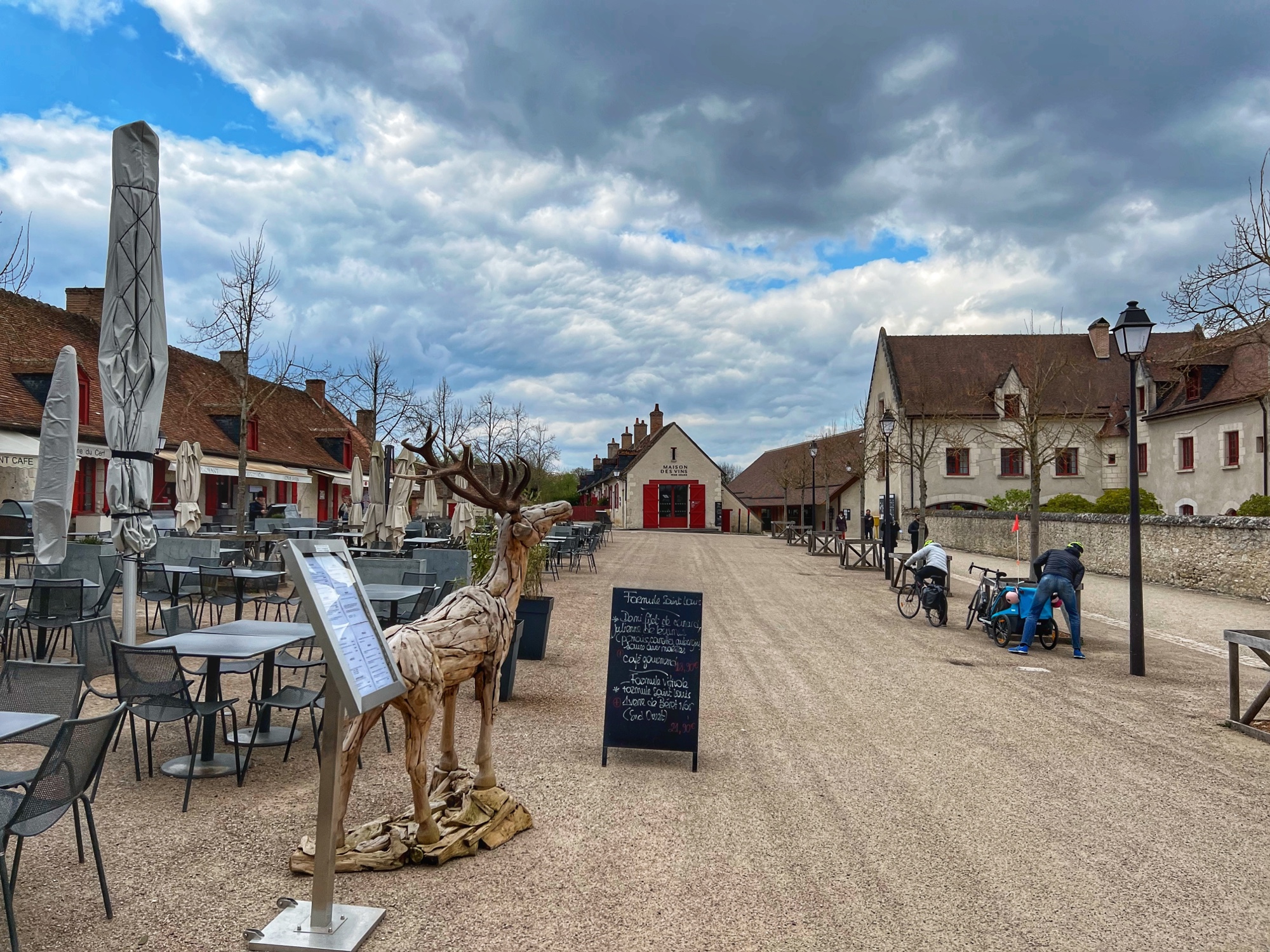

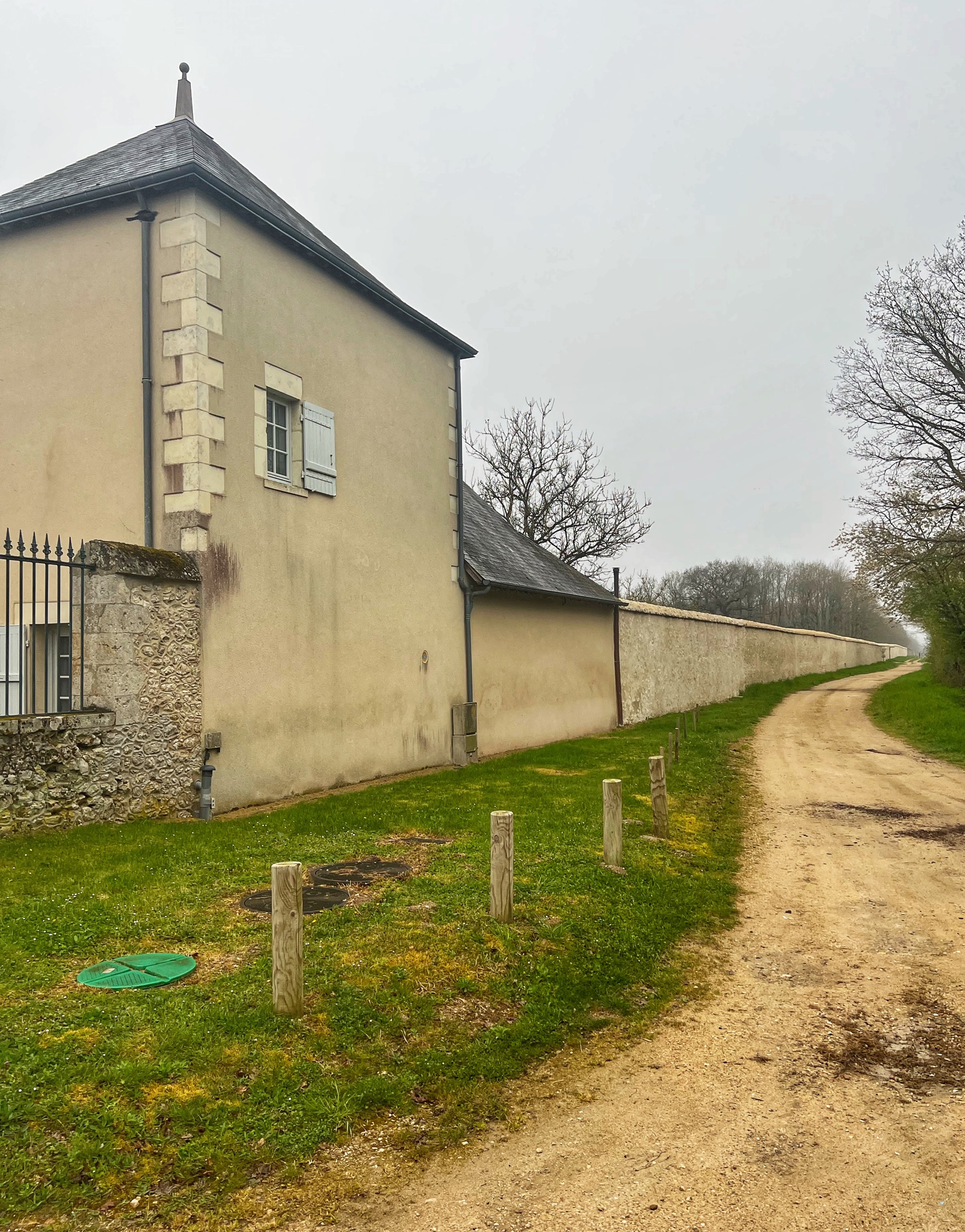
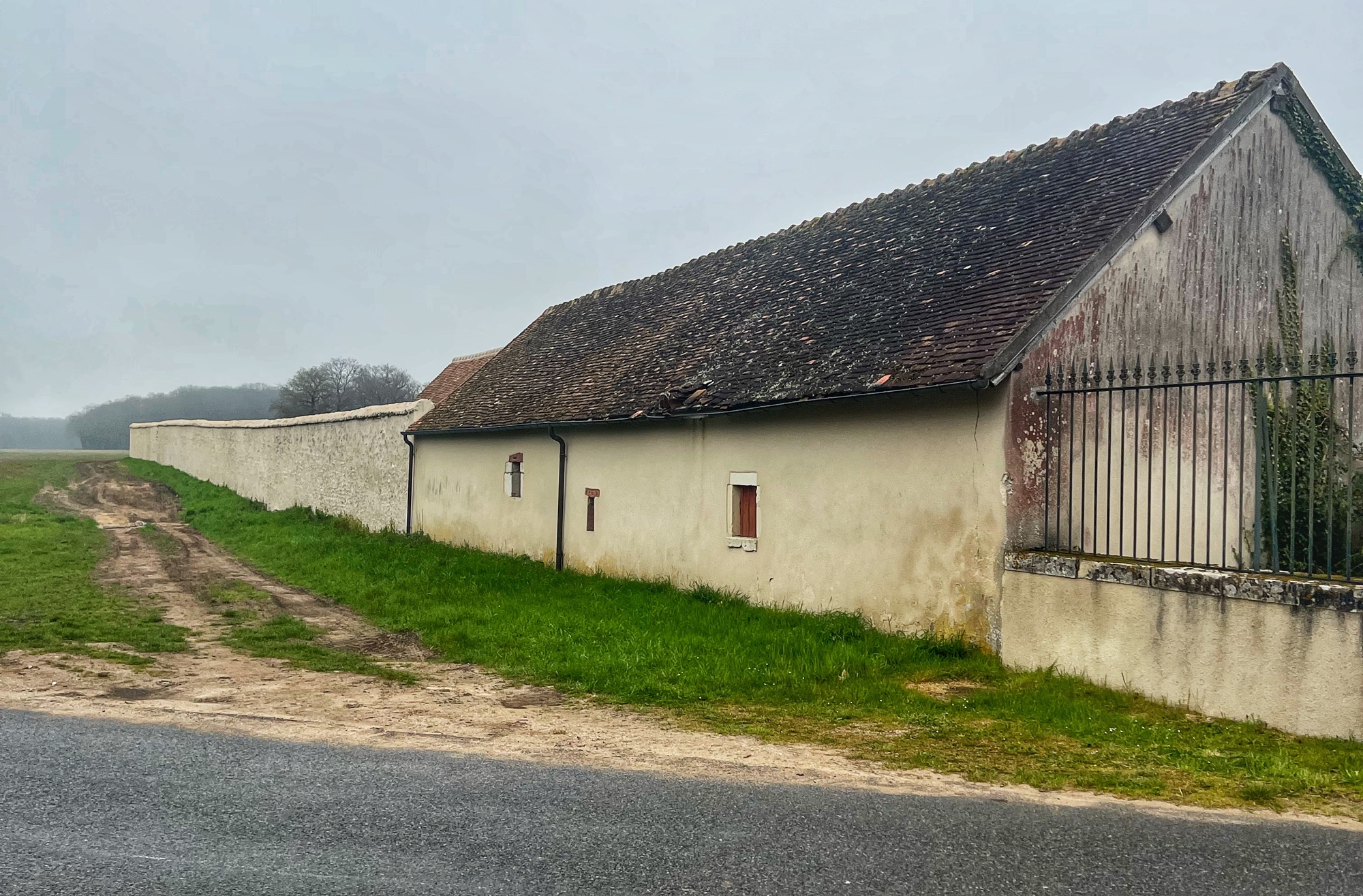
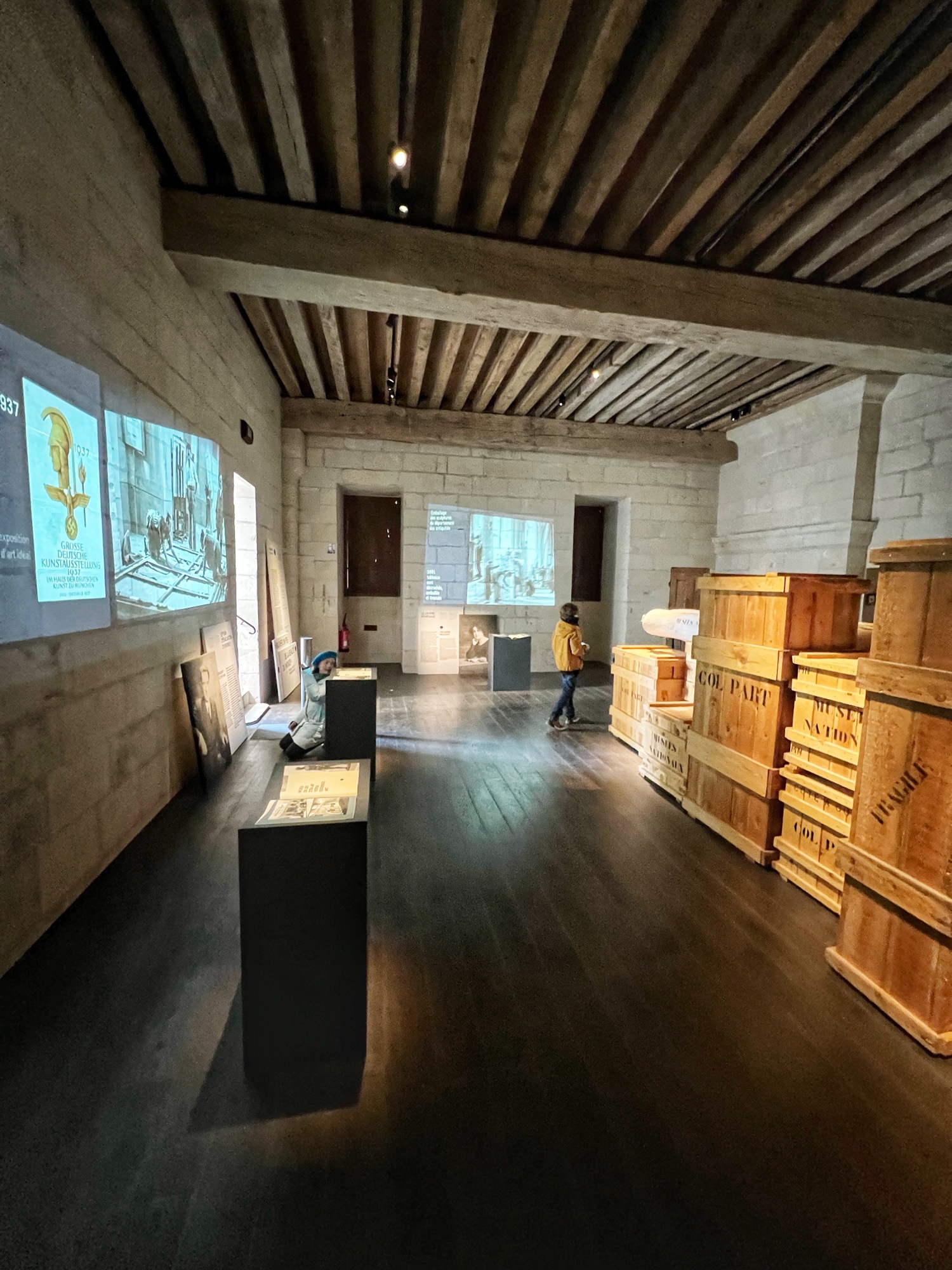
Over the years as it changed hands, the château continued to be a source of pride and during WWII it was used to hide thousands of artworks from the Louvre – stored behind its massive walls away from the Nazis. Today, inside a small rooftop room, this secret historic event is brought to life with examples of crates and boxes used to house priceless artworks. Chambord is also home to many gardens and vineyards, and boasts beautiful organic wines that are not to be missed!
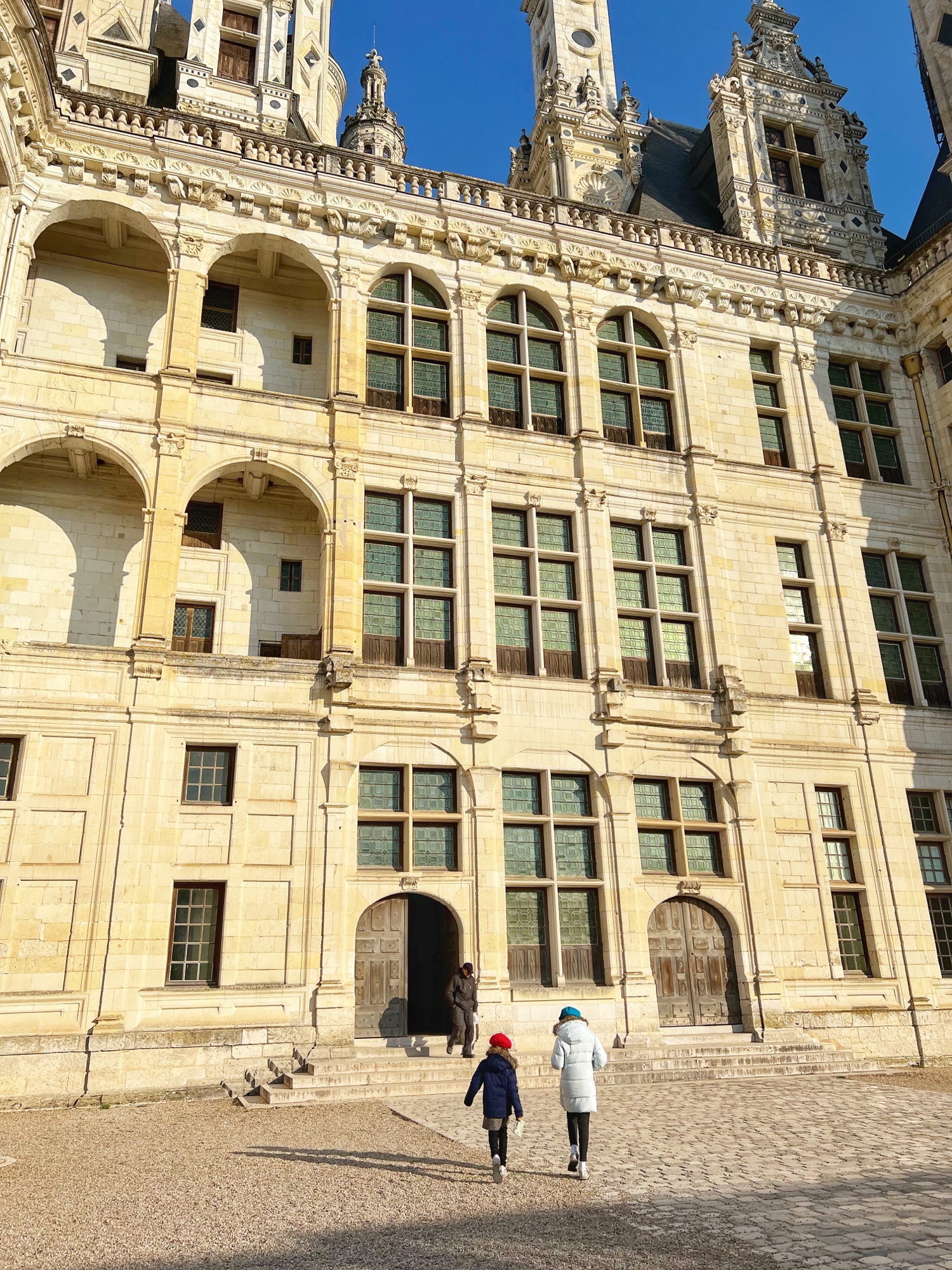


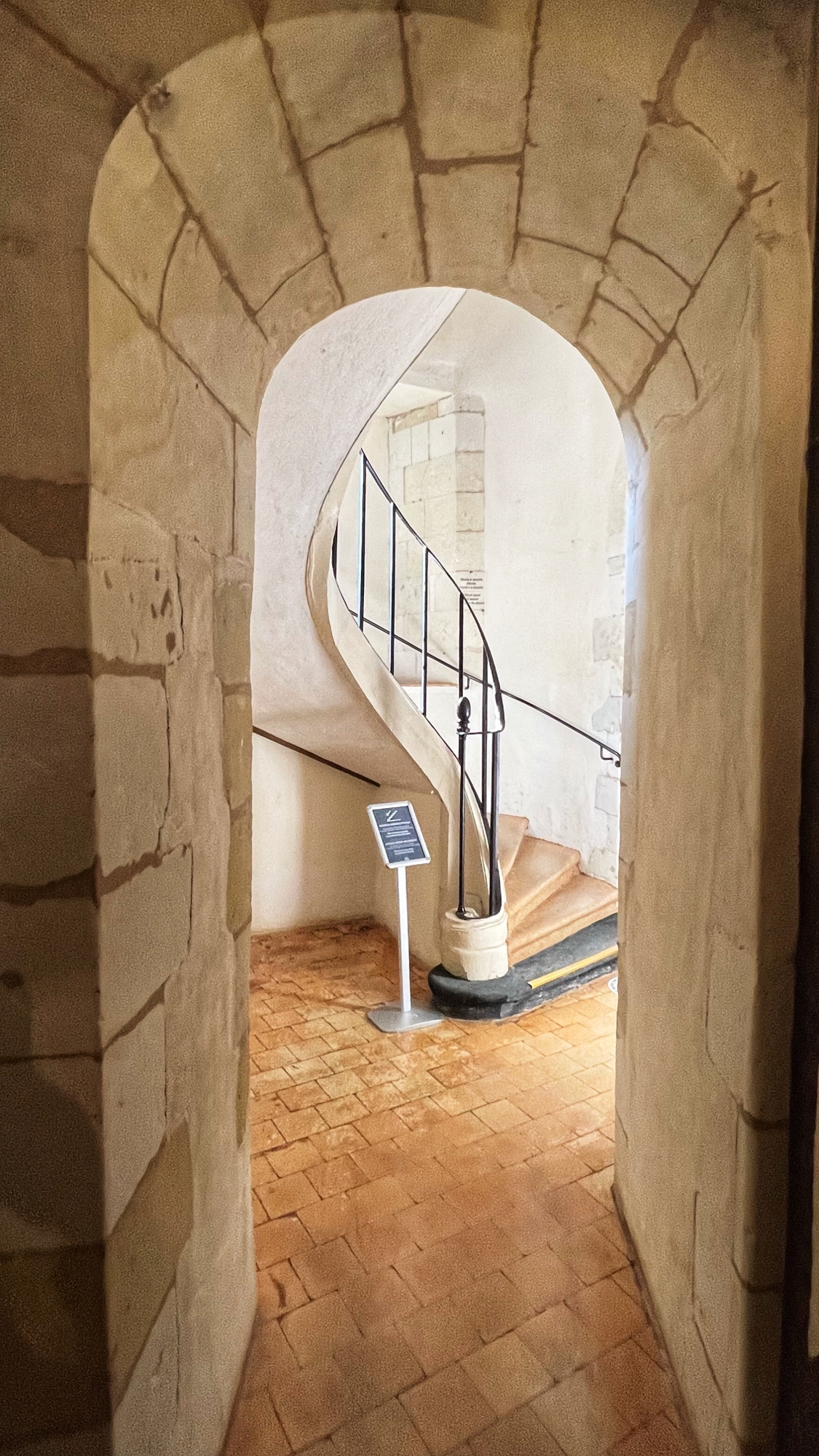
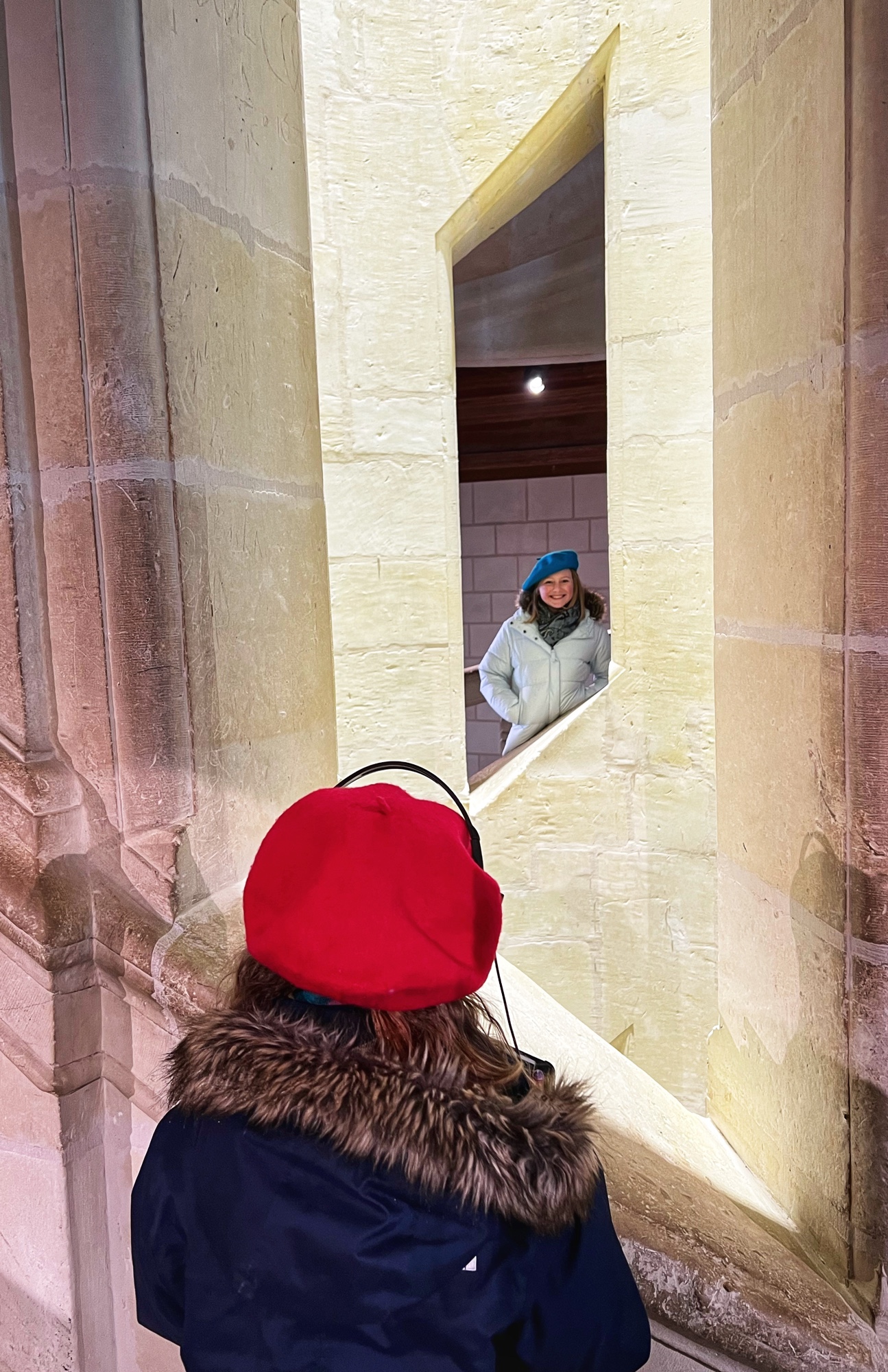
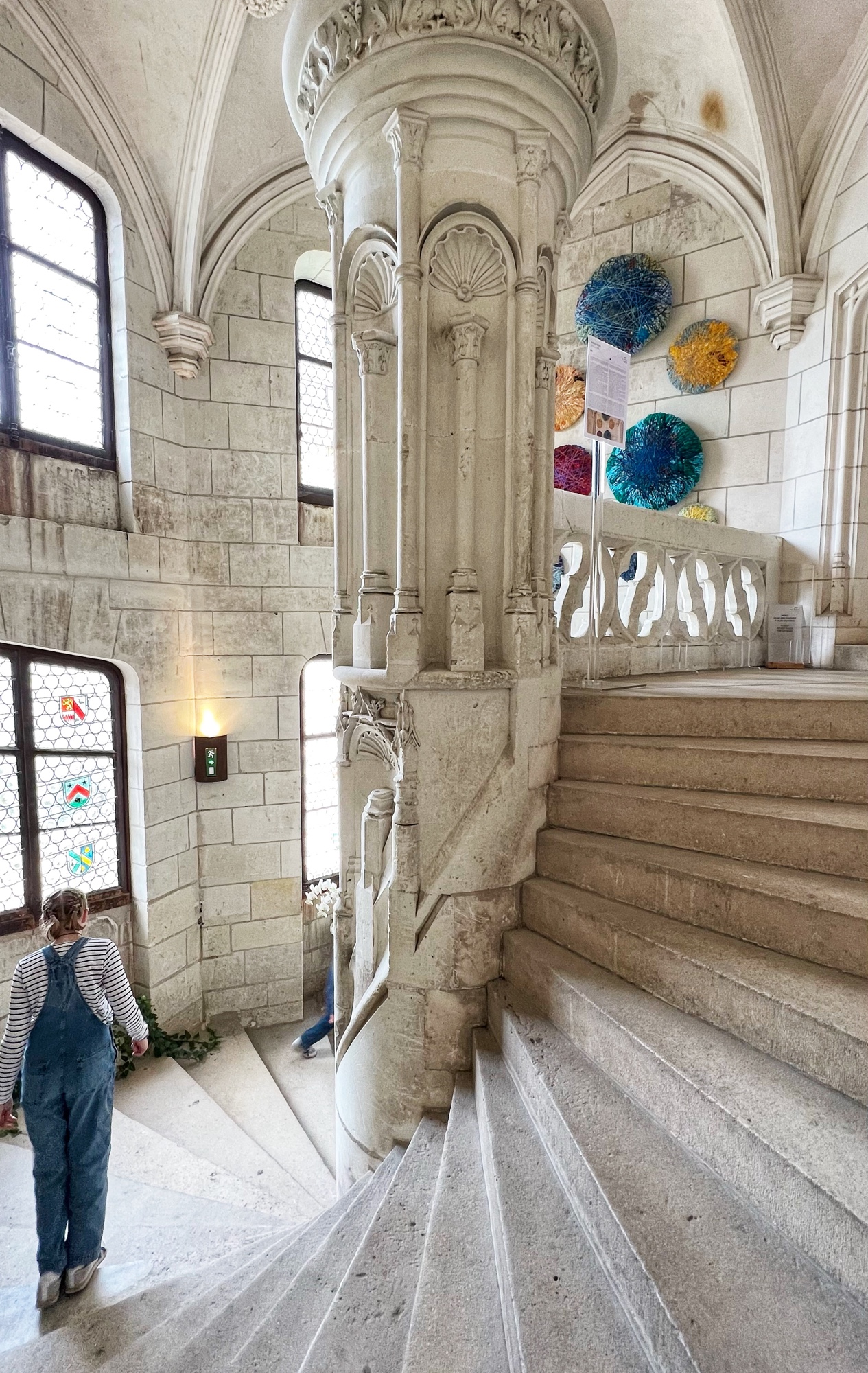
If you visit Chambord with someone, be sure to test out the staircase, walking up each side all the way to the top! You can peek through the windows on each level to see each other, and look all the way up the massive column from the bottom.


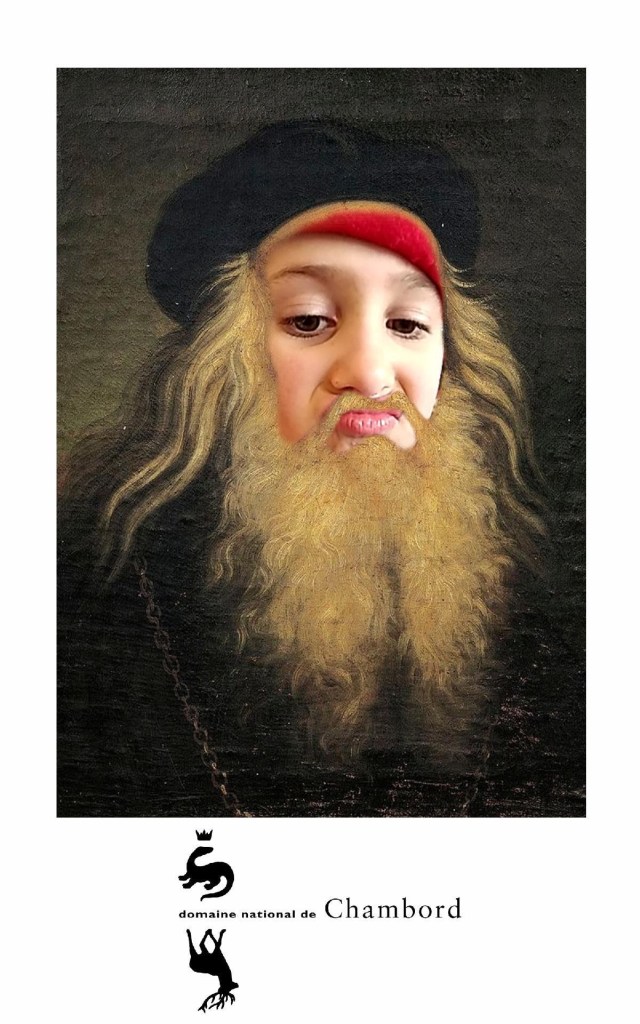
The Histopad was a big hit at Chambord for the kids, bringing the castle to life in each room. If you have never seen a Histopad before, the screen shows what the room would have looked like hundreds of years ago. Also there is a little challenge where you can find hidden coins in the virtual rooms and collect them all for the chance to make silly selfies like this one of Leonardo DaVinci. Some Histopads have audio and some don’t. This particular Histopad had headphones and an audioguide. There was also a room dedicated to a series of informational films with screens in various languages. It was great! The kids also enjoyed the little riddle book they worked on together (in French only) but I’m not sure it’s worth €4. I love Chambord, but I wasn’t impressed with how they nickel and dime patrons. At many castles the audioguides and Histopads are included in the ticket price. We always appreciated that! Another option if you don’t want to tour the castle yourself is to join a tour. Of course this is an extra cost, but if you don’t have children with you, there is no better way to get an earful of history than from a tour guide. With kids, though, I think the Histopad and riddle booklet are the way to go. It certainly kept my girls engaged!


Because this castle is so huge, it is easy to get turned around and retrace your steps – and even get a little bit lost! The nice thing about the Histopad is that it acts like a gps through the château and highlights the areas you have already visited, so you can see where you still need to go. It’s great! It shows you where you are and makes navigation a breeze.
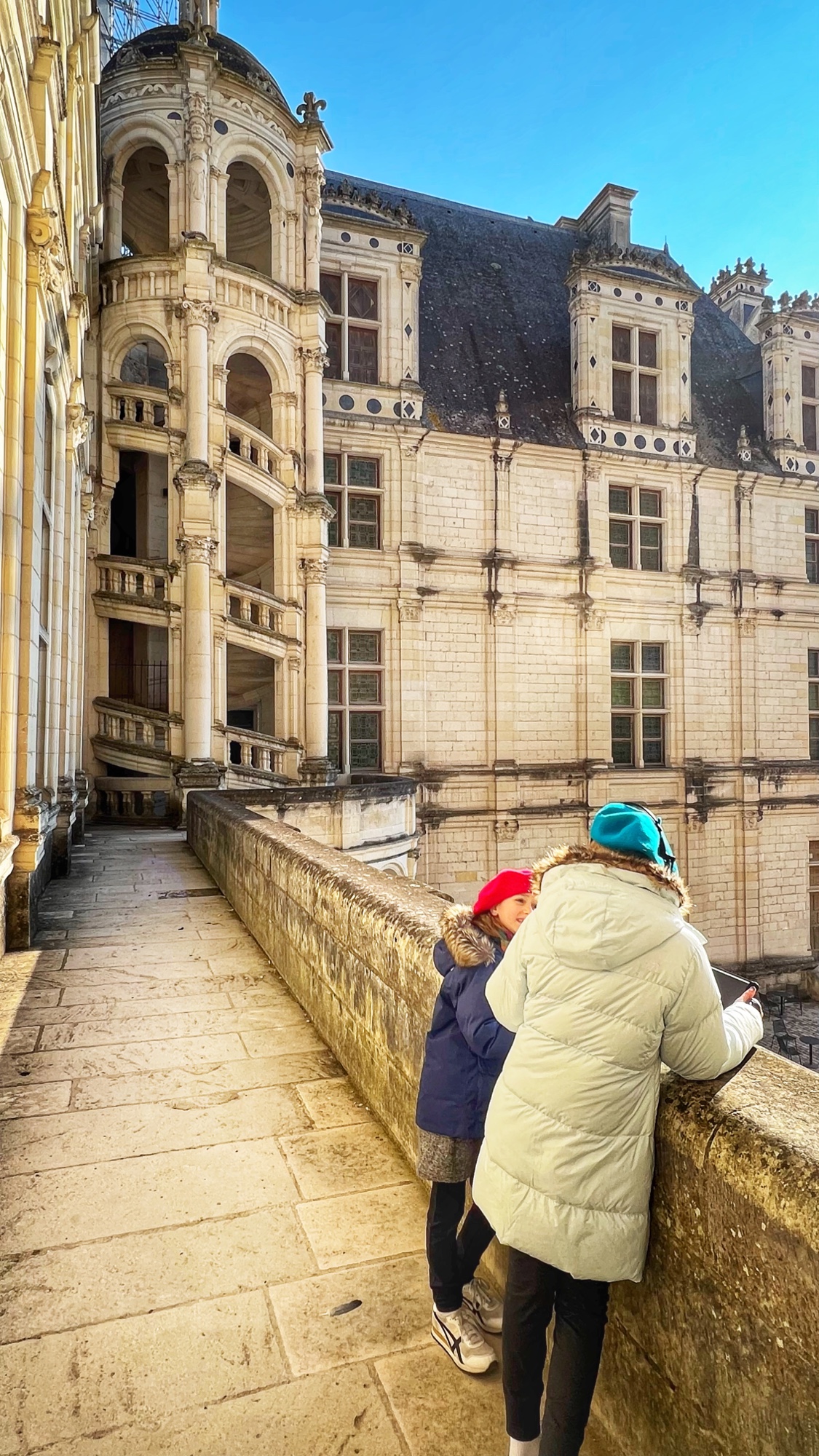
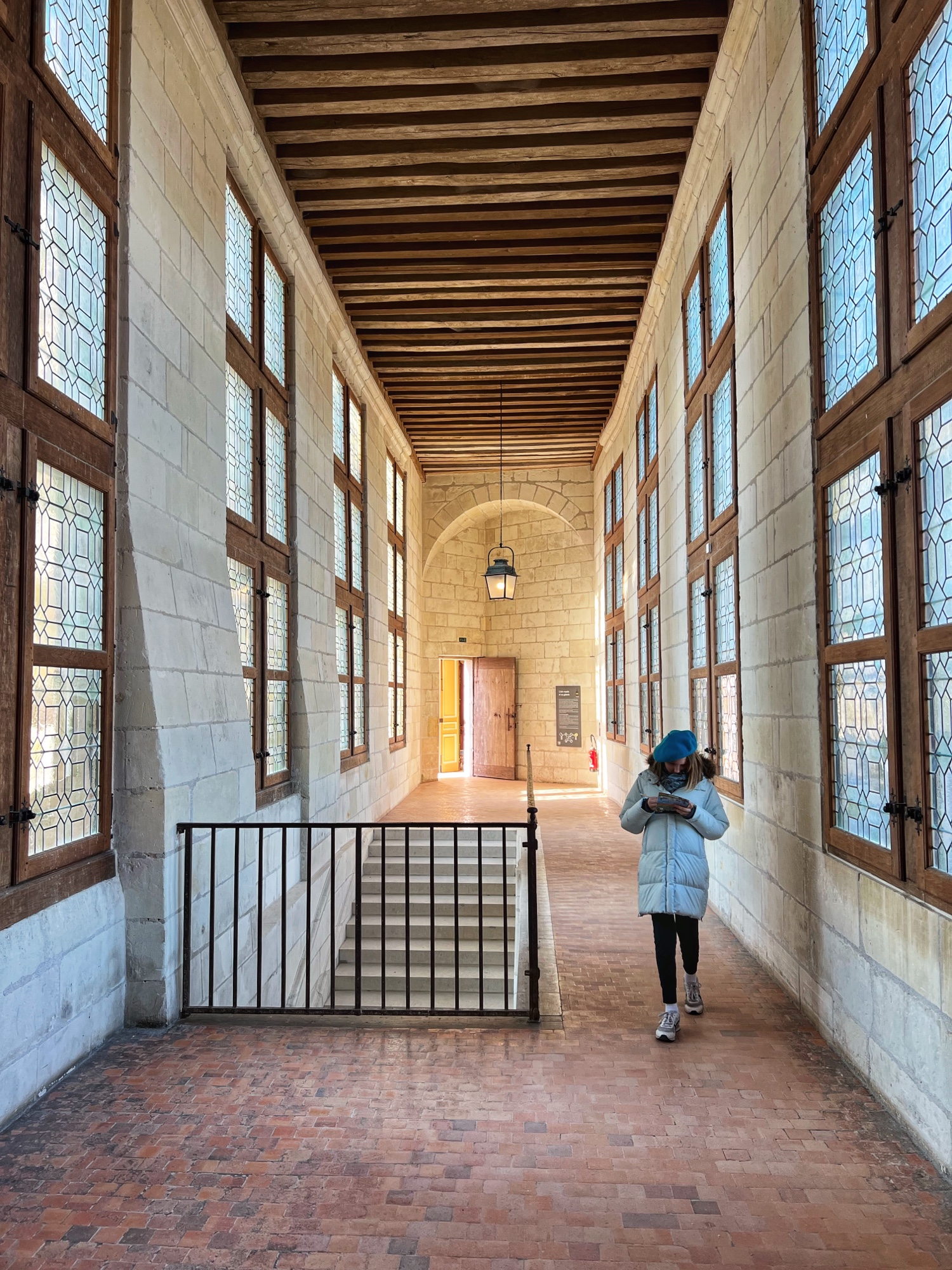
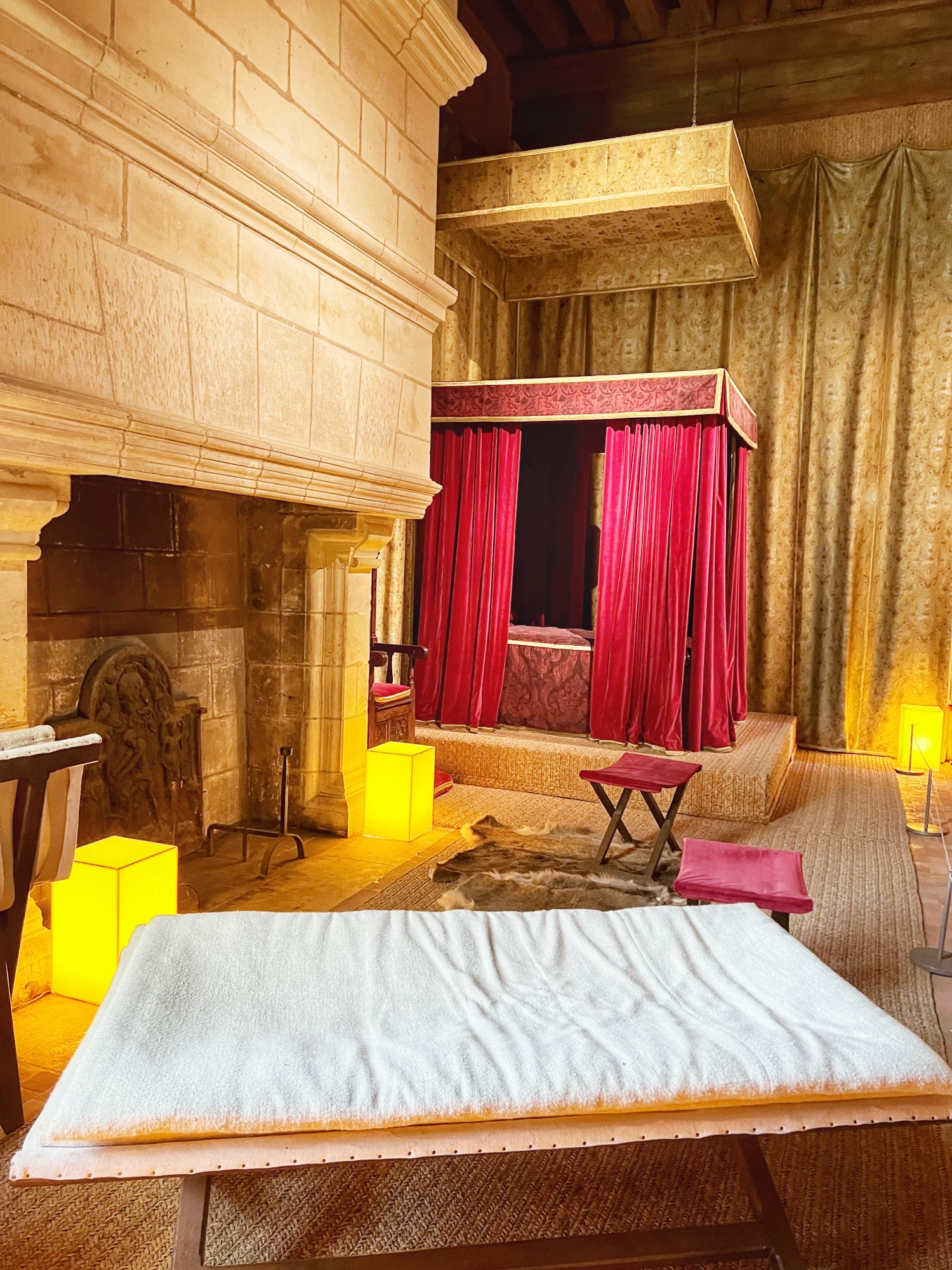

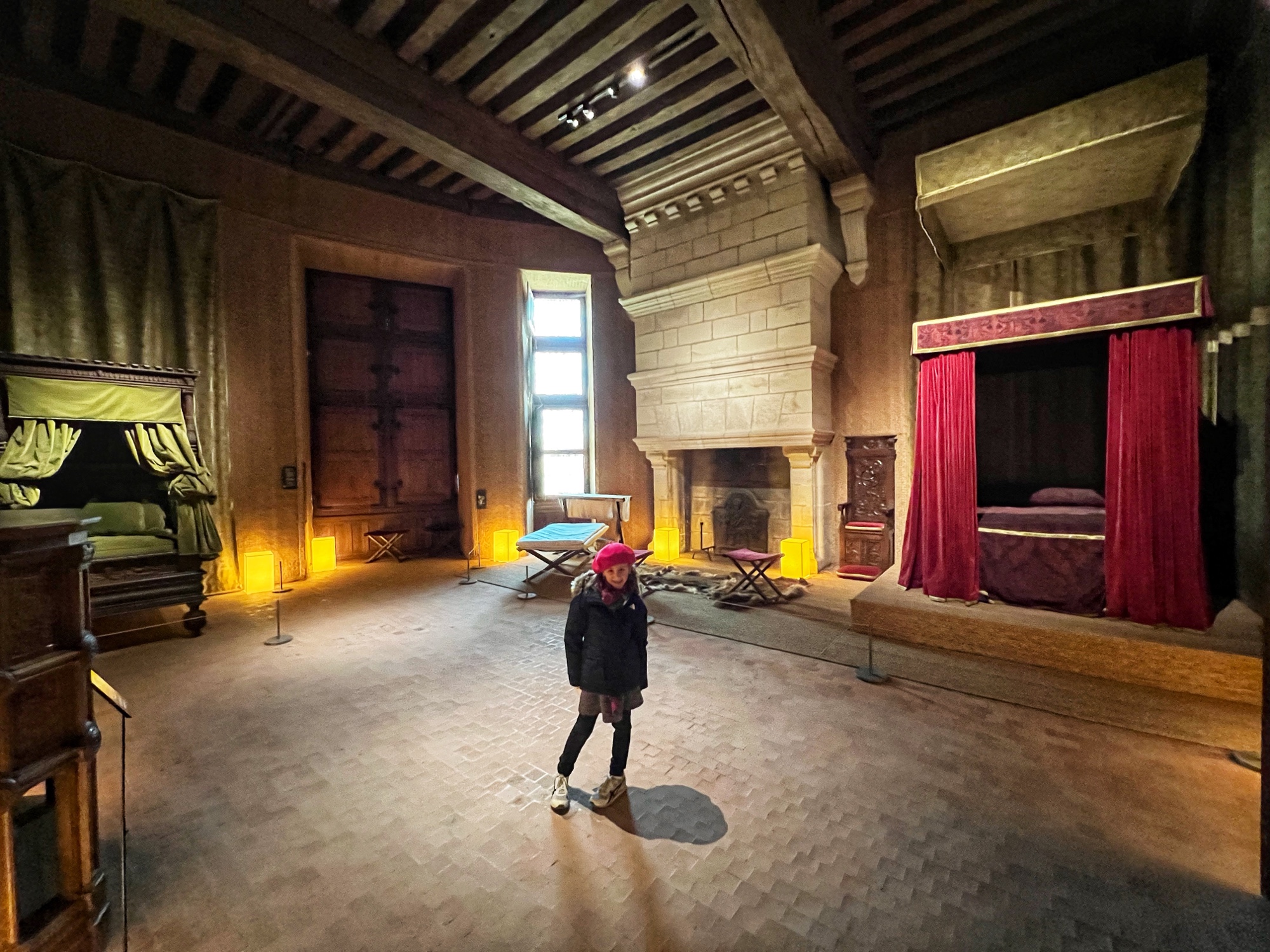

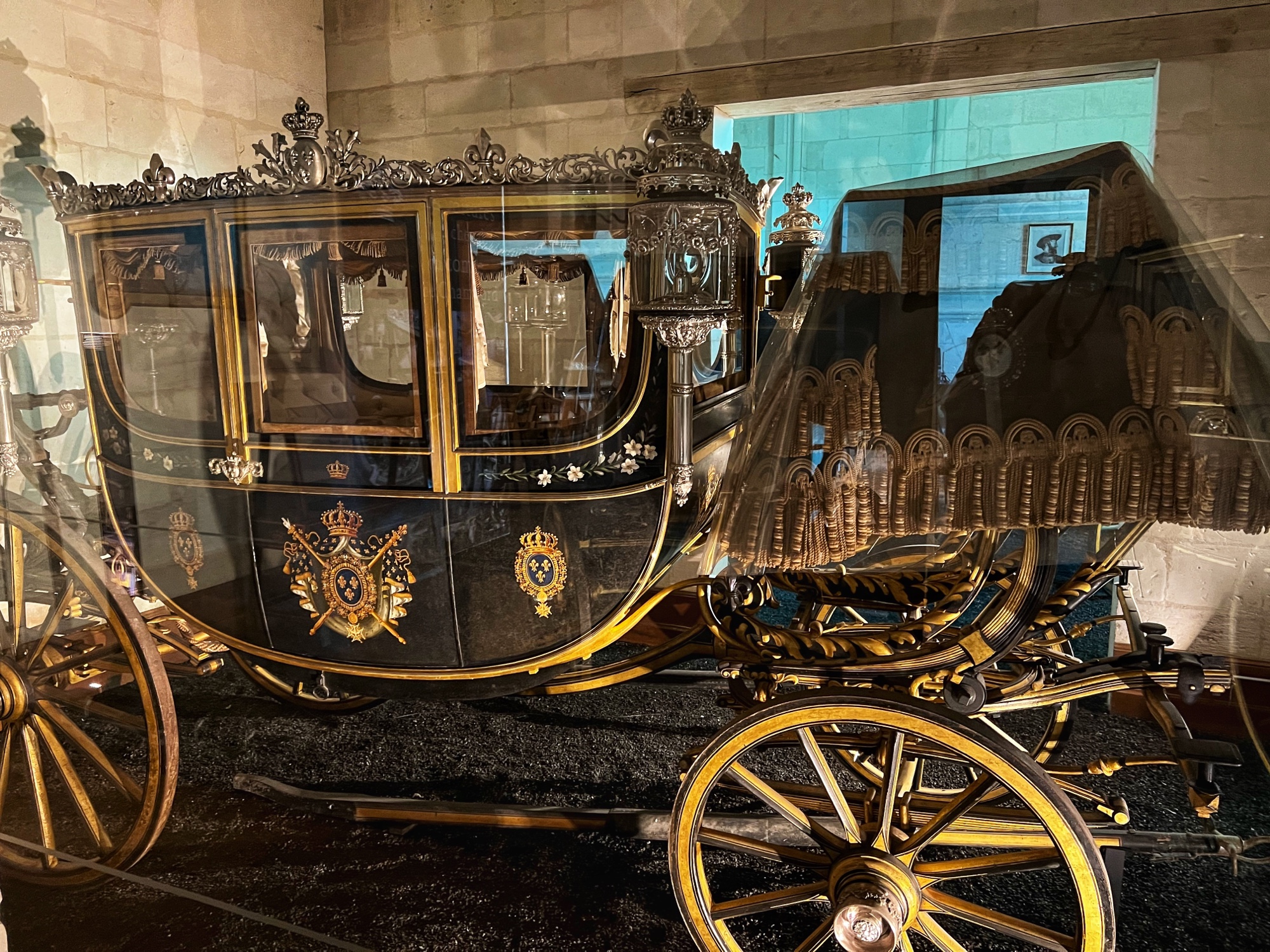
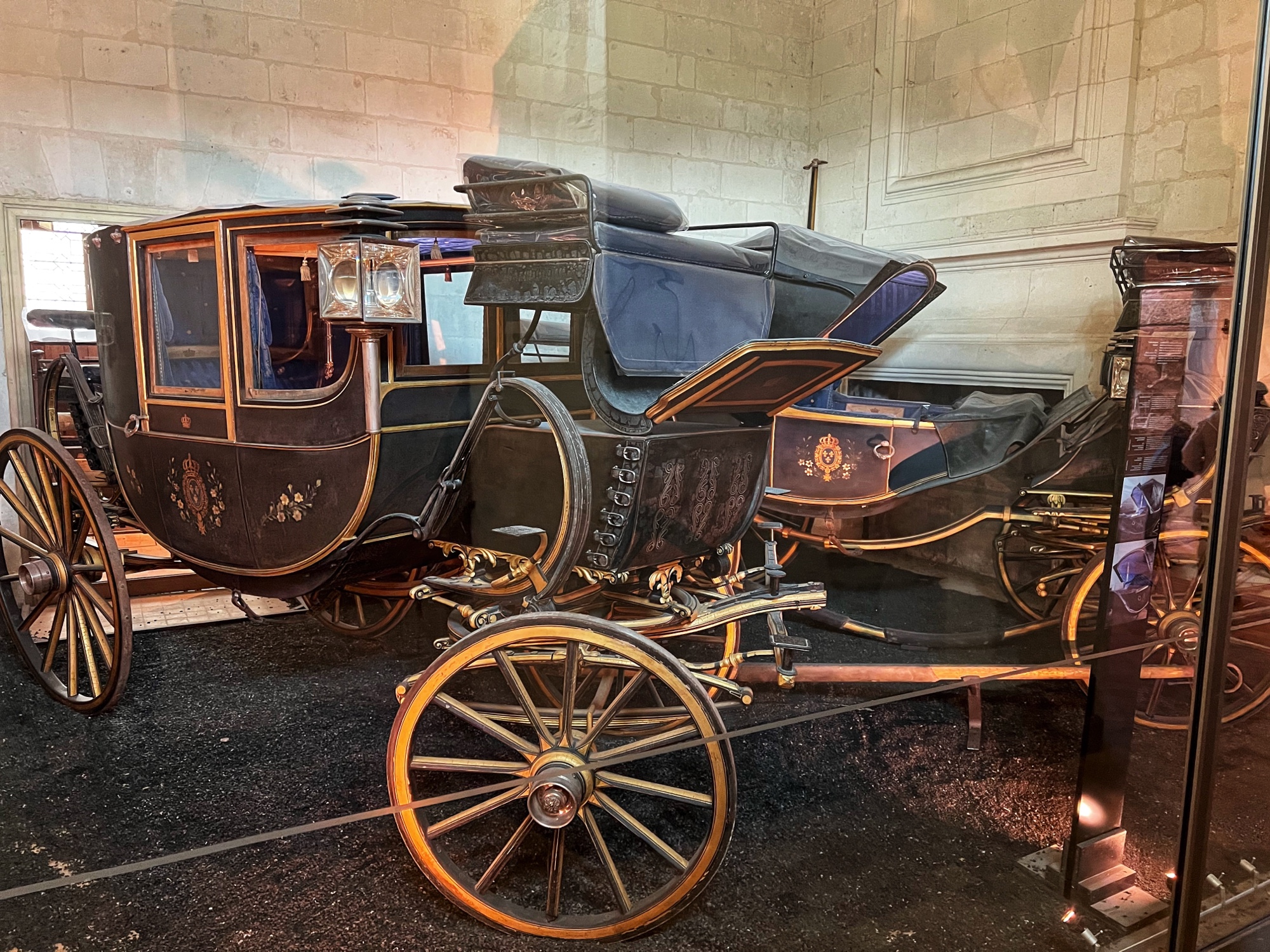


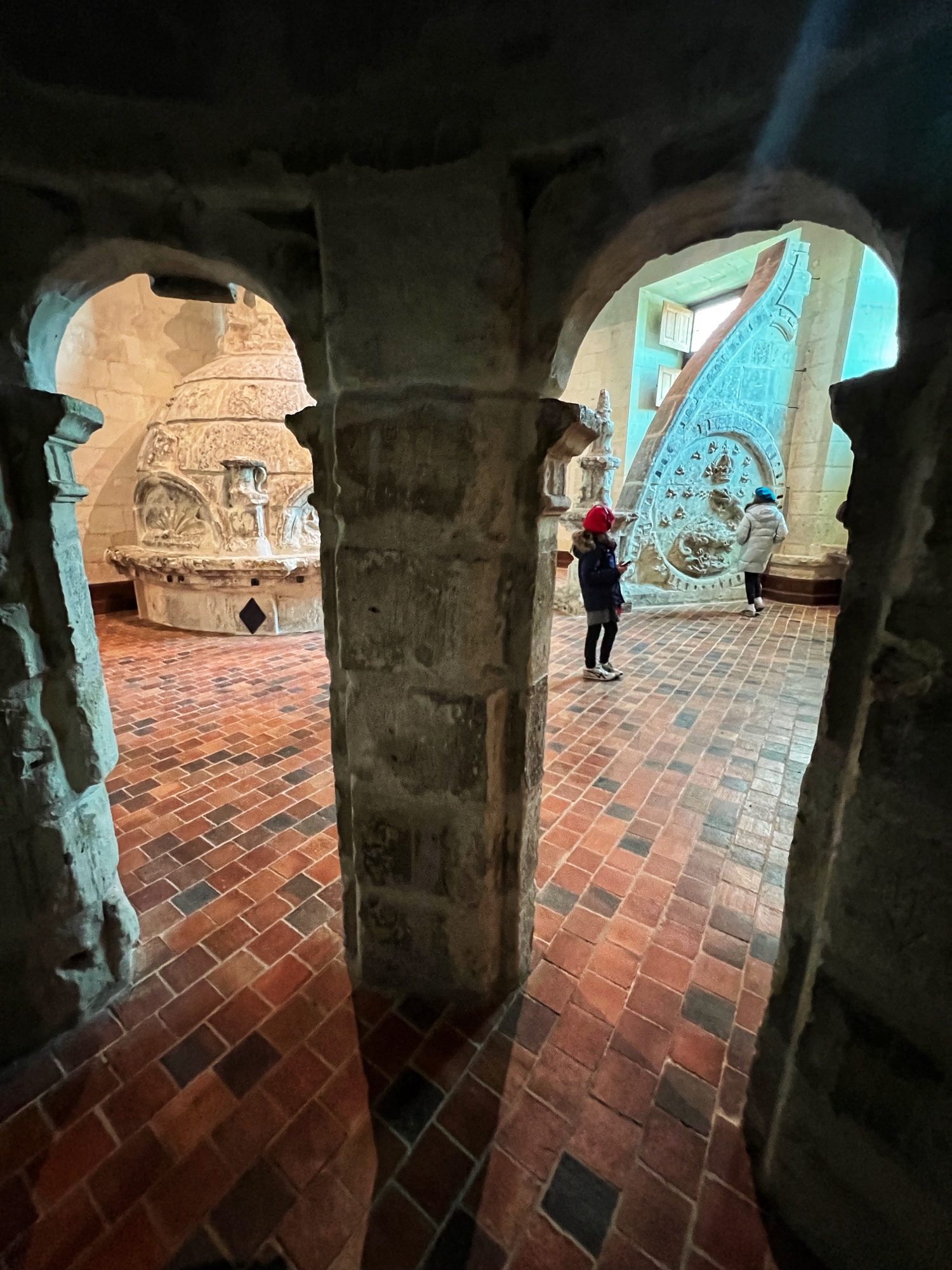
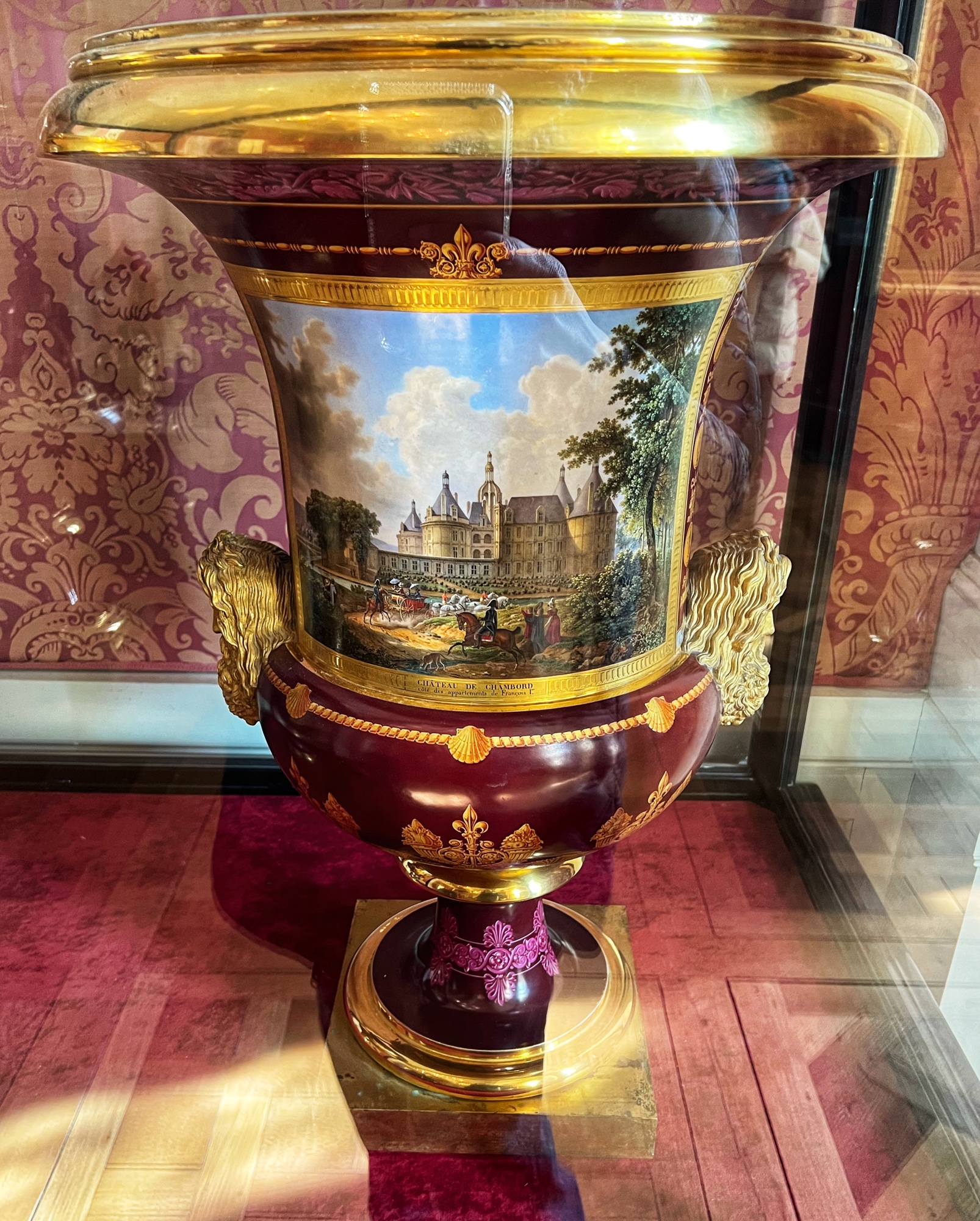

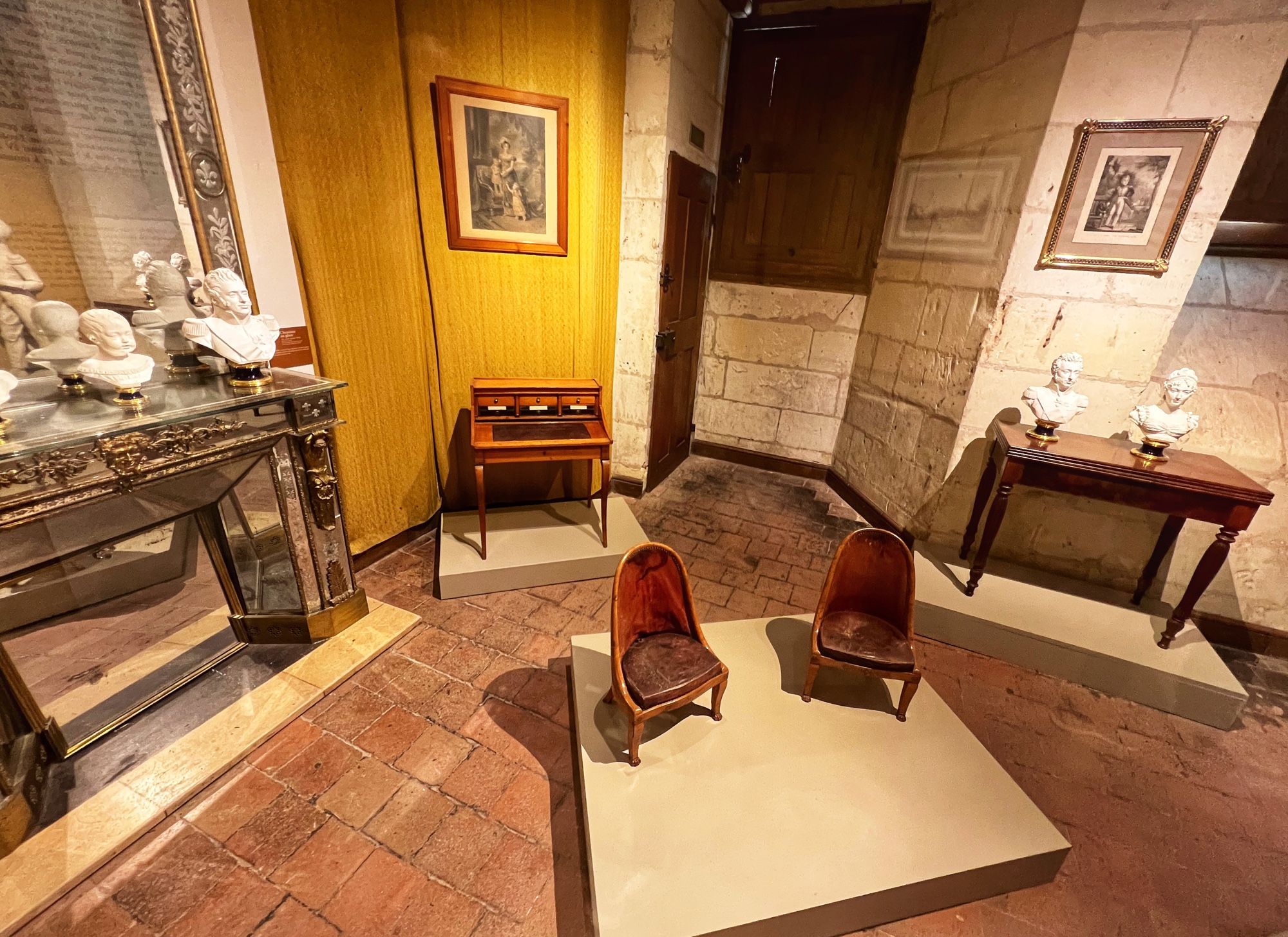

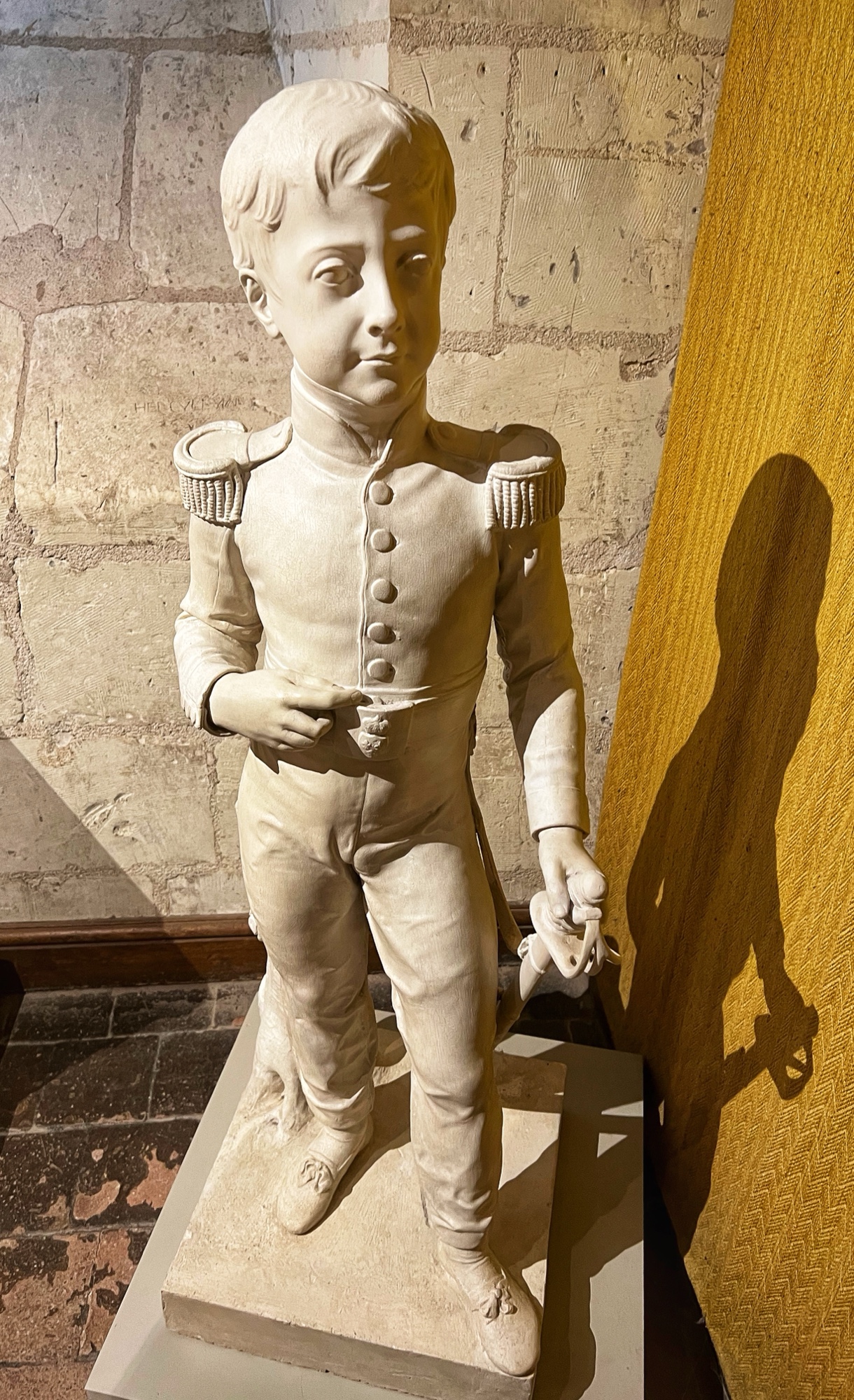

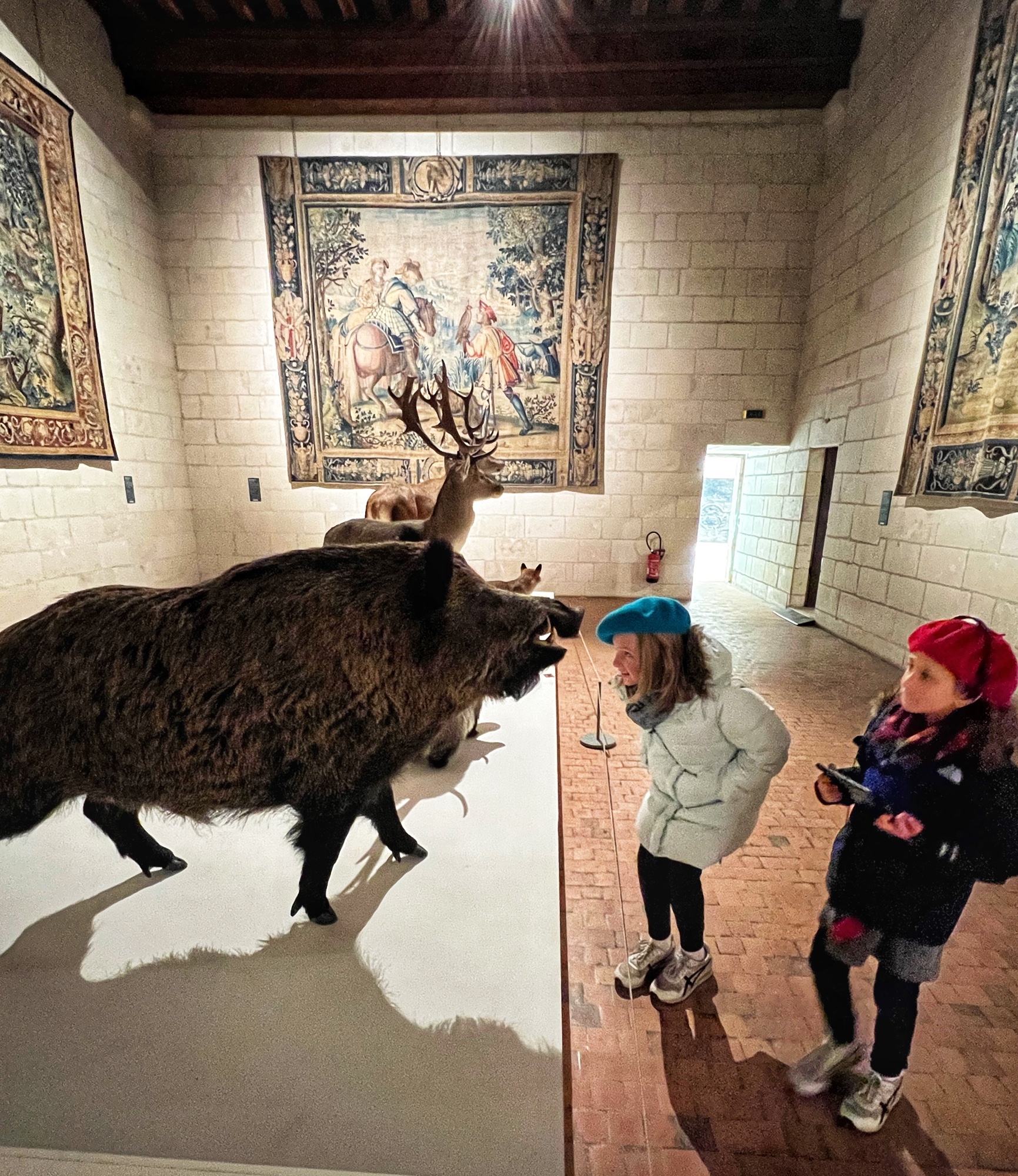

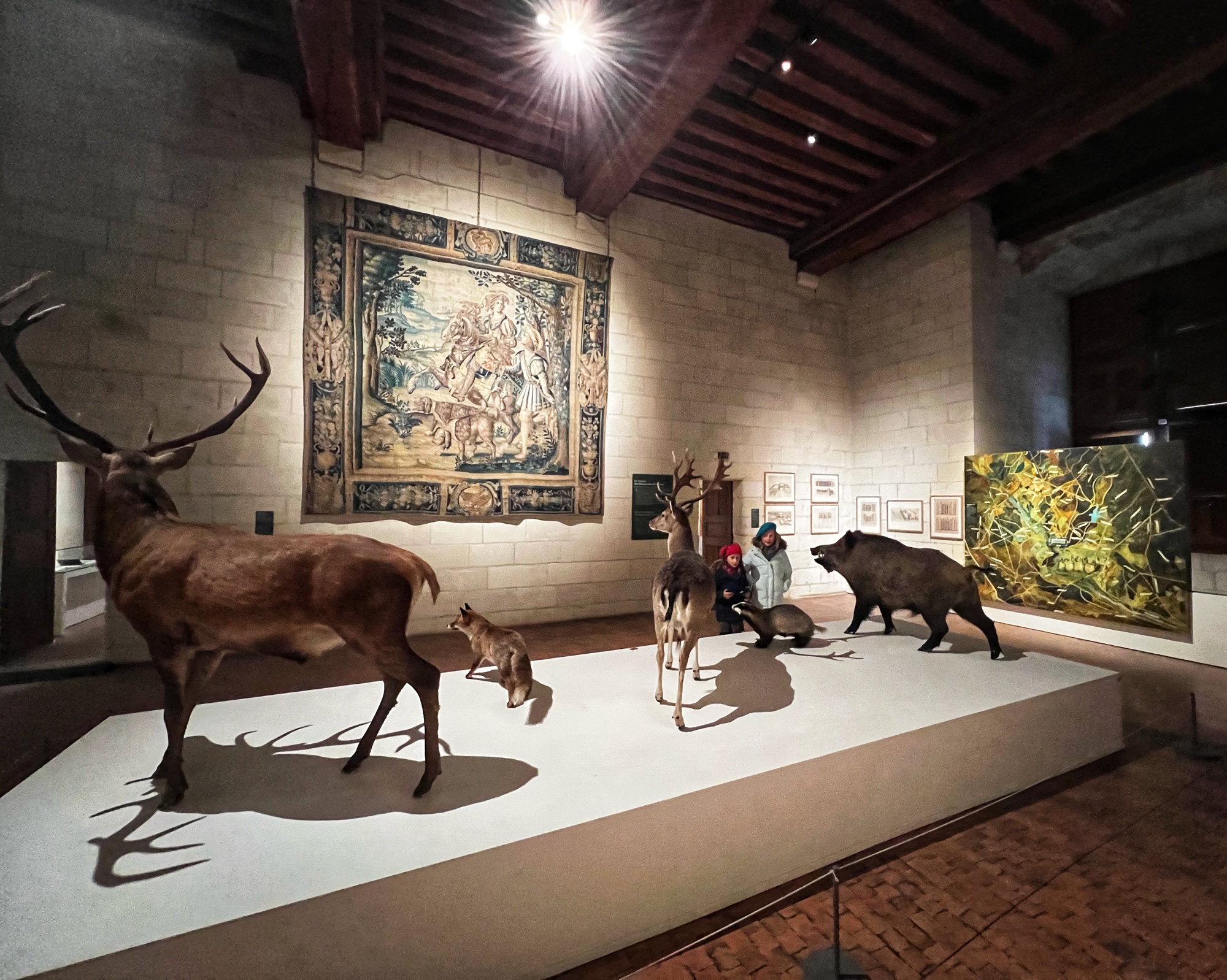
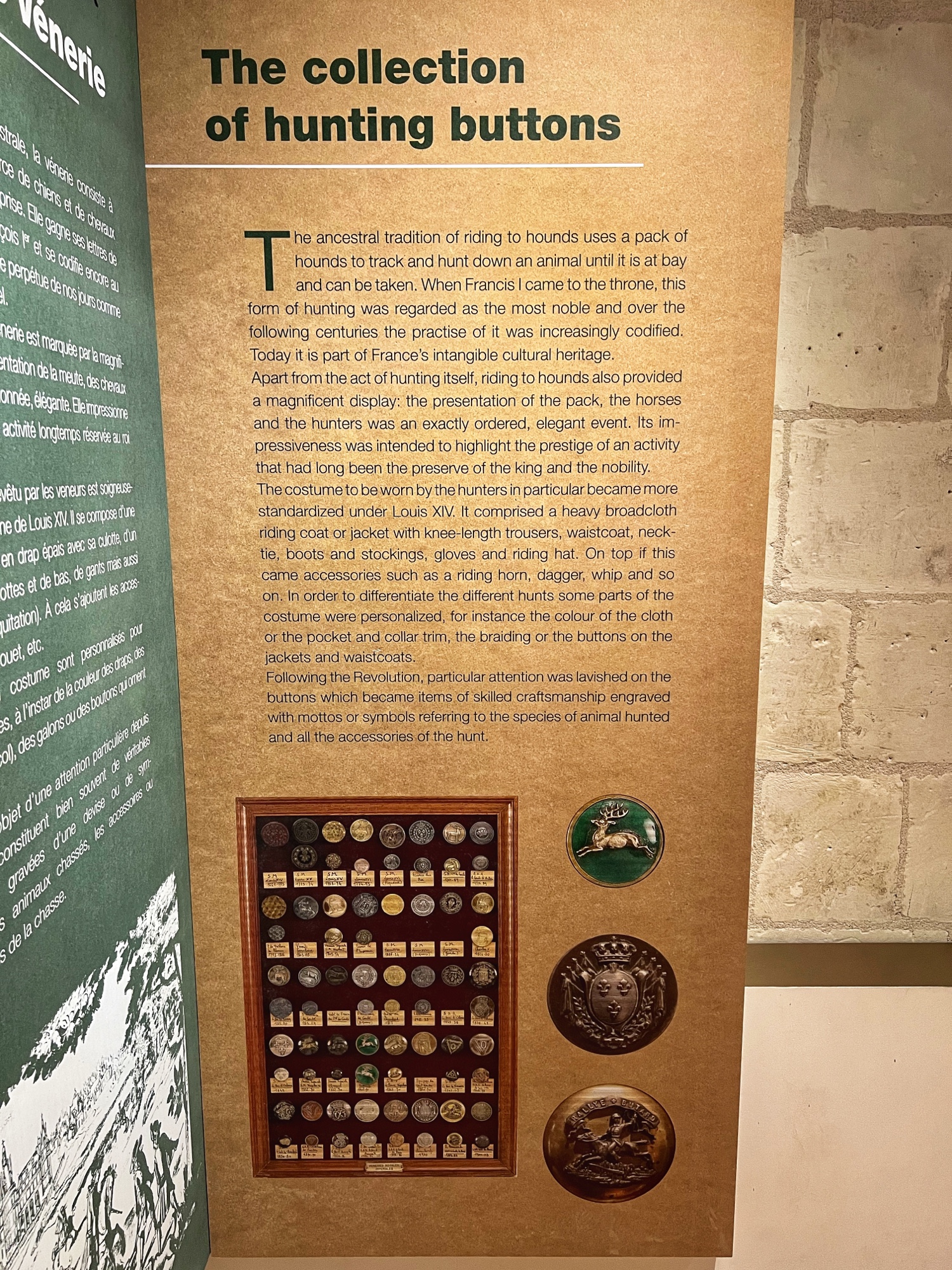
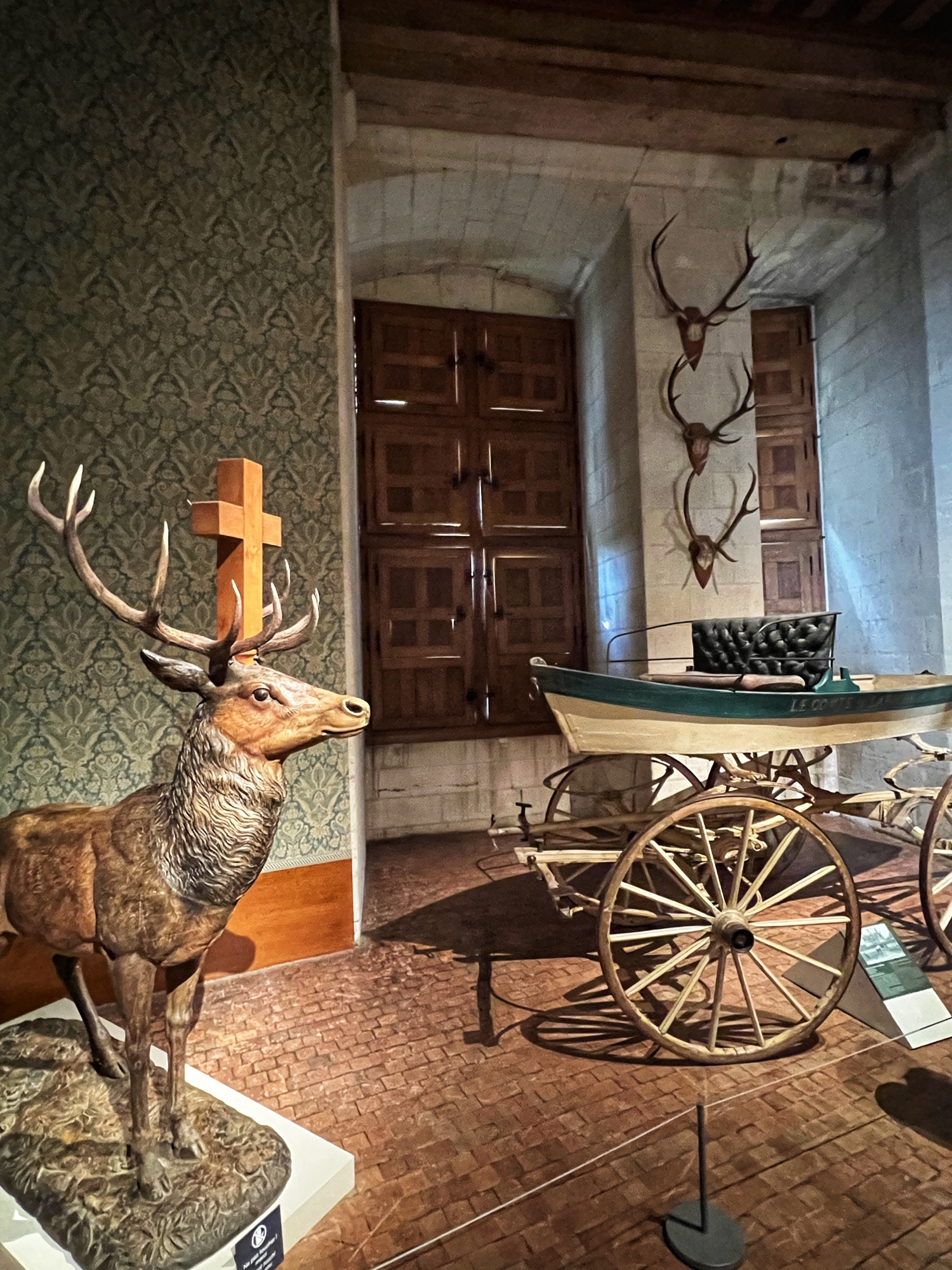
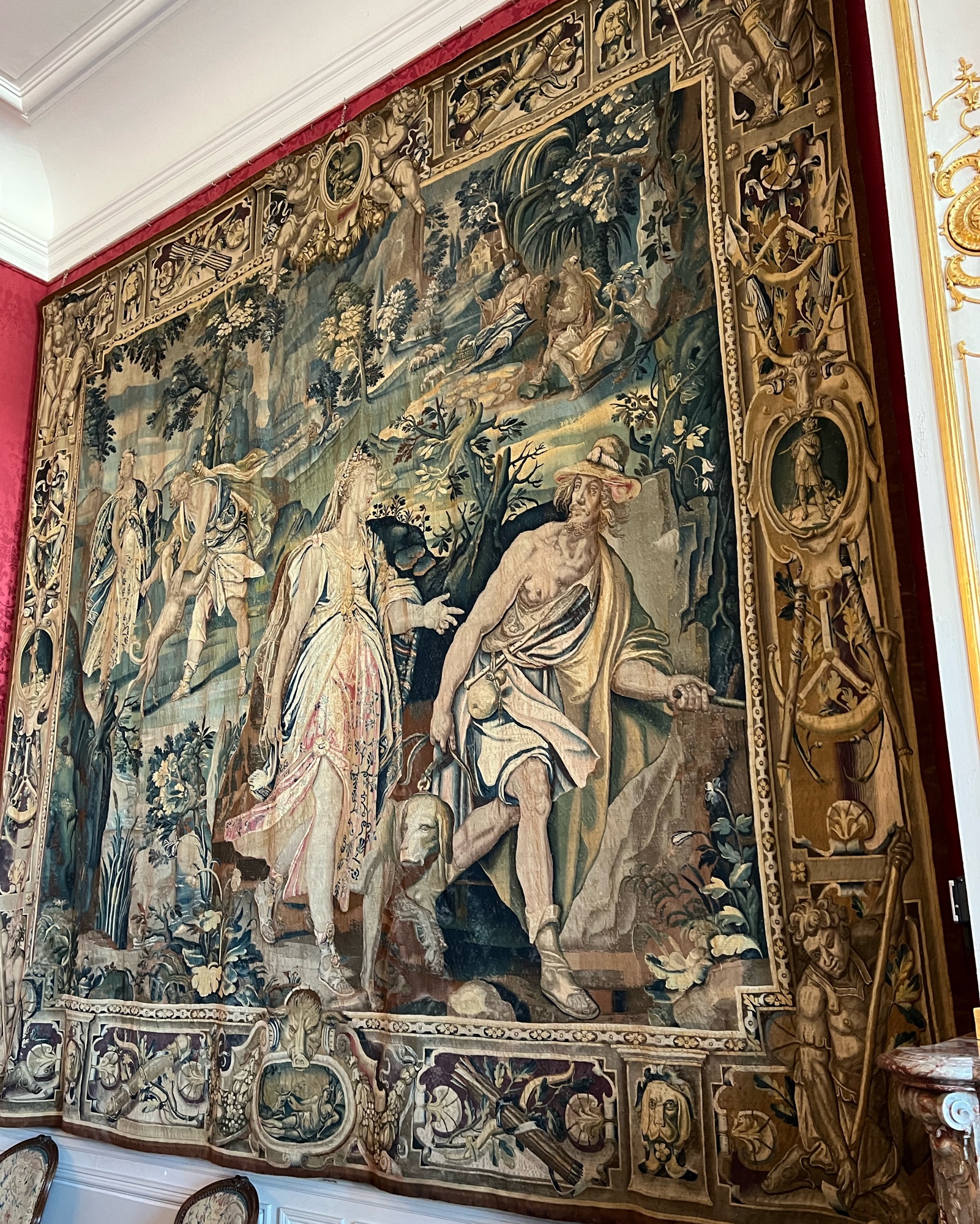
We loved learning about the hunting traditions in the Hunting room (yikes! The paintings of dogs are kind of gruesome), the massive custom button collection (who knew buttons were such a badge of honor?), throne room, pottery, furniture, and old ruins from restorations. The carriages are amazing too – and to think that all of this furniture, fabric, wall coverings, art and belongings were transported here (and everywhere the King went) for only a few weeks at a time!

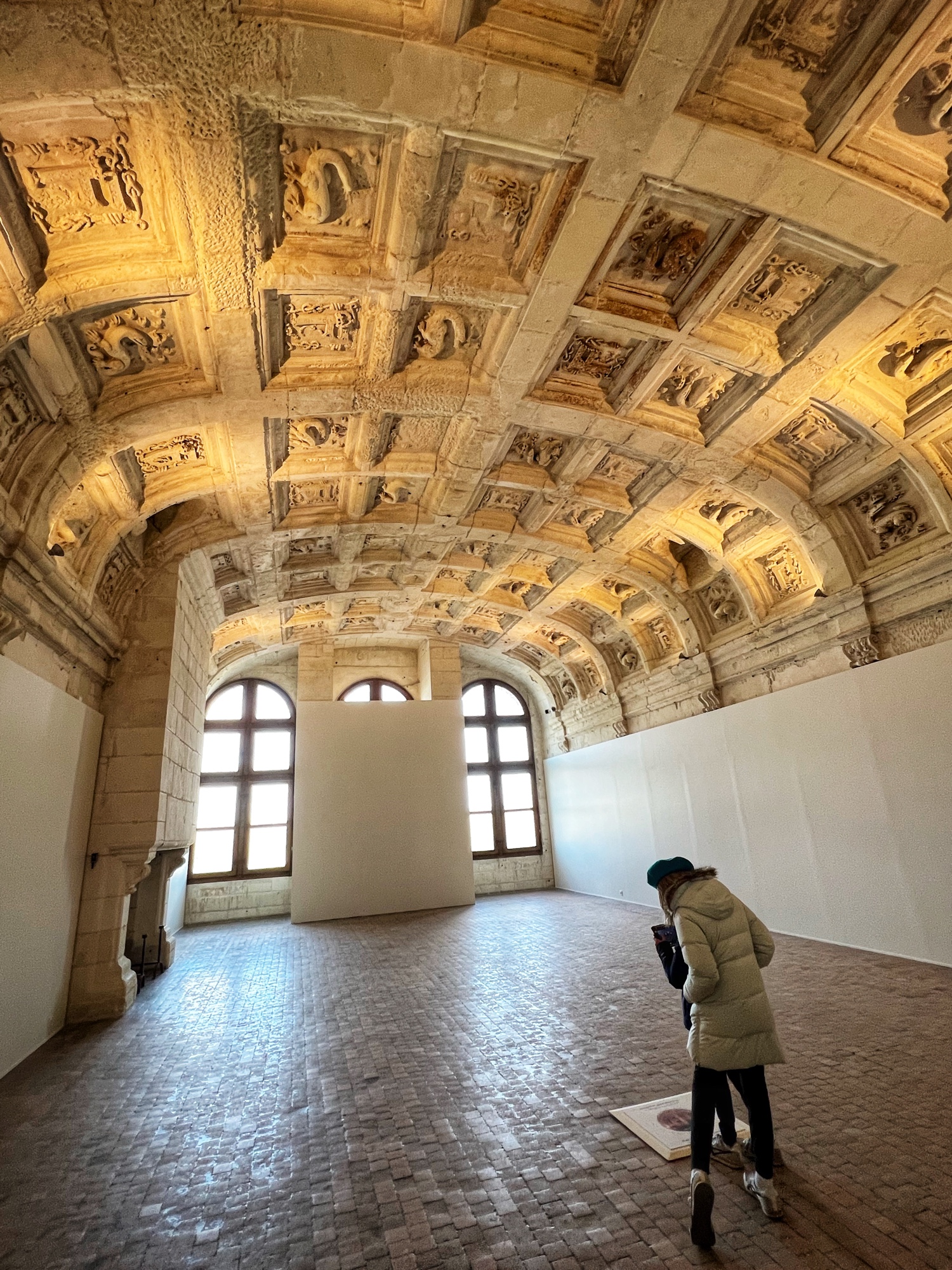
When exiting the central staircase, be sure to look up. The ceiling is adorned with the F for Francis the 1st (Premier) and his symbol, the salamander.
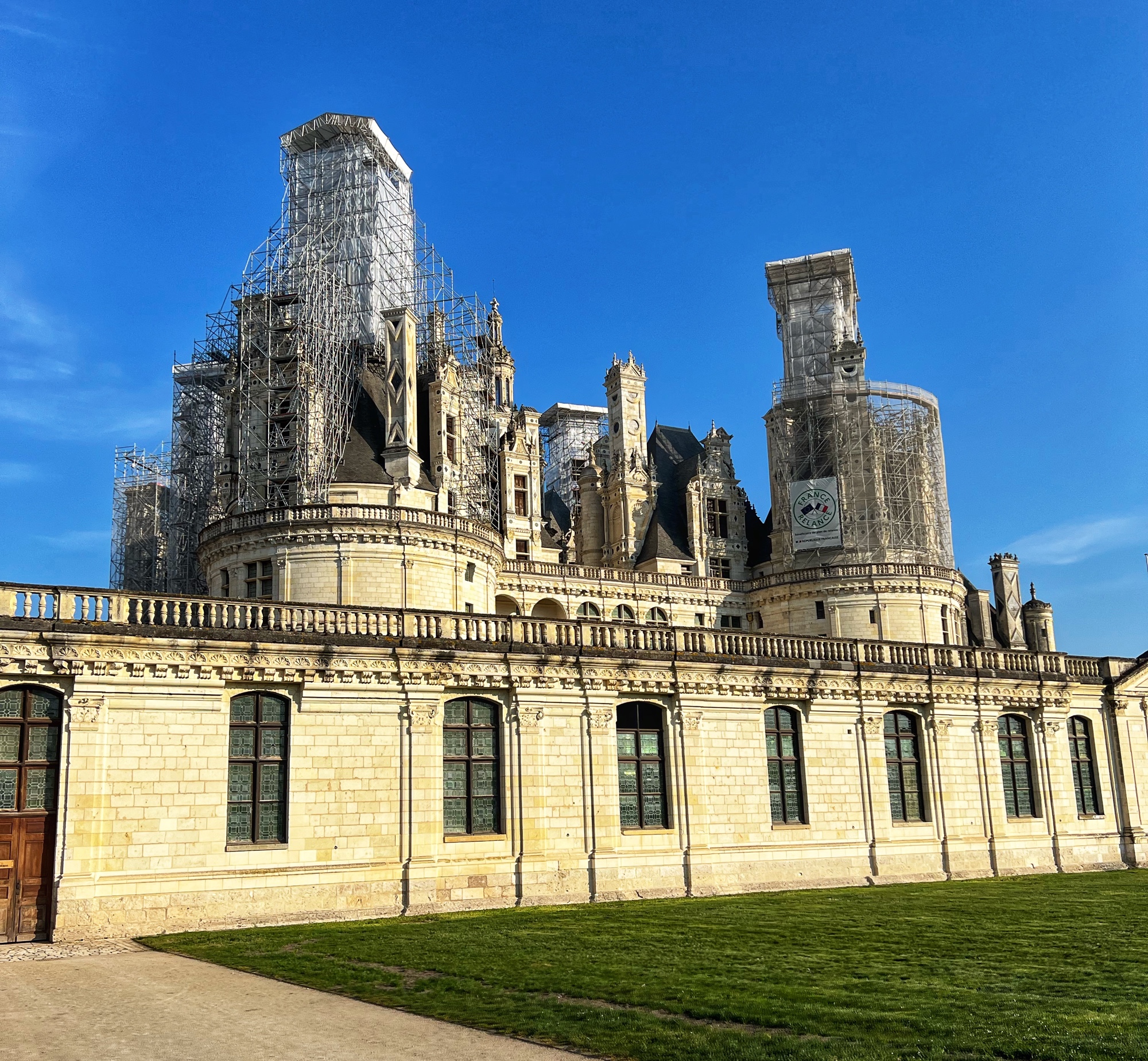
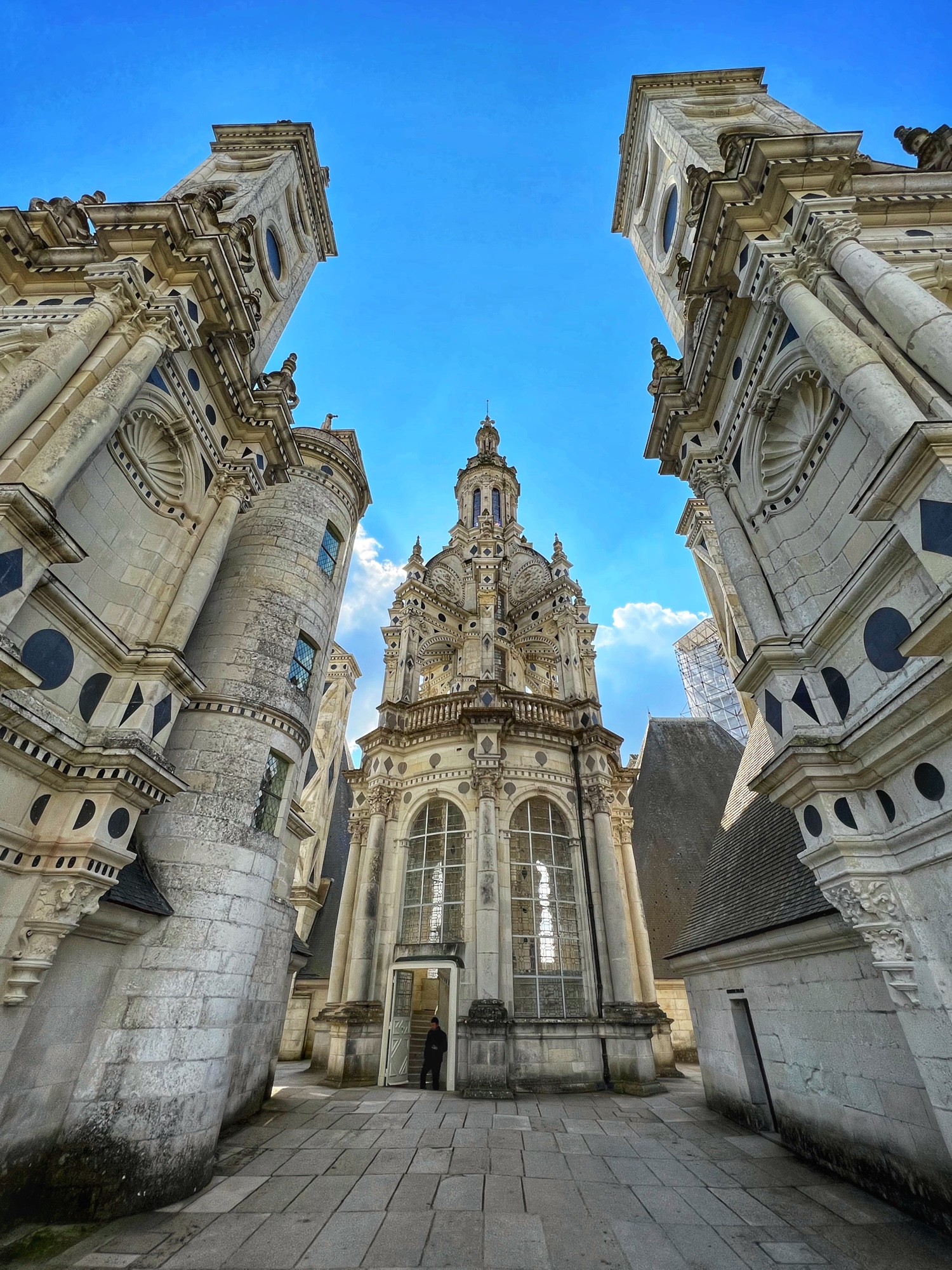
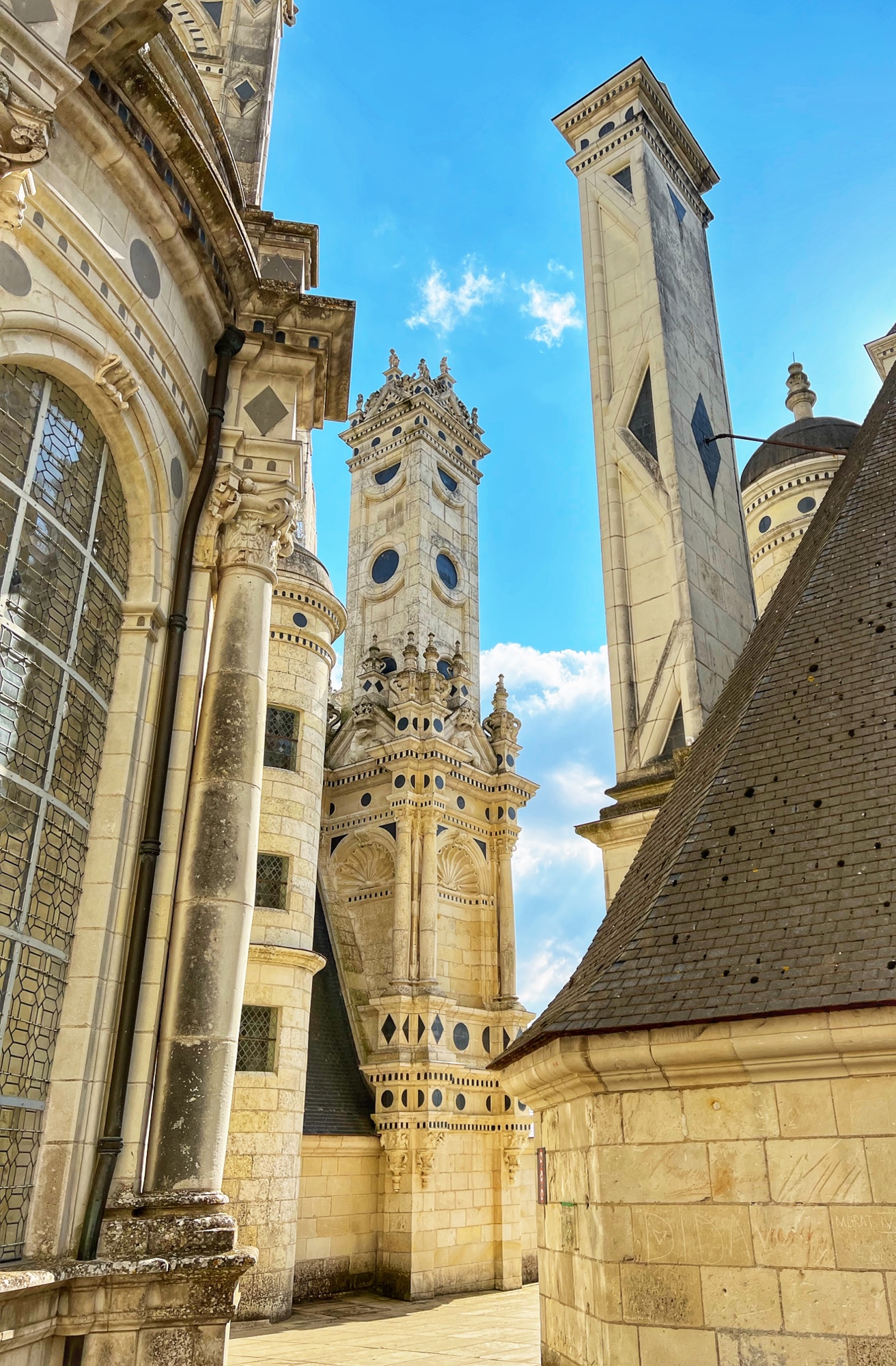
The rooftop is also a phenomenal place that is not to be missed. This is the pièce de résistance! Walking along the rooftop you can see for miles, and in each direction there is a slightly different surrounding of columns, spires and towers. I was a bit disappointed that nearly the entirety of the main towers were covered in scaffolding but happy to see it is being restored. The central “lantern” is exquisite! In just the right light, the “skyline” of the rooftop spires can be seen in the shadows overlooking the courtyard and gardens. Besides Villandry, this is the only other castle with rooftop access that we saw.
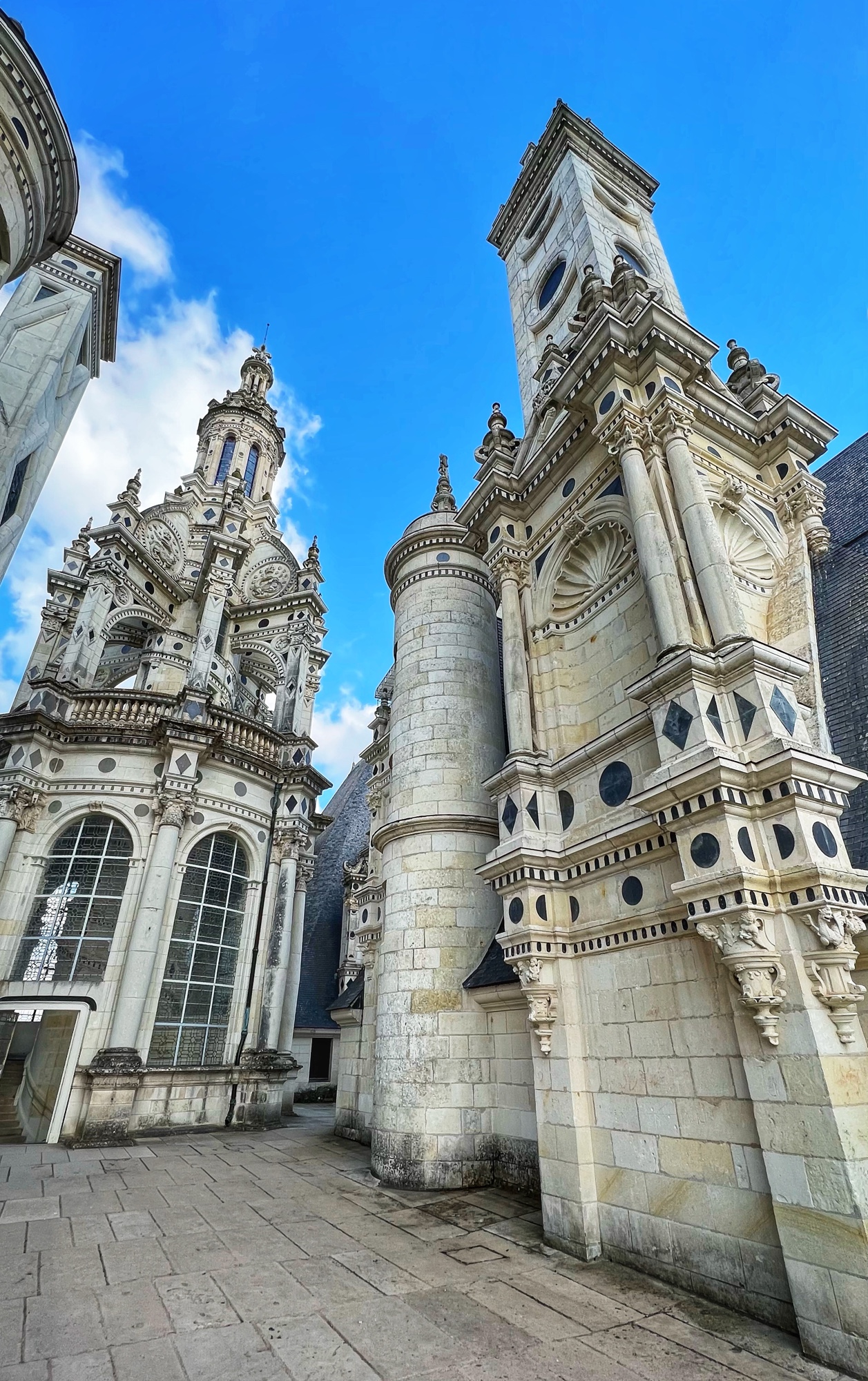

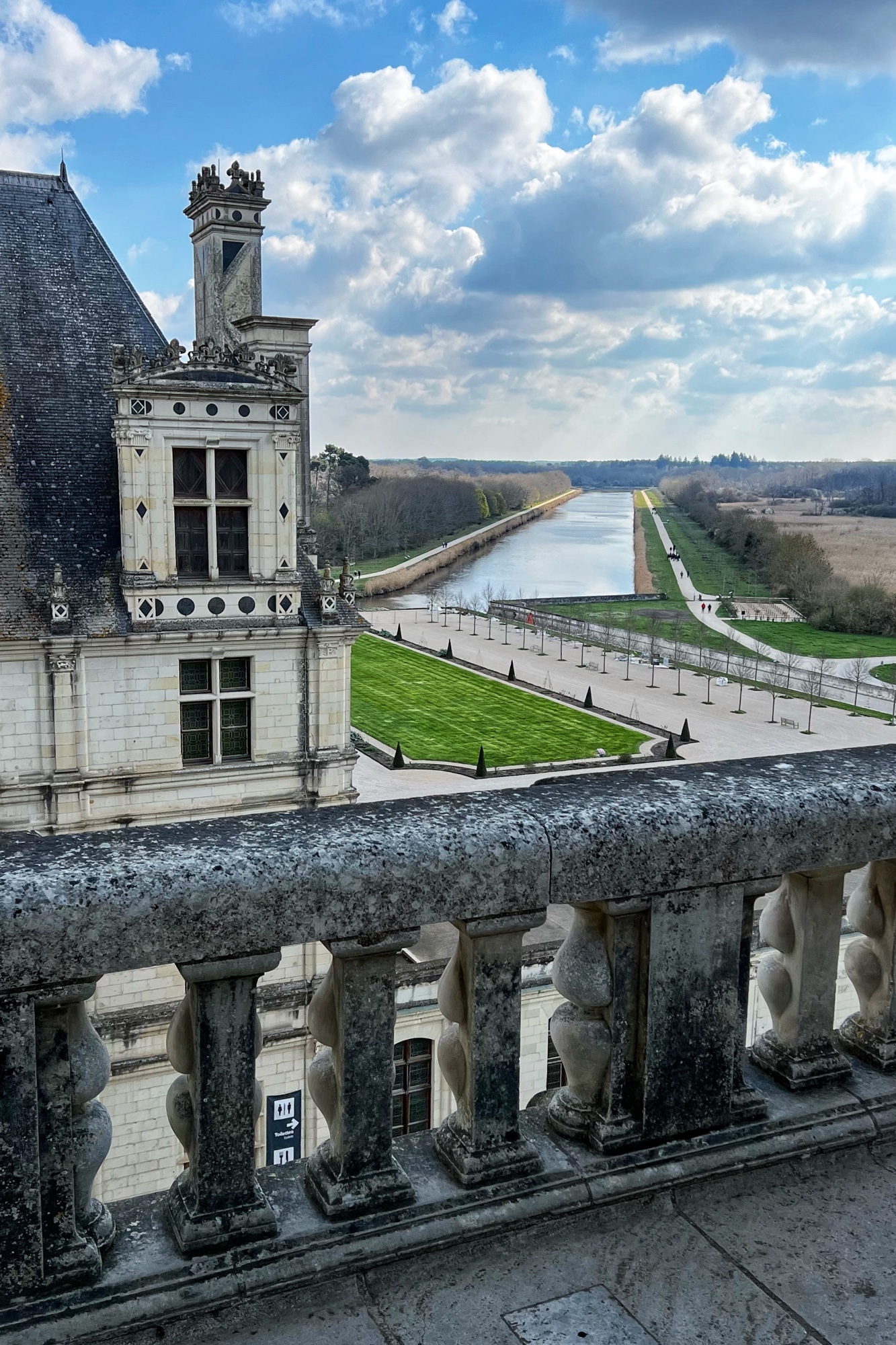
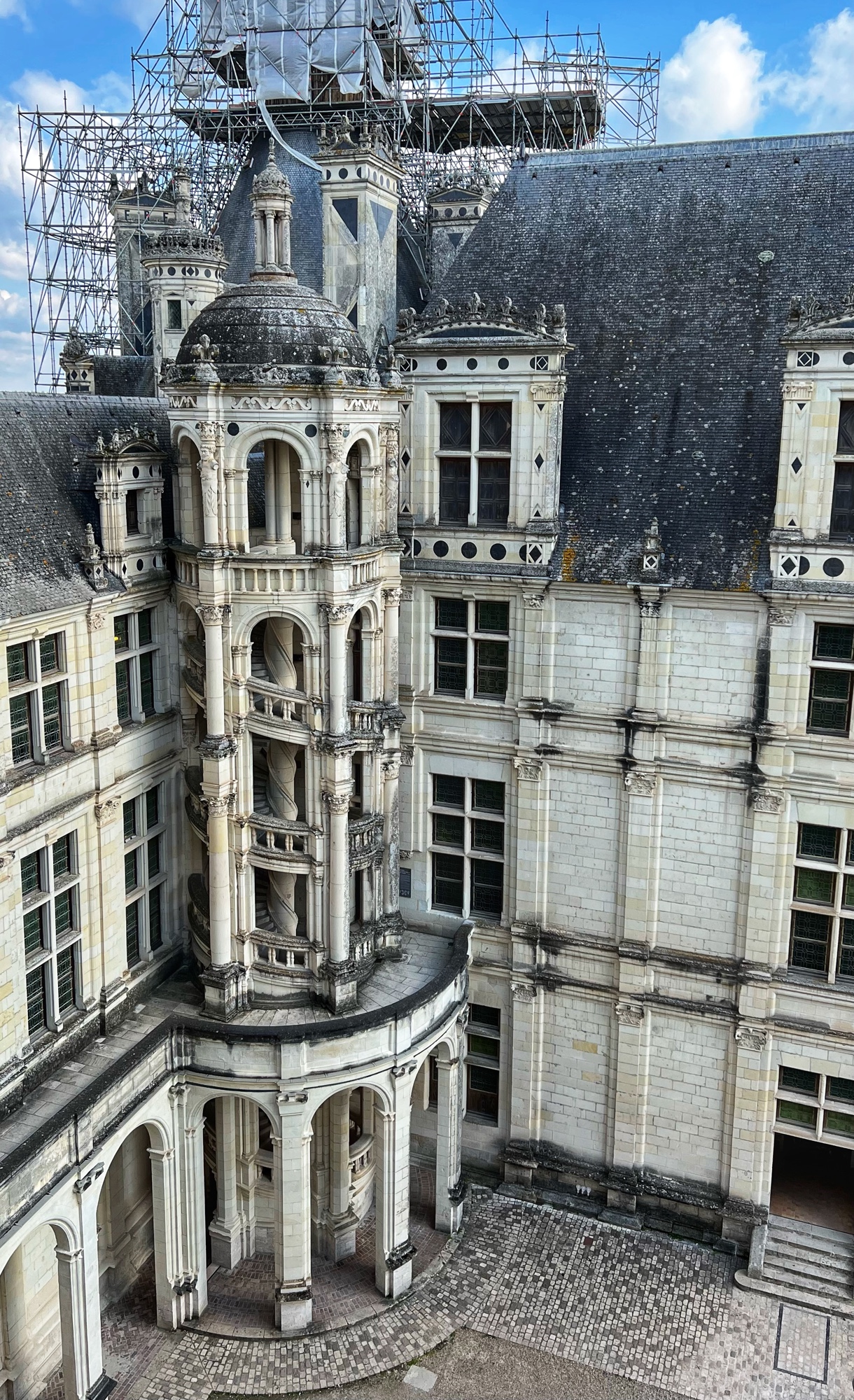
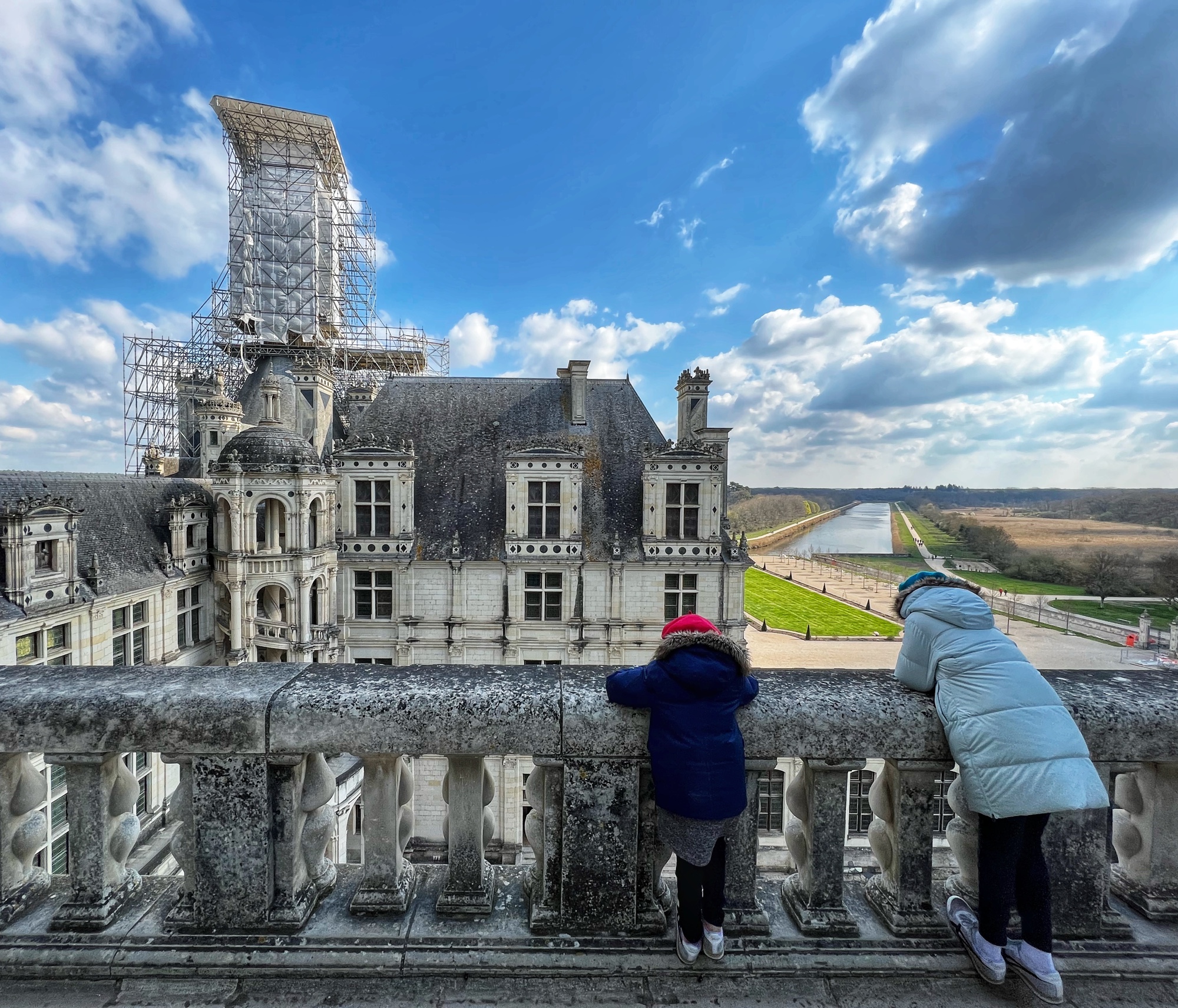



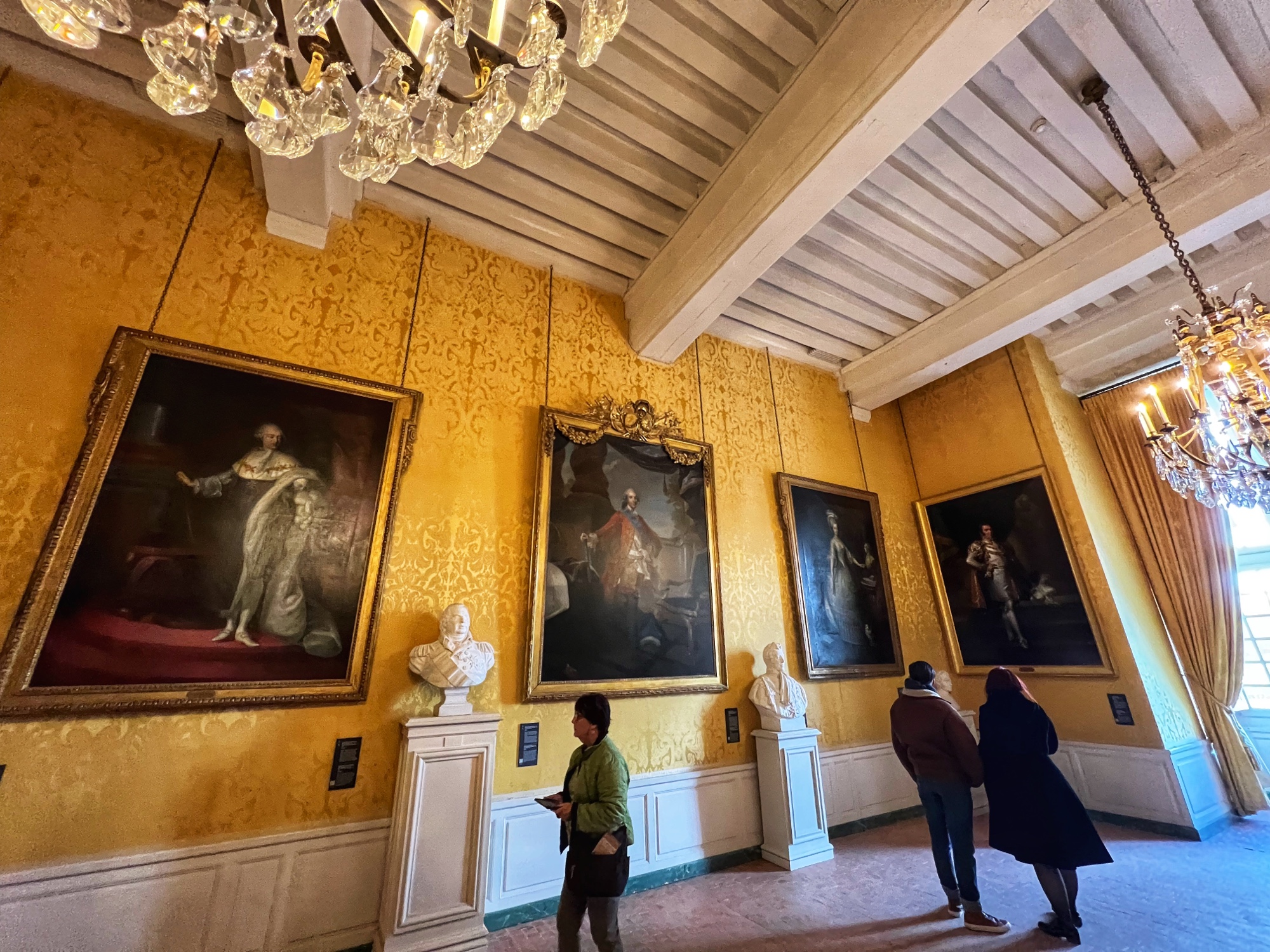
The chapel is quite large, and the kitchen was very small. For such a large palace, this surprised me! I thought that perhaps they should switch kitchen plans with Chenonceau! (See below)



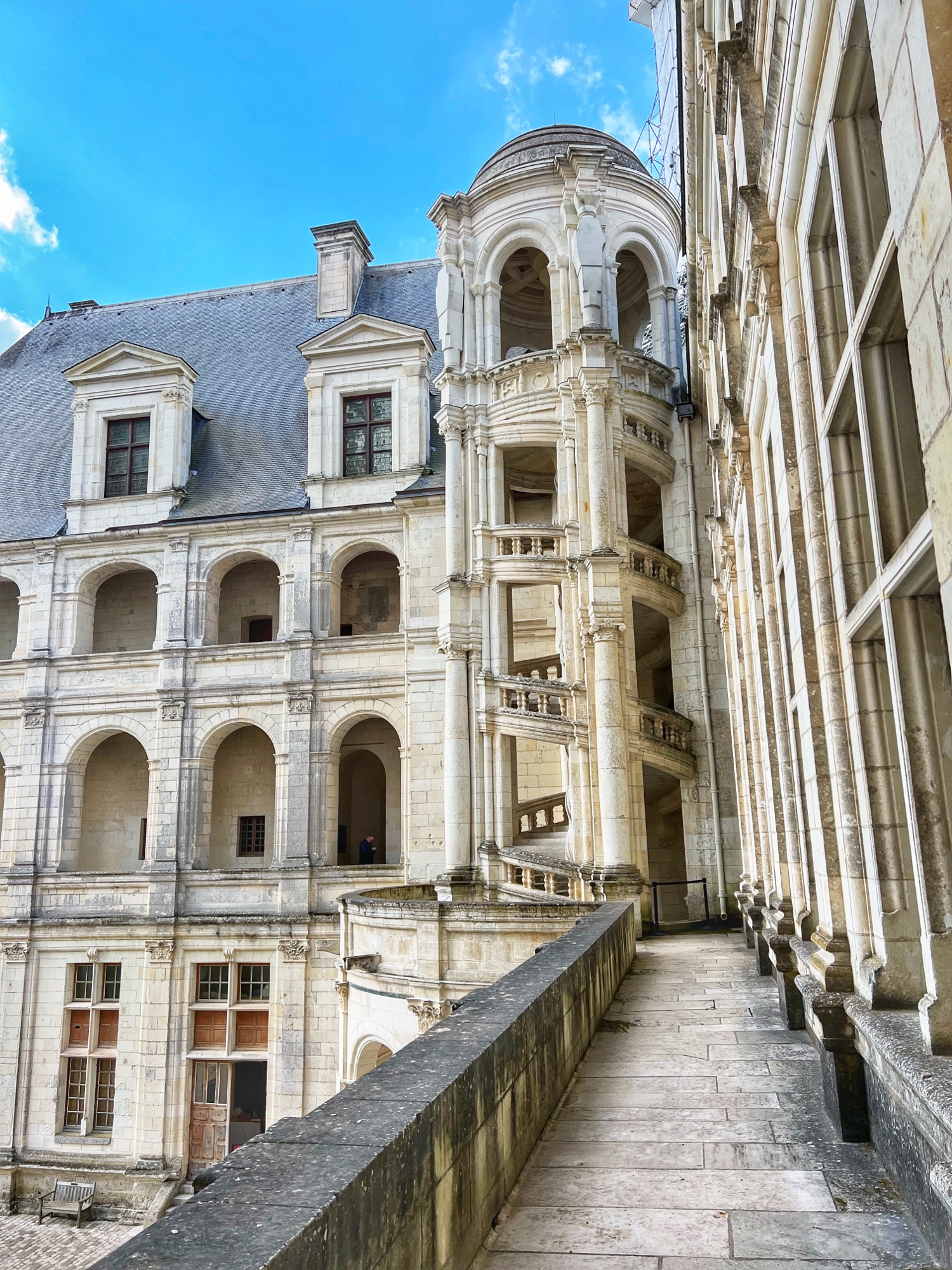
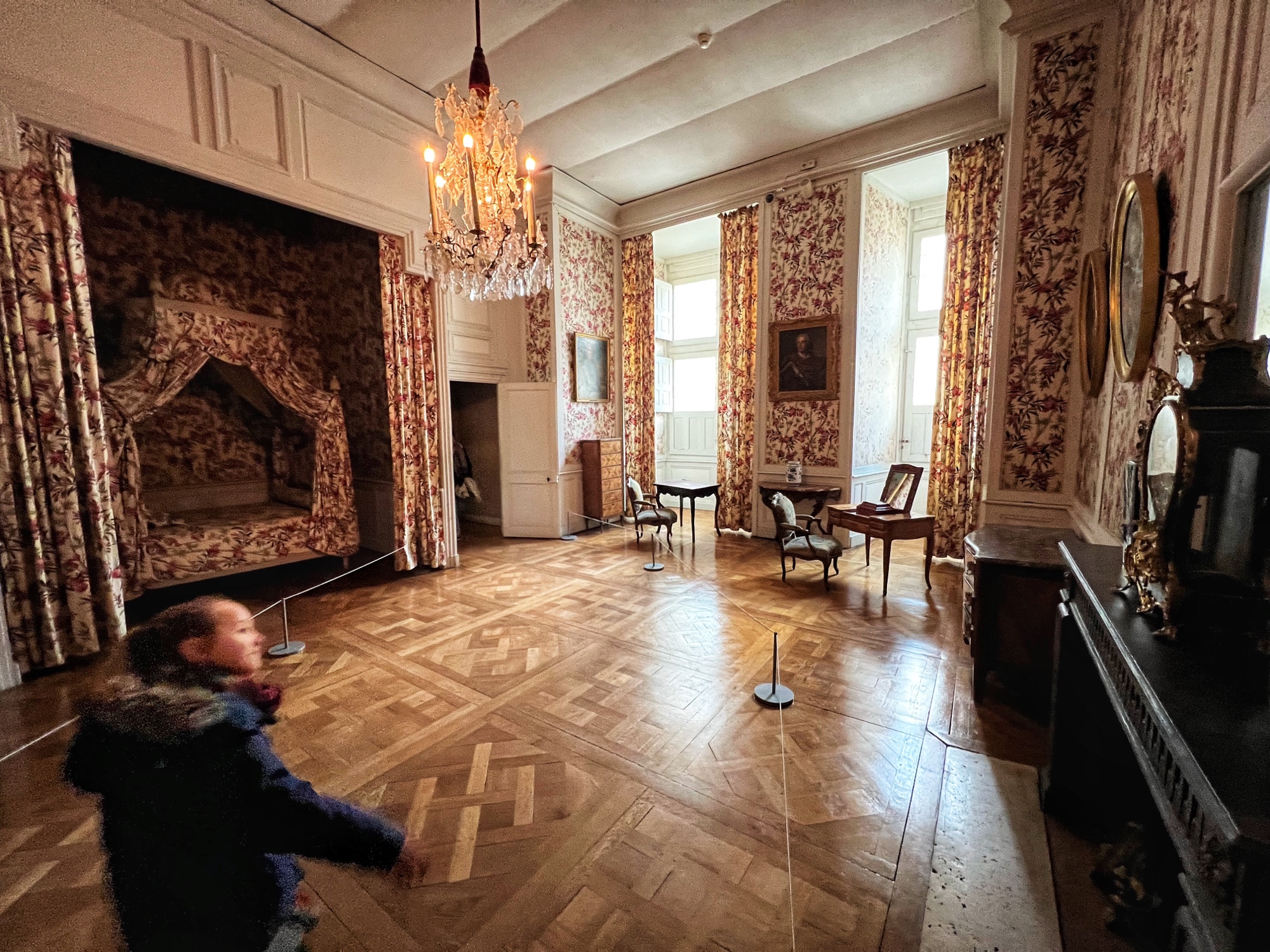

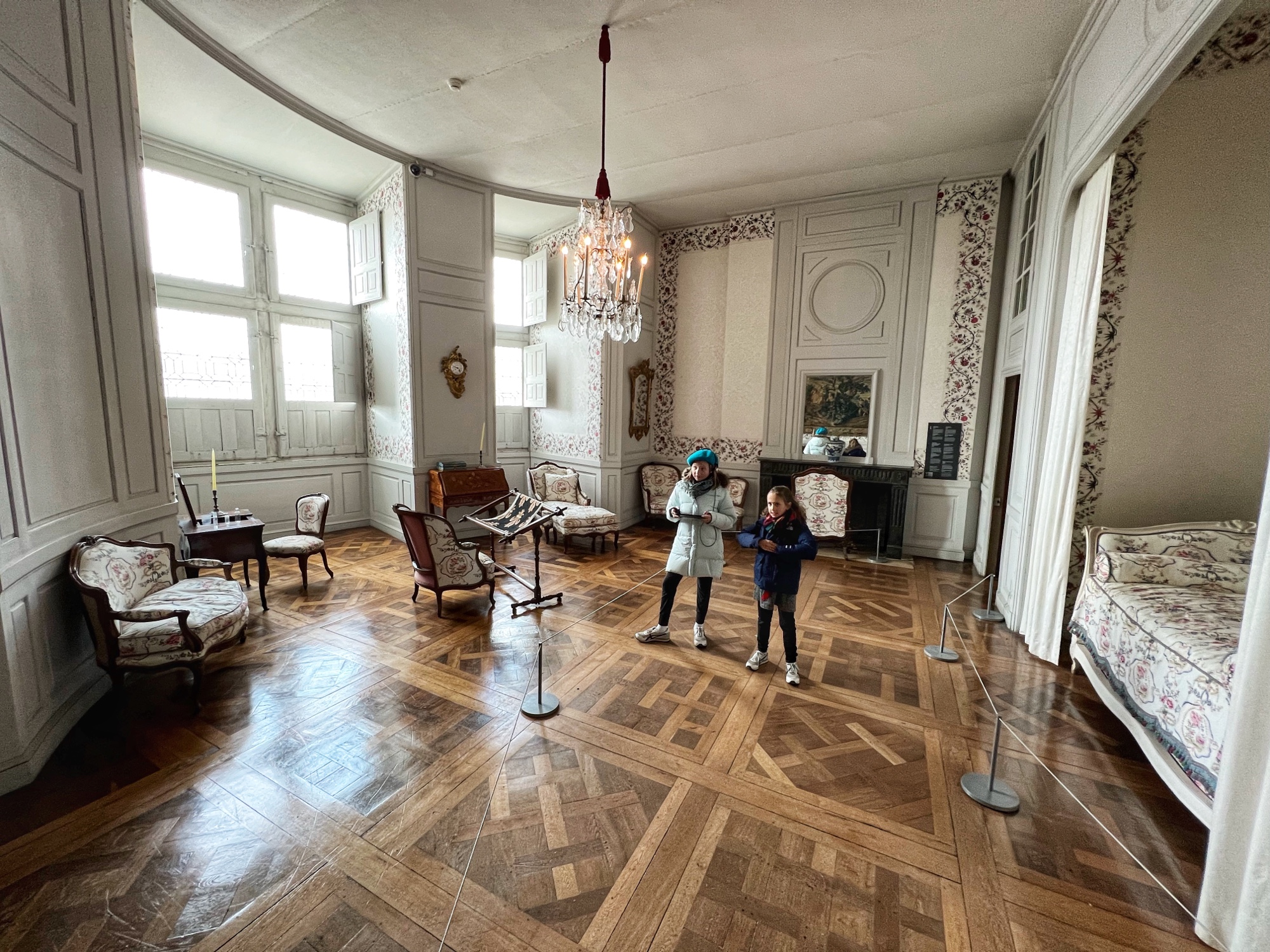
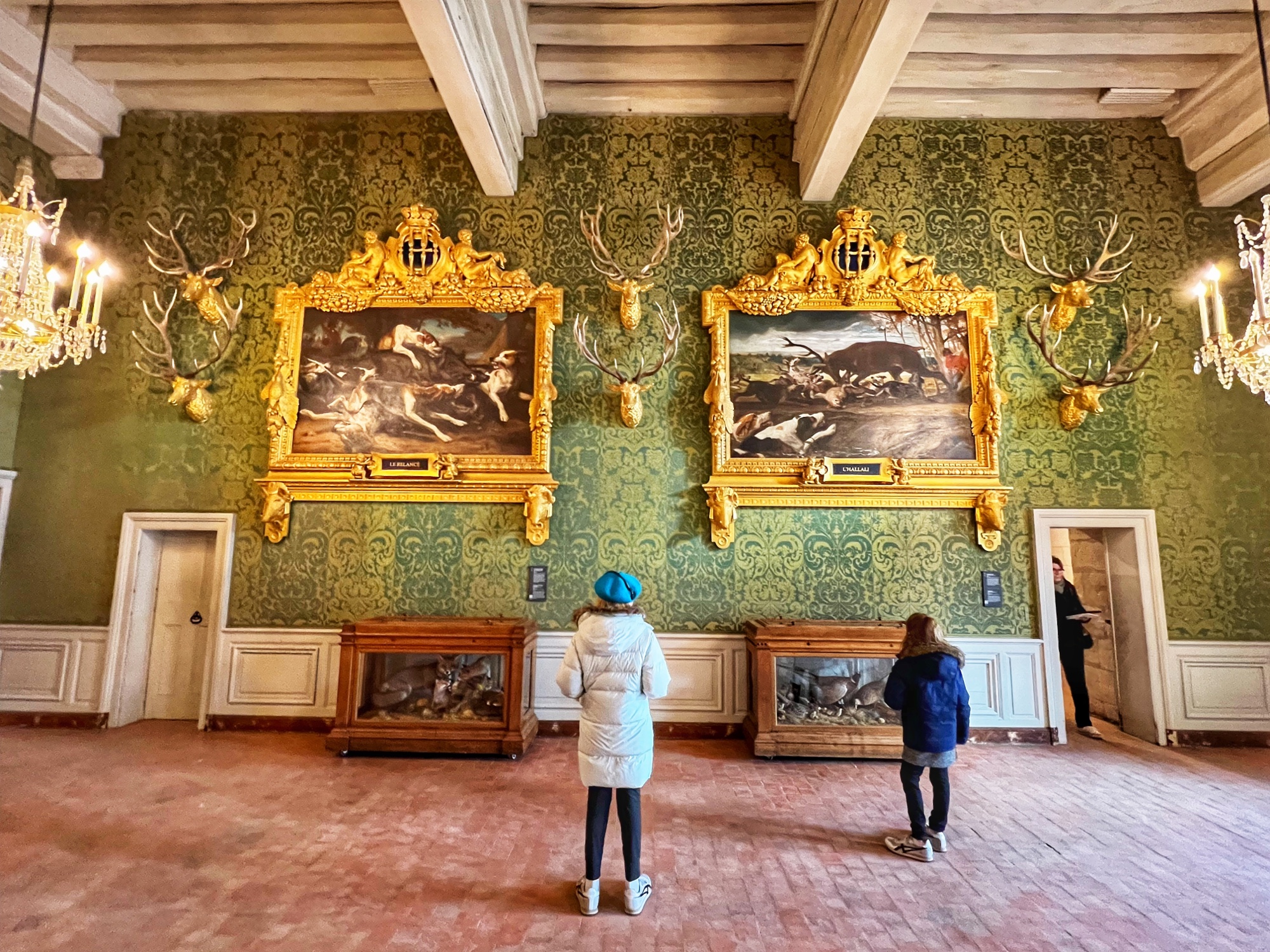
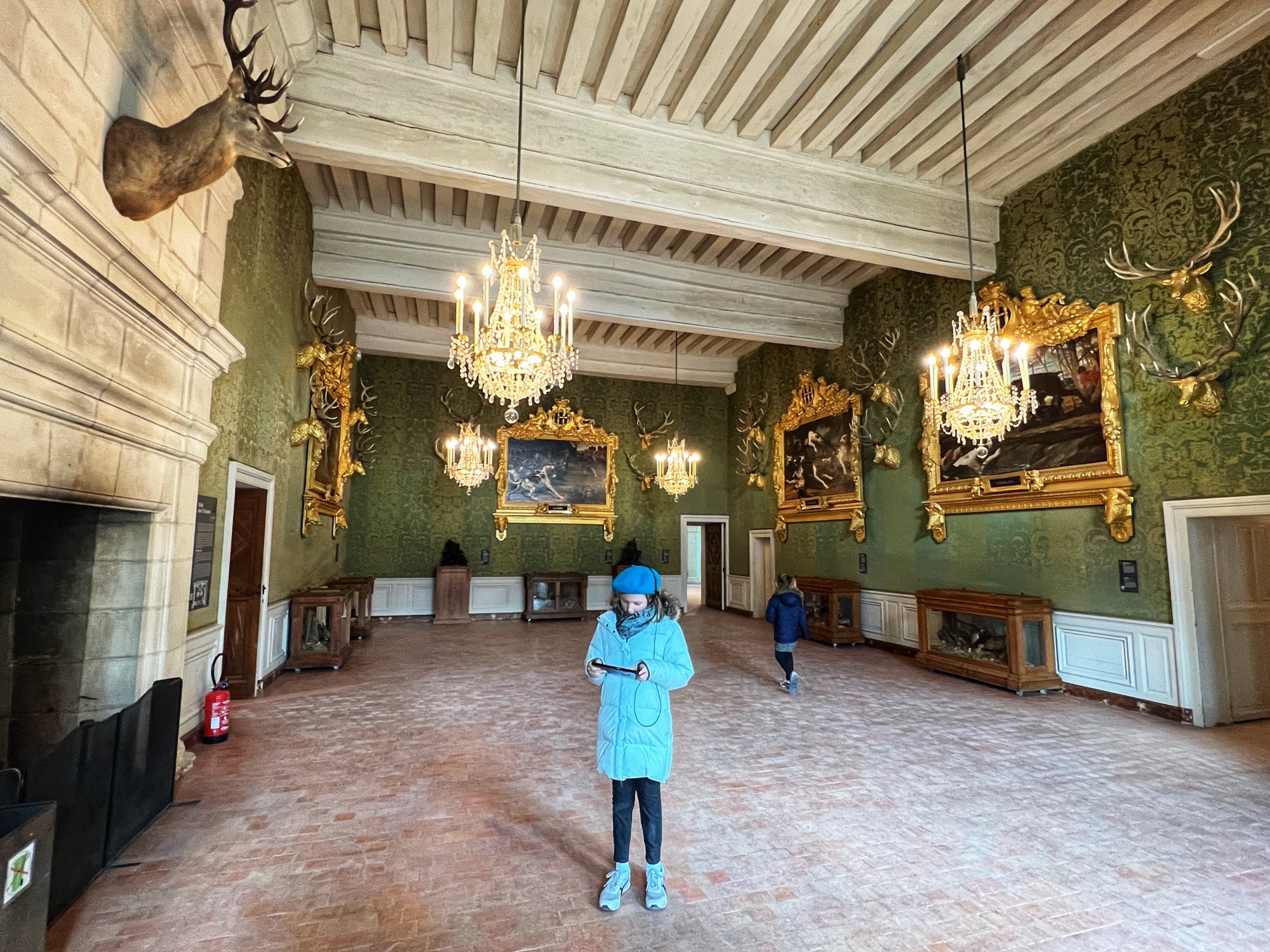
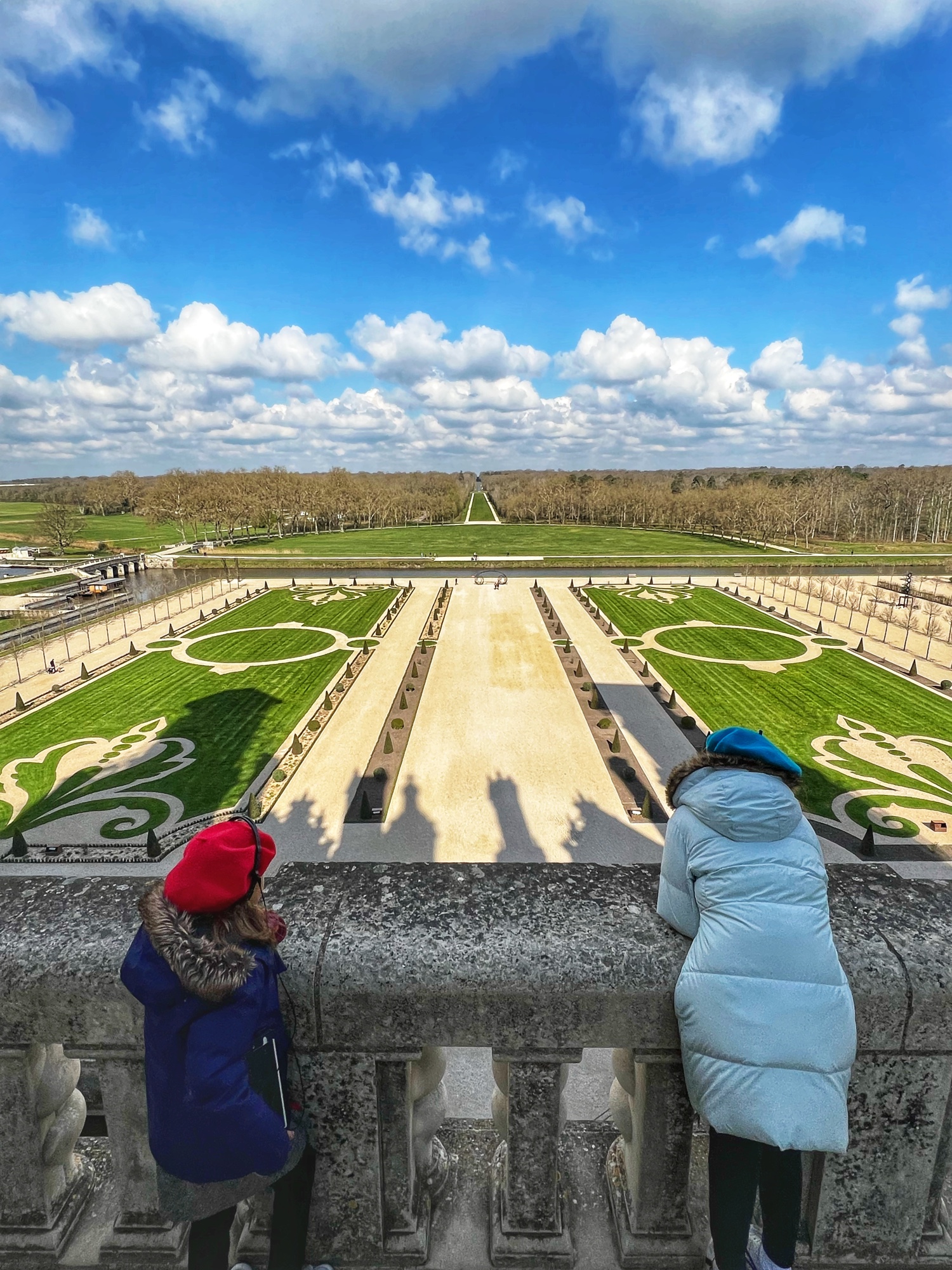
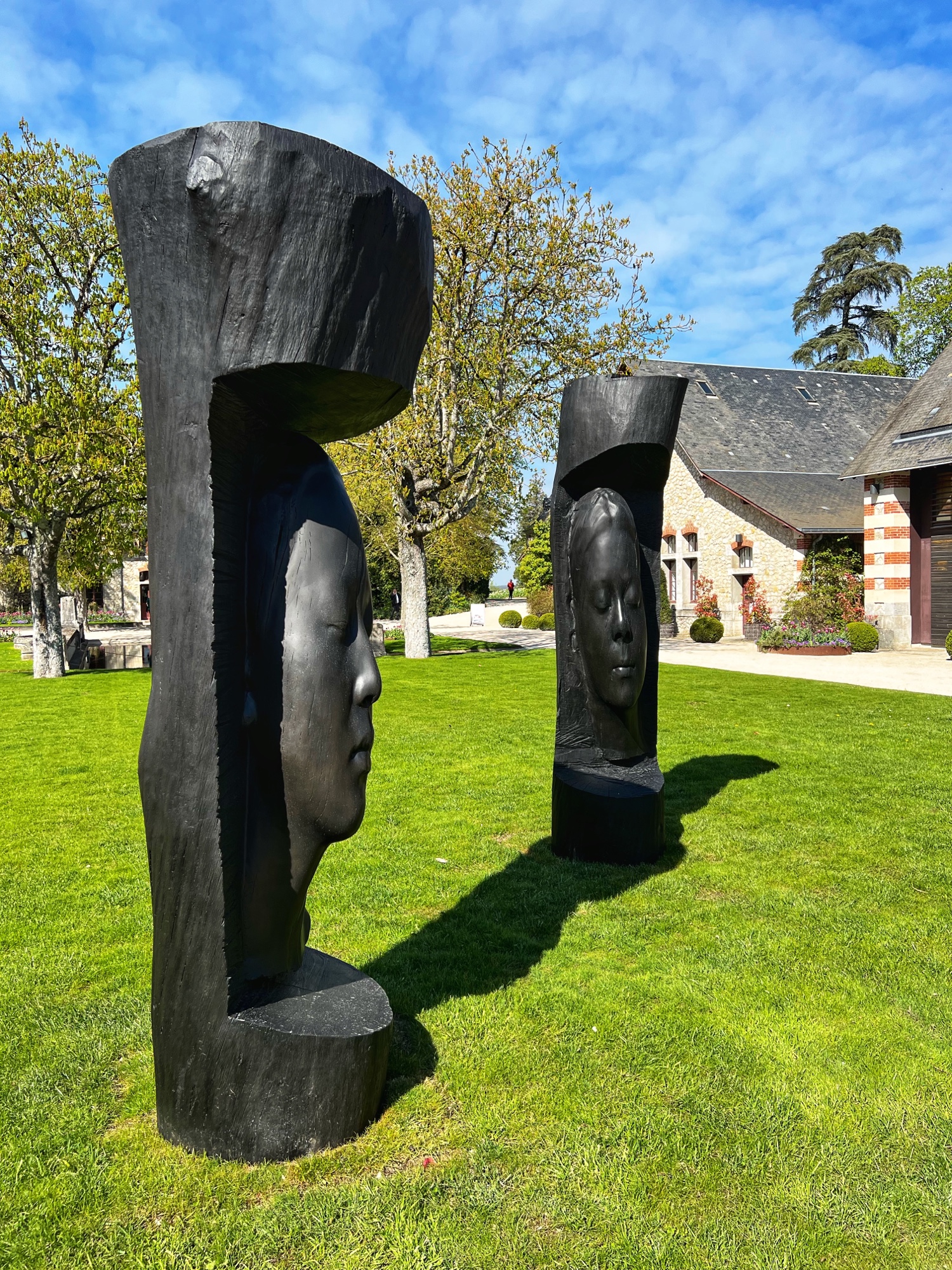
Outside, as you exit the front of the palace, the great gardens reach forward towards the moat. The impressive perspective of the château from the pathways really show its grandeur. The current whimsical art sculptures by Pablo Reinoso (“Overflows” from May 1-Sept 4) on display also provide a unique vantage point at the front of Chambord.

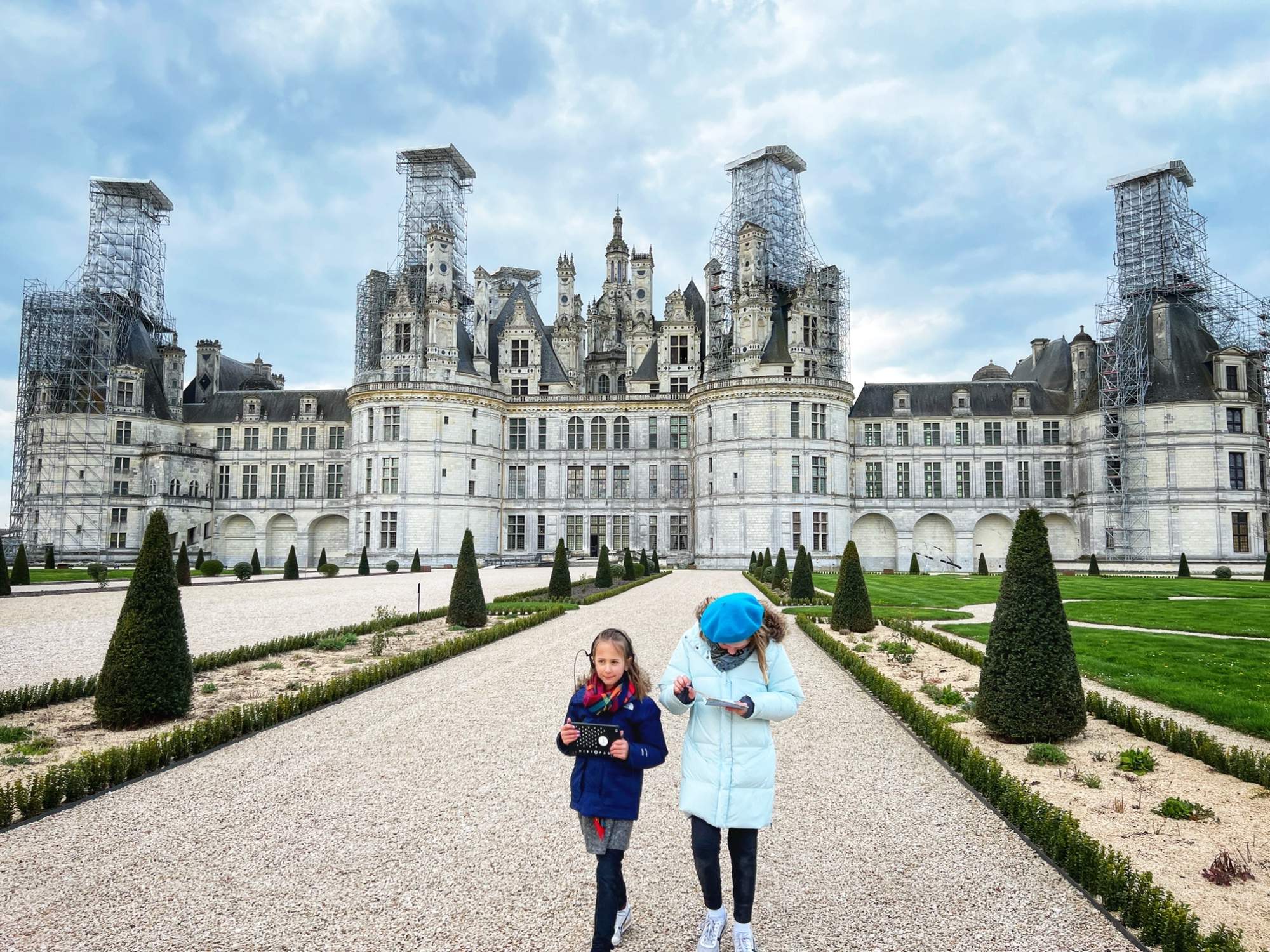
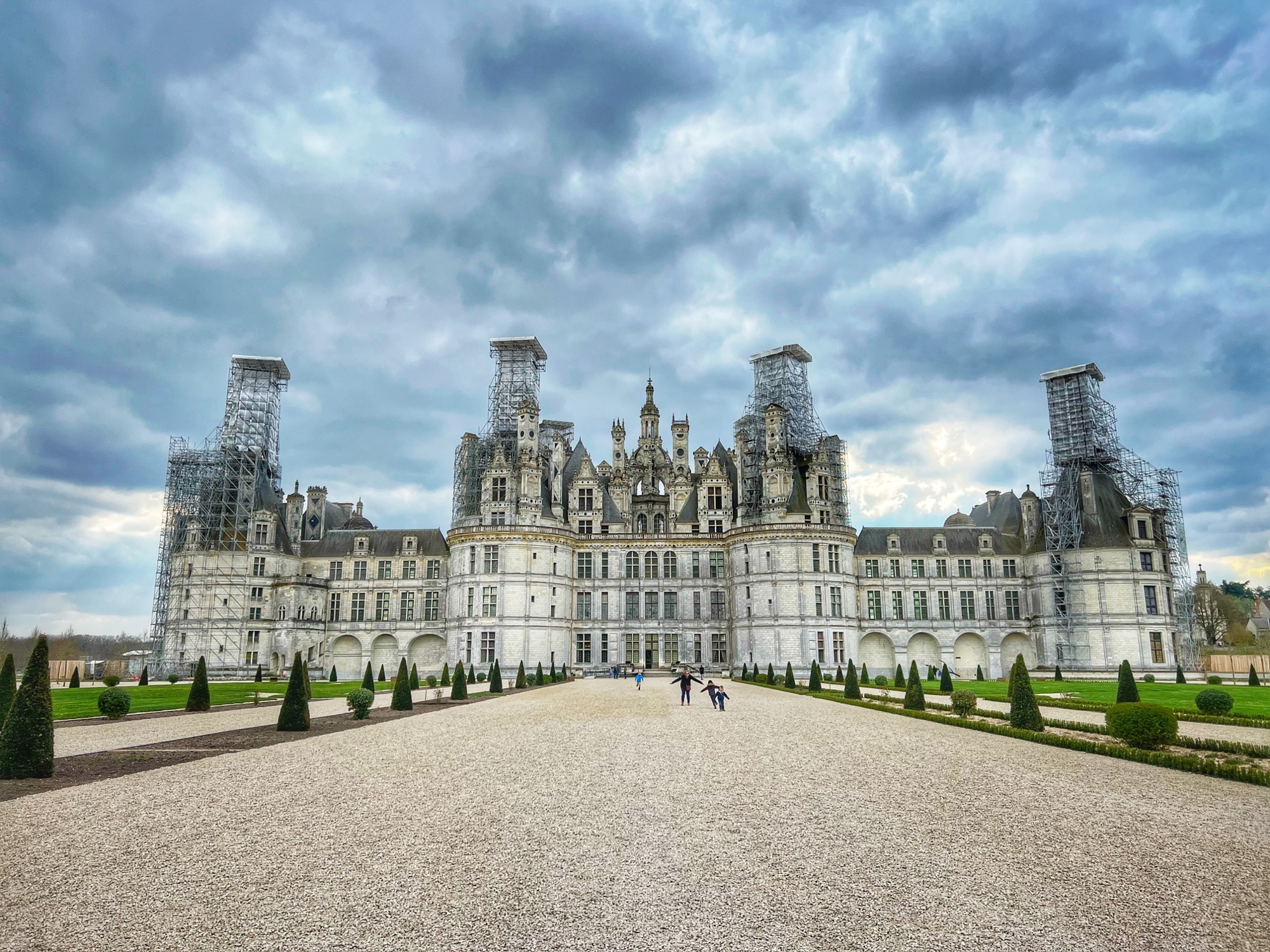
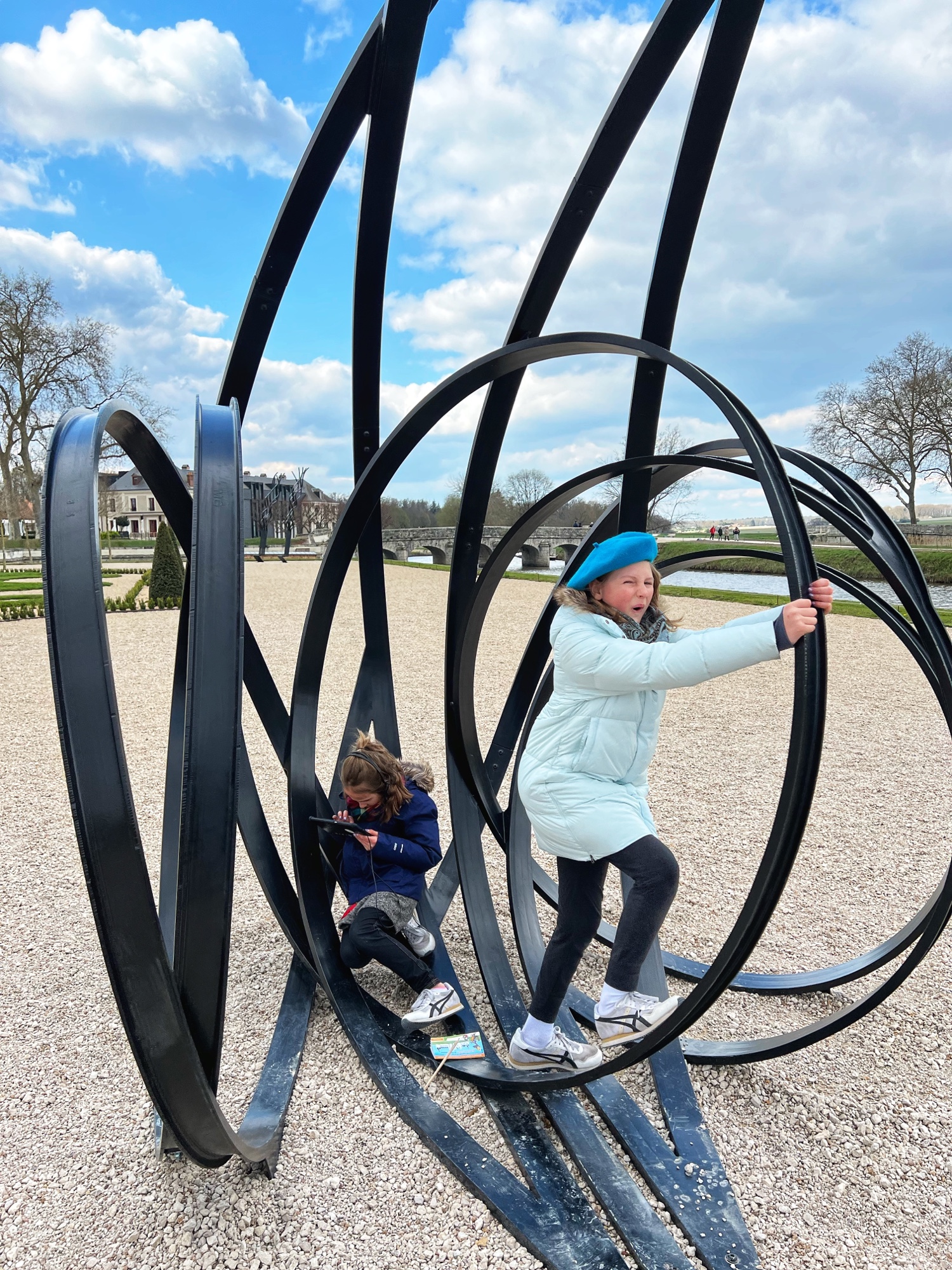
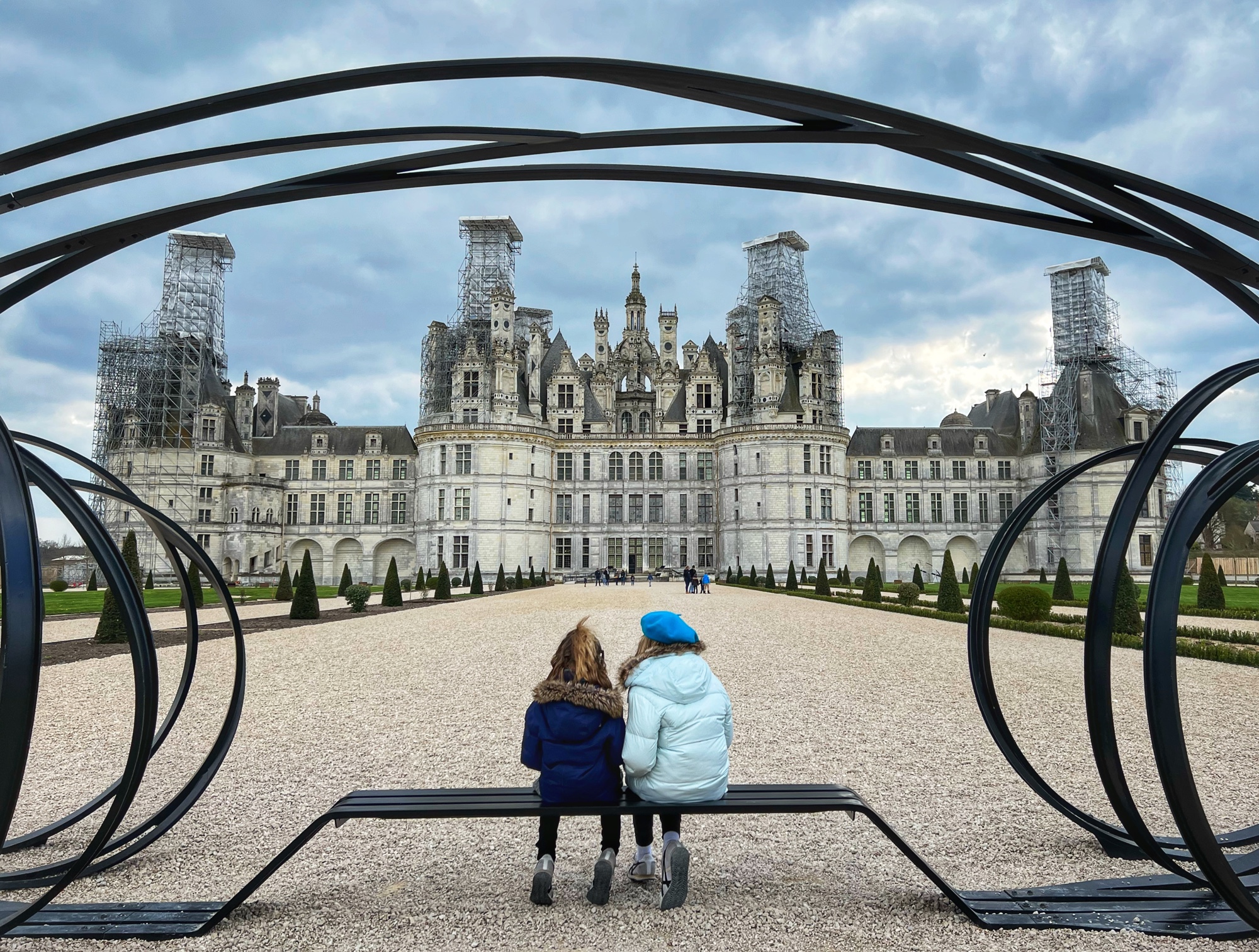
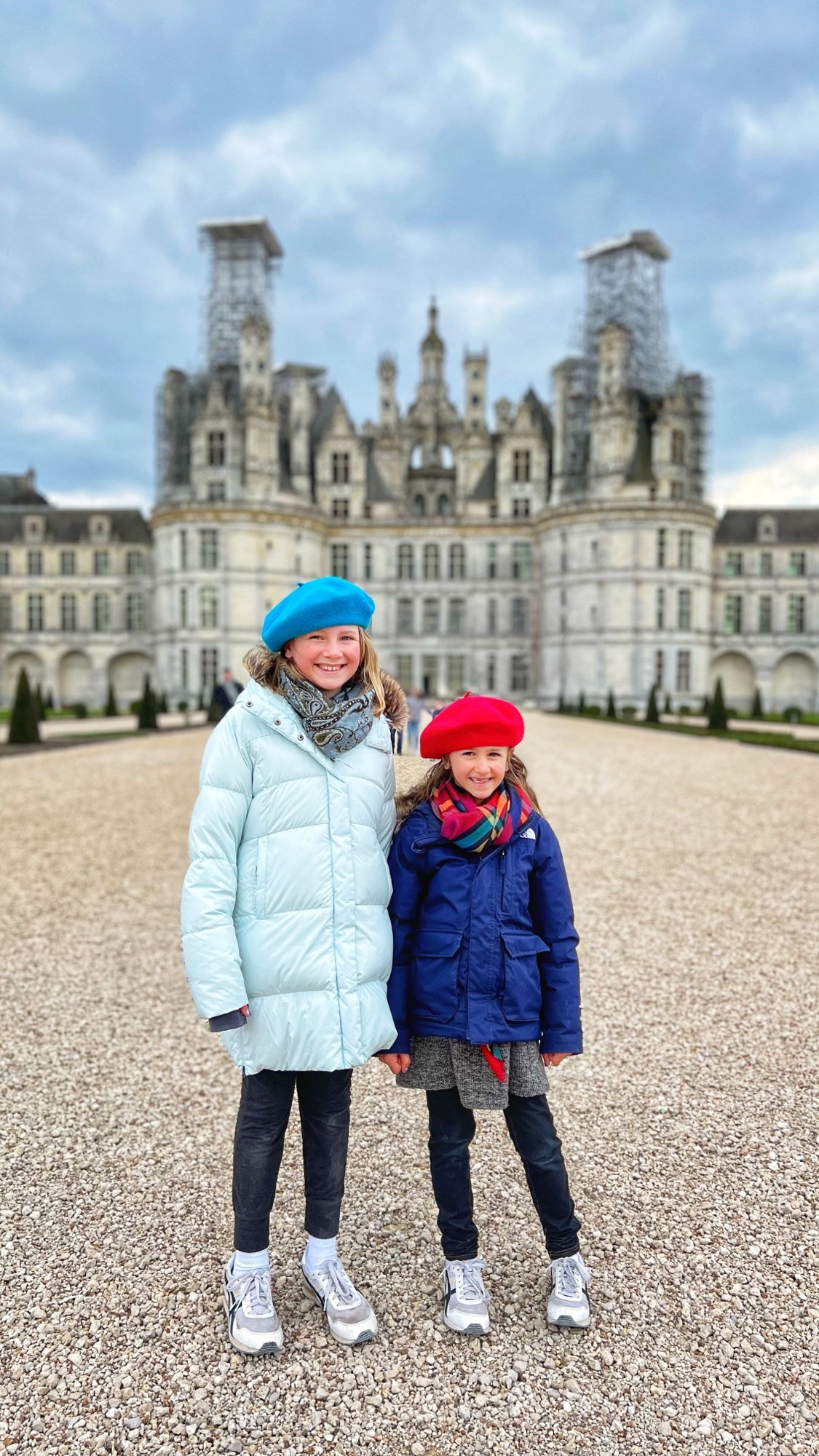

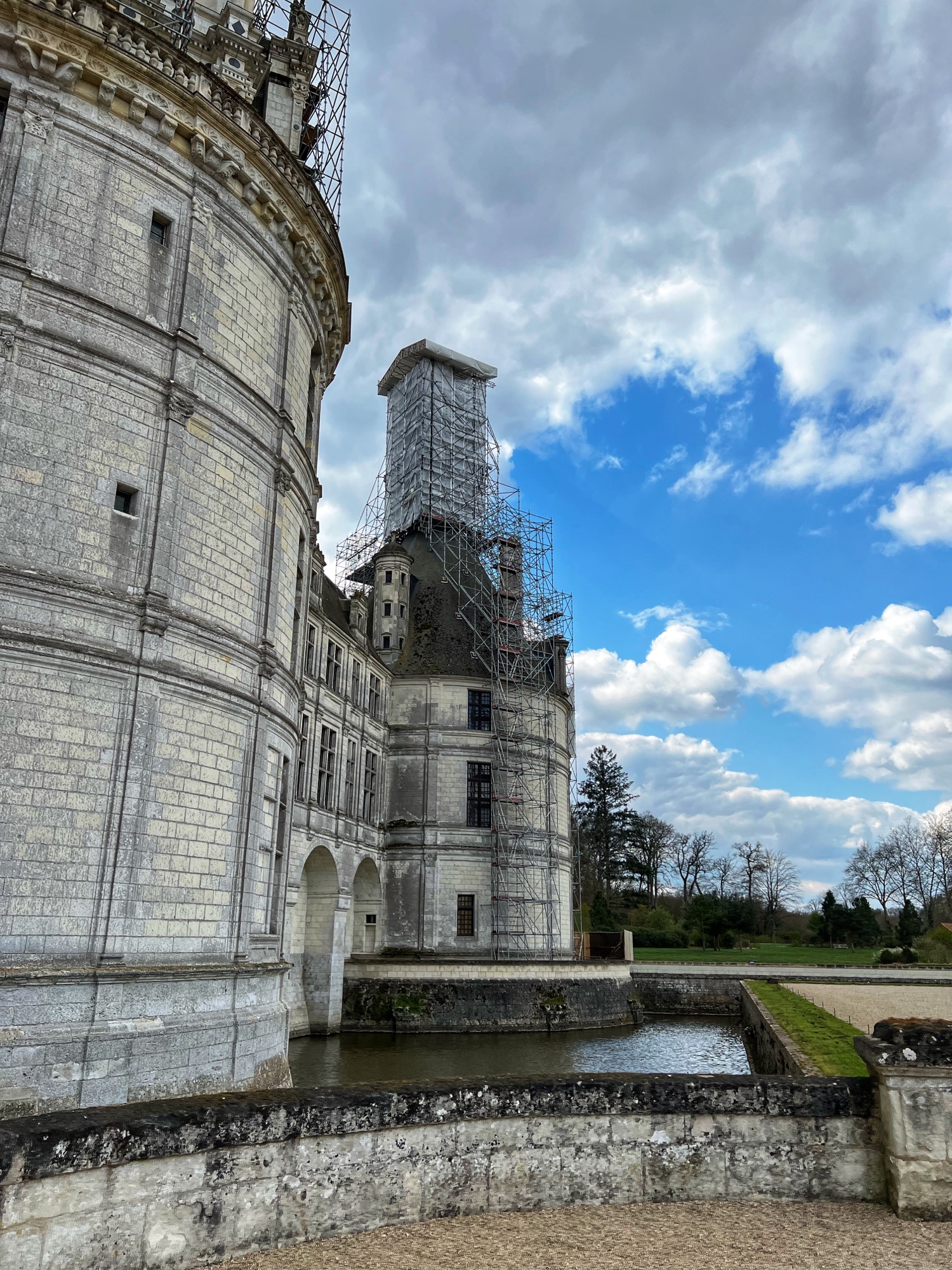
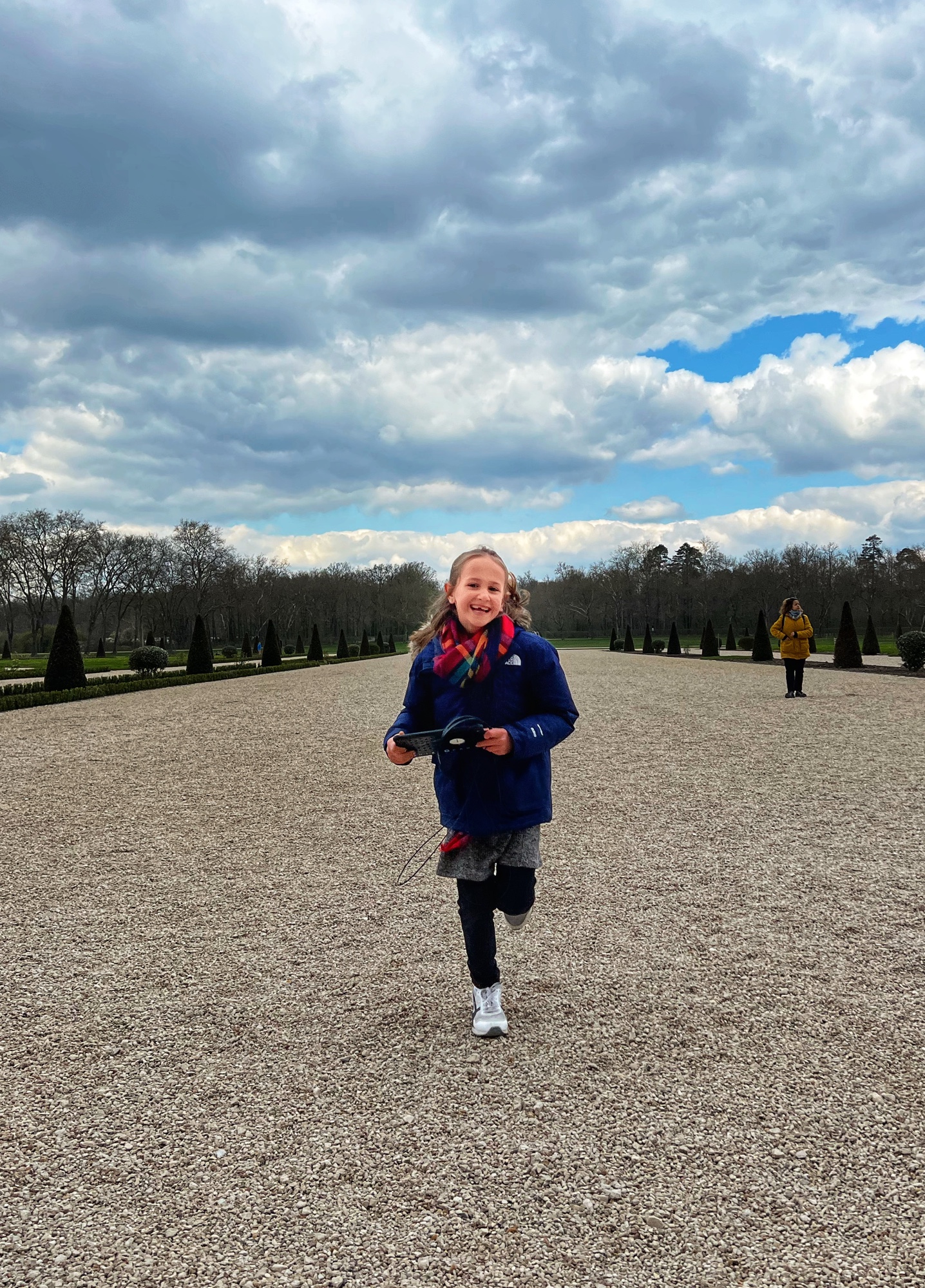
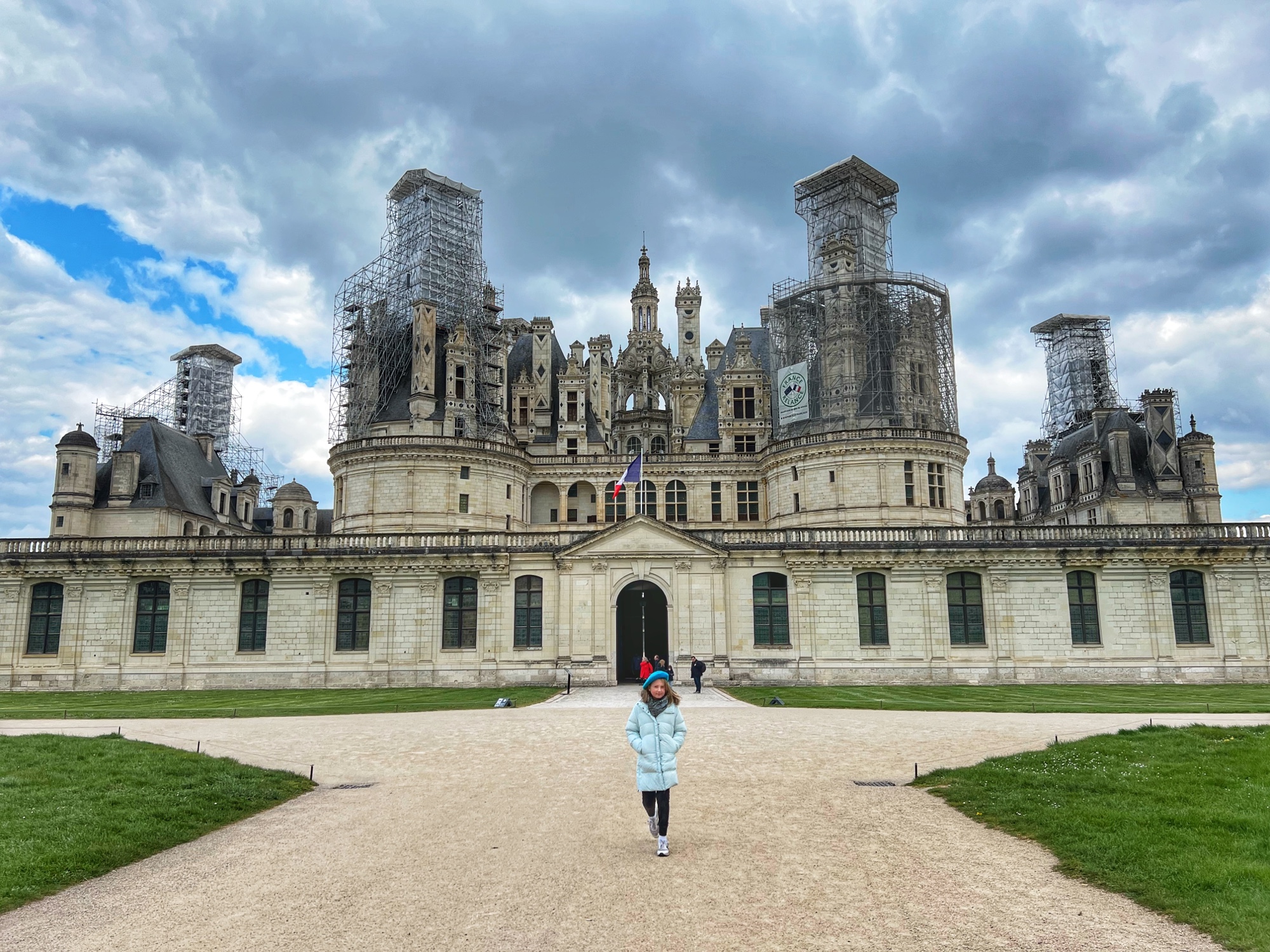
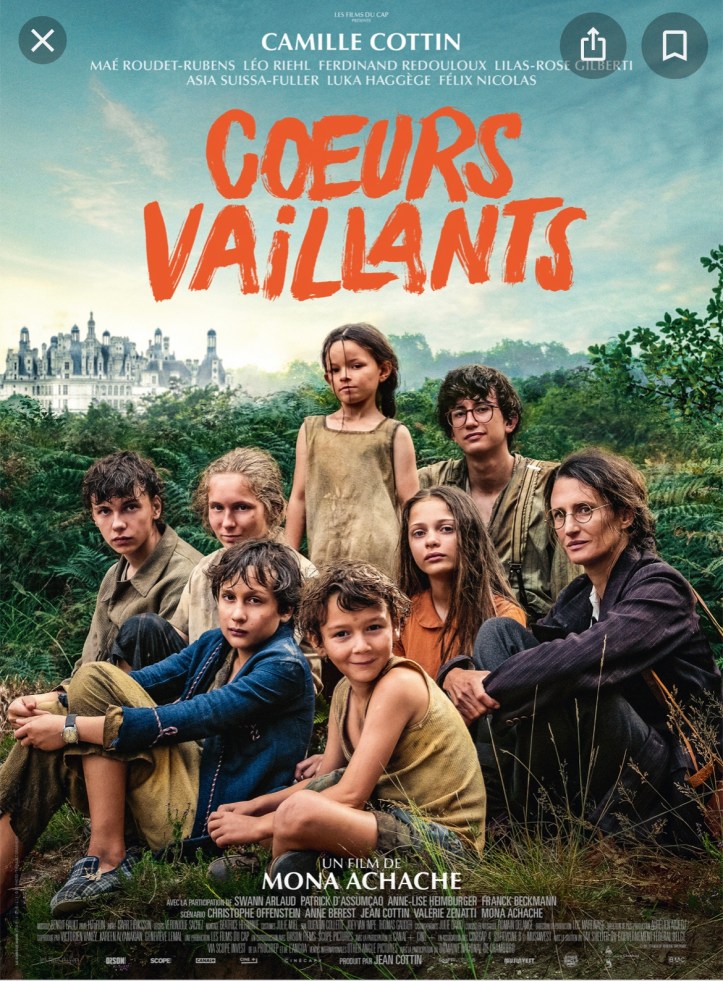
The day we visited it was freezing cold, so we opted not to tour the exterior chapel and hang out in the village. But it is possible to time your visit to enjoy the horses and bird of prey show. There are nice picnic grounds as well, and you could probably spend the entire day here, biking and hiking around the beautiful park. Something else of note is that a recent movie was set here and I really want to see it. They highlight it in one of the little movie viewing rooms. It looks great! Check out “Valiant Hearts” – it’s in French.
For more information to plan your visit, click here.
Blois
- Opening Hours: 9am-6pm (hours vary by season, check site below)
- Rates: Adults €13, Youth €6.50, Under 6 free
- Parking: none at château. Meter parking nearby (free Sunday) here.
- Audioguide €3/each (recommended), Histopad free
- Children’s Activities: Histopad (free), Children’s Activity book/guide (free, SO nice, in English!)
- Highlights: spiral staircase, home of Francois 1st, 4 châteaux in one, extra events like Sound and Light show (from 9 April – 25 Sept, a 45 minute show on the walls of the château from the courtyard) and House of Magic.
- Accessible: Partial, includes free admission.
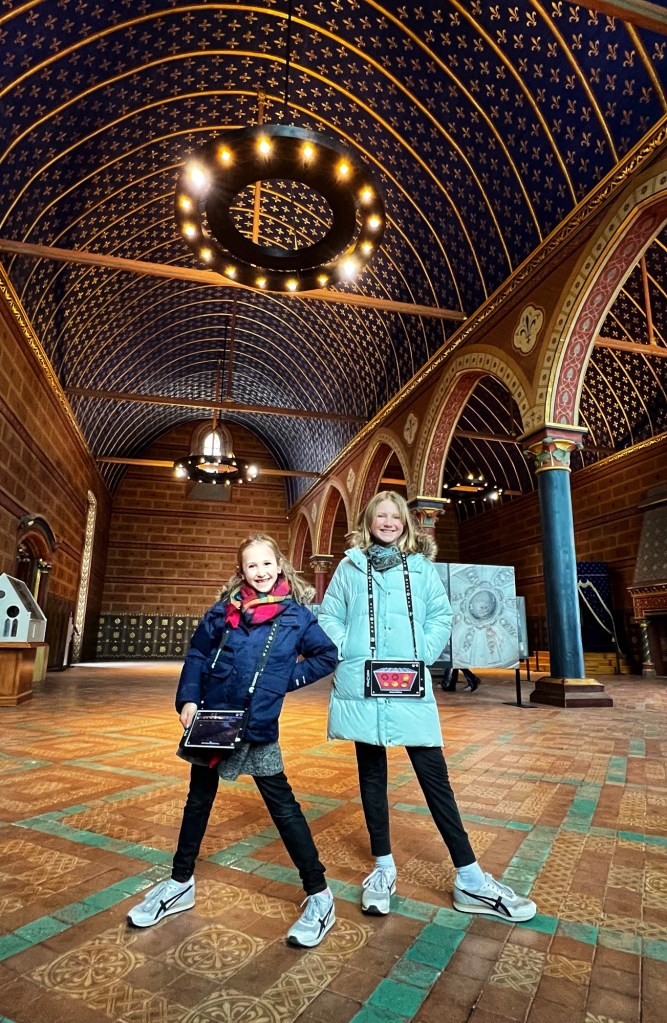
Château Royale de Blois absolutely charmed us! I was so pleasantly surprised and impressed by the preservation and presentation of this glorious royal palace. Did you know Blois was the home to 7 kings and 10 queens of France? The Histopad tour reveals lots of interesting secrets and historical nuggets you might not learn elsewhere. This luxurious palace is actually four châteaux in one – representing different architectural styles and even different eras of royal French history! The château itself is a brilliant museum housing 35,000 works of art and royal antiques. It truly dazzled us!
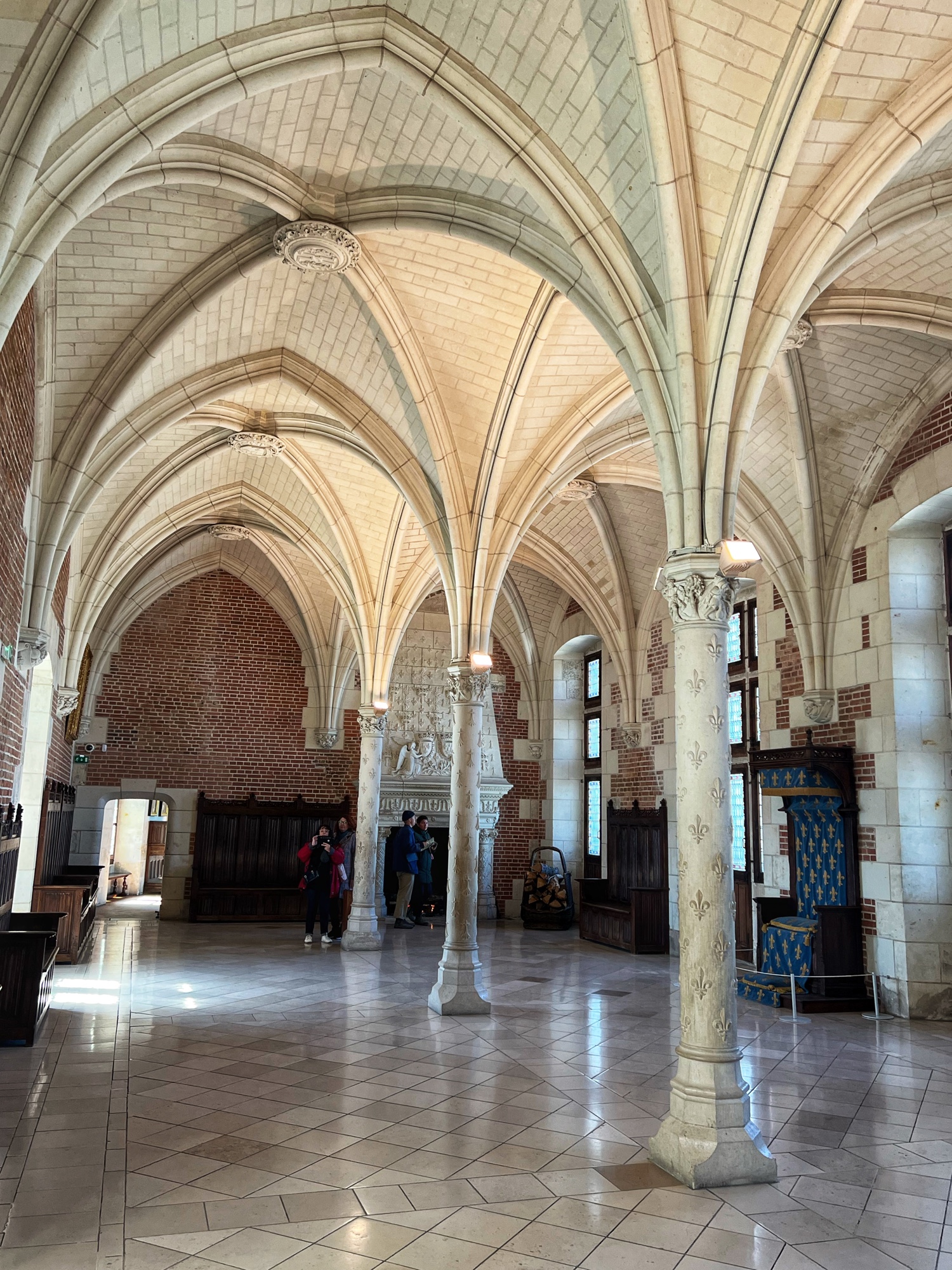
Ground first broke in the 9th century, but the Gothic estate later built in the 13th century that still remains in the largest 13th century Gothic civilian room in France. In the late 15th and early 16th centuries, the Louis XII wing was added in “Flamboyant” style. Shorty after, the Francois I wing was added in traditional Renaissance style, including the famous staircase that is similar to those at Chambord. Finally, in the mid 17th century, Gaston d’Orléons added a Classicism wing but it was never finished; he was next in line to the throne after his brother King Louis XIII, but then little Louis the XIV was born and his aspirations and funds went right out the window. (We all know how Louis the XIV ended up…)
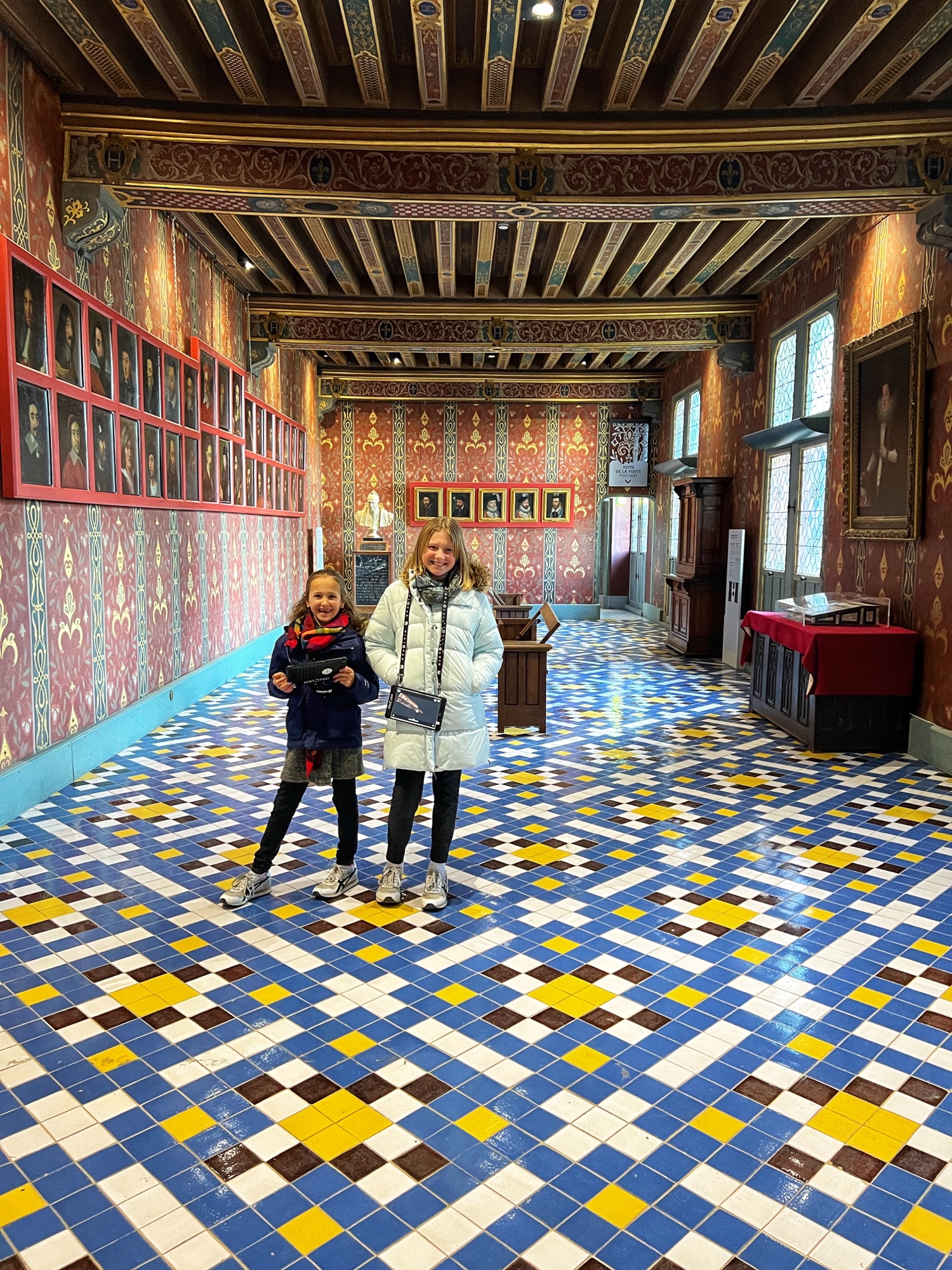

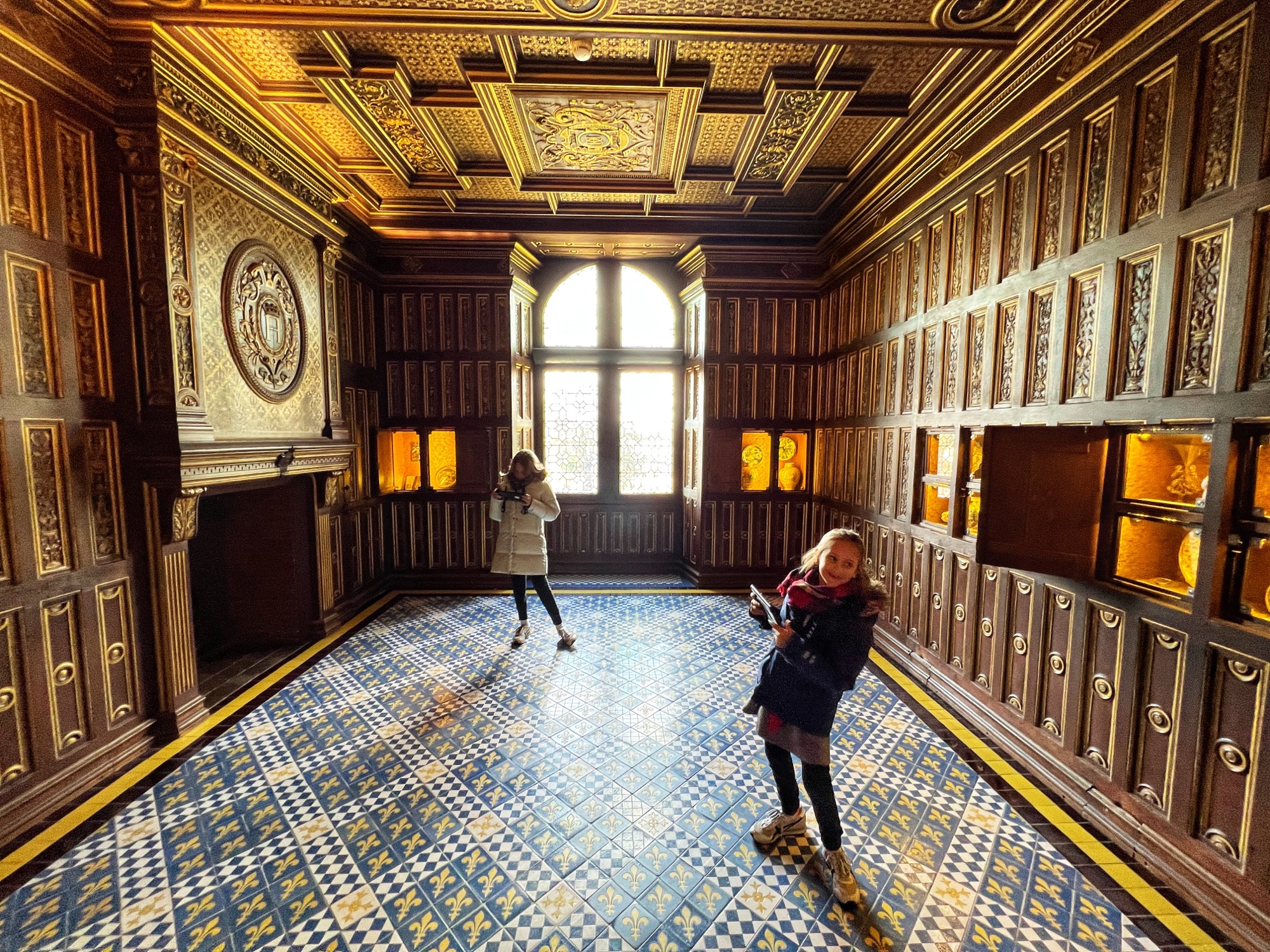
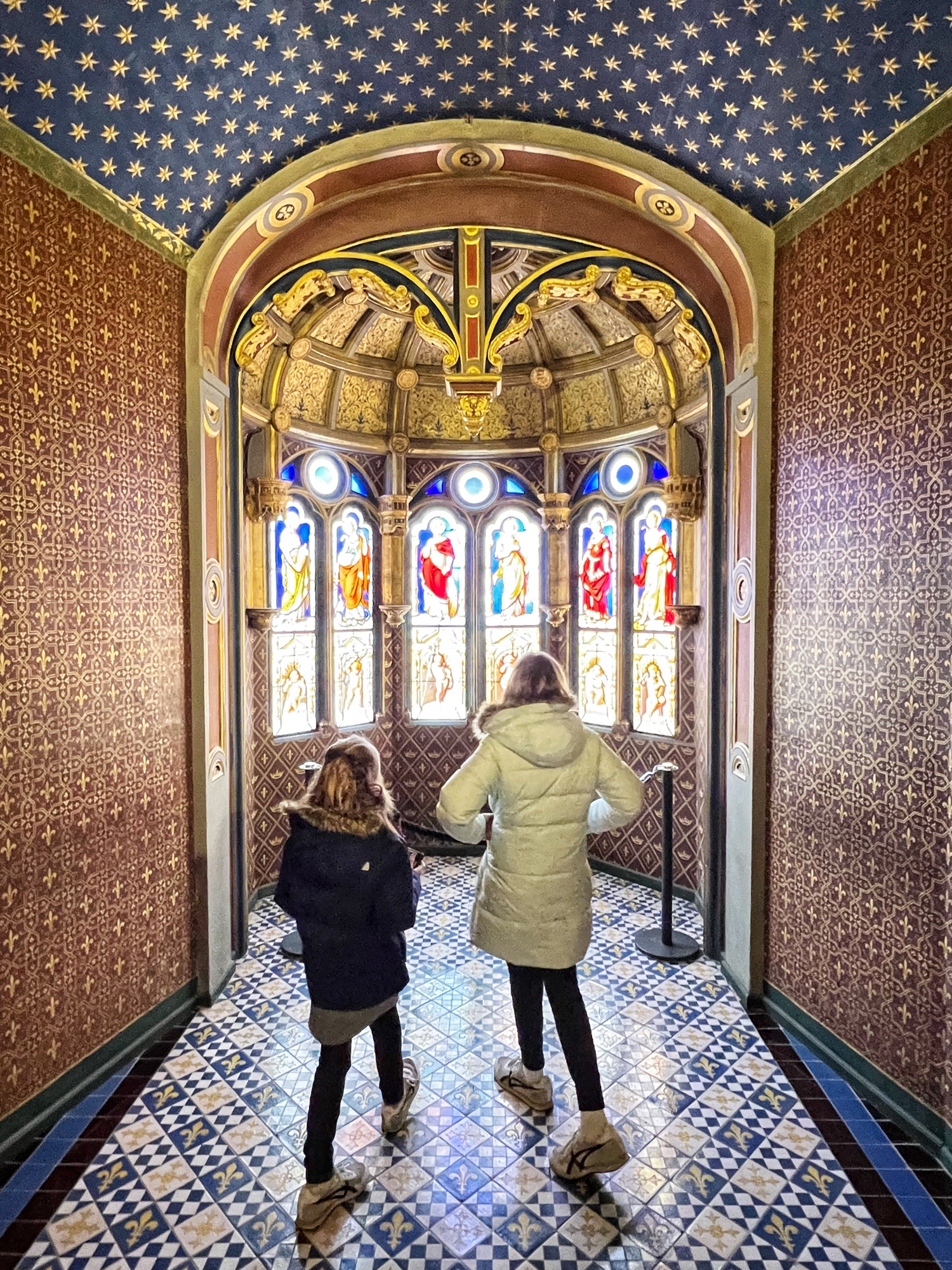
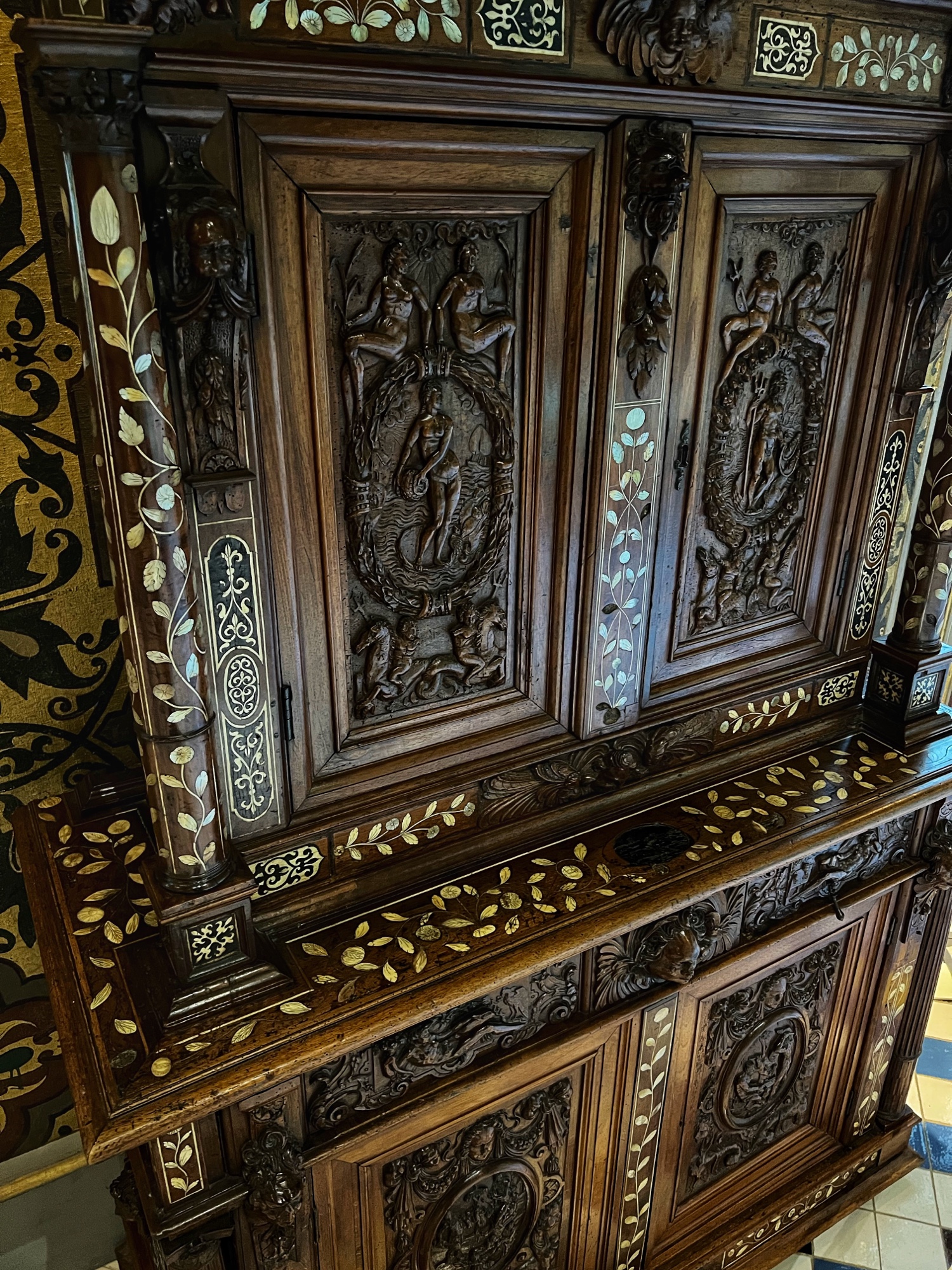

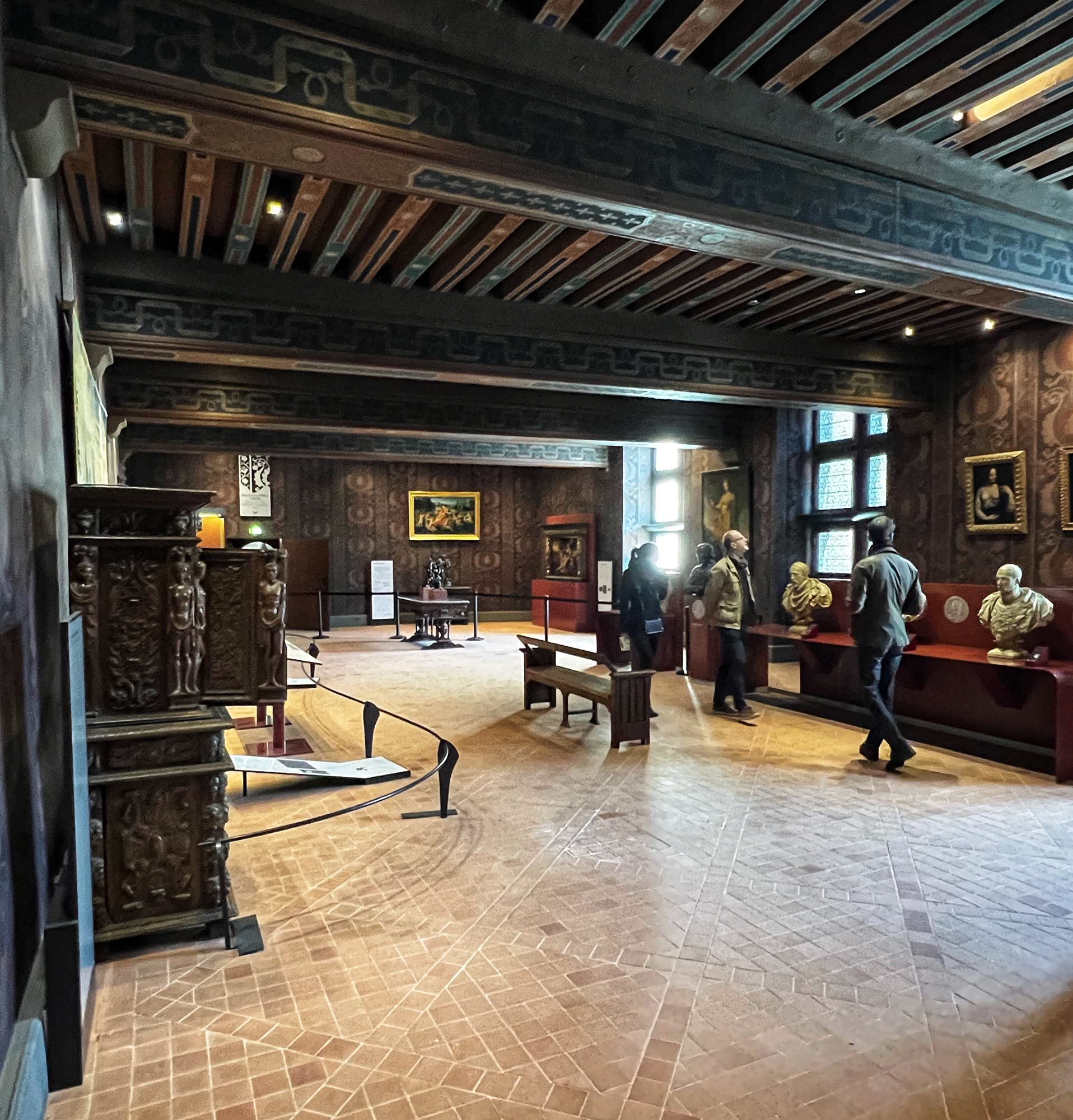
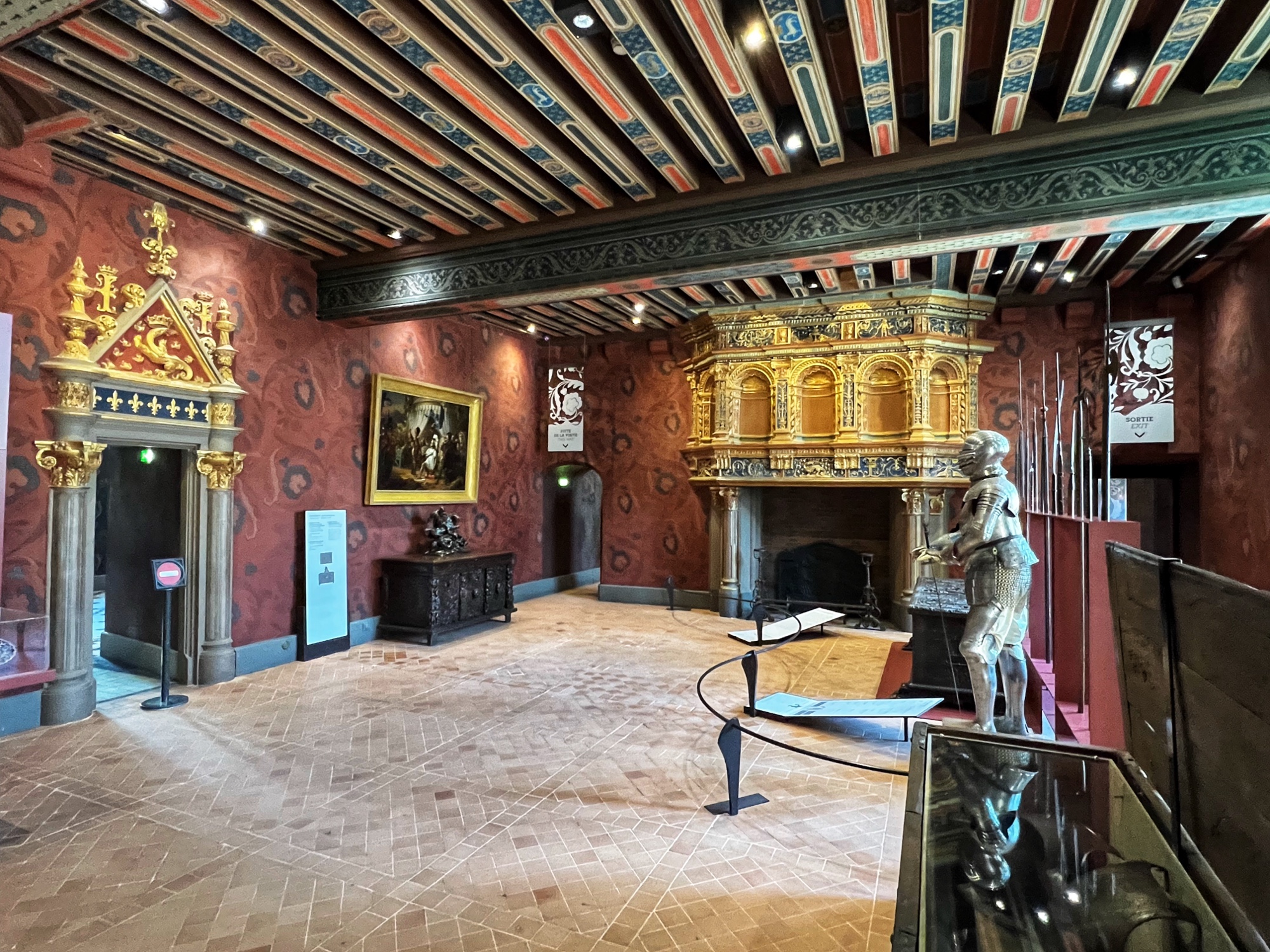
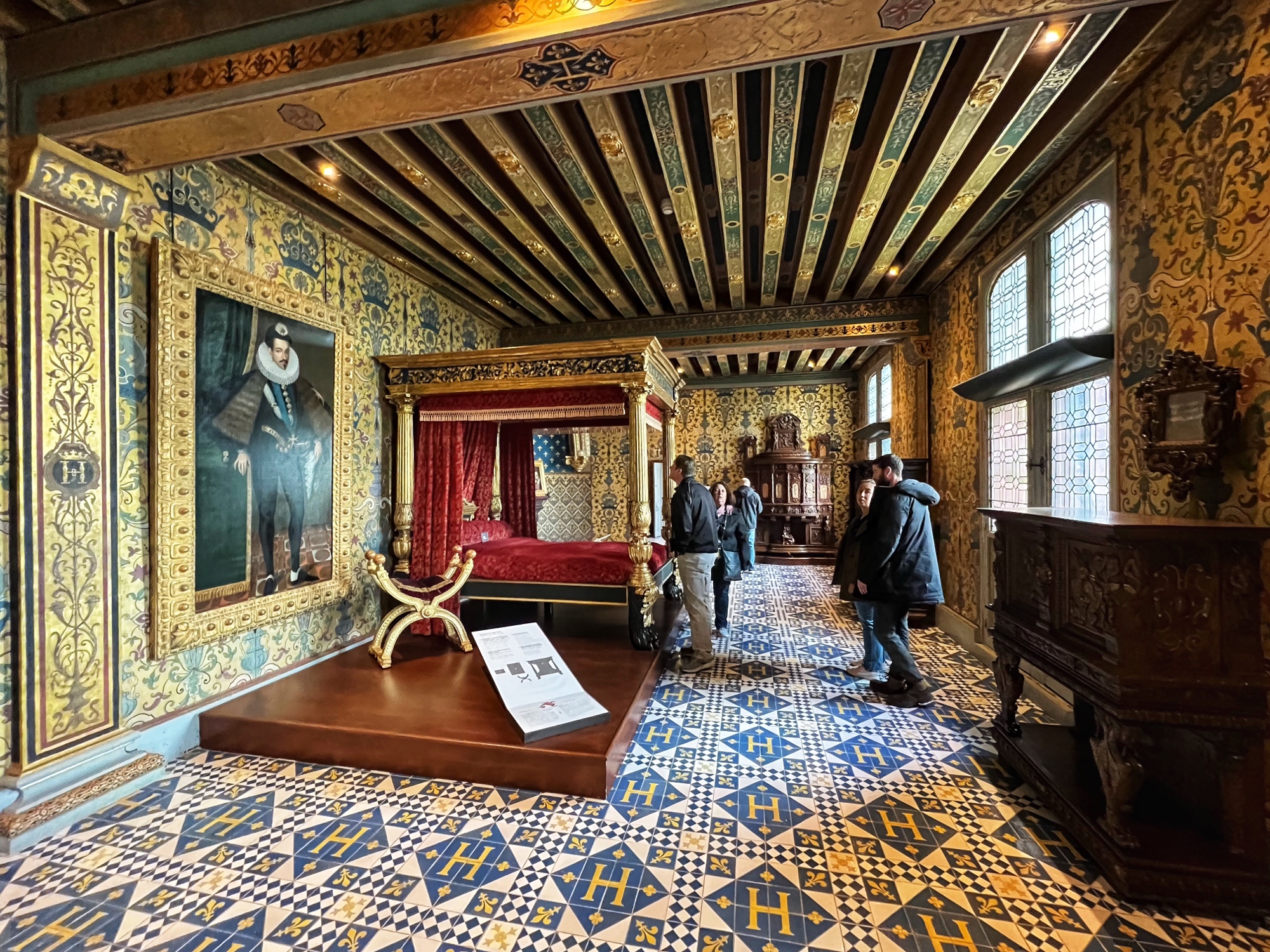
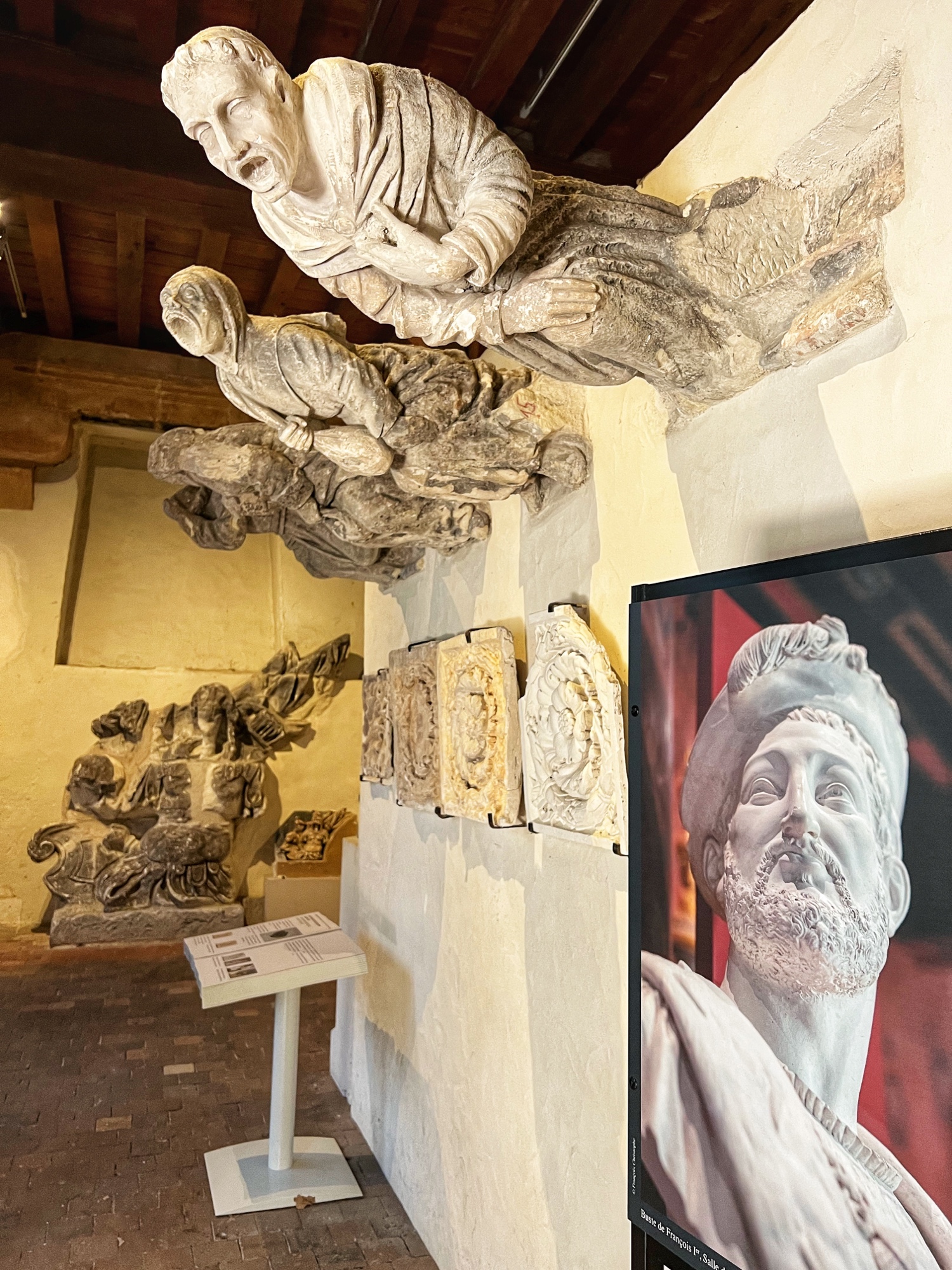
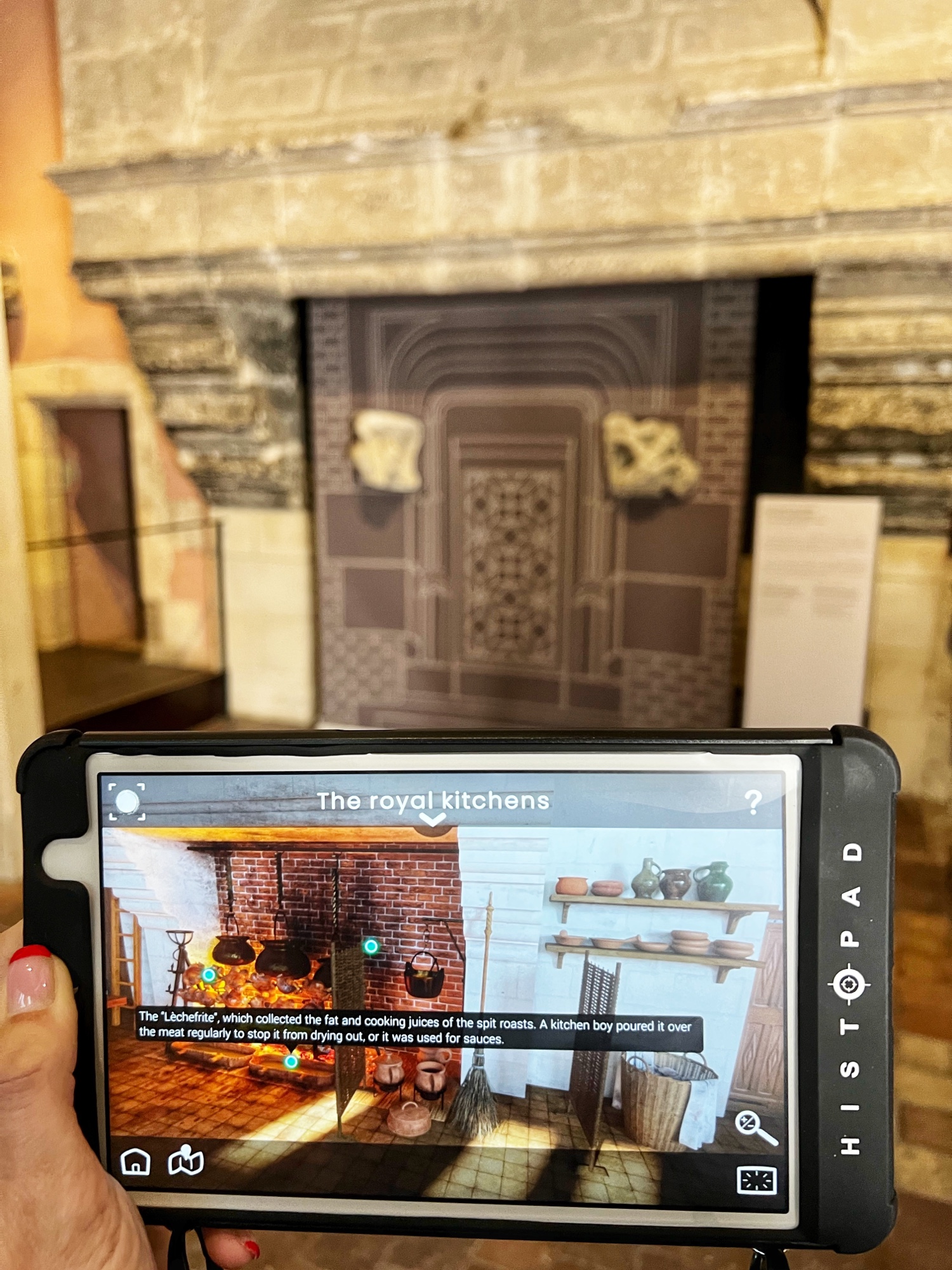
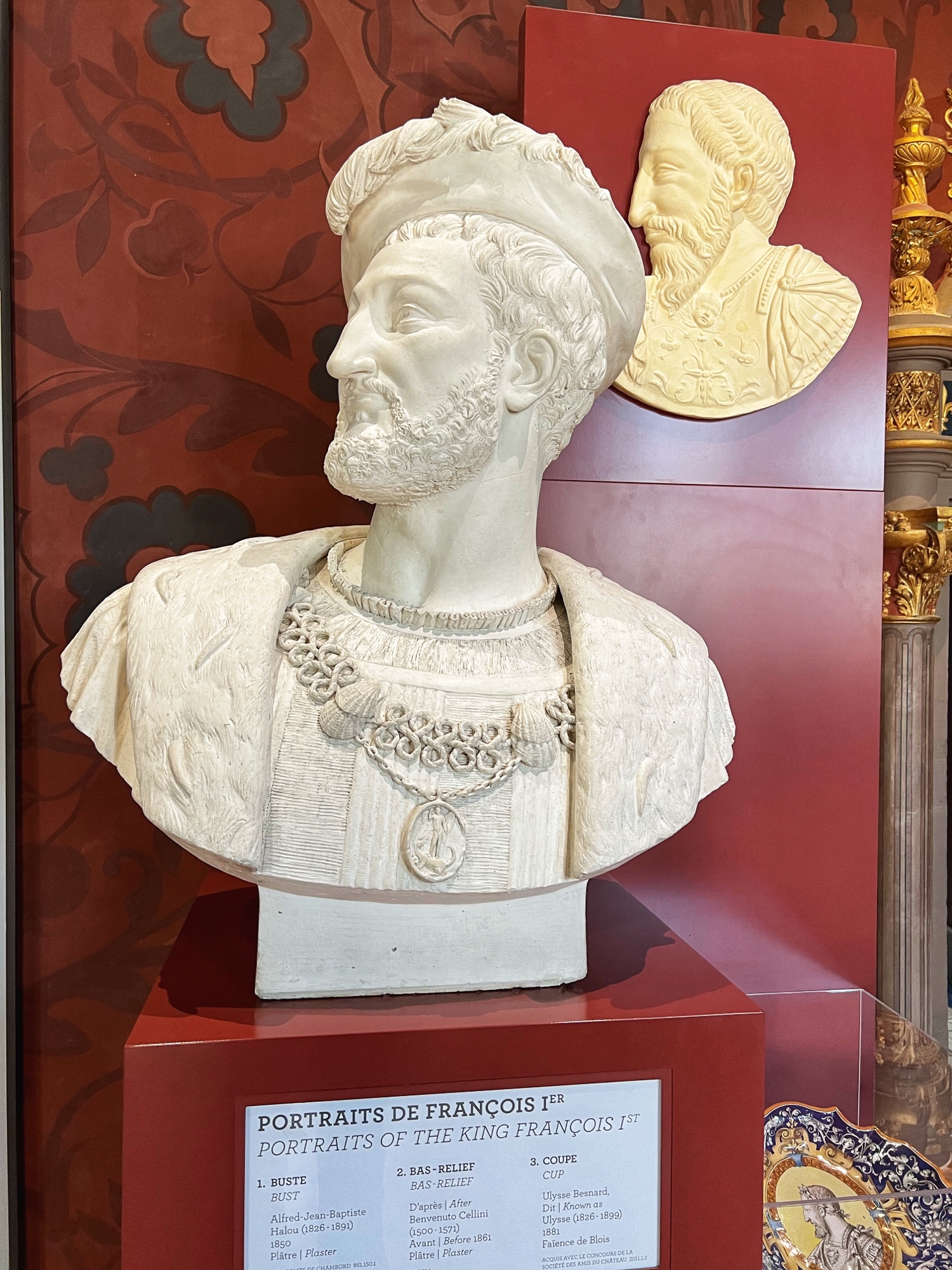
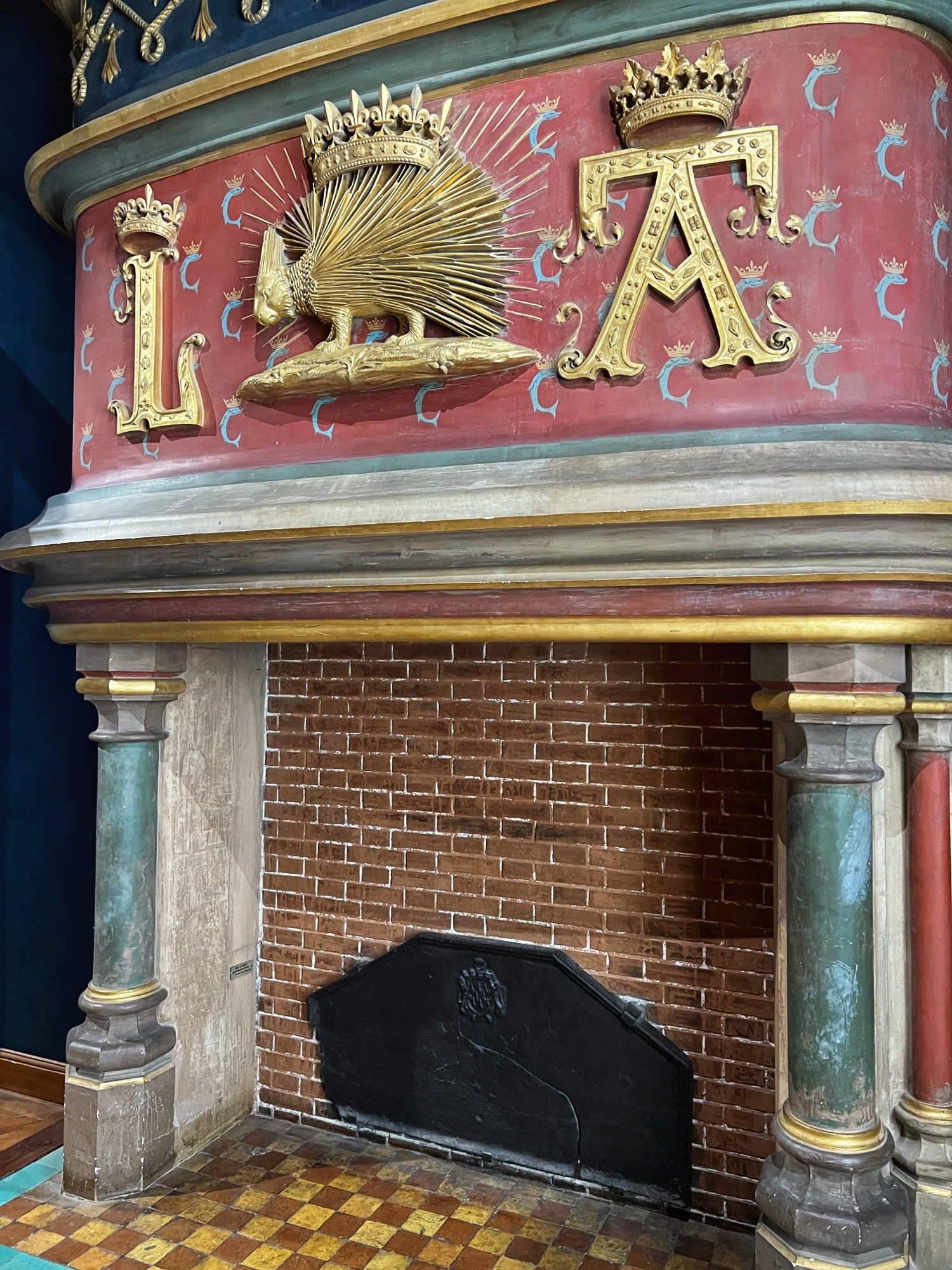
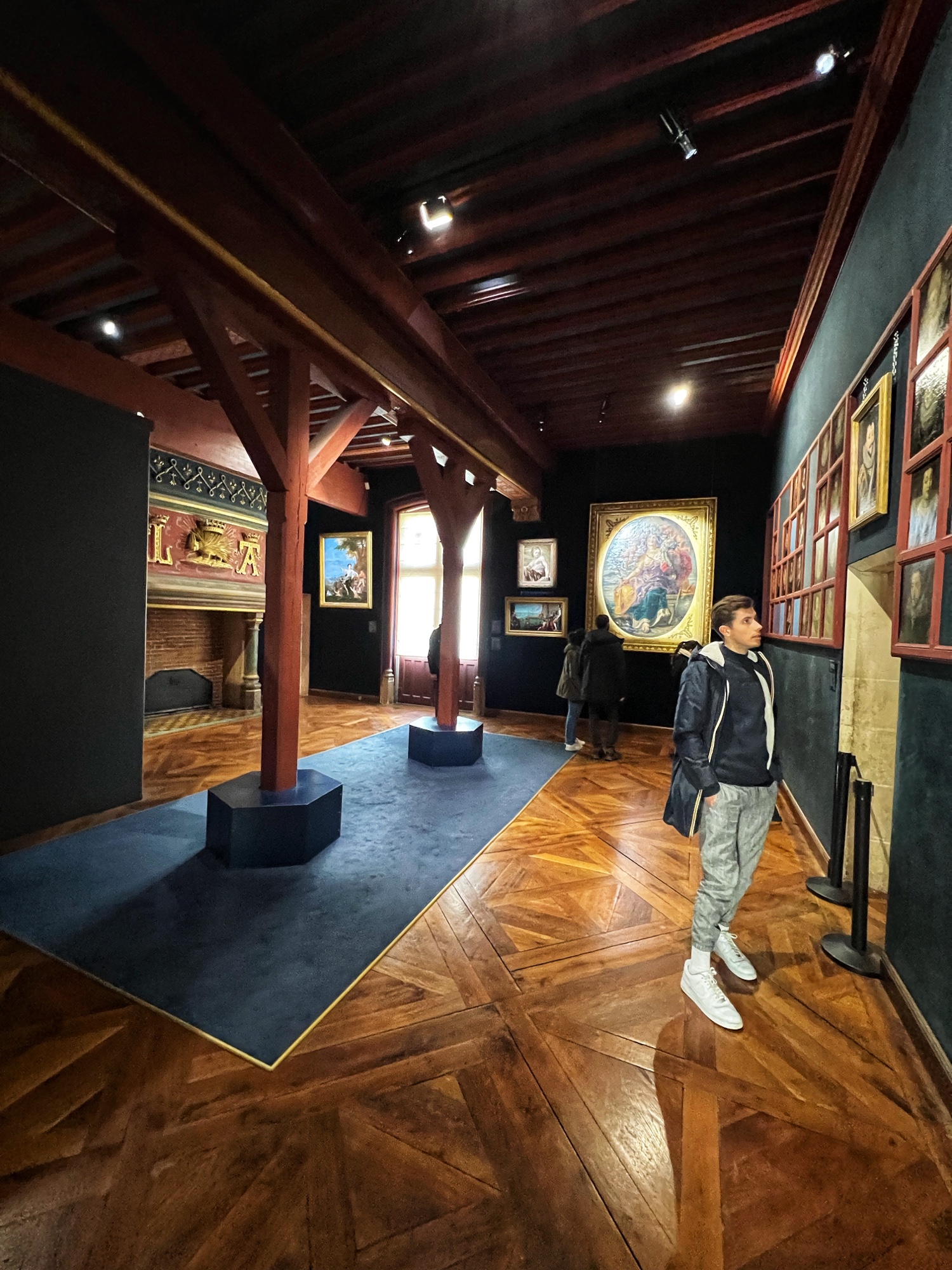
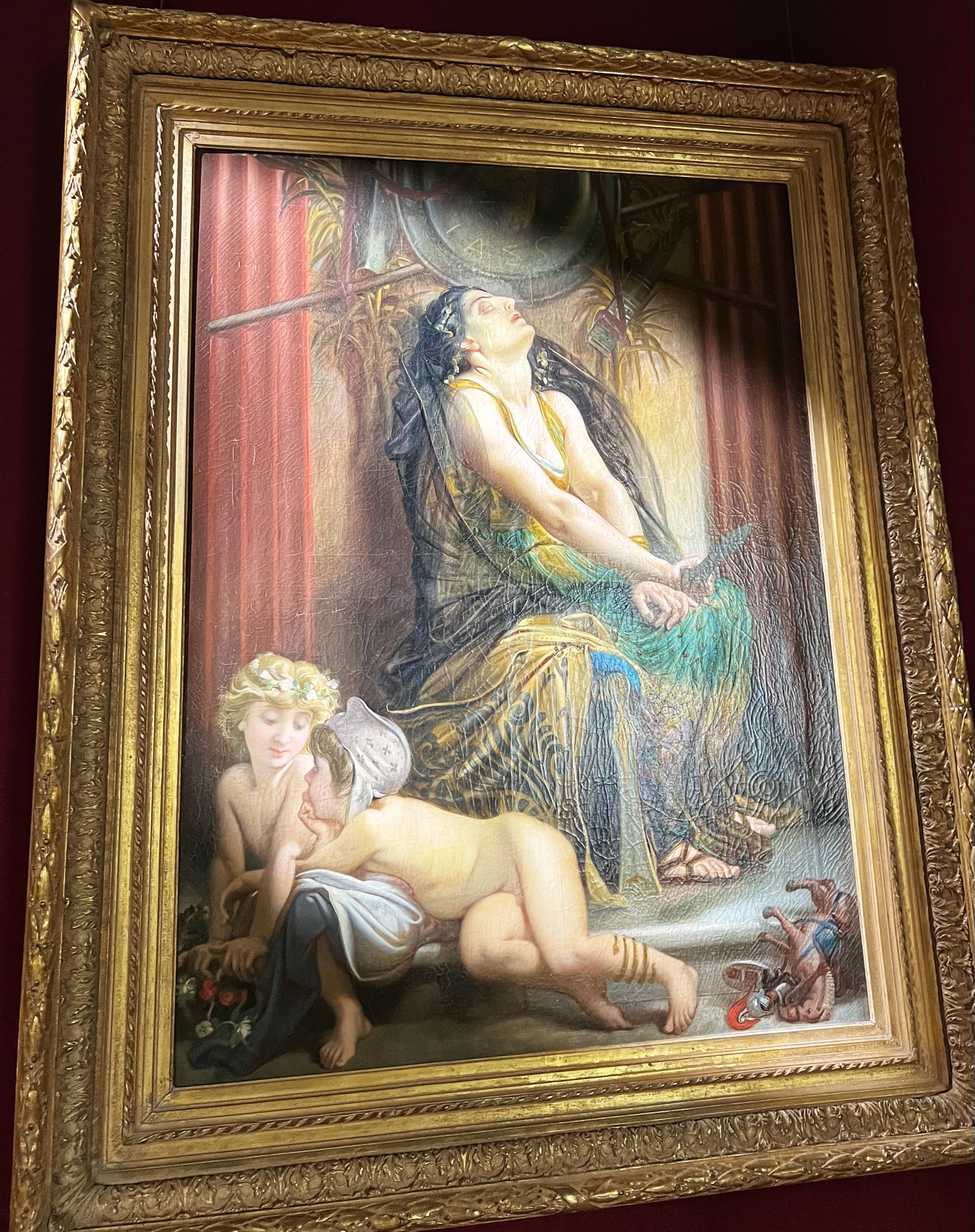
Above is a great view of the Histopad and how it shows a virtual trip through time. The furniture in these rooms were absolutely fabulous – with unbelievable wood carving details. And so colorful! The emblems of Louis XII (porcupine) and Francois 1st (salamander) are evident all through the palace. I loved the up close and personal art collection including busts of all the kings we were learning about, beautiful pottery, and countless paintings.
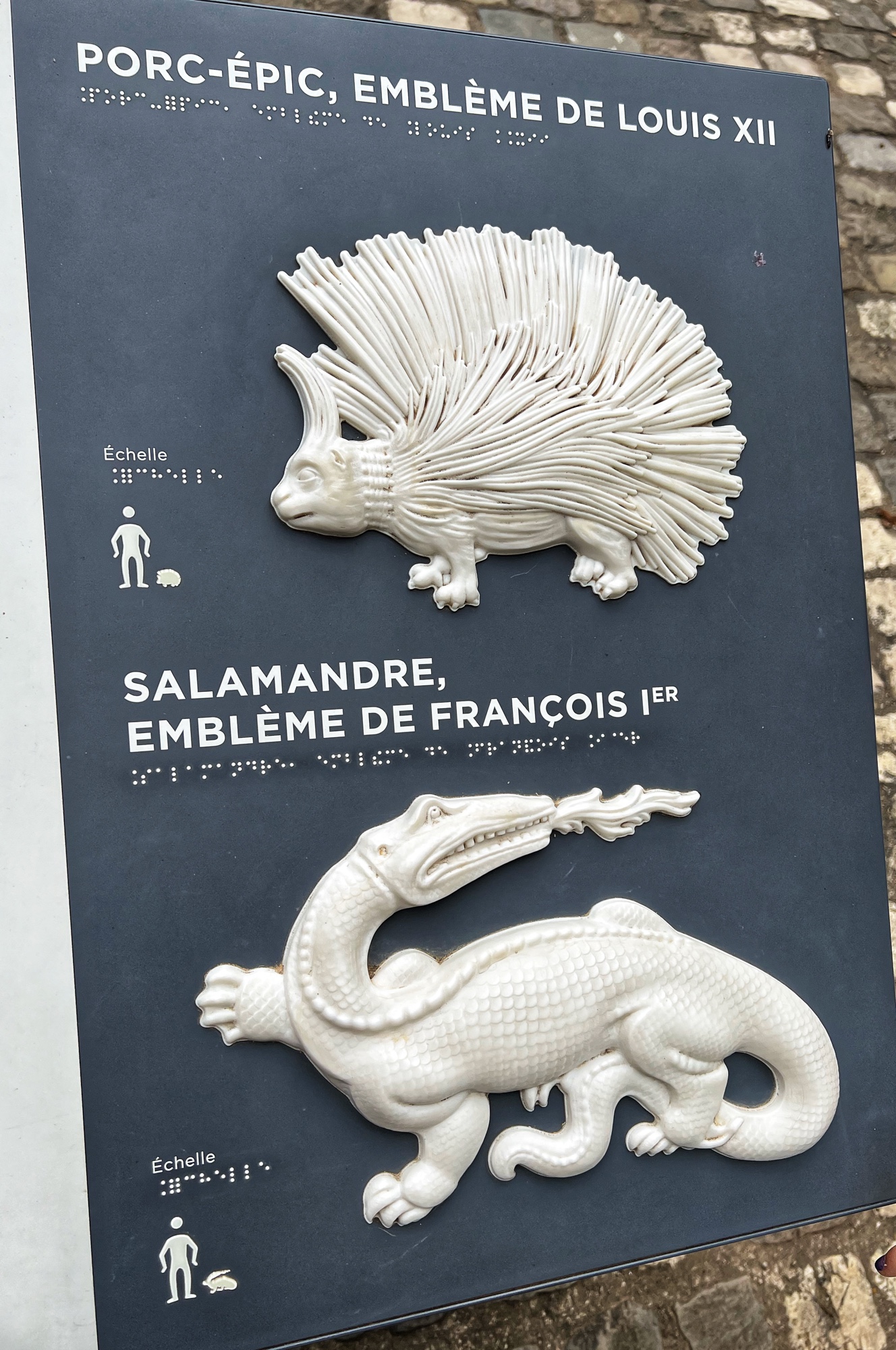
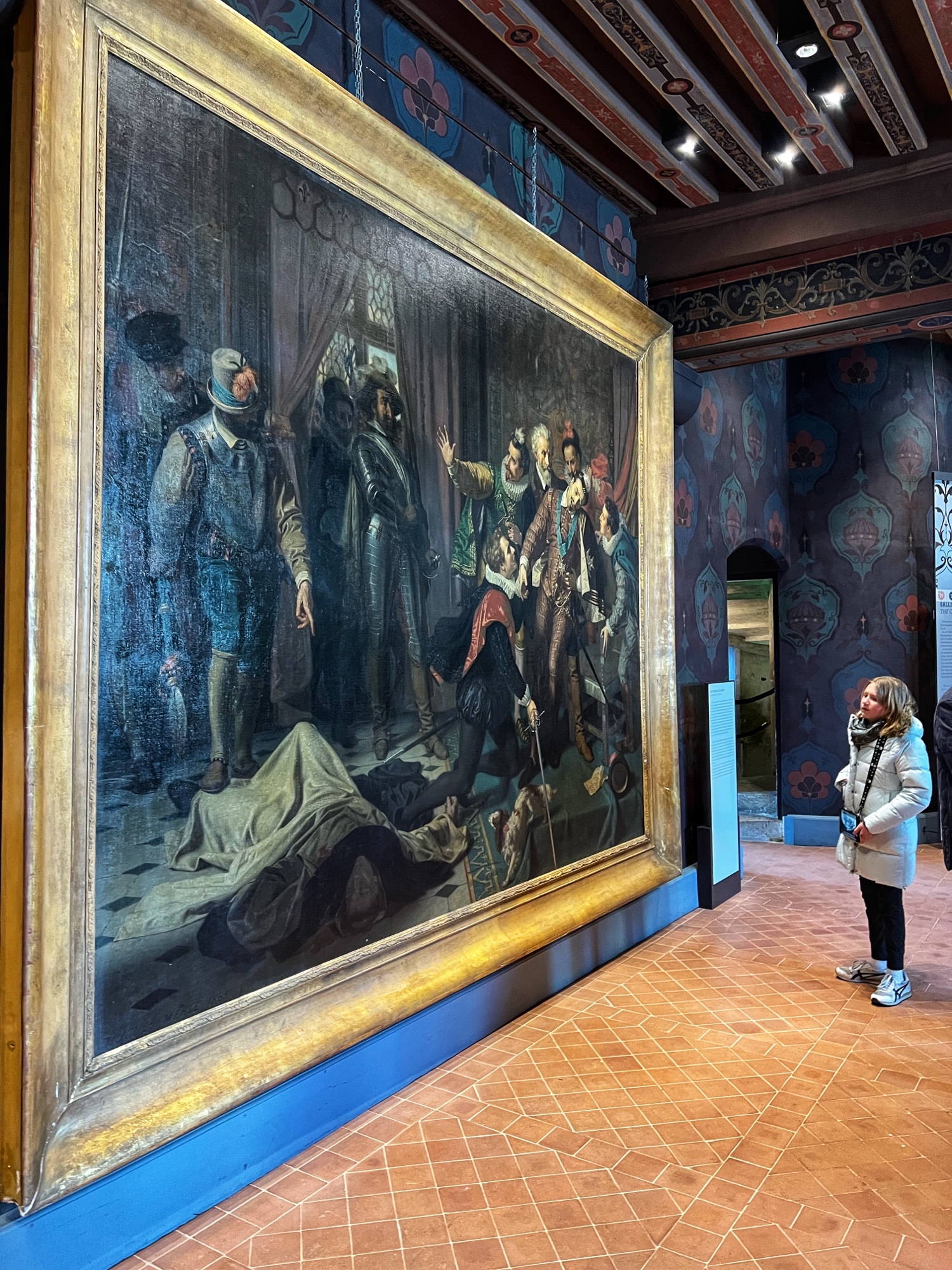

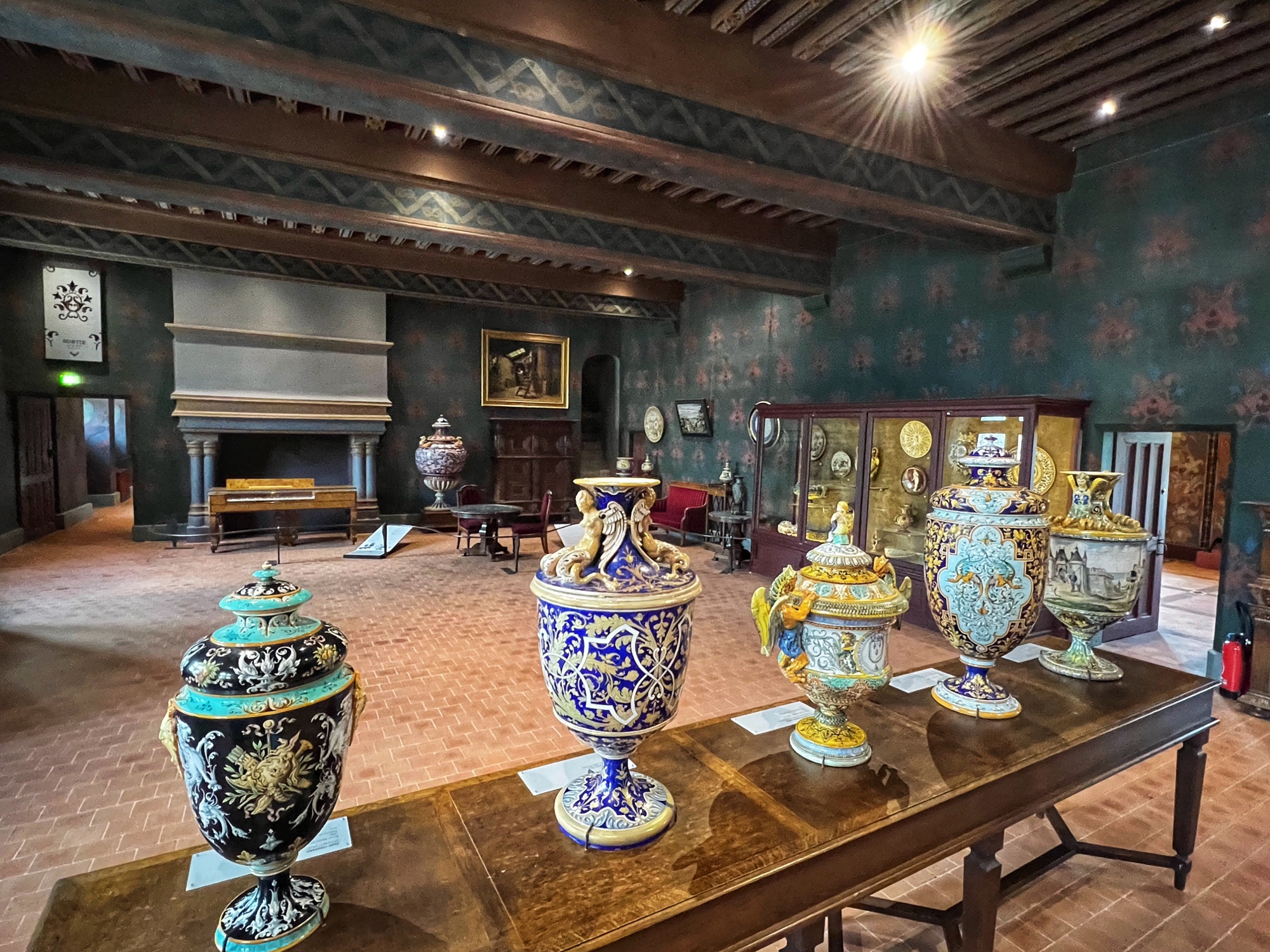

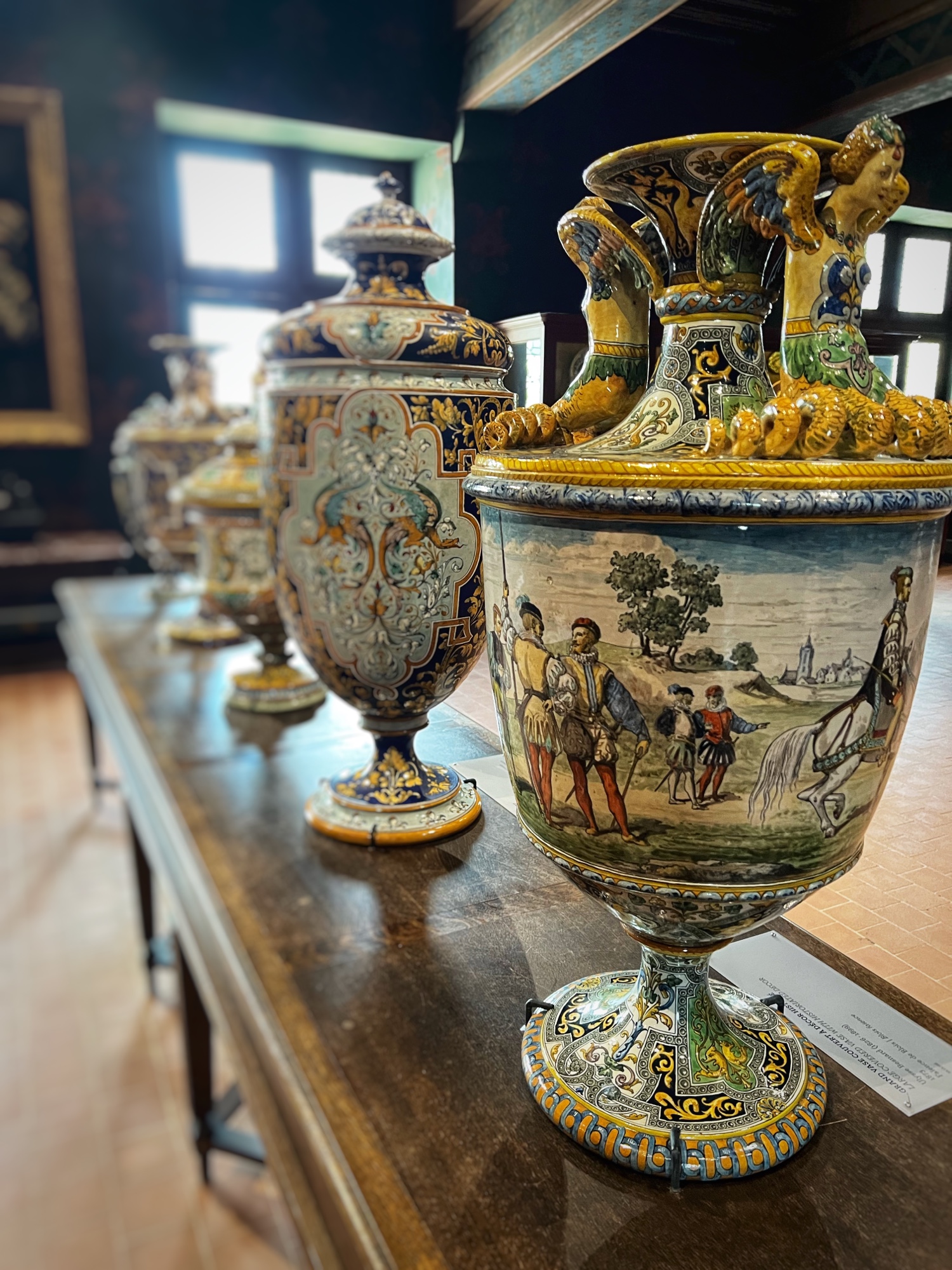
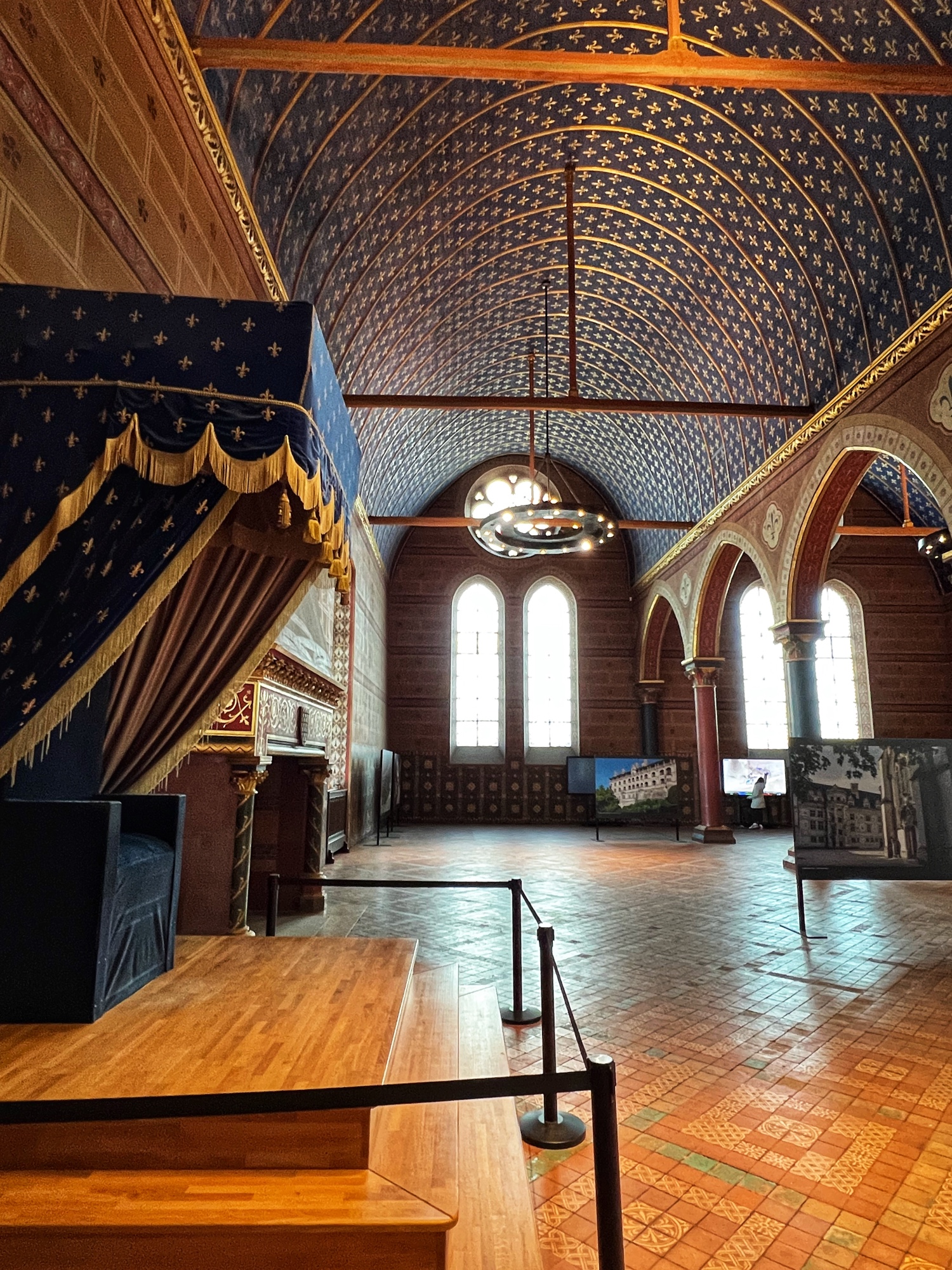
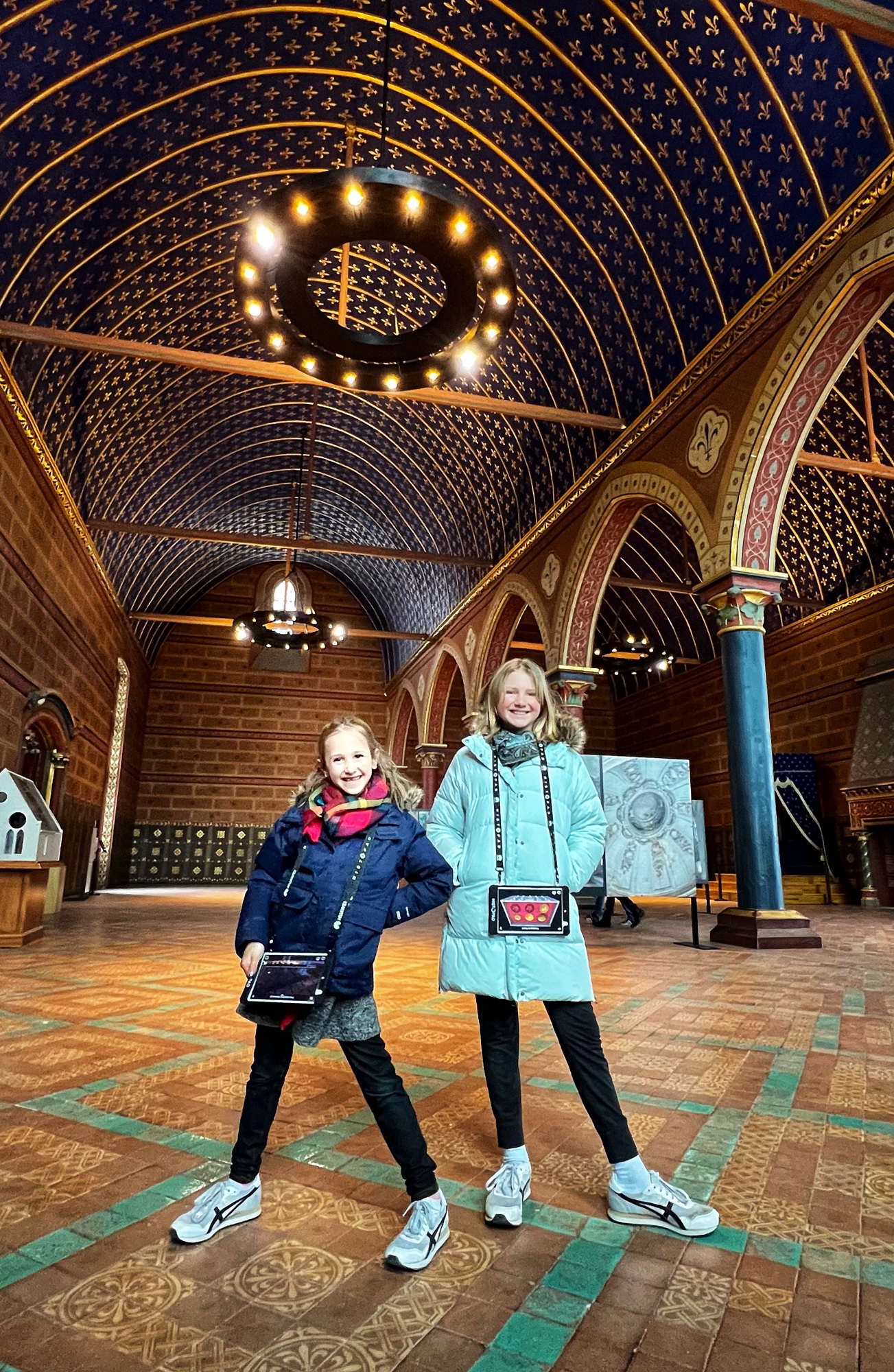
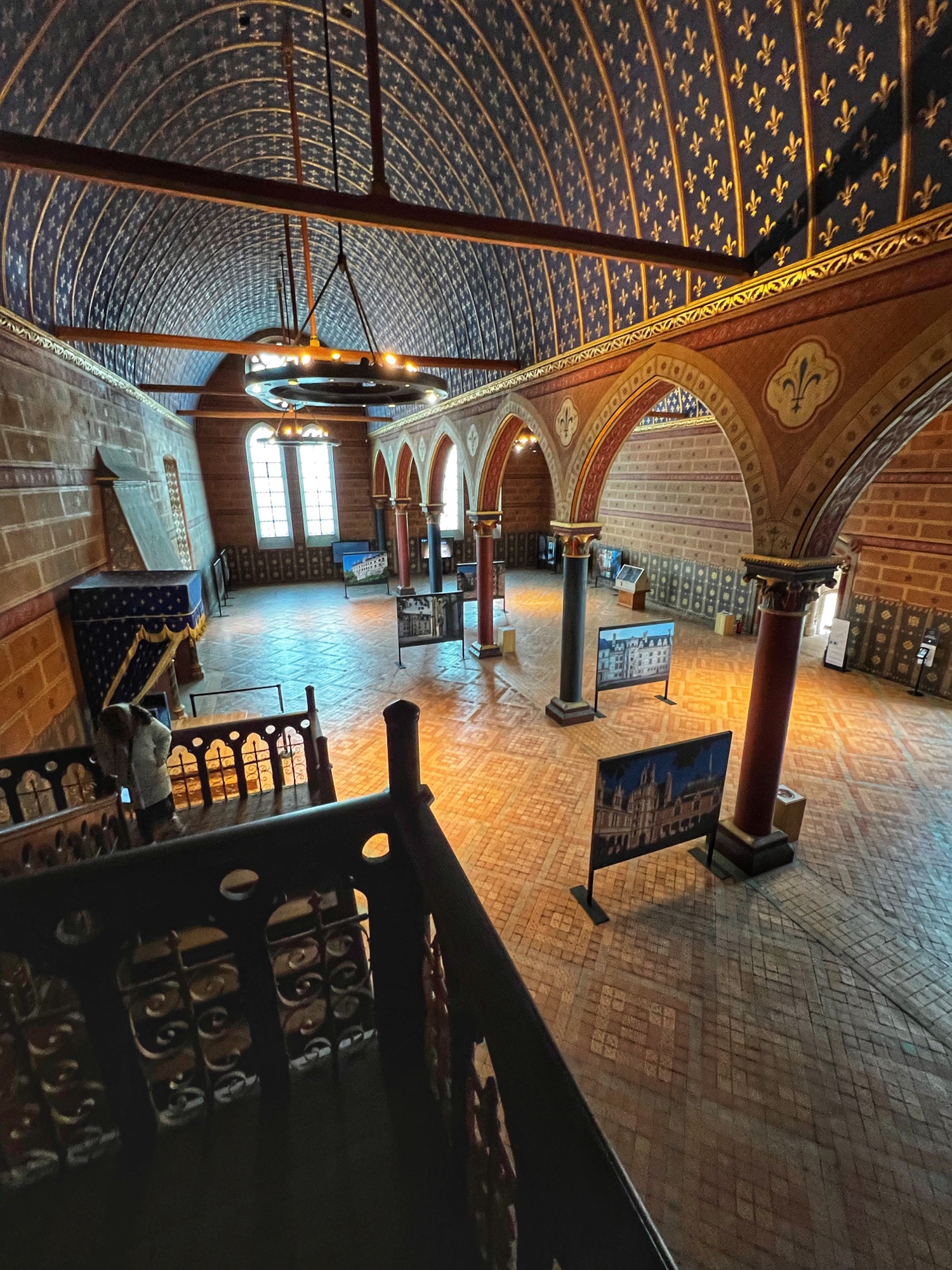
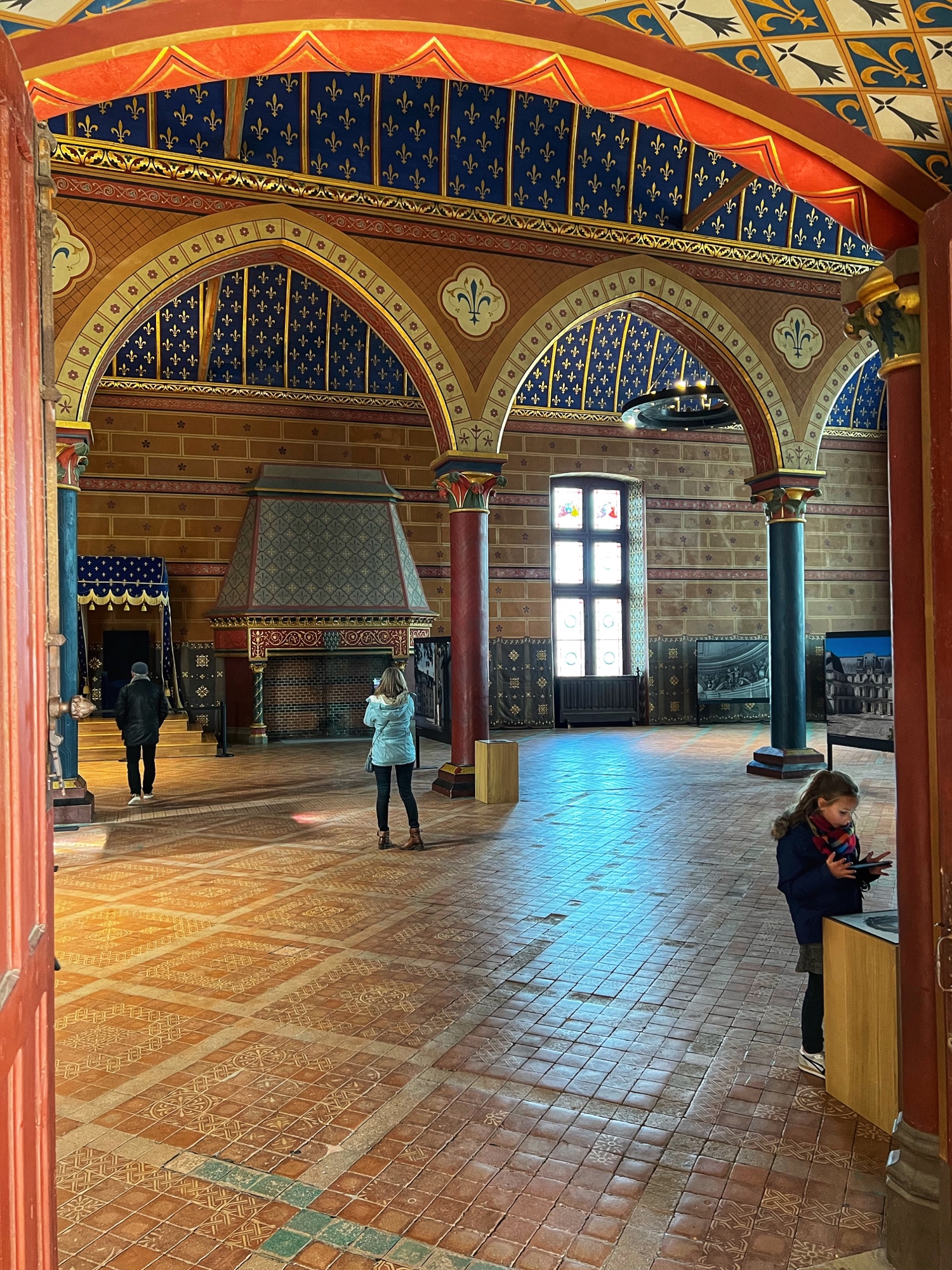
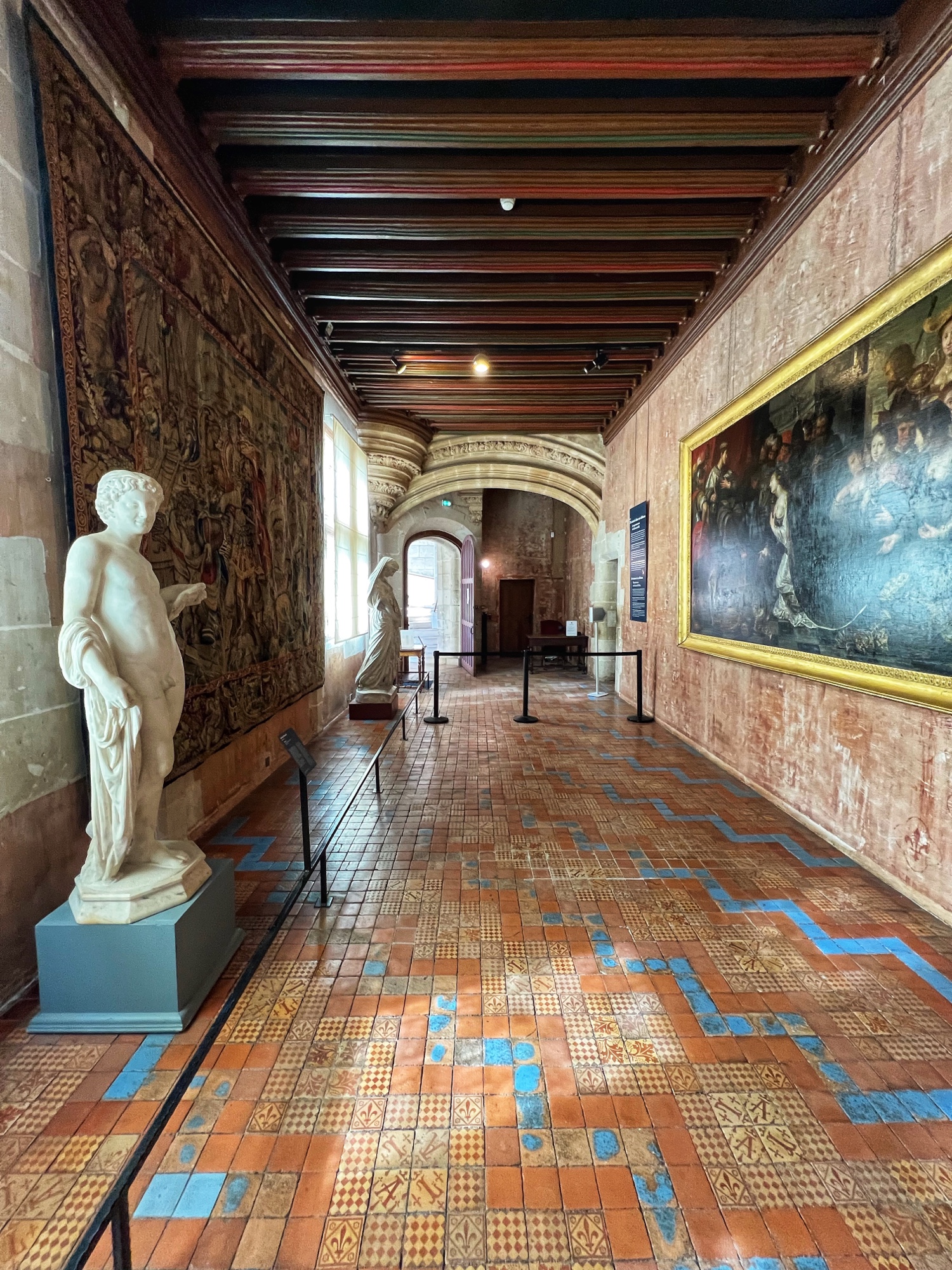
The largest, most impressive room was the Estates General Room, where a throne stood in the place where the king would sit while his noblemen filled the room, even from above. There used to be grand balconies that have since been removed, allowing for additional space for viewing events. See if you can distinguish the different architectural styles in the wings of the château – each is very unique!

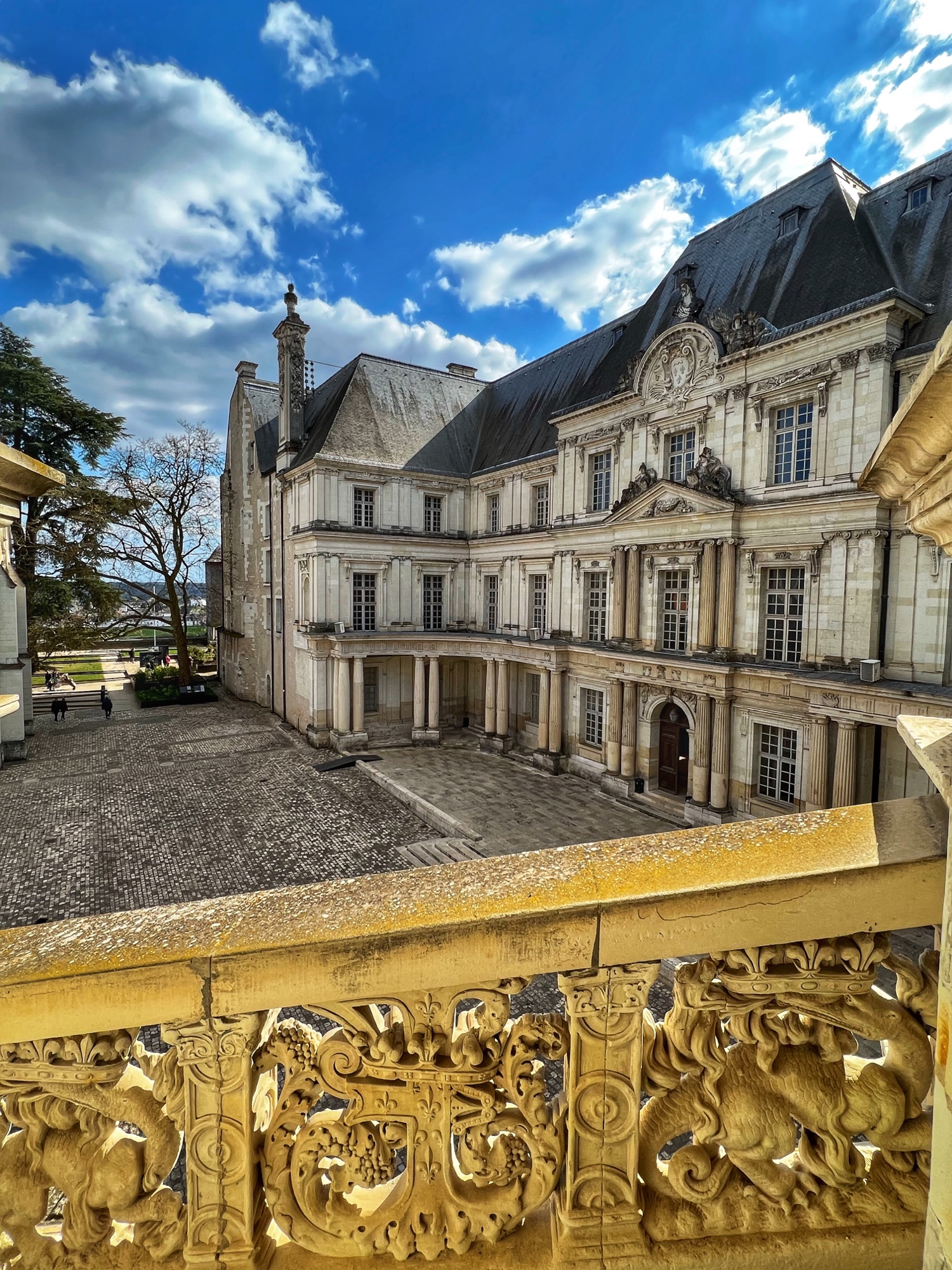
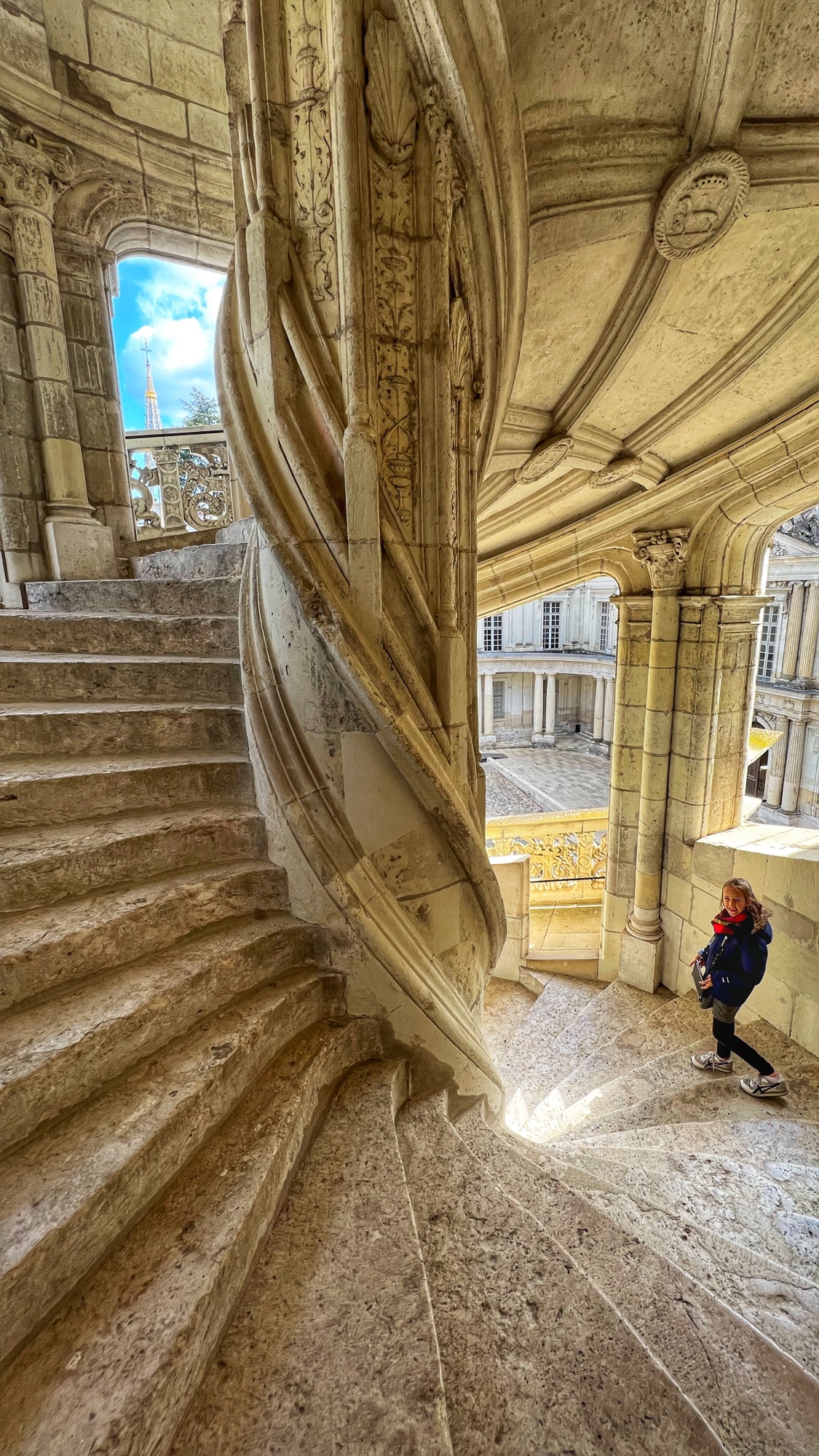
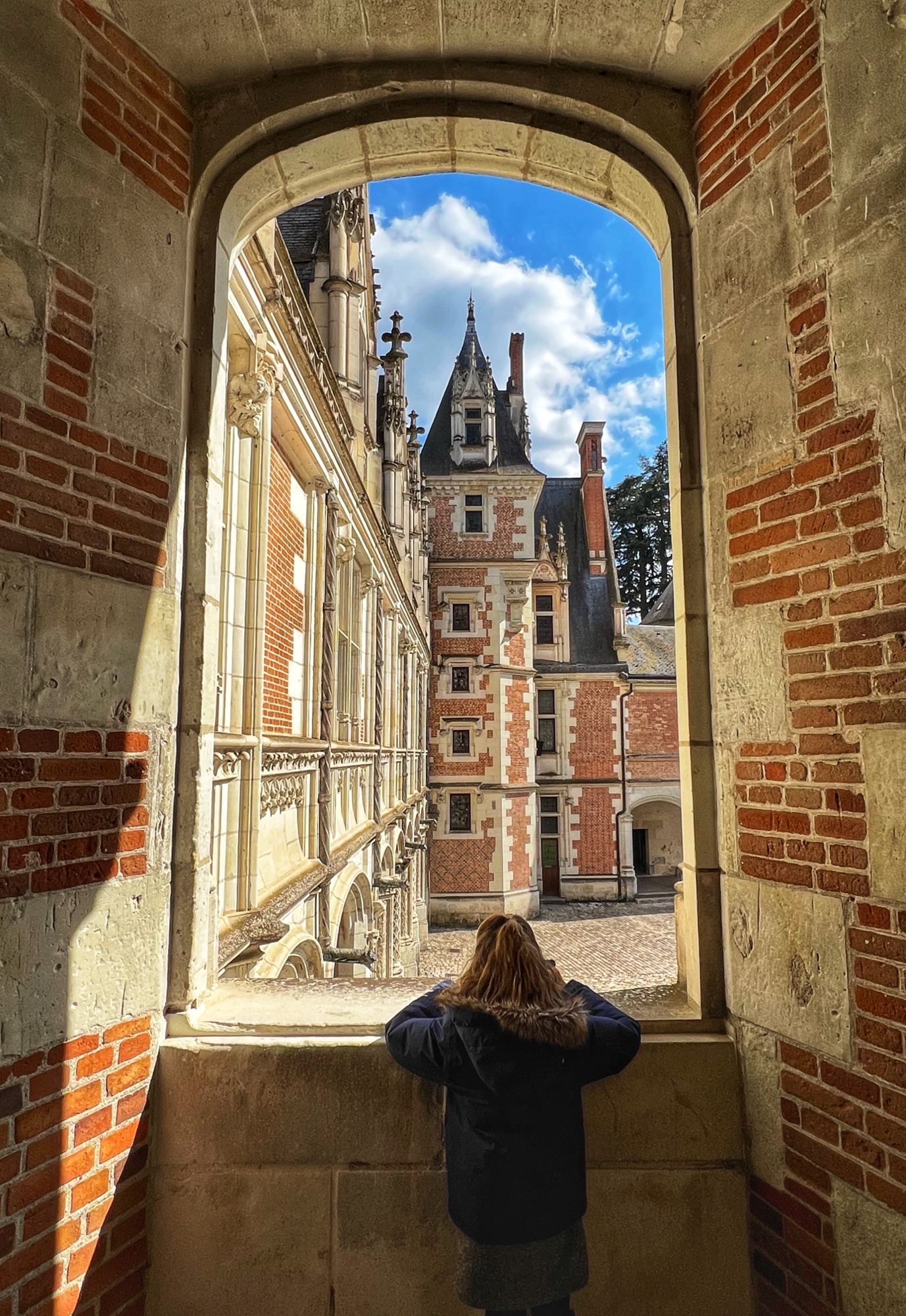
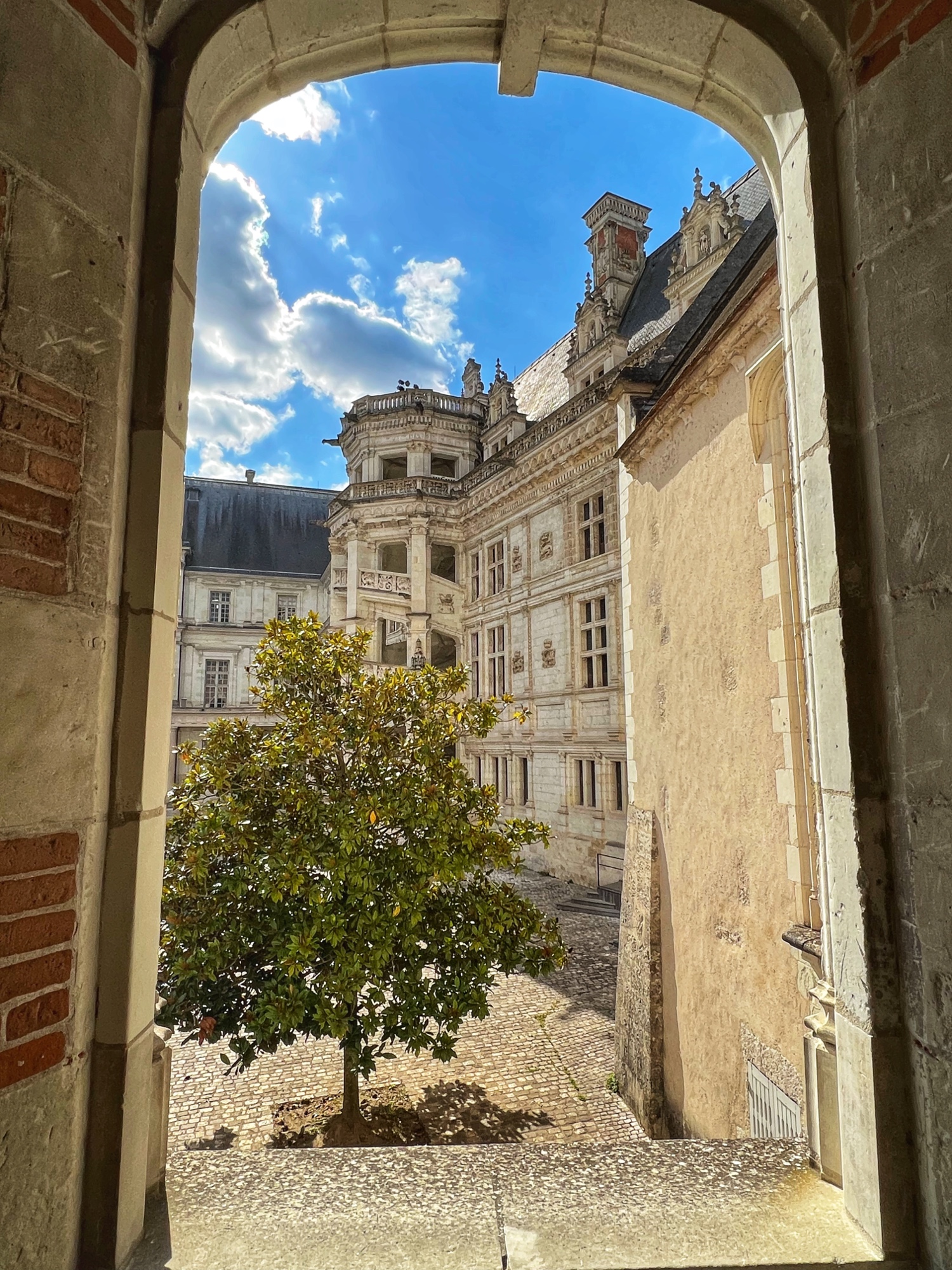
The open staircases are extra special as well. Take a look out the windows every chance you get as each view provides a new perspective on the château through the courtyard.


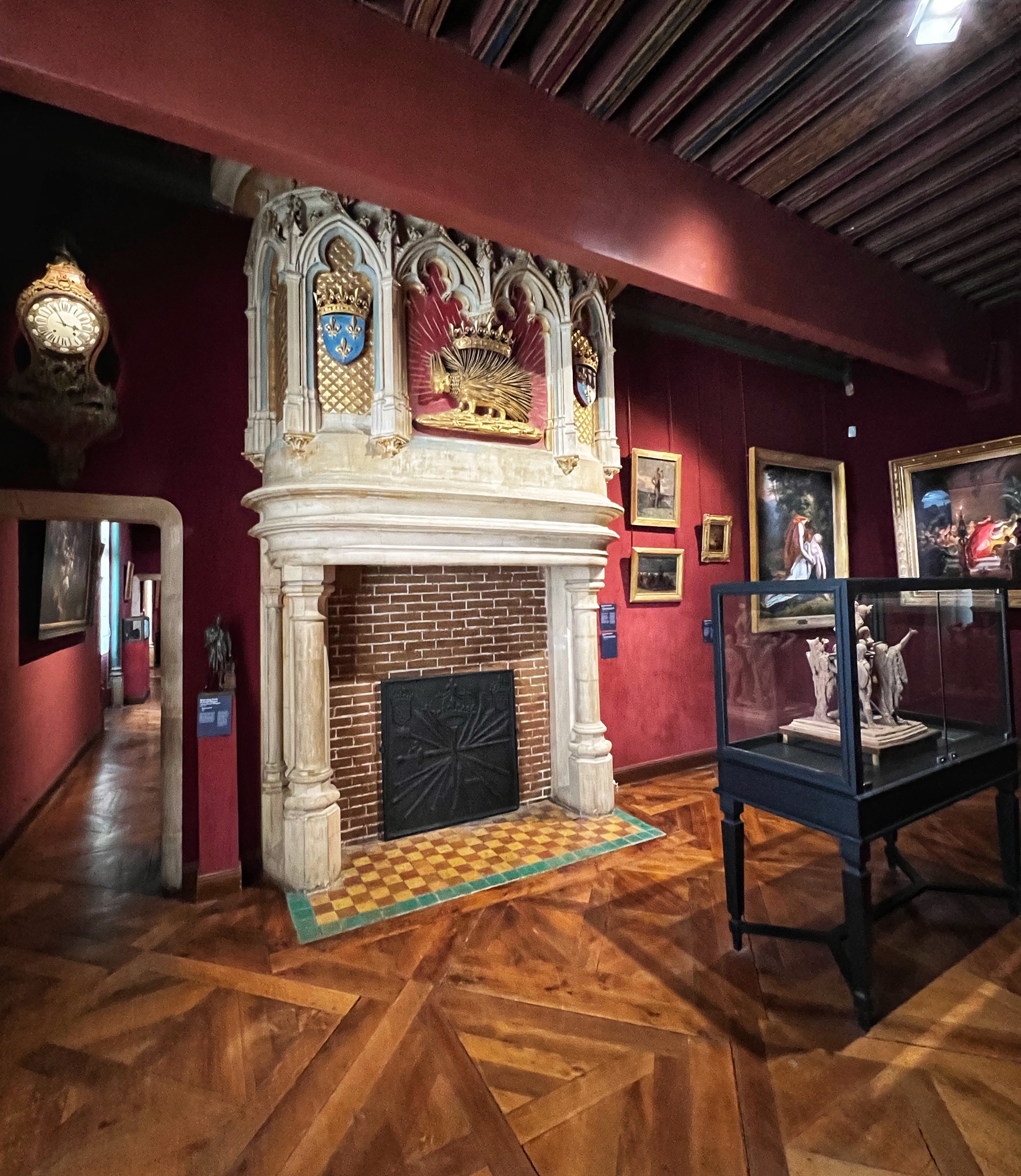

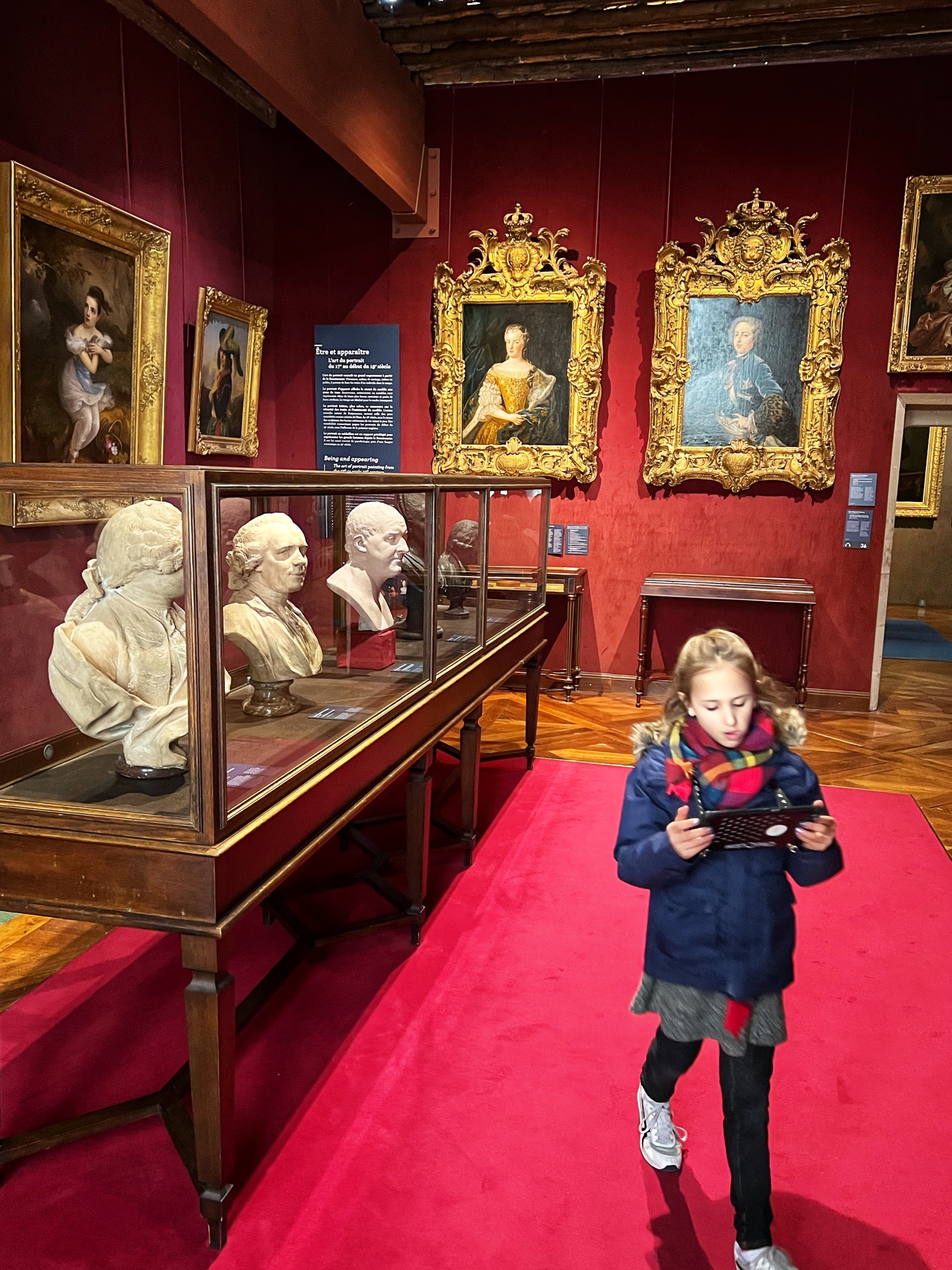

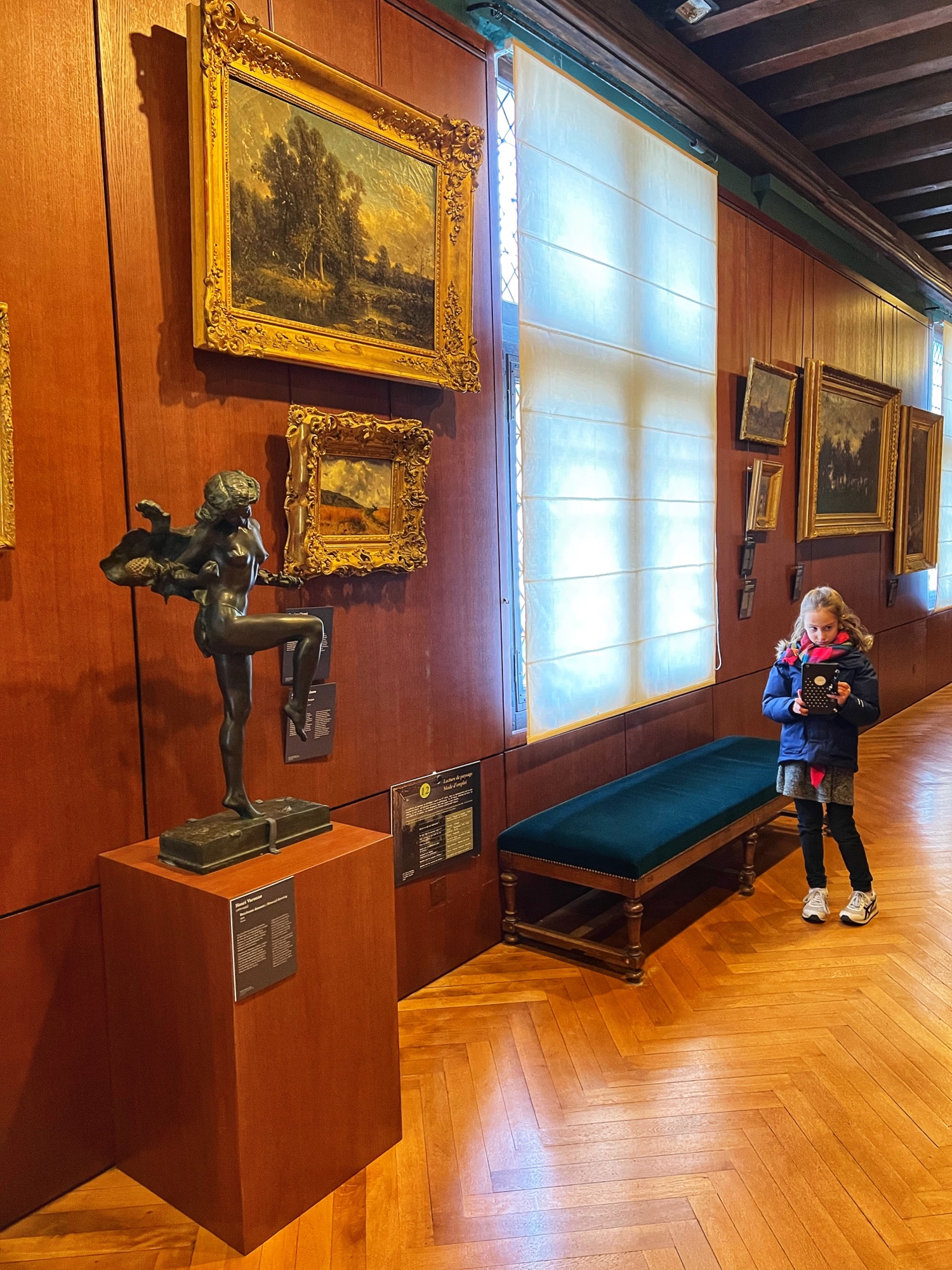
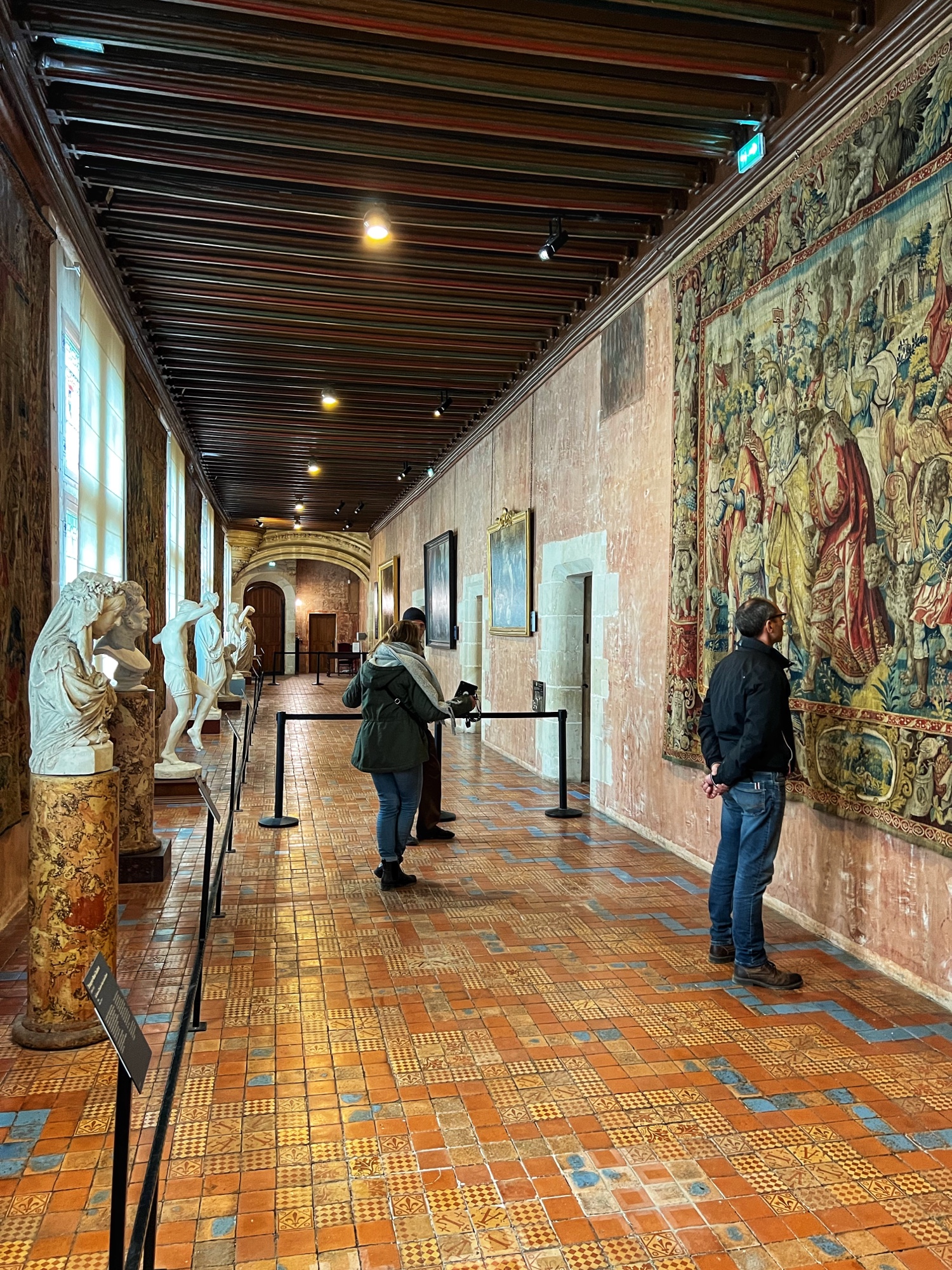
We were so bummed that we missed out on the light show by two days. We knew it would be a terrific display as we had seen several sound and light shows on cathedrals before – but this one promises to be extra memorable. If you visit Blois, be sure to stay (or return) for the evening light show!


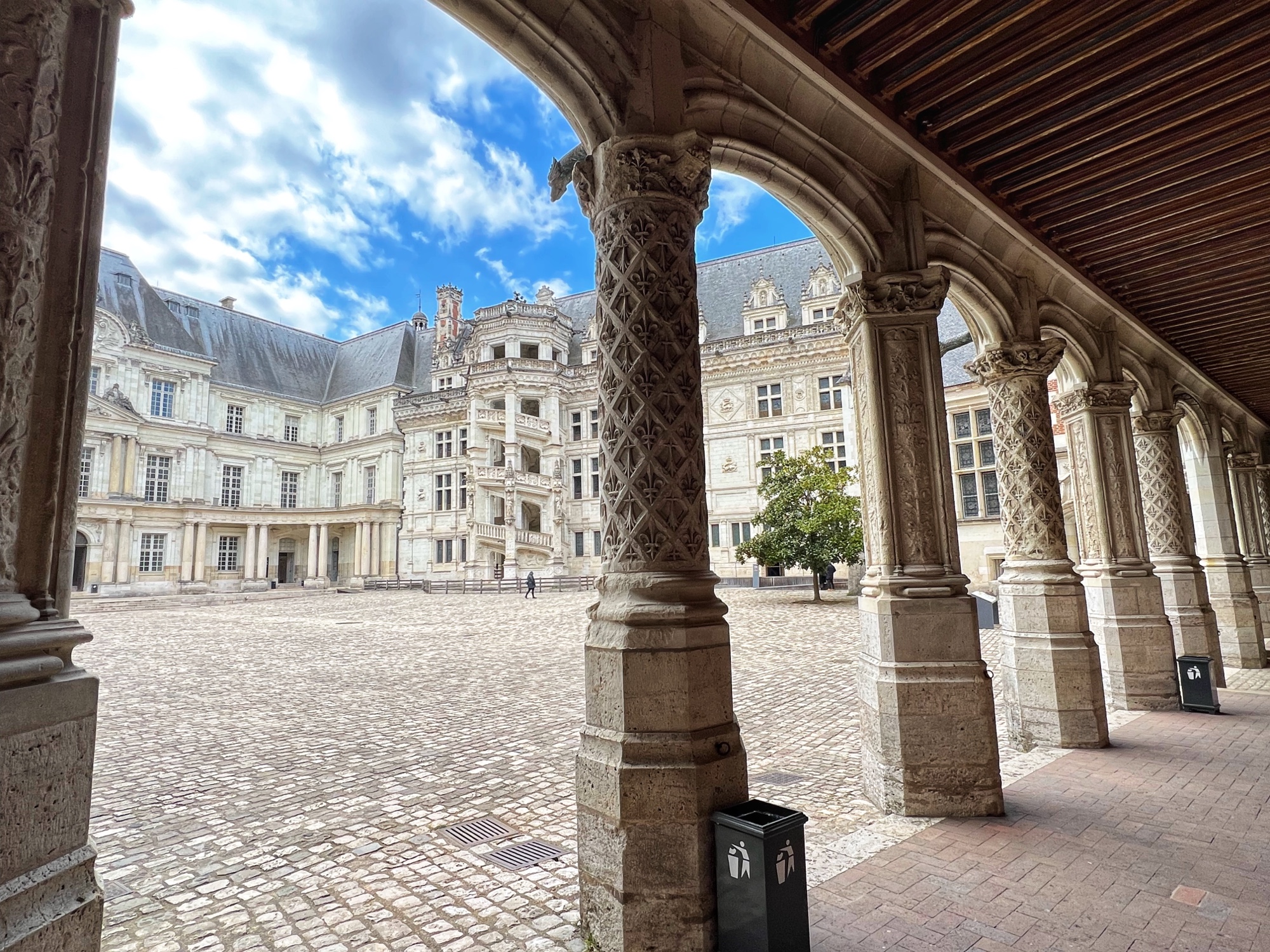
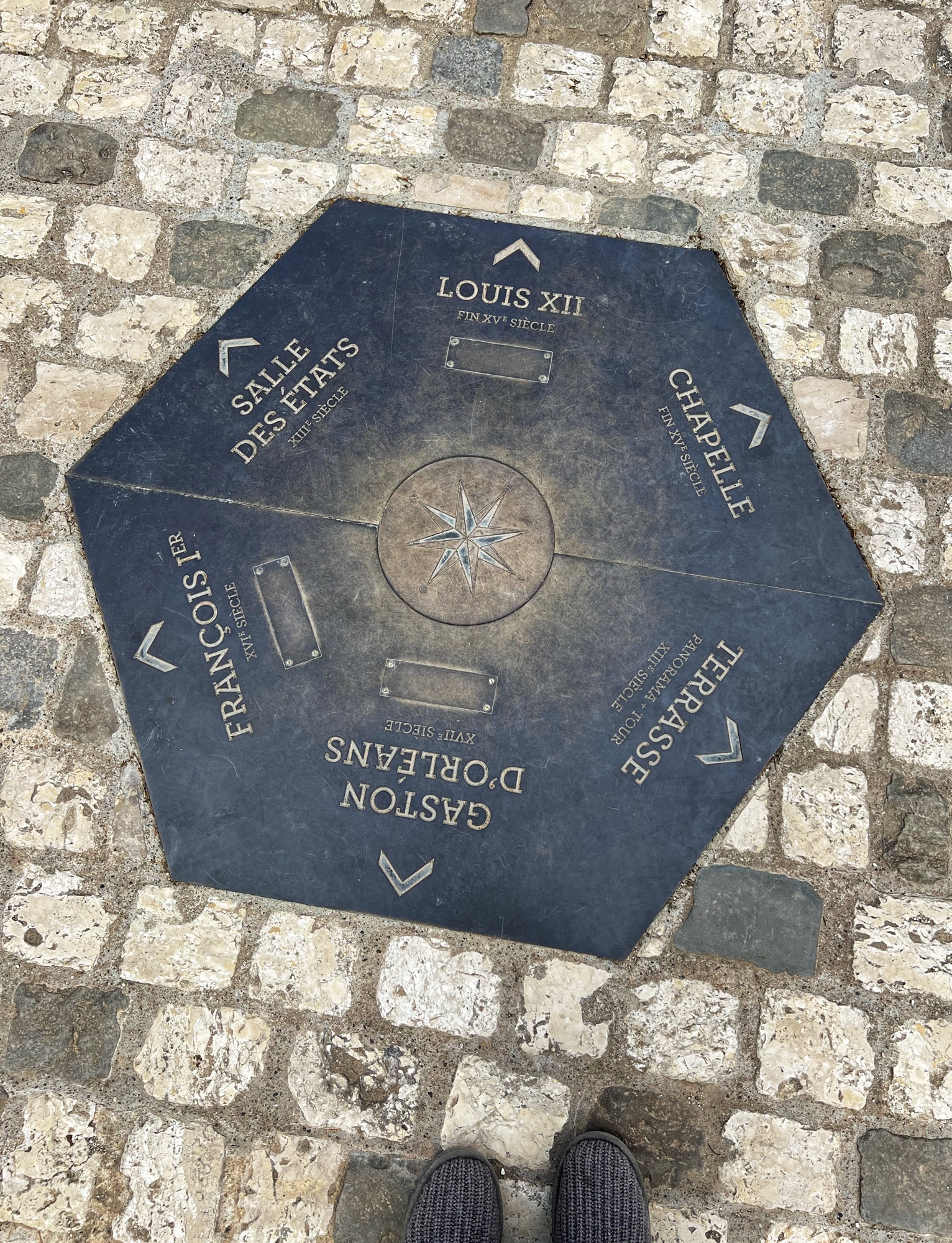


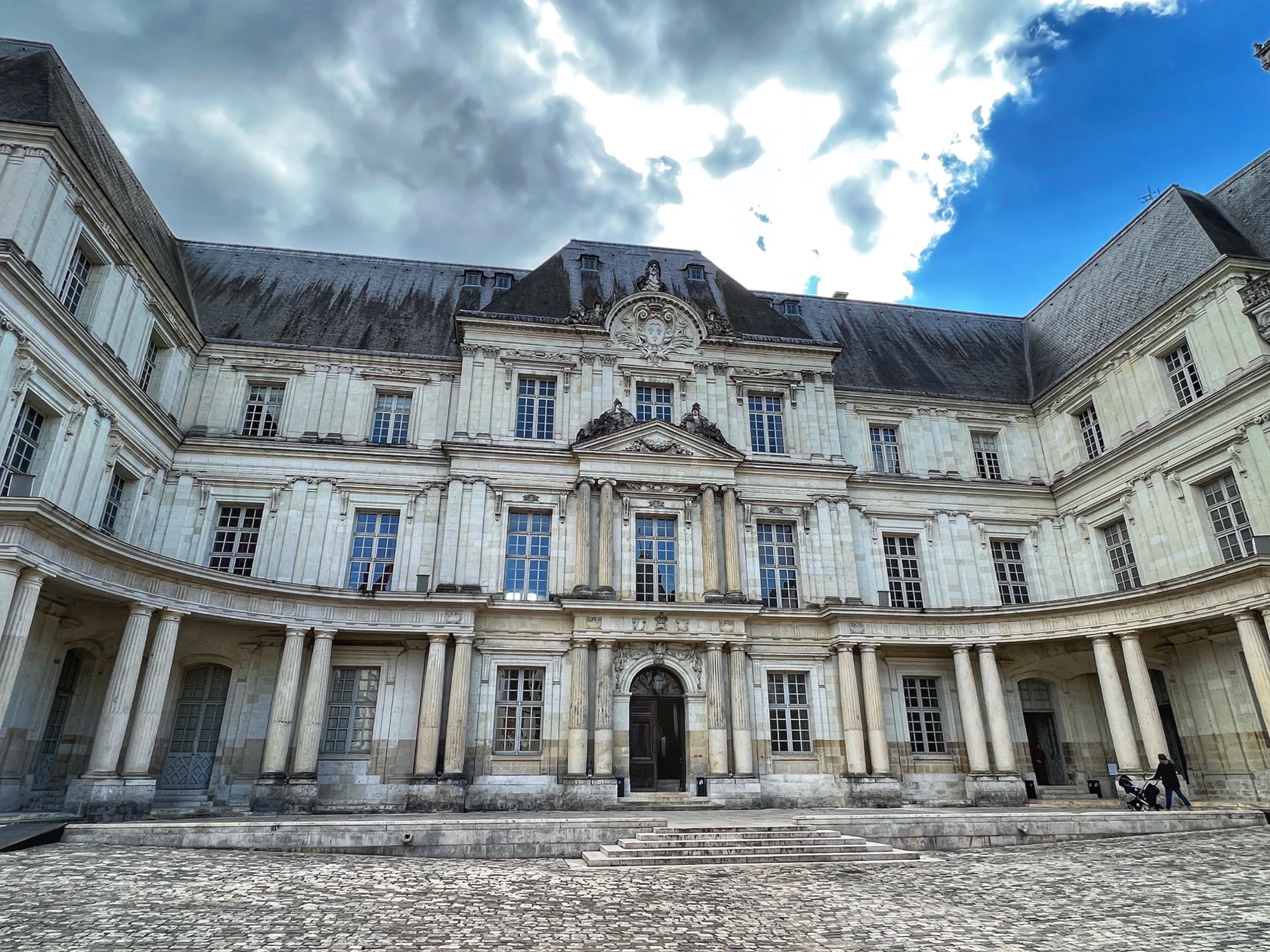

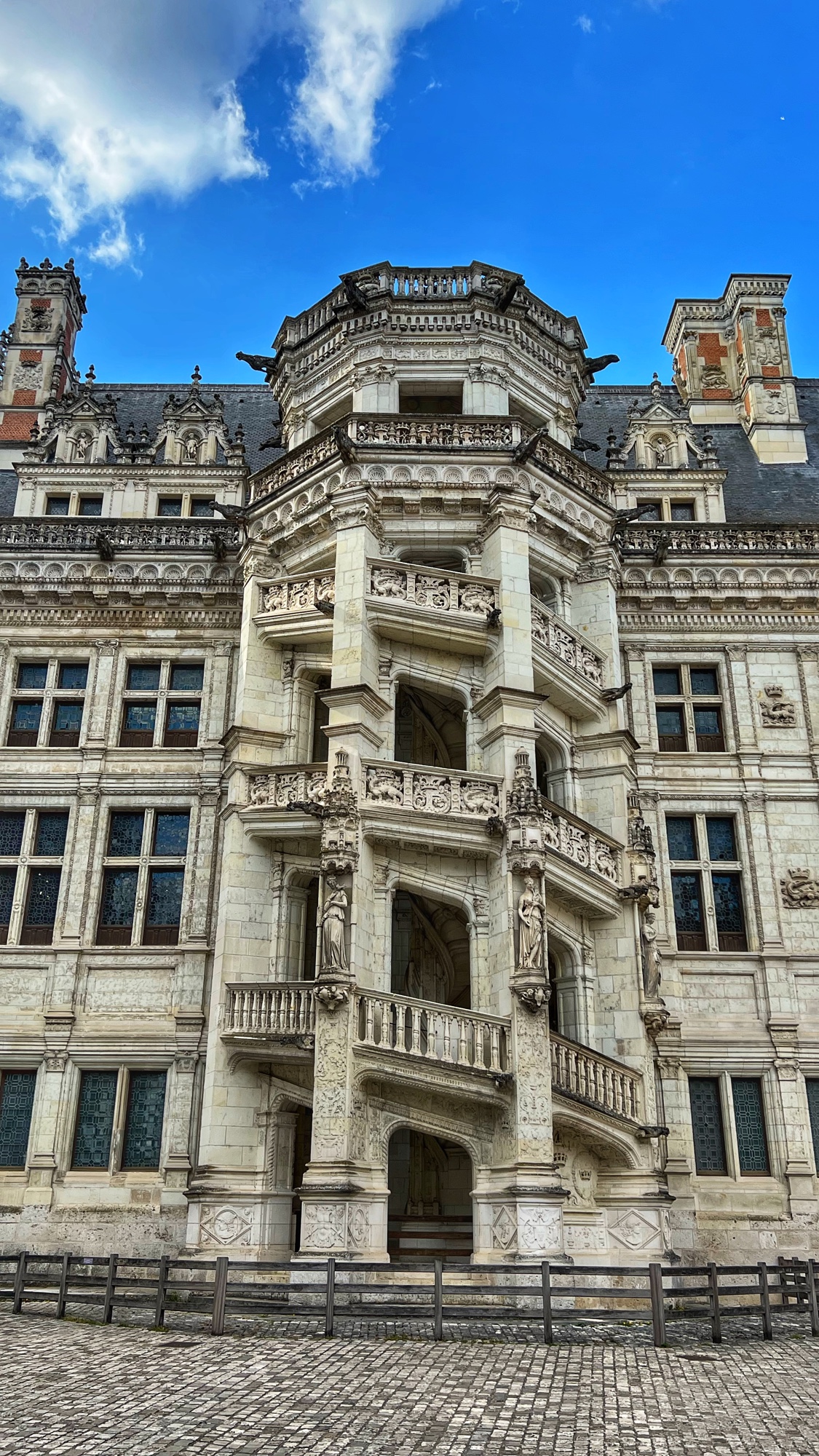

Just outside the castle there is a cafe in the terrace as well as beautiful flower gardens. Be sure to walk over to see the views over the Loire River from the terrace. Keep an eye out for the statue of Louis XII above the door with his porcupine emblem, as well as the plaque commemorating the visit of Joan of Arc to Blois.
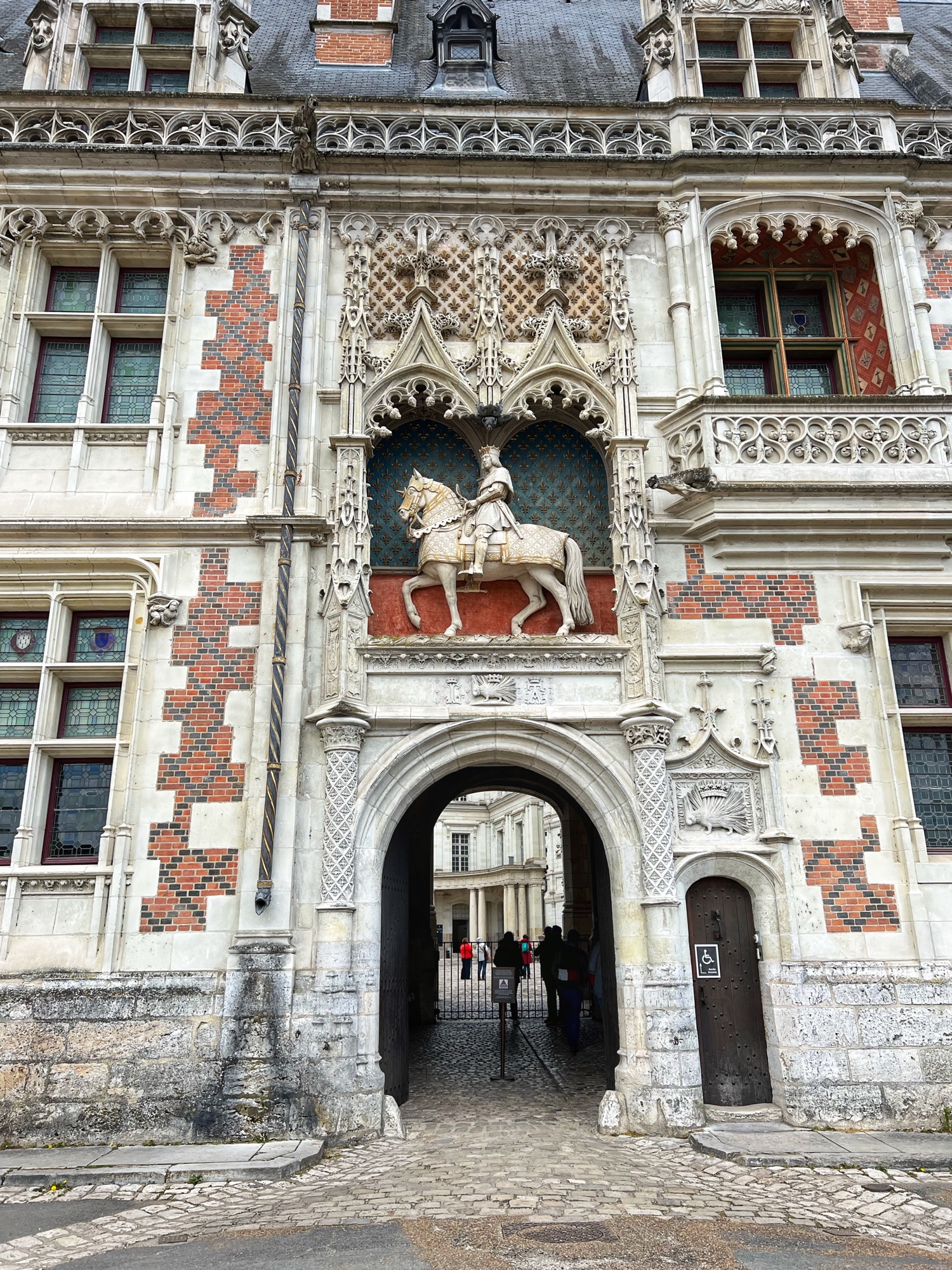
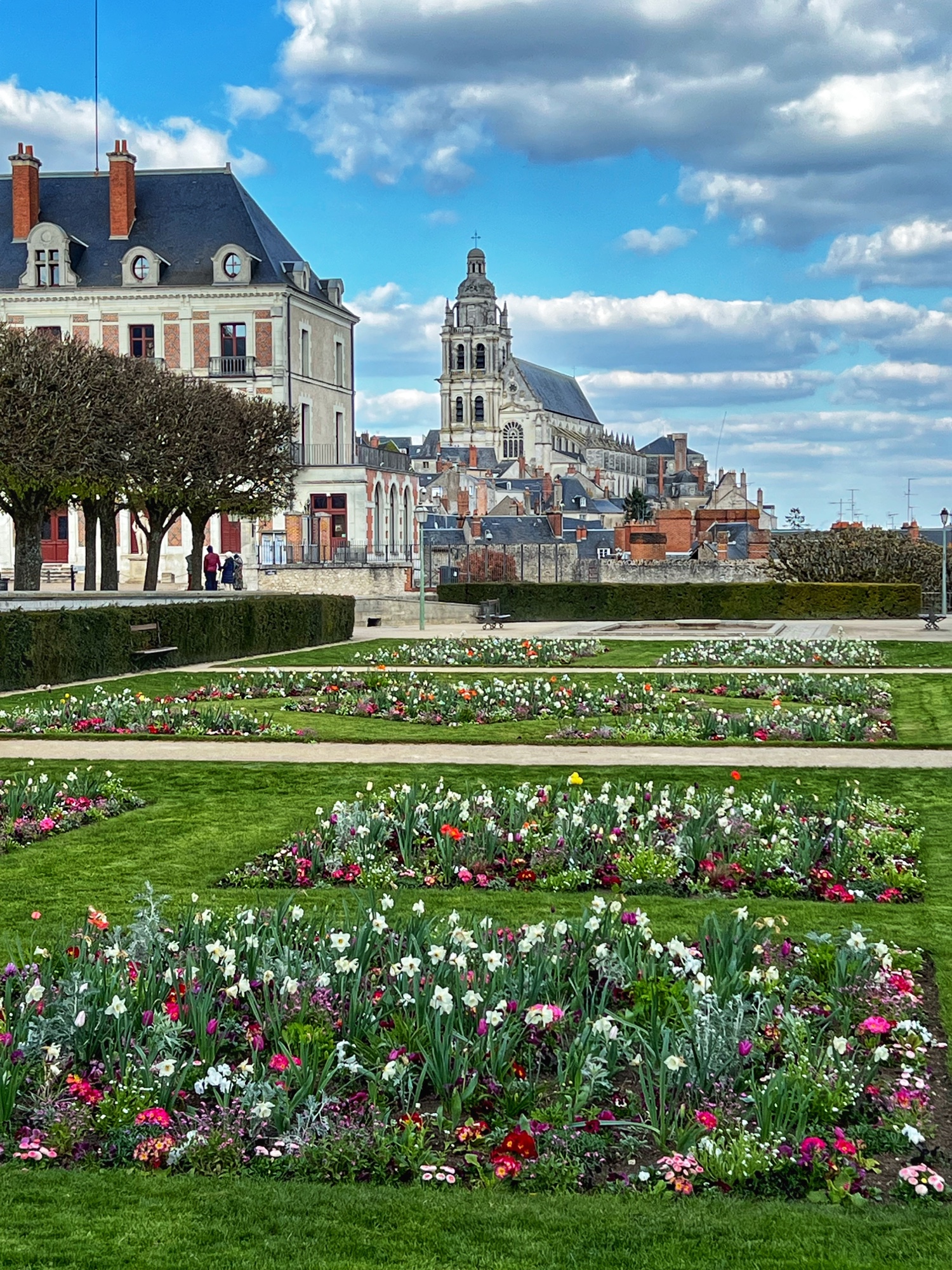
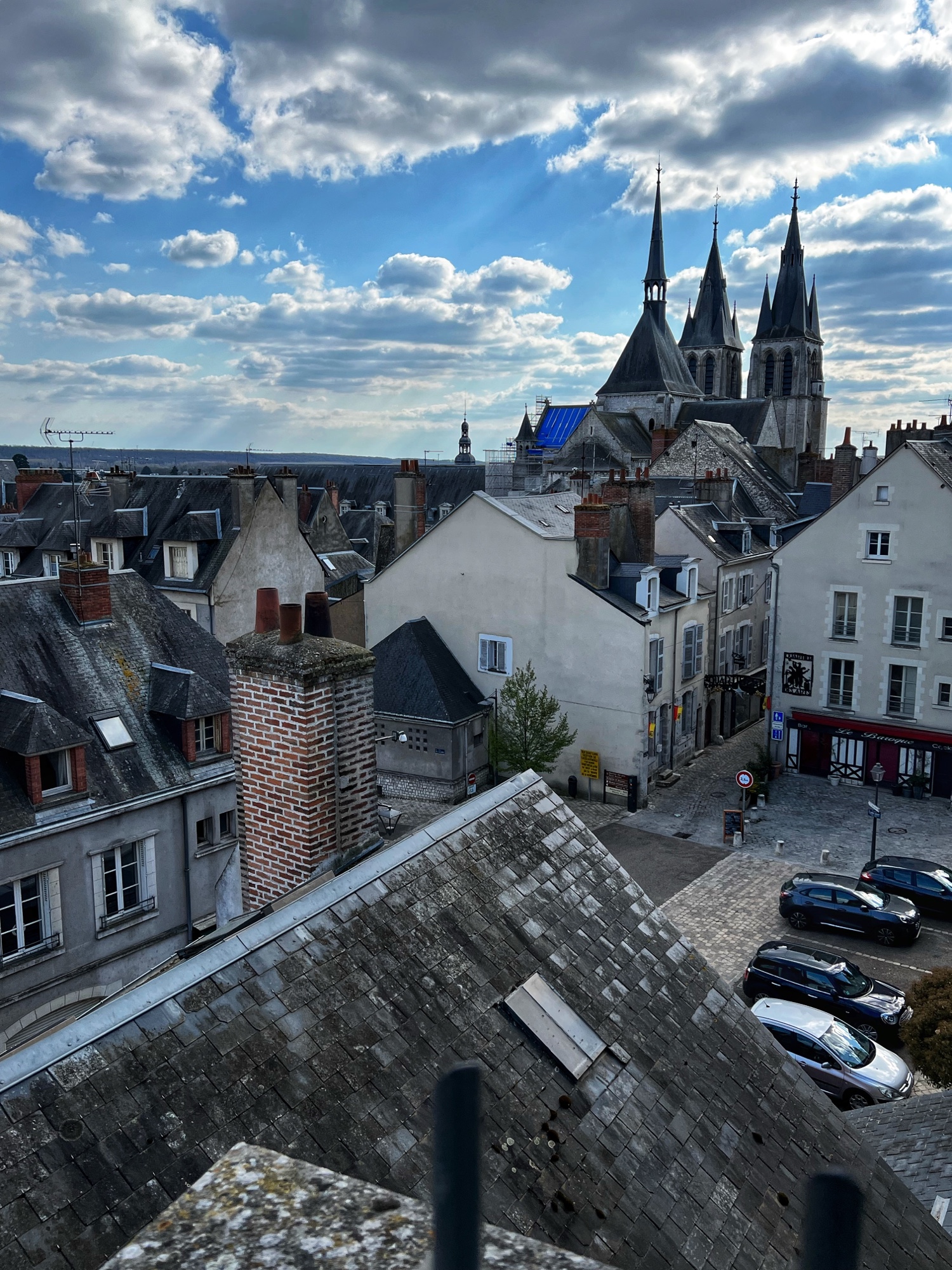

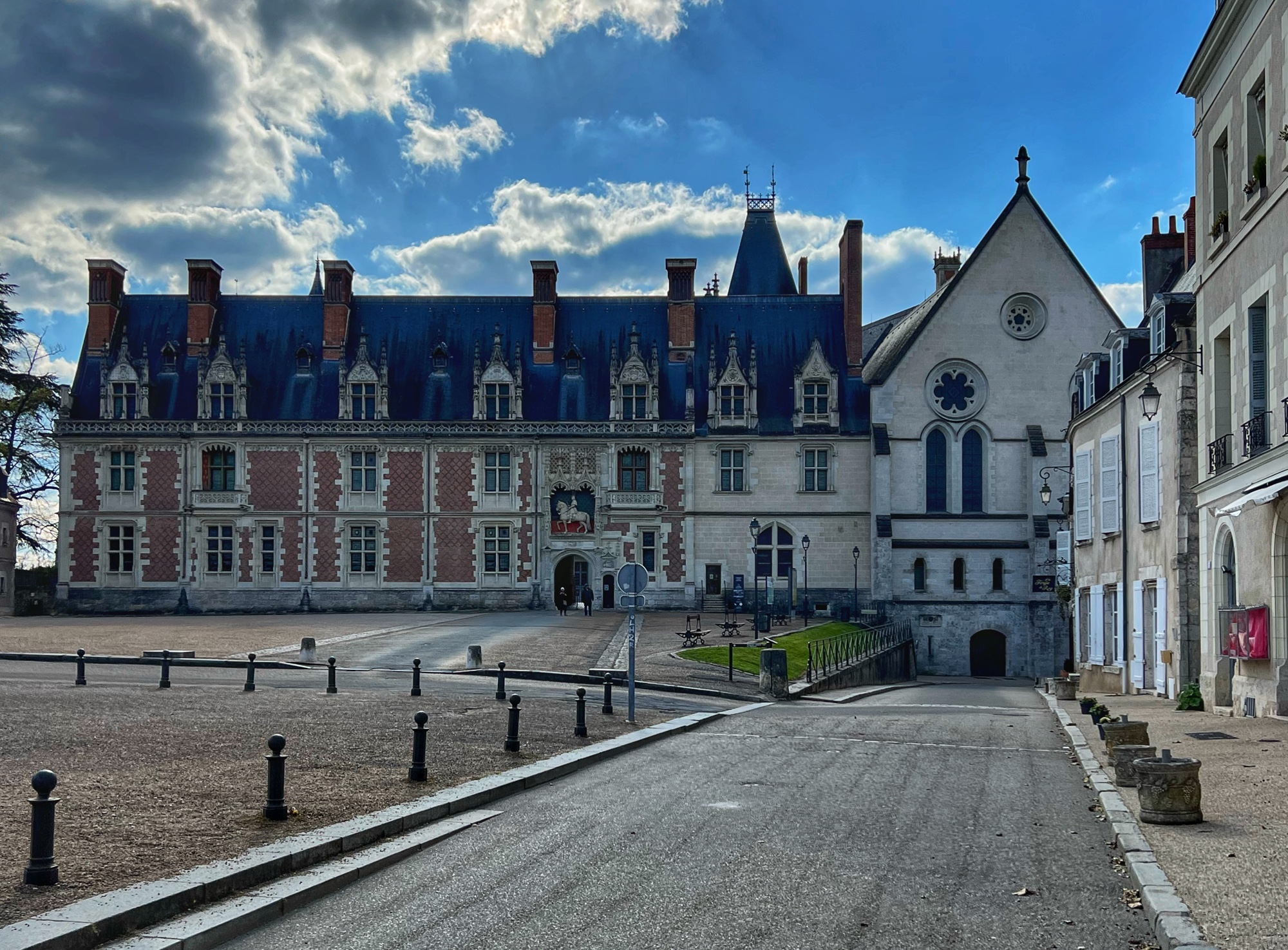
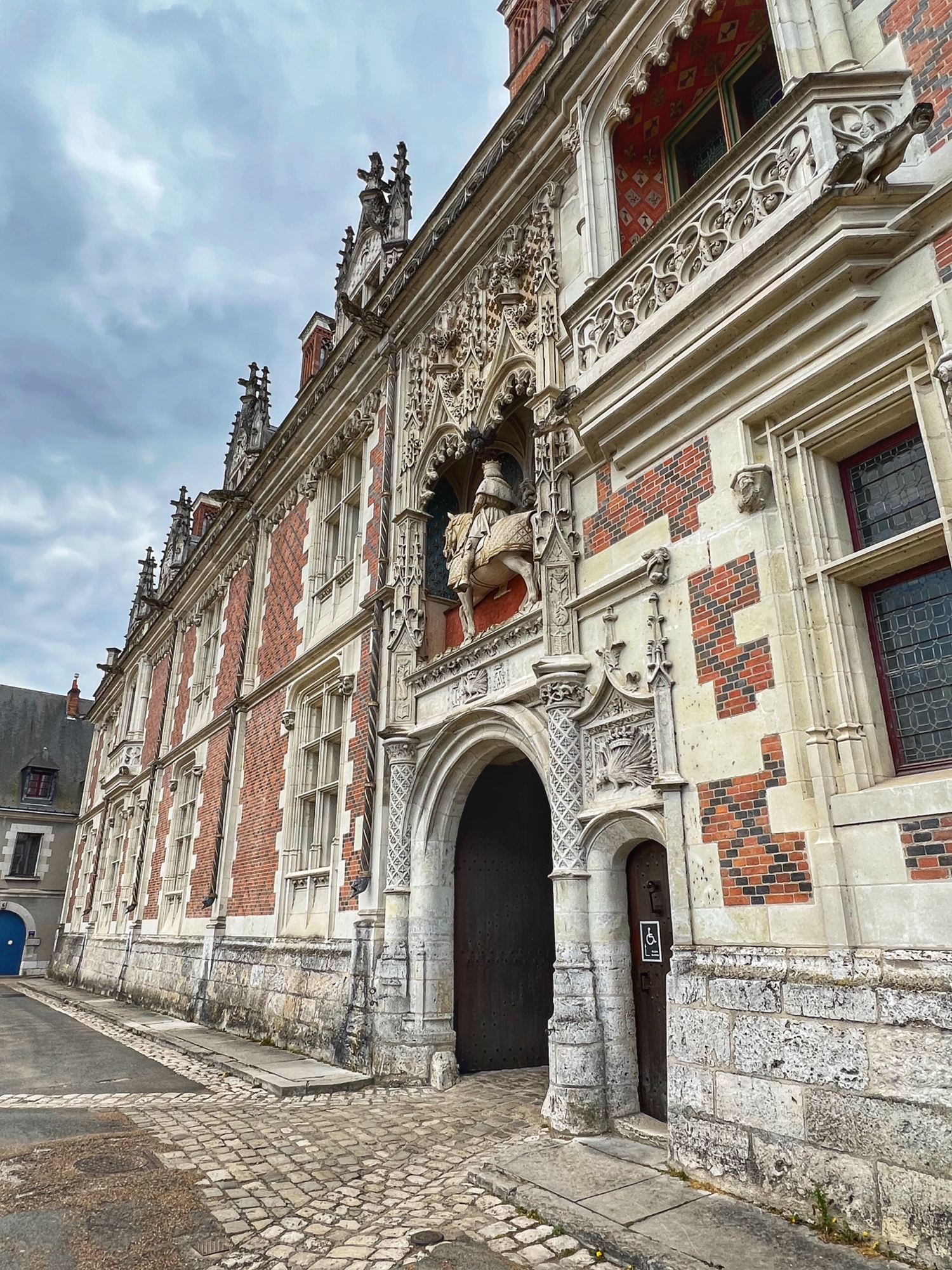
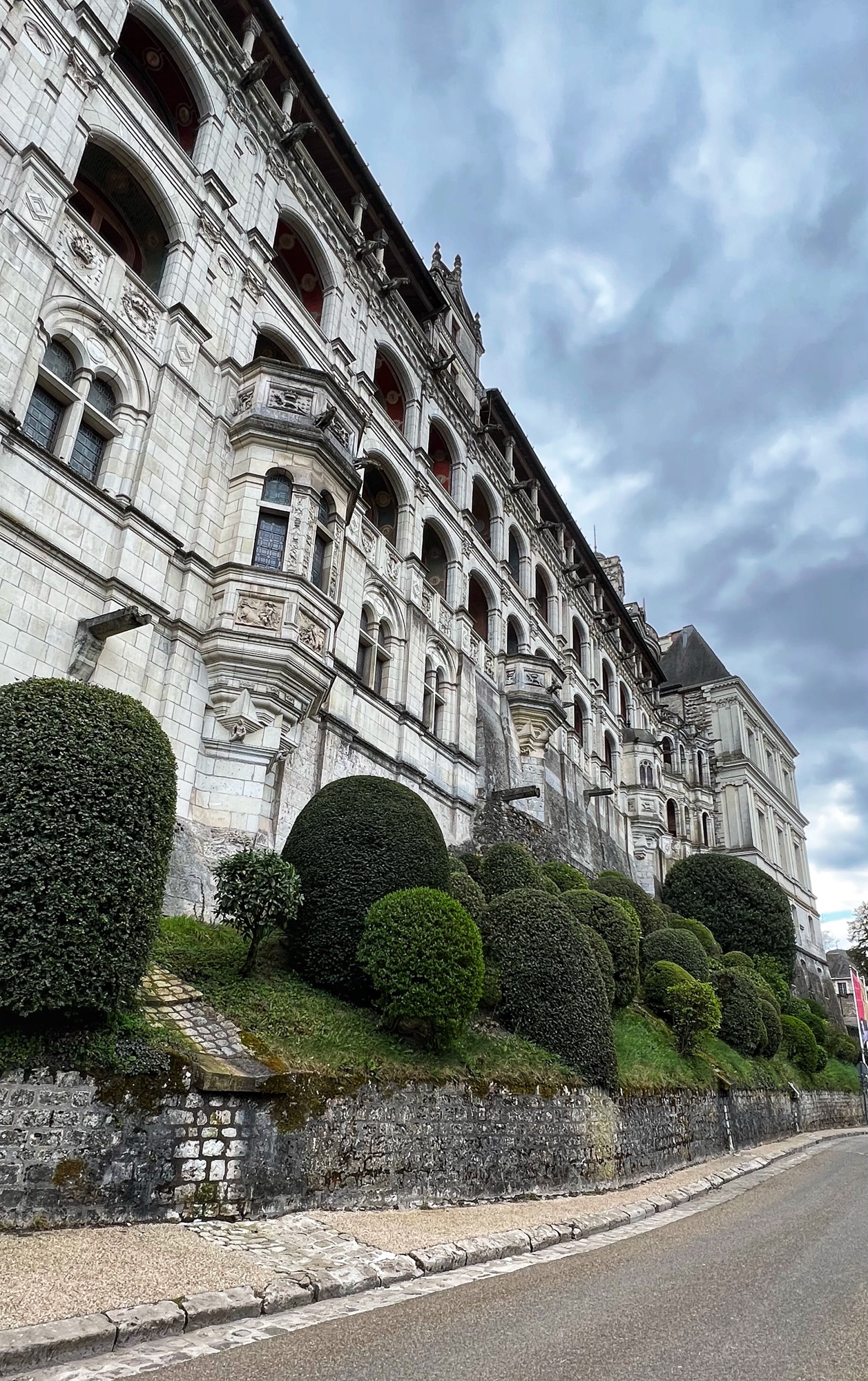
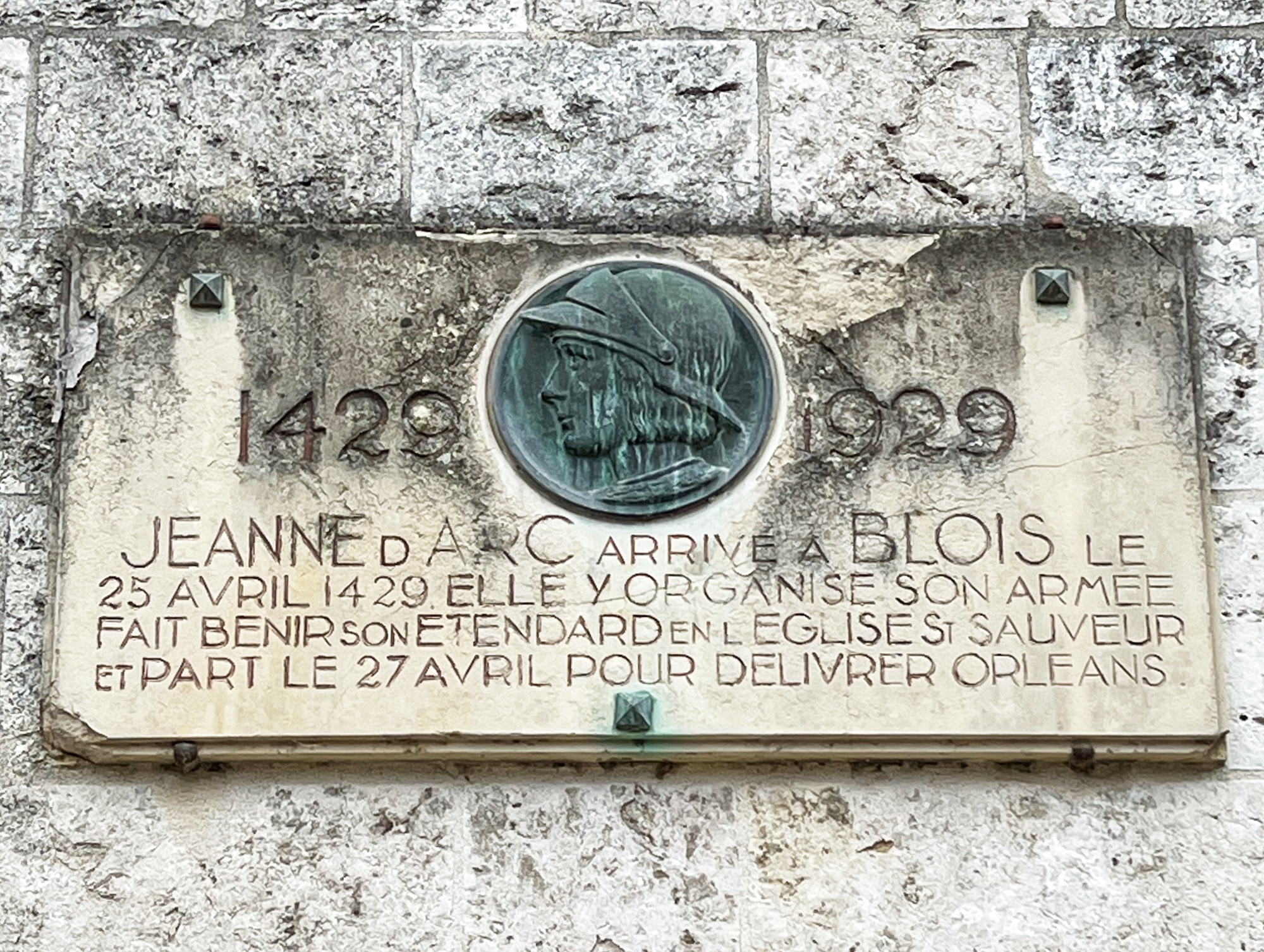


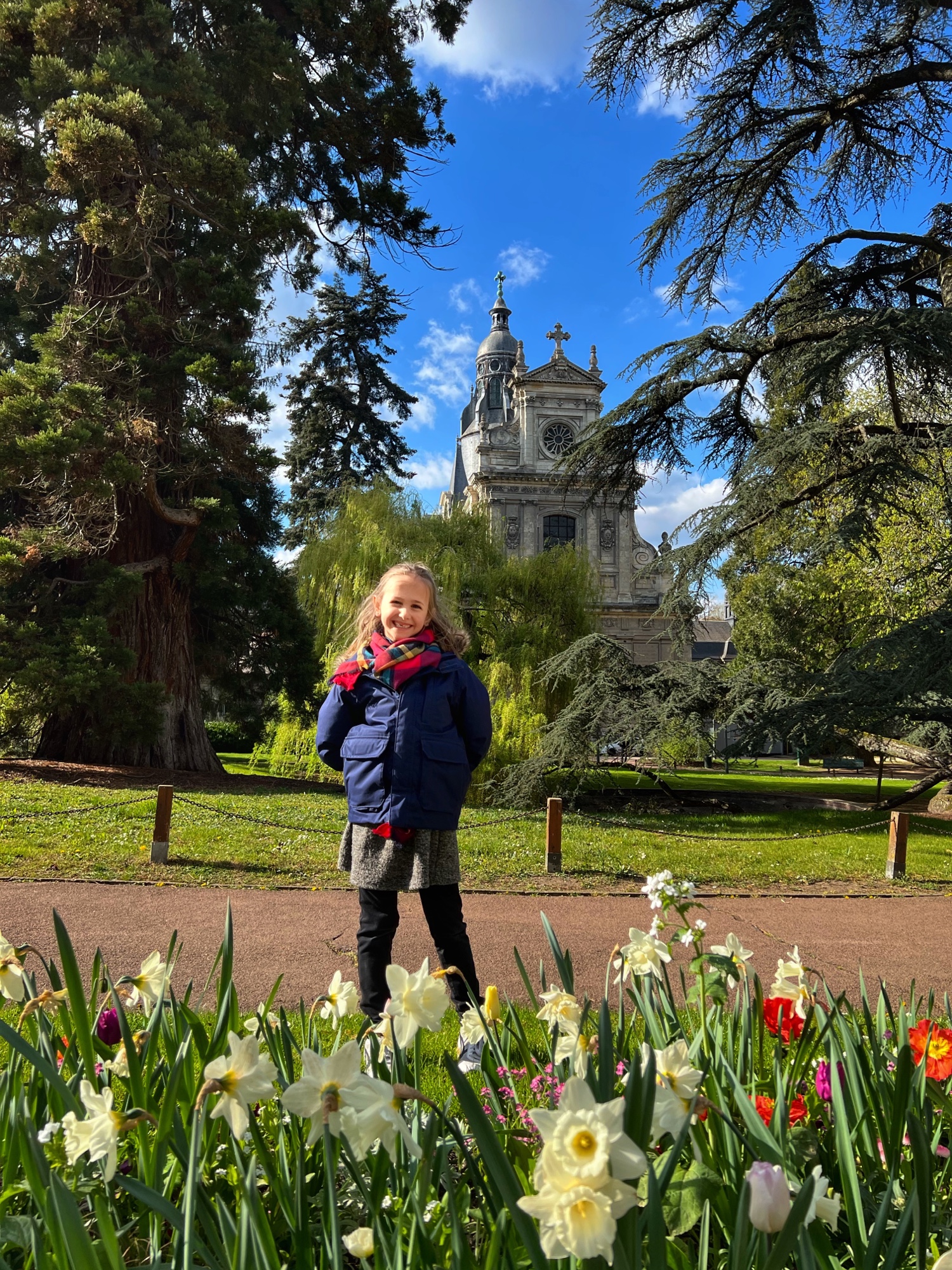

On the other side of the castle is another lovely park, Jardin Augustin Thierry, surrounding Eglise St. Vincent de Paul. The town of Blois itself is definitely worth wandering around, and would make a terrific home base for exploring the Loire Valley. We loved the Denis Pepin staircase at the end of Jacques-Gabriel Blois bridge.
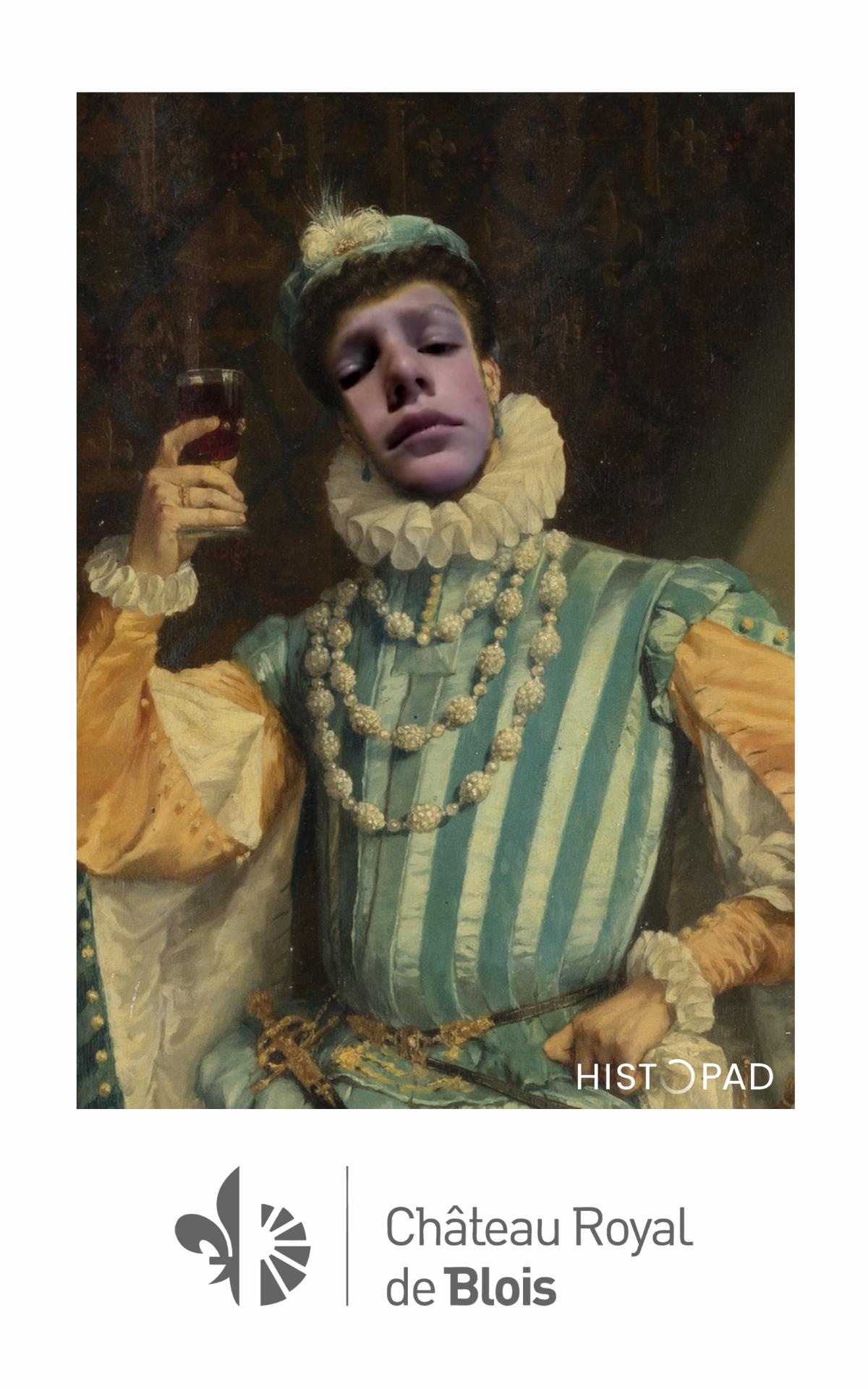
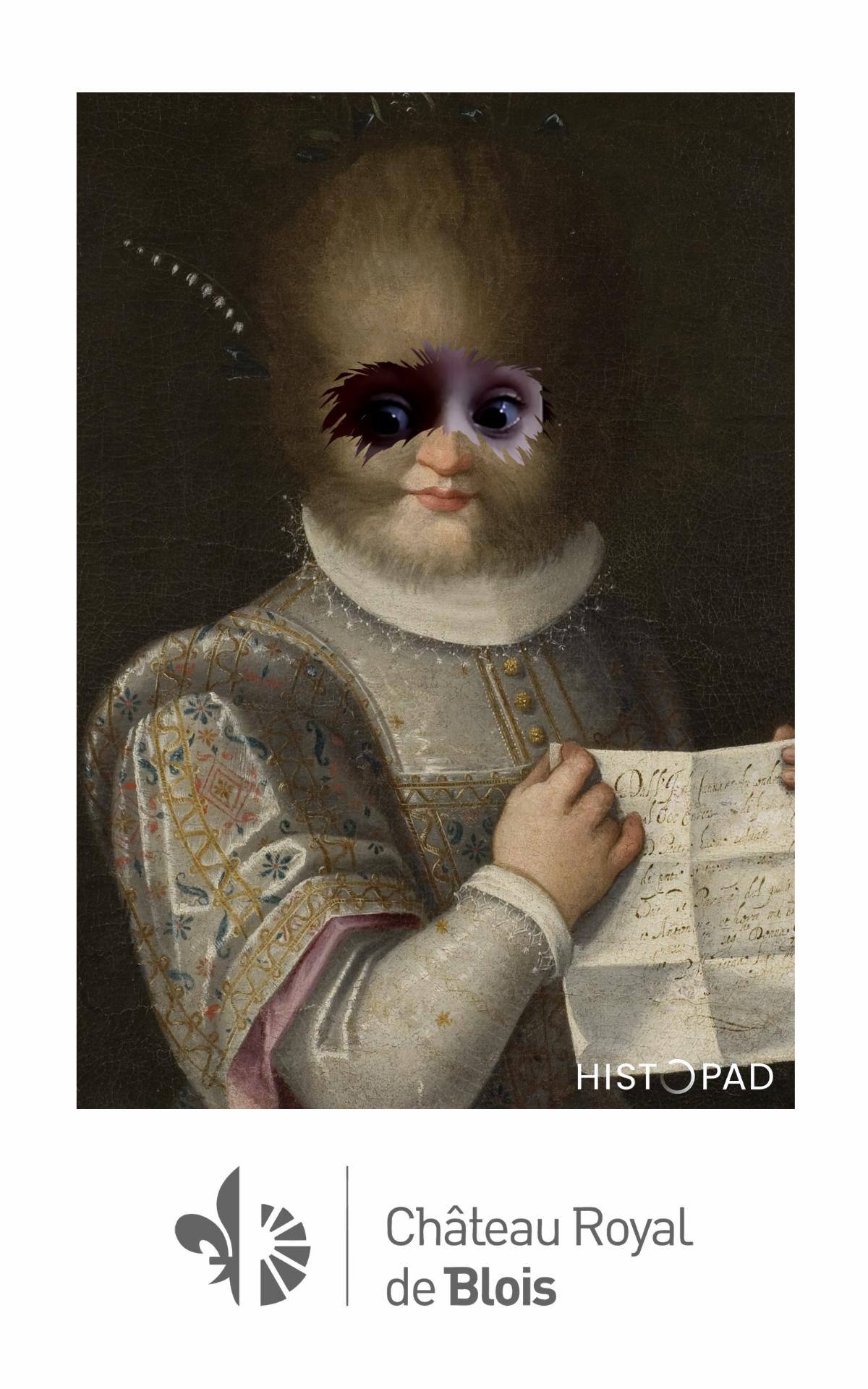
Don’t forget to enter your email address in the Histopad so you can receive the hilarious selfies you take. This was definitely one of our favorite châteaus!
For more information and to help plan your trip, see the Blois website here.
DAY 3
Chenonceau
- Opening Hours: 9am-6pm (times vary by season; check website below)
- Rates: Adults €15, Youth 7-18 €12, Under 7 free
- Parking: free
- Audioguide €4 extra, currently unavailable (disappointing, it would be better with one)
- Children’s Activities: maze, donkeys (would be better with audioguide)
- Highlights: gardens, donkey farm, maze, WWI display, kitchens (!!), apothecary, wine cellar.
- Accessible: Partial, ground floor and outside. Free access.
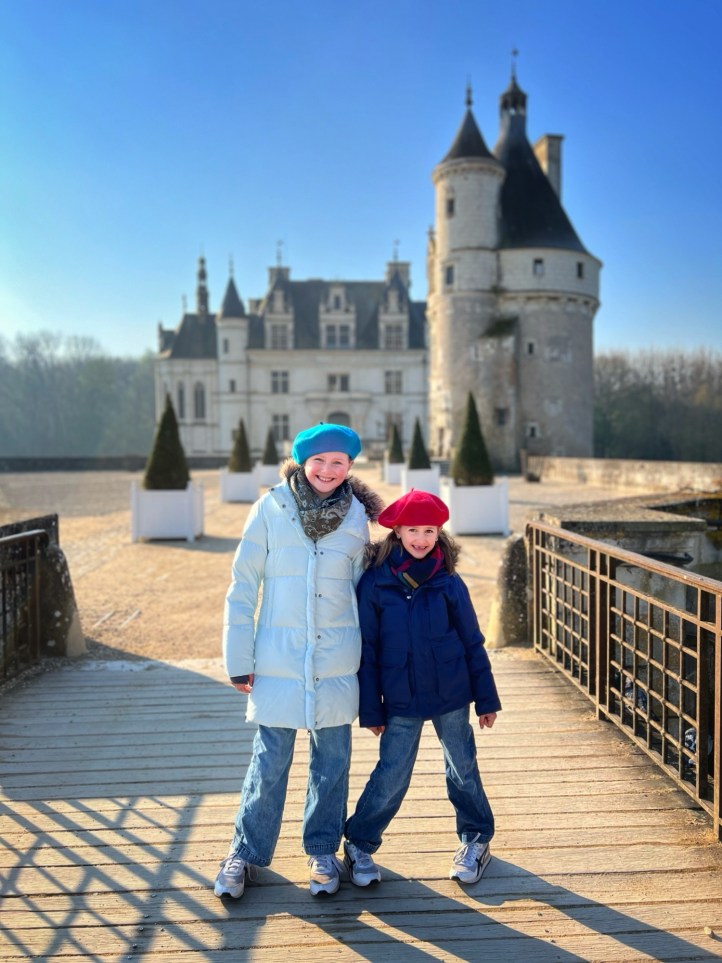
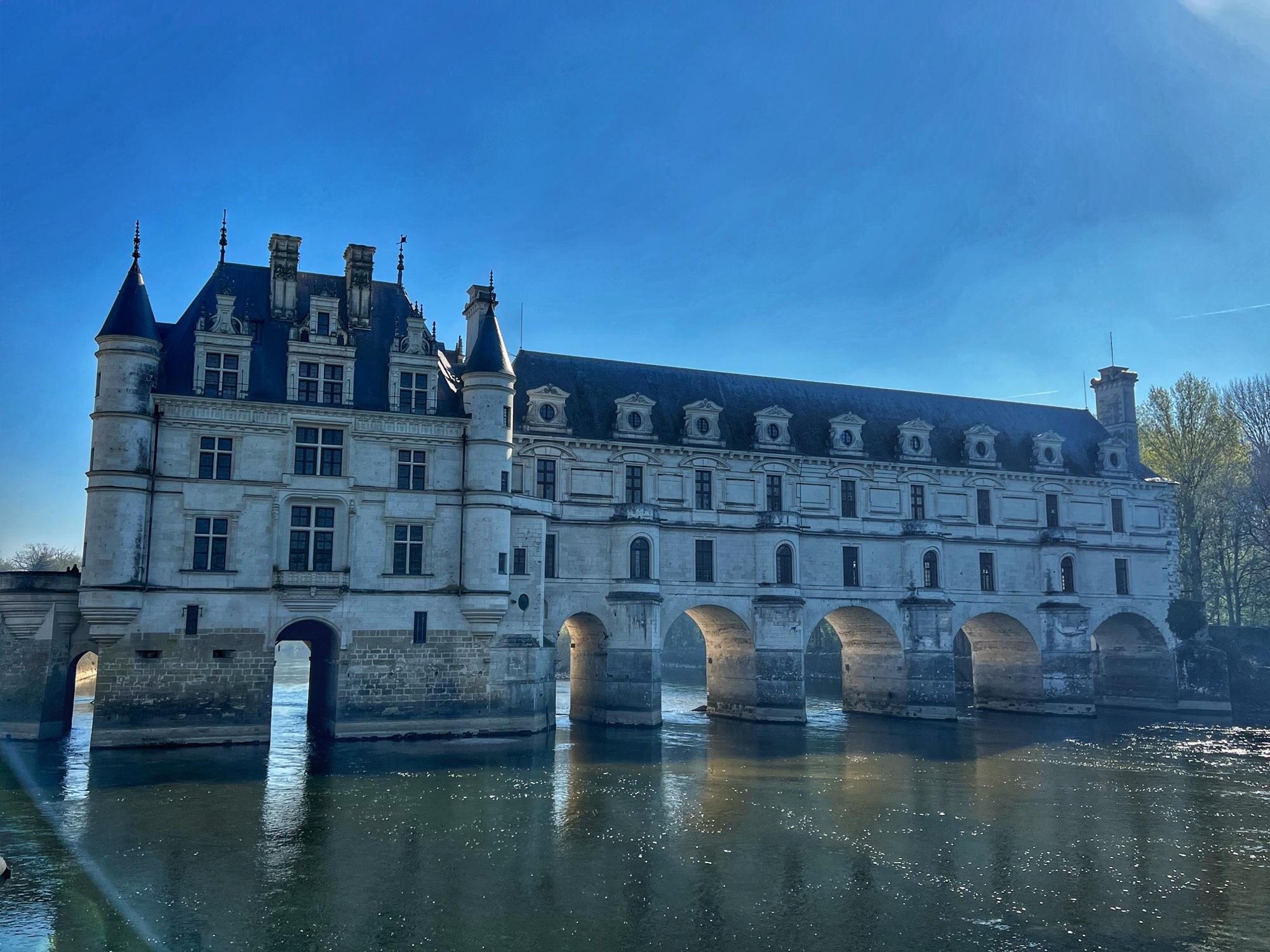
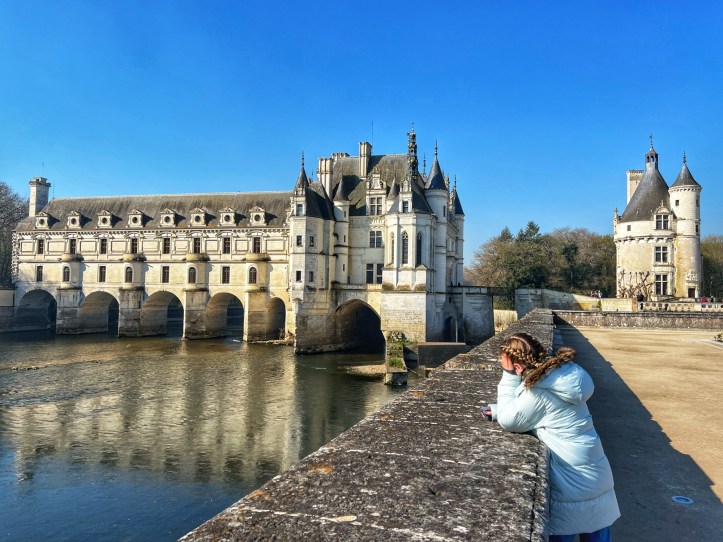
The most expensive château we visited was Chenonceau. We were the first visitors through the gates and the entrance so it was wonderful to tour the castle virutally solo, but my overall impressions were that it was rather tiny compared to other castles we had visited so far. What made this castle stand out from the rest was the incredible history. Dive into the story of the “Ladies’ Château” to learn about the famous women who made their home at Chenonceau. It would make quite the drama series! Especially notable are Diane de Poitier (mistress of King Henry II), Catherine de Medici (wife of King Henry II) and Louise of Lorraine (widow of King Henry III). It is very interesting to learn about Catherine’s three sons who all served as king and lived in nearby Amboise (where we visited next). Their influences can be seen throughout the beautiful estate.
Early forms of the stronghold date back to the 11th century, but the castle we see today was built in the early 1500’s. The land is also extraordinary, making this castle the second most visited château in France after Versailles. Stretching over the river Cher, this palace served a significant role during WWII as well, allowing people to escape across the river Cher from a Nazi occupied zone to a free zone. It was purchased in 1913 by the Menier family and has been in their care ever since (which probably explains the higher ticket prices than other castles in the Loire). Did you know the castle served as an infirmary during WWI and was bombed during WWII? We learned so much from the displays in the grand gallery and the tour booklet.
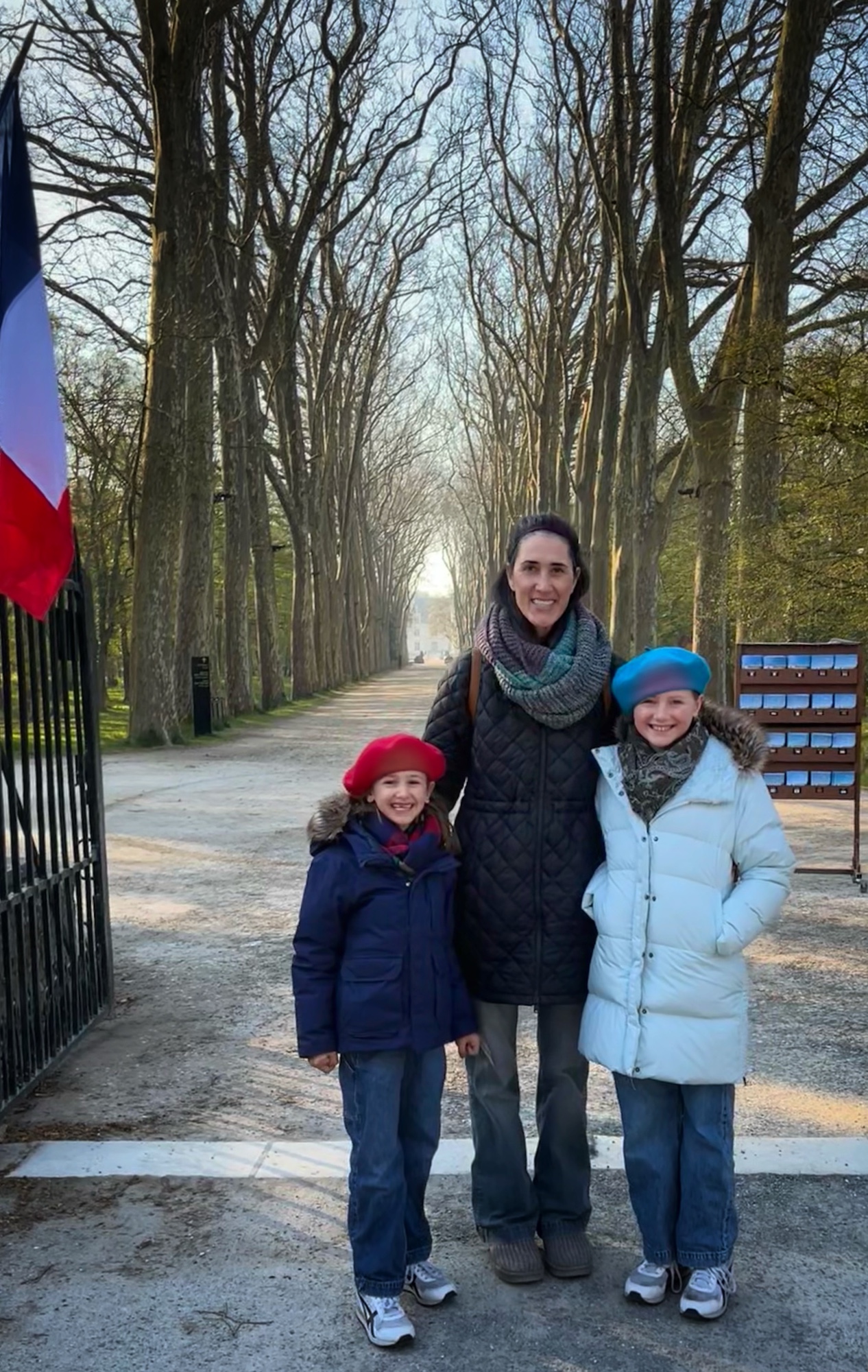
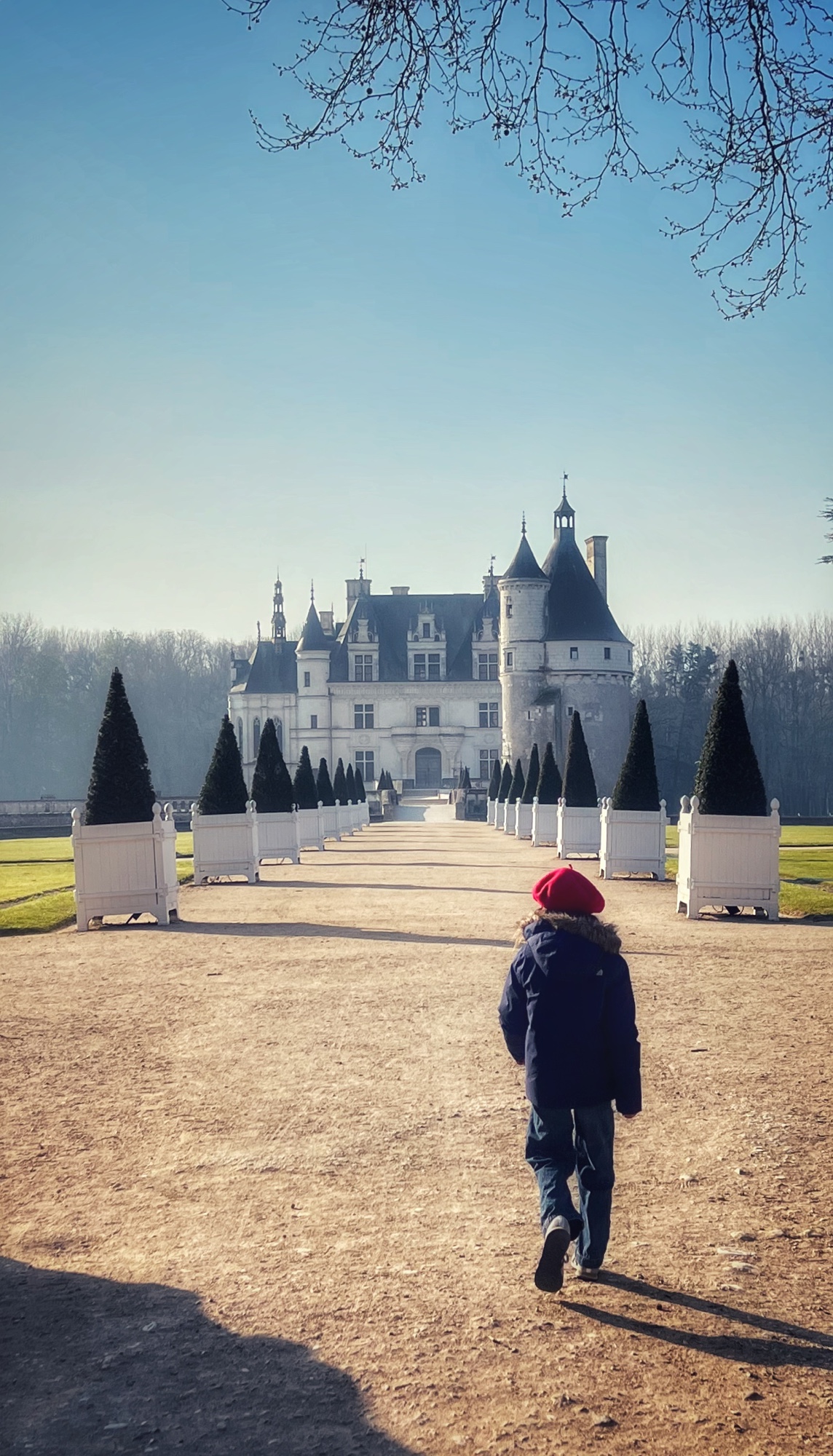
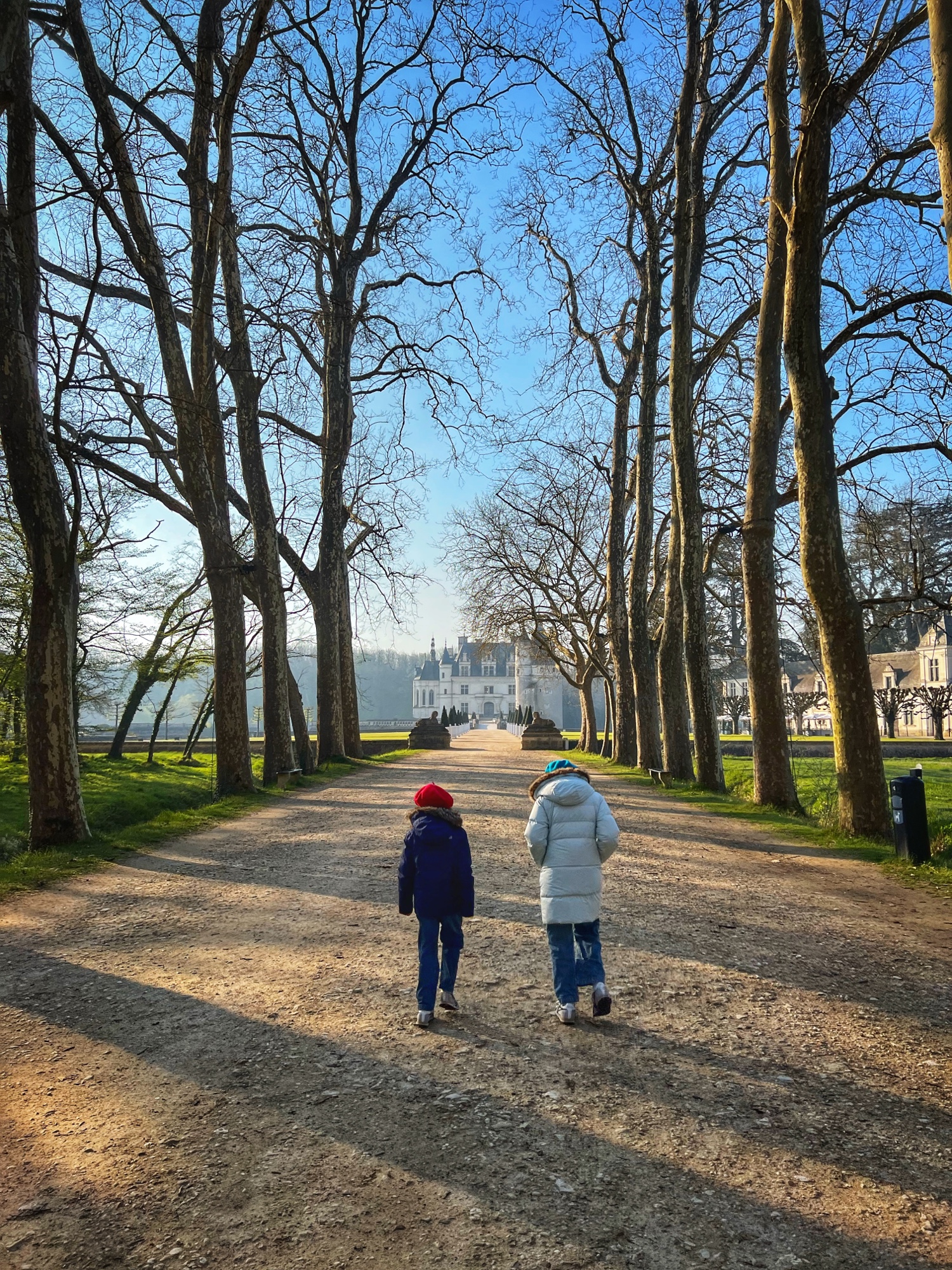

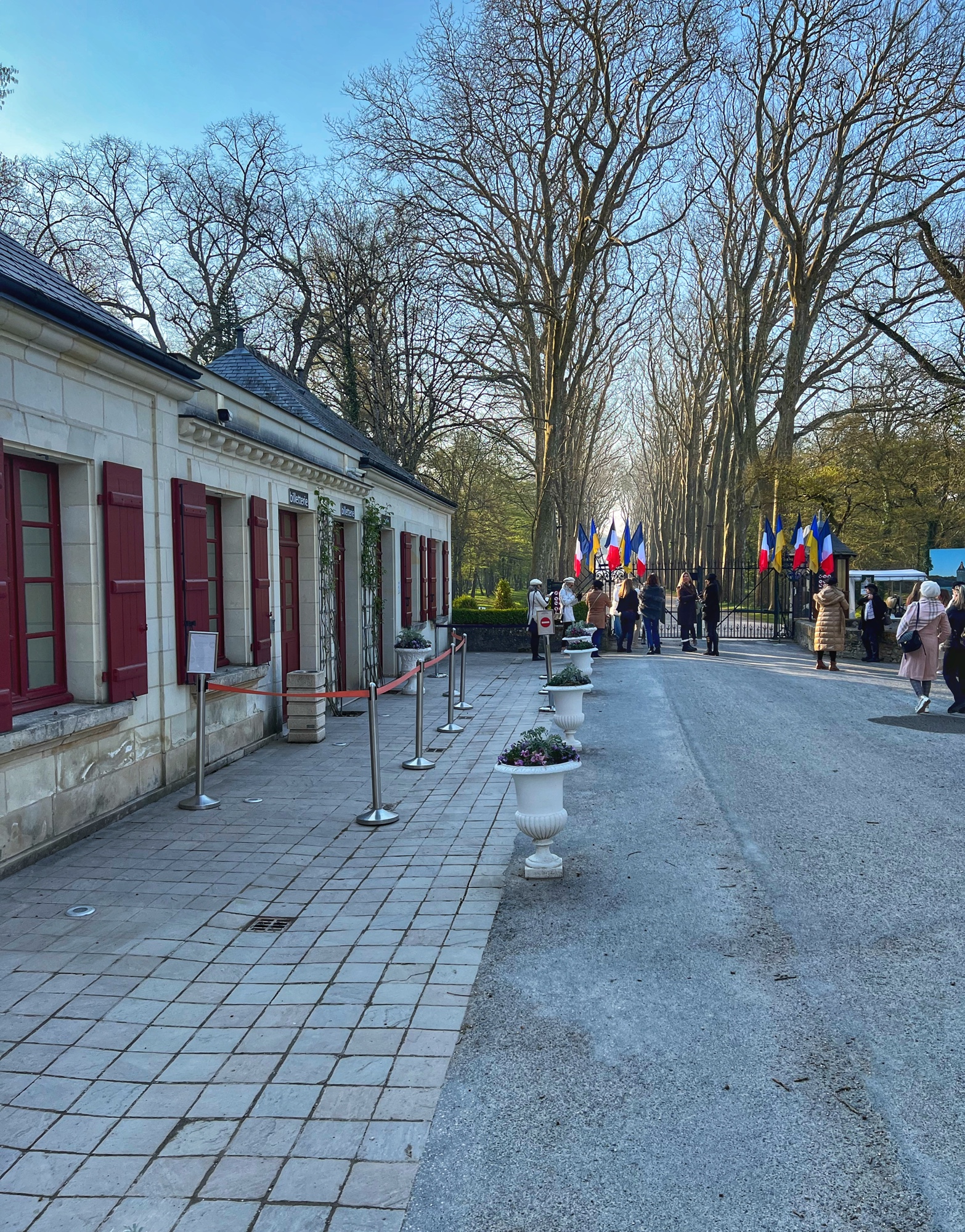

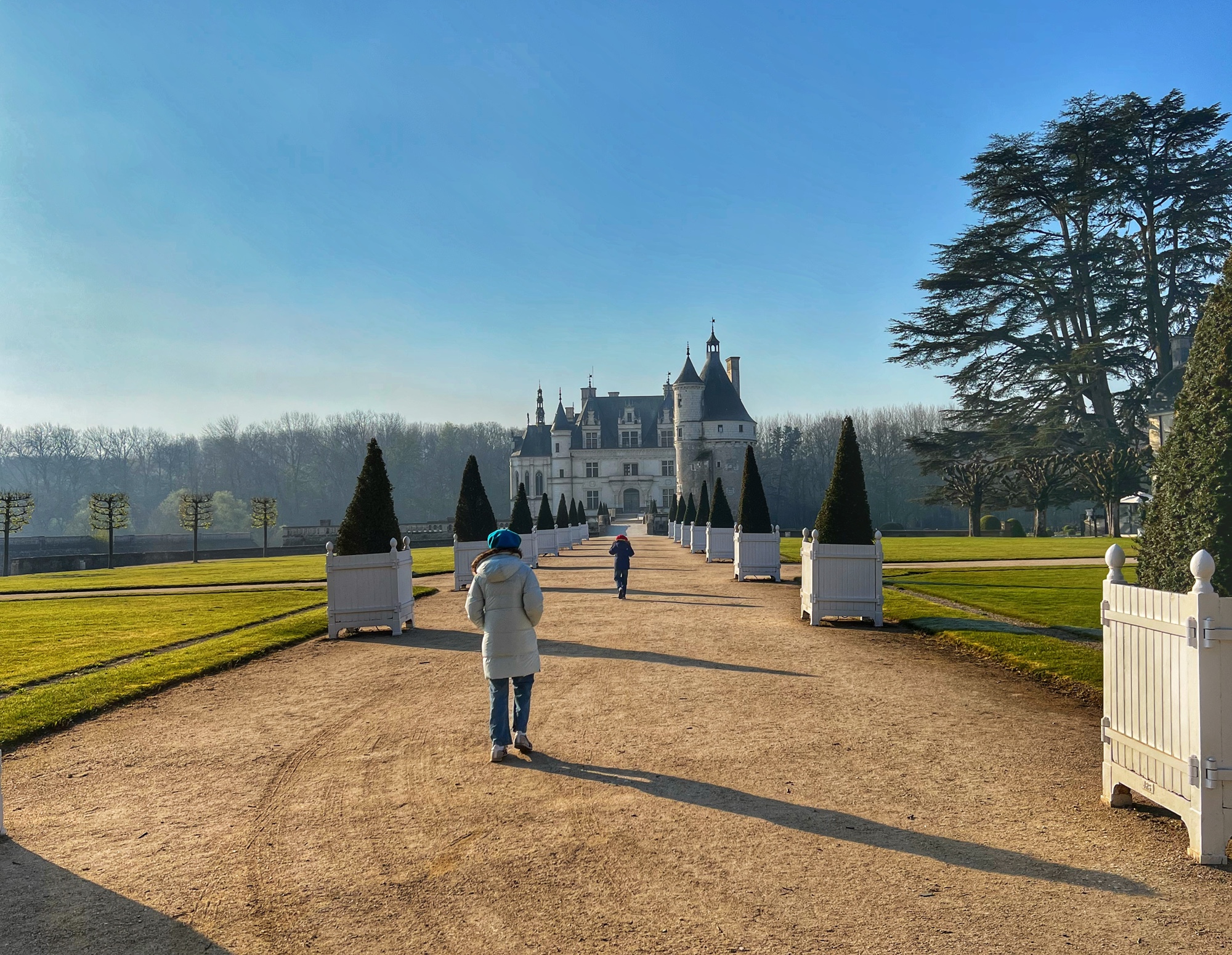
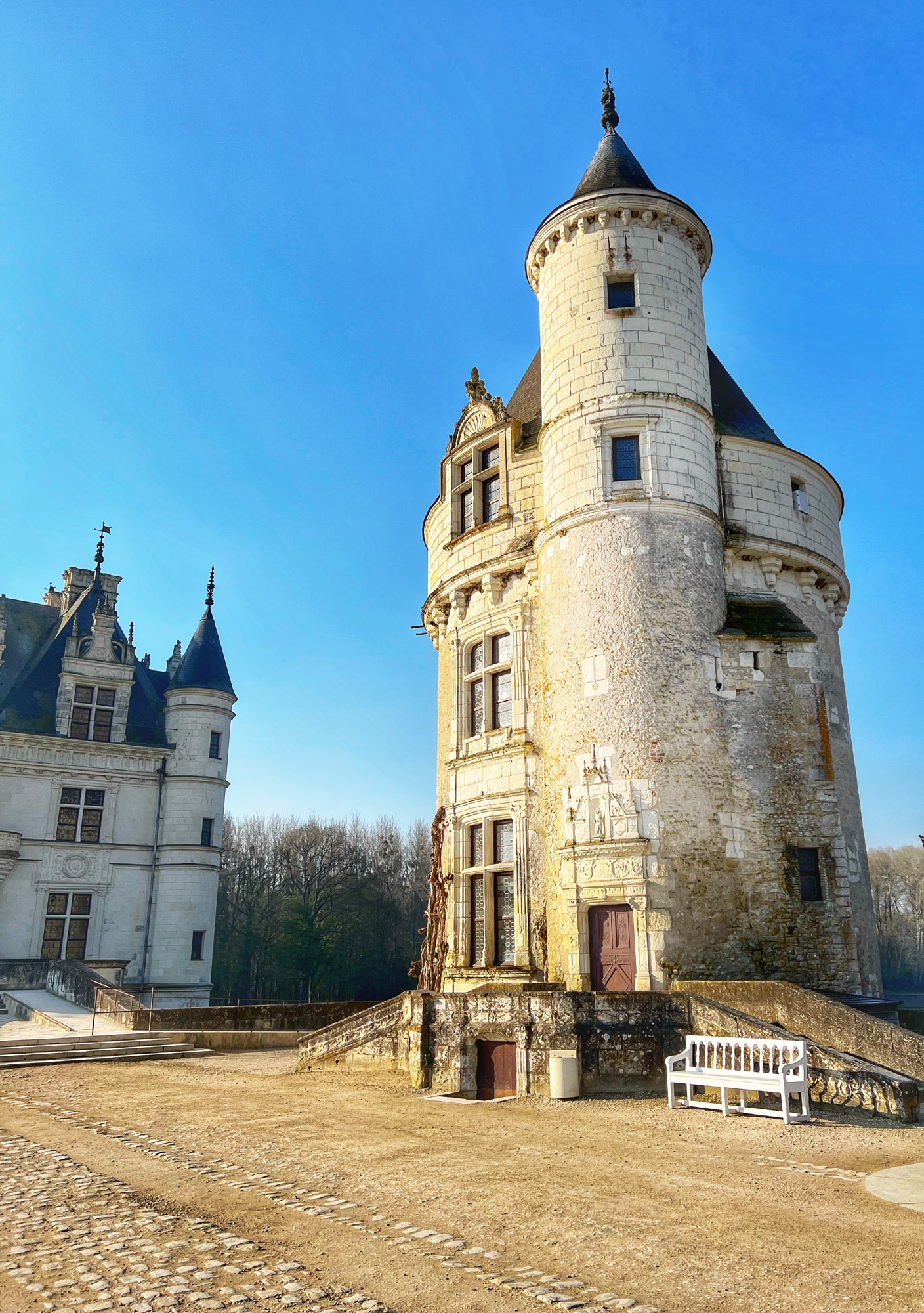
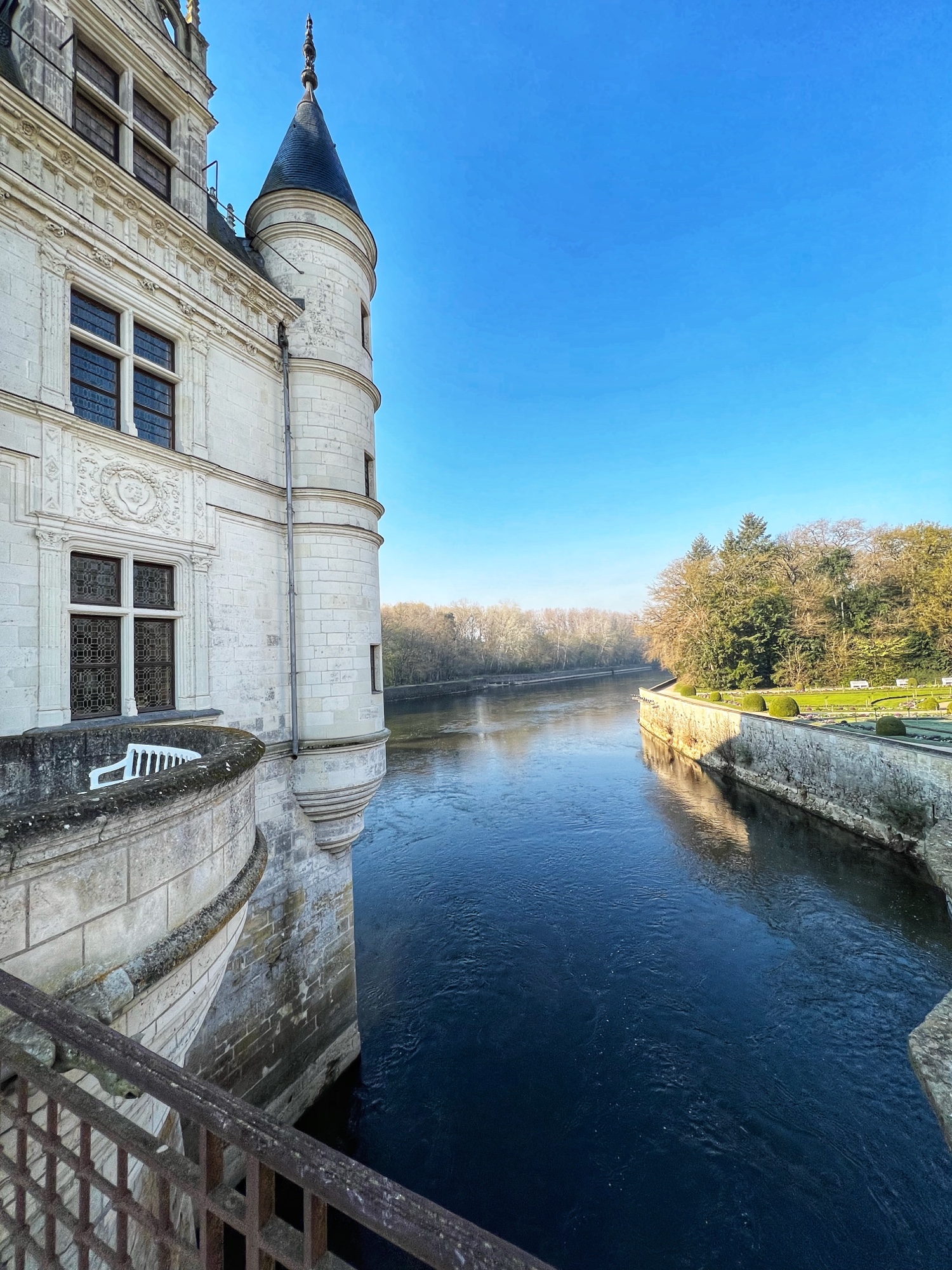
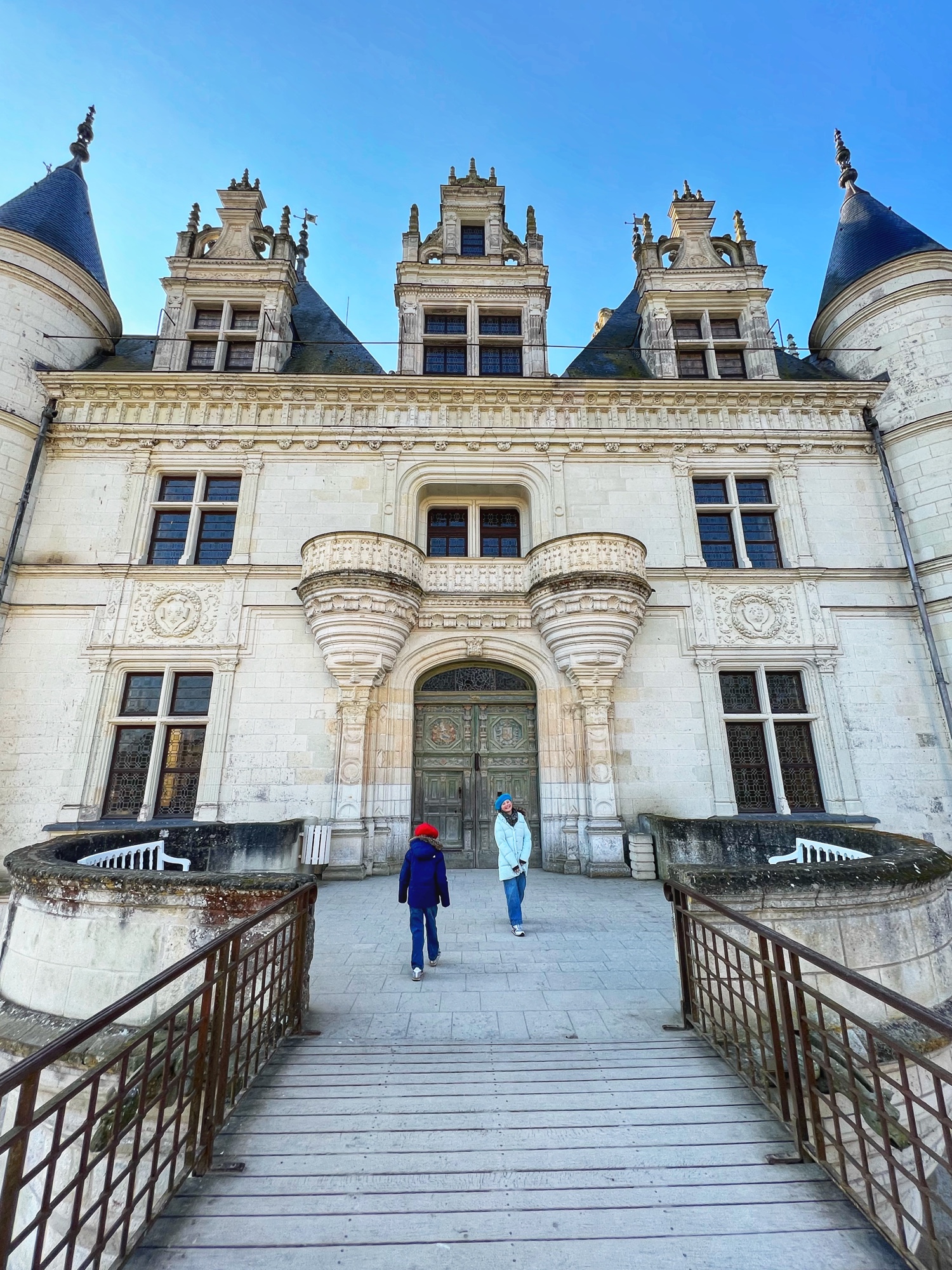
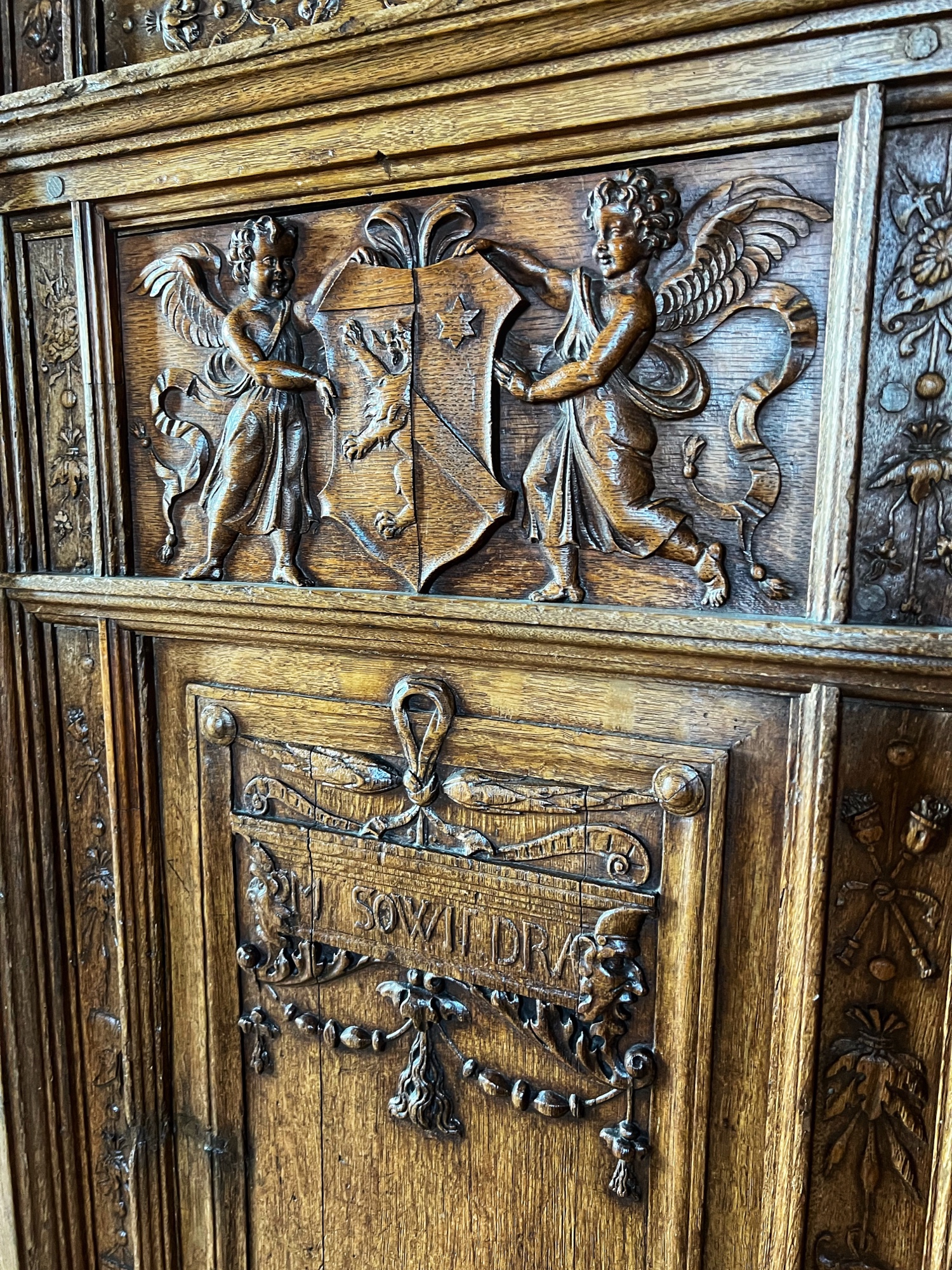
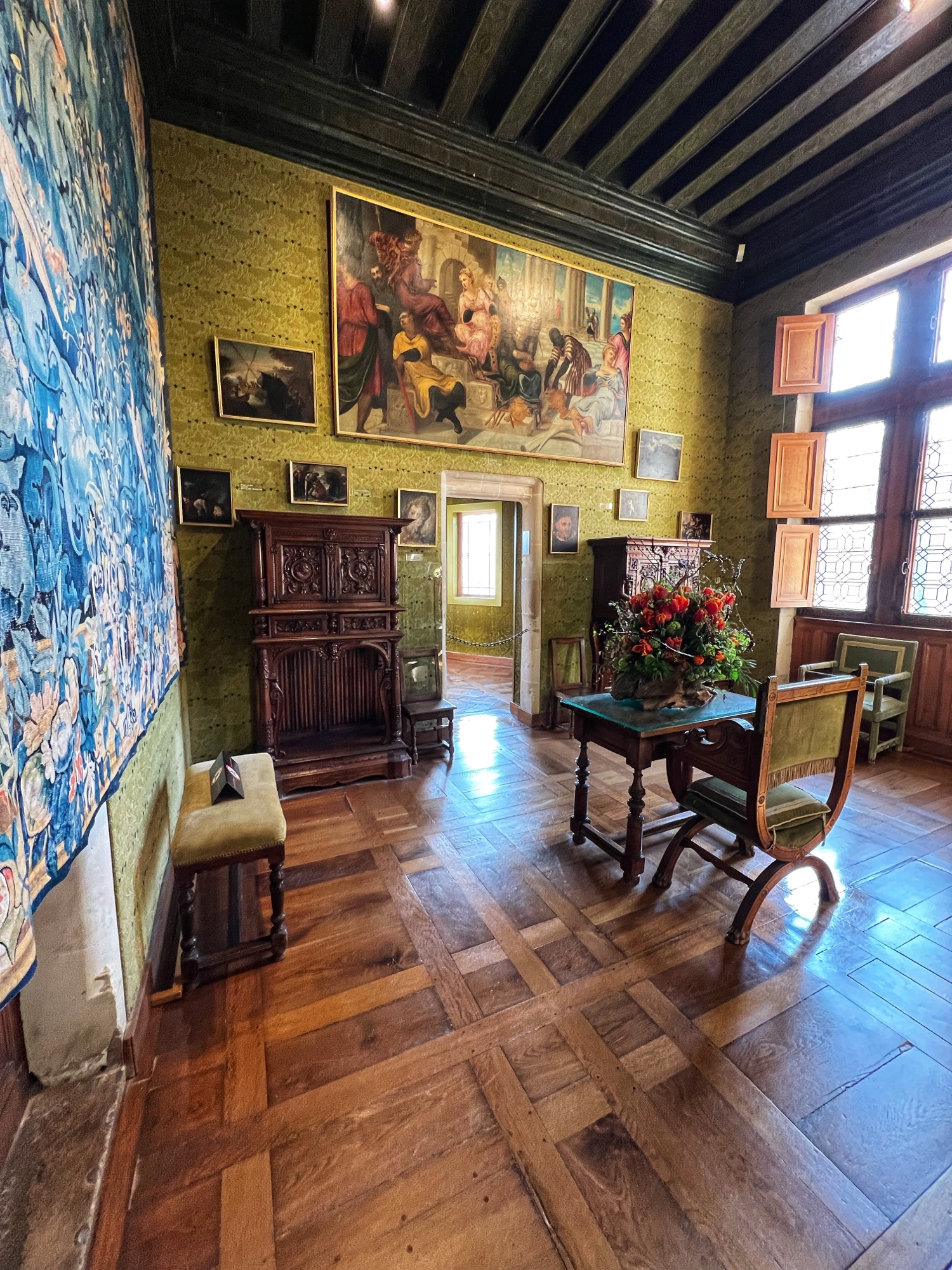
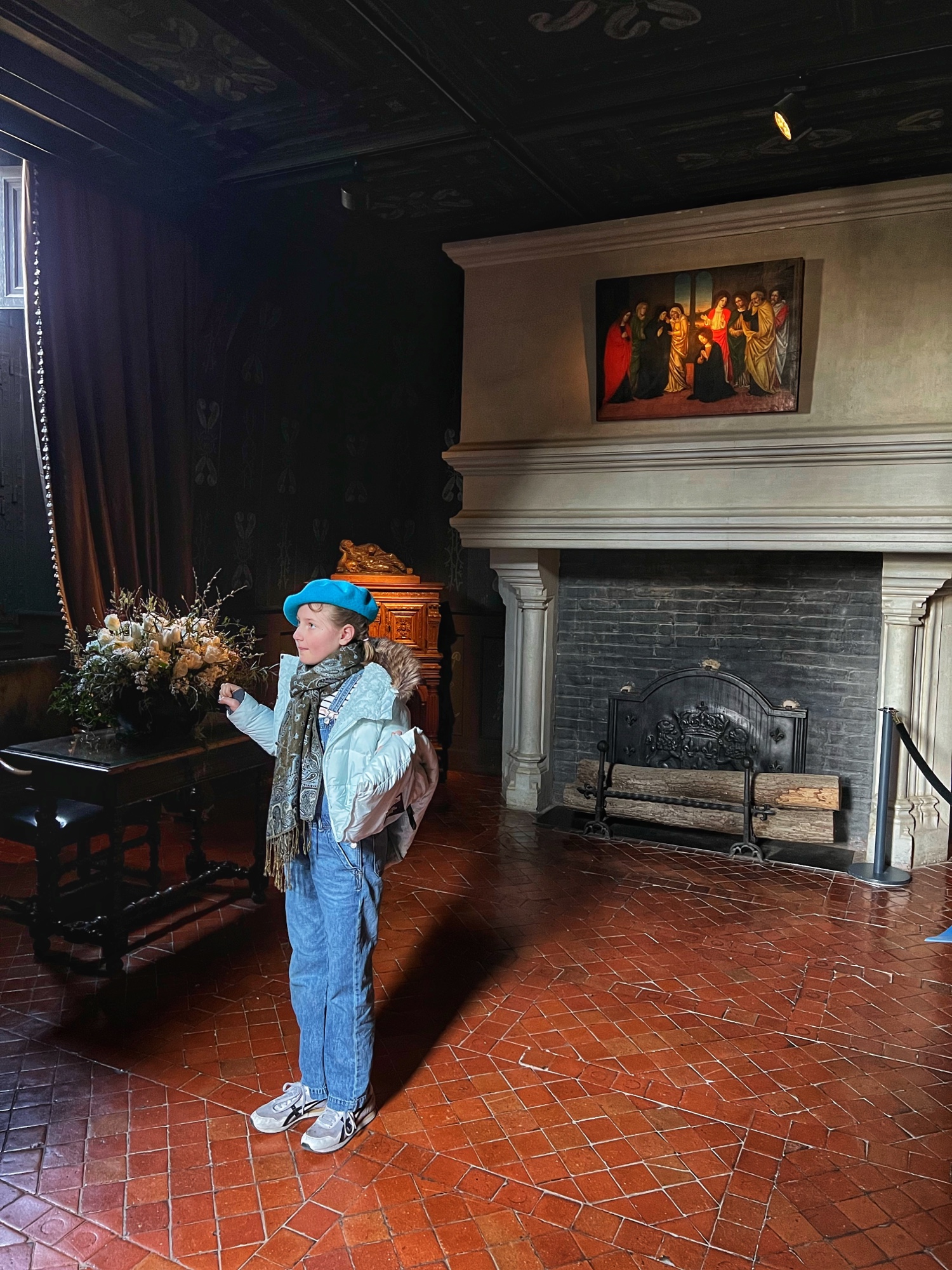
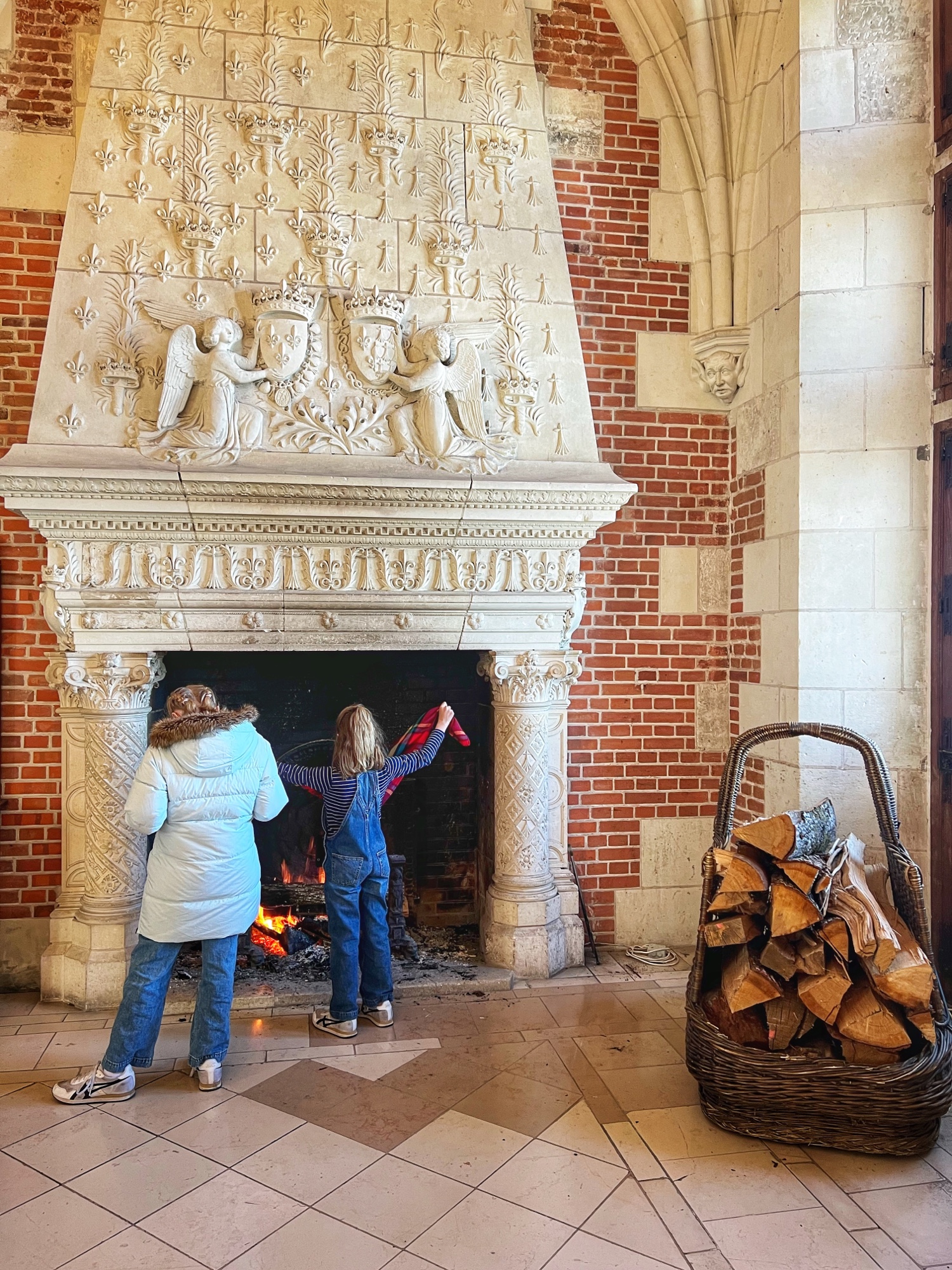
Right away we noticed the tapestries and carved wooden doorways. Also you can see the fire places do not have real fires in them as they are very careful to prevent accidents.


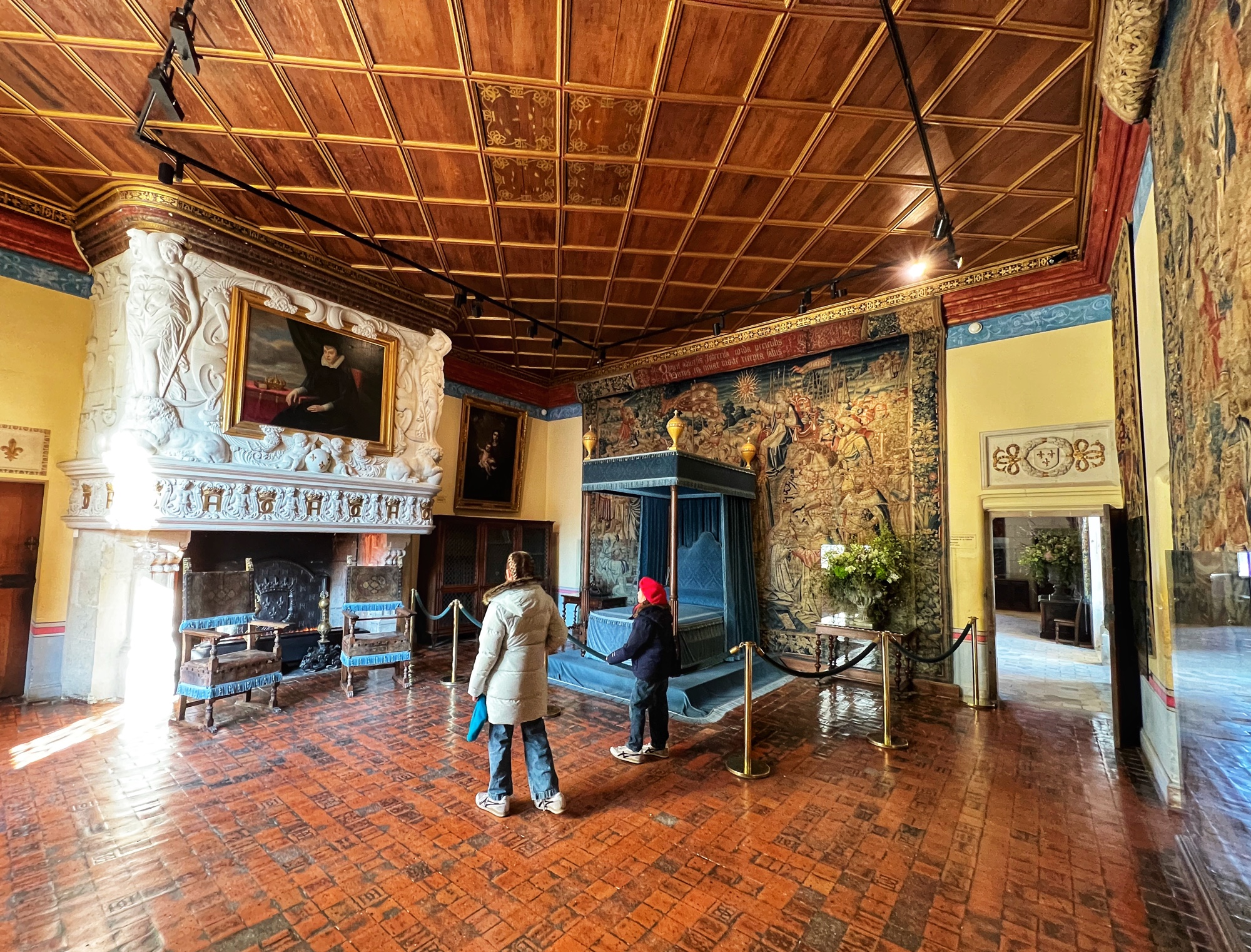

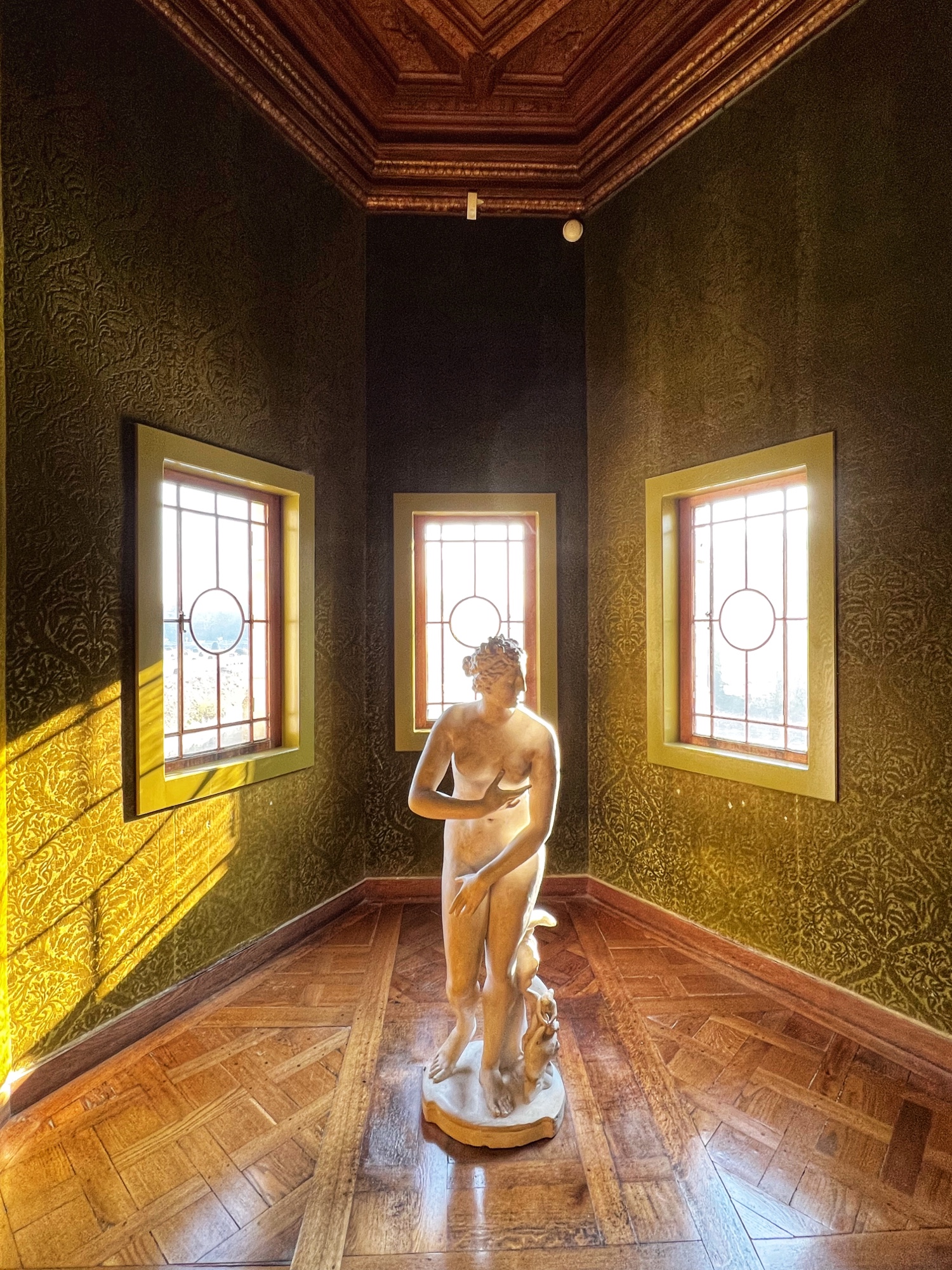
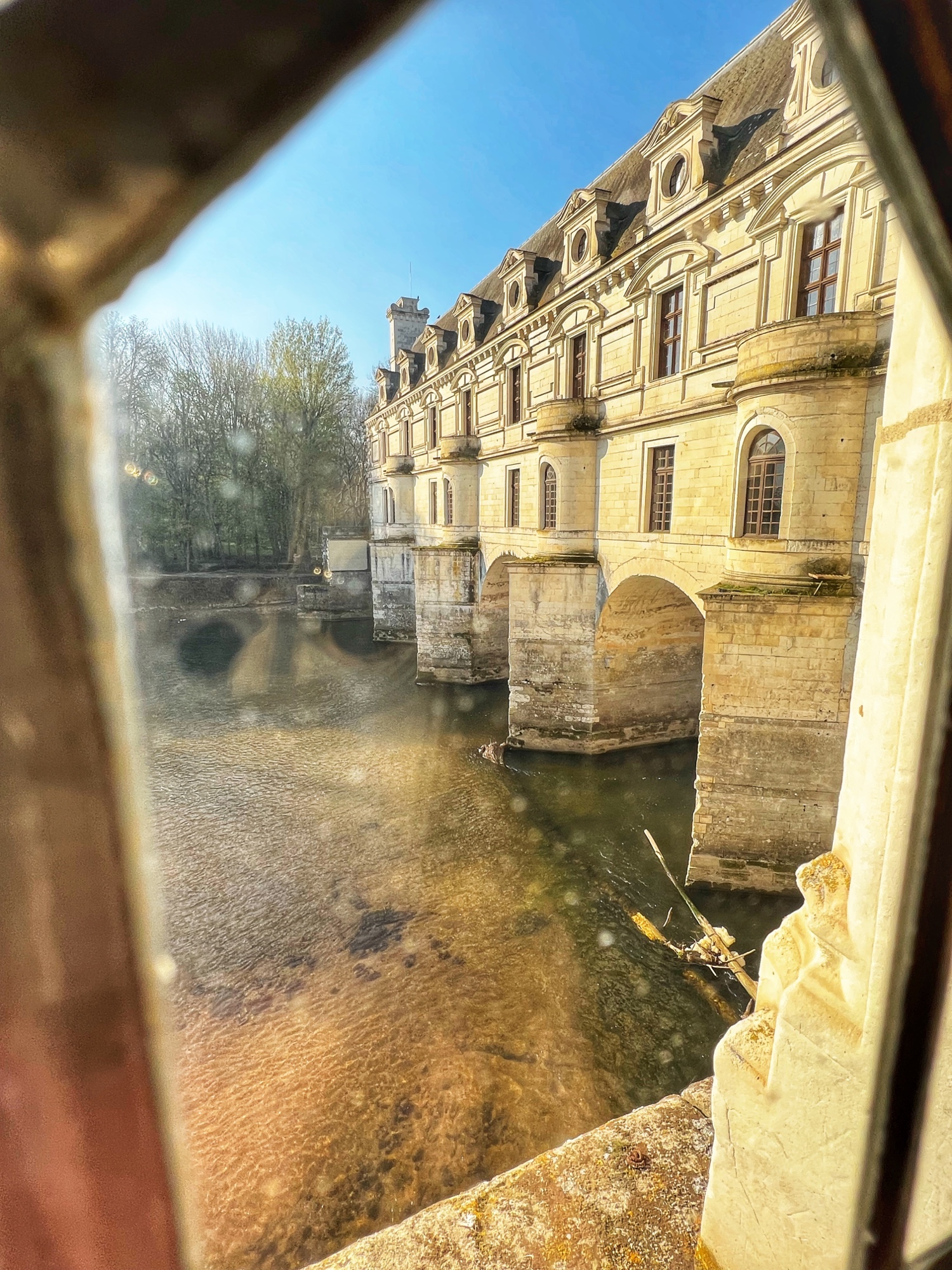
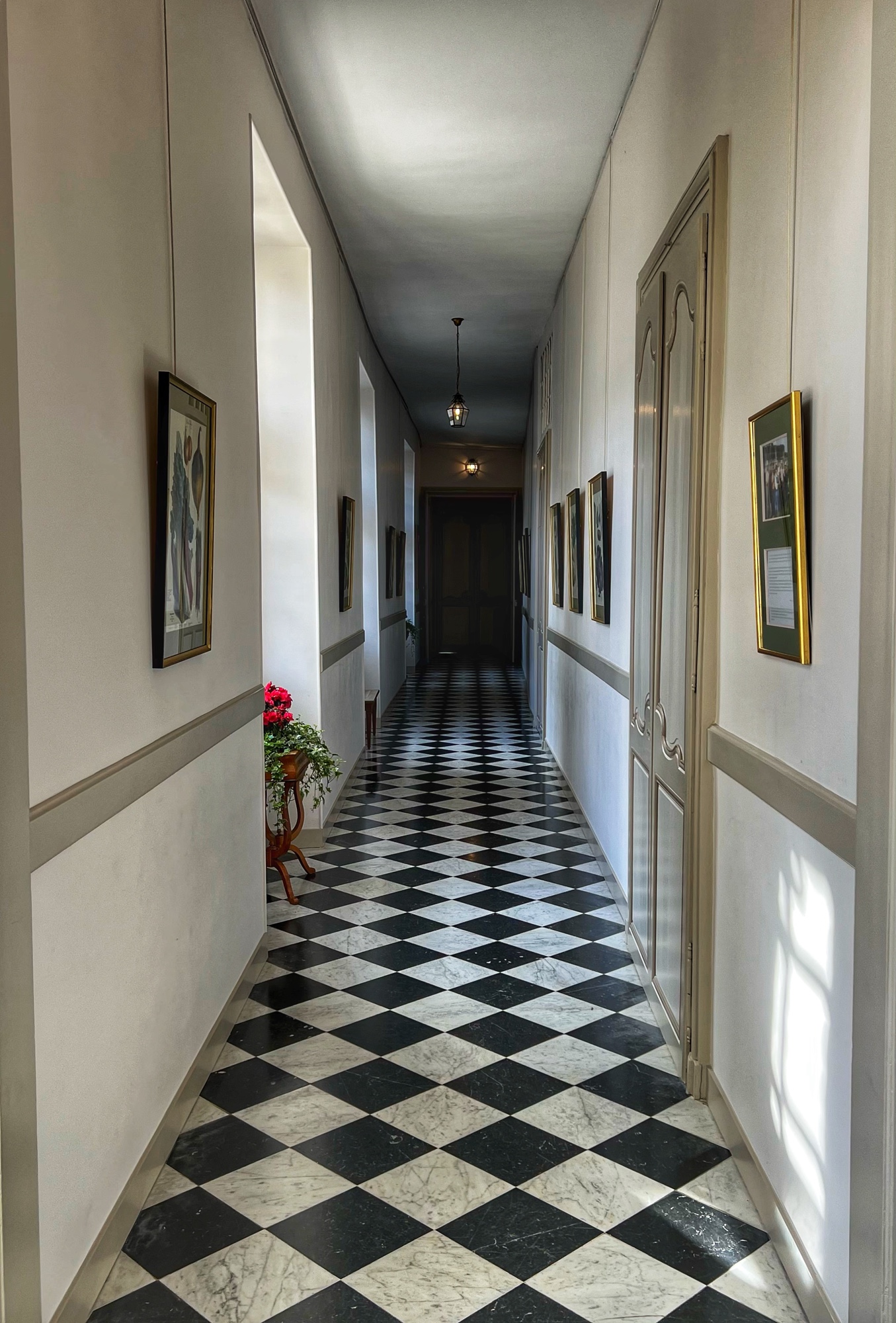
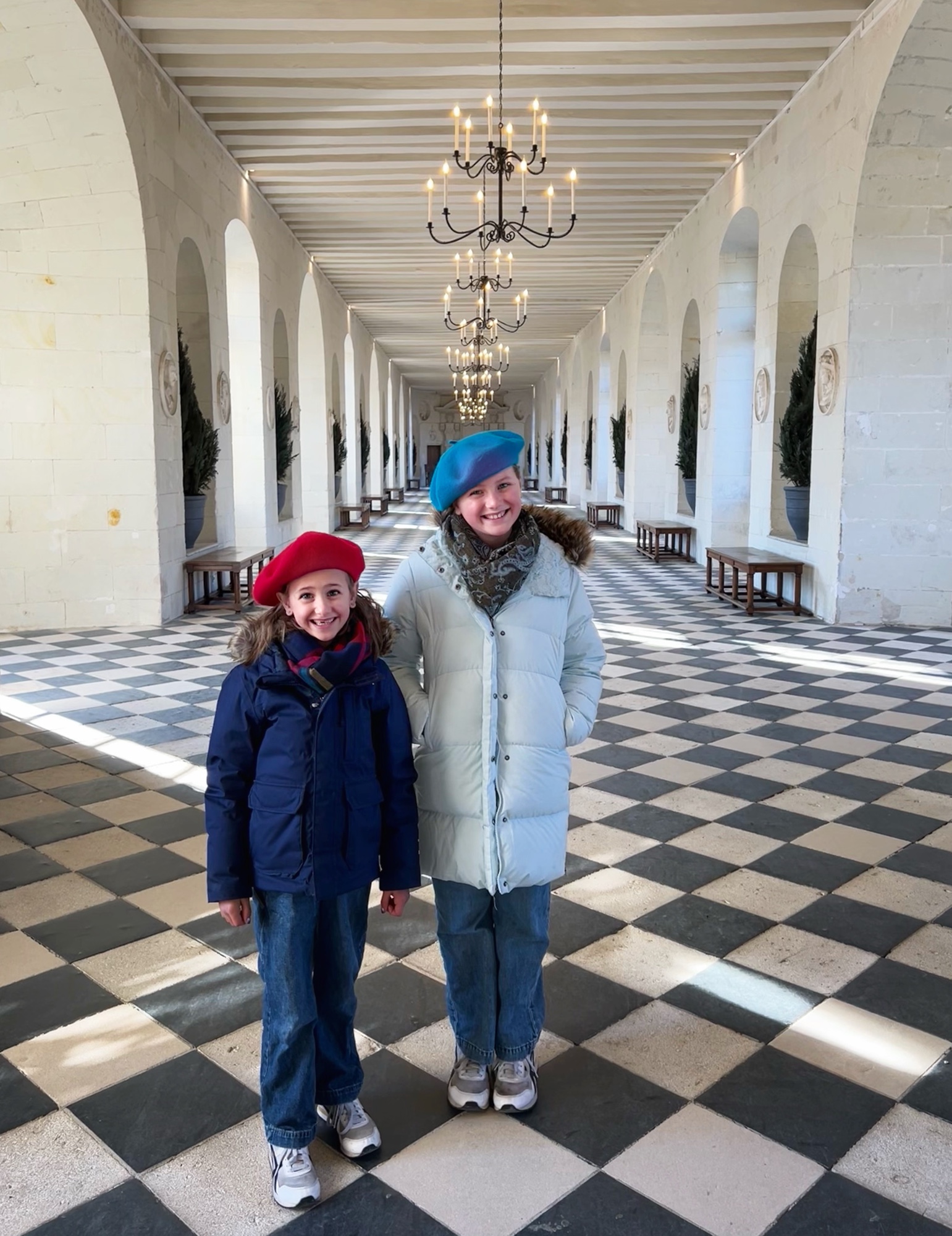
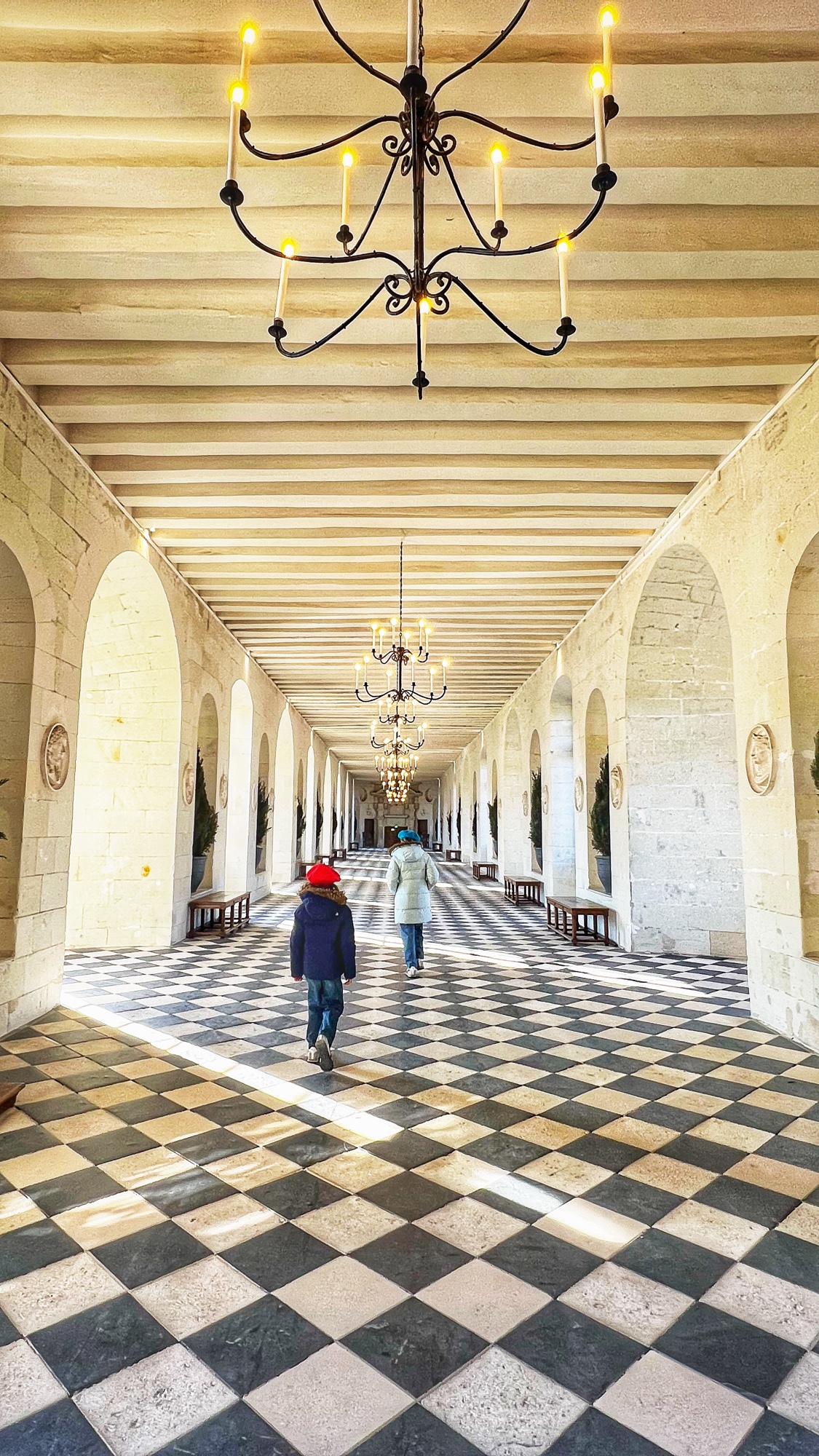
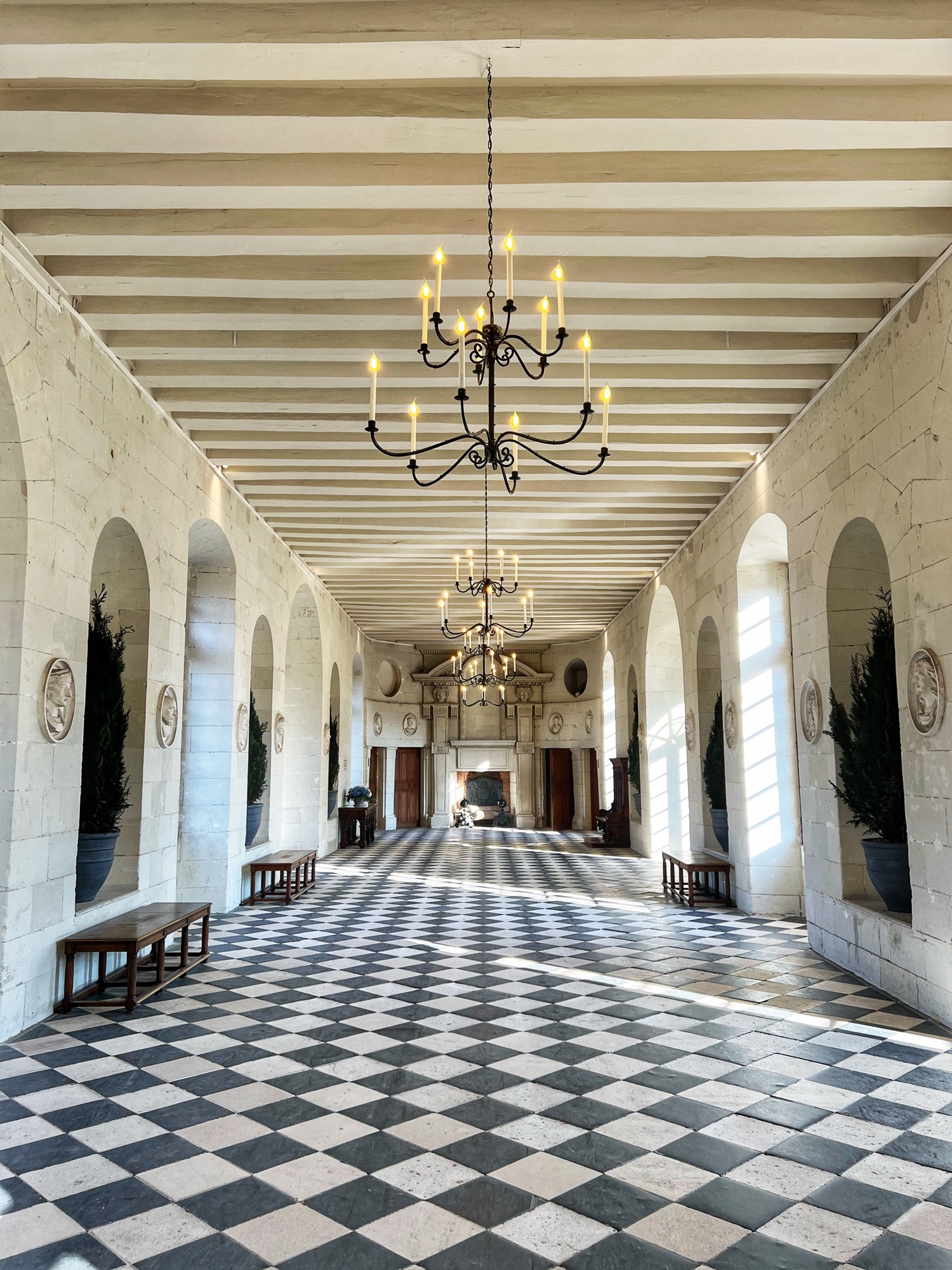
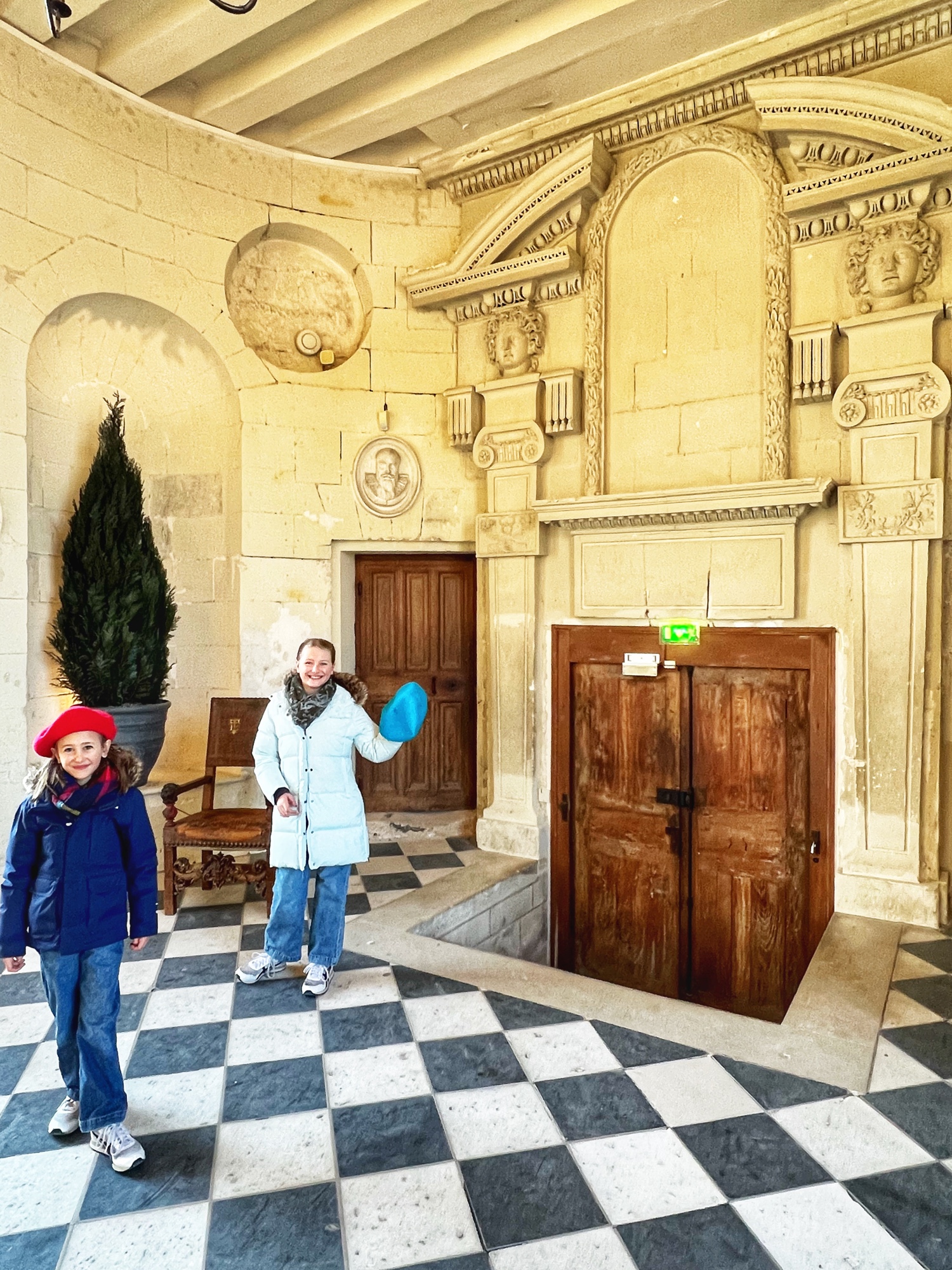
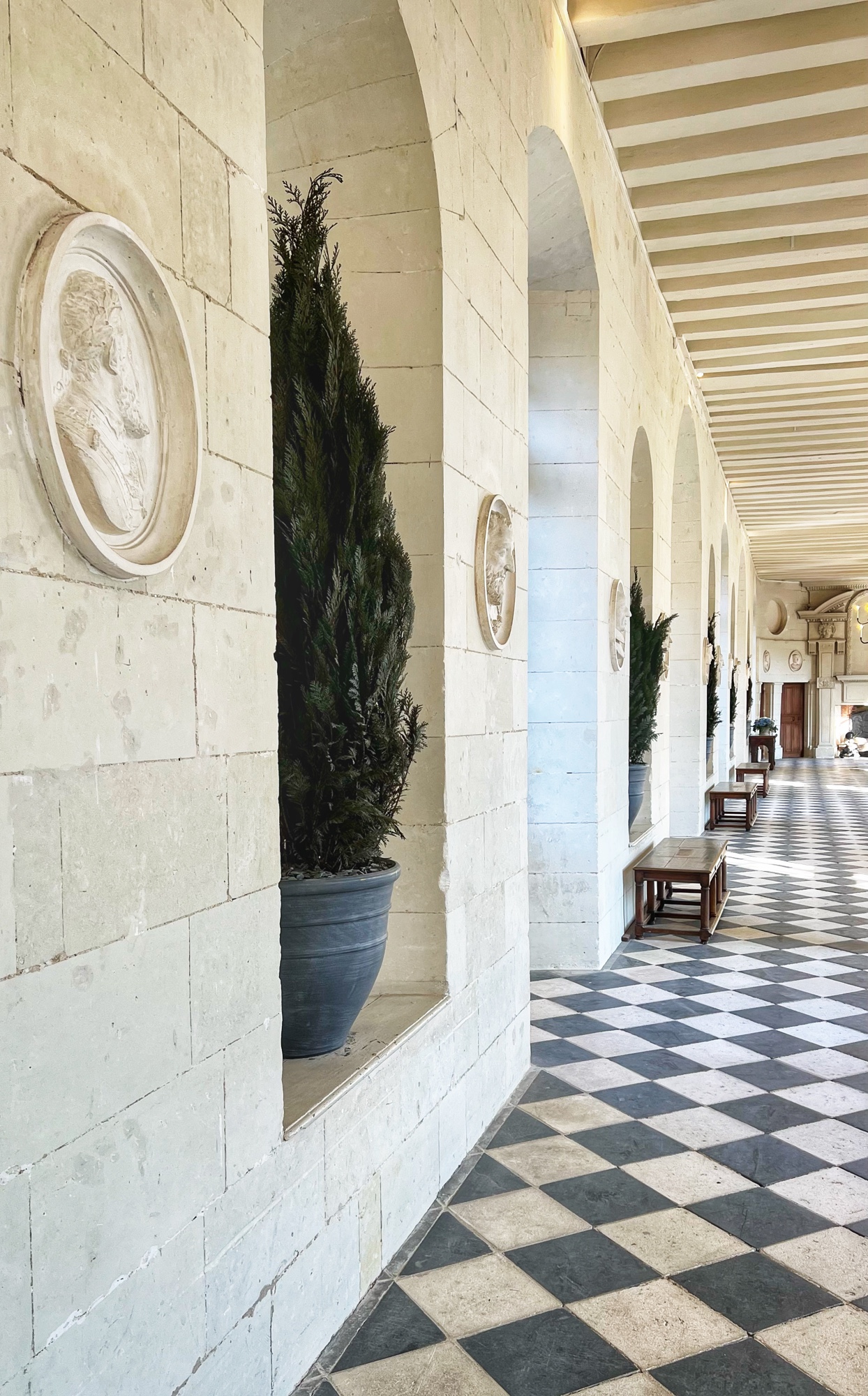
The chapel is lovely – but the real impressive sight is the gallery (below)! It was here that hand to hand combat happened during WWII and people escaped from one side of the river (occupied by Nazis) to the other (a free zone). That iconic checkerboard flooring though…



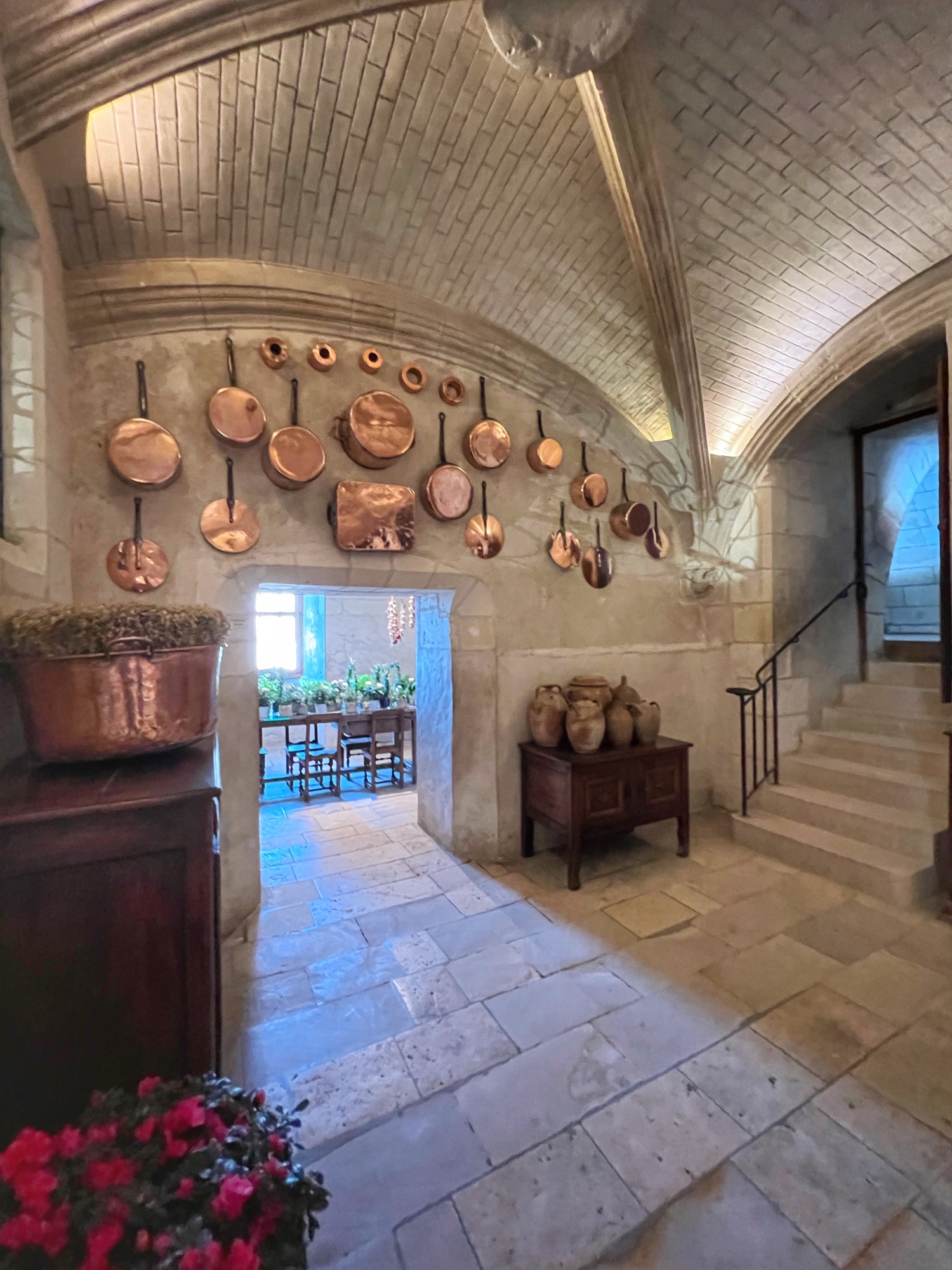
My absolute FAVORITE part of this castle is the series of kitchens. And I do mean series! This is not one big kitchen or a few rooms – it is the entire downstairs of two huge pillars that form the base of the bridge that reaches across the River cher. Pantry, dining area, larder, butchery, bridge, boat mooring area, baking and cooking areas, and all filled with light and beautiful arched ceilings. I could’ve spent hours down there and badly wanted to see it in action. All that copper…all those fresh flowers…all those wooden tables and hutches – such a dream! I’m sure at the time it felt more like a cave than a desirable “selling feature” but that didn’t stop me from drooling.
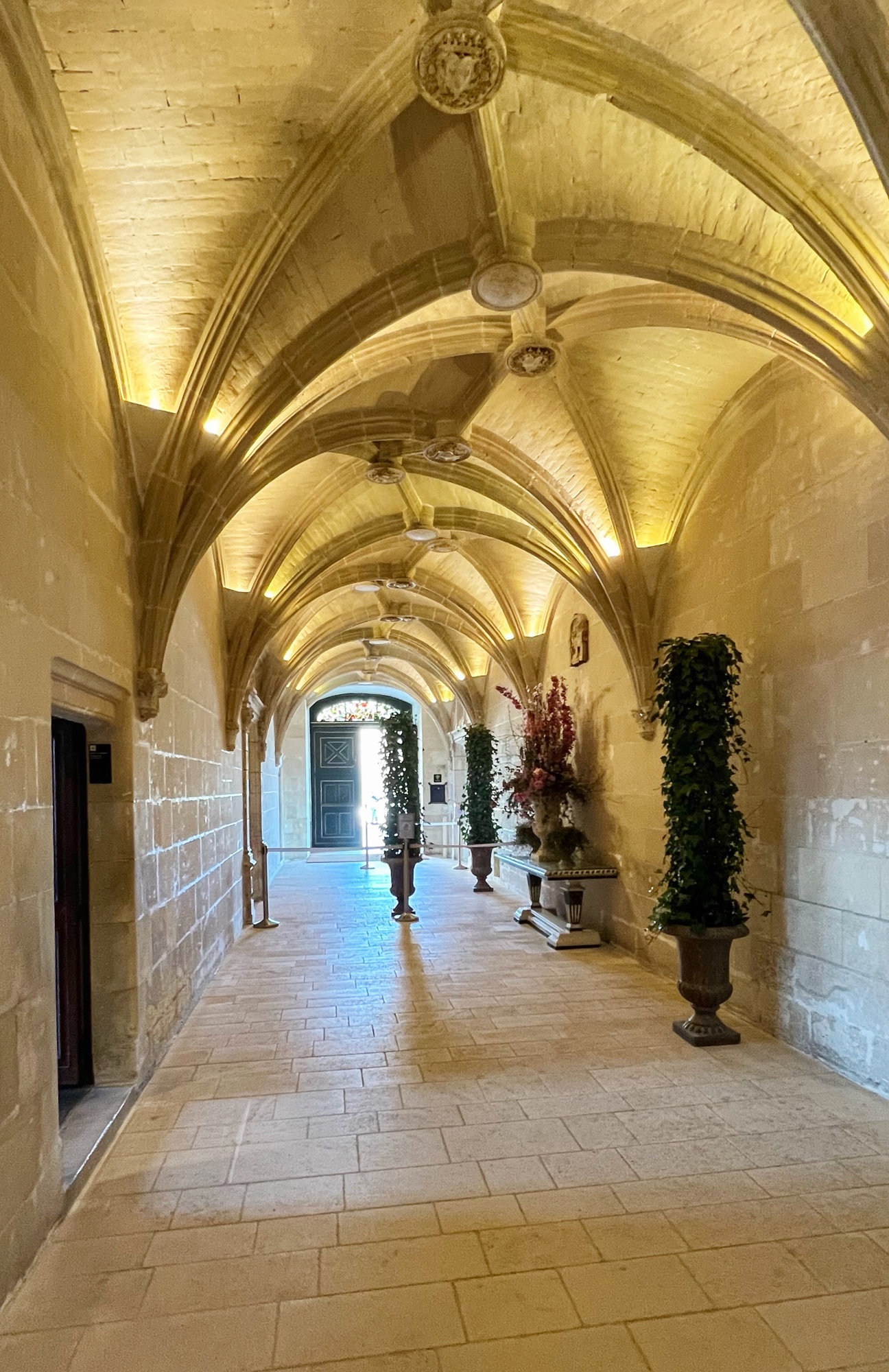
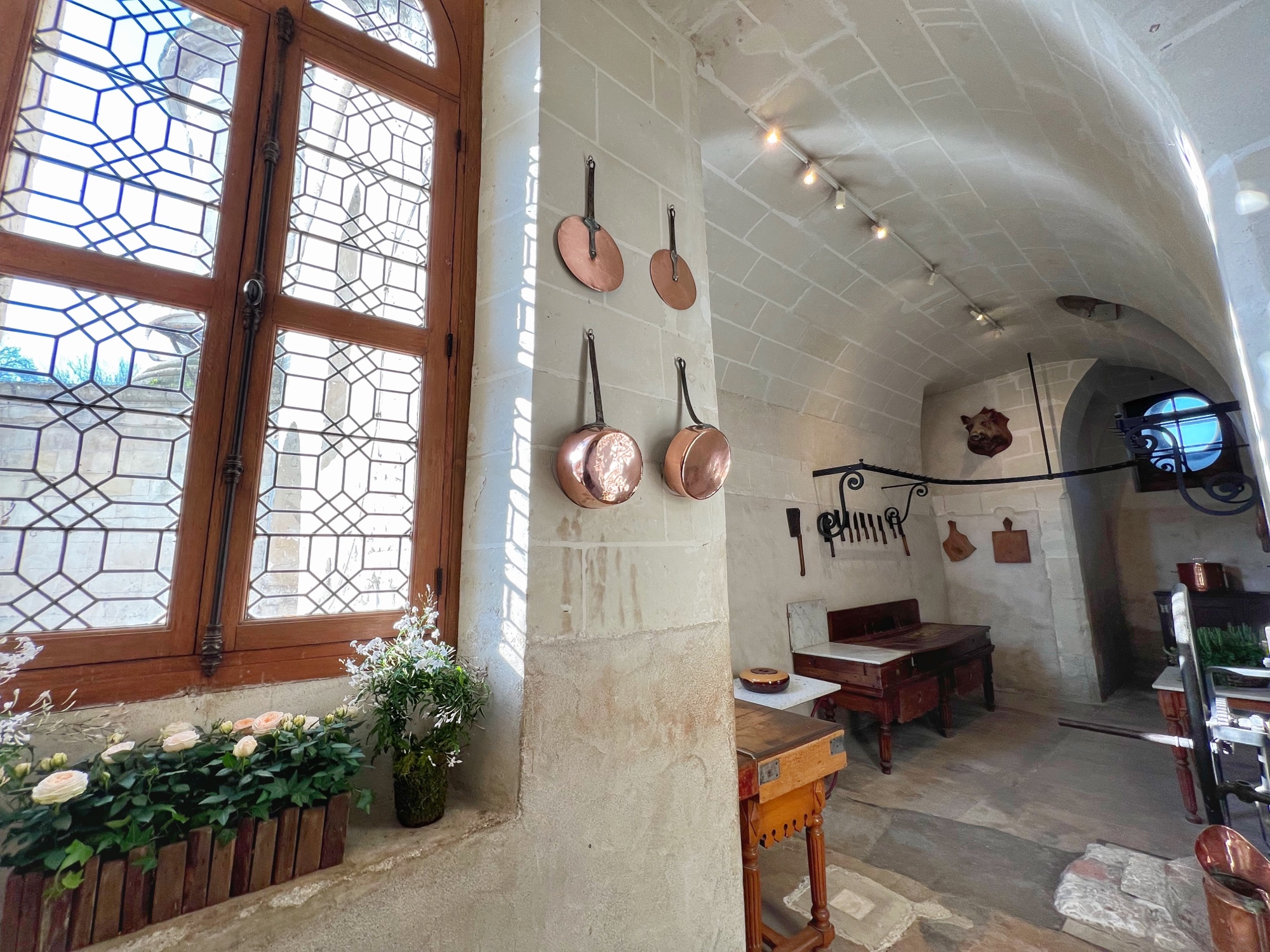
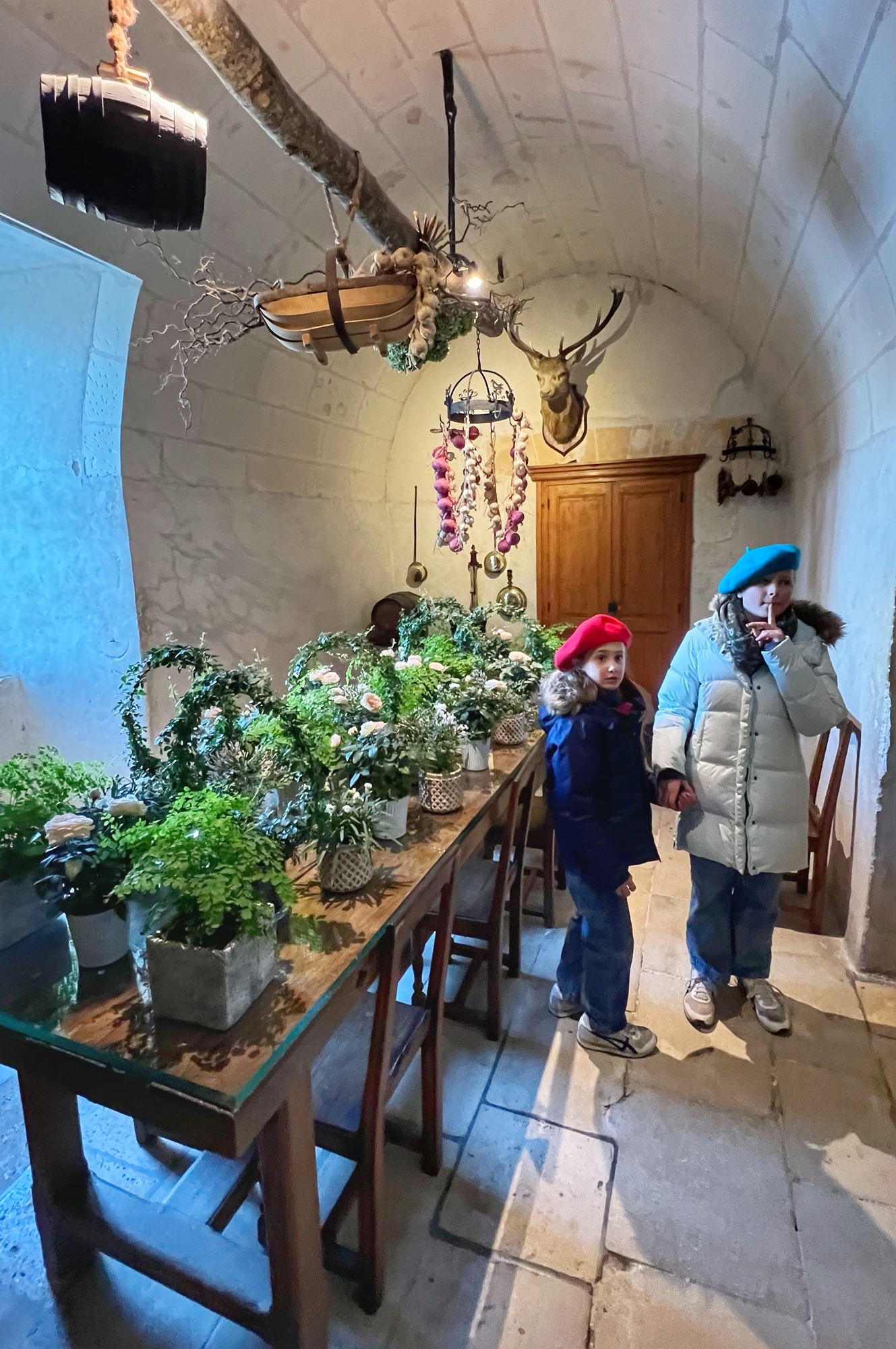
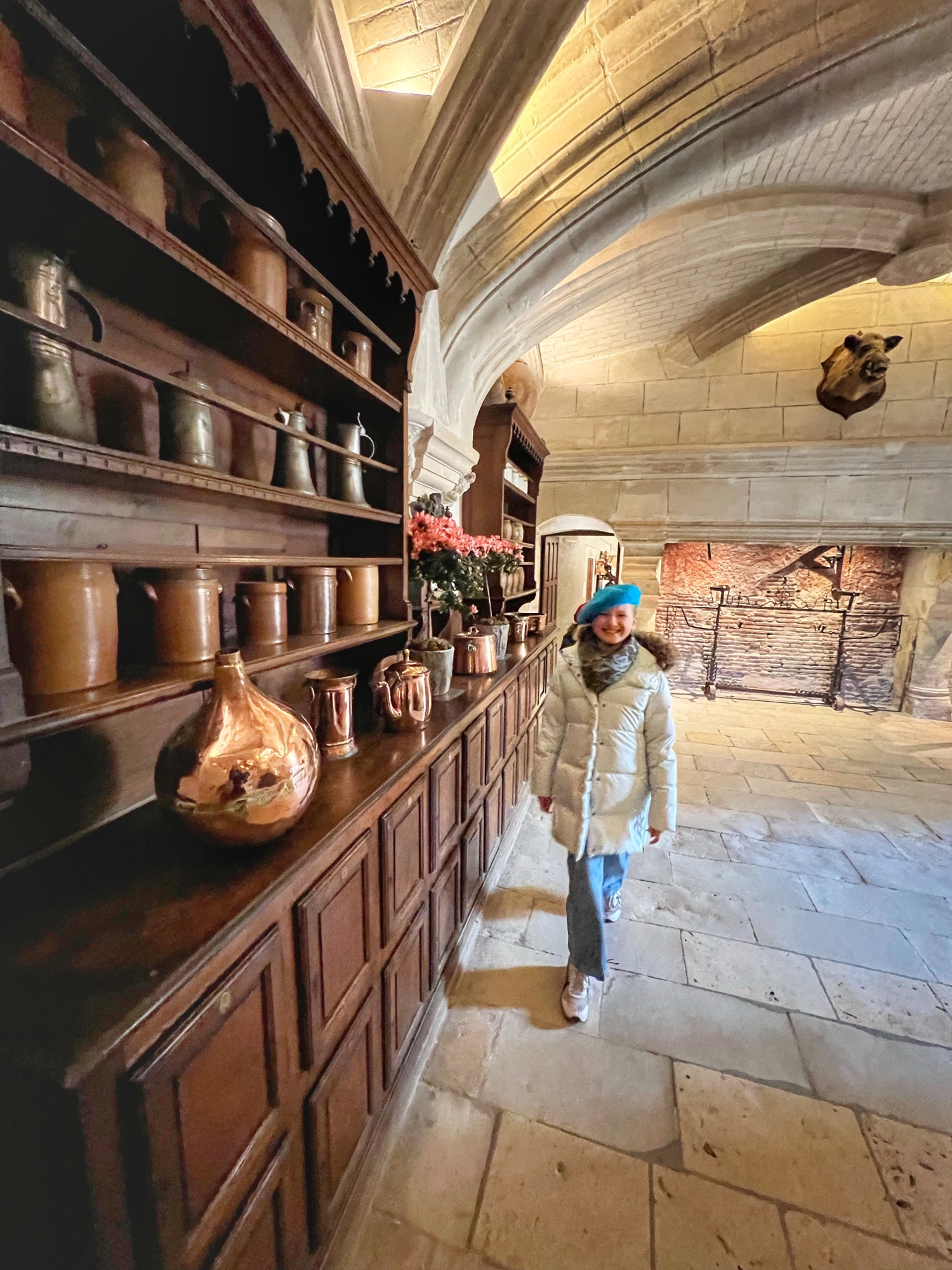
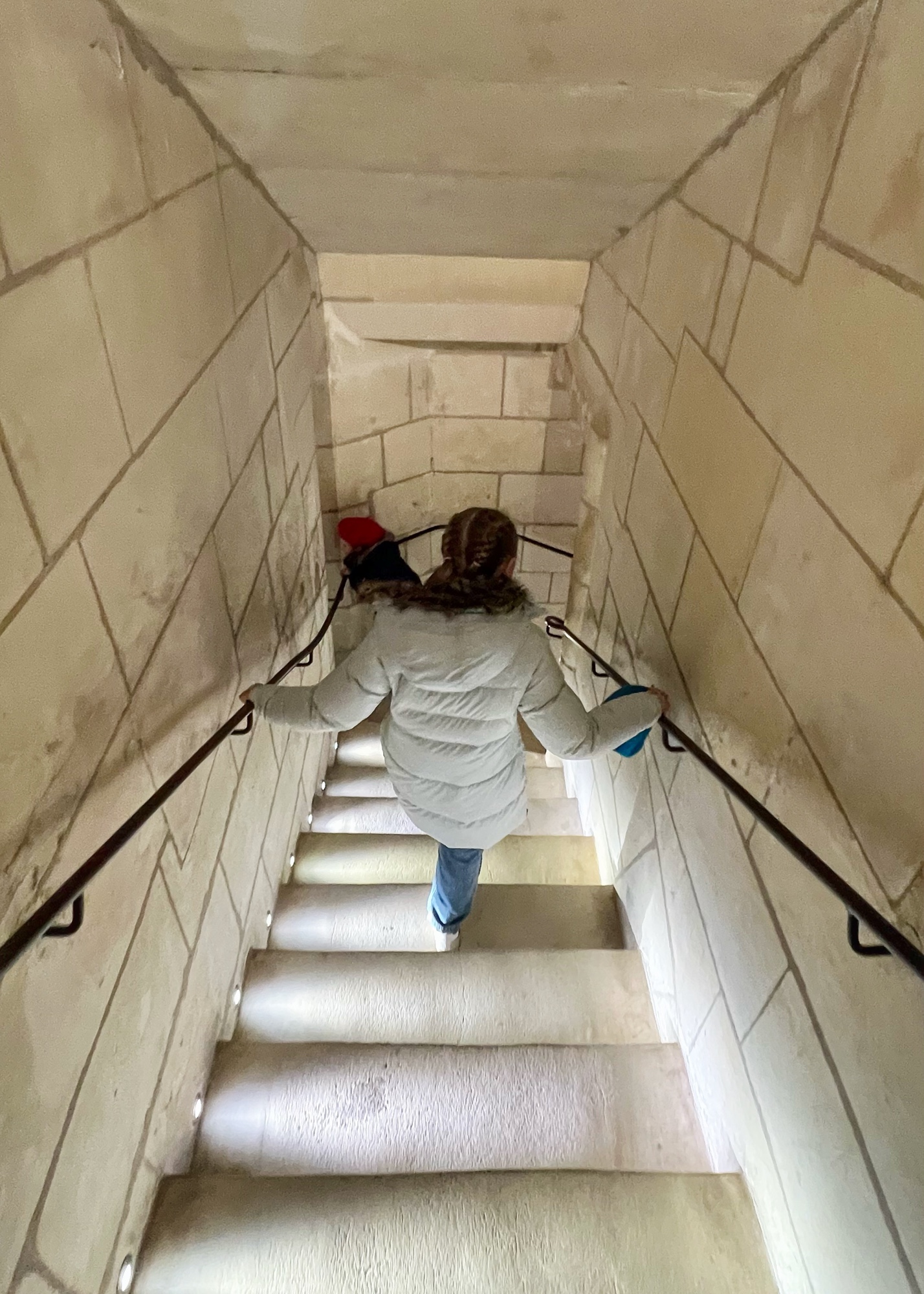
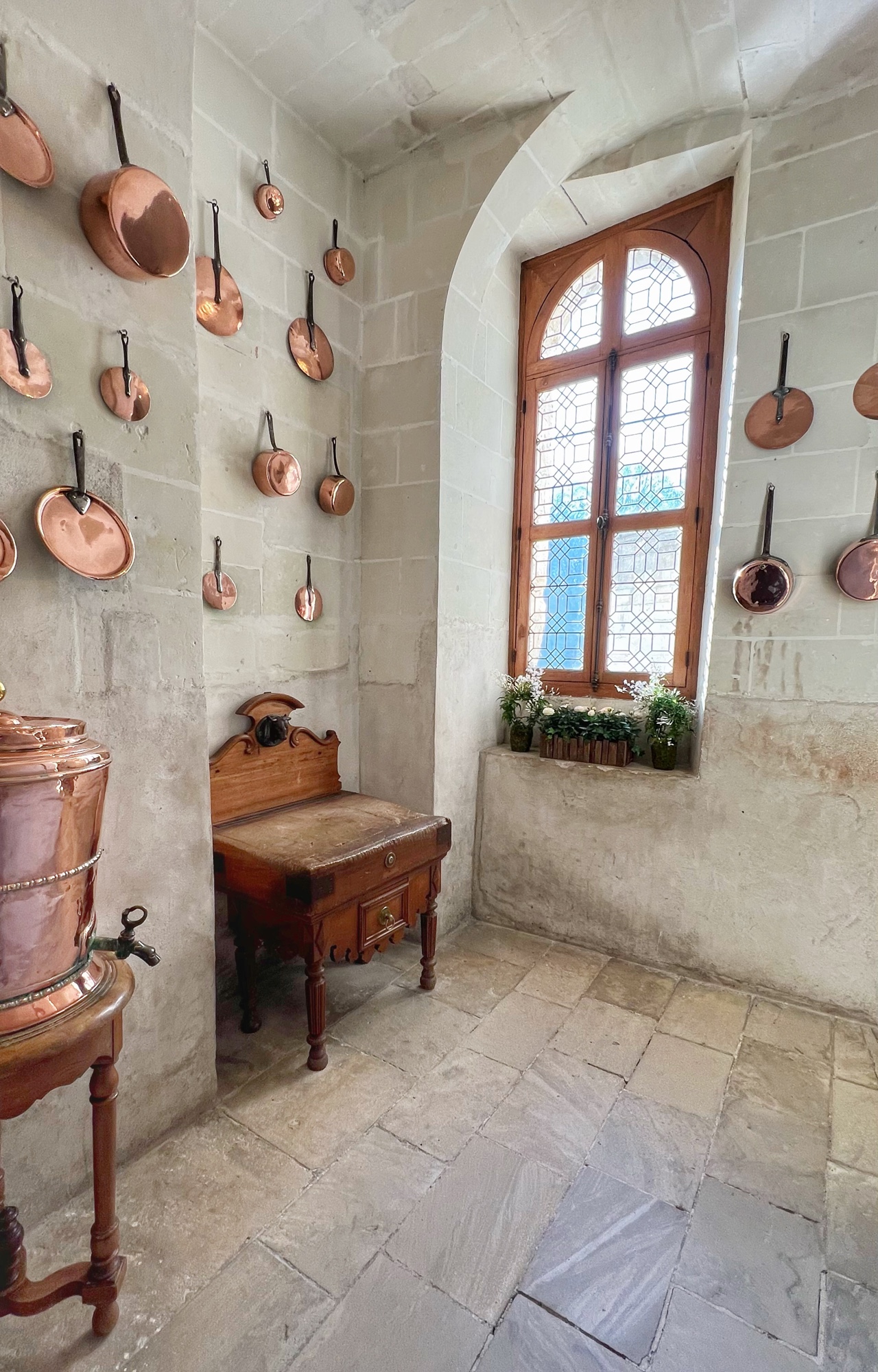
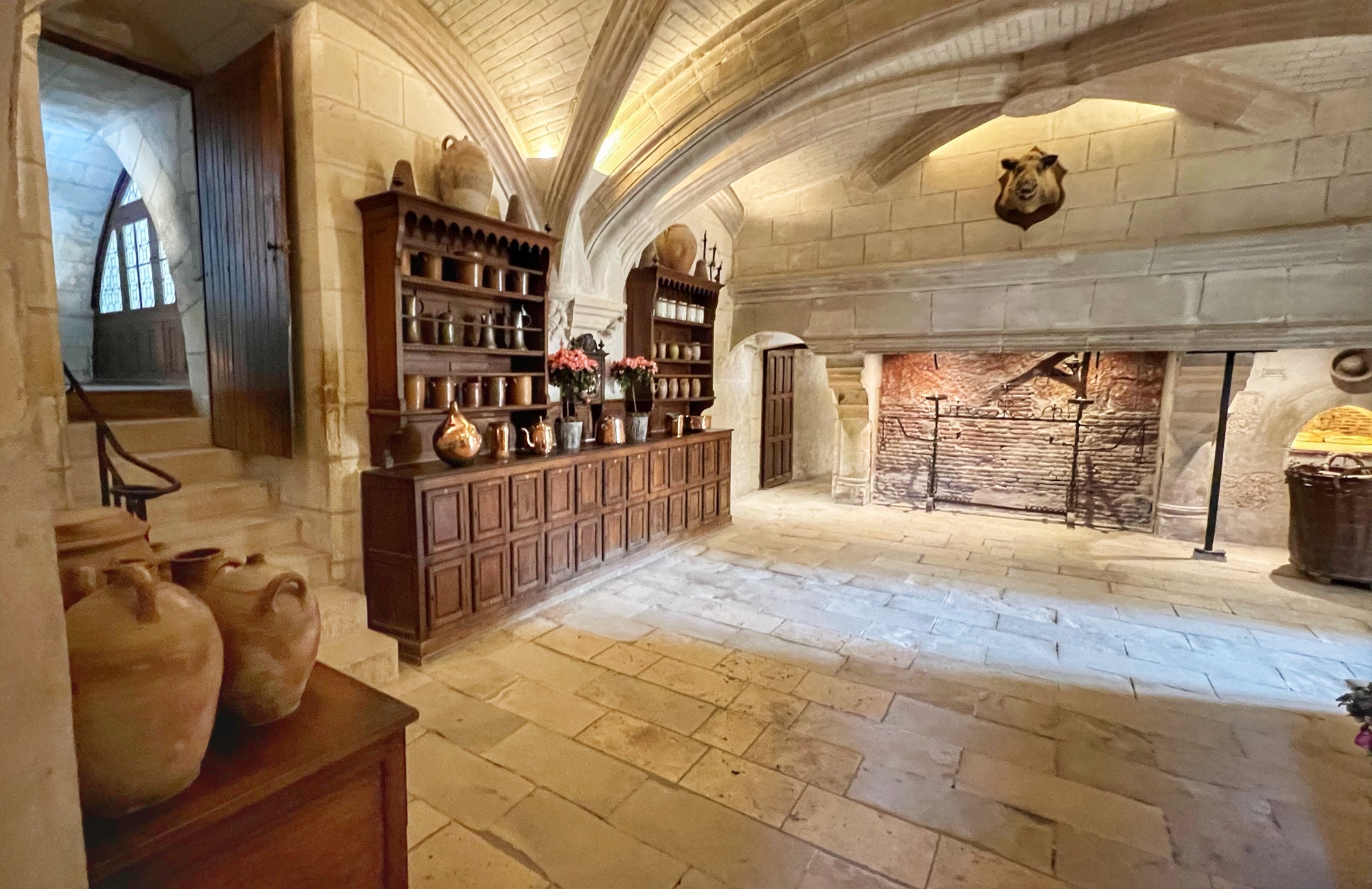
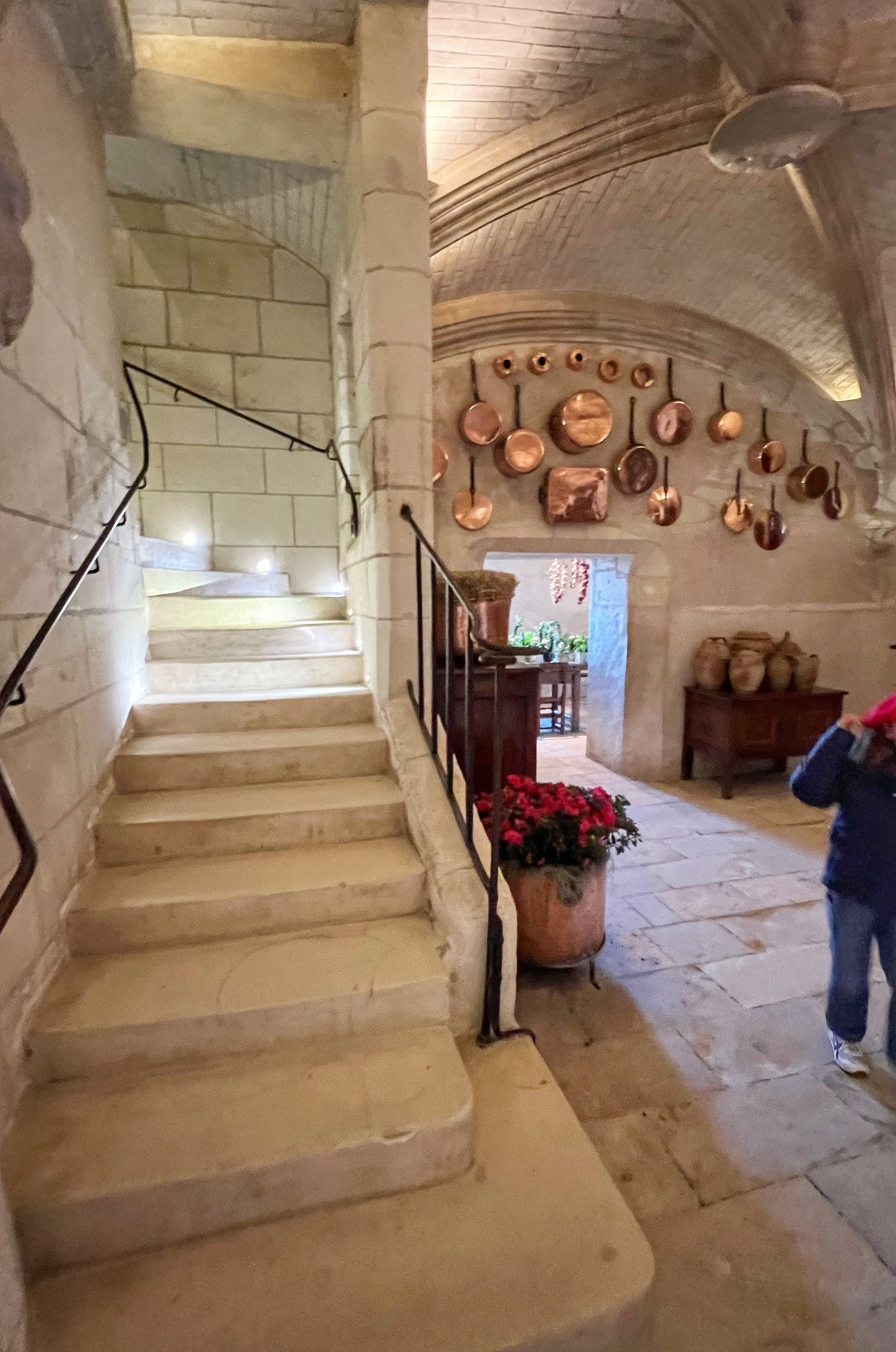
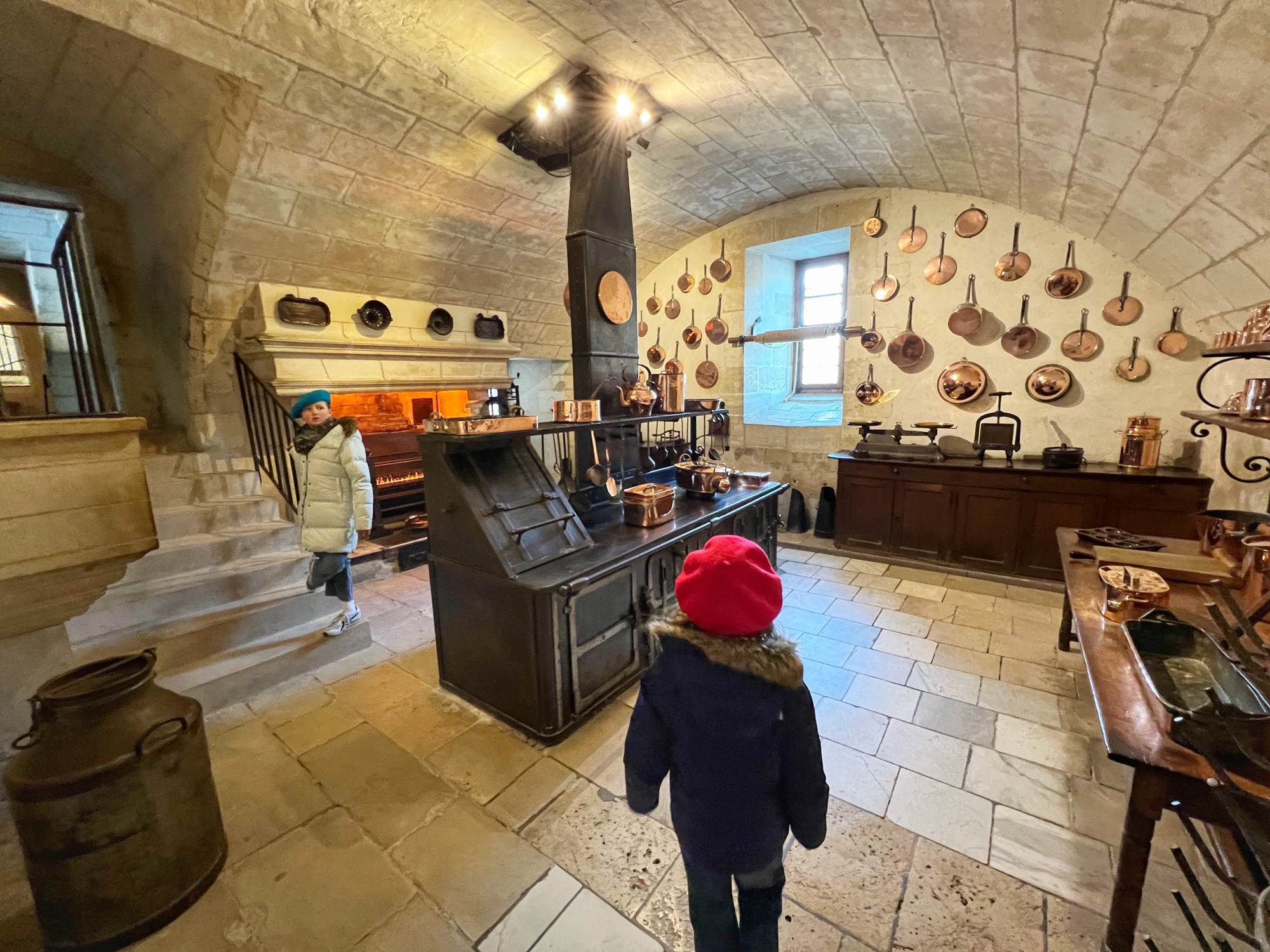

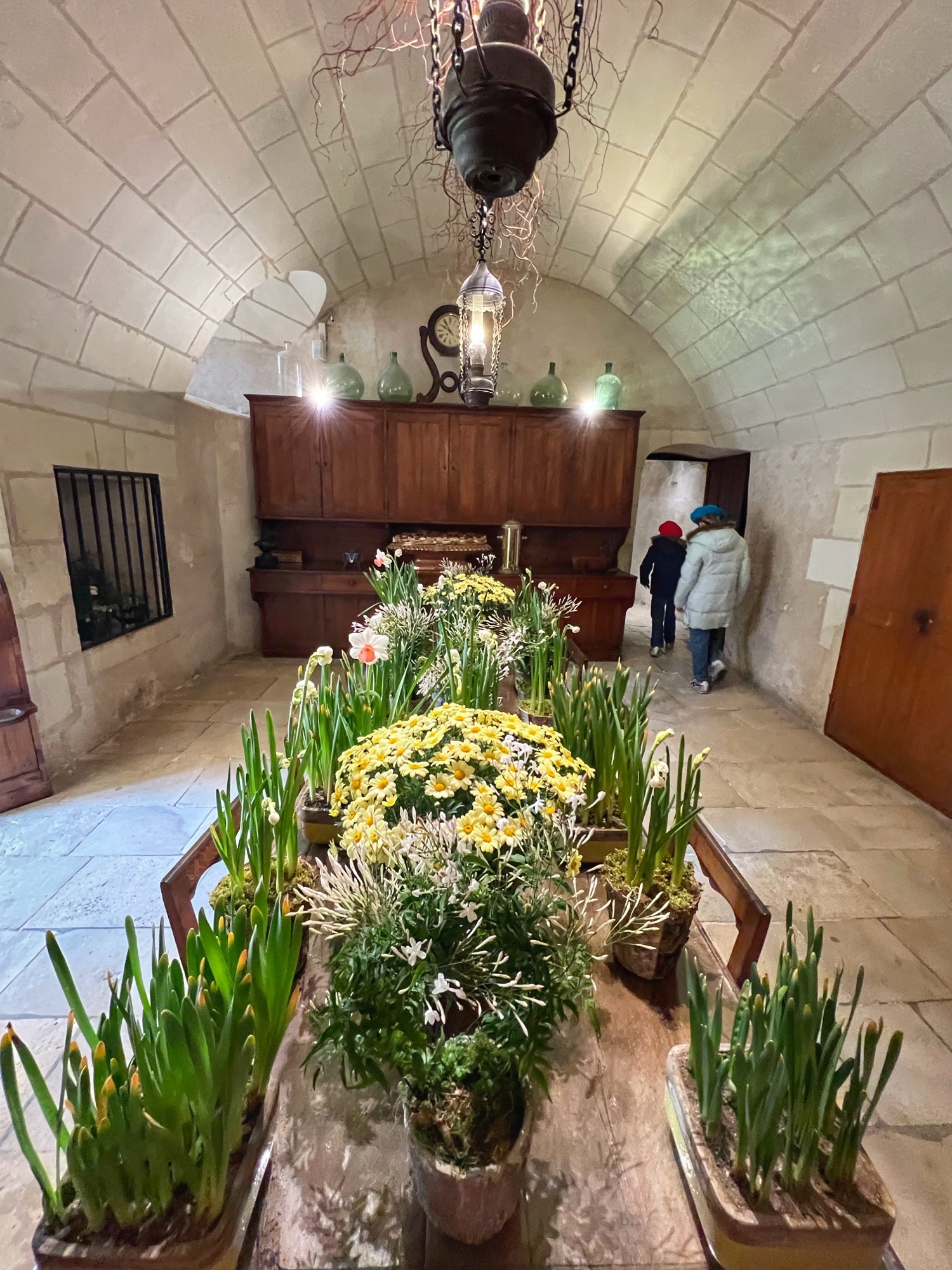
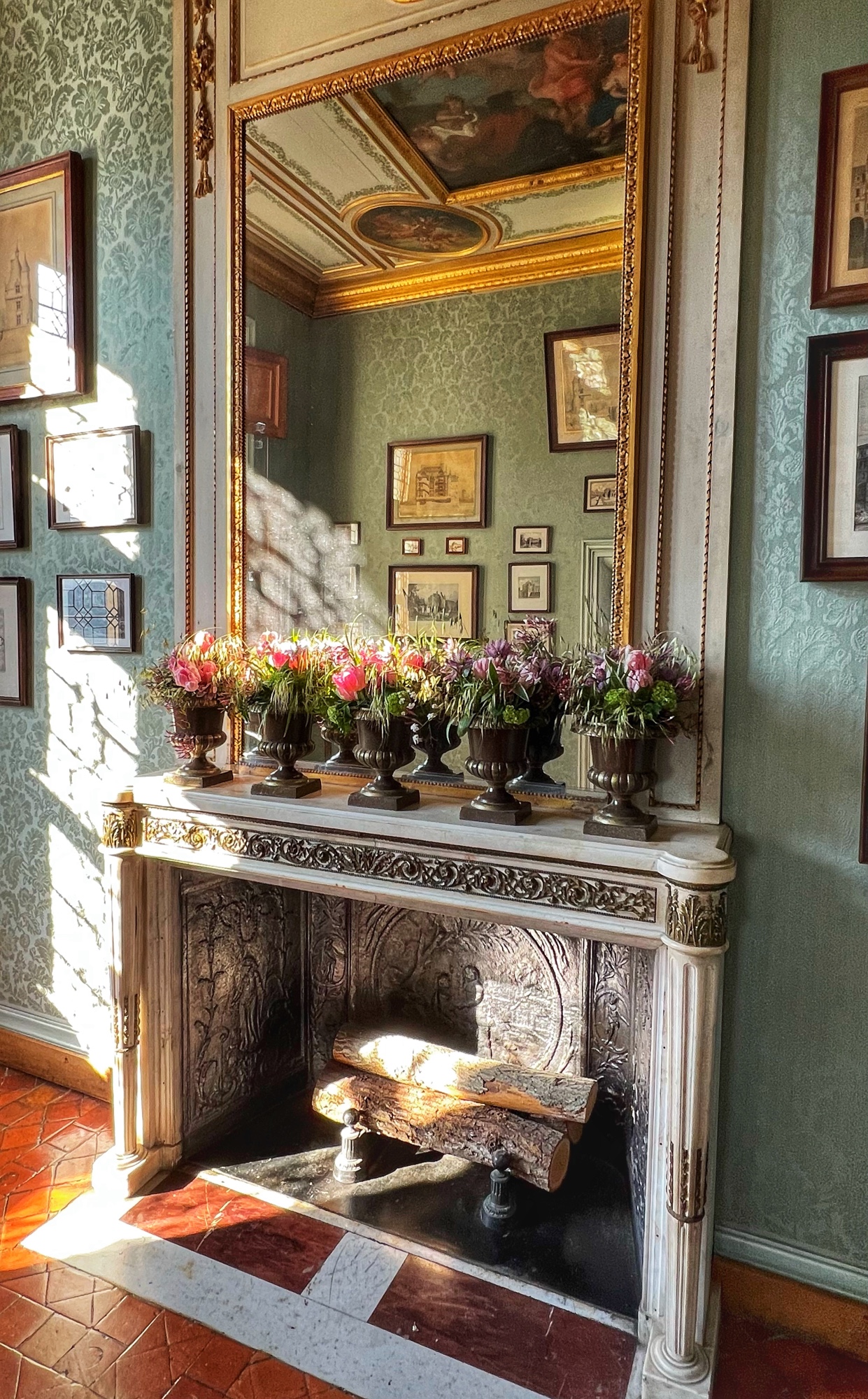
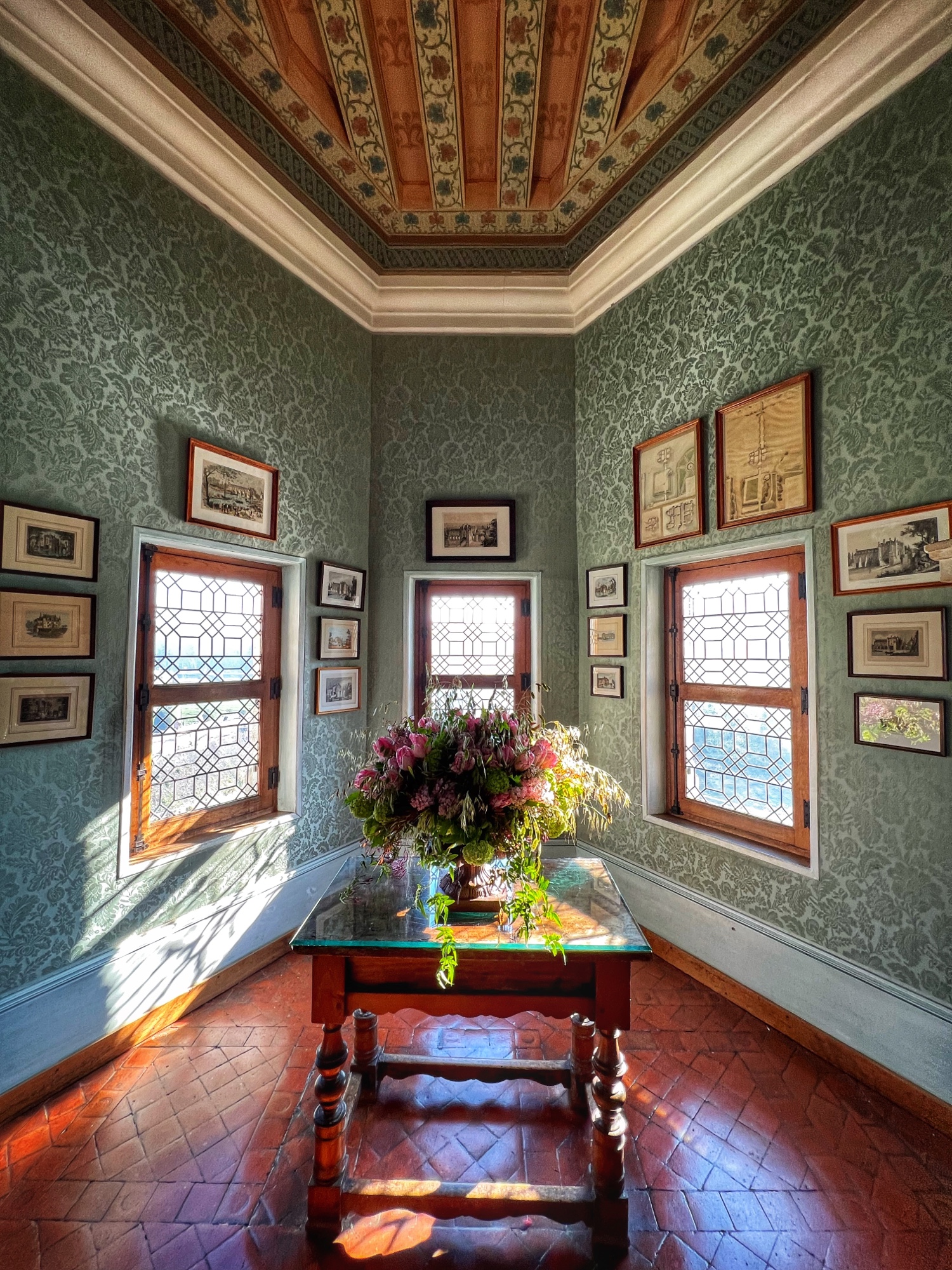
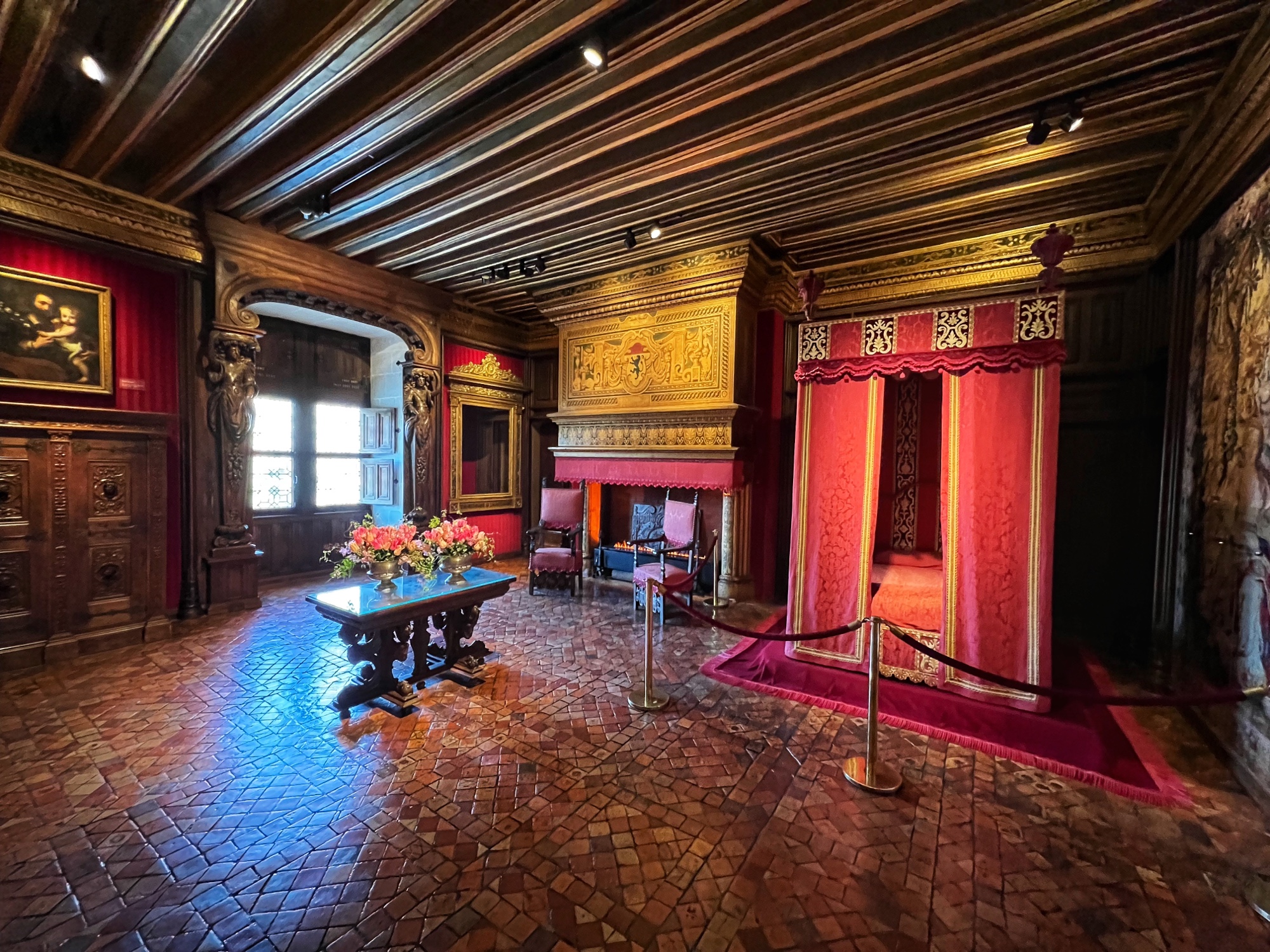
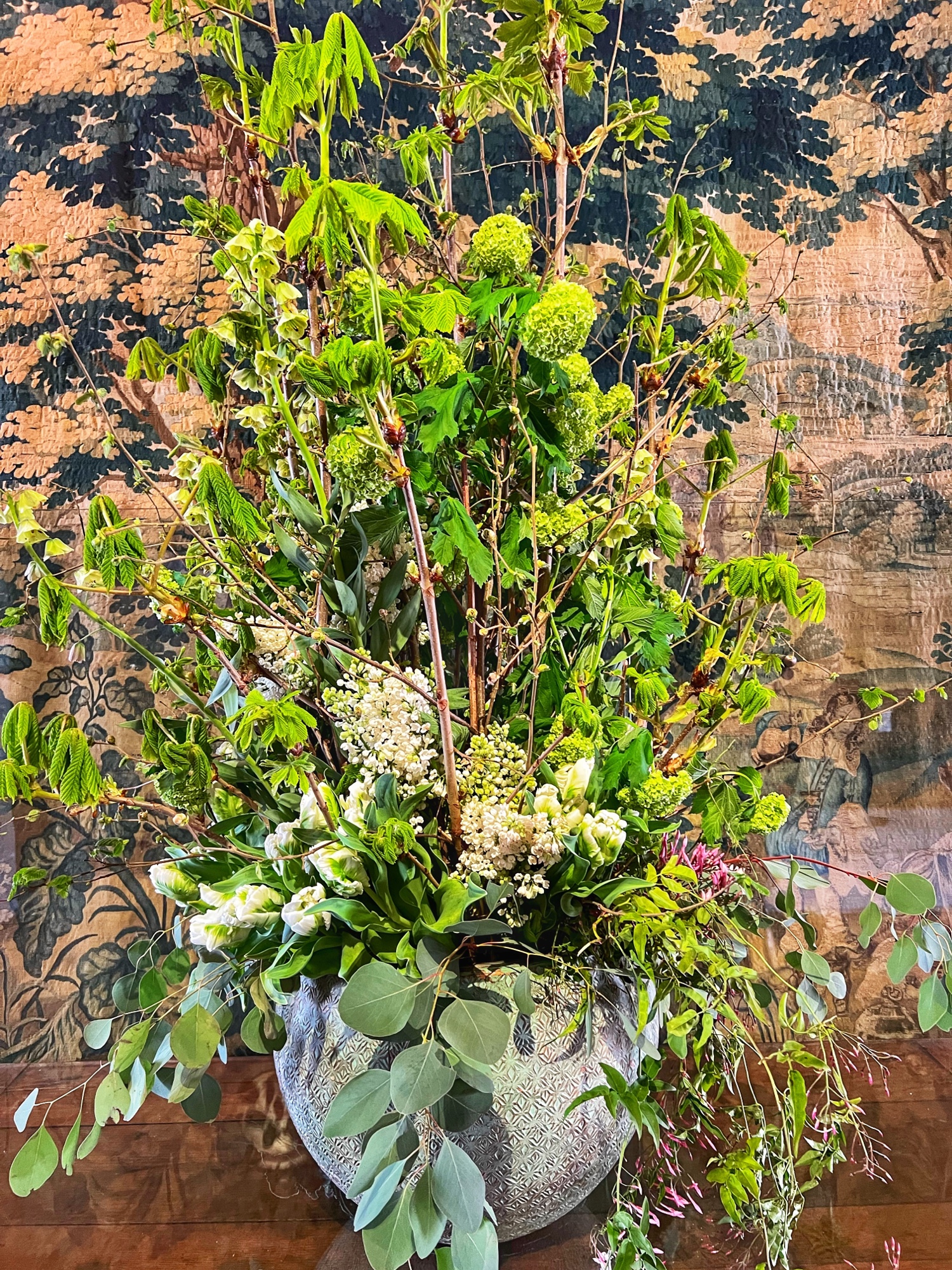
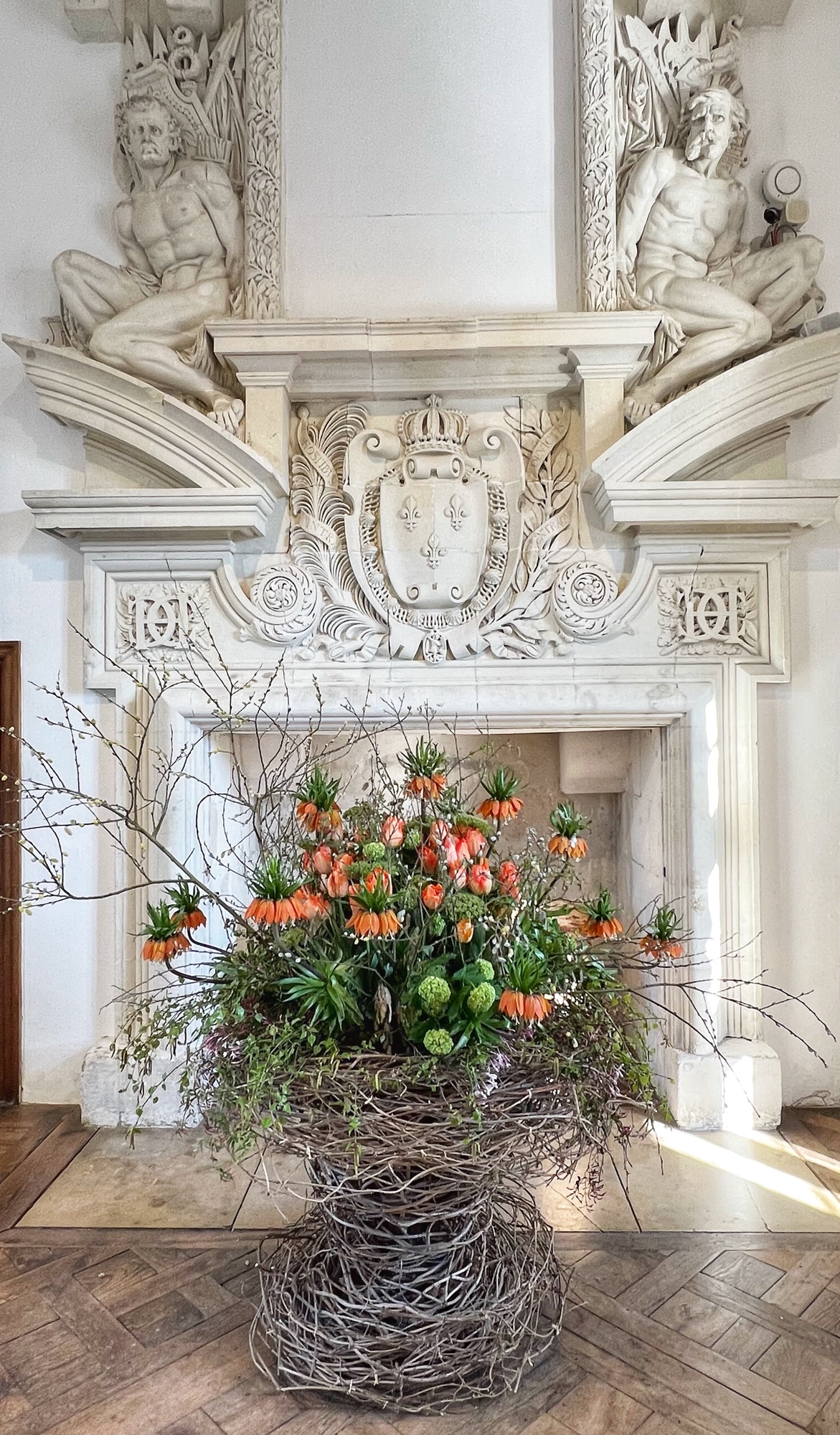
Colorful rooms were filled with immense portraits with the most impossibly opulent frames. Seriously – check out that frame! What a work of art, JUST the frame! This castle was filled to the brim with fresh flowers in every single room, too. We noticed this as well in a couple of the other castles but here it was extraordinary.
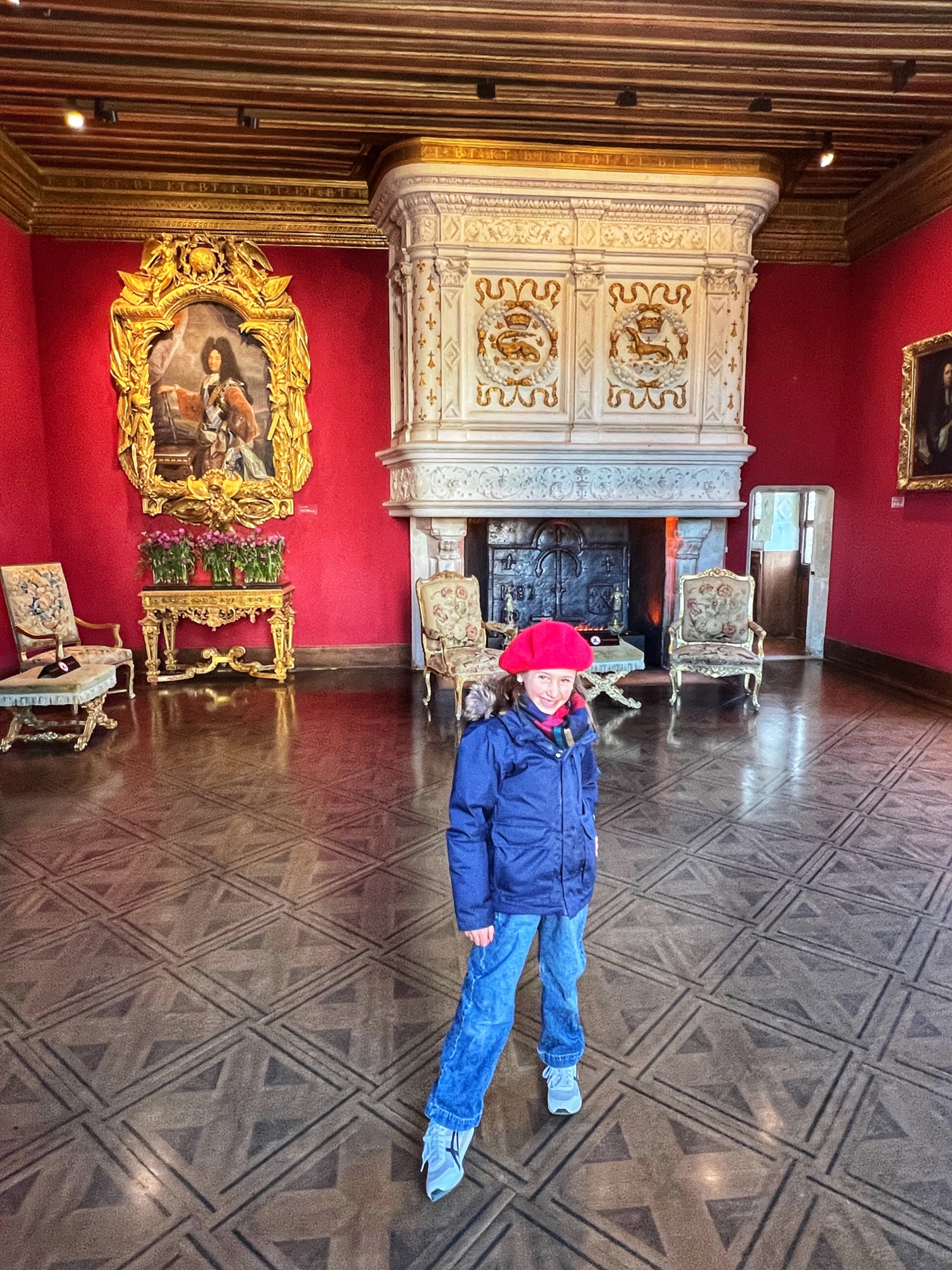
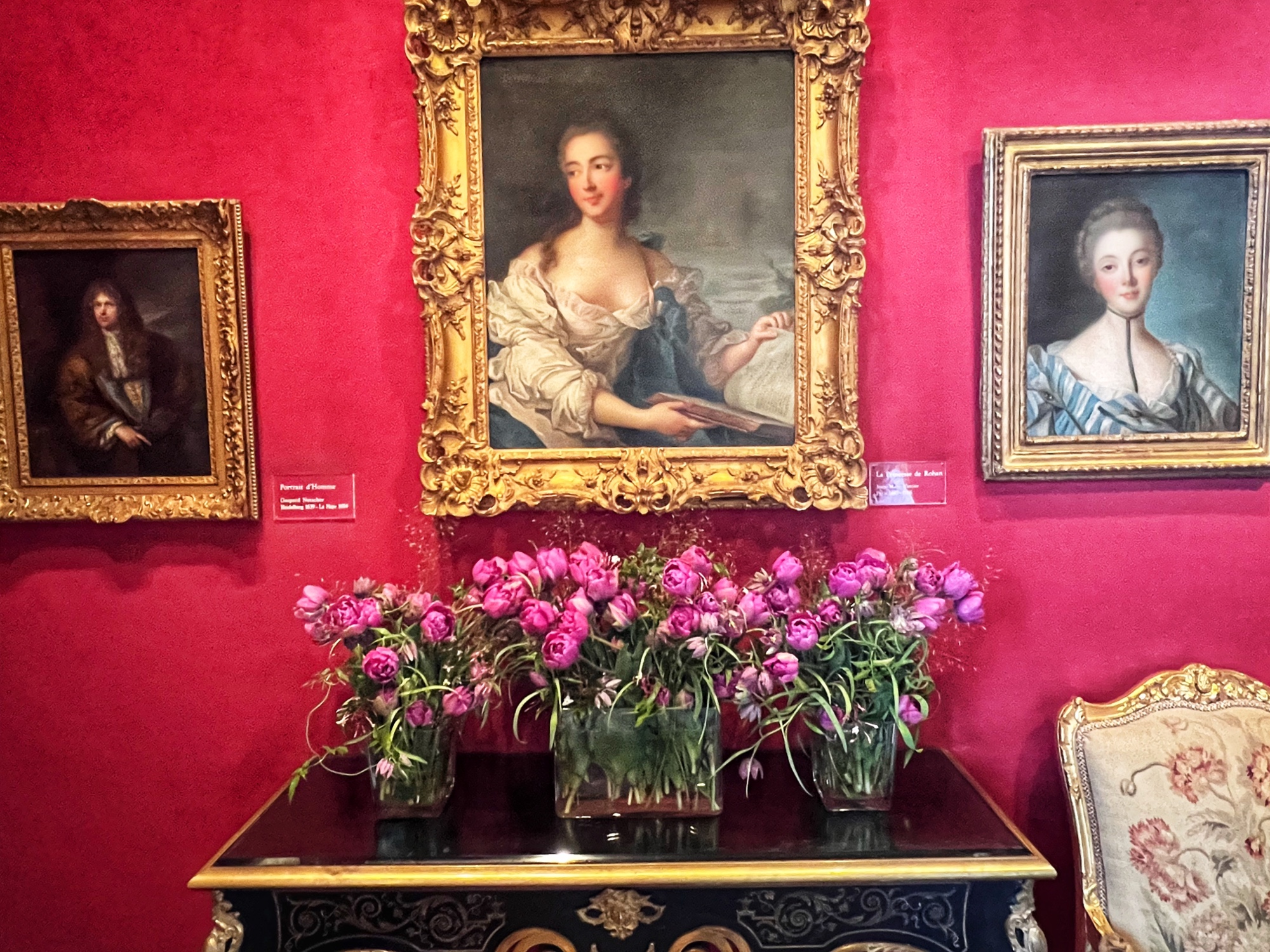
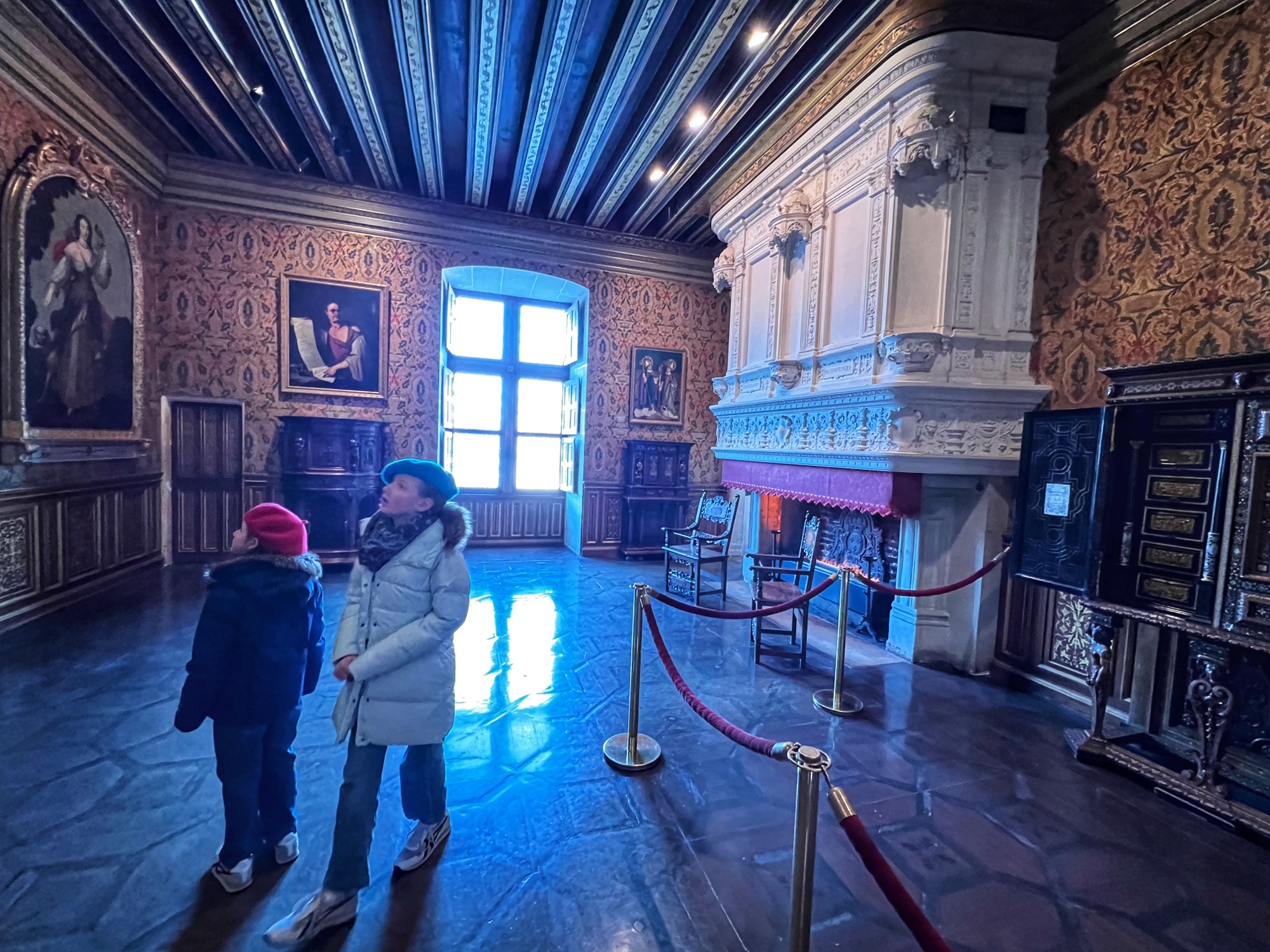
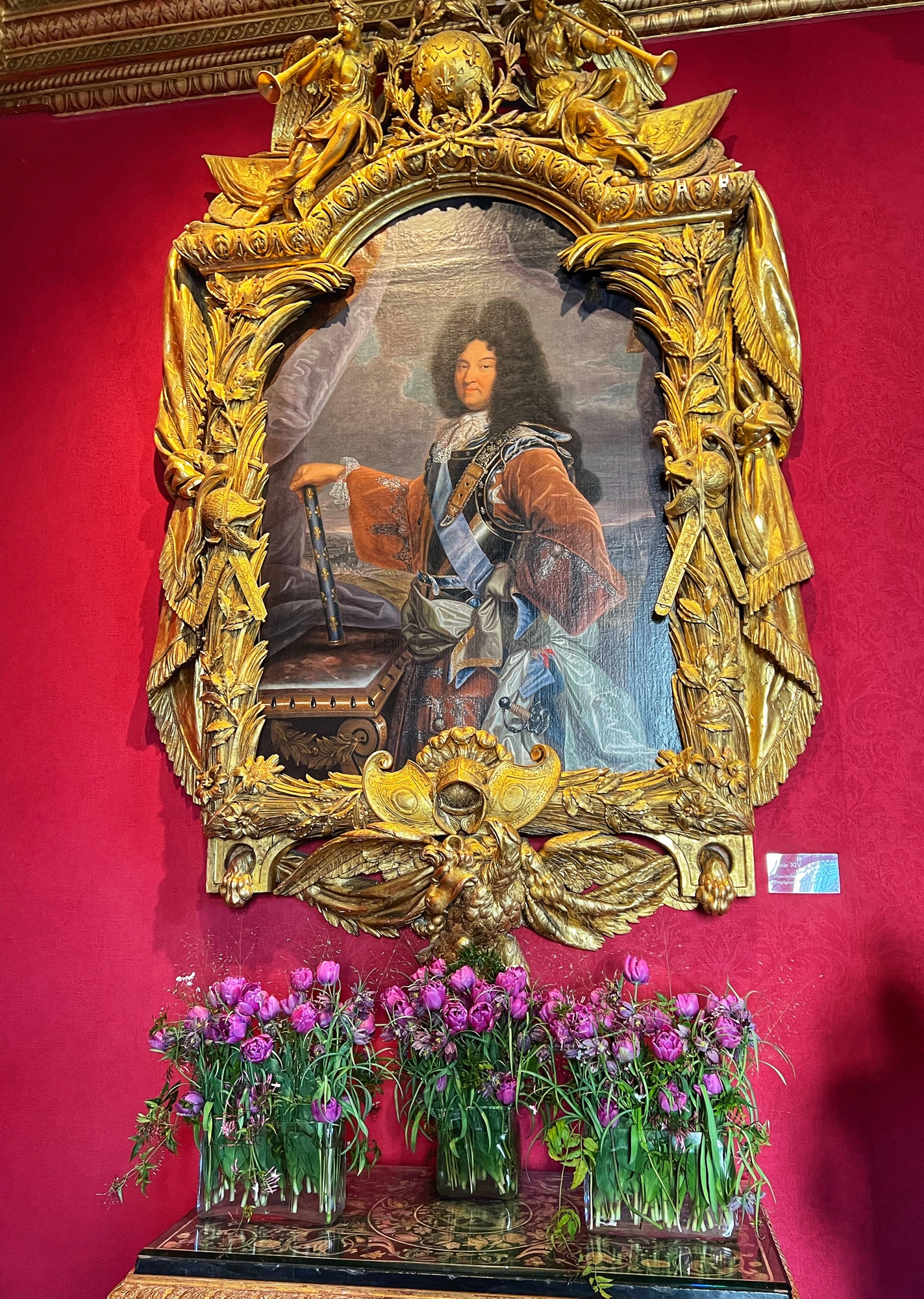
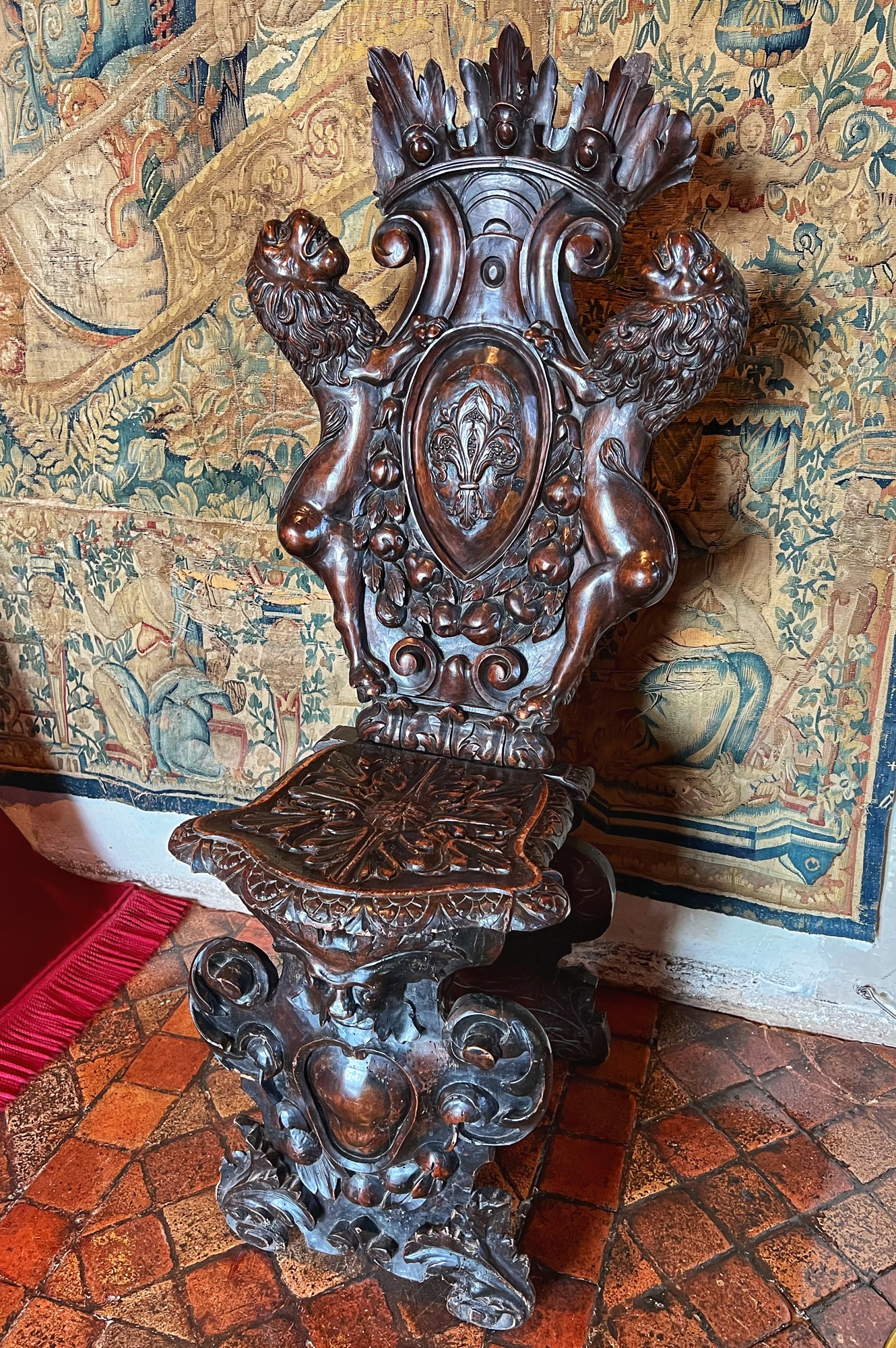
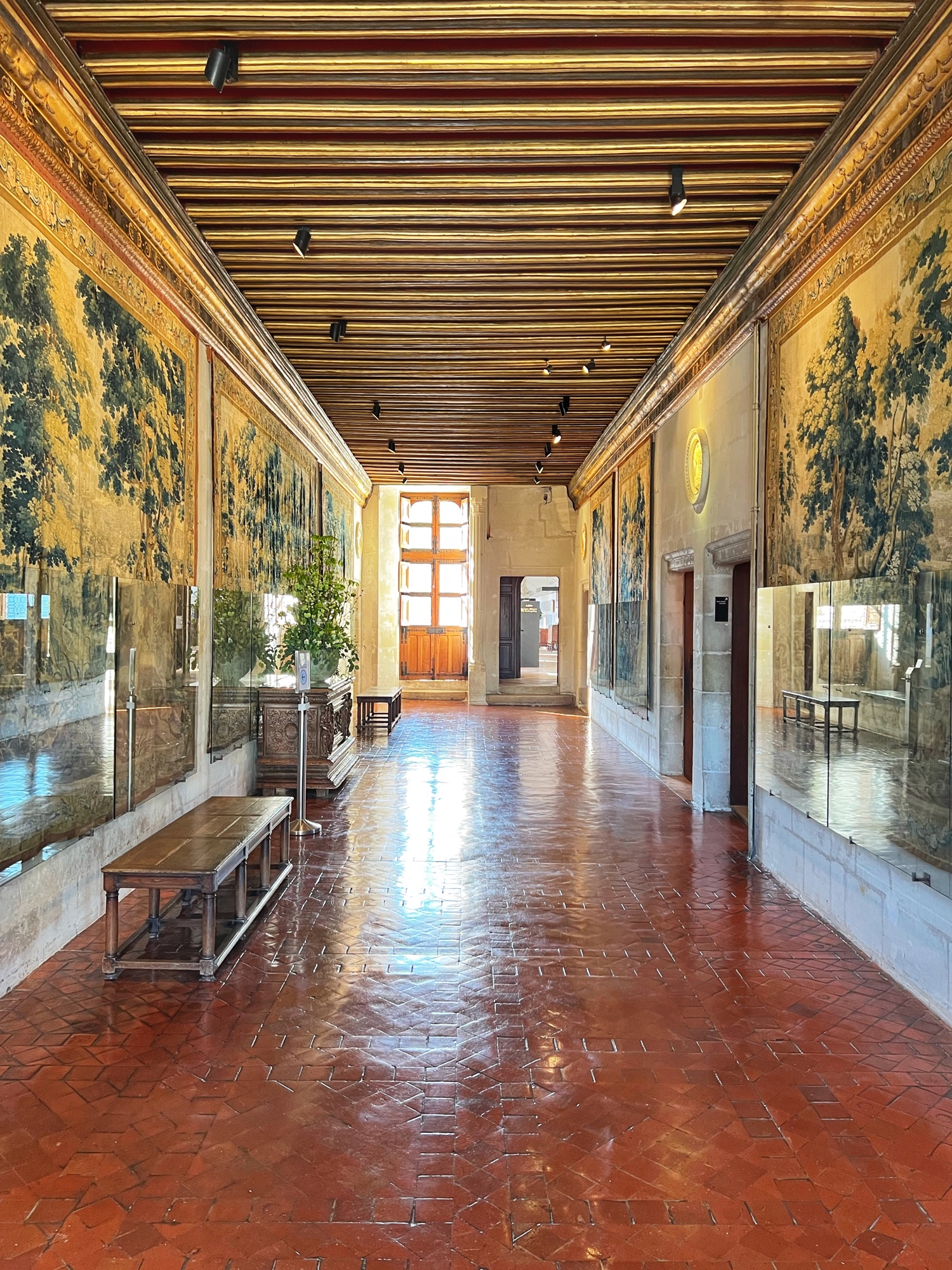

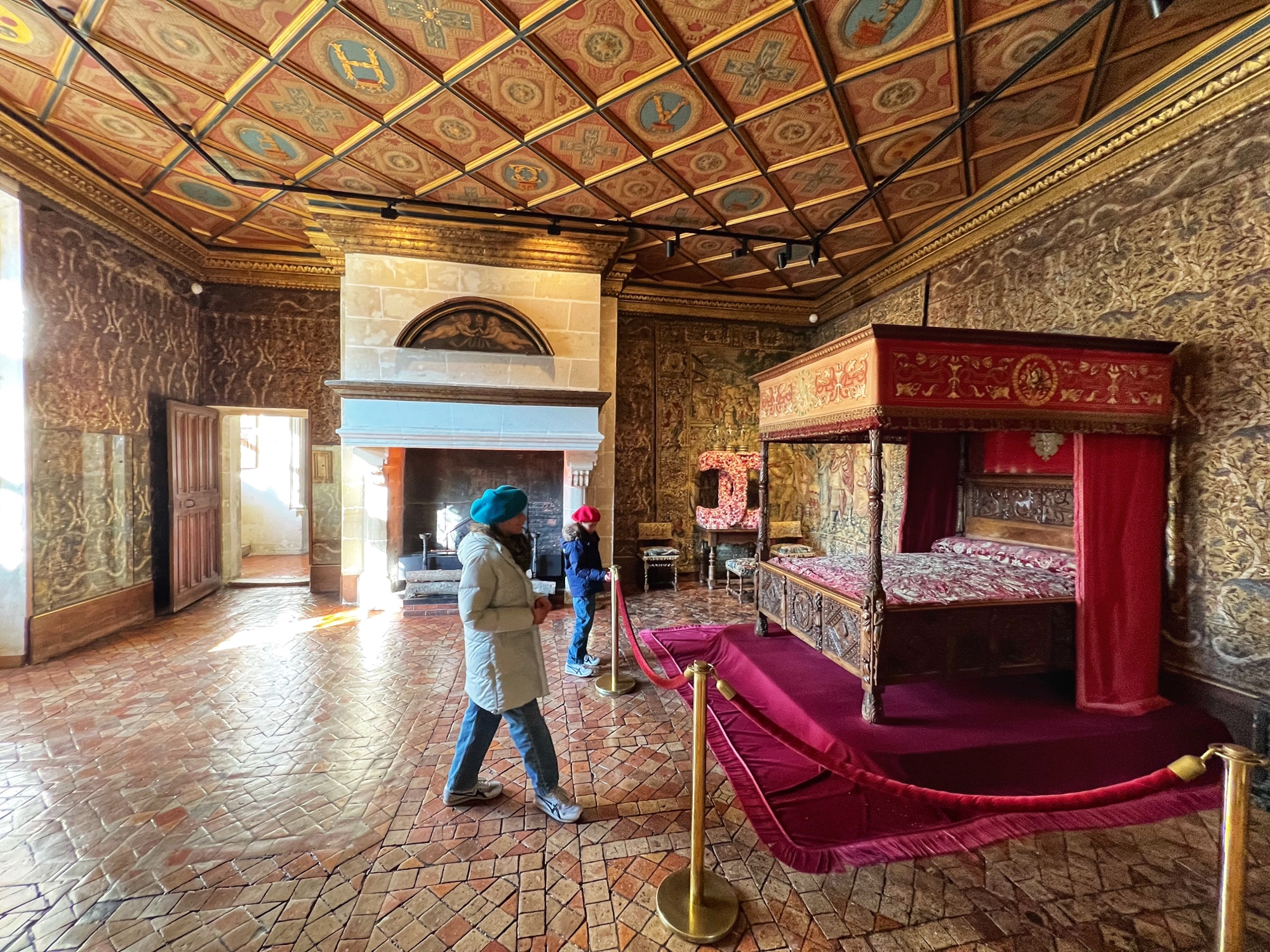
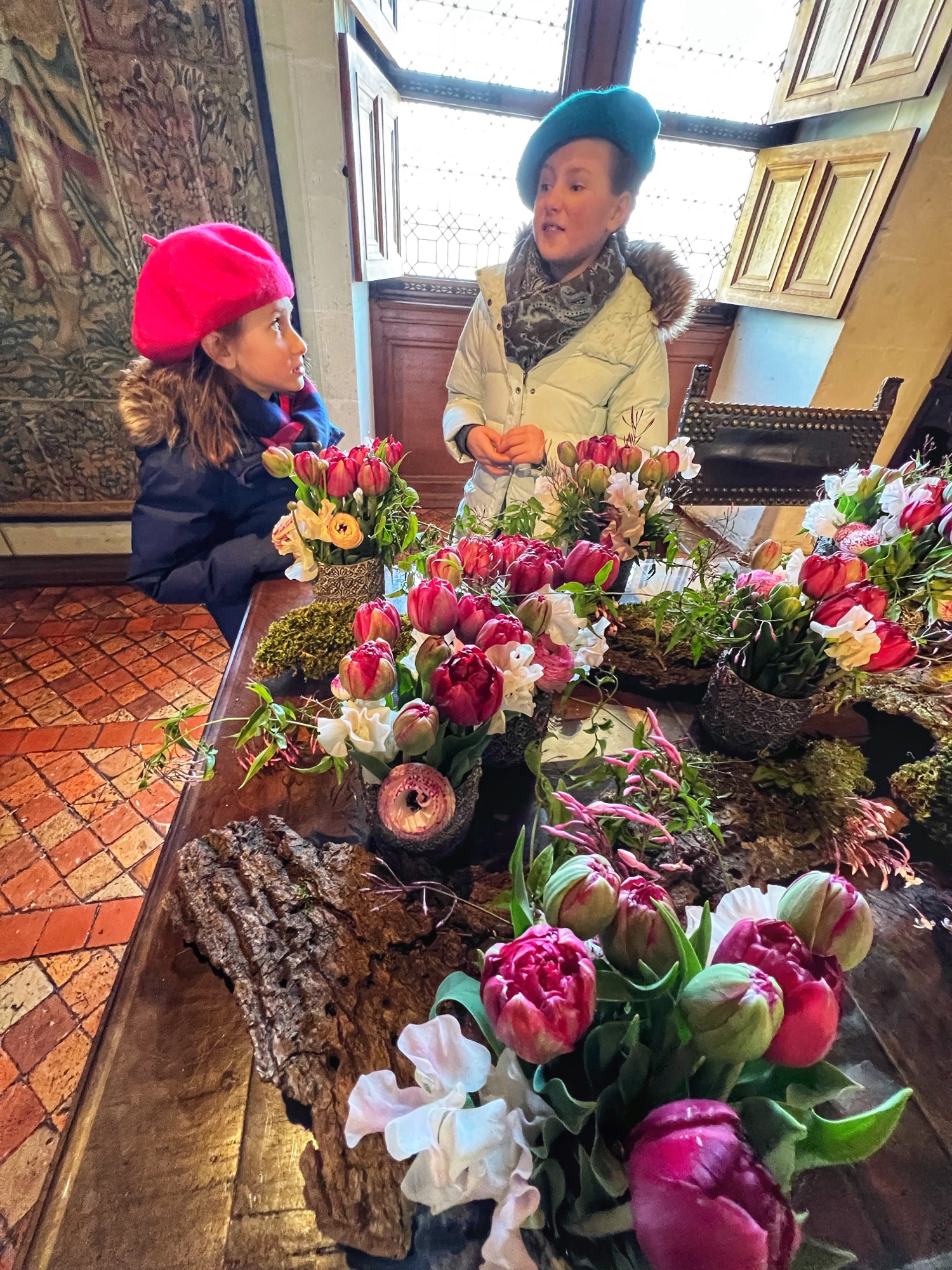
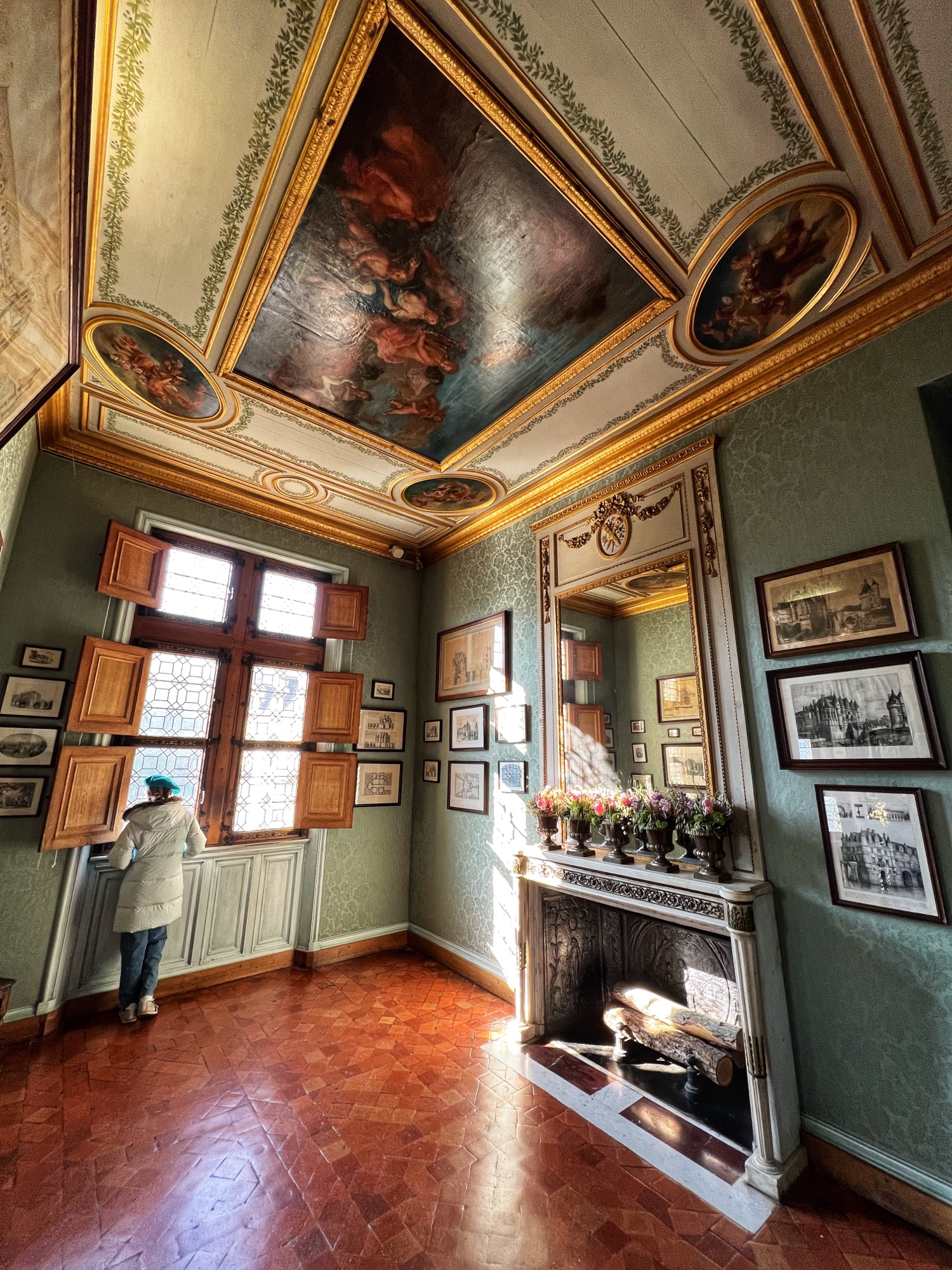

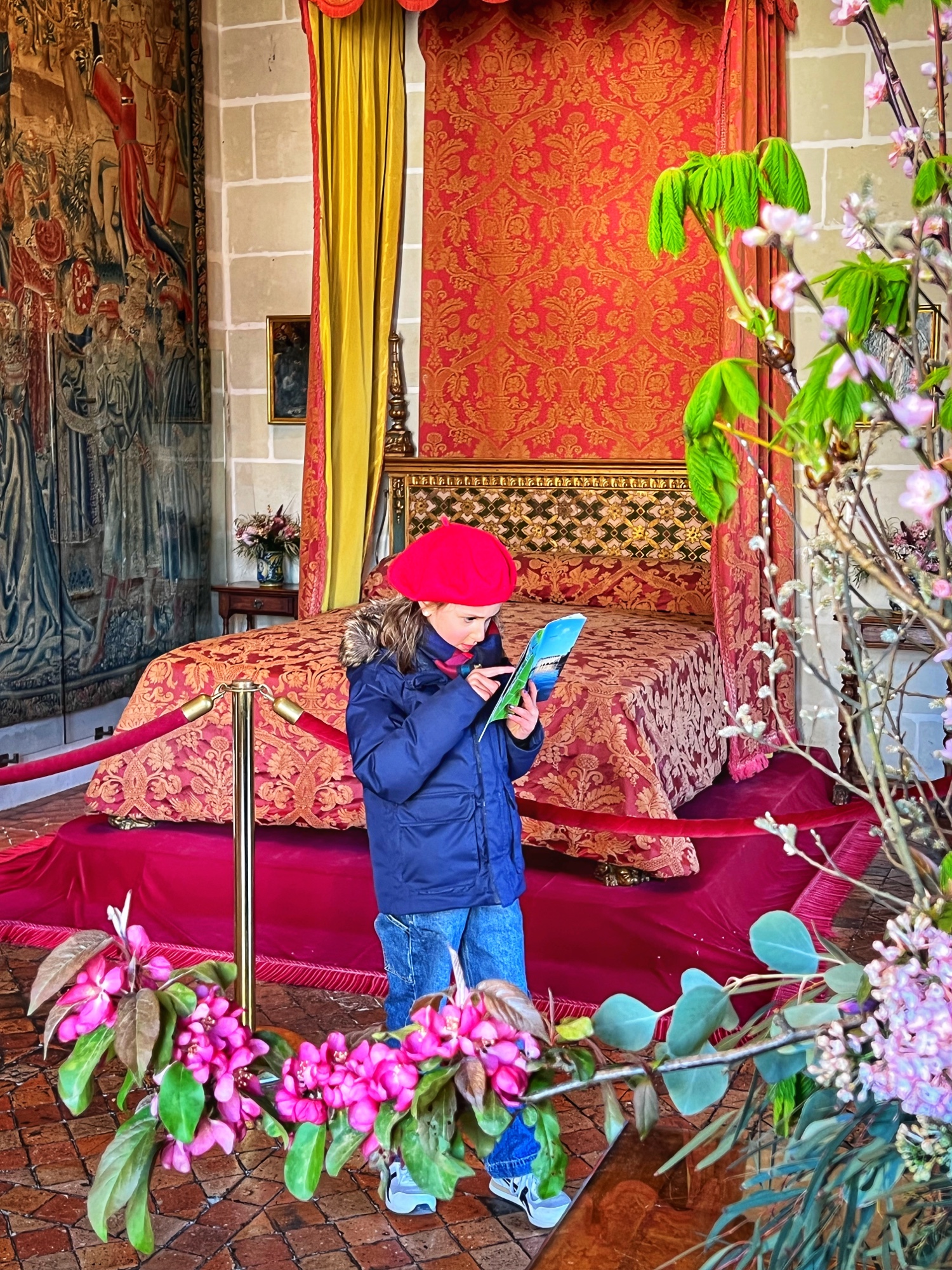


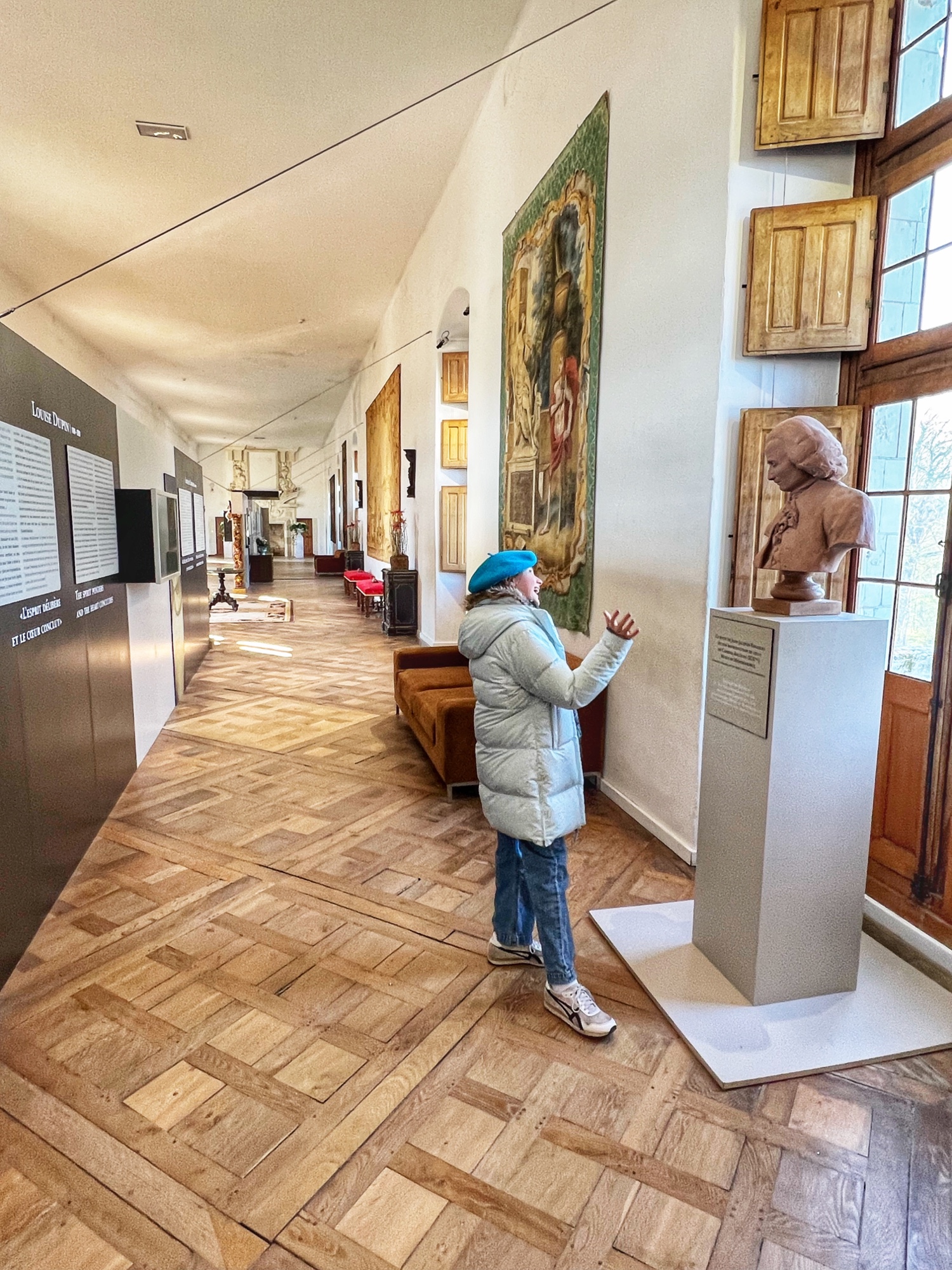
I did feel bad there wasn’t a booklet for kids here. It would have made things more interesting. The girls were eager to go outside and see the maze (one of the better mazes we saw) and donkeys. We did spend quite a bit of time in the Medici Gallery learning about the history and timeline of Chenonceau. It is very well done like a mini museum.

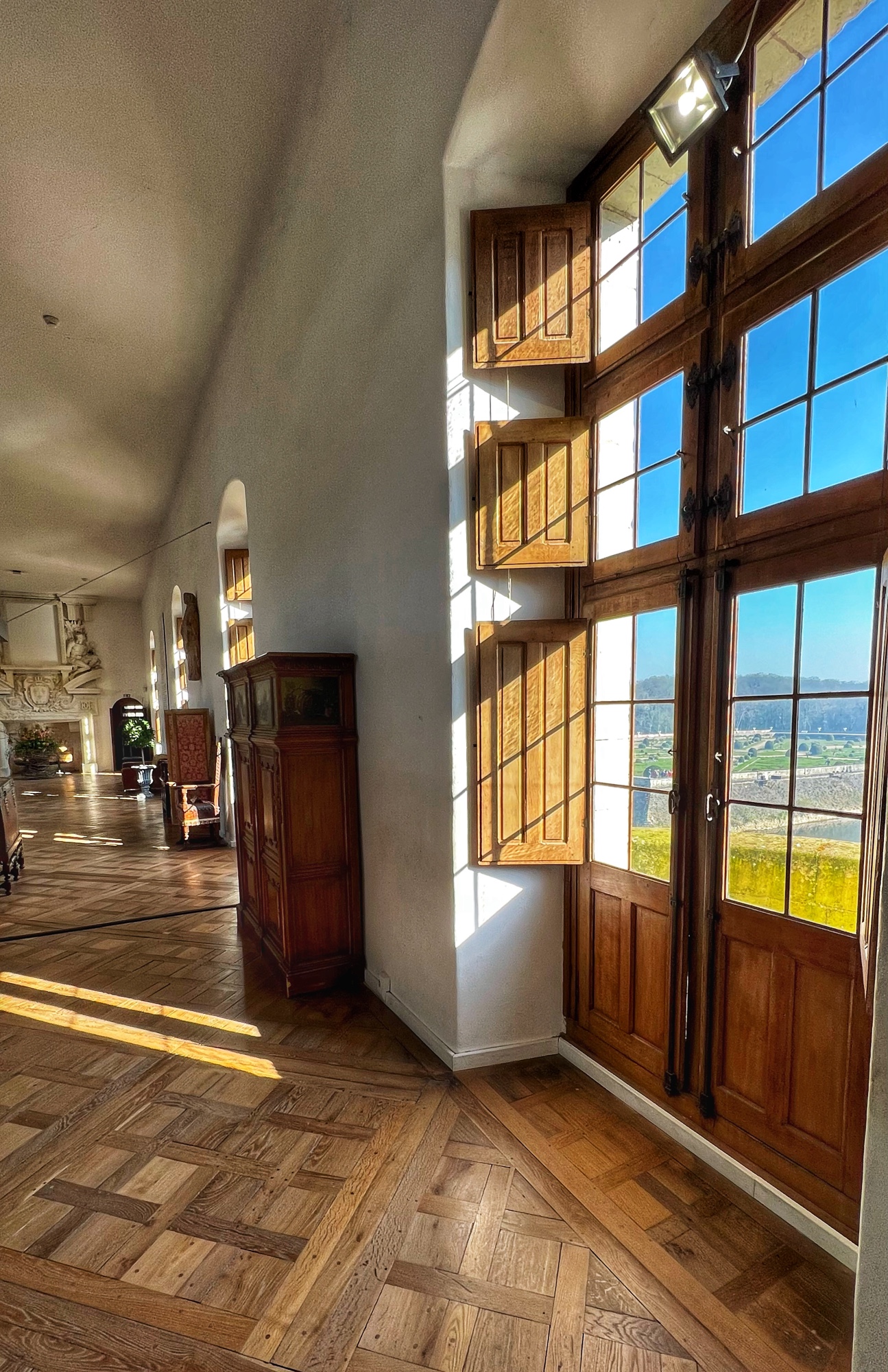
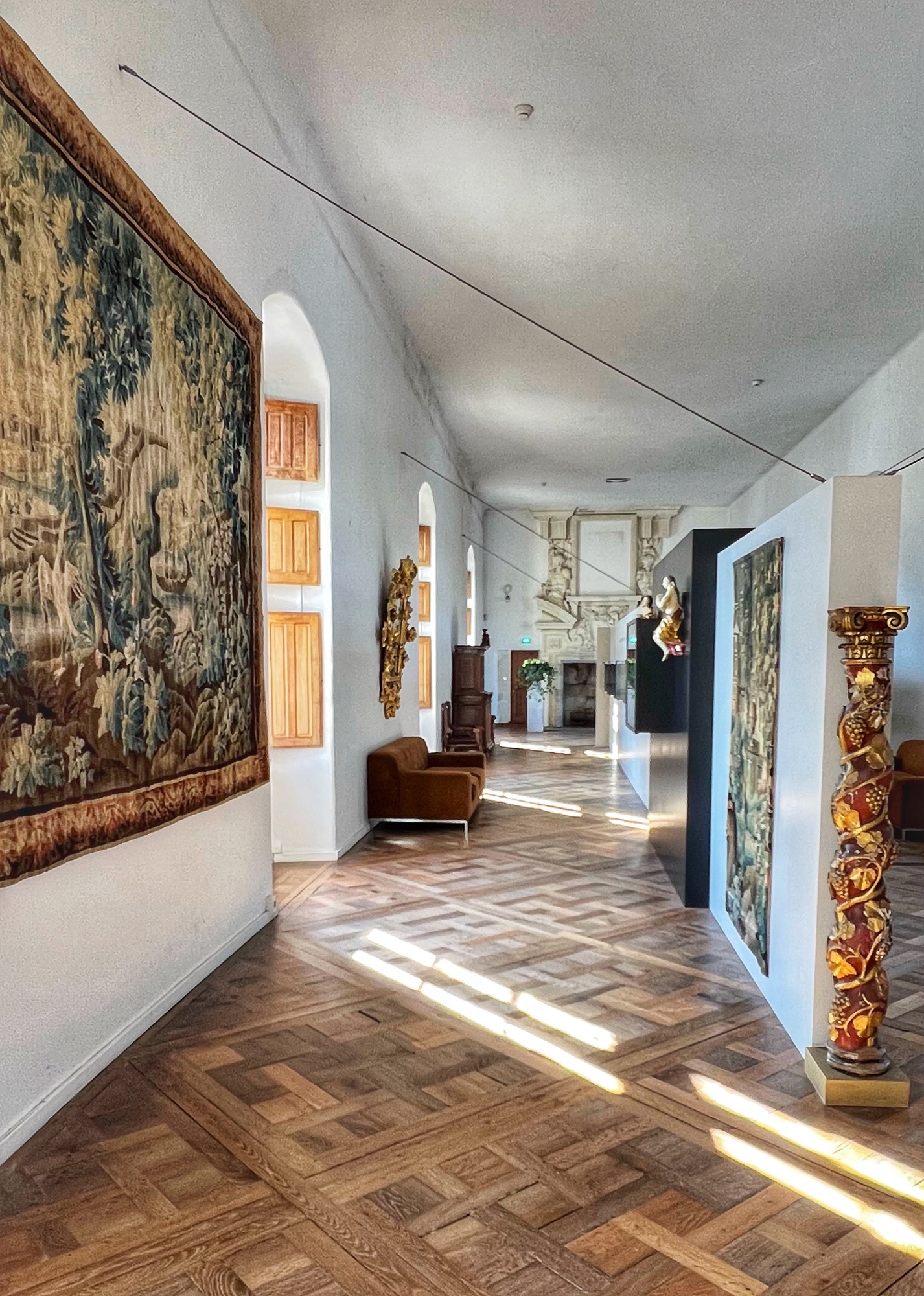
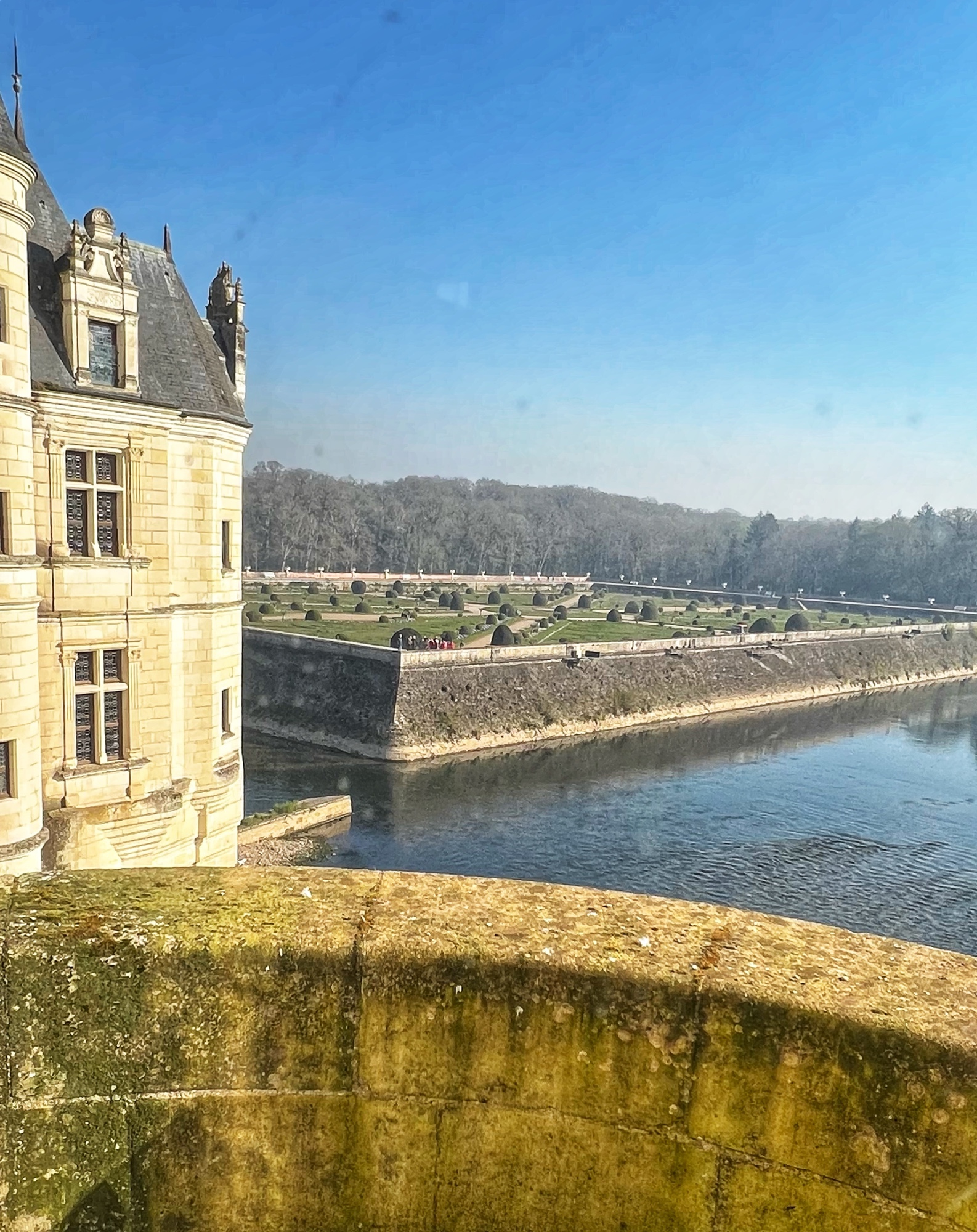

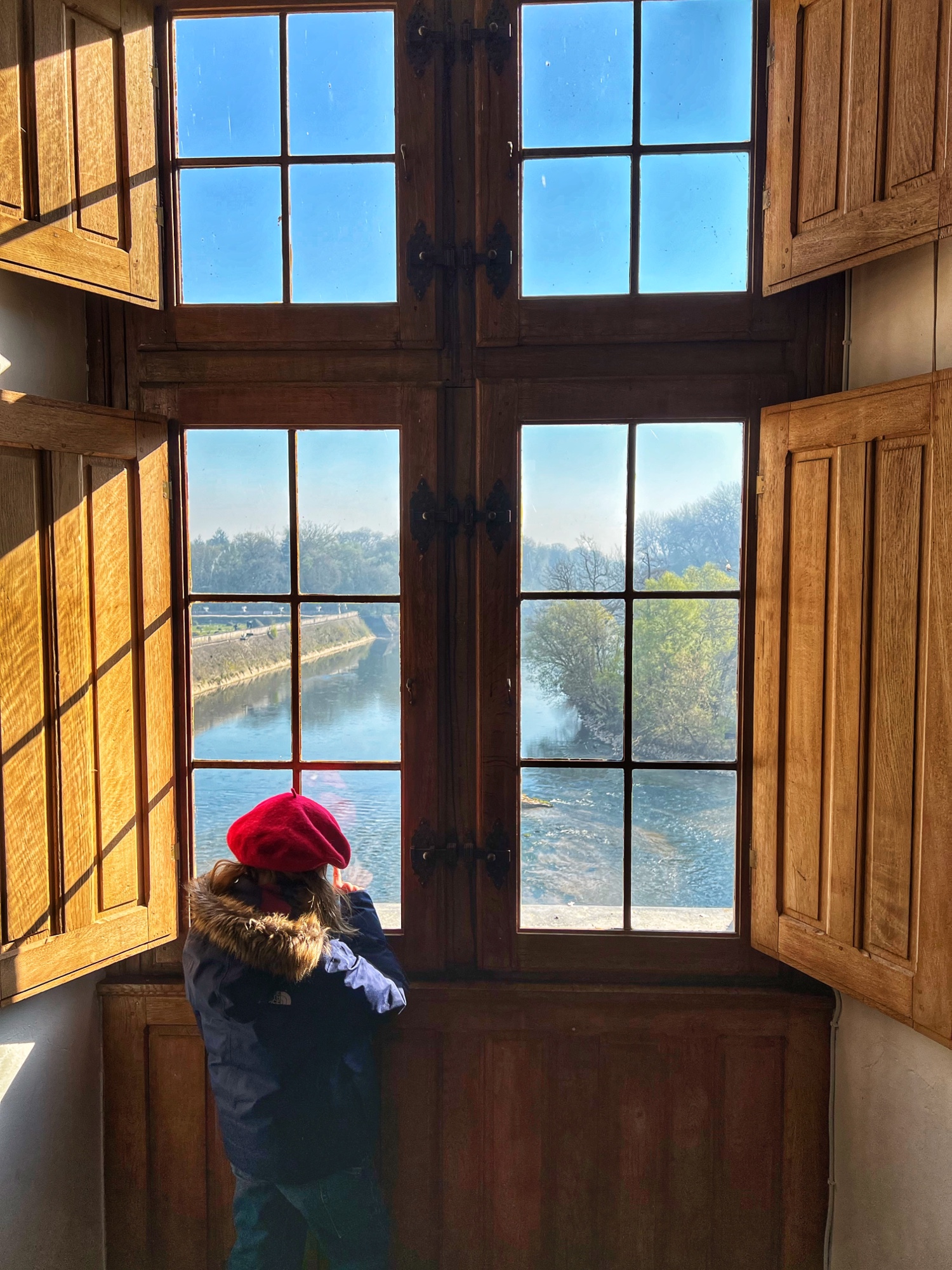

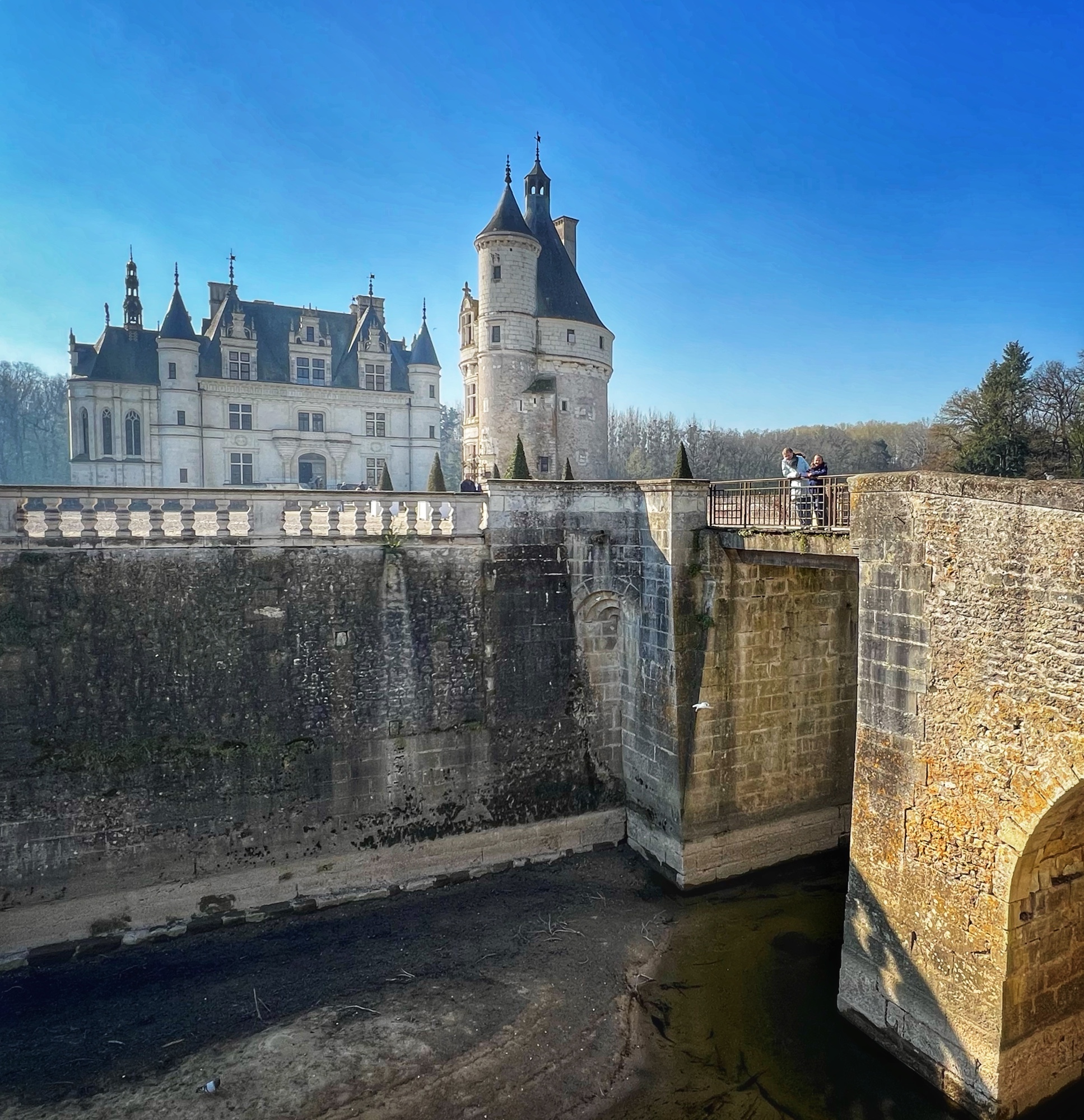
Outside we loved wandering the gardens – one for Diane (the mistress) and one for Catherine (the queen). We noticed the wisteria here are going to be blooming soon and will be absolutely glorious. We love wisteria! It was neat to see where boats would have come and docked at various places around the castle from the river.


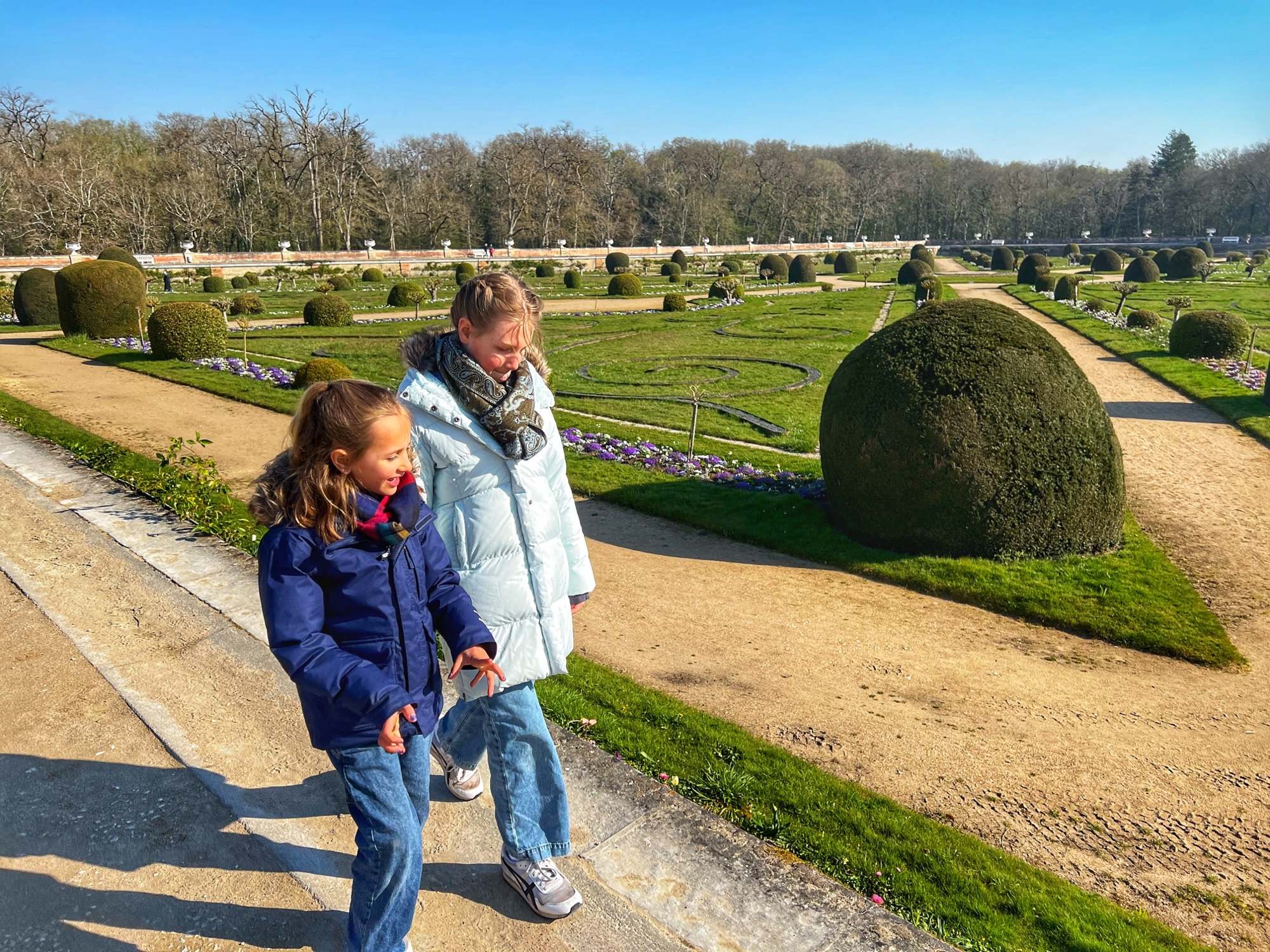
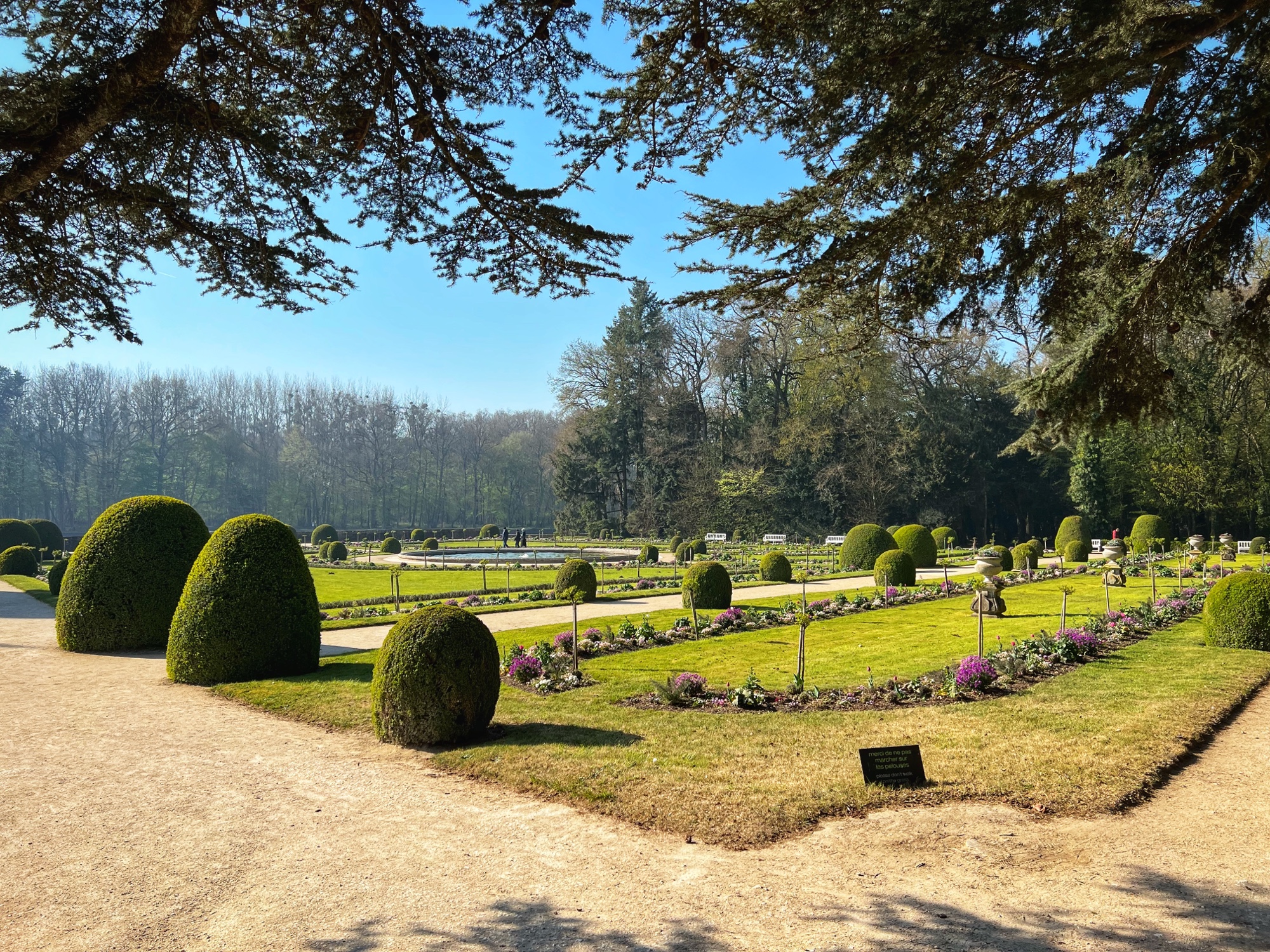

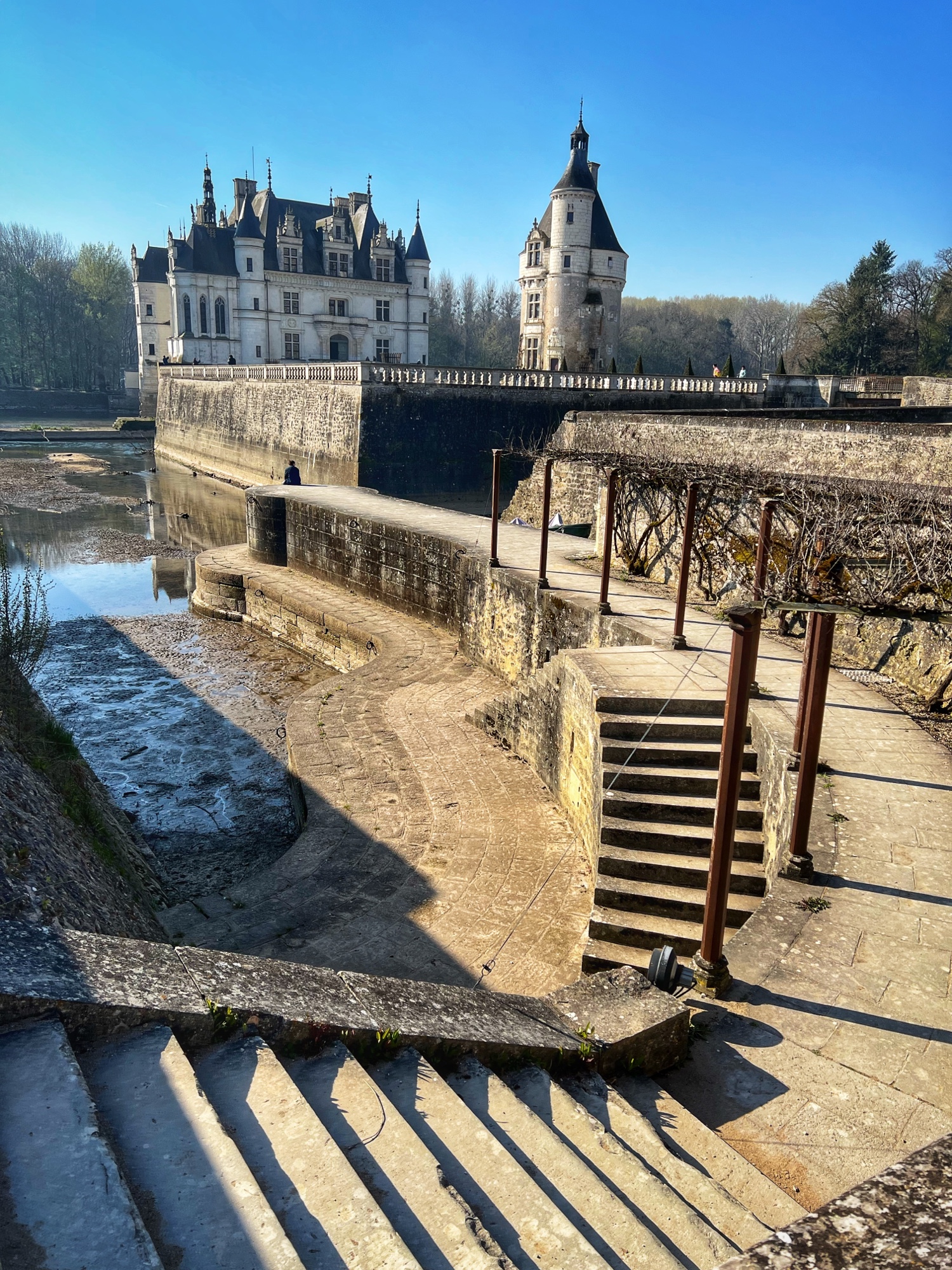
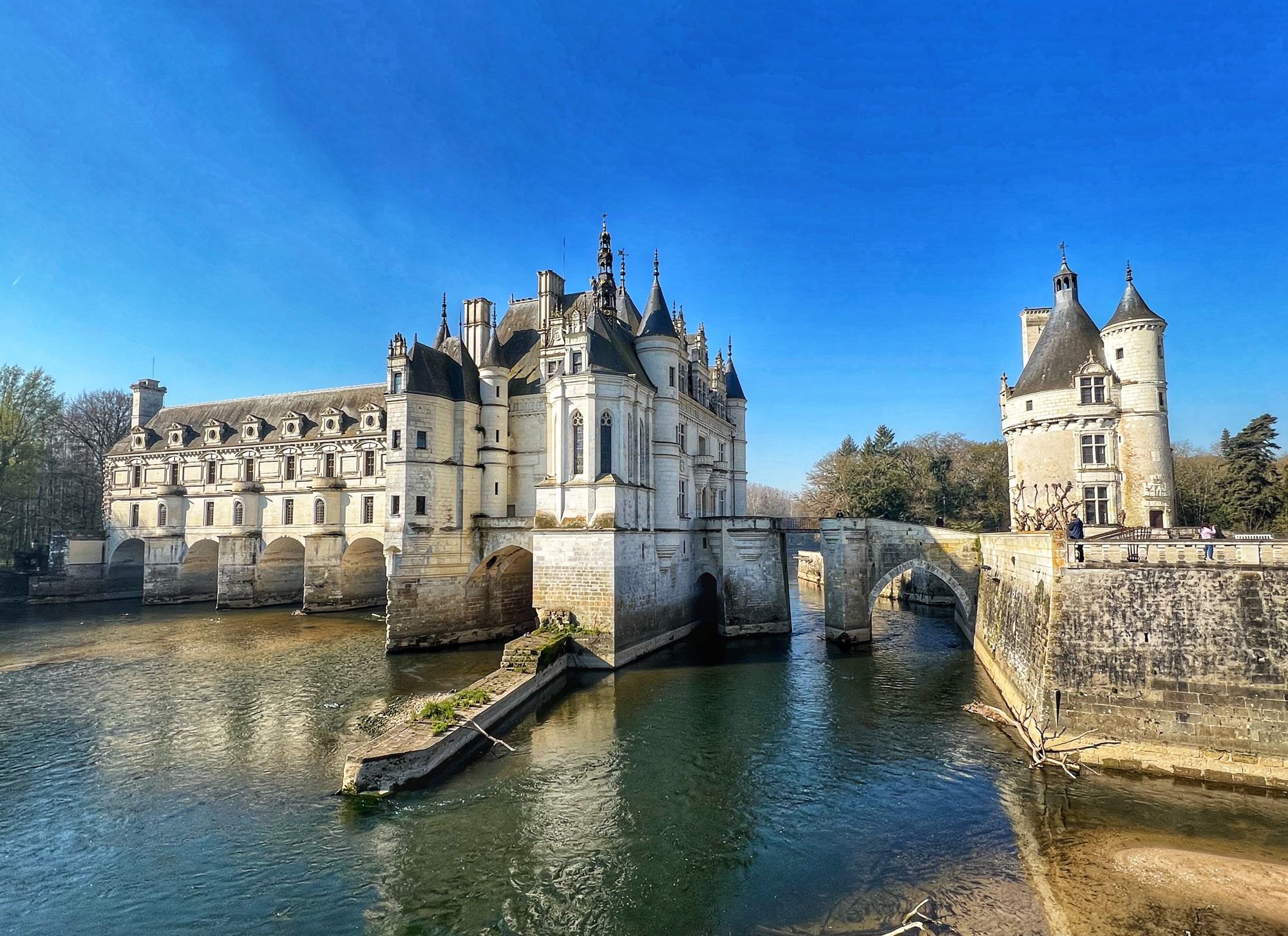
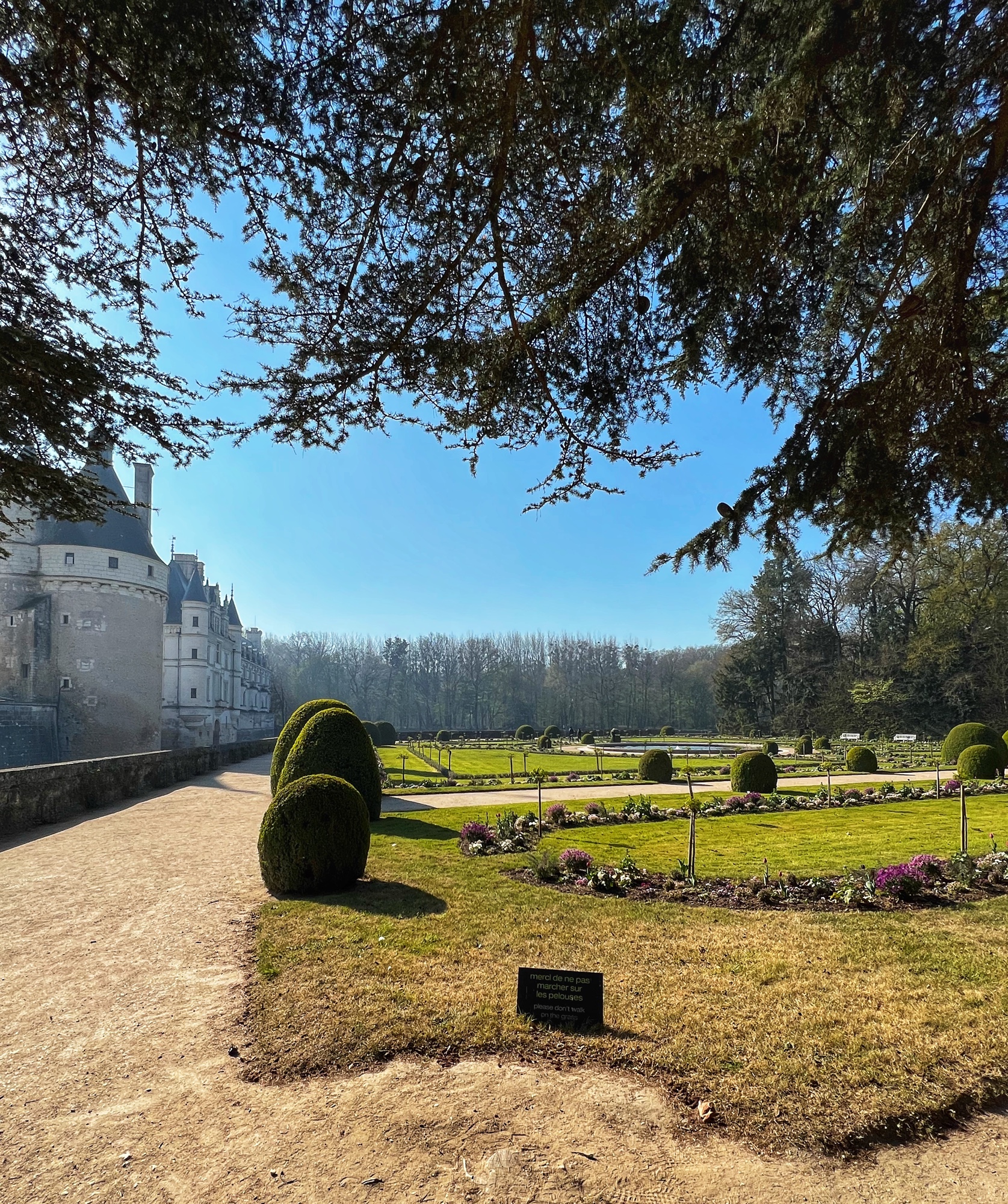


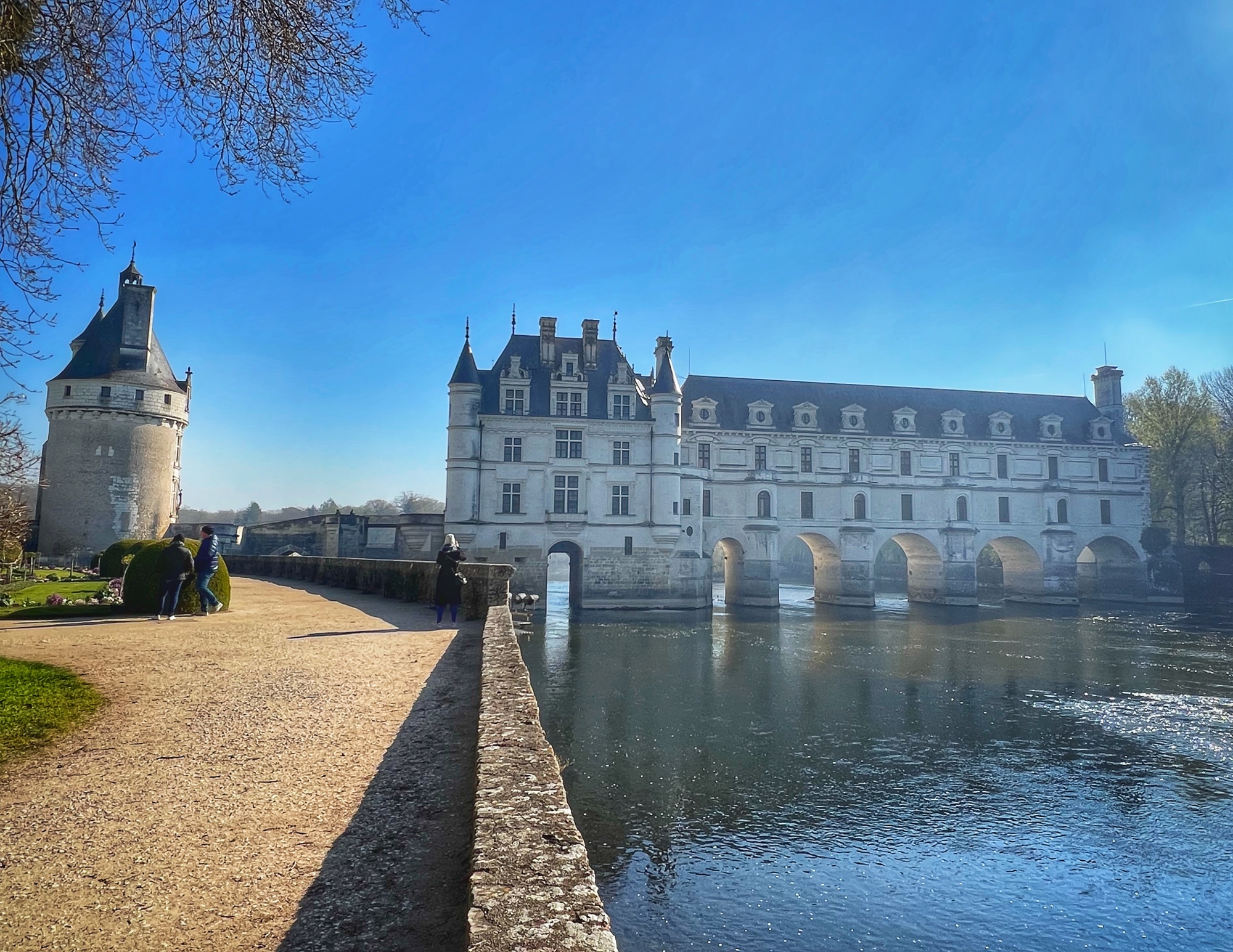
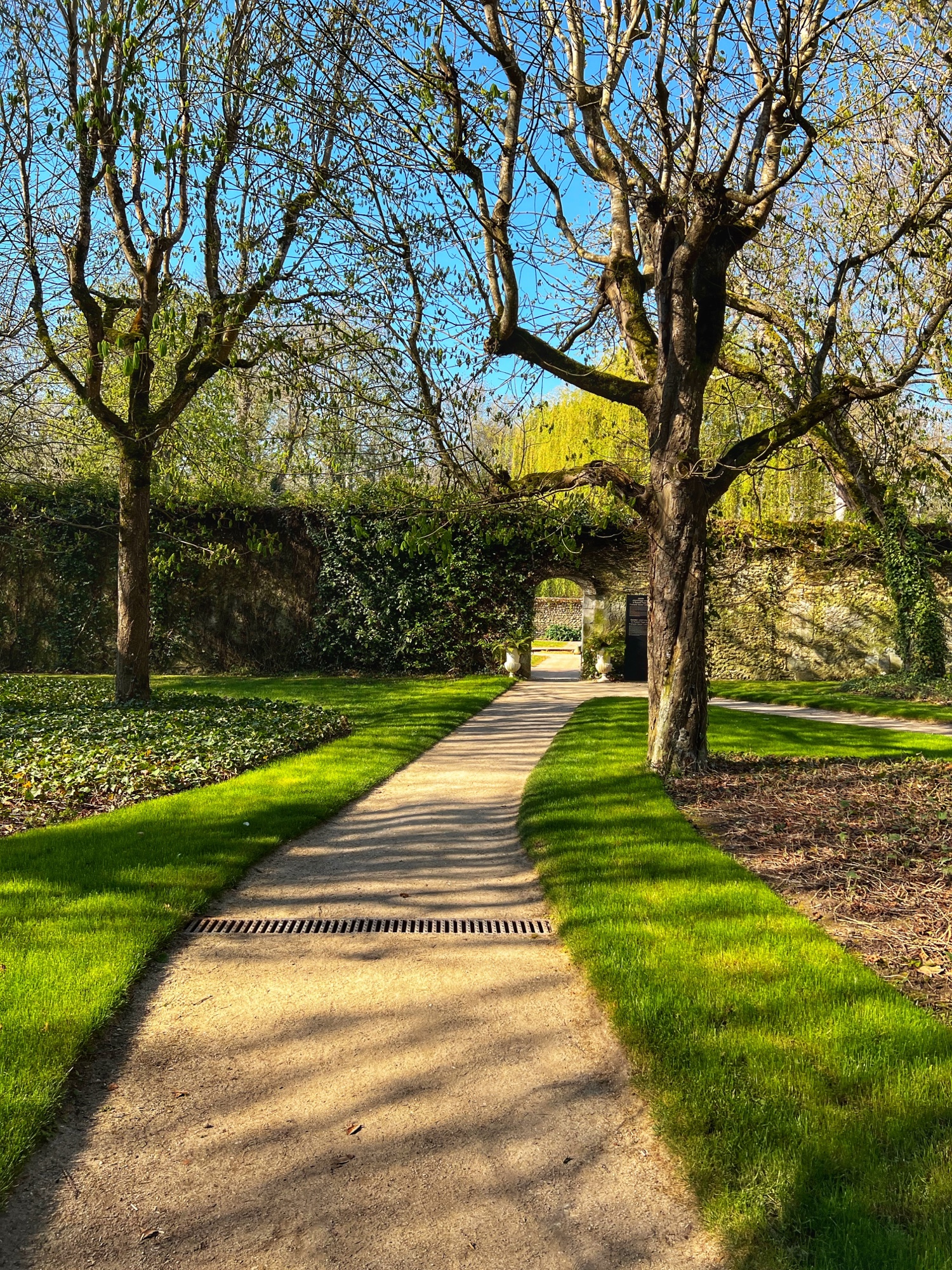
Before visiting the maze and donkeys, we checked out the Green Garden, Russell Page Garden (with fish box artwork below), and the huge vegetable and flower gardens.
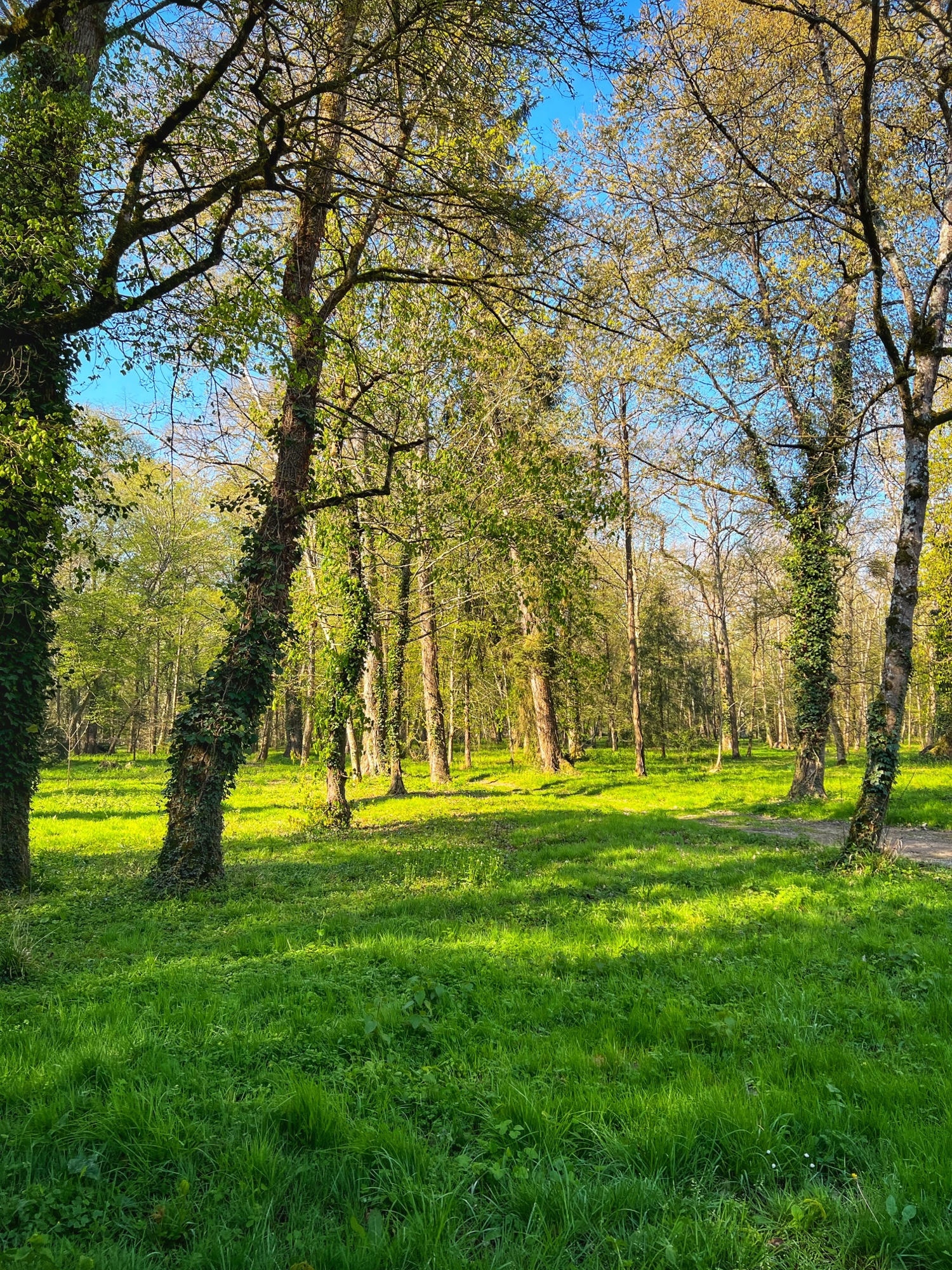


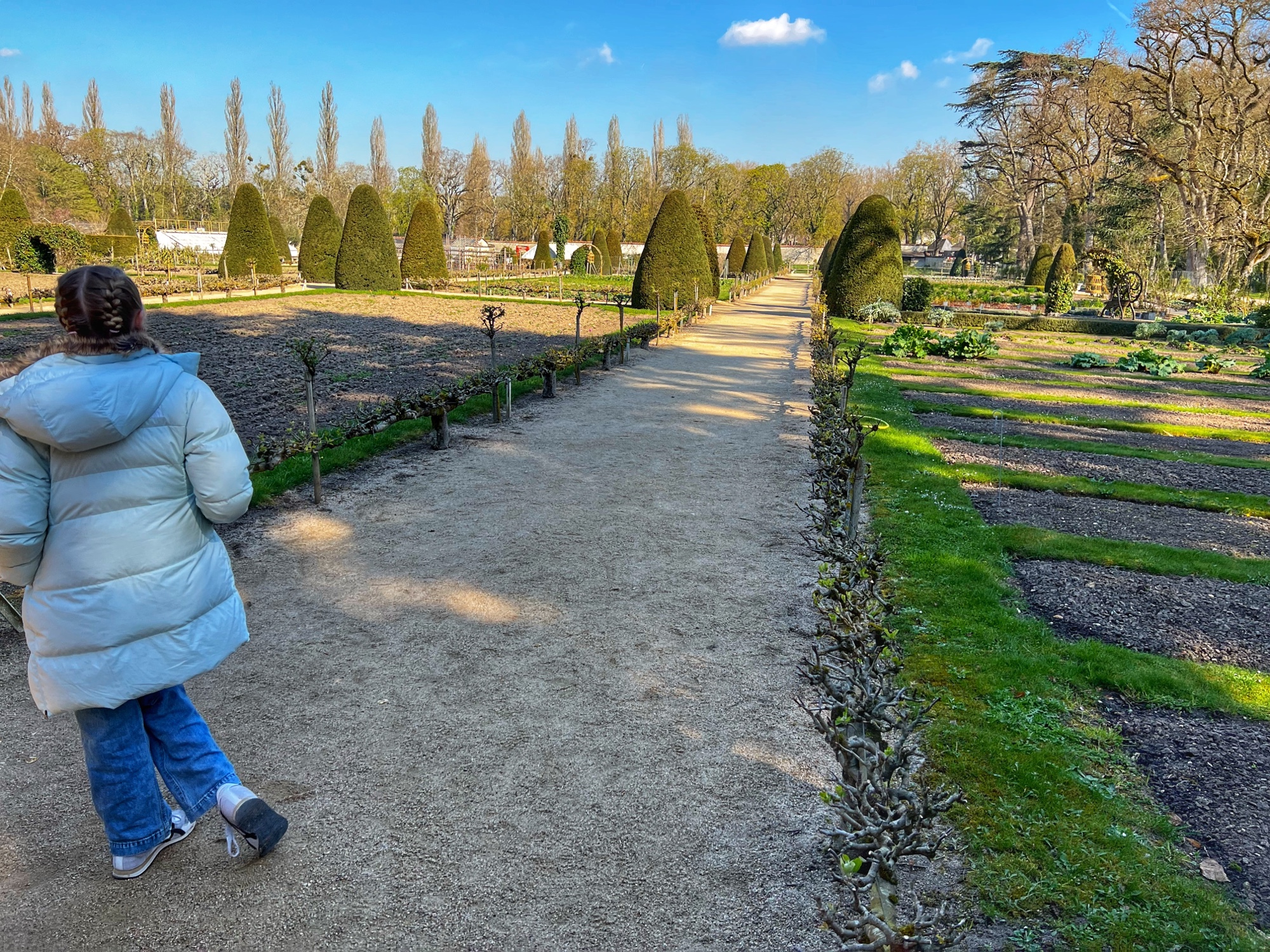
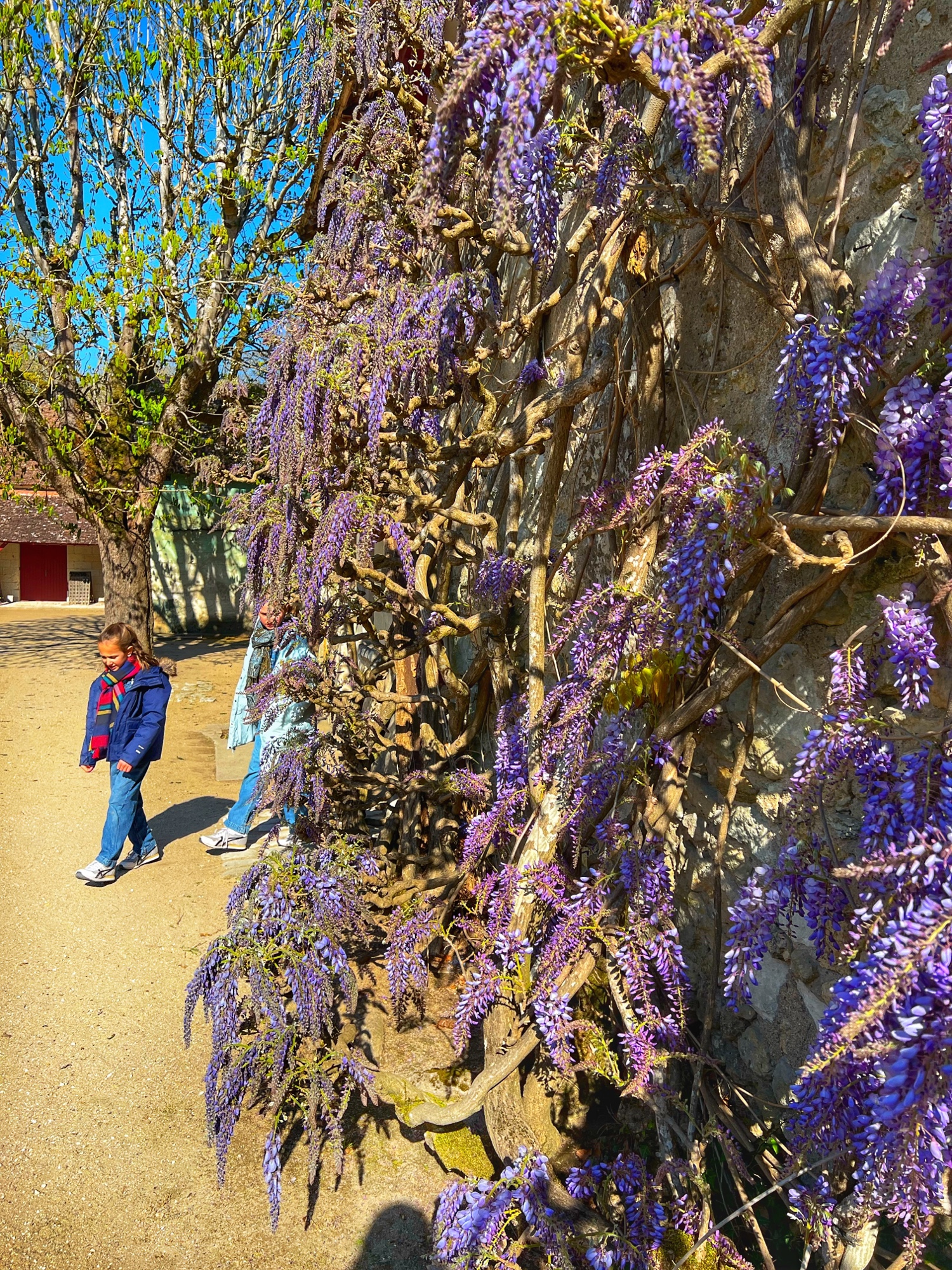
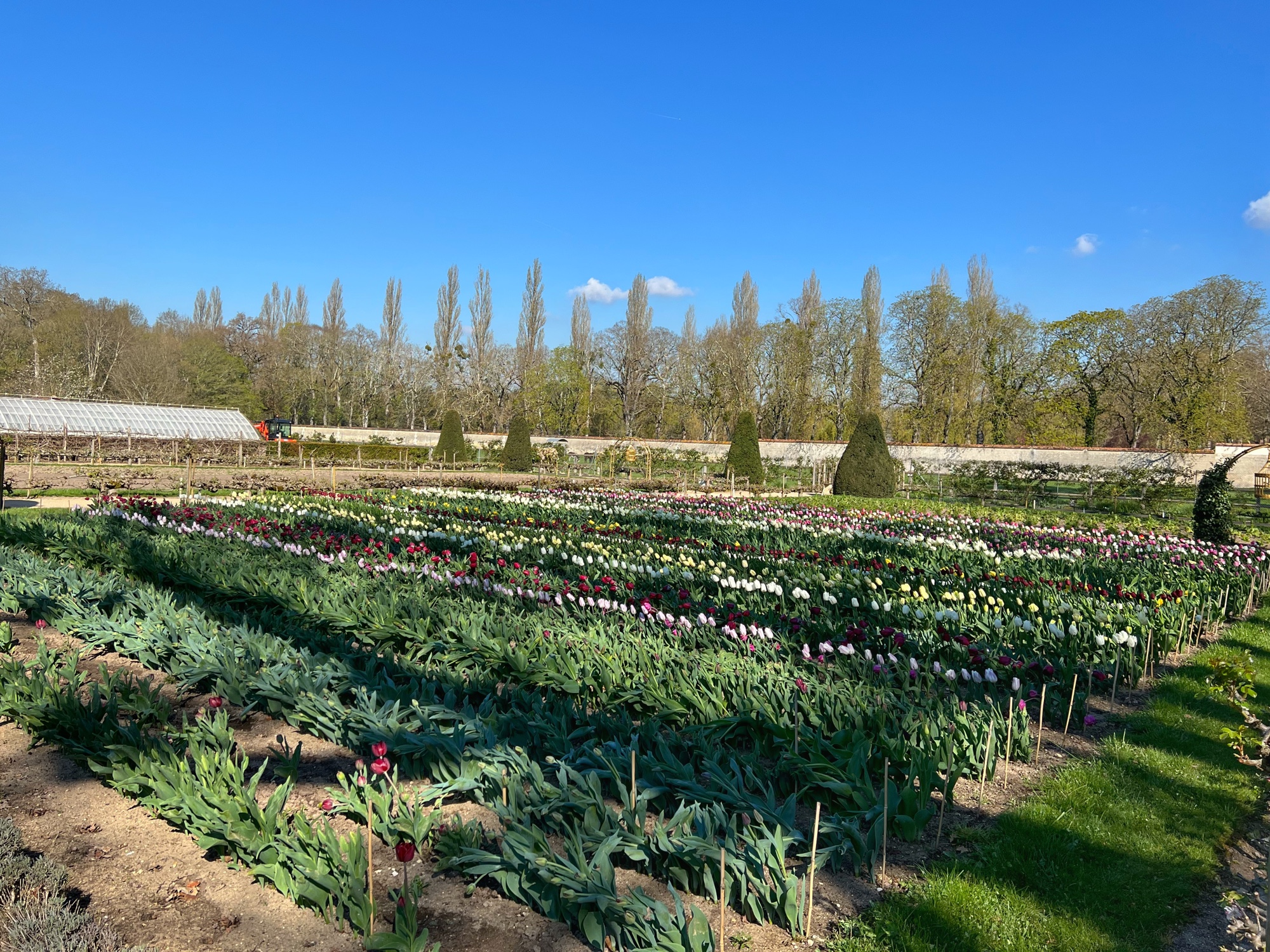
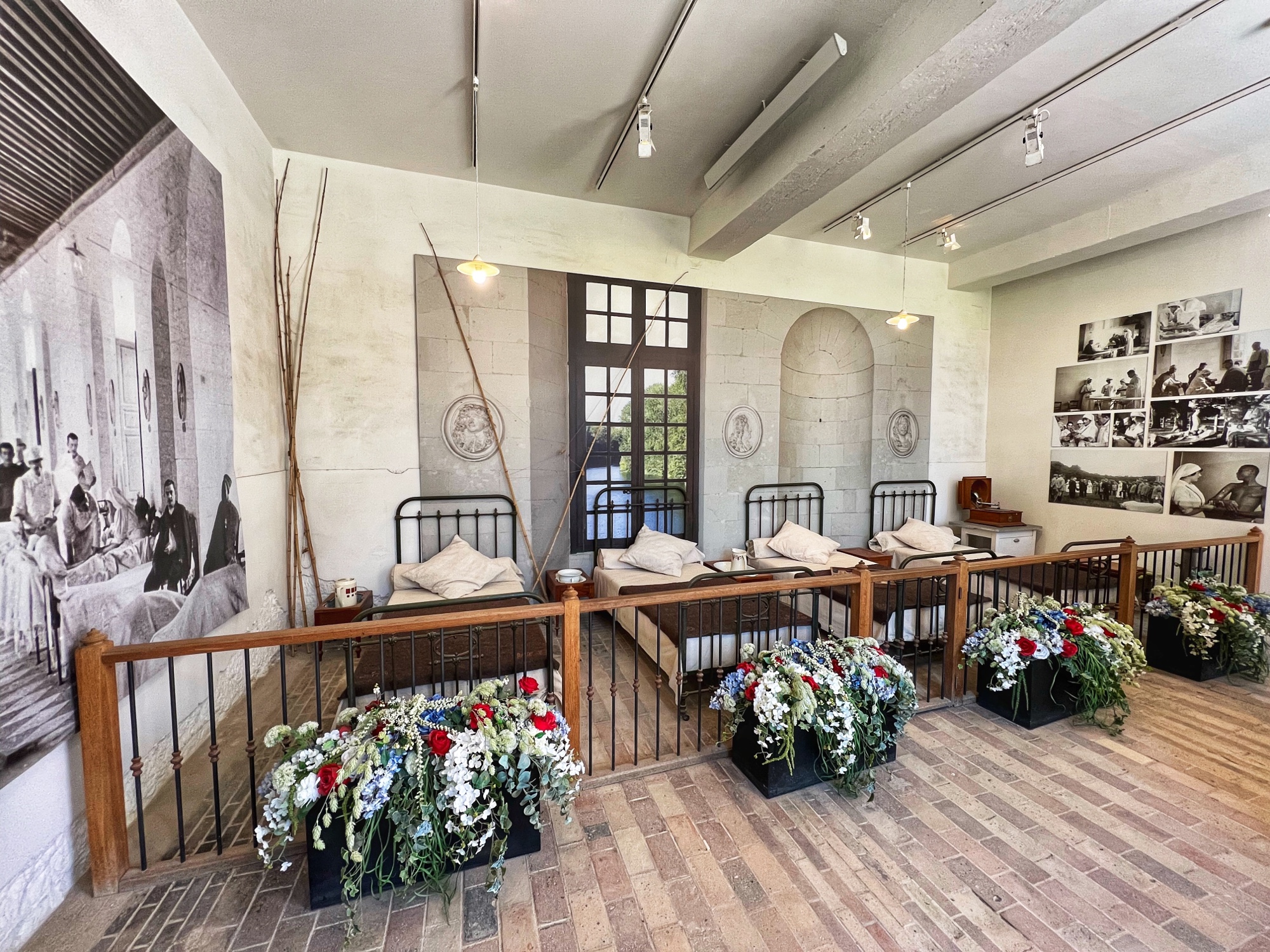
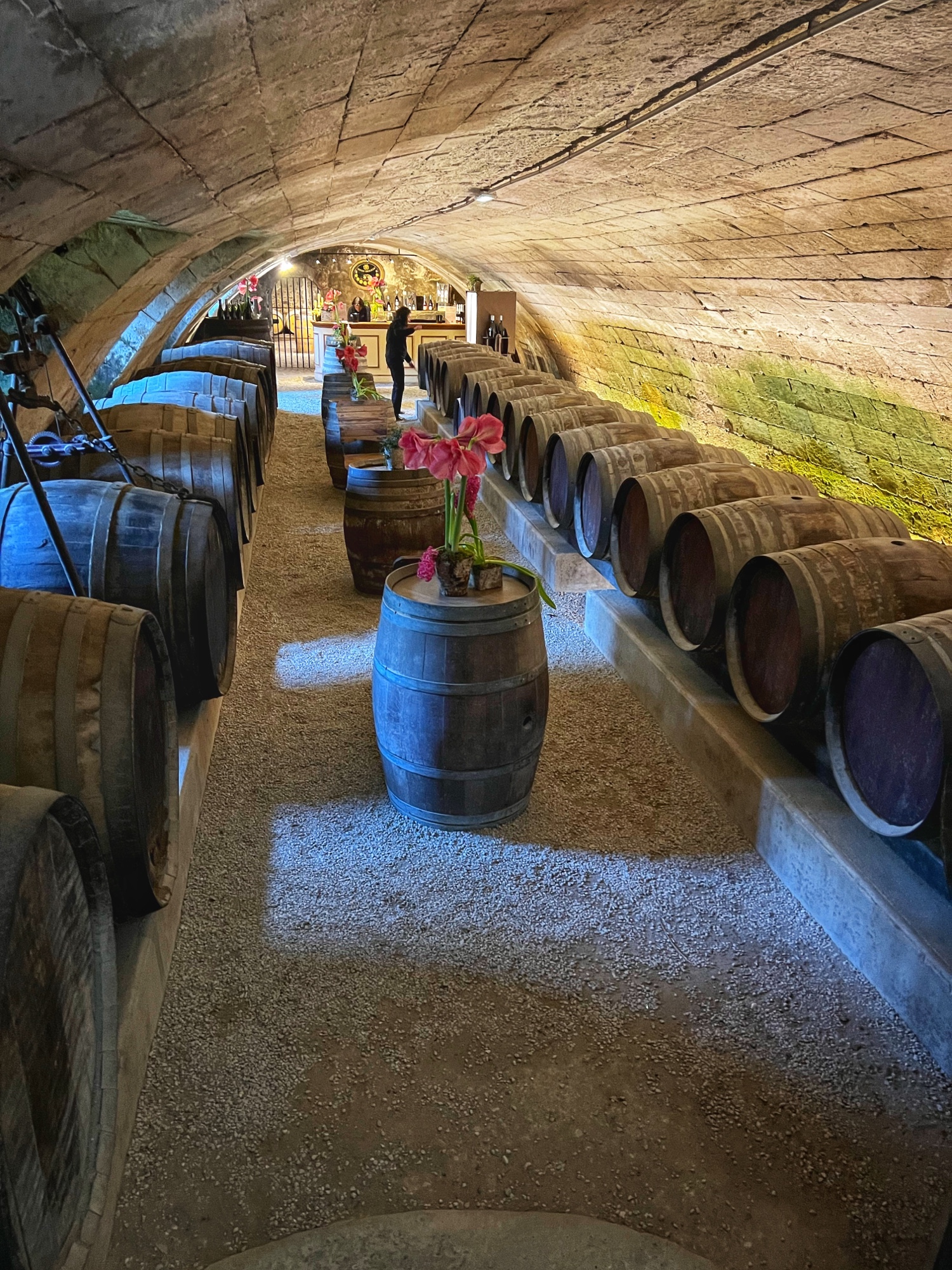
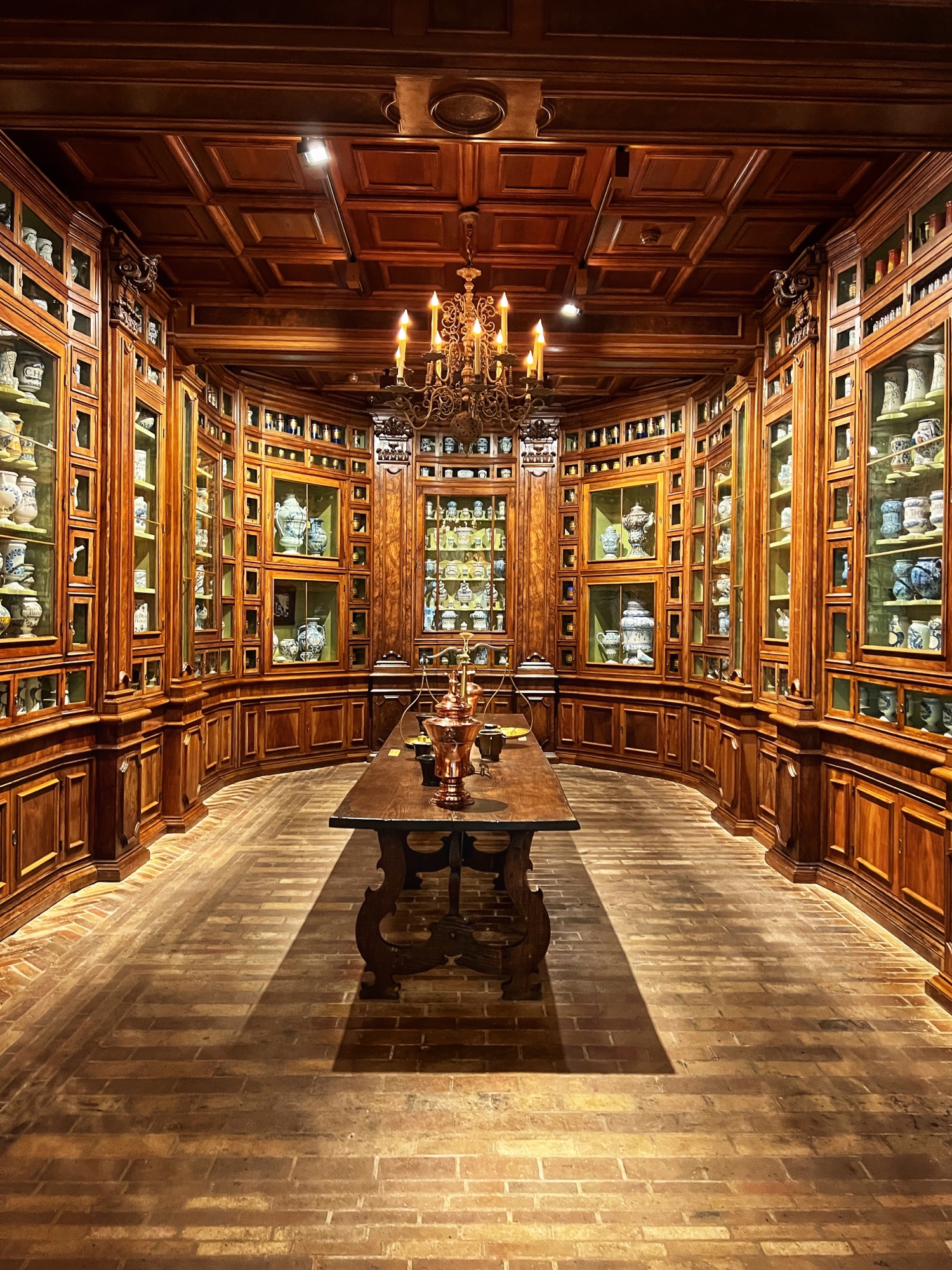
We also saw Queen Catherine de Medici’s Apothecary (incredible!) and the Domes building and Wine Cellar. In the Domes building is a reconstruction of a room that was made to resemble the WWI infirmary that helped over 2,000 sick and injured soldiers during the war. Finally we also saw the carriage house. We would’ve loved to stay for a meal at the beautiful Orangerie but it wasn’t open when we were visiting.

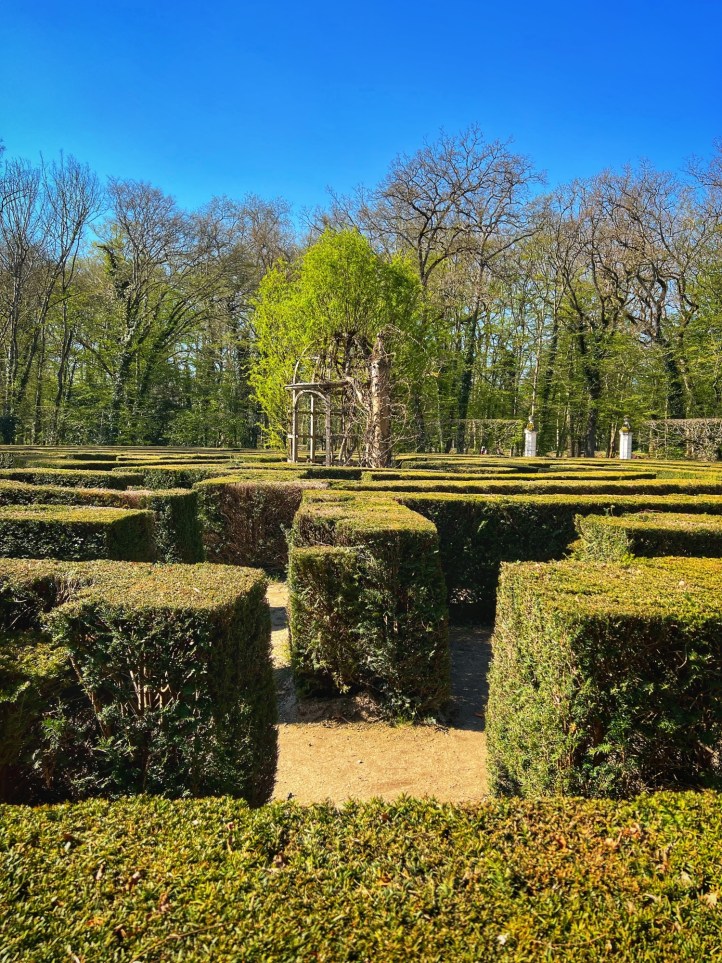
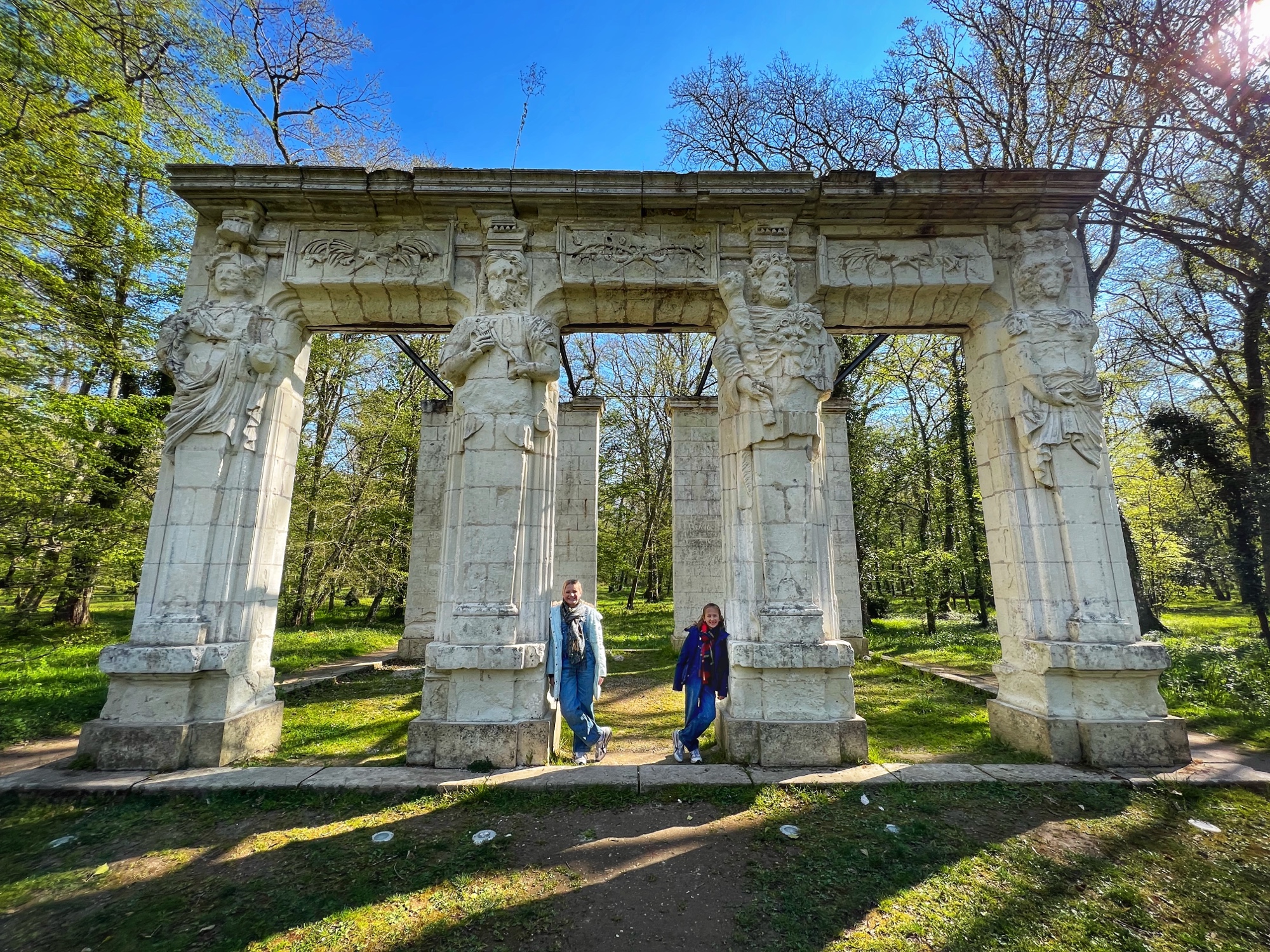
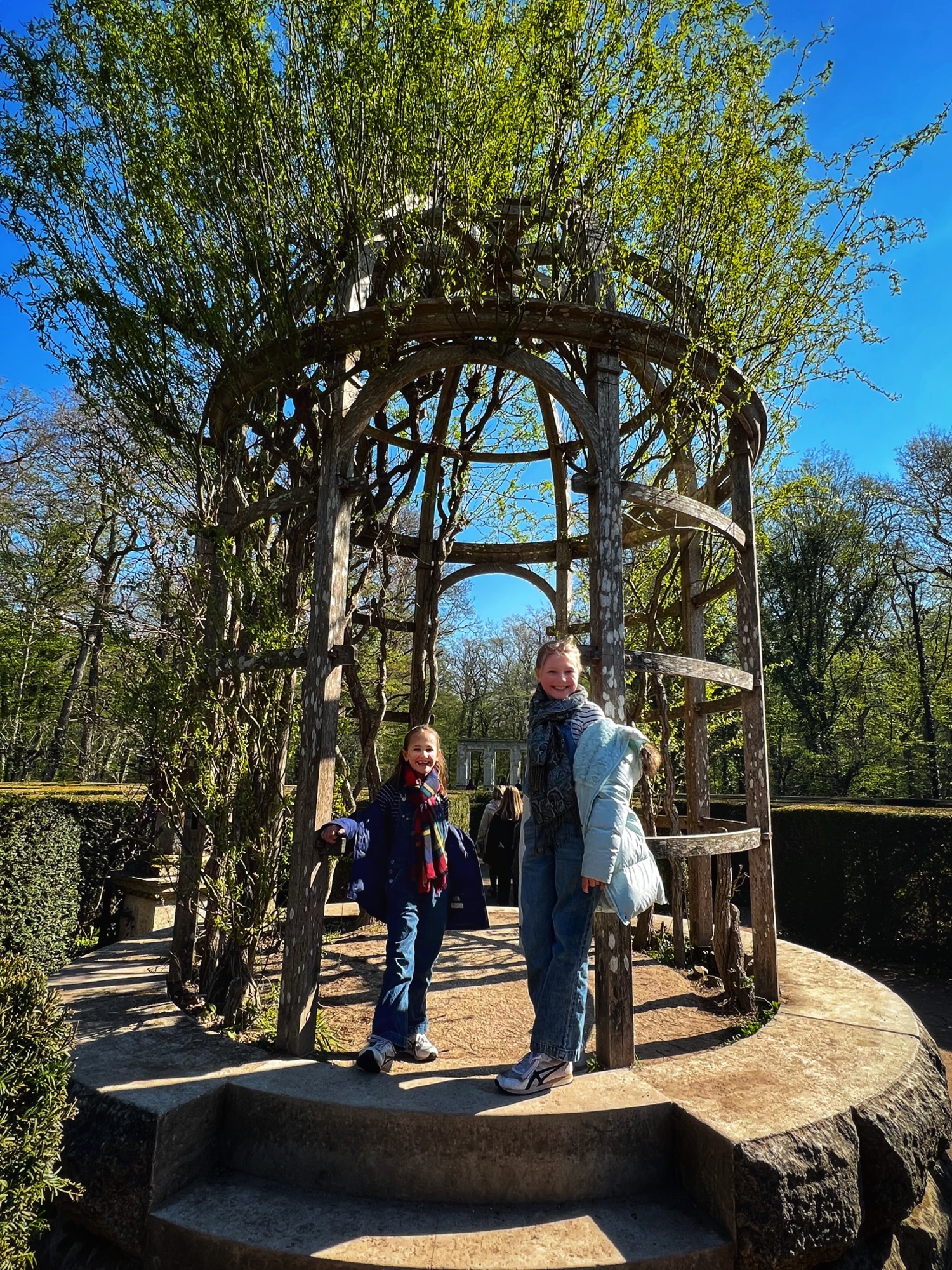
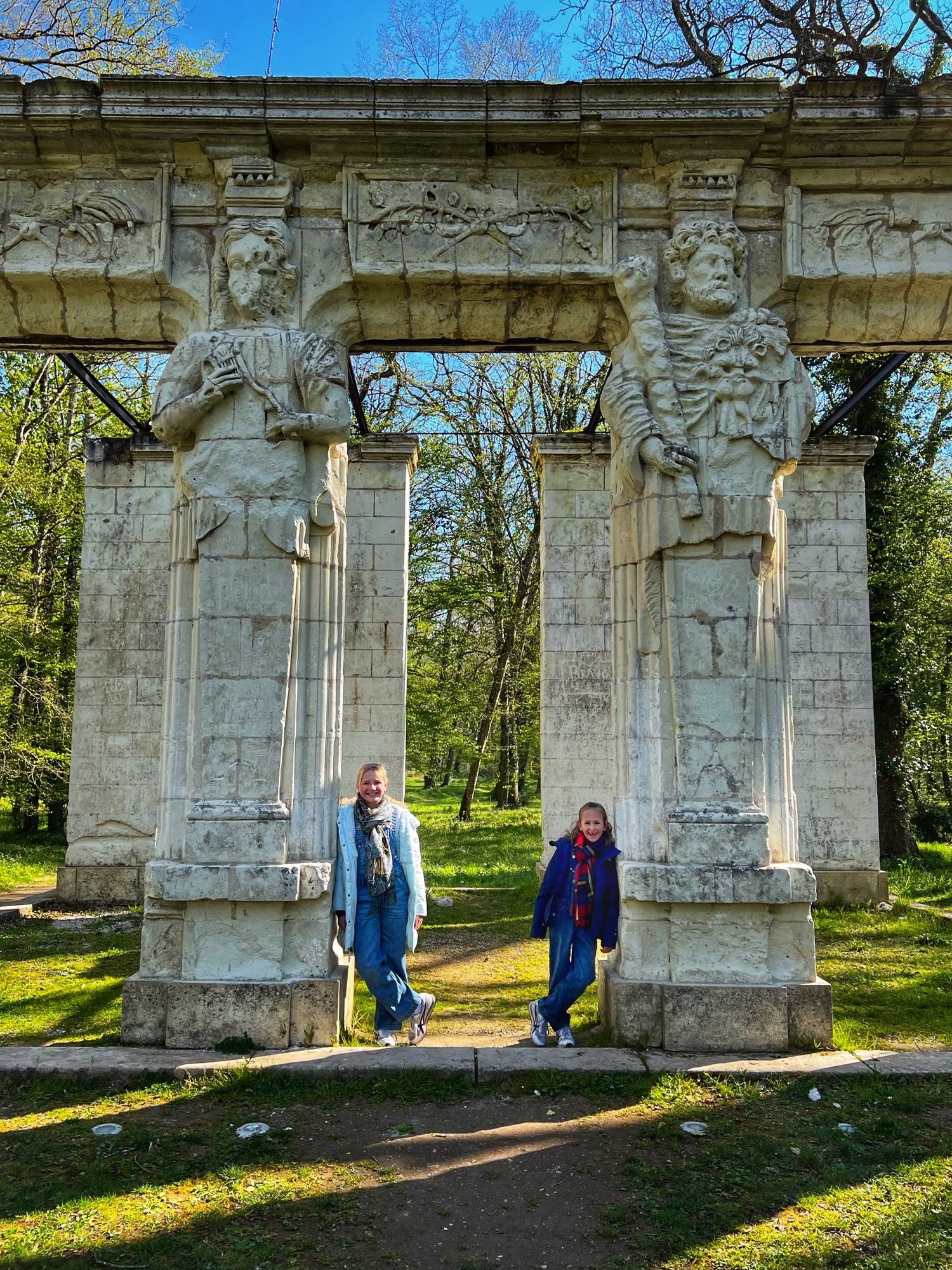
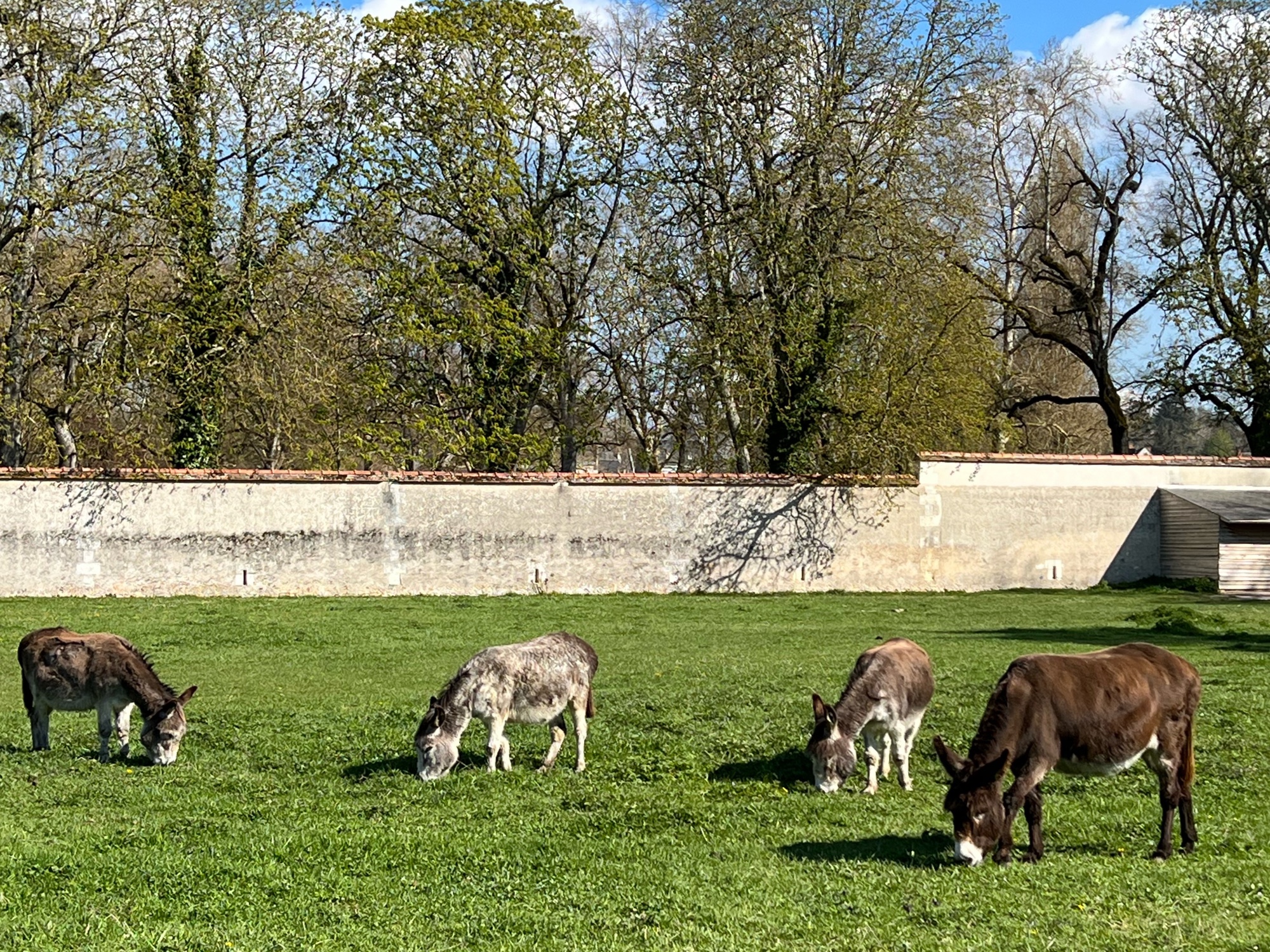
Finally we made it to the maze! The girls raced through it and even lost a beret – but we were able to retrace steps and find it. What an adventure! On the other side of the maze are the Caryatids, a monumental pillar structure that once decorated the Château facade with ancient Greek gods. Next to the flower and vegetable gardens you can visit the donkeys. The girls loved them – they were pretty friendly. We also saw chickens and beehives here. It’s quite a lively place!
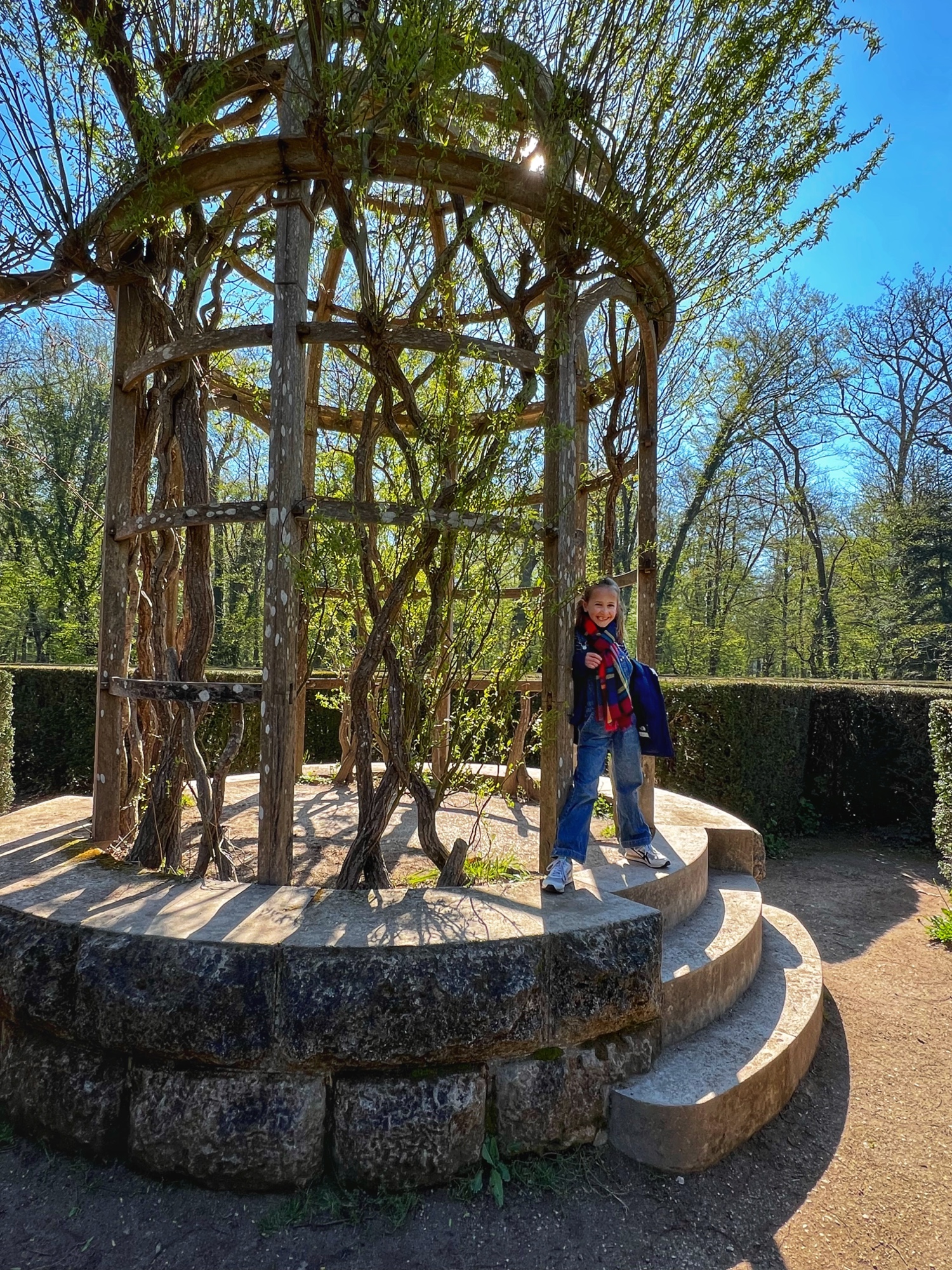
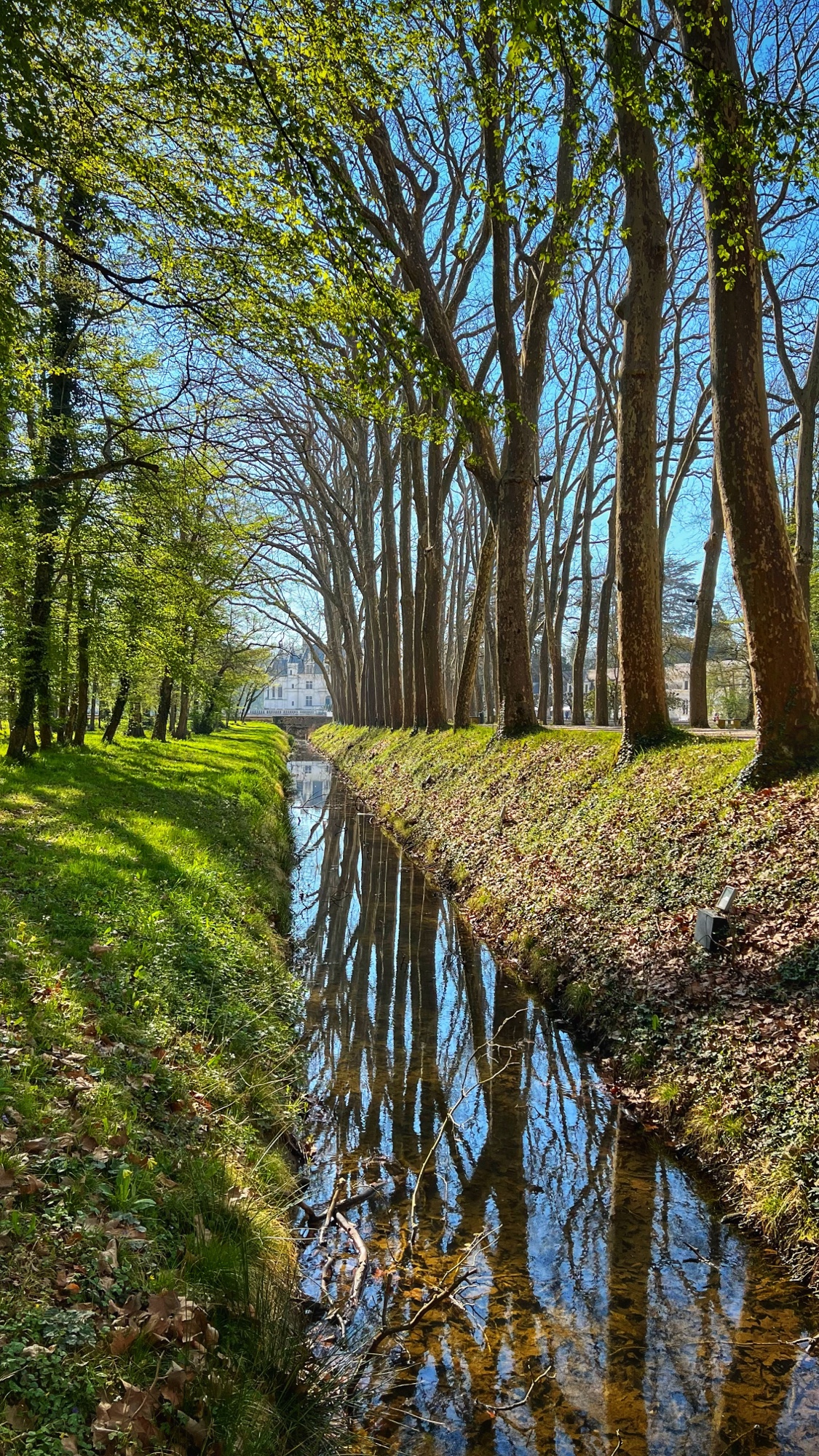


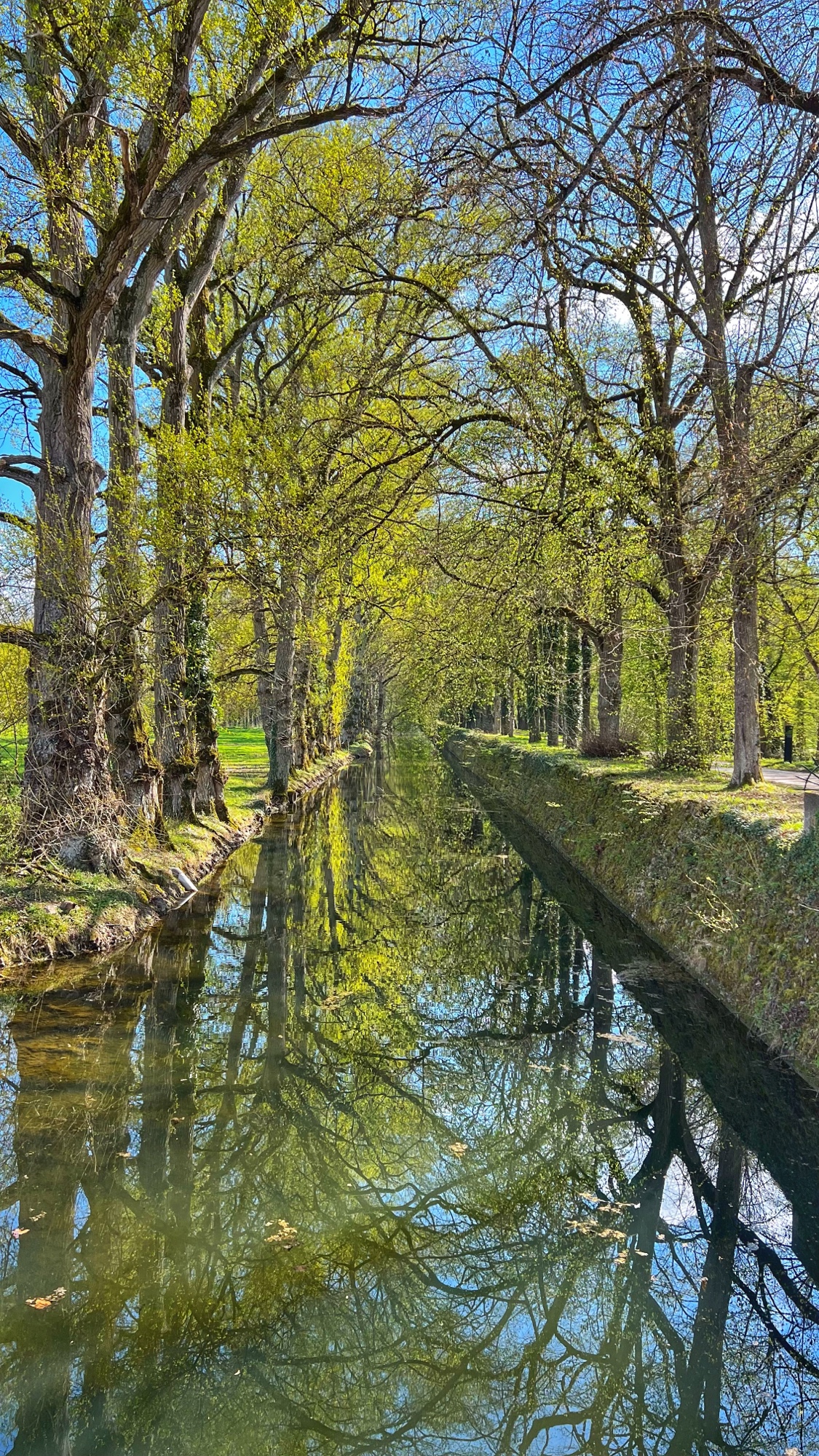
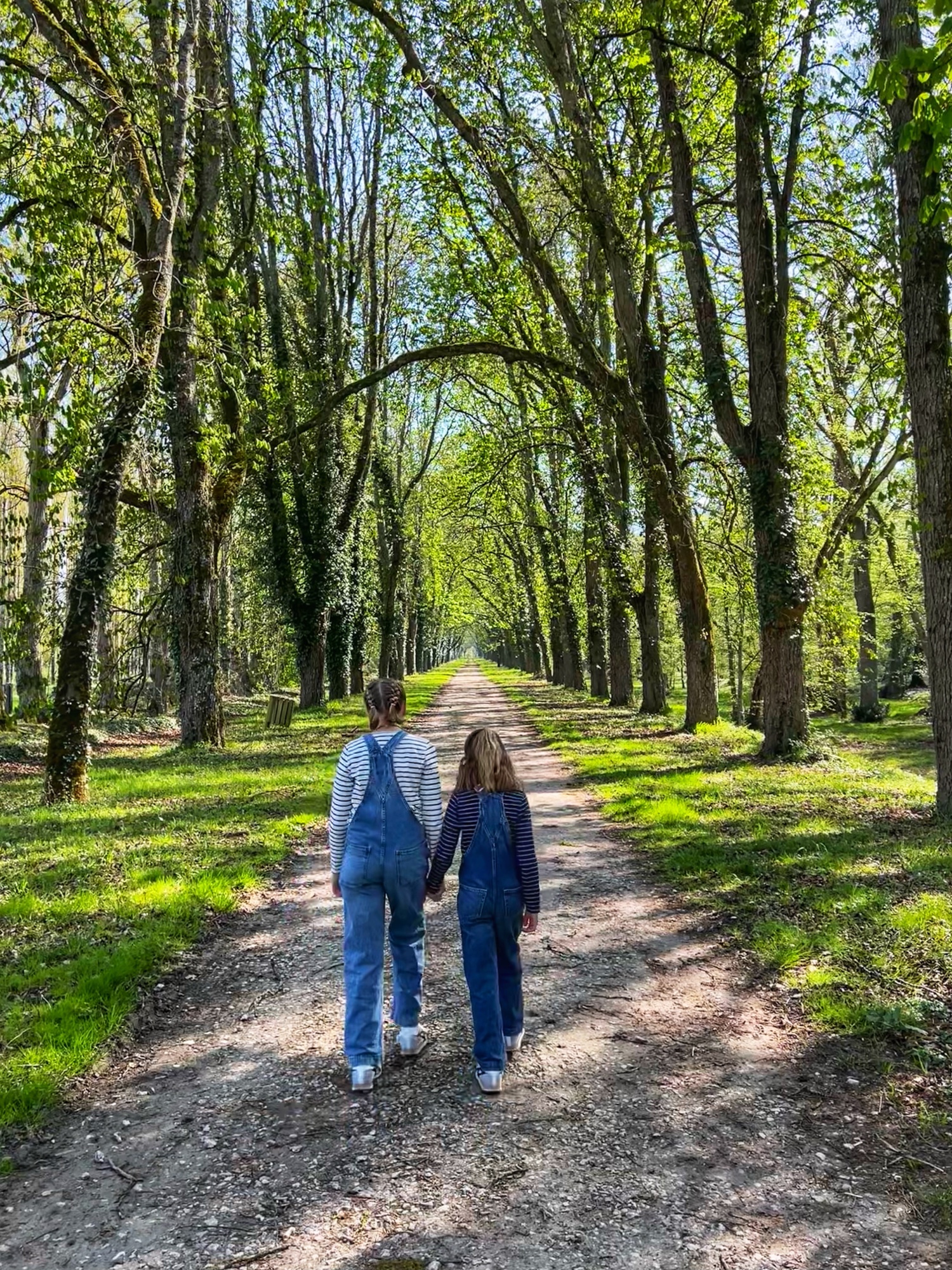

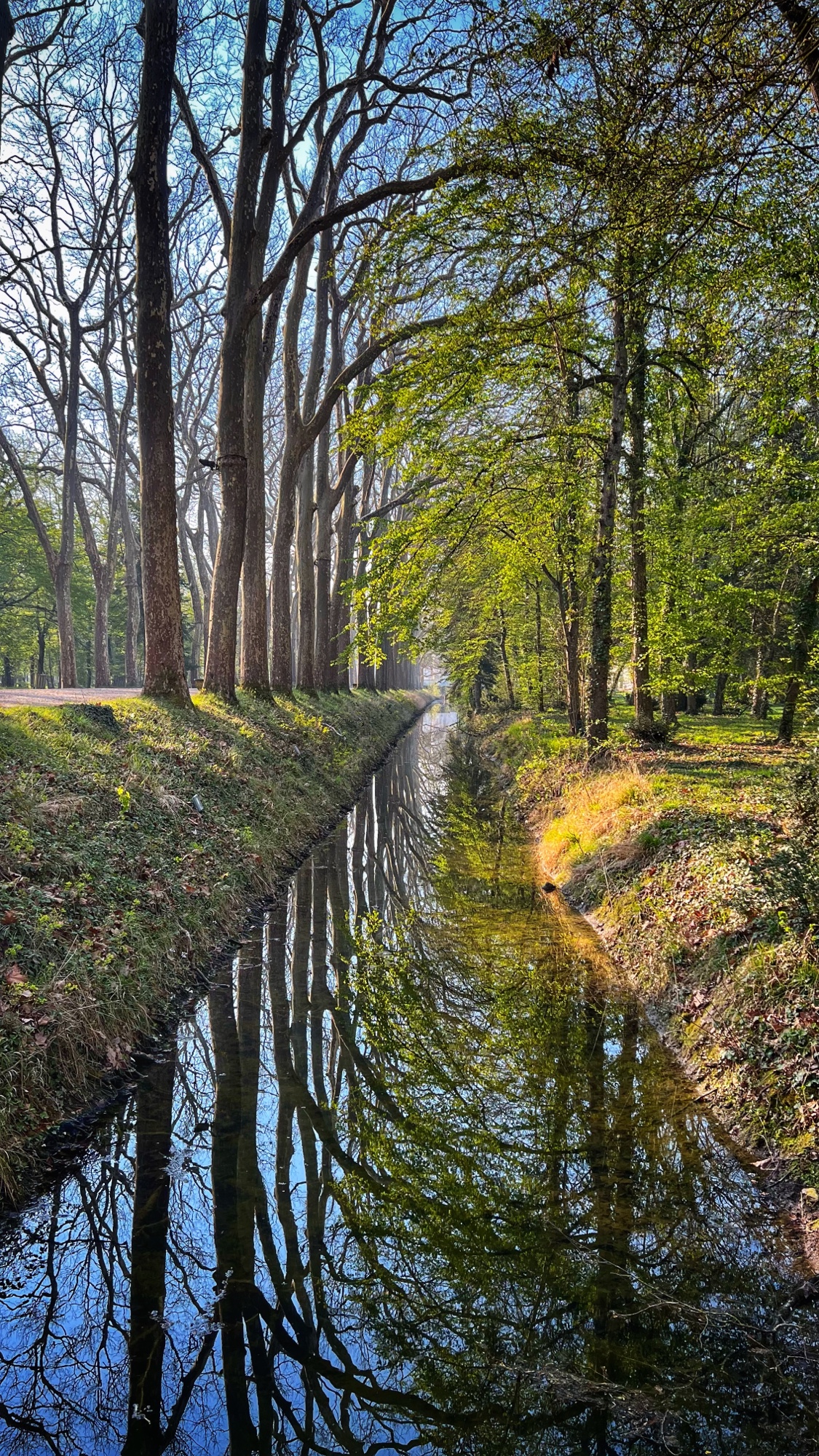
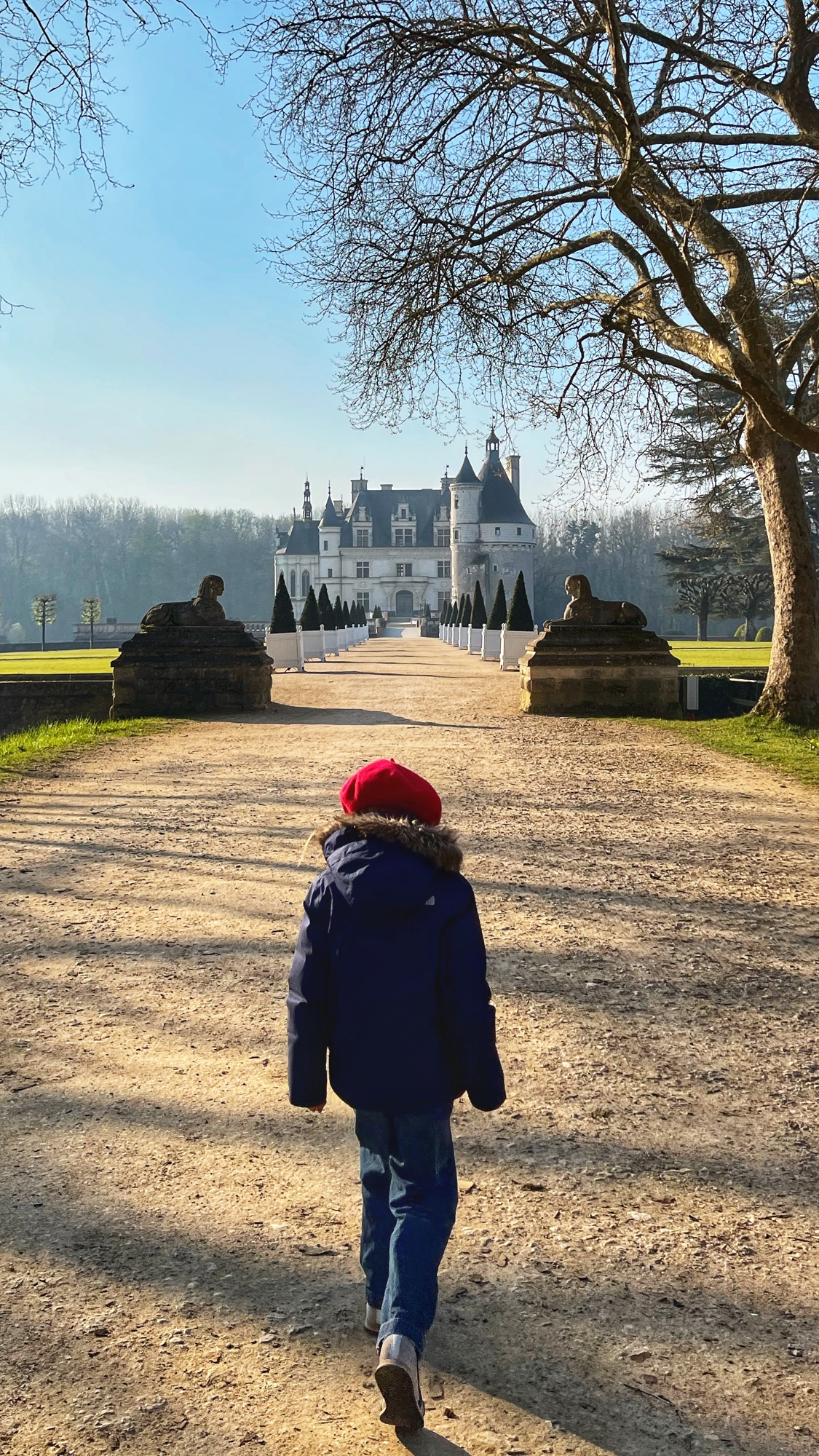
My personal favorite thing outside of Chenonceau were the tree-lined paths. There’s just something about them…
To learn more and help you plan, see the Chenonceau website here.
Amboise
- Opening Hours: 9am-6pm
- Rates: Adults €12, Youth €7, Under 8 free
- Parking: free
- Audioguide €4/each (recommended)
- Children’s Activities: maze, small playground in gardens, no booklet or histopad.
- Highlights: gardens, Histopad, Leonardo DaVinci’s tomb
- Accessible: many parts, yes. Small discount for tickets.
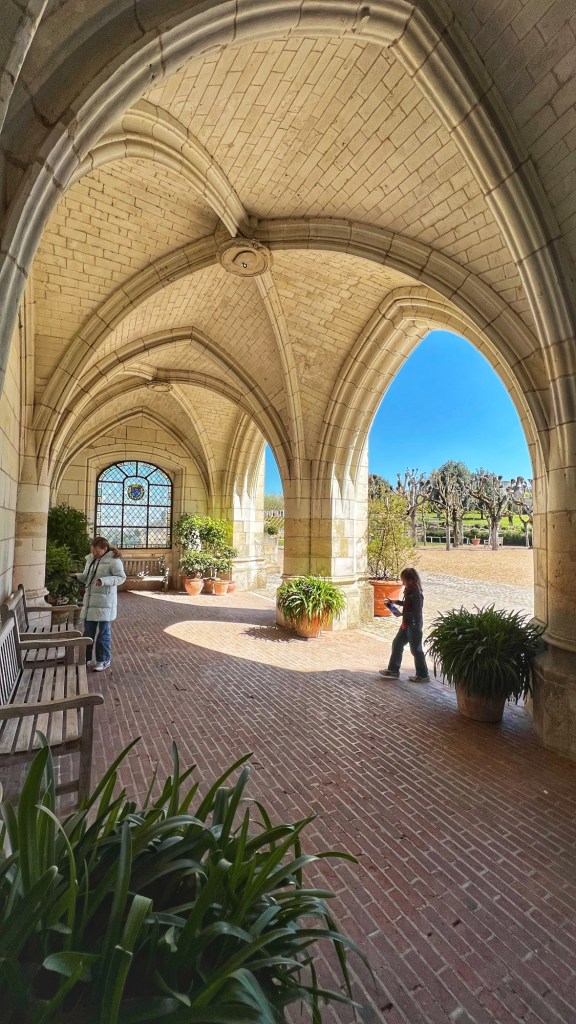
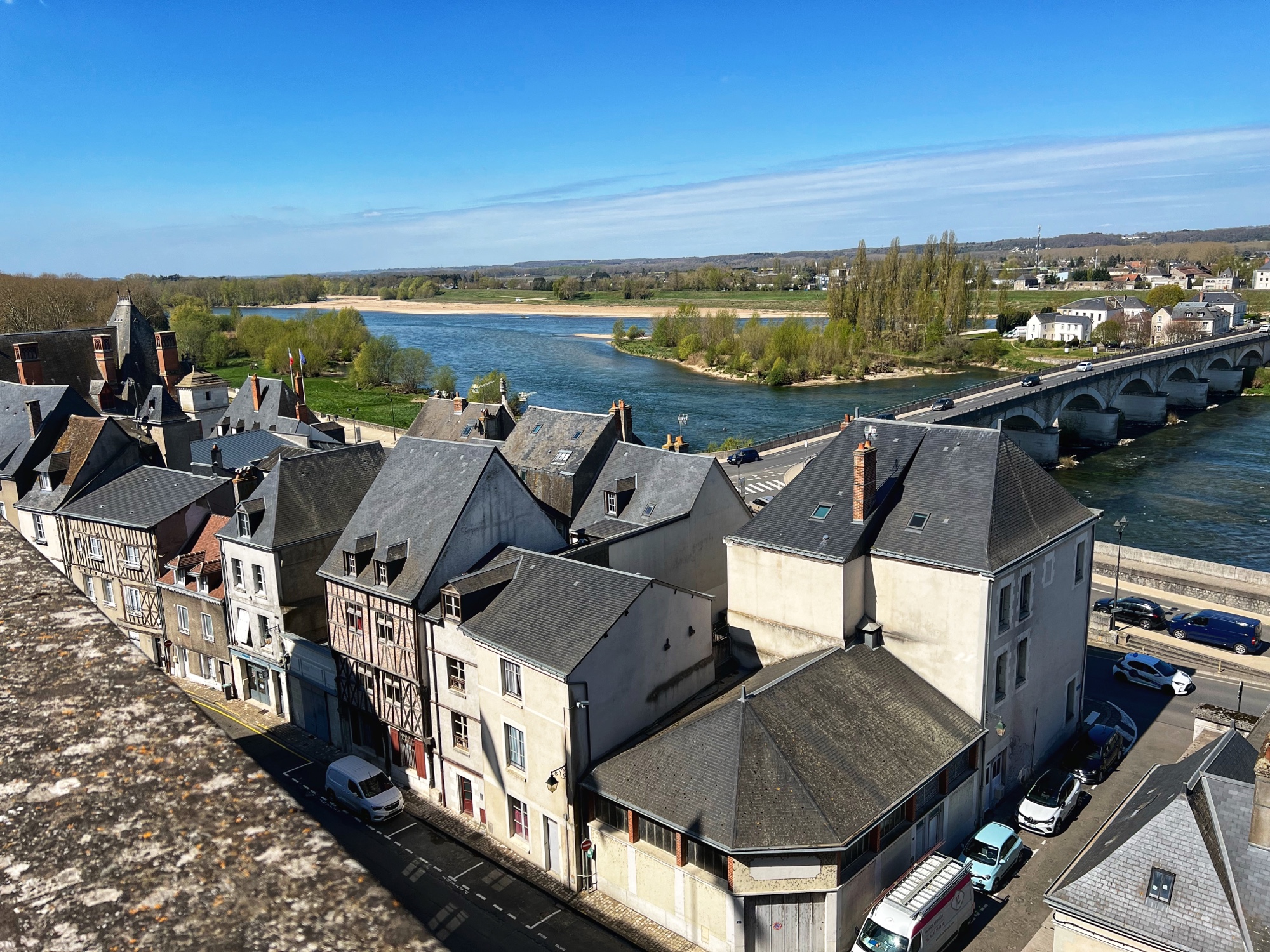
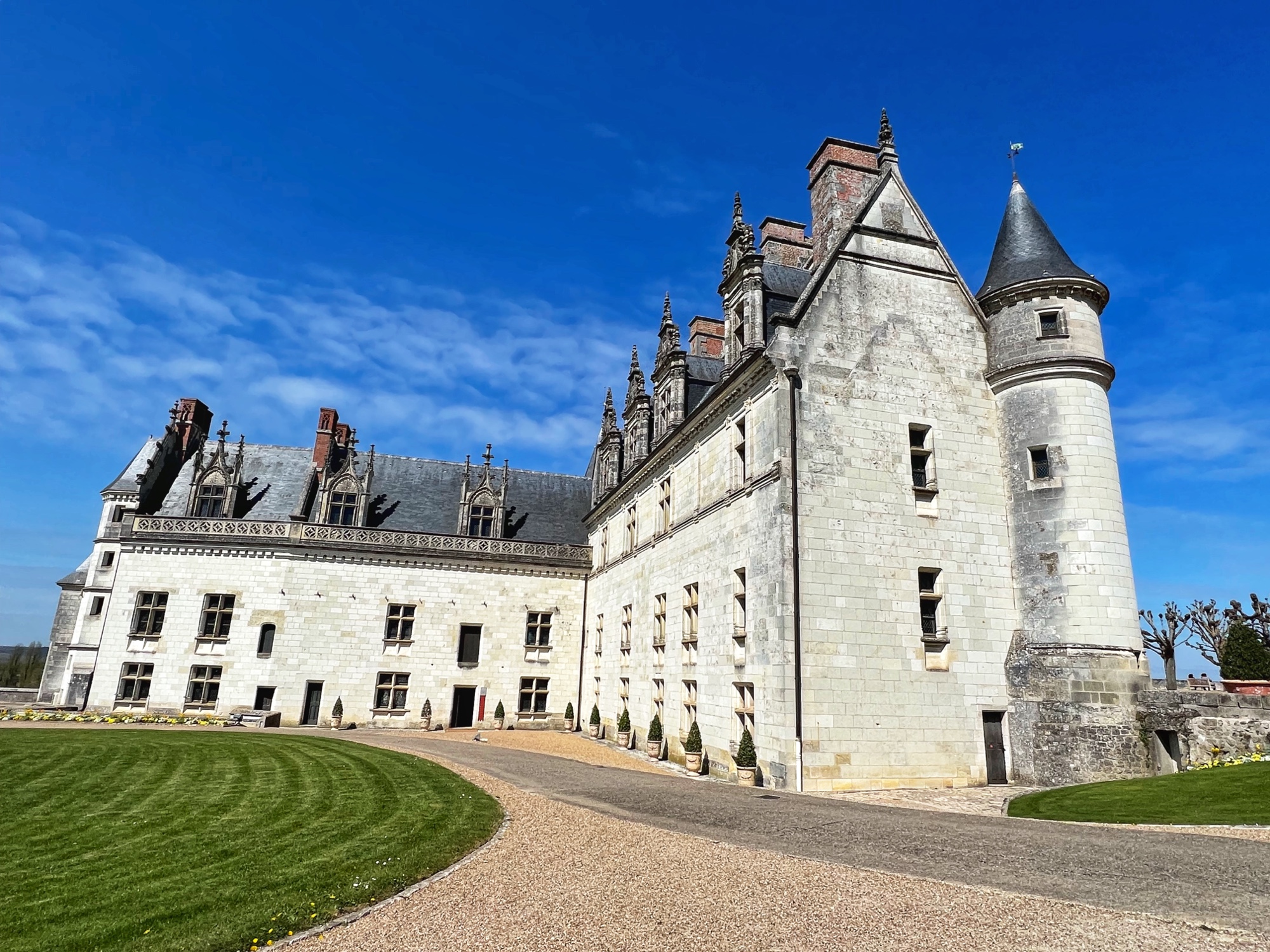
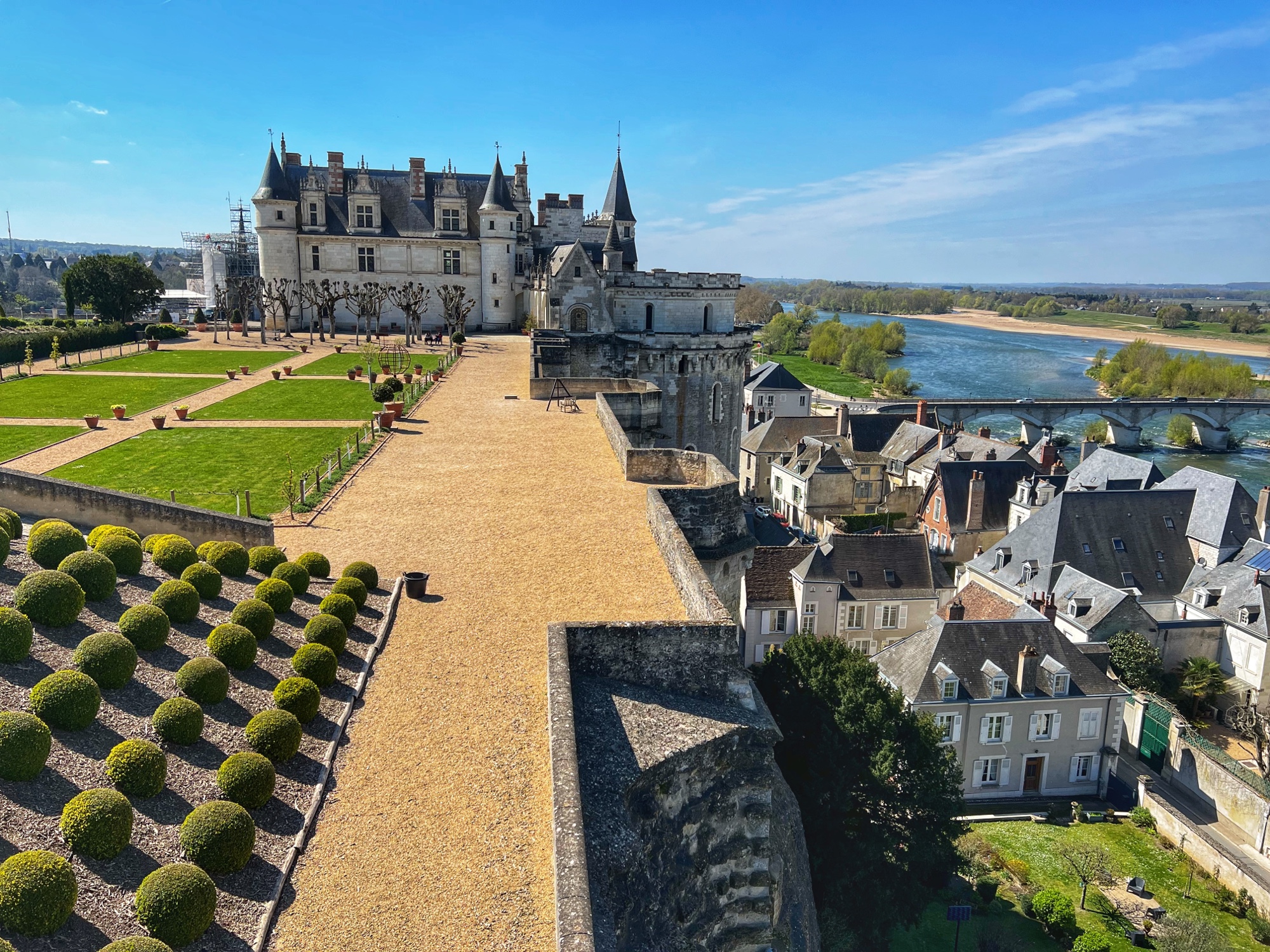
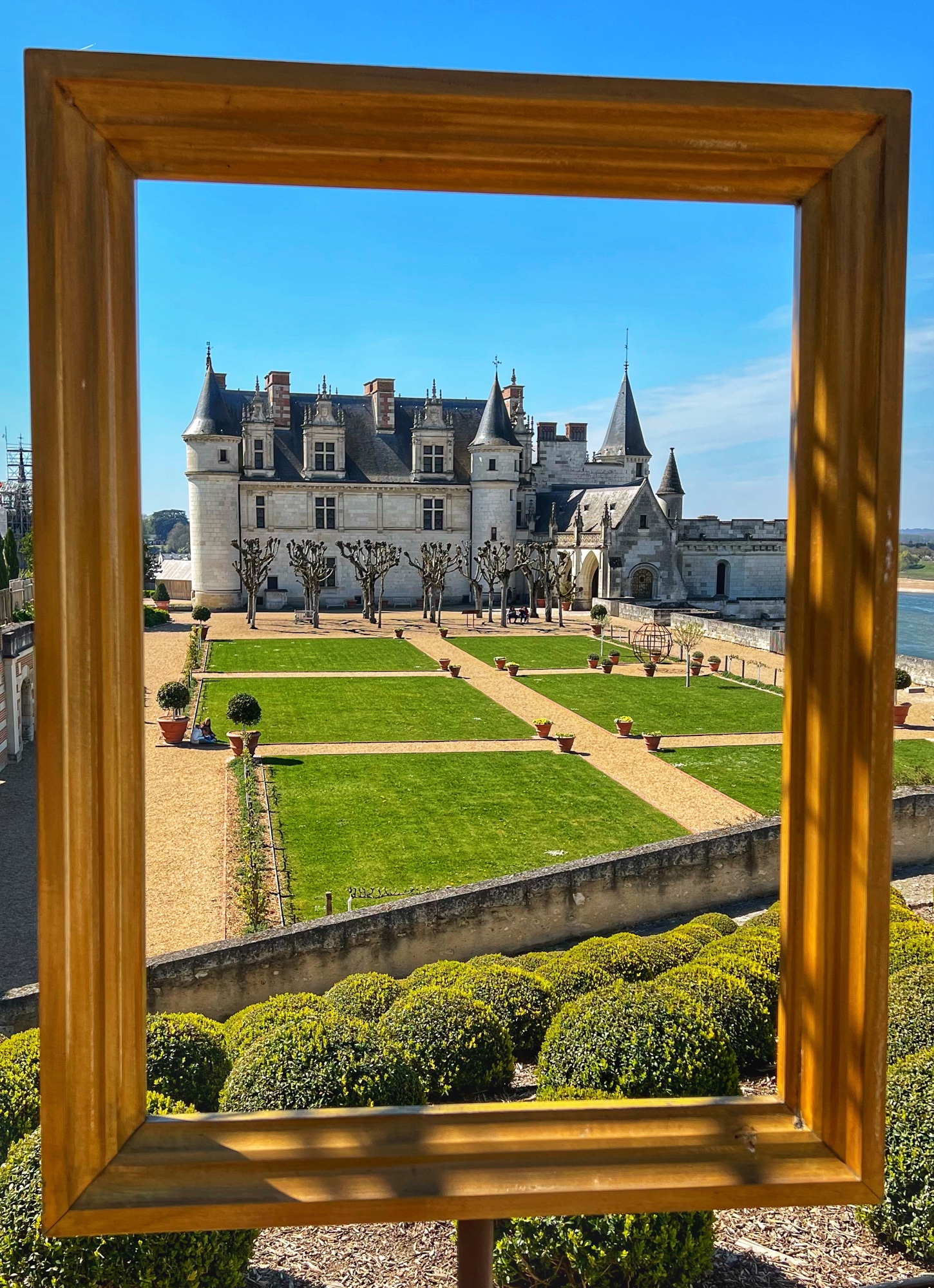
Maybe it was because we were becoming a bit castle weary (this being our 7th château), but what made Château d’Amboise worthwhile was the Histopad. Otherwise it was not as remarkable as some of the others. Sure it has an impressive and regal strategic location high on the banks of the Loire, but I felt like the charming town of Amboise was the highlight even more than the castle (see pics below). This town might be my top choice for future stays in the Loire just because of the sweet energy of the place!
That said, Amboise deserves attention because of its history. The origins of Amboise fortress date back to the 9th century, but the château we see today was expanded in the 12th century, then eventually made its way into royal hands by the 1400s and was extensively renovated by a series of French kings over the next 200 years. As a palace of kings, many took up residence here including Louis XI, Charles VIII, Louis XII, Francois I (who was raised here – remember the salamanders in all the other castles?), and Henry II (and his wife Catherine de Medici) who raised their children here along with Mary Stuart, child Queen of Scotland who was betrothed to marry their son, Francois II. They married when Francis was only 15 years old just before his father died and he became king. He died of illness just 2 years later at age 17. His brother Charles IX then took over the throne (at age 10) and reigned for 14 years before dying of tuberculosis, and finally the youngest brother Henry III took the throne at age 23 and reigned 15 years before he was murdered in retaliation for assassinations orchestrated by Henry III during the French religious wars. What drama!
Nearby is a small museum built in the former home of Leonardo DaVinci. We missed it on this trip, but it certainly looks worthwhile. Check out Clos Lucé. DaVinci played a major role in the reign of Francois 1er and was known to be very close to the king. Evidence of this is in paintings and works inspired by DaVinci all through palaces frequented by Francois Ist. Another darling castle right in town is Château Gaillard. Again we didn’t wander over to explore it, but if you have time or are staying right in town, it would be a nice little visit. Check it out here.
Anyway, isn’t the town of Amboise so charming?
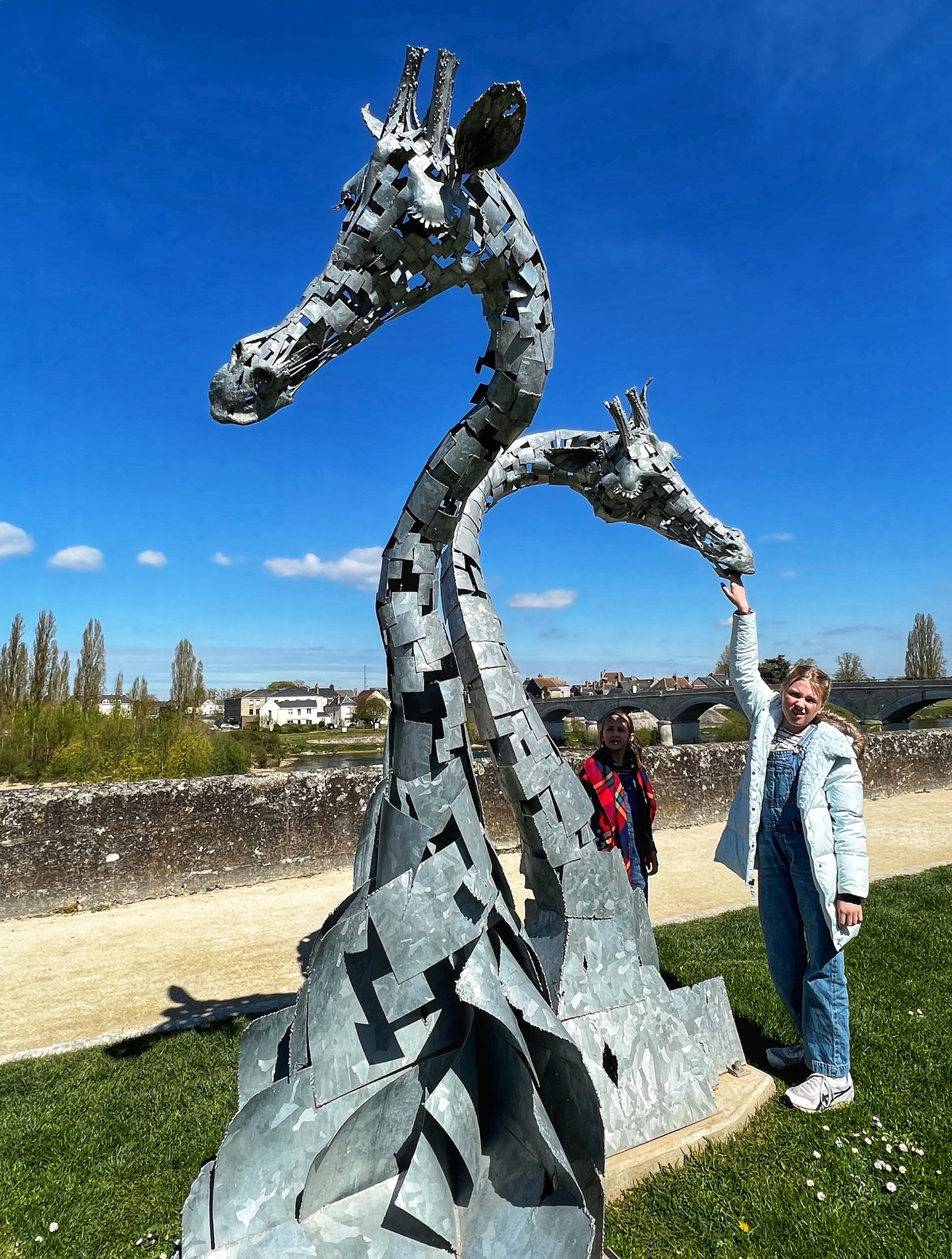
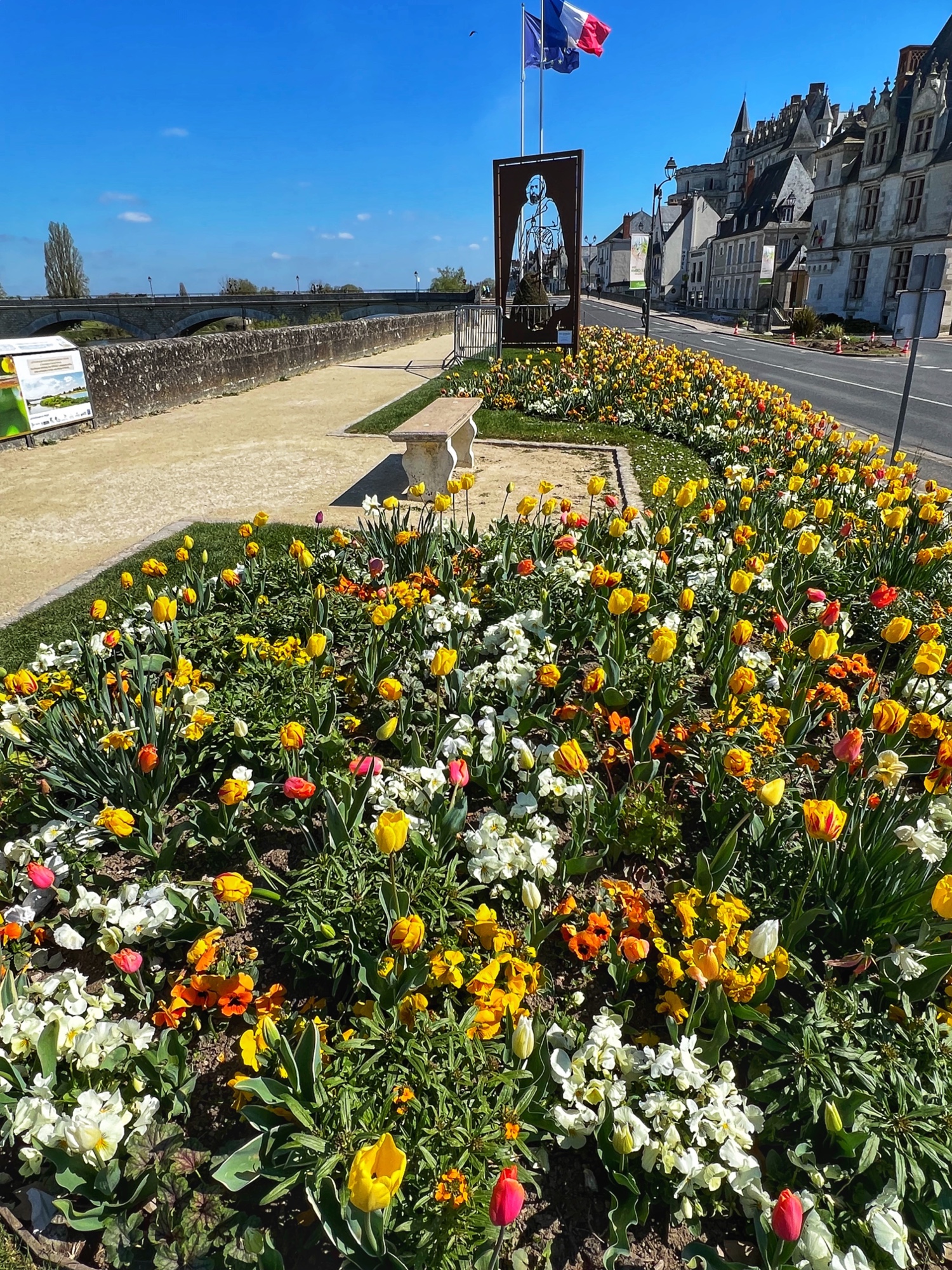
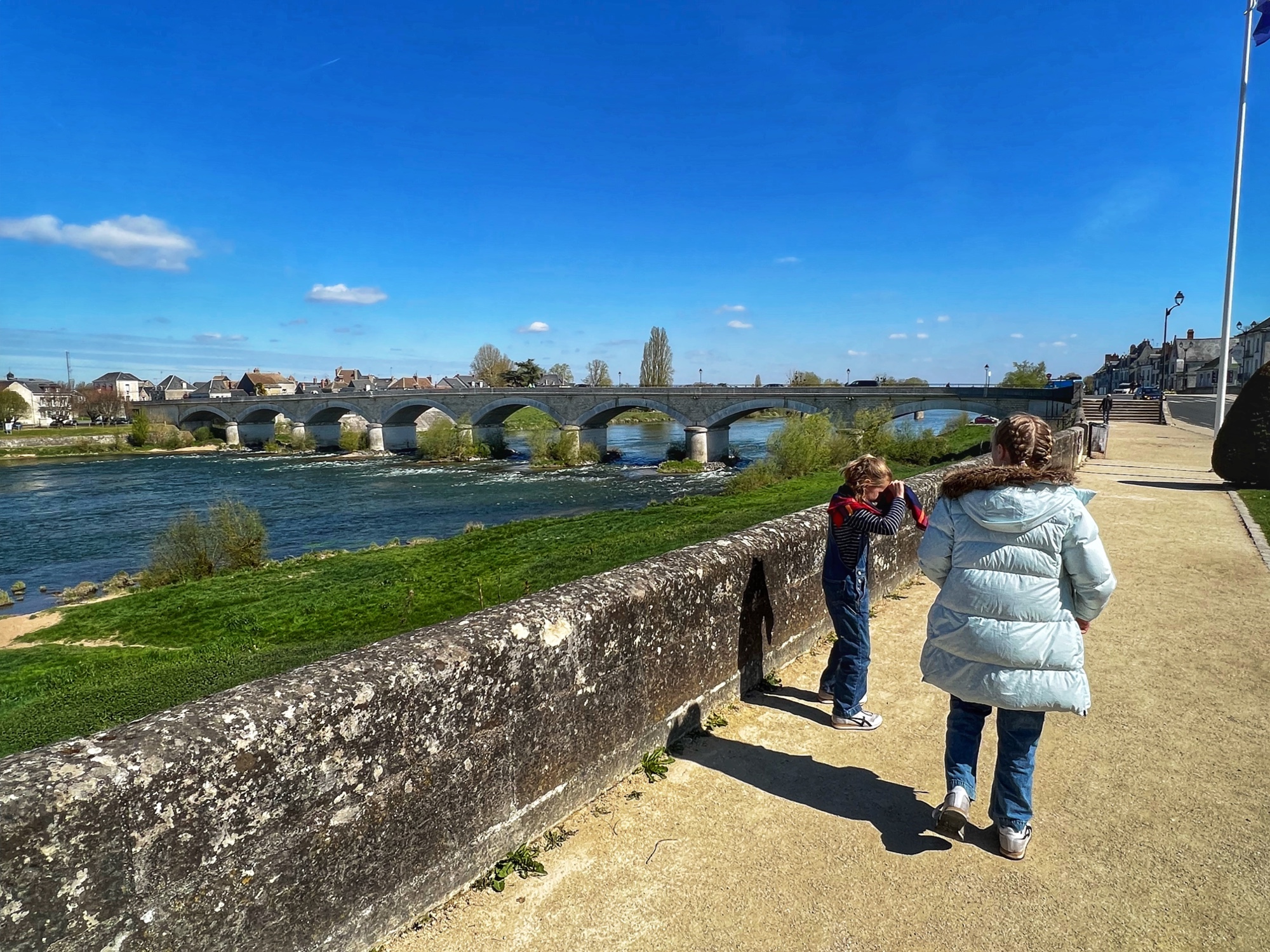

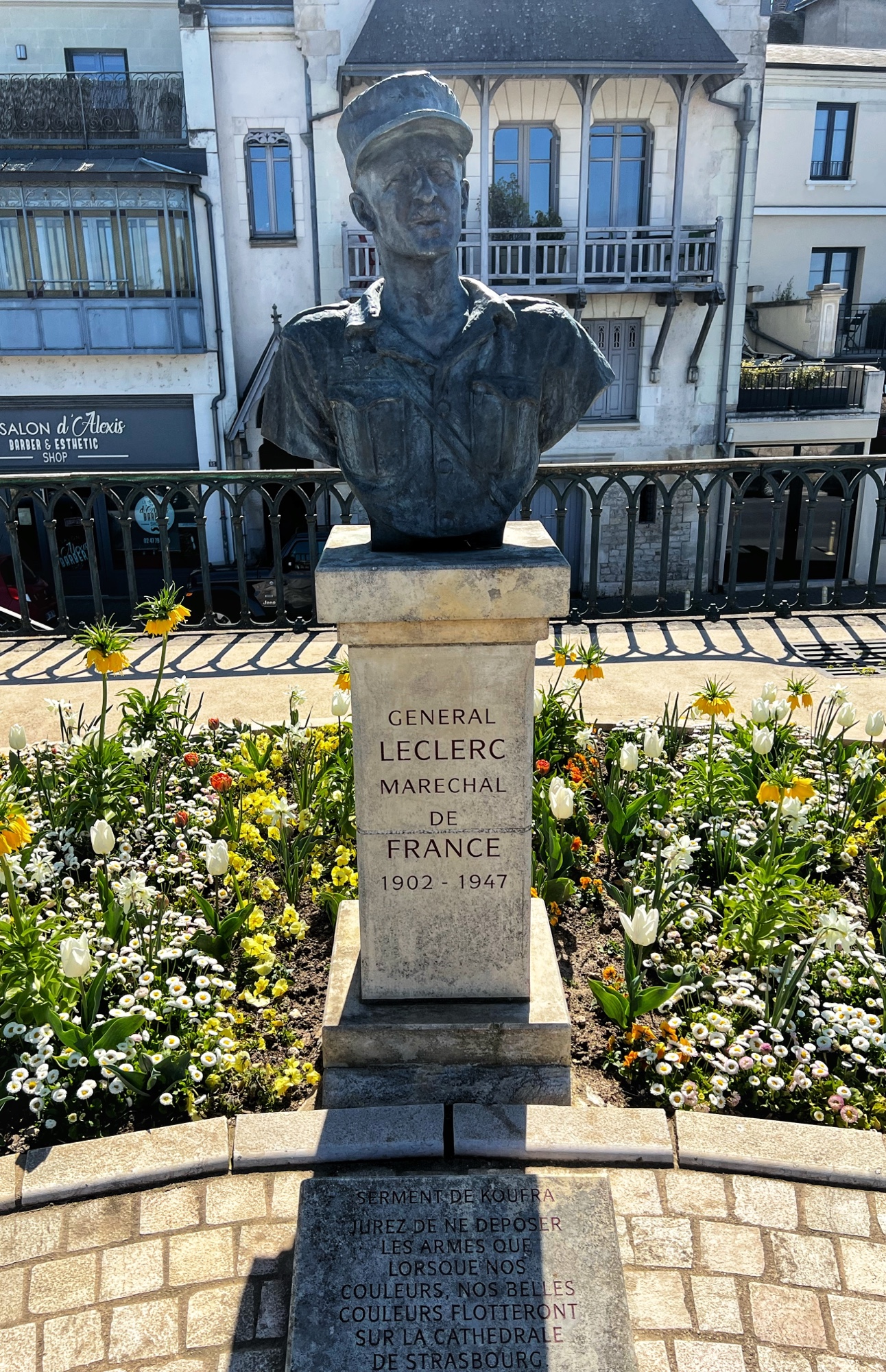
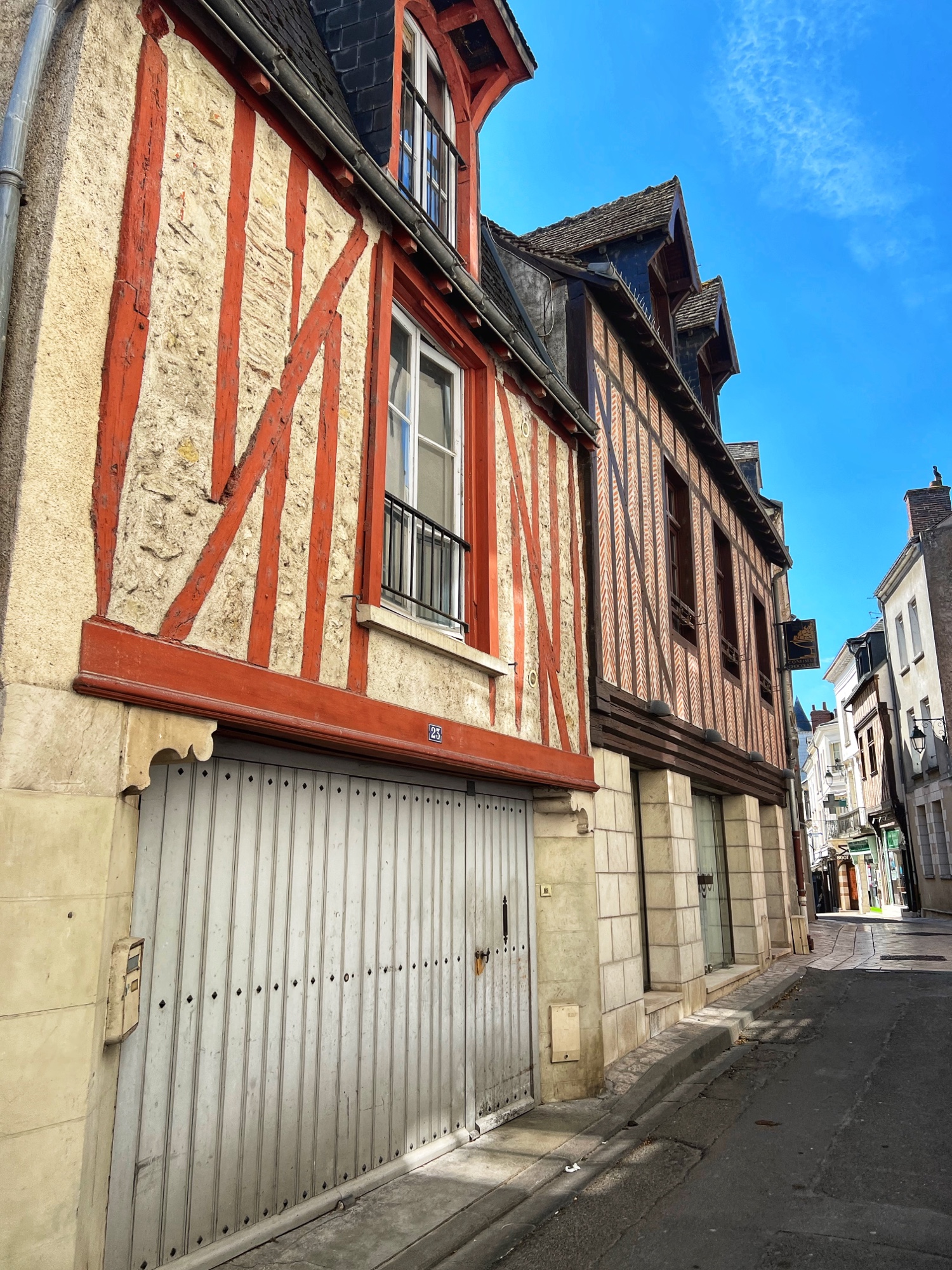
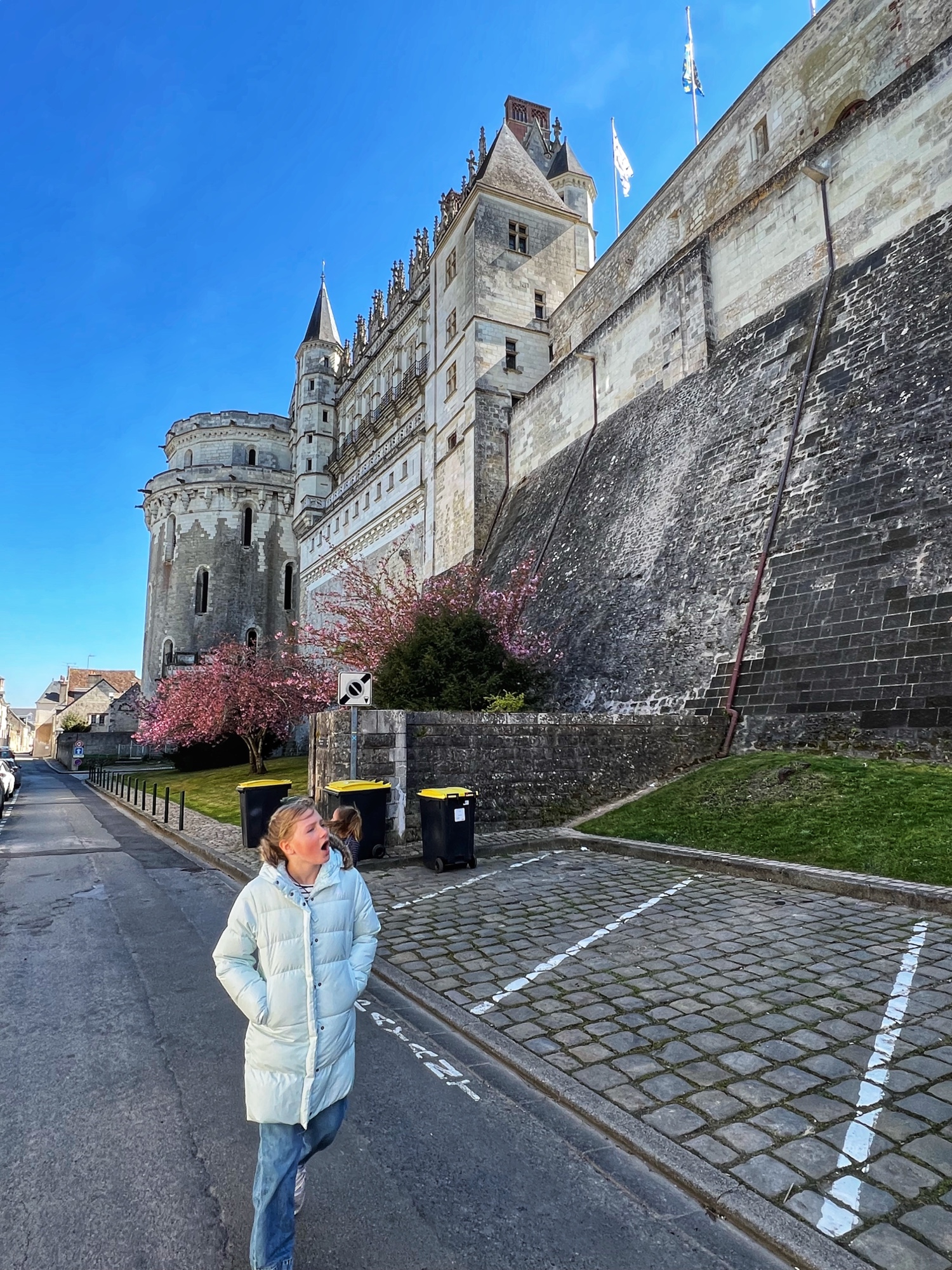
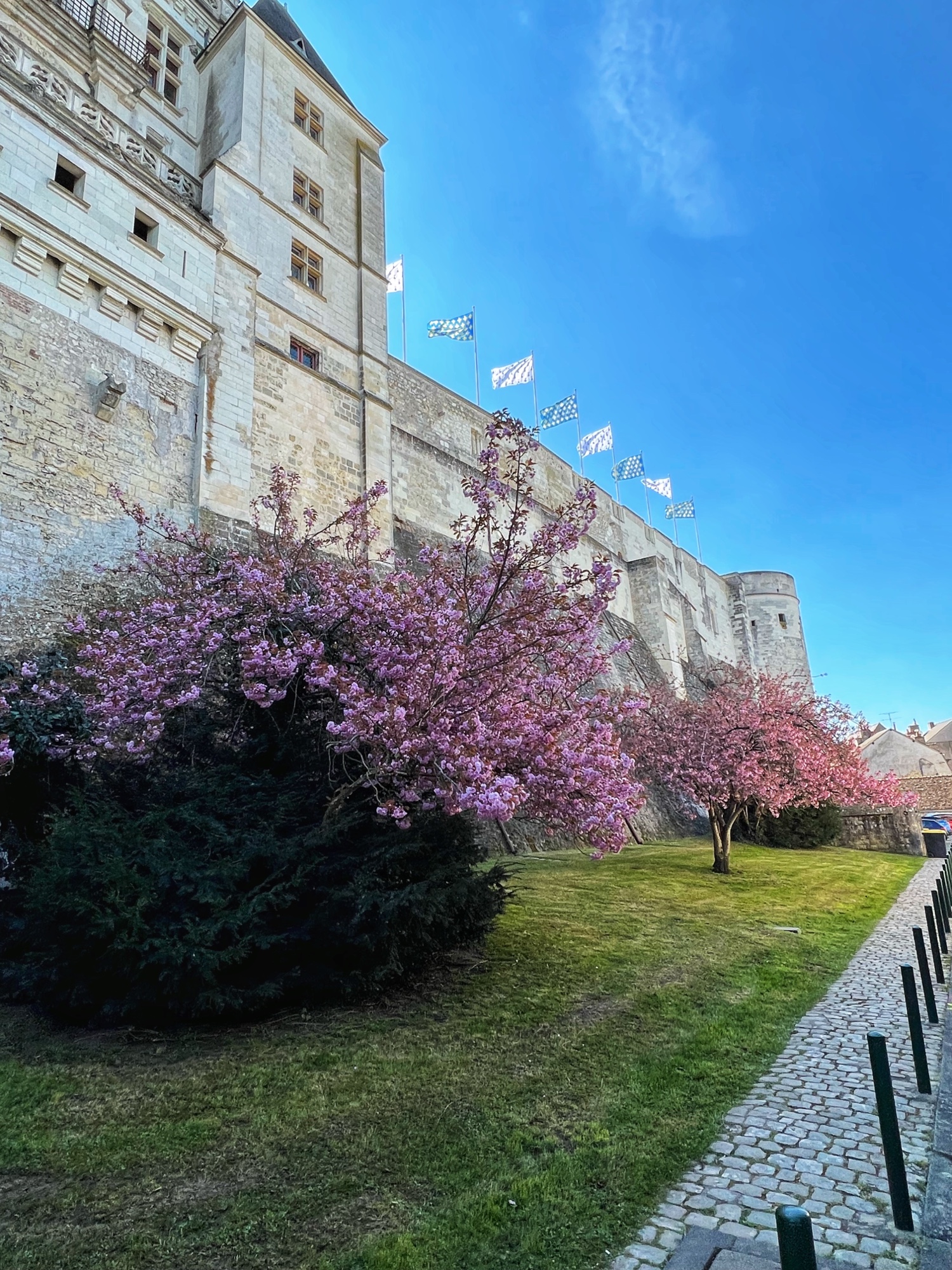
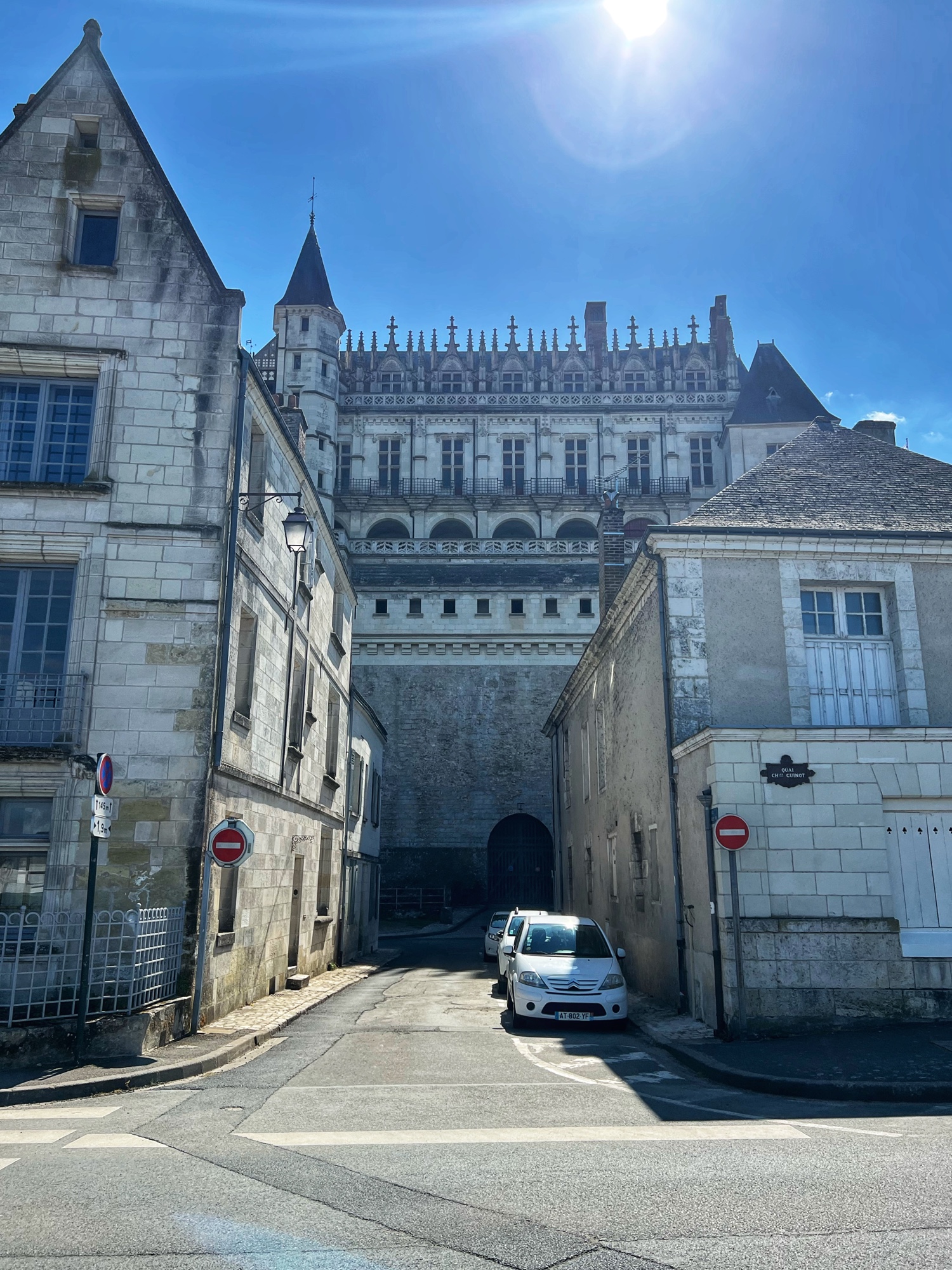
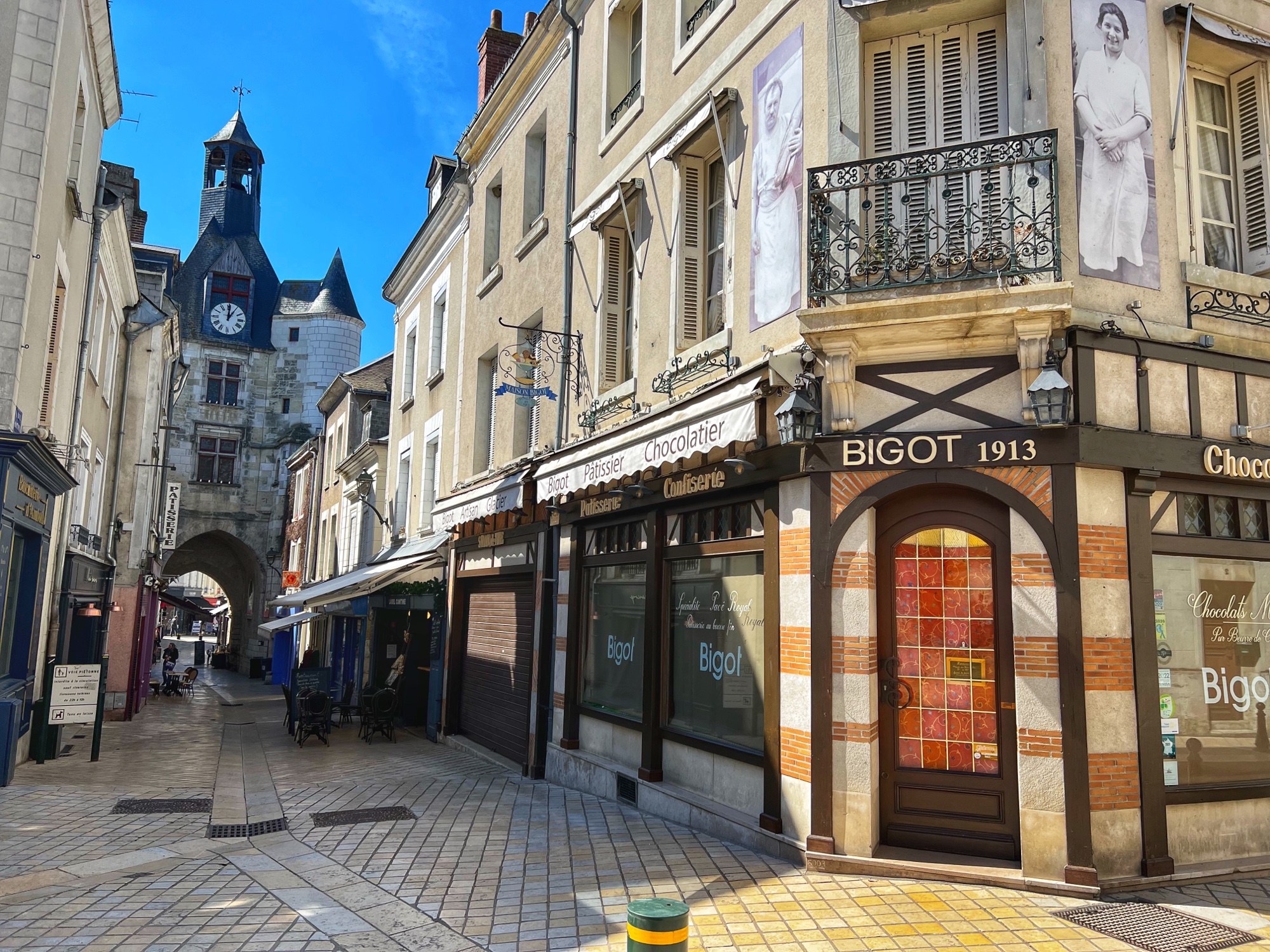
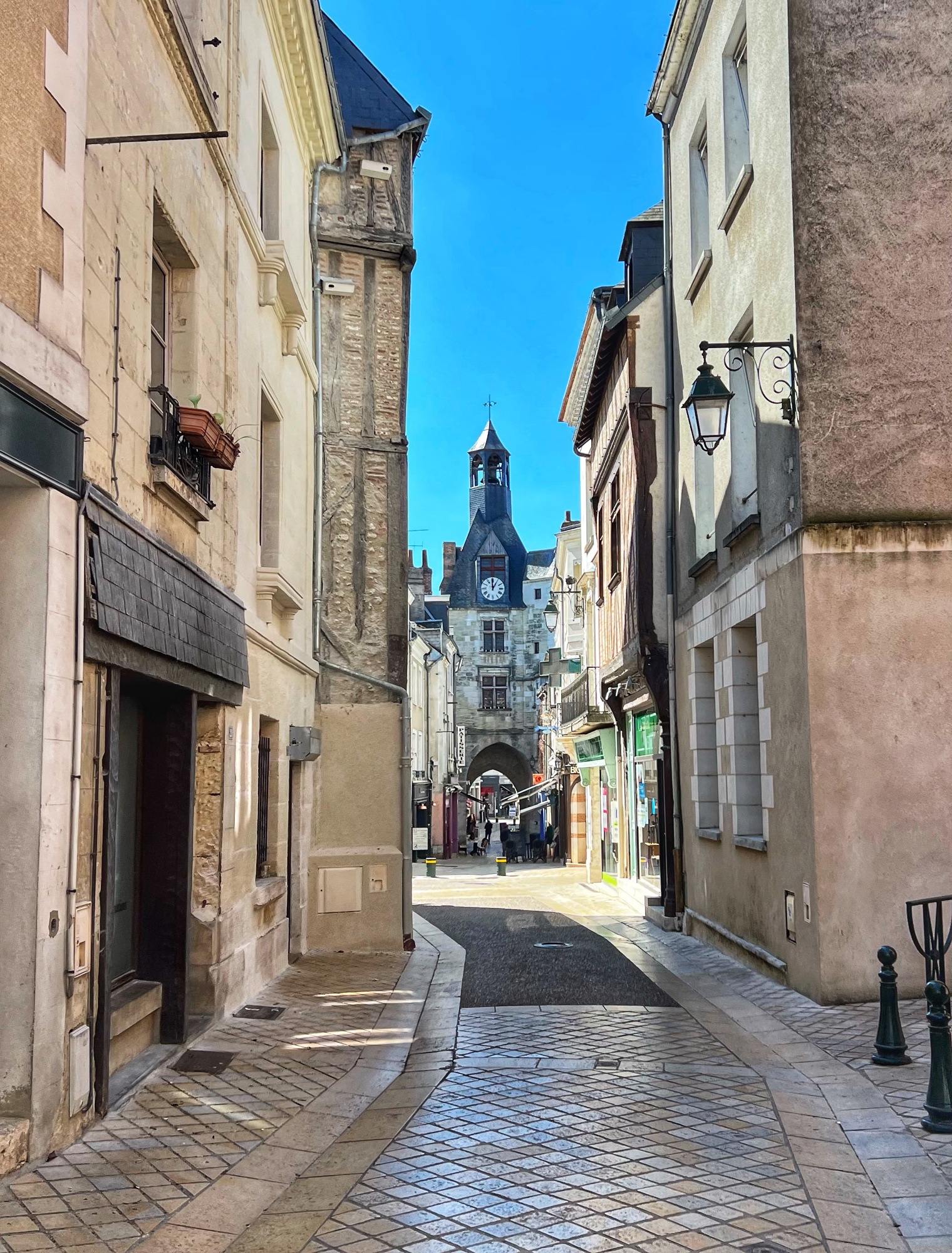
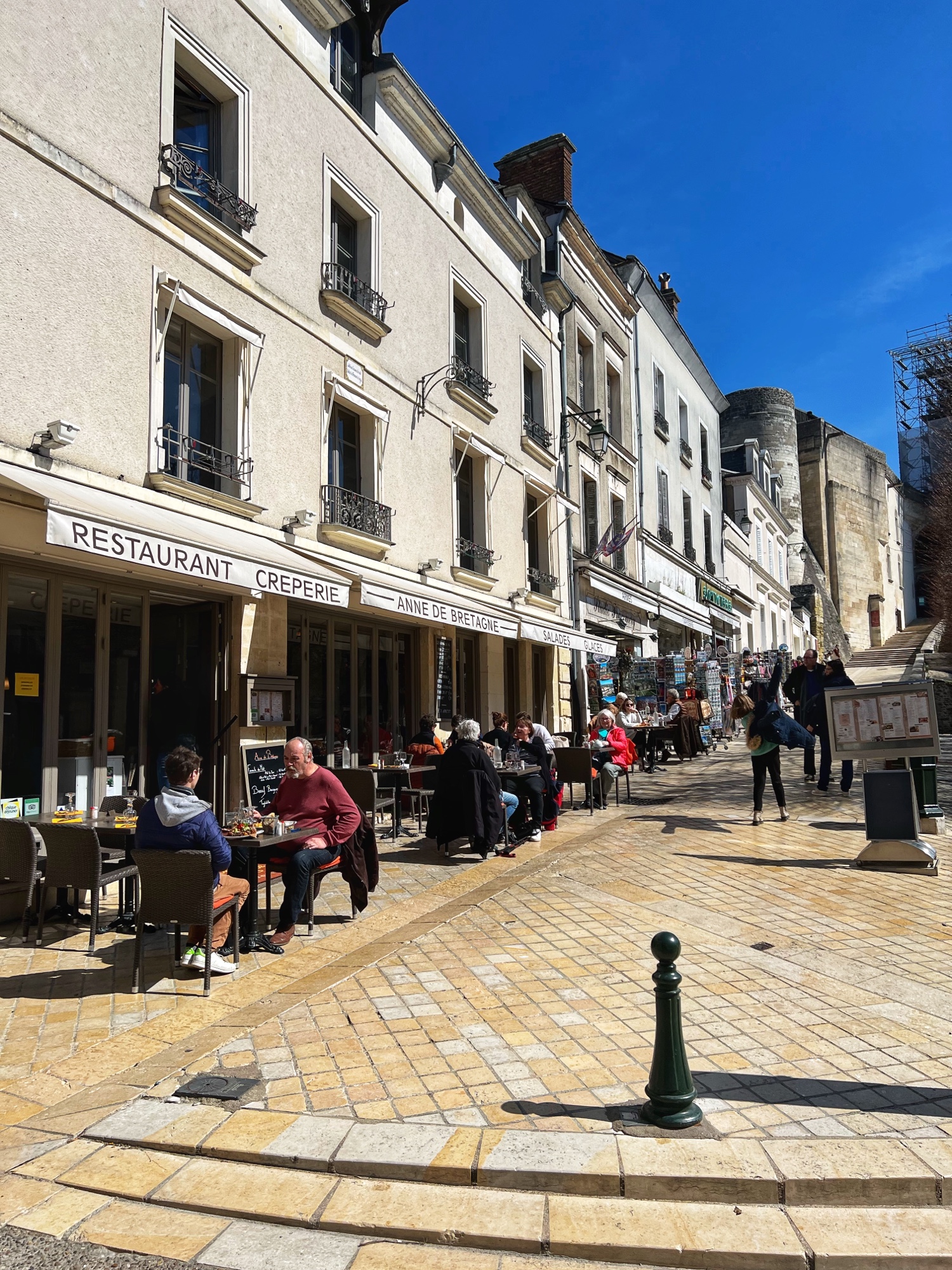
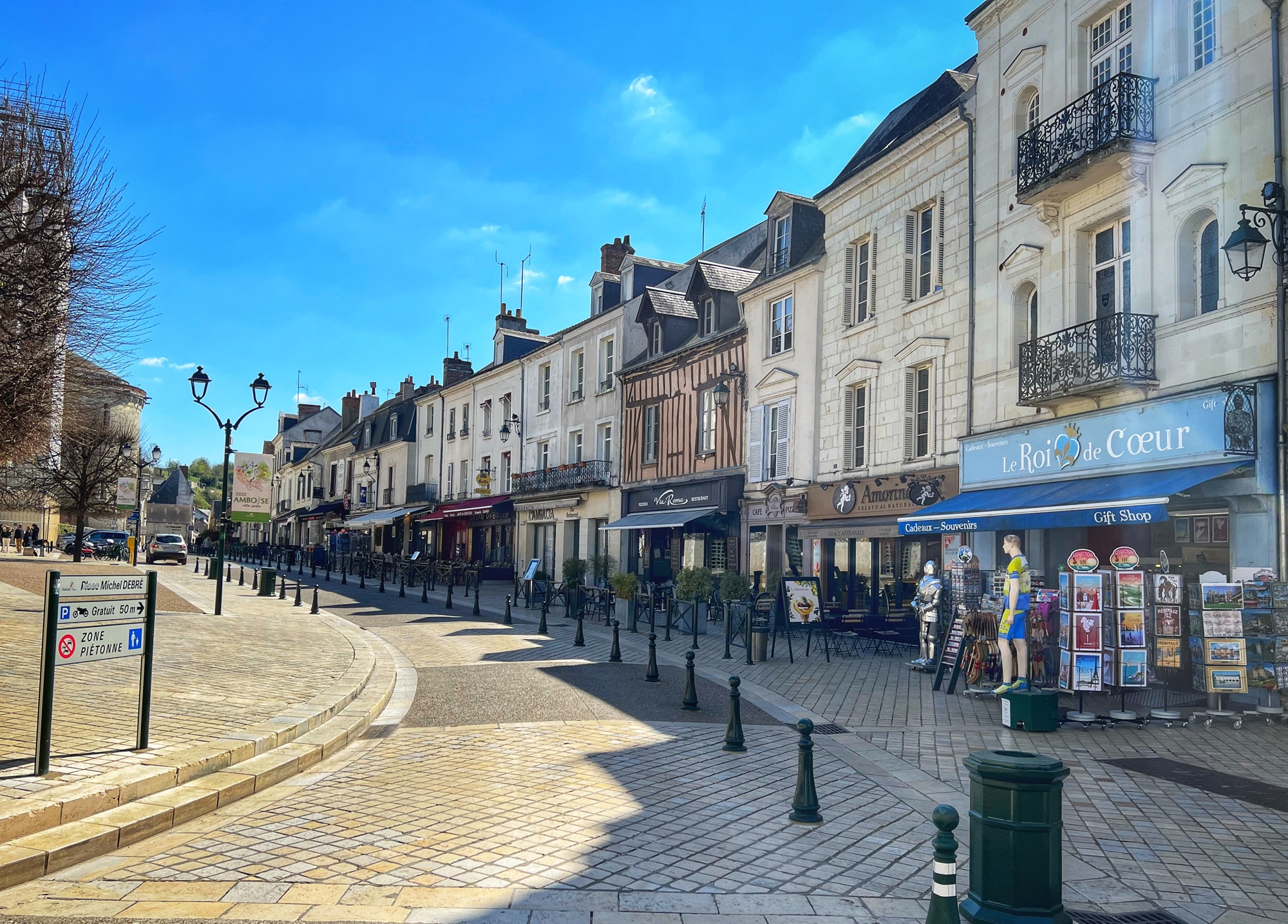

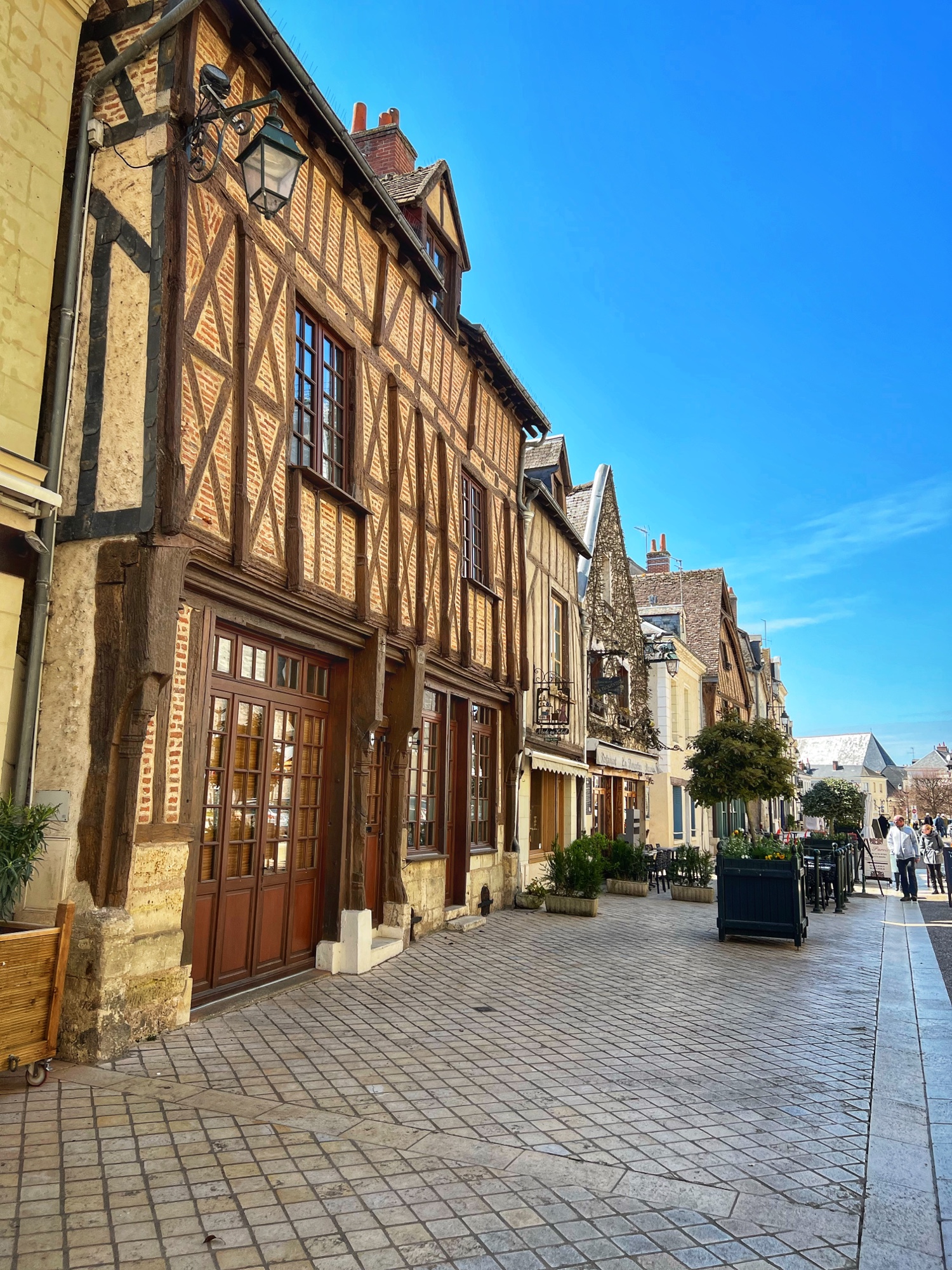

The castle stands proudly over the town, overlooking the Loire River.

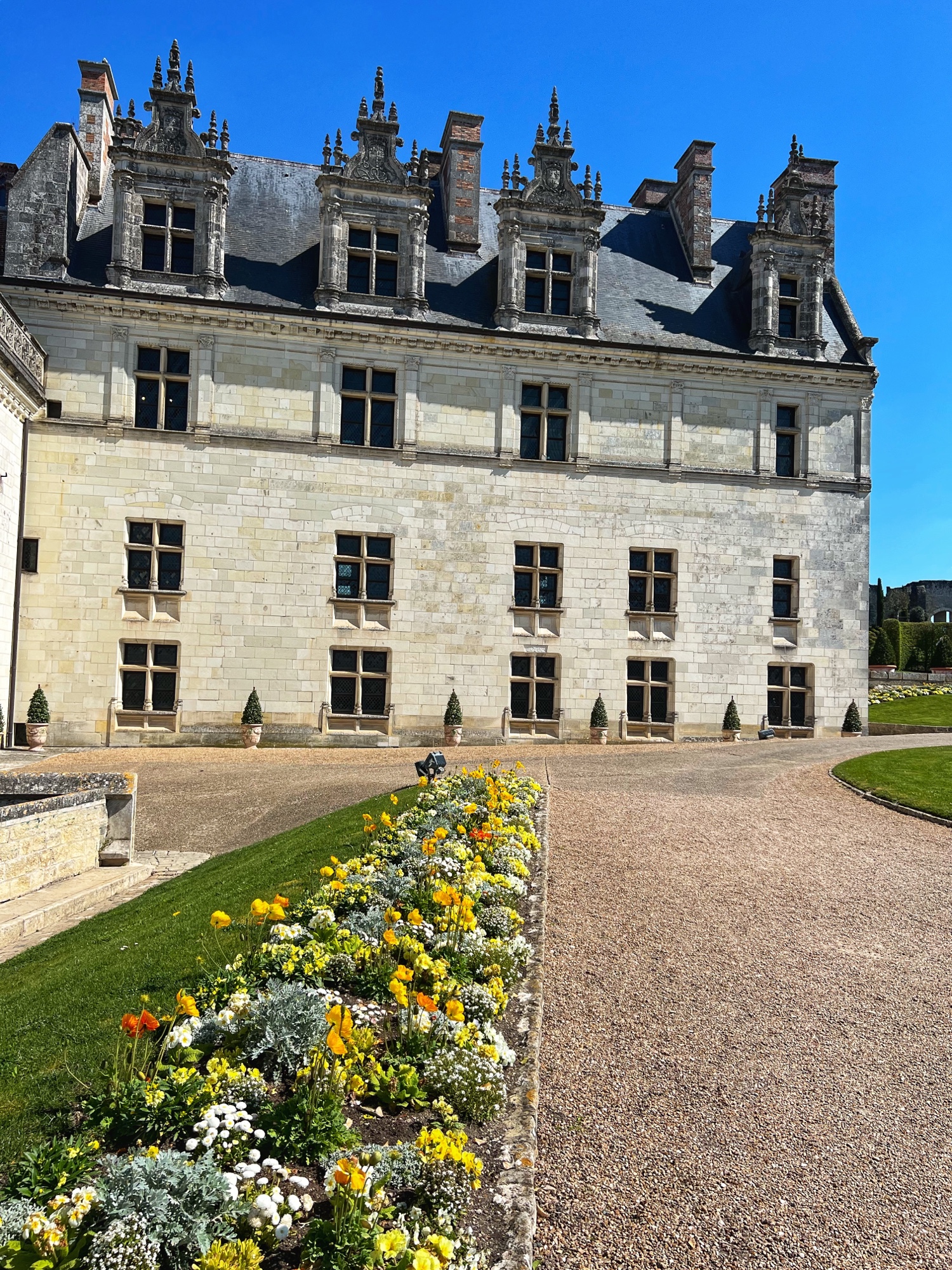


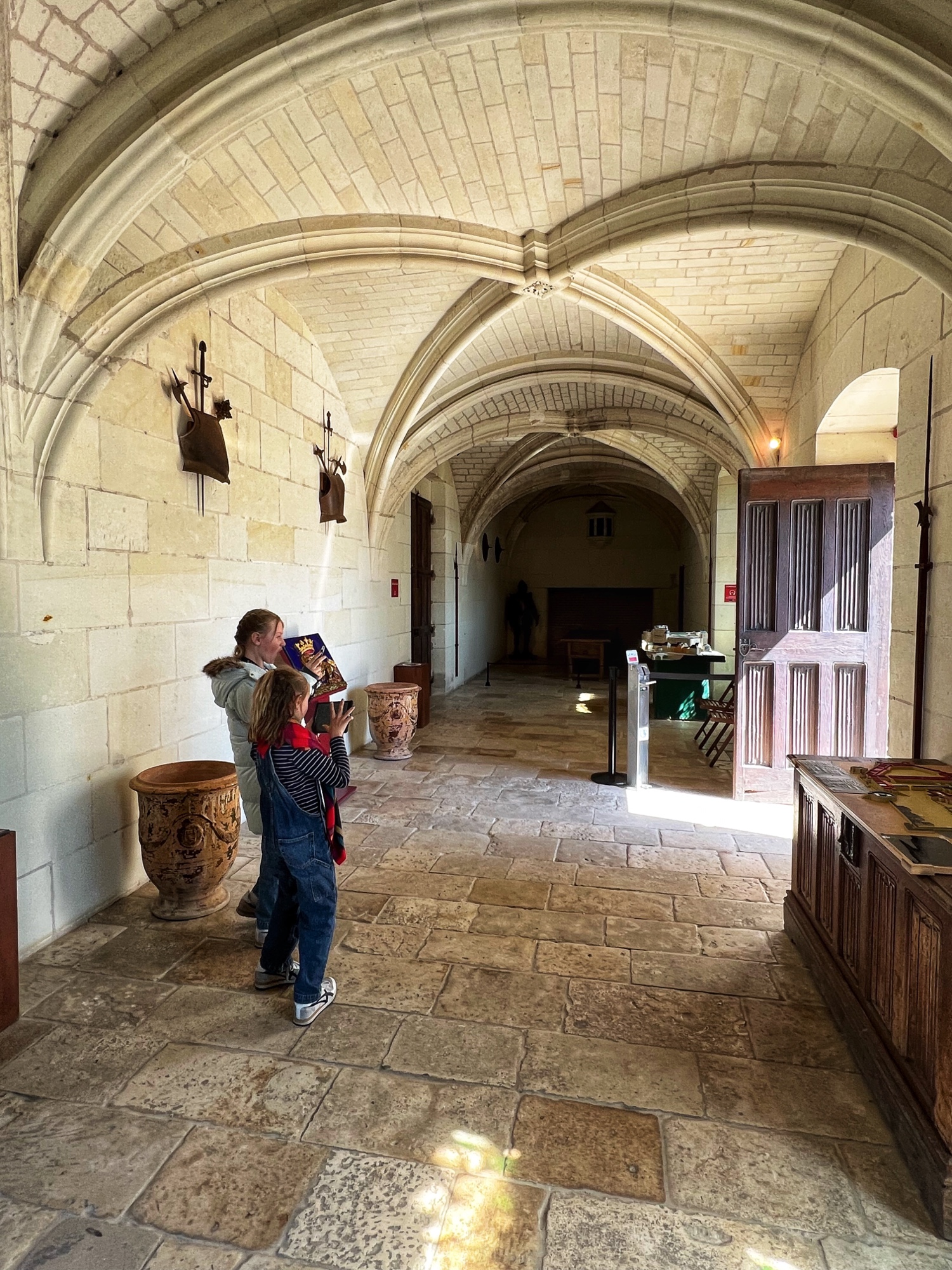
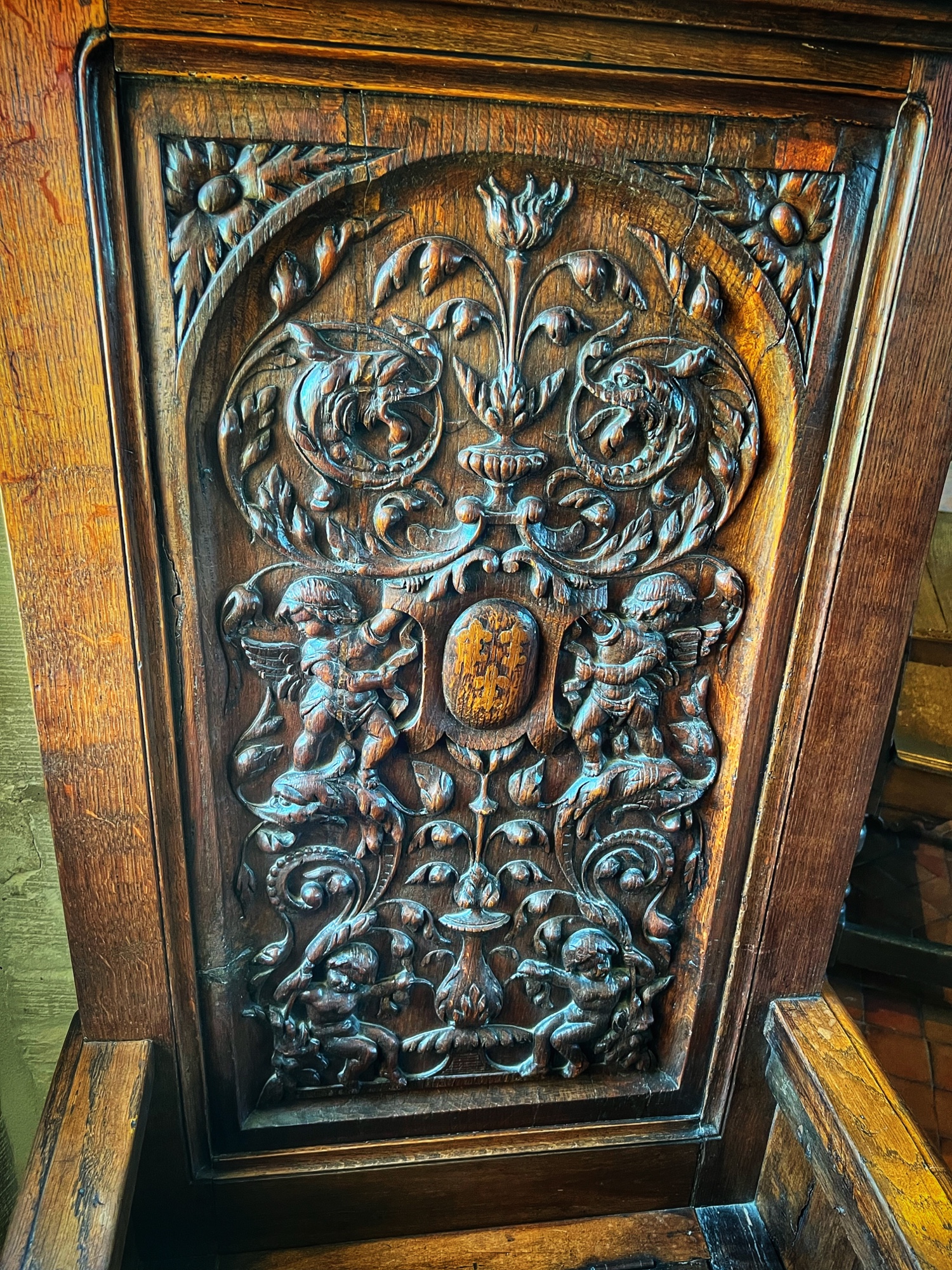
One of the more impressive parts of this castle was, again, the furniture. I can’t believe the workmanship that went into the simplest of items – a chair, a desk, a picture frame, a fireplace.

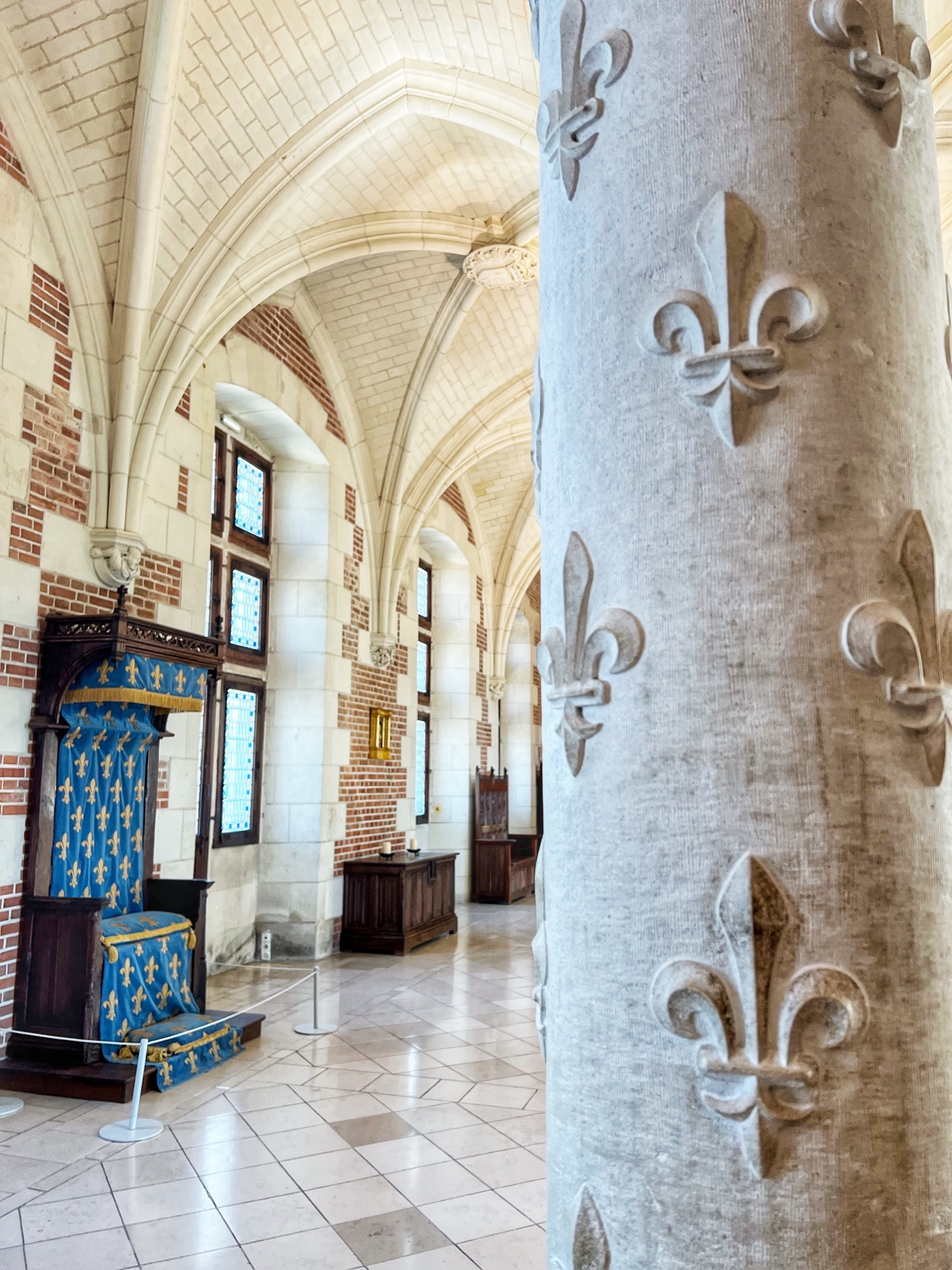
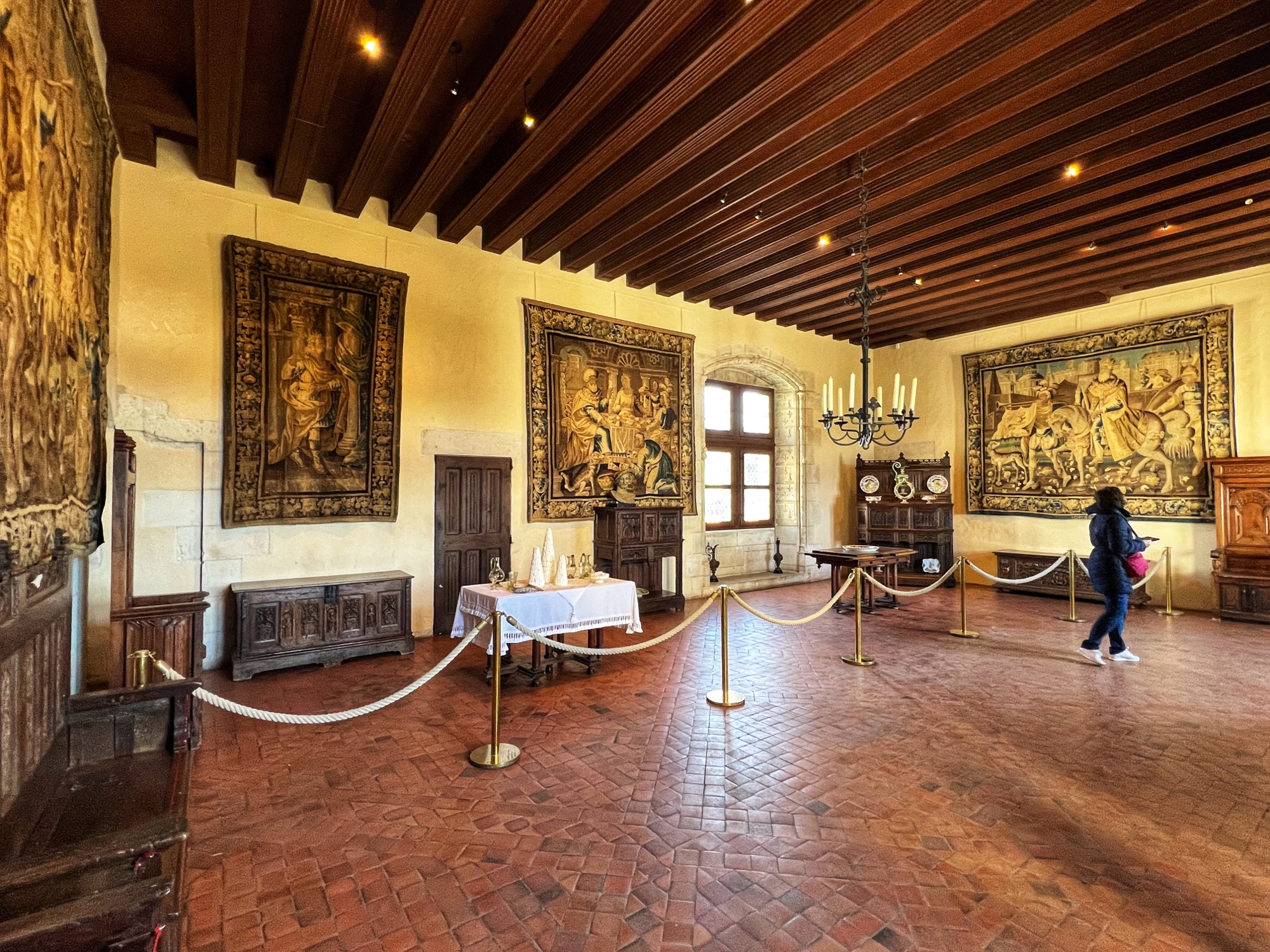
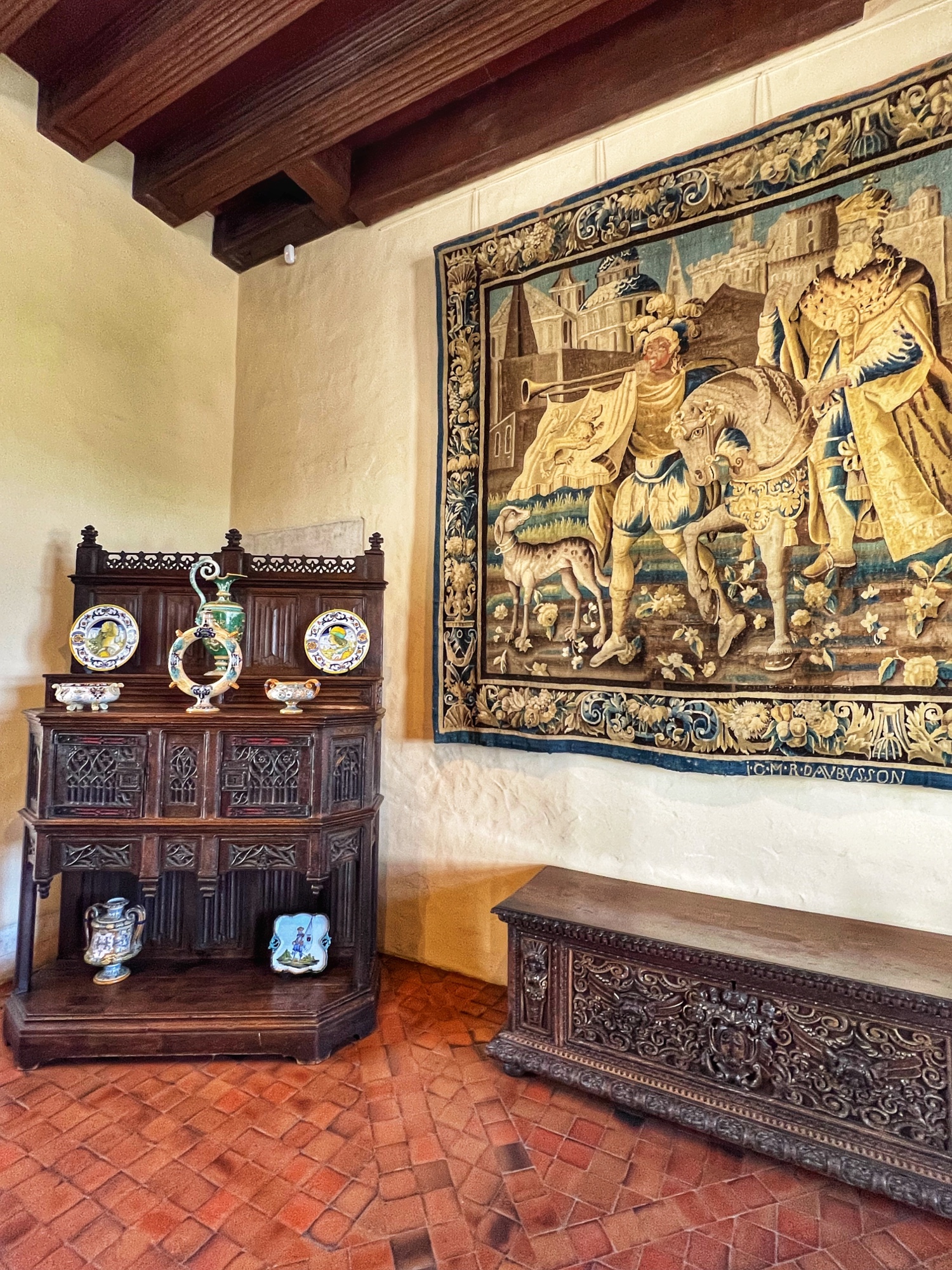


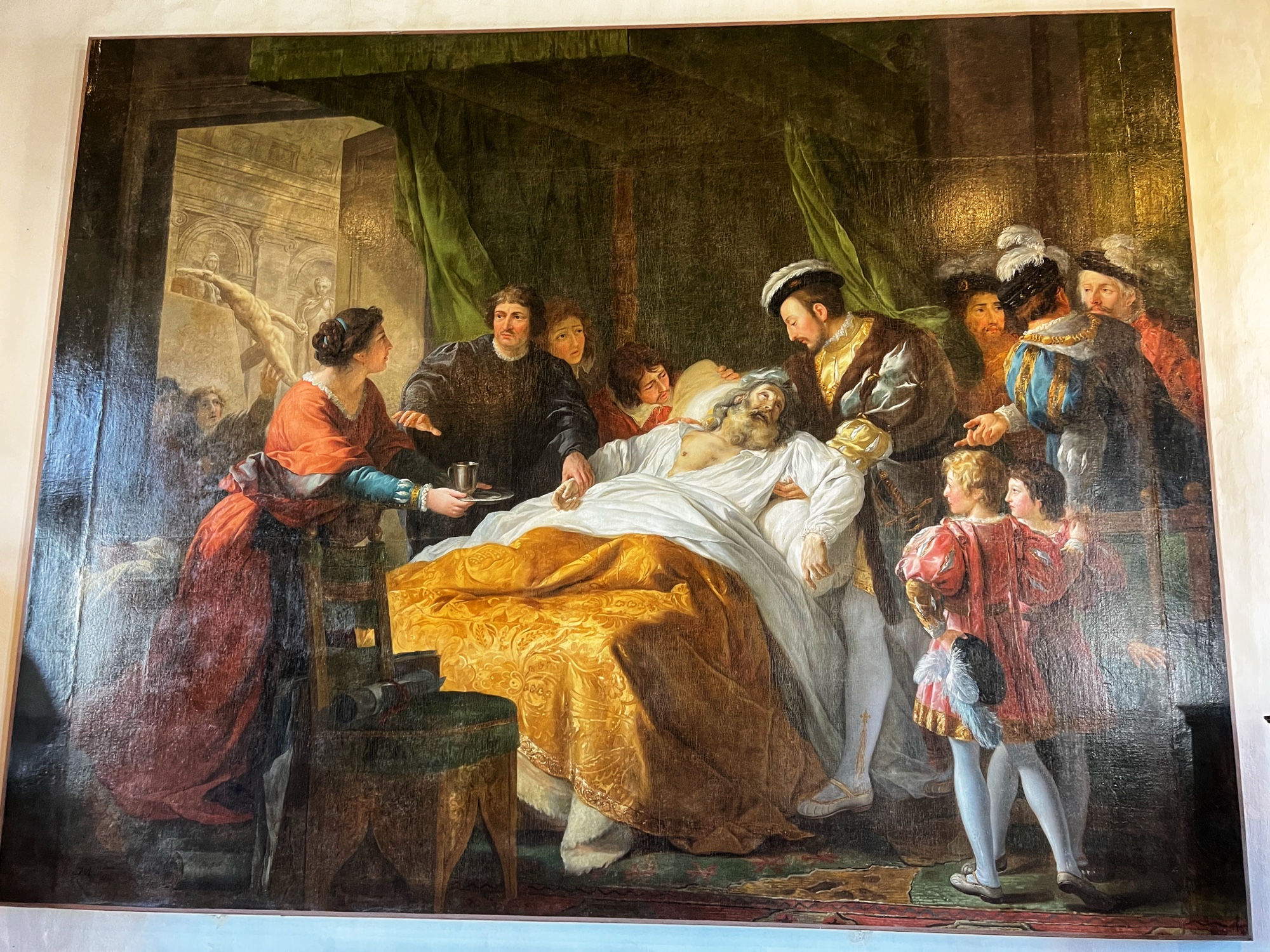


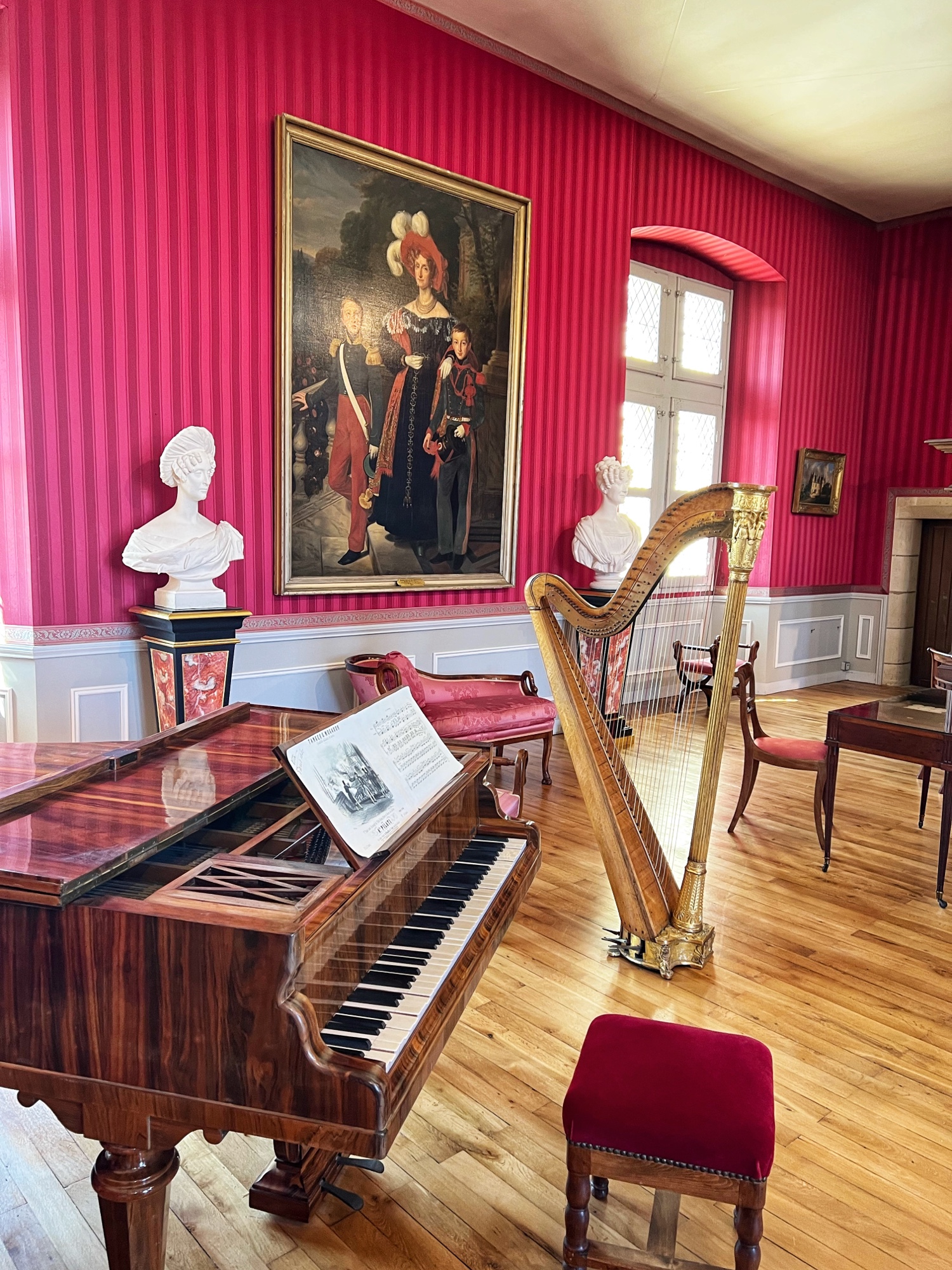
The more we learned about the history of the French kings, the more interesting it was to view the portraits on the walls and recognize them. The girls were getting good at it! Their favorite was Henry III, the youngest son of Henry II and Catherine de Medici. He lived a life of scandal that was painted for us very clearly in Château Royal de Blois! (The other “resident” castle of the kings.)
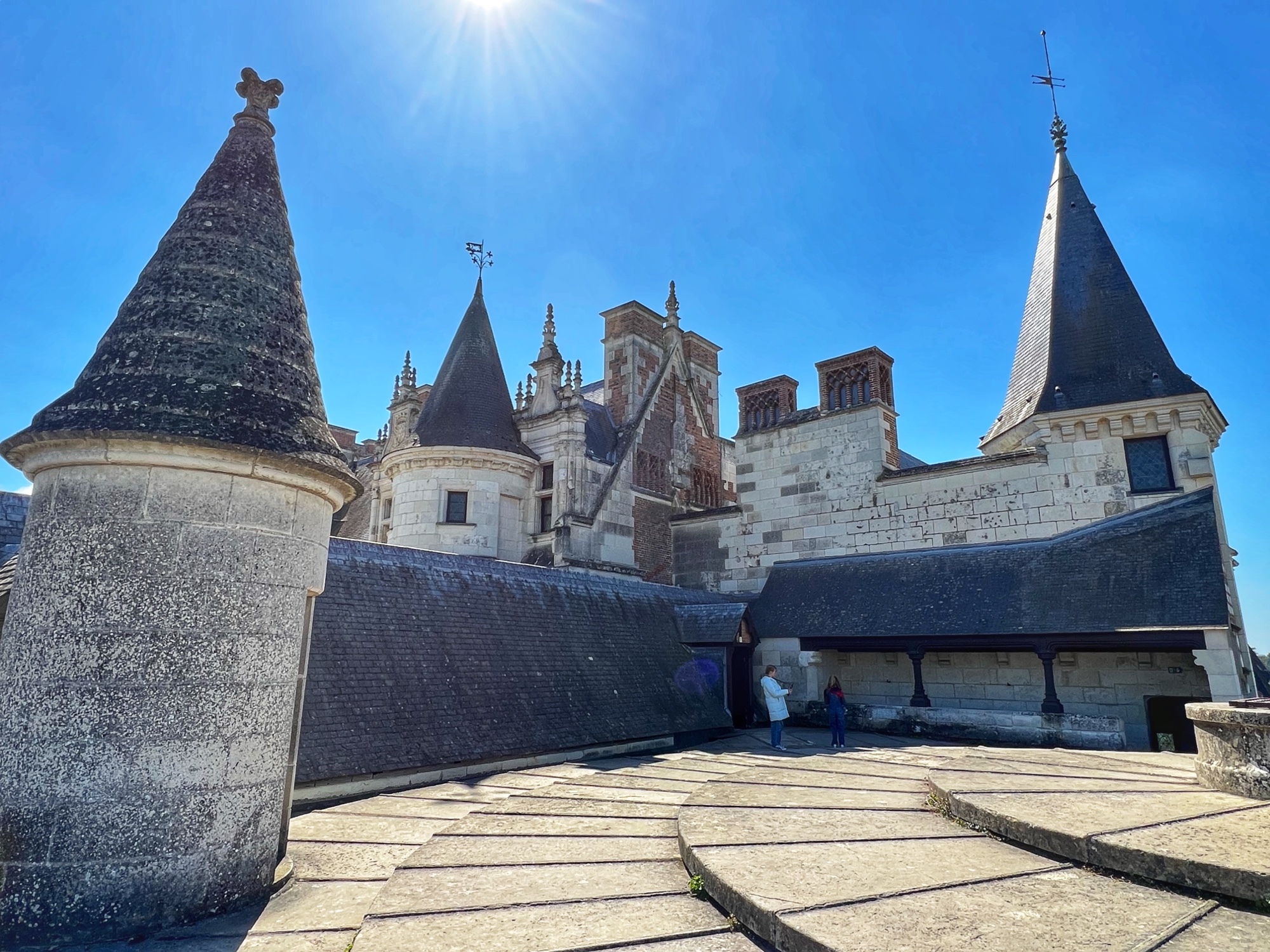
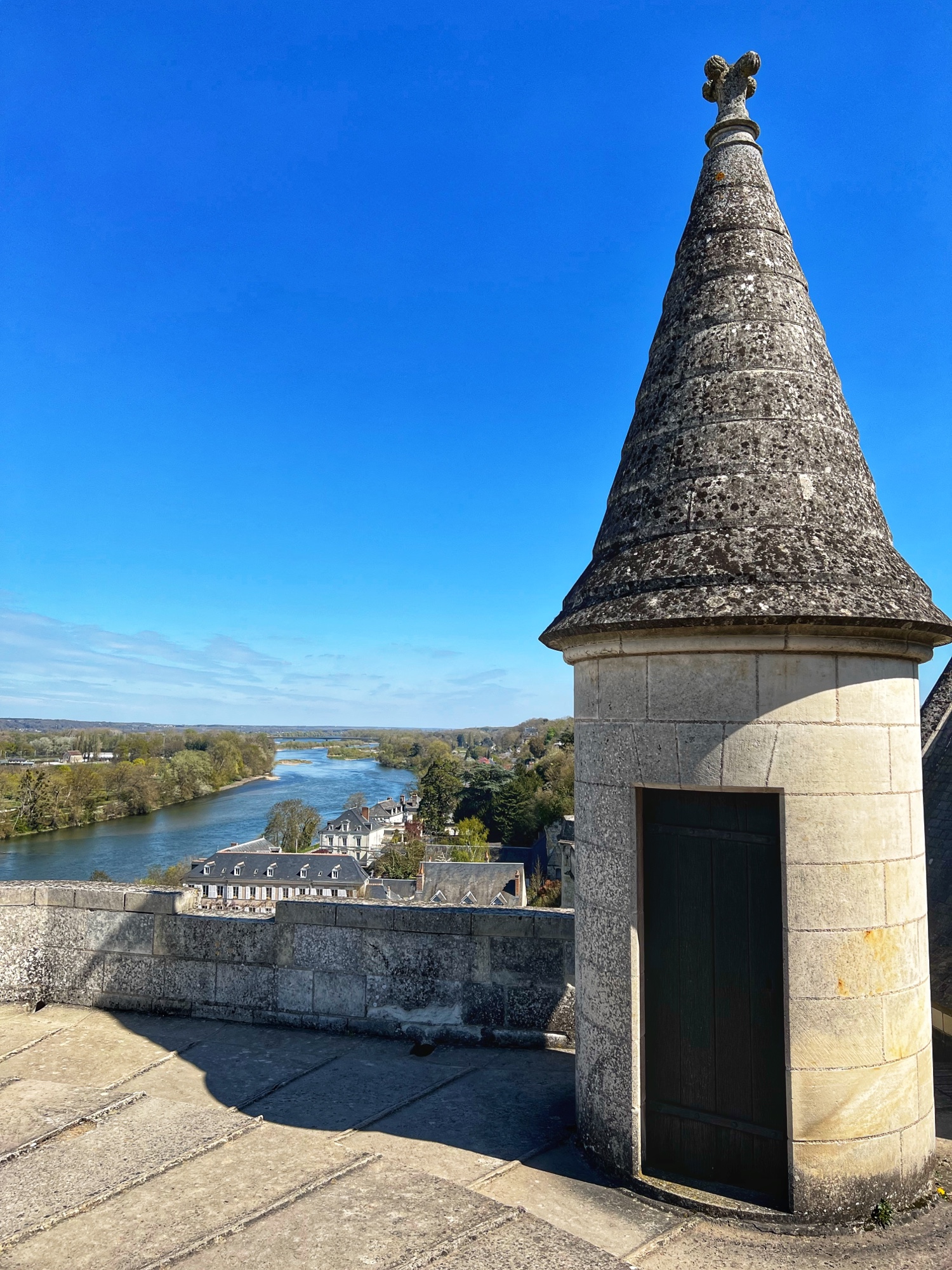
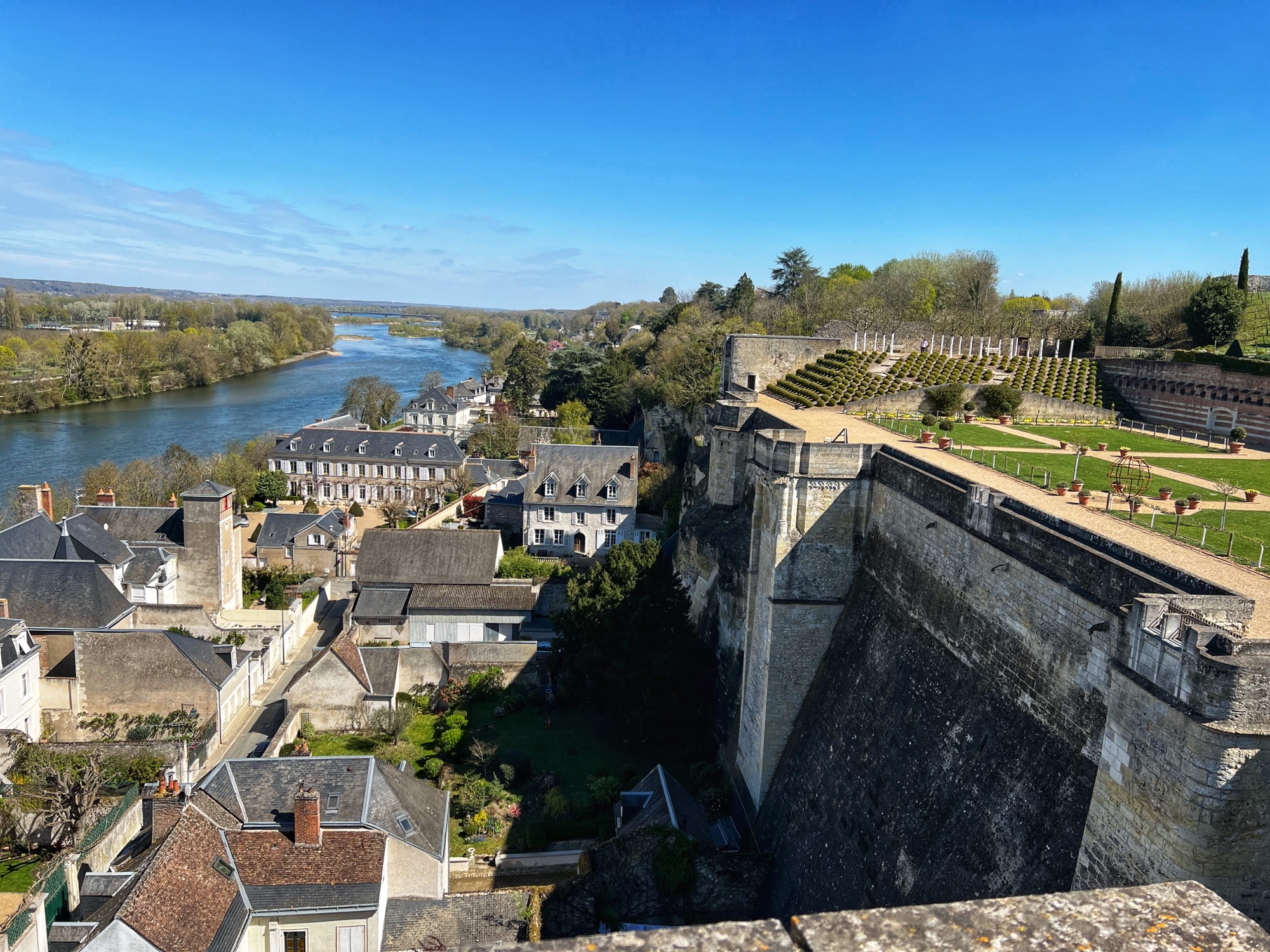

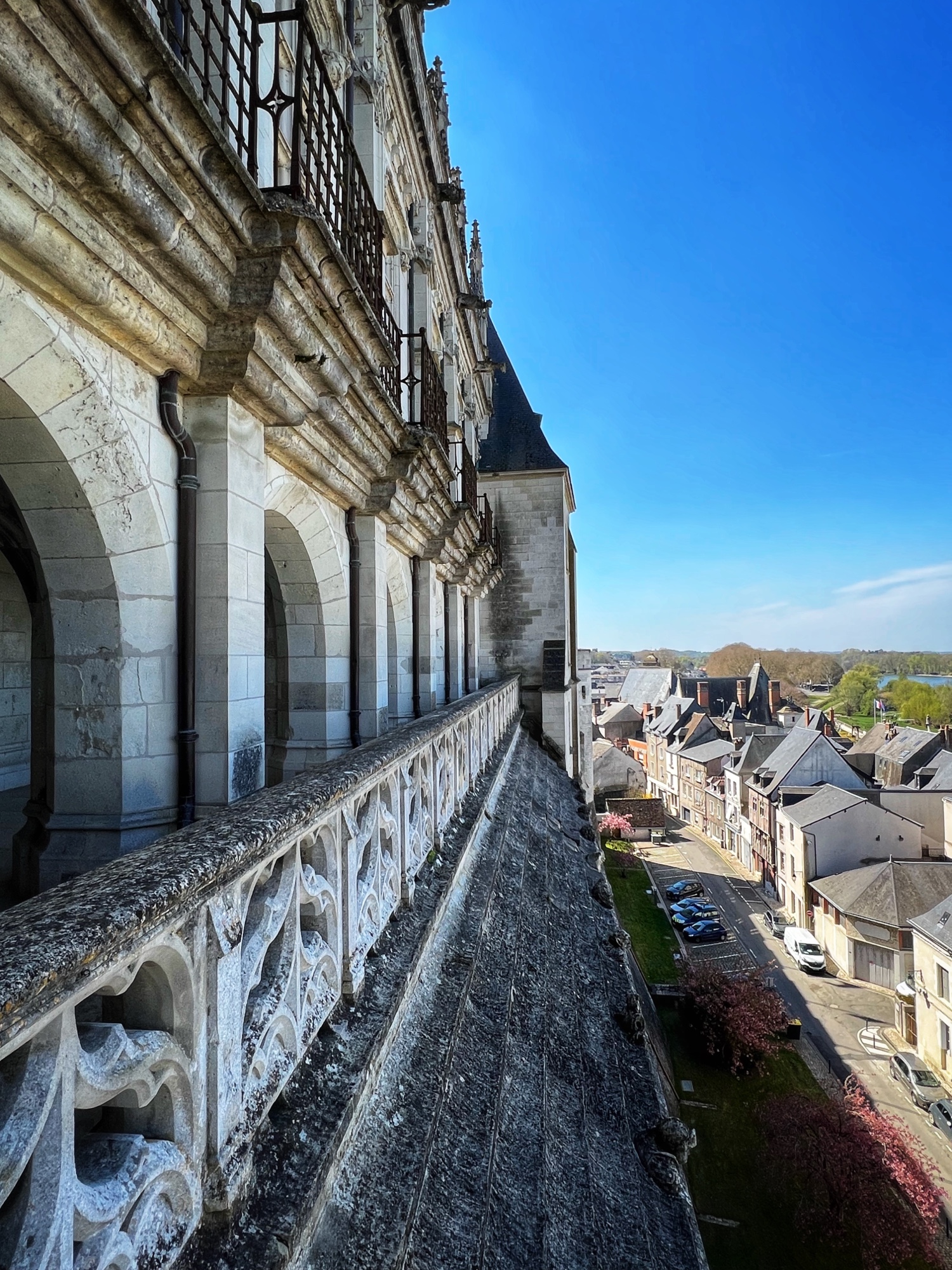
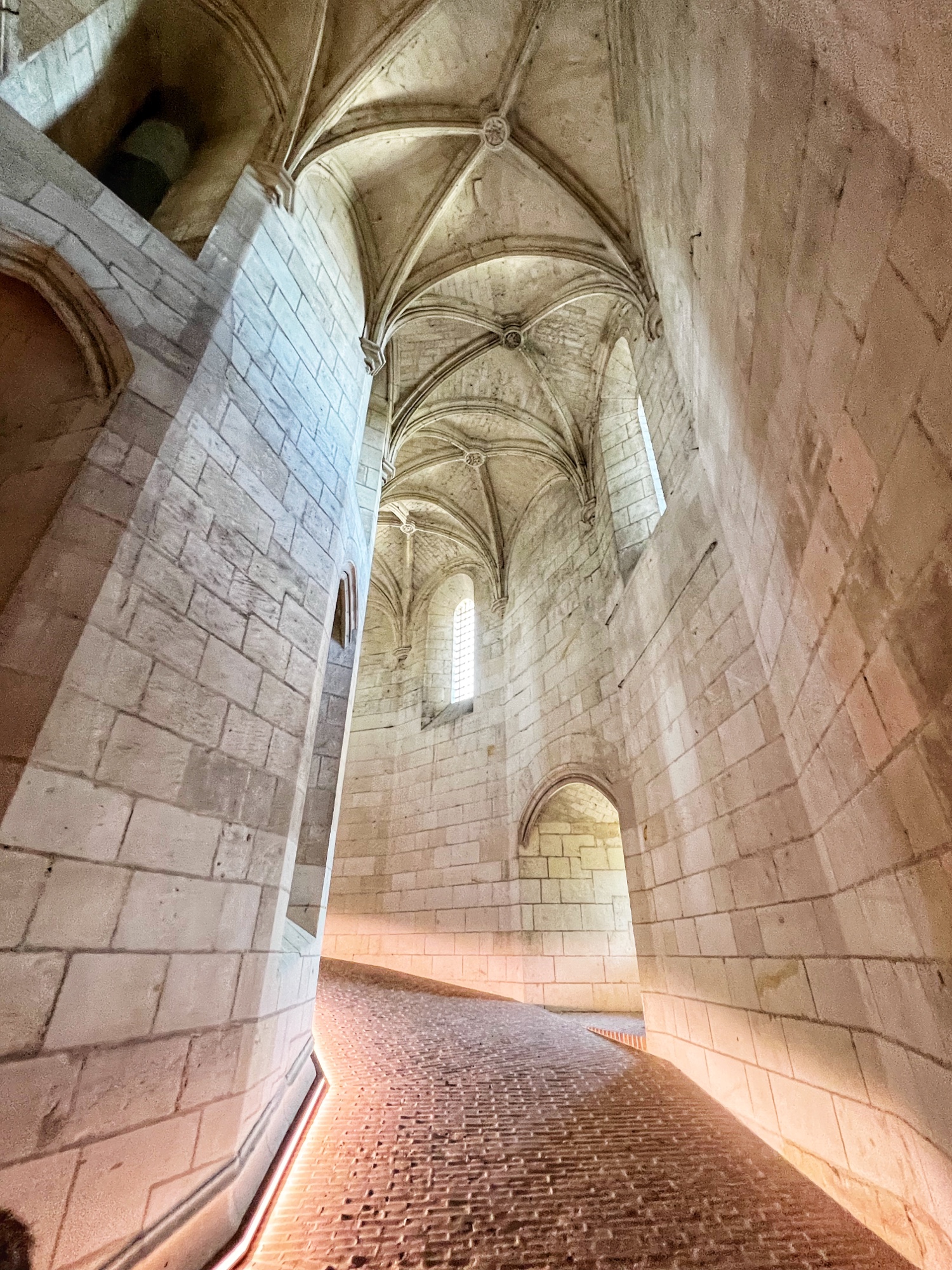
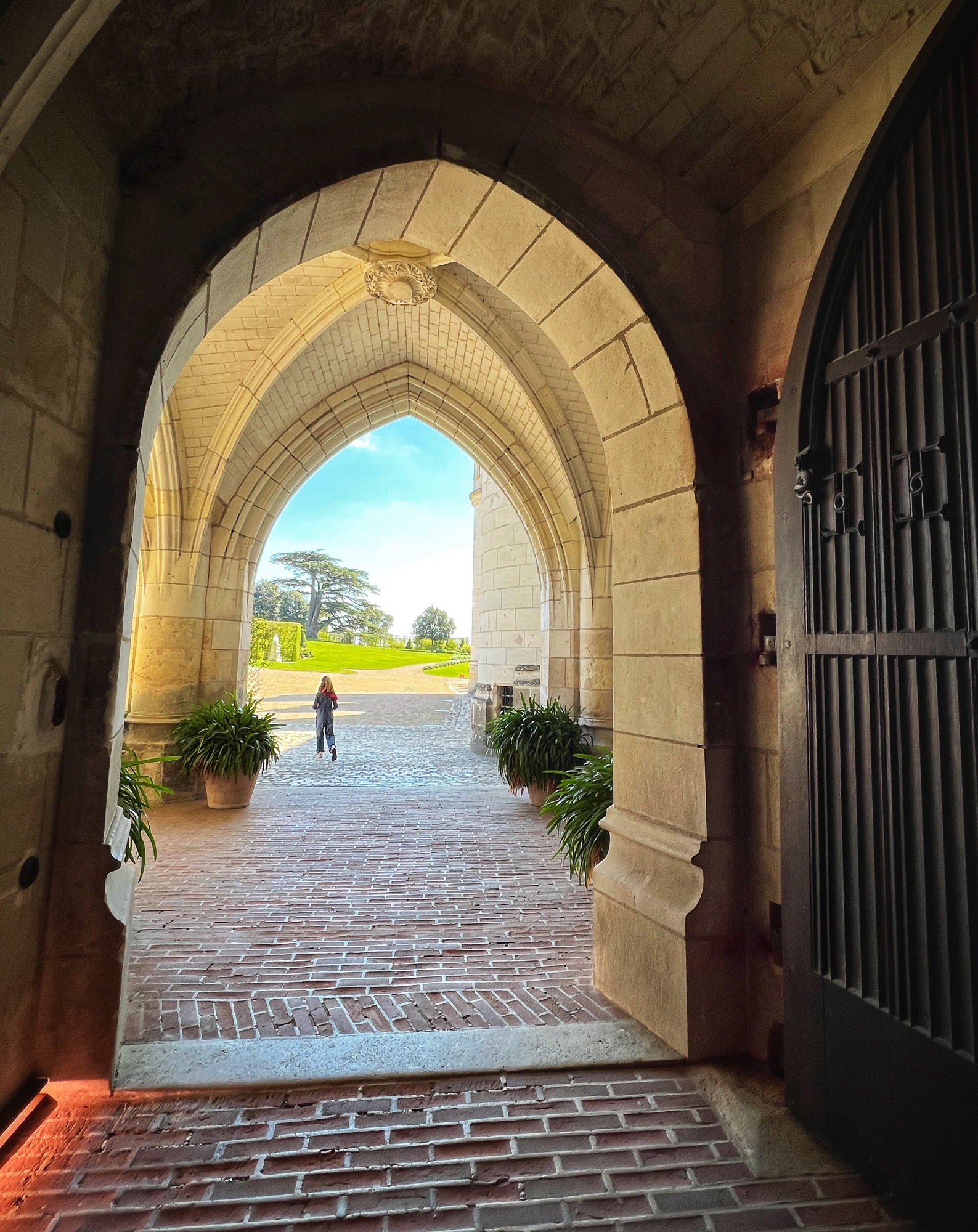
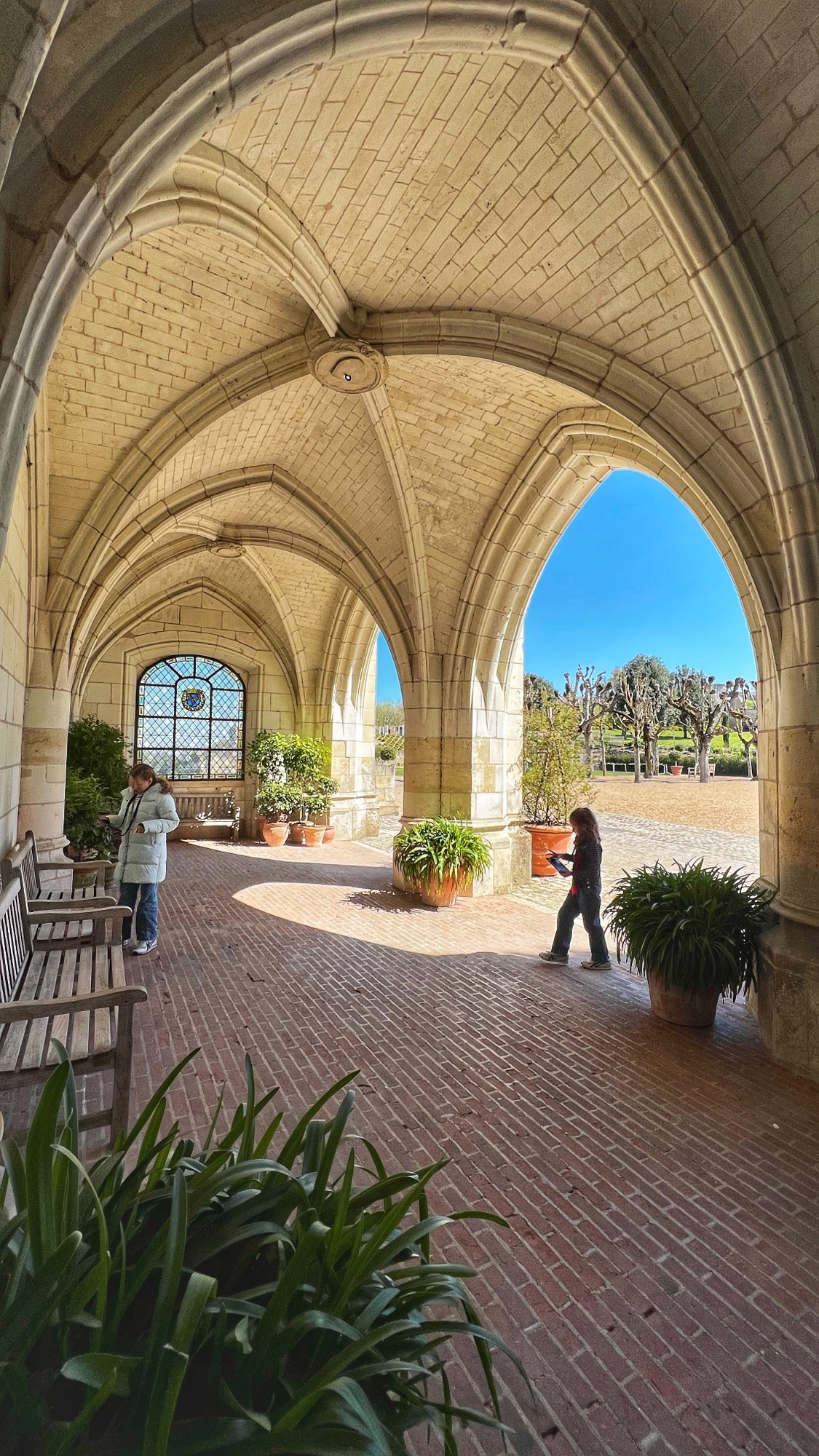
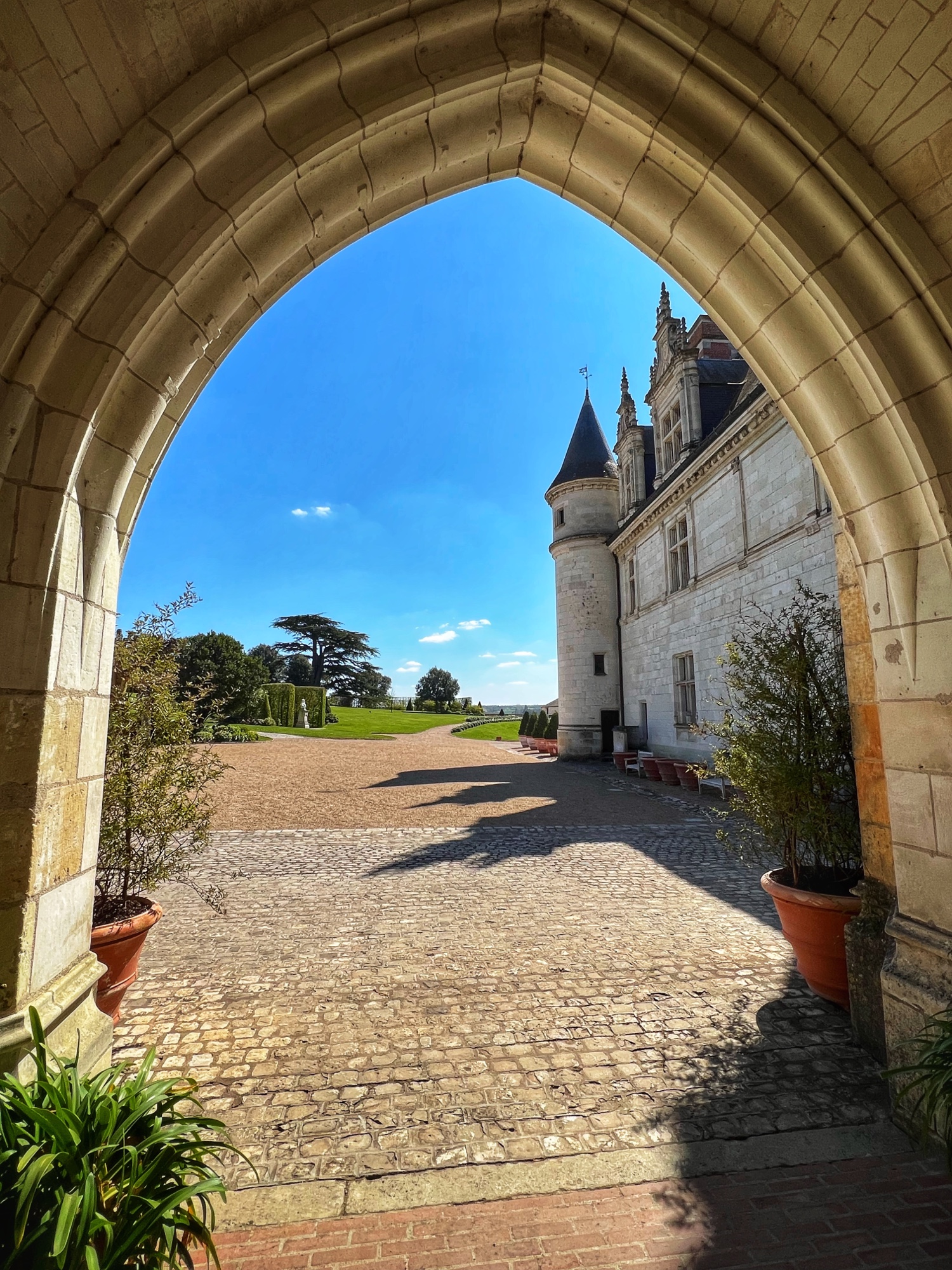
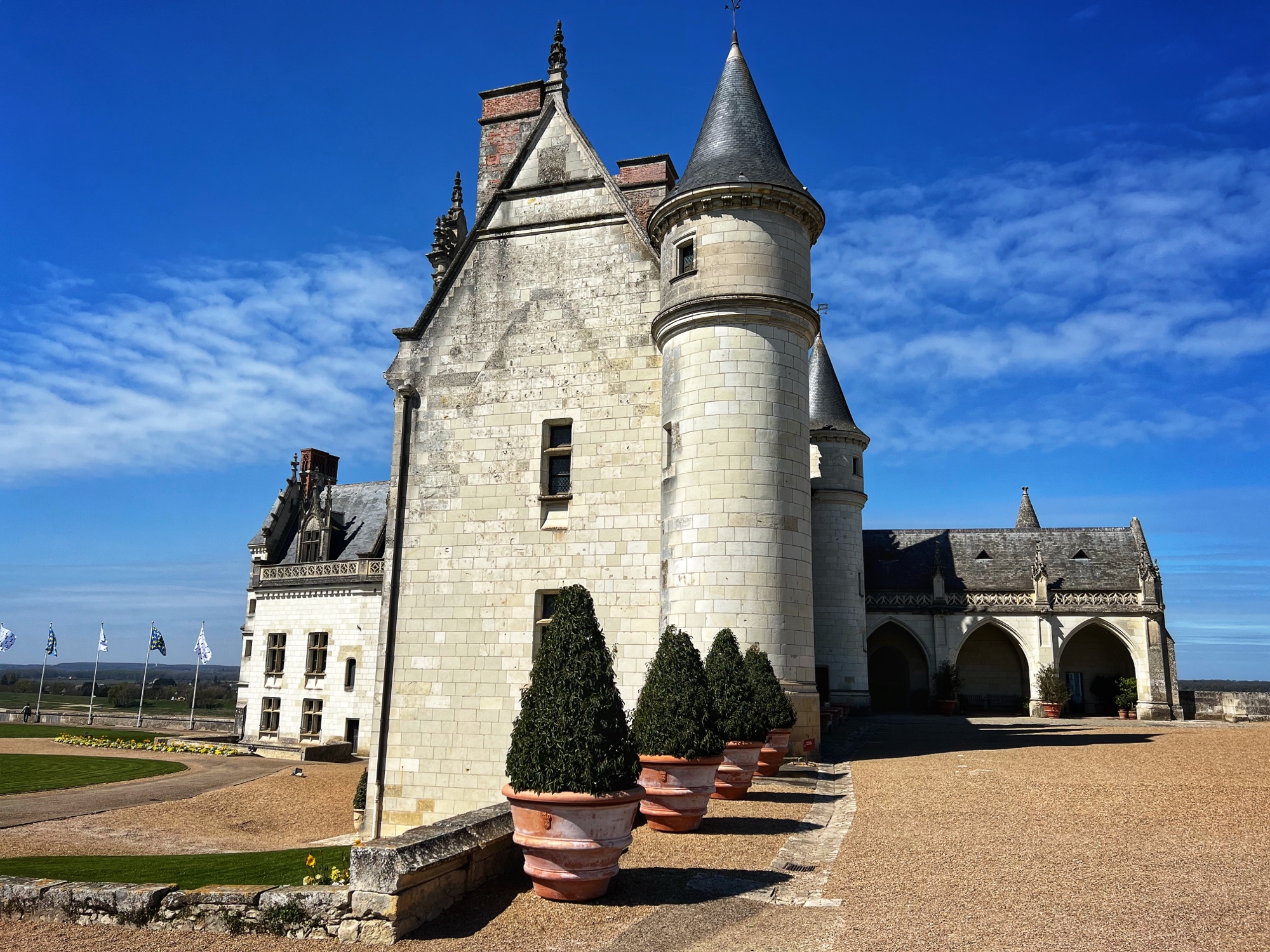
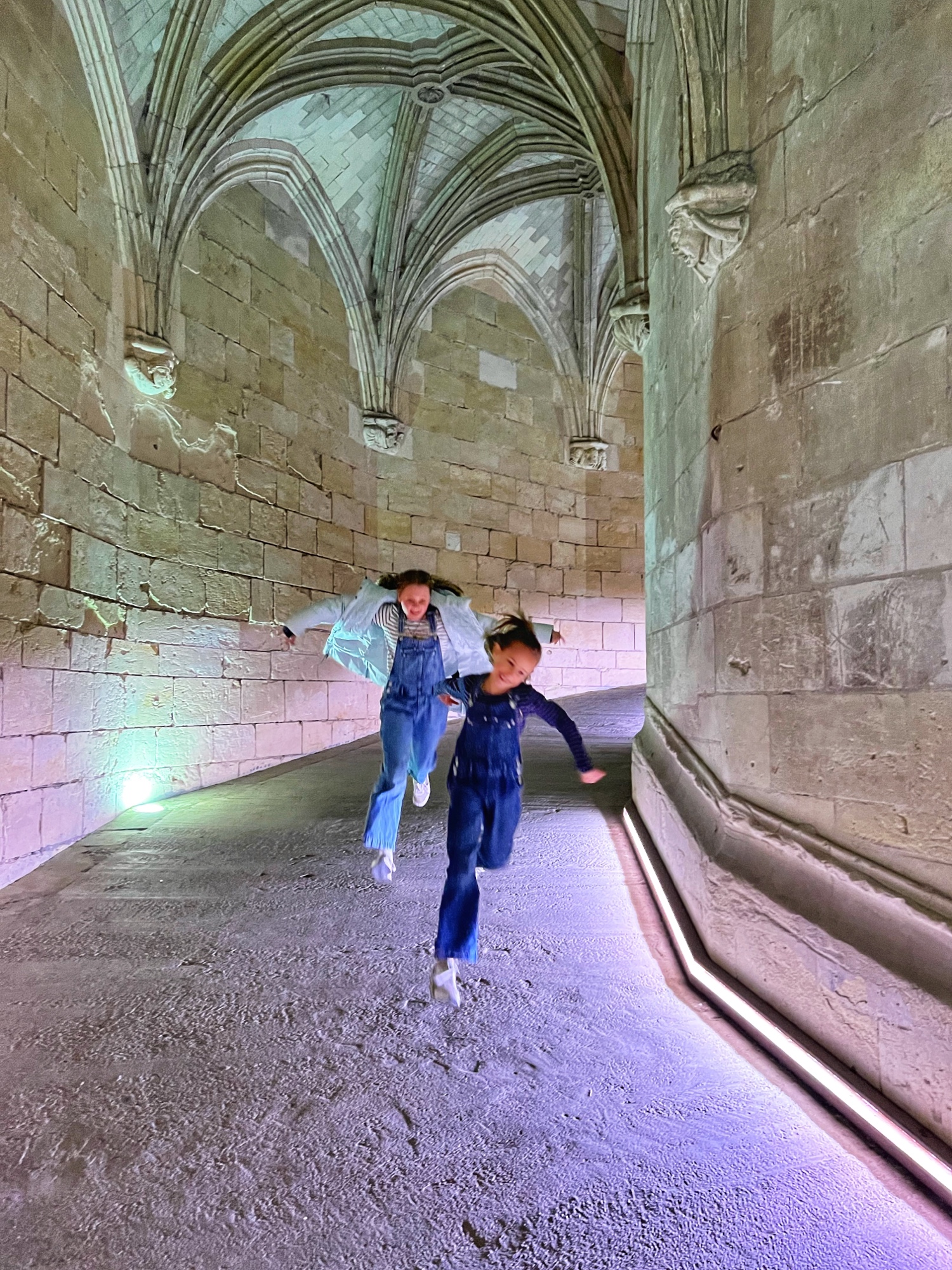
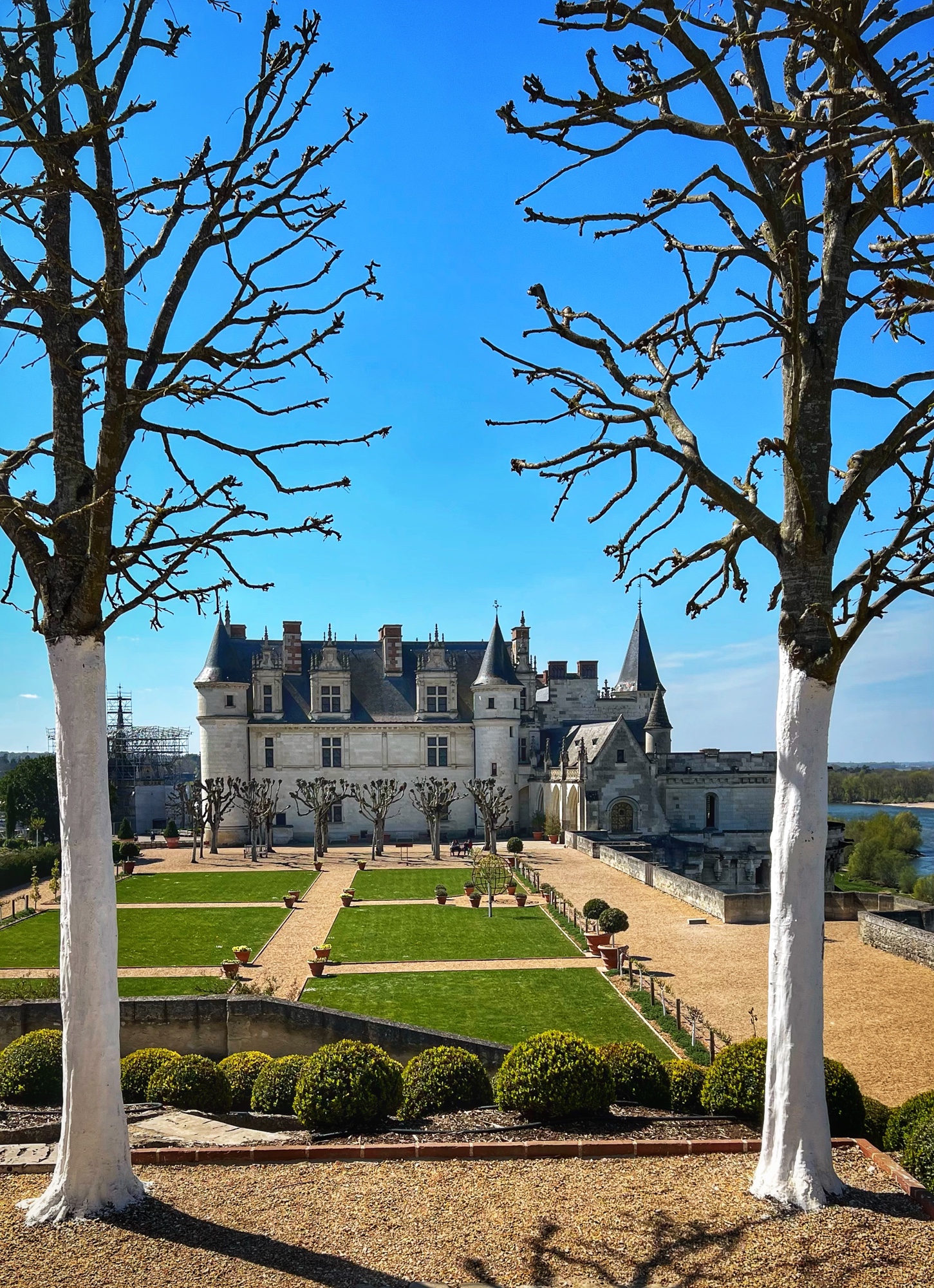
The most unique part of Amboise is the huge and ingenious spiral cavalier ramp that was used to trek carriages and horses up to the castle terraces from down in the town. The girls galloped up and down the ramp like horses! Outside there is a beautiful garden overlooking the river and town. It is simple and not flowering, but lovely nevertheless.

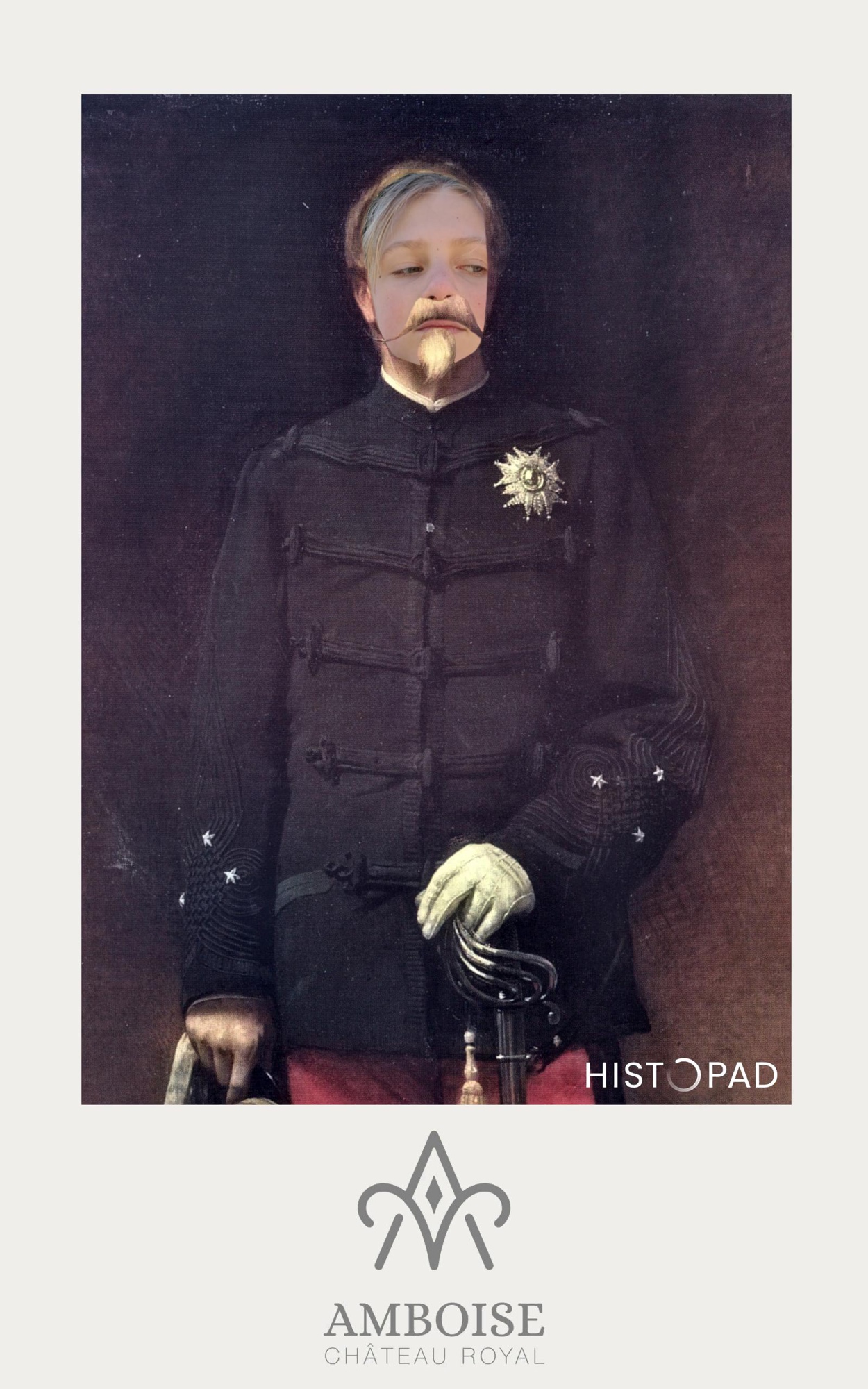
The girls collected their coins on the Histopad and entertained themselves for a while with period selfies as I wandered the gardens, as you can see:

For more on this illustrious château, visit their website here.
Chaumont
- Opening Hours: 10am-7pm (varies by season, check schedule)
- Rates: (varies by season and event) Adults €14-€19, Children 6-11 €4-€6, under 6 free
- Parking: free
- Audioguide: none.
- Children’s Activities: art stables, gardens, no booklet or Histopad.
- Highlights: amazing gardens and garden festival, modern art, spires, remarkable trees
- Accesible: partial (first floor and vast gardens). Free access.
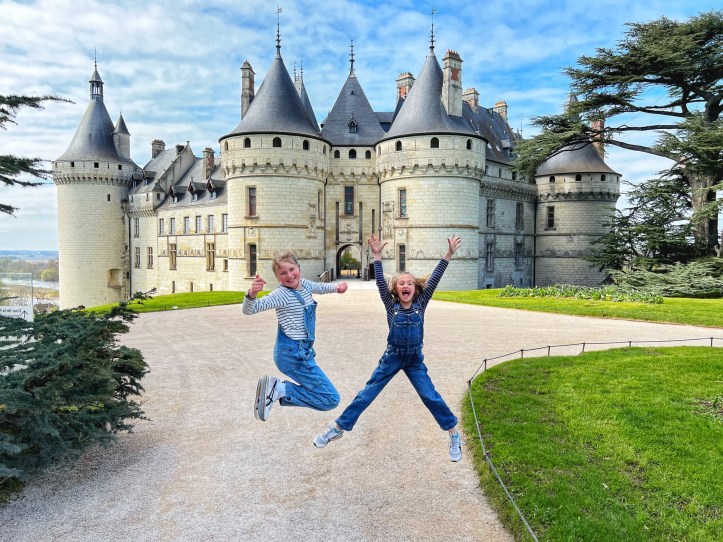
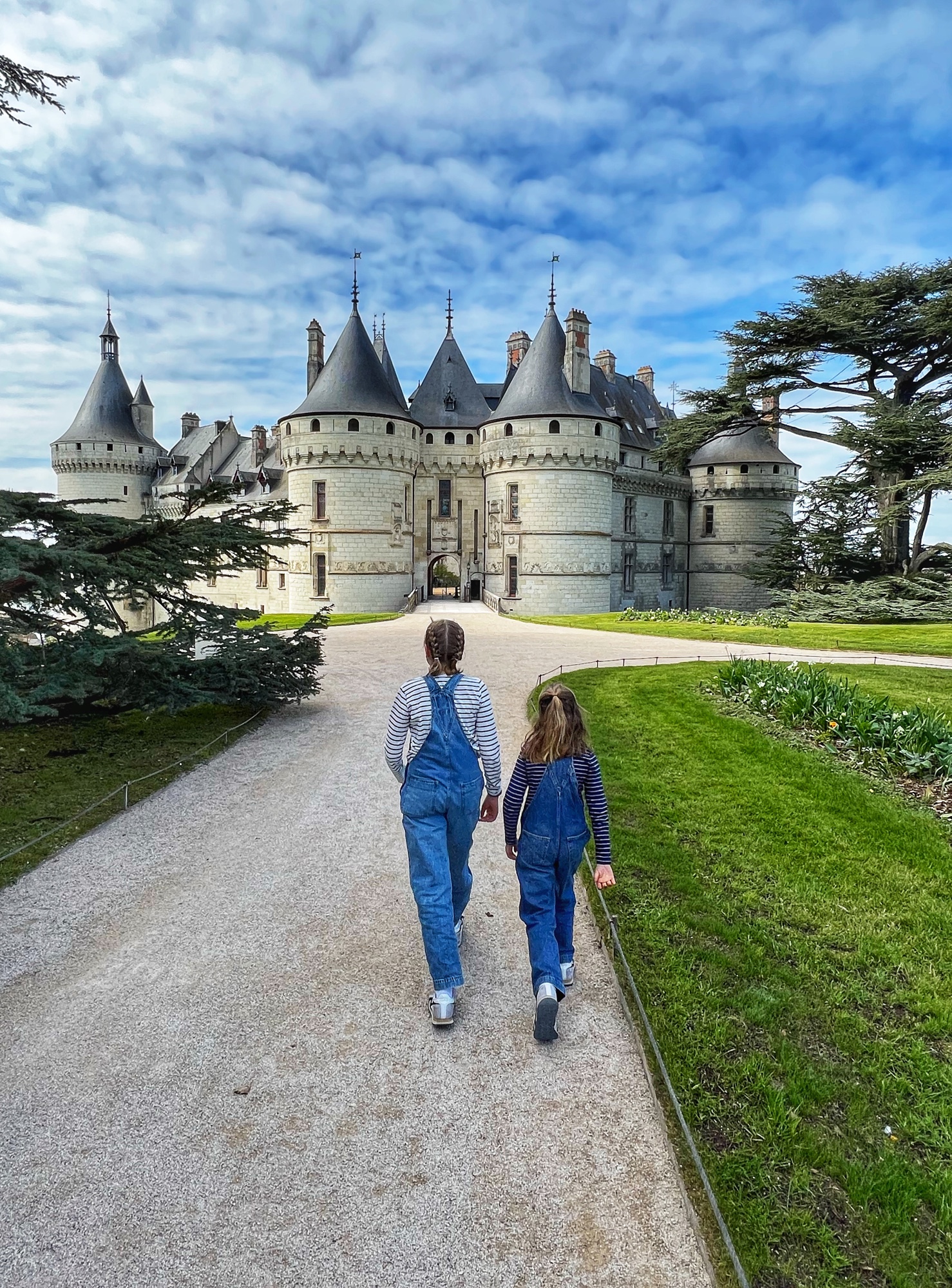
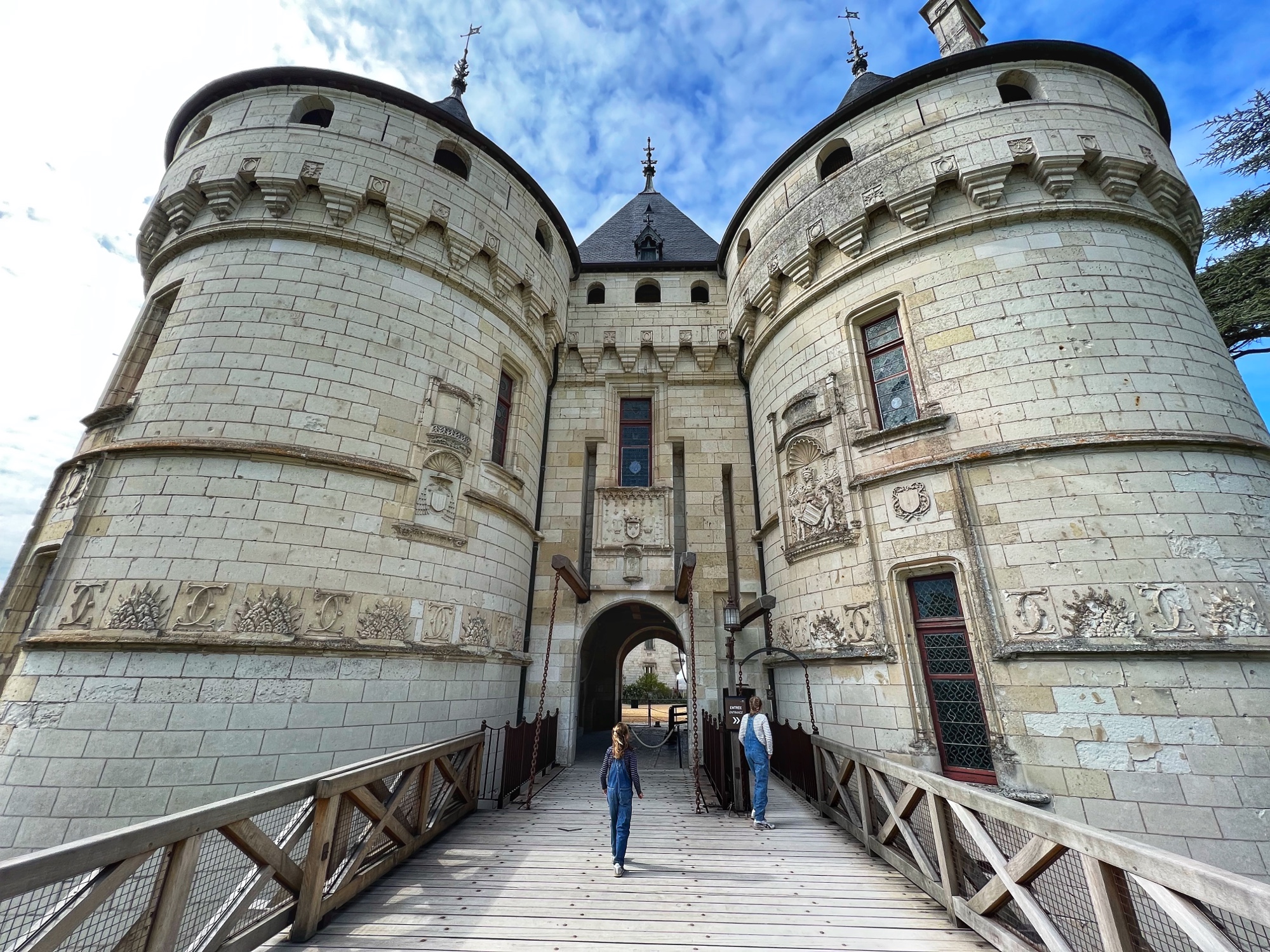
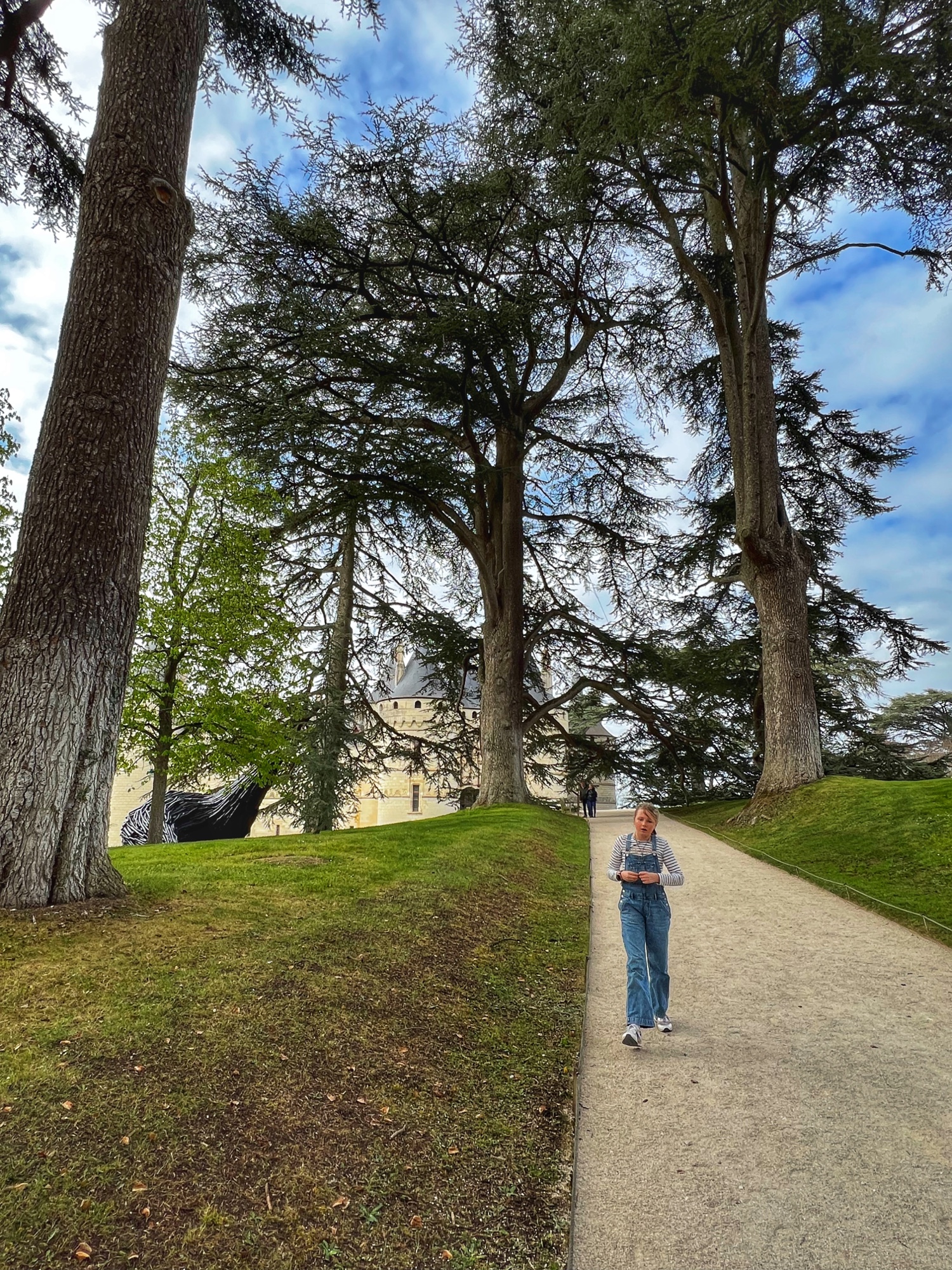
Built around the year 1000, this medieval castle was intended to stand watch over the Loire River between the counties of Blois and Anjou. In the mid 1400’s it was destroyed by Louis XI, and then later brought into shining decadence by Charles I and Charles II of Amboise. Today it is one of the few castles that not only shows off a beautiful display of opulent historic treasures but also proudly houses a collection of colorful modern art. Château de Chaumont surprised us – we were not expecting to be so charmed by it, but I think the modern art was the highlight. We loved the sculptures and nature-inspired displays we spotted inside the castle, in the stables and also out in the gardens. Chaumont is best known for the international garden festival that is held here from 21 April to 6 November (check dates each year). For more information on this incredible event, see this site.
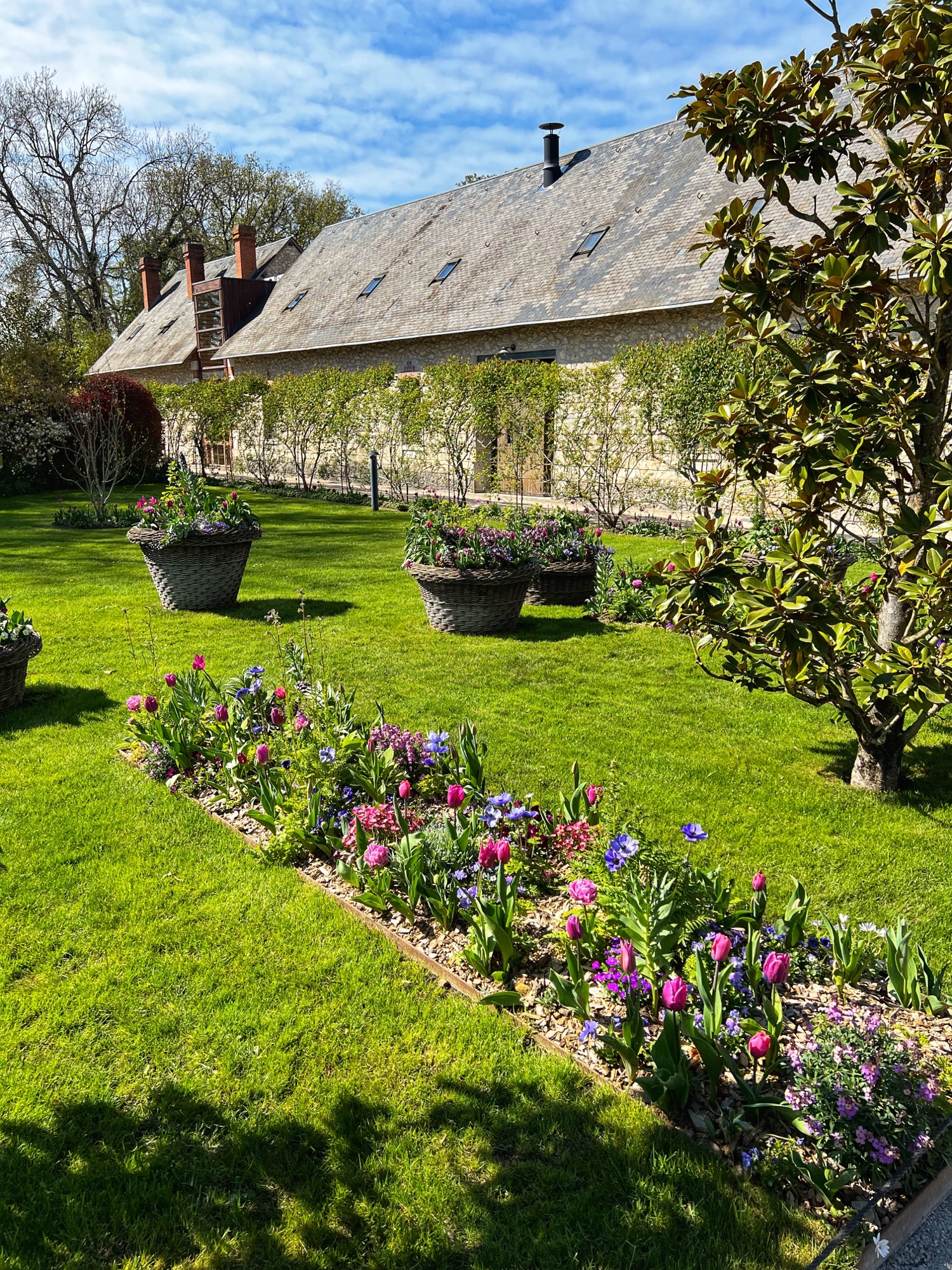

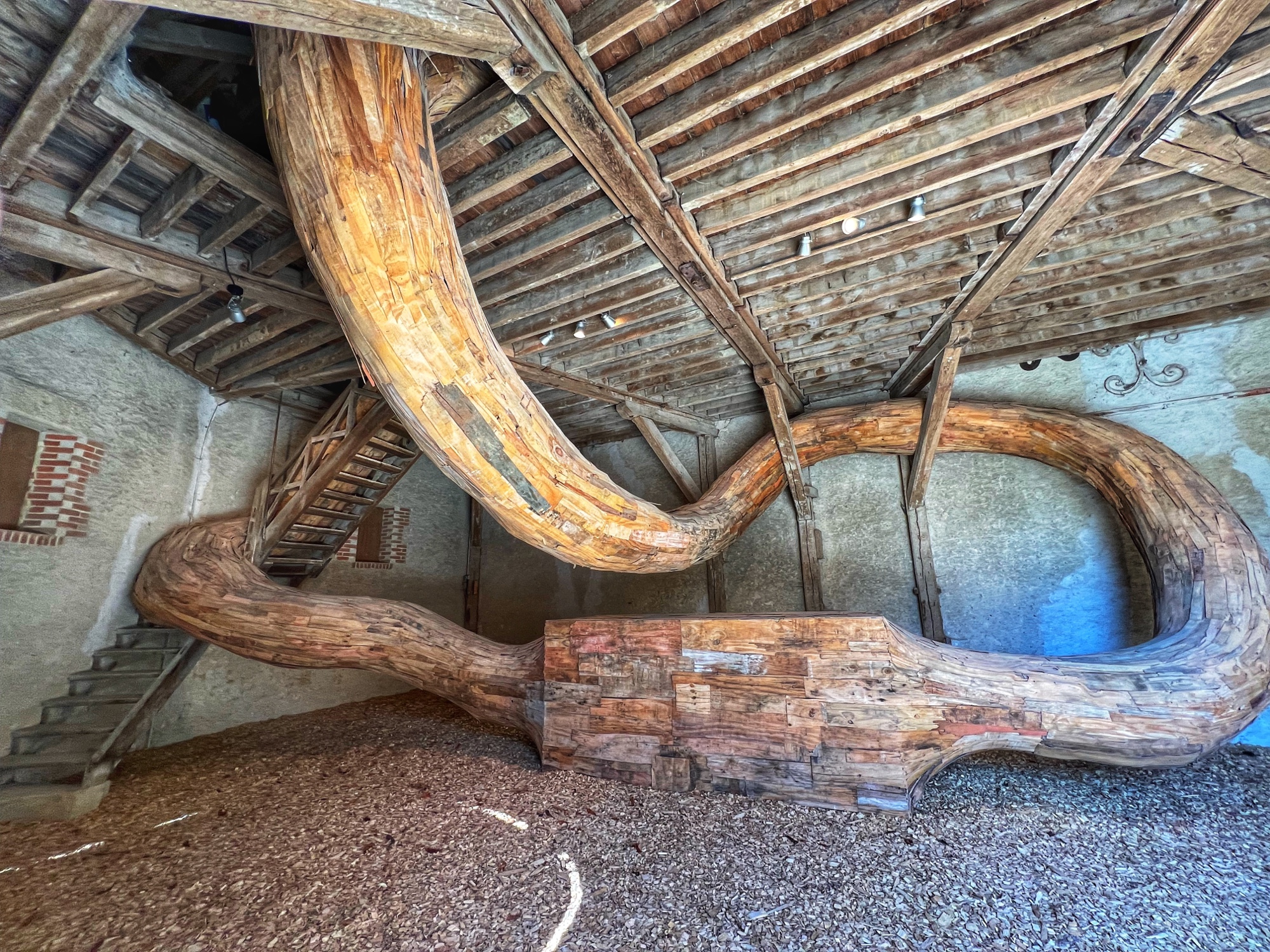


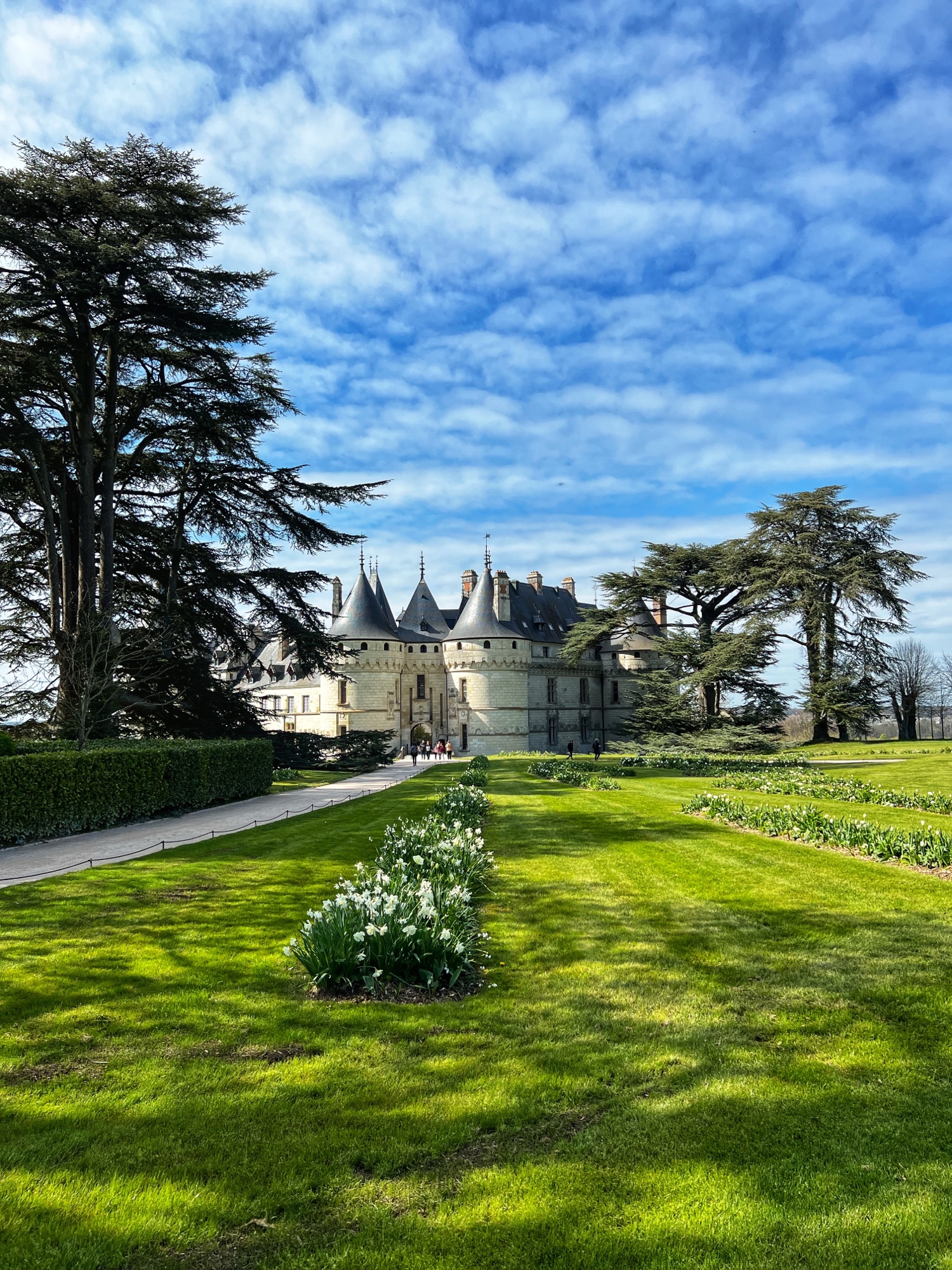
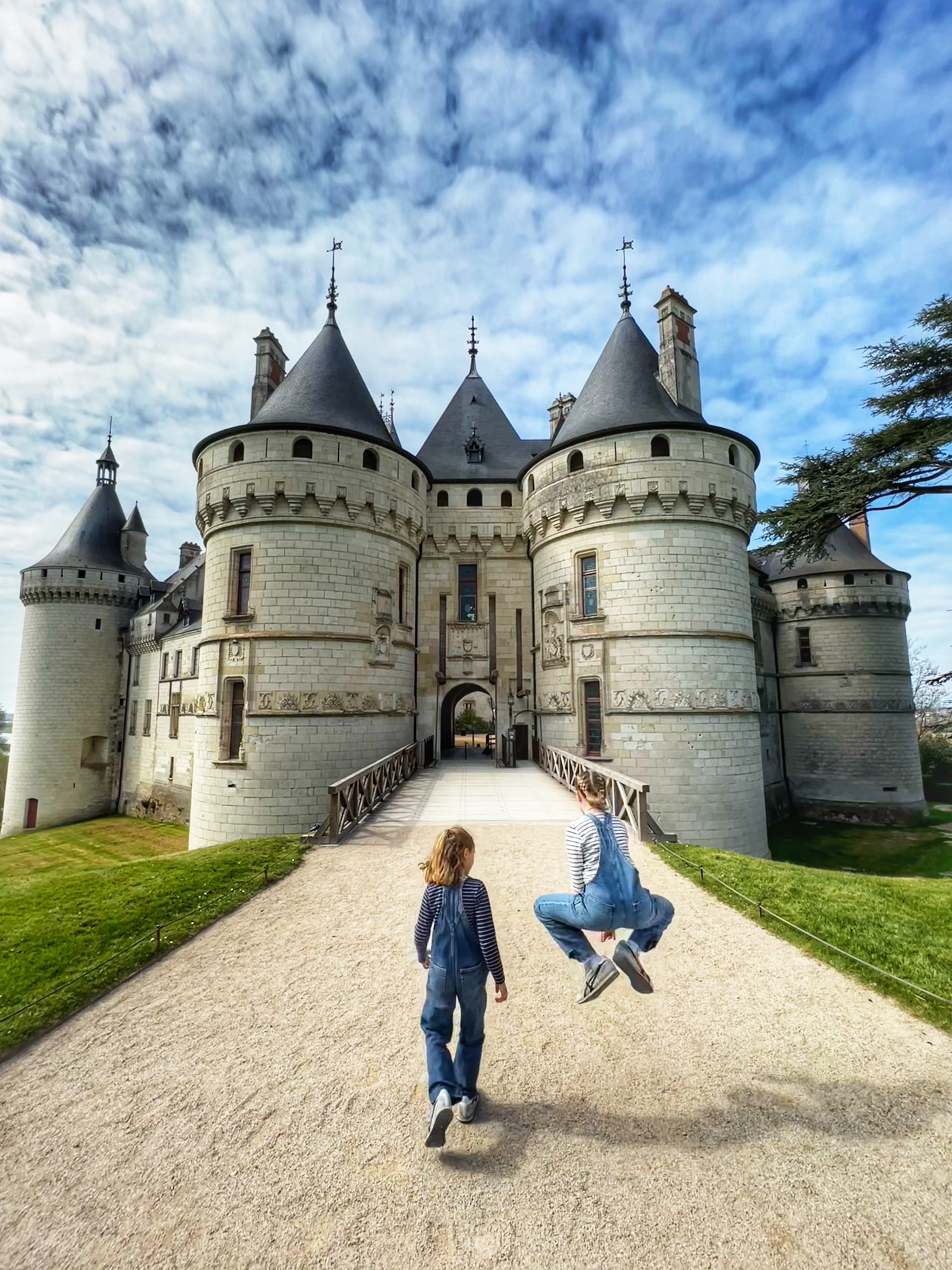
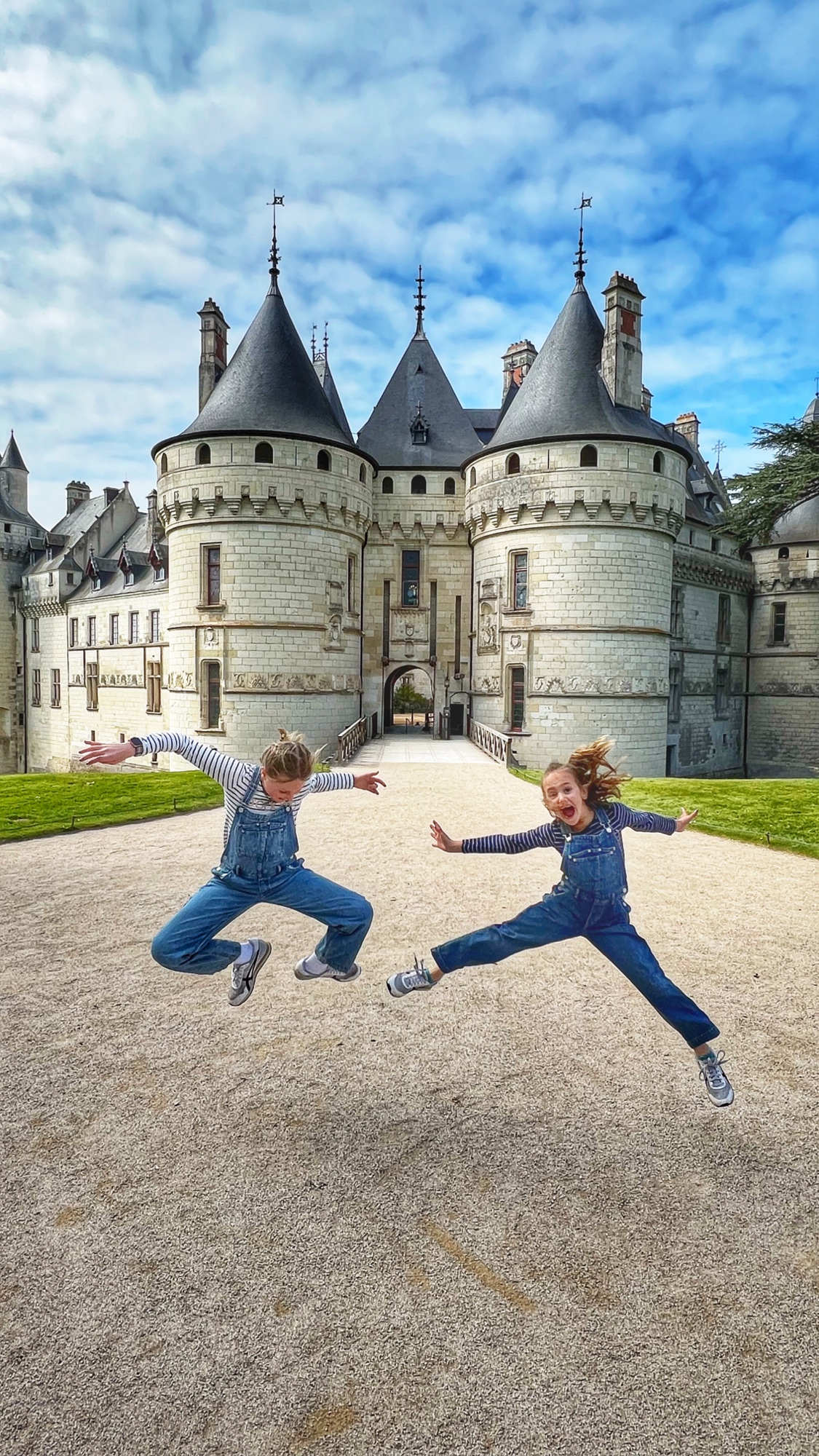
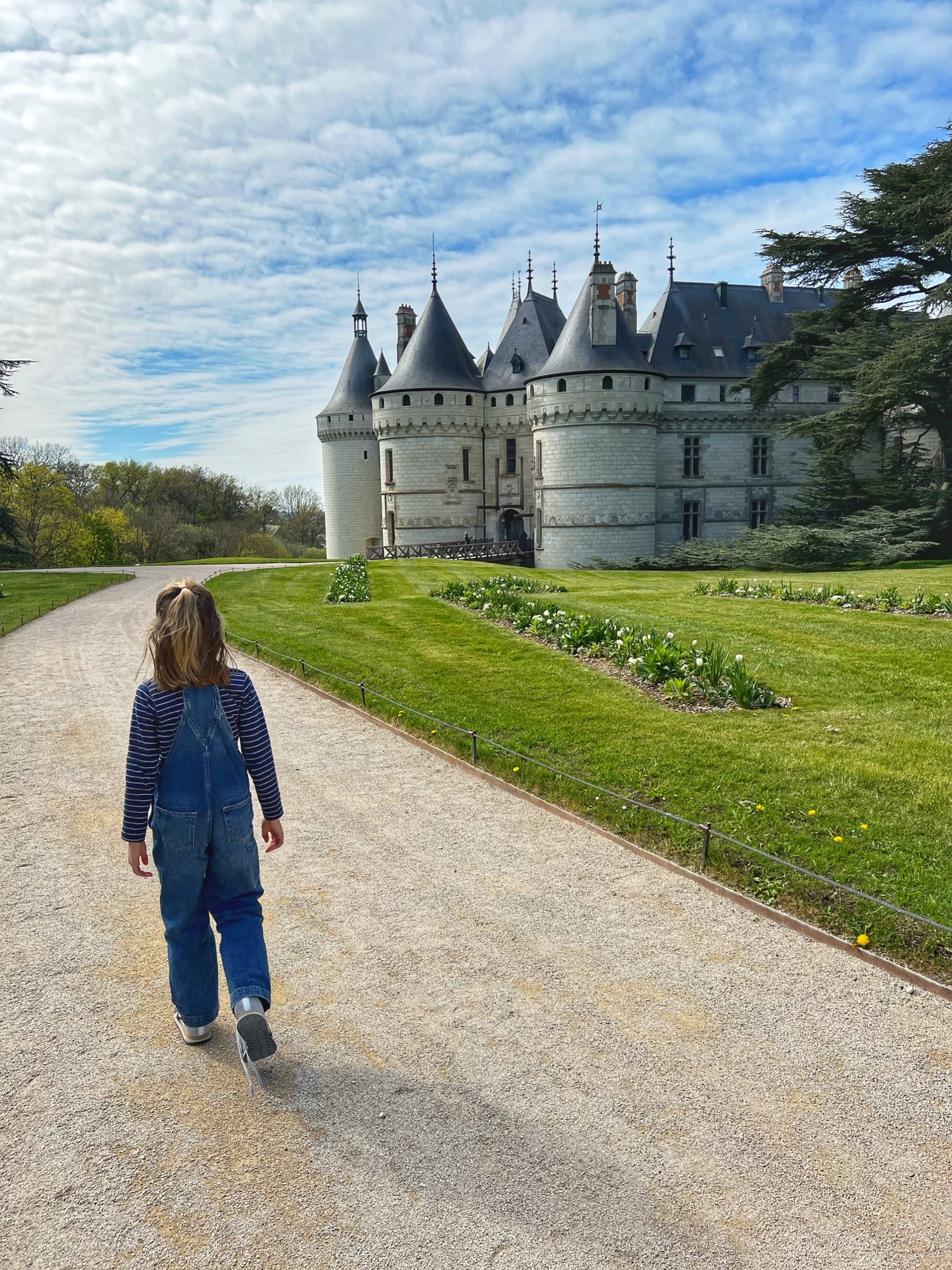
Flowers, flowers everywhere! And creative displays in all directions. The grounds of Chaumont are at once peaceful and inspiring as the art harmonizes with nature.
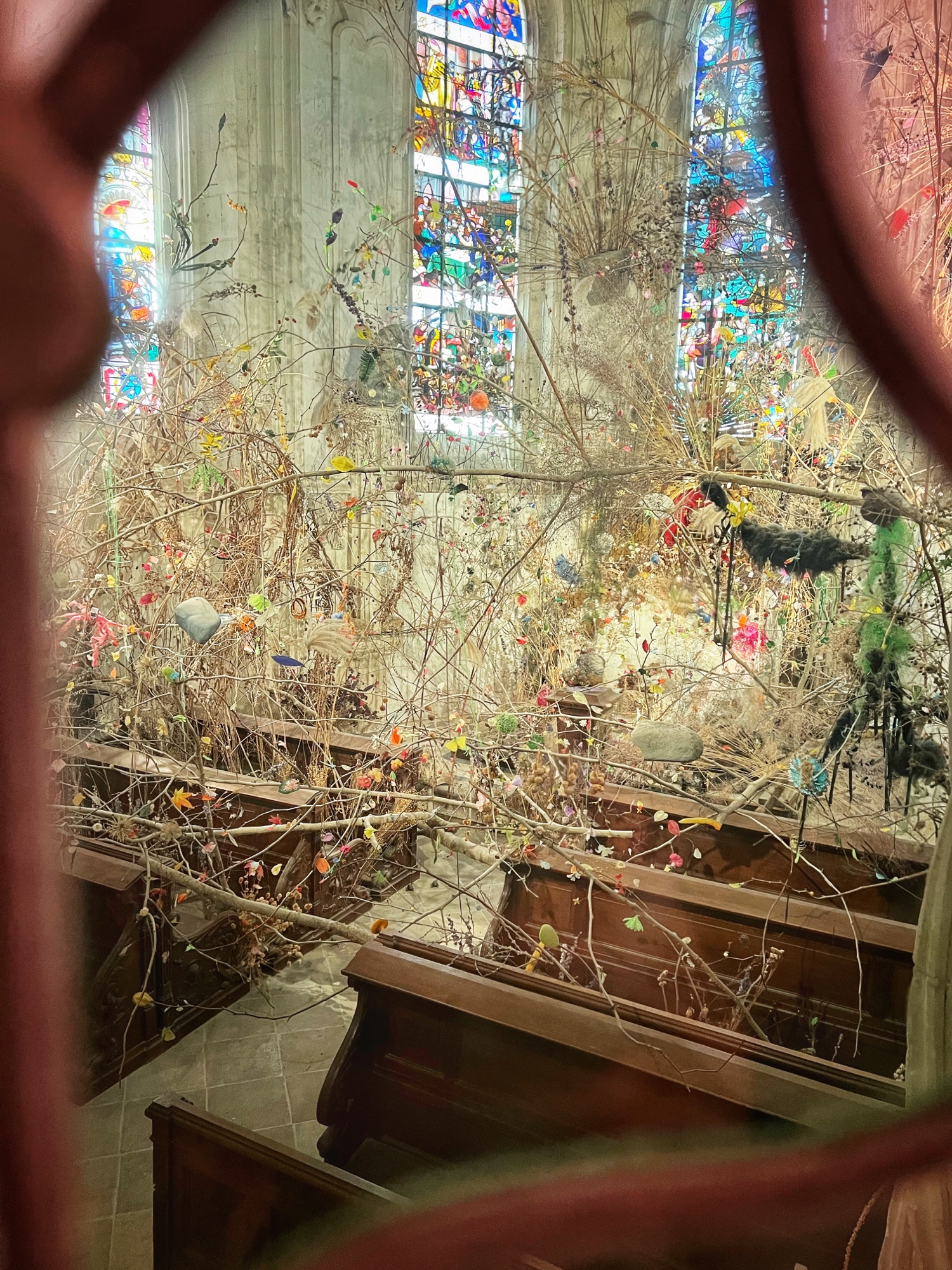
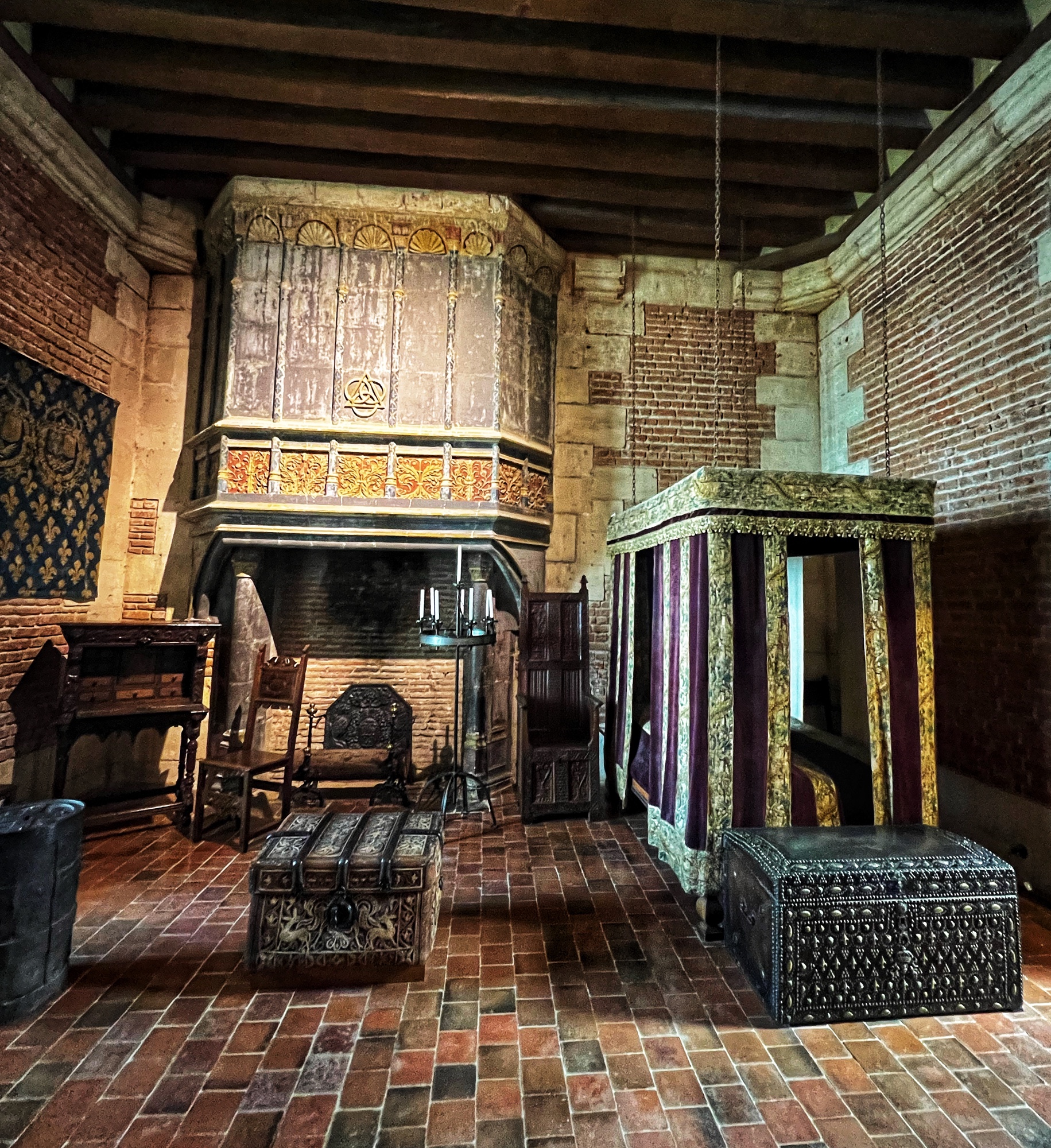
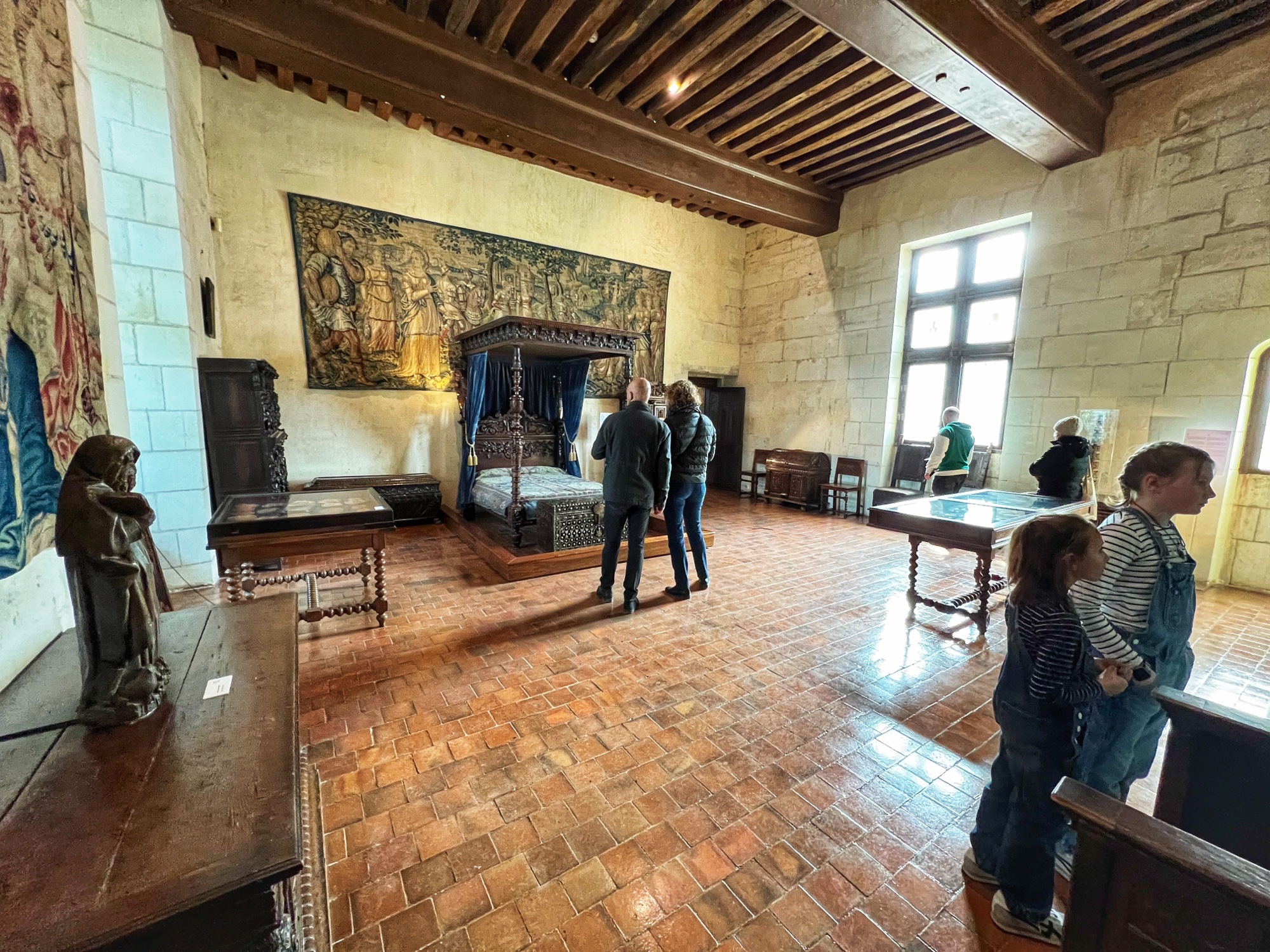

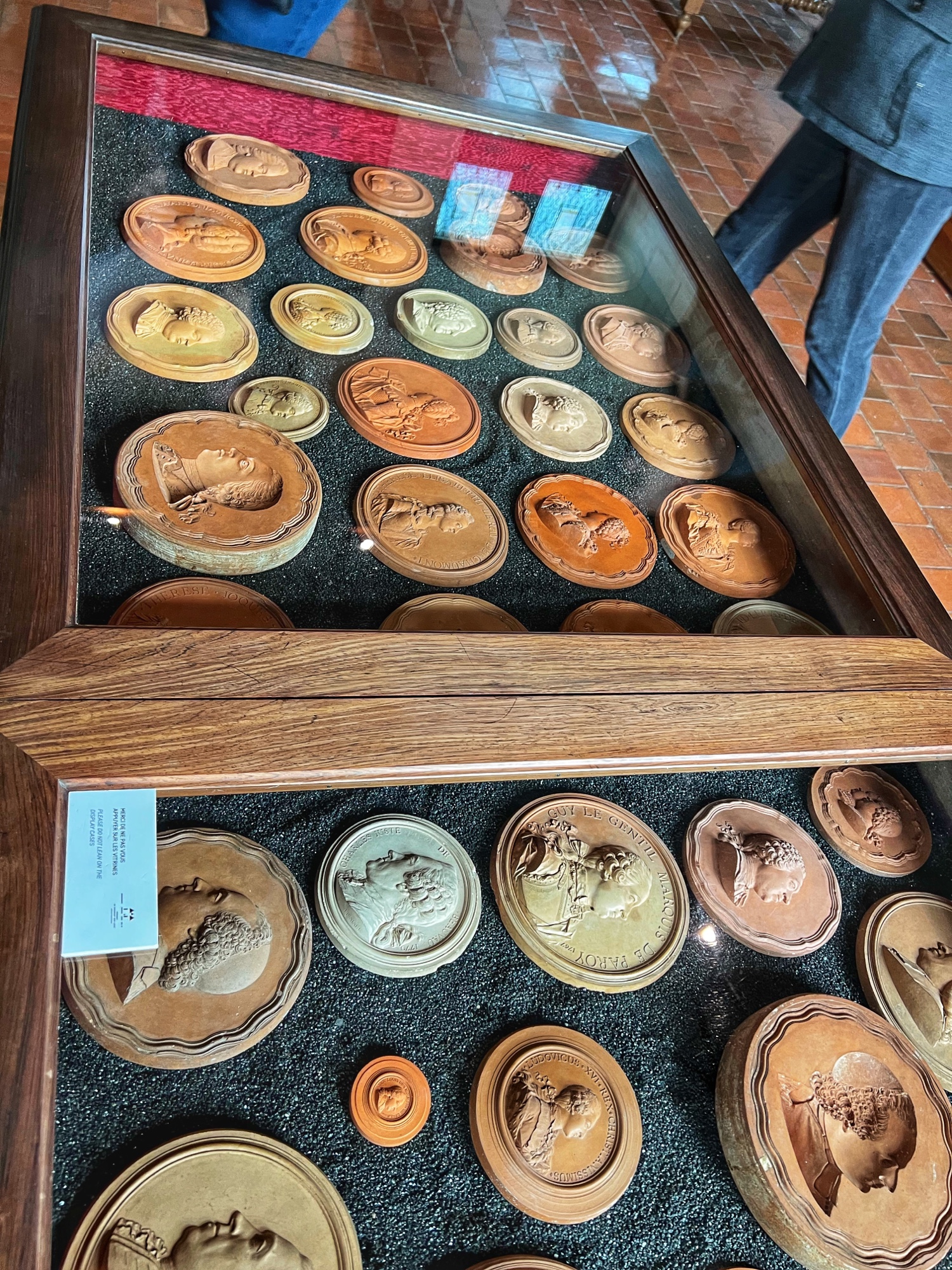


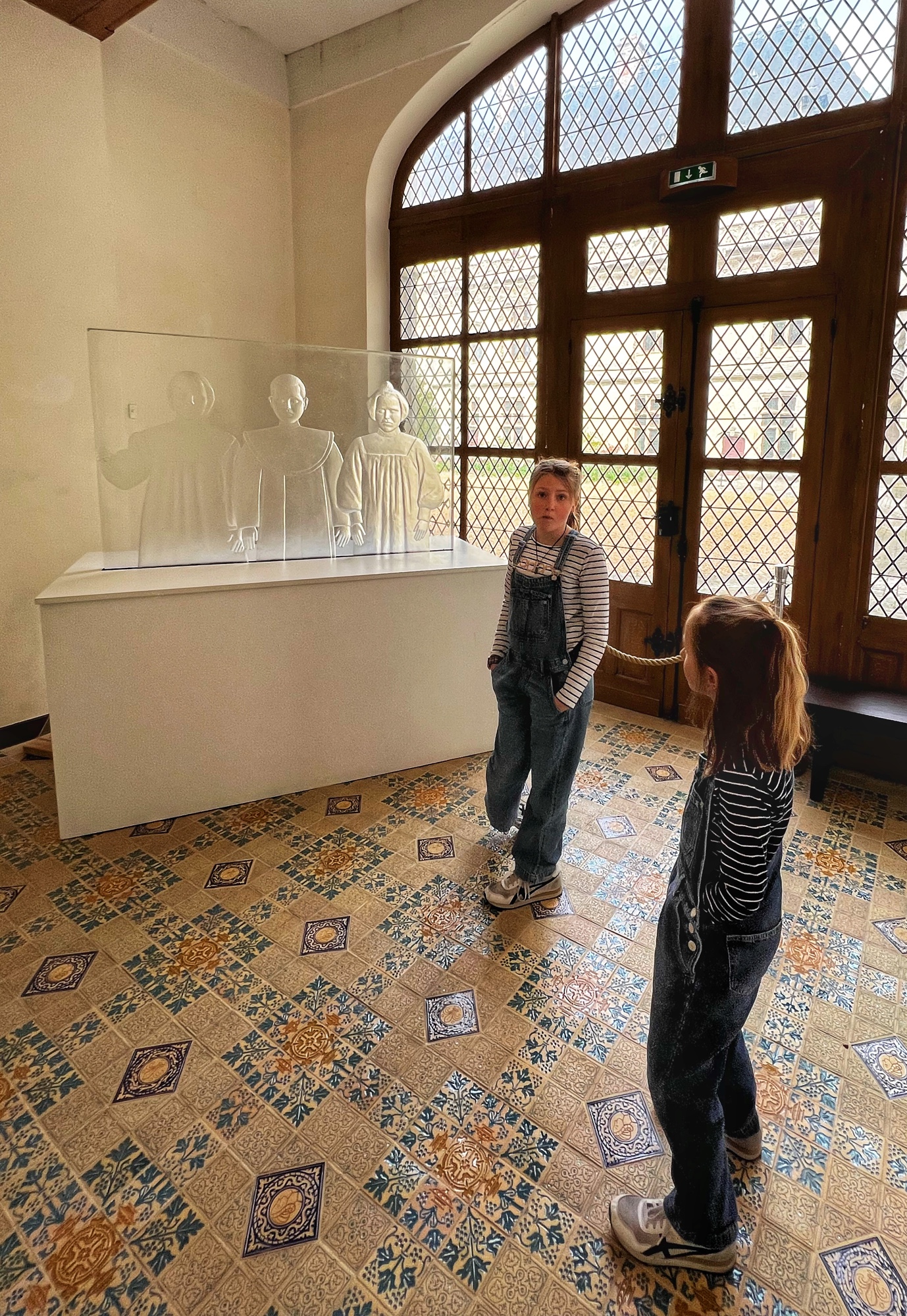
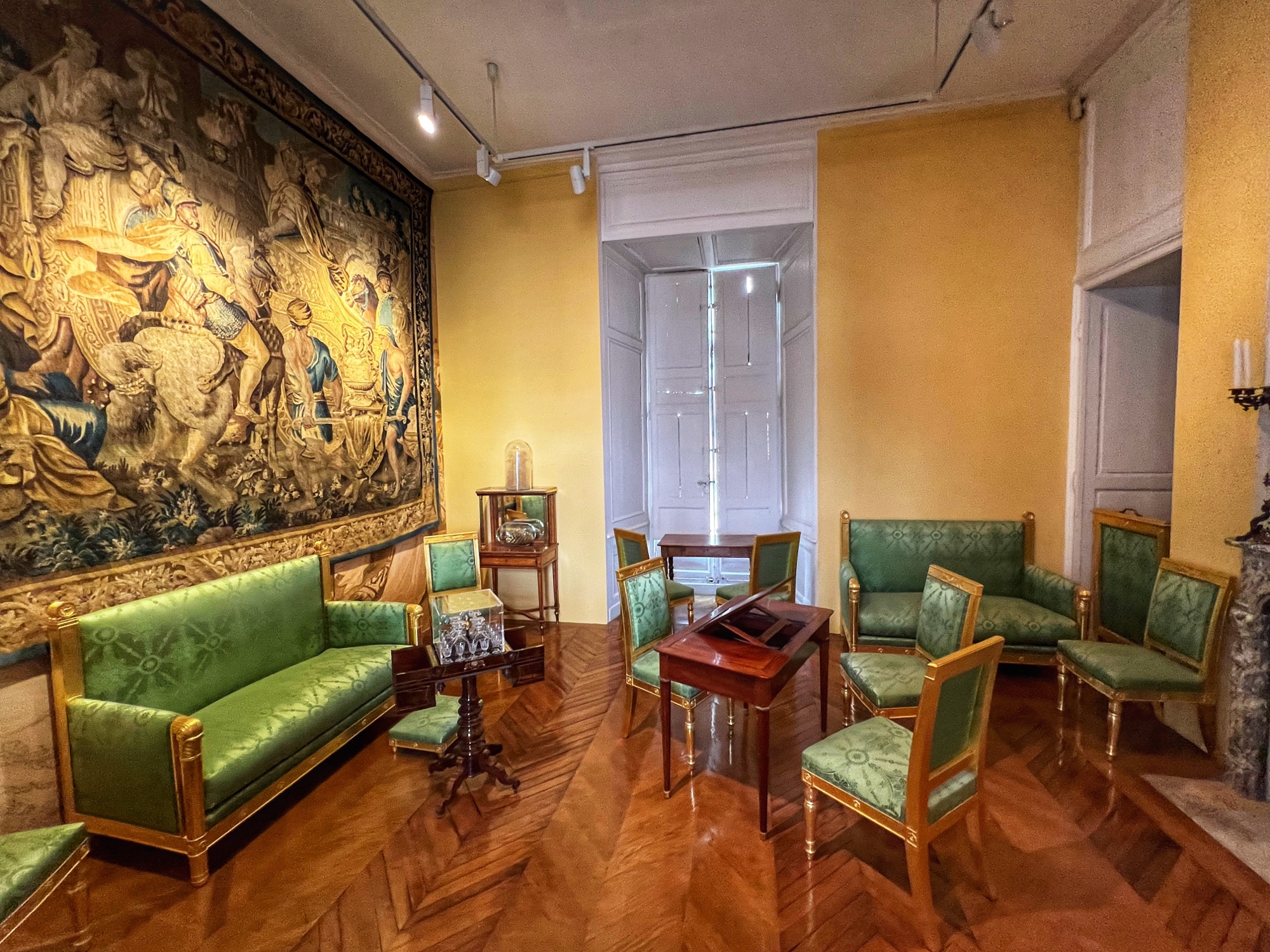
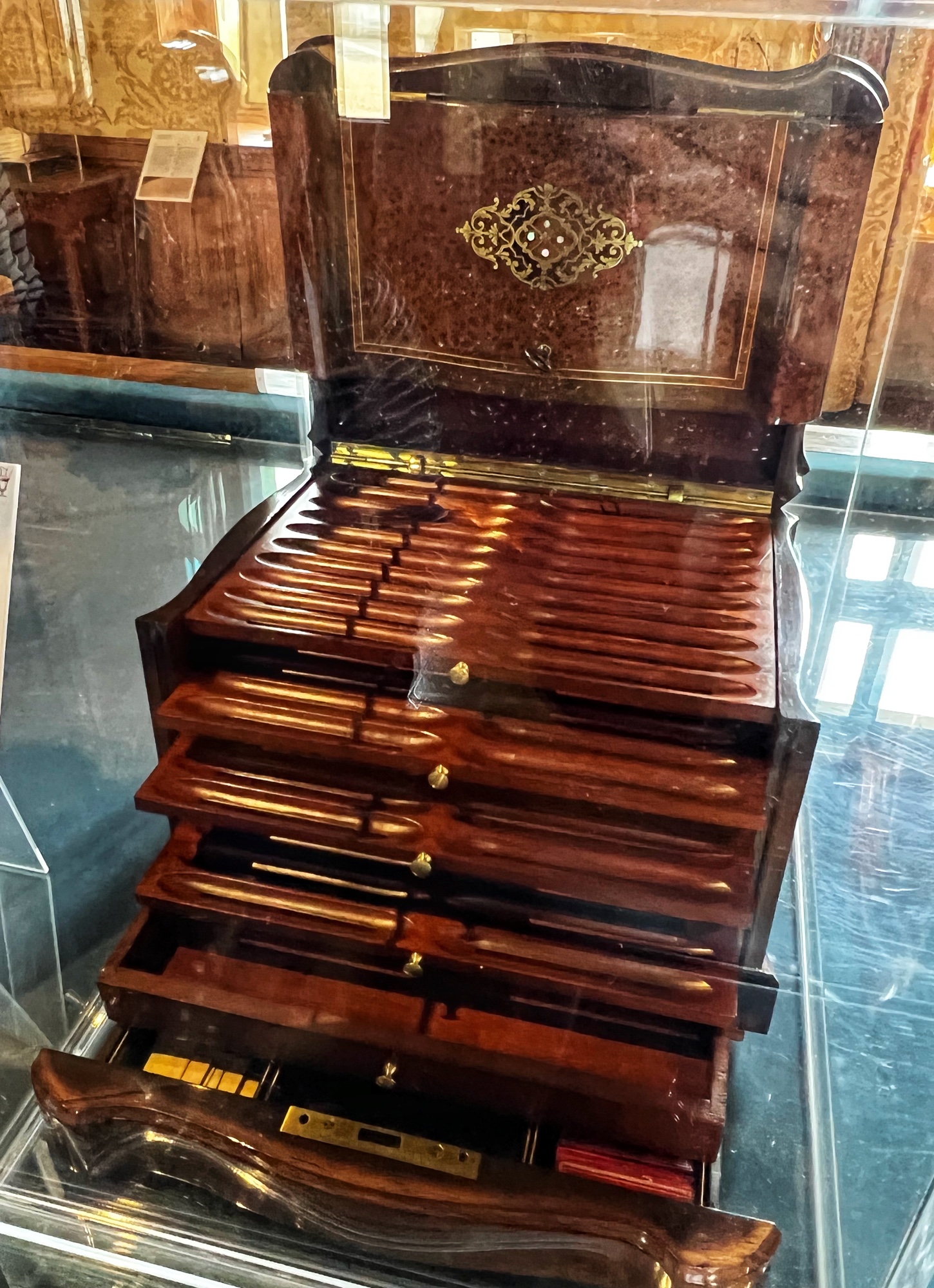
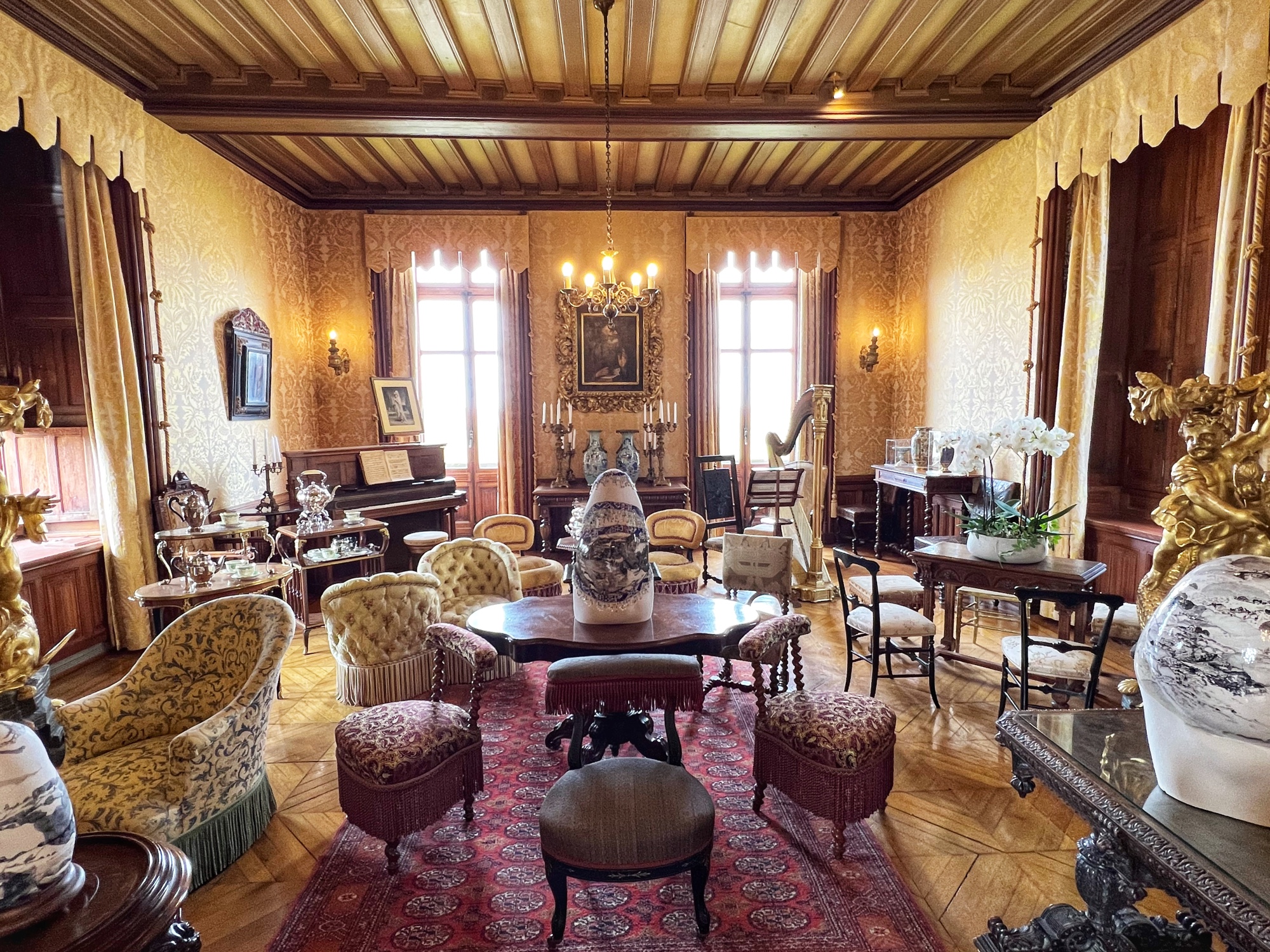
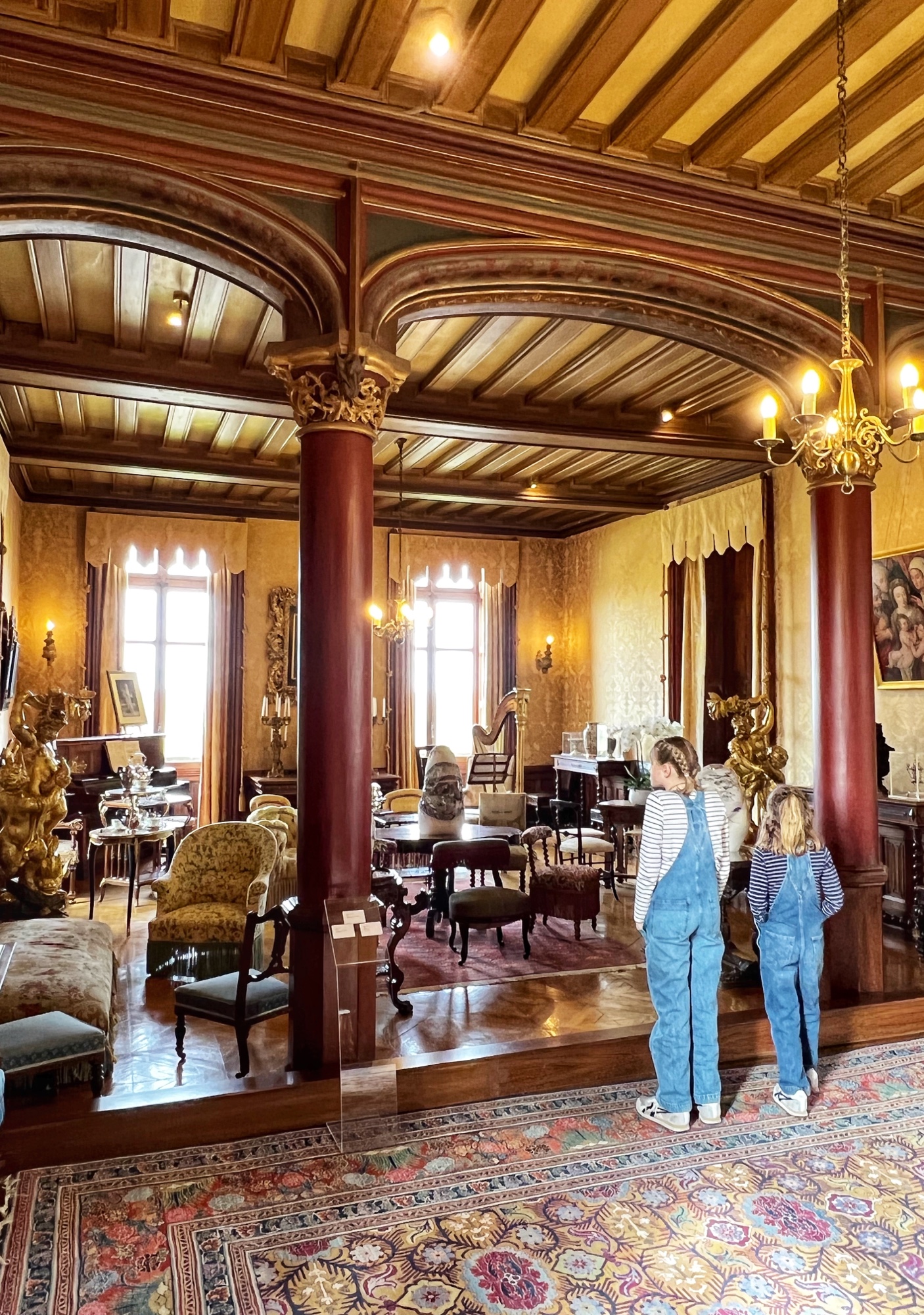

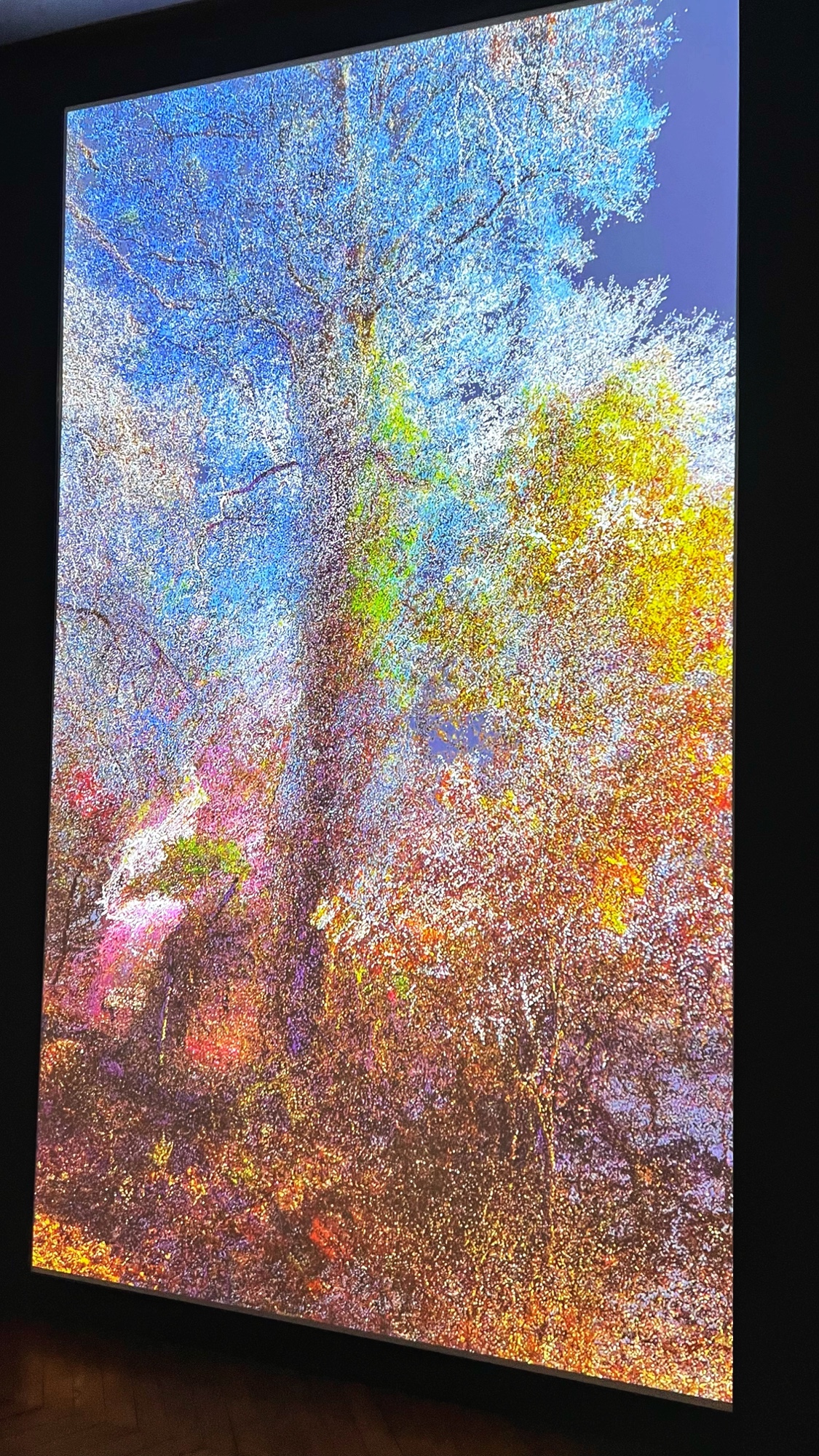
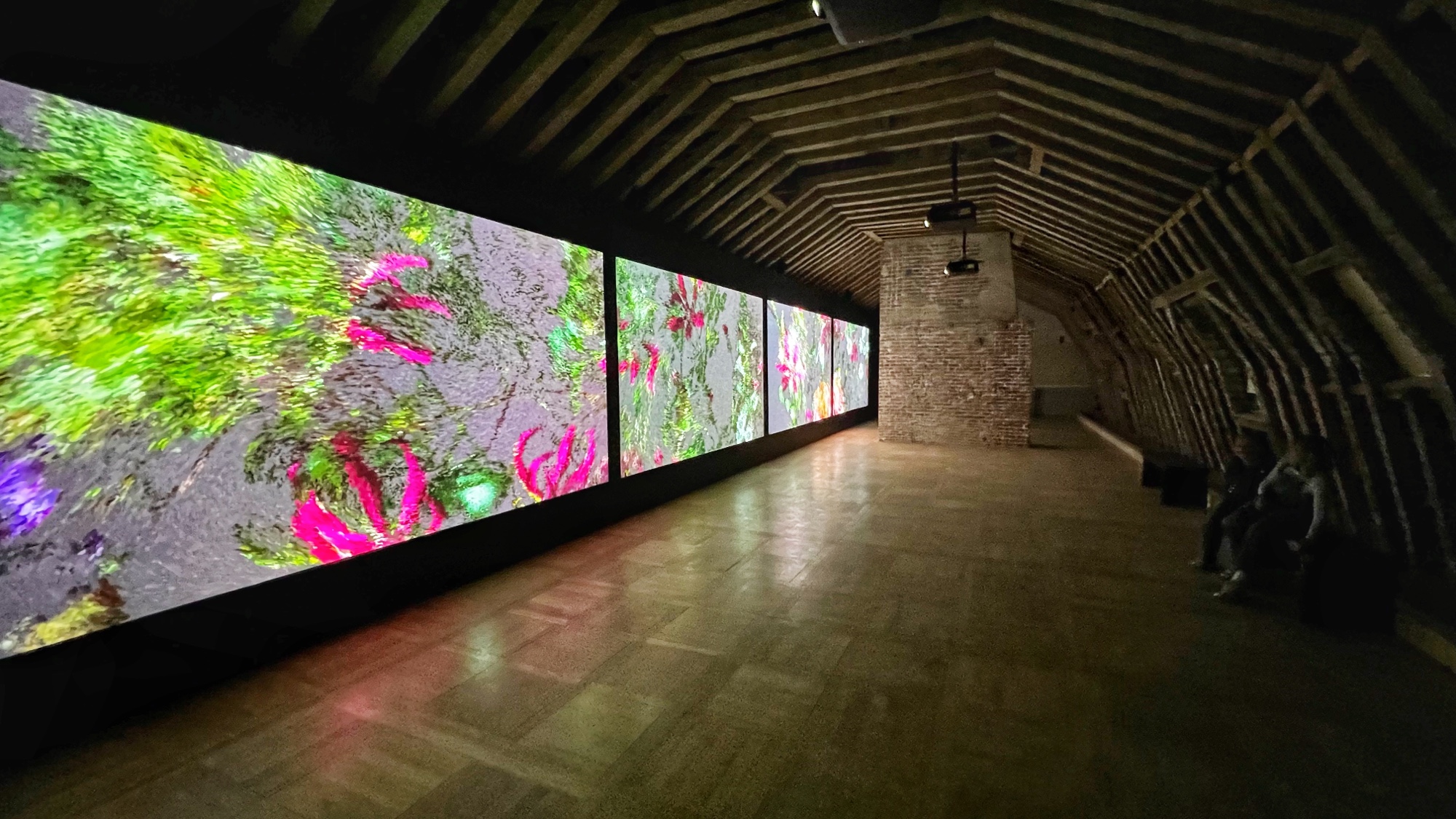
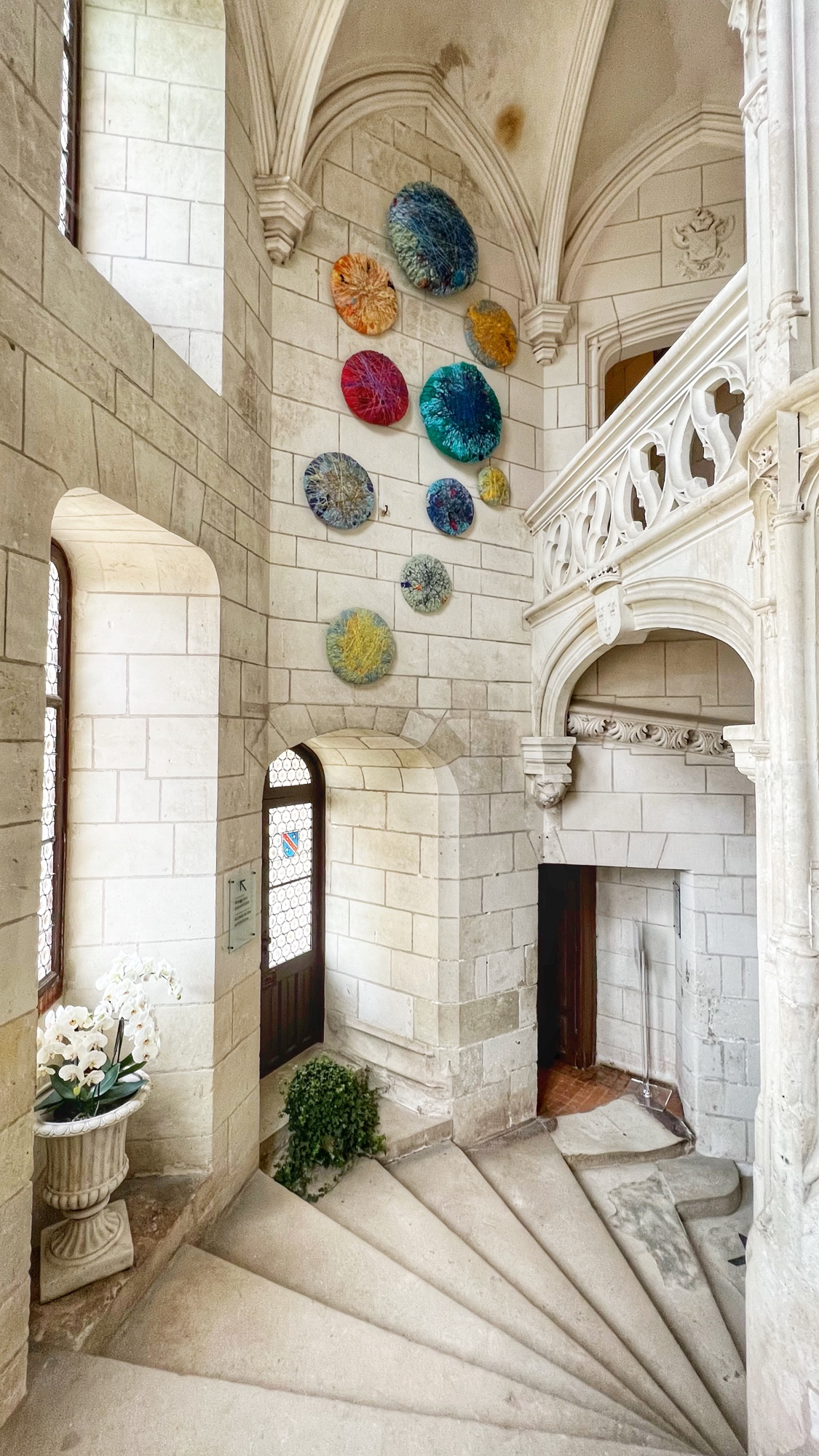
Inside the château we saw an art instillation inside the closed in chapel, and tons of art and furniture. The staircases were gorgeous too, adorned with unique art pieces as well. In the attic, a video display showcased pointillism trees and a vision for impressionist art inspired by flowers that spanned an entire room. So cool!
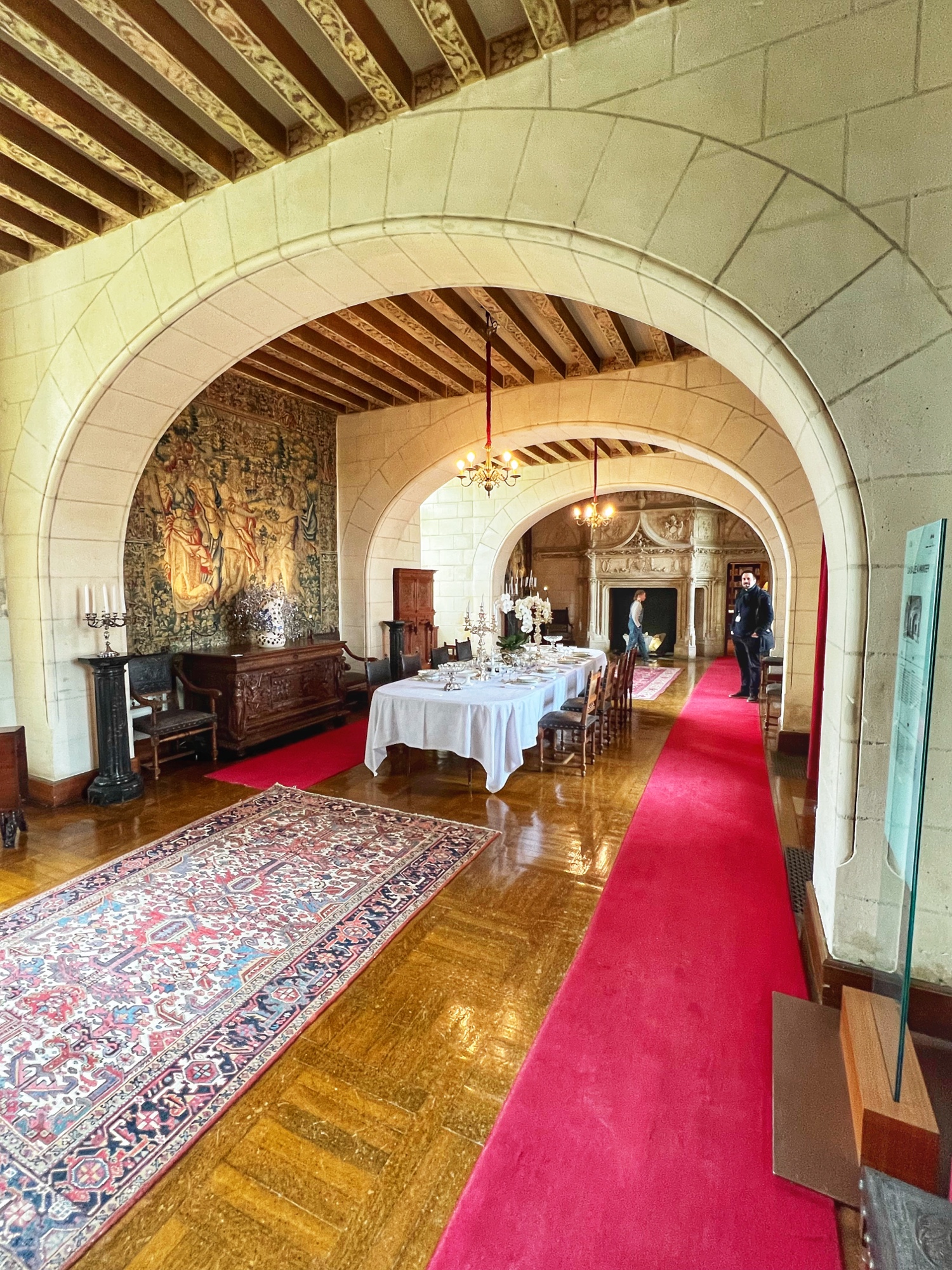
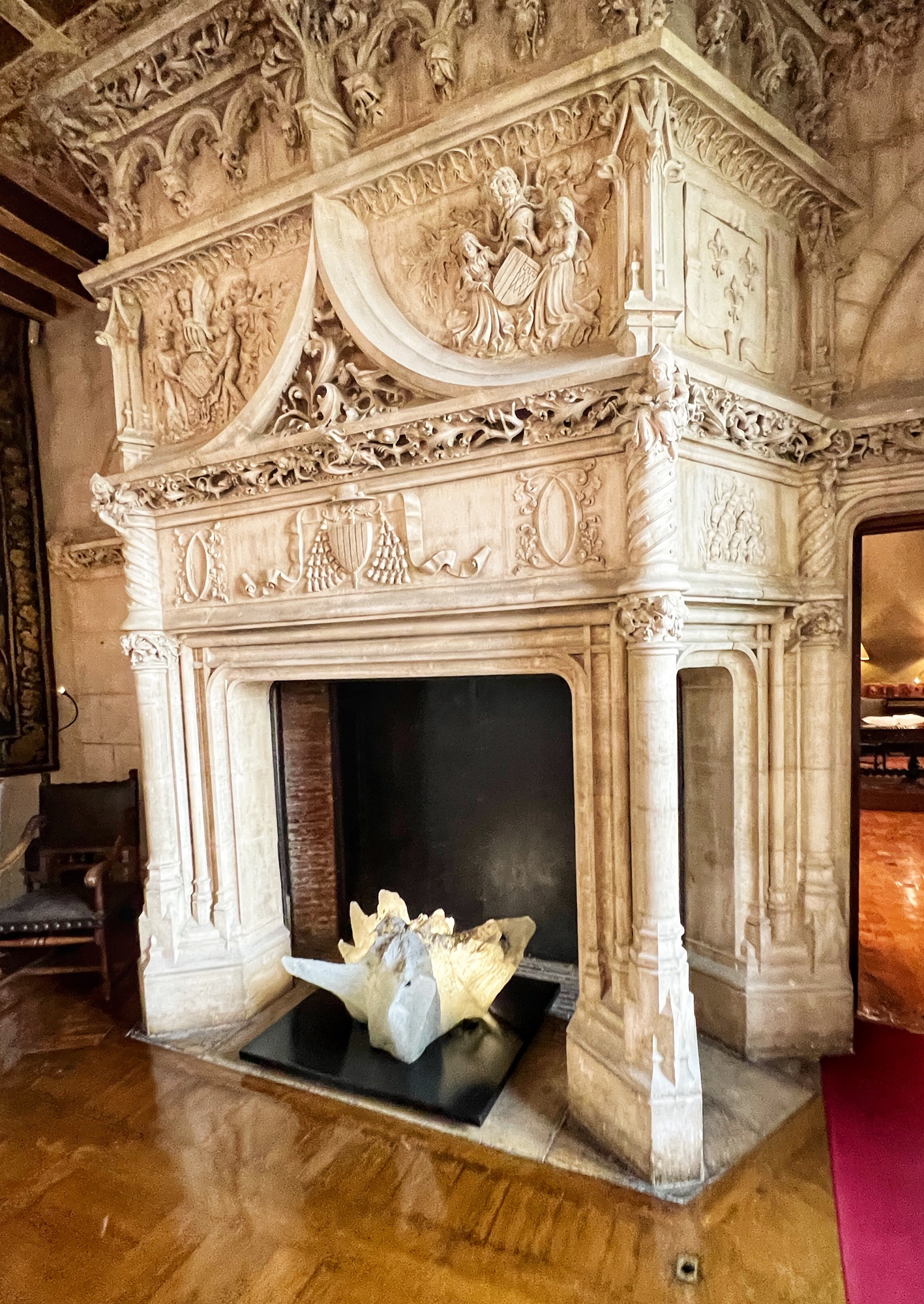
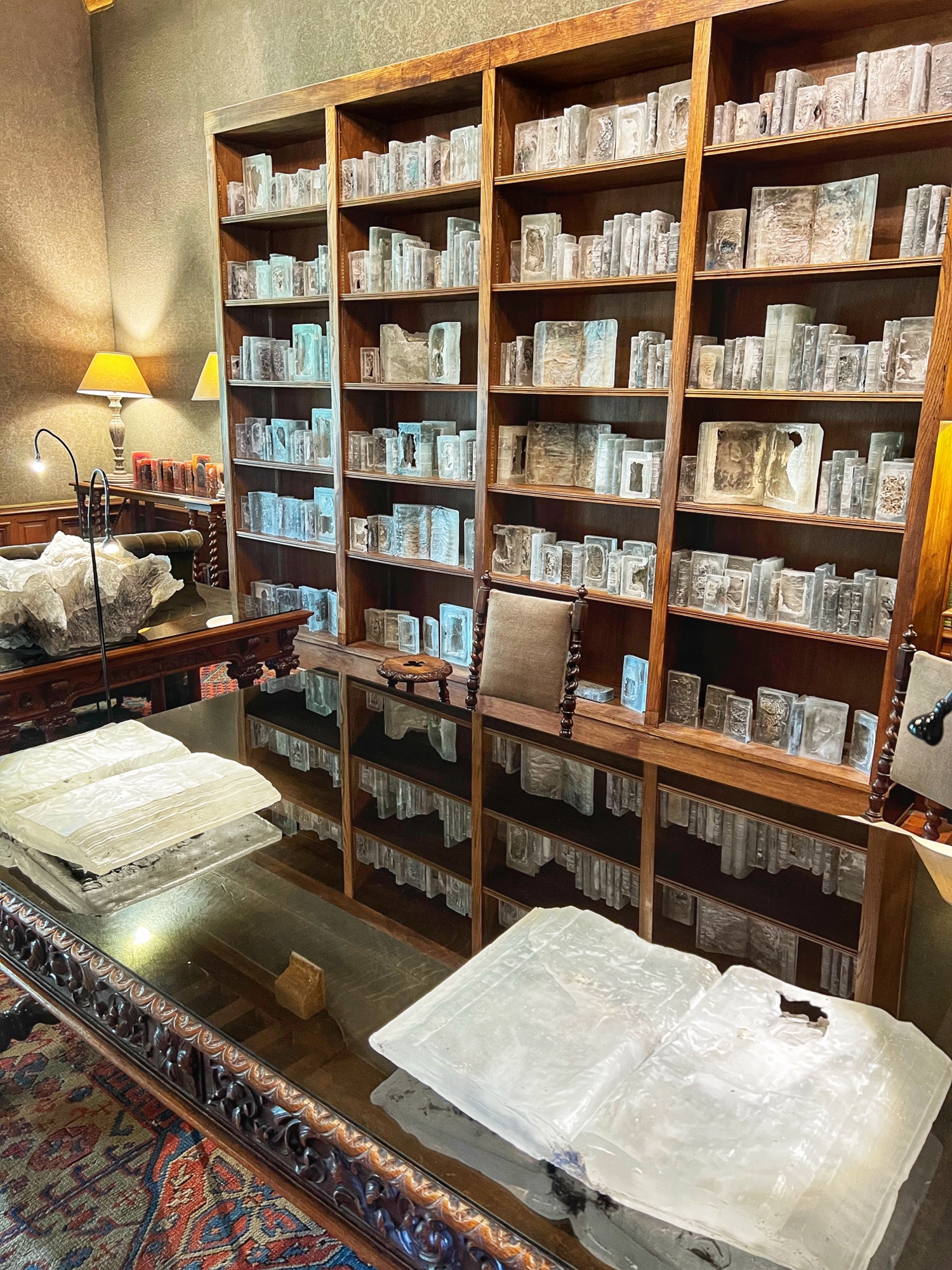

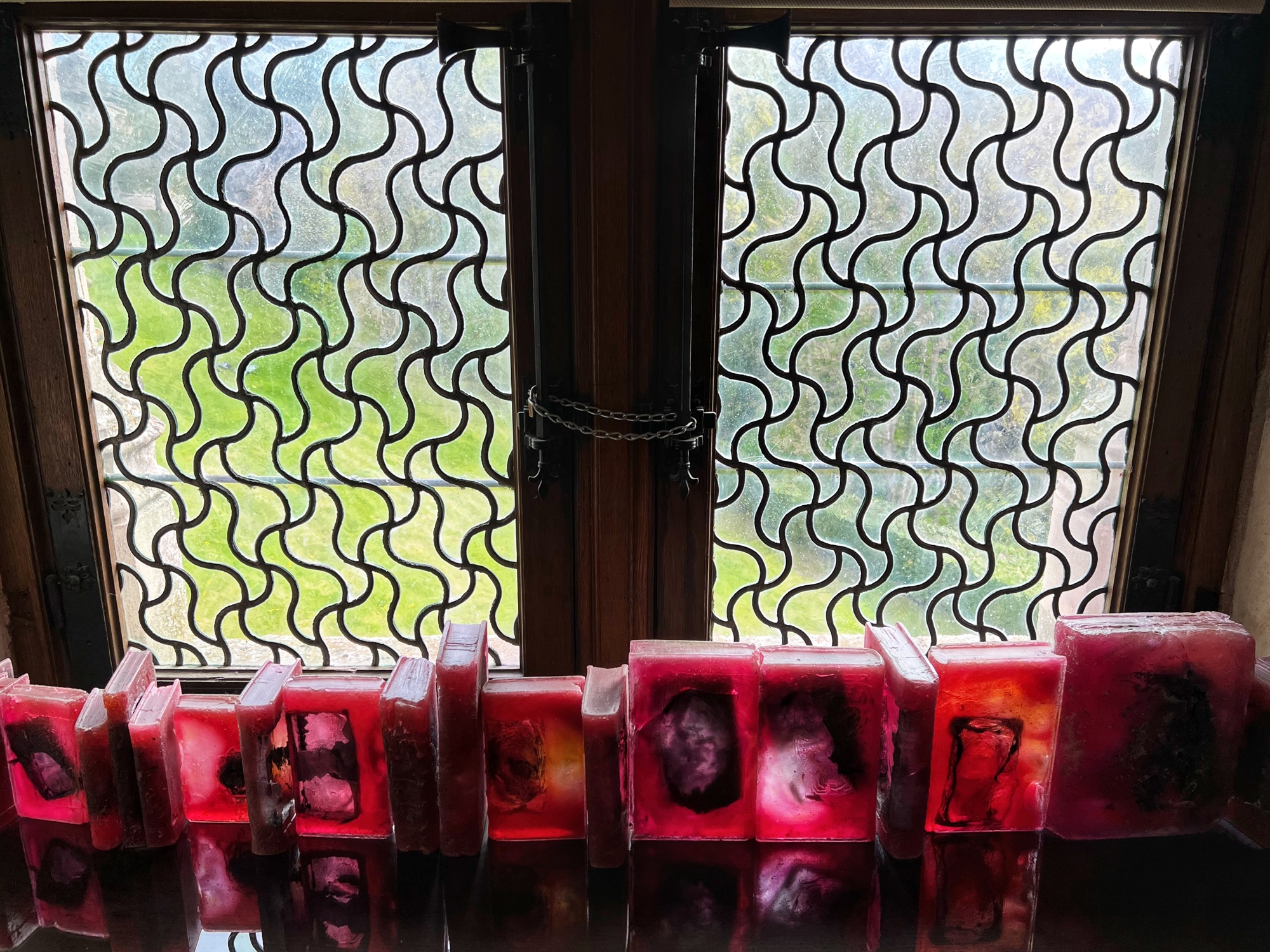
The most amazing room was the “library” that was full of books that you couldn’t read – because they were all made of crystal! Look closely – those books are pure crystal.
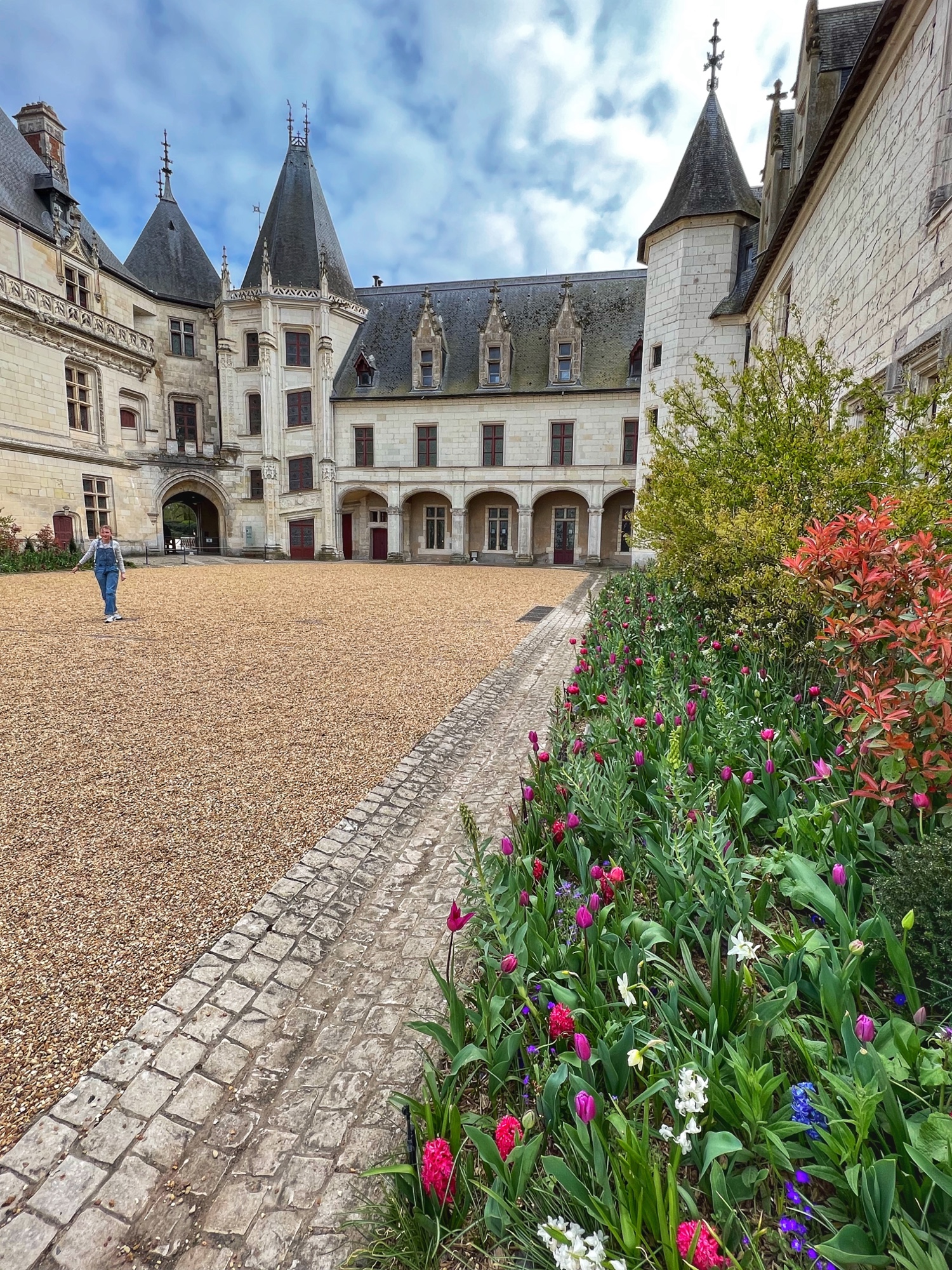

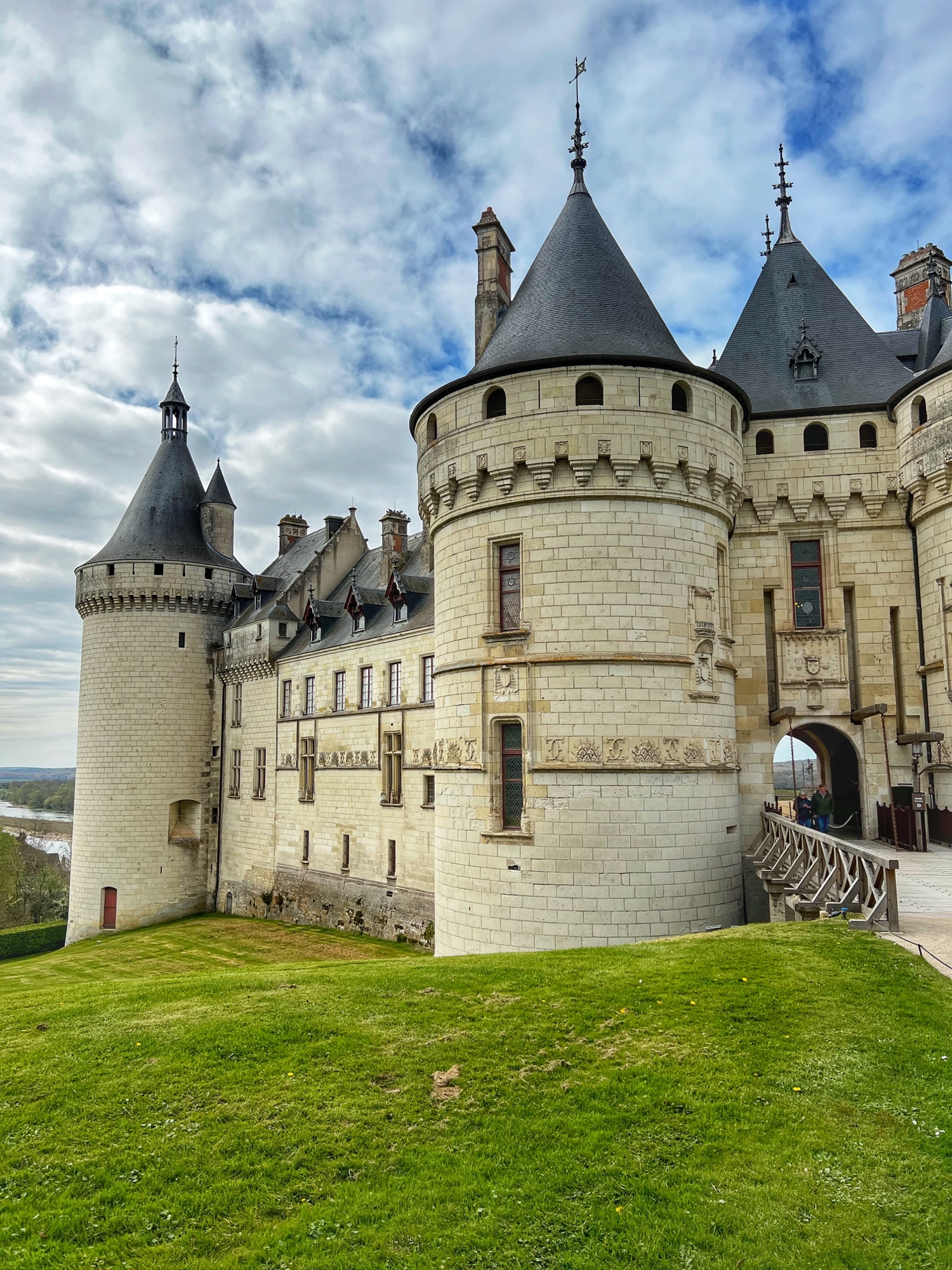
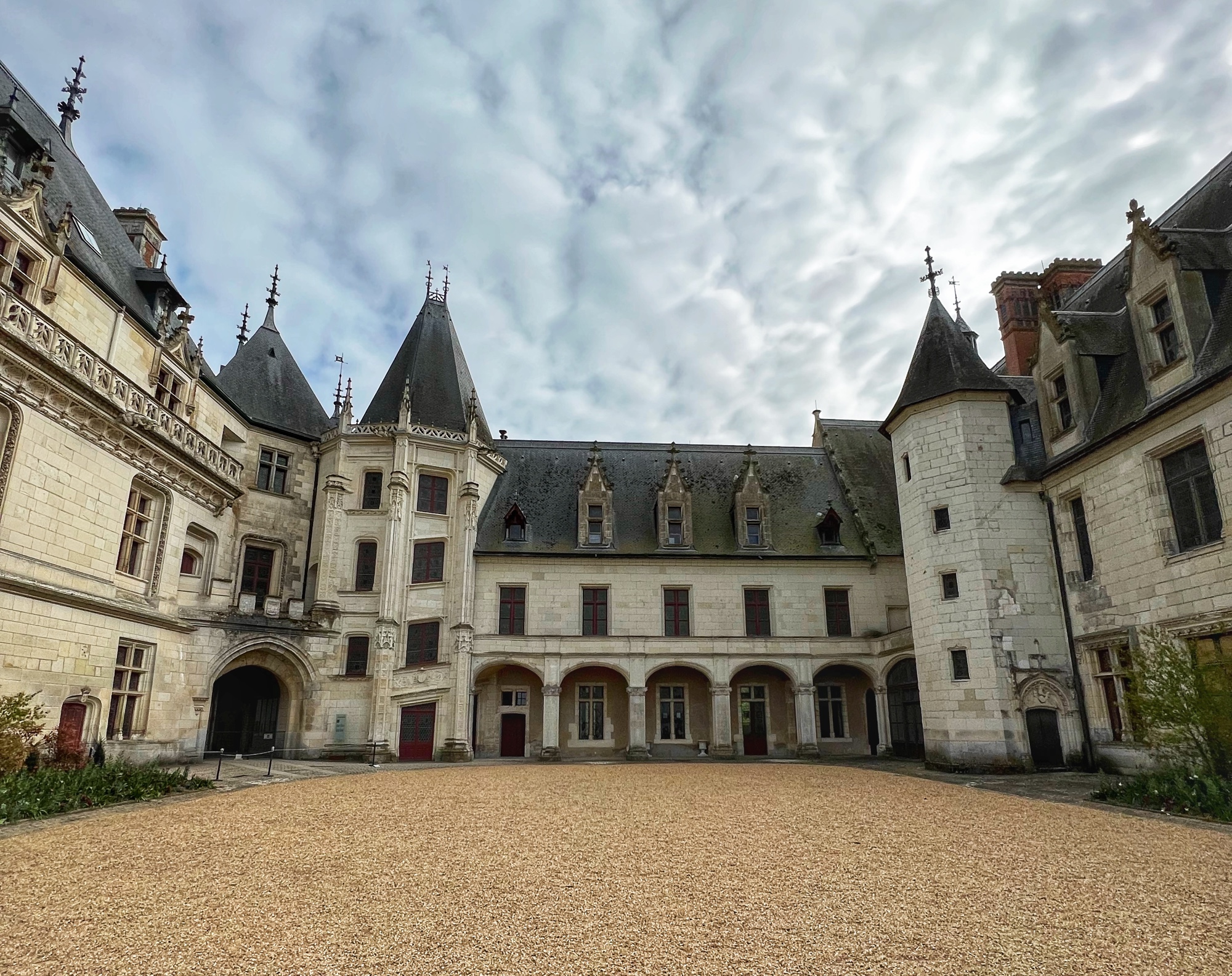
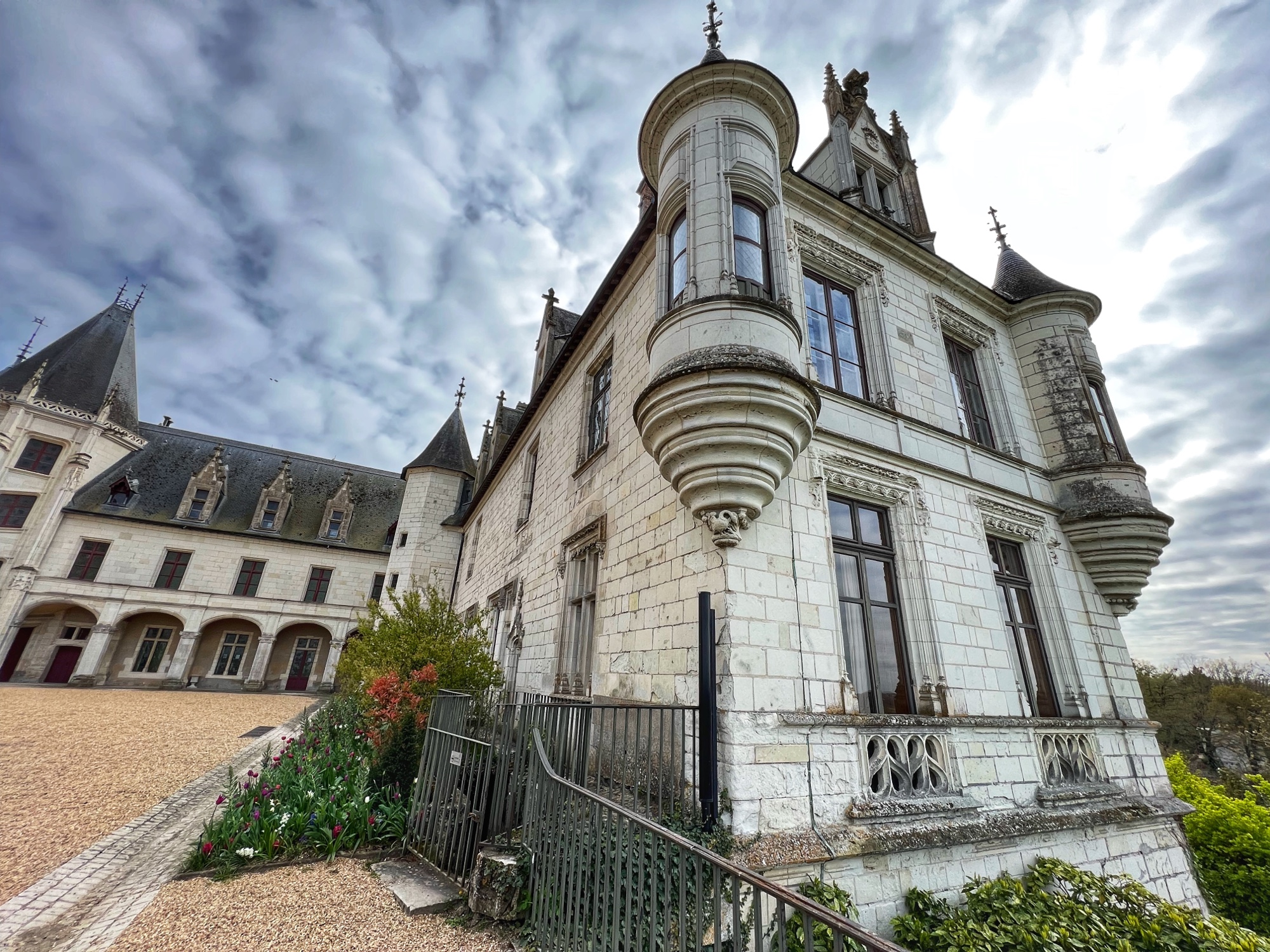
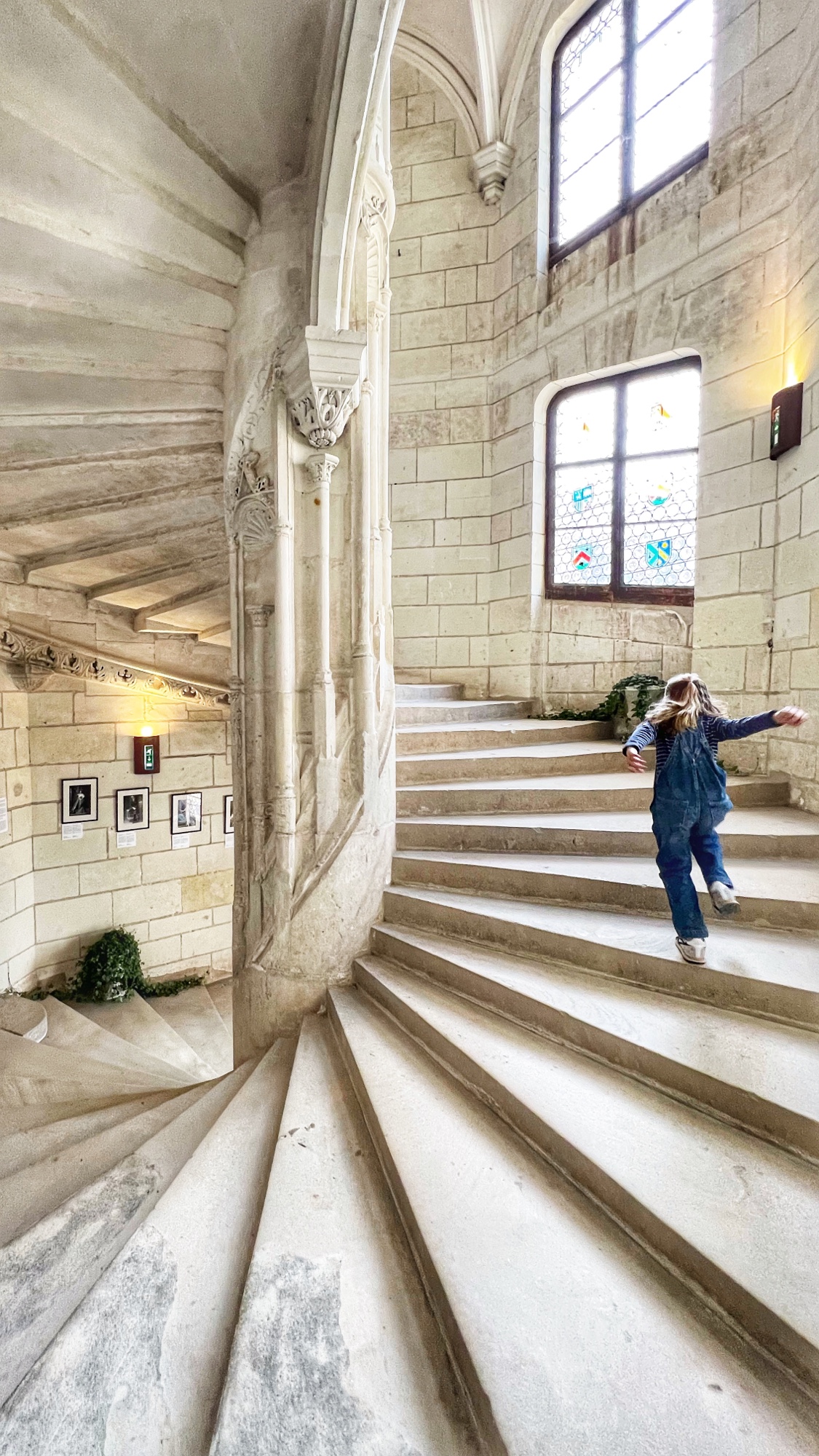
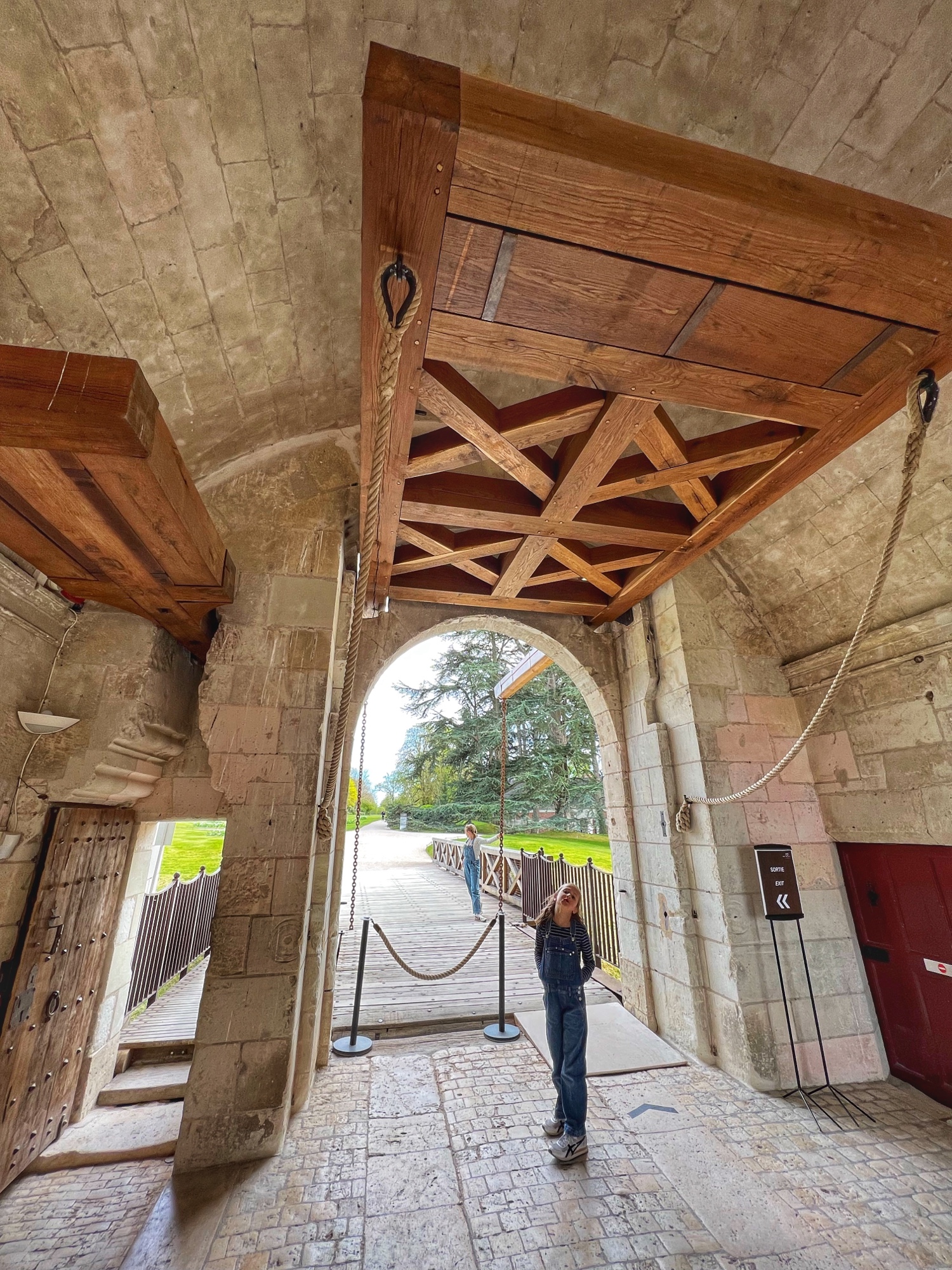
The courtyard was enchanting, with another open air spiral staircase reminiscent of Blois and Chambord. The tulips were in bloom! And the view from here was lovely. This was the only castle we saw that had an entryway with a huge drawbridge type door. Everything was very well preserved! Below are photos of some of the remarkable trees at Chaumont as well as several of the art instillations in various stalls of the stable. One stood out – thousands of geodes arranged at varying heights the ethereal music playing. You stepped into this rounded space and it transports your senses!

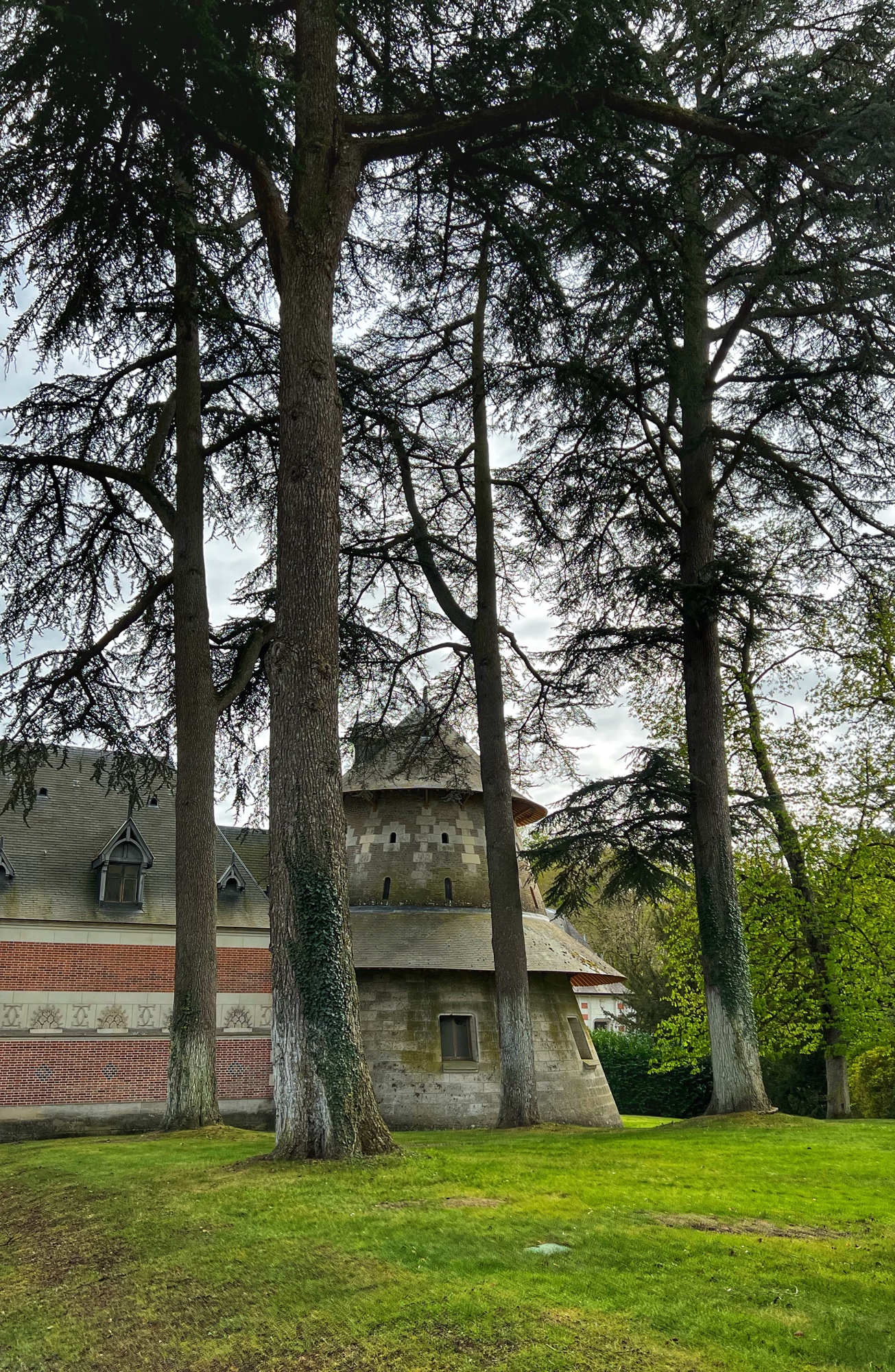
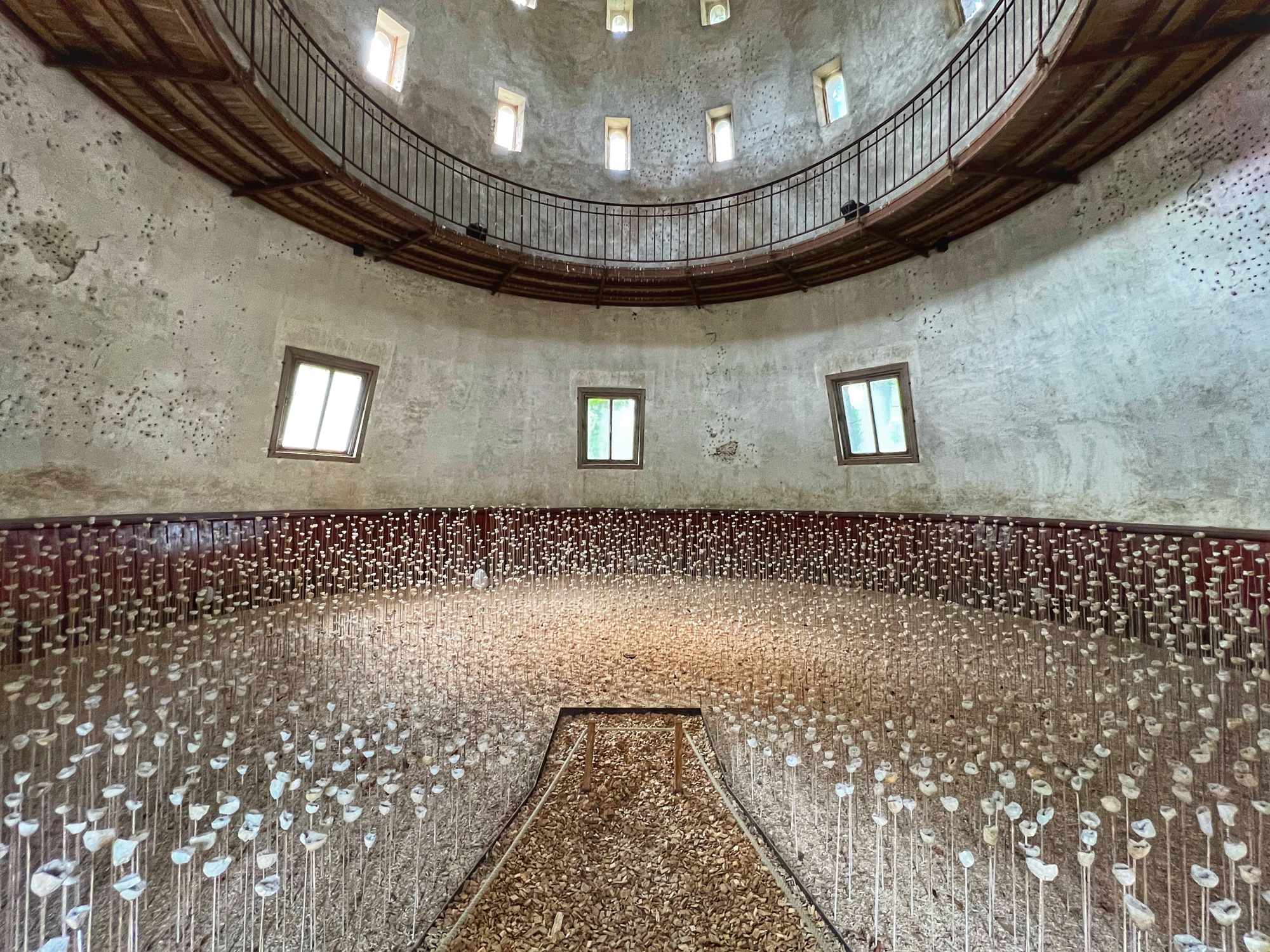


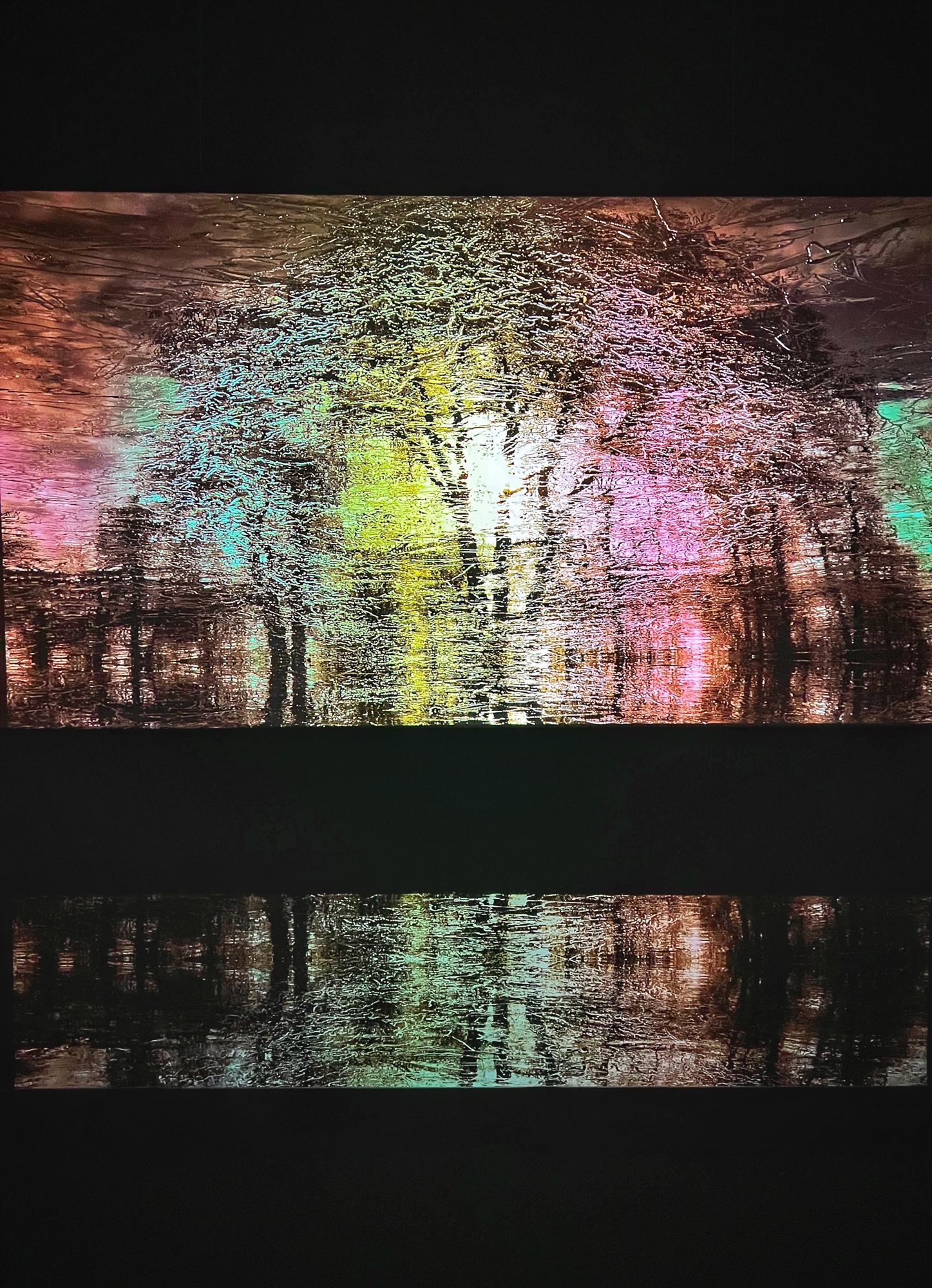

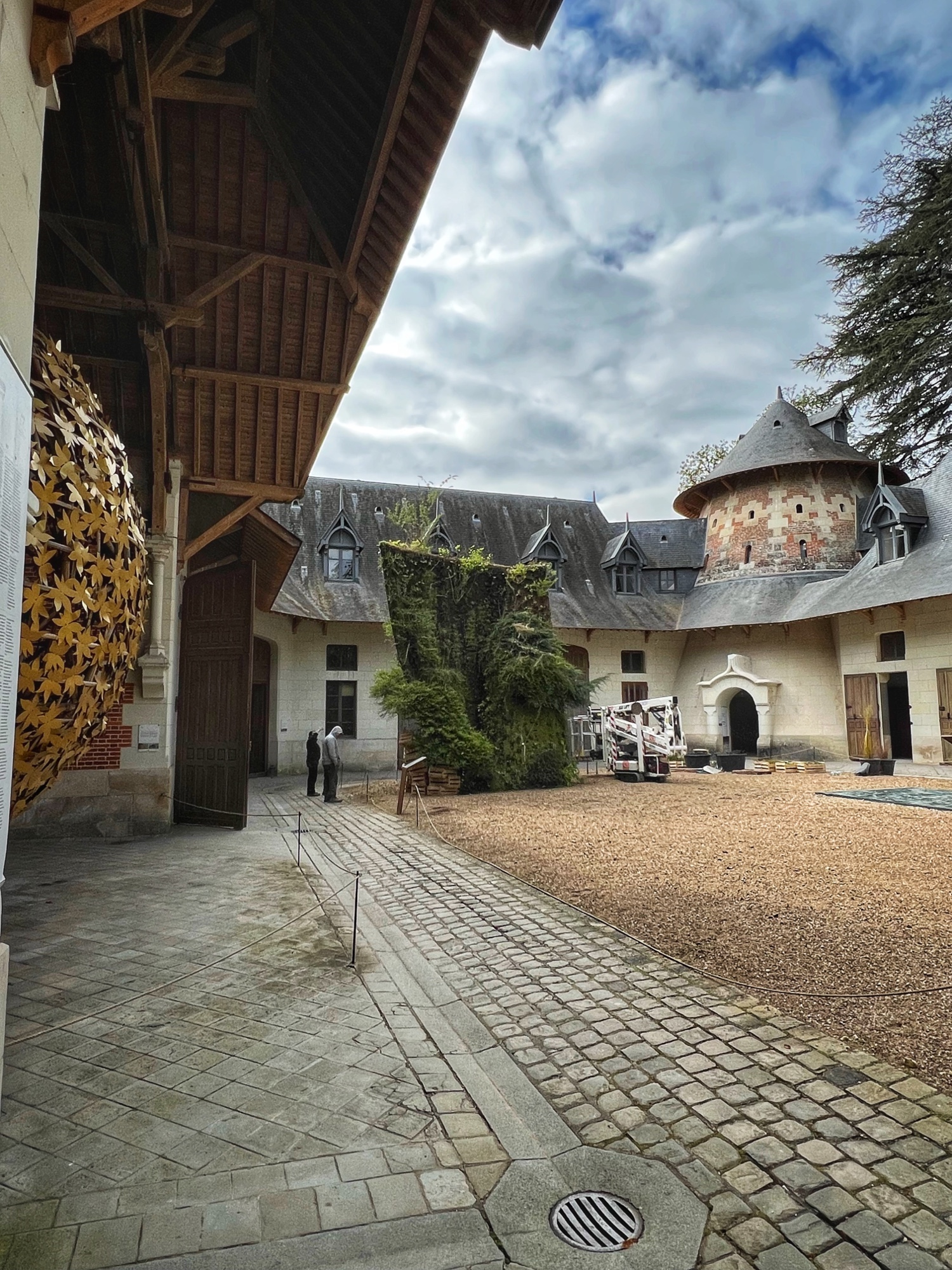
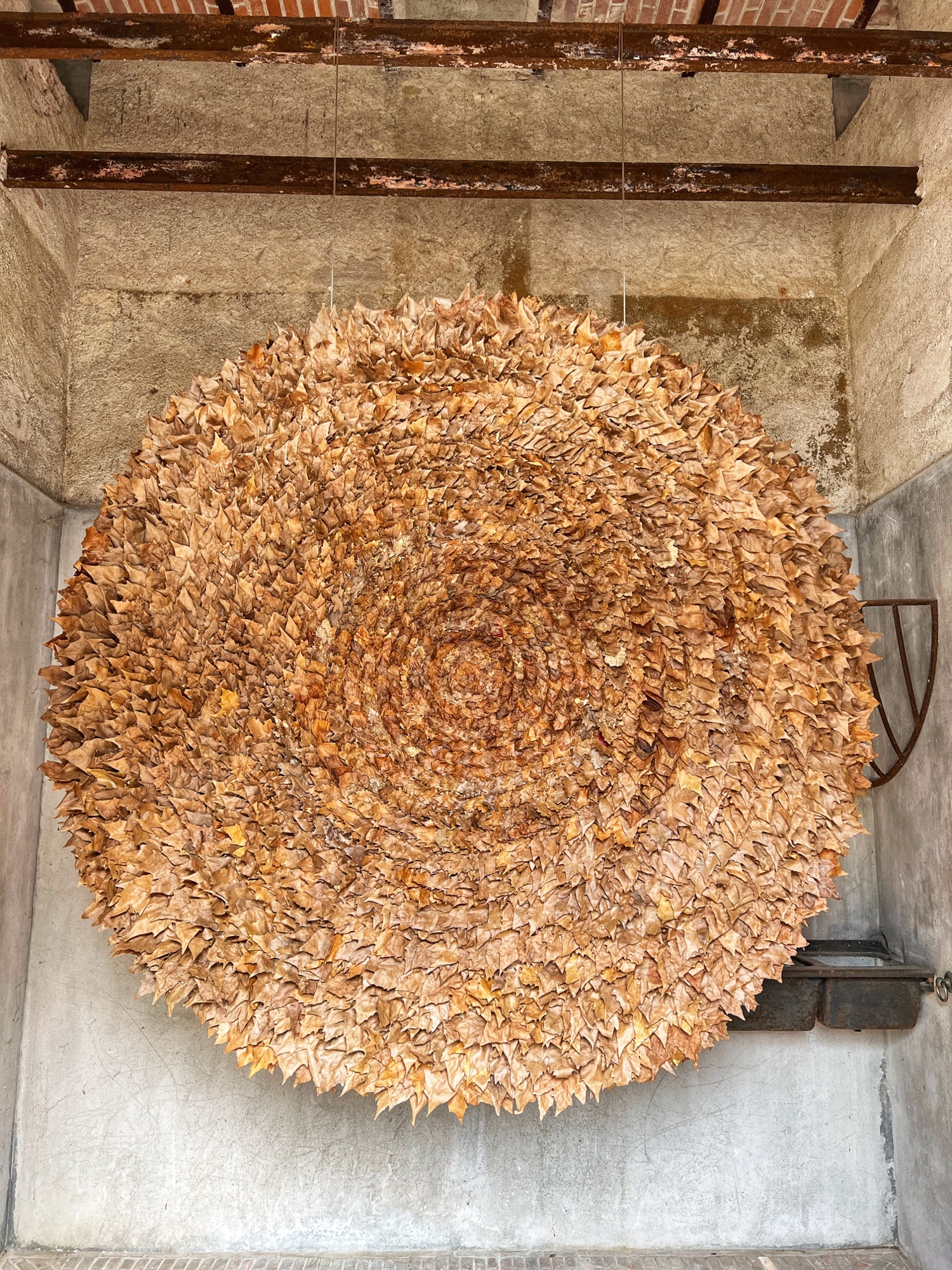
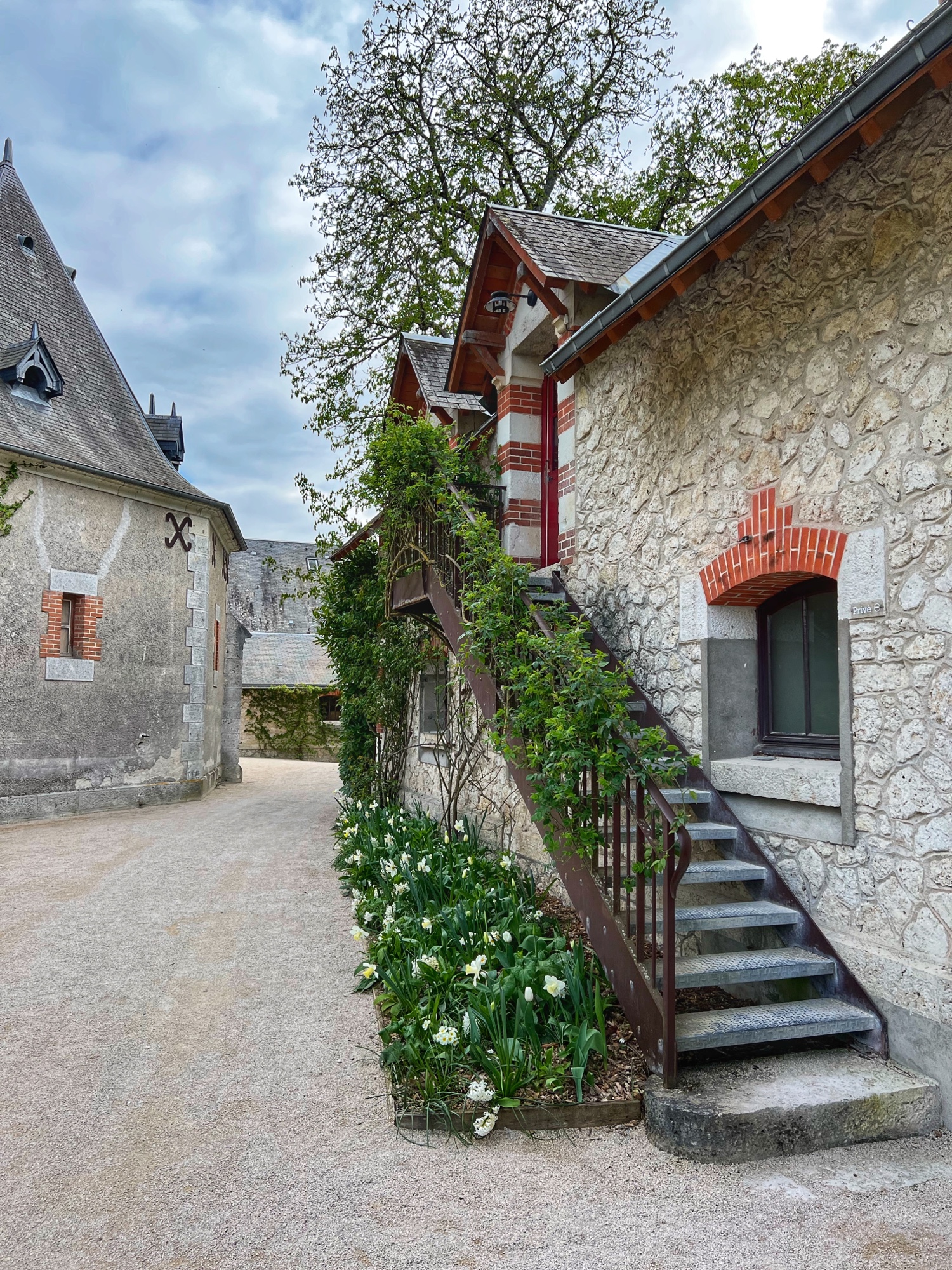
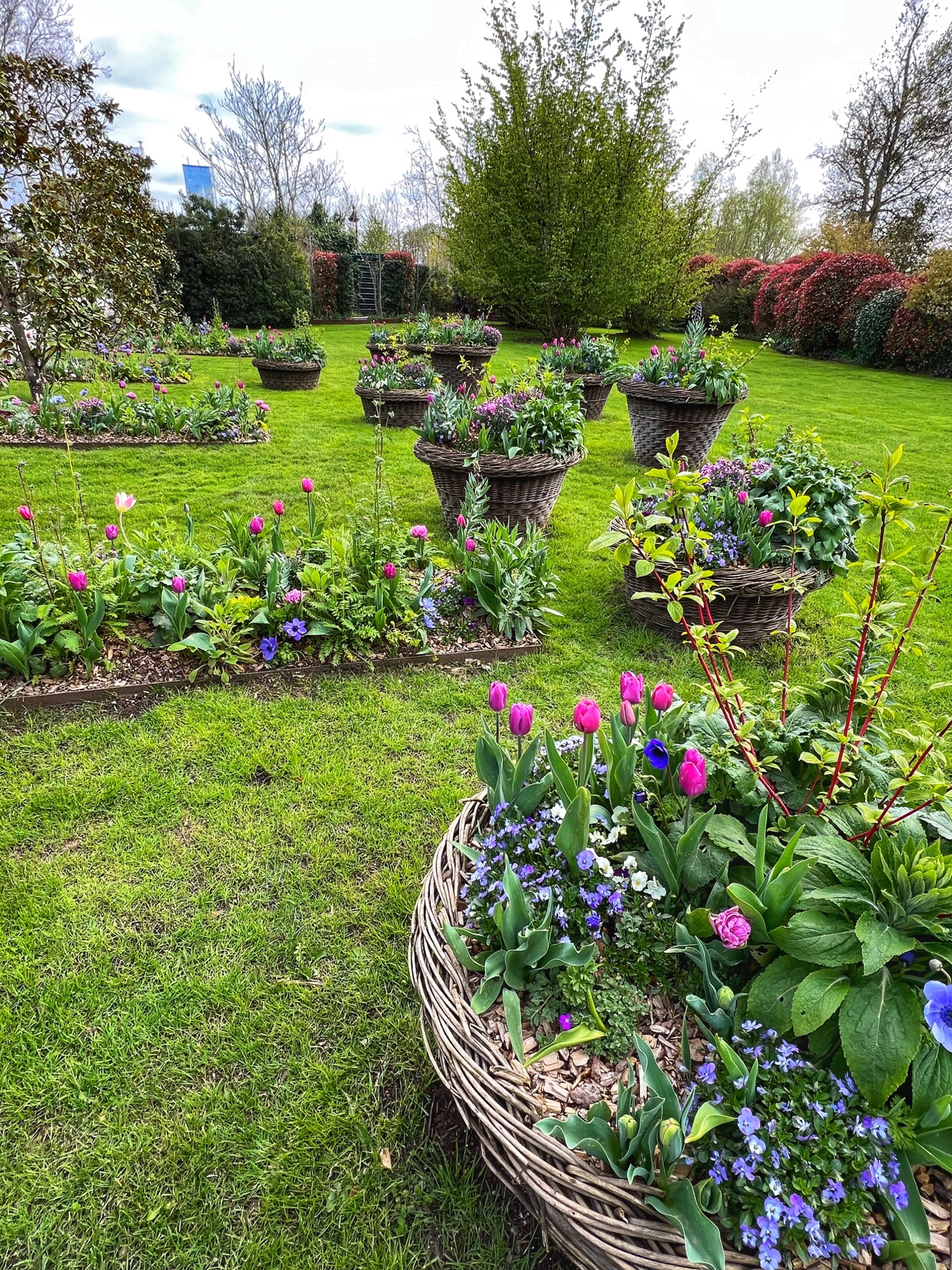
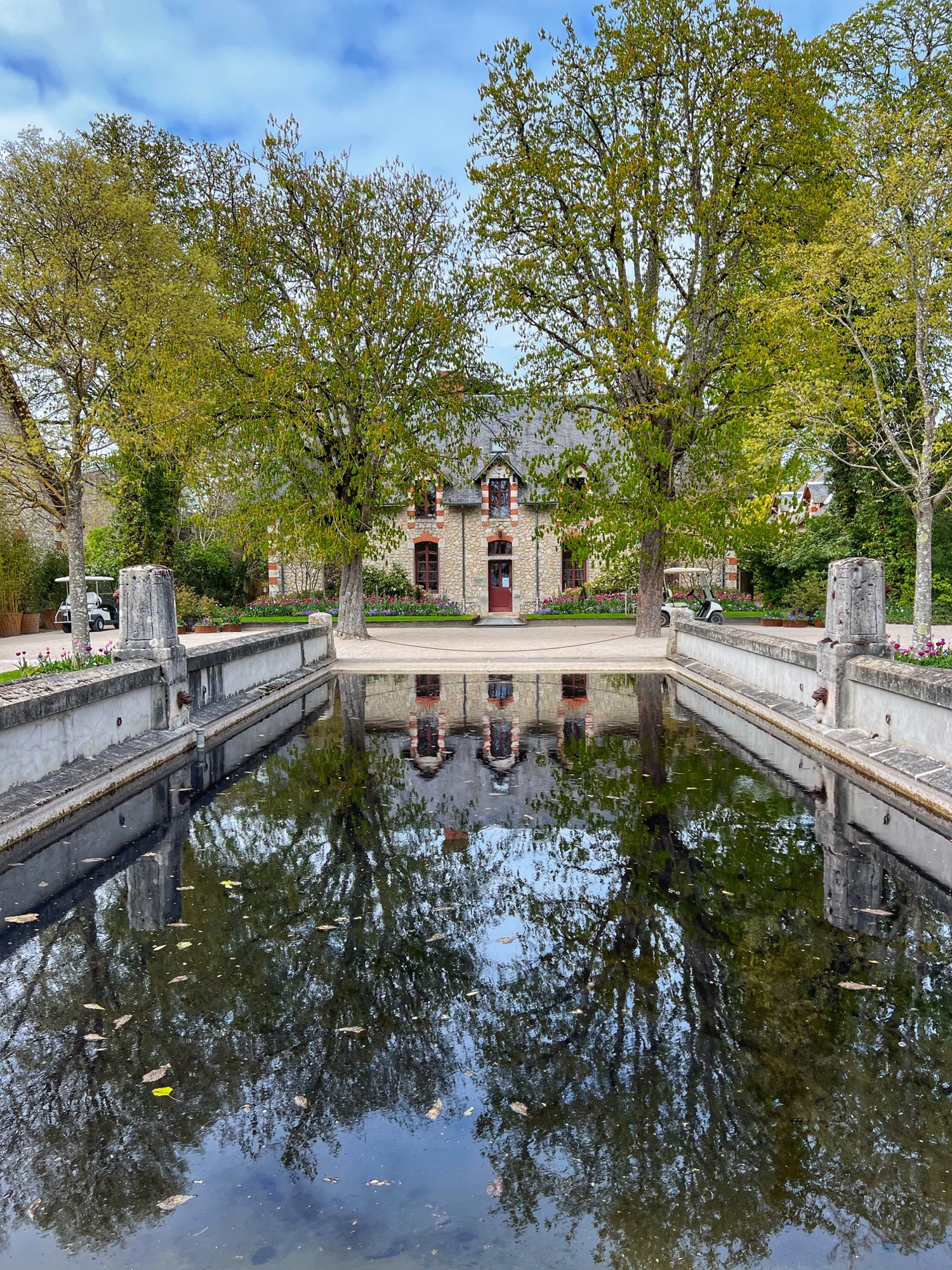

The bottom line is, Chaumont may not get much attention aside from the famous garden festival, but if you have the time and you appreciate modern art, it is well worth the visit. For more information, see the Chaumont website here.
DAY 4
We only went to one castle on the 4th day as it was the day we drove home, but you could easily add in little Château Troussay or Blois and Chaumont if you haven’t seen them yet and have time.
Cheverny
- Opening Hours: 9:15am-6:30pm high season (10am-5pm low season)
- Rates: Adults €13.50, Children 7-14 €9.50, Under 7 free (optional to just visit gardens at reduced rate)
- Parking: free
- Audioguide €4/each (recommended)
- Children’s Activities: awesome maze, gardens, kids booklet (English), hunting dogs, TinTin exhibit (€4.50 extra for adults, €4 extra for children 7-14).
- Highlights: tulips, love garden, remarkable trees, 100 dogs, seasonal events and decor, orangerie, boat trip optional (extra).
- Accessible: Interior inaccessible due to exterior staircases. Gardens accessible. TinTin exhibit accessible. Free access.
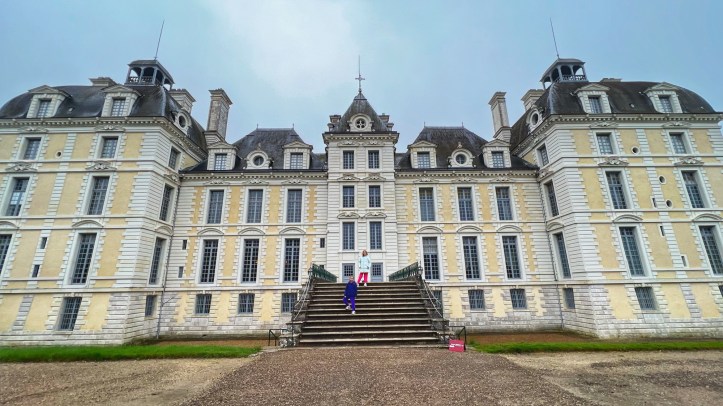
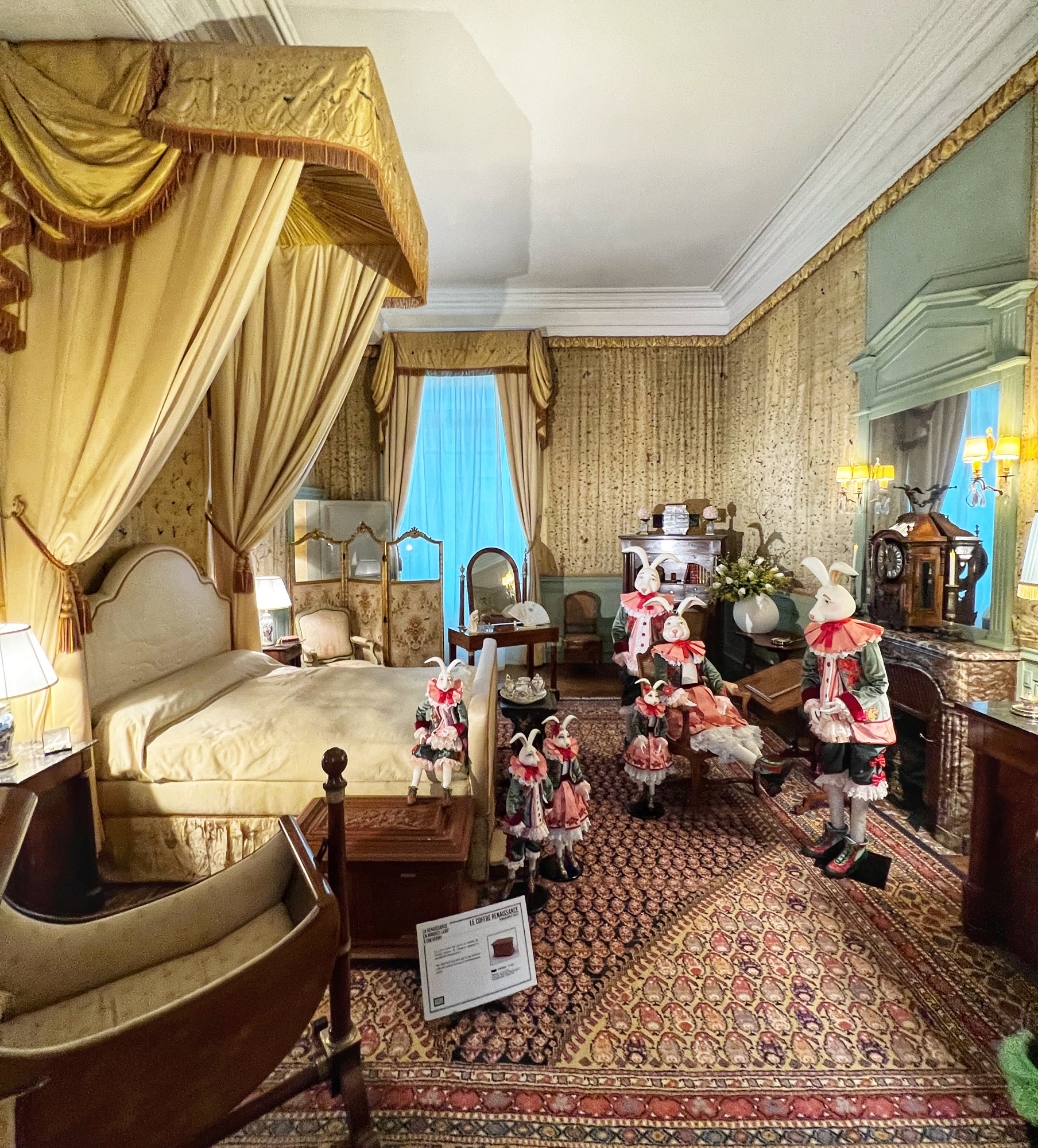
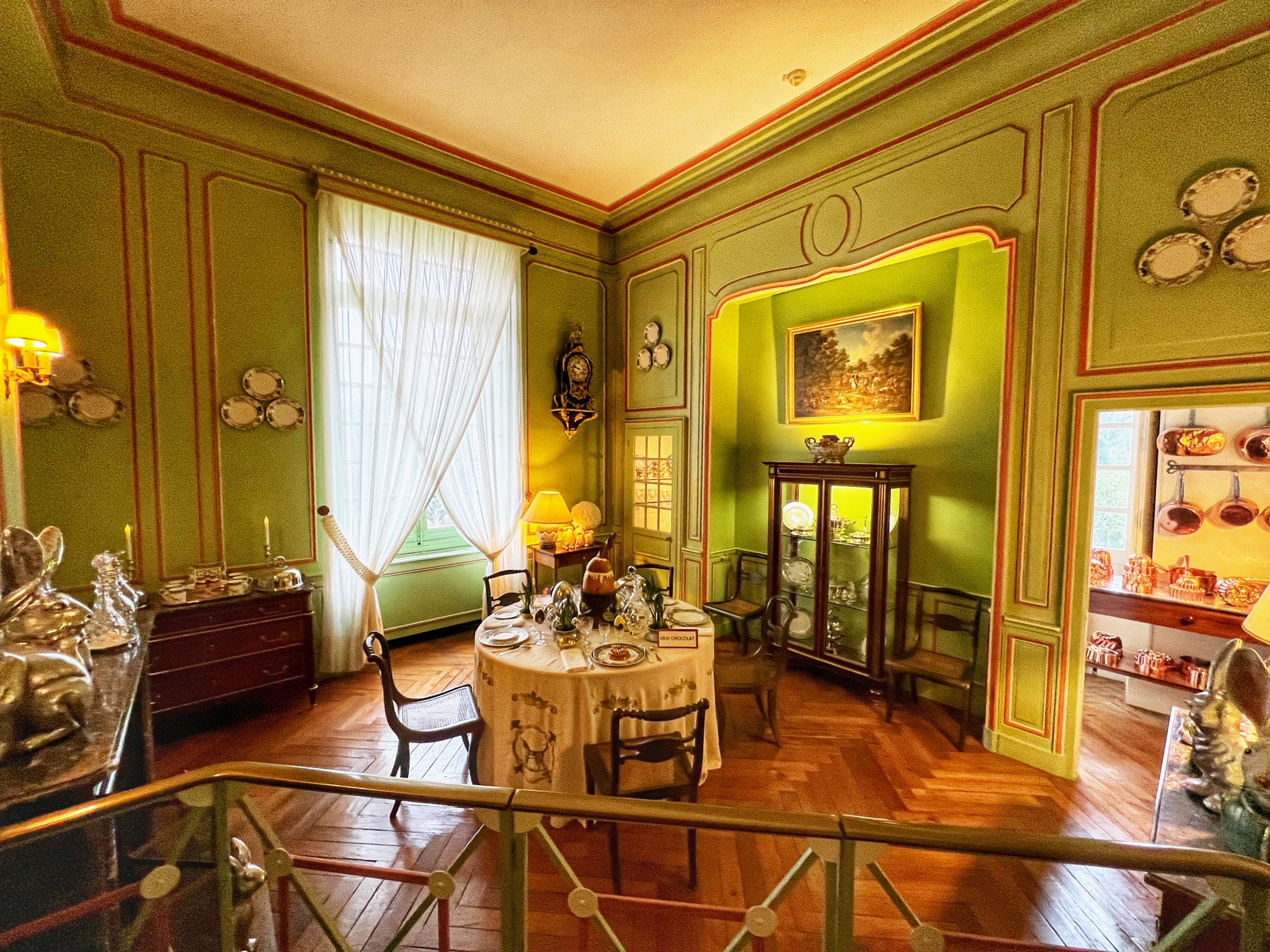
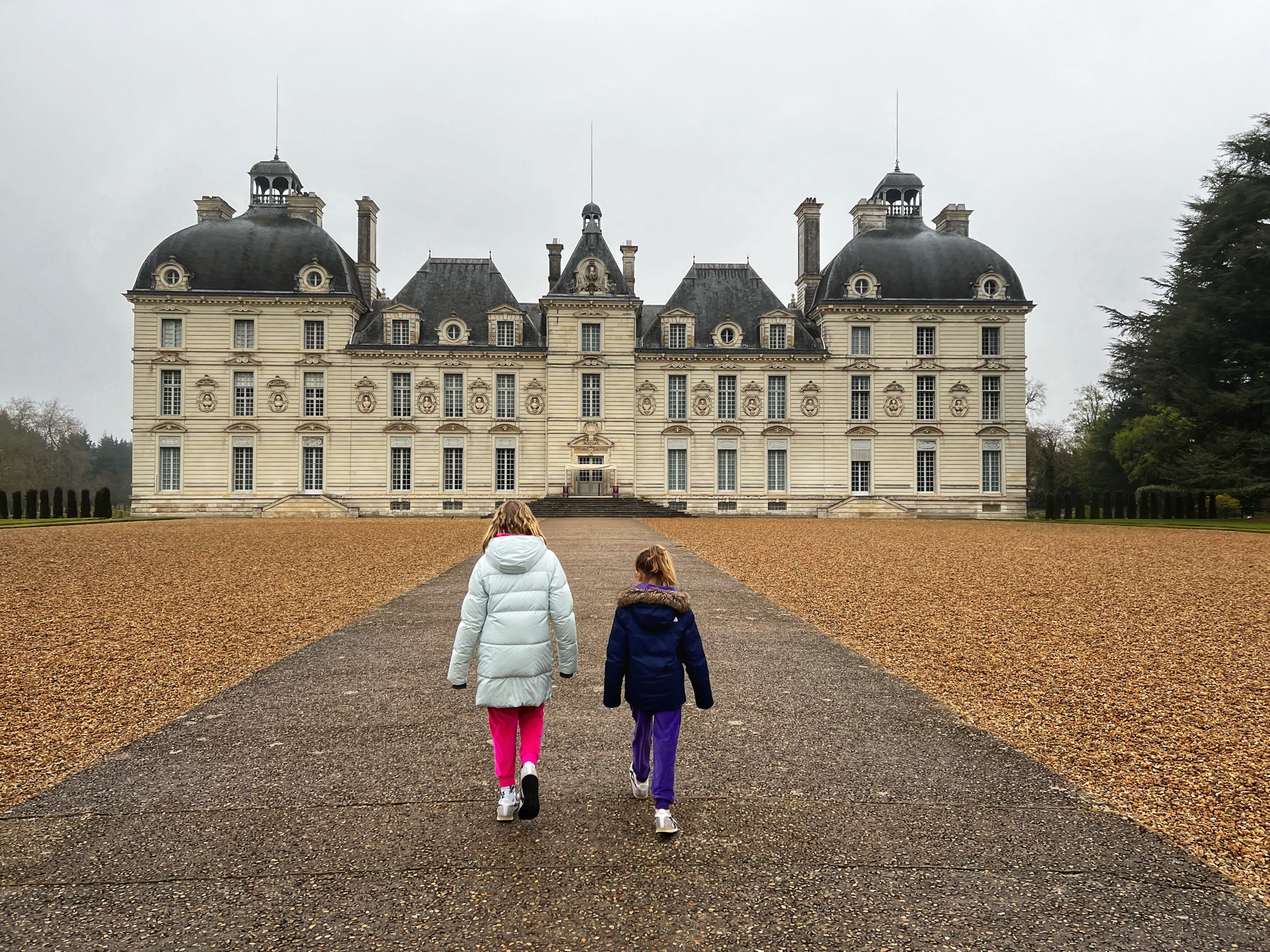
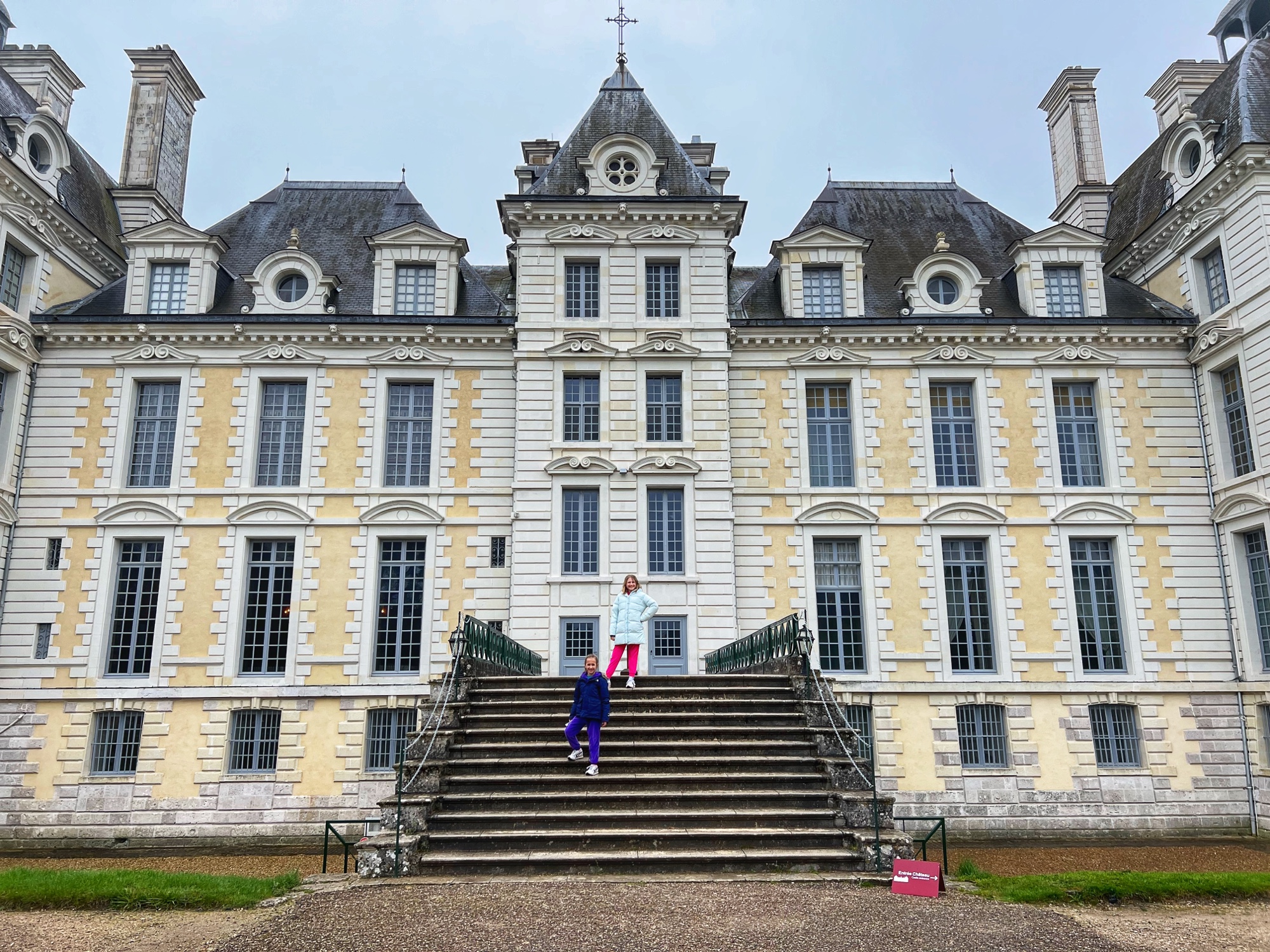
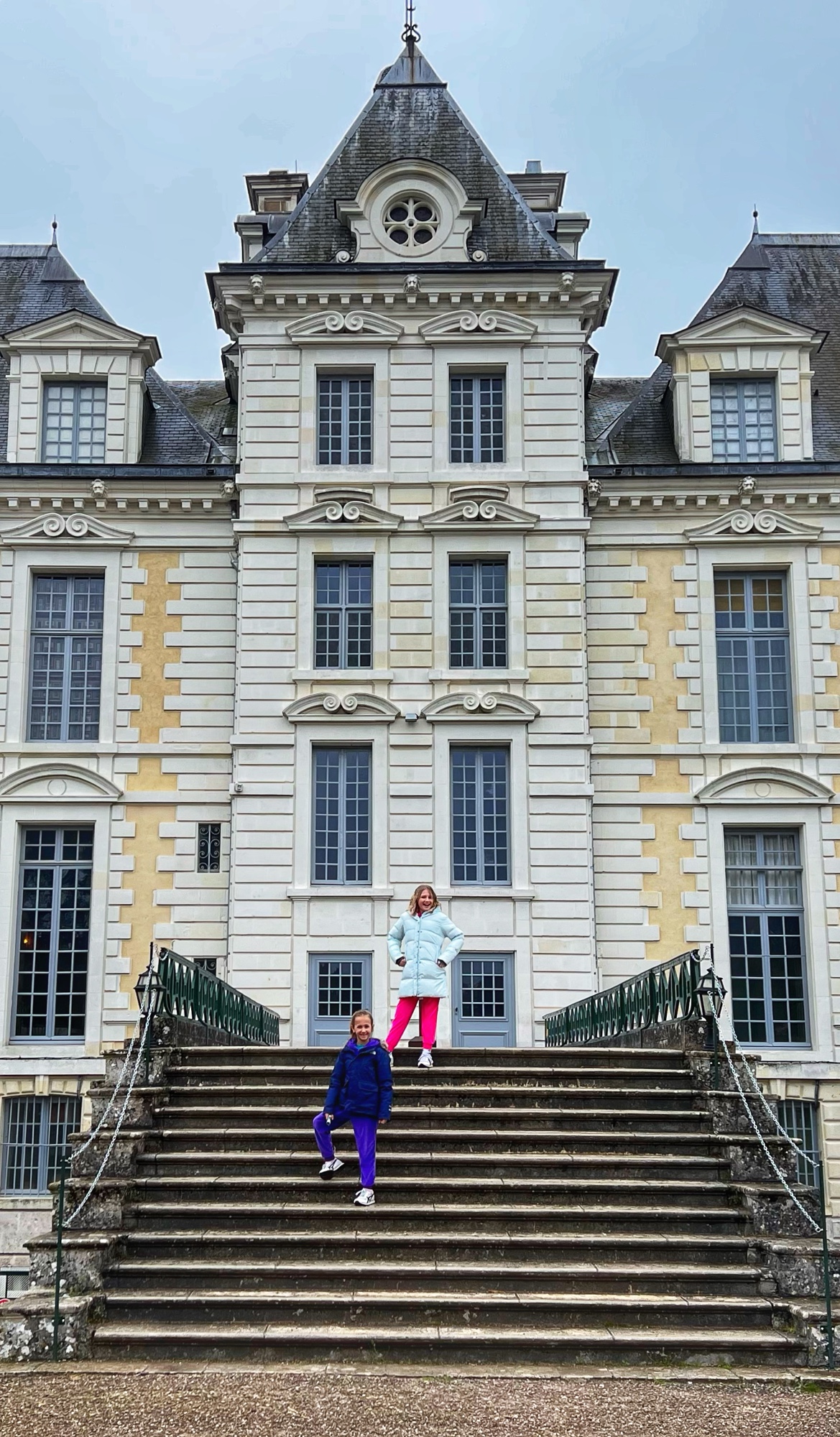
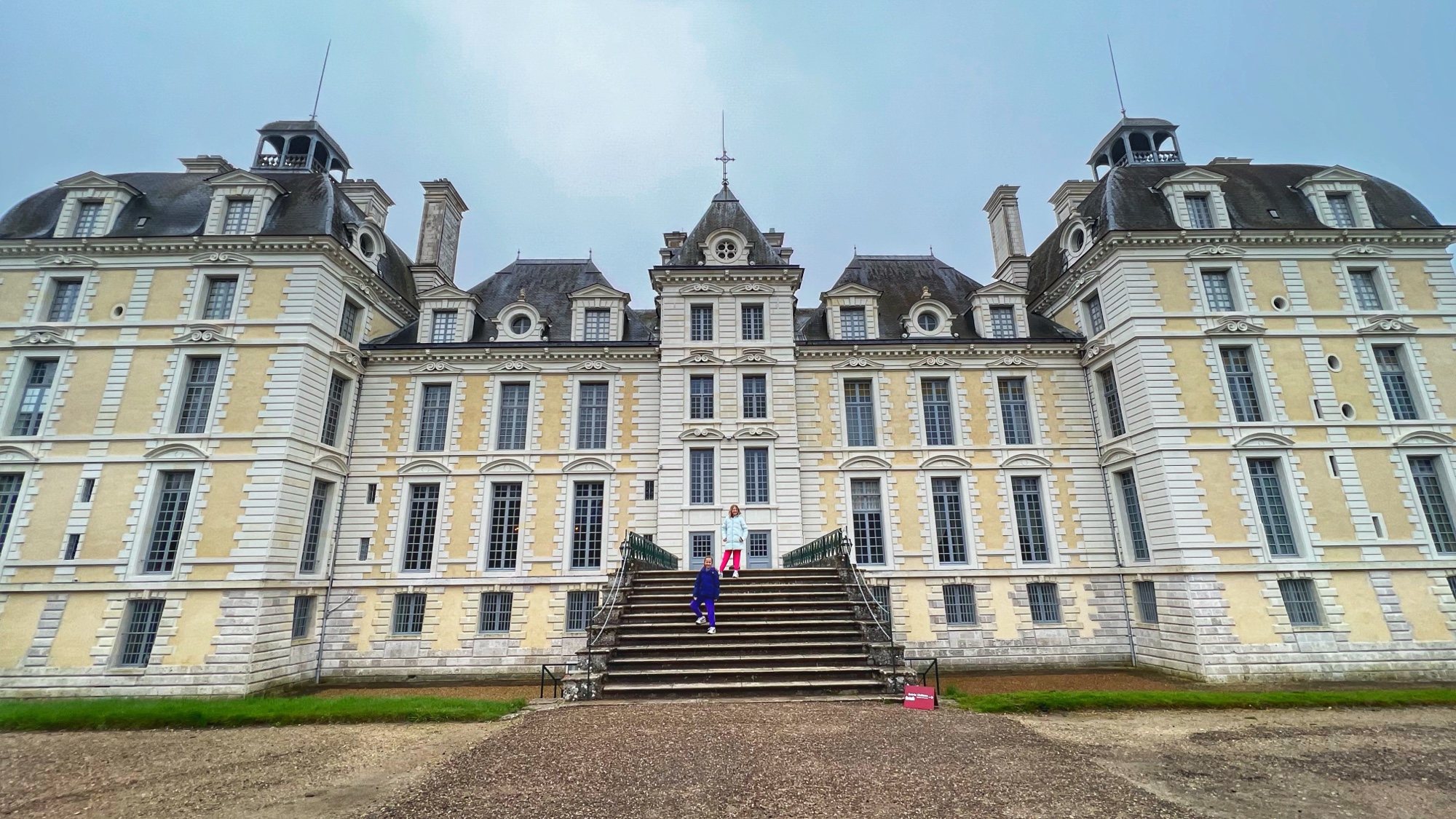
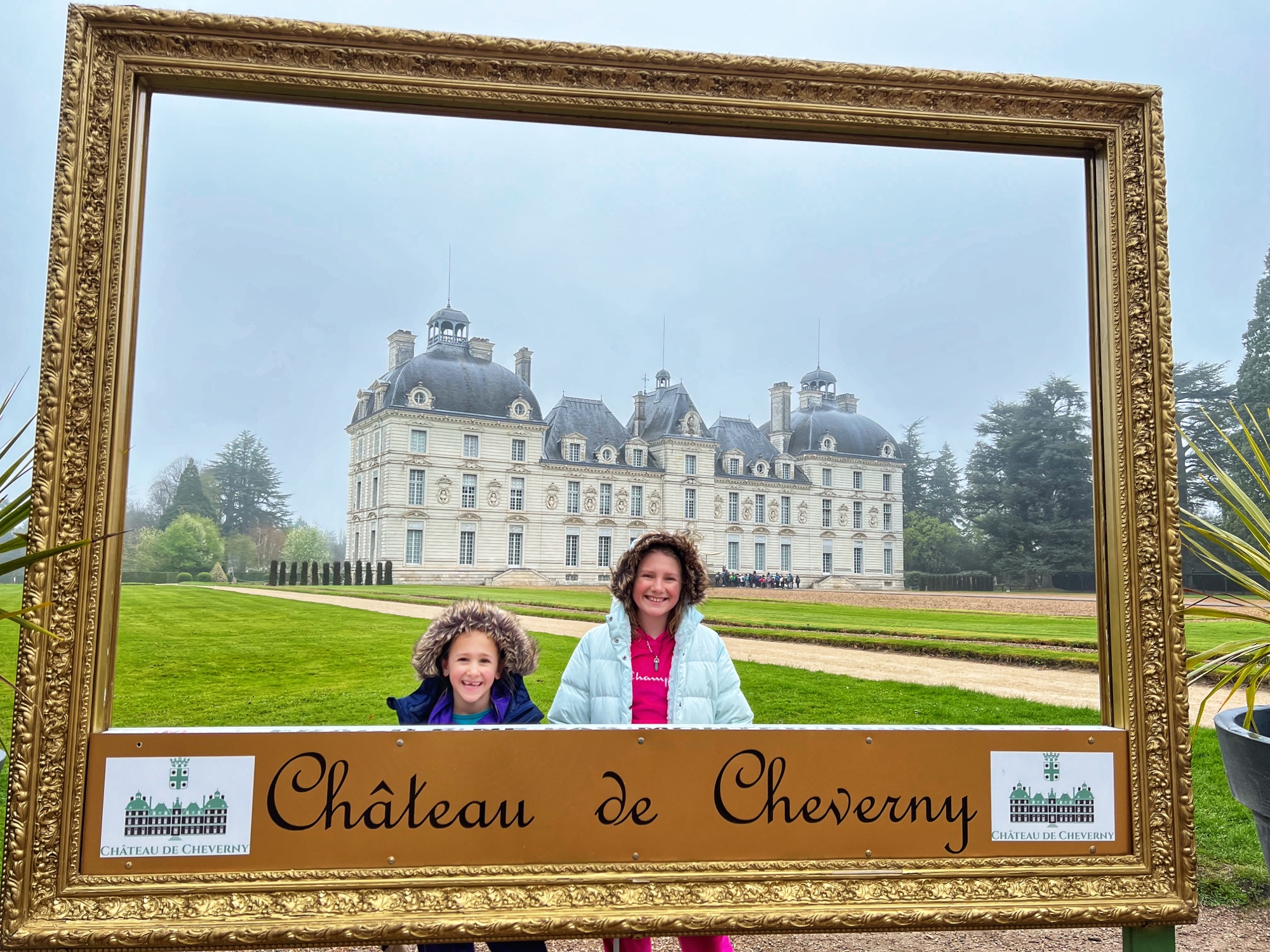
Cheverny was the next most expensive castle and domain we visited, and although it was a very cold and rainy day, it was still well worth the visit! It was hands down the most well decorated and appointed castle we saw. It was kid friendly with the riddle book, and with the extra options (Tin Tin cartoon exhibit, gardens, Orangerie, dogs, boat tour etc) you could easily make a day at Cheverny! We recognized the castle right away from having seen the cartoon “Tin Tin,” that takes place here at the château. It is the most modern looking residence we saw, and we learned it is in the hands of the same family for most of the last 600 years! Currently Charles-Antoine de Vibraye and his family reside in about 10% of the castle while the rest is open to the public and has been since 1922. This private estate is decked out with decor during various holidays and is always full of fresh flowers and marvelous mementos.
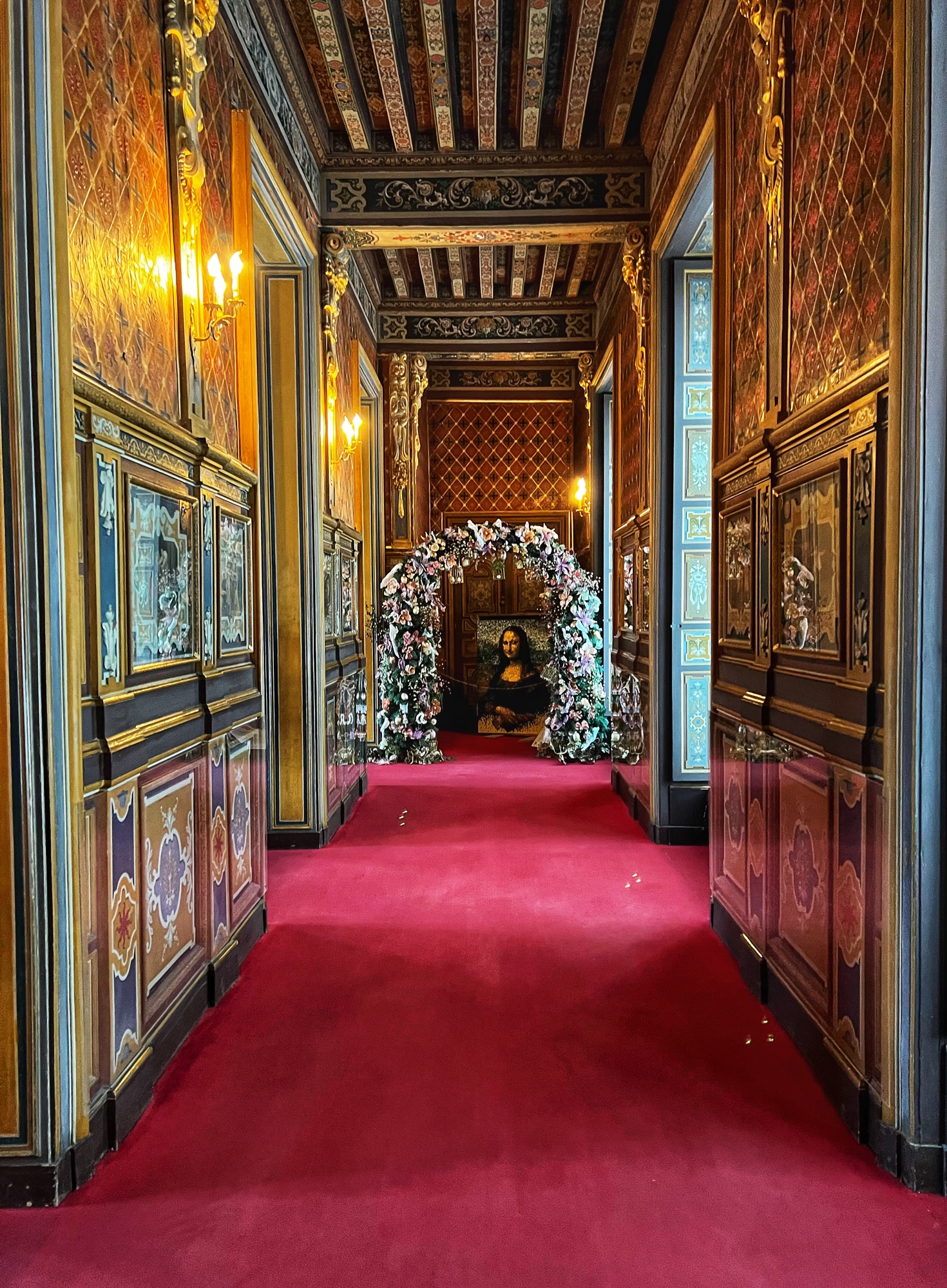
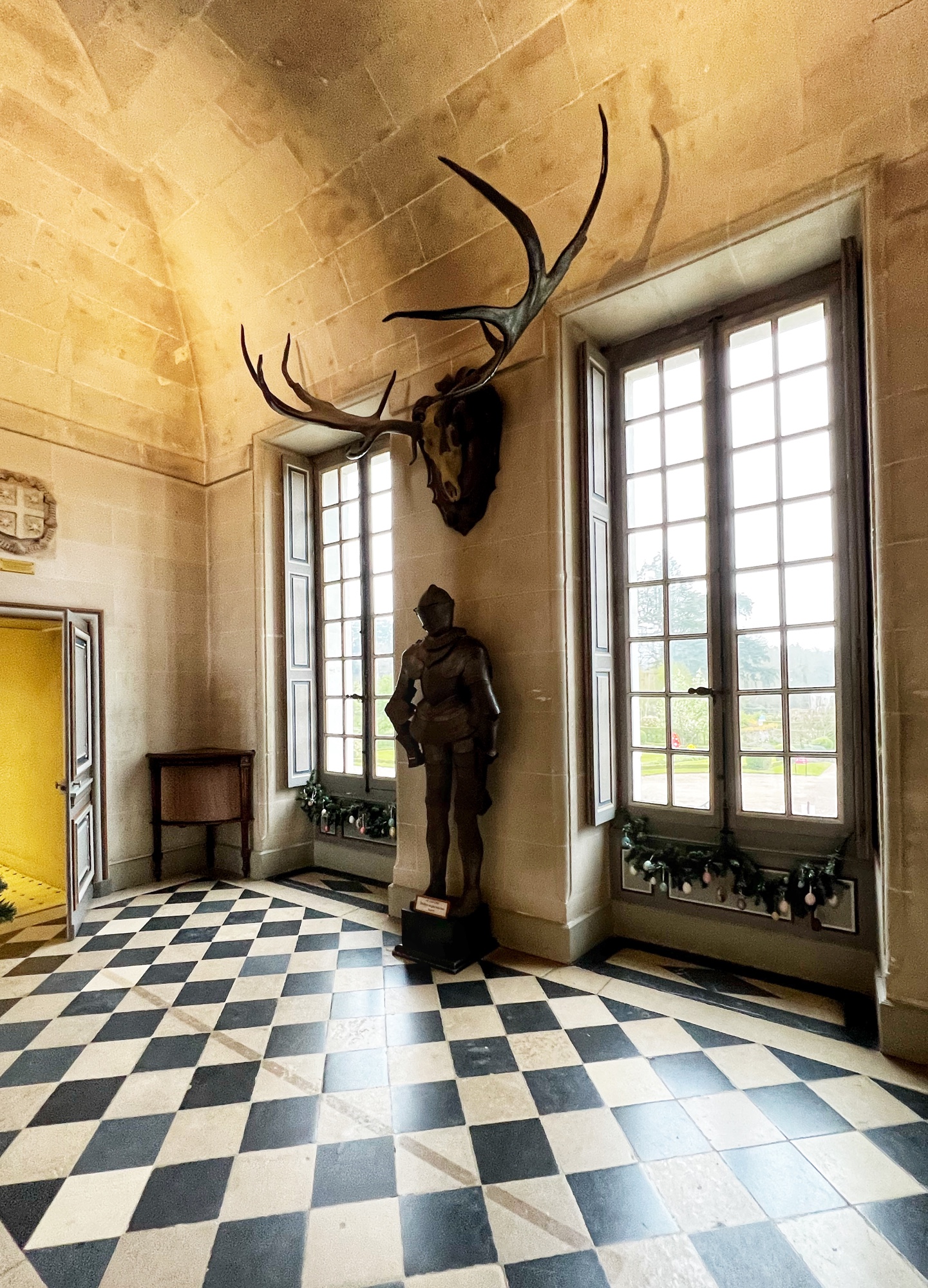
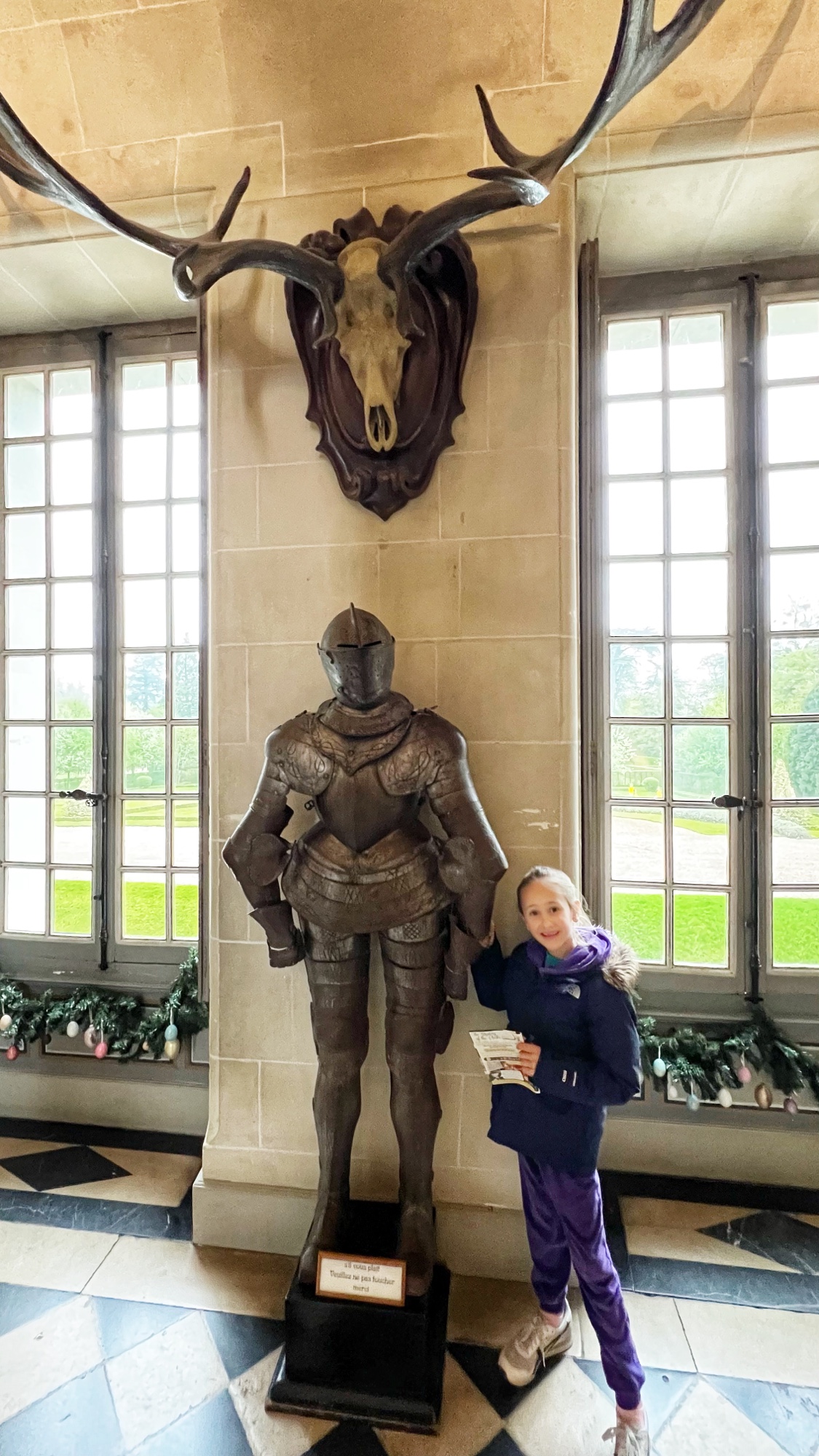
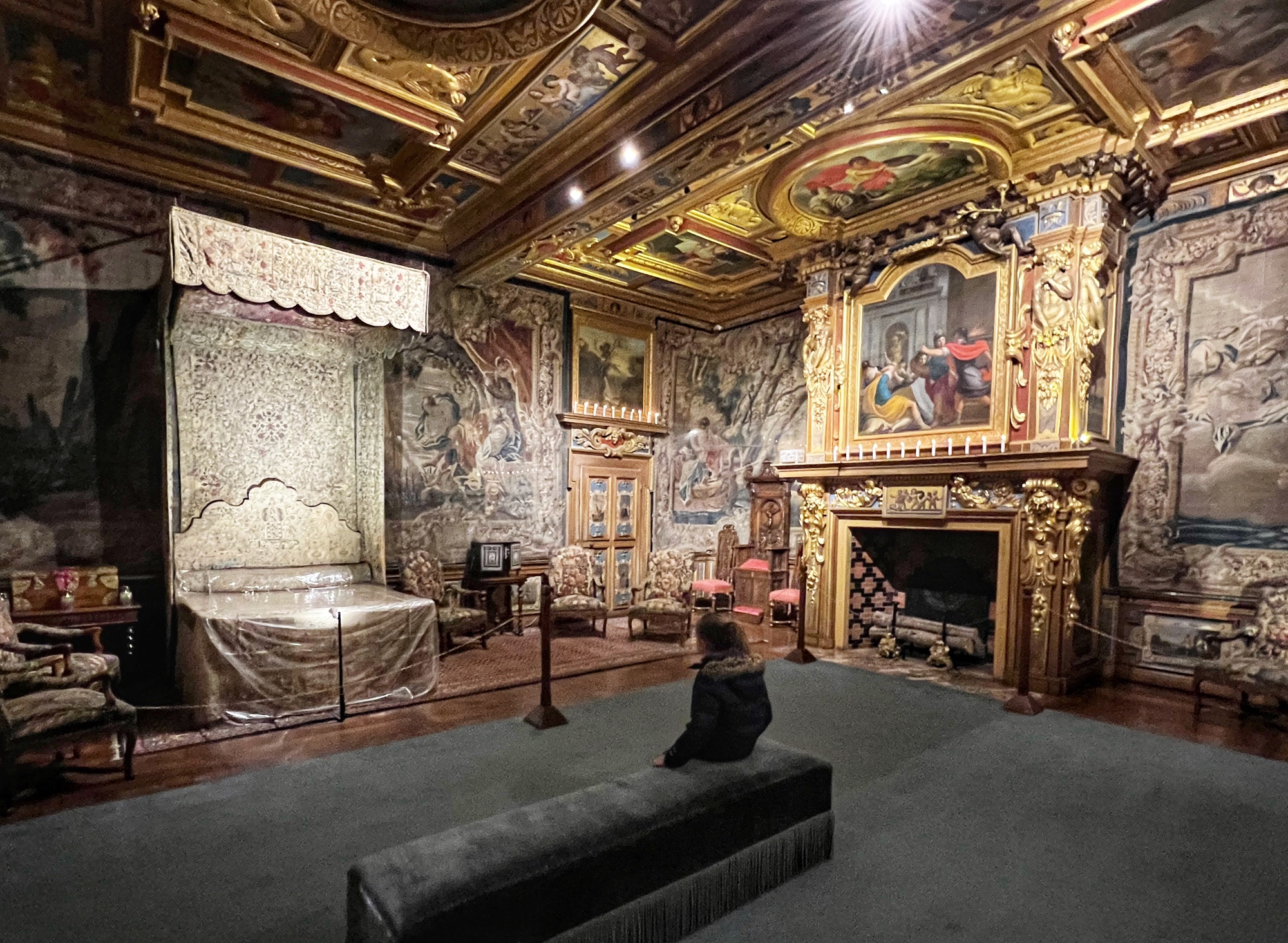
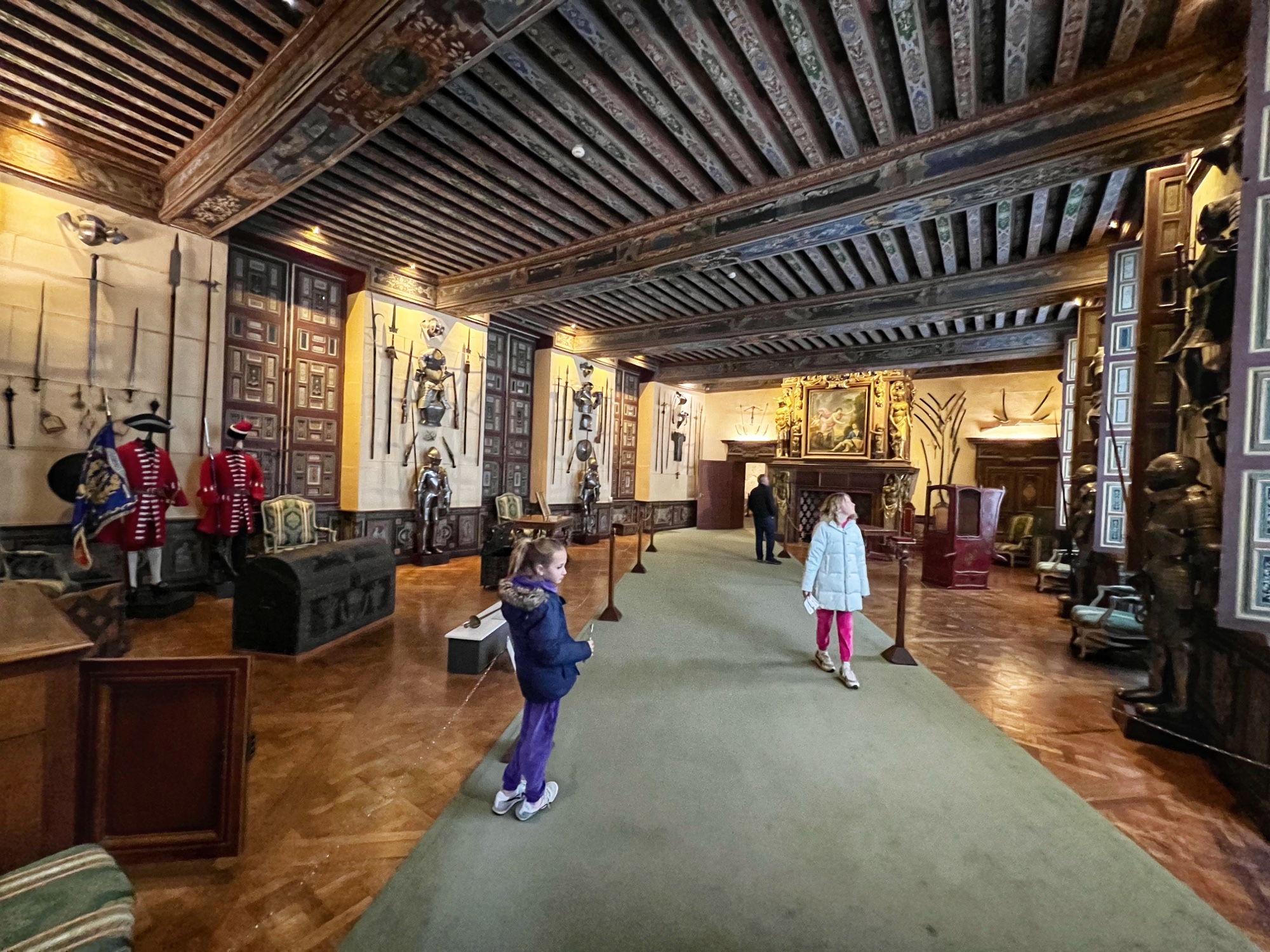
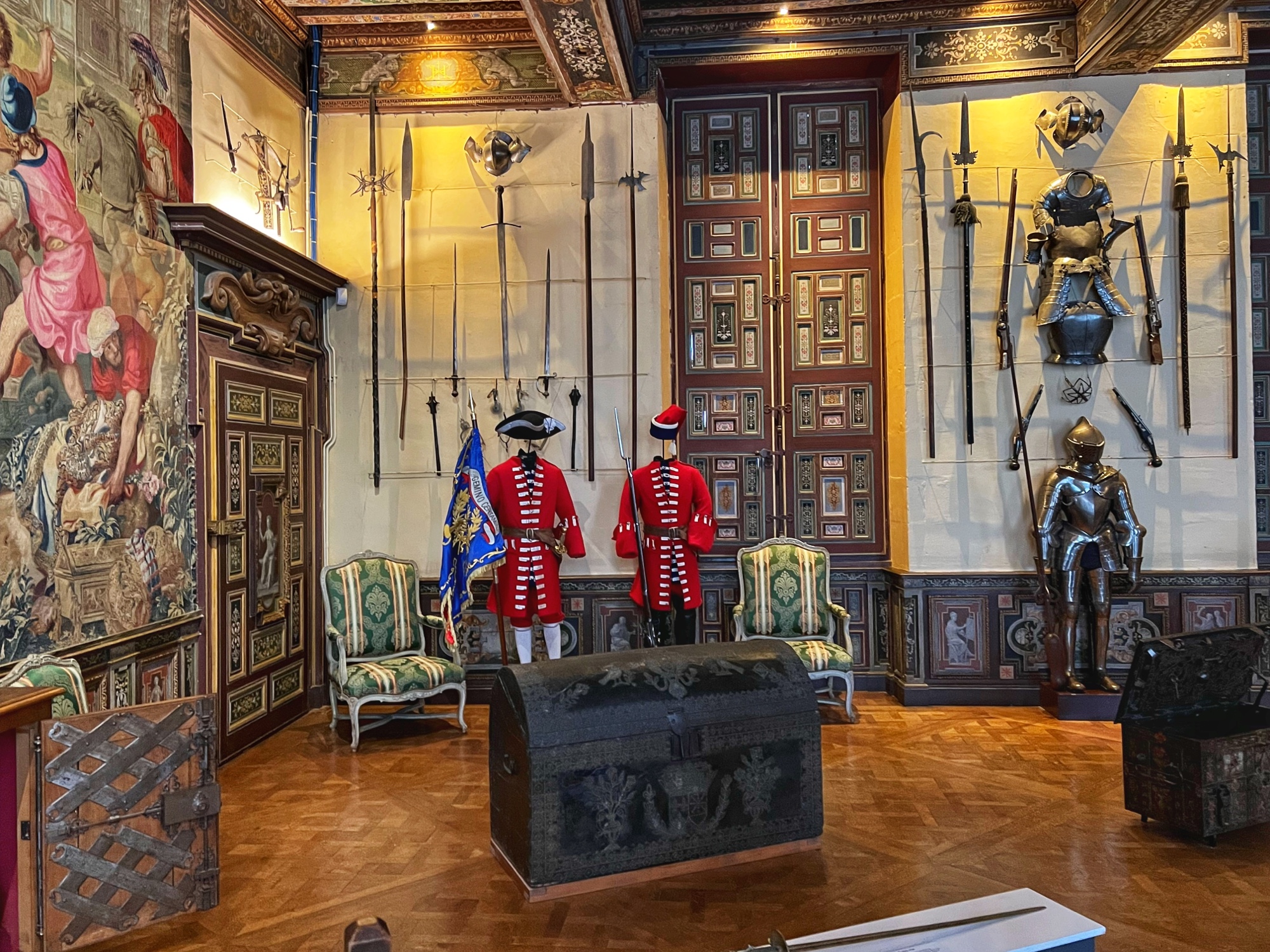
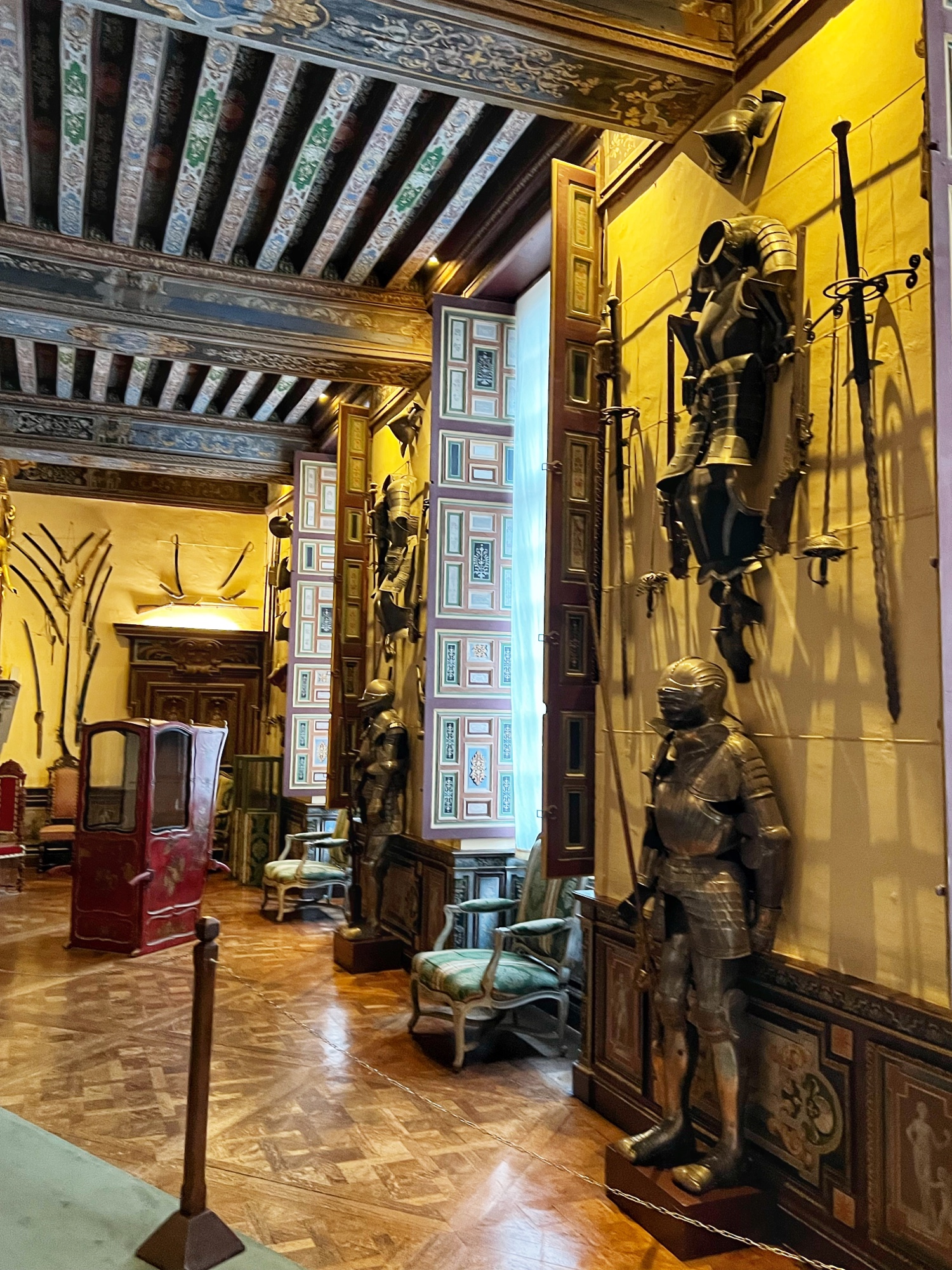
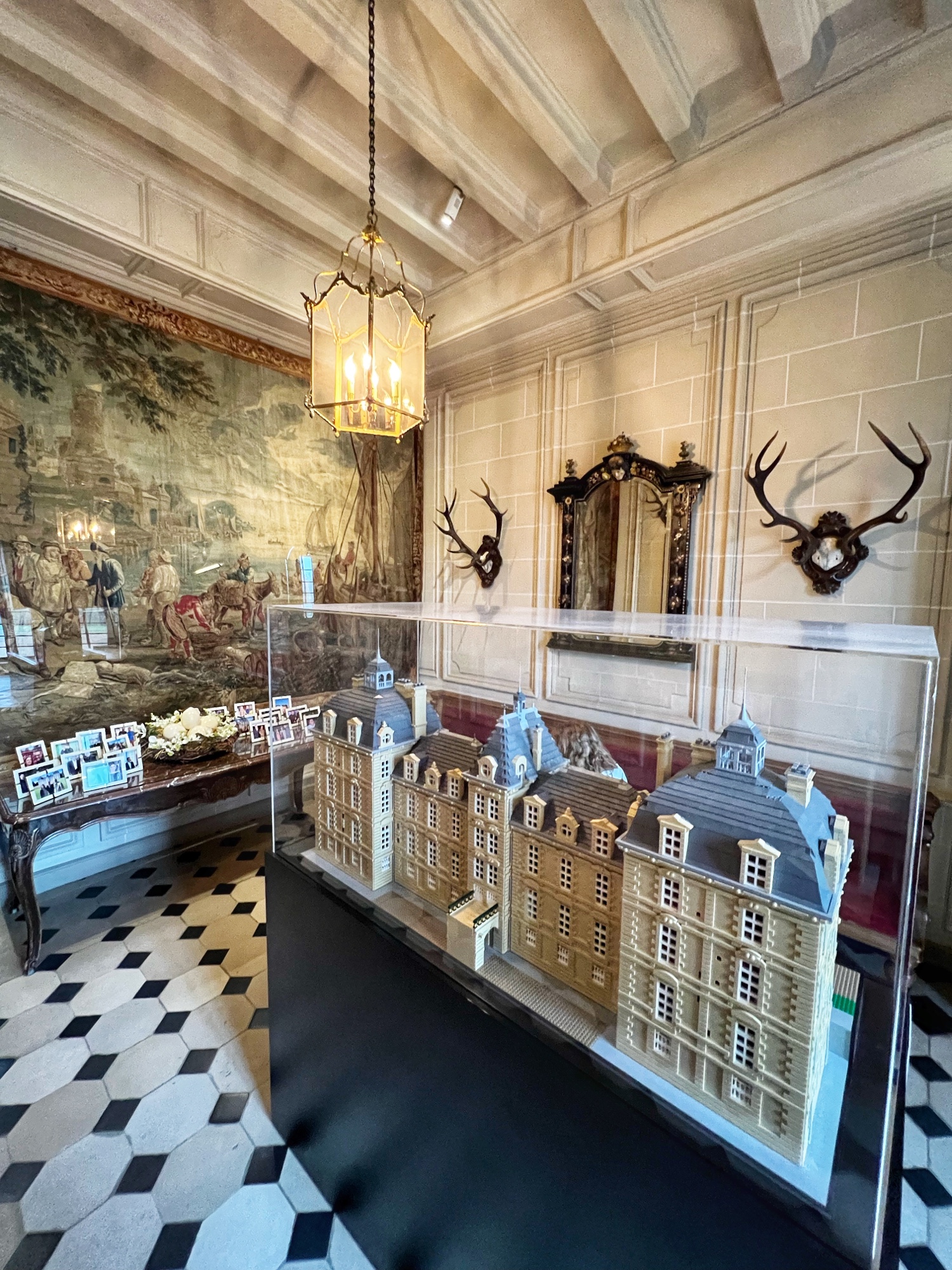
A more modern palace, there are still plenty of hints to Cheverny’s past. Originally built in the 14th century, it has been updated and rennovated over the last 700 years. It is really amazing to be in a castle and see family photos of the current residents! Keep an eye out for whimsical details like the Lego Mona Lisa, Lego chateau replica, and enormous prehistoric antlers mounted on the wall at the exact height of the extinct animal it came from (!). The furniture in this château is drool worthy. It’s a colorful place!


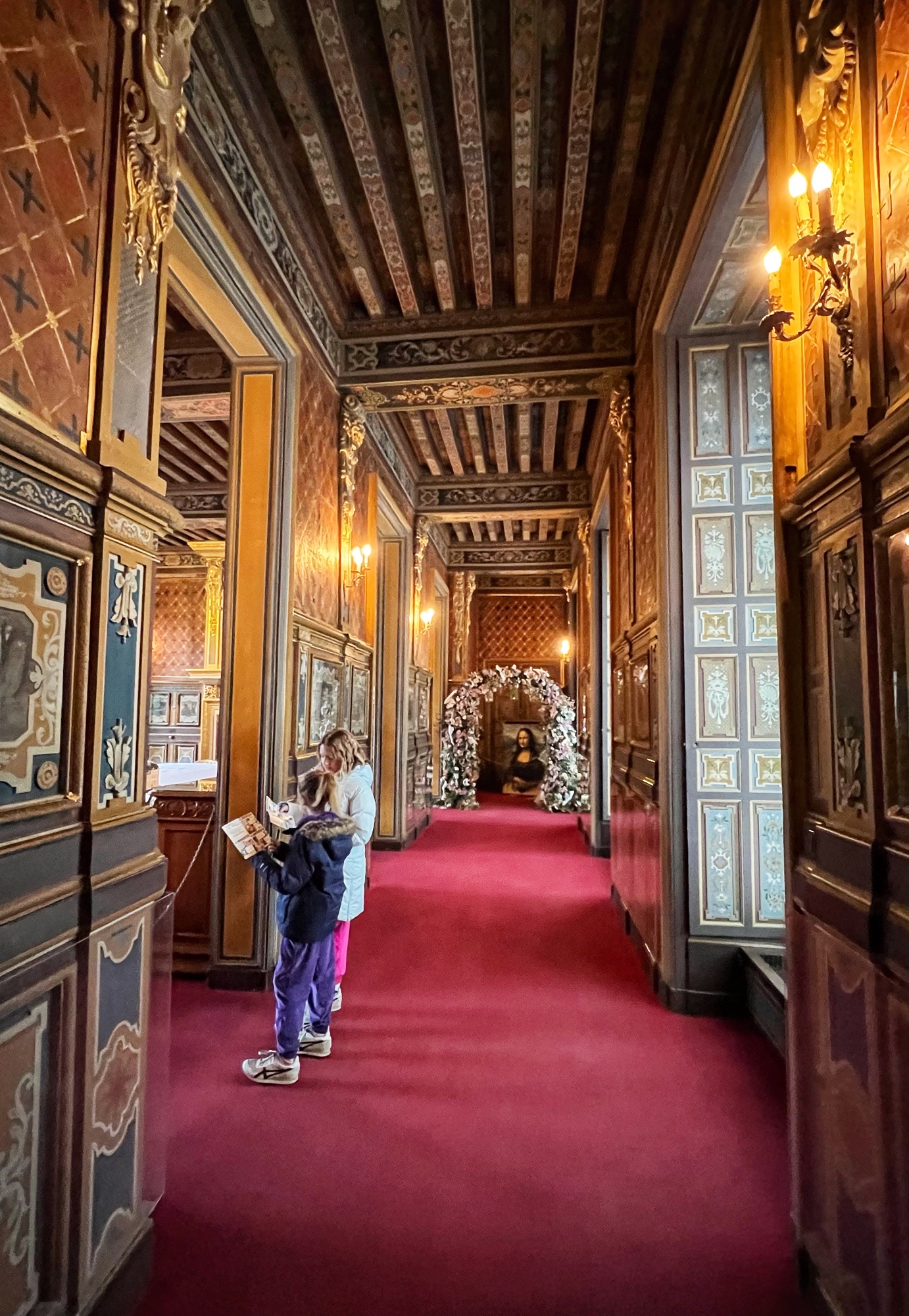
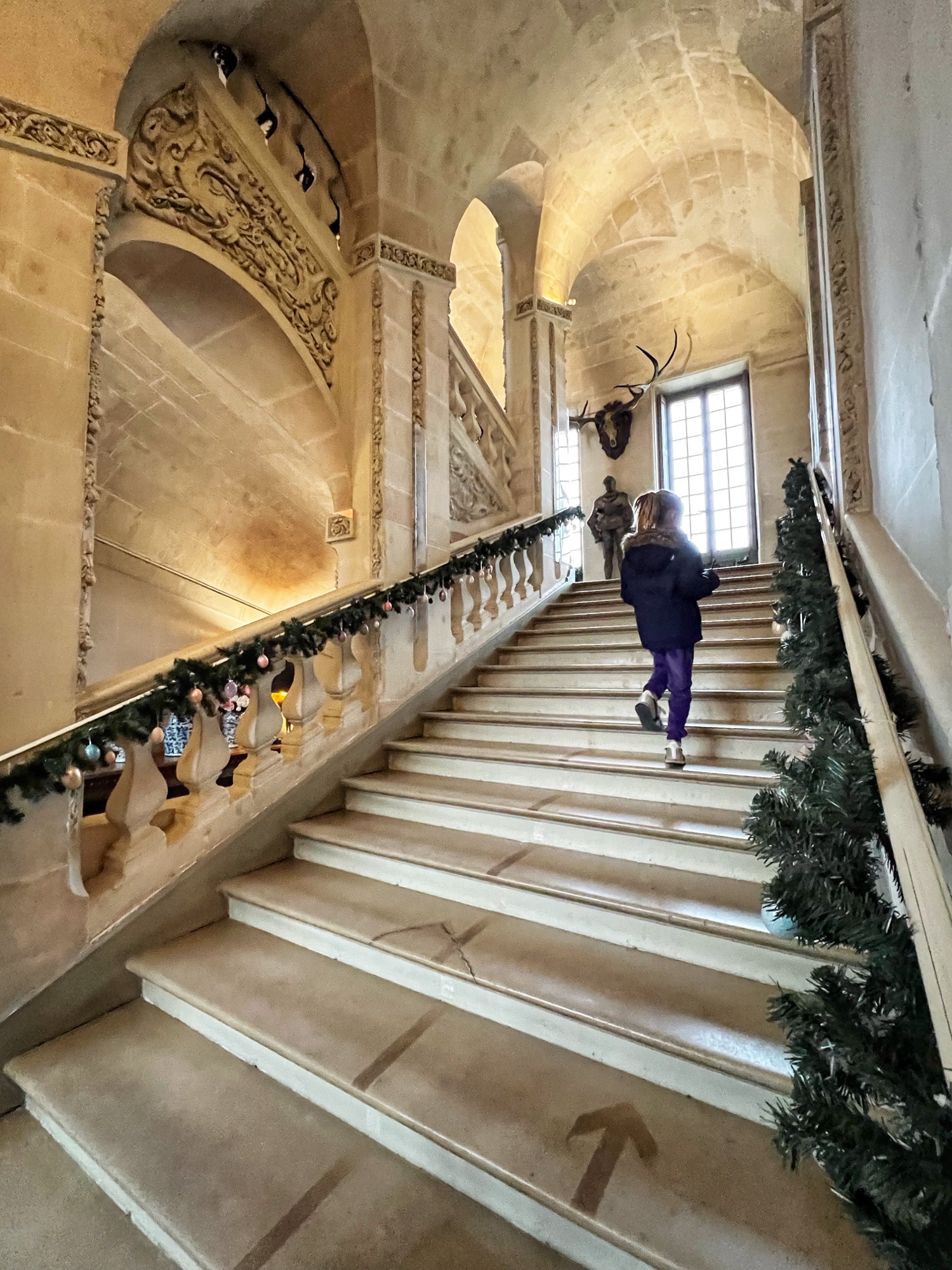
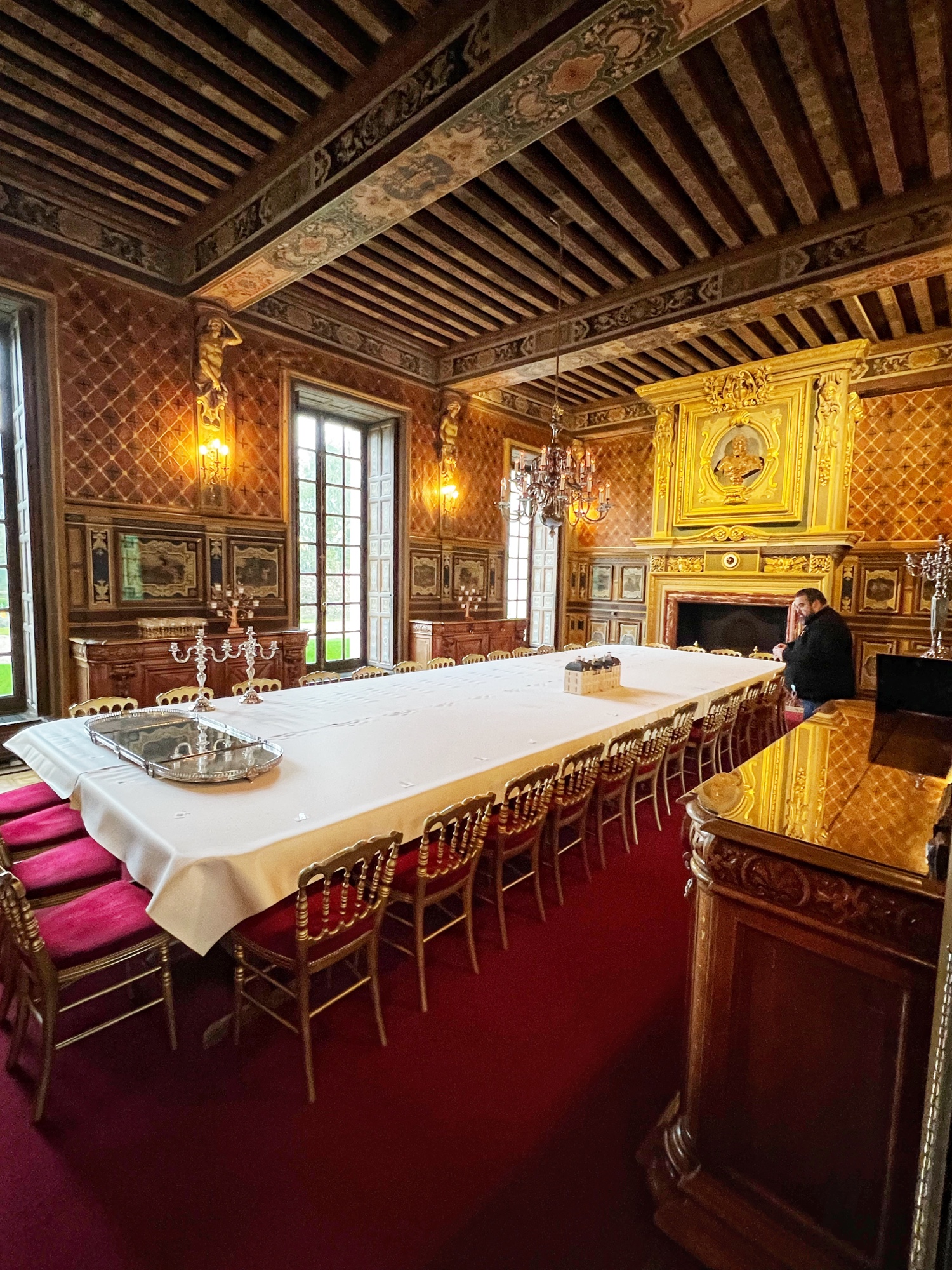
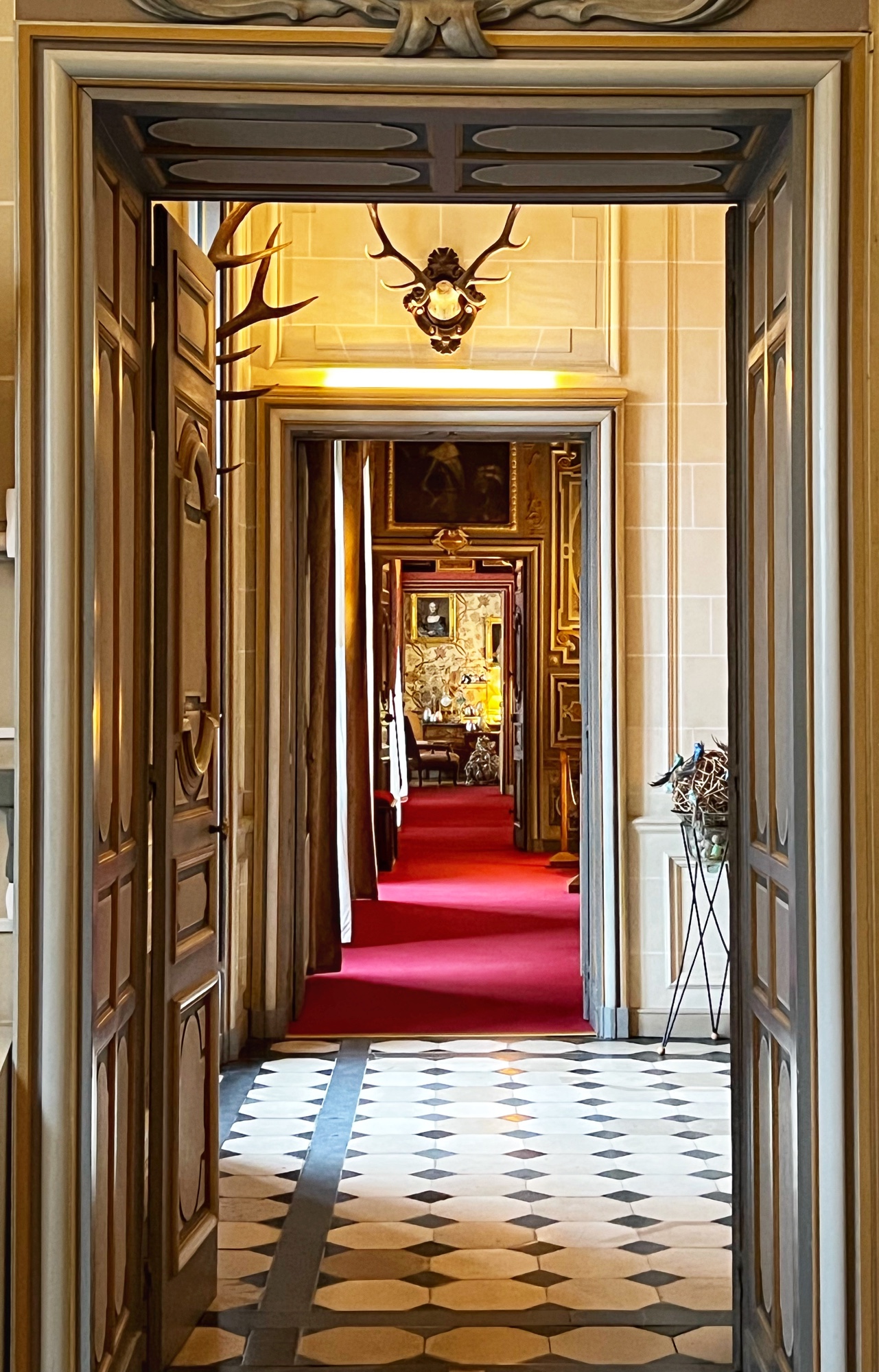


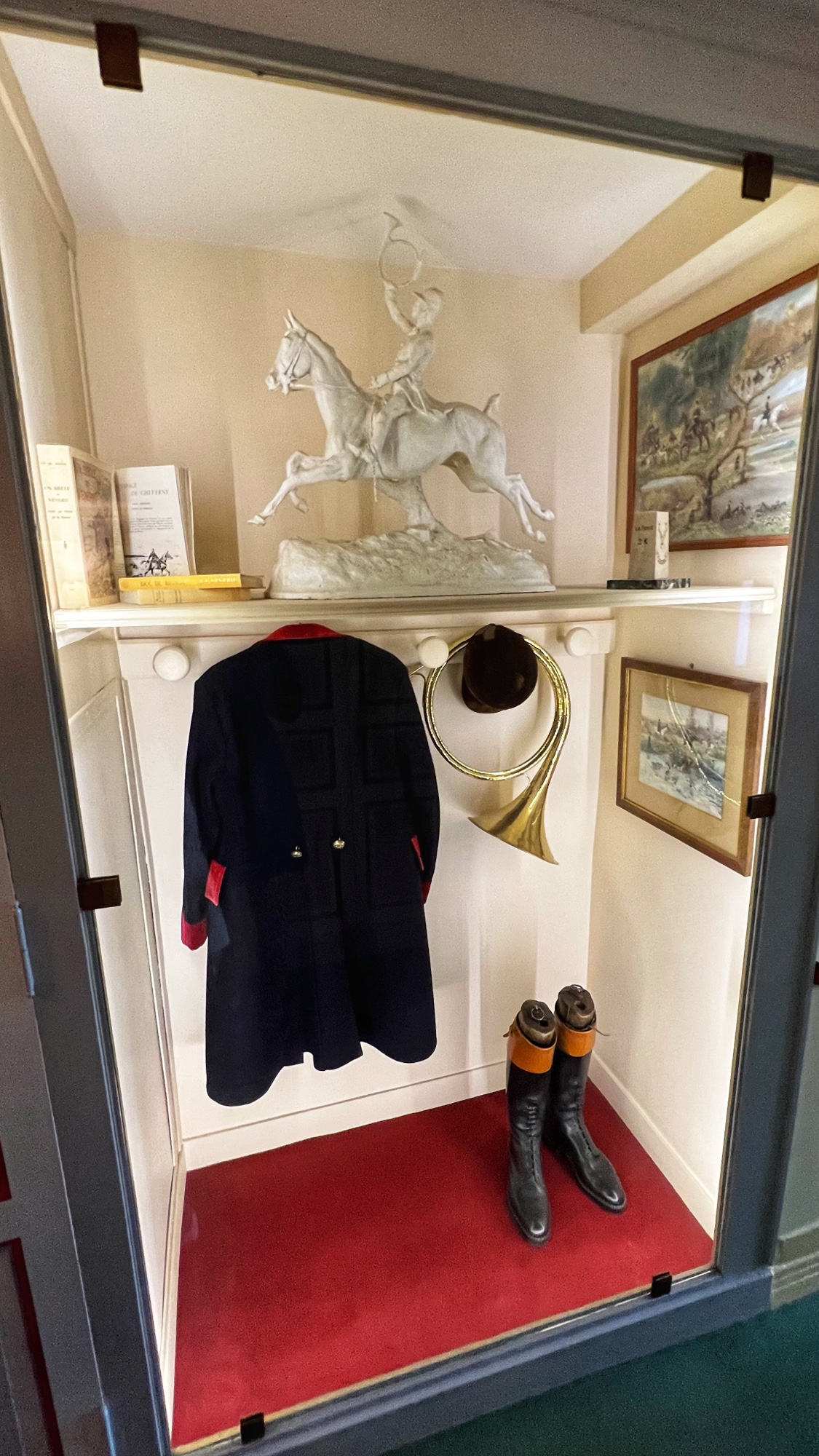
Check out those 6000 year old prehistoric antlers! These are mounted at about 10 feet high, where the extinct cervus megaceros (elk ancestor) head would have stood in real life.
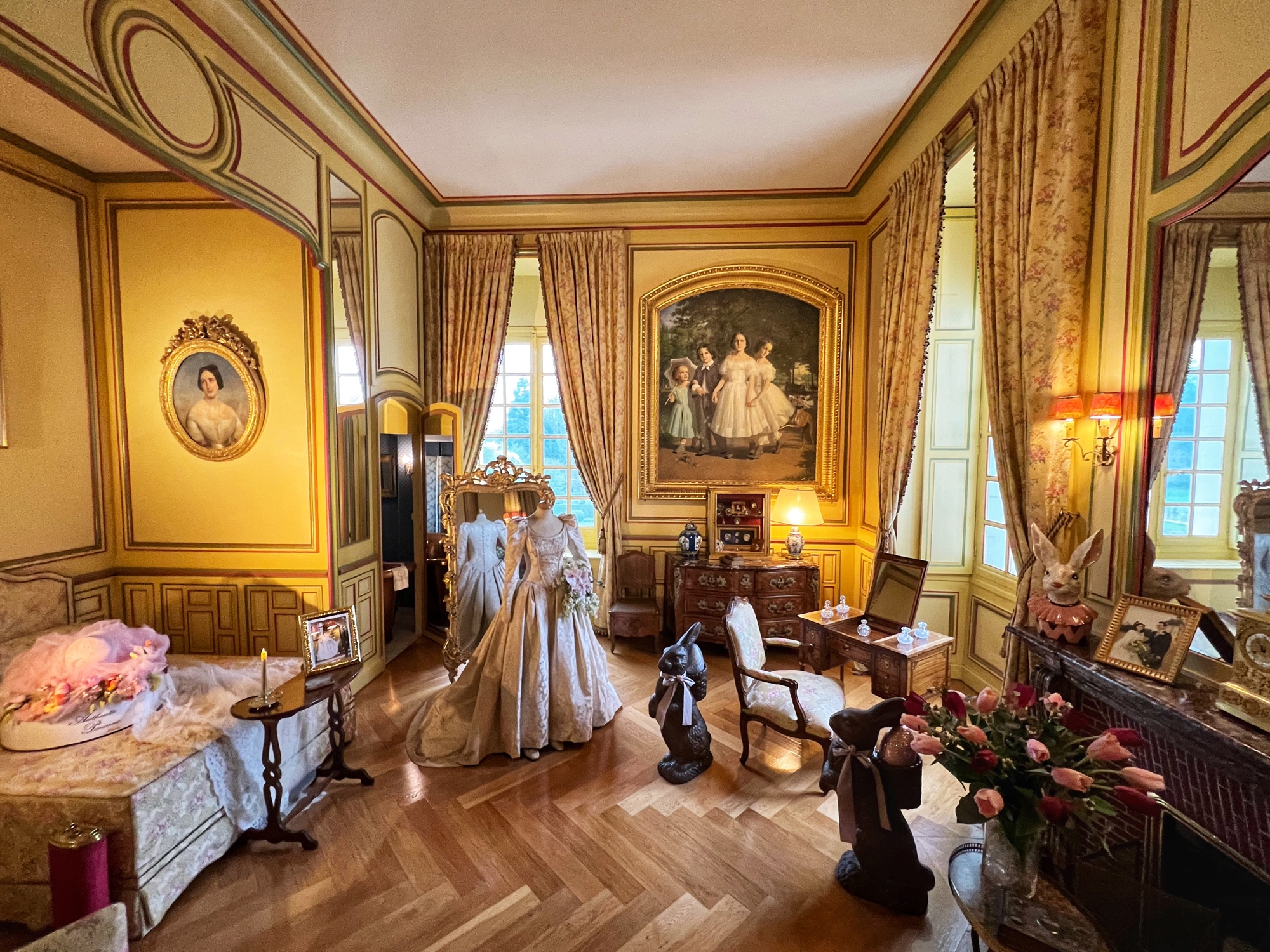
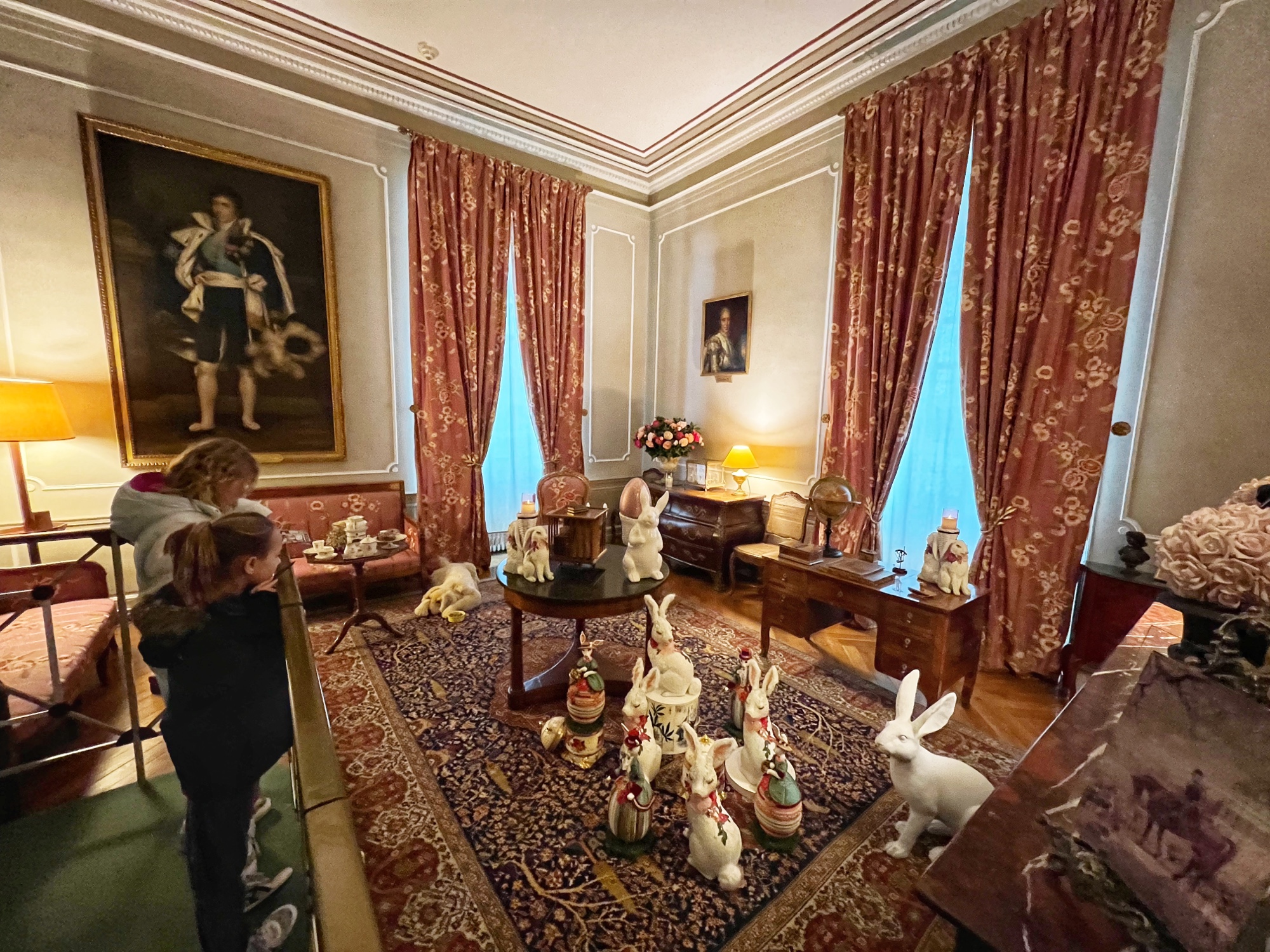
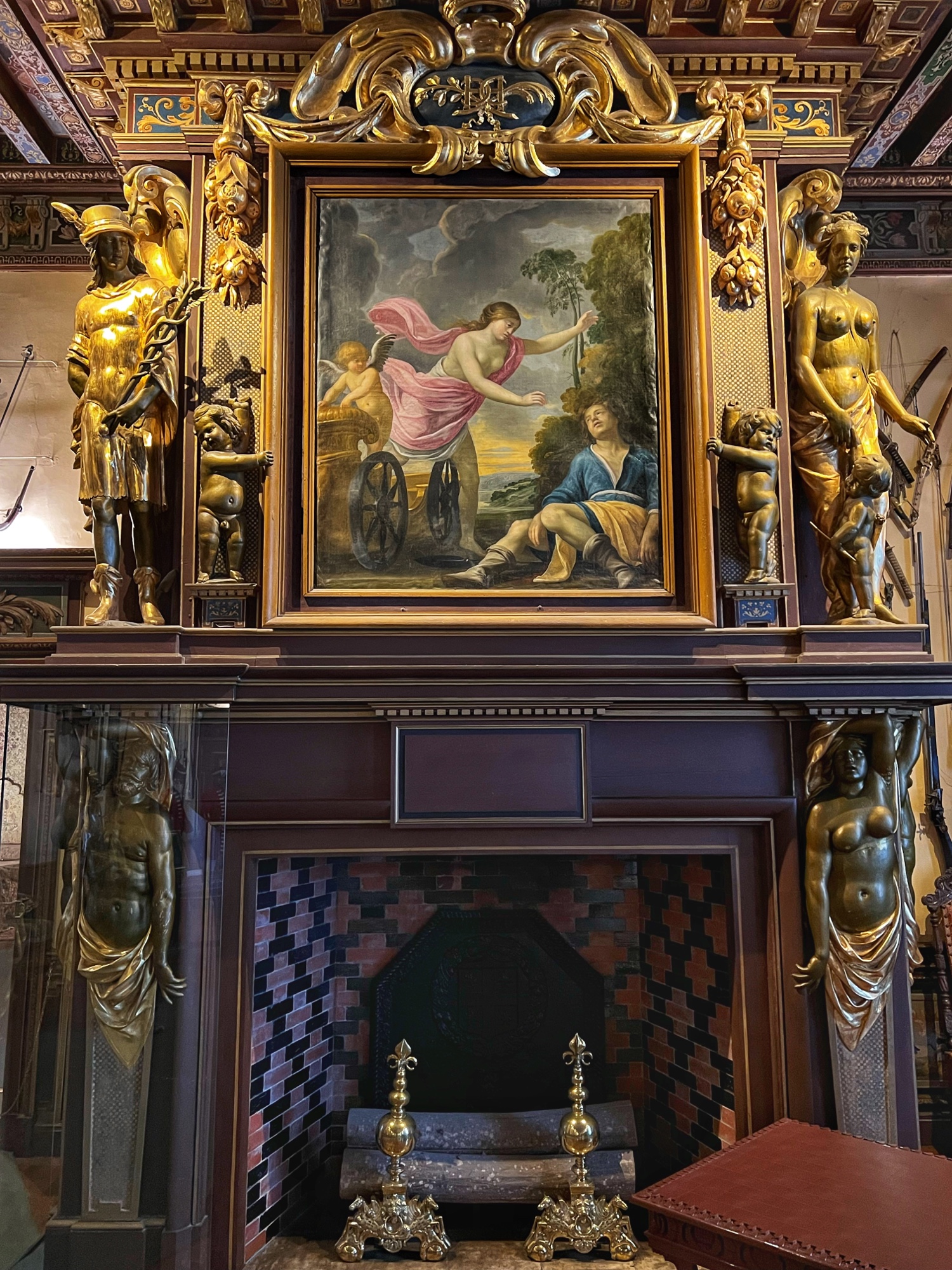
I was joking as we went through these opulent rooms that they got the fireplace mantel ideas from my house … HA! Imagine – just look at how fancy and detailed these sculpted furnishings are. And don’t forget to look up! The ceiling is ornamental, too…

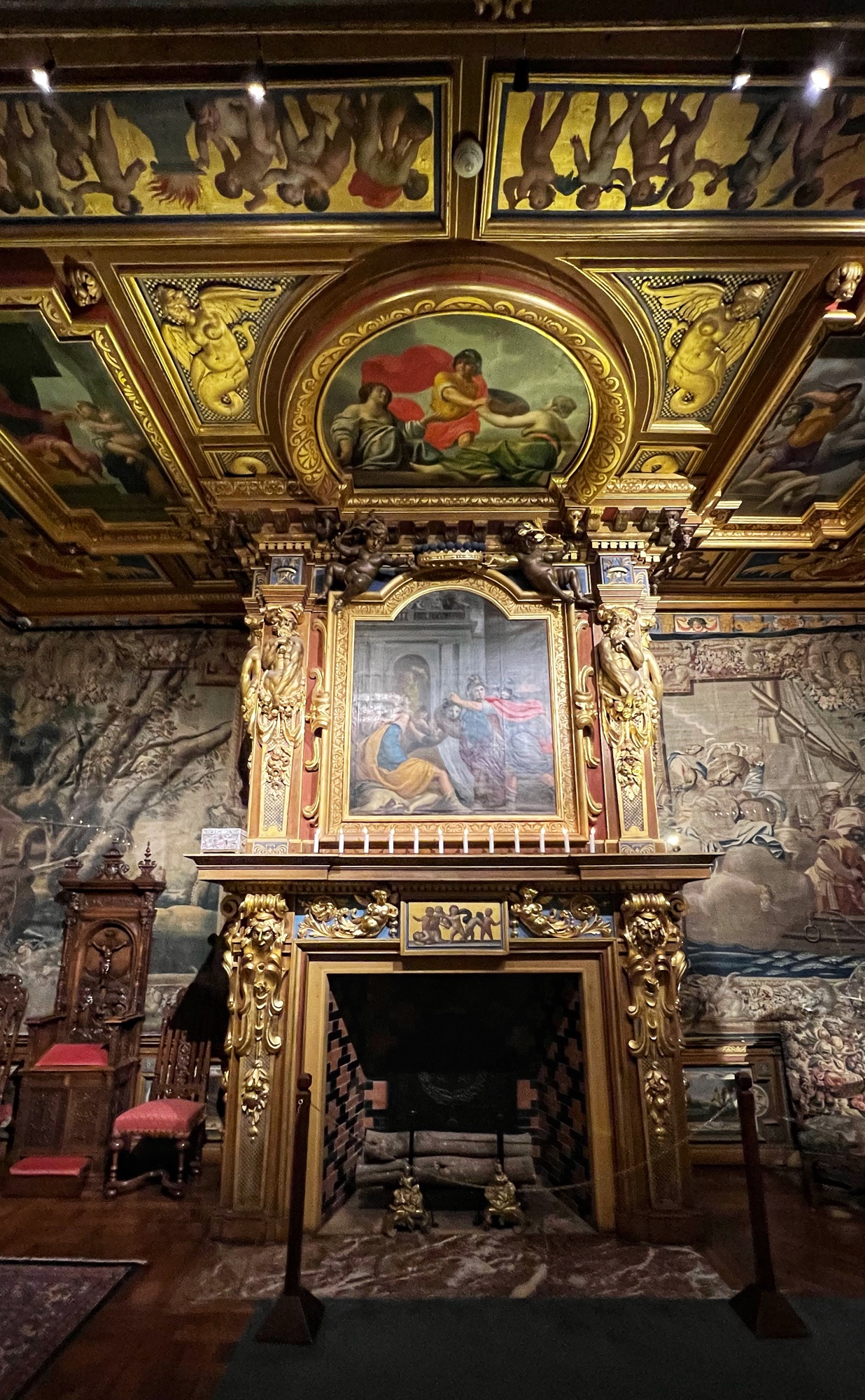
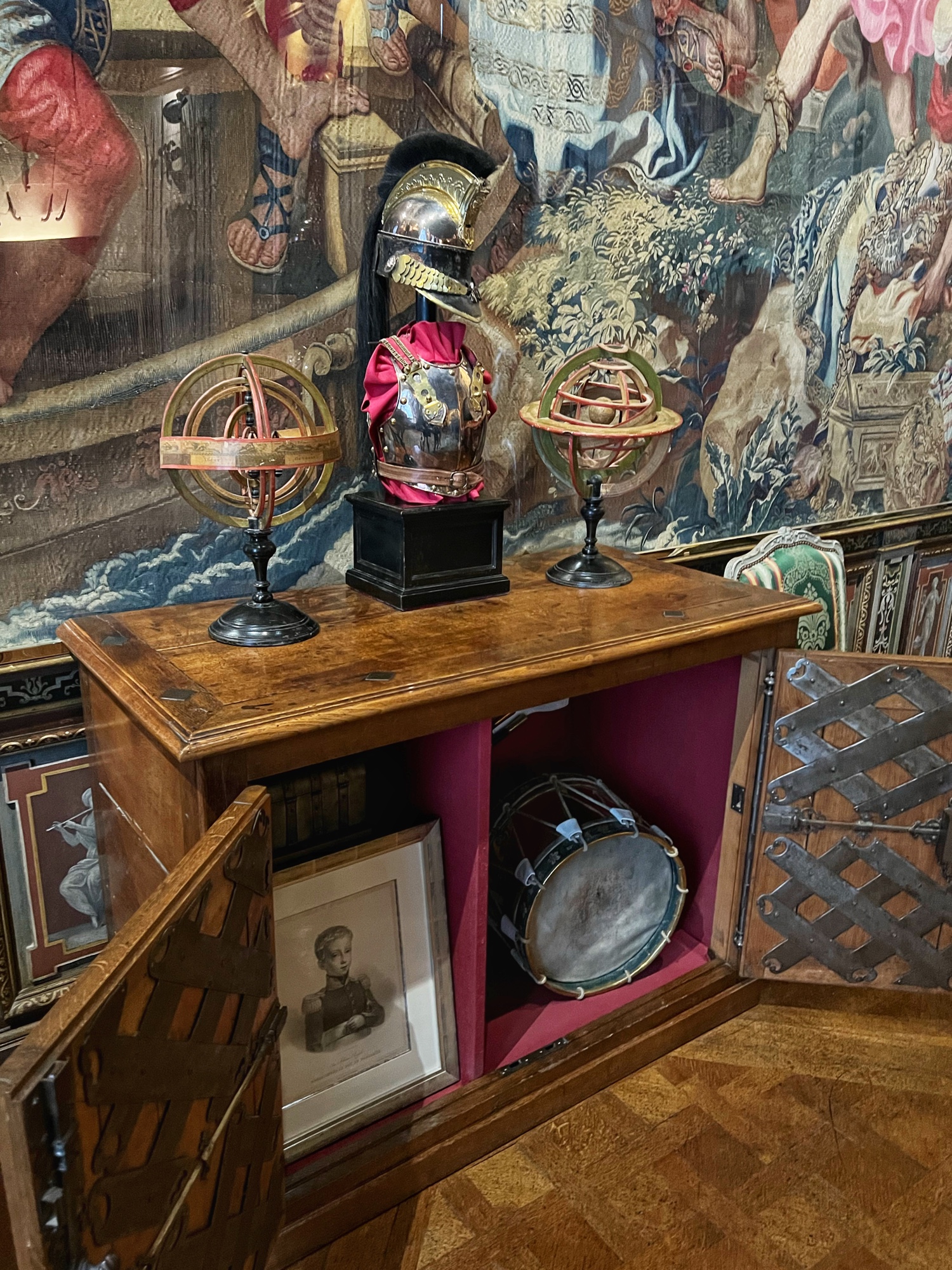
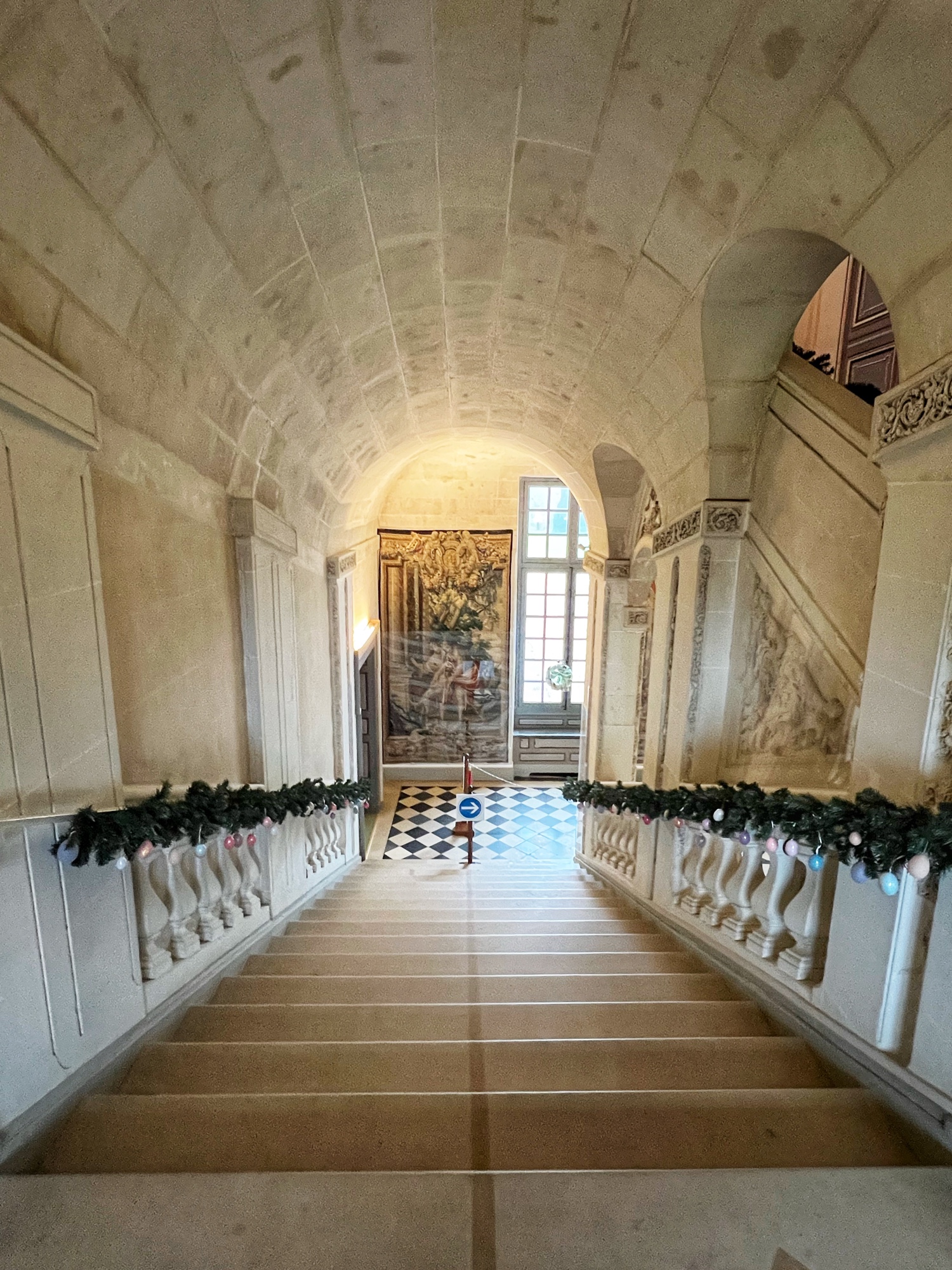

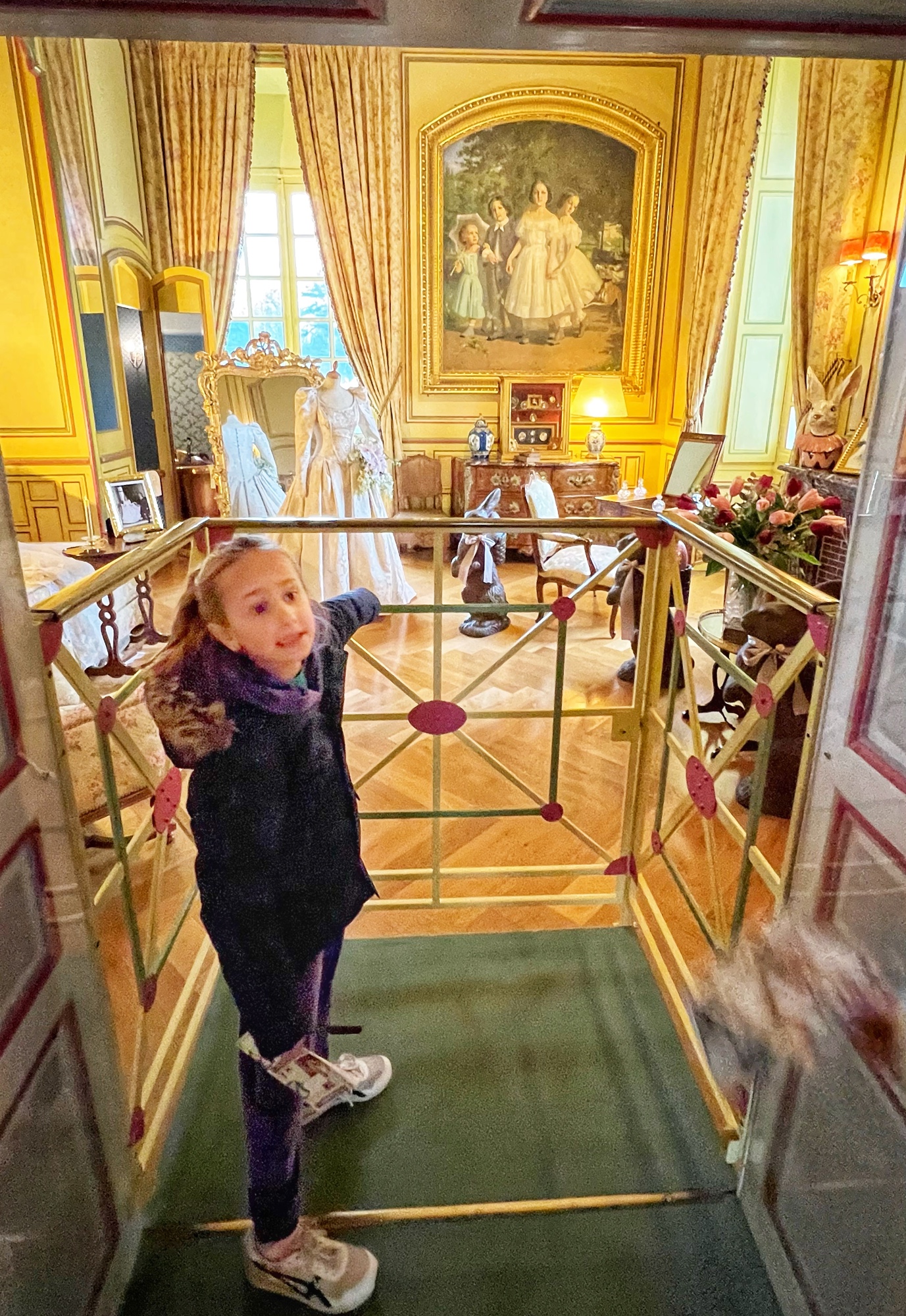
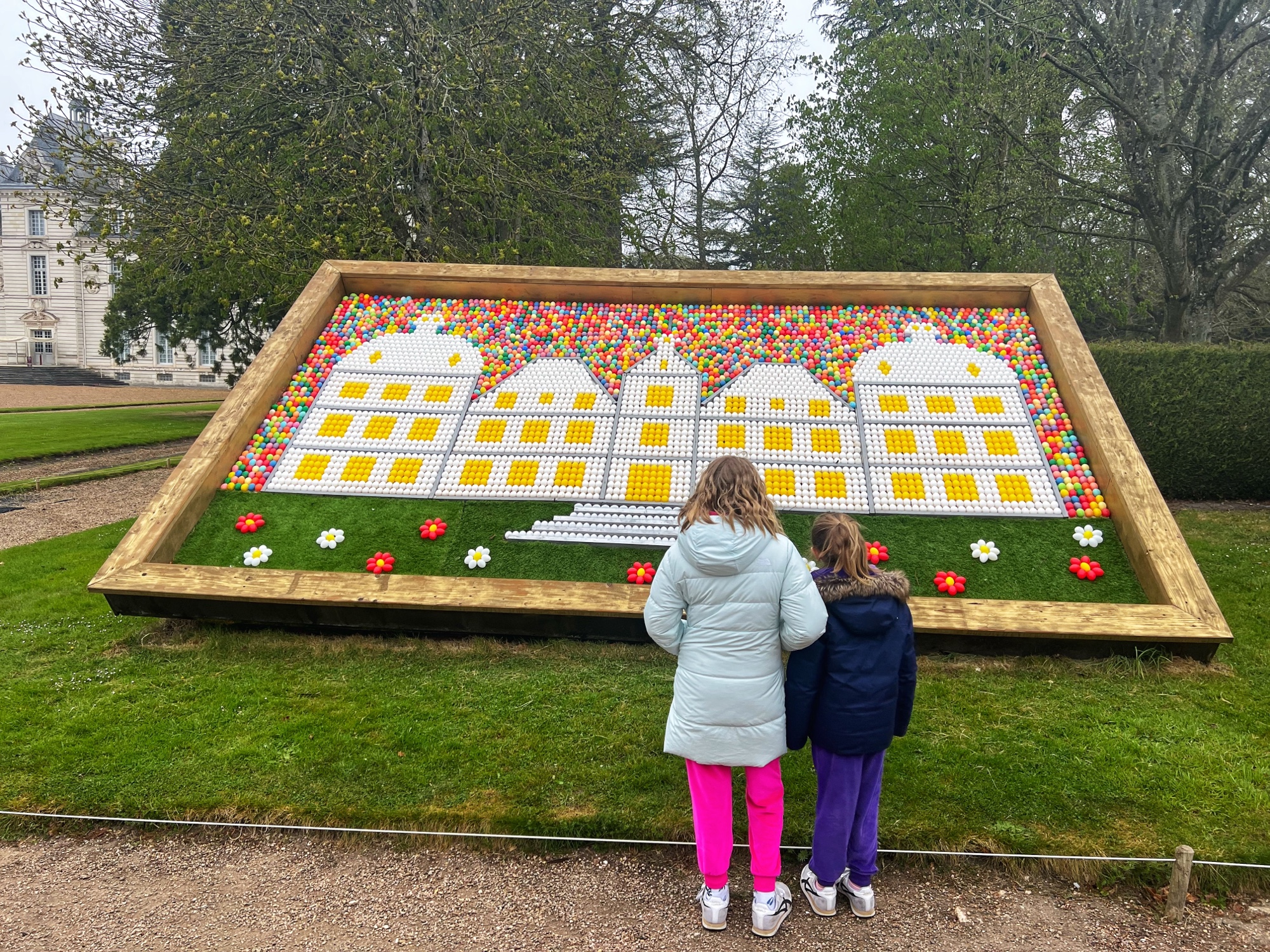
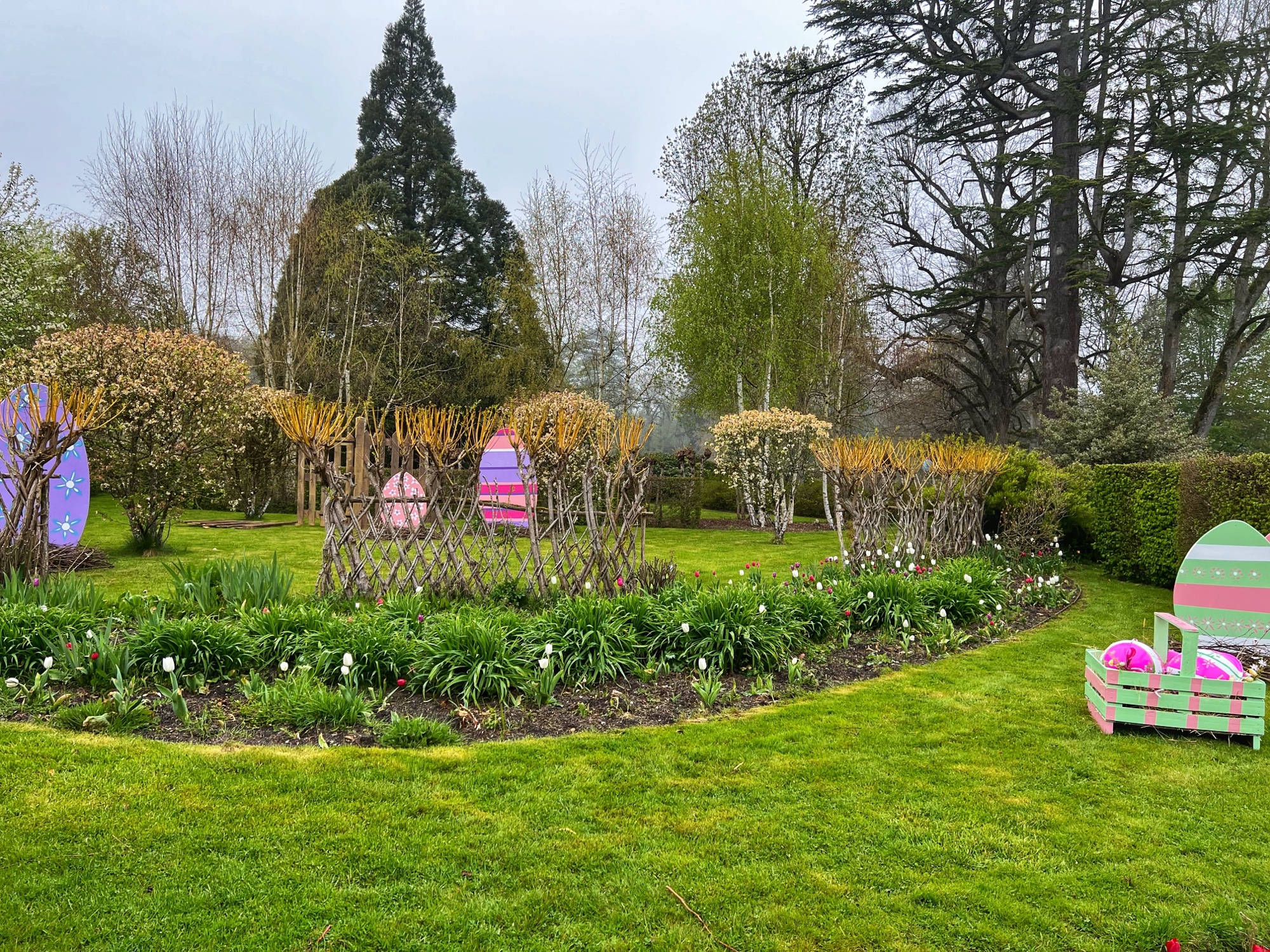
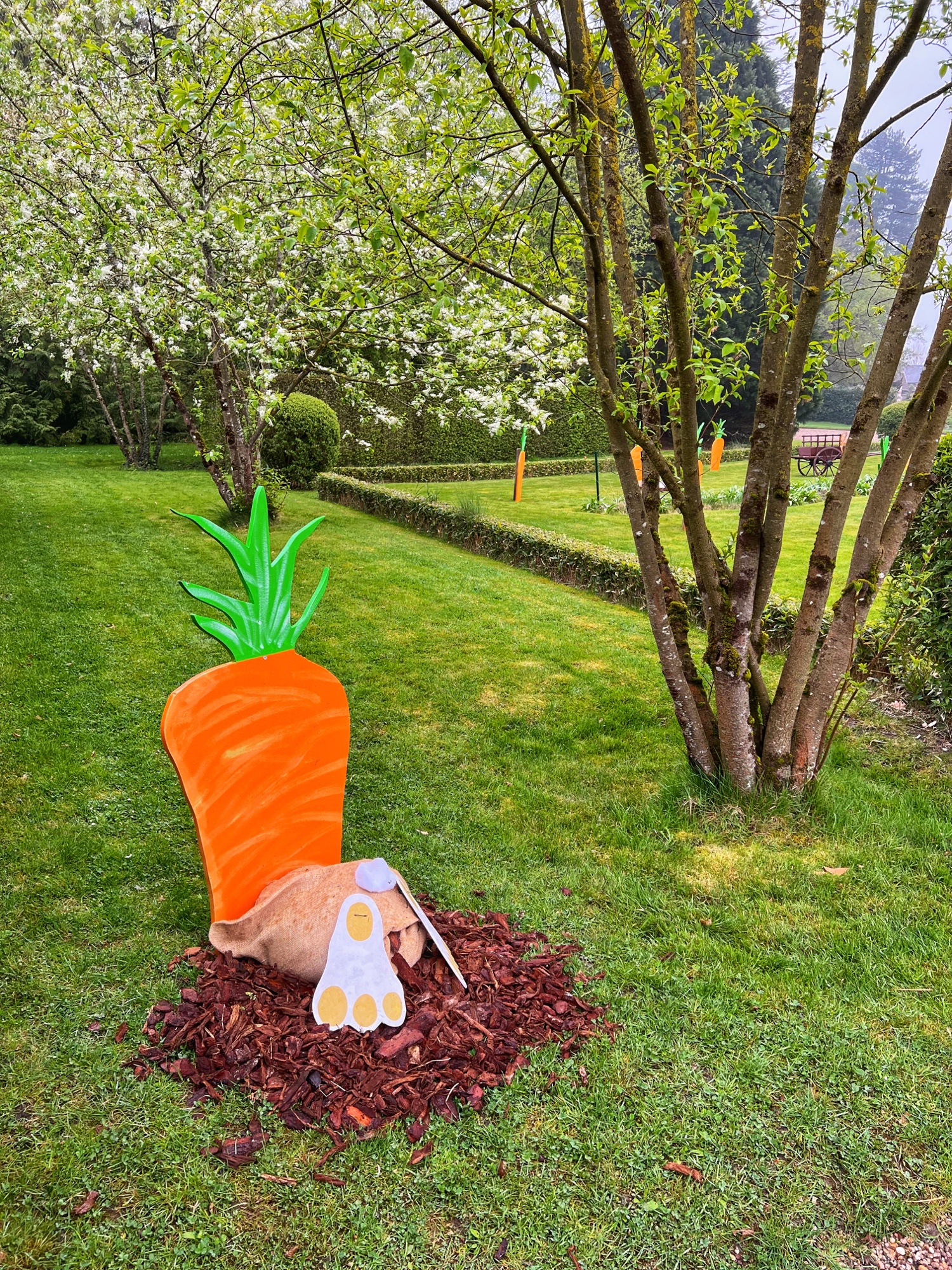
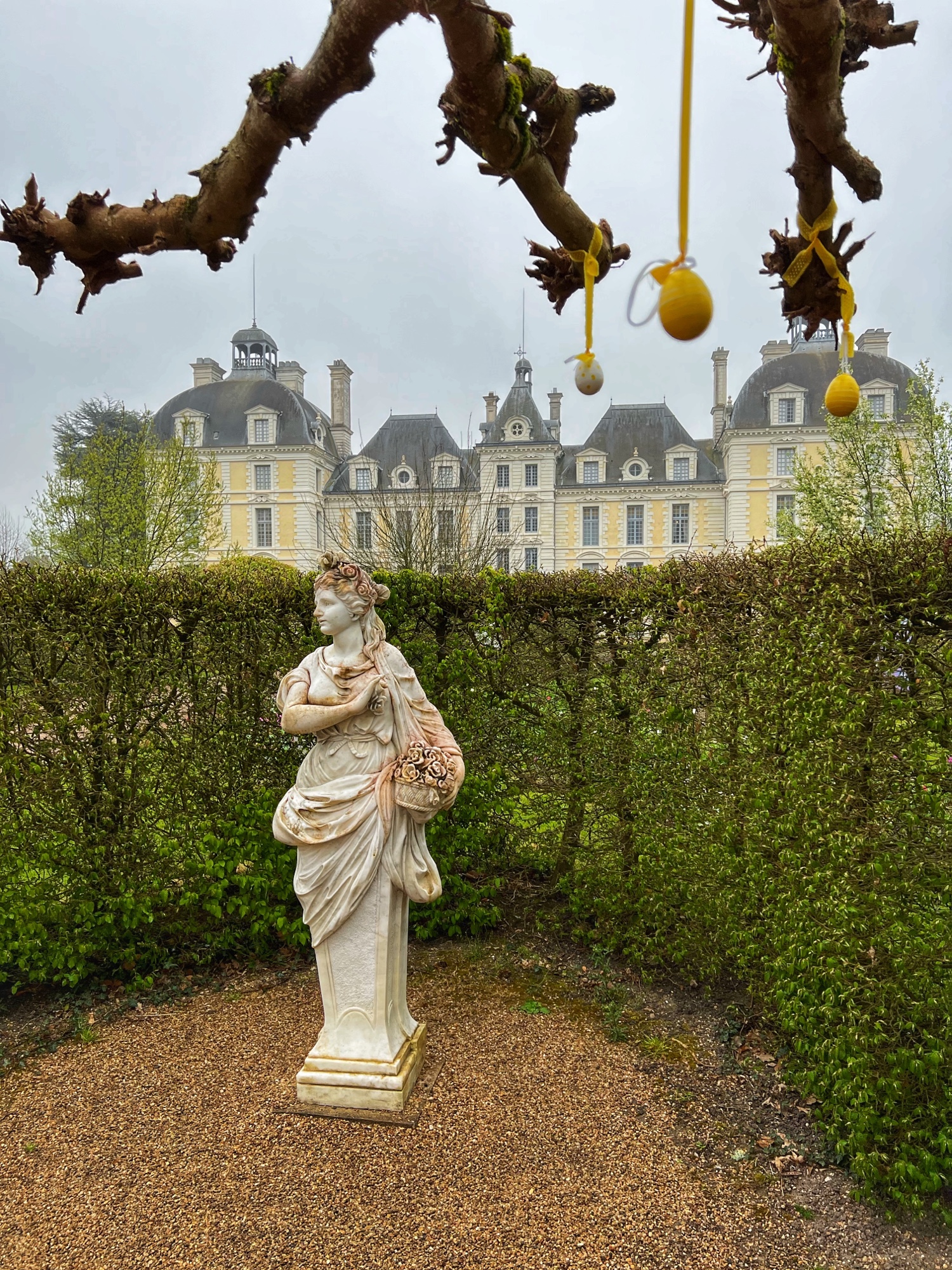
We were there during the Easter season so the entire castle was filled to the brim with eggs, bunnies, chicks, and other various festive decor.
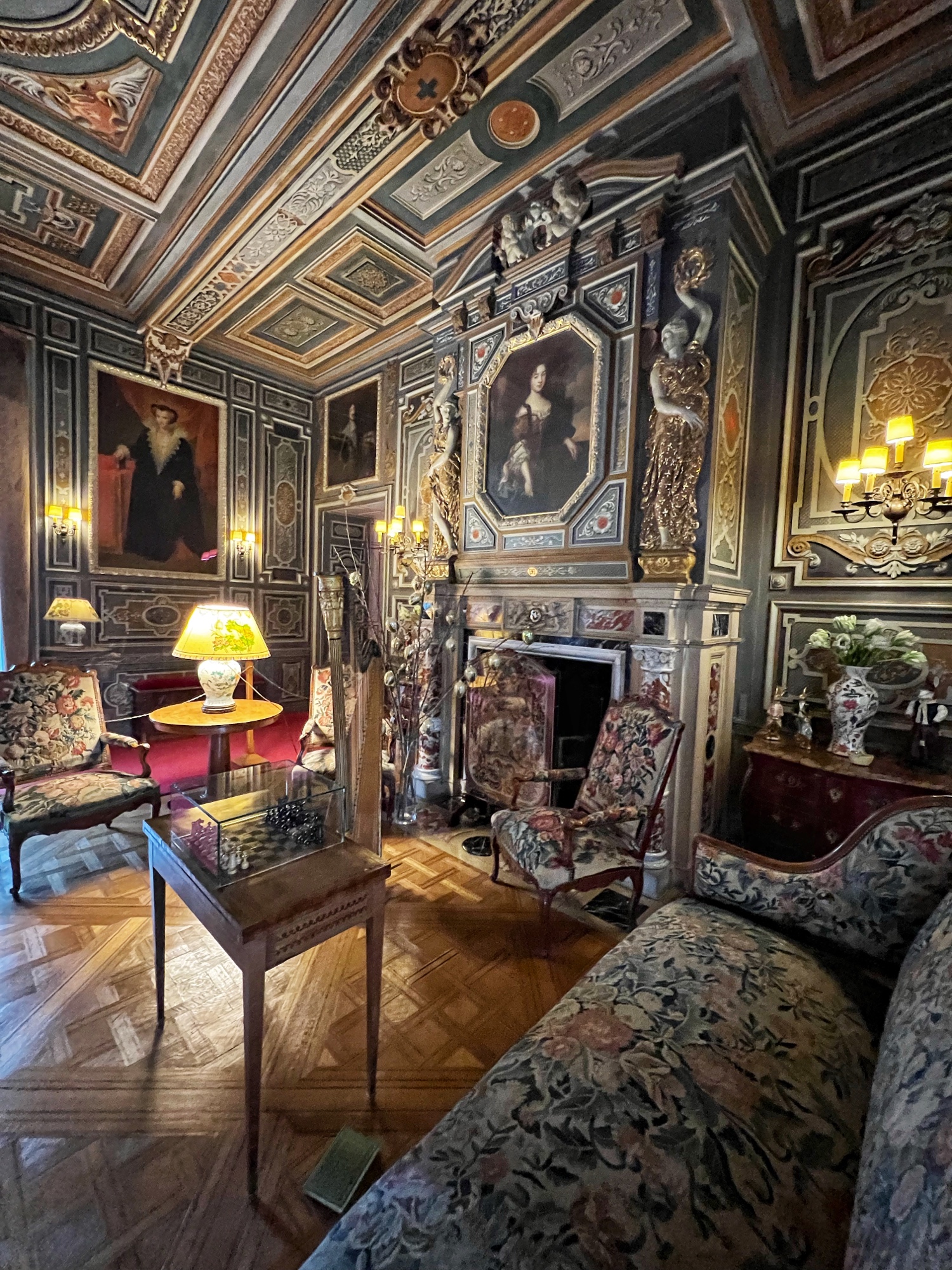


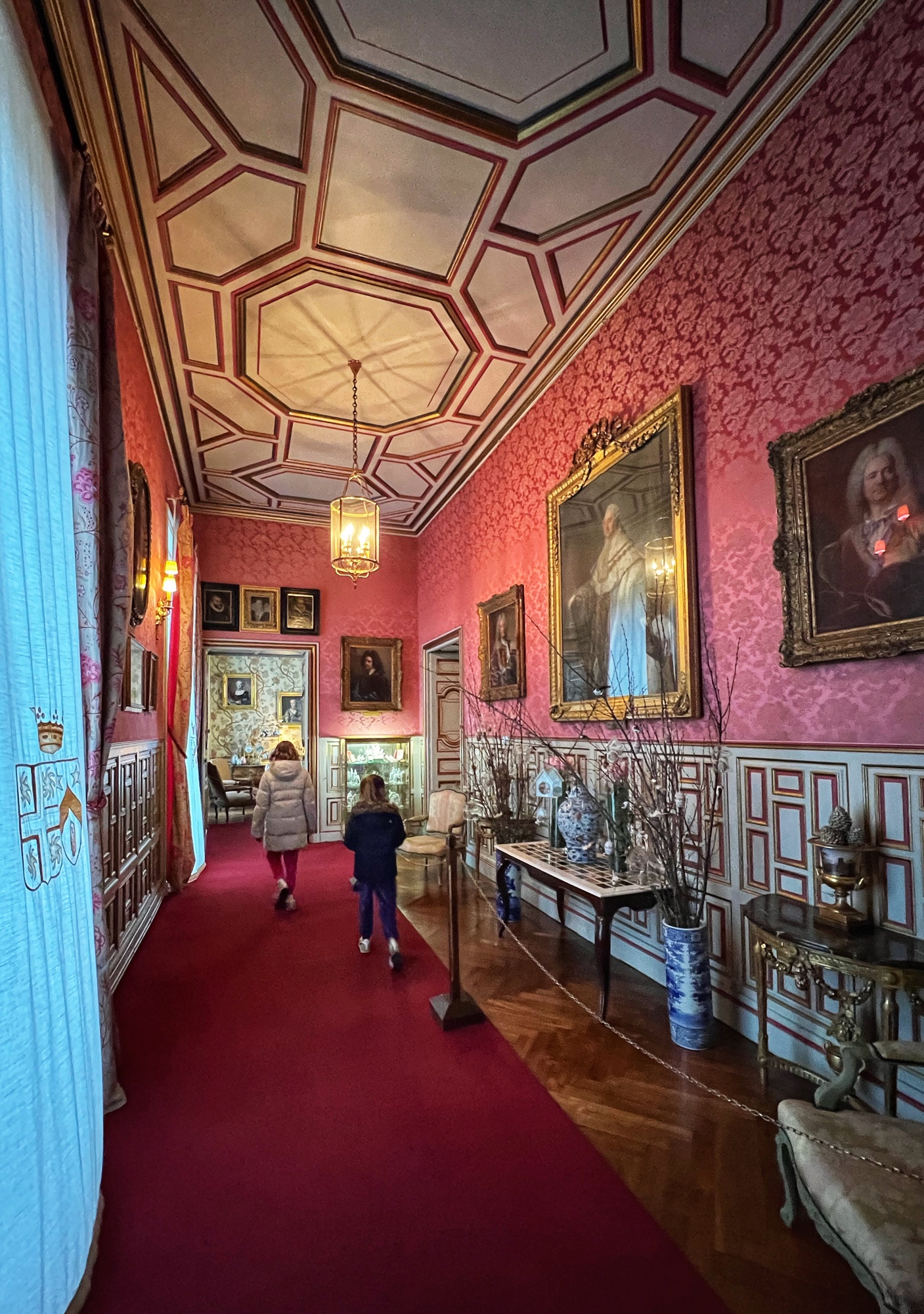
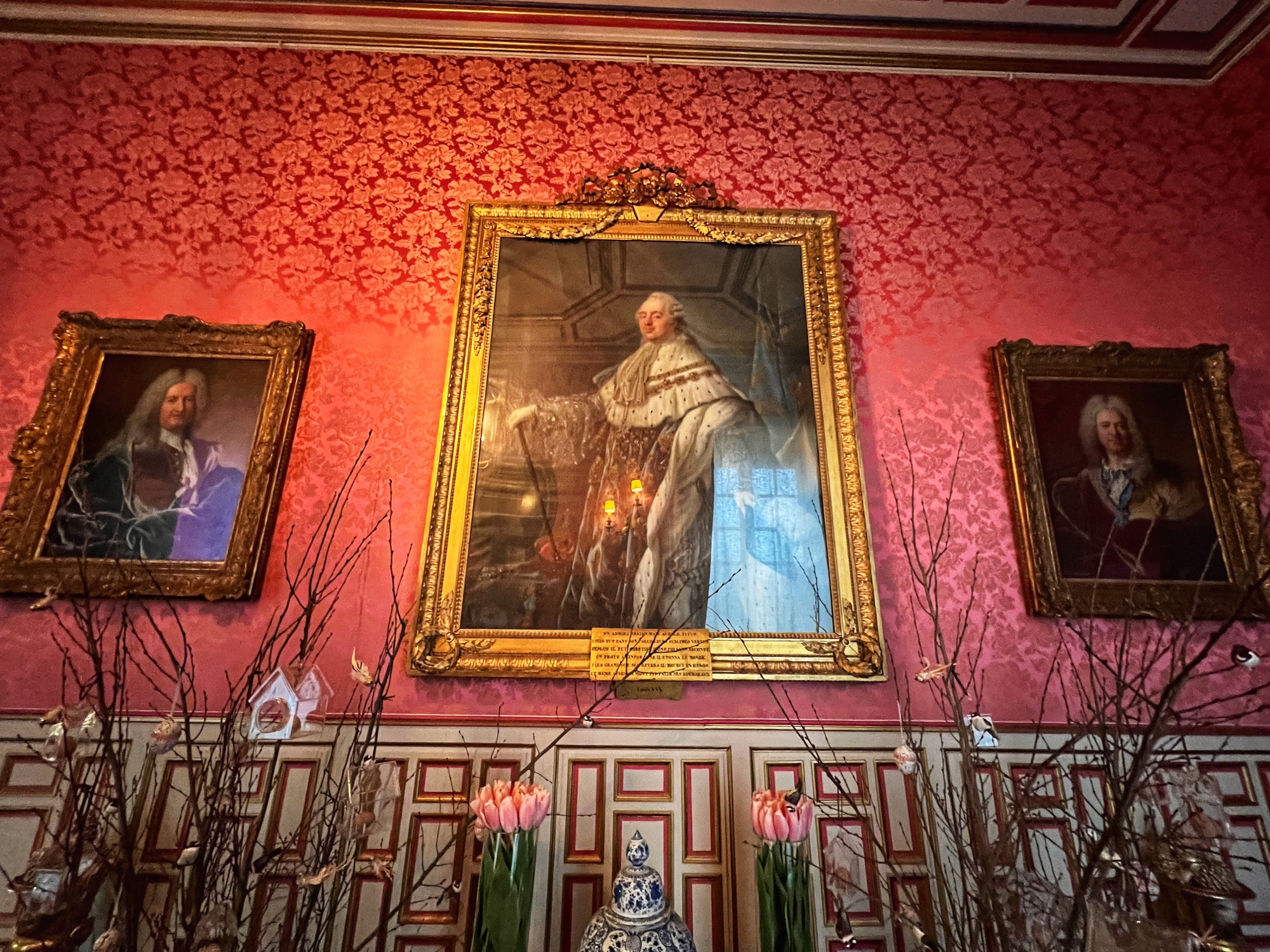
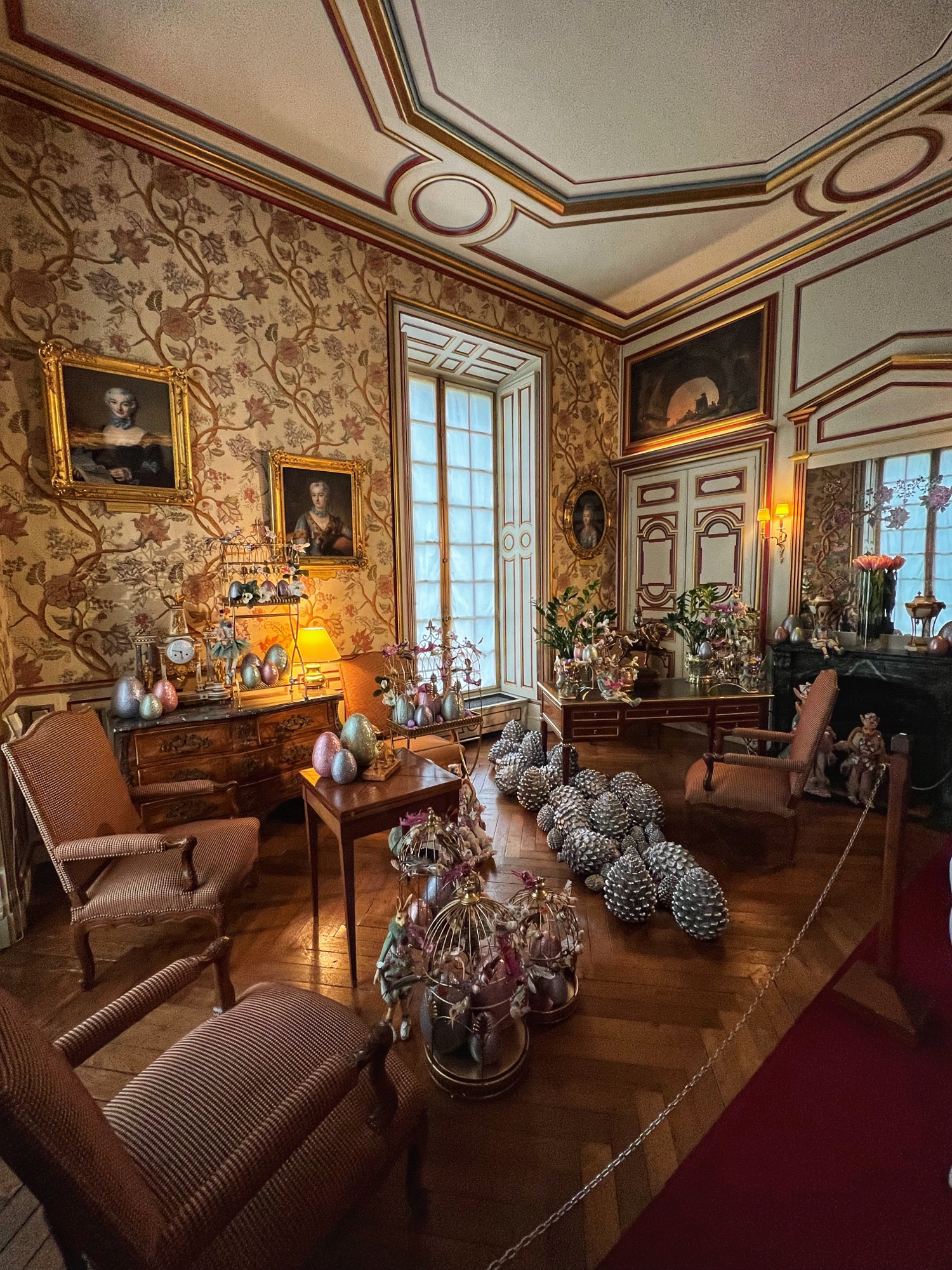
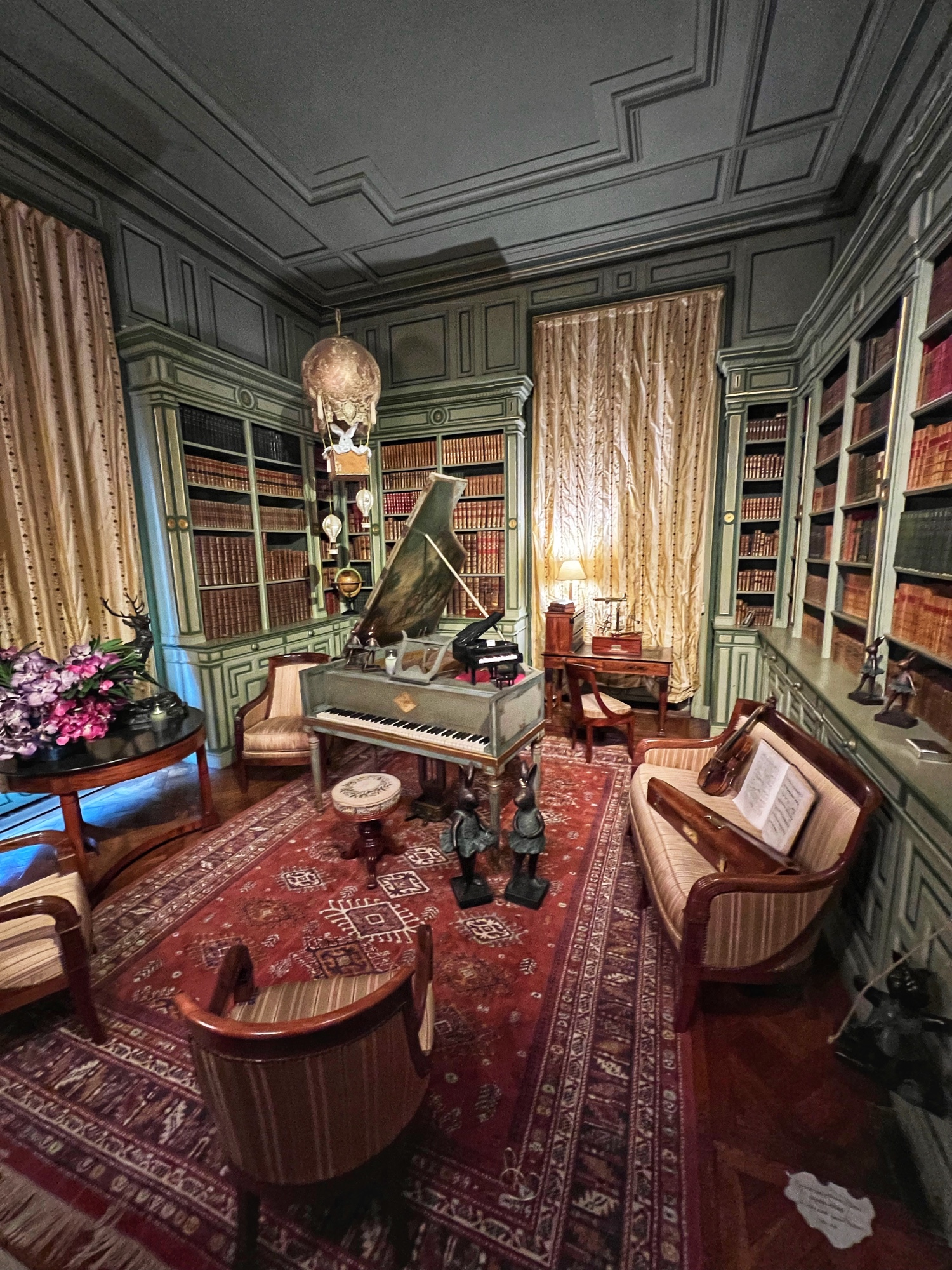

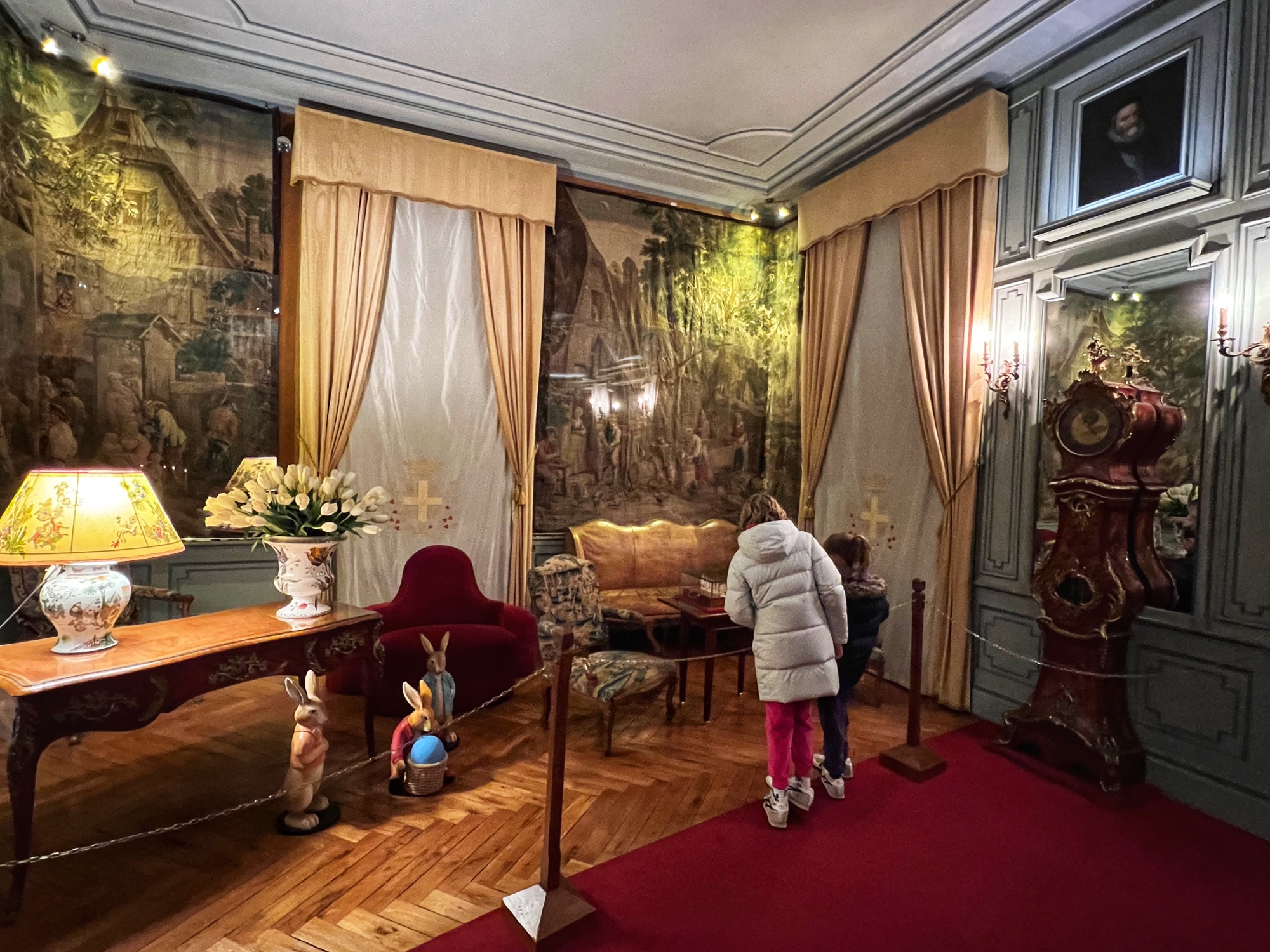
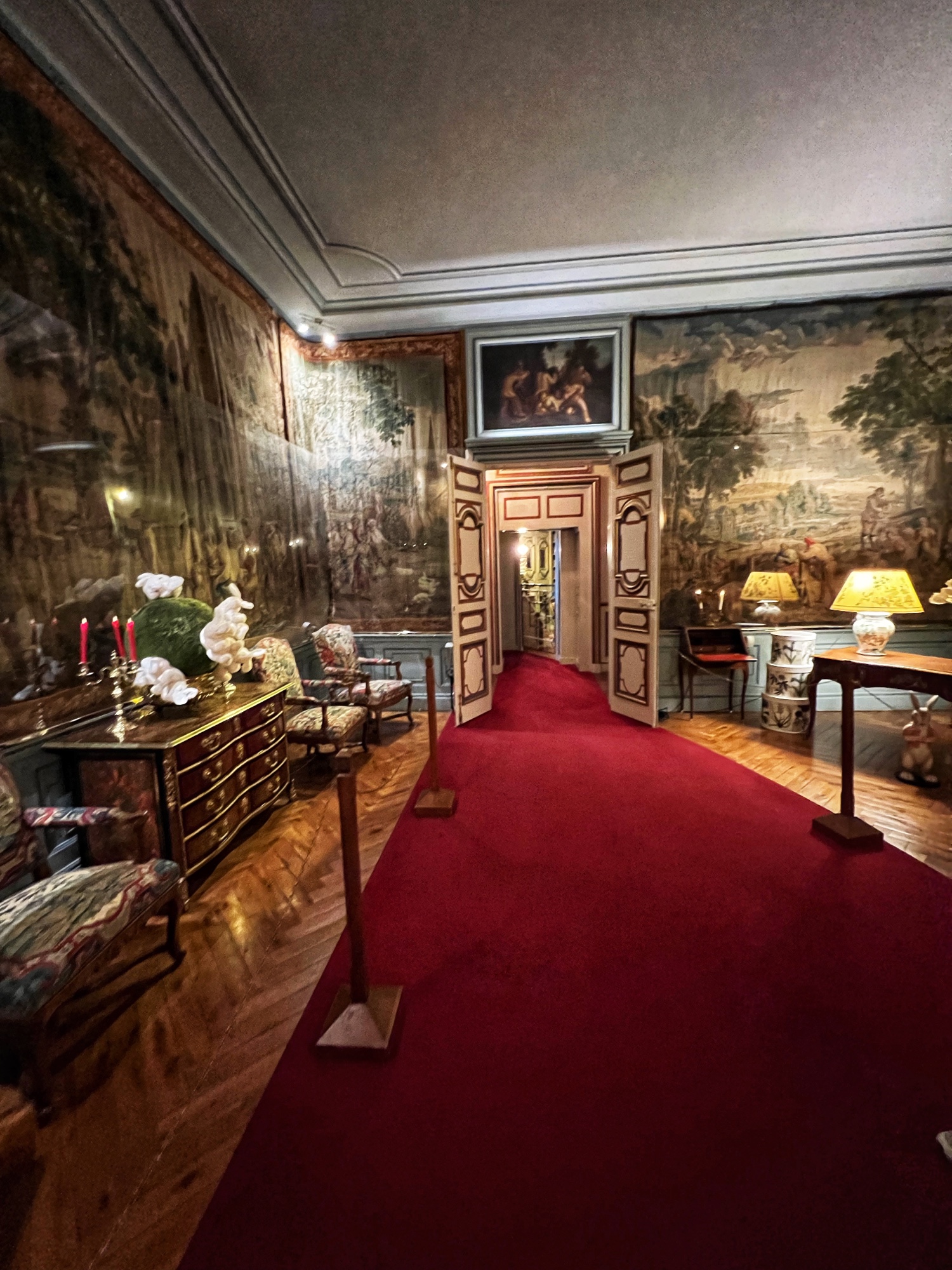
My favorite room was the library, with a little “hot air balloon” hanging from the ceiling above a grand piano. These rooms are all impeccably decorated. Outside the château (on a cold and dreary day) we wandered the grounds and visited the gardens and dogs first.
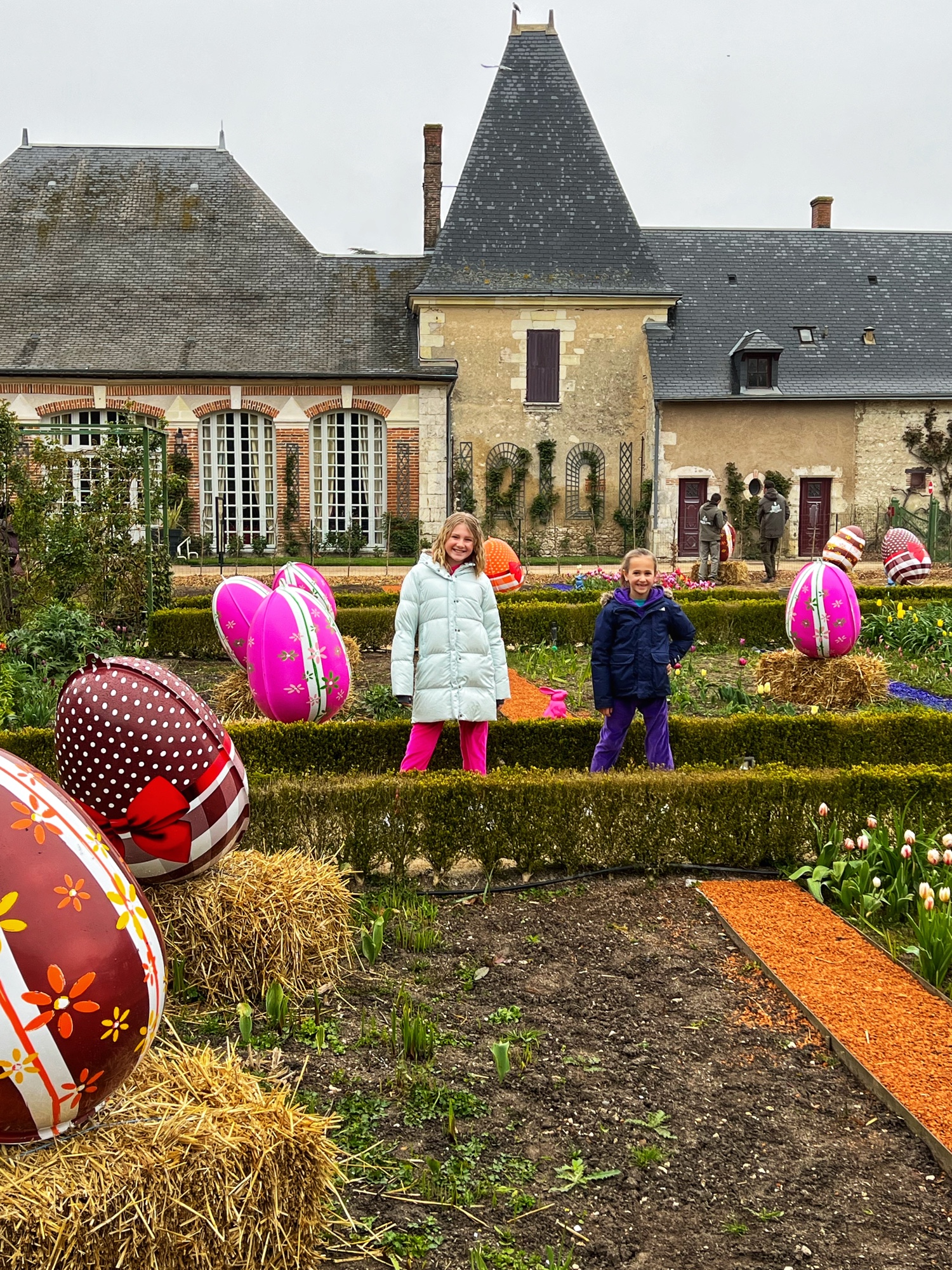
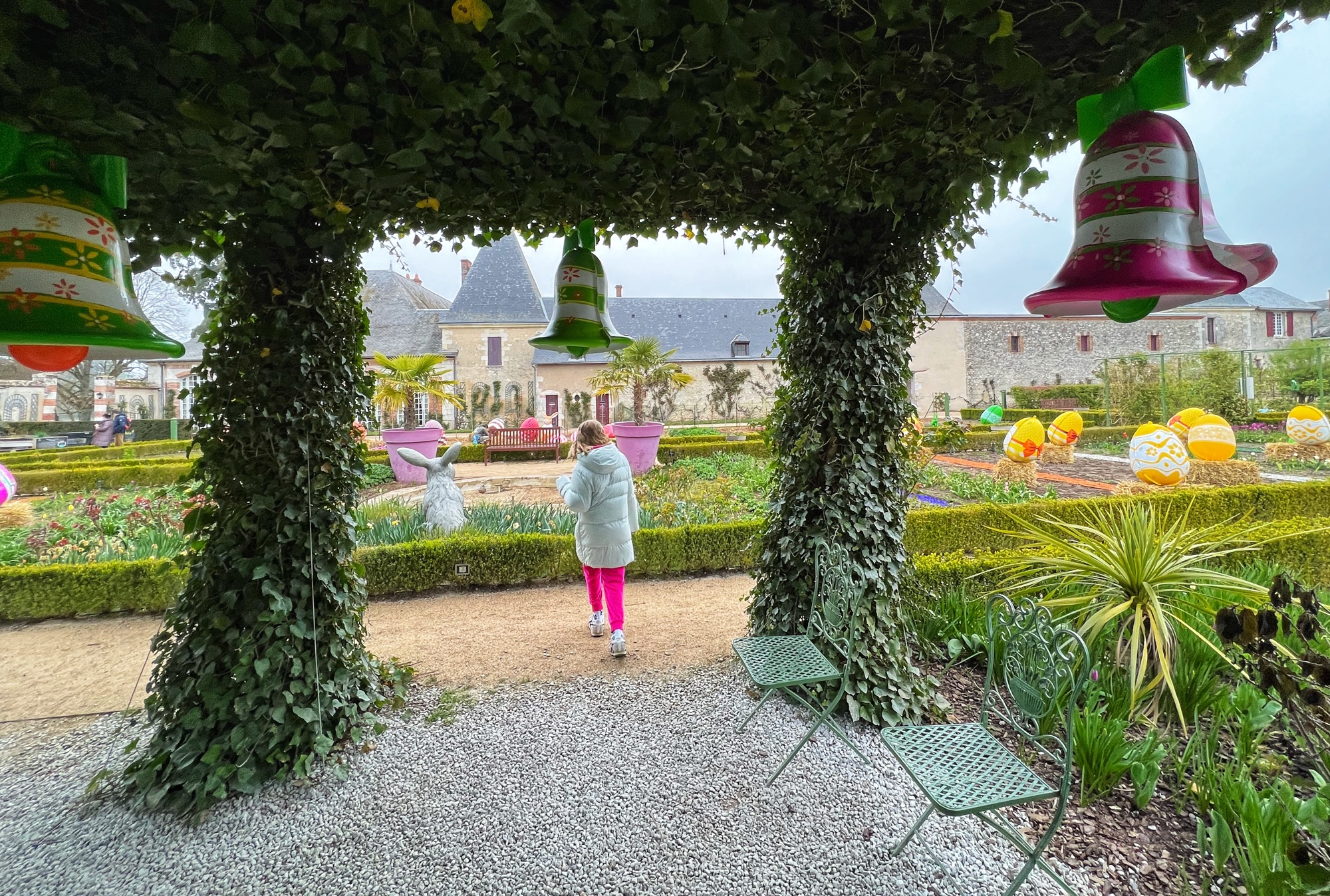
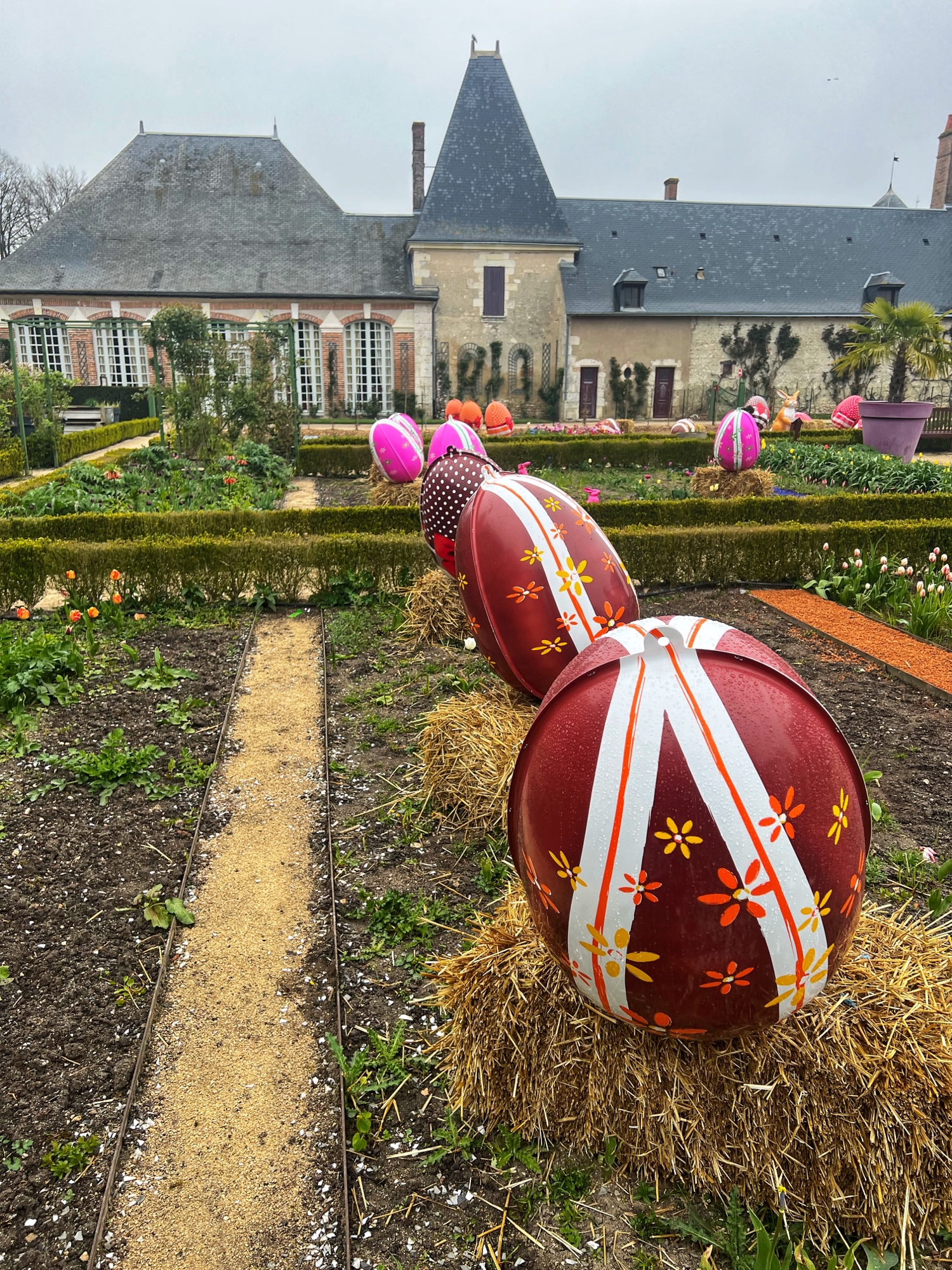



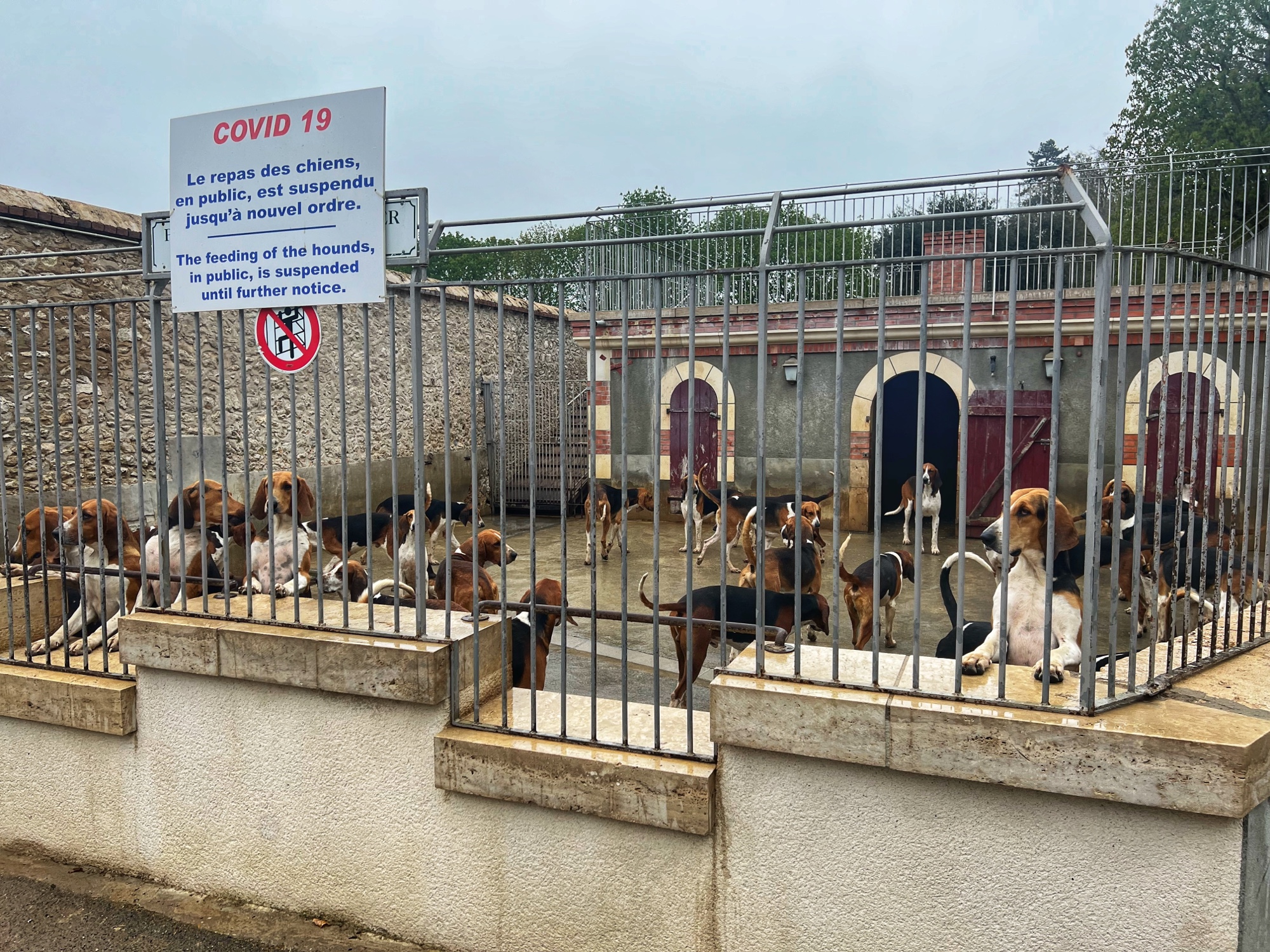
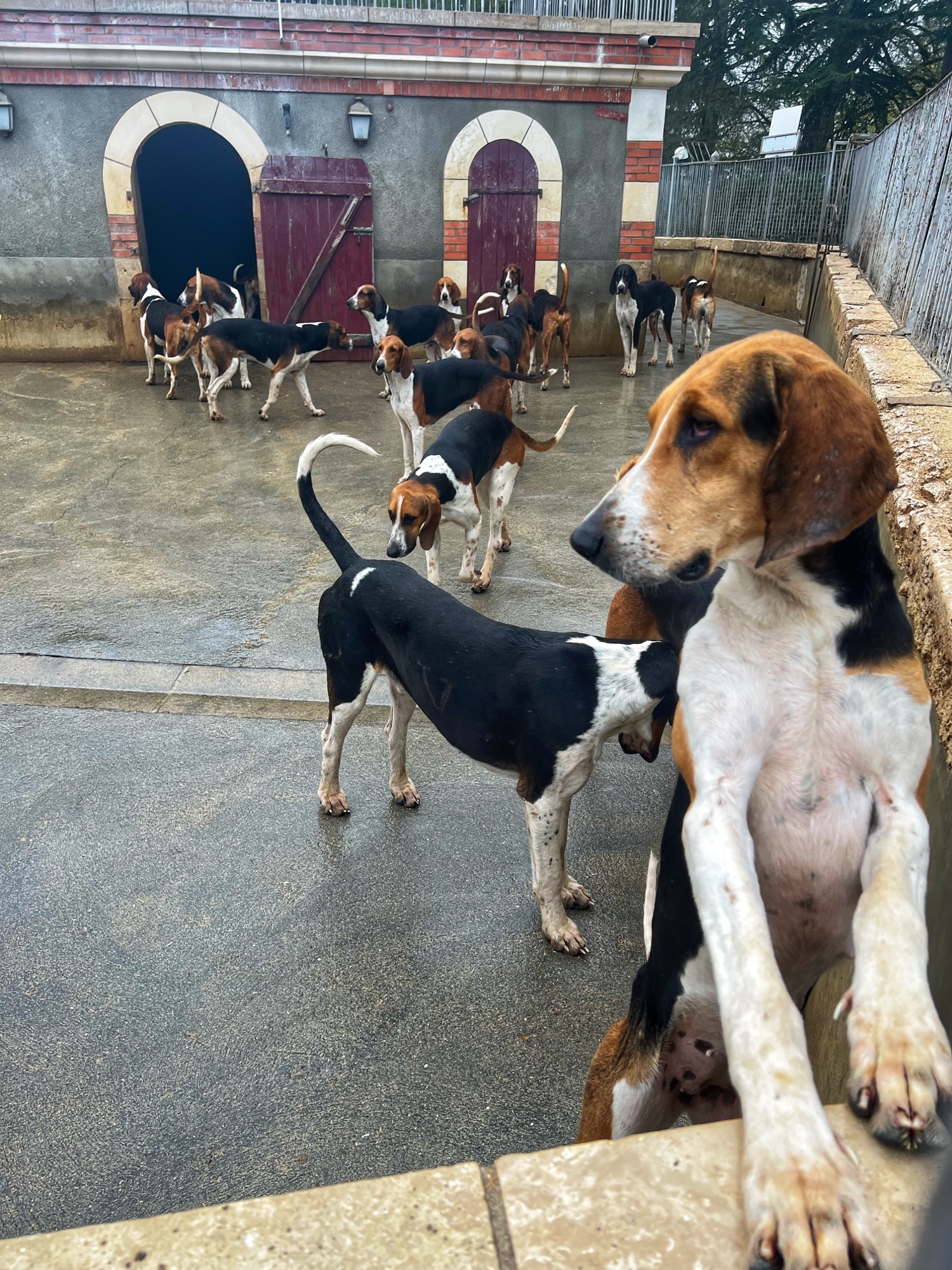
Look at all these pups! They were loud – and a little bit stinky – but the most impressive part was how HUGE they are! I didn’t realize how big these hounds are in real life. It was amazing to see. Currently they didn’t have the feedings happening but that is a typical big draw for Cheverny. You can watch how they feed the dogs huge piles of meat on YouTube!
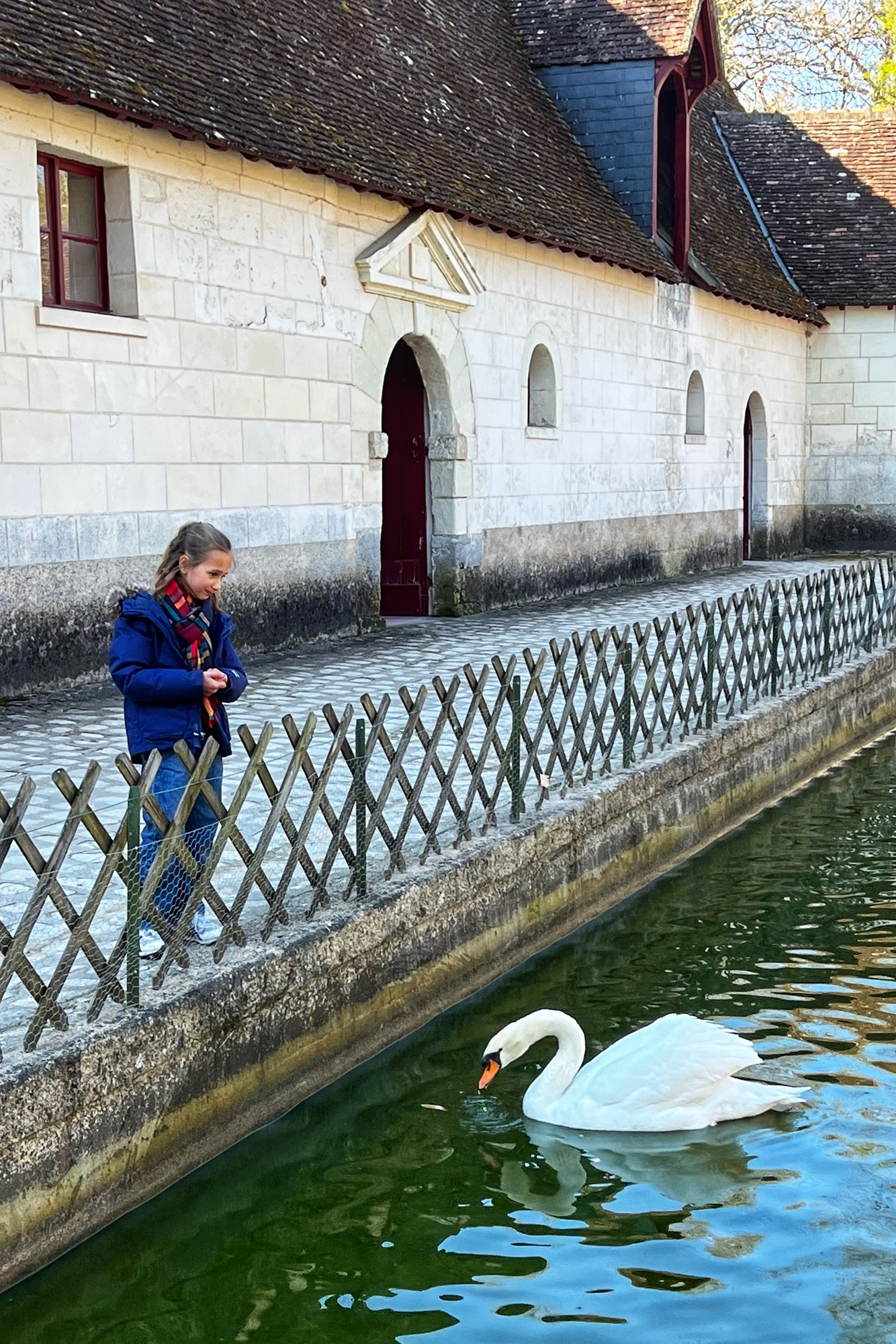
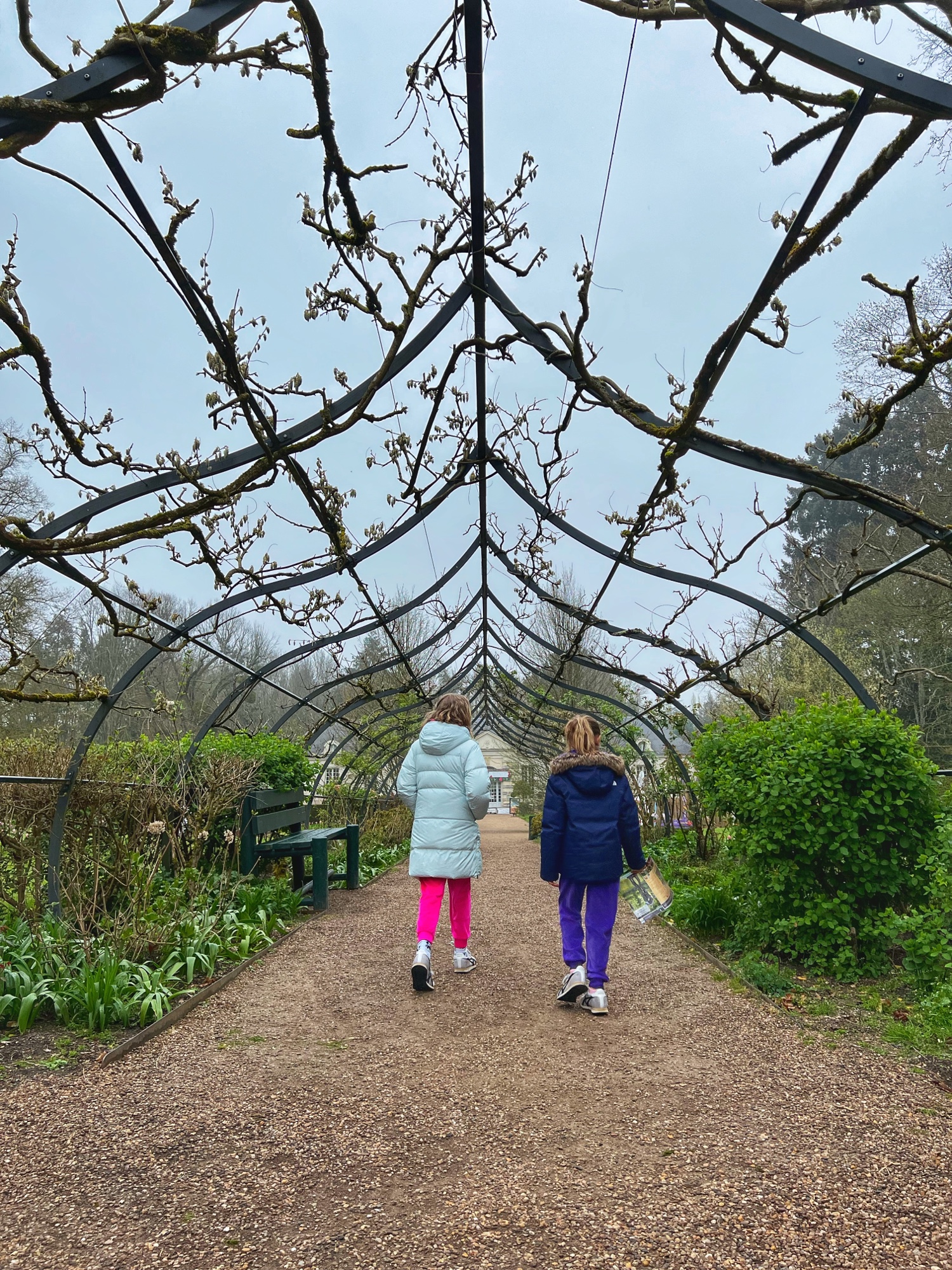
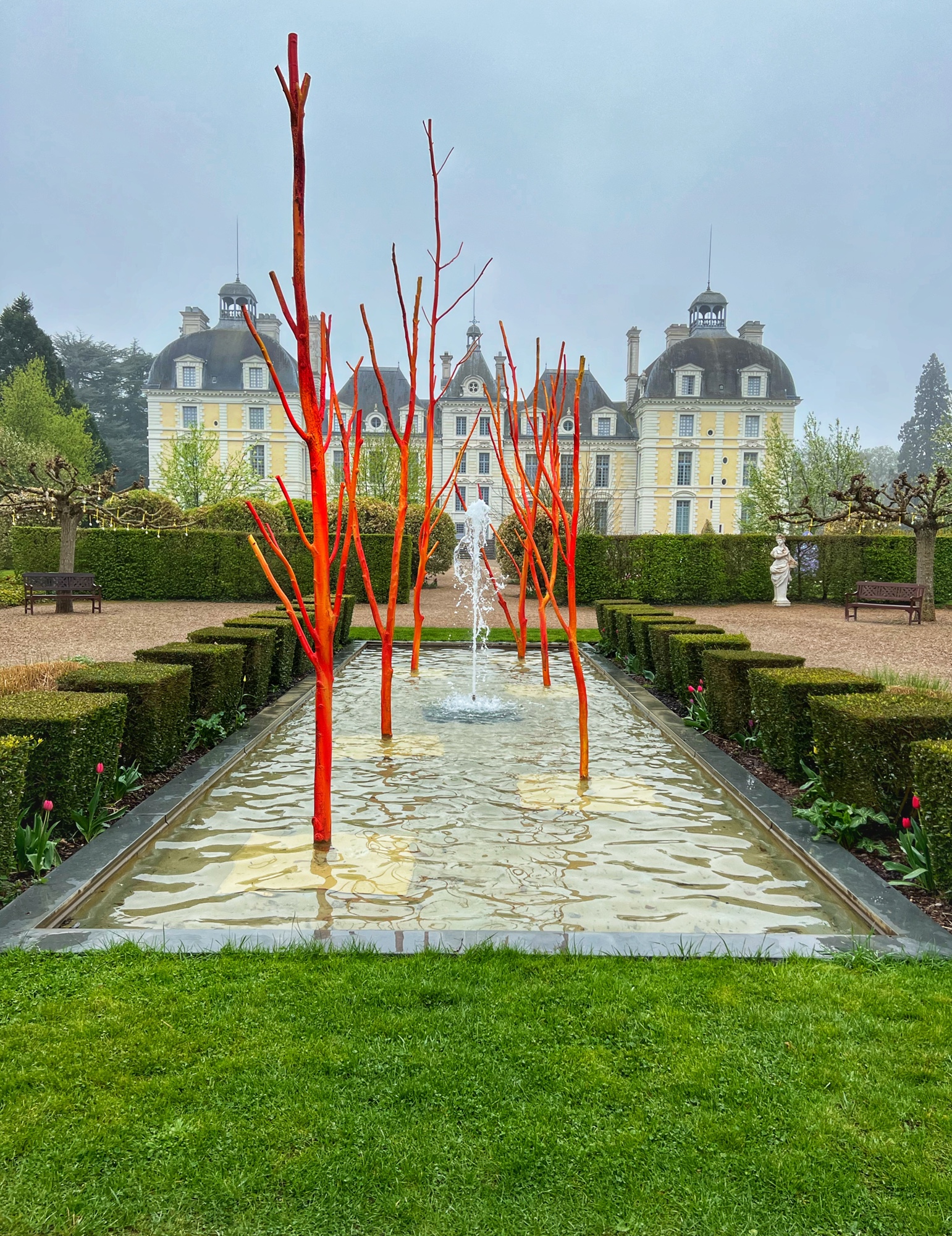
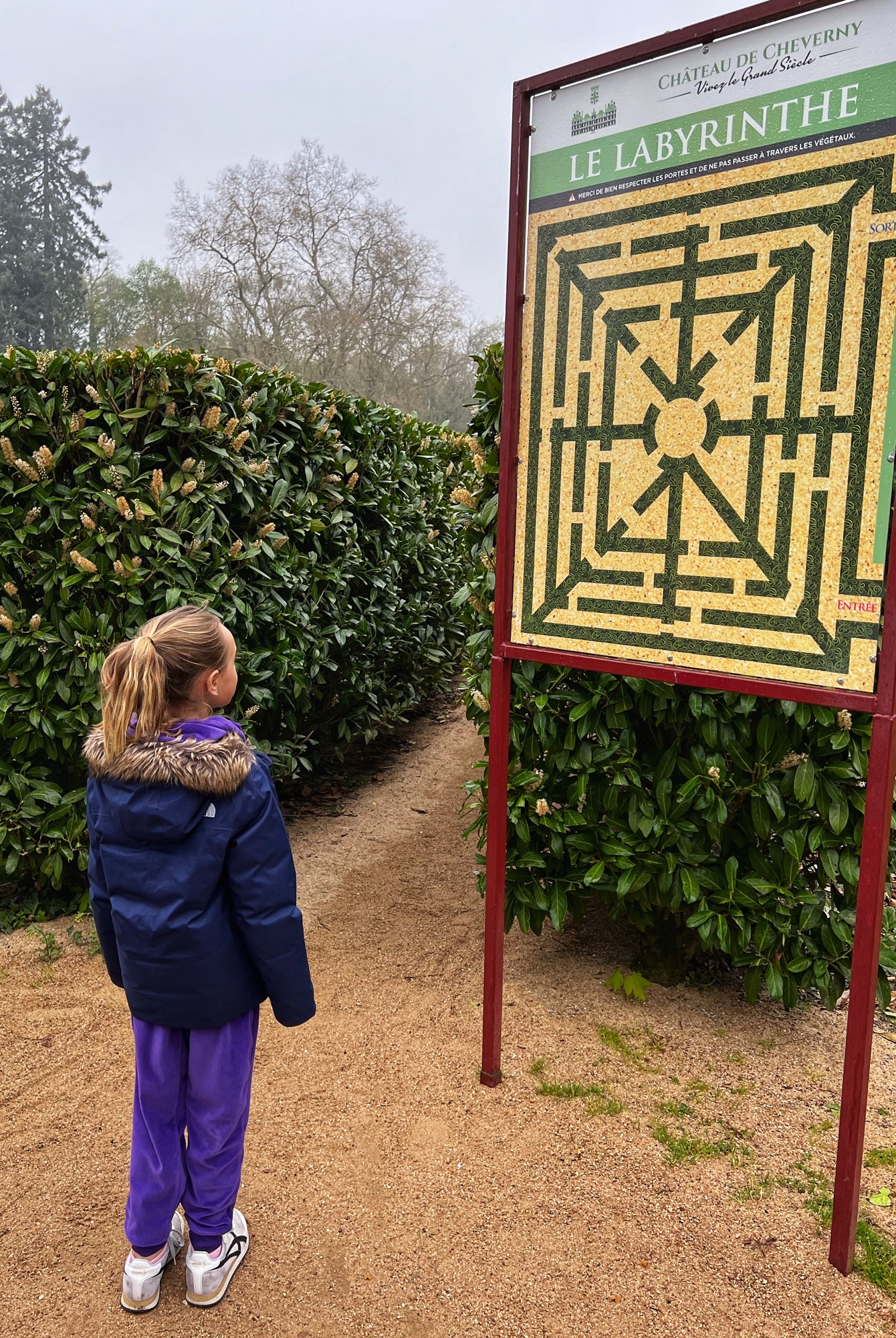
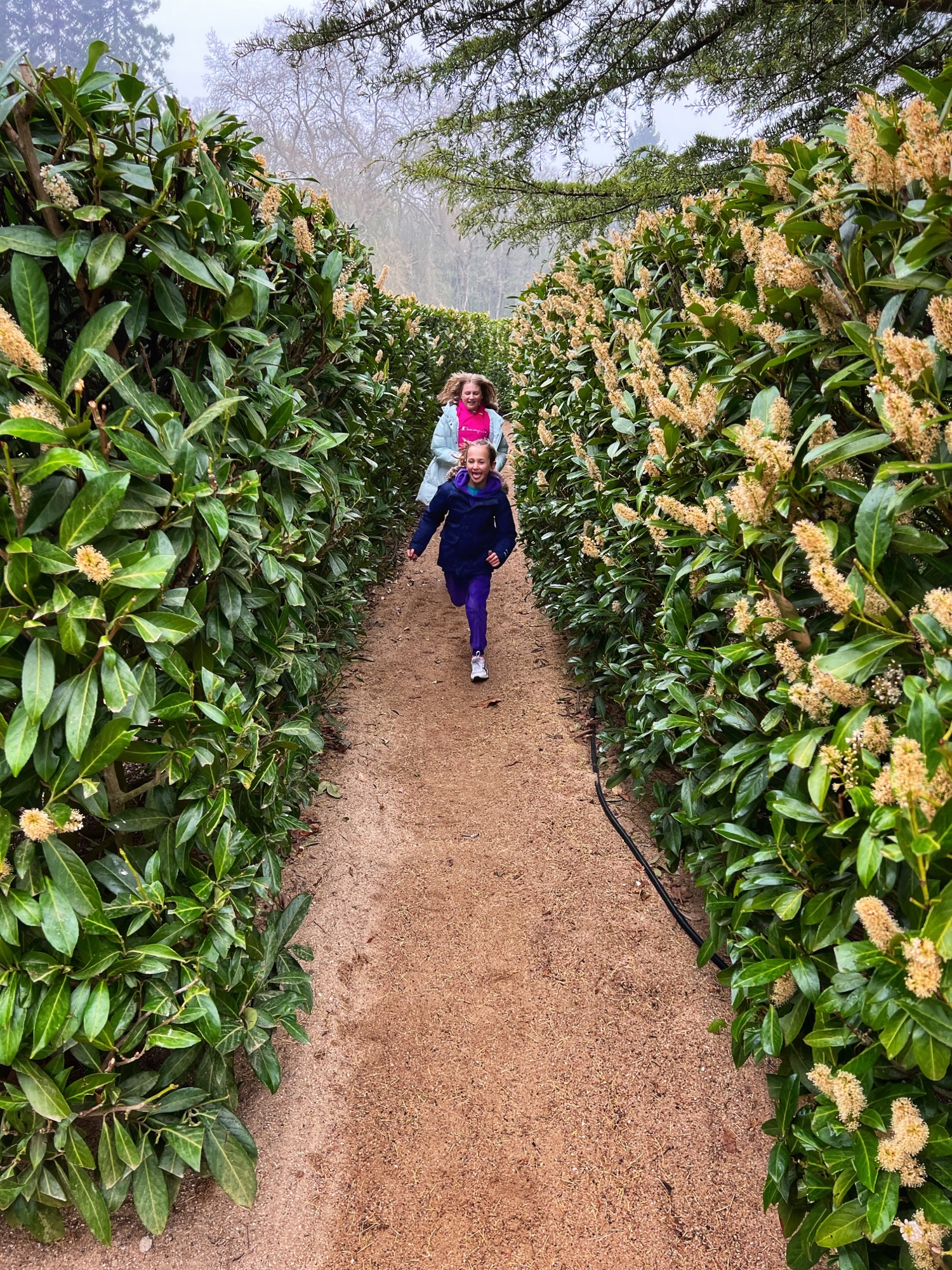
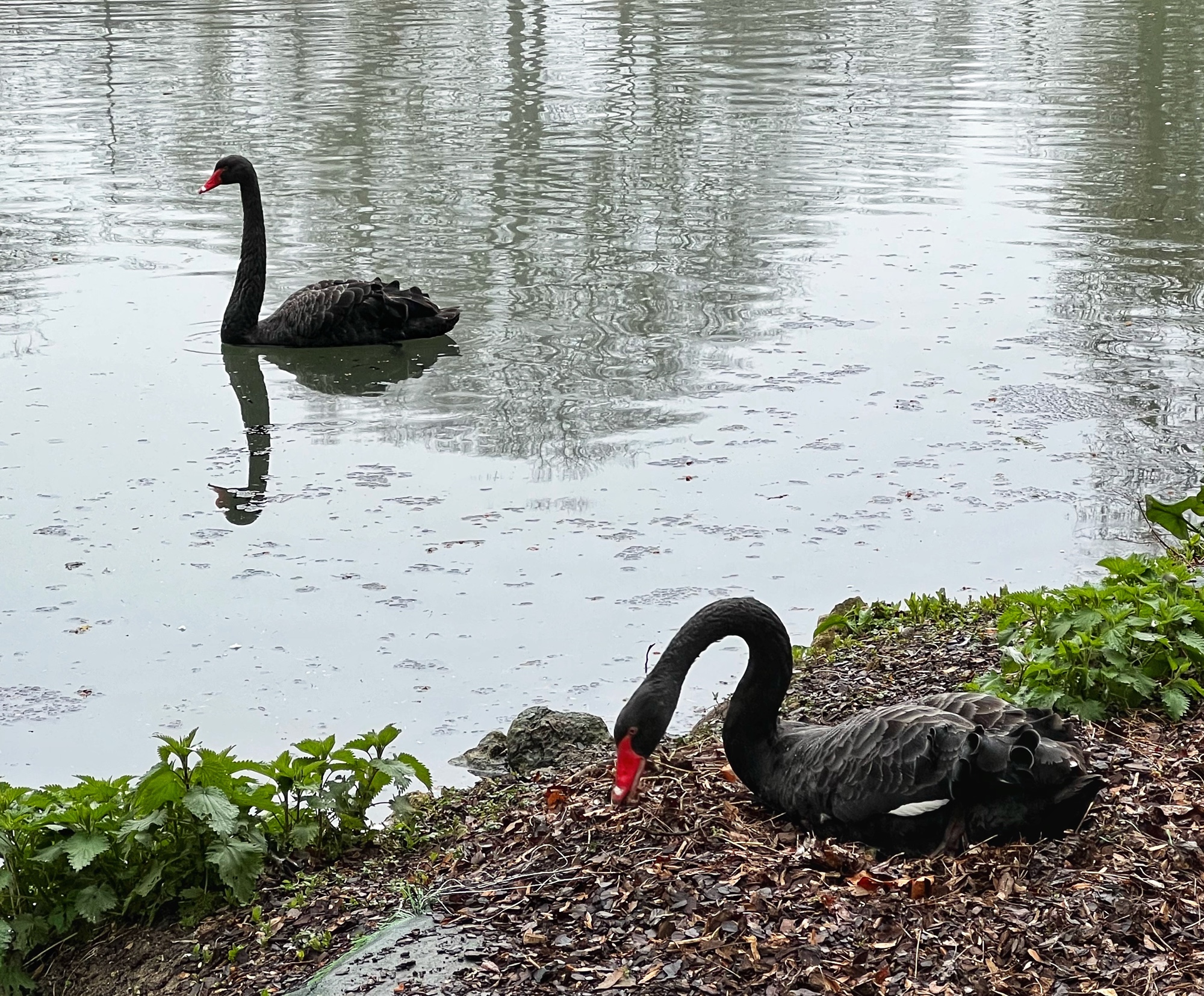
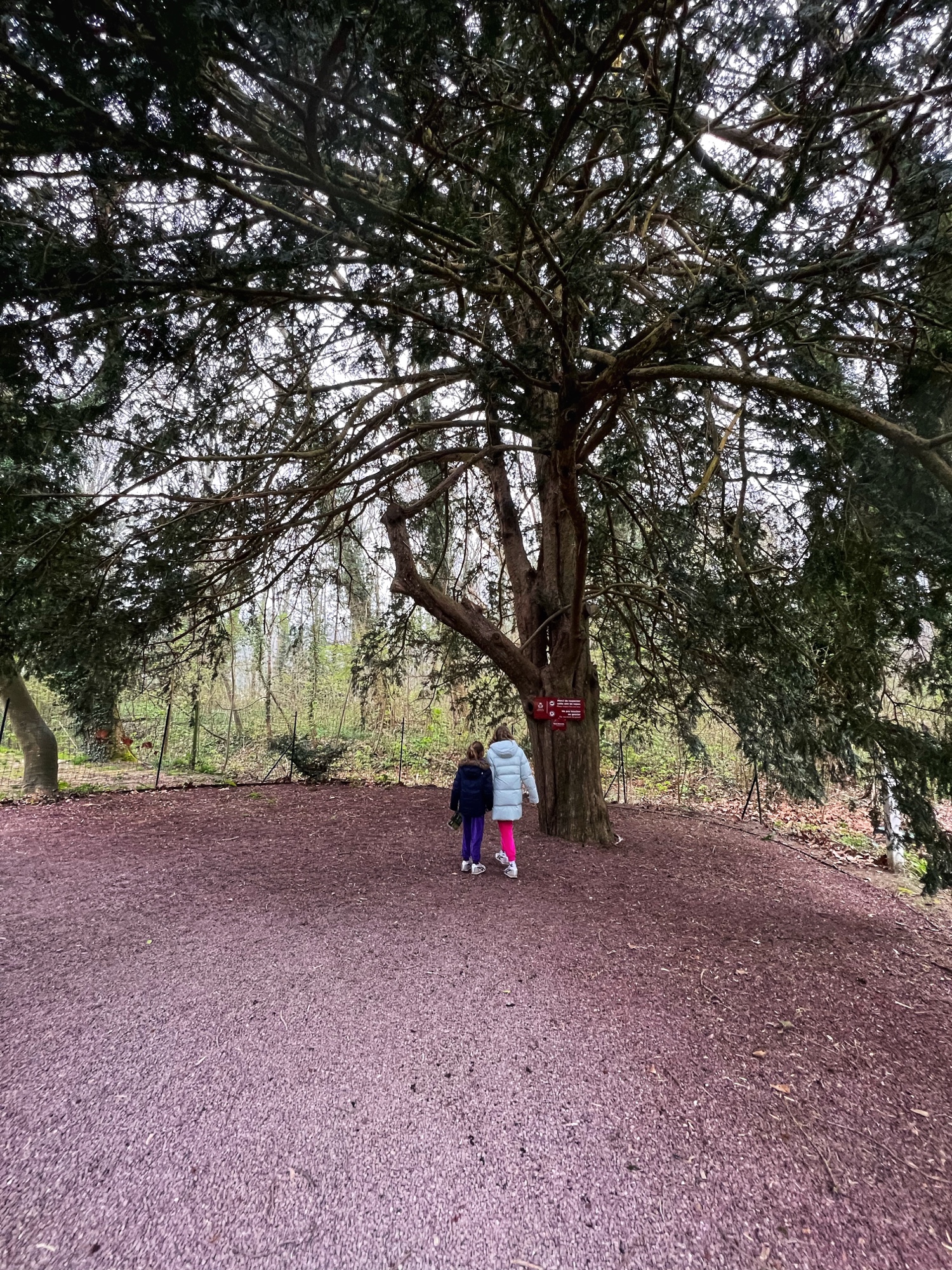
Next we moved along the gardens and “extraordinary trees” towards the Orangerie (not open when we went, but looks beautiful and is famous for its ice cream) and then the maze. I will admit I tried this labyrinth and didn’t have any luck! The girls eventually made it through and it helped warm them up to race and run through the very high hedges. Also here at Cheverny I saw my first black swans! Many castles and places in Europe have swans but I have never seen black ones…and they were nesting! So cool. Next to the pond and along the trails is an erotic “love garden” with various statues of lovers.
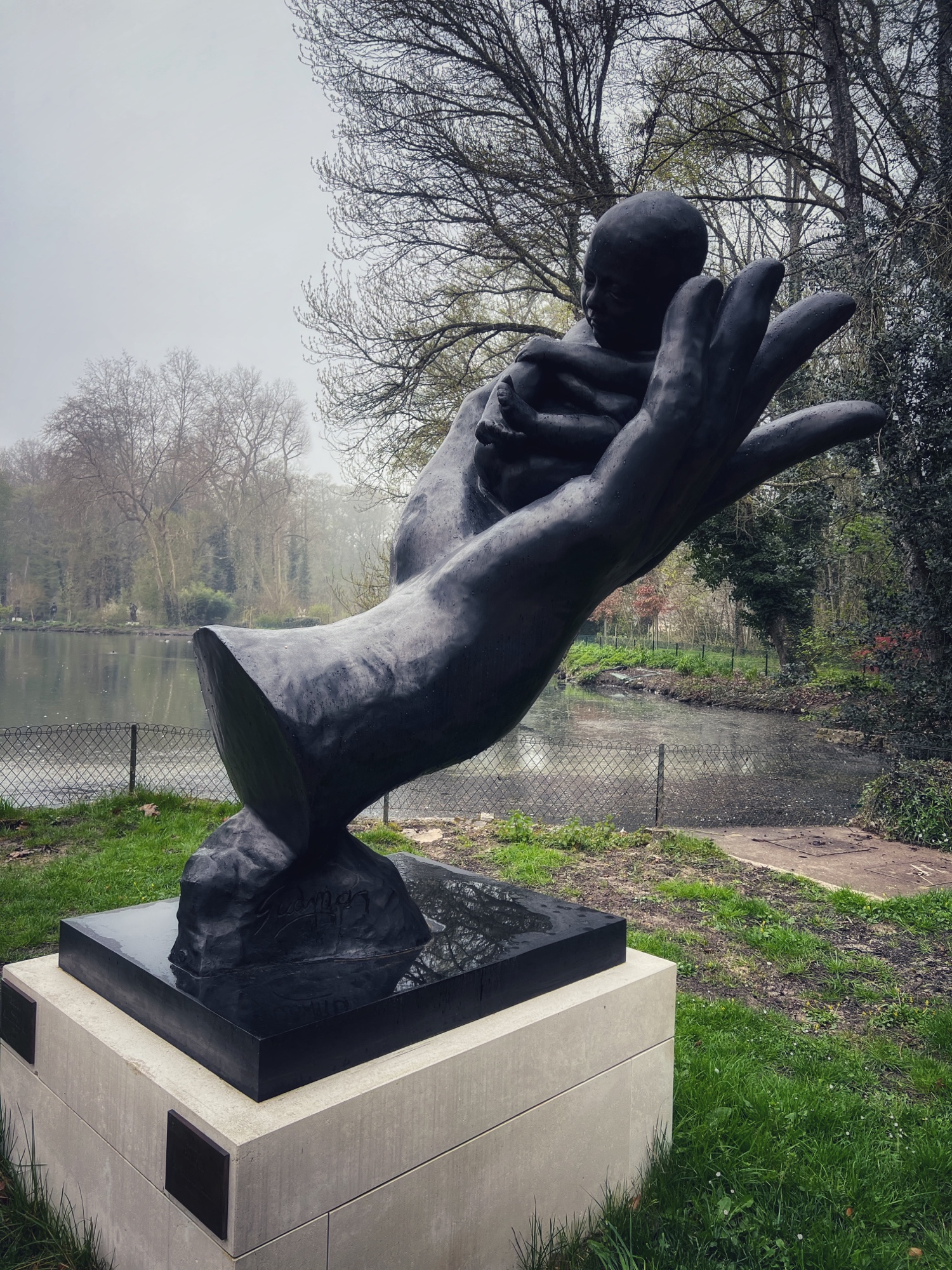
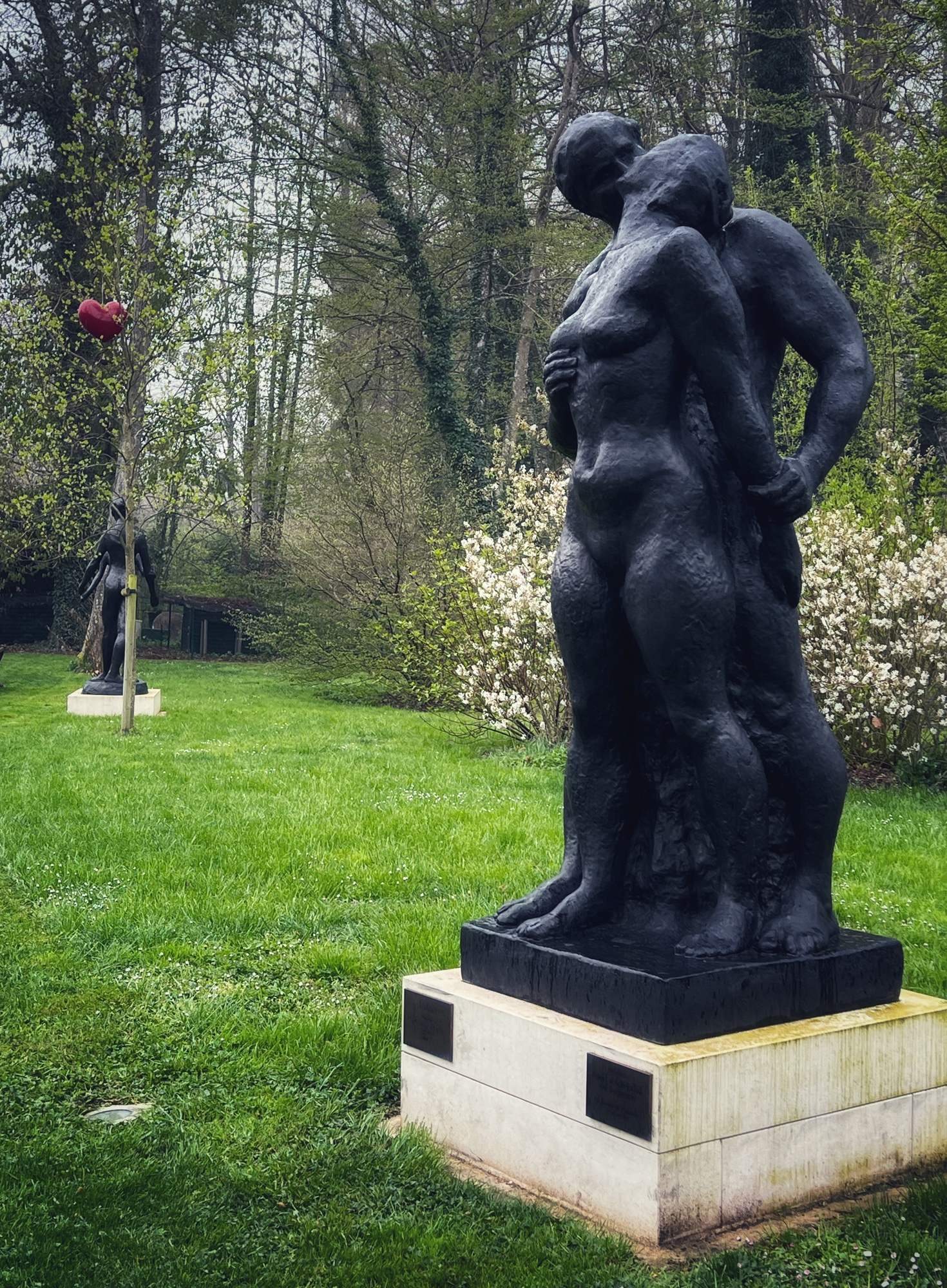
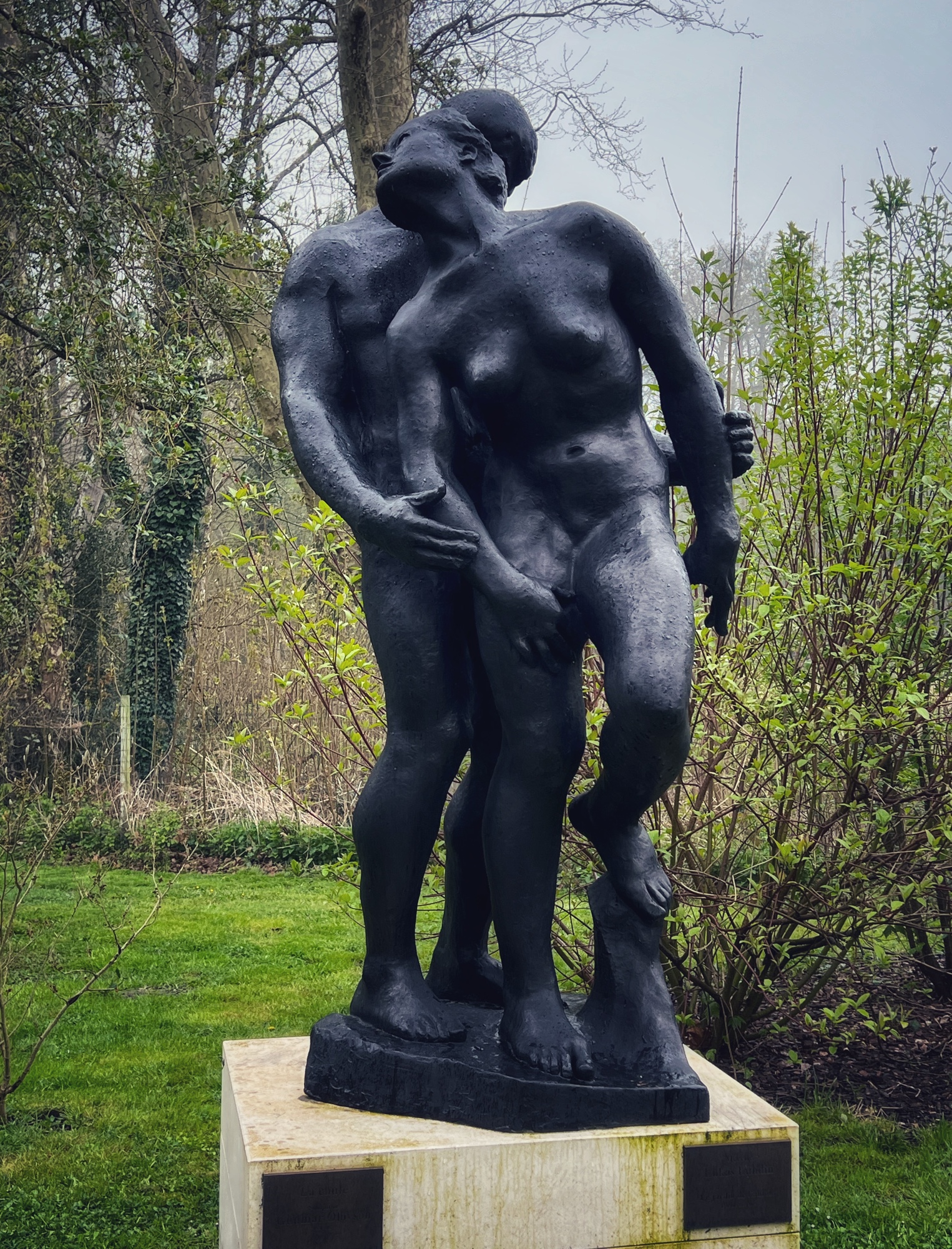
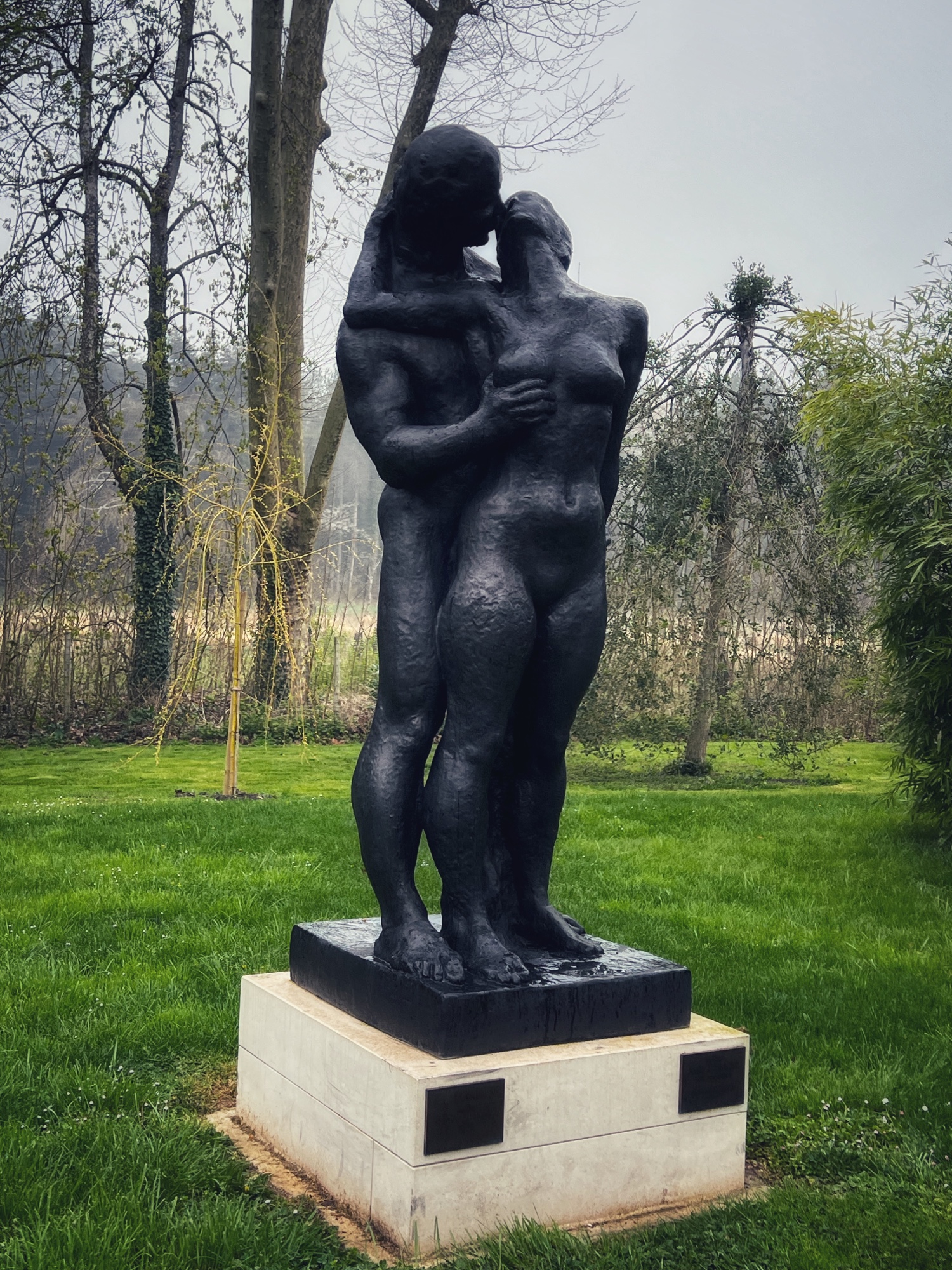
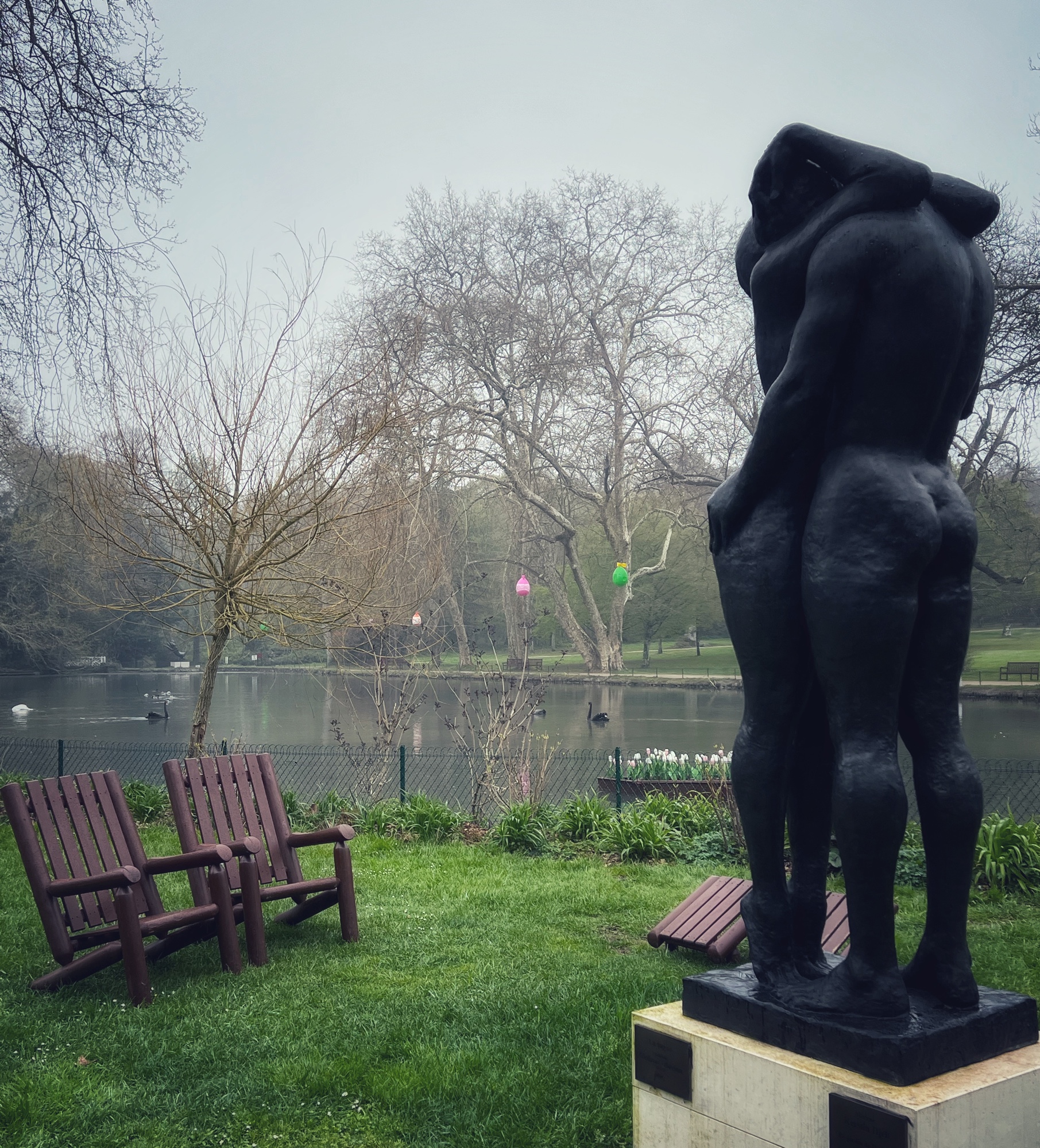
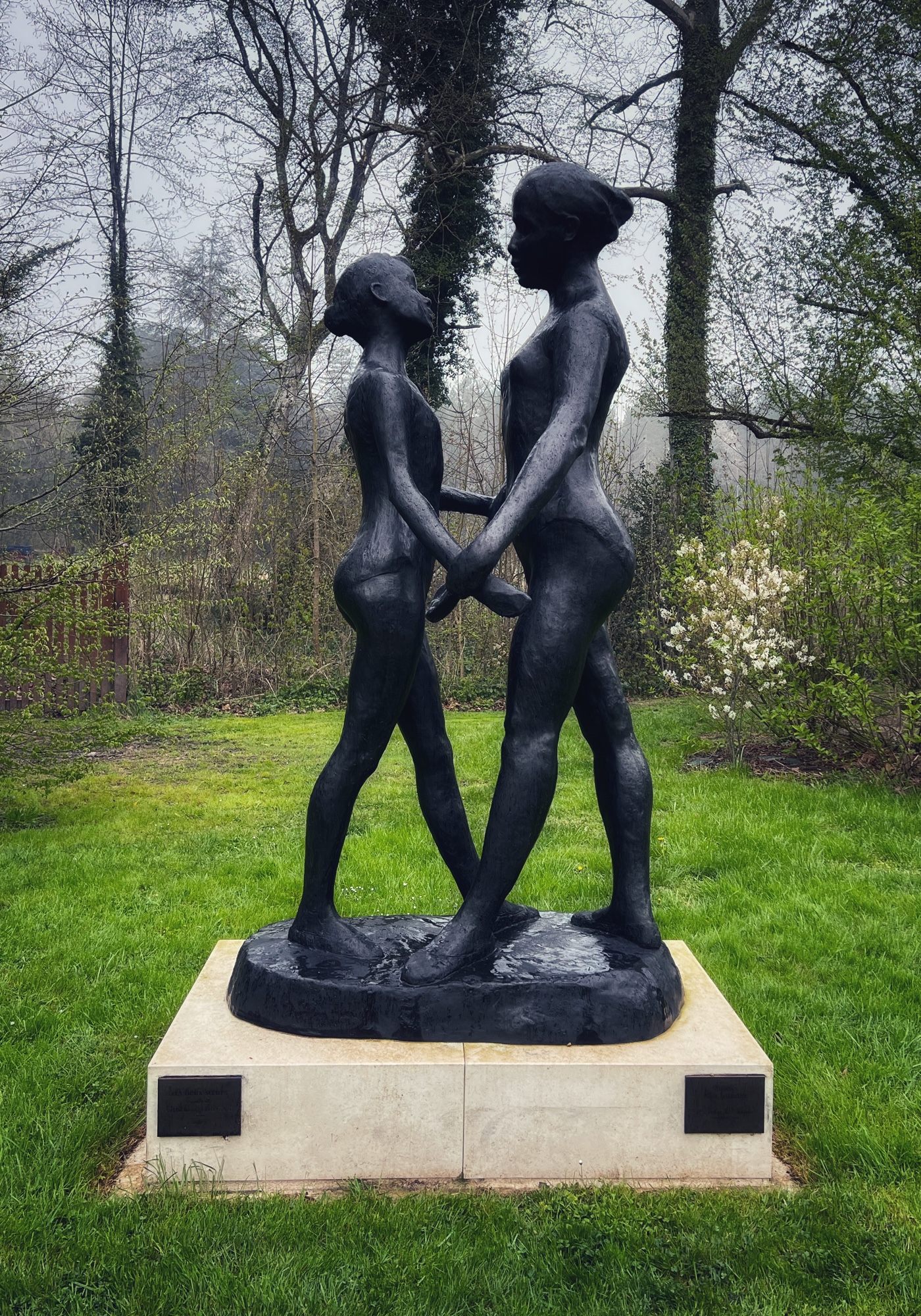

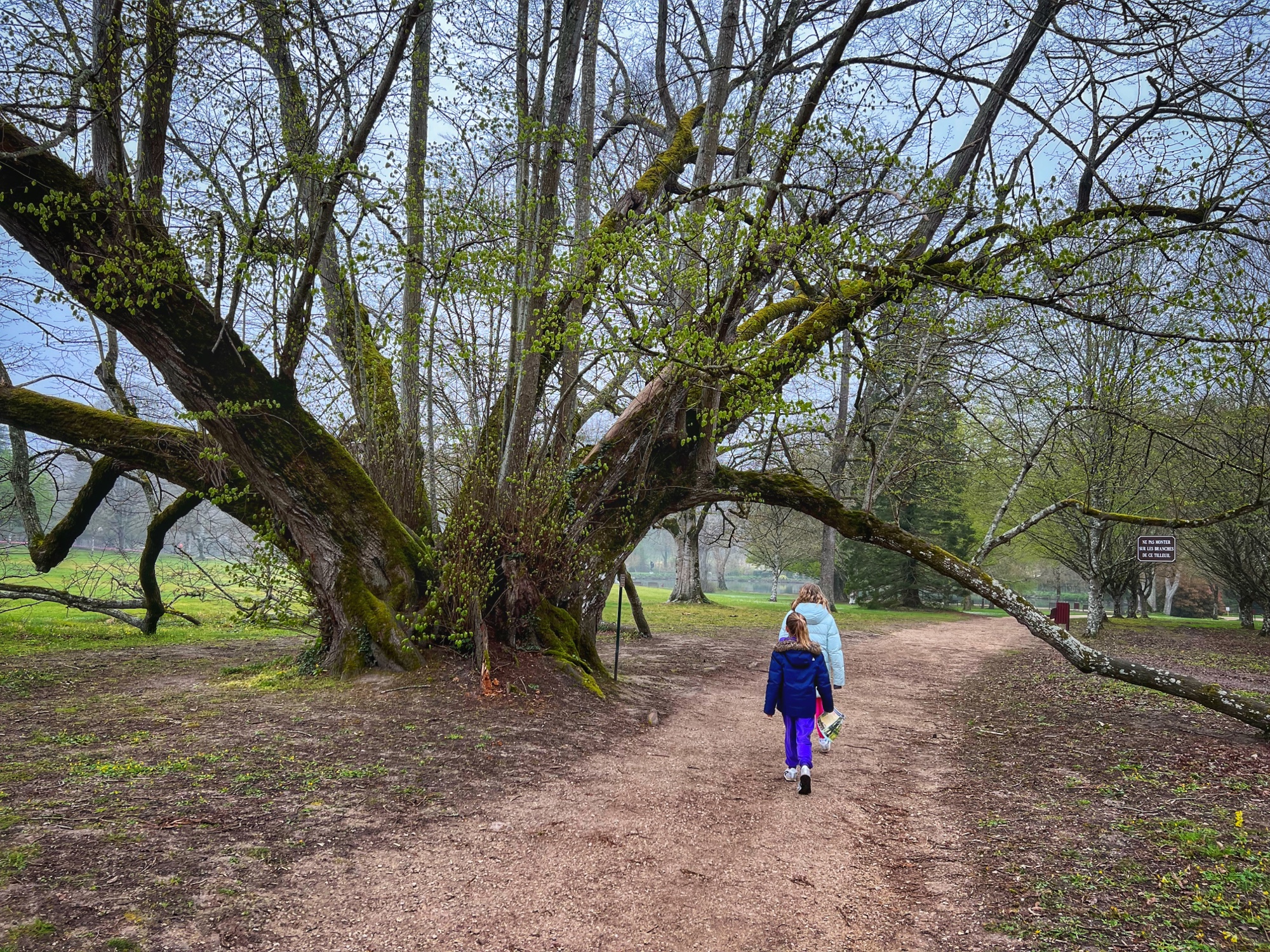
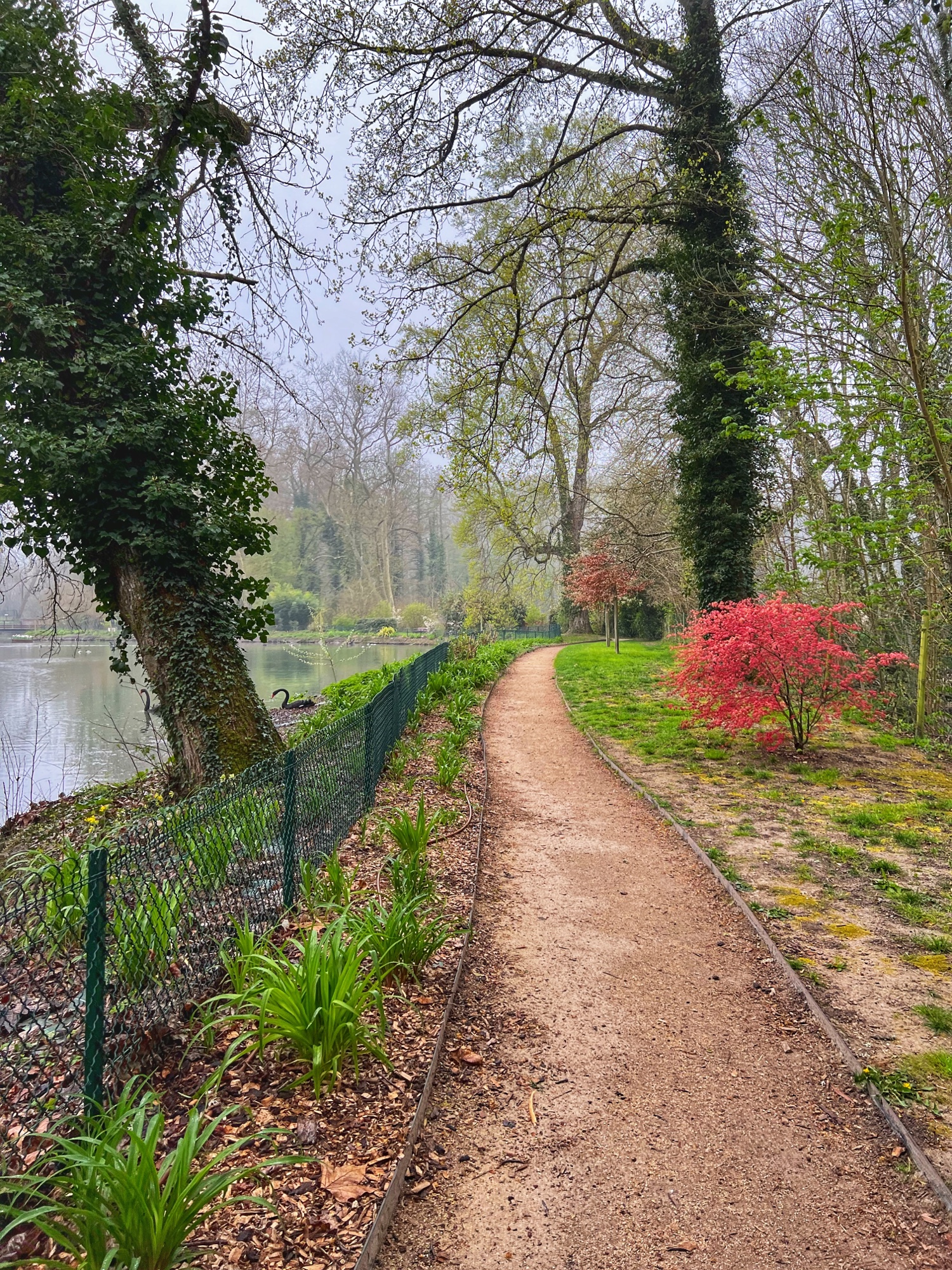
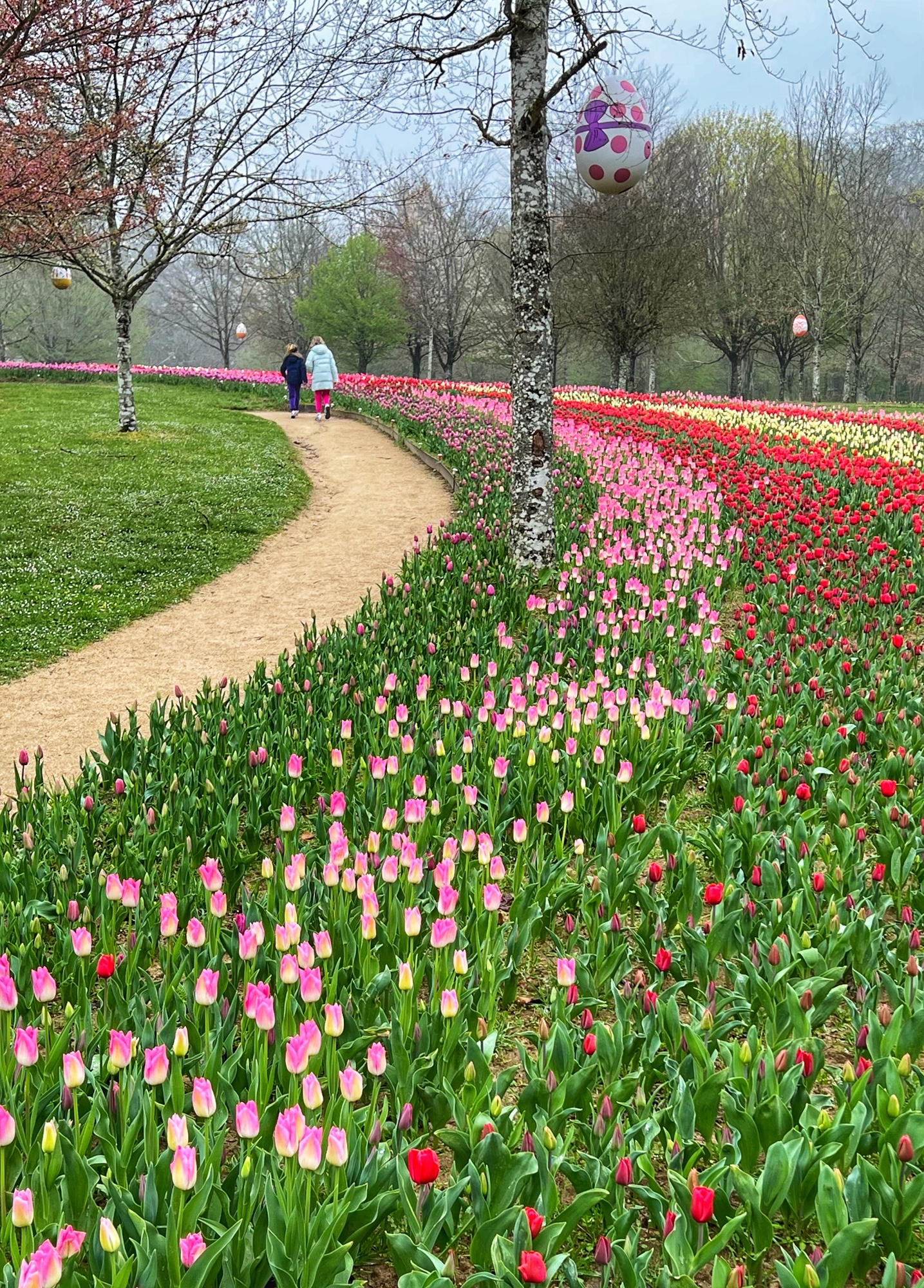
The Jardin d’Amour pops you out right at the amazing tulip rows lining long paths that head back towards the château. It was early April and they were already in full bloom!
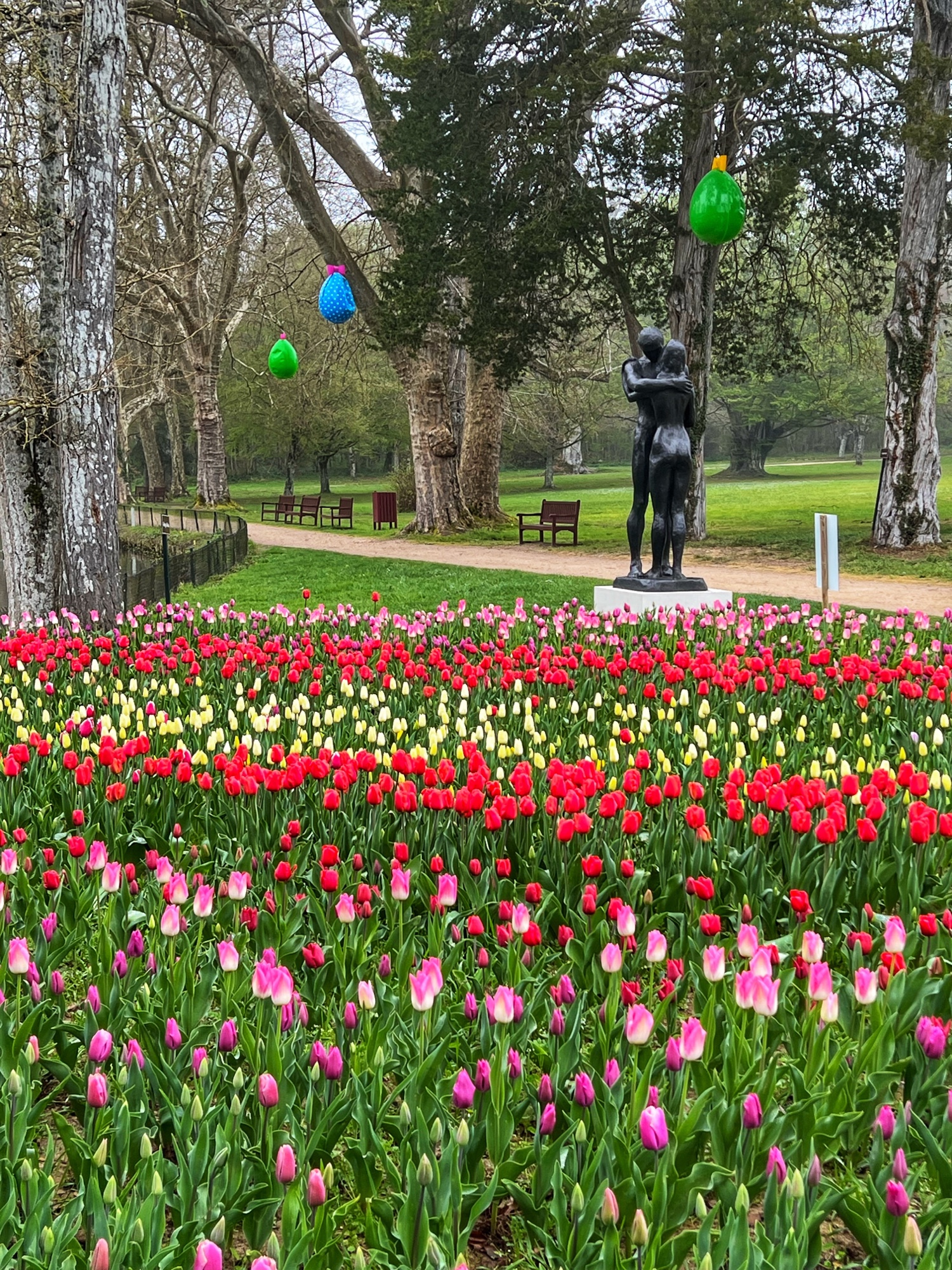
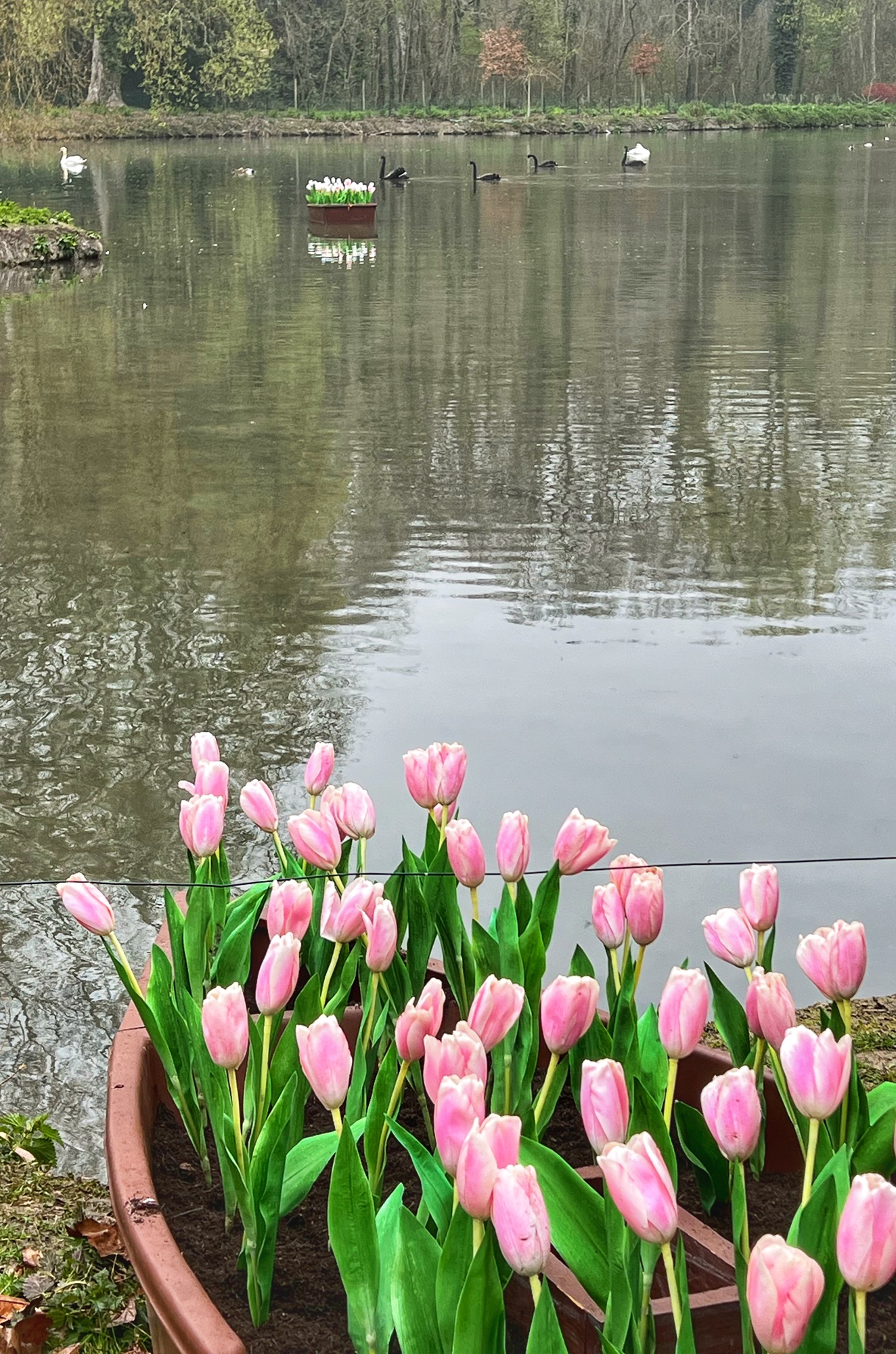

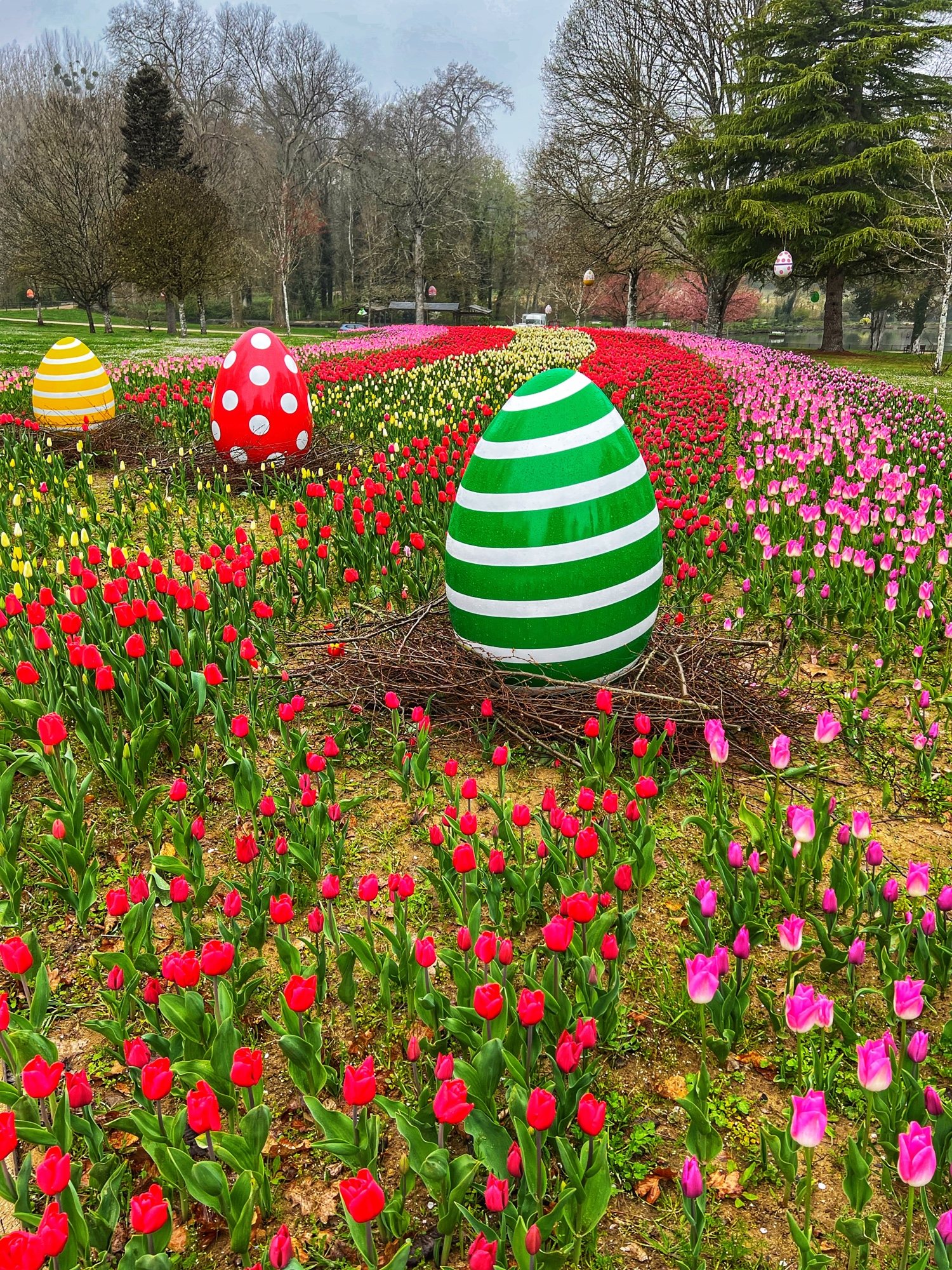
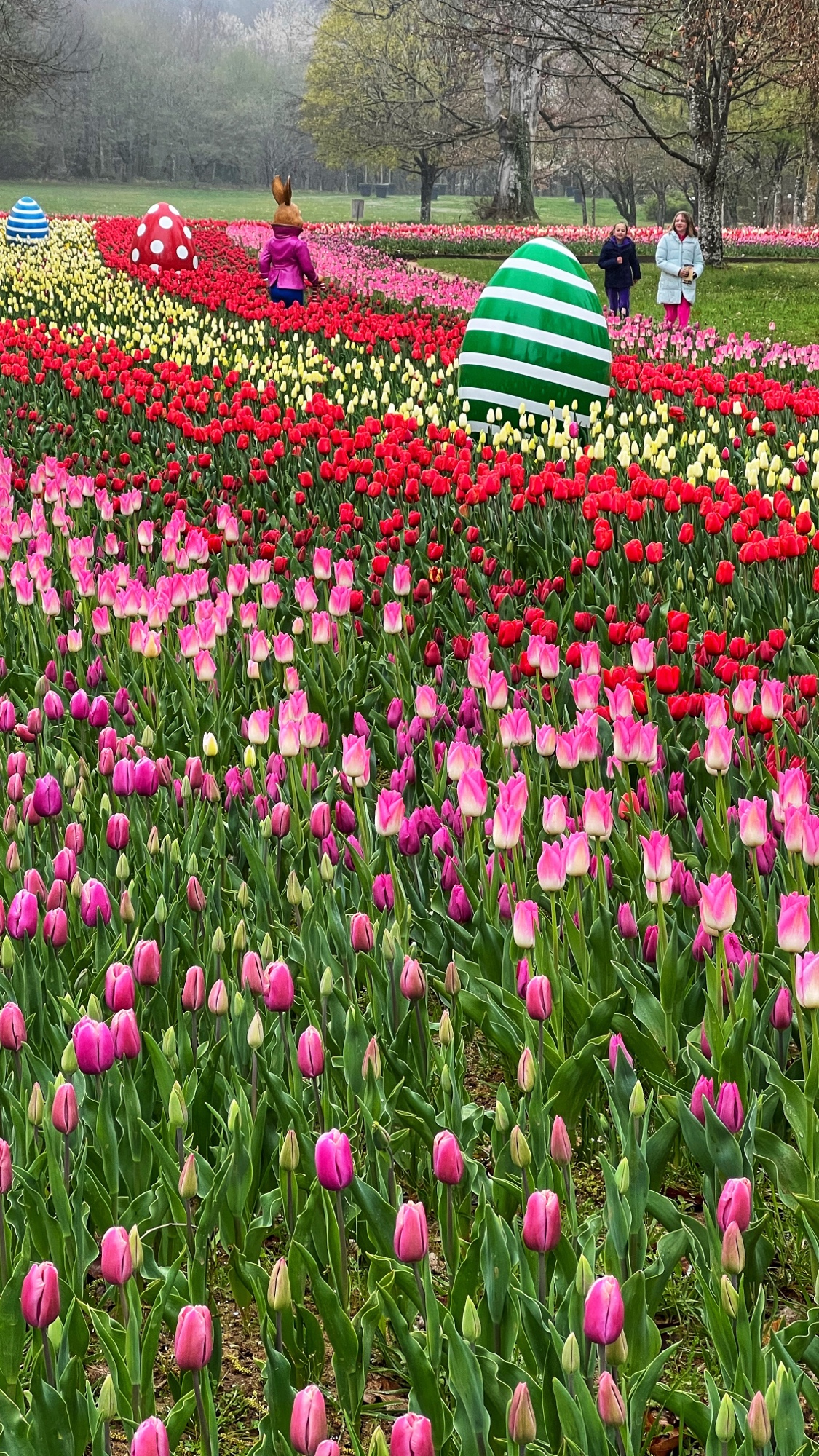
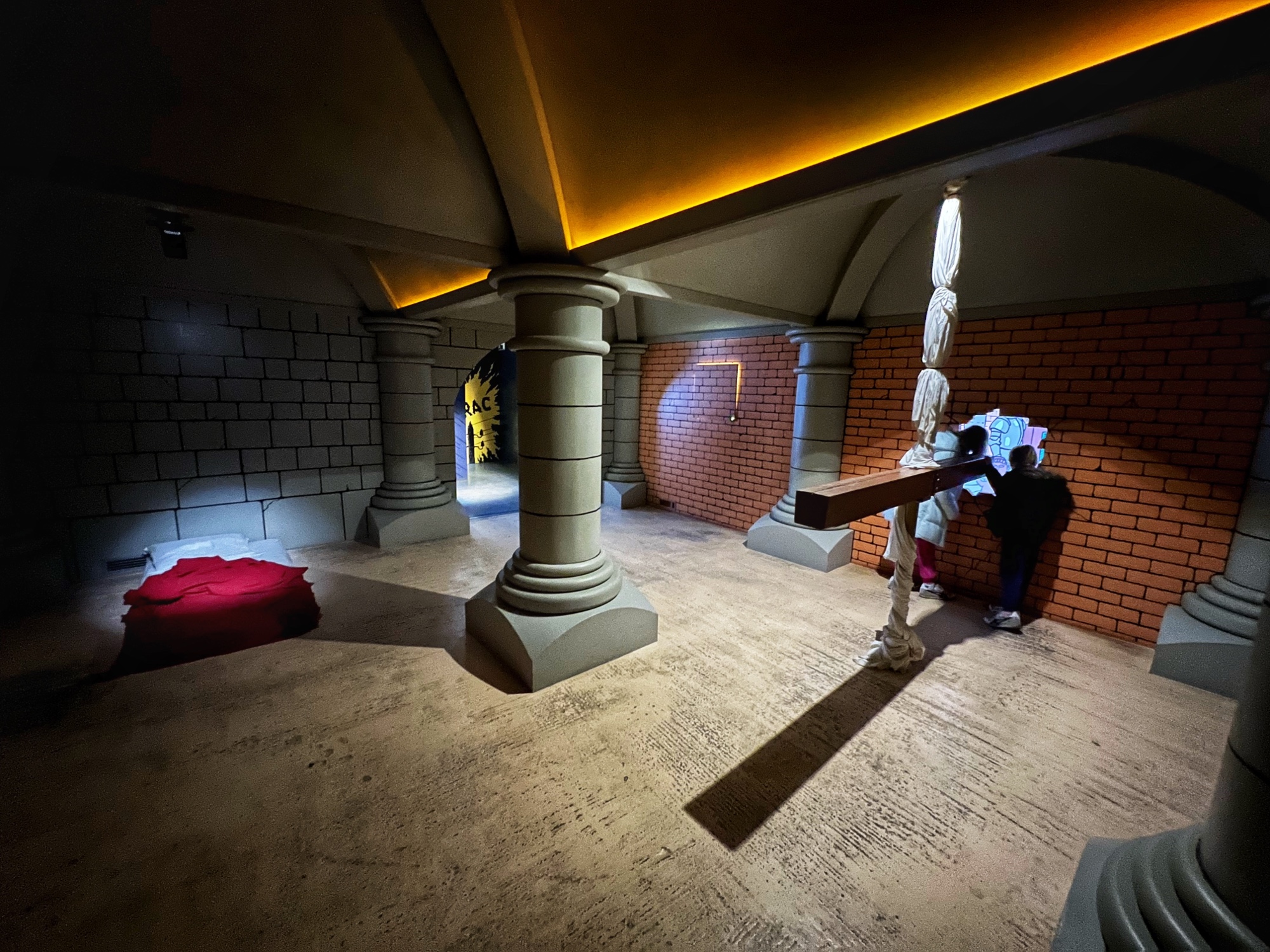
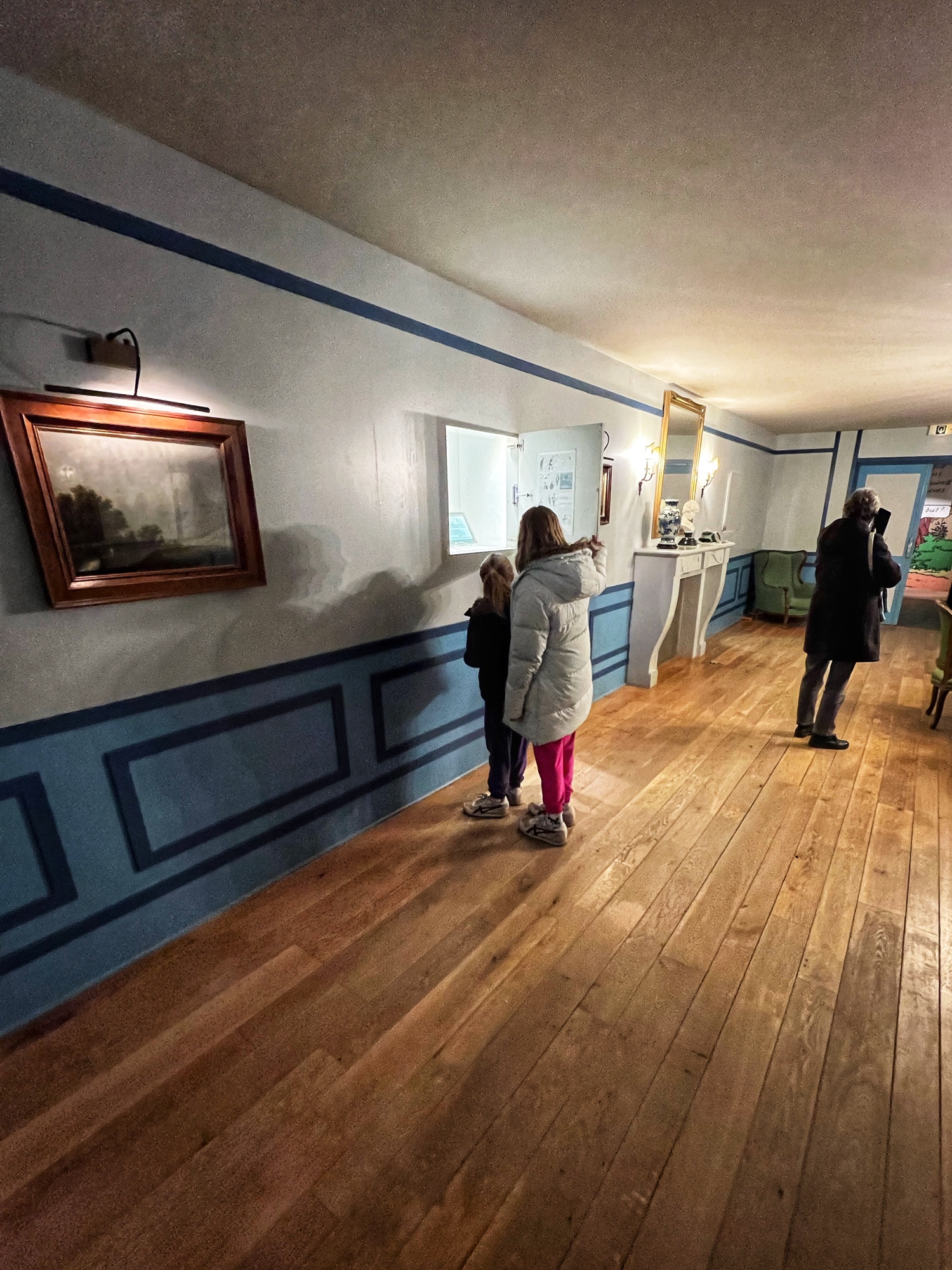
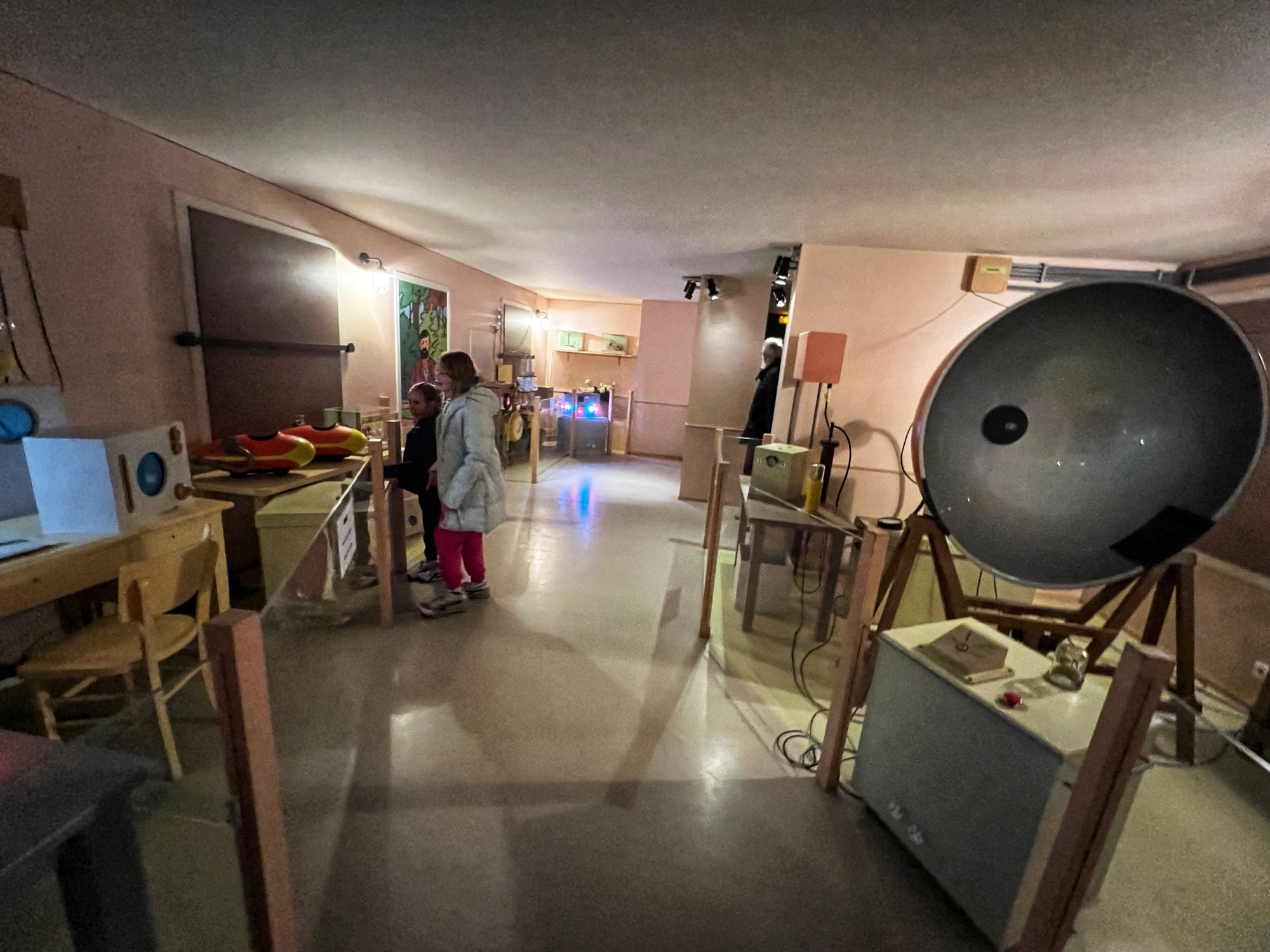
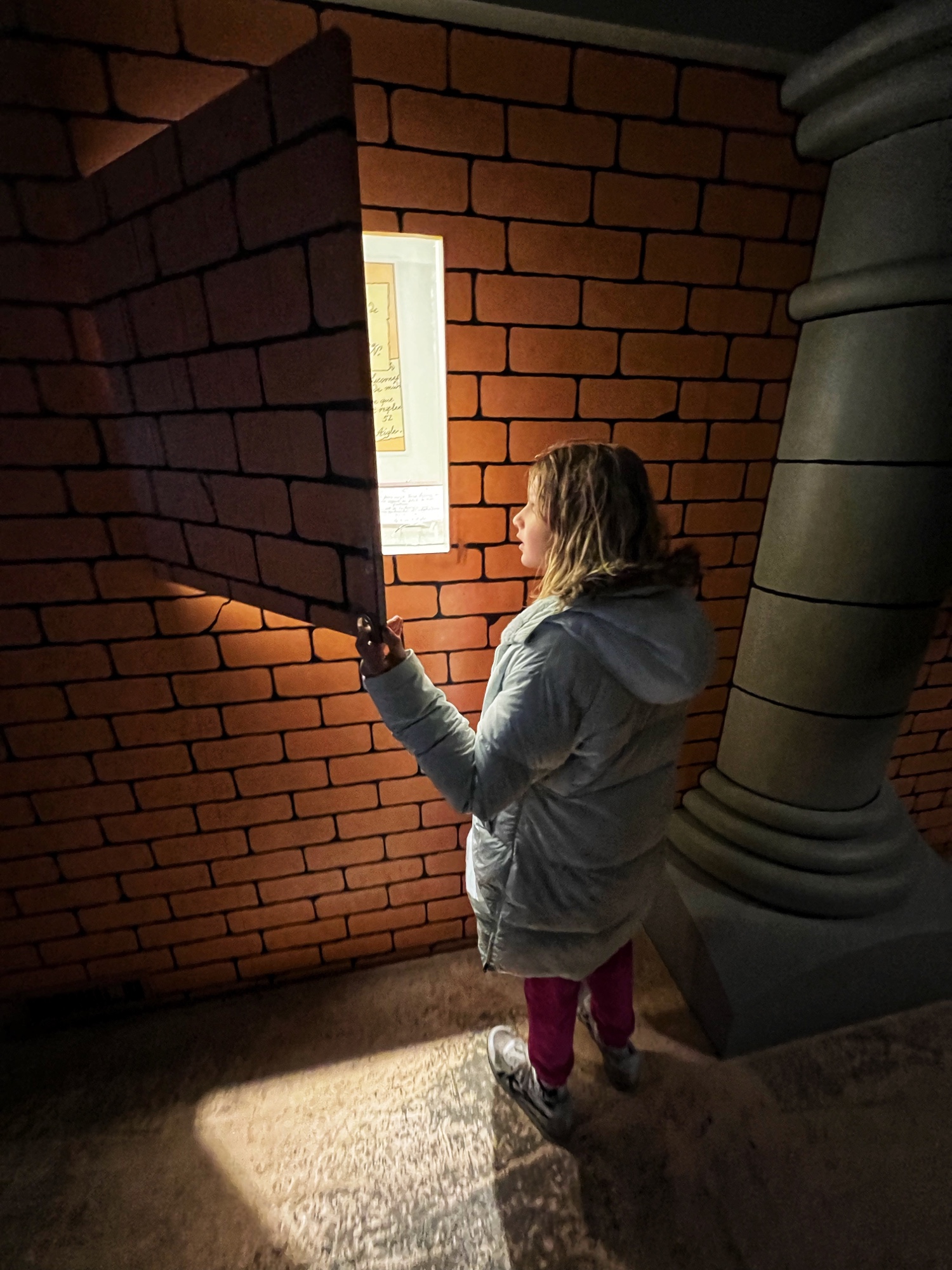
As we were winding down our visit we went into the Tin Tin exhibit called “The Secrets of Moulinsart.” It was in French, but the girls still enjoyed it. This is one of those things that’s great for a rainy day (like when we visited) but not necessarily essential viewing unless you know of and are a fan of the cartoon TinTin. If you plan to go, make sure to watch a few episodes before visiting the exhibit.

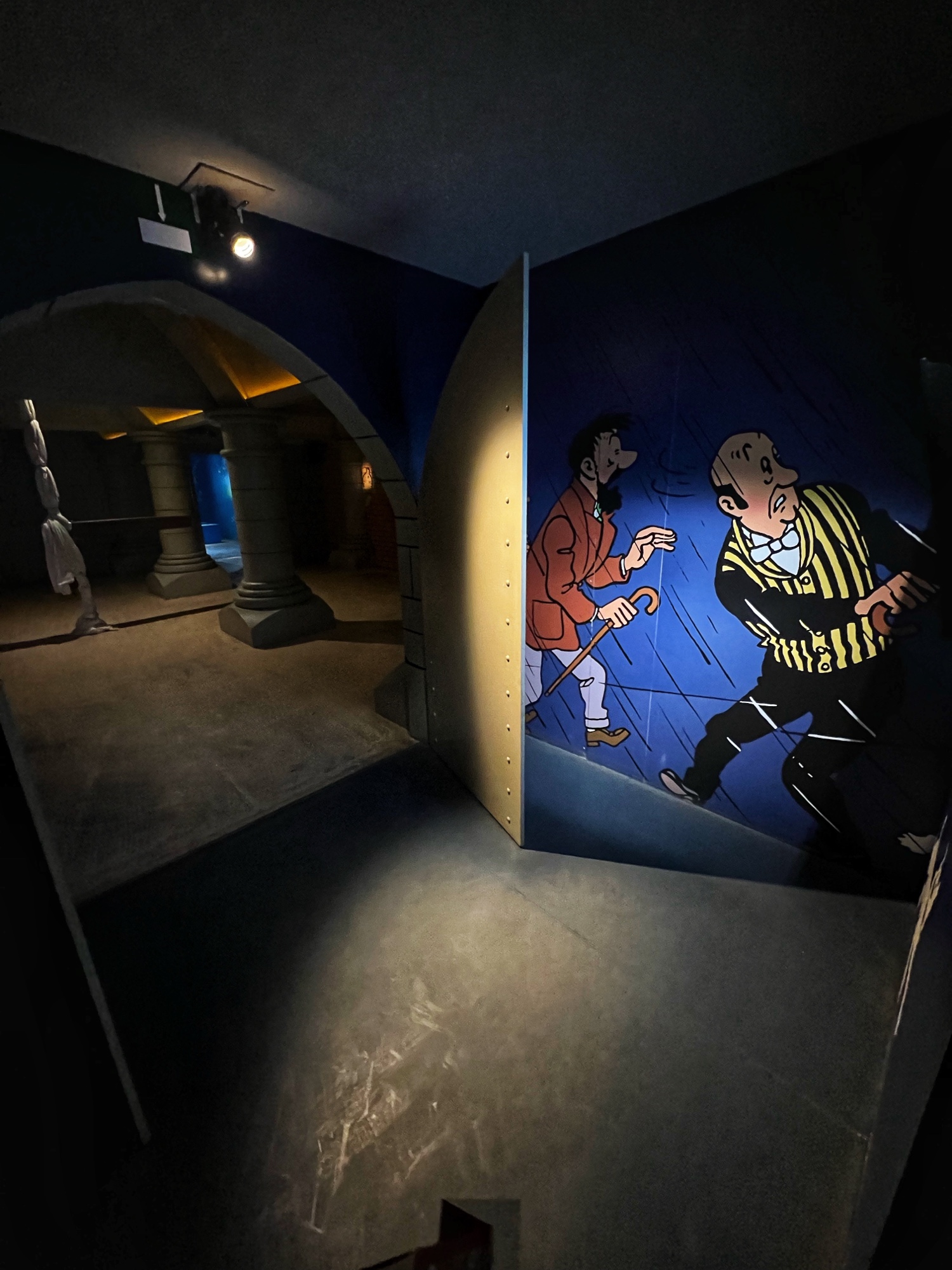
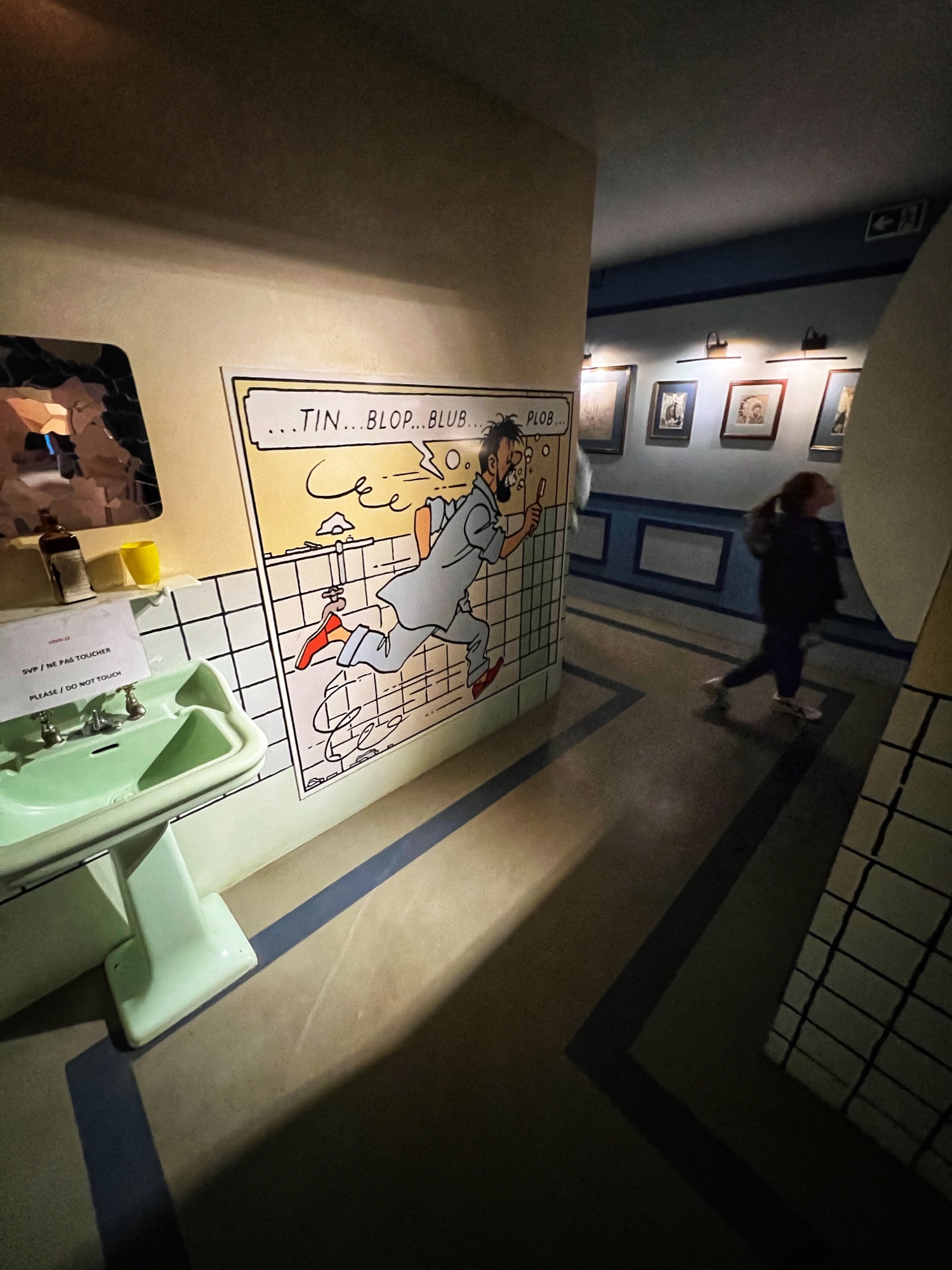
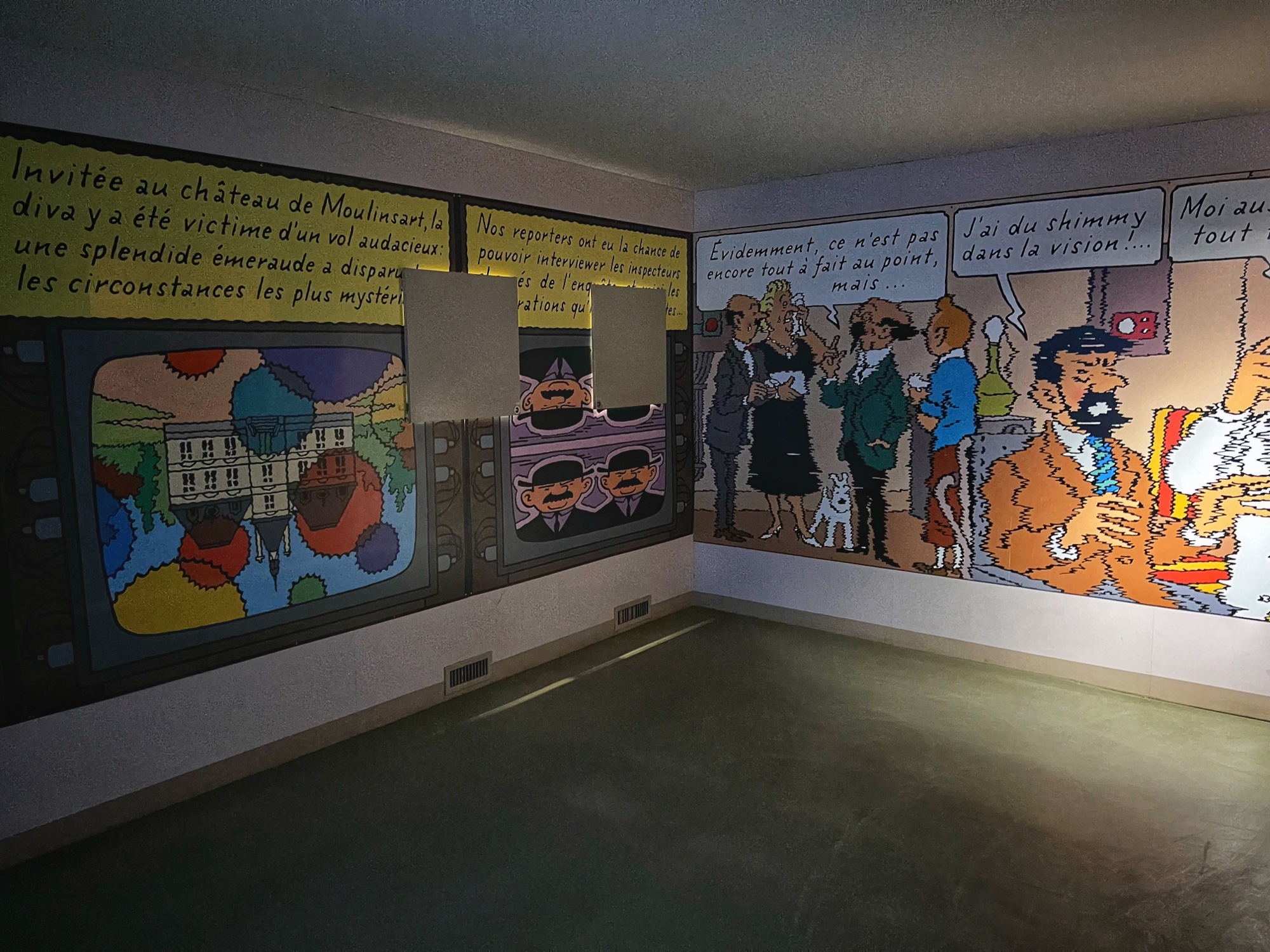

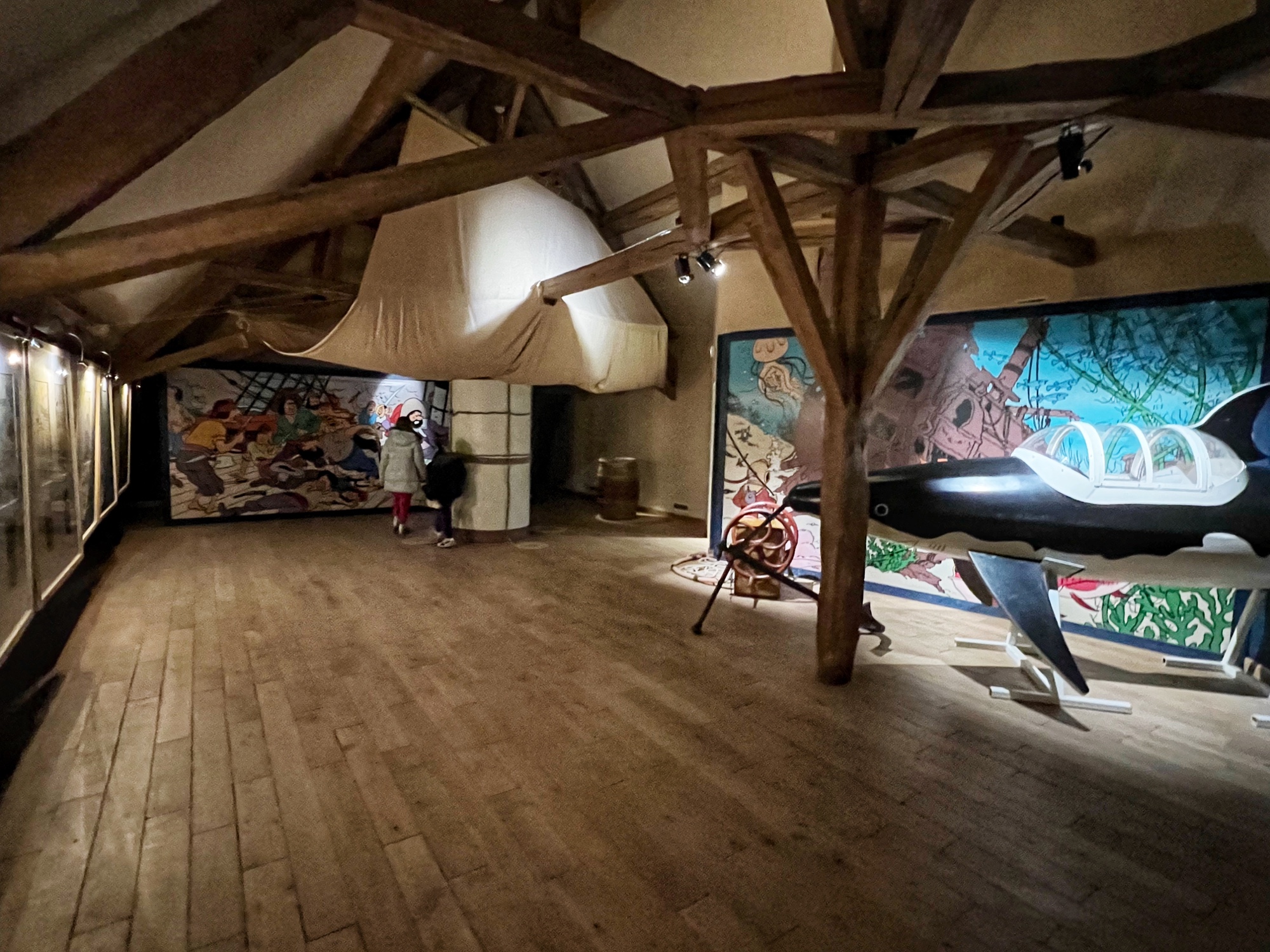

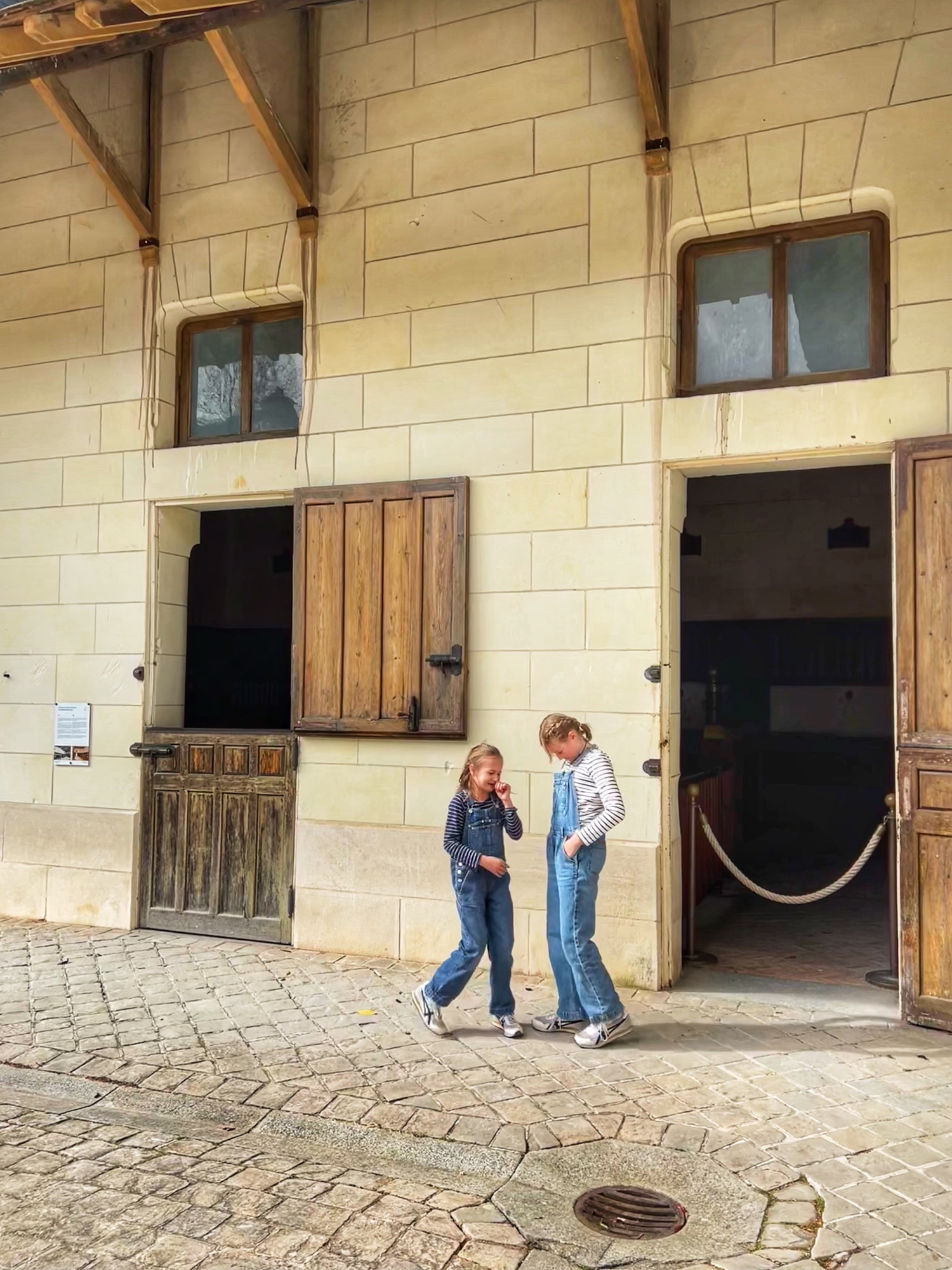
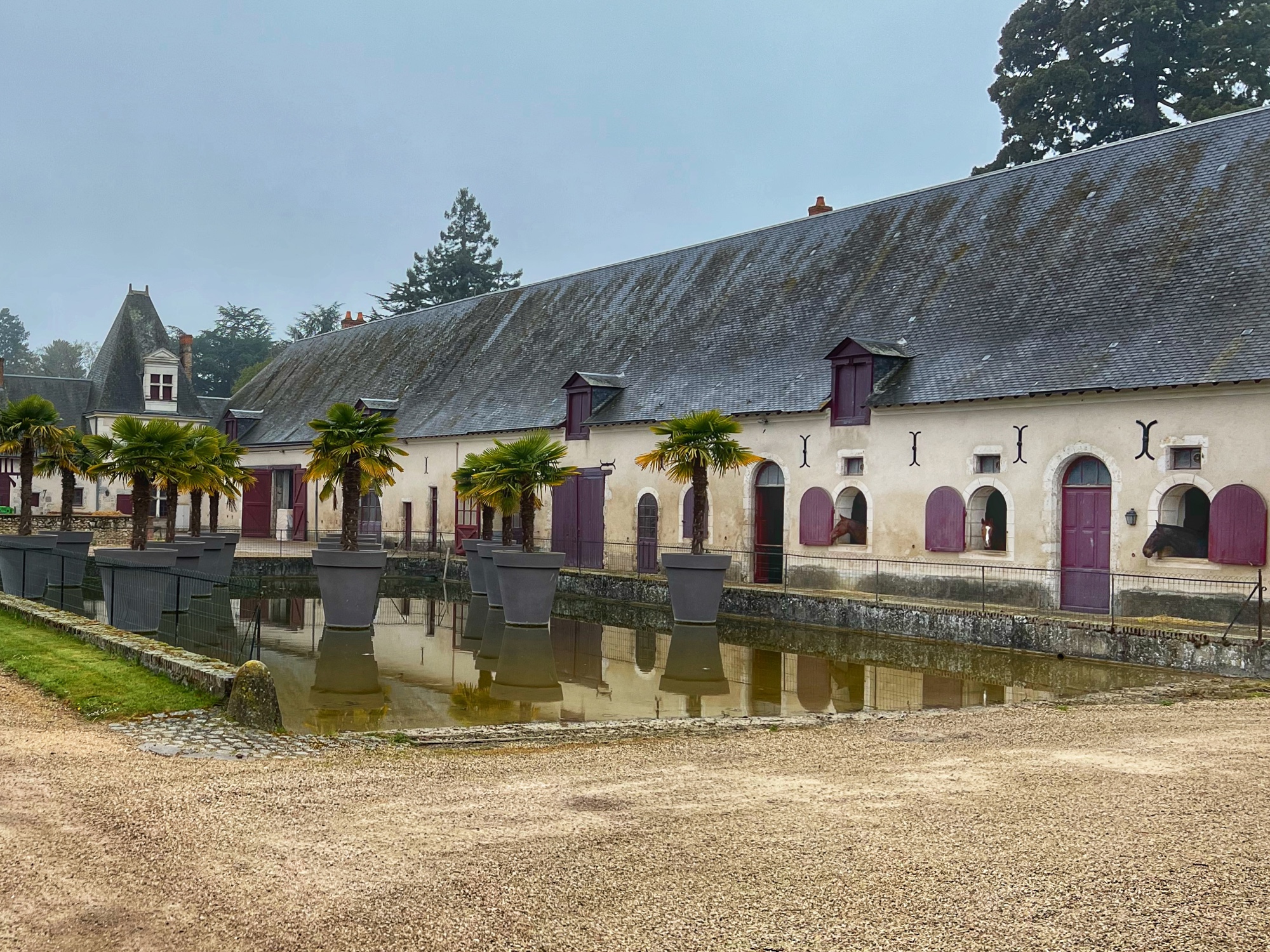
Finally, there are horse stables (you can’t enter to see the horses but they are beautiful) and one of the best gift shops I have seen at a castle. Keep an eye out for events here as they host many throughout the year. Learn more on their website here.
For More…
Further Reading:
- To learn about the secrets and scandals of four of these châteaus, read this article.
- Sleep in a Château: Top 5 Loire Valley Château-Hotels.
- Loire Valley Wine guide here.
Other Castles of Interest
- Château d’Angers
- Notable place: Dolmen de la Bajoulière (new stoneage Neolithic monument)
- Medieval castles near Nantes here.
- Castle of the Dukes of Brittany: Château des ducs de Bretagne
- Da Vinci lovers must visit Clos Lucé.
- Out of the way is Forteresse Royale de Chinon that would be great to combine with nearby Château du Rivau.
- The fortress Donjon de Montbazon
- The chateaux of Langeais, l’Islette, Gizeux, Champchevrier, Montrésor, Montpoupon, Candé estate, the royal estate of Château Gaillard
NOTE: I am committed to providing free, valuable travel info. If this add-free guide is helpful to you and you’d like to show your appreciation, buy me a coffee! Thank you!
 Home Base Bri
[…] Previous Châteaux of the Loire Valley Search for: […]
LikeLike